How to Unclog Kitchen Sink with Garbage Disposal: Quick and Effective Methods
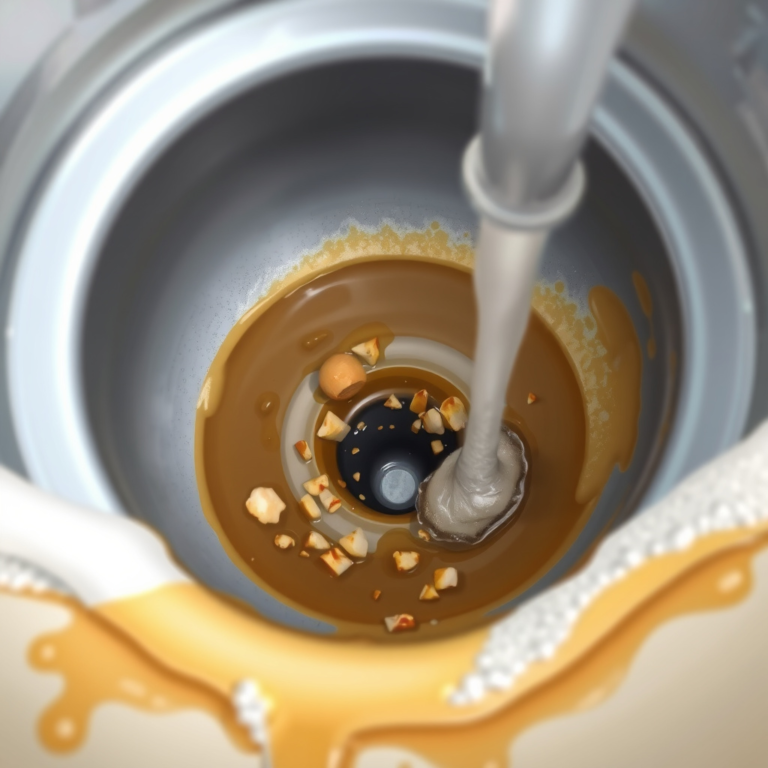
To unclog a kitchen sink with a garbage disposal, start by turning off the disposal and checking for any obvious blockages inside the disposal chamber. Use a flashlight and pliers or tongs to carefully remove trapped debris. Then, reset the disposal unit and test if the clog clears by running cold water and briefly turning on the disposal.
Clogs in kitchen sinks connected to garbage disposals are often caused by food particles, grease buildup, or foreign objects lodged inside the disposal or pipes. Clearing these blockages restores drainage function and prevents damage to the disposal motor. Immediate action avoids costly plumbing repairs and unpleasant odors.
This article walks you through multiple practical methods to unclog your kitchen sink with a garbage disposal, covering manual clog removal, natural cleaning solutions, tools like plungers or wrenches, and when to involve professional help. It also provides tips for ongoing maintenance to minimize future clogs.
Understanding the Common Causes of Kitchen Sink Clogs
Food Waste and Grease Deposits

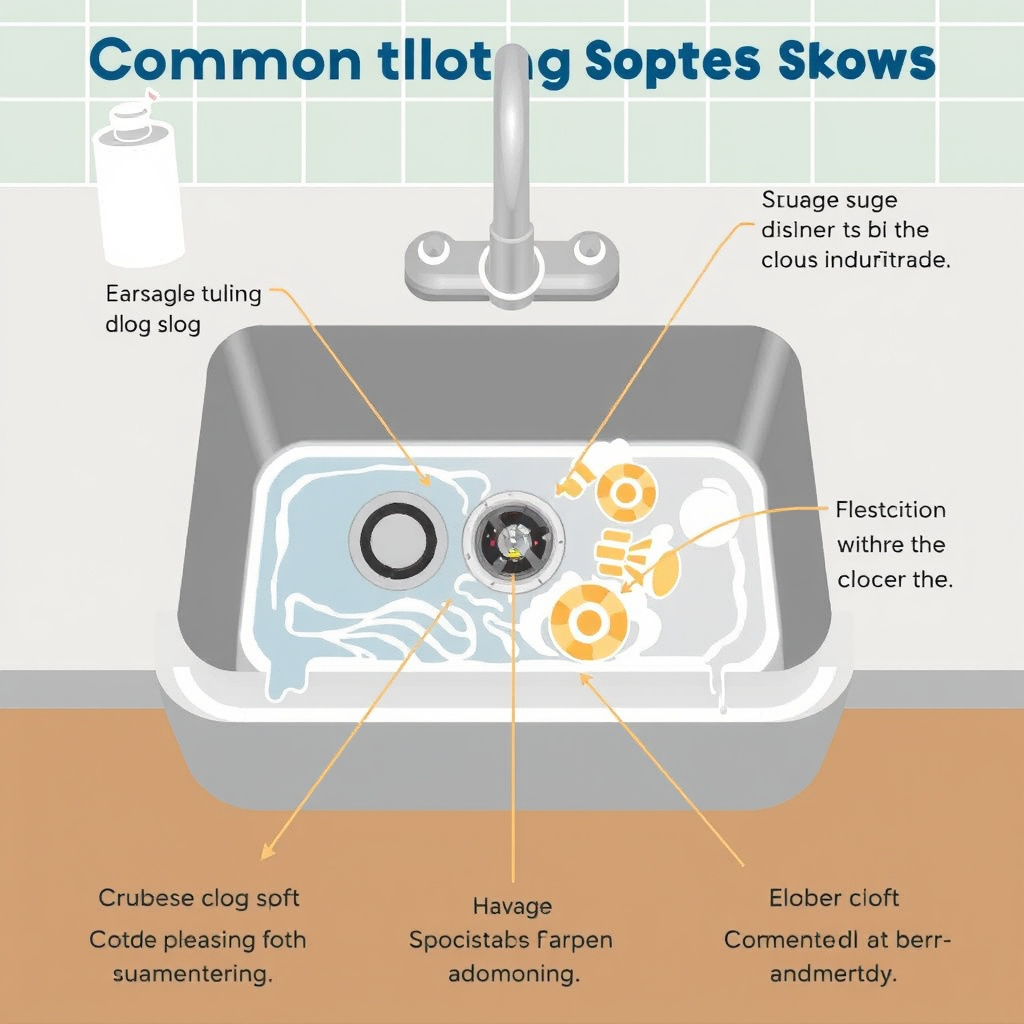
Food waste is the leading cause of clogs in kitchen sinks with garbage disposals. Fibrous materials like celery, onion skins, or coffee grounds can stick and accumulate, forming thick blockages. Additionally, grease and oil poured down the drain cool and solidify, restricting water flow.
Identifying which types of food residues to avoid can prevent many clogs. Grease should never enter the disposal, and tougher scraps should be discarded in the trash rather than the sink.
- Fibrous vegetables and stems
- Coffee grounds and eggshells
- Grease and cooking oils
- Non-food items accidentally dropped
Mechanical and Plumbing Issues
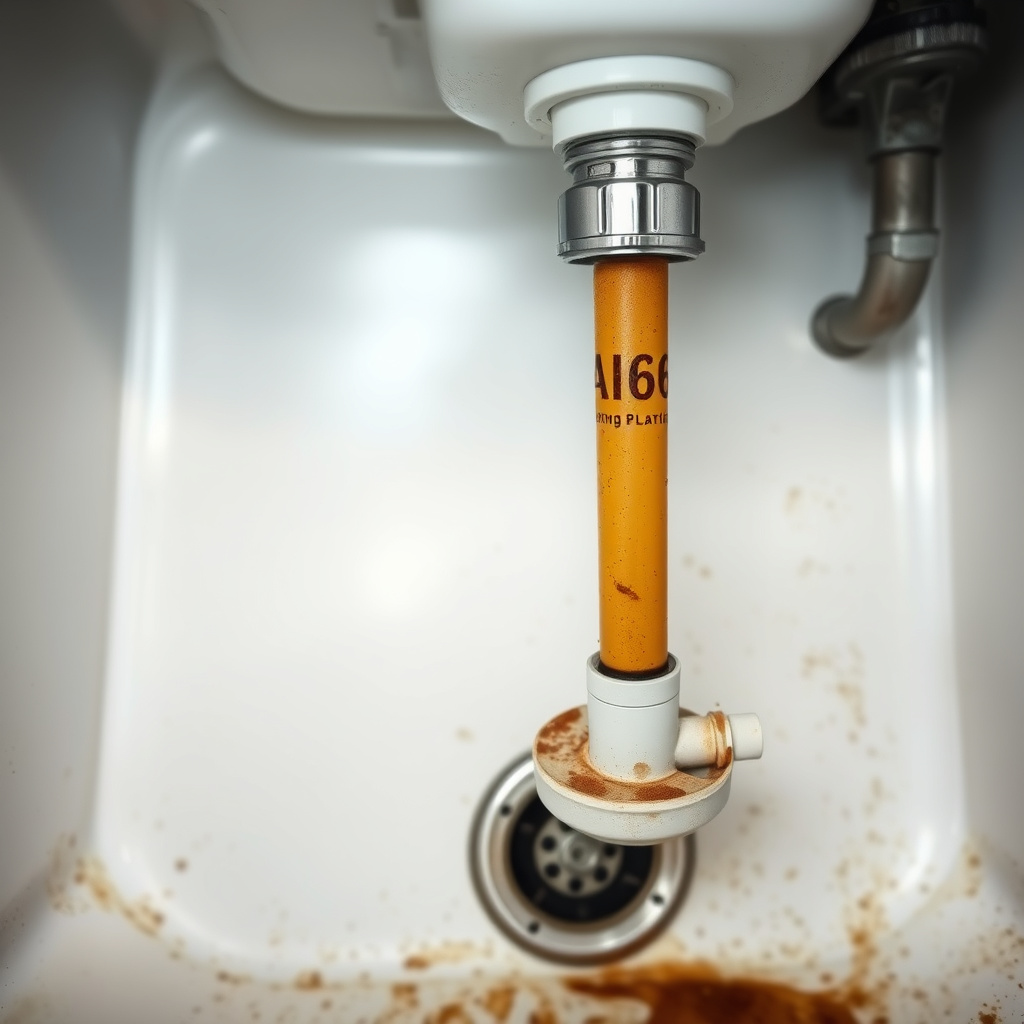
Sometimes clogs result not from debris but from mechanical faults in the disposal unit or plumbing. A jammed impeller or damaged blades can prevent grinding, causing backups. Additionally, pipe misalignment or narrow-sealed traps can restrict drainage.
Regular inspection of the disposal’s components and drainage pipes helps identify if a clog is mechanical or structural, which may require different fixes than simple cleaning.
Manual Methods to Unclog Kitchen Sink with Garbage Disposal
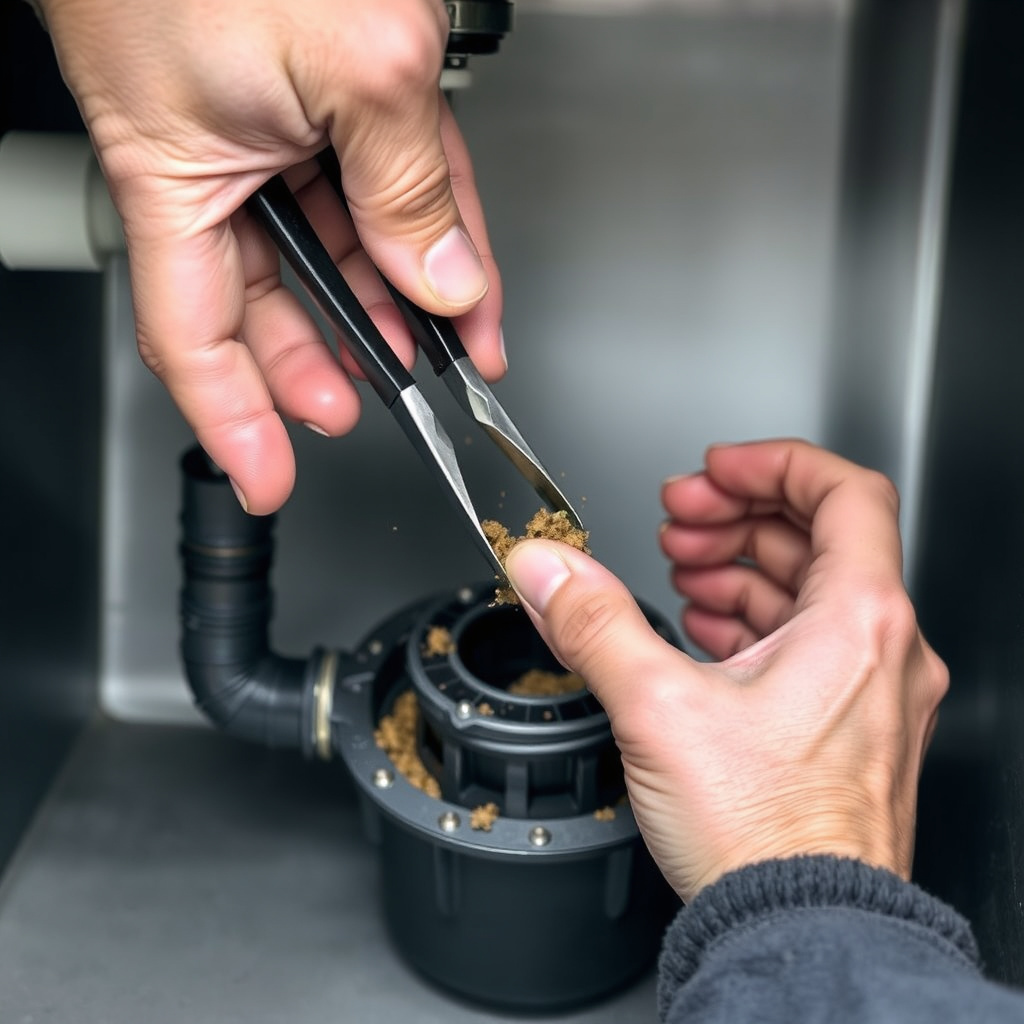
Using Tongs or Pliers to Remove Visible Debris
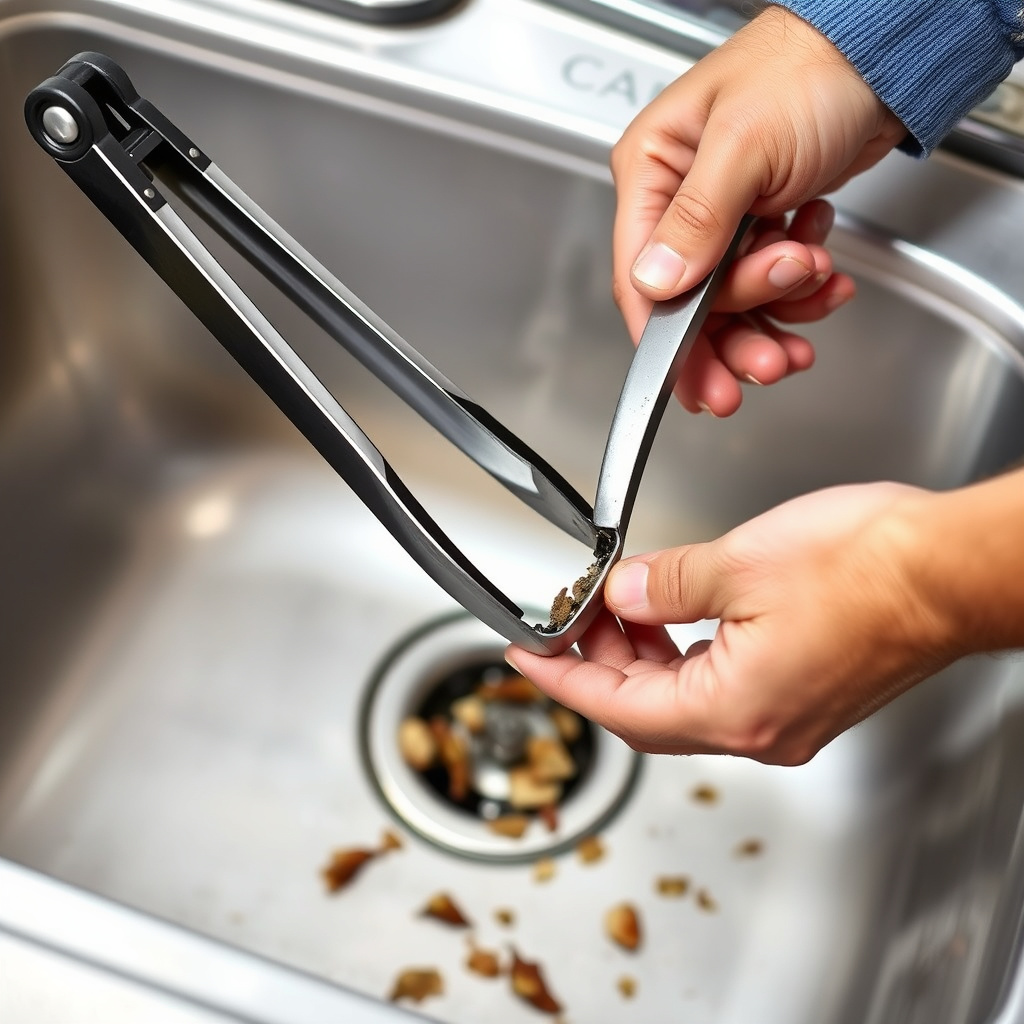
Before attempting any repairs, always disconnect the power to the garbage disposal to avoid injury. Using a flashlight, peer inside the disposal chamber and try to locate any visible stuck food particles or objects.
Use pliers or tongs to carefully extract any obstruction without pushing it deeper into the pipes. Avoid using hands as blades can cause severe cuts.
- Turn off power at wall switch
- Use flashlight to inspect disposal
- Remove debris with pliers, not hands
- Avoid forcing objects deeper
Resetting the Garbage Disposal and Testing
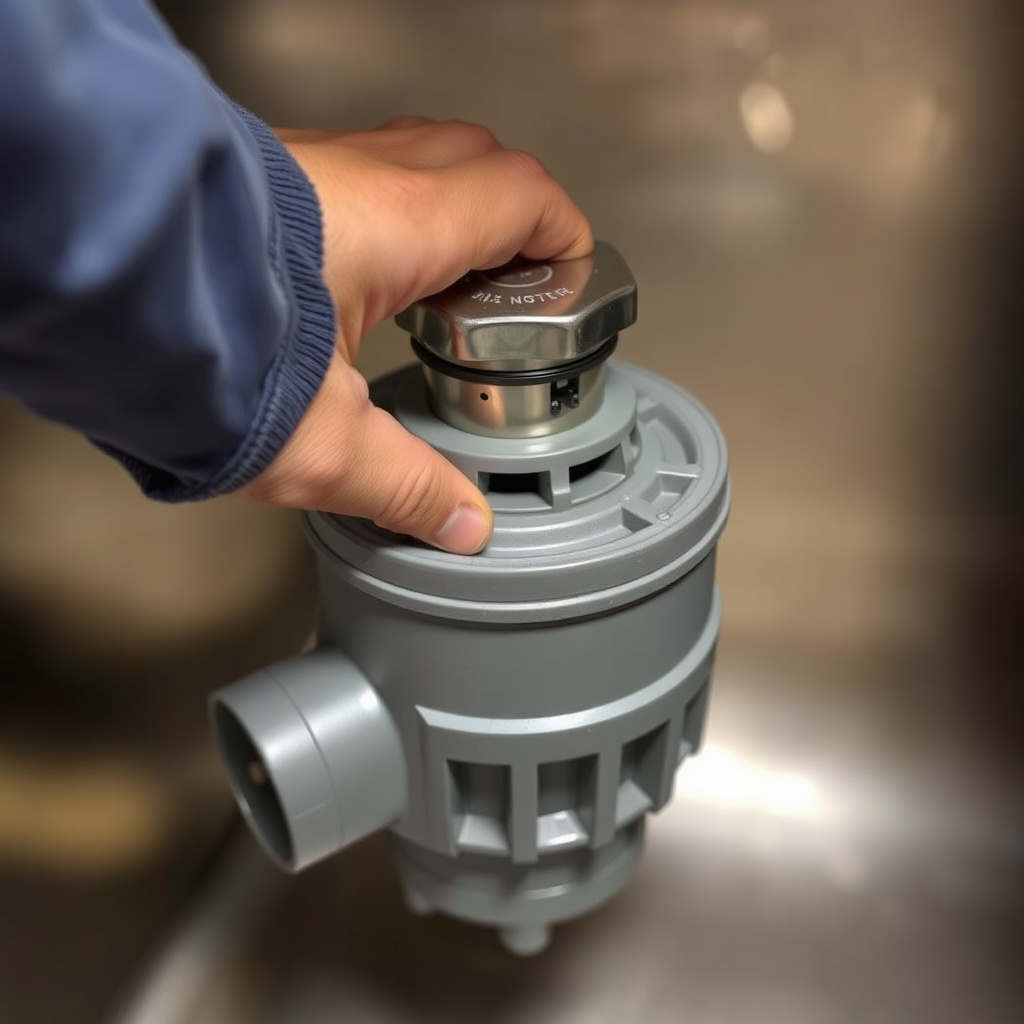
Most disposals have a reset button usually located at the bottom or side of the unit. After clearing blockages, press this button to reset the motor. Then restore power and run cold water while turning on the disposal briefly to check if the clog clears.
If the disposal hums but does not spin, it may be jammed internally. You can use a specially designed disposal wrench to manually turn the motor shaft and free the blades.
- Locate and press reset button
- Run cold water during disposal operation
- Use disposal wrench to free jammed blades
- Avoid running disposal continuously if jammed
Using Natural Solutions for Kitchen Sink Clog Removal
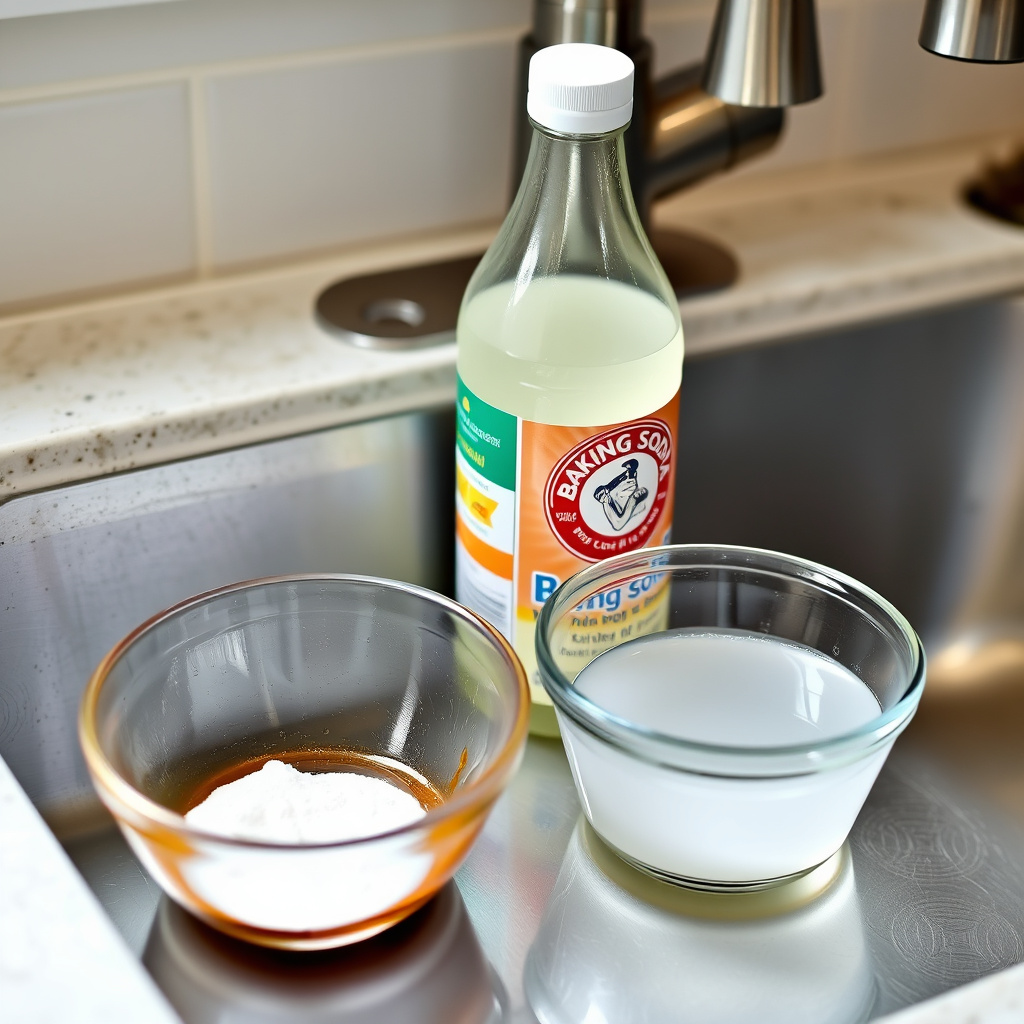
Baking Soda and Vinegar Technique
Pouring a combination of baking soda followed by vinegar into the drain can help break down organic blockages caused by grease and food residue. The chemical reaction creates fizzing action that loosens grime inside pipes.
Allow the mixture to sit for 15-30 minutes before flushing with hot water. This method is safe for disposals and can reduce odors while clearing minor clogs.
- Pour 1 cup baking soda down drain
- Follow with 1 cup white vinegar
- Wait 15-30 minutes for reaction
- Flush with boiling water
Salt and Hot Water Flush
Salt combined with hot water acts as a gentle abrasive and solvent to loosen greasy build-up inside drainage pipes. Pouring ½ cup of salt down the drain followed by several liters of hot water can clear light clogs and keep pipes clean.
Repeat this treatment monthly as preventive maintenance, especially if you notice slow draining after greasy meals.
- Pour ½ cup salt into drain
- Flush with 3-4 liters of hot water
- Repeat monthly for maintenance
- Good for minor grease clogs
Tools and Techniques for Deeper Blockages
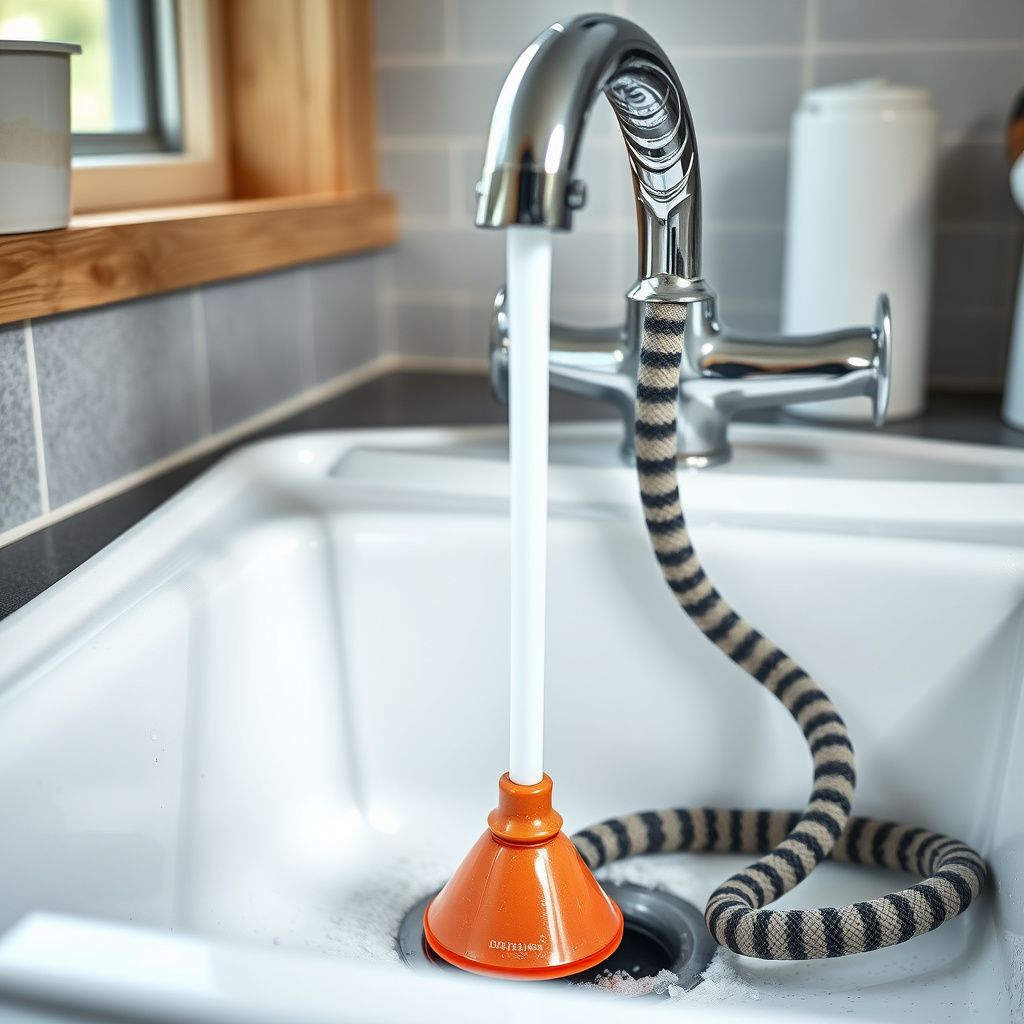
Using a Plunger Safely with a Garbage Disposal
A plunger can help dislodge stubborn clogs beyond the disposal. Before plunging, fill the sink partially with water to create a seal. Cover the drain opening tightly to push and pull water pressure to force blockages free.
Be sure to block the opposite drain if you have a double sink to maximize pressure. Do not use excessive force that could damage the disposal or plumbing.
- Fill sink with water for seal
- Cover and plunger drain firmly
- Block other sink drain if double sink
- Avoid harsh plunging that risks damage
Using a Plumber’s Snake for Tough Clogs
For clogs deep in the pipes, a plumber’s snake (or auger) can mechanically break up blockages by extending into the drain. Carefully insert the snake down the drain opening, rotating it to cut through debris.
Avoid pushing too hard to prevent pipe damage. Retract the snake periodically, cleaning off grime and repeating as needed.
- Insert snake into drain carefully
- Rotate to break clogs manually
- Retract and clean snake repeatedly
- Use gentle force to protect pipes
When to Call a Professional Plumber
Signs You Need Expert Assistance
If the kitchen sink remains clogged after trying manual and home methods, or the disposal unit makes unusual noises or fails to reset, it's time to consult a professional. Persistent backups or foul sewer odors also signal complex drainage problems.
Professionals have specialized diagnostic tools and can safely dismantle parts or use hydro-jetting to clear stubborn blockages without damaging plumbing.
For more detailed information about garbage disposal maintenance and troubleshooting, see the related Wikipedia article. garbage disposal maintenance and troubleshooting.
Preventing Future Clogs with Regular Maintenance
Routine maintenance like monthly baking soda flushes and careful disposal use reduces clog risk. Avoid putting grease, fibrous vegetables, or hard items in the disposal. Scheduling professional inspections annually can ensure disposals and plumbing stay clear.
These habits extend disposal life and keep your kitchen sink draining efficiently.
- Perform monthly natural cleaning flushes
- Avoid disposing grease or tough scraps
- Schedule annual professional inspections
- Use cold water during disposal operation
Comparison of Kitchen Sink Clog Removal Methods
Here’s a quick overview comparing different unclogging approaches for kitchen sinks with garbage disposals.
| Method | Effectiveness | Cost | Safety | Ease of Use |
|---|---|---|---|---|
| Manual Debris Removal | High for visible clogs | Free | High (with precautions) | Moderate |
| Baking Soda & Vinegar | Moderate for minor clogs | Low | Very High | Easy |
| Plunger | Moderate for pipe clogs | Low | Moderate | Easy |
| Plumber’s Snake | High for deep clogs | Moderate | Moderate | Requires skill |
| Professional Plumbing | Very High | High | Very High | None required by user |
Frequently Asked Questions
Can I use chemical drain cleaners with my garbage disposal?
Using harsh chemical drain cleaners is not recommended for garbage disposals as they can damage internal components and pipes. Natural solutions or specialized disposal cleaning products are safer choices.
Why does my garbage disposal hum but not grind?
A humming sound usually indicates a jammed disposal motor. The blades might be stuck by debris. Disconnect power and manually free the blades with a disposal wrench or remove the blockage.
How often should I clean my garbage disposal to prevent clogs?
Regular monthly cleaning with baking soda and vinegar flushes, combined with running cold water during use, helps keep the disposal clean and prevents grease buildup that causes clogs.
Is it okay to pour grease down the kitchen sink with a disposal?
No, grease should never be poured down the kitchen sink even if you have a garbage disposal because it solidifies inside the pipes, leading to clogs and plumbing issues.
What tools do I need to fix a clogged kitchen sink with a disposal?
Basic tools include pliers, a flashlight, a disposal wrench, a plunger, and optionally a plumber’s snake for tougher blockages. Always disconnect power before working on the disposal.
Key Takeaways
- Turn off power and manually remove visible debris before other methods.
- Natural cleaners like baking soda and vinegar help clear minor clogs safely.
- Use plungers and plumber’s snakes carefully for deeper blockages.
- Call a professional if home methods fail or disposal shows mechanical issues.
Conclusion
Addressing a clogged kitchen sink with a garbage disposal requires a mix of practical steps that balance safety and effectiveness. Starting with manual debris removal protects the disposal from damage while saving time and money. Natural cleaning methods like baking soda and vinegar flushes provide a gentle chemical action clearing organic residue and grease. For more stubborn blockages, physical tools such as plungers or plumber’s snakes offer mechanical solutions to free trapped debris. Recognizing when a clog demands professional intervention ensures the problem doesn’t worsen or cause long-term plumbing damage. This approach, across stages, maximizes your chances of quickly restoring proper sink function while safeguarding your disposal unit.
In terms of specific tactics, manual removal combined with resetting the disposal offers immediate relief for visible blockages or jams. For mild clogging symptoms and preventive care, monthly applications of natural solutions like baking soda and vinegar help maintain clear pipes. When water drains slowly or plunging is necessary, a plumber’s snake may be required to clear deeper obstructions safely. If these steps fail or if the disposal unit hums without spinning or leaks, consulting a professional plumber is the best option. They bring specialized tools and knowledge to handle complex clogs or underlying mechanical issues, preventing damage to your plumbing system.
Ultimately, the best next step depends on your comfort with DIY methods and the severity of the clog. Start with simple manual inspection and cleaning followed by natural treatments. If you are uncertain or if these do not restore drainage, consider involving a professional promptly. Maintaining awareness of what should not be disposed in the sink, combined with routine cleaning, reduces the likelihood of future clogs. Using these practical steps, you can keep your kitchen sink with garbage disposal running smoothly and avoid extensive repairs.