How to Clean Wood Kitchen Cabinets: Effective Methods and Tips
Cleaning wood kitchen cabinets requires gentle yet effective methods that protect the wood’s finish while removing grease, grime, and dirt. Using the right cleaning products and techniques will keep your cabinets looking fresh without causing damage.
Wood cabinets are a popular choice in kitchens because of their timeless appeal and warmth. Regular cleaning preserves their appearance by removing built-up residues and preventing staining or deterioration. Harsh chemicals or abrasive tools can harm the wood’s surface, so understanding proper care is essential.
This guide will cover step-by-step processes for cleaning wood kitchen cabinets, recommend safe cleaning solutions, explain how to handle tough stains, and share maintenance tips to keep your cabinets looking their best over time.
Preparing to Clean Wood Kitchen Cabinets
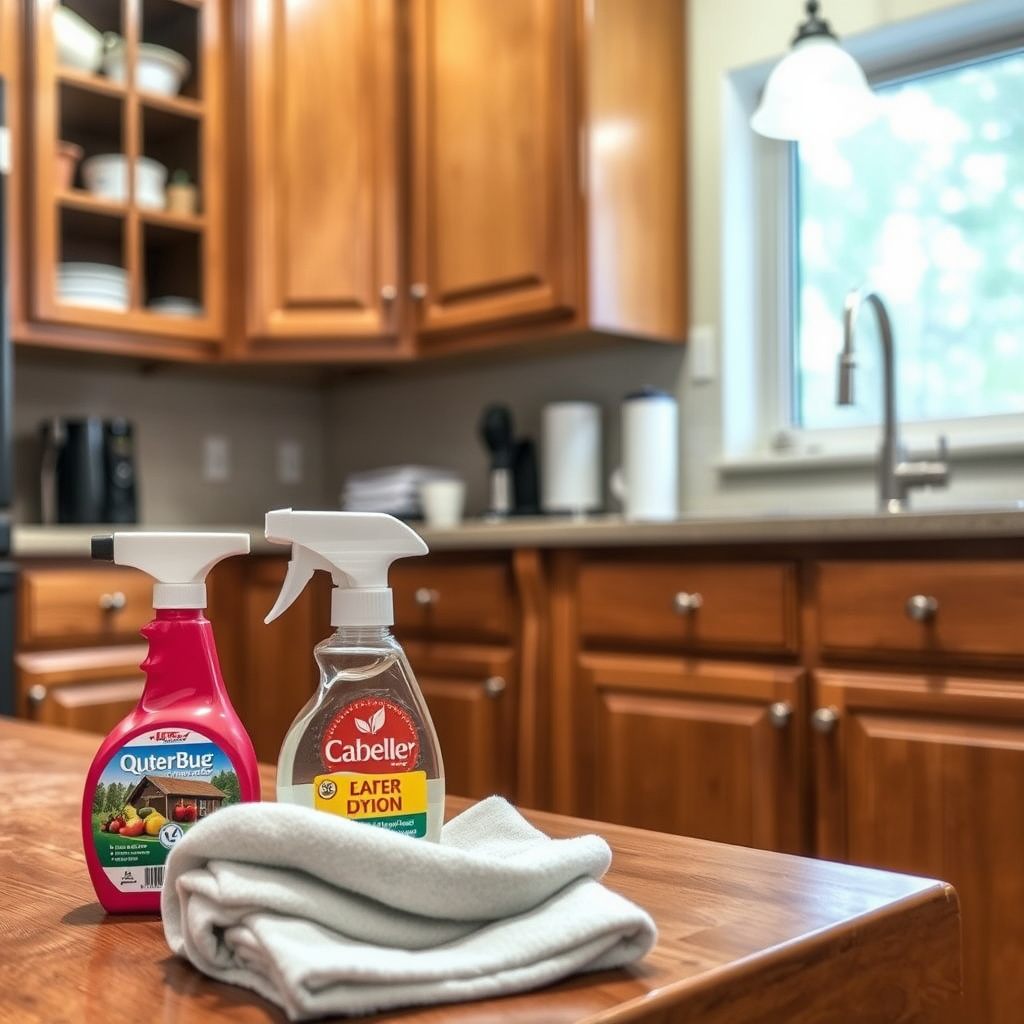
Gathering Safe Cleaning Materials
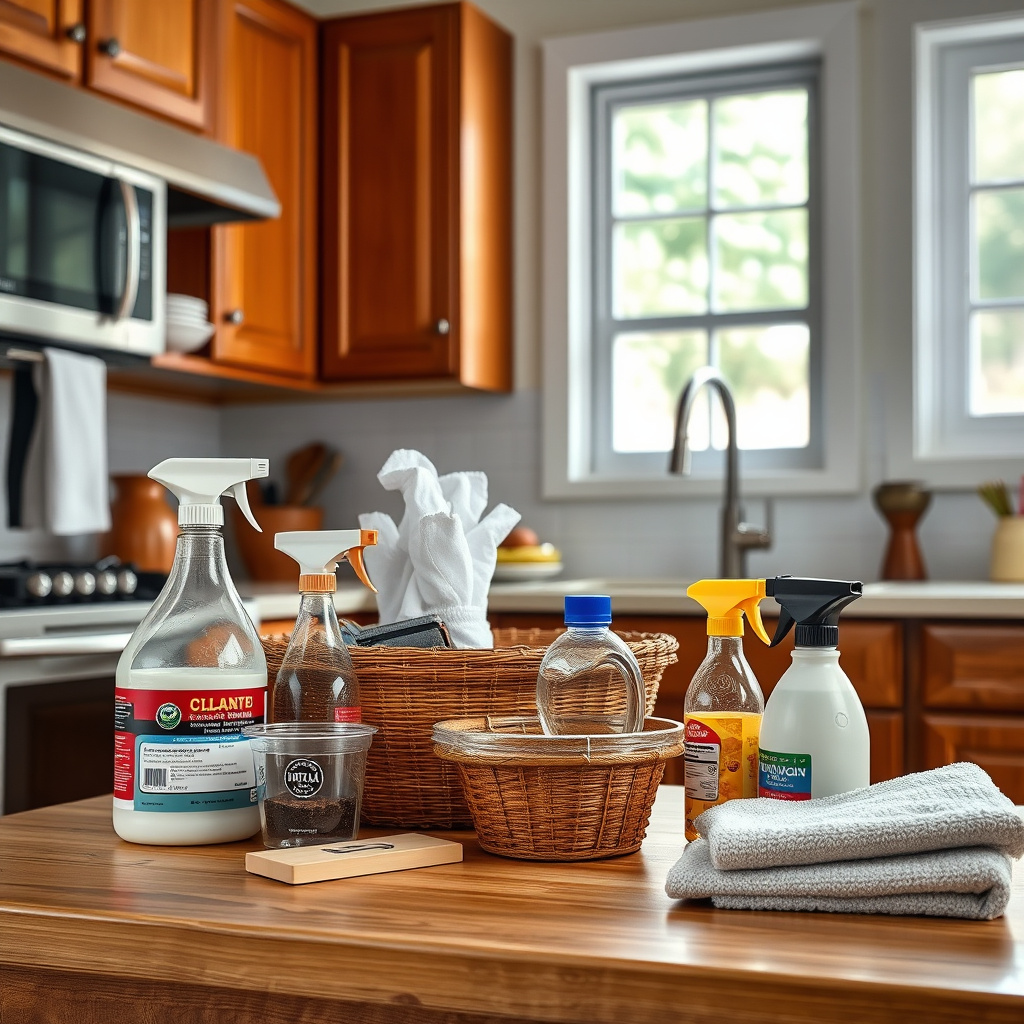
Choosing the right cleaning materials is the first step. Opt for a soft microfiber cloth or sponge to avoid scratches. Select mild detergents or wood-specific cleaners, avoiding harsh chemicals like ammonia or bleach that can dull or damage finishes.
Additionally, have a bucket with warm water ready for rinsing the cloth. Maintaining a gentle approach helps protect the cabinet’s finish and prevents moisture damage.
- Microfiber cloth
- Mild dish soap or wood cleaner
- Warm water
- Soft sponge
Clearing Cabinet Surfaces
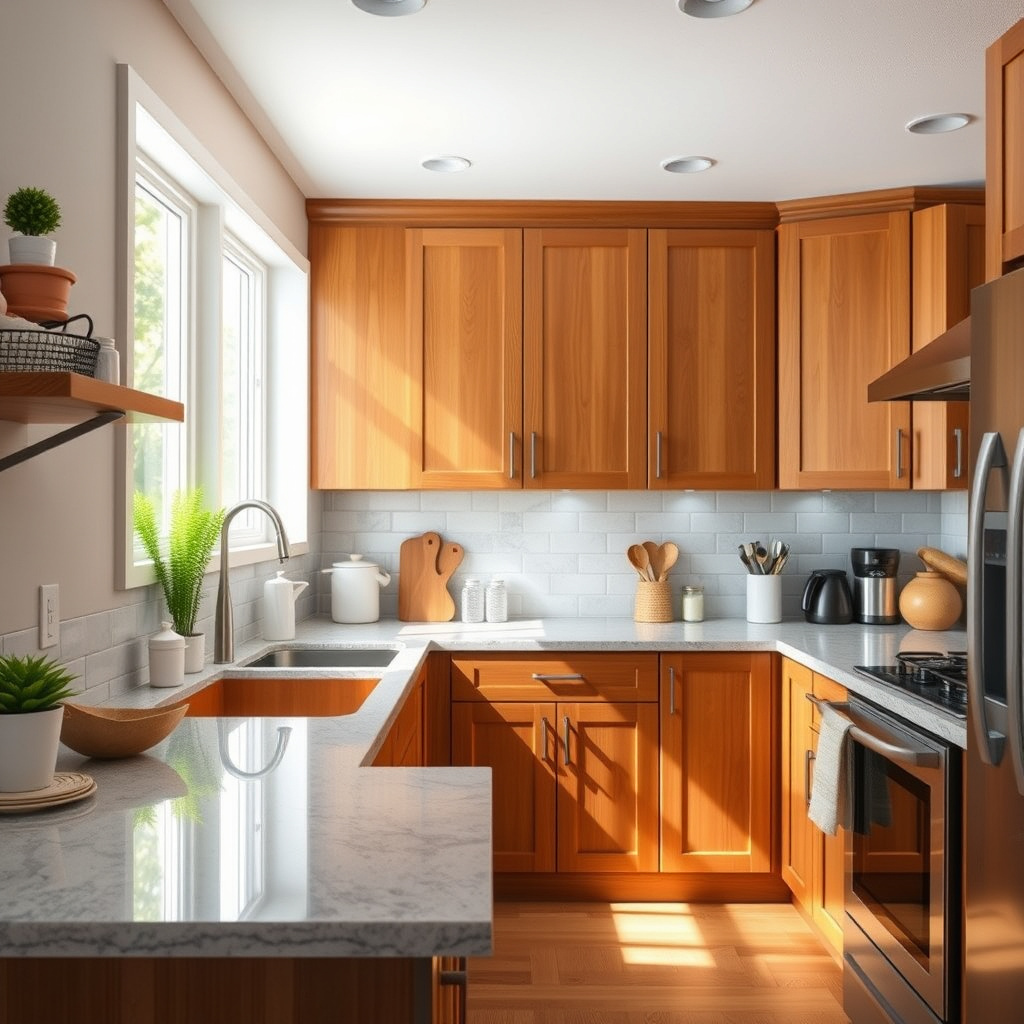
Remove items from cabinet doors and frames before cleaning to access all surfaces properly. Dust off loose debris and crumbs using a dry cloth or a soft brush.
Pay special attention to corners and edges where dust tends to accumulate to ensure thorough cleaning.
Step-by-Step Cleaning Process for Wood Kitchen Cabinets
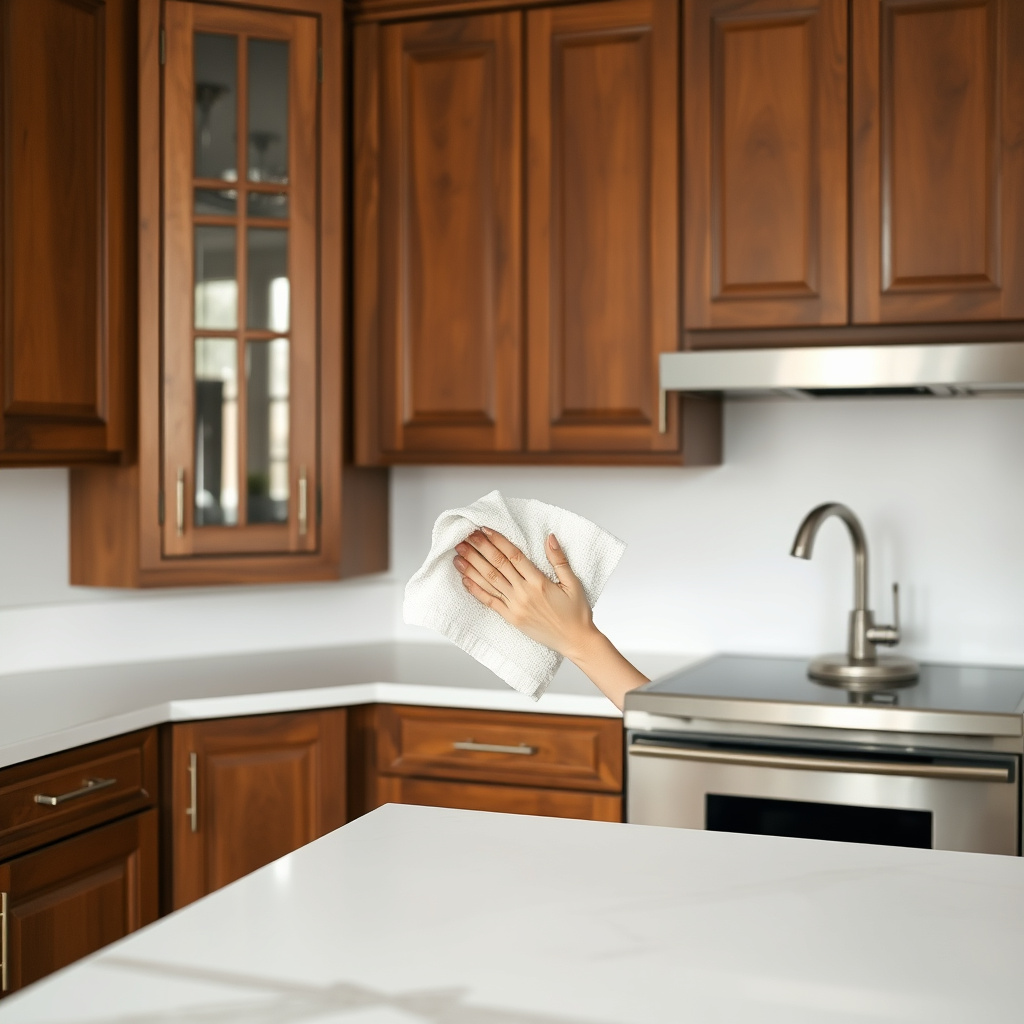
Basic Cleaning Technique
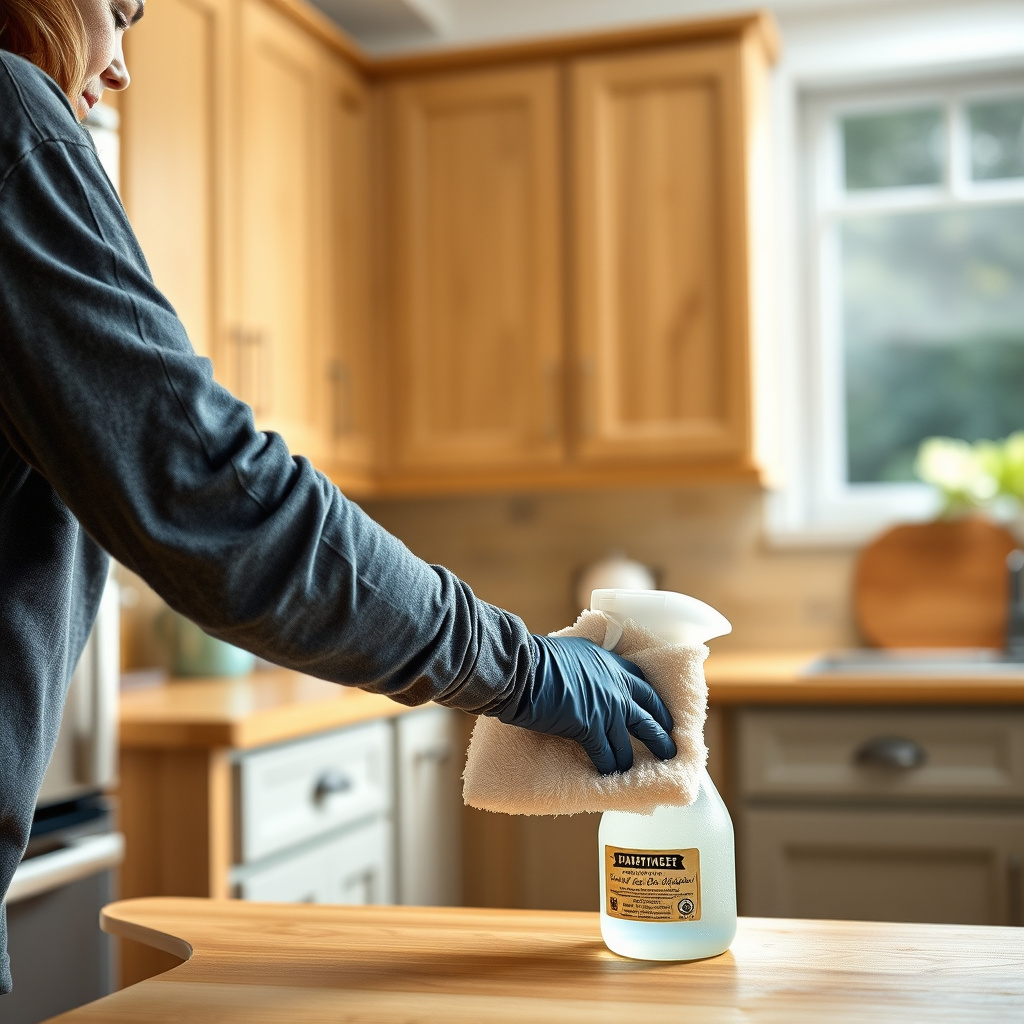
Mix a few drops of mild dish soap in warm water to create a gentle cleaning solution. Dip the microfiber cloth or sponge in the mixture then wring it out thoroughly to avoid excess moisture.
Wipe the cabinet surfaces in the direction of the wood grain, focusing on panels and edges. Follow with a clean, damp cloth rinsed in fresh water to remove soap residue.
- Prepare mild soap solution
- Wipe with damp cloth following wood grain
- Rinse cloth and wipe to remove soap
Drying the Cabinets
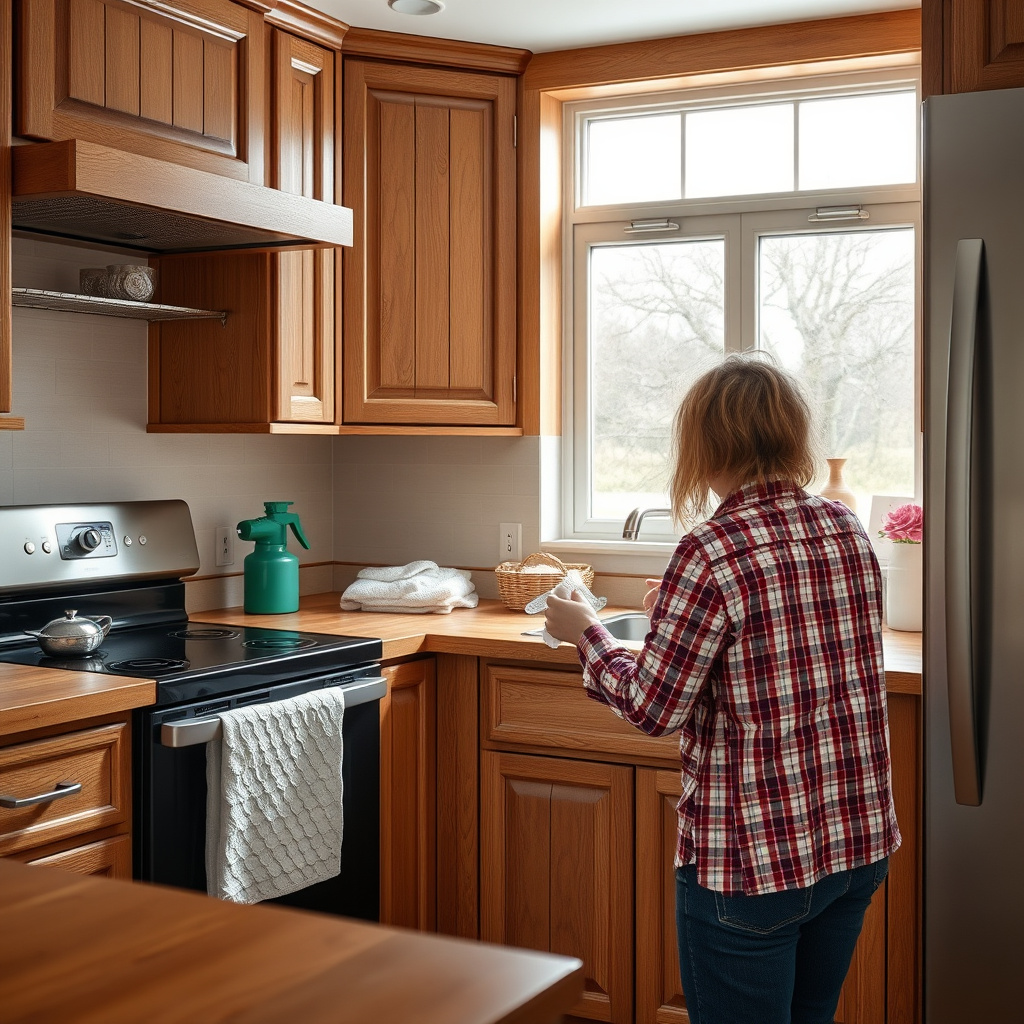
Use a dry microfiber cloth to thoroughly dry all cabinet surfaces. This step prevents water spots and potential water damage that can cause wood warping or staining.
Ensuring cabinets are fully dry after cleaning prolongs their finish and maintains the natural beauty of the wood.
Handling Tough Stains and Grease on Wood Cabinets
Removing Grease Build-up
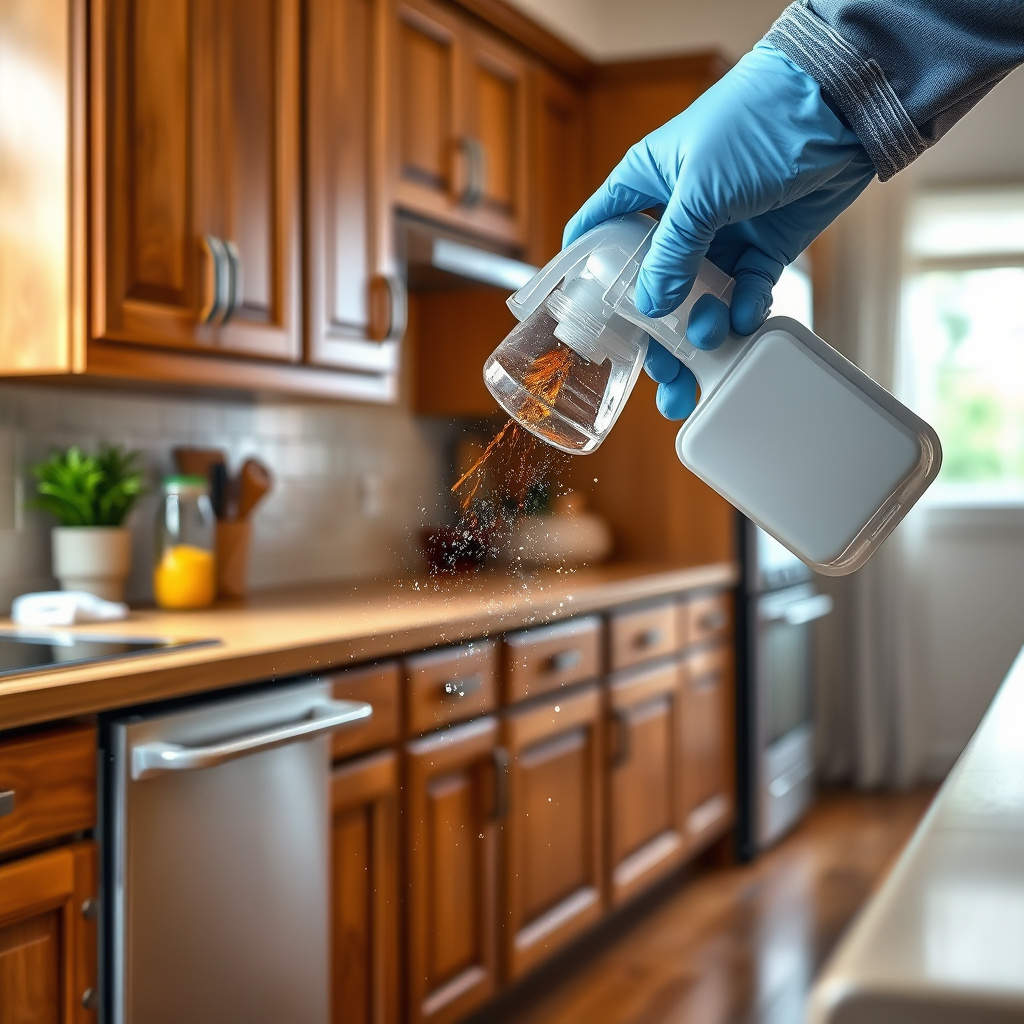
Grease can accumulate near stove areas, making cabinets sticky. Mix equal parts white vinegar and water as a natural degreaser. Apply the mixture to a cloth and gently wipe greasy spots without soaking the wood.
Avoid scrubbing aggressively; repeated gentle passes break down grease while preserving the finish.
- Mix vinegar and water 1:1
- Apply with soft cloth gently
- Repeat if necessary
For more on this, see our related guide: How to Decorate Kitchen Counters for a Stylish and Functional Space.
Treating Stubborn Stains
For more persistent stains, a paste made from baking soda and water can be applied sparingly. Rub gently with a cloth following the wood grain and wipe off residue with a damp cloth afterward.
Test this method in an inconspicuous area first to ensure no discoloration occurs.
Choosing the Best Wood Cabinet Cleaner
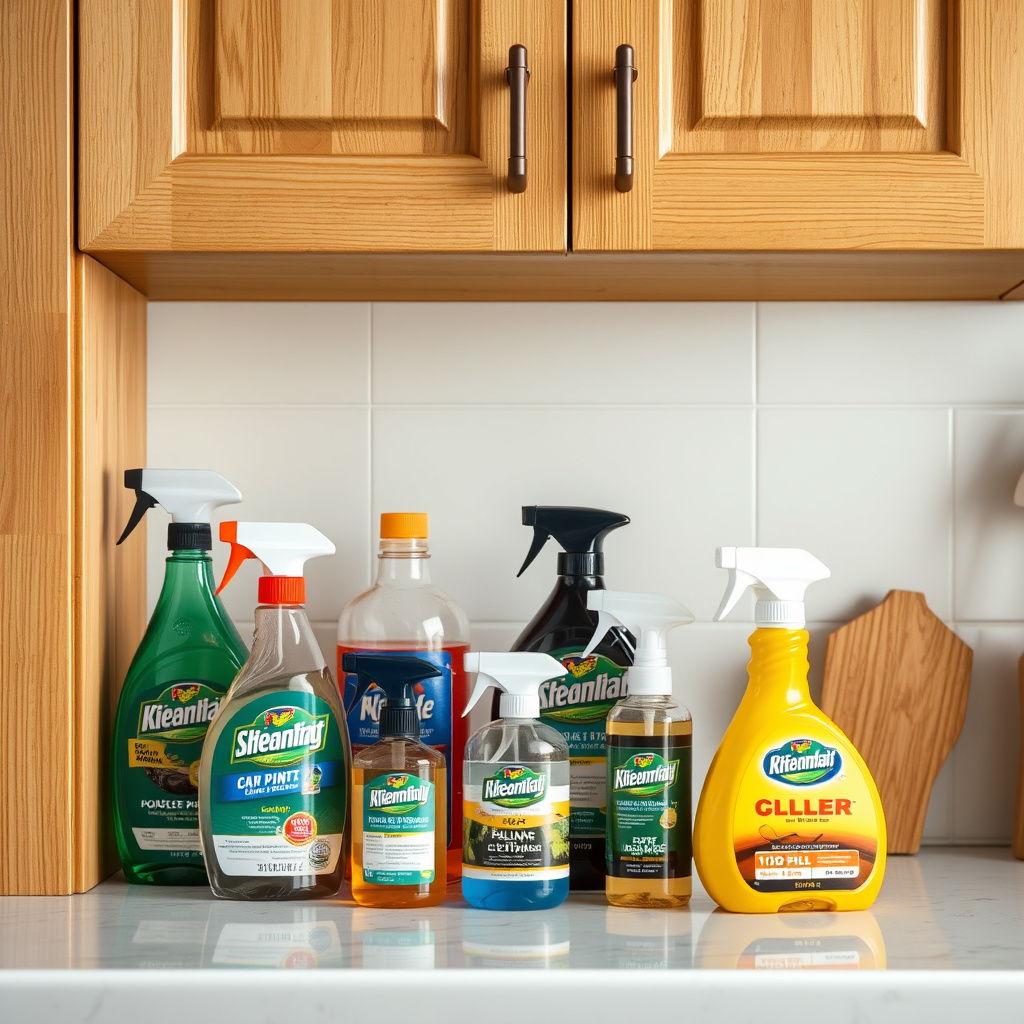
Commercial Wood Cabinet Cleaners
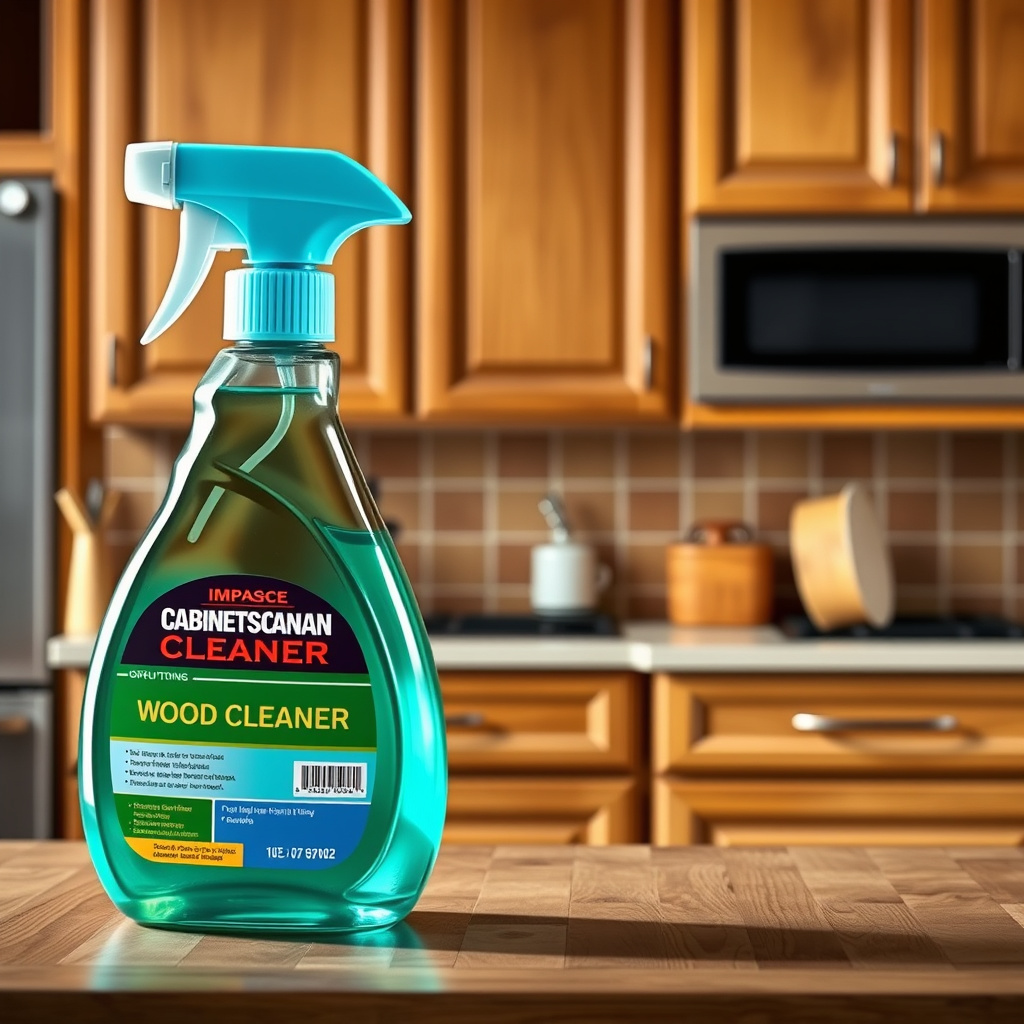
There are specialist wood cabinet cleaners formulated to clean and protect finishes without damage. Look for pH-balanced, non-abrasive products that also help restore luster and repel dust.
Reviews often highlight products free from ammonia and harsh solvents, as these maintain the finish better over time.
- Check product labels for wood-safe claims
- Prefer non-toxic, biodegradable options
Natural Cleaning Alternatives
Homeowners often prefer natural cleaners such as diluted white vinegar, mild dish soap, or olive oil mixtures. These work well for regular maintenance without risking damage to wood surfaces.
Natural solutions can be prepared easily and are cost-effective while still delivering good results for the best wood cabinet cleaner experience.
- Vinegar and water solution
- Mild soap and warm water
- Olive oil for polishing
Maintaining Wood Cabinets After Cleaning
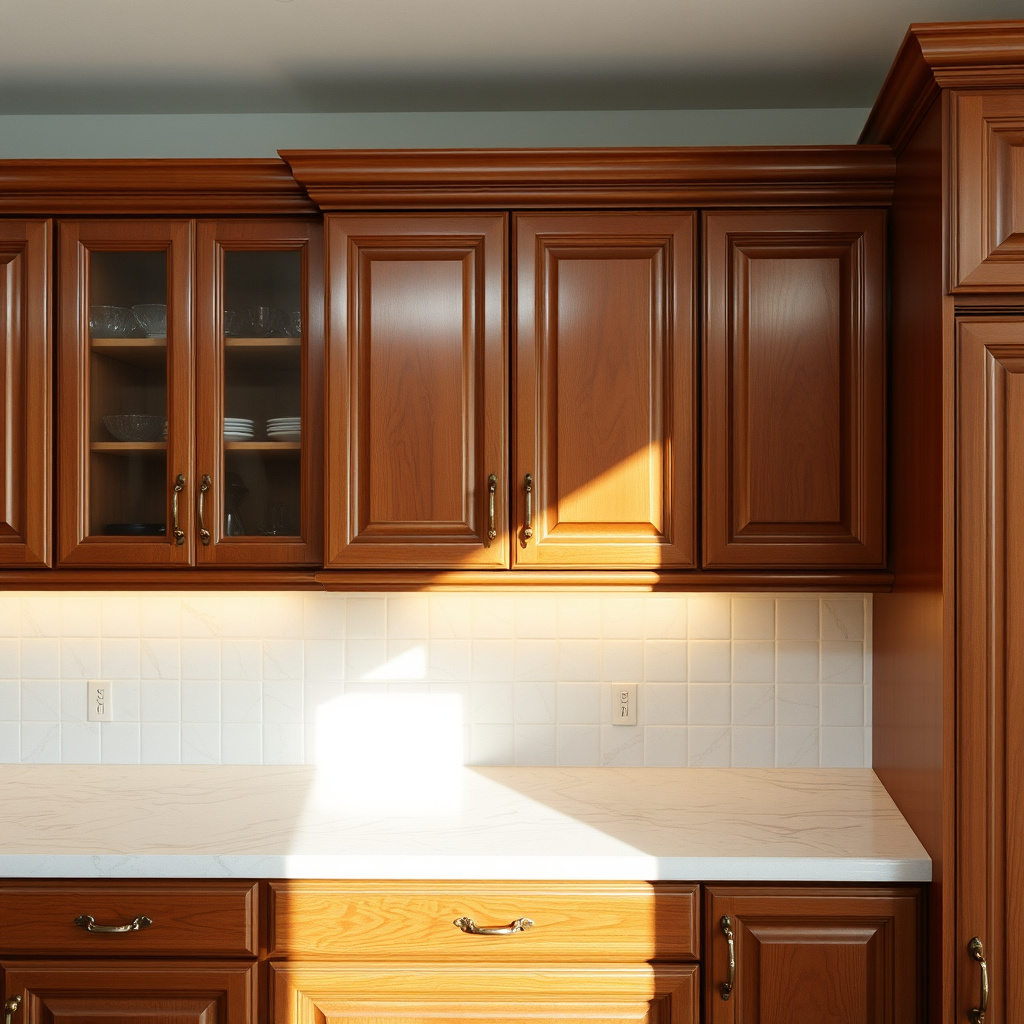
Polishing and Protecting Wood Cabinets
After cleaning, applying a wood polish or conditioner enhances the cabinet’s shine and adds a protective layer. Use products designed for wood cabinetry and avoid silicone-based sprays that attract dust.
Regular polishing preserves wood moisture and reduces wear from daily use.
For more on this, see our related guide: How to Build Outdoor Kitchen: A Step-by-Step Guide for Your Backyard.
Preventive Tips to Keep Cabinets Clean
Wipe spills immediately to prevent stains. Use ventilation while cooking to minimize grease deposits. Consider using cabinet liners inside to protect surfaces from food and moisture damage.
Frequent gentle cleaning combined with these practices maintains both appearance and durability.
- Clean spills promptly
- Use kitchen ventilation
- Install cabinet liners
Common Mistakes to Avoid When Cleaning Wood Cabinets
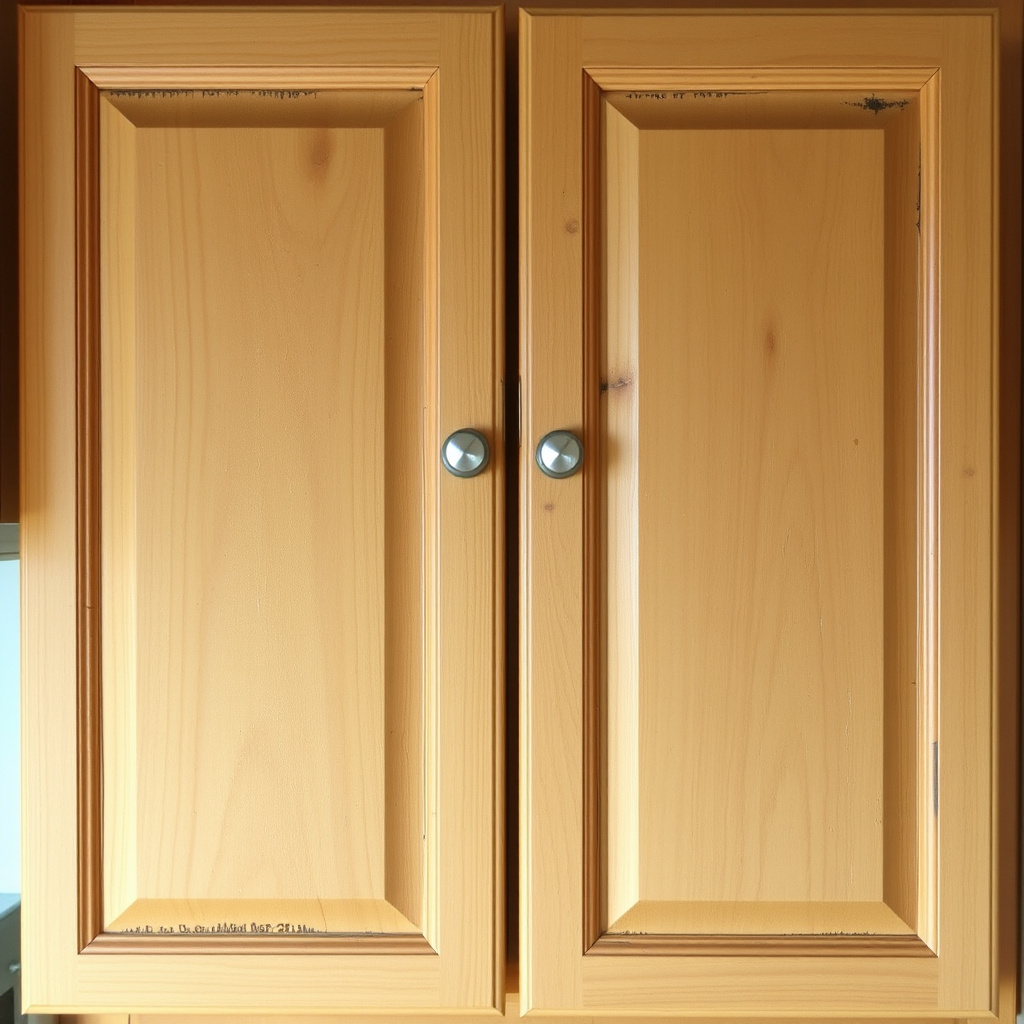
Avoiding Excess Water and Harsh Chemicals
Excess water can seep into wood grain and damage the cabinet over time, leading to warping or swelling. Avoid soaking cloths or spraying cleaners directly onto the wood.
Harsh chemicals like bleach and ammonia strip natural finishes and cause fading. Always use gentle cleaners specifically made for wood surfaces.
Steering Clear of Abrasive Tools
Using rough scrubbers or brushes can scratch and dull wood cabinets. Stick to microfiber cloths and soft sponges to preserve the cabinet’s smooth finish.
Gentle cleaning methods prevent surface damage and maintain wood grain texture.
Restoring and Refinishing Wood Cabinets
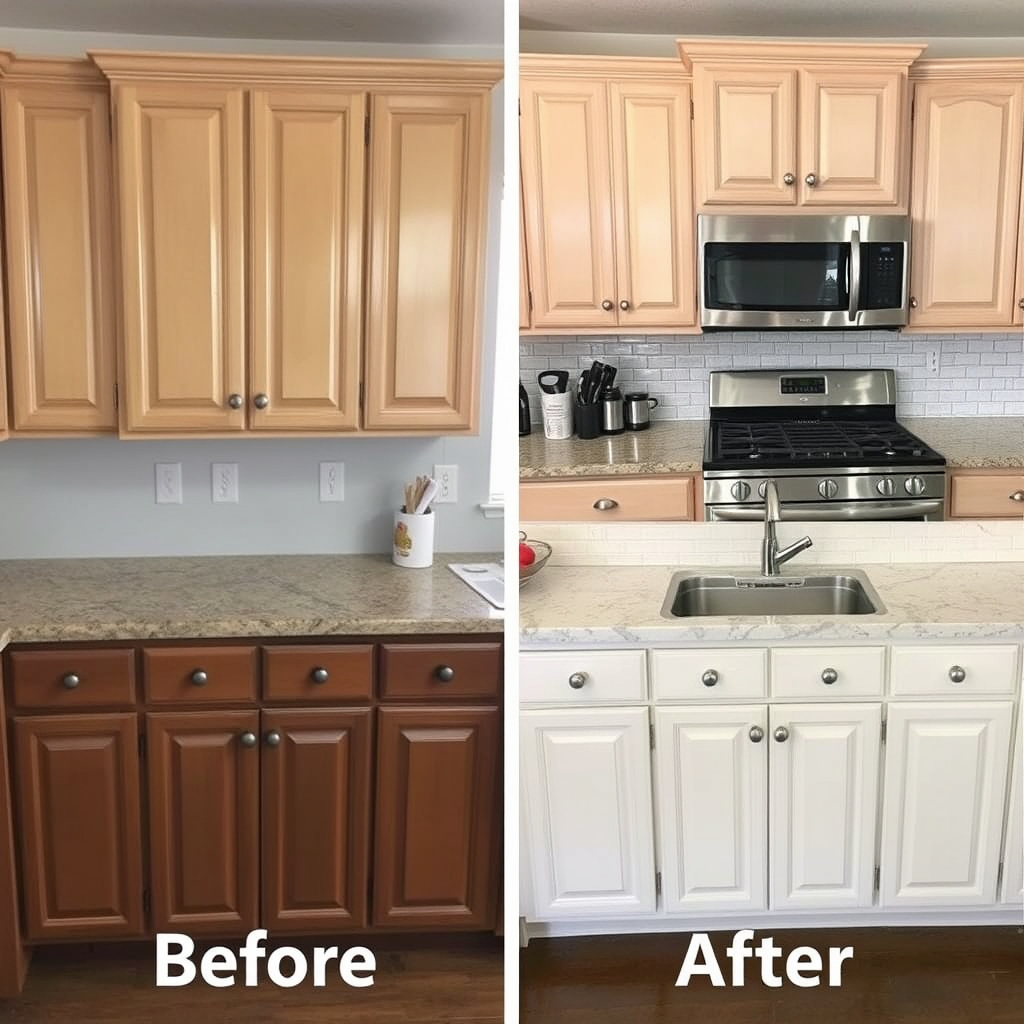
When to Consider Professional Refinishing
Cabinets with deep scratches, discoloration, or worn finishes may benefit from professional refinishing. Experts can sand and refinish surfaces to restore original beauty and extend cabinet life.
This process is ideal if routine cleaning and polishing no longer improve appearances.
For more detailed advice on wood cabinet care basics, refer to trusted sources specializing in wood maintenance. Wood cabinet care basics.
DIY Touch-Up Techniques
Minor scratches or faded spots can be fixed with wood stain markers or furniture touch-up kits matching your cabinet color. Clean the area first, then apply product carefully following grain direction.
Regular maintenance can delay the need for full refinishing.
- Use matching wood stain markers
- Clean surface before application
- Follow wood grain direction
Comparison of Wood Cabinet Cleaning Methods
The table below compares various wood cabinet cleaning methods based on effectiveness, ease of use, and safety for wood finishes.
| Method | Effectiveness on Grease | Ease of Use | Finish Safety |
|---|---|---|---|
| Mild Soap and Water | High | Easy | Very Safe |
| Vinegar Solution | Moderate | Easy | Safe with Dilution |
| Commercial Wood Cleaners | High | Moderate | Safe if Product Approved |
| Baking Soda Paste | Moderate | Moderate | Safe if Used Sparingly |
| Bleach or Ammonia | High | Difficult and Risky | Damaging |
| Oil-Based Polishes | Low | Easy | Safe and Protective |
Frequently Asked Questions
Can I use vinegar to clean wood kitchen cabinets?
Yes, diluted white vinegar is a natural and effective cleaner for grease on wood cabinets, but it must be mixed with water and used sparingly to prevent damage.
How often should I clean wood kitchen cabinets?
Wiping down wood cabinets weekly with a mild cleaner keeps surfaces free of grease and dust, while deep cleaning can be done every few months.
What should I avoid when cleaning wood cabinets?
Avoid excessive water, harsh chemicals like bleach or ammonia, and abrasive scrubbers as these can damage wood finish and cause warping or scratches.
Is it necessary to polish wood cabinets after cleaning?
Polishing is beneficial as it protects wood surfaces, restores shine, and helps prolong the cabinet’s finish, especially after thorough cleaning.
Can I use furniture polish on kitchen cabinets?
Yes, but select polishes made specifically for wood cabinets and avoid silicone-based products that can attract dust and build up residue.
Key Takeaways
- Use mild soap or wood-specific cleaners to clean wood kitchen cabinets safely.
- Avoid harsh chemicals and excessive water that can damage wood finishes.
- Natural solutions like vinegar diluted with water remove grease effectively.
- Regular maintenance and polishing help preserve cabinet beauty over time.
Conclusion
Choosing how to clean wood kitchen cabinets involves balancing effective grime removal with protecting delicate wood finishes. Selecting gentle cleaning agents such as mild dish soap or specially formulated wood cabinet cleaners ensures debris and grease are lifted without stripping protective layers. Avoiding harsh chemicals and abrasives is key to preventing lasting damage and maintaining the natural sheen. Careful drying after each cleaning also preserves cabinet integrity by preventing moisture absorption.
For day-to-day maintenance, the best wood cabinet cleaner might be a mild soap diluted in warm water or a commercial product that confirms wood safety on the label. More stubborn grease build-up near cooktops can be handled with diluted vinegar solutions applied gently. Occasional polishing with a suitable wood conditioner or polish enhances protection and luster. Households looking to restore older cabinets may consider professional refinishing or DIY touch-up kits, depending on the extent of wear.
Ultimately, the next step is to create a cleaning routine that fits your kitchen’s usage and cabinet material. Start with gentle soap and water for weekly cleaning, reserve natural solutions for tougher spots, and add protective polish every few months. Following these practical guidelines will extend the life and appearance of your wood kitchen cabinets, keeping them a warm and inviting feature of your home.