How to Unclog Kitchen Sink Drain: Effective Methods and Tips
To unclog a kitchen sink drain, start by removing any visible debris from the drain opening, then use a plunger to try dislodging the blockage. If this doesn't work, a mixture of baking soda and vinegar followed by hot water can help break down buildup. For tougher clogs, manually cleaning the P-trap or using a drain snake often clears the obstruction effectively.
Clogged kitchen sinks are a common household problem that can cause slow drainage or complete stoppage, leading to inconvenience and potential water damage. Knowing how to tackle these clogs yourself saves time and money, and prevents harsh chemicals from damaging your pipes. Kitchen sink clogs usually occur from grease, food particles, or soap residue buildup.
This article will cover practical steps to unclog kitchen sink drains, including chemical-free remedies, mechanical tools, and preventive measures. You’ll learn when to use each method, plus tips on maintaining a free-flowing drain and when professional help is advisable.
Identifying the Cause of a Clogged Kitchen Sink Drain
Common Blockages in Kitchen Sink Drains

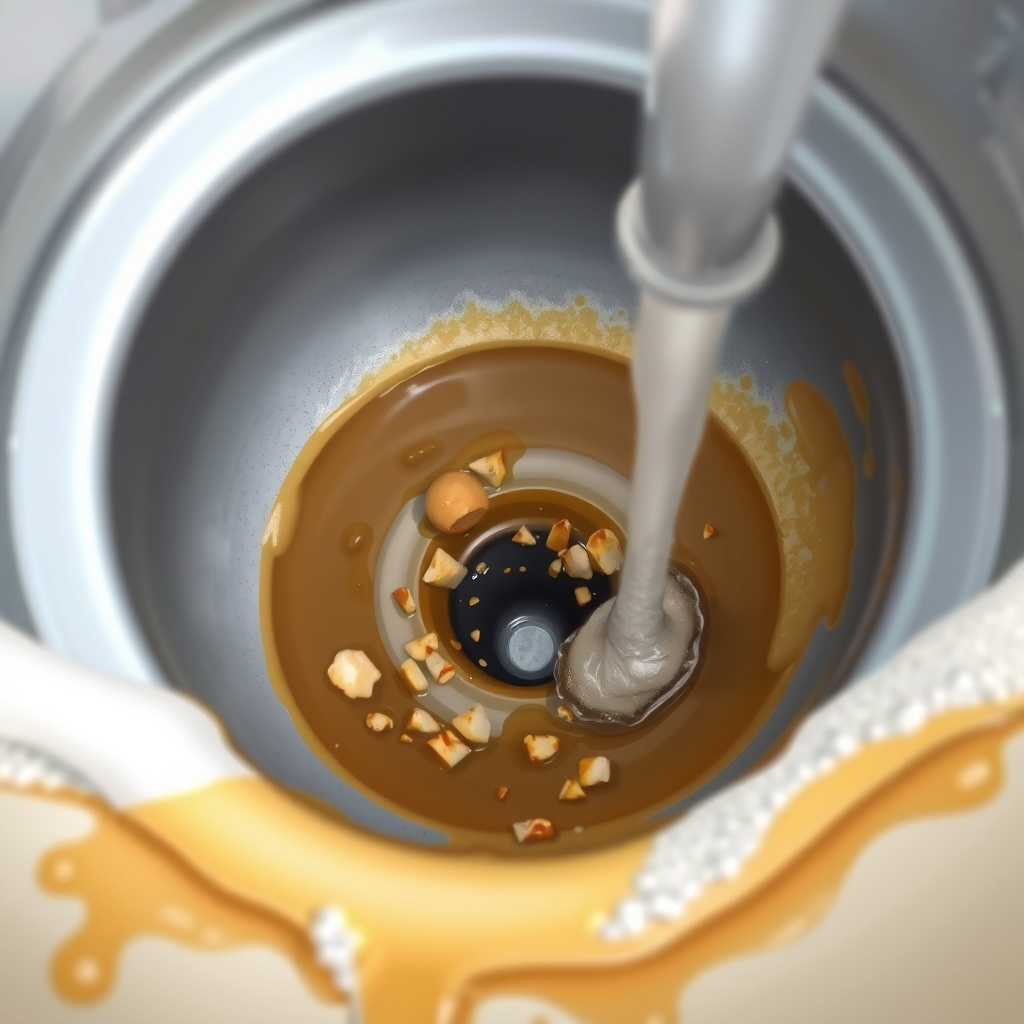
Kitchen sink drains frequently clog due to accumulated grease, food scraps, and soap residue. Grease congeals inside pipes as it cools, trapping other debris and gradually narrowing the drain passage. Solidified food particles such as coffee grounds, vegetable peelings, or starches can also bind together to form stubborn blockages.
Understanding these causes helps target the most effective unclogging method. For example, hot water or baking soda and vinegar address grease buildup, while a drain snake physically removes tougher food clogs stuck deeper in the pipe.
- Grease and oil buildup
- Food particles and scraps
- Soap residue and scum
- Foreign objects accidentally dropped
Signs Your Kitchen Sink Drain is Clogged

Indications of a clogged kitchen sink drain include slow drainage where water pools before slowly emptying, gurgling sounds from the drain, and unpleasant odors caused by trapped debris decomposing. Sometimes water may back up into adjacent sinks or dishwasher if blockages block the main drainage line.
Recognizing these symptoms early lets you try solving the clog before it worsens, avoiding more serious plumbing issues or the need for costly repairs.
Chemical-Free Methods to Unclog Your Kitchen Sink Drain
Using Baking Soda and Vinegar
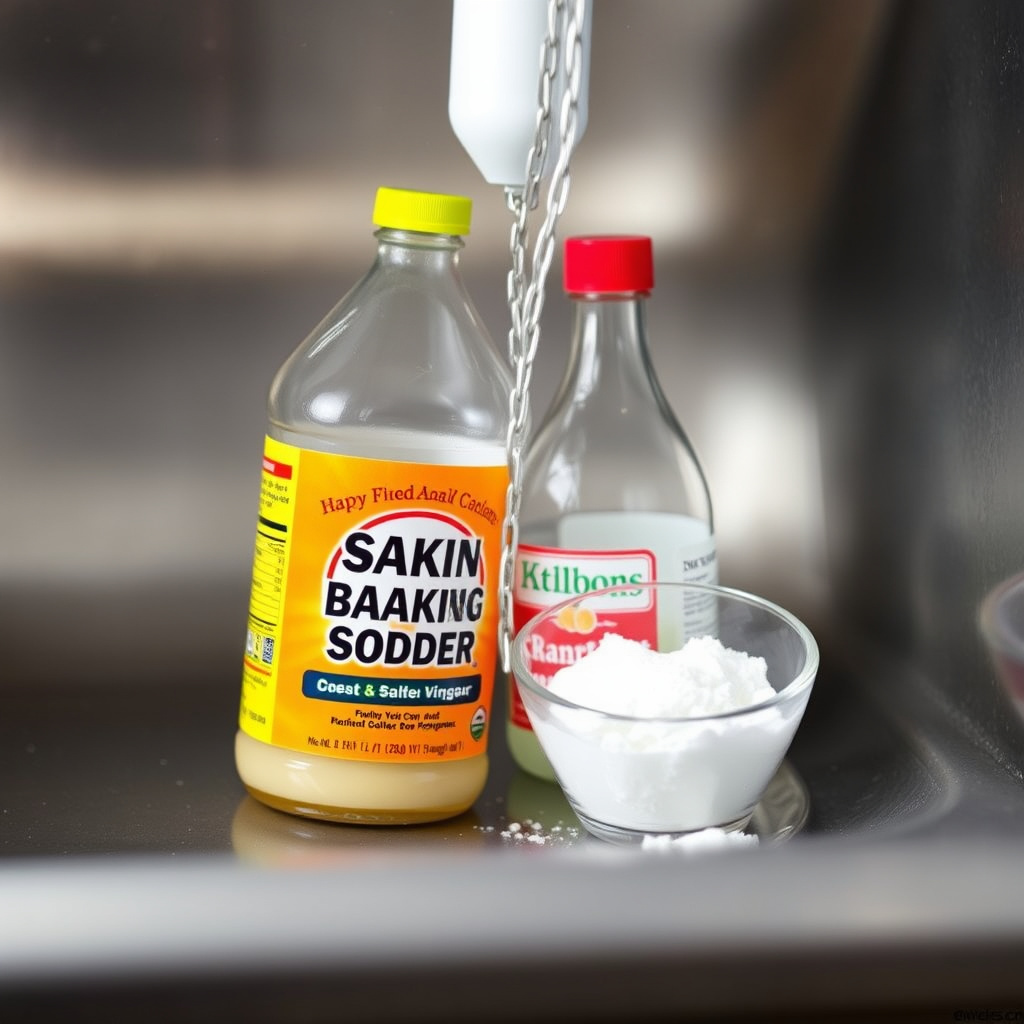
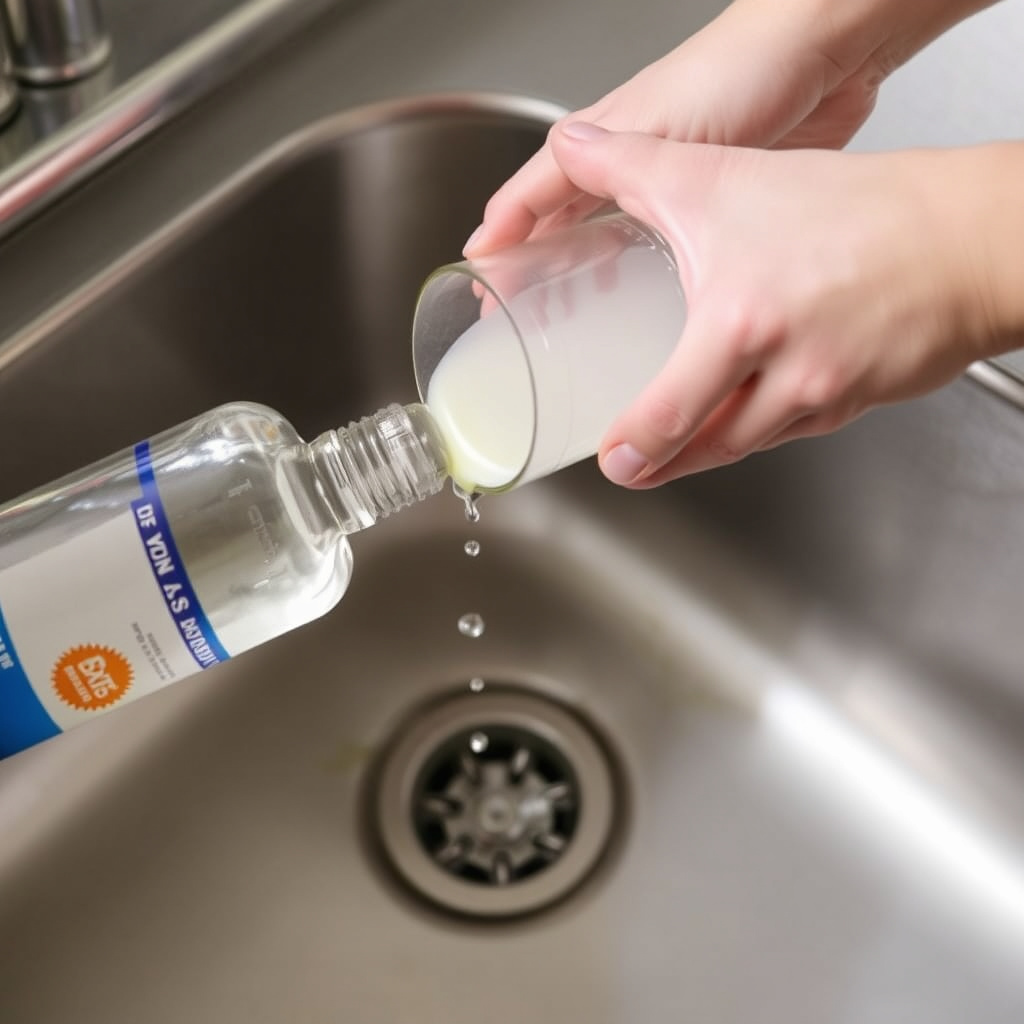
Start by pouring half a cup of baking soda down the drain, followed by half a cup of white vinegar. The chemical reaction generates bubbles that help break down grease and loosen debris inside the pipe. After about 15 minutes, flush the drain with hot water to rinse away loosened material.
This eco-friendly method is easy, affordable, and safe for your pipes. It works best on minor clogs caused by organic buildup rather than solid obstructions, making it a good first attempt for unclogging the kitchen sink drain.
- Pour ½ cup baking soda down drain
- Add ½ cup white vinegar slowly
- Wait 15 minutes for reaction
- Flush with hot water afterwards
Applying Boiling Water
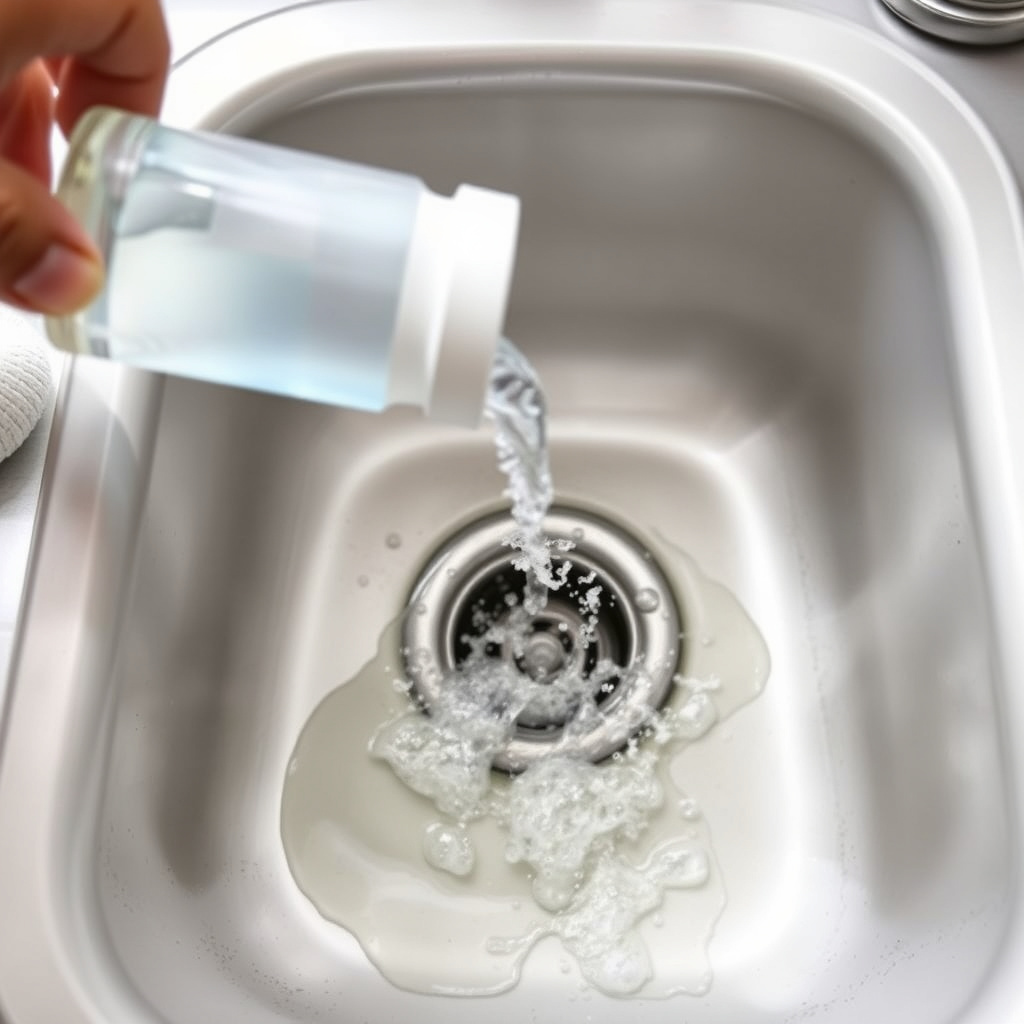
Pouring boiling water down the drain can help dissolve grease and soap buildup that narrows your kitchen sink drain. For effective results, pour boiling water in stages, allowing it to work for a few seconds between pours. This helps gradually melt hardened fats without damaging plumbing connections.
While effective on grease-based clogs, boiling water won’t clear solid food scraps or foreign objects blocking the pipe, so use it as a complementary step rather than the sole method.
- Boil water in kettle or pot
- Pour water slowly in 2-3 stages
- Let hot water work for 30 seconds between pours
Mechanical Solutions for Stubborn Kitchen Sink Clogs
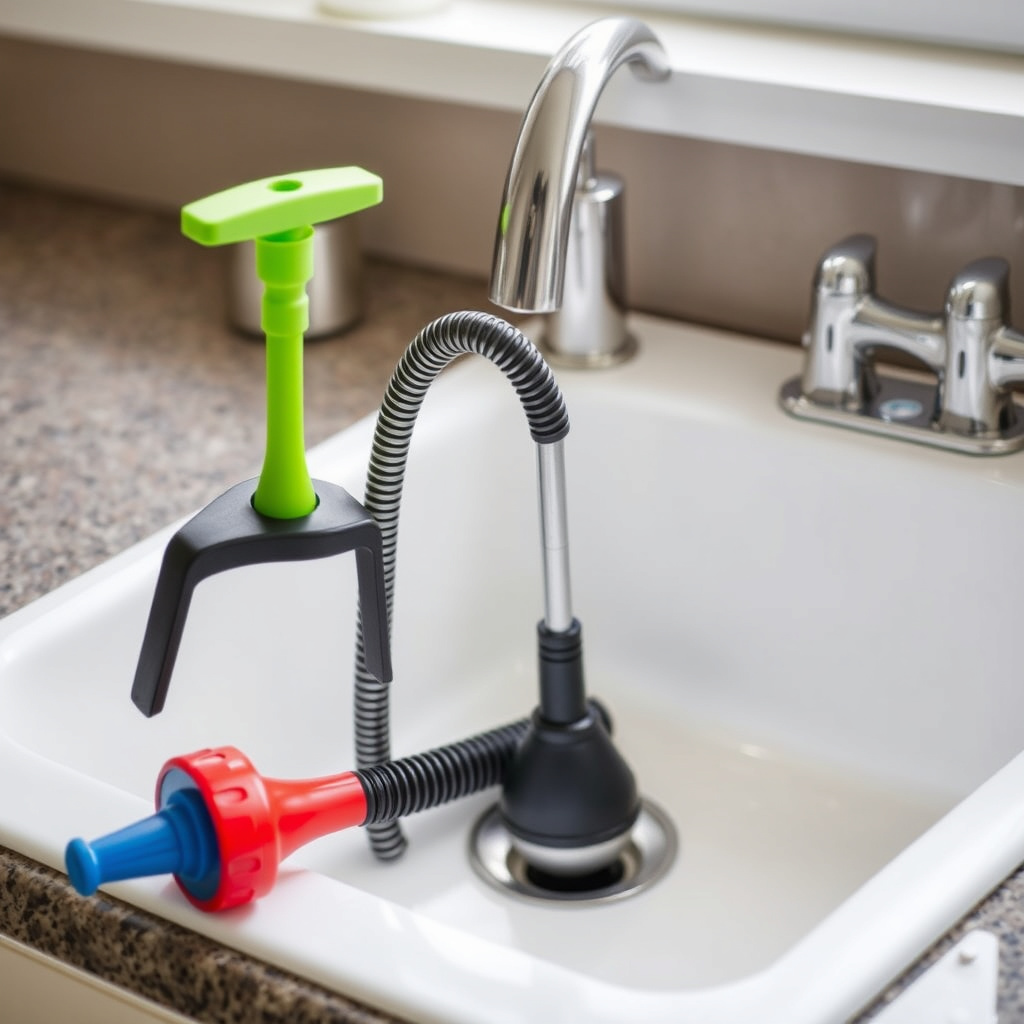
Using a Plunger to Dislodge the Blockage
A plunger creates suction to force blockages loose by pushing and pulling water through the pipes. To use it on a kitchen sink, seal overflow holes if present, fill the sink partially with water for a tight seal, then plunge vigorously several times before checking if water drains freely.
This tool works well for clogs near the drain entrance or in the immediate connecting pipes. Persistent or deep clogs may resist and require more advanced tools.
- Seal overflow holes with a wet cloth
- Fill sink with enough water to cover plunger cup
- Plunge firmly 10-15 times
- Test drainage after each attempt
For more on this, see our related guide: How to Unclog a Kitchen Sink Drain: Simple and Effective Methods.
Employing a Drain Snake or Auger

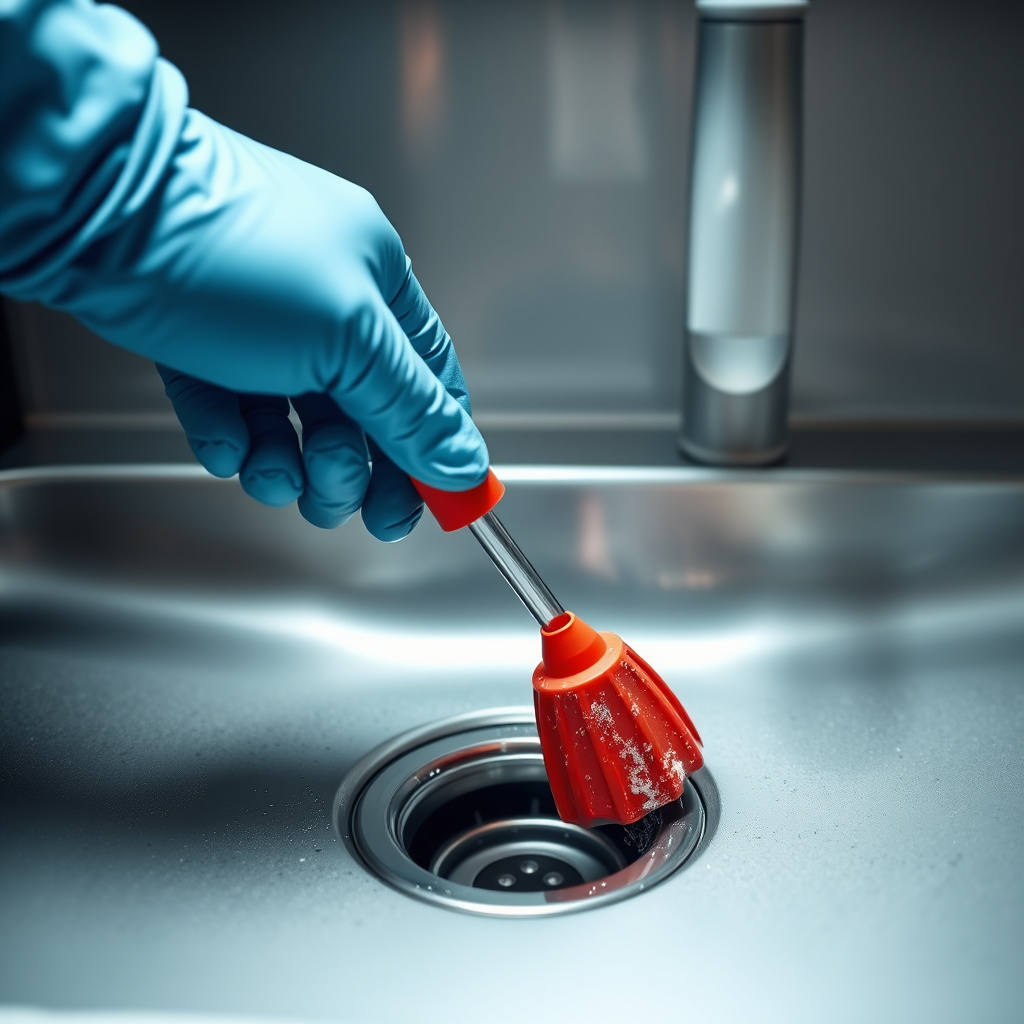
A drain snake consists of a flexible metal cable that manually pushes or pulls through pipe bends to break up or retrieve blockages. Feeding the snake into the kitchen sink drain and rotating it helps reach clogs lodged beyond the P-trap that plungers cannot clear.
Drain snakes require care to avoid pipe damage but are very effective on food scraps, grease, hair, and other debris. For metal or PVC pipes, use an appropriate size snake and operate smoothly.
- Choose correct snake length and diameter
- Insert slowly and rotate handle
- Pull out debris attached to snake
- Flush with water after clearing clog
Accessing and Cleaning the P-Trap
Locating and Removing the P-Trap

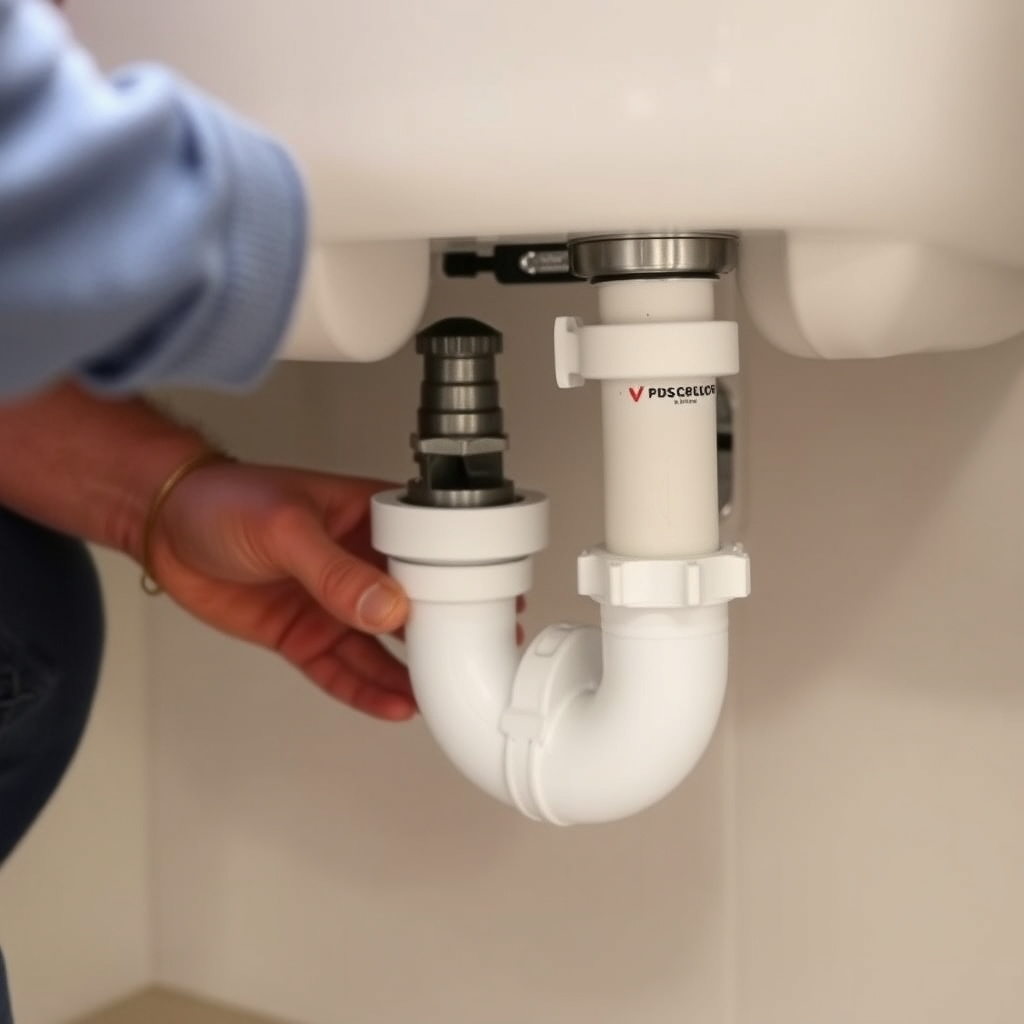
The P-trap is the curved pipe beneath your kitchen sink designed to trap debris and prevent sewer gases from entering the home. Over time, it collects food particles and grease that can cause clogs. Locating the P-trap usually involves looking underneath the sink where pipe curves downward before connecting to the wall drain.
To remove it, place a bucket beneath to catch water, then unscrew the slip nuts connecting the P-trap. Carefully remove and inspect it for trapped debris. Cleaning the P-trap manually often eliminates the clog source directly.
- Place bucket under P-trap
- Loosen slip nuts by hand or wrench
- Remove P-trap carefully
- Inspect and clean out debris
Reinstalling and Testing After Cleaning
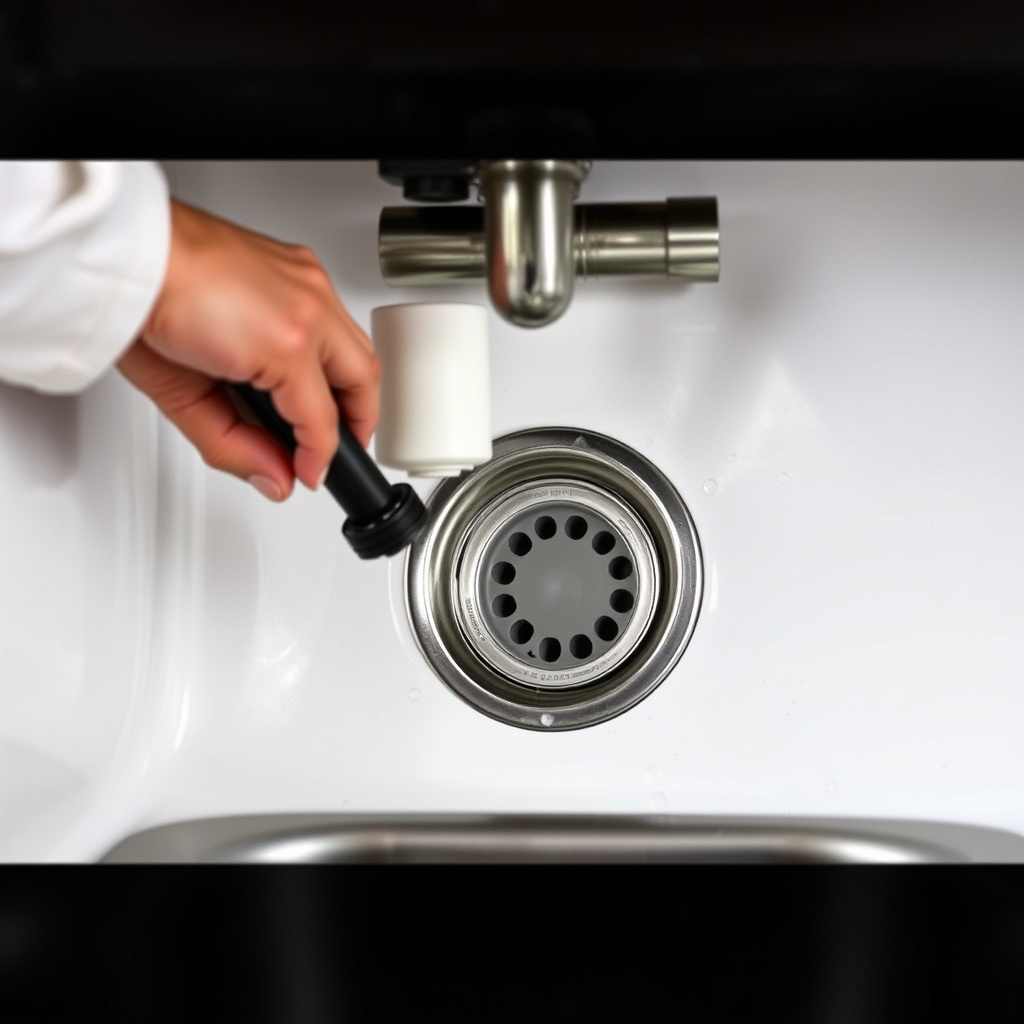
After thoroughly cleaning the P-trap, reattach it by aligning it back with the pipes and tightening the slip nuts without over-tightening to avoid leaks. Run water through the sink to check for leaks and verify the drain flows freely.
Regular cleaning of the P-trap every few months helps prevent future clogs and keeps your kitchen sink drain running smoothly.
Preventive Tips for Keeping Kitchen Sink Drains Clear
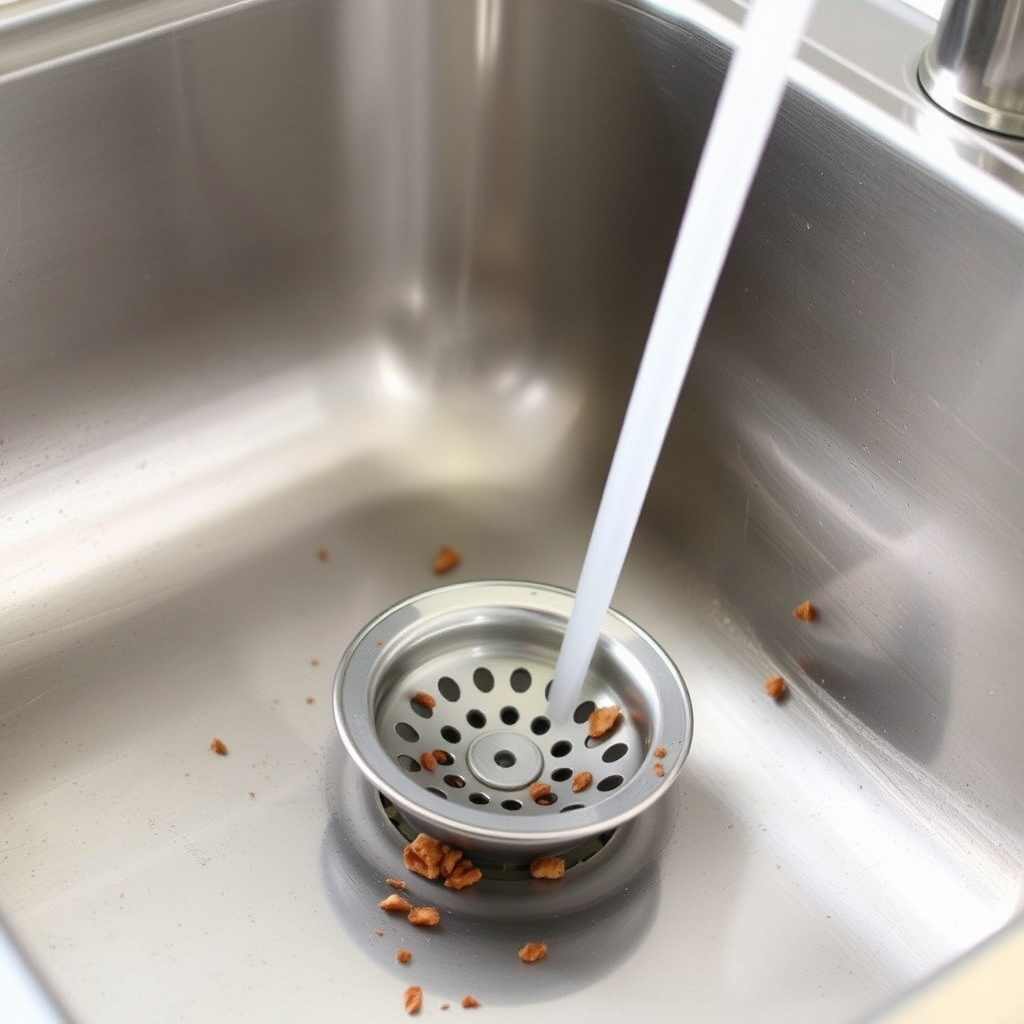
Using Sink Strainers and Proper Disposal
Use mesh sink strainers or drain guards to catch food scraps and debris before they enter the drain. Avoid pouring grease or oil down the kitchen sink as it solidifies and forms blockages. Instead, collect cooking fats in containers and dispose of them in the trash.
Proper disposal habits go a long way in reducing frequent clogs and extending the time between deep cleanings.
- Install mesh sink strainers
- Collect grease in sealed containers
- Scrape plates into compost or trash, not sink
For more on this, see our related guide: How to Unclog a Kitchen Sink: Effective DIY Solutions to Clear Your Drain.
Routine Maintenance for Drain Health
Flush your kitchen sink drain weekly with hot water or the baking soda-vinegar mixture to help dissolve accumulating grease and residues. Avoid chemical drain cleaners regularly, as they can corrode pipe materials and kill beneficial bacteria.
Scheduling regular checks under the sink and cleaning P-traps every few months helps identify and prevent blockages early, reducing inconvenient and emergency plumbing calls.
When to Call a Professional Plumber

Signs a Clog Requires Expert Attention
If your kitchen sink drain remains clogged after trying plungers, baking soda and vinegar, and cleaning the P-trap, it may indicate a deeper or more complex blockage in the main drainage line or vent system. Other warning signs are persistent foul odors, frequent backups, slow drainage in multiple fixtures, or leaking joints.
Attempting to force or repeatedly snake without success could damage pipes, so professional inspection is recommended to diagnose and fix the issue safely.
For additional technical background on plumbing and drainage systems, you can visit this kitchen sink clog information page. kitchen sink clog information.
What to Expect from Professional Drain Cleaning
Professional plumbers use specialized equipment like motorized drain augers, high-pressure water jetters, and cameras to locate and clear tough clogs deep inside drains. They can also repair damaged pipes or recommend pipe replacement when necessary.
Hiring a professional ensures the clog is removed thoroughly and reduces the risk of recurrence, providing peace of mind and lasting drainage performance.
Comparison of Kitchen Sink Drain Cleaning Methods
This table compares common methods for unclogging kitchen sink drains regarding effectiveness, cost, and suitable clog types.
| Method | Effectiveness | Cost | Suitable Clog Types | Ease of Use |
|---|---|---|---|---|
| Baking Soda and Vinegar | Moderate for light grease | Very Low | Grease, mild organic buildup | Easy |
| Boiling Water | Low to Moderate | Low | Grease and soap scum | Very Easy |
| Plunger | Moderate | Low | Simple clogs near drain | Moderate |
| Drain Snake | High | Moderate | Food debris, tough obstructions | Moderate to Difficult |
| P-Trap Cleaning | High | Low (DIY) to Moderate (professional) | Trapped debris in trap | Moderate |
| Professional Plumbing | Very High | High | Severe or deep clogs | Requires expert |
Frequently Asked Questions
Can I use chemical drain cleaners on my kitchen sink?
Chemical drain cleaners may damage pipes and are not recommended for kitchen sink drains regularly. They can harm plumbing materials and beneficial bacteria. Safer alternatives like baking soda and vinegar or mechanical methods are preferred.
How often should I clean my P-trap to prevent clogs?
Cleaning your P-trap every few months helps prevent buildup of food debris and grease that cause clogs. Regular checks reduce the chances of blockages forming and maintain good drainage.
Why is my kitchen sink draining slowly but not fully clogged?
Slow drainage usually results from partial buildup of grease, soap scum, or small debris restricting flow. It’s an early sign of clog formation and can be treated with preventive cleaning before a complete blockage develops.
What is the best drain cleaner for kitchen sink maintenance?
The best drain cleaner for kitchen sink maintenance is a routine use of baking soda and vinegar, combined with hot water flushes. This eco-friendly method safely breaks down grease and keeps drains clear without chemical hazards.
When should I call a plumber for my clogged sink?
Call a plumber if the clog persists after home attempts, causes frequent backups, or affects multiple drains. Professional help is necessary for deep blockages or pipe damage and ensures proper, safe cleaning.
Key Takeaways
- Start with simple DIY methods like baking soda-vinegar and plungers for minor clogs.
- Cleaning the P-trap manually often clears stubborn kitchen sink blockages.
- Avoid chemical cleaners regularly; opt for natural solutions.
- Call a professional plumber if home methods fail or issues recur frequently.
Conclusion
Approaching an unclogged kitchen sink drain involves understanding the clog type and starting with non-invasive methods. Baking soda and vinegar solution, boiling water, plunging, and cleaning the P-trap are effective first steps to restore normal drainage. Mechanical tools like drain snakes handle tougher blockages, while preventive care keeps the problem from returning. The careful selection of tools and techniques depends on the clog’s nature, location, and severity, enabling an efficient and safe resolution.
For routine kitchen sink drain care, regular use of the baking soda and vinegar mixture combined with hot water flushing helps prevent grease and food debris from accumulating. For minor blockages, a plunger often works quickly, while cleaning the P-trap manually is essential when debris builds up within pipe bends. However, stubborn or deep clogs may require the intervention of a drain snake or professional plumber, especially to avoid pipe damage and ensure thorough clearing. Choosing the right method accordingly saves time and effort and protects plumbing.
If you encounter persistent slow drainage or repeated clogs despite home treatment, it’s wise to contact a professional plumber who can perform advanced drain cleaning and diagnose any underlying issues. Meanwhile, adopting simple preventive measures like using sink strainers, disposing of grease properly, and routine drain maintenance can keep your kitchen sink drain flowing freely longer. Taking action promptly helps avoid extensive repairs and maintains a healthy kitchen plumbing system.