How to Dispose of Kitchen Knives Safely and Responsibly
Disposing of kitchen knives safely means packaging them to prevent injury, then choosing a method like recycling, donation, or professional sharpening services that accept old blades. Simply throwing knives in the trash can be dangerous.
Kitchen knives pose risks during disposal because of their sharp edges and metal composition. Improper disposal can injure sanitation workers or contaminate landfills, so managing them responsibly matters for safety and environmental reasons.
This article explains multiple approaches, from DIY containment for trash disposal to finding specialized recycling centers and donation programs that gladly accept usable knives. We’ll also cover the benefits and drawbacks of each method.
Preparing Kitchen Knives for Disposal

Cleaning and Securing the Blades

Before disposing of kitchen knives, thoroughly clean them to remove food residues which can attract pests or cause unpleasant odors. Once cleaned and dried, wrap each blade securely in thick cardboard or bubble wrap.
Use strong tape, such as duct or packing tape, to seal the wrapping tightly. This containment prevents the blades from cutting through bags or injuring anyone handling the waste.
- Remove all organic material
- Wrap blades individually
- Seal tightly with tape
- Label the package as 'sharp objects'
Packaging for Safe Transport

After securing the blades, place knives into a sturdy box to further reduce risk during transport. A rigid container ensures they cannot pierce through garbage bags or recycling bins.
Avoid flimsy materials; instead, repurpose small cardboard boxes or plastic containers for this purpose. Seal the box and clearly mark it to alert handlers that it contains sharp items.
- Use a strong, rigid box
- Seal edges and flaps completely
- Mark the box as containing sharp blades
Disposing of Kitchen Knives Through Trash and Recycling
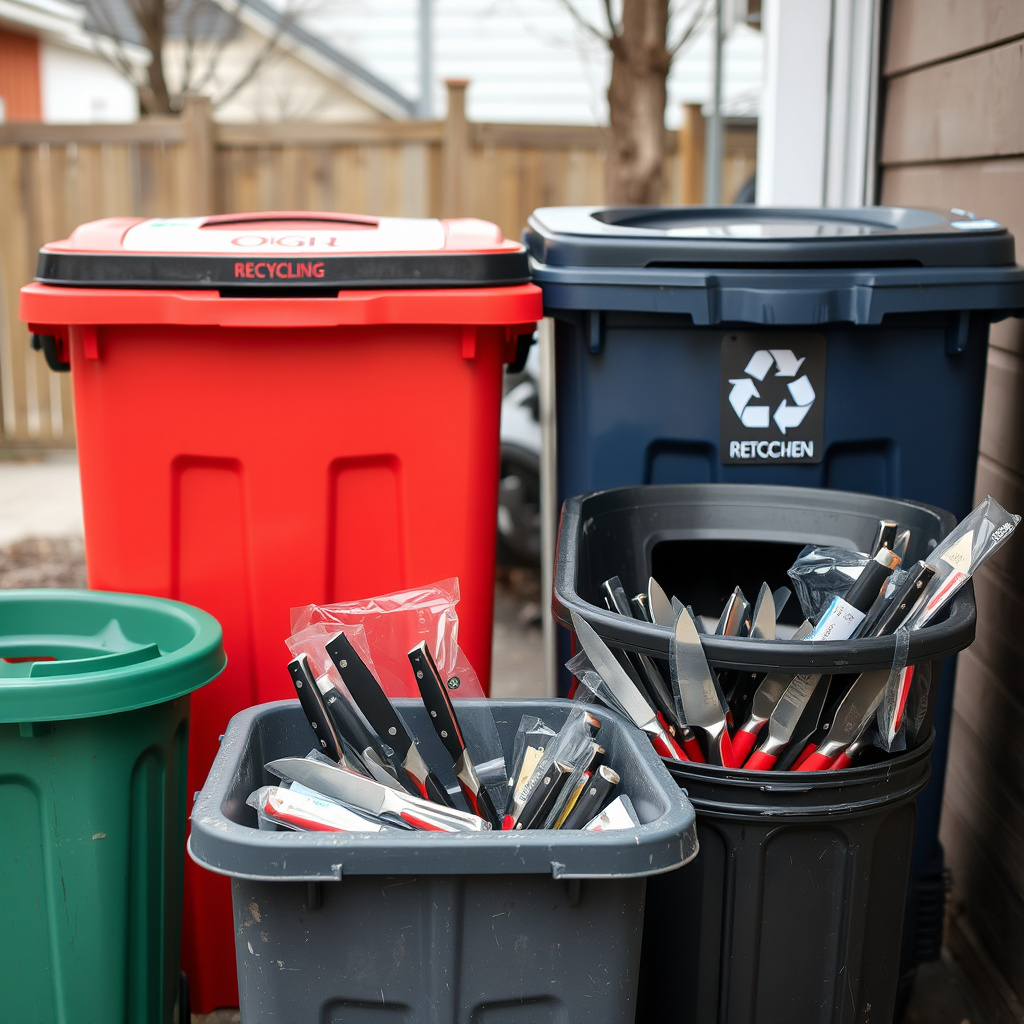
Disposing in Household Trash
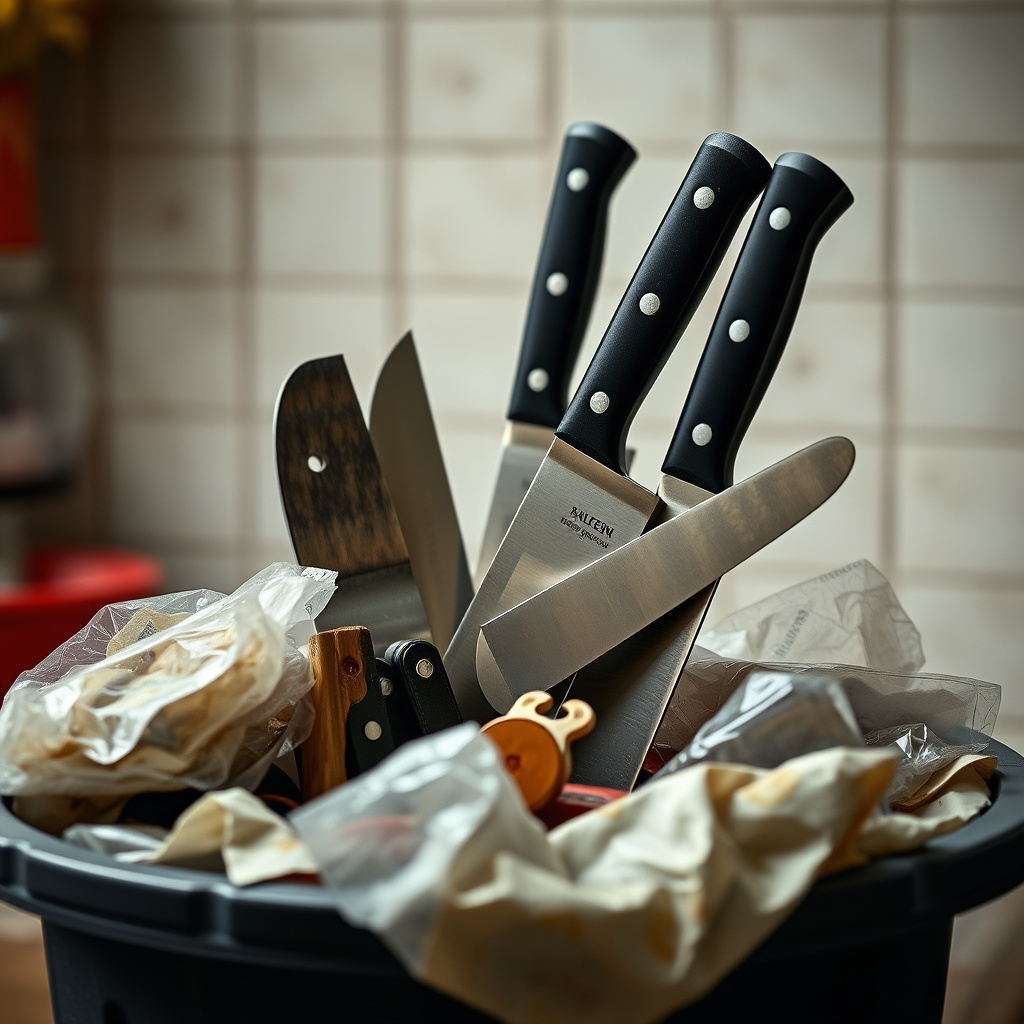
If no recycling or donation options exist, disposing of knives in household trash is possible but must be done cautiously. Packaged knives should be placed deep inside trash bags to prevent tears or contact with hands.
Never discard knives loosely in garbage bins. Consider informing your waste collector or local waste authority about the package to avoid accidental injury.
- Ensure knives are wrapped and boxed securely
- Place package inside robust trash bags
- Put bags in a bin or dumpster away from children
For more on this, see our related guide: How to Clean Kitchen Efficiently: Step-by-Step Guide for a Sparkling Space.
Recycling Kitchen Knives Safely

Some local recycling centers accept metal kitchen knives, typically under scrap metal or household hazardous waste programs. Contact your municipality or waste service to confirm.
Do not put knives into curbside recycling bins as sharp metals can damage sorting machinery or cause injuries to workers. Instead, deliver knives to designated drop-off points or scrap yards.
- Check for metal recycling facilities
- Confirm acceptance policies before dropping off
- Never place knives in curbside recycling bins
Alternative Options for Kitchen Knife Disposal
Donating Usable Knives
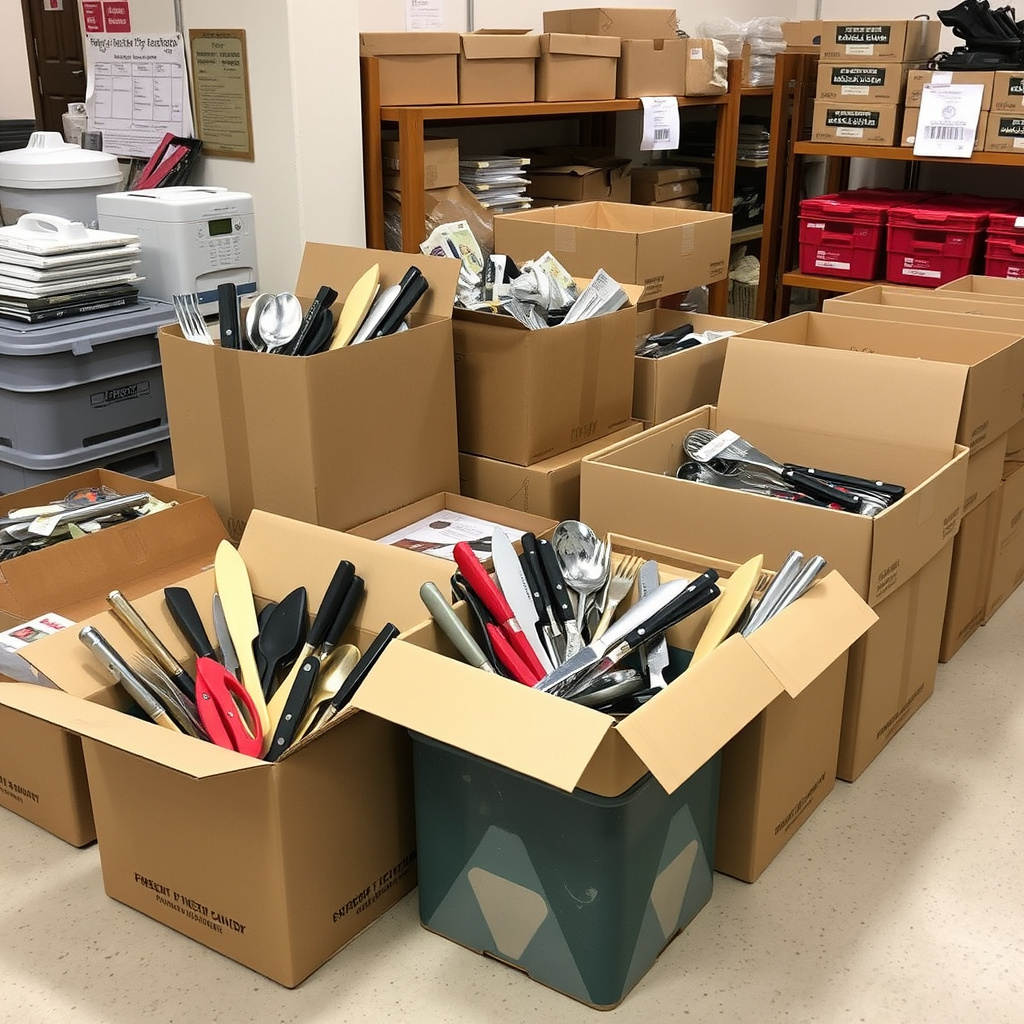
If your kitchen knives are still functional and in good condition, consider donating them. Thrift stores, community kitchens, or charitable organizations often welcome donations of kitchen tools.
Before donating, sharpen blades to ensure safety and wash thoroughly. Properly packaged knives help charities accept items without risk to volunteers.
- Assess knives for usability
- Clean and sharpen blades
- Package safely for donation drop-off
Blade Sharpening and Repurposing Services
Some local culinary schools, knife shops, or sharpening services accept old knives to refurbish or recycle materials. Repurposing blades reduces waste and extends their lifespan.
Check with professionals if any buy-back or trade-in programs exist in your area, which can be a sustainable and cost-effective way to upgrade your kitchen tools.
- Locate sharpening services that accept trade-ins
- Explore repurposing or resale options
- Consider communal programs that collect blades
Safety Considerations When Handling and Disposing Knives
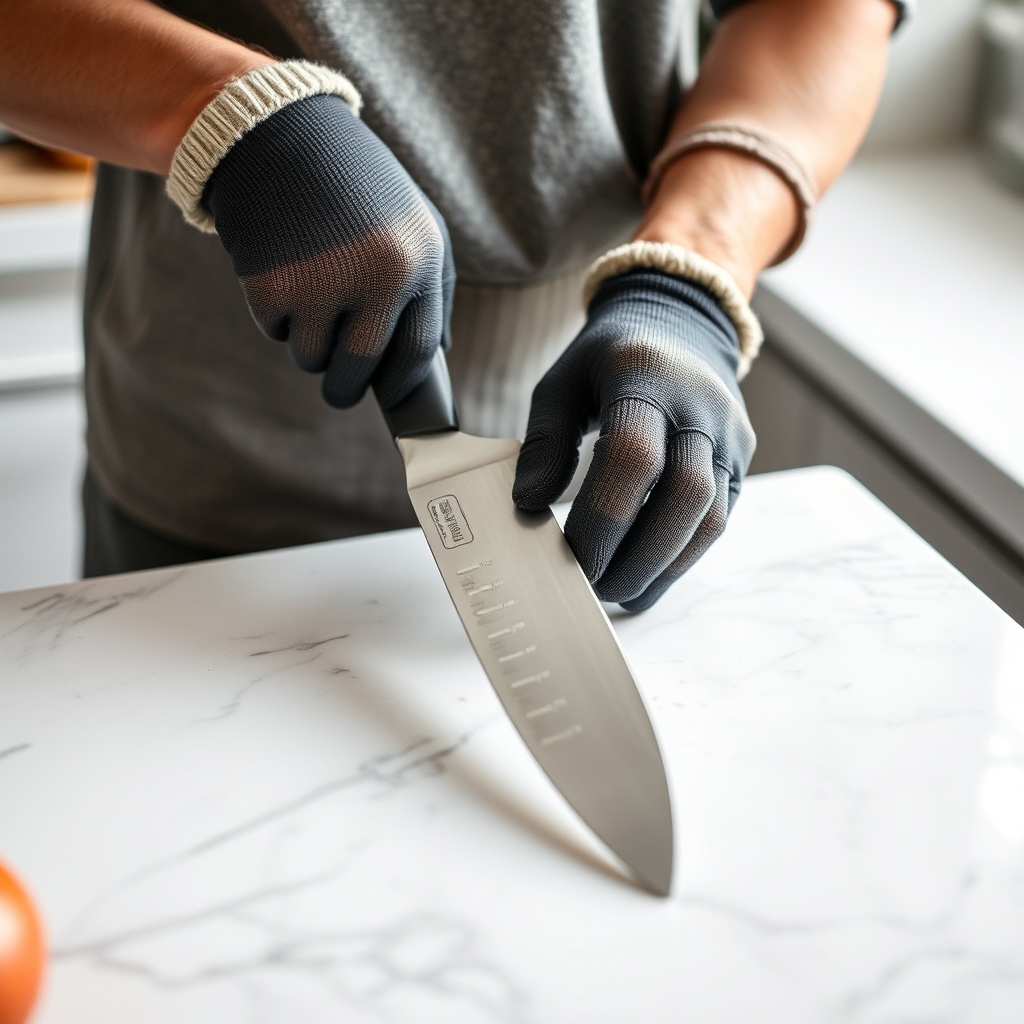
Using Protective Gear Properly
Always wear cut-resistant gloves while handling old knives to reduce risk of accidental cuts. This precaution is especially important when wrapping blades for disposal.
Additionally, ensure your work surface is clean and stable, so tools and knives don’t slip during packaging, which can cause injuries.
- Wear cut-resistant gloves
- Work on sturdy, non-slip surfaces
- Keep first aid nearby when handling blades
Preventing Injuries During Disposal
Labeling packages with warnings such as “Sharp Objects” helps waste collectors and handlers recognize hazards and take care. Use clear text and place labels on multiple sides if possible.
When transporting knives to disposal points, carry them in closed containers to maintain control and prevent blades from shifting or exposure.
- Label packages clearly
- Use closed, sturdy containers
- Keep knives separate from other recyclables or waste
Environmental Impact of Knife Disposal
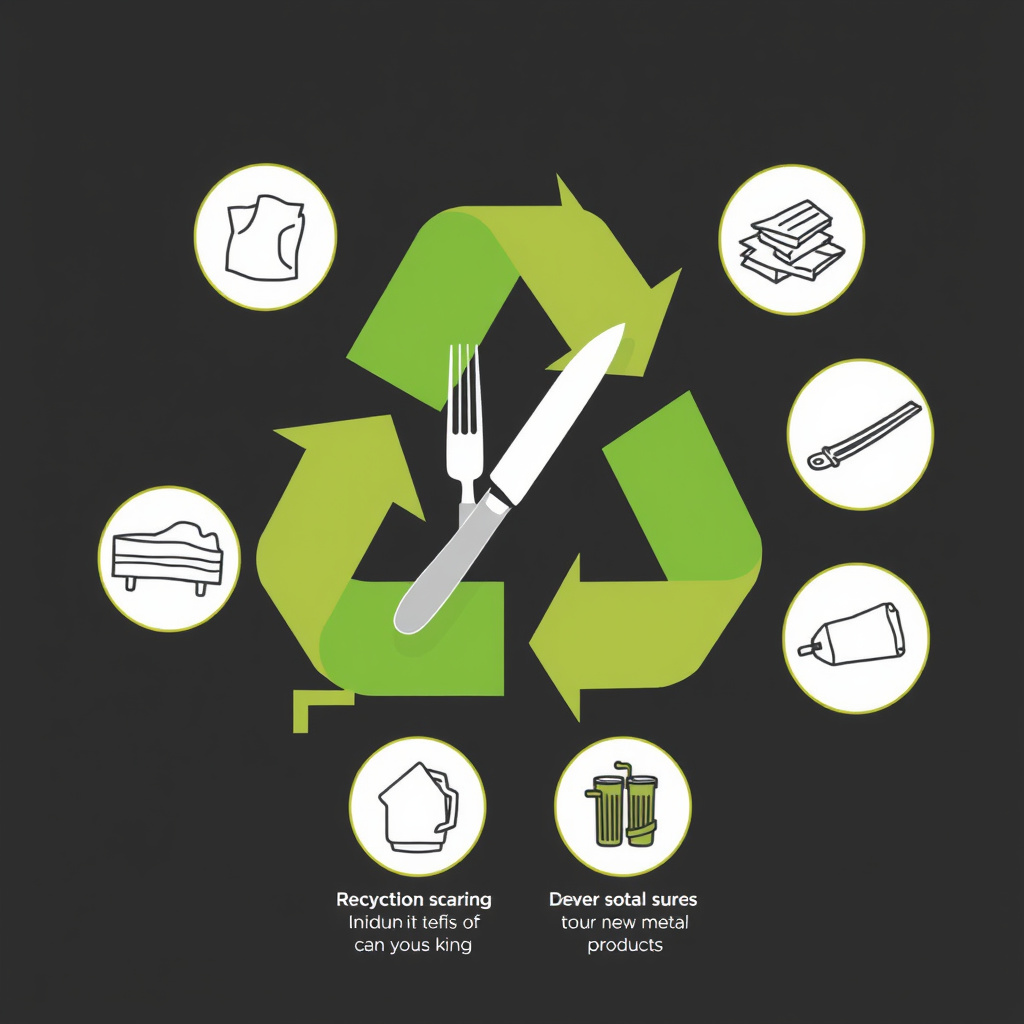
Metal Waste and Landfill Concerns
Kitchen knives are made of metal alloys that do not decompose easily in landfills. Disposing them improperly adds to metal waste and environmental burden.
Sharp metal also poses threats to landfill workers and can damage machinery used in waste processing facilities.
- Knife metals remain in landfill for decades
- Can injure sanitation workers and animals
- Contributes to unnecessary waste volume
For more detailed background on kitchen knives and their composition, see kitchen knife disposal practices on Wikipedia. Kitchen knife disposal practices on Wikipedia.
Benefits of Recycling and Repurposing
Recycling metal kitchen knives helps conserve resources by recovering valuable materials for reuse in new products. Repurposing old blades reduces demand for mining new metals.
Responsible disposal practices reduce environmental strain and promote sustainable management of everyday household tools.
- Conserves natural resources
- Reduces landfill volume
- Supports circular economy initiatives
Kitchen Knife Disposal Methods Comparison
Here’s a comparison of common disposal methods for kitchen knives highlighting safety, environmental impact, cost, and accessibility.
| Method | Safety Level | Environmental Impact | Cost | Accessibility |
|---|---|---|---|---|
| Household Trash Disposal | Moderate with proper packaging | High landfill impact | Free | Widely accessible |
| Metal Recycling Centers | High with correct handling | Low; material recovery | Sometimes free or minimal fee | Limited, varies by location |
| Donation Programs | High; knives remain usable | Very low | Free | Depends on local charities |
| Professional Sharpening/Repurposing | High; specialized handling | Low; extends product life | Potential cost or trade-in | Limited to urban areas |
| Discarding Without Preparation | Very low; high injury risk | High; landfill and injury risk | Free | Accessible but unsafe |
Frequently Asked Questions
Can I just throw kitchen knives in the regular trash?
Throwing kitchen knives in regular trash without protection is dangerous for waste handlers. Always wrap and package knives securely to prevent injuries before placing them in the trash.
Are kitchen knives recyclable at curbside pickup?
No, kitchen knives should not be placed in curbside recycling bins since sharp metals can damage equipment and endanger workers. Use designated scrap metal or recycling centers instead.
Where can I donate kitchen knives?
Usable kitchen knives can be donated to thrift stores, community kitchens, shelters, or charitable organizations that accept kitchen tools. Always check donation guidelines first.
How should I package kitchen knives for disposal?
Wrap each knife in thick cardboard or bubble wrap, secure tightly with tape, then place inside a sturdy box labeled “Sharp Objects” to prevent accidents during handling.
Are there special services for old kitchen knives?
Some knife shops and sharpening services accept old knives for refurbishment or recycling. Look for local professionals offering trade-in or repurposing programs.
What environmental issues are associated with throwing knives away?
Discarded knives add non-biodegradable metal waste to landfills, which lasts indefinitely and requires mining new resources. Recycling reduces this environmental burden.
Key Takeaways
- Always wrap and package kitchen knives securely before disposal
- Avoid placing knives in curbside recycling bins to protect workers
- Consider donating usable knives to extend their life
- Recycling or repurposing knives lessens environmental impact
Conclusion
The process of how to dispose of kitchen knives safely hinges on meticulous preparation and choosing a disposal method that balances safety with environmental responsibility. Wrapping blades securely protects sanitation workers and prevents accidental injuries during handling or transport. Deciding among trash disposal, specialized recycling centers, or donation depends on local options available and the knife’s condition. Prioritizing responsible disposal minimizes physical harm and reduces metal waste accumulation.
For those wondering what to do with old kitchen knives, donation programs offer a practical way to keep functional tools in circulation, benefitting community organizations. Where knives are unusable or damaged, metal recycling centers provide environmentally sound disposal by recovering valuable metals. Alternatively, professional sharpening or repurposing services can extend knife life or convert blades into other useful products. Household trash disposal remains last-resort and requires caution and secure packaging to avoid injury and environmental damage.
Ultimately, the best next step is to identify your local waste management guidelines concerning metal knife disposal and explore nearby recycling or donation venues. Preparing knives with protective wrapping and clear labeling is essential no matter the disposal path chosen. By following these careful steps, you not only protect yourself and others but contribute positively to sustainable household waste practices.