How to Clean Kitchen Appliances: A Practical Guide for a Sparkling Space
Cleaning kitchen appliances thoroughly involves regular wiping, using appropriate cleaning solutions, and tackling stubborn grime without damaging surfaces or electronics. Whether it's your microwave, refrigerator, oven, blender, or toaster, knowing the right approach keeps appliances hygienic and working smoothly.
Kitchens accumulate grease, food residues, and bacteria quickly, so appliance maintenance matters not just for appearance but for health and appliance longevity. Effective cleaning prevents malfunctions and extends the life of expensive machines while keeping your cooking area pleasant to use.
This article breaks down efficient cleaning strategies for common kitchen appliances, highlighting specialized care tips for each. You'll find practical advice on cleaning materials, solutions, and frequency, helping you maintain your kitchen appliances with confidence.
Cleaning Methods for Major Kitchen Appliances
How to Clean Refrigerators and Freezers

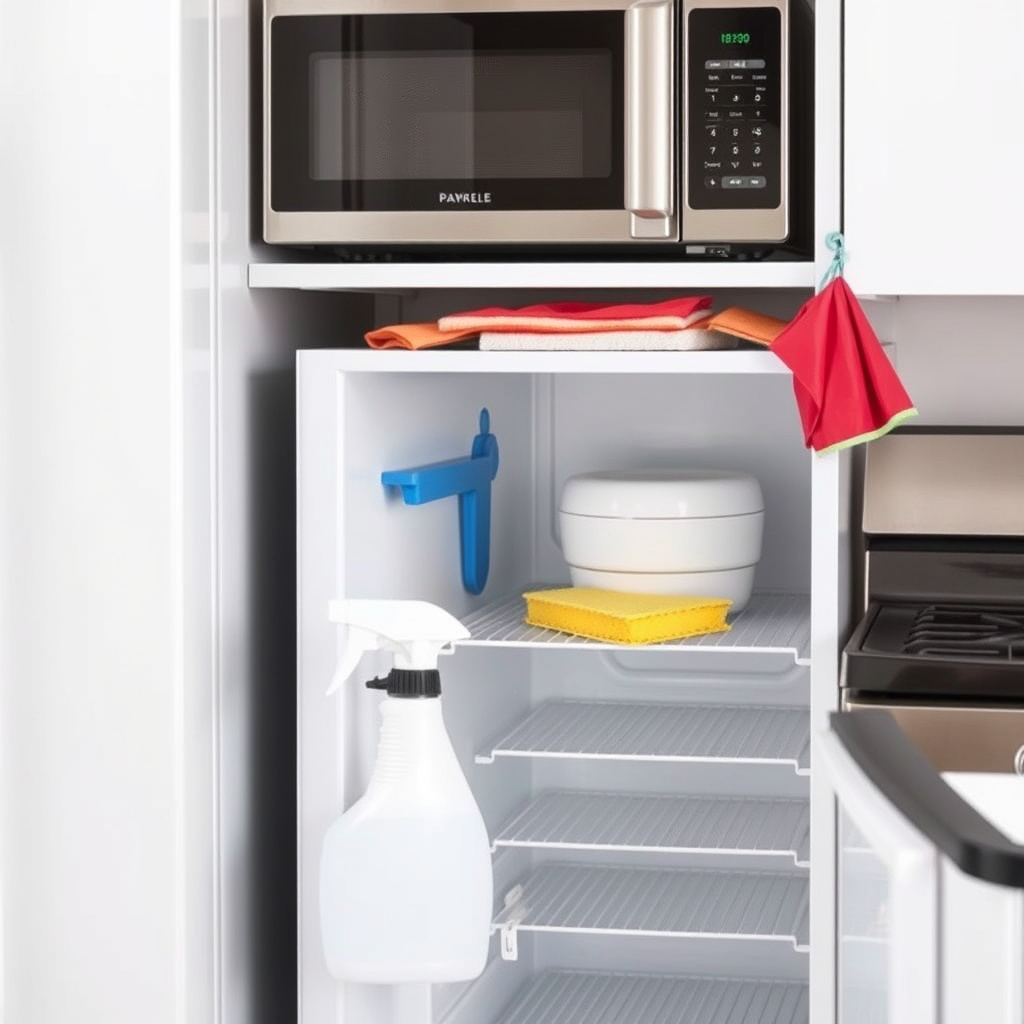
Fridges and freezers require regular internal and external cleaning to avoid odors and maintain food safety. Start by emptying contents, discarding expired items, and unplugging the appliance before cleaning to ensure safety.
Use a solution of warm water mixed with mild dish soap or baking soda to wipe down every surface, including shelves and door seals. Avoid harsh chemicals that can damage plastic parts, and dry surfaces thoroughly to prevent mold growth.
- Remove detachable shelves for separate washing
- Clean door seals with a toothbrush and soapy water
- Wipe exterior with a microfiber cloth
Effective Cleaning of Microwaves
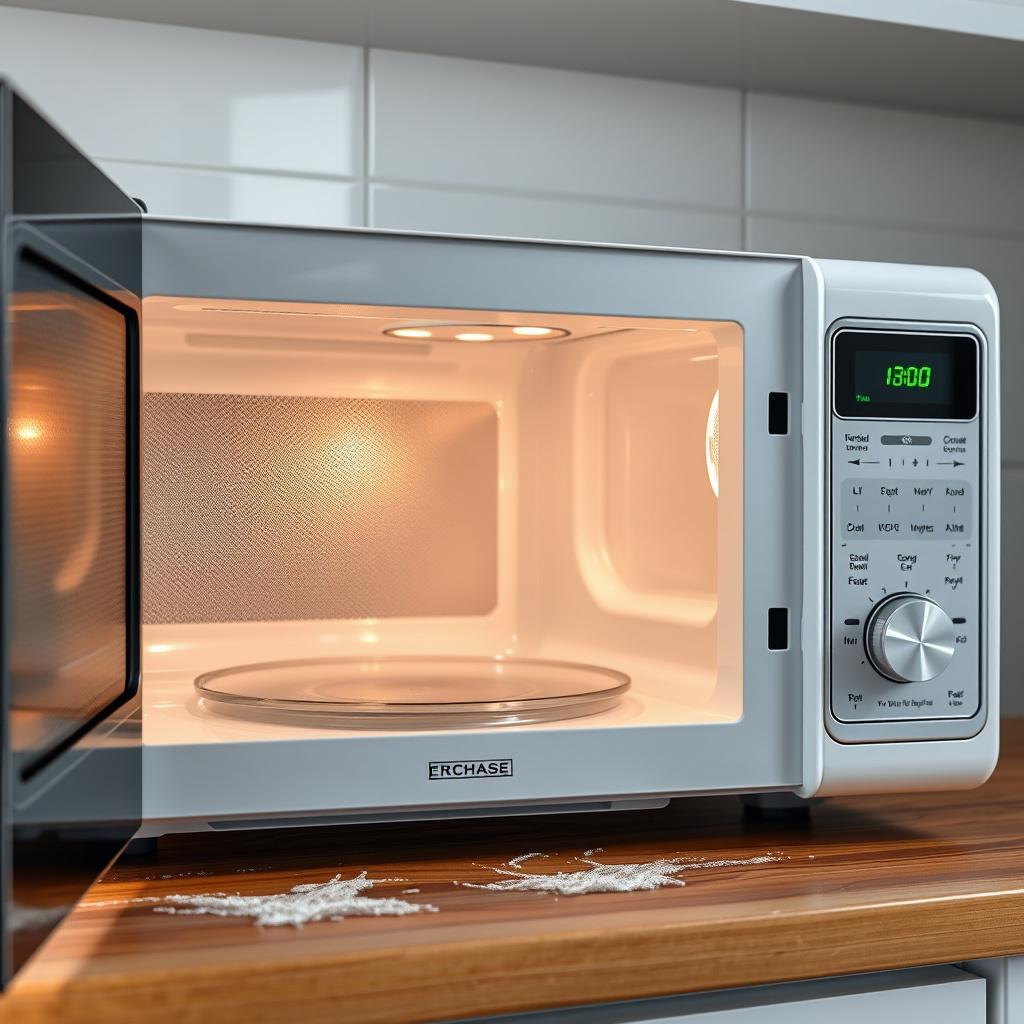
Microwaves often accumulate food splatters inside that can be tough to remove. Steaming the interior helps loosen dried-on food. Place a microwave-safe bowl filled with water and lemon juice inside, heating it for 3–5 minutes to create steam.
Once steamed, wipe surfaces with a soft cloth or sponge using mild detergent. Avoid abrasive pads that scratch the interior, and clean the turntable separately by hand washing.
- Use vinegar-water mix for odor removal
- Regularly check and clean the microwave vent
Routine and Deep Cleaning for Small Appliances
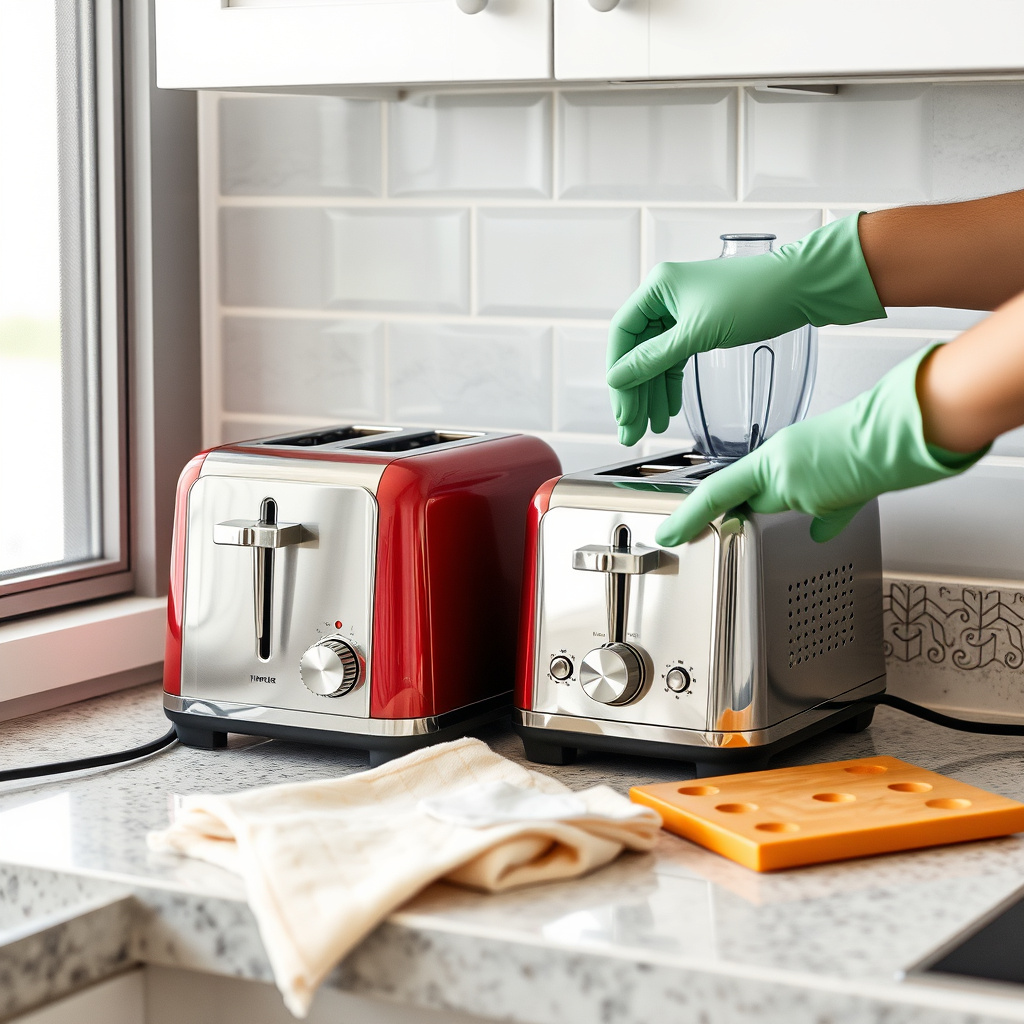
Cleaning Toasters and Coffee Makers Safely
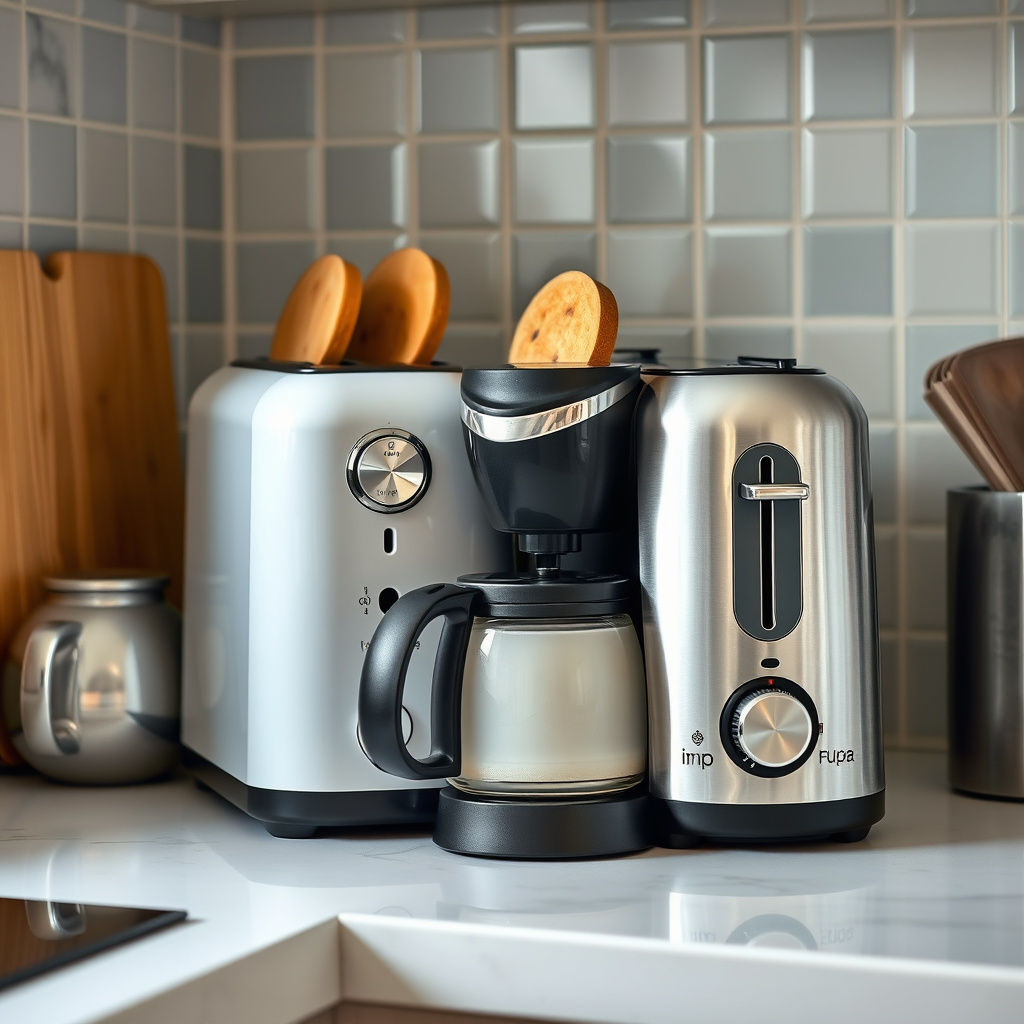
Toasters accumulate crumbs that can pose fire hazards or cause odors. Unplug the toaster and empty the crumb tray regularly. Use a soft brush or cloth to dislodge crumbs from the slots but avoid immersing the device in water.
Coffee makers need regular descaling to eliminate mineral buildup. Run a cycle with equal parts water and white vinegar, then follow with fresh water cycles to rinse thoroughly. Clean removable parts using warm soapy water.
- Empty crumb trays weekly
- Descale coffee makers every 1-3 months
For more on this, see our related guide: How to Pack Kitchen for Moving: A Step-by-Step Guide to Protect Your Essentials.
Maintaining Blenders and Food Processors
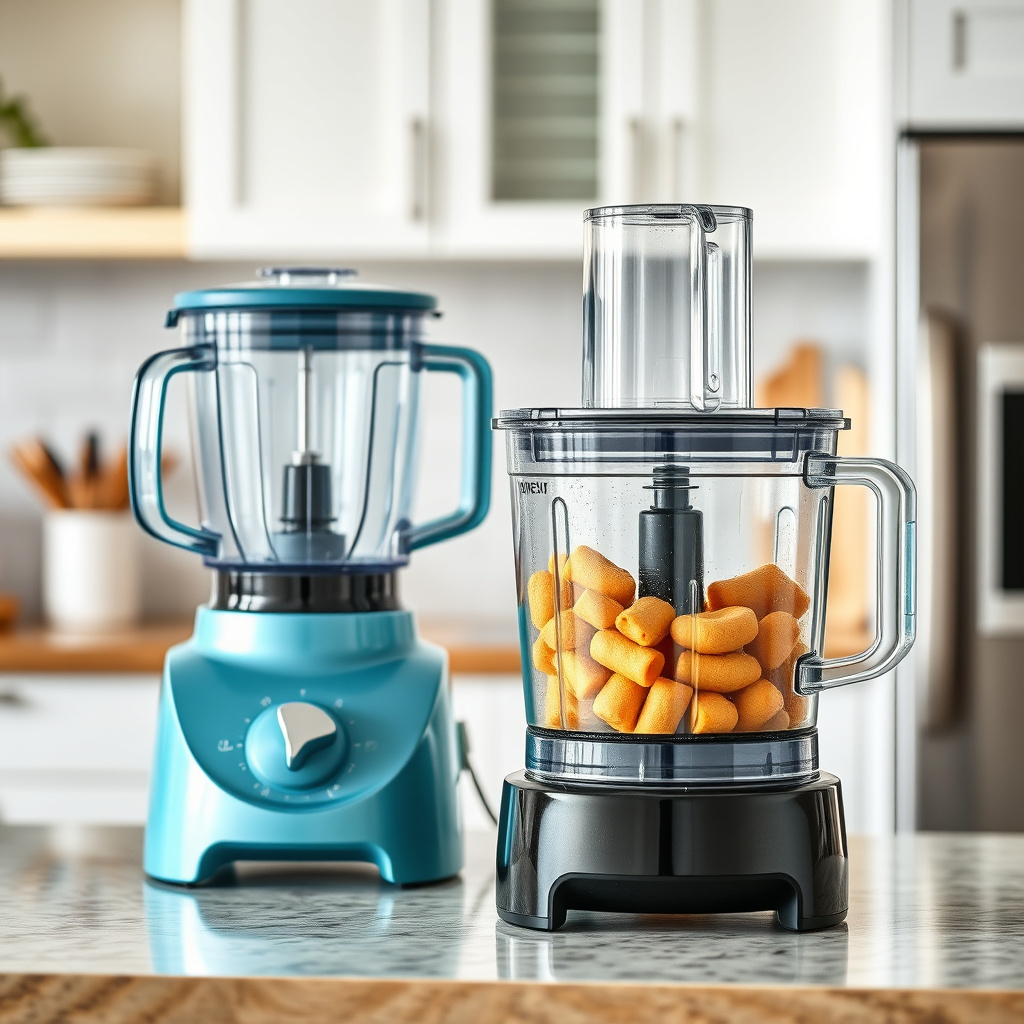
After each use, dismantle blenders and food processors, washing blades, jars, and lids with warm soapy water. Blades require gentle handling due to sharpness. Some parts are dishwasher-safe but confirm with manufacturer instructions.
For stubborn residue, blend a solution of warm water and dish soap at low speed for a minute to clean internal surfaces. Wipe the motor base carefully with a damp cloth without letting moisture seep inside.
- Check seals and gaskets for food buildup
- Avoid immersing electrical components
Choosing the Right Cleaning Products and Tools
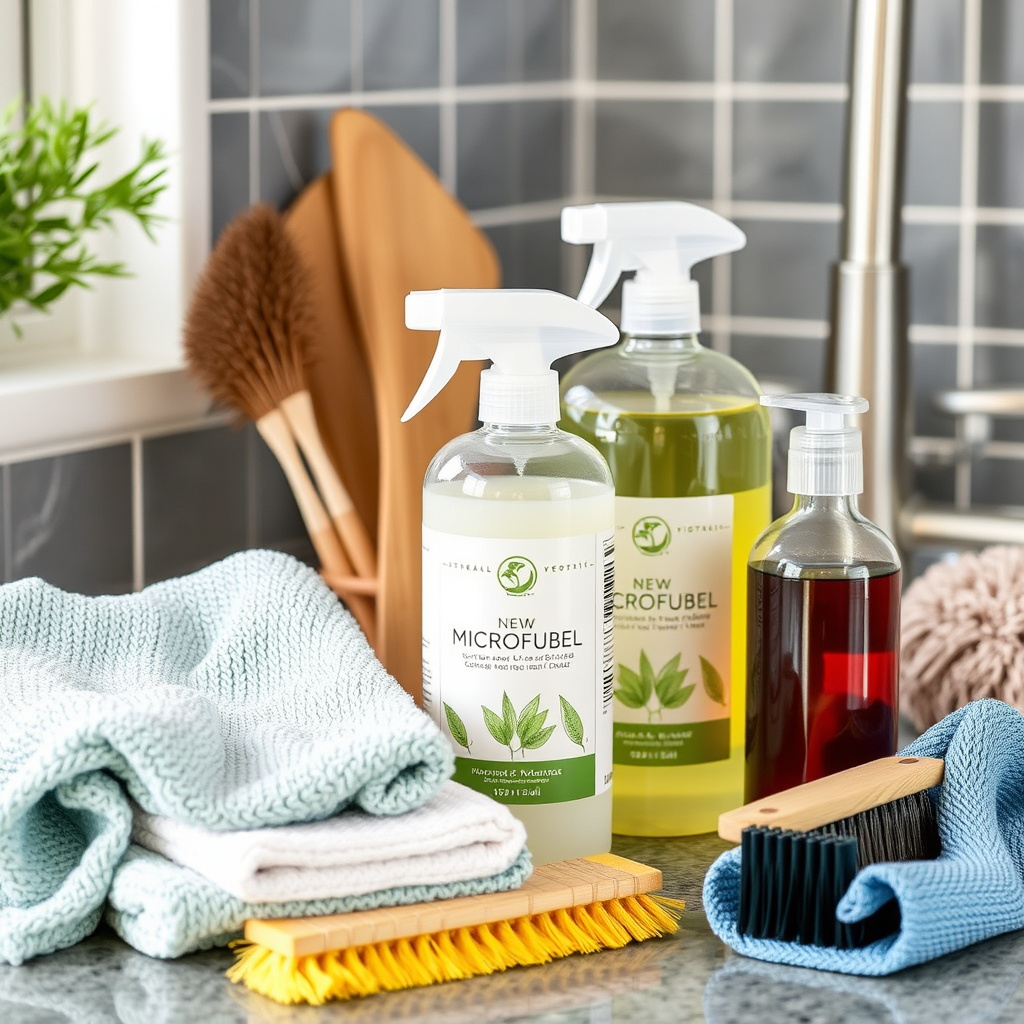
Safe Cleaning Solutions for Kitchen Appliances
Mild dish soap and baking soda are effective and non-toxic cleaning agents suitable for most kitchen appliances. White vinegar serves as a natural deodorizer and descaler. Avoid bleach or abrasive cleaners that may degrade surfaces or electronics.
Commercial appliance cleaners work well but always check compatibility with your appliance finish. Testing a small hidden area first helps prevent discoloration or damage.
- Use vinegar for descaling kettles and coffee makers
- Apply baking soda paste on greasy spots
Best Tools for Cleaning Kitchen Appliances
Microfiber cloths are excellent for wiping and polishing appliances without scratching. Soft nylon brushes or old toothbrushes reach into cracks, especially for door seals and vents.
Avoid abrasive scrubbers as they can damage surfaces. Spray bottles help apply cleaning solutions evenly. Cotton swabs assist in cleaning small crevices and controls.
- Use soft brushes for sealing gaskets
- Keep cloths lint-free and clean
Cleaning Frequency and Maintenance Tips
How Often to Clean Kitchen Appliances
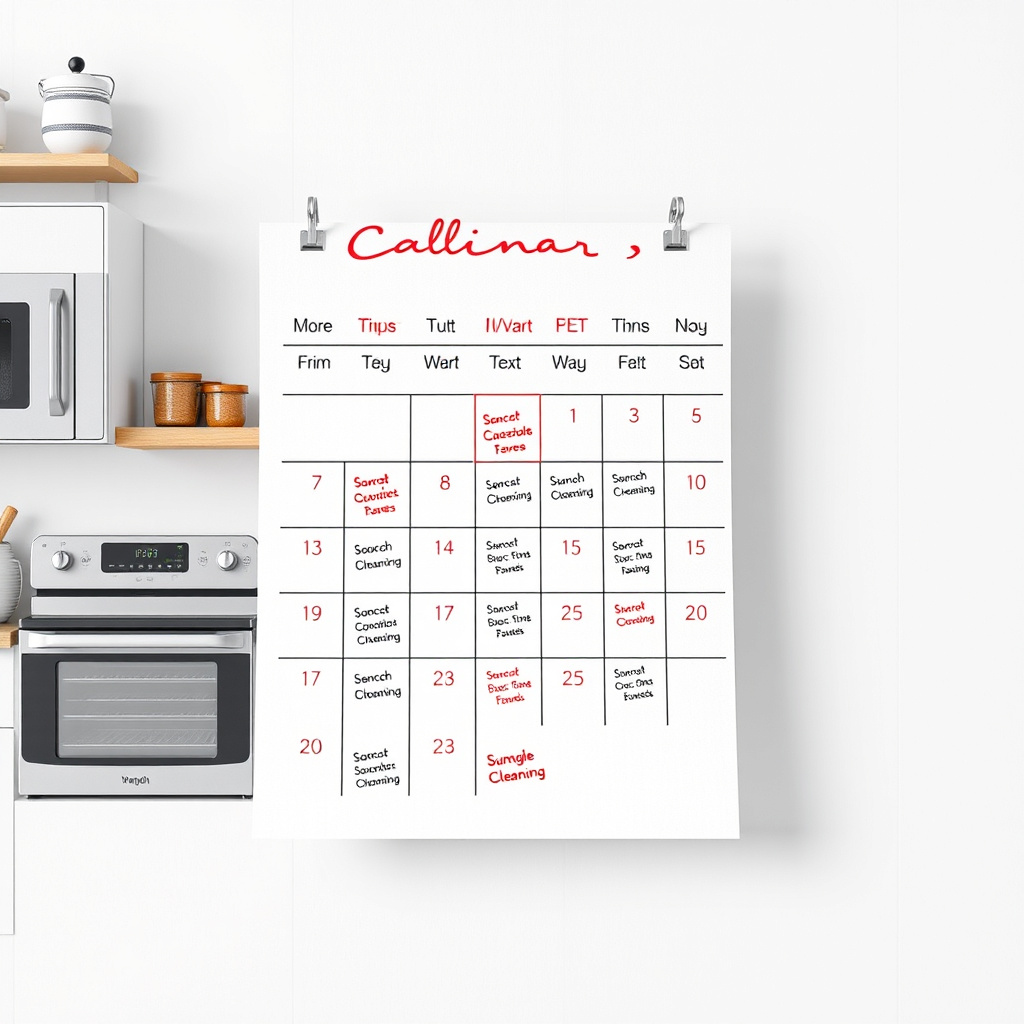
High-use appliances like microwaves and coffee makers benefit from weekly cleaning, while refrigerators and ovens should receive thorough cleaning monthly or bi-monthly. Small appliances need cleaning after every use to avoid buildup.
Setting a routine schedule prevents grime accumulation and maintains hygiene. Adapt frequency based on appliance usage intensity and manufacturer recommendations.
- Weekly: Microwave interior and toaster crumb trays
- Monthly: Fridge shelves and oven interiors
For more on this, see our related guide: How to Build a Kitchen Island: A Step-by-Step Guide for Your Home.
Preventive Maintenance to Ease Cleaning
Wiping appliances after each use, using covers or lids, and cleaning spills promptly reduce intensive scrubbing later. Regularly defrosting freezers prevents frost buildup that complicates cleaning.
Check seals and vents to keep them free from debris, enhancing appliance efficiency and cleanliness over time.
- Use appliance covers during non-use
- Clean spills immediately to avoid residue hardening
Handling Stubborn Residues and Odors in Appliances
Removing Grease and Burnt Food Residues
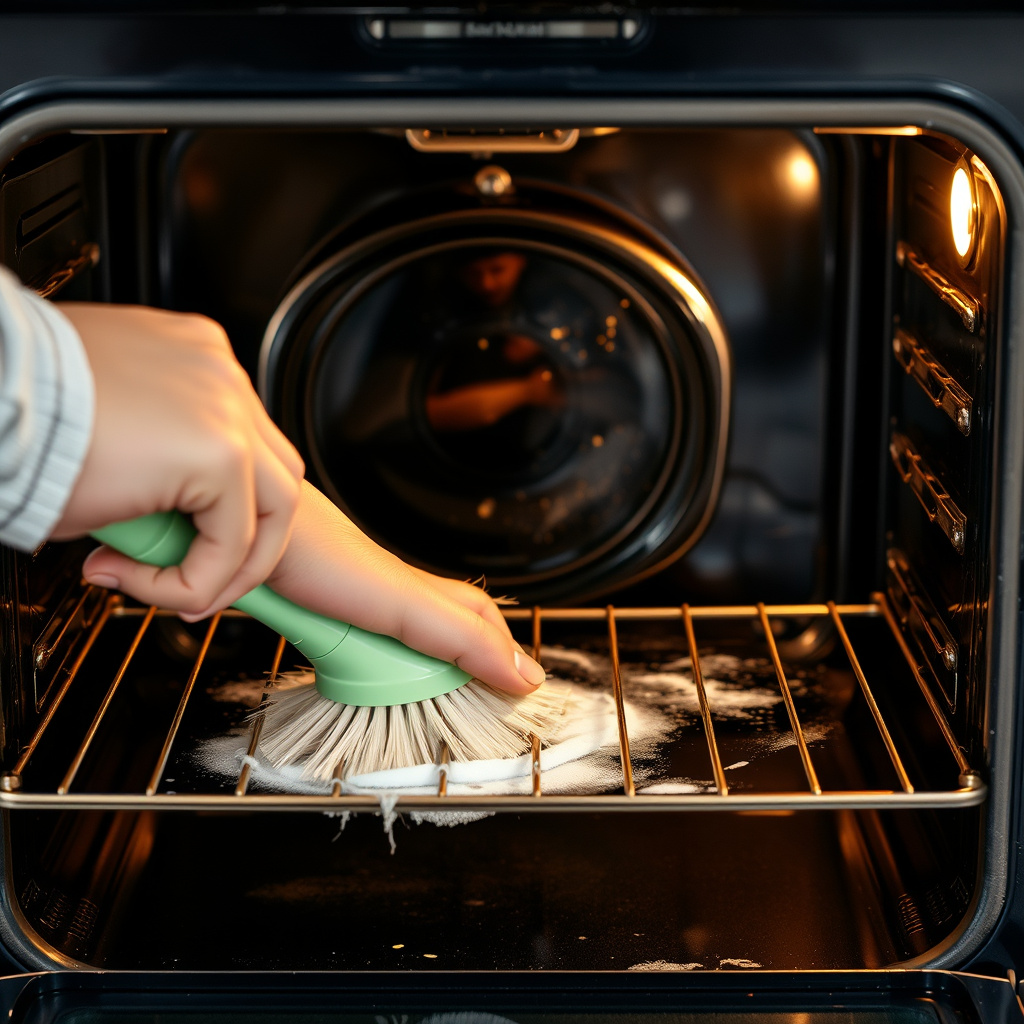
Stubborn grease on ovens or stovetops requires a degreaser or paste made of baking soda and water left on for 15-20 minutes before scrubbing. Avoid metal scouring pads that scratch surfaces.
For microwaves, scrubbing with a vinegar solution breaks down burnt spots. Steam treatments also ease residue removal by softening hardened food particles.
- Use degreasers specifically for kitchen appliances
- Steam microwaves to loosen food splatters
For additional safety tips and environmental advice, consult this official cleaning kitchen appliances guide. cleaning kitchen appliances guide.
Neutralizing Appliance Odors Effectively
Odors in refrigerators, microwaves, or coffee makers can be neutralized by placing activated charcoal, baking soda, or coffee grounds inside for several hours.
Cleaning seals and drip trays regularly prevents odor sources. For persistent smells, a vinegar or lemon juice wipe-down helps refresh surfaces naturally.
- Place odor absorbers inside appliances
- Regularly clean water reservoirs and drip trays
Kitchen Appliance Cleaning Methods Comparison
This table summarizes popular kitchen appliance categories with typical cleaning methods, difficulty levels, and recommended cleaning frequency for smart maintenance.
| Appliance Type | Cleaning Method | Frequency | Difficulty Level |
|---|---|---|---|
| Refrigerator/Freezer | Wipe with soapy water, baking soda for odors | Monthly | Moderate |
| Microwave Oven | Steam then wipe, vinegar for odors | Weekly | Easy |
| Toaster | Empty crumb tray, brush slots | Weekly | Easy |
| Coffee Maker | Descale with vinegar solution | Every 1-3 months | Moderate |
| Blender/Food Processor | Disassemble and wash parts | After each use | Easy |
| Oven/Stovetop | Degreaser, baking soda paste | Monthly or as needed | Hard |
Frequently Asked Questions
Can I use bleach to clean kitchen appliances?
Bleach can damage appliance surfaces and leave harmful residues. It is safer to use mild soap, baking soda, or vinegar for cleaning kitchen appliances.
How do I remove stubborn burnt food from my oven?
Apply a baking soda paste to burnt areas, let it sit 15–20 minutes, then scrub gently. Commercial degreasers designed for ovens can also help.
What is the best way to clean a coffee maker?
Run a cycle with equal parts white vinegar and water, followed by two cycles of fresh water, to descale and clean a coffee maker effectively.
How often should I clean my refrigerator?
A thorough cleaning of the refrigerator should be performed monthly, including shelves, drawers, and door seals to maintain freshness and hygiene.
Can I put blender parts in the dishwasher?
Most blender jars and blades are dishwasher-safe, but check your manufacturer’s instructions. Avoid putting the motor base or sealed electrical parts in the dishwasher.
Key Takeaways
- Use mild cleaners like baking soda and vinegar for effective, safe cleaning.
- Clean small appliances after every use to avoid buildup.
- Regularly empty crumb trays and descale coffee makers to maintain function.
- Steam microwaves and use gentle tools to remove food residues.
Conclusion
Understanding how to clean kitchen appliances effectively involves selecting the right cleaning methods, tools, and schedules tailored to each appliance’s material and usage. Consistently applying well-chosen cleaning routines preserves both the look and functionality of your appliances, contributing to a healthier, more efficient kitchen environment. The main keyword appears once here because focusing on proper cleaning techniques enhances appliance longevity and hygiene without unnecessary wear or damage.
For example, refrigerators and ovens demand periodic deep cleaning and deodorizing with baking soda or mild solutions, while microwaves benefit from frequent steam-based cleaning. Small appliances like toasters require crumb removal weekly, and coffee makers need descaling every few months. Following these specific guidelines helps you address common kitchen appliance maintenance challenges pragmatically while keeping your workspace tidy and fresh.
If you're ready to make the most of your cleaning efforts, start with the most used appliances and schedule a maintenance calendar considering usage intensity. Utilizing gentle, kitchen-friendly solutions and soft tools will keep your appliances running efficiently and looking clean. This practical approach will save time, reduce risks of appliance failure, and contribute to a more enjoyable cooking experience.