How to Unclog a Kitchen Sink: Simple Techniques That Work Fast
If your kitchen sink is clogged, the fastest way to fix it is to clear the blockage manually or with common household tools like a plunger or drain snake. Chemical cleaners can sometimes help but often are ineffective for typical clogs involving grease or food debris. Starting with simple physical methods typically resolves most blockages.
A clogged kitchen sink disrupts daily routines and can cause water to back up, creating unpleasant odors or leaks. Since kitchen sinks handle grease, food scraps, and soap residue, they often clog from buildup. Knowing how to unclog a kitchen sink quickly saves time and avoids costly plumber visits.
This article will cover several practical techniques for unclogging a kitchen sink, including using plungers, manual removal, baking soda and vinegar mixtures, and when to use chemical drain cleaners. You’ll also learn preventative tips to maintain clear drains and tools to keep handy for future clogs.
Tools and Materials for Unclogging a Kitchen Sink
Basic Tools You Should Have on Hand
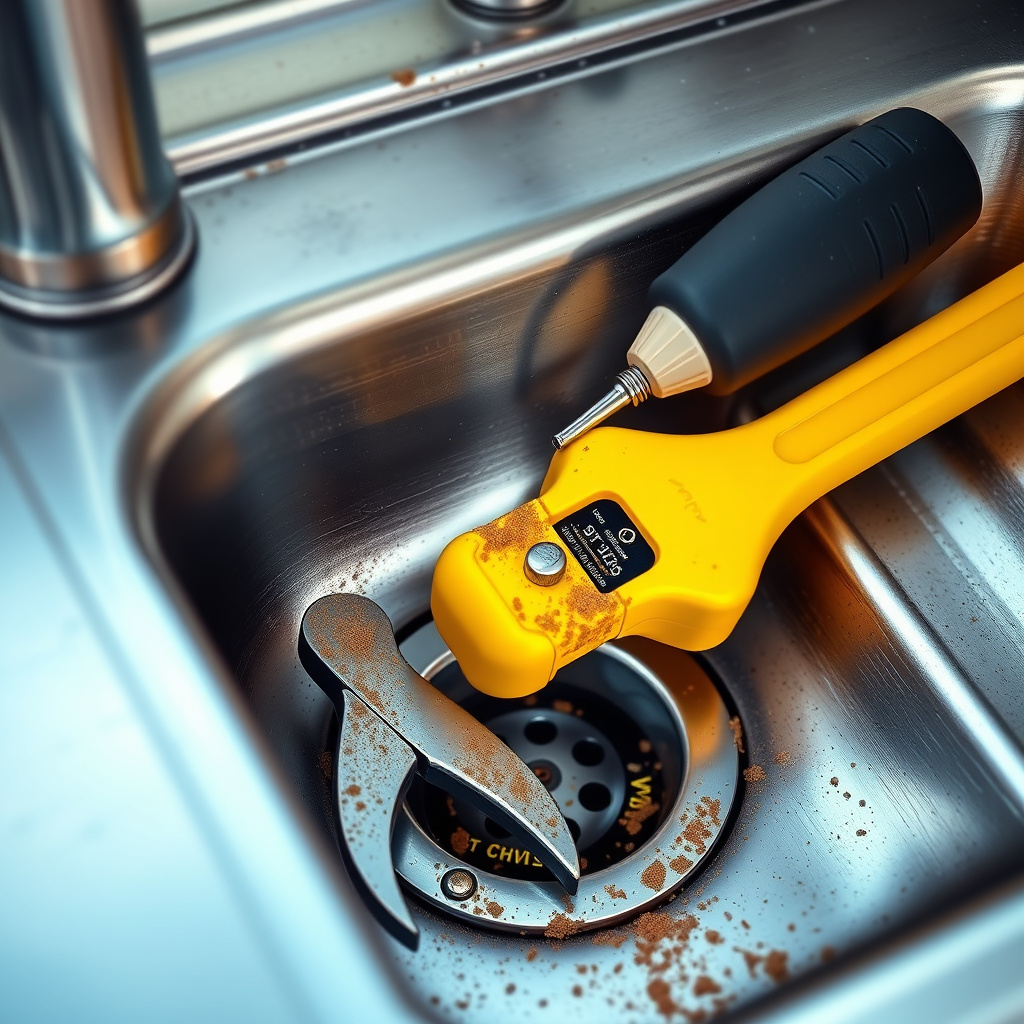
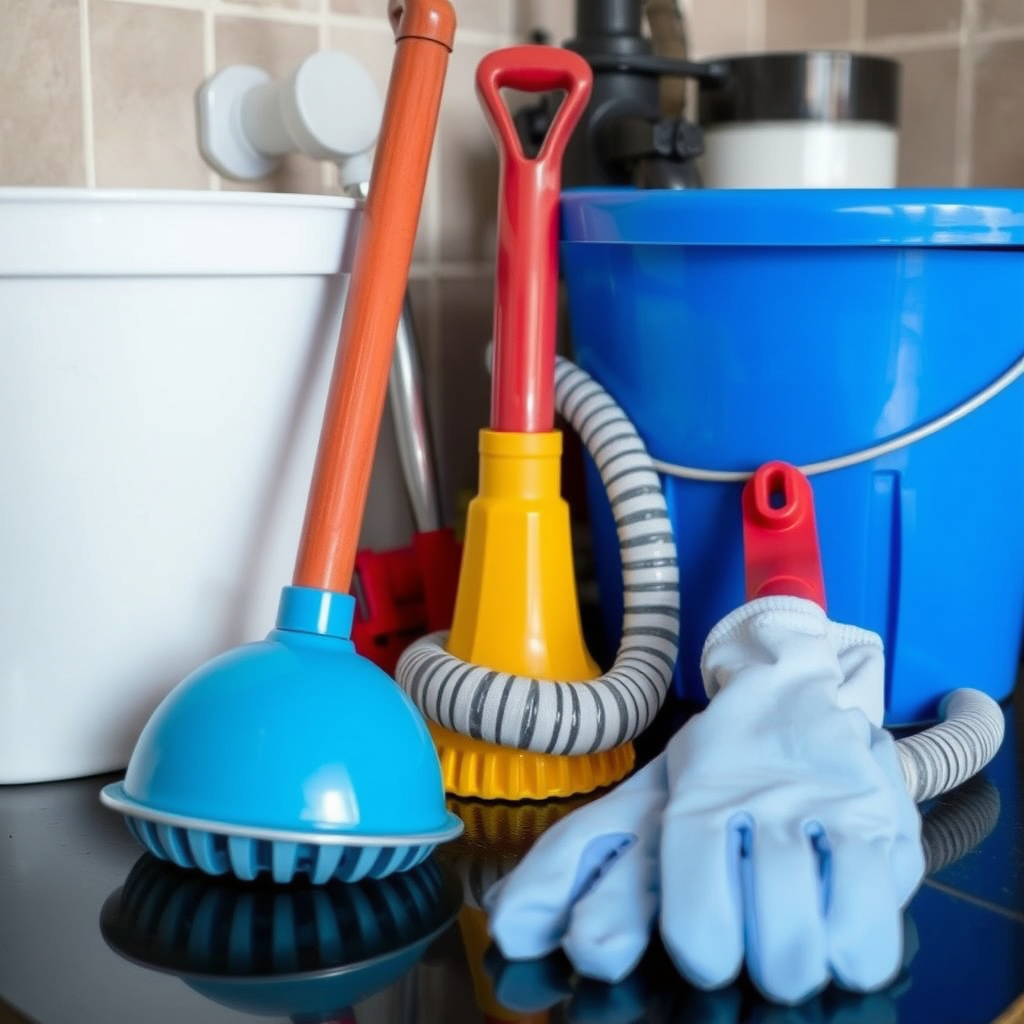
The essential tools for unclogging a kitchen sink include a plunger, a drain snake (or auger), a bucket to catch water, and gloves to protect your hands. A plunger creates suction to dislodge blockages, while a drain snake can reach deep inside the pipes to pull out tough debris.
Having a bucket is necessary if you decide to remove the sink trap for manual cleaning. Gloves keep your hands safe from dirty water and sharp debris. Keeping these tools accessible makes handling clogs faster and less messy.
- Cup or flange plunger suitable for kitchen sinks
- Manual drain snake or auger around 10-15 feet
- Rubber gloves
- Bucket or basin
Household Ingredients That Can Help
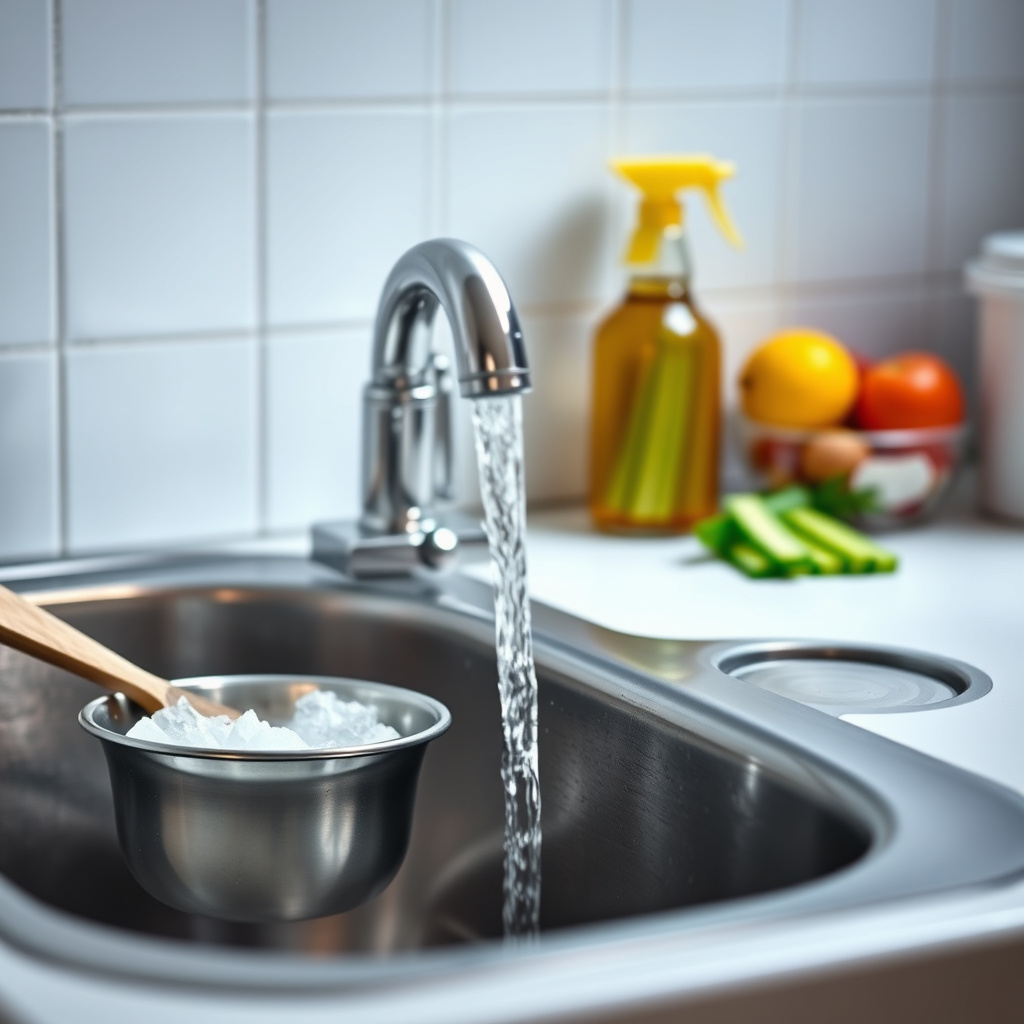
Common household items like baking soda, white vinegar, and hot water can often clear minor clogs caused by grease or soap buildup. Baking soda and vinegar react to create fizzing bubbles that loosen grime inside pipes.
Hot boiling water can melt away grease or soften hardened food debris lining the pipes. These materials are safe to use frequently without risk of damaging your plumbing system.
- 1/2 cup baking soda
- 1/2 cup white vinegar
- Several cups of boiling water
Step-by-Step Methods to Unclog a Kitchen Sink
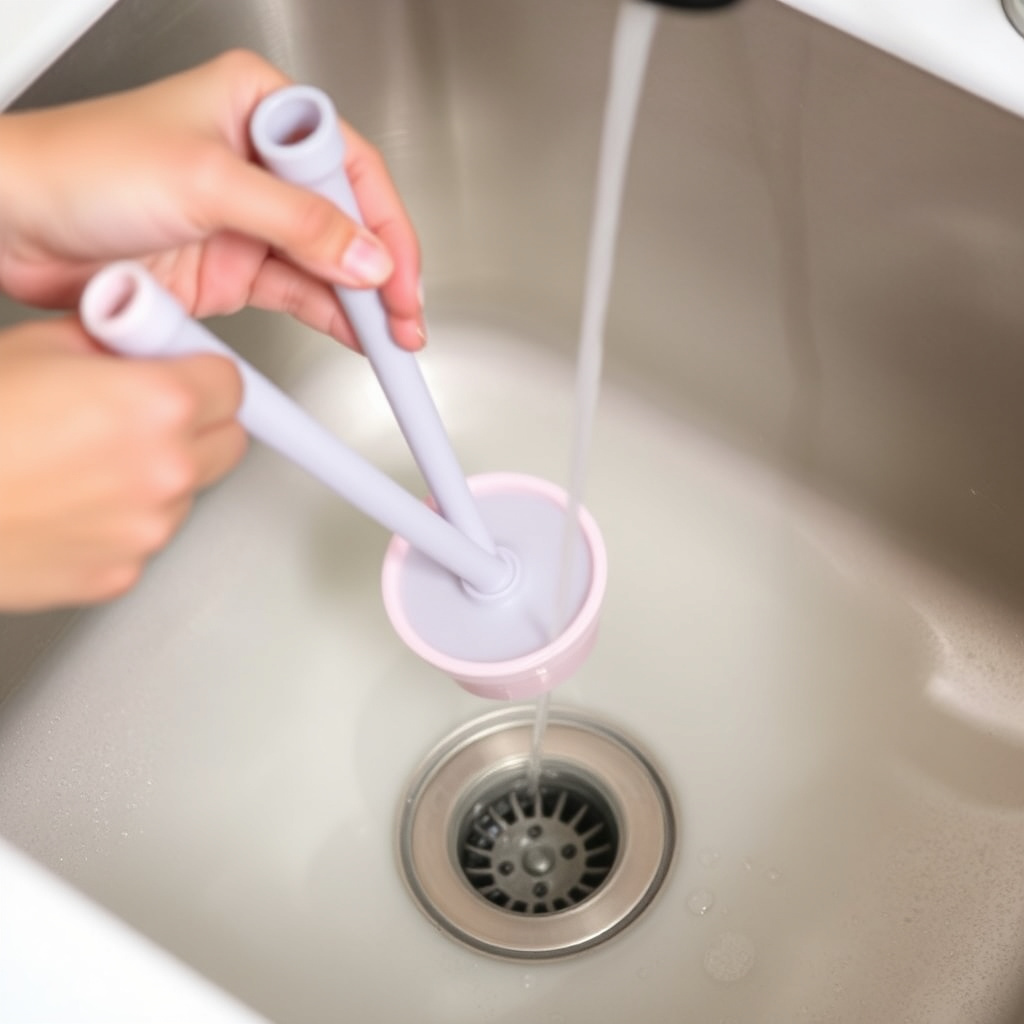
Using a Plunger to Dislodge the Blockage
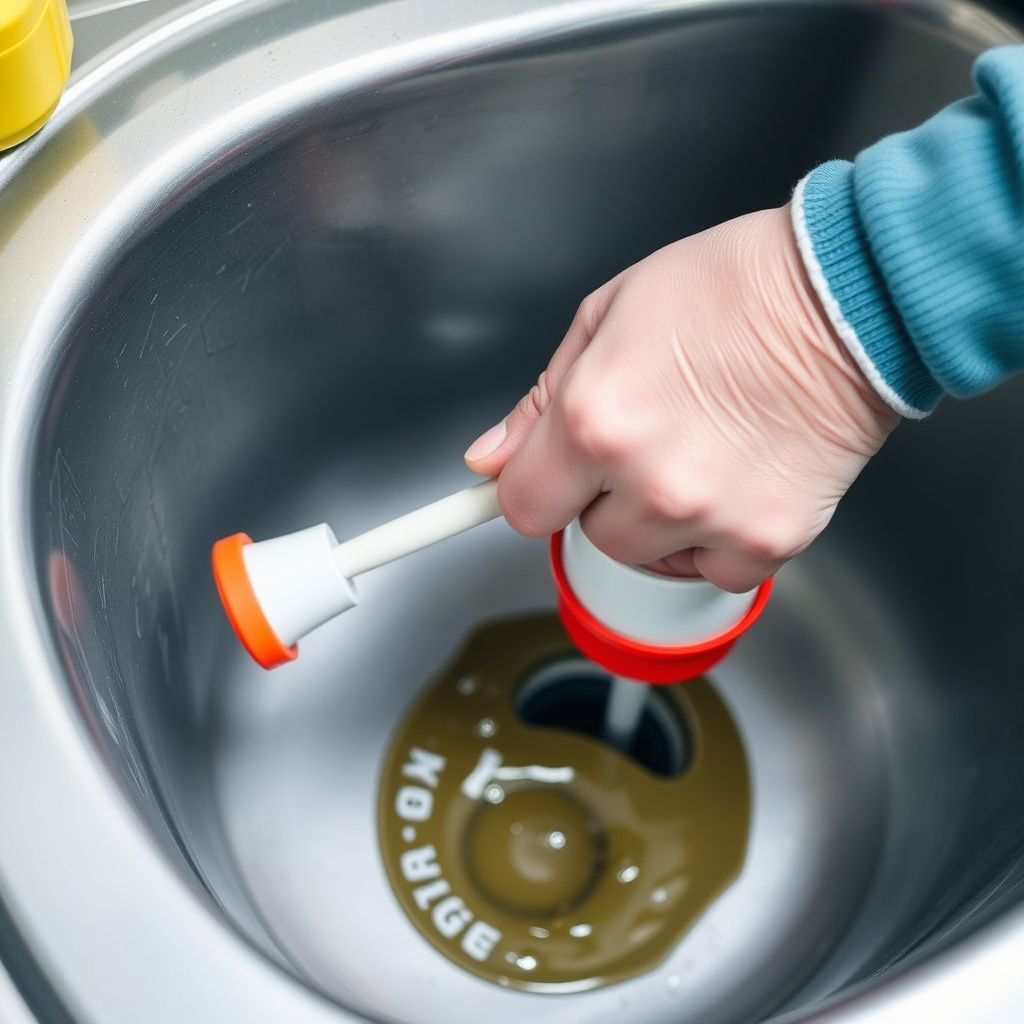
Begin by filling the sink with enough water to cover the plunger cup, which helps create suction. Place the plunger firmly over the drain and pump vigorously several times to build pressure, then pull the plunger off quickly. This action can dislodge the clog by pushing or pulling it along the pipe.
Repeat several times while keeping the seal tight. If the water drains slowly or clears, run hot water for a minute to flush any loosened debris.
- Fill sink with water to cover plunger
- Create airtight seal with plunger cup
- Pump plunger 10-15 times vigorously
- Test drainage and repeat if necessary
Manual Removal by Cleaning the P-Trap
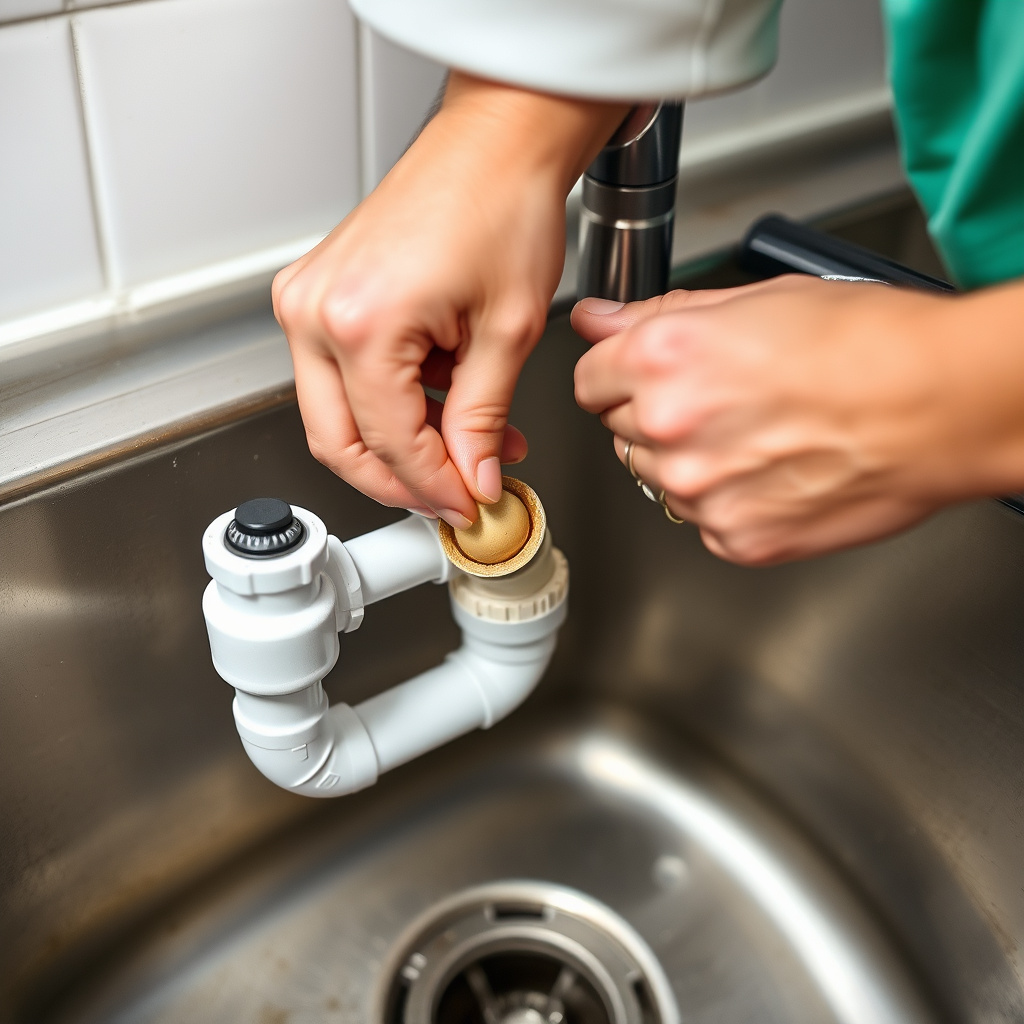
If plunging doesn't work, the clog may be trapped in the curved P-trap pipe under the sink. Place a bucket underneath to catch any water, then unscrew the slip nuts holding the P-trap. Remove the trap carefully and clean out any food debris or grease buildup inside.
After cleaning, reassemble the trap tightly to prevent leaks. Run water to check if drainage is restored. This method is very effective for blockages caused by solid materials trapped near the sink drain.
- Place bucket beneath P-trap
- Unscrew slip nuts and remove trap
- Clean out debris inside the trap
- Reassemble and test drainage
Using Household Remedies for Minor Clogs
Baking Soda and Vinegar Technique

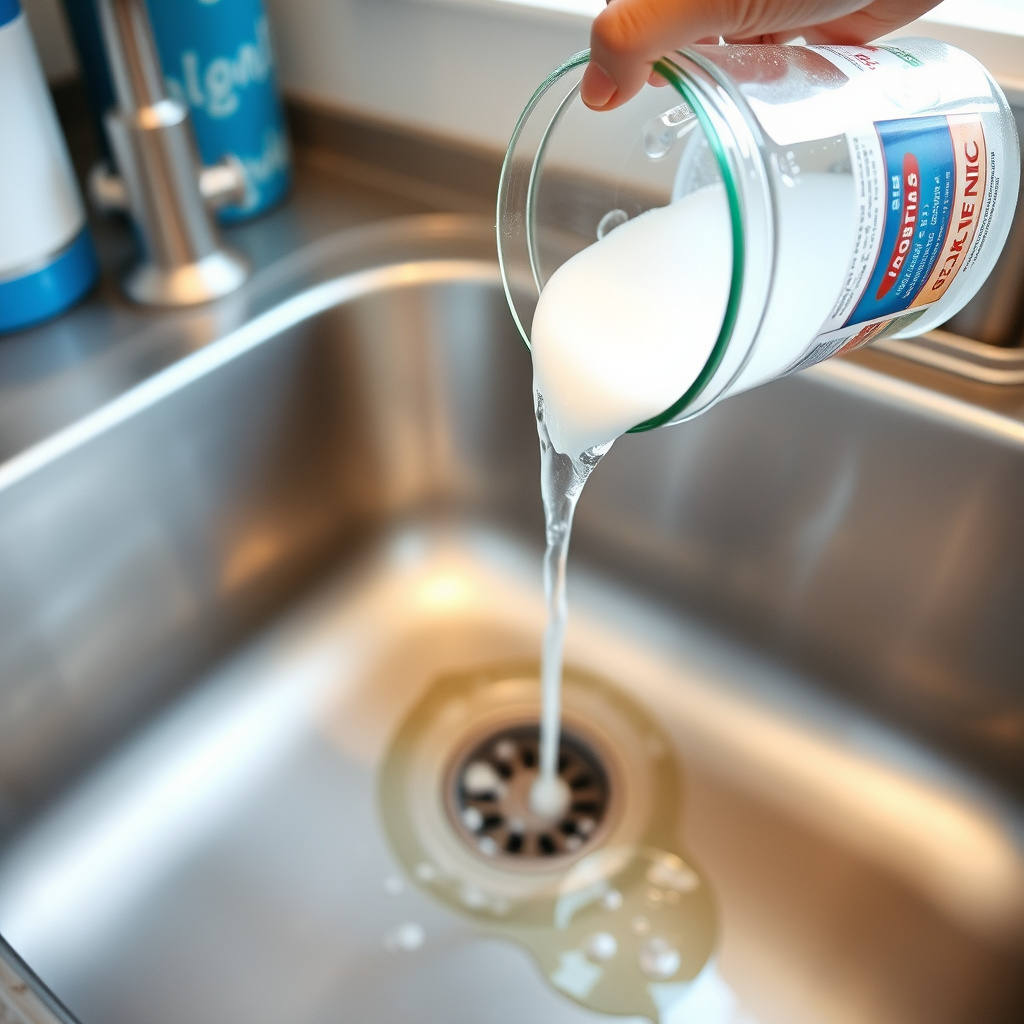
Pour half a cup of baking soda directly into the drain, followed by half a cup of white vinegar. You will notice bubbling and fizzing—this reaction helps to break down grease and dissolve light blockages inside pipes. Let the mixture sit for 15 to 30 minutes.
After waiting, flush the drain with several cups of boiling water to clear the loosened debris. This is a safe, non-toxic method that can be repeated regularly to keep drains clean.
- Add baking soda into drain
- Pour vinegar to start fizzing reaction
- Wait 15-30 minutes
- Flush with boiling water
Hot Water Flush
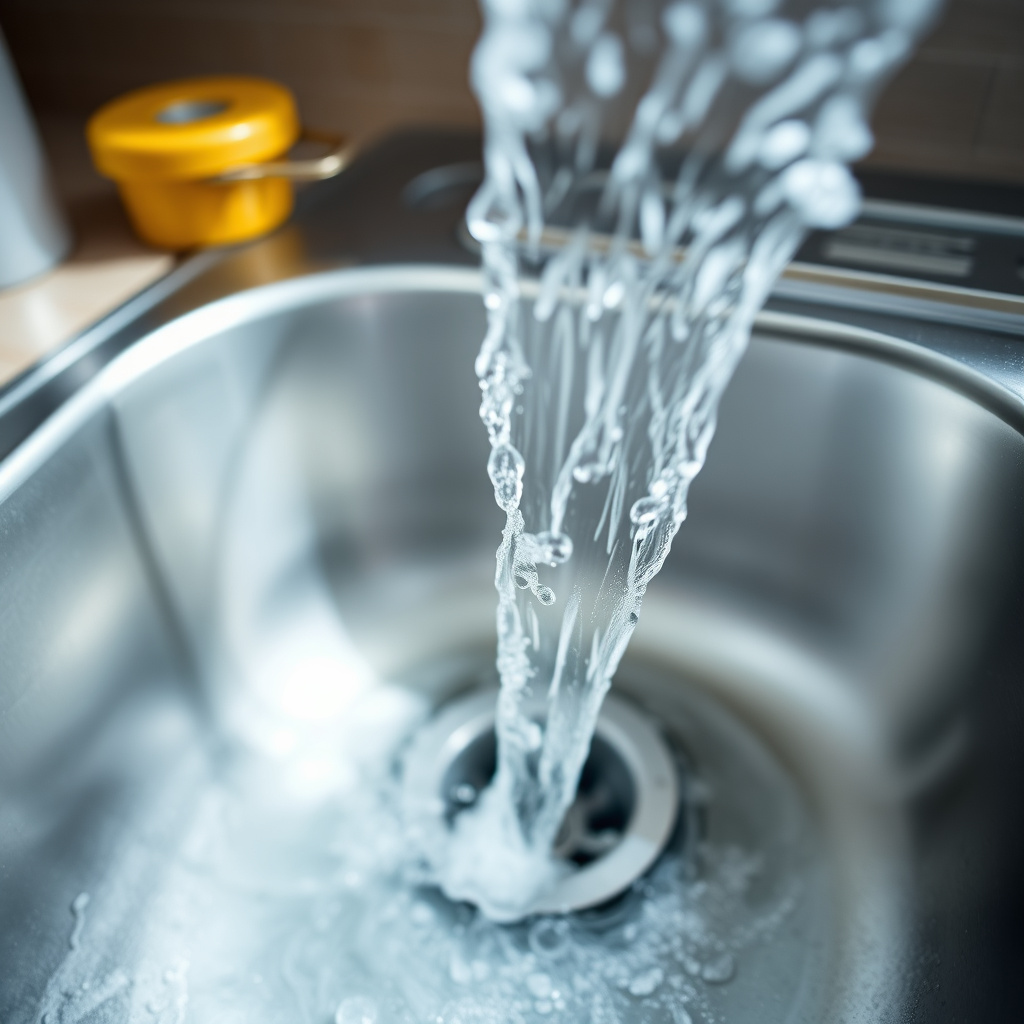
Sometimes simply pouring a pot of boiling water down the drain can melt grease clogs and wash away small food particles. This is especially effective immediately after using the sink for greasy dishes.
Repeat the hot water flush a few times for best results. Avoid excessive use of boiling water if your plumbing uses PVC pipes, as high temperatures could damage plastic over time.
- Boil a large pot of water
- Pour slowly down the drain in stages
- Repeat 2-3 times for stubborn build-up
When and How to Use Chemical Drain Cleaners Wisely
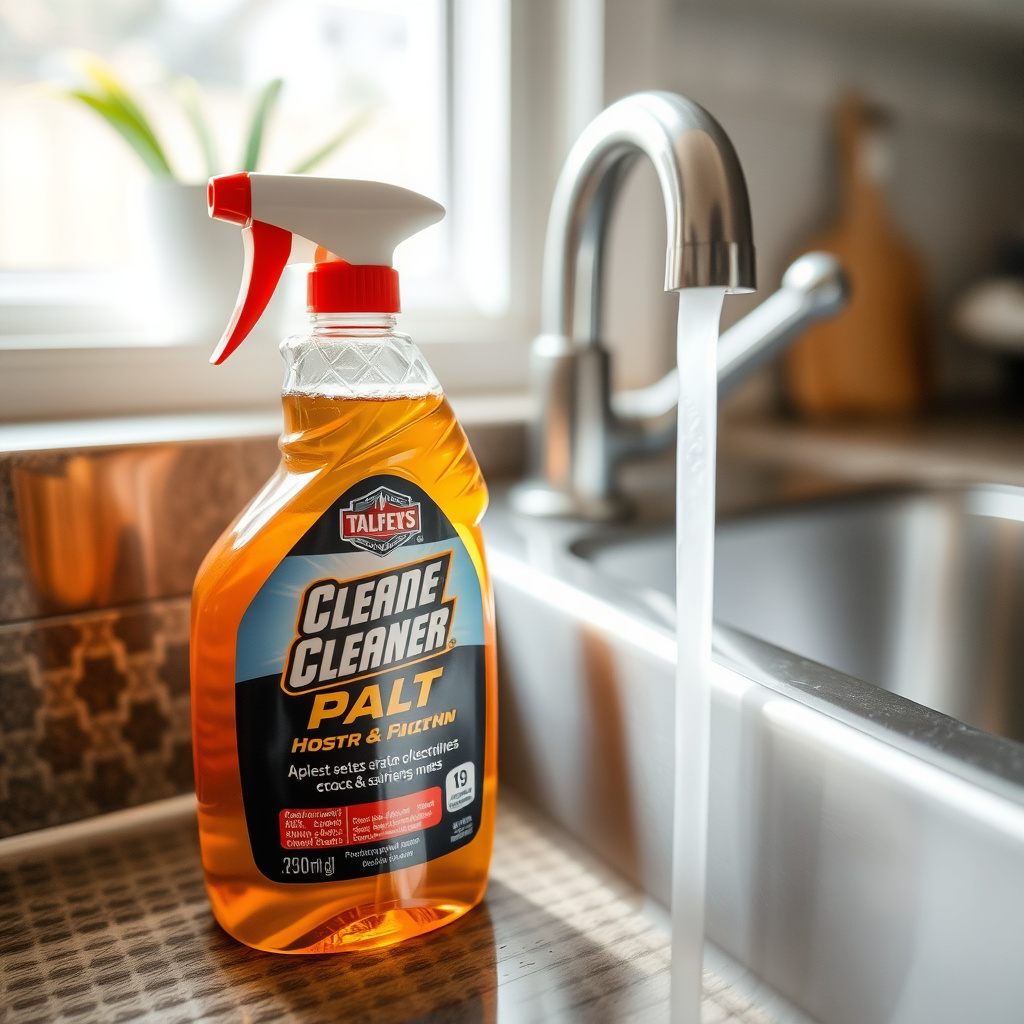
Types of Chemical Drain Cleaners
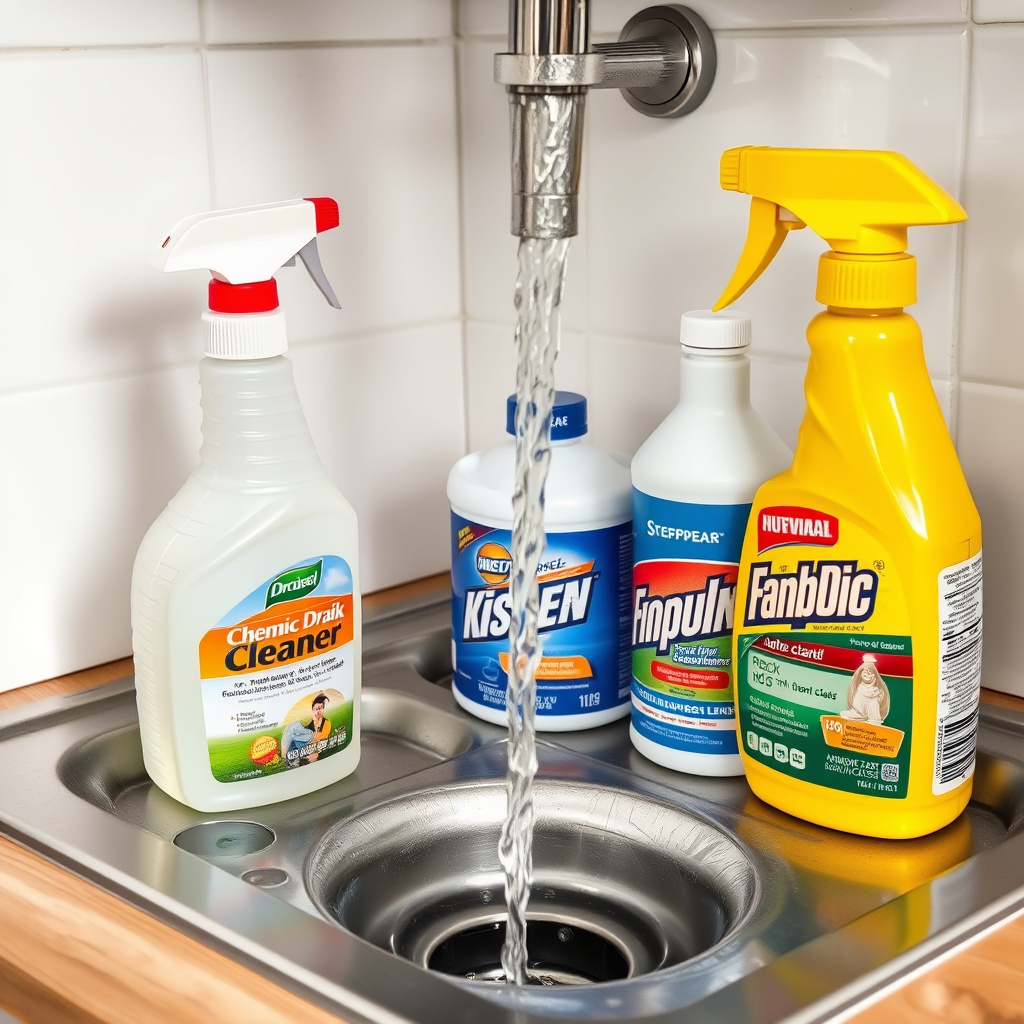
Chemical drain cleaners come in various formulations such as caustic drain cleaners with lye, oxidizing cleaners that release oxygen, and enzymatic cleaners that use bacteria to break down organic matter. Each type targets different kinds of clogs.
Choosing the right chemical depends on the clog type and your plumbing system. Some are harsh and can damage pipes or harm the environment, so caution is advised.
- Caustic drain cleaners (lye or sodium hydroxide-based)
- Oxidizing drain cleaners (peroxide or bleach-based)
- Enzymatic or bacterial cleaners
Safety and Precautions
Always read and follow the manufacturer's instructions exactly. Wear gloves and eye protection when handling chemicals. Avoid mixing different chemical cleaners as this can create dangerous reactions.
Chemical cleaners should only be used as a last resort after manual methods fail. Do not use if you recently placed an object down the drain that a snake could remove instead.
- Wear protective gloves and goggles
- Do not mix different chemicals
- Use in a well-ventilated area
- Follow label instructions carefully
Preventing Future Clogs in Your Kitchen Sink
Proper Sink Use and Cleaning Habits
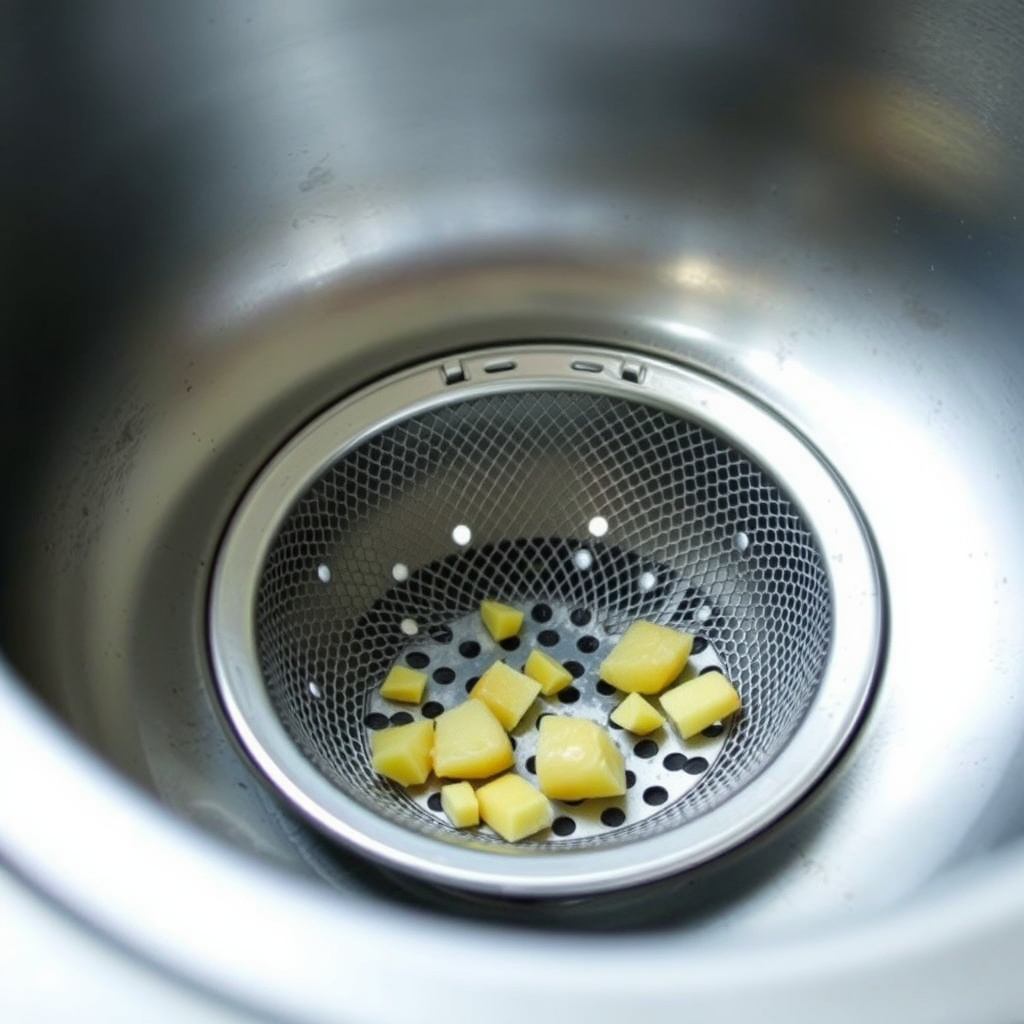
Avoid pouring grease, coffee grounds, or large food scraps down the sink. Use a drain strainer to catch particles before they enter the drain and clean the strainer regularly. Running hot water while washing dishes helps keep fats moving through pipes.
Regular maintenance by flushing with hot water and occasionally using a baking soda and vinegar mix reduces buildup and prevents clogs from developing.
- Use sink strainers
- Avoid pouring grease down drain
- Flush with hot water after meals
- Weekly baking soda and vinegar flush
For more detailed information on kitchen plumbing components, the Wikipedia article on drain plumbing basics is an excellent resource. Kitchen sink plumbing basics.
When to Call a Professional Plumber

If multiple methods fail to clear a stubborn clog, or if water backs up into multiple fixtures, it could indicate a larger blockage or plumbing issue. Persistent slow drains or foul odors may also signal deep pipe problems needing professional tools and expertise.
Seek professional help to prevent pipe damage and to diagnose underlying issues like tree root intrusion or broken pipes.
- Repeated clogs after DIY attempts
- Water backup in multiple fixtures
- Persistent bad odors
- Visible leaks or pipe damage
Comparison of Kitchen Sink Unclogging Methods
Below is a comparison of common methods used to unclog a kitchen sink, highlighting ease of use, effectiveness, cost, and safety considerations.
| Method | Effectiveness | Cost | Safety | Best For |
|---|---|---|---|---|
| Plunger | High for loose clogs | Low (under $15) | Safe | Typical grease or food clogs |
| P-Trap Cleaning | Very High | Low (tools may cost) | Safe with caution | Solid objects or debris caught near drain |
| Baking Soda & Vinegar | Medium | Very Low | Very Safe | Light grease buildup |
| Chemical Drain Cleaners | Variable | Medium ($10-$20) | Potential hazards | Severe or deep clogs |
| Drain Snake | High | Medium ($20-$40) | Safe with proper use | Stubborn blockages beyond trap |
| Hot Water Flush | Low to Medium | Free | Safe with limits | Grease dissolution |
Frequently Asked Questions
Can I use bleach to unclog a kitchen sink?
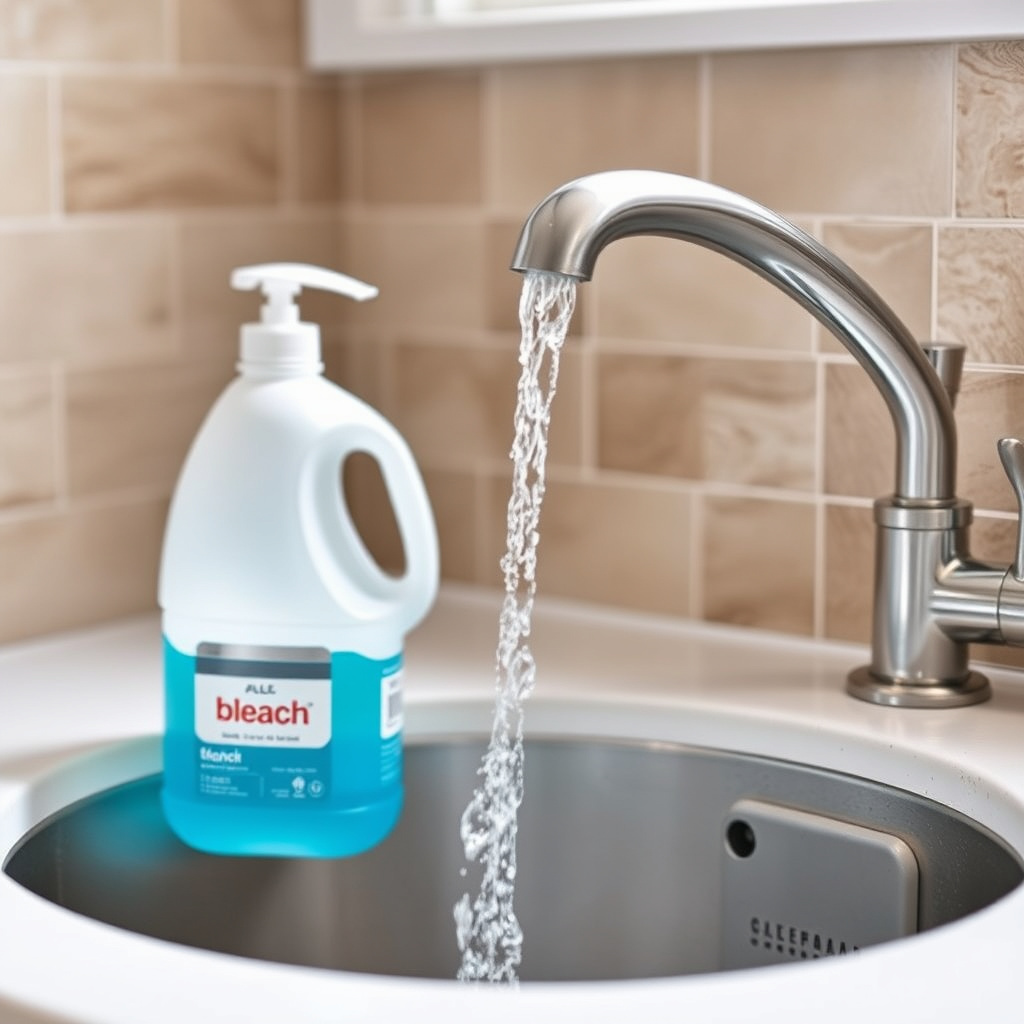
Bleach can sometimes help with odors but is not effective for clearing clogs. It also can damage pipes or react poorly with other chemicals. Use dedicated drain cleaners or physical methods instead.
How often should I clean my kitchen sink drains?
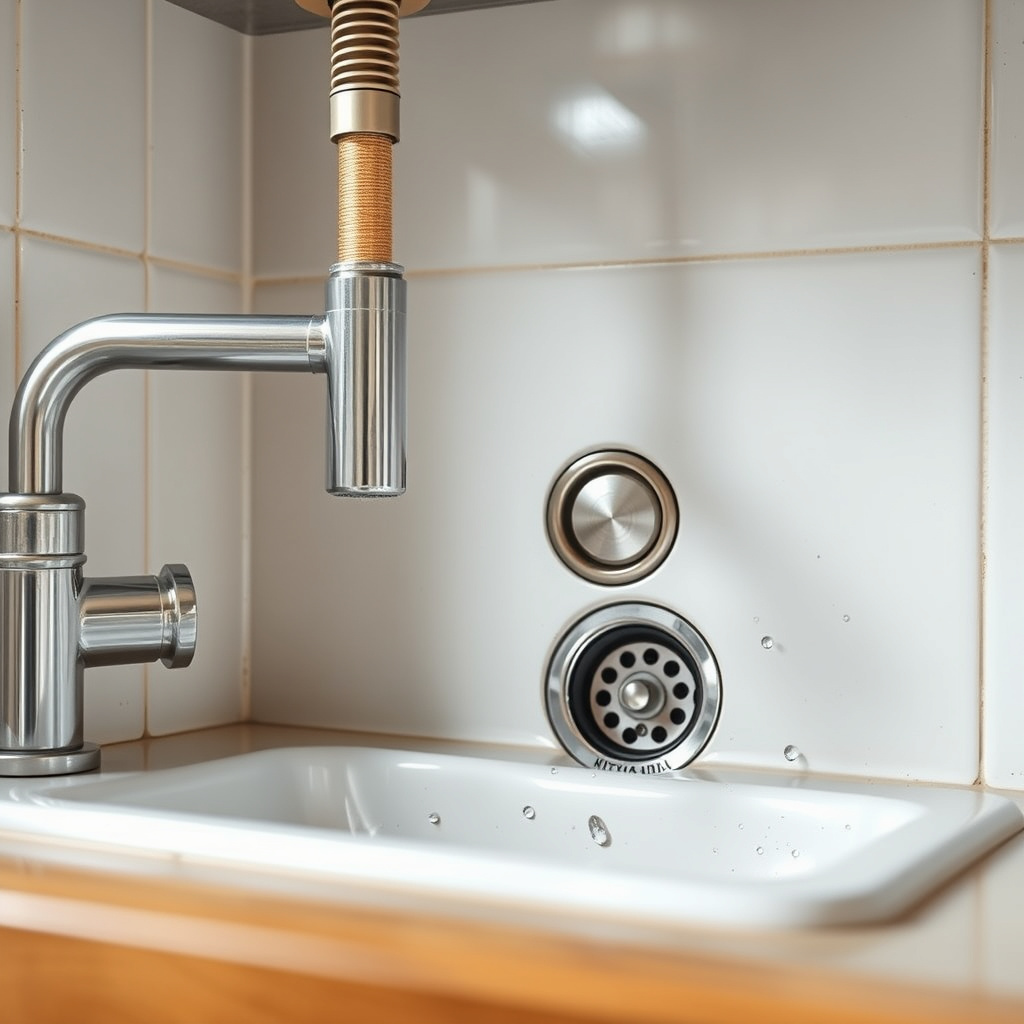
Regular cleaning every 1-2 weeks using hot water flushes or baking soda and vinegar prevents buildup and reduces risk of clogs forming.
What causes frequent kitchen sink clogs?

Common causes include grease pouring down the drain, food scraps, soap residue, and improper disposal of fibrous or starchy materials like potato peels.
Is it safe to use a drain snake myself?
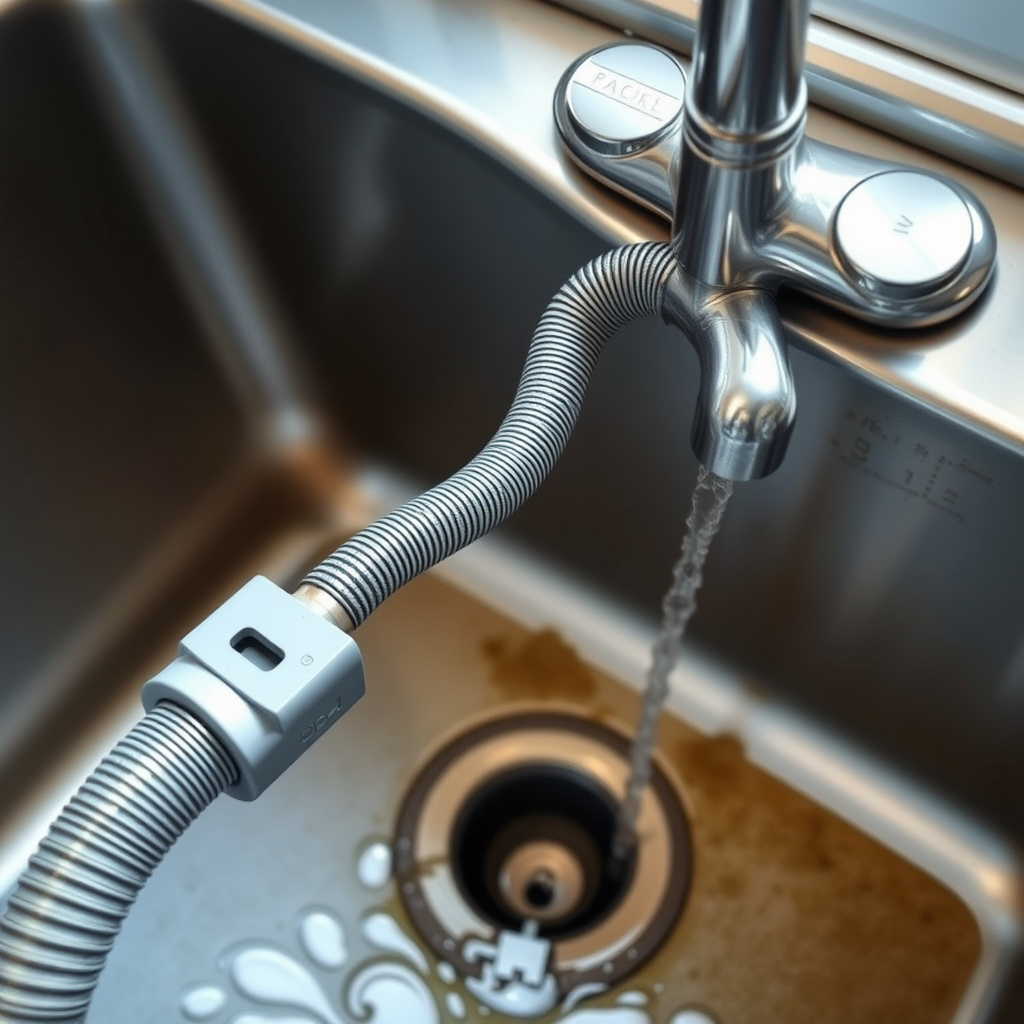
Yes, manual drain snakes are safe if used carefully to avoid scratching pipes or pushing debris deeper. Follow instructions and wear gloves.
Will pouring hot water harm my pipes?
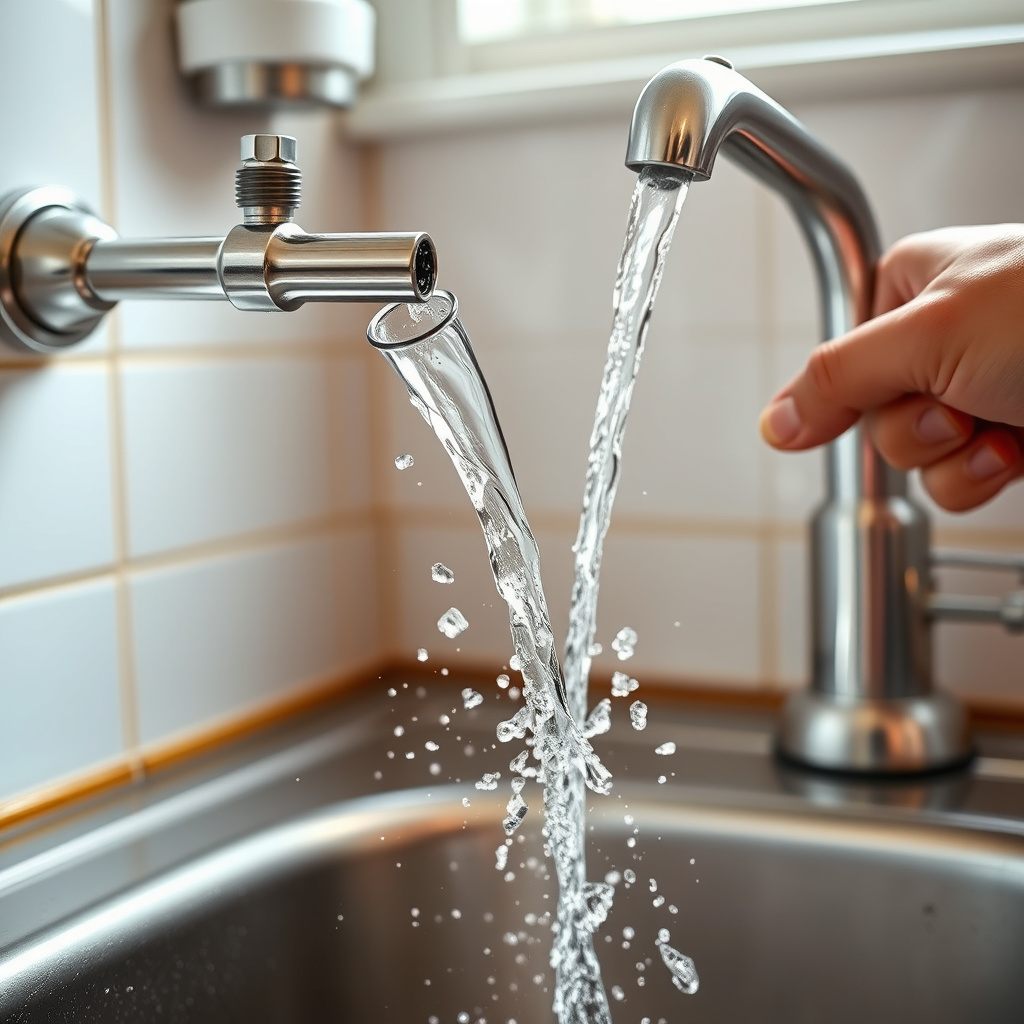
Pouring hot water is generally safe for metal pipes. For PVC plastic pipes, avoid very hot water regularly as it may soften or warp the plastic.
Key Takeaways
- Start with physical methods like plunging or cleaning the P-trap for effective clog removal.
- Household remedies such as baking soda and vinegar are safe for light blockages.
- Chemical drain cleaners should be last resort due to safety risks.
- Prevent clogs by avoiding grease and using sink strainers regularly.
Conclusion
Understanding how to unclog a kitchen sink involves matching the nature of the blockage with the right method. Simple plungers and manual trap cleaning typically handle most sink blockages caused by food or grease buildup. Household ingredients like baking soda combined with vinegar offer a gentle alternative to harsh chemicals and can maintain clear drains long-term. Effective troubleshooting means starting with the least invasive method and gradually using more intensive solutions if needed.
For occasional minor clogs, hot water flushing and the baking soda-vinegar mix are straightforward and eco-friendly options. When food particles or grease solidifies near the drain, removing and cleaning the P-trap can quickly restore flow. More stubborn blockages that resist plungers or household remedies may require using a drain snake or, carefully, chemical cleaners, but these should be used judiciously to protect pipes and safety. Having the right tools and habits prevents frequent sink problems.
If persistent clogs return even after trying these approaches, or if drainage issues affect multiple fixtures, engaging a professional plumber is the safest step. Regular preventative care includes avoiding grease disposal, using strainers, and periodic home cleaning methods. Following these insights will help you maintain a free-flowing kitchen sink and avoid disruption to your busy household.