How to Build an Outdoor Kitchen: A Step-by-Step Guide for Your Backyard
Building an outdoor kitchen involves careful planning, choosing durable materials, and selecting appliances suited for outdoor use to create a functional and inviting cooking space. First, you'll need to determine the location, budget, and style that fit your backyard layout to start constructing an outdoor kitchen tailored to your needs.
An outdoor kitchen extends your living space and provides a great way to entertain guests while enjoying nature. Crafting it requires understanding factors like weather resistance, ventilation, and utility connections such as gas and water to ensure safety and convenience. The process can be straightforward if you map out the essentials beforehand.
This article will walk you through key steps including site selection, design options, choosing appliances, sourcing materials, and installation tips. By the end, you'll have a clear roadmap to build an outdoor kitchen that combines style, durability, and practicality.
Planning Your Outdoor Kitchen Layout
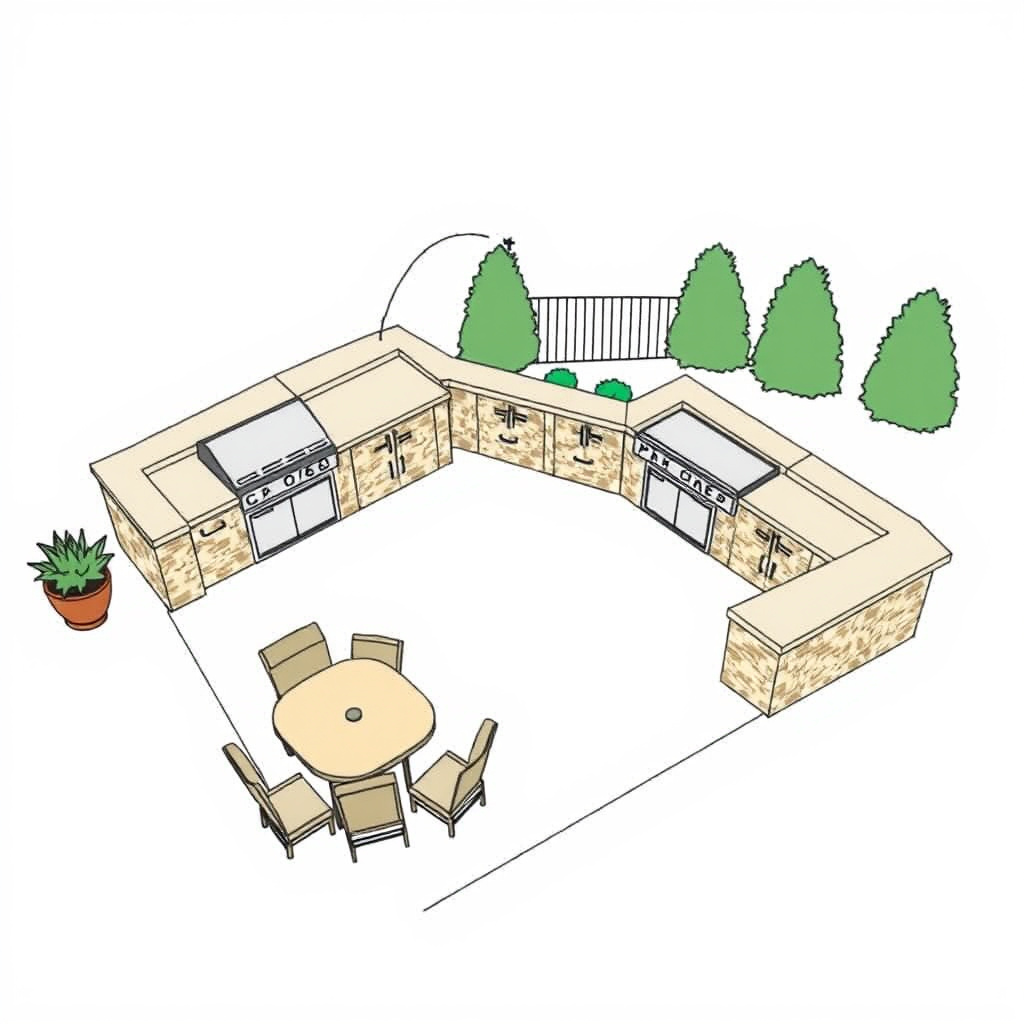
Selecting the Ideal Location
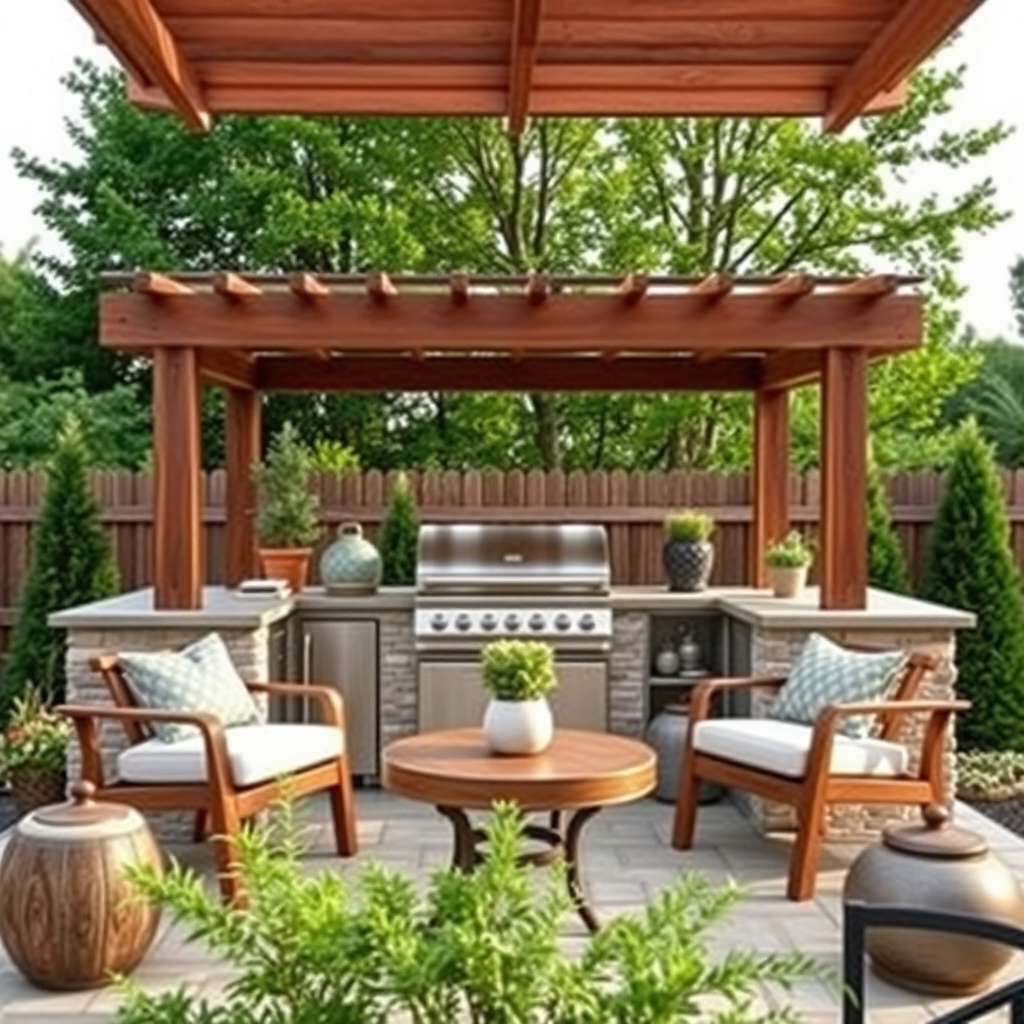
Choosing the right spot for your outdoor kitchen lays the foundation for efficient use and comfortable cooking. Consider proximity to your indoor kitchen for convenience, access to utilities like gas and water, and shelter from prevailing winds or direct sunlight.
Look for a flat area with good drainage and enough space to house cooking appliances, prep counters, and seating. Avoid locations near trees with heavy leaf fall or areas prone to flooding to reduce maintenance needs.
- Near existing utility hookups
- Good airflow and ventilation
- Consider sun exposure and shade
- Space for seating and movement
Deciding on the Kitchen Footprint
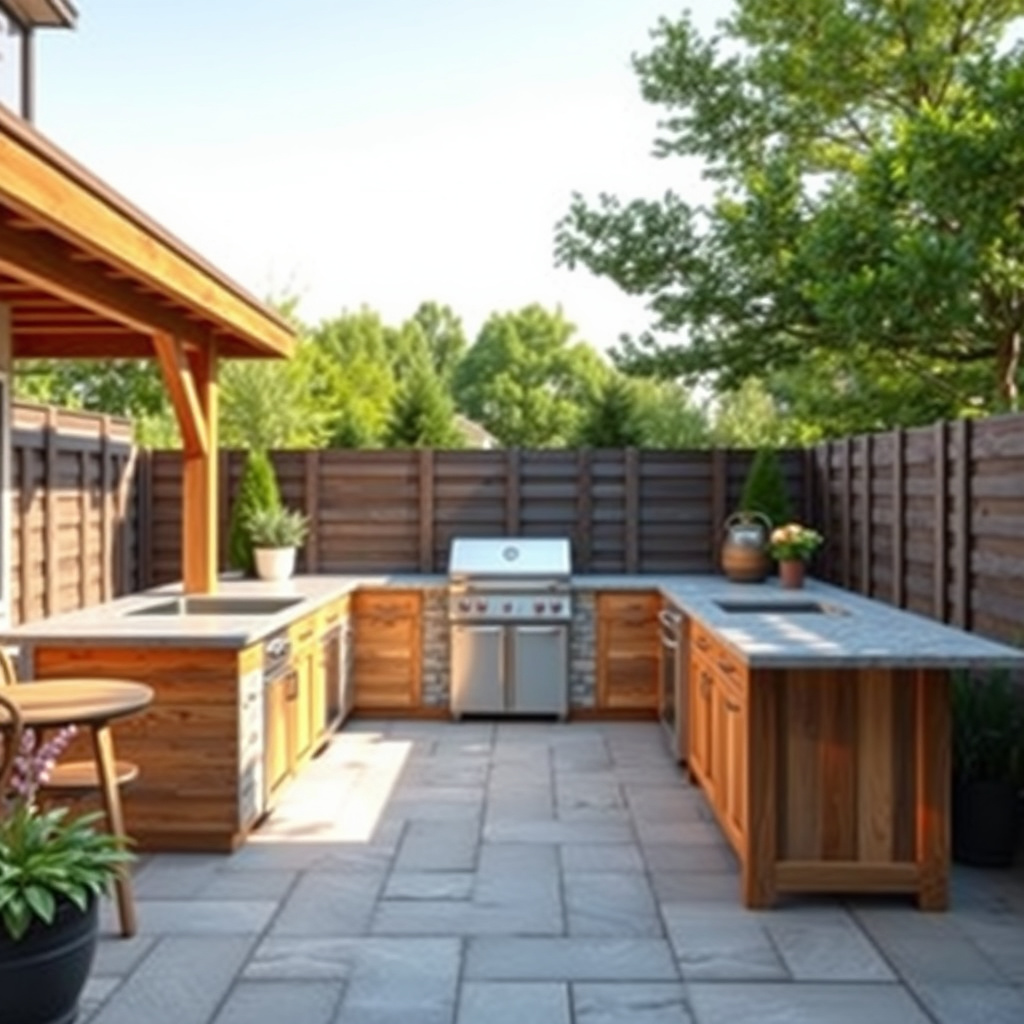
The size and shape of your outdoor kitchen depend on your cooking habits and space availability. Common layouts include linear, L-shaped, U-shaped, or island styles, each offering different flow and functionality.
A linear design fits narrow spaces and maximizes grill and prep area, while U-shaped kitchens offer ample workspace and seating areas. Budget and desired appliances will influence how large your build needs to be.
- Linear for compact areas
- L-shaped to utilize corners
- U-shaped for maximum counters
- Island designs for open spaces
Choosing Materials for Durability and Style
Countertops Suitable for Outdoor Use
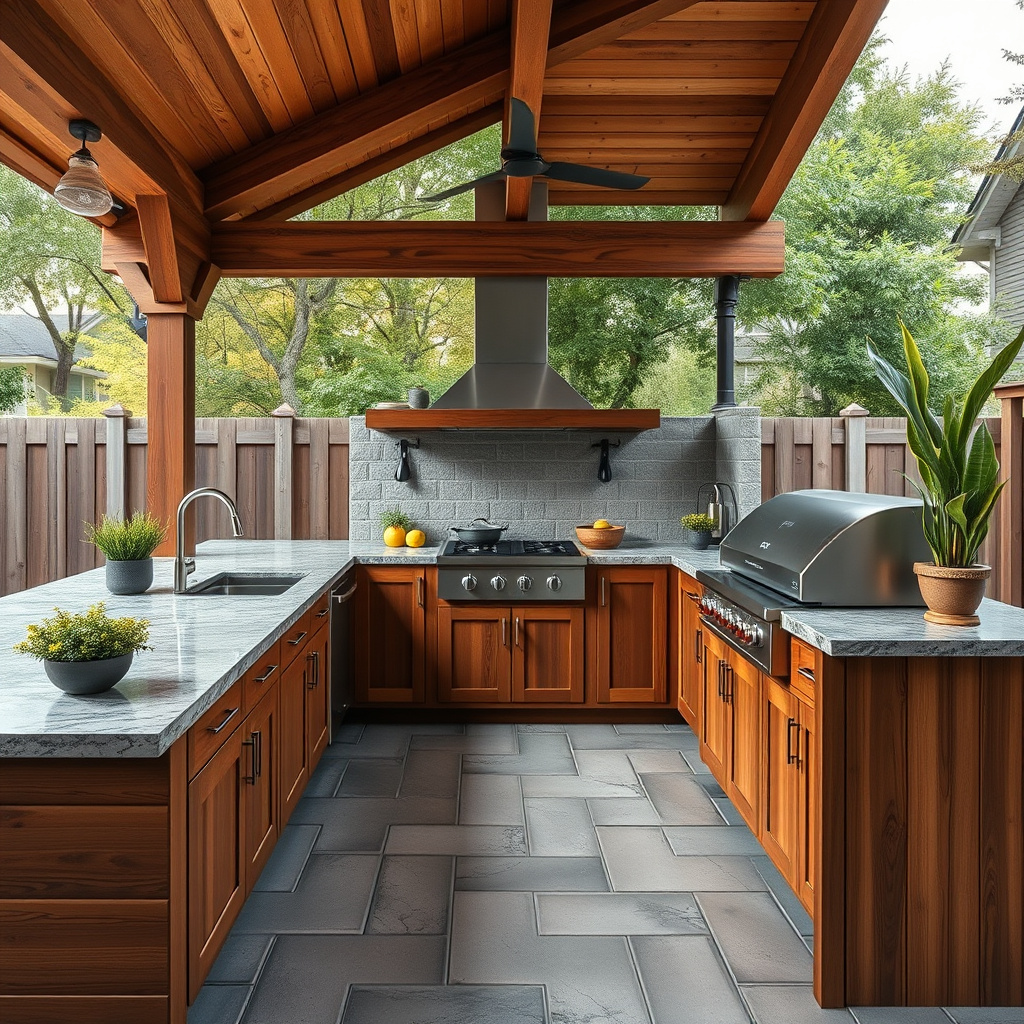
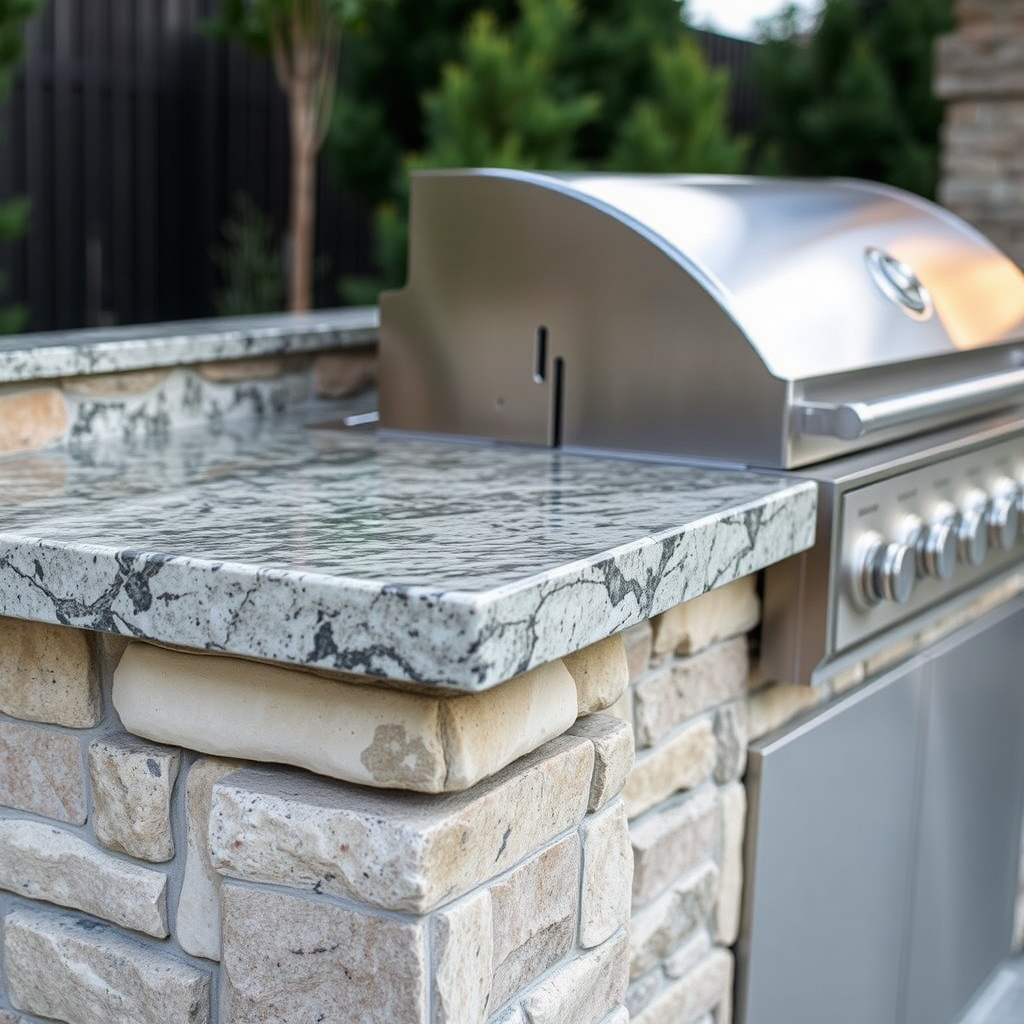
Selecting a countertop material that withstands weather while complementing your aesthetic is essential. Granite, concrete, and stainless steel are popular choices due to their durability and resistance to heat and moisture.
Granite offers a natural look with excellent weather resistance, while concrete can be customized with colors and textures but may require sealing. Stainless steel countertops are sleek and easy to clean but can scratch if not cared for properly.
- Granite: durable and heat resistant
- Concrete: customizable but seal regularly
- Stainless steel: sleek and easy maintenance
- Tile: affordable with varied designs
Building the Structure with Weatherproof Materials
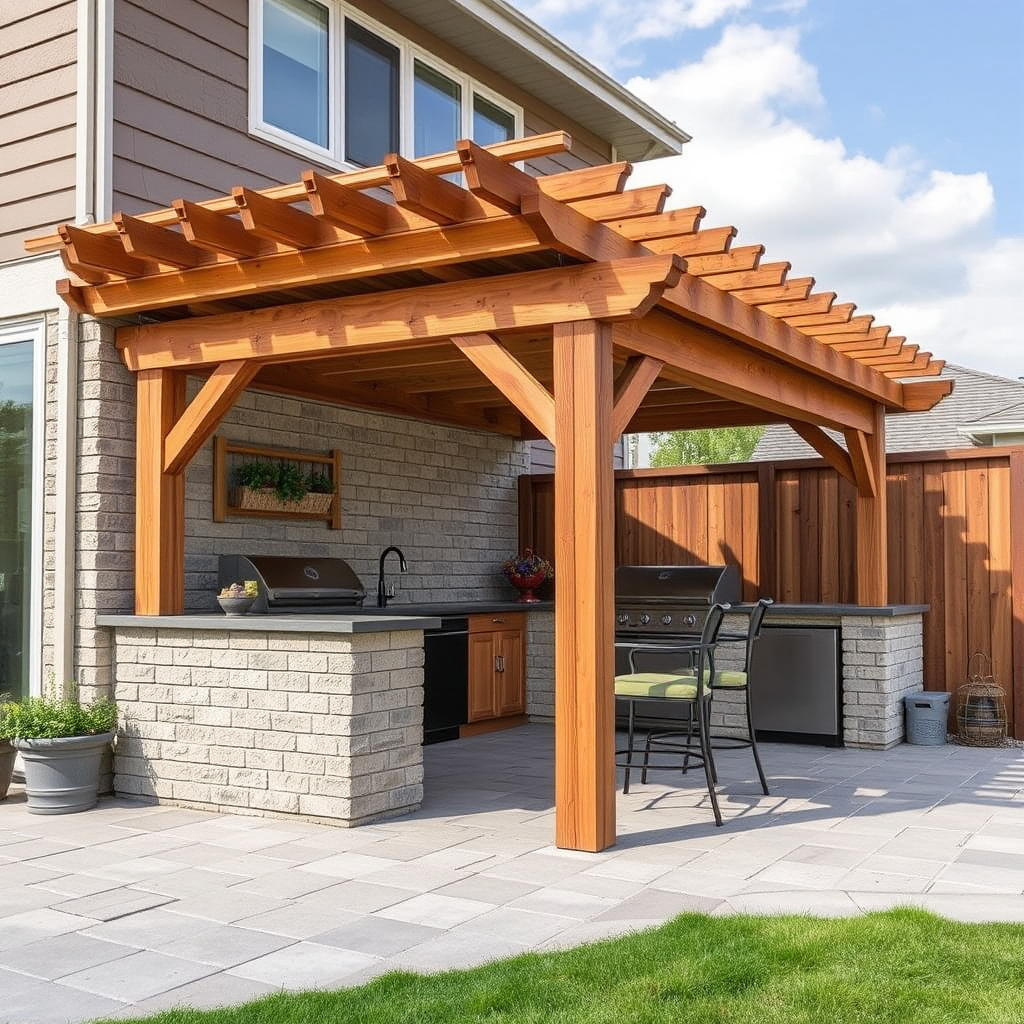
The framework for your outdoor kitchen must endure humidity, sun exposure, and temperature changes. Concrete blocks, brick, and weather-resistant lumber like cedar or teak are reliable structural materials.
Concrete block foundations provide sturdy support and are fire-resistant. Brick offers classic aesthetics and durability but can be pricier. Wood framing requires treatment or use of naturally resistant species to prevent rot and insect damage.
- Concrete blocks: strong and moisture resistant
- Brick: timeless look, durable
- Cedar or teak lumber: naturally resistant woods
- Metal framing with rust protection
Selecting Appliances and Fixtures for an Outdoor Kitchen
Grills and Cooking Equipment
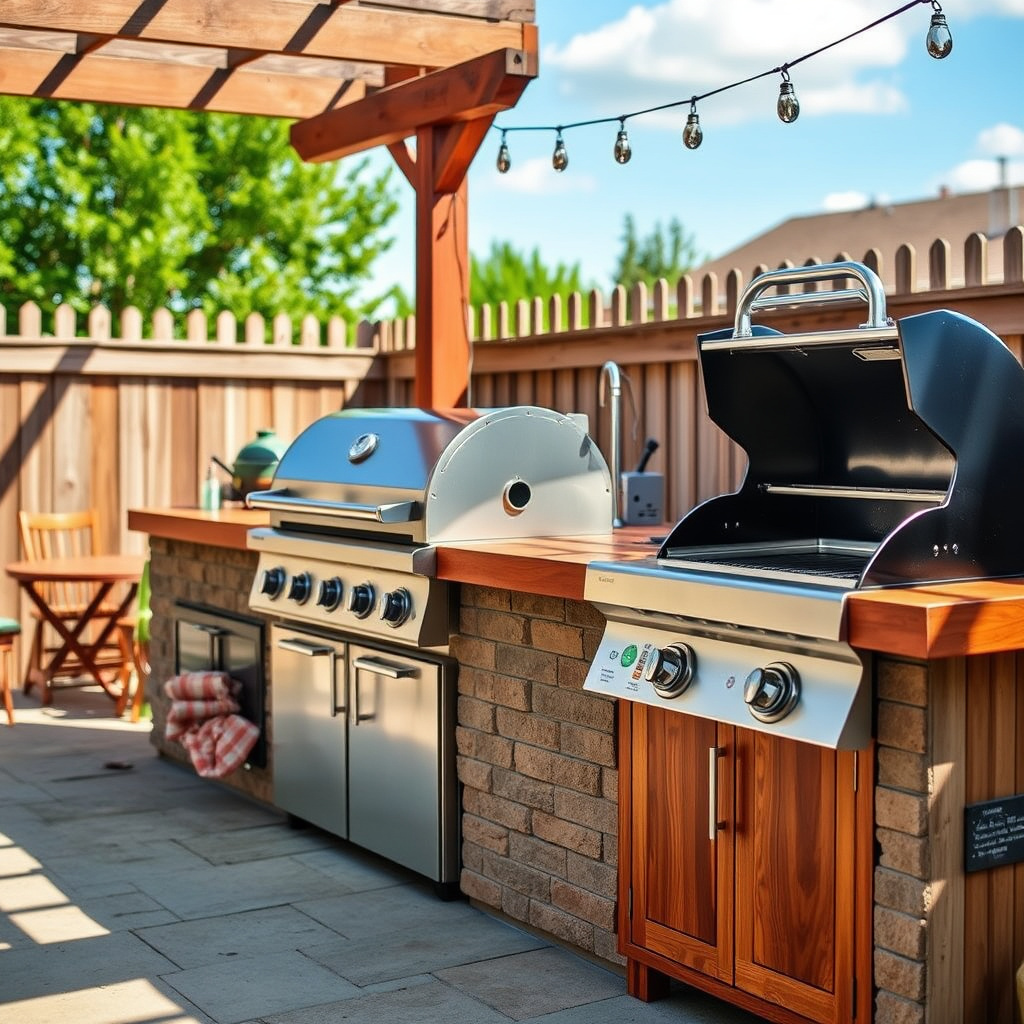
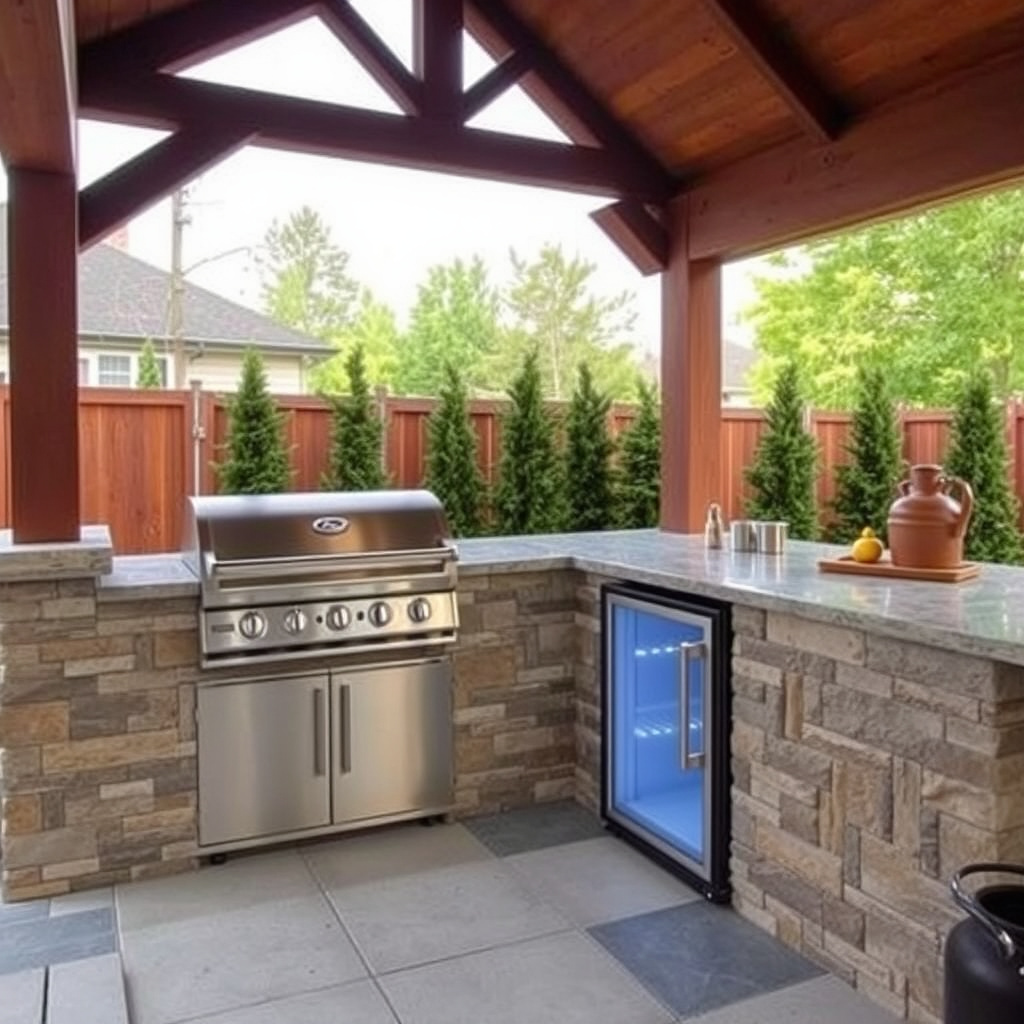
The grill is the centerpiece of most outdoor kitchens and should match your cooking style. Options include gas grills for quick heat, charcoal grills for smoky flavor, or built-in pizza ovens for specialty cooking.
Consider additional cooking appliances like side burners, smokers, and rotisseries that integrate with your outdoor kitchen design to expand meal options and functionality.
- Gas grills for convenience
- Charcoal grills for flavor
- Built-in ovens or smokers
- Side burners for extra cooking space
Sinks, Refrigerators, and Storage Solutions
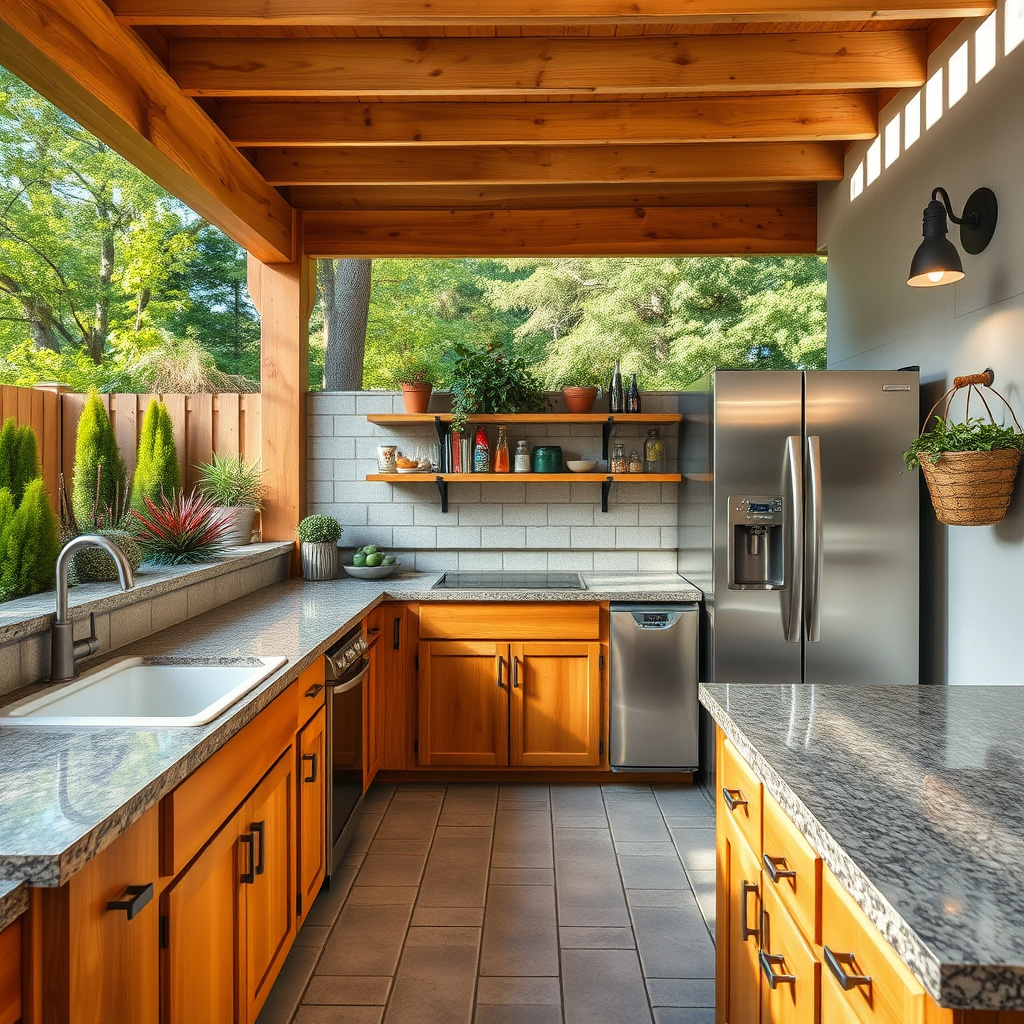
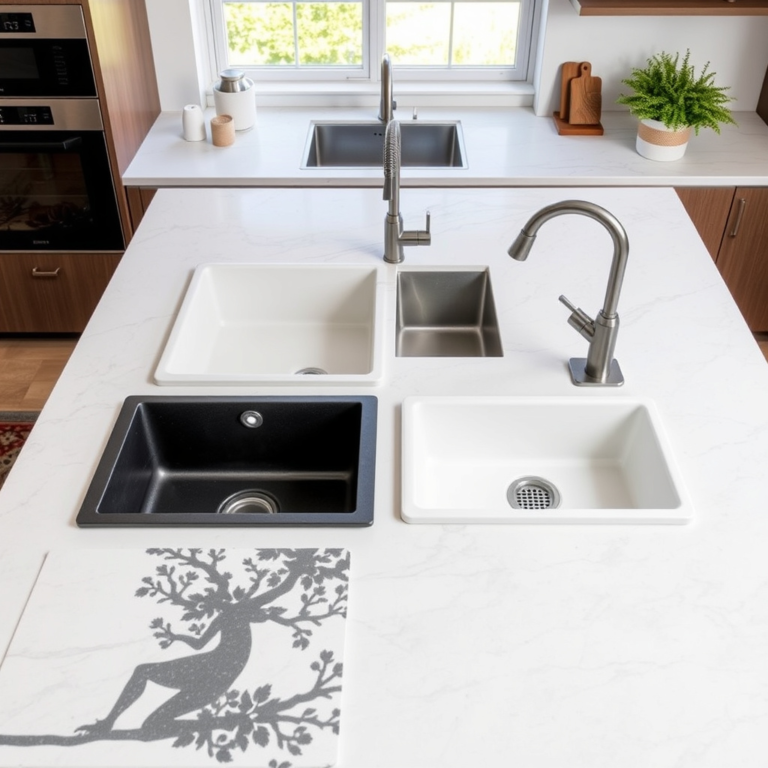
Including a sink with running water streamlines cleanup and food prep outdoors. Outdoor-rated refrigerators keep ingredients fresh while weatherproof storage cabinets safeguard utensils and supplies from the elements.
Look for stainless steel or sealed cabinetry designed to withstand humidity and temperature swings. Compact refrigerators often feature lockable doors and energy-efficient designs suited for outdoor kitchens.
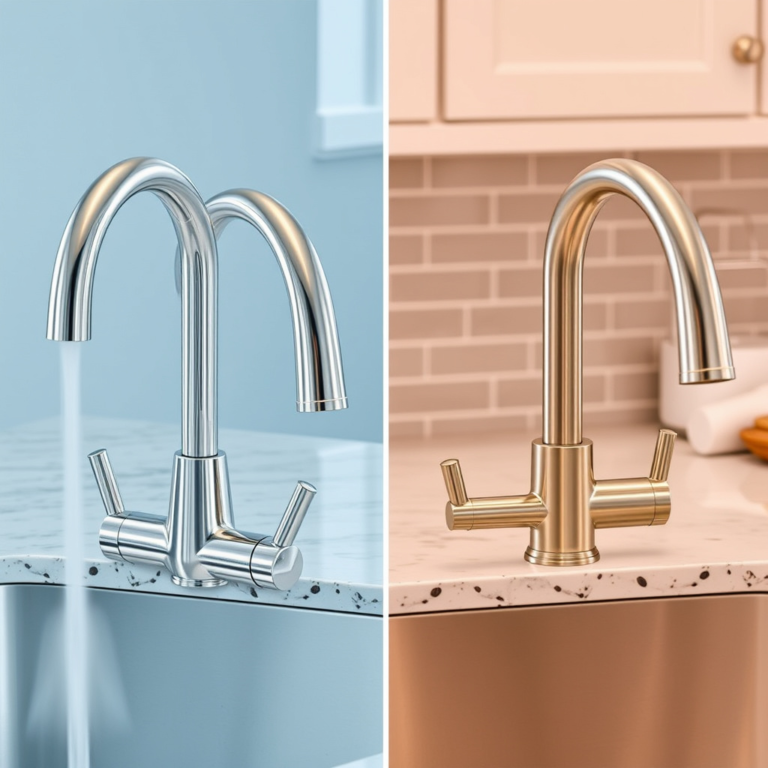
- Outdoor-rated sinks and faucets
- Compact weather-resistant refrigerators
- Lockable stainless steel cabinets
- Trash and recycling bins
Constructing and Installing Your Outdoor Kitchen
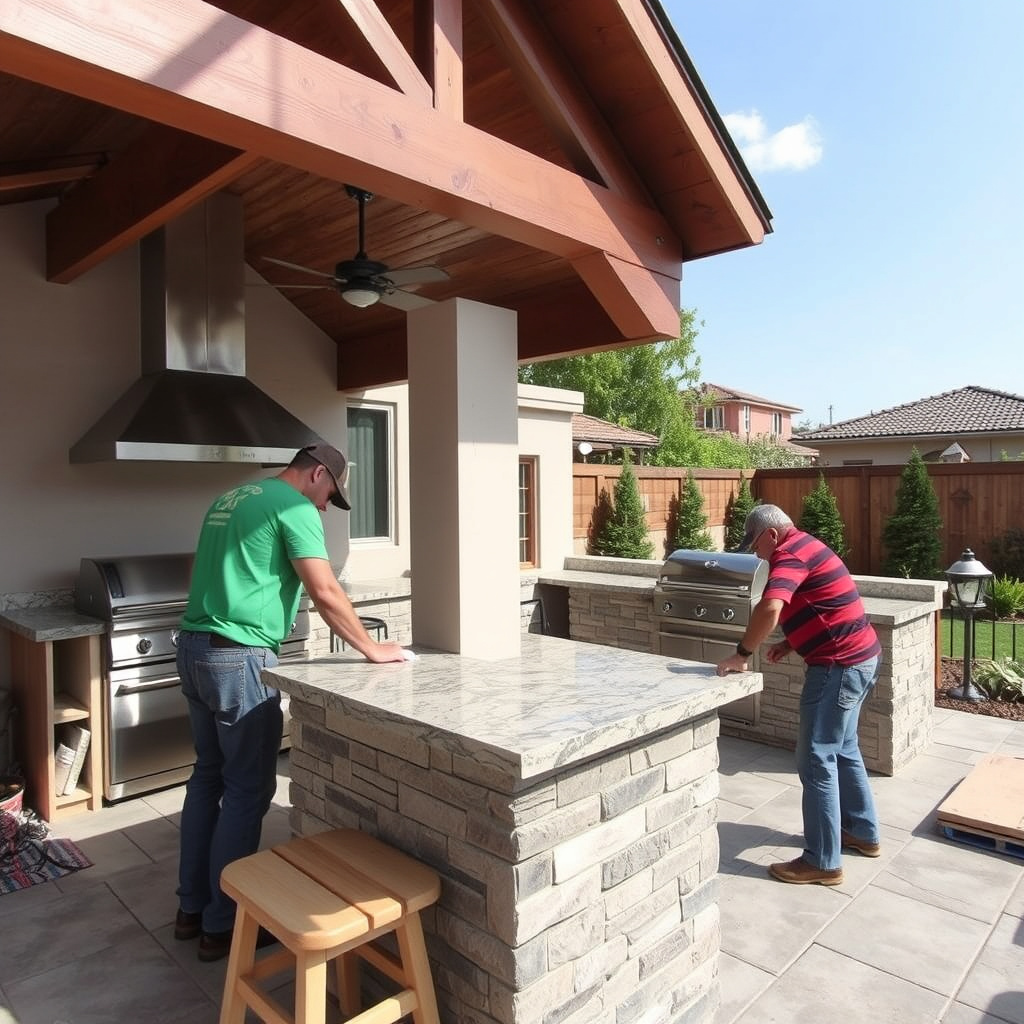
Foundation and Framing Process
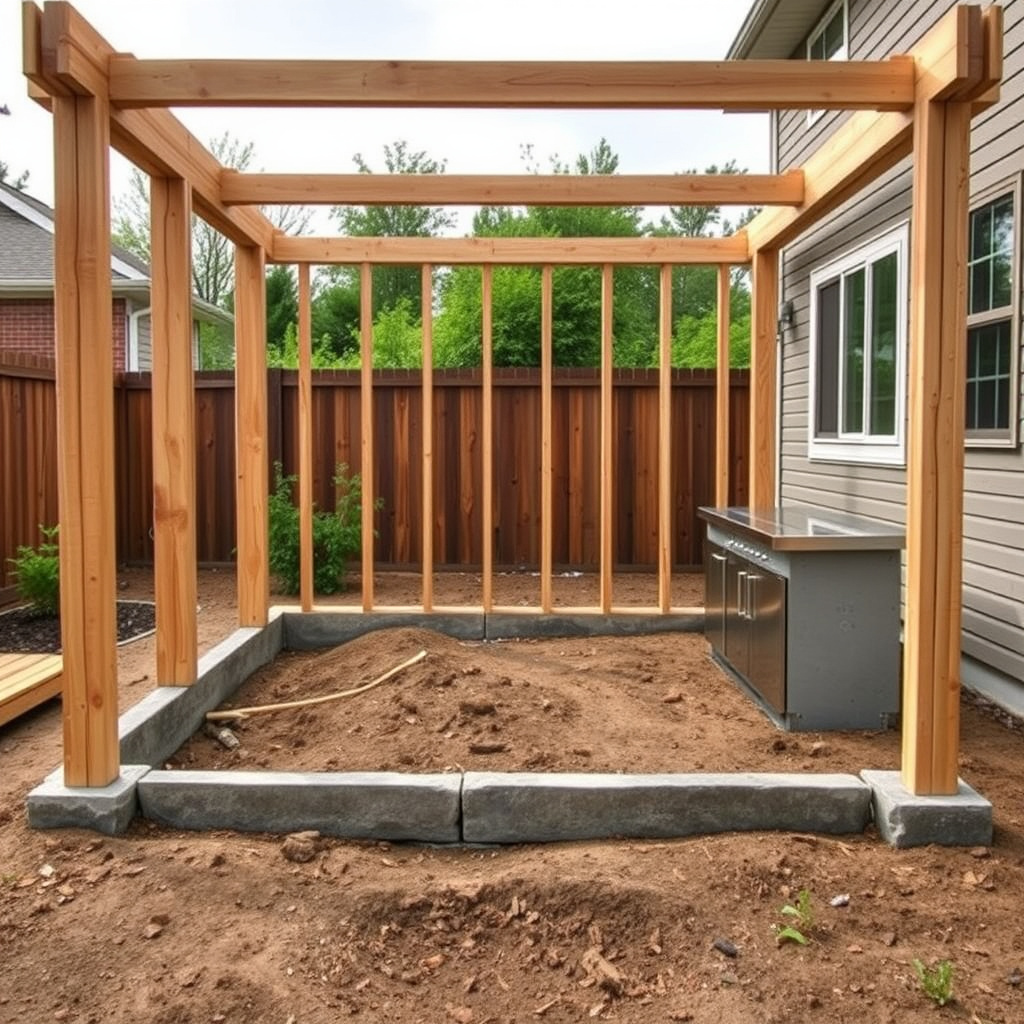
Start with a level, solid foundation such as a concrete slab to prevent shifting or cracking. Lay out the footprint precisely using stakes and string lines before installing block or brick walls that form the structure.
Frame openings for appliances and sinks accurately, keeping in mind ventilation and plumbing access. Reinforce with steel or treated wood as needed to support heavy countertops.
- Concrete slab poured on graded surface
- Accurate layout markings
- Block or brick walls built with mortar
- Space left for utilities and ventilation
Finishing Touches and Utility Connections
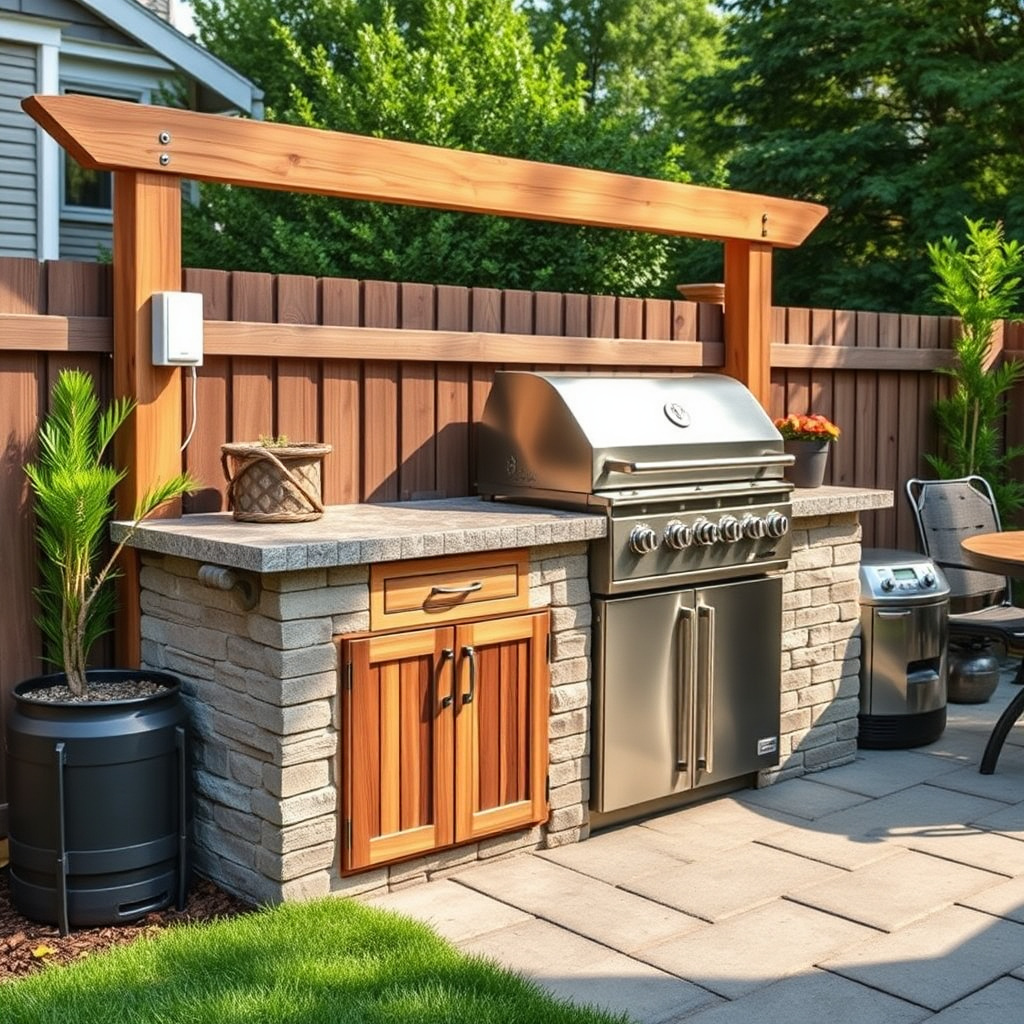
Once structure and countertops are installed, connect gas lines, water, and electrical outlets according to local codes. Seal joints and edges with weather-resistant caulk to keep moisture out.
Install lighting for evening use and protective covers to extend appliance life. Add seating and decorative elements like pergolas or umbrellas for comfort and style.
- Connect utilities through licensed professionals
- Weatherseal all seams and edges
- Add lighting and protective covers
- Incorporate comfortable seating and décor
Outdoor Kitchen Design Ideas and Inspiration
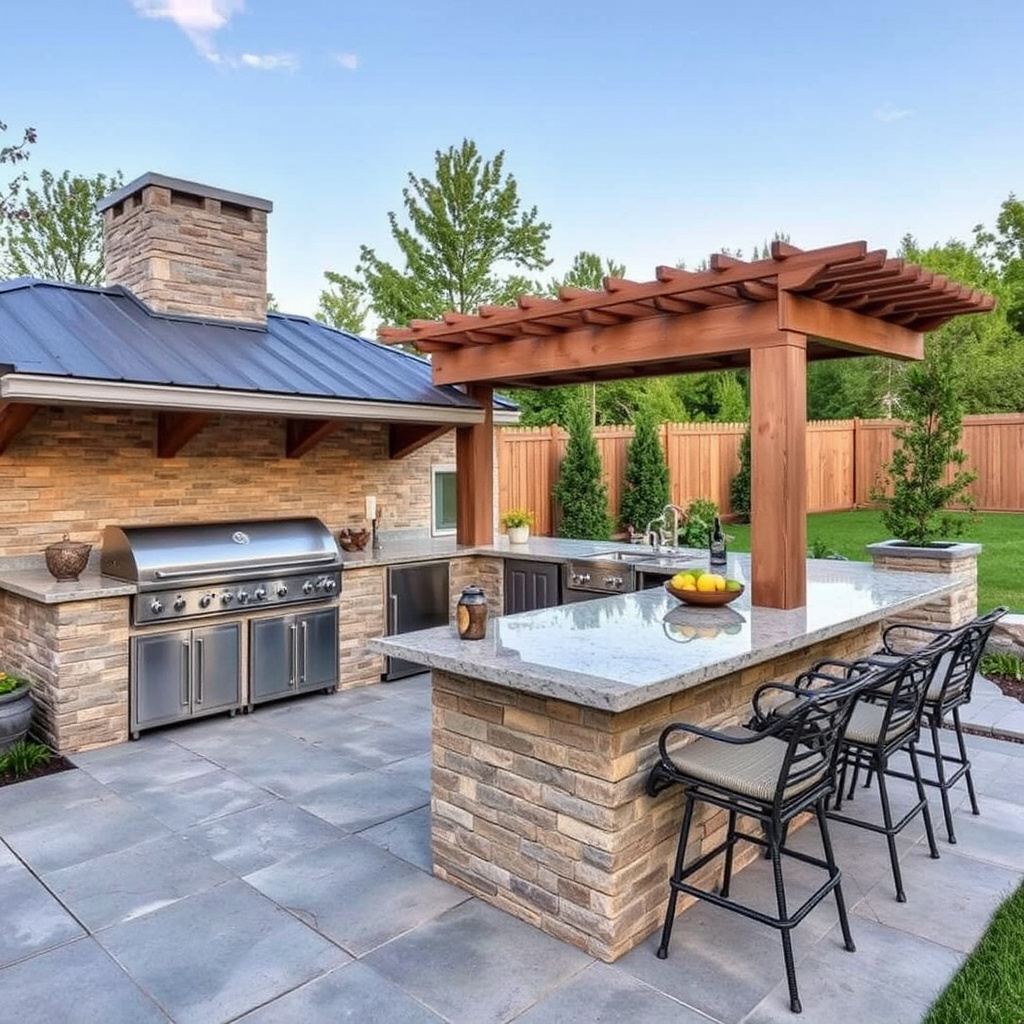
Rustic and Natural Designs
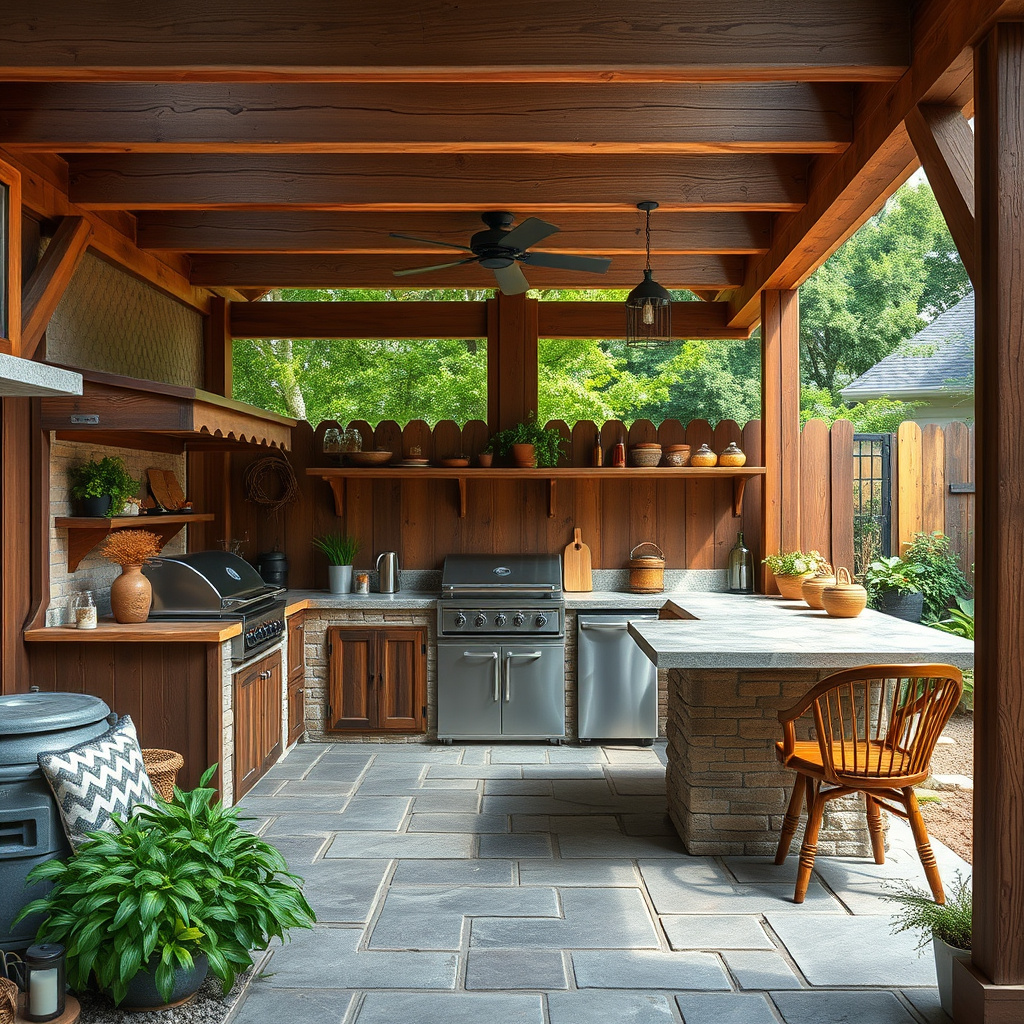
Rustic outdoor kitchens often use natural stone, wood, and earthy colors to blend with natural surroundings. Features like stone countertops and log-style cabinetry create a warm, inviting atmosphere.
Incorporate open shelving and large wooden tables to enhance the cozy, communal feel typical of rustic design, ideal for rural homes and cabins.
- Stone and wood materials
- Earthy tones and textures
- Open shelving and communal tables
- Fire pits or wood-fired ovens
Modern and Sleek Outdoor Kitchens
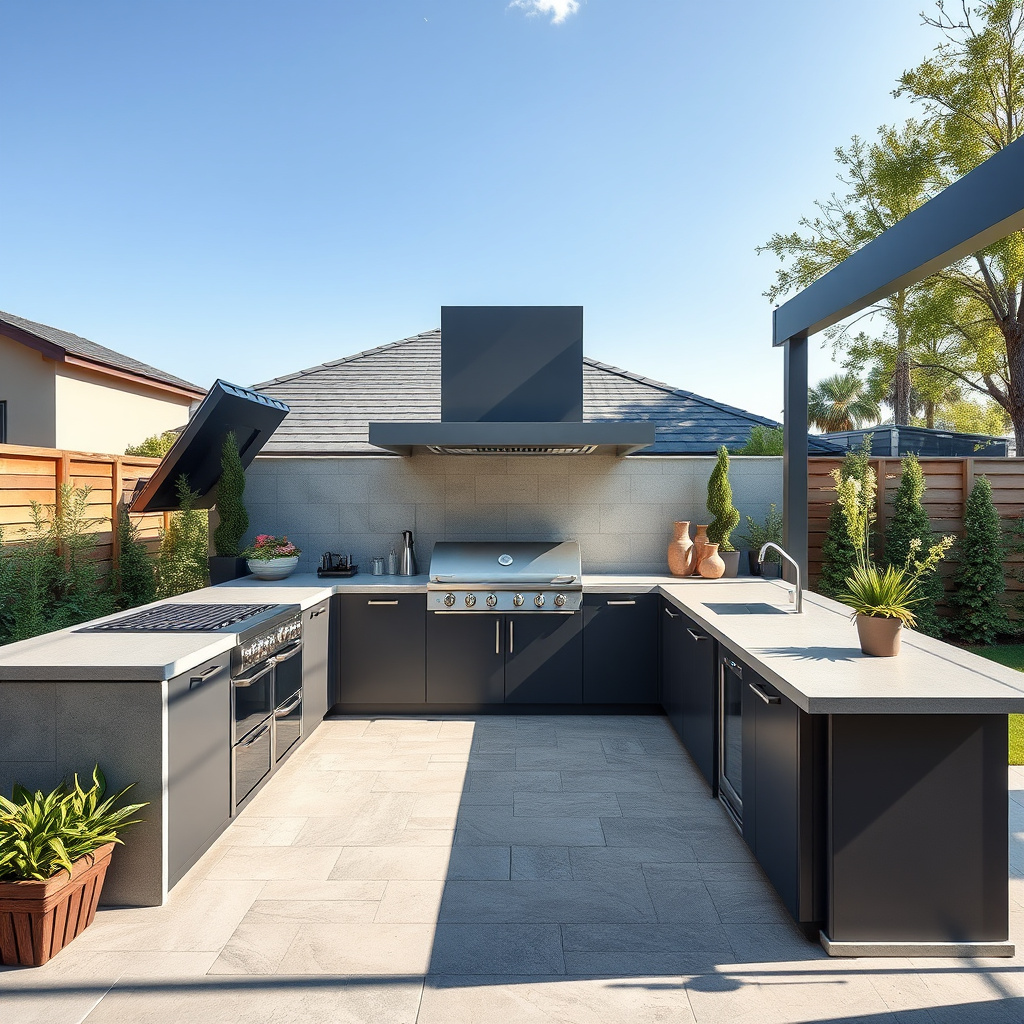
Modern designs focus on clean lines, stainless steel appliances, and minimalist aesthetics. Smooth concrete or quartz countertops paired with modular seating create a sophisticated look perfect for urban backyards.
Integrated lighting, hidden storage, and smart appliances further elevate functionality and style, appealing to tech-savvy homeowners.
- Stainless steel and quartz surfaces
- Modular and minimalist layouts
- Integrated LED lighting
- Smart outdoor kitchen appliances
Maintenance Tips for Longevity
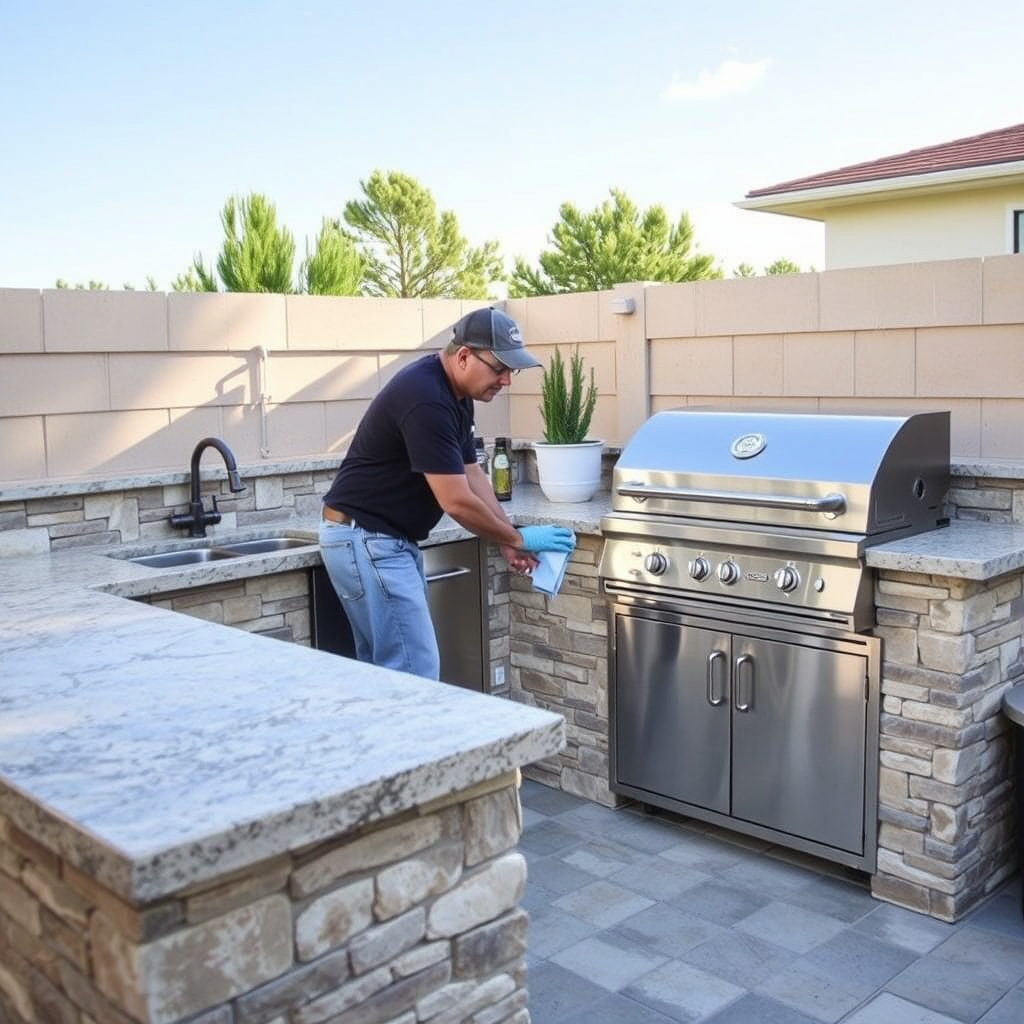
Regular Cleaning and Weather Protection
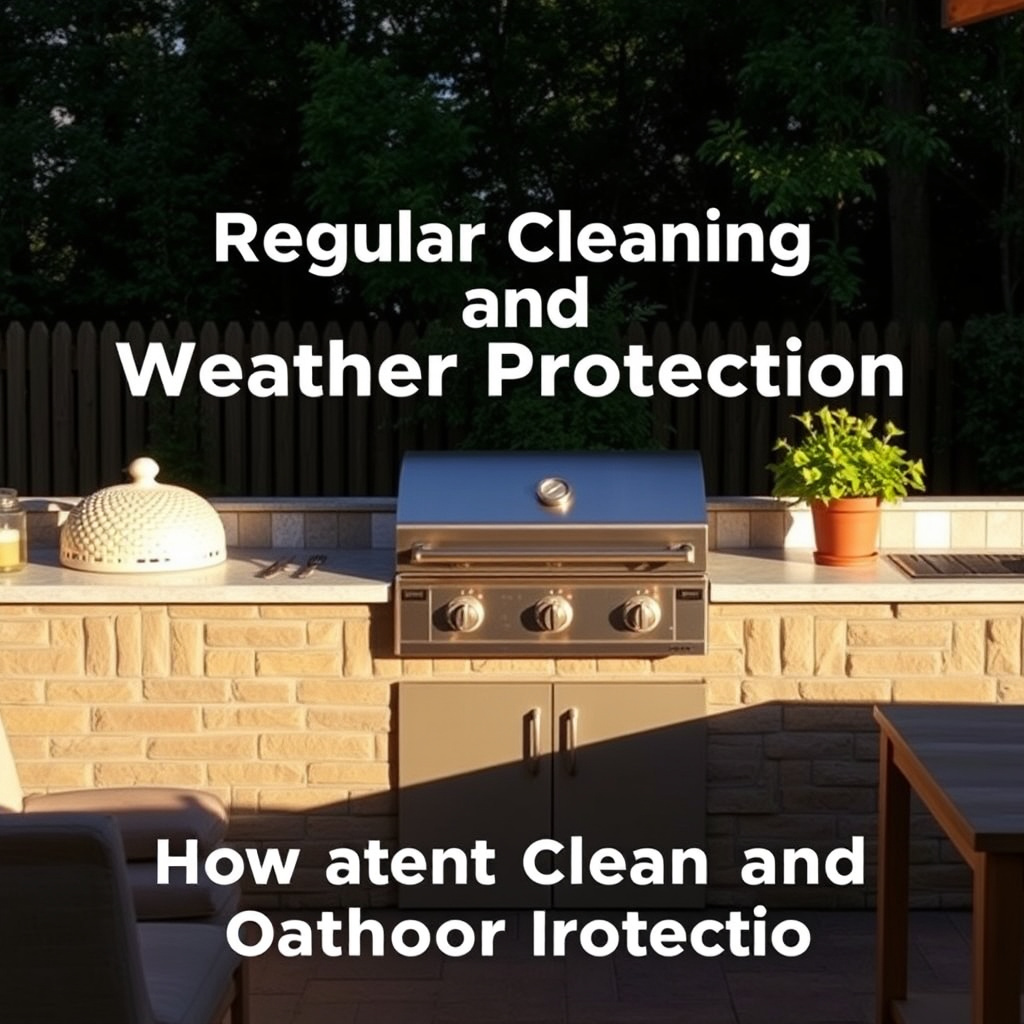
Keeping surfaces clean of grease, dirt, and debris prevents damage and extends life. Use mild detergents or specialized cleaners for stone, concrete, or stainless steel surfaces regularly.
Cover appliances and countertops when not in use, especially during winter or heavy rain to protect from rust, cracking, or mold growth.
- Clean grills after every use
- Seal stone and concrete surfaces annually
- Use appliance covers during bad weather
- Remove leaves and debris frequently
For additional background on outdoor kitchen concepts and history, the Outdoor kitchen design on Wikipedia offers valuable insight. Outdoor kitchen design on Wikipedia.
Inspecting Utilities and Structural Elements
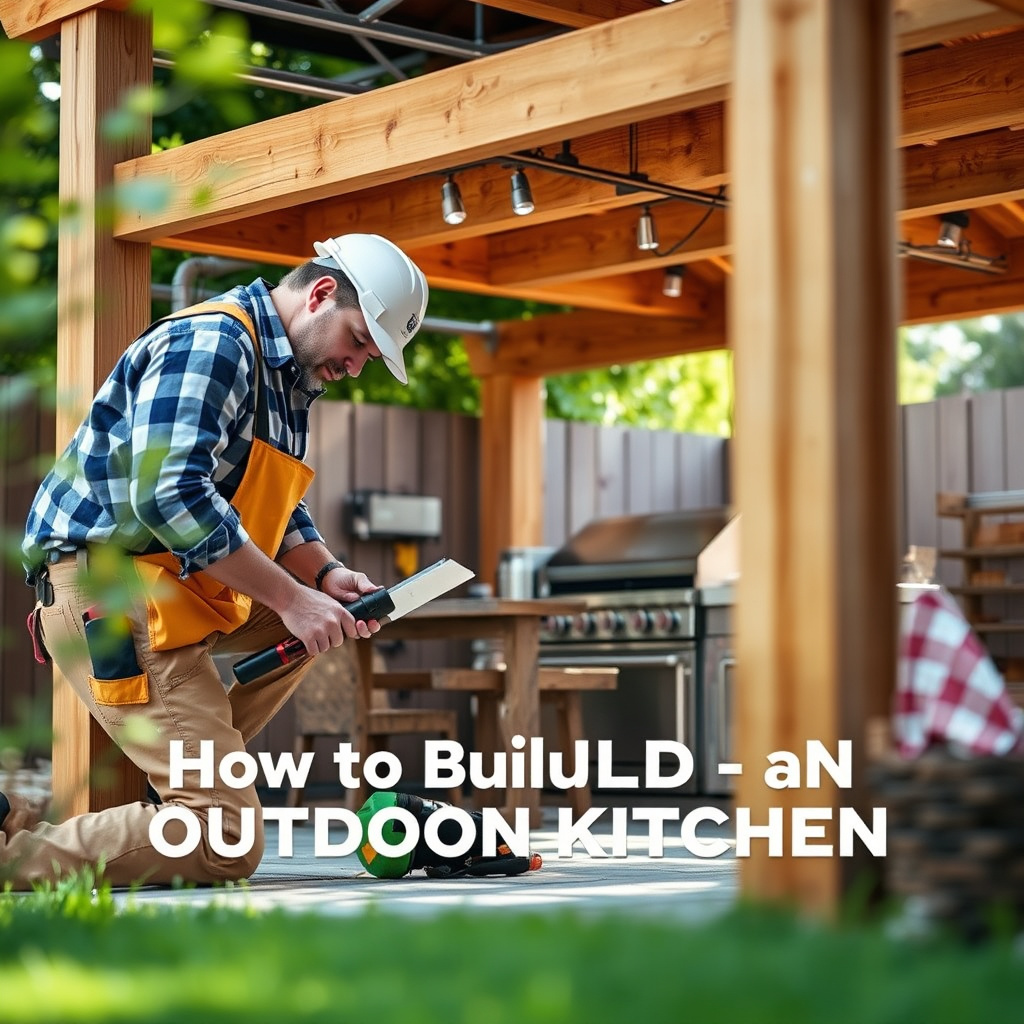
Regularly check gas lines for leaks, water connections for clogs or freezes, and electrical outlets for damage. Repair or replace worn seals and caulking to avoid moisture intrusion.
Examine structural parts like wooden frames or masonry for signs of rot, cracks, or settling and address issues promptly to maintain safety and appearance.
- Annual gas and water line inspections
- Check electrical outlets for corrosion
- Repair cracks in masonry or concrete
- Replace damaged sealants or caulk
Outdoor Kitchen Types Comparison
Here’s a comparison of common outdoor kitchen types to help you weigh their features, cost, and installation complexity.
| Type | Typical Cost | Installation Complexity | Best For |
|---|---|---|---|
| Modular Outdoor Kitchen | $2,000 – $7,000 | Low | Quick setup and portability |
| Built-In Outdoor Kitchen | $7,000 – $25,000+ | High | Custom designs with integrated features |
| Portable Grill Stations | $300 – $1,500 | Minimal | Casual grilling with easy storage |
| DIY Brick or Stone Kitchens | $3,000 – $15,000 | Moderate to High | Durable, rustic style, customizable |
| Prefab Outdoor Kitchen Islands | $5,000 – $15,000 | Moderate | Balanced design and convenience |
Frequently Asked Questions
Do I need permits to build an outdoor kitchen?
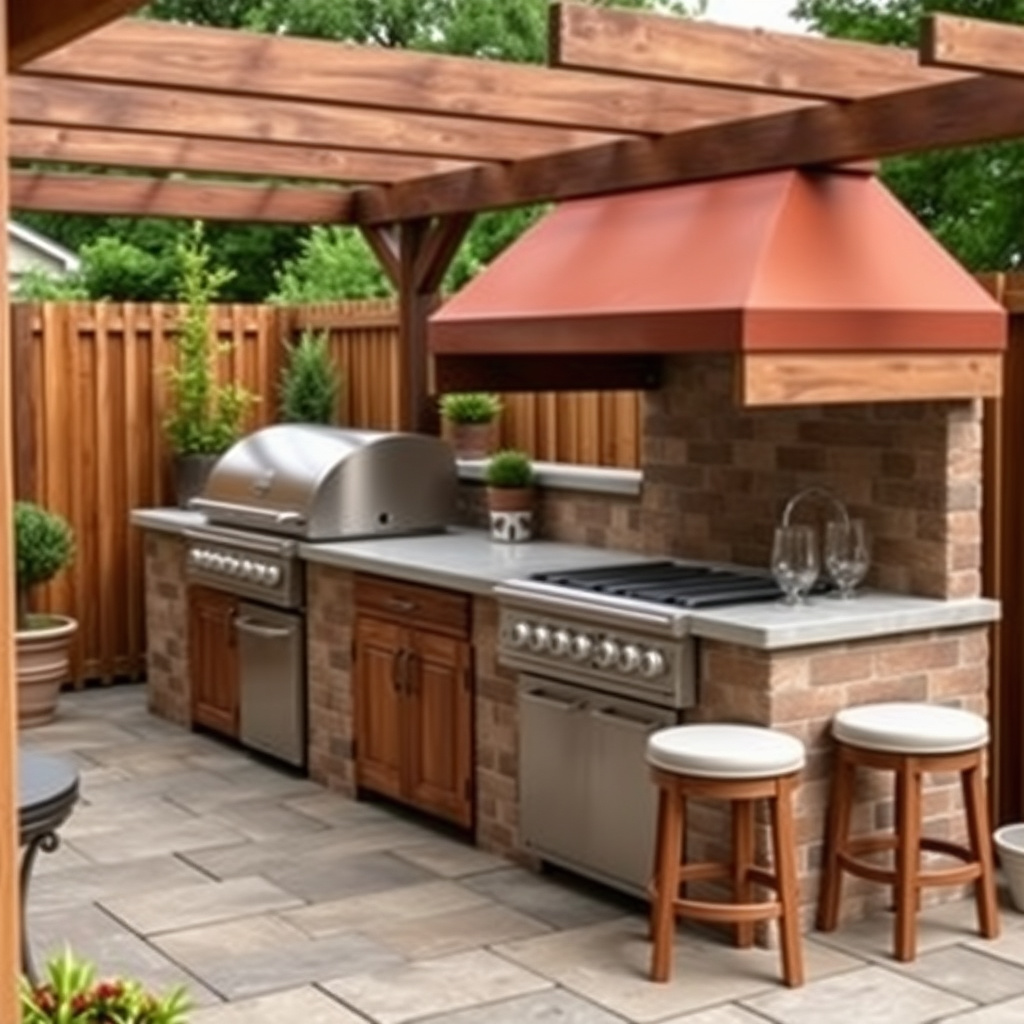
Permit requirements vary by location but generally you need permits for gas, electrical, and plumbing work. Check with your local building department to comply with codes and inspections.
What is the best countertop material for an outdoor kitchen?
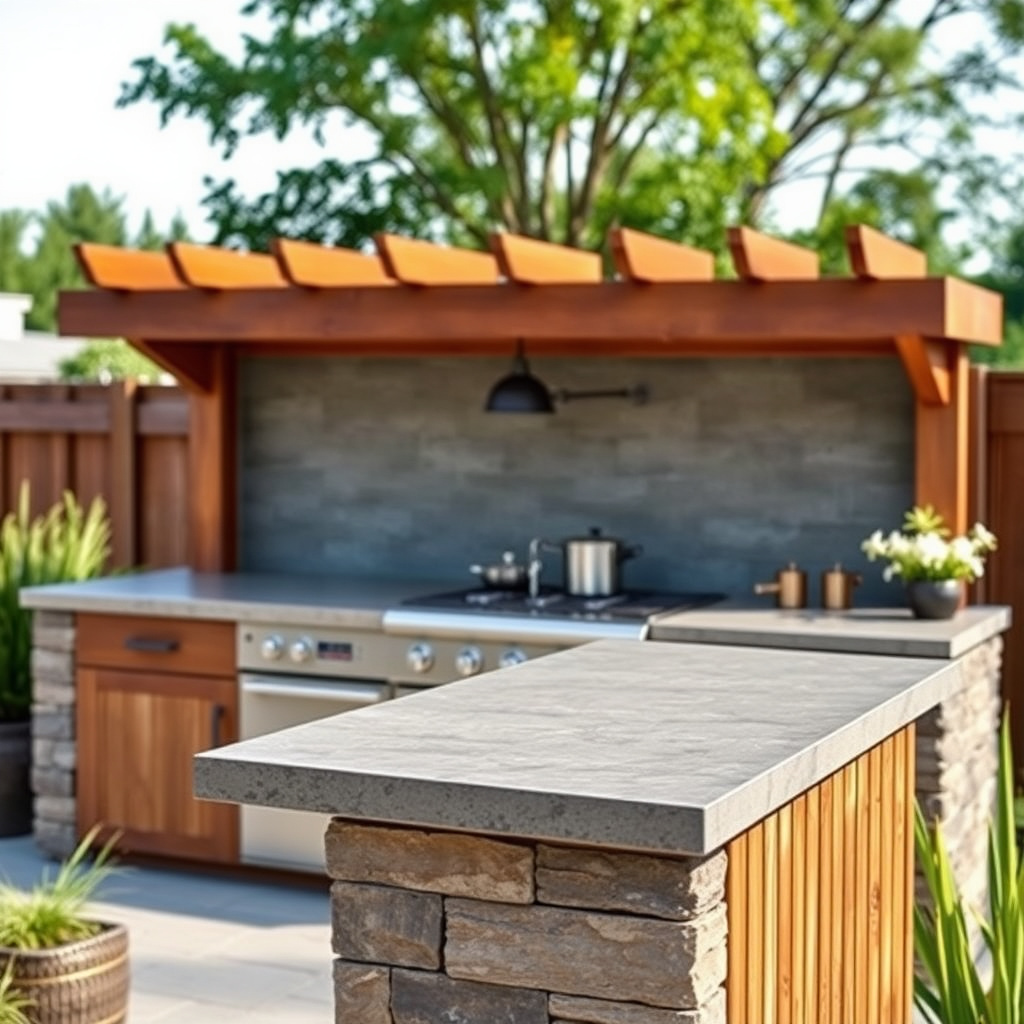
Granite and stainless steel are top choices for durability and weather resistance, while concrete offers customization but requires periodic sealing to protect against moisture.
How much space do I need for an outdoor kitchen?
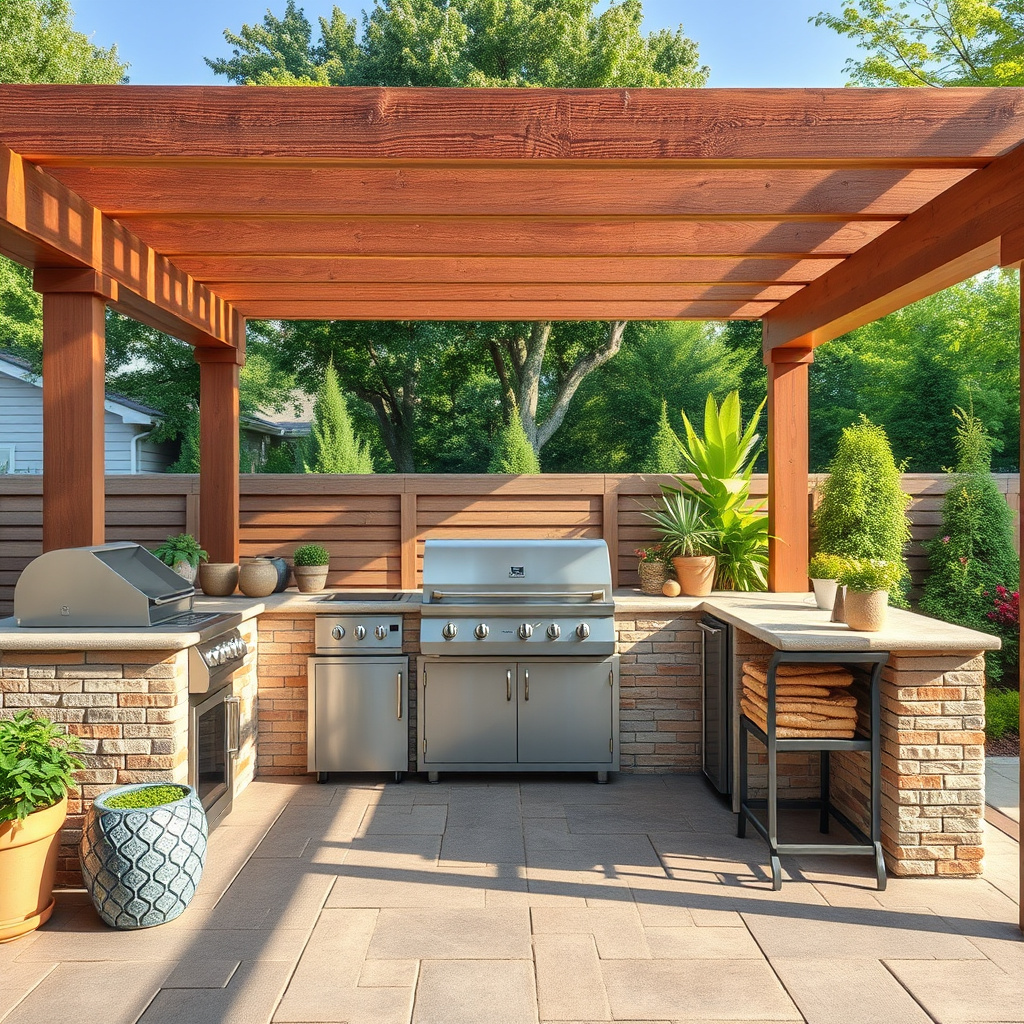
A comfortable outdoor kitchen space starts around 70 to 100 square feet for basic cooking and prep. Larger areas accommodate seating, multiple appliances, and entertainment zones.
Can I install an outdoor kitchen myself?
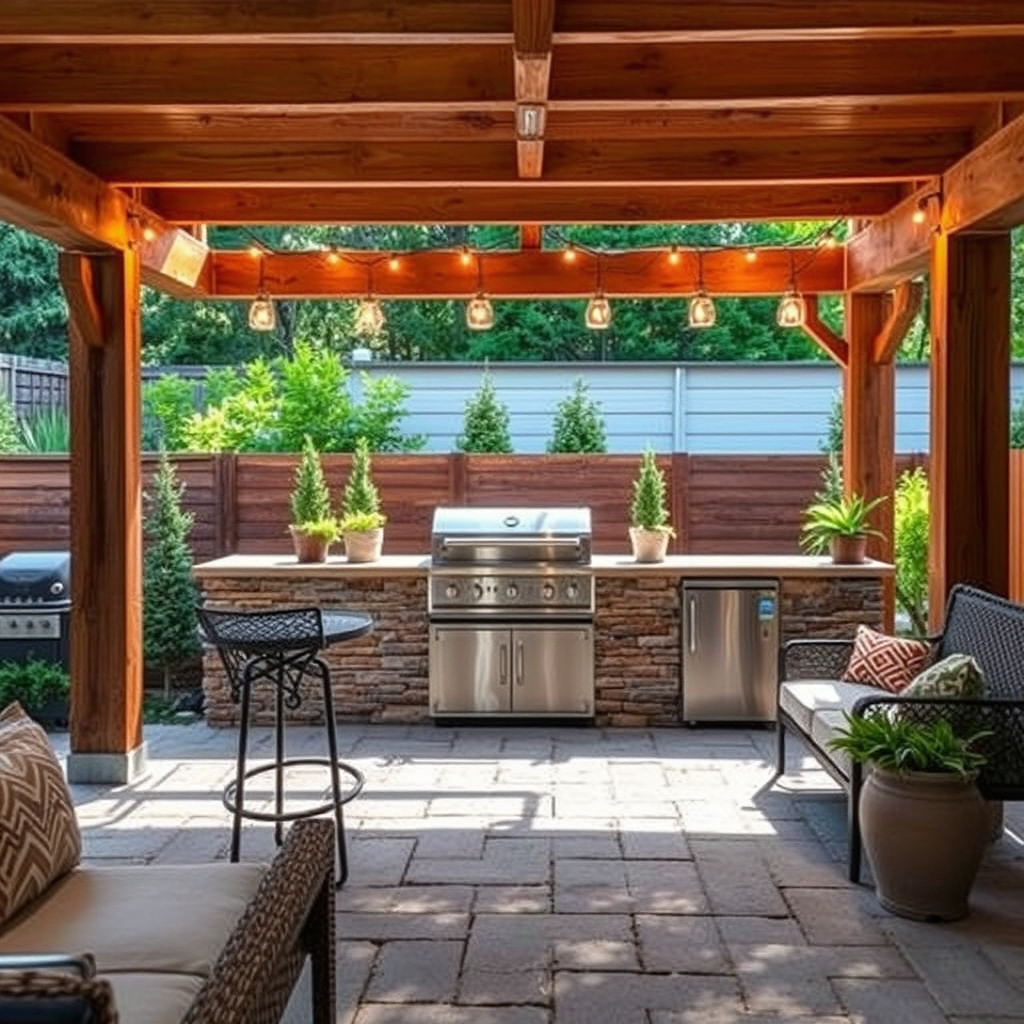
DIY installation is possible if you have construction experience, but plumbing, gas, and electrical work should be handled by licensed professionals for safety and code compliance.
What appliances are essential for an outdoor kitchen?
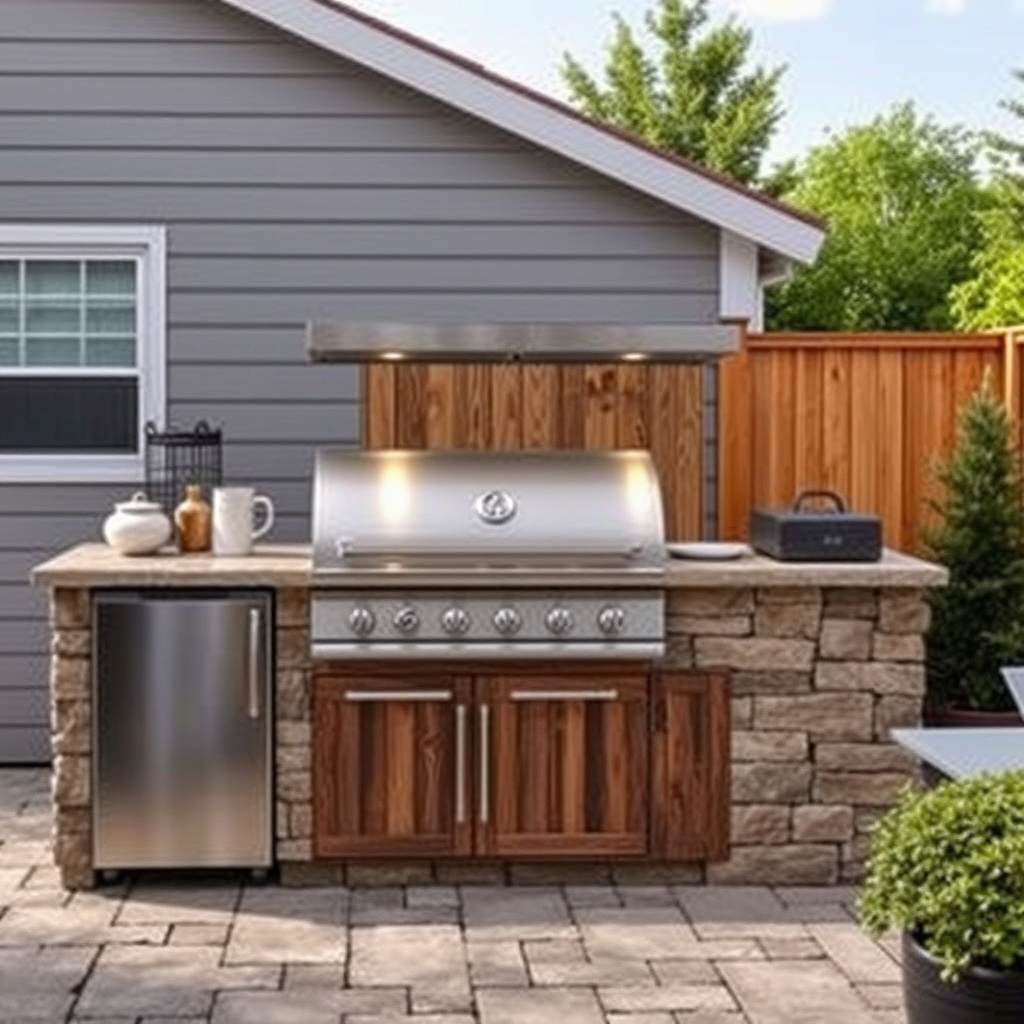
A good grill, countertop space, and a sink are essentials. Depending on usage, many add an outdoor refrigerator, side burners, or pizza ovens for expanded cooking options.
Key Takeaways
- Plan your outdoor kitchen layout carefully considering location and space
- Select durable, weather-resistant materials for counters and structure
- Choose appliances designed for outdoor use to ensure longevity
- Maintain regularly to extend your outdoor kitchen’s lifespan
Conclusion
Building an outdoor kitchen is a rewarding project that enhances your backyard living and cooking experience. The key decision-making is balancing your available space, budget, and intended use. By focusing on a well-planned layout, selecting materials suited for outdoor conditions, and integrating appliances thoughtfully, you set the foundation for a functional, comfortable space that complements your home.
For smaller spaces or quick setups, modular outdoor kitchens or portable grill stations provide flexibility and ease. Those seeking a long-term investment might consider built-in or custom DIY stone kitchens, which offer durability and a tailored look. Incorporating outdoor kitchen design ideas such as rustic natural materials or sleek modern finishes can further personalize your space according to style preferences. This ensures the kitchen feels like a natural extension of your home environment.
Once you’ve decided on the layout, materials, and appliances, the best step is to start with a detailed plan and timeline. Hire professional help for utility connections and structural work to guarantee safety and compliance. With thoughtful choices and regular maintenance, your outdoor kitchen will become a beloved gathering spot for years to come.