How to Pack Kitchen for Moving: A Step-by-Step Guide to Protect Your Essentials
Packing a kitchen for moving can be overwhelming, but starting with a clear plan makes it manageable. The key is to sort, protect, and pack your kitchen essentials carefully to avoid damage and make unpacking easier. Focus first on separating items by type and frequency of use.
Your kitchen contains fragile items like glassware, plates, and electronics, so packing these with suitable materials is critical to prevent breakage. Moving also offers a perfect chance to declutter and organize, helping you unpack more efficiently in your new home.
This article will cover how to pack your kitchen systematically, what materials you’ll need, techniques for wrapping fragile items, strategies for kitchen appliances, and tips for labeling and organizing boxes.
Preparation and Sorting Before Packing Your Kitchen
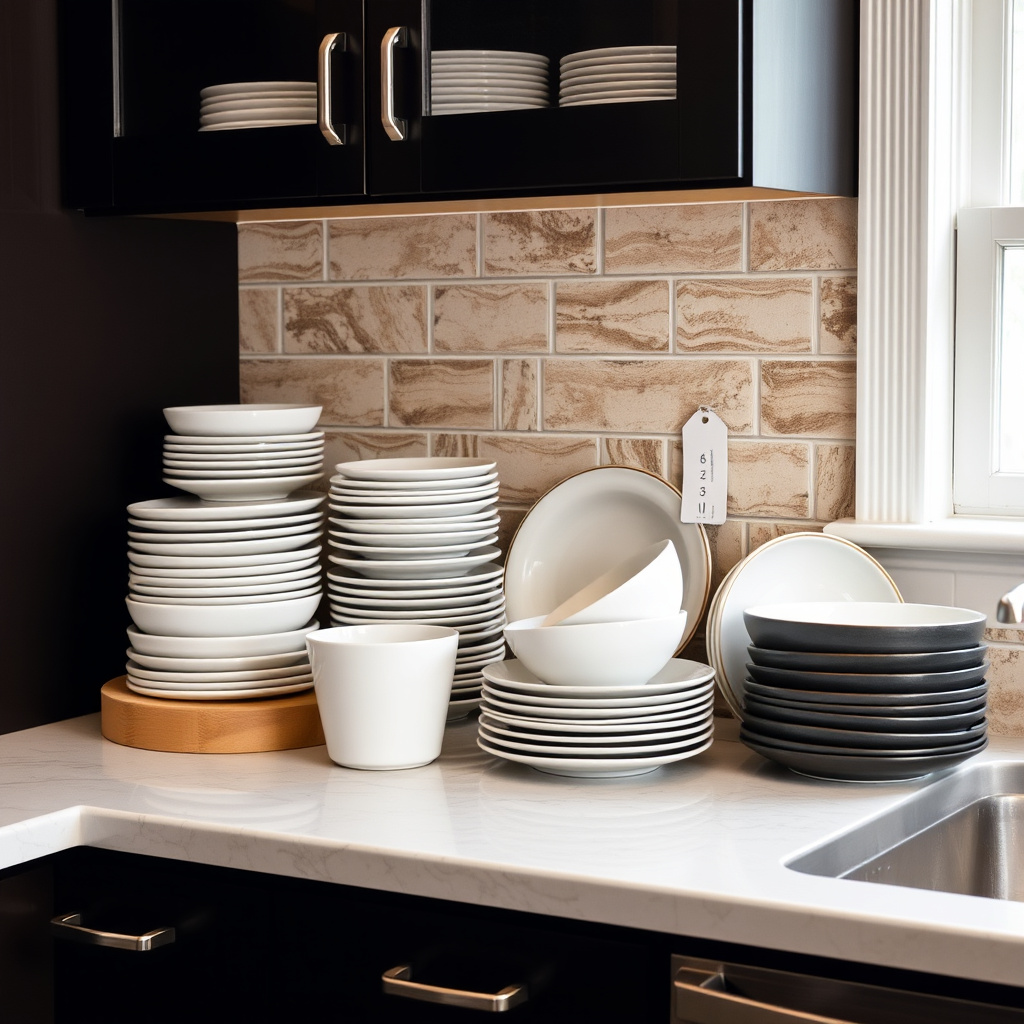
Decluttering and Inventory
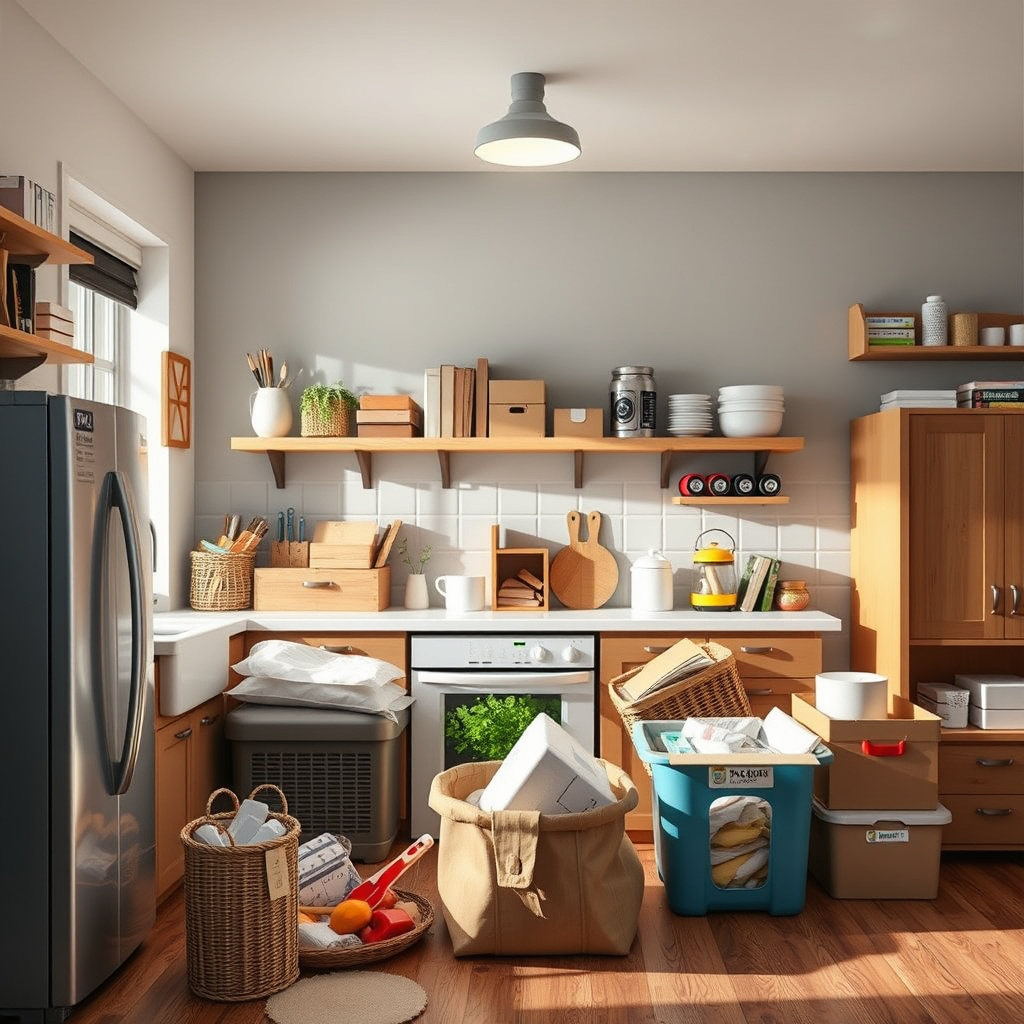
Start by going through your kitchen items and deciding what to keep, donate, or discard. Check expiration dates on pantry goods and set aside items that you won’t move to reduce clutter. Create an inventory list to know exactly what you have to pack.
Separating your kitchen equipment into categories such as plates, cookware, utensils, and appliances helps streamline the packing process. Group similar items so they can be packed together, minimizing space and risk of damage.
- Check pantry for expired goods
- Donate unwanted kitchen tools
- Sort items by usage and fragility
Gathering Essential Packing Supplies
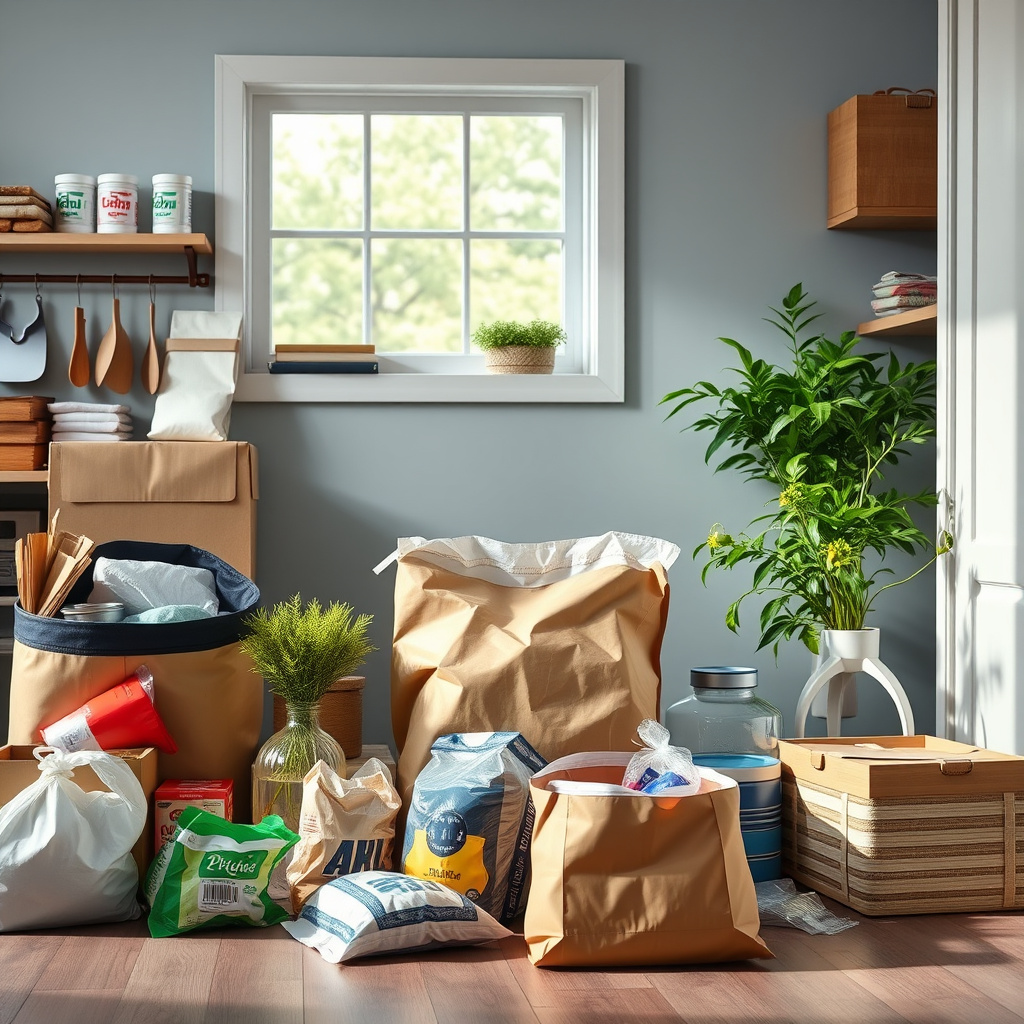
Collect sturdy boxes in various sizes, bubble wrap, packing paper, packing tape, and markers. Investing in specialty packing materials like dish barrels or dividers can protect fragile items more effectively.
Use kitchen-specific packing materials like plate dividers or utensil organizers to reduce shifting during transit. Label boxes clearly to speed up unpacking and avoid confusion.
- Dish pack boxes or dish barrels
- Bubble wrap and packing paper
- Quality packing tape and markers
- Plastic wrap for appliances
Packing Fragile Kitchenware Safely
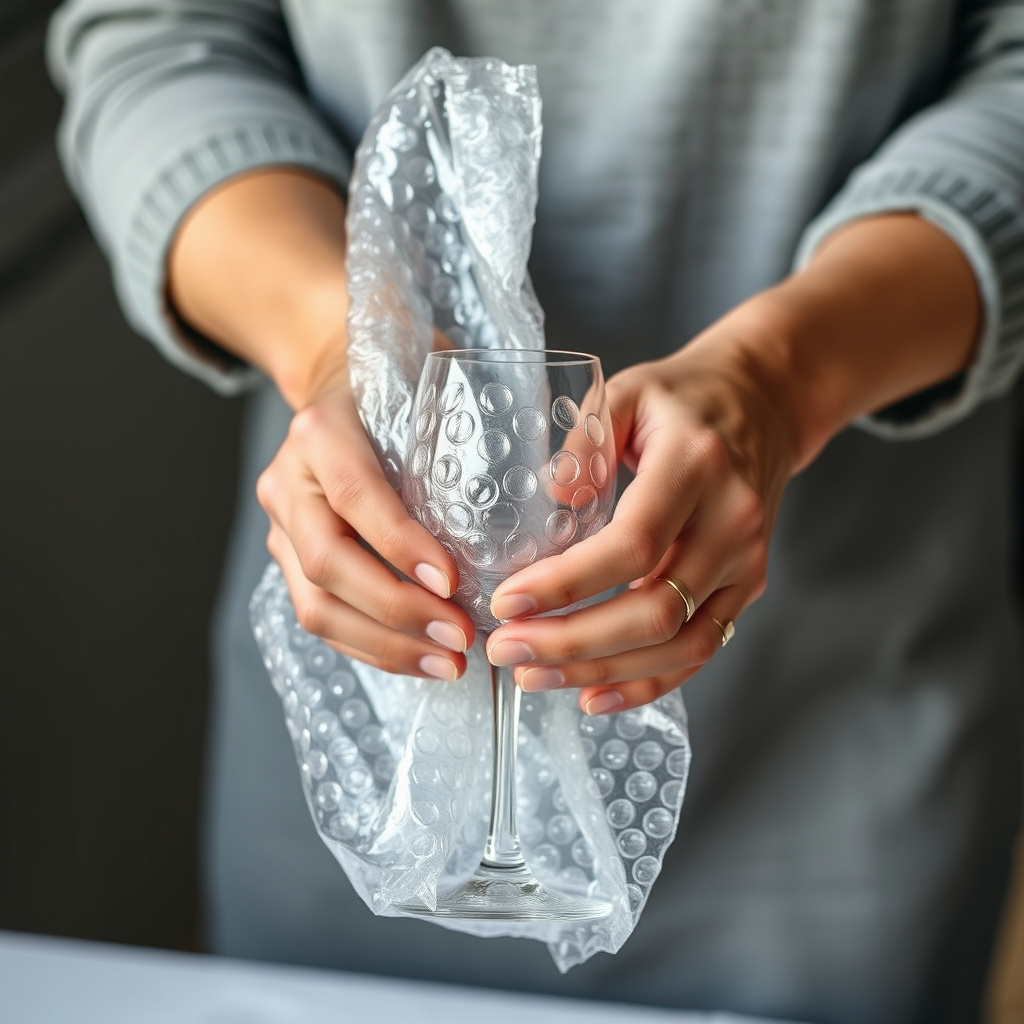
Wrapping Glassware and Dishes

Wrap each glass and plate individually with packing paper or bubble wrap. Use plate dividers inside boxes and layer items vertically, not stacked flat, to reduce pressure. Fill voids inside boxes with crumpled paper to prevent movement.
Use dish packing boxes with partitions if available, as these provide additional protection to each item. Label these boxes as fragile and handle with care during the move.
- Wrap items one by one
- Use dividers or partitions
- Pack vertically for less pressure
- Fill empty spaces to avoid shifting
Protecting Utensils and Small Items

Bundle knives, forks, and spoons together and wrap them in a thick cloth or paper. Pack small kitchen gadgets in suitable containers or boxes, cushioned by soft packing material.
Avoid mixing heavy and light items in one box to prevent crushing. Consider labeling boxes with the contents for easy unpacking.
- Bundle utensils tightly
- Use soft padding for gadgets
- Separate heavy and light items
Packing Kitchen Appliances Efficiently
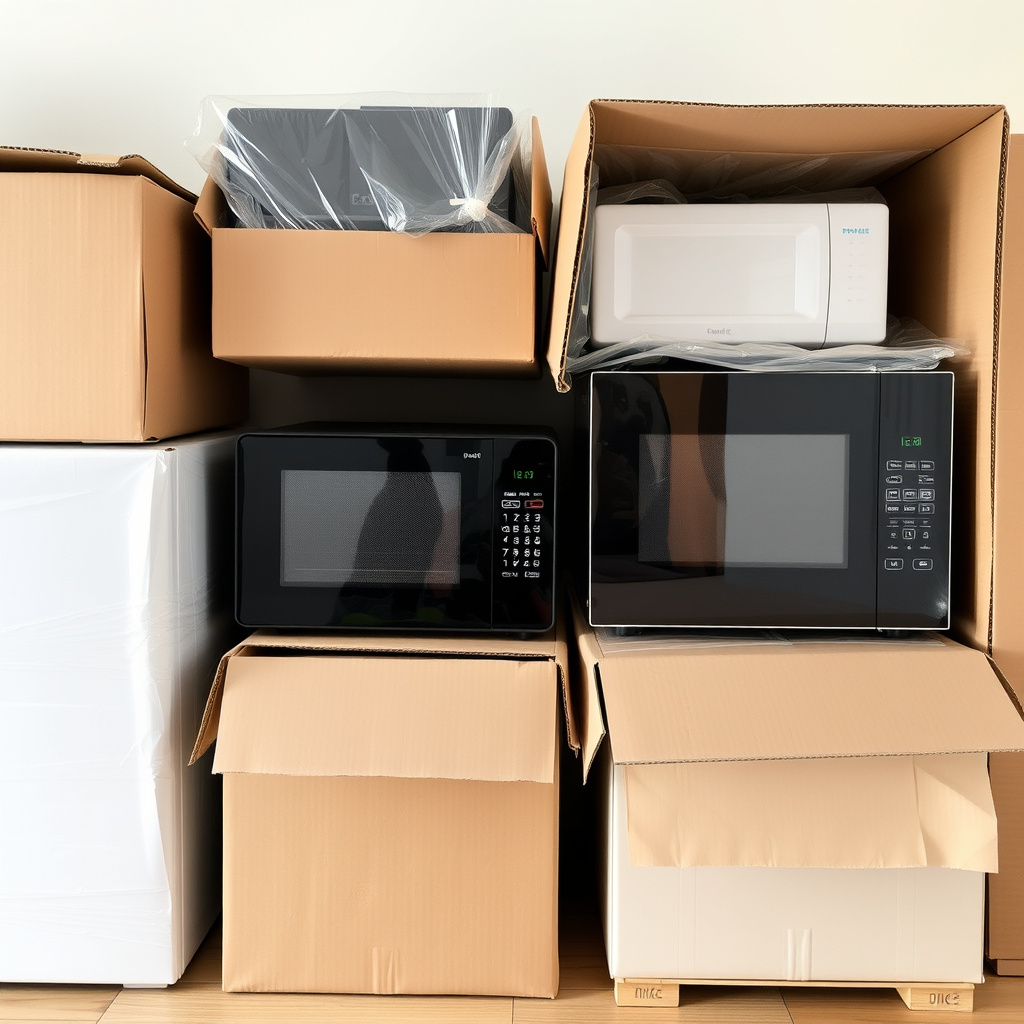
Preparing Appliances for Transit
Unplug and clean all appliances before packing to avoid spills or electrical issues. Secure removable parts with tape or pack them separately to prevent damage during the move.
For larger appliances, use plastic wrap to protect surfaces from scratches. If possible, pack the appliance in its original box with foam inserts for the best protection.
- Clean and unplug appliances
- Secure removable parts
- Wrap surfaces with plastic wrap
- Use original packaging if available
For more on this, see our related guide: How to Unclog a Kitchen Sink Drain: Simple and Effective Methods.
Packing Small Appliances
Wrap small appliances like toasters, blenders, or coffee makers with bubble wrap. Place them in appropriately sized boxes with cushioning on all sides to absorb shocks.
Label boxes clearly as fragile and indicate the appliance inside to ease unpacking and setup.
- Wrap carefully with bubble wrap
- Use cushioned boxes
- Label boxes precisely
Organizing and Labeling Boxes for Easy Unpacking
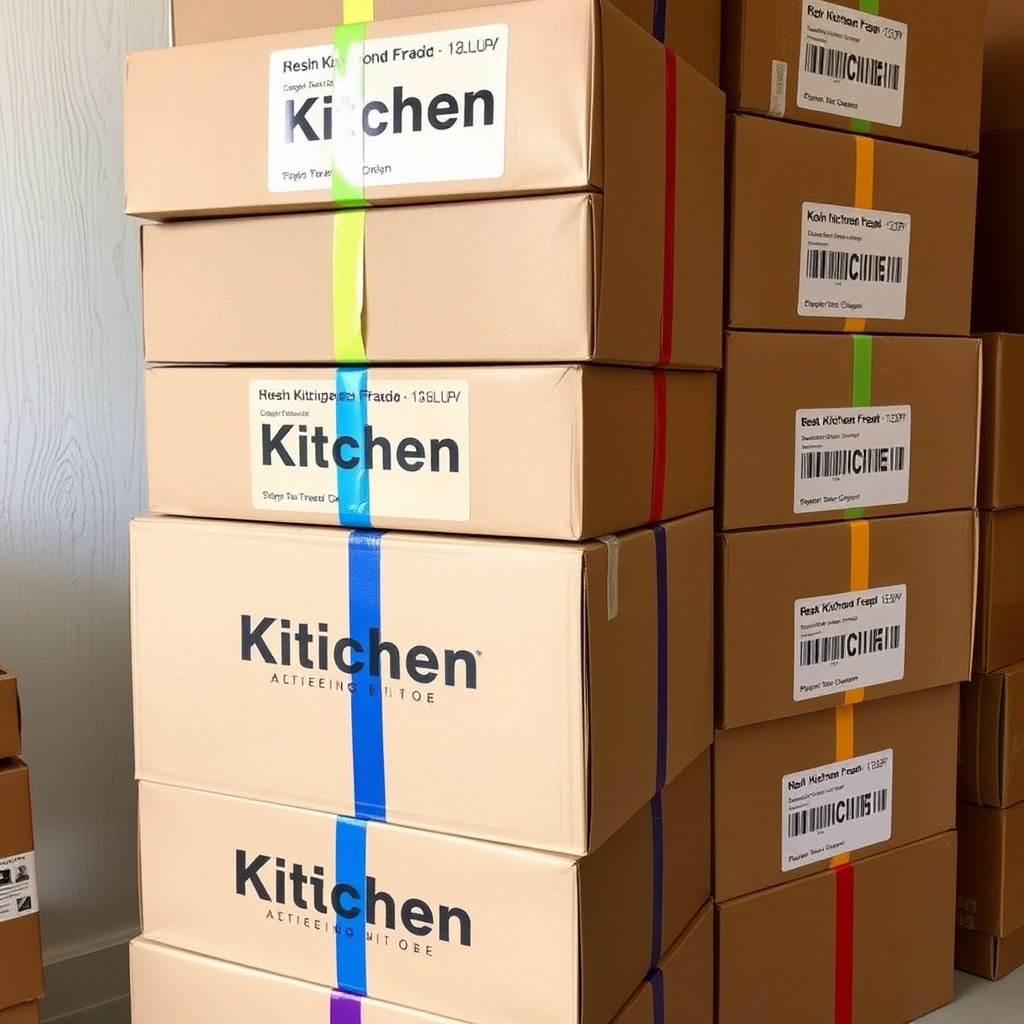
Labeling Techniques
Label each box with the contents and the room it belongs to. Use color-coded tape for kitchen boxes to quickly identify them during unloading and unpacking.
Clearly mark fragile boxes and add handling instructions. Make a master list of all kitchen boxes with details to track what’s inside.
- Use clear, descriptive labels
- Apply color-coded tape
- Mark fragile boxes prominently
- Keep a detailed packing inventory
Organizing Boxes by Priority
Pack items you use daily in separate boxes marked as 'Open First' to facilitate quick access after moving. Store less frequently used goods and surplus appliances towards the bottom or back of the truck.
This organization speeds up unpacking, so your kitchen can become functional quickly without hunting through multiple boxes.
- Separate daily-use items
- Mark ‘Open First’ boxes
- Place heavy items on the bottom
- Group boxes by usage frequency
Using the Best Packing Materials for Kitchen Protection

Advantages of Specialty Packing Materials
Dish barrels and plate dividers offer superior protection compared to standard boxes. They minimize movement inside the box and shield fragile items from shock.
Using these materials reduces the chance of breakage but may increase packing time and cost. Assess your budget and item value when choosing.
- Dish barrels decrease breakage
- Plate dividers organize fragile items
- Consider cost versus protection benefits
For more on this, see our related guide: How to Install a Kitchen Faucet: A Step-by-Step Guide.
Choosing Bubble Wrap and Packing Paper
Bubble wrap provides cushioning for glass and ceramic items, while packing paper is eco-friendly and works well for wrapping and filling gaps. Combining both materials can balance protection and cost.
Avoid using newspaper as ink can transfer; opt for clean packing paper or unprinted paper alternatives for kitchen items.
- Bubble wrap cushions fragiles
- Packing paper fills voids
- Avoid newspaper to prevent stains
Final Tips for Moving Day and Kitchen Setup
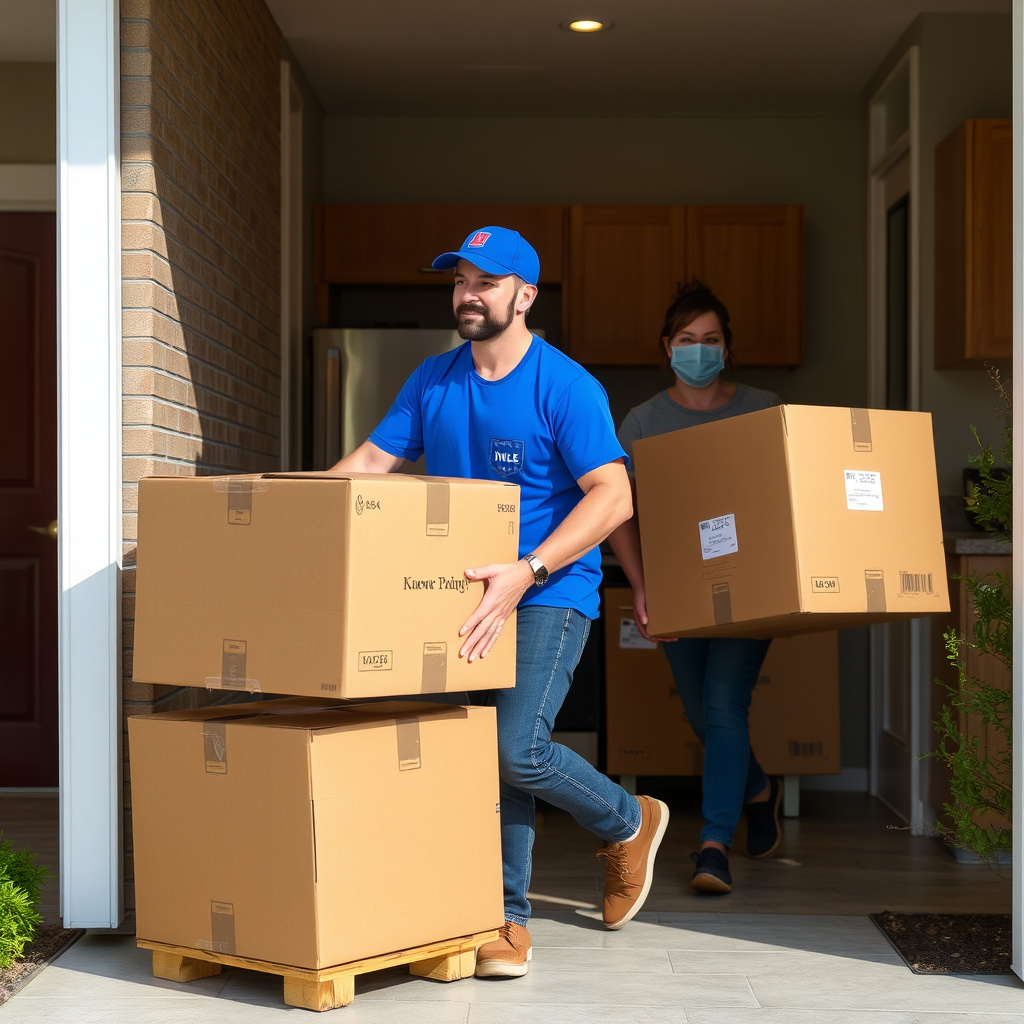
Handling Boxes During the Move
Carry boxes labeled fragile with extra care and avoid stacking heavy items on top. Load kitchen boxes last into the moving truck so they are unloaded first for easy access.
Communicate with movers about fragile contents to prevent mishandling and damage.
- Avoid stacking fragile boxes under heavy ones
- Load kitchen boxes last into the truck
- Inform movers of delicate items
For official guidelines and tips about moving and packing kitchen items, consult this government resource. moving and packing kitchen items.
Setting Up Your Kitchen After Moving
Begin by unpacking ‘Open First’ boxes to get your essential kitchen tools and dishes accessible quickly. Arrange heavier items first, then unpack fragile items carefully to avoid accidents.
Take your time to check for any damage and set up appliances properly to start cooking as soon as possible.
- Unload essentials first
- Unpack and inspect fragile items
- Set up appliances carefully
Comparison of Kitchen Packing Materials and Tools
Here's a comparison of different packing options to help you decide what materials and tools suit your kitchen moving needs best.
| Packing Material | Protection Level | Cost | Ease of Use |
|---|---|---|---|
| Dish Barrels | High | High | Moderate |
| Plate Dividers | High | Medium | Easy |
| Bubble Wrap | Medium to High | Low to Medium | Easy |
| Packing Paper | Medium | Low | Easy |
| Plastic Wrap | Low | Low | Easy |
Frequently Asked Questions
How should I pack knives and sharp kitchen tools?
Wrap knives individually in thick cloth or bubble wrap and secure blades with cardboard sheaths if possible. Place them upright or flat in boxes, ensuring points do not pierce the wrapping.
Can I pack liquids and spices in my kitchen boxes?
It’s best to discard or use up most liquids before moving. For spices, pack small containers in sealable bags to avoid spills and label boxes as fragile.
Should I pack appliances with cords attached?
Wrap cords separately to prevent tangling or damage. Coil cords neatly and secure with twist ties or rubber bands before packing them alongside the appliance.
What’s the best way to pack dishes to prevent breakage?
Wrap each plate with packing paper or bubble wrap, then pack vertically using dividers. Fill any empty spaces with paper to prevent shifting during transit.
How do I keep my kitchen organized when unpacking?
Label boxes clearly with contents and priority. Start with essential items marked ‘Open First’ and unpack boxes by category to maintain order.
Key Takeaways
- Sort and declutter kitchen items before packing
- Use specialty packing materials for fragile dishes
- Label and organize boxes for efficient unpacking
- Protect appliances by cleaning and securing parts
Conclusion
Approaching how to pack kitchen for moving requires planning and care to protect fragile items and stay organized. Breaking packing down into sorting, using the right materials, and clear labeling minimizes stress and damage. Prioritizing essential kitchen tools ensures your new kitchen is functional right after the move.
For those with many fragile items, investing in dish barrels and plate dividers can be worth the cost to avoid breakage. Smaller kitchens or those with fewer delicate pieces might get by with bubble wrap and paper alone. Appliances, whether large or small, need to be cleaned and prepared carefully according to their size and fragility.
Starting early and following a consistent system helps immensely. Gather quality packing supplies, keep a detailed inventory, and mark boxes clearly. Once you’ve moved, unpack essentials first and set up your kitchen in order to resume daily life fast and without hassle.