How to Organize a Kitchen for Maximum Efficiency and Style
Organizing a kitchen efficiently starts with assigning specific zones for prep, cooking, cleaning, and storage, enabling a smooth workflow and quick access to essentials. Grouping items by their use and frequency helps keep counters clear and kitchen tasks seamless.
A well-organized kitchen saves time and reduces stress during cooking by minimizing clutter and making everything easy to find. Beyond aesthetics, thoughtful organization improves safety and cleanliness, making the space more enjoyable to work in and easier to maintain daily.
This article covers essential steps to organize your kitchen, including zoning strategies, decluttering tips, smart storage options, appliance placement, and maintenance ideas. It will also compare different organizational methods and answer common questions about kitchen setups.
Creating Functional Zones in Your Kitchen
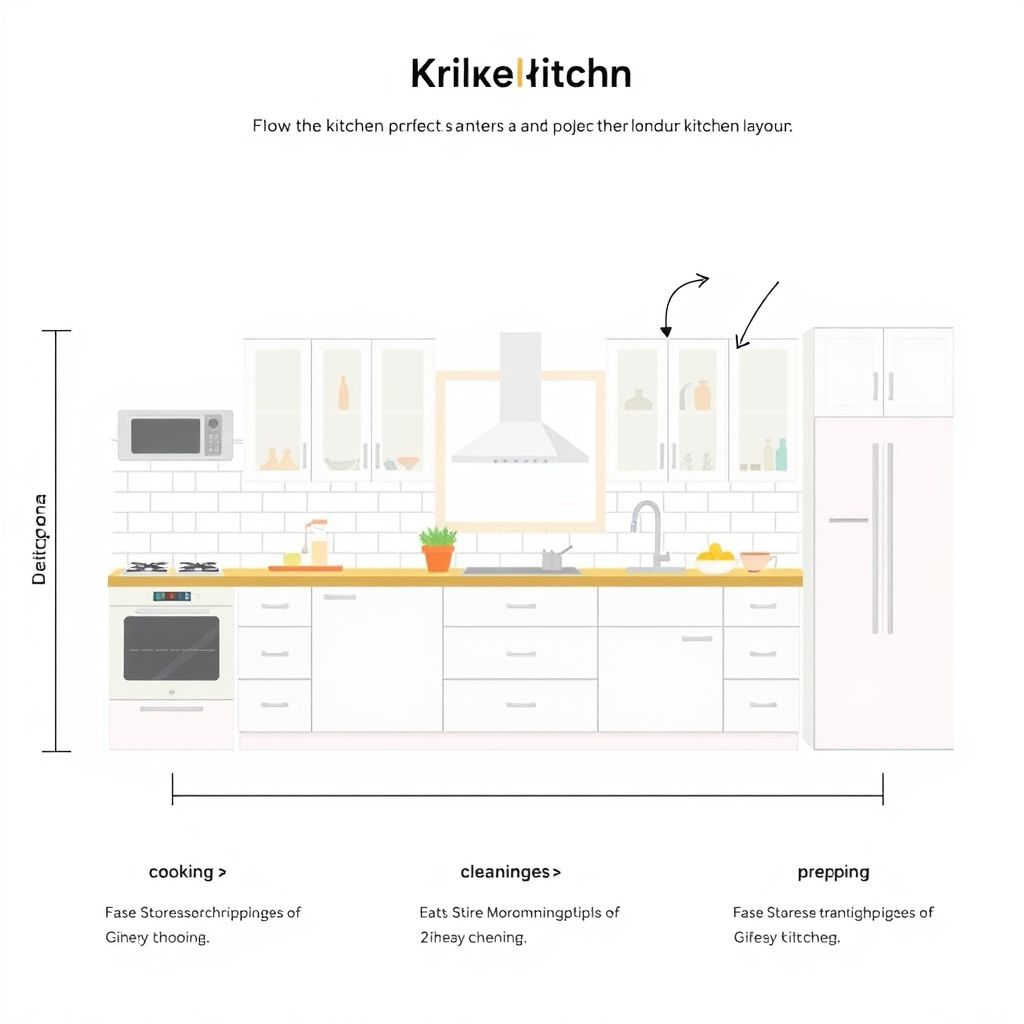
Understanding Key Kitchen Zones
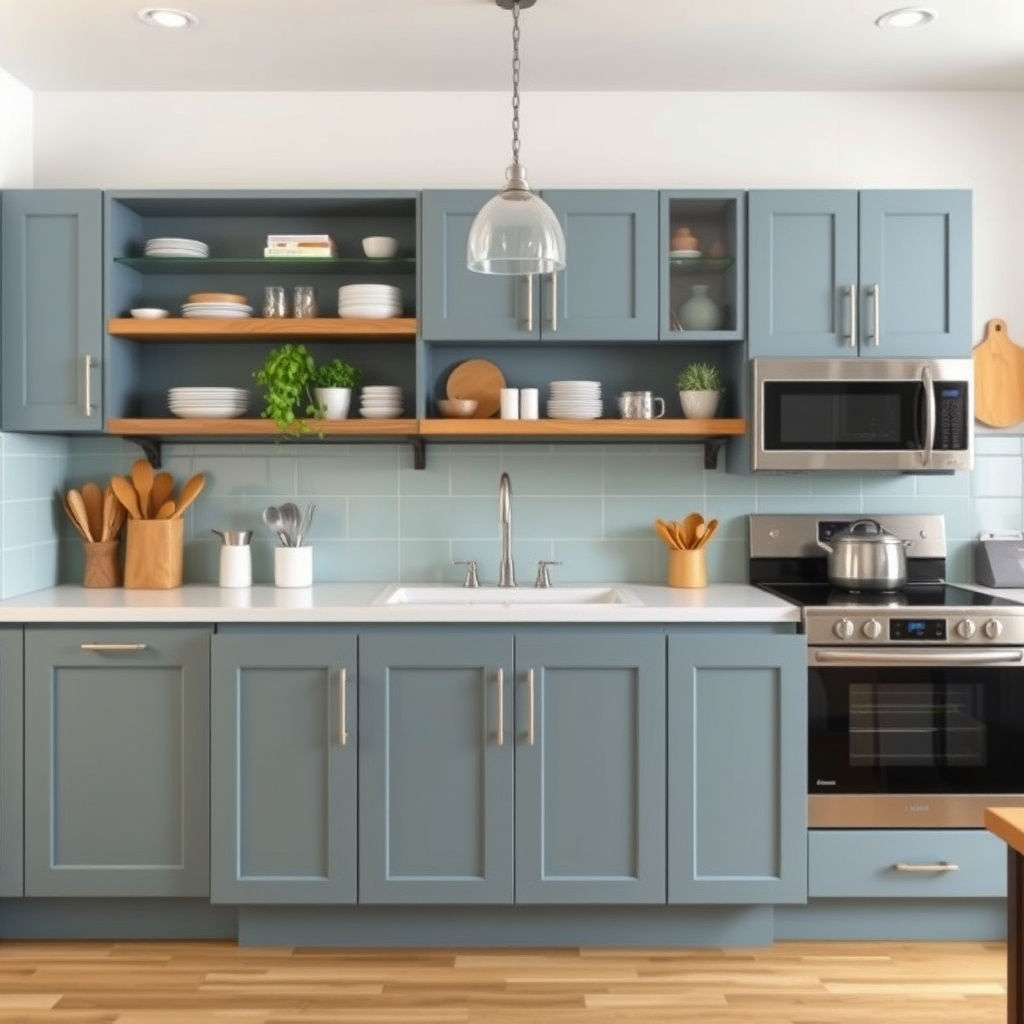
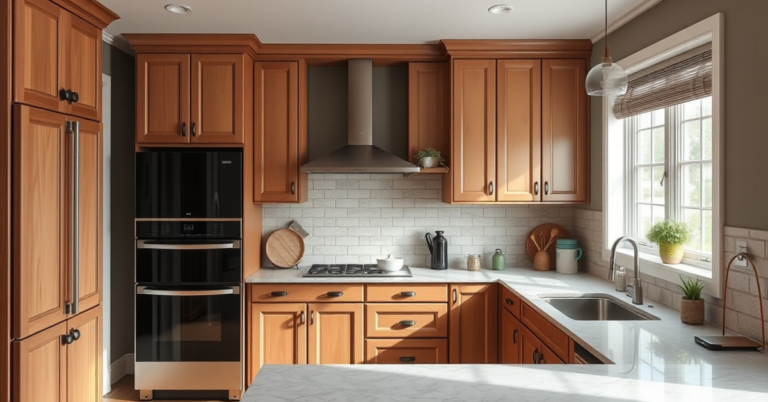
A kitchen works best when divided into clear areas dedicated to specific tasks such as cooking, prepping, cleaning, and storing food and utensils. Defining these zones reduces unnecessary movement and helps keep each area tidy and efficient.
Each zone should be logically placed relative to one another. For example, the cooking zone should be near the prep area to avoid carrying ingredients far, and the cleaning zone near the sink aids easy dishwashing. Proper zoning streamlines meal preparation.
- Cooking zone: stove, oven, and nearby utensils
- Prep zone: countertop workspace and cutting boards
- Cleaning zone: sink, dishwasher, and trash bins
- Storage zone: pantry, fridge, and cabinets
Tailoring Zones to Your Kitchen Size
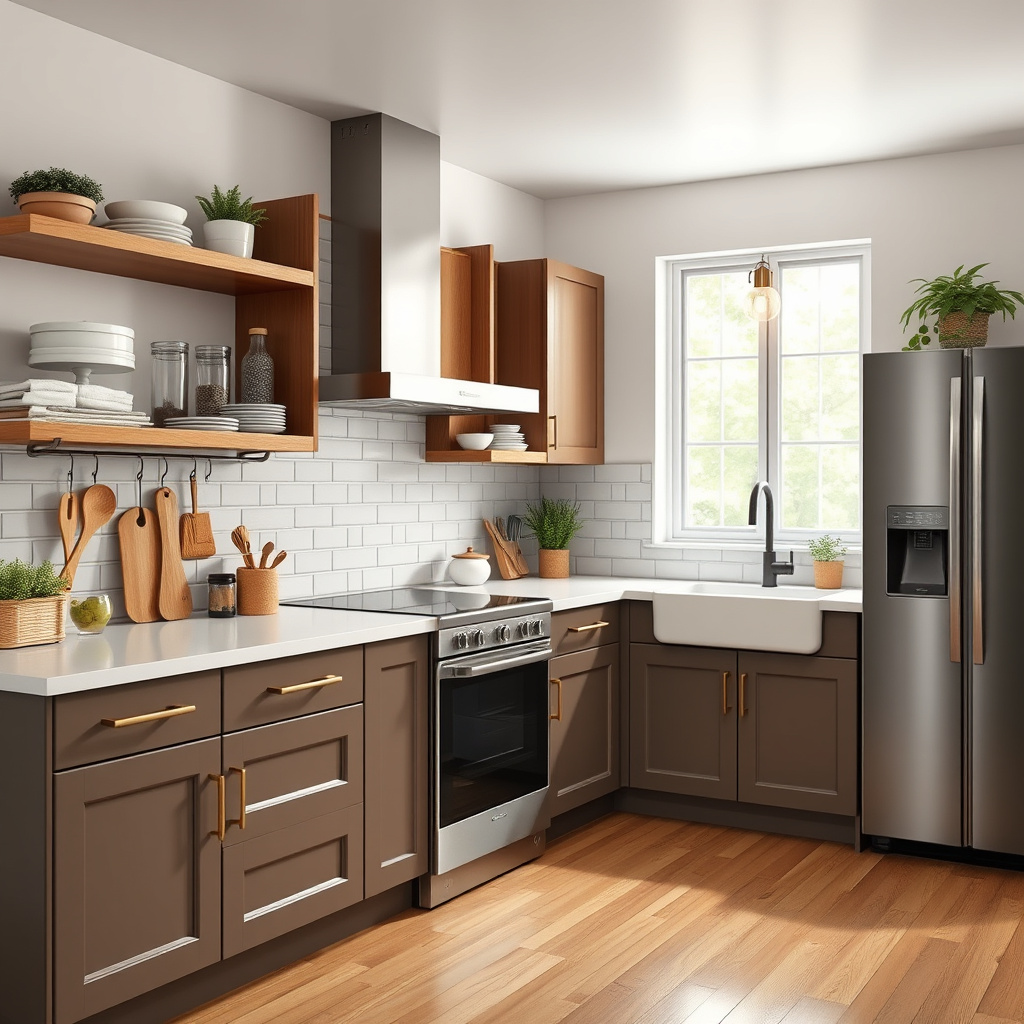
Small kitchens may combine zones more tightly, requiring multi-purpose spaces or creative use of vertical storage. Larger kitchens allow for more spread-out zones with dedicated islands or separate pantry rooms for convenience.
Adjusting your zones to your kitchen’s layout and size prevents overcrowding and maximizes usability. For example, in compact kitchens, placing the fridge close to the entrance speeds up unloading groceries, whereas in bigger spaces, ample prep surfaces can be separated from cooking areas.
- Compact kitchens: multi-use zones and vertical racks
- Medium kitchens: clear separation of prep and cooking
- Large kitchens: islands and walk-in pantries
Decluttering and Prioritizing Kitchen Essentials
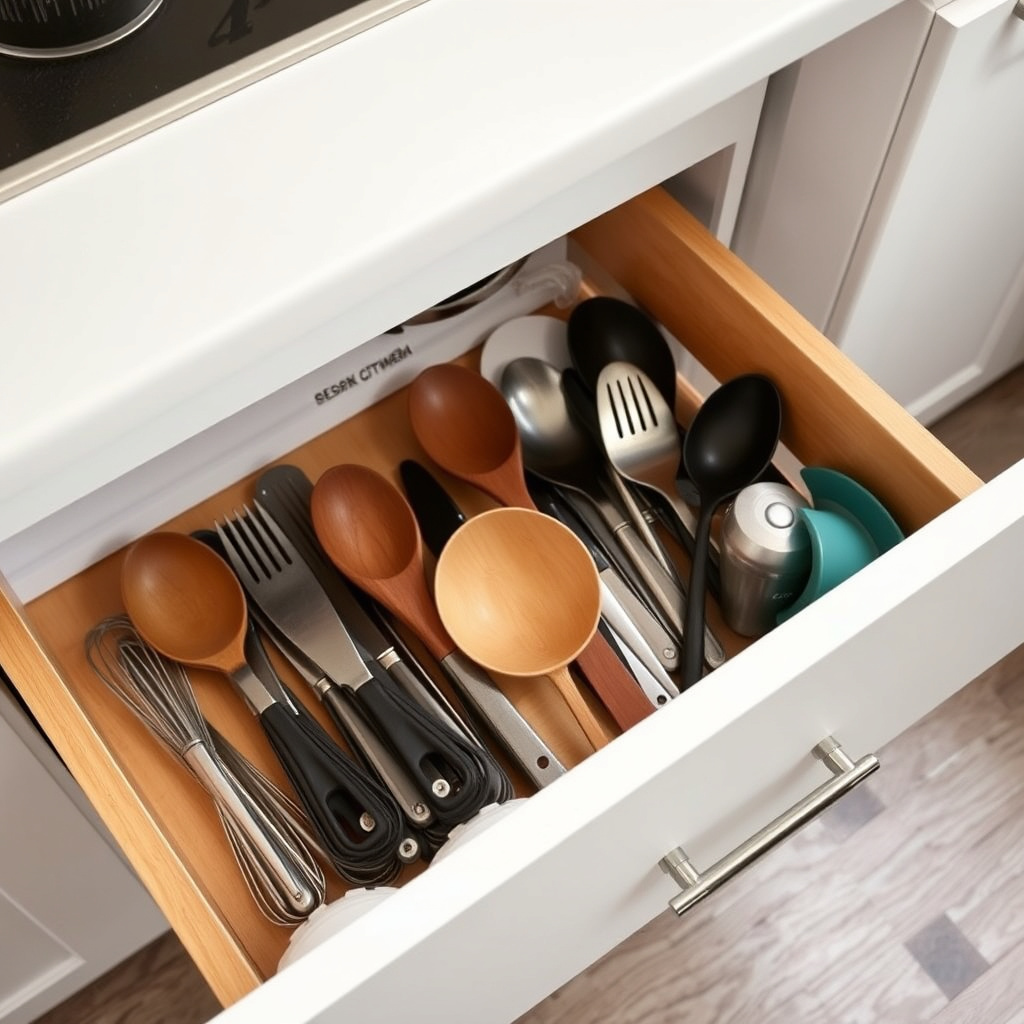
Identifying What to Keep and Remove
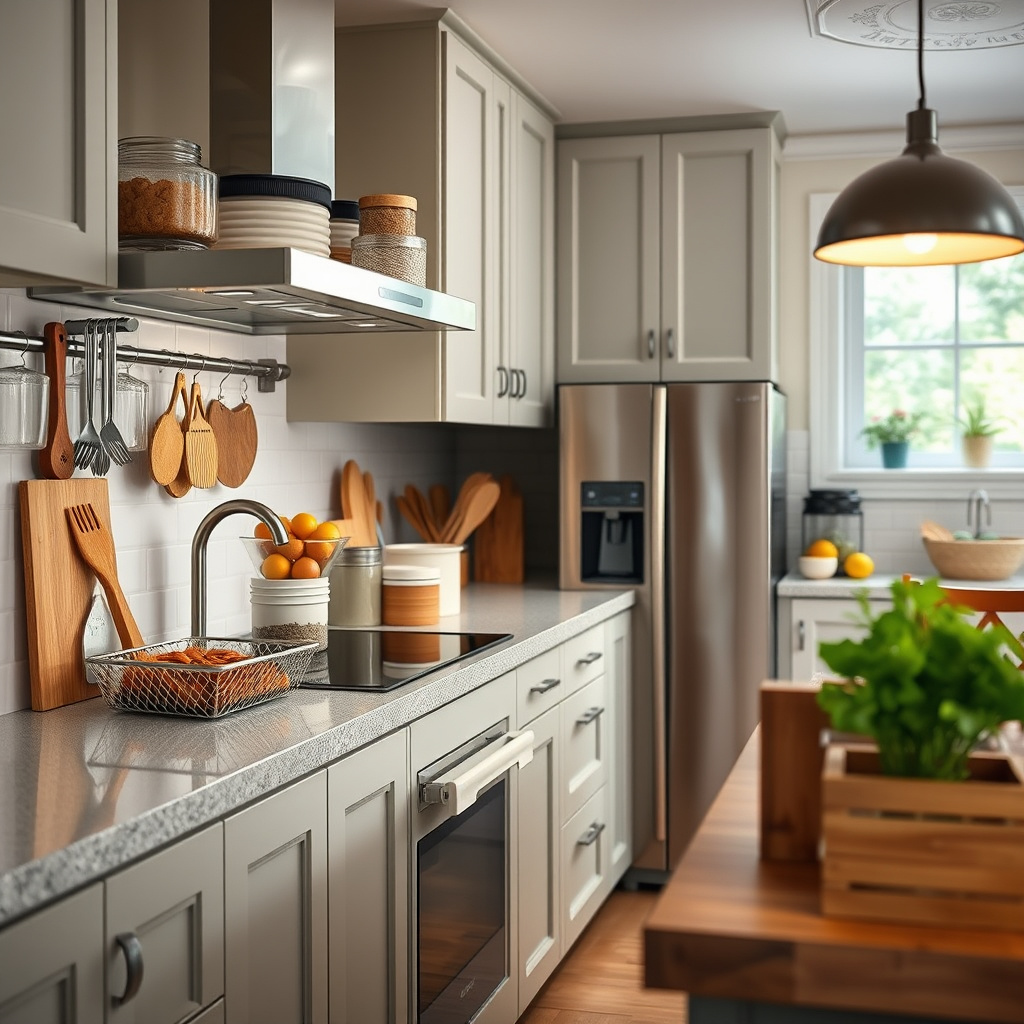
Removing items not frequently used frees counter and cabinet space. Focus on keeping tools and appliances that get regular use and donating duplicates or rarely used gadgets to reduce clutter.
Evaluate your kitchen tools and cookware by how often you use them and their condition. Keeping only essentials makes organization easier and reduces cleaning workload.
- Everyday cooking utensils
- Frequently used appliances
- Functional cookware and bakeware
- Items reserved for special occasions stored separately
Streamlining Countertops and Cabinets
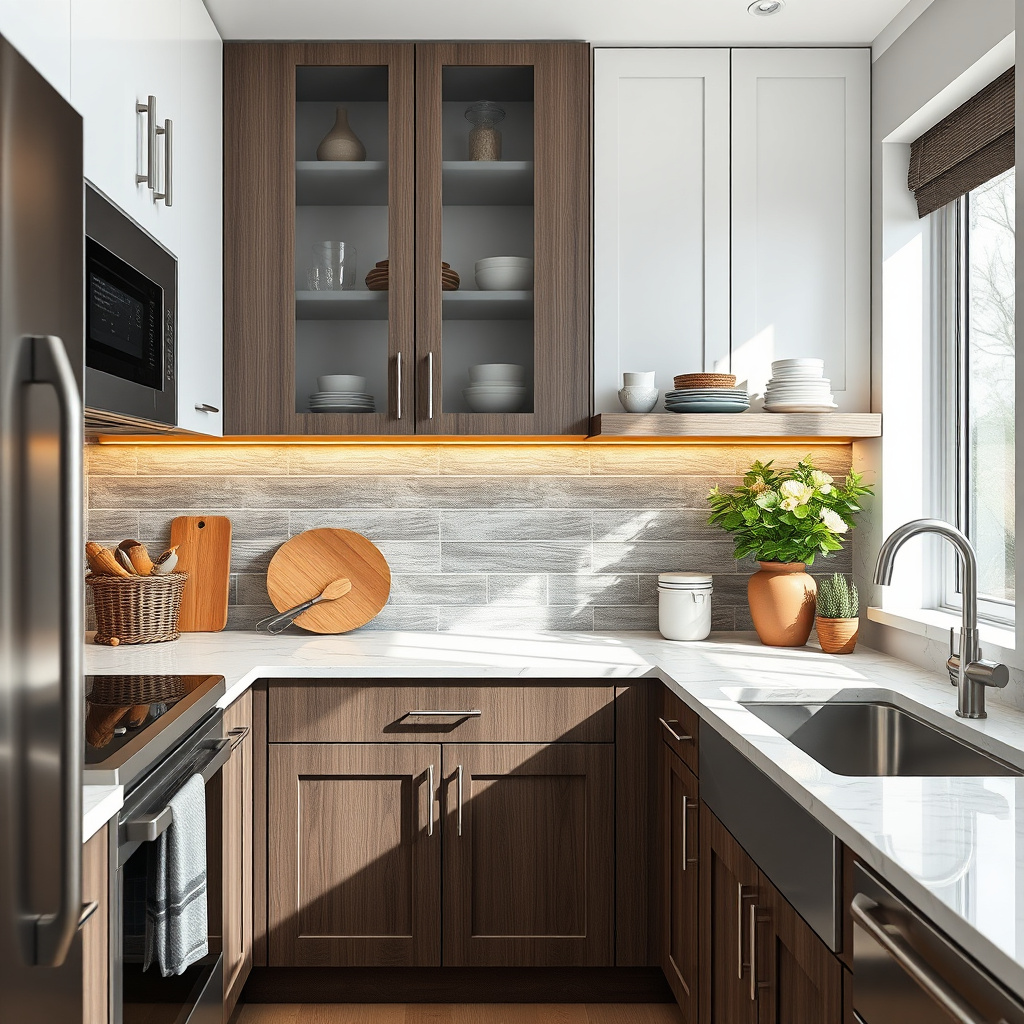
Limit countertop items to daily use tools to maintain visually clean surfaces and open workspace. Store larger or less often used appliances in cabinets or pantry spaces to keep counters free for prep and cooking.
Organizing cabinets by grouping similar items and using drawer dividers or shelf risers helps increase storage capacity and reduces time spent searching for what you need while cooking.
- Use clear containers for pantry items
- Place frequently used spices near the stove
- Utilize lazy Susans or pull-out trays in cabinets
- Keep rarely used items in higher or lower cabinets
Smart Storage Solutions for Every Kitchen
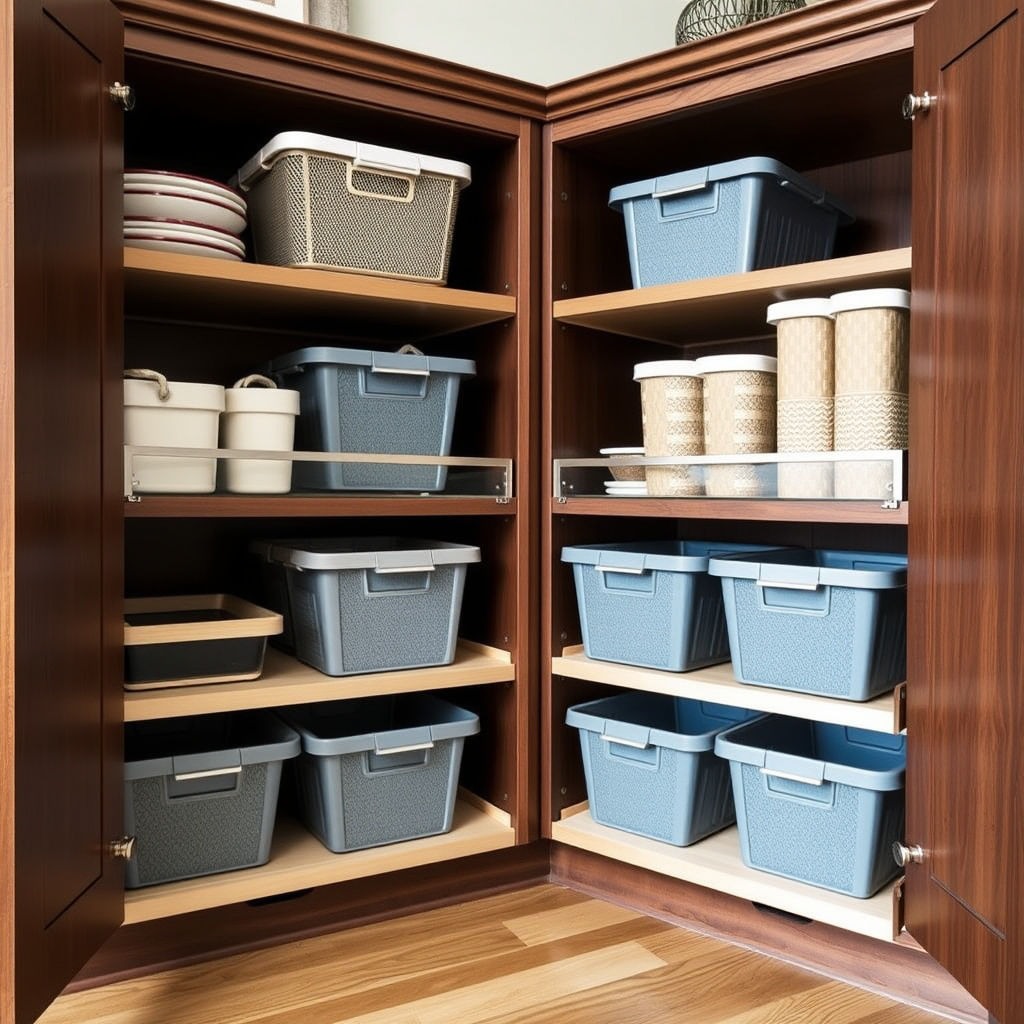
Maximizing Cabinet and Drawer Space
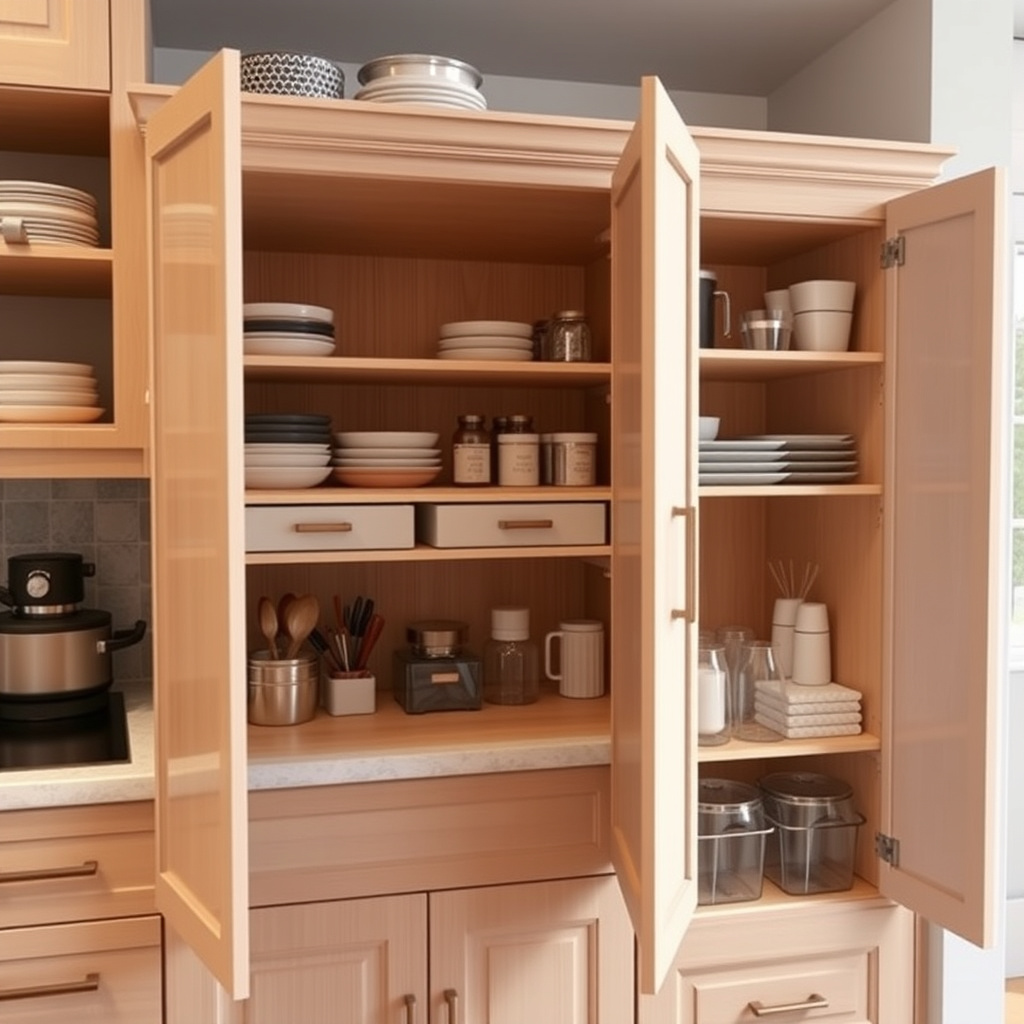
Install pull-out shelves and organizers to improve accessibility in deep cabinets. Adjustable dividers separate utensils and lids, keeping drawers orderly and efficient.
Using vertical racks for baking sheets or cutting boards and hanging hooks inside cabinets for mugs or tools can utilize often overlooked spaces.
- Pull-out drawer inserts for pots and pans
- Vertical dividers for trays and lids
- Hooks for mugs and utensils
- Stackable bins for small items
For more on this, see our related guide: How to Organize a Small Kitchen for Maximum Efficiency.
Creative Use of Vertical and Hidden Storage
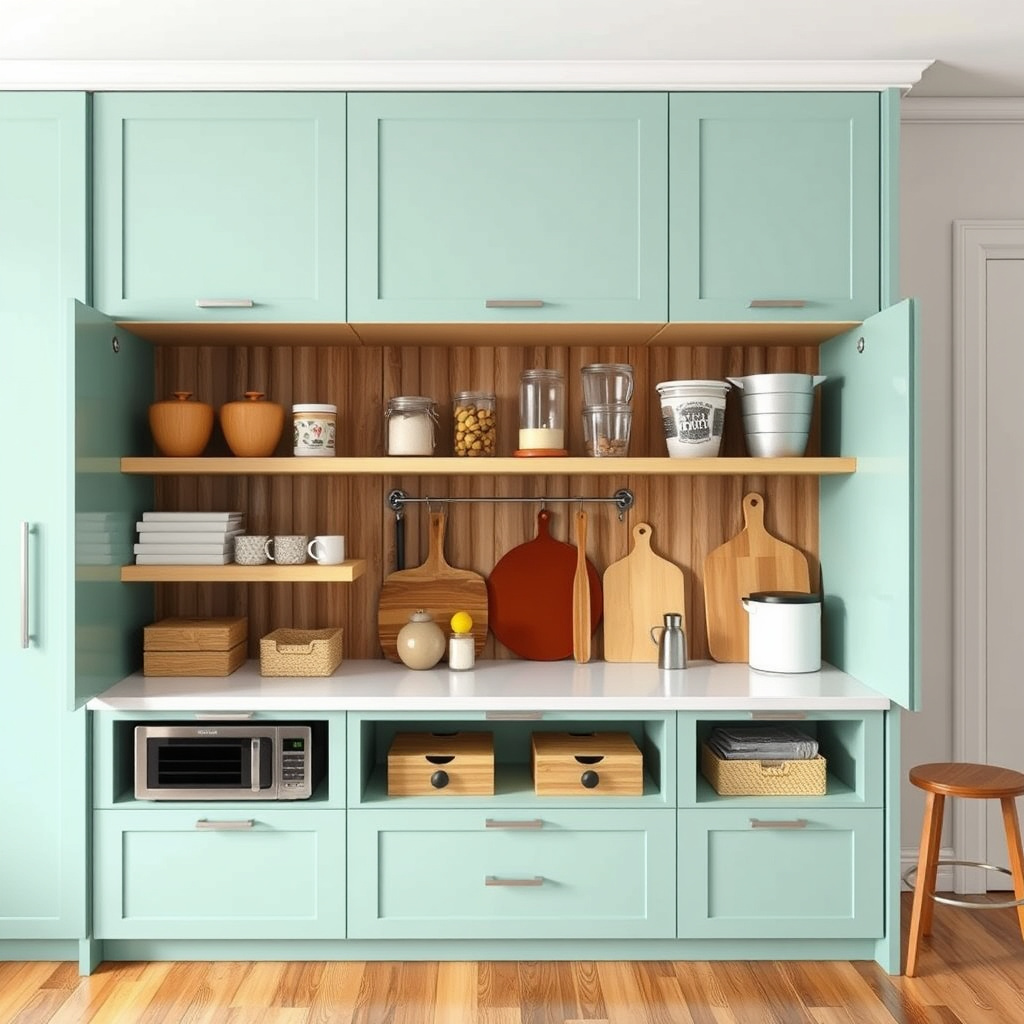
Walls and backsplashes can accommodate magnetic knife strips, hanging racks, or pegboards, freeing drawer and counter space. Cabinet doors are ideal for storing small tools or wraps using mounted racks.
Consider toe-kick drawers beneath lower cabinets or overhead storage for bulky items rarely used. These hidden spots add storage without crowding main work areas.
- Magnetic knife racks on walls
- Pegboards for pots and pans
- Cabinet door mounted racks
- Toe-kick drawers for extra supplies
Appliance Placement and Workflow Optimization
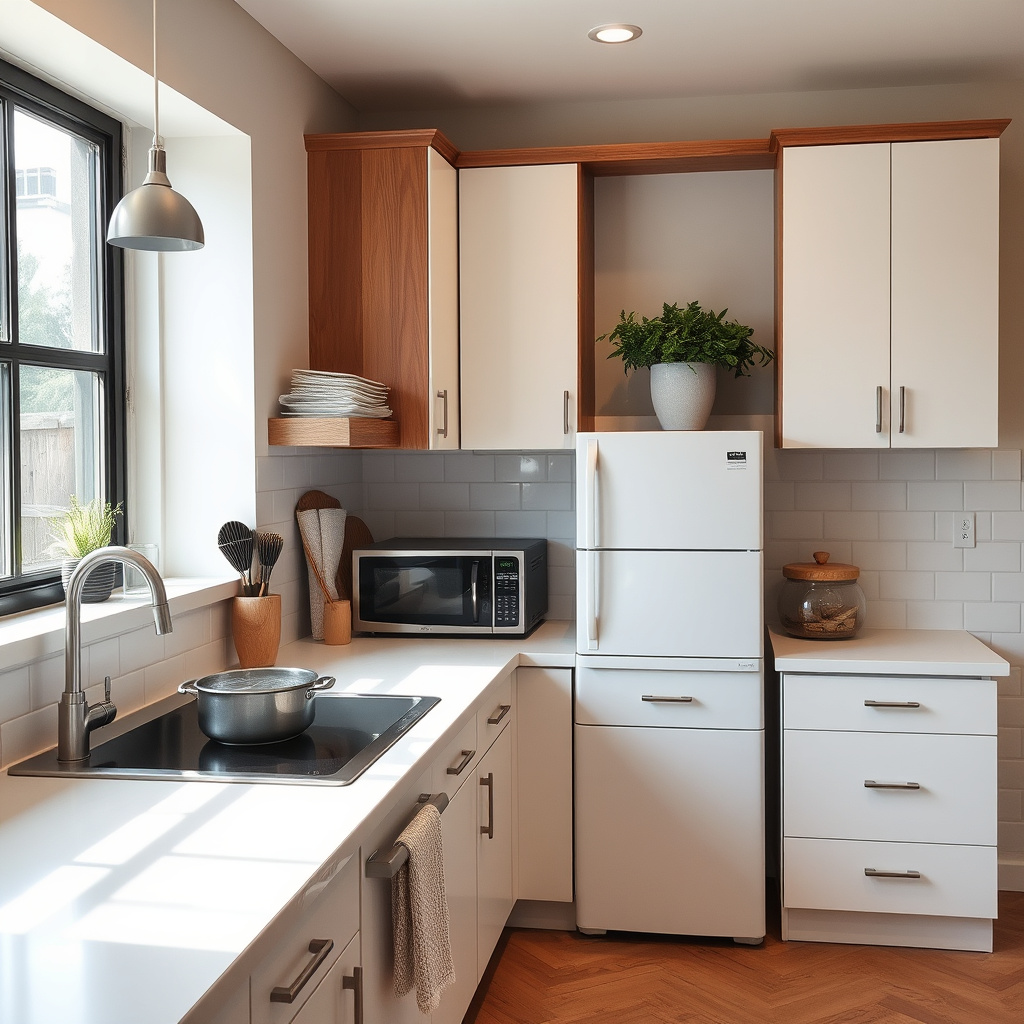
Positioning Major Appliances for Efficiency
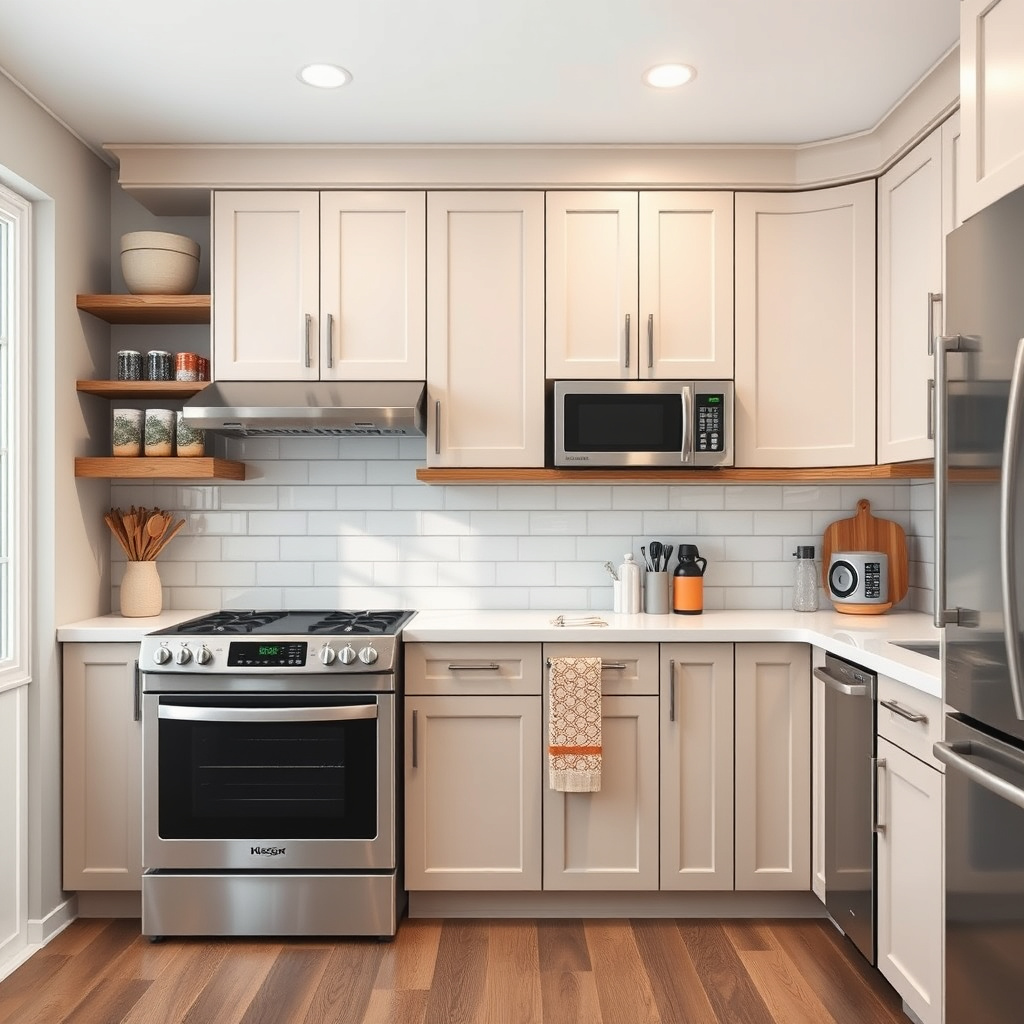
Arrange appliances such as ovens, refrigerators, dishwashers, and microwaves near their relevant zones. Keeping the refrigerator close to the prep zone eases ingredient access, while the dishwasher near the sink speeds unloading.
Avoid placing appliances that generate heat directly next to refrigerated areas to maintain efficiency. Workflow improvements reduce fatigue by limiting unnecessary walking or reaching.
- Fridge near kitchen entrance or prep zone
- Oven and stove in cooking zone
- Dishwasher beside sink for easy loading
- Microwave accessible but out of prep clutter
Incorporating Small Appliances Strategically
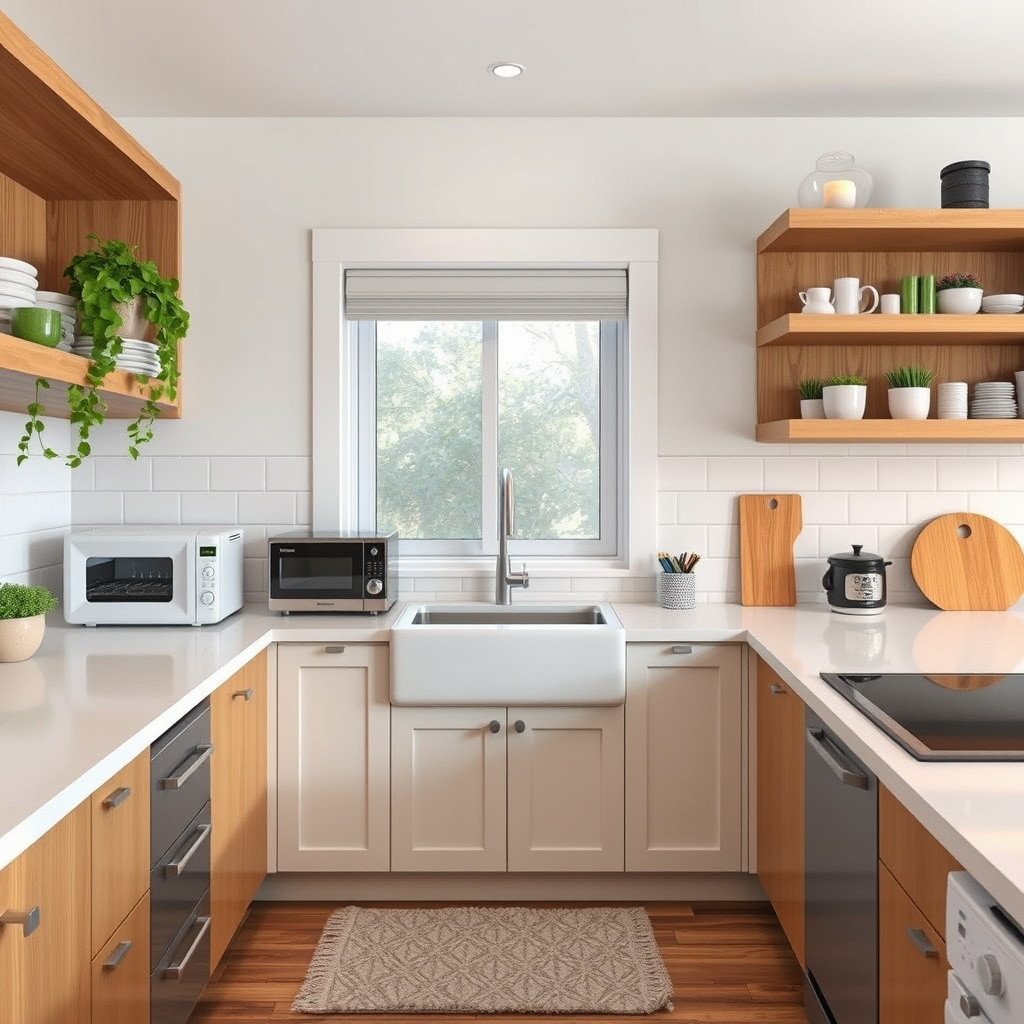
Small appliances like coffee makers or toasters should have designated spots that don’t block primary workspace. Grouping them on a single counter area consolidates cords and reduces visual clutter.
Appliances used occasionally can be stored in cabinets or drawer appliance garages to keep counters open while still being easily accessible.
- Dedicated coffee station or baking nook
- Storage for slow cookers and blenders
- Cord management with trays or clips
- Push-back appliance cabinets
Maintaining an Organized Kitchen Daily
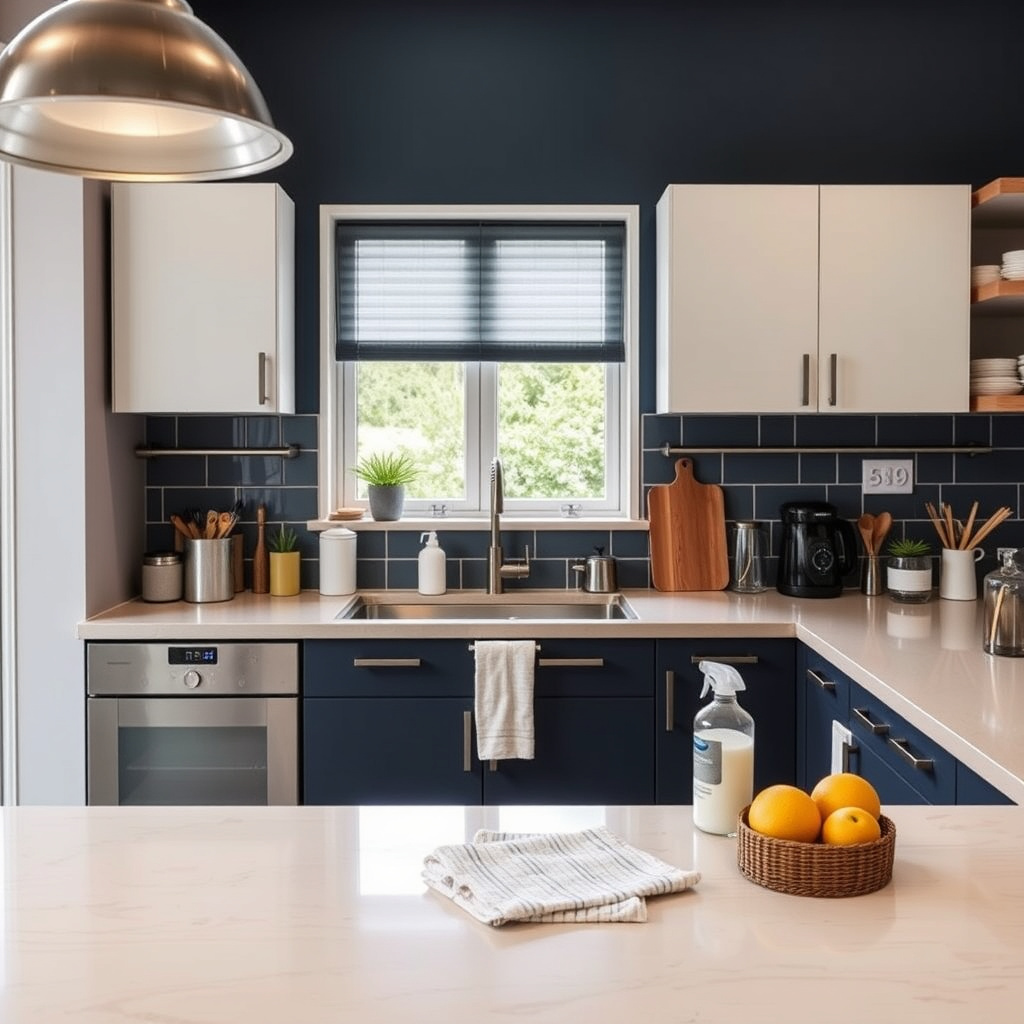
Daily Habits to Keep Clutter at Bay
Spending five to ten minutes at the end of each day putting away items, wiping counters, and sorting recyclables prevents clutter buildup. Immediate cleanup after cooking minimizes mess and discourages piling.
Having designated spots for everything helps everyone in the household return items to their place without confusion, keeping the kitchen orderly and functional.
- Wipe down counters daily
- Unload dishwasher promptly
- Store ingredients back after use
- Clear dining areas after meals
For more on this, see our related guide: How to Organize Kitchen Cabinets for Maximum Efficiency and Space.
Regularly Reviewing and Refreshing Organization
Schedules for seasonal decluttering and restocking pantry staples maintain functionality. Reassessing storage needs yearly adapts to changes in cooking habits or household size.
Rearranging or upgrading storage solutions periodically keeps the kitchen responsive to evolving needs, preserving efficiency and tidiness in the long term.
- Seasonal pantry cleanouts
- Check for expired products quarterly
- Adjust zones and storage as needed
- Upgrade organizers or containers when worn
Organizing with Style: Balancing Function and Aesthetics
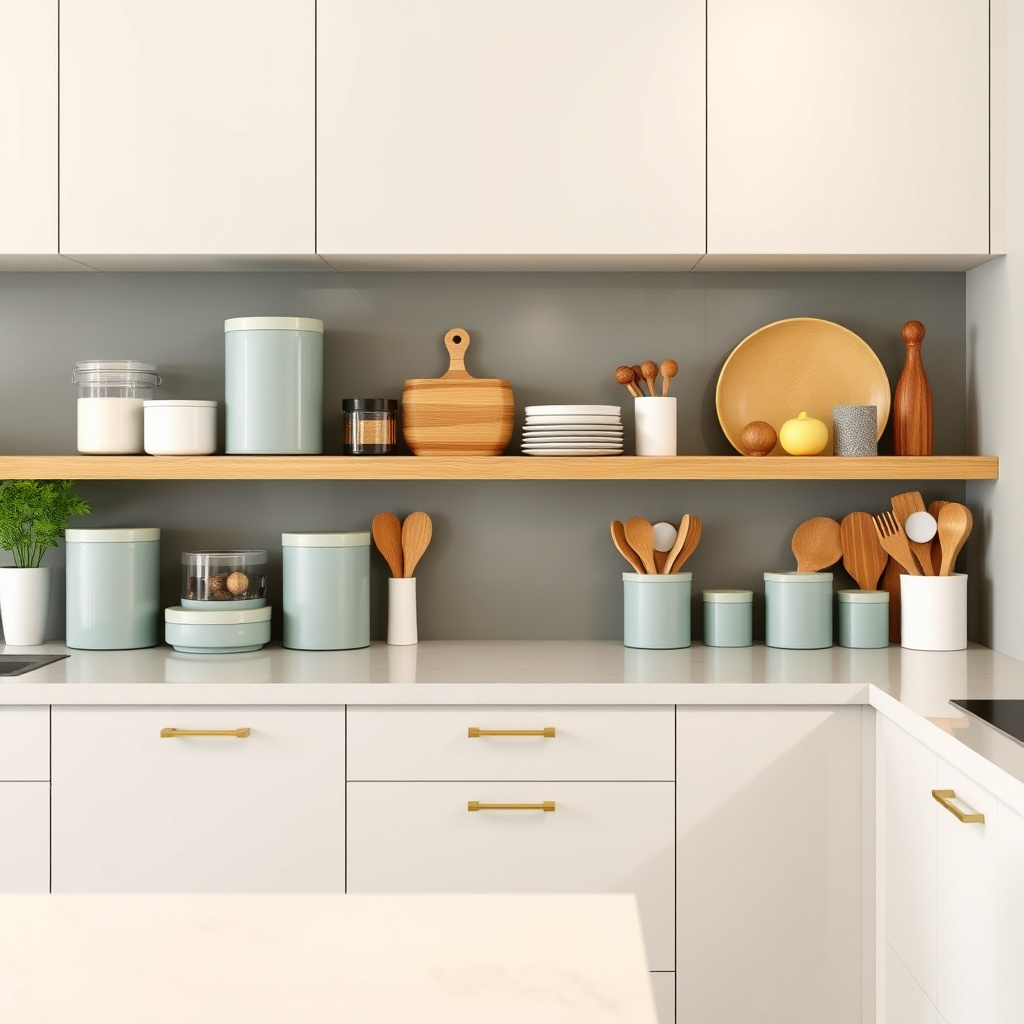
Choosing Storage That Enhances Kitchen Decor
Selecting storage containers, shelving, and accessories that complement your kitchen’s color scheme and style keeps the space pleasant while functional. Coordinated jars or baskets add charm without sacrificing utility.
Open shelving can display attractive dishware or frequently used items in an organized way, combining practicality with visual appeal.
- Matching glass jars or ceramic containers
- Wooden or metal baskets for produce
- Decorative trays for utensils
- Color-coordinated labels on storage
For more detailed information about kitchen layouts and functionality, explore the concept of kitchen organization on Wikipedia. kitchen organization.
Incorporating Personal Touches Without Clutter
Adding personal elements like framed prints, plants, or unique kitchen tools keeps the space inviting but should be balanced to avoid clutter. Functionally decorative items, such as attractive cutting boards or salt cellars, blend beauty and purpose.
Display only a few favorite decorative pieces at a time to allow easy cleaning and prevent distraction from the kitchen’s workflow.
- Small herb pots on windowsills
- Stylish but practical kitchen towels
- Framed wall art with culinary themes
- Personalized utensil holders
Kitchen Organization Methods Comparison
Here is a comparison of popular kitchen organization methods focusing on space use, cost, ease of installation, and best kitchen size for each.
| Method | Space Utilization | Cost | Installation Complexity | Best For Kitchen Size |
|---|---|---|---|---|
| Zone-Based Organization | High | Low | Low | All sizes |
| Pull-Out Shelves & Inserts | Very High | Medium | Medium | Medium to Large |
| Open Shelving | Medium | Low | Low | Small to Medium |
| Closed Cabinets with Dividers | High | Medium | Medium | Medium to Large |
| Wall-Mounted Storage | Medium | Low | Low | Small to Medium |
| Appliance Garages | Medium | Medium | High | Medium to Large |
Frequently Asked Questions
How often should I reorganize my kitchen?
A thorough kitchen reorganization is helpful every six to twelve months, depending on how frequently you cook and change habits, with minor tidying done weekly.
What is the best way to store spices for easy access?
Store spices near the cooking zone in a dedicated rack or drawer organizer to keep them within reach but protected from heat and moisture.
How can I maximize storage in a small kitchen?
Use vertical storage like wall hooks, magnetic strips, and shelf risers, and combine zones to make multi-purpose spaces while keeping counters clear.
Are open shelves practical in kitchens with children?
Open shelves allow easy access but may require extra care to keep items orderly and safe; consider using childproofing or closed storage for delicate items.
What items should never be stored on kitchen countertops?
Avoid storing rarely used appliances, excessive utensils, or food items not frequently consumed to keep counters clear and reduce clutter.
Key Takeaways
- Divide your kitchen into functional zones for cooking, prepping, cleaning, and storage.
- Declutter regularly and keep only frequently used essentials accessible.
- Use smart storage like pull-out shelves, vertical racks, and hidden compartments.
- Maintain daily habits to keep your kitchen organized and tidy.
Conclusion
Choosing how to organize your kitchen depends on your layout, cooking style, and storage needs. Focus on creating distinct zones to simplify meal preparation and cleanup. Combining this methodical approach with smart storage solutions like pull-out shelves and vertical organizers can transform any kitchen into an efficient workspace.
If you have a compact kitchen, prioritize multipurpose zones and vertical storage to optimize every inch. Medium-sized kitchens benefit greatly from zone-based organization paired with cabinet dividers and appliance garages. Larger kitchens offer the flexibility to add islands and walk-in pantries, enhancing both organization and convenience.
Start by decluttering and assigning areas for your daily tasks, then add storage solutions that fit your space and style. Consistent upkeep, such as daily tidying and seasonal reviews, will keep your kitchen functioning smoothly. This practical approach leads not only to a clutter-free kitchen but also to an enjoyable environment where cooking becomes easier.