How to Sharpen a Kitchen Knife: Step-by-Step Guide for a Razor-Edge Cut
To sharpen a kitchen knife effectively, you need the right tools and technique, such as using a whetstone, honing rod, or sharpening system to restore the blade's edge. Maintaining a sharp knife improves cutting precision and safety.
A dull blade makes cooking frustrating and dangerous since it requires more force and increases the risk of slipping. Sharpening not only extends the knife's lifespan but also improves your overall kitchen efficiency by making slicing, dicing, and chopping smoother.
This article explains various methods to sharpen your kitchen knife, including traditional and modern tools. We’ll cover the basics of choosing the right sharpening angle, practical step-by-step instructions, and tips for maintaining sharpness between sessions.
Understanding Knife Sharpness and Blade Angles
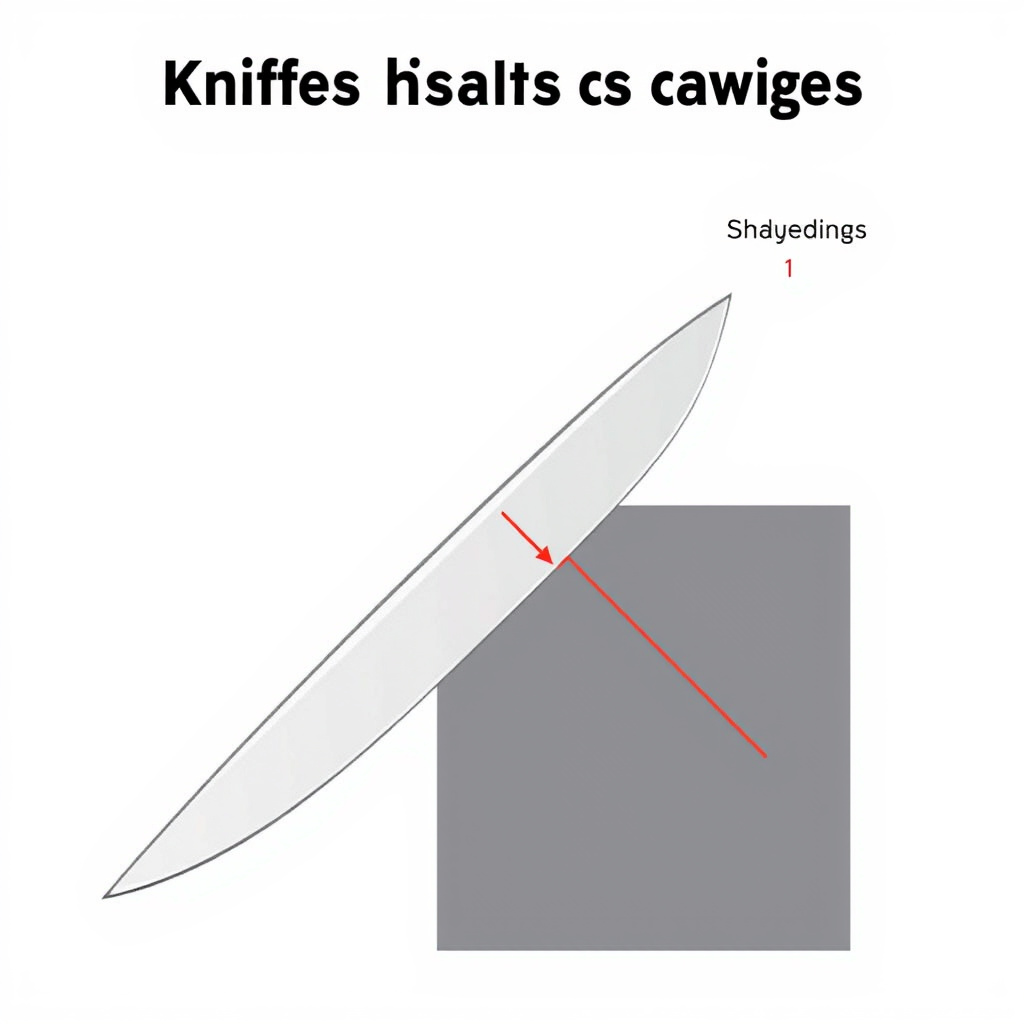
How Blade Angles Affect Sharpness and Durability
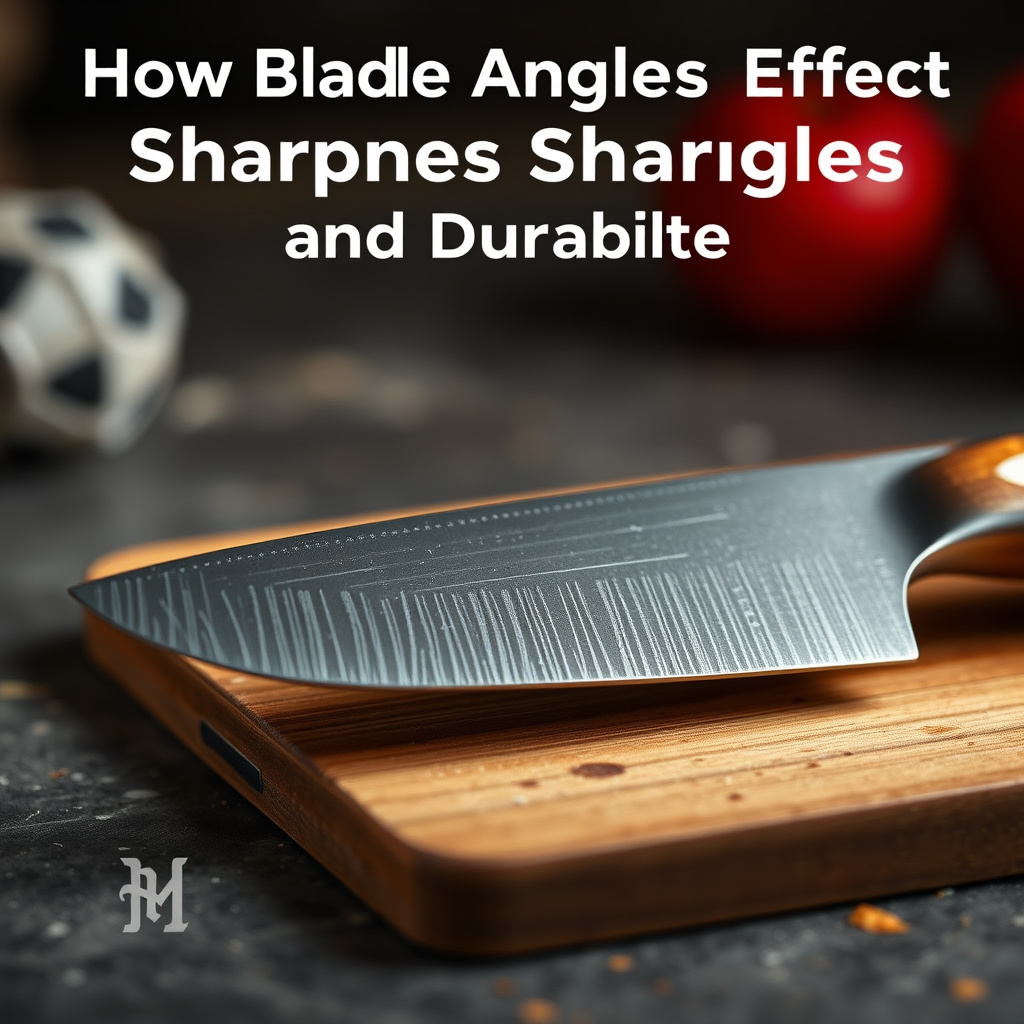
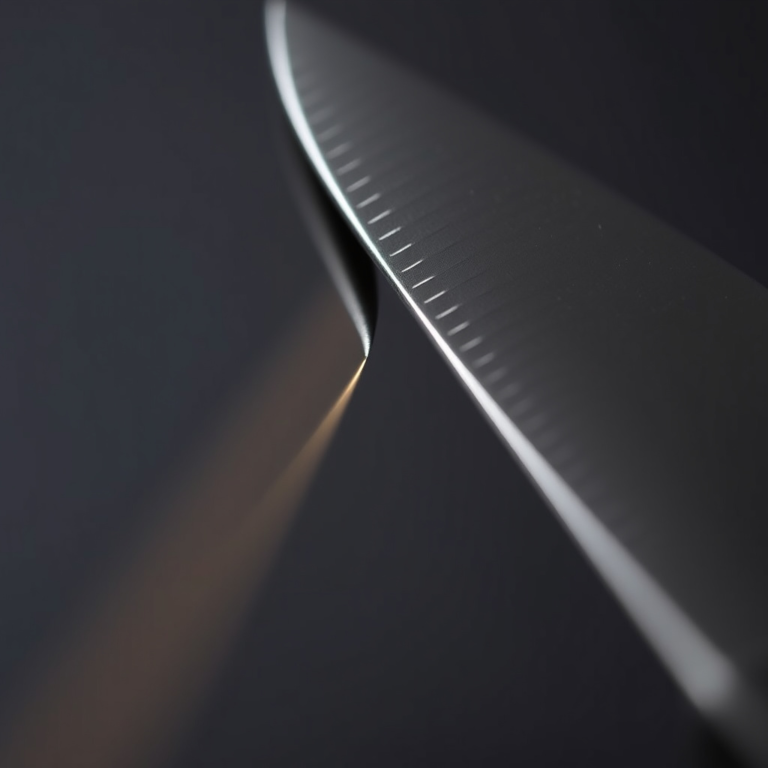
The angle at which a knife blade is sharpened directly affects its sharpness and edge retention. Narrow angles around 15 degrees create a sharper but more delicate edge, suitable for precision cutting. Wider angles near 20 degrees increase durability but reduce sharpness slightly.
Most Western-style kitchen knives are sharpened between 18 and 20 degrees per side, balancing sharpness and strength, while Japanese knives often have angles as low as 12 to 15 degrees for fine slicing capabilities.
- Narrow angles (12-15°): sharper edge, less durable
- Medium angles (15-20°): balanced sharpness and strength
- Wide angles (20+°): very durable, less sharp
Importance of Maintaining Consistent Sharpening Angles
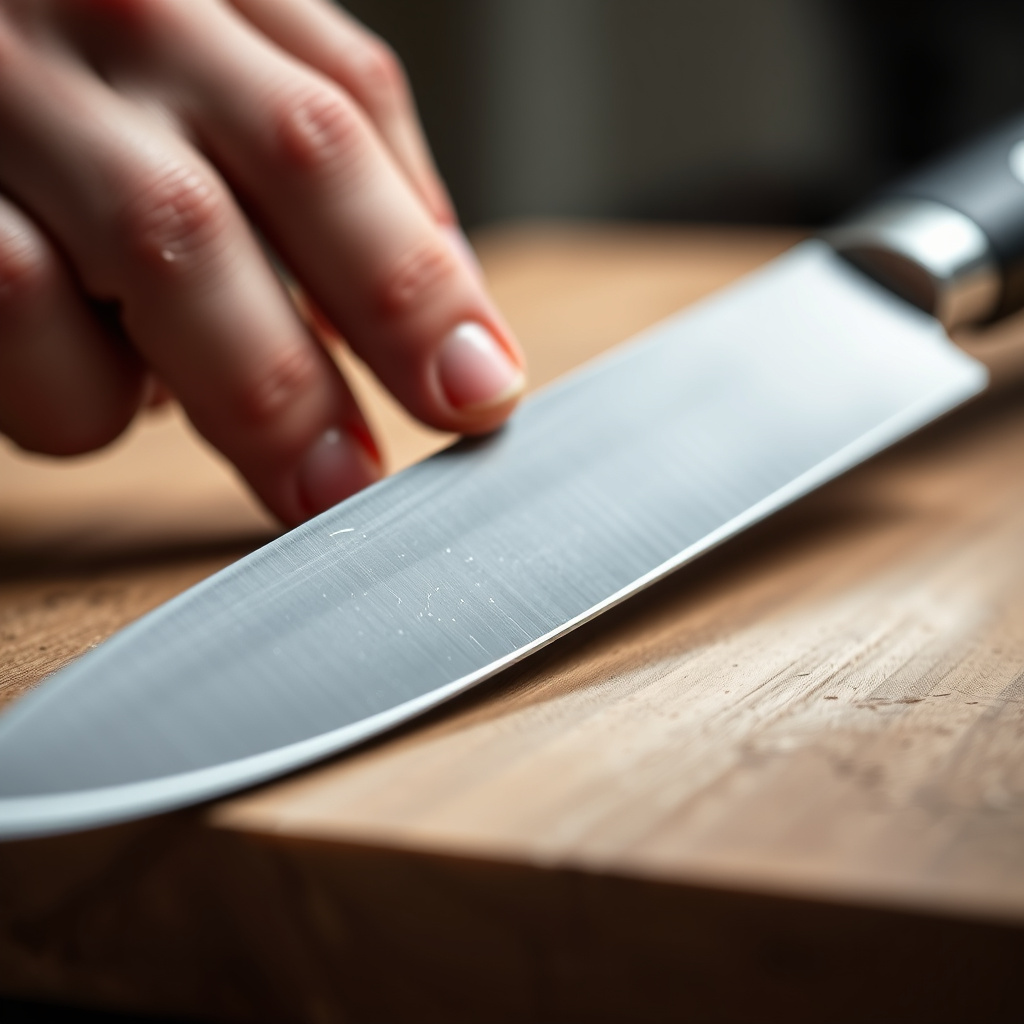
Keeping a consistent sharpening angle during honing or grinding is essential for an even edge. Variations can cause an irregular bevel, reducing cutting performance and accelerating blade wear.
Using angle guides or practicing with a whetstone helps maintain a steady angle, especially for beginners. Consistency leads to a sharper, longer-lasting edge.
- Use angle guides for accuracy
- Practice steady hand movements
- Observe edge formation closely
Using a Whetstone to Sharpen Your Kitchen Knife
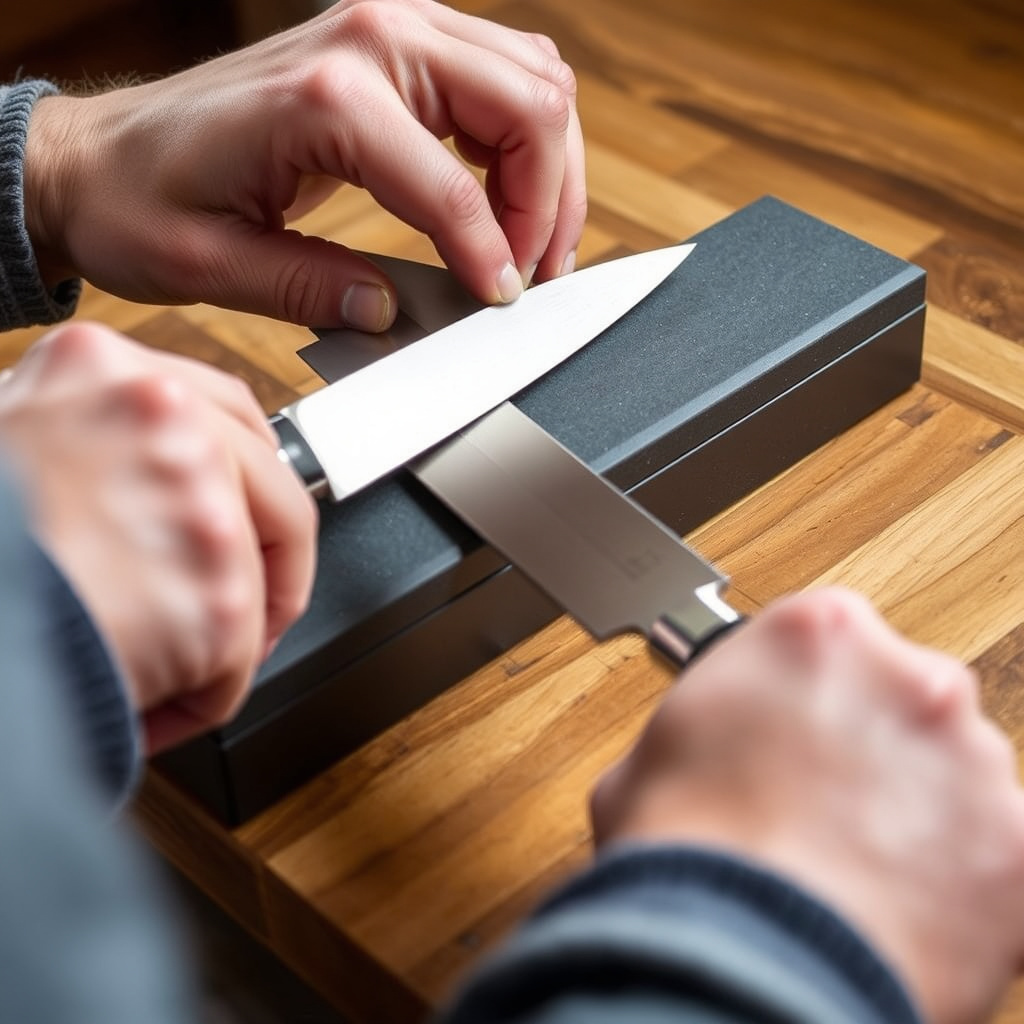
Choosing and Preparing Your Whetstone
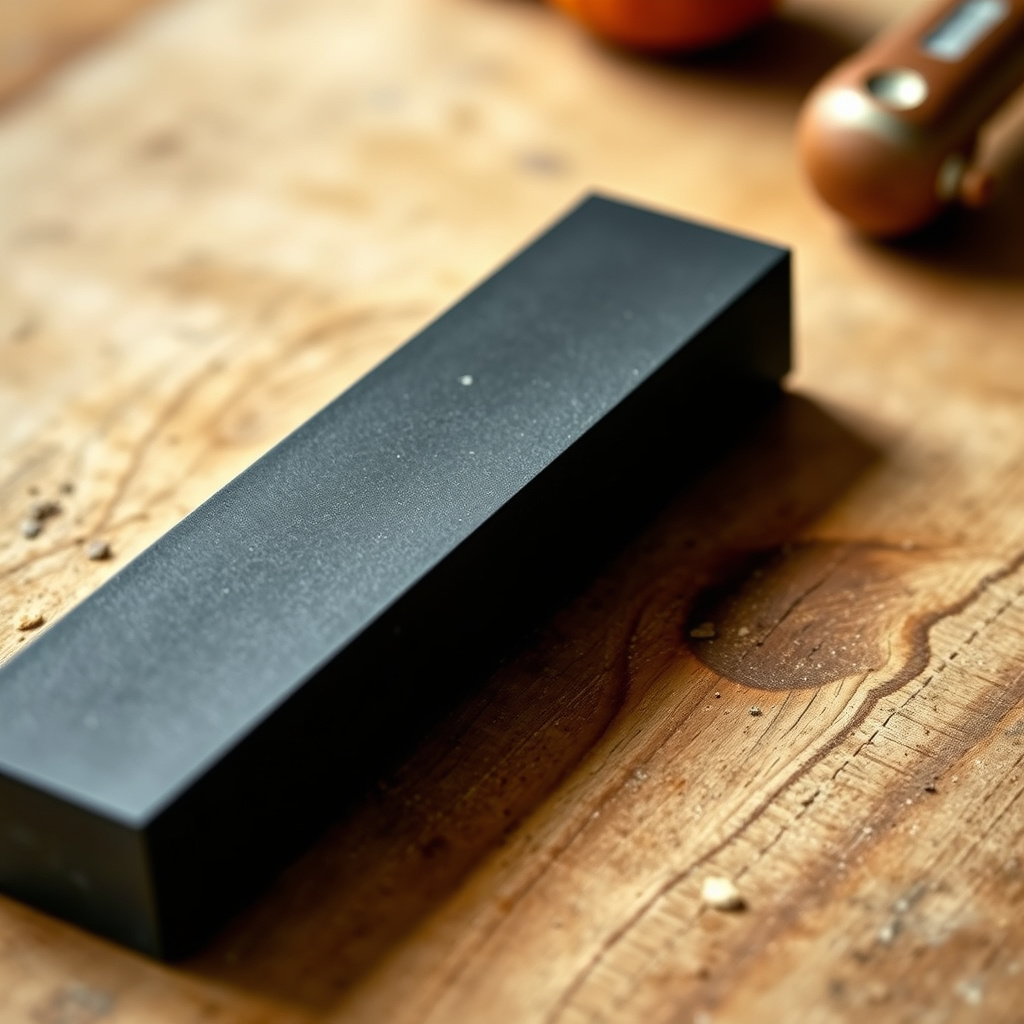
Whetstones come in various grit levels; coarse stones (around 400-600 grit) remove chips and dull edges, while fine stones (1000-6000 grit) refine and polish the blade.
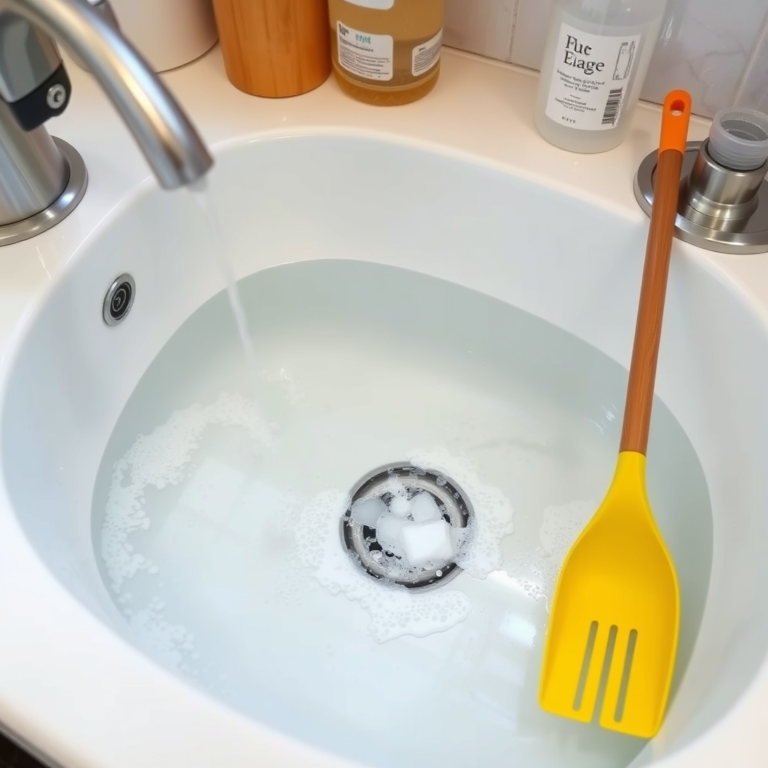
Before starting, soak your whetstone in water for 10-15 minutes or until bubbles stop appearing. This lubrication prevents metal particles from clogging the stone and ensures smoother sharpening.
- Coarse grit: regrinding and repairing edges
- Medium/Fine grit: edge refinement and polishing
- Soak stone adequately before use
For more on this, see our related guide: How to Sharpen Kitchen Knives: A Practical Guide for Home Chefs.
Step-by-Step Whetstone Sharpening Technique
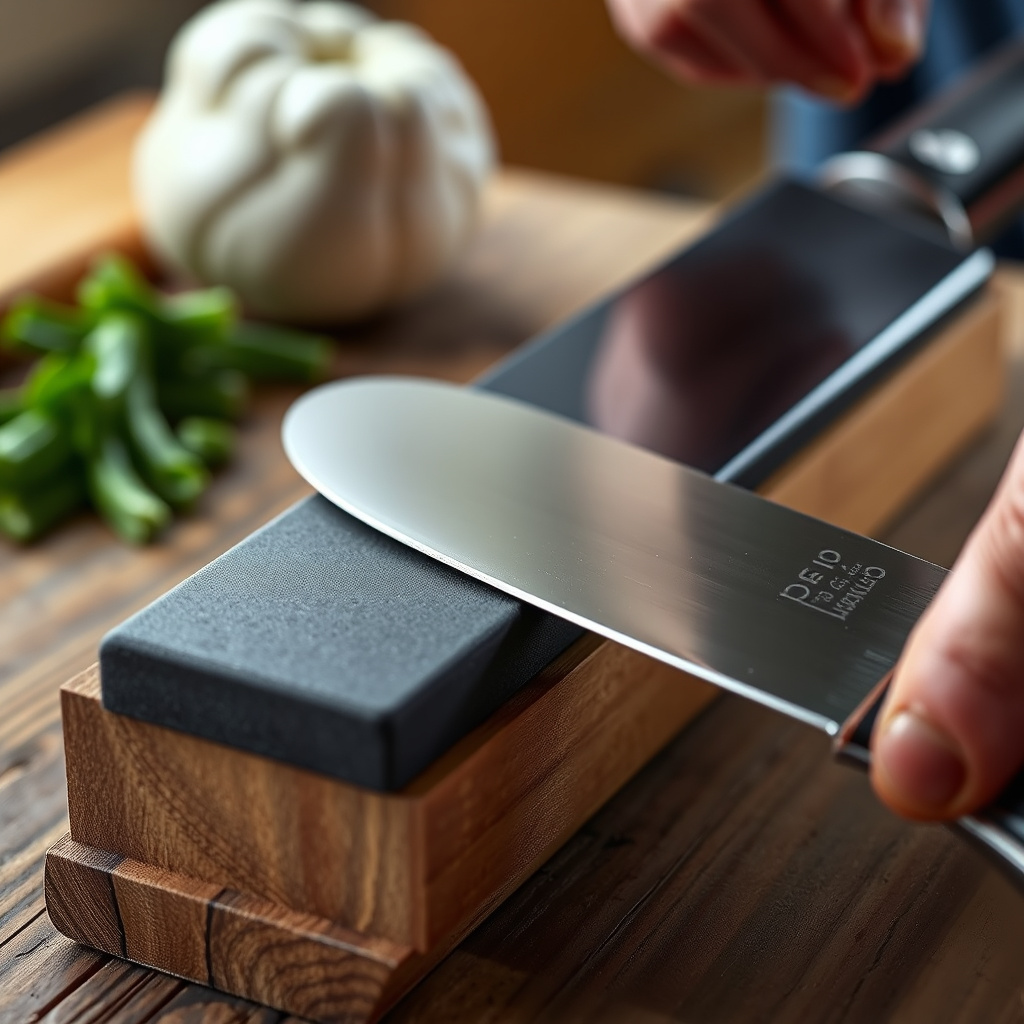
Hold the knife at the chosen angle against the stone and push the blade forward across the surface in a sweeping motion, covering the full edge length. Repeat this stroke evenly on both sides of the blade.
After basic sharpening on coarse grit, move to a finer grit for polishing. Clean and dry the knife and stone before testing the edge on paper or by gently feeling for a burr along the blade.
- Maintain consistent sharpening angle
- Sharpen both sides evenly
- Finish with finer grit for polish
Sharpening with Honing Rods and Pull-Through Sharpeners
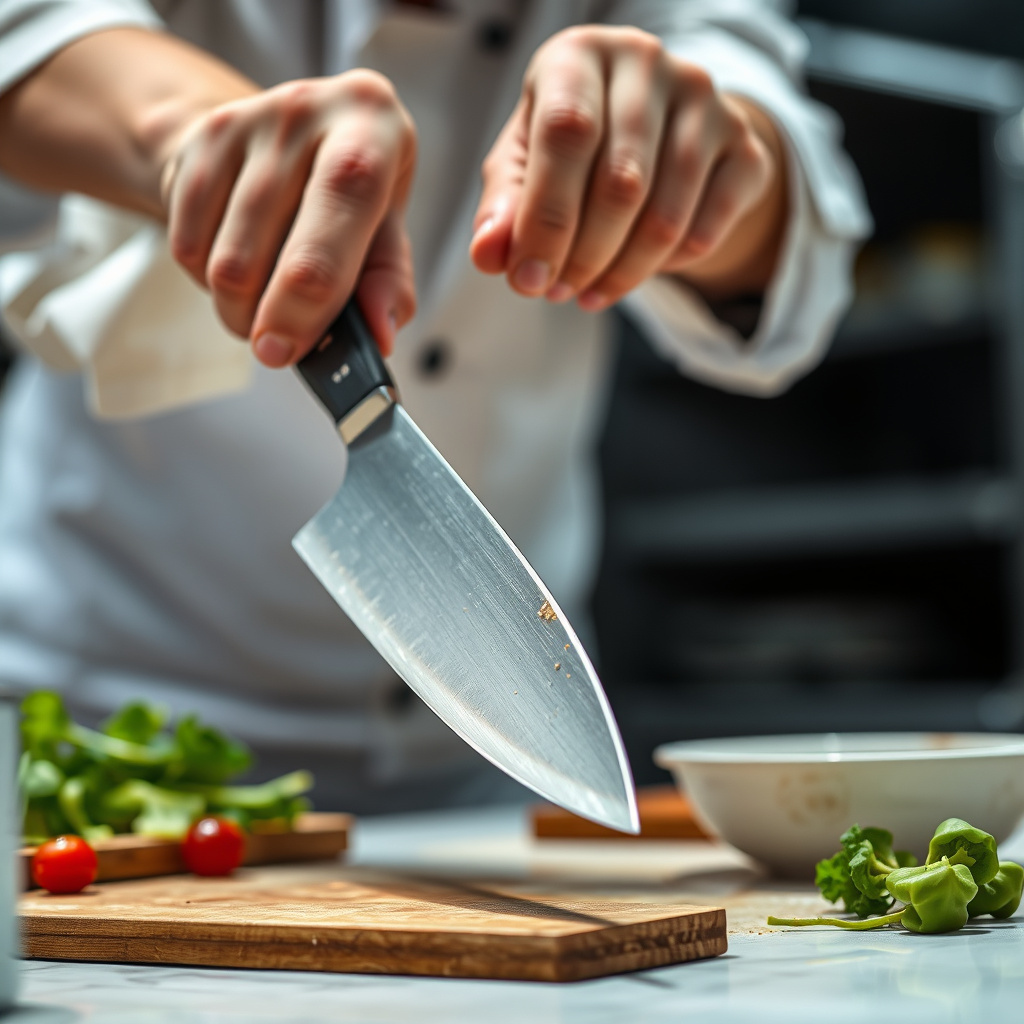
When and How to Use a Honing Rod
A honing rod realigns the microscopic edge of a knife, maintaining sharpness between actual sharpening sessions. Regular honing keeps blades cutting smoothly but does not replace sharpening.
Use the rod by holding it vertically and sliding the blade down at the correct angle, alternating sides. This quick process restores edge alignment and prolongs knife life.
- Use honing rod weekly for maintenance
- Slide edge down at angle in smooth strokes
- Alternate sides evenly
Pros and Cons of Pull-Through Sharpeners
Pull-through sharpeners are convenient for fast sharpening but often remove more metal than necessary, reducing blade life over time. They usually have preset angles to simplify use but offer less customization.
While suitable for beginners, these devices may not achieve the fine sharpness possible with whetstones or professional sharpening systems.
- Fast and easy to use
- Less control over sharpening angle
- Can shorten blade lifespan
Electric and Professional Sharpening Services
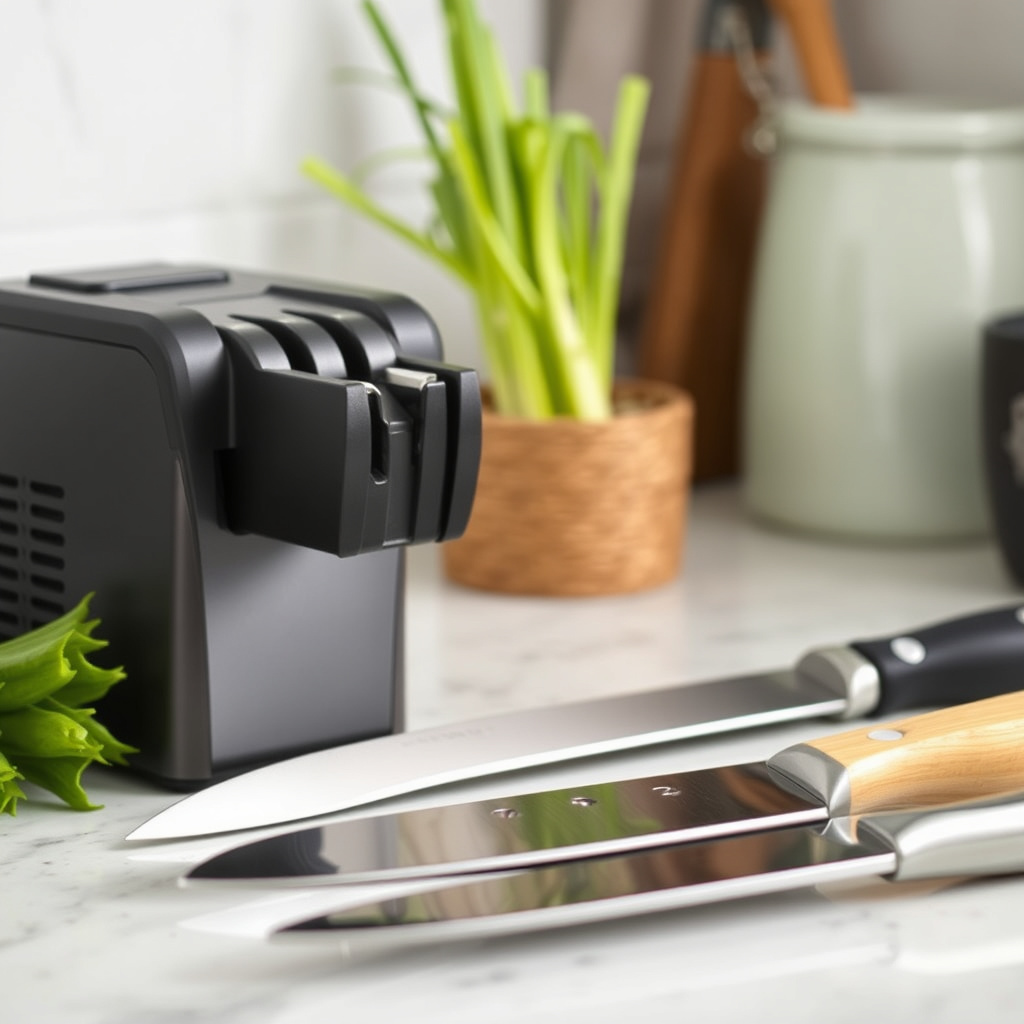
Benefits of Electric Sharpeners for Home Use
Electric sharpeners automate the angle consistency and speed of sharpening, making them appealing for quick maintenance. Many models have multiple grit stages to correct dull edges and polish them afterward.
These devices require minimal skill and produce satisfactory results for most home cooks, but may not match the precision of manual whetstone sharpening.
- Fast sharpening process
- Consistent angle control
- Suitable for diverse blade types
When to Consider Professional Sharpening
If your knife is severely damaged, chipped, or you lack the time and tools, professional sharpening can restore the blade expertly. Professionals use high-quality equipment and techniques inaccessible to most home users.
Frequent use of professionals can maintain high-quality knives, but costs and turnaround time are considerations.
- Best for severely damaged blades
- Restores factory edges
- Potentially costly and time-consuming
Maintaining Your Kitchen Knife Between Sharpening Sessions
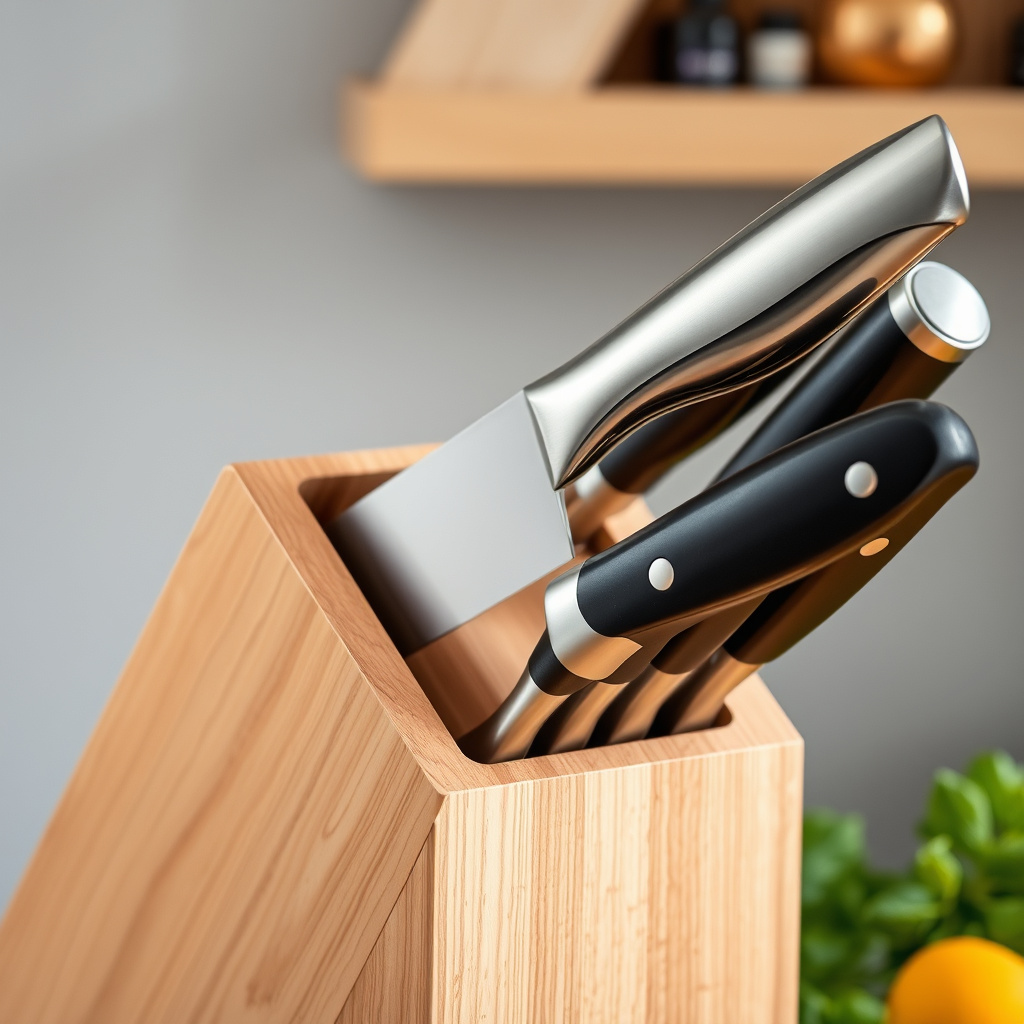
Proper Knife Storage and Handling
Storing knives properly prevents premature dulling and damage. Use magnetic strips, knife blocks, or blade guards rather than loose drawers. Avoid cutting on hard surfaces like glass or stone to preserve edge integrity.
Careful handling during food prep also reduces wear, such as avoiding twisting motions and cutting thick bones without proper blades.
- Store in dedicated holders
- Use soft cutting boards like wood or plastic
- Avoid forcing the blade through tough materials
For more detailed technical information, see the comprehensive overview of knife sharpening techniques on Wikipedia. Knife sharpening techniques on Wikipedia.
Regular Cleaning and Drying Practices
After each use, clean knives promptly with warm soapy water and dry thoroughly to prevent corrosion. Avoid dishwashers which can chip blades and degrade handles.
Routine maintenance keeps metal surfaces in good condition and supports better sharpening results when needed.
- Hand-wash and dry immediately
- Avoid abrasive cleaners
- Keep blades rust-free
Knife Sharpening Methods Comparison
Here is a quick comparison of popular knife sharpening methods to help decide which suits your needs best.
| Method | Ease of Use | Edge Quality | Speed | Cost |
|---|---|---|---|---|
| Whetstone | Moderate | Excellent | Slow | Low to Moderate |
| Honing Rod | Easy | Maintenance Only | Fast | Low |
| Pull-Through Sharpener | Very Easy | Good | Very Fast | Low |
| Electric Sharpener | Easy | Good | Fast | Moderate |
| Professional Service | N/A | Superior | Variable | High |
Frequently Asked Questions
How often should I sharpen my kitchen knives?
Sharpen kitchen knives every few months depending on usage, with weekly honing to keep edges aligned and performing well.
Can I use a whetstone without soaking it in water?
Most whetstones require soaking to prevent clogging and allow smooth sharpening; some synthetic stones may use oil instead. Check the manufacturer’s instructions.
Is honing the same as sharpening?
No, honing realigns the existing blade edge and does not remove metal, whereas sharpening grinds new metal to restore a dull edge.
Will electric sharpeners damage my knives?
Regular use of electric sharpeners can wear blades faster than careful manual methods, so use sparingly and follow instructions.
What is the best angle to sharpen my kitchen knife?
Most kitchen knives sharpen well between 15 to 20 degrees per side, balancing sharpness and durability.
Key Takeaways
- Consistent sharpening angle is essential for blade performance.
- Whetstones offer superior edge quality but require skill and time.
- Honing rods maintain sharpness between actual sharpening sessions.
- Choose sharpening methods based on your skill, time, and budget.
Conclusion
Sharpening a kitchen knife is a practical skill that dramatically improves cooking efficiency and safety. By understanding the importance of blade angles, selecting appropriate sharpening tools, and practicing consistent technique, you can achieve and maintain a precise edge on your knives. The main keyword, 'how to sharpen a kitchen knife', encapsulates these combined efforts, guiding you through steps that bring your blade back to life for effortless cutting.
Different methods like whetstones, honing rods, pull-through sharpeners, electric devices, and professional services each offer benefits and trade-offs. For those seeking precise control and edge quality, whetstones are excellent, while honing rods keep edges aligned between sharpenings. Fast and easy options such as pull-through or electric sharpeners serve casual cooks. Professional sharpening best suits very dull or damaged blades that need expert restoration.
Start by identifying your preferred sharpening tool and practice maintaining an even angle consistently. For routine upkeep, integrate honing into your kitchen habits and sharpen fully as needed. Over time, you’ll find the best balance between effort and sharpness that fits your cooking style, maximizing your knives’ performance and longevity.