How to Measure a Kitchen Sink: A Step-by-Step Guide
Measuring a kitchen sink correctly involves taking several key dimensions: the length, width, and depth of the bowl or bowls, as well as the overall cutout size required in your countertop. You’ll also want to measure the sink’s rim and check for faucet and drain placement to guarantee compatibility with your kitchen setup.
Getting these measurements right matters because a sink that’s too large or too small can cause installation problems or disrupt your kitchen’s workflow. Additionally, accurate kitchen sink measurements help you choose the right model that fits perfectly with your countertop cutout and plumbing connections, avoiding costly adjustments.
In this article, we’ll cover how to measure your kitchen sink's overall size and bowl depth, explain how to measure the cutout in your countertop, and discuss tips for measuring faucet and drain positioning. Following this guide will make your sink replacement or installation smoother and more precise.
Measuring the Sink Bowl Size
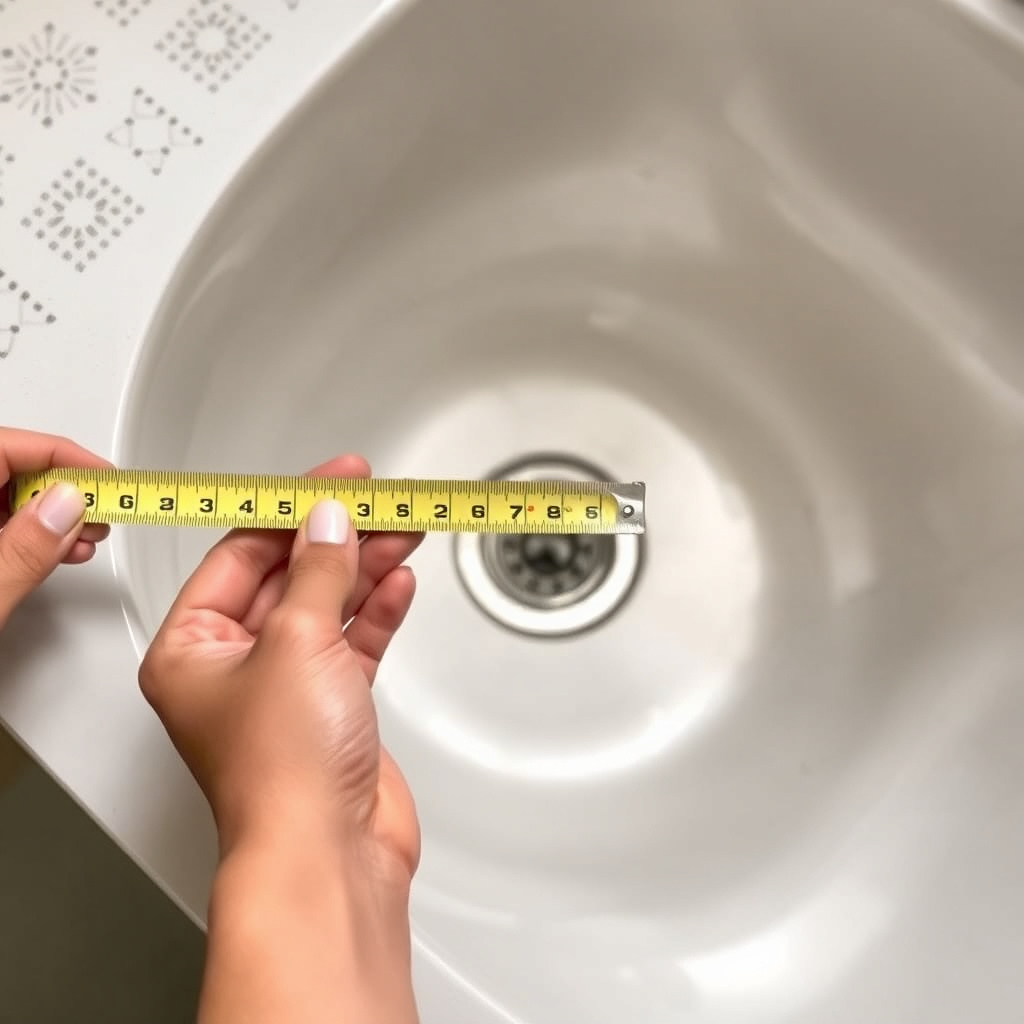
Measuring Length and Width
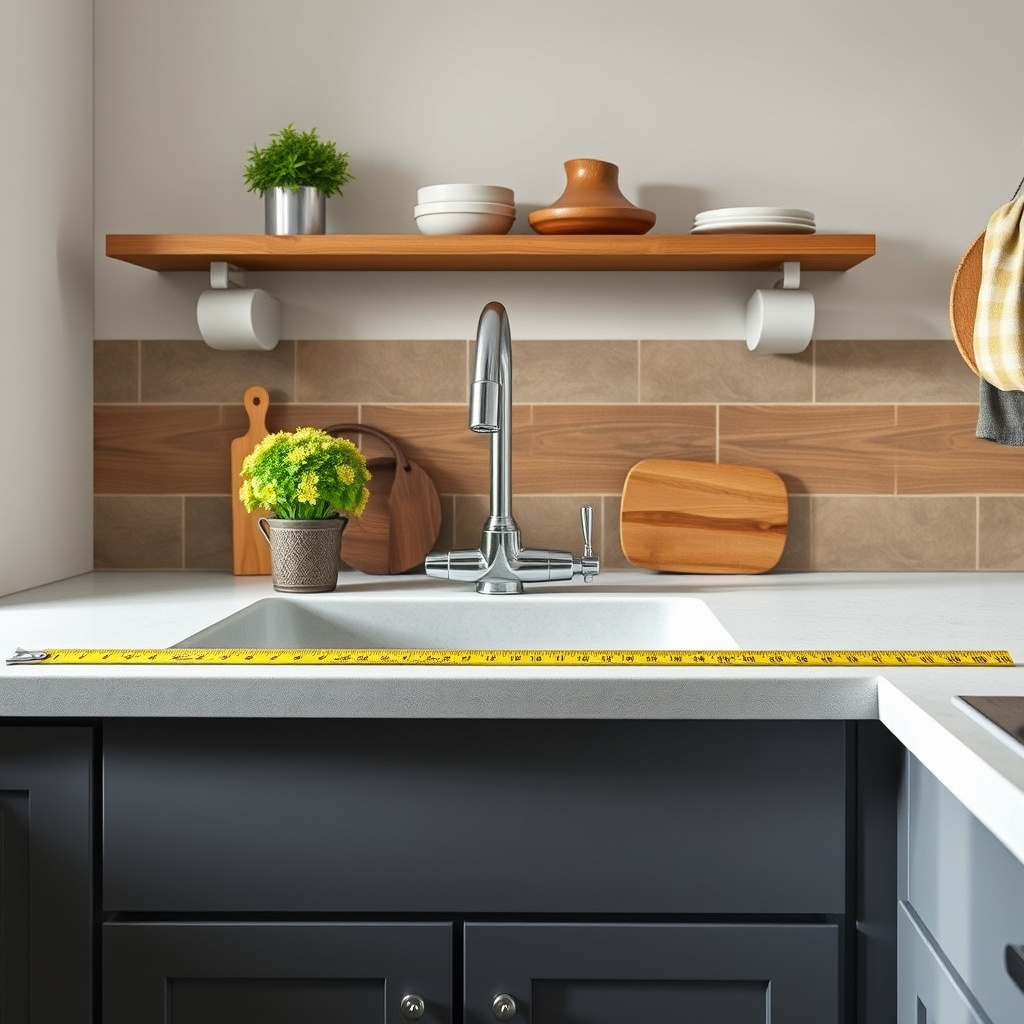
Start by measuring the length and width of the sink bowl from the inside edges. Use a tape measure to get the maximum interior dimensions for both length (front to back) and width (side to side). This gives you the usable bowl space for washing and rinsing.
If your sink has multiple bowls, measure each one separately to understand their individual capacities. Note that the sink bowl size affects how much water it holds and how large your dishes can be comfortably washed.
- Measure inside edges, not rim
- Record measurements for each bowl separately if multipurpose
- Use a reliable tape measure for accuracy
Measuring Bowl Depth
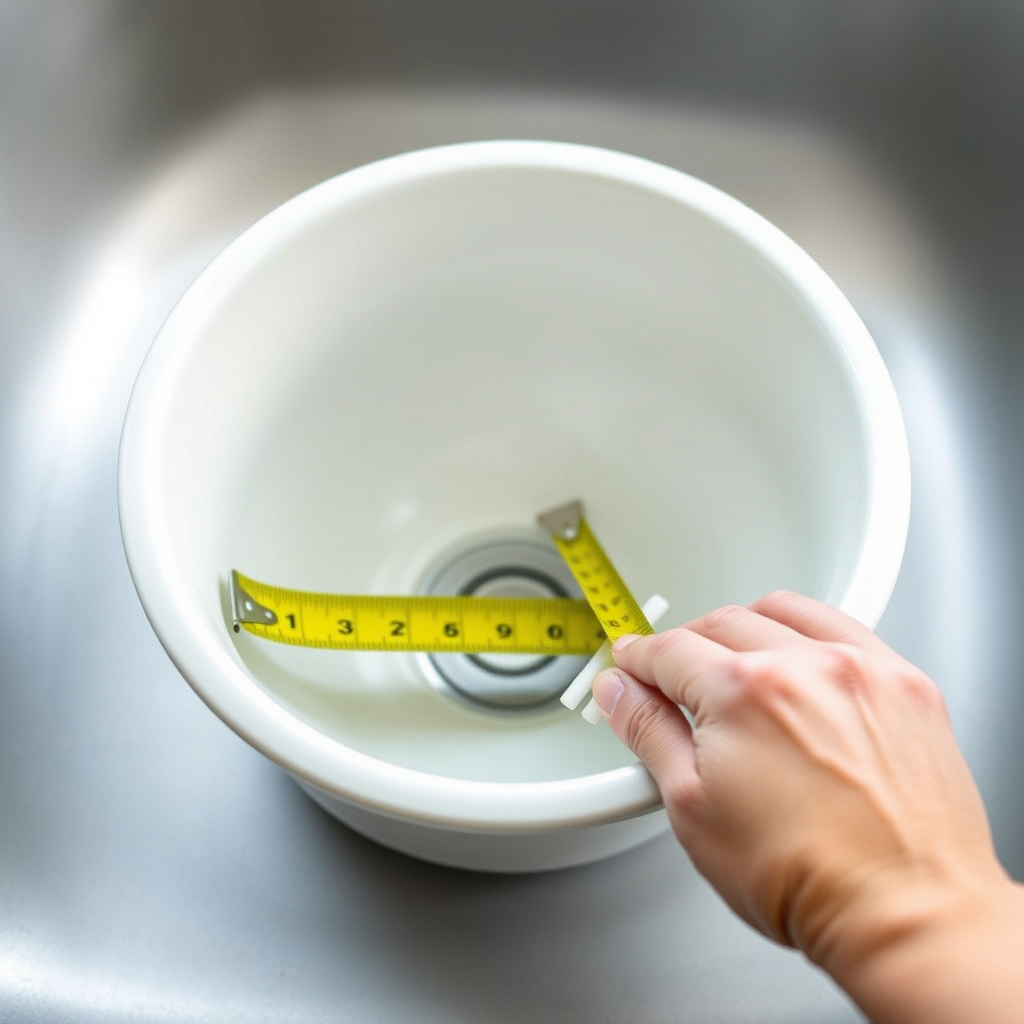
Measure from the bottom of the bowl up to the top rim to find the bowl depth. This vertical measurement indicates how much volume the sink can hold and affects splash-back during use.
Different sinks can range from shallow (around 6 inches) to very deep (up to 12 inches or more). Deeper bowls are better for large pots but may require more bending when washing.
- Measure at the deepest point inside the bowl
- Consider depth based on your typical kitchen tasks
Determining the Countertop Cutout Size
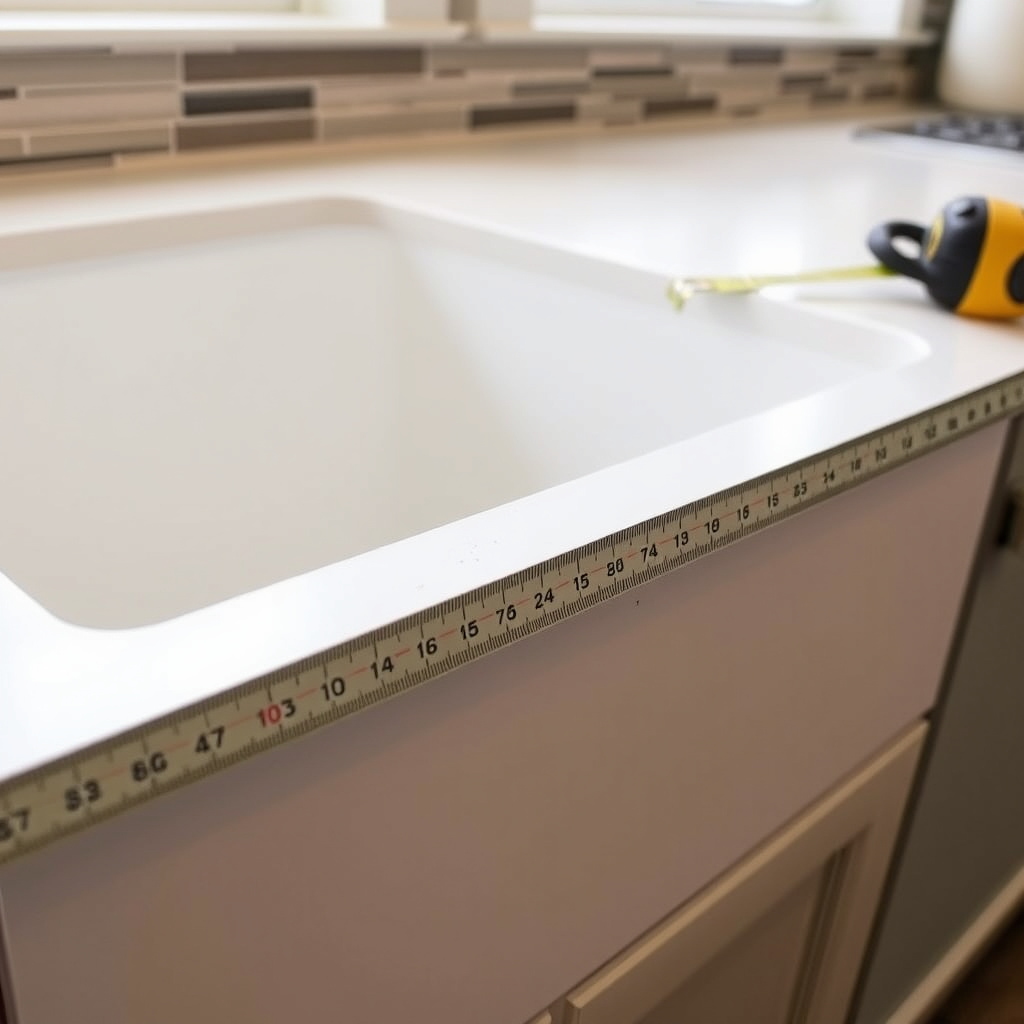
Measuring Cutout Length and Width
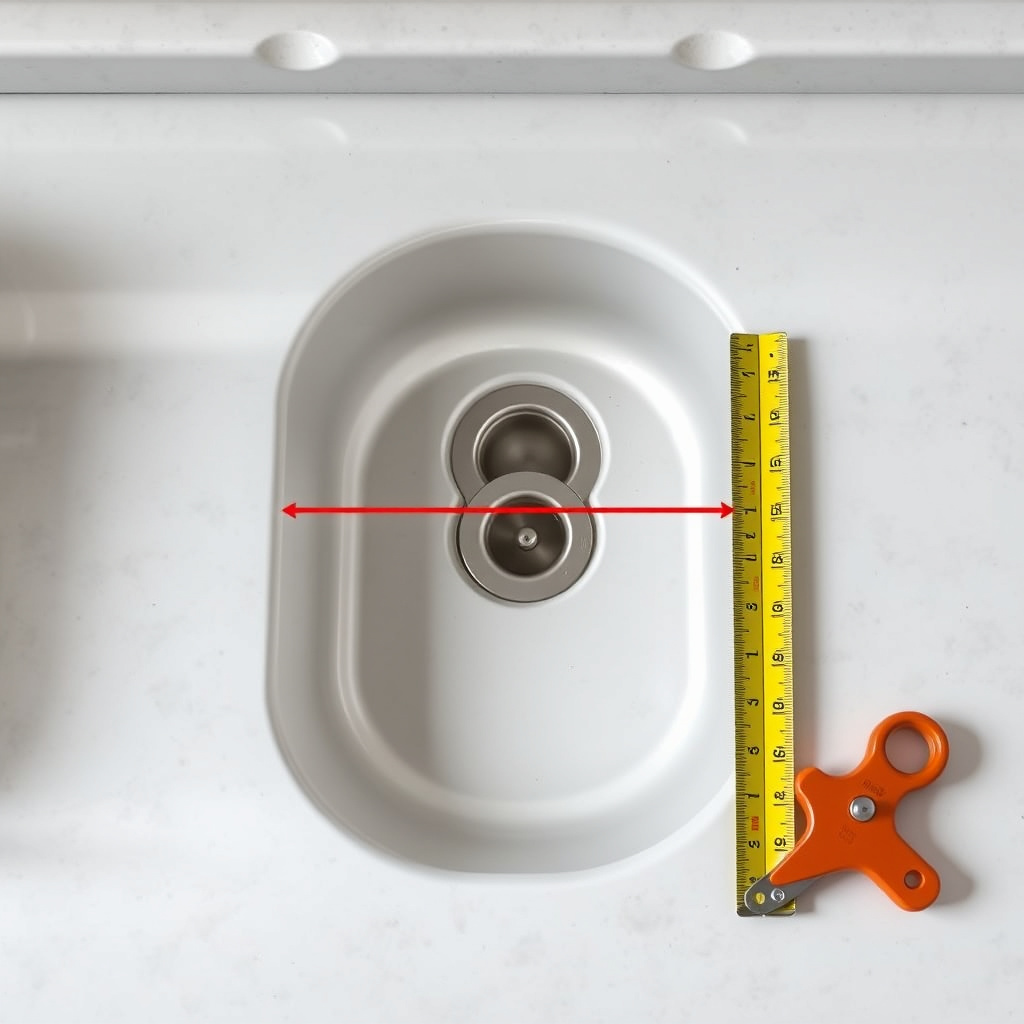
The countertop cutout needs precise measuring because it determines whether your sink fits snugly. Measure the length and width of the existing cutout from edge to edge using a tape measure.
If you are replacing a sink, note that the new model’s recommended cutout dimensions often differ slightly from the sink’s outer edges. Always consult manufacturer details and compare them with your measurements.
- Measure inside edges of the cutout
- Double-check measurements to avoid errors
- Compare with new sink specifications
Checking Rim Overhang and Mounting Type
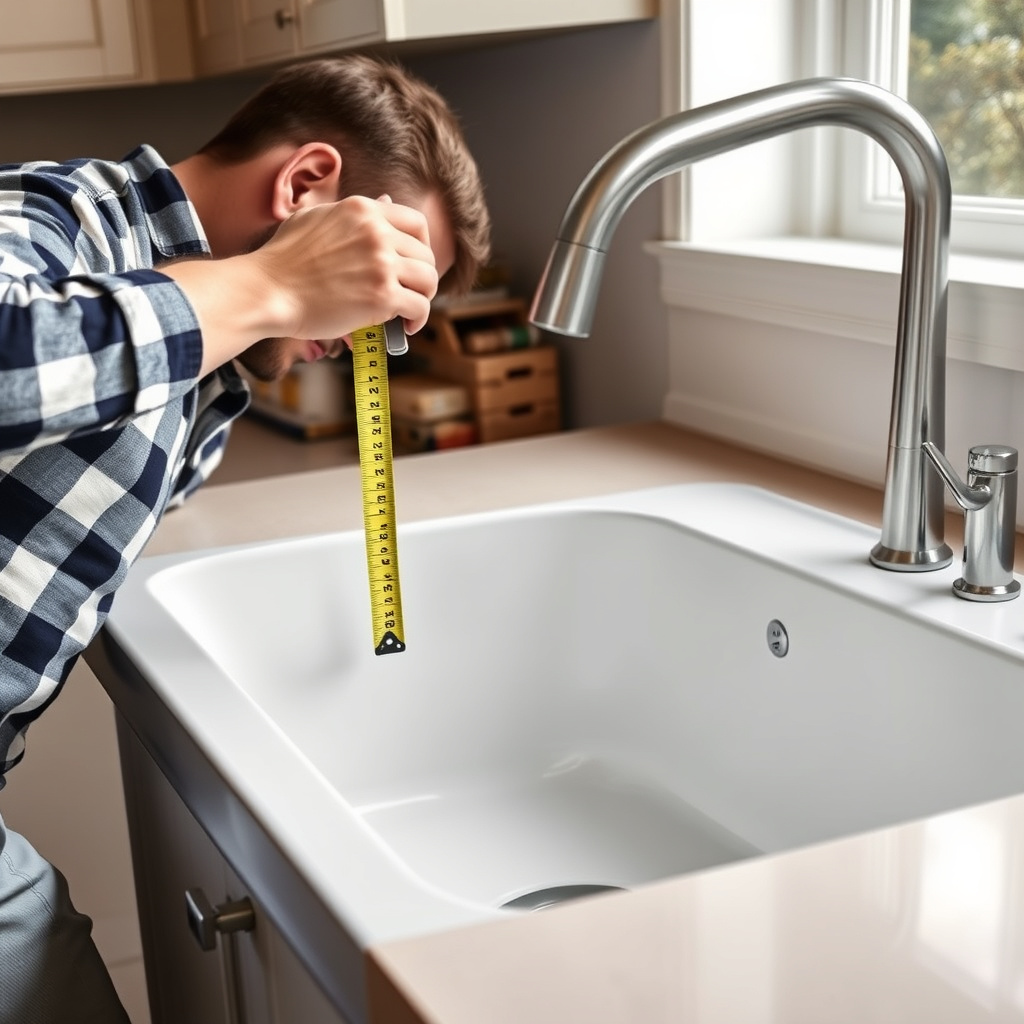
Measure the sink’s rim width — the portion that rests on the countertop — to ensure it matches your countertop thickness and installation method (top-mount or undermount). The rim width influences how well the sink seals against the countertop.
Understanding the mounting type affects cutout dimensions. For undermount sinks, the cutout is usually larger and requires support brackets, while drop-in sinks have a lip that rests on the countertop.
- Measure rim width from sink edge to bowl edge
- Identify your sink’s mounting style
- Account for countertop thickness in measurements
Measuring Faucet and Accessory Placement
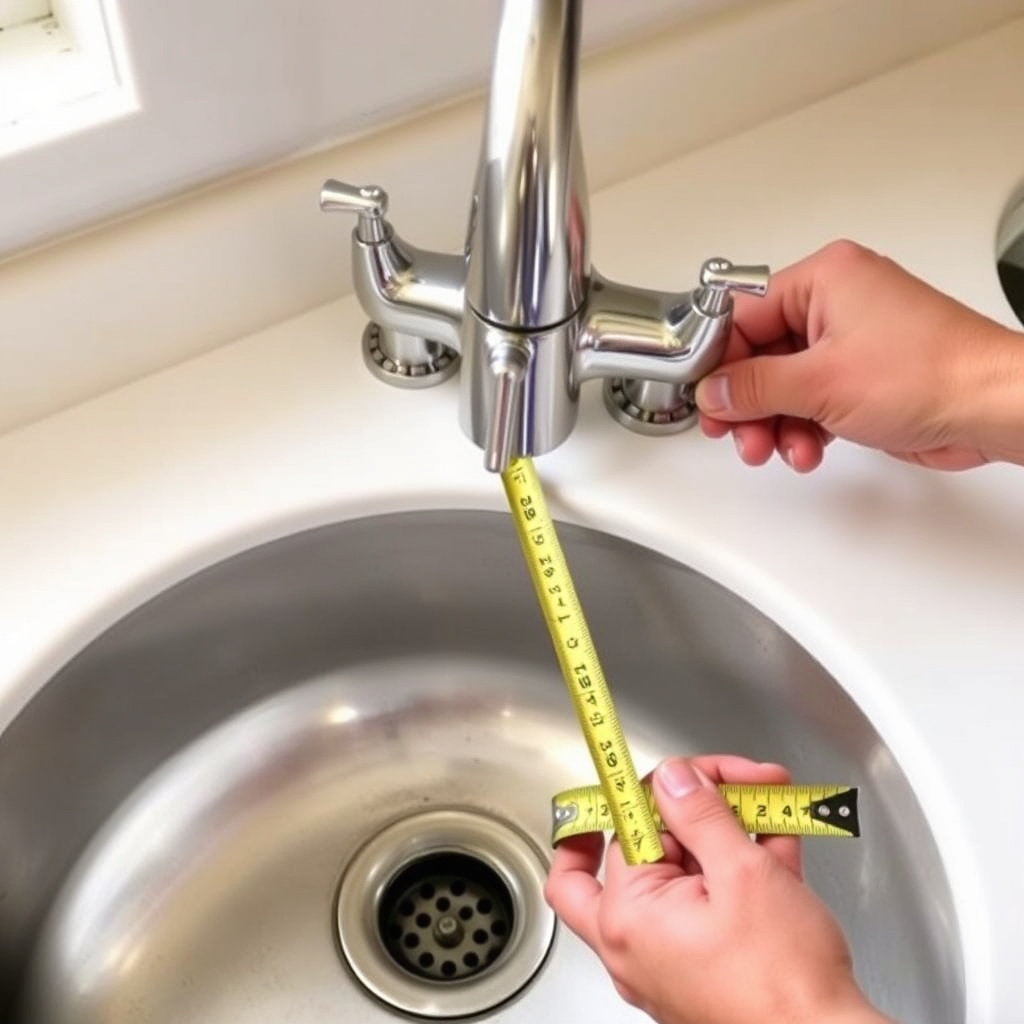
Checking Faucet Hole Spacing
Many sinks come pre-drilled with faucet holes. Measure the distance between these holes to ensure your faucet fits correctly. Standard spacing is often 4 inches or 8 inches but always verify.
If the sink has no holes, plan where your faucet and accessories will install and measure needed hole spacing accordingly.
- Measure center-to-center distance between holes
- Verify faucet compatibility with hole size and spacing
- Plan for accessories like soap dispensers or sprayers
For more on this, see our related guide: How Deep Are Standard Kitchen Cabinets? A Detailed Guide to Cabinet Dimensions.
Locating Drain Placement
Measure the location of the drain hole relative to the back or side edges of the sink. This helps ensure plumbing connections align without needing new pipework.
If changing sink styles (e.g., single bowl to double bowl), take extra care to measure existing drain positions accurately.
- Measure from drain center to sink edges
- Note if drain is centered or offset
- Check compatibility with existing plumbing
Using Kitchen Sink Dimensions for Purchase
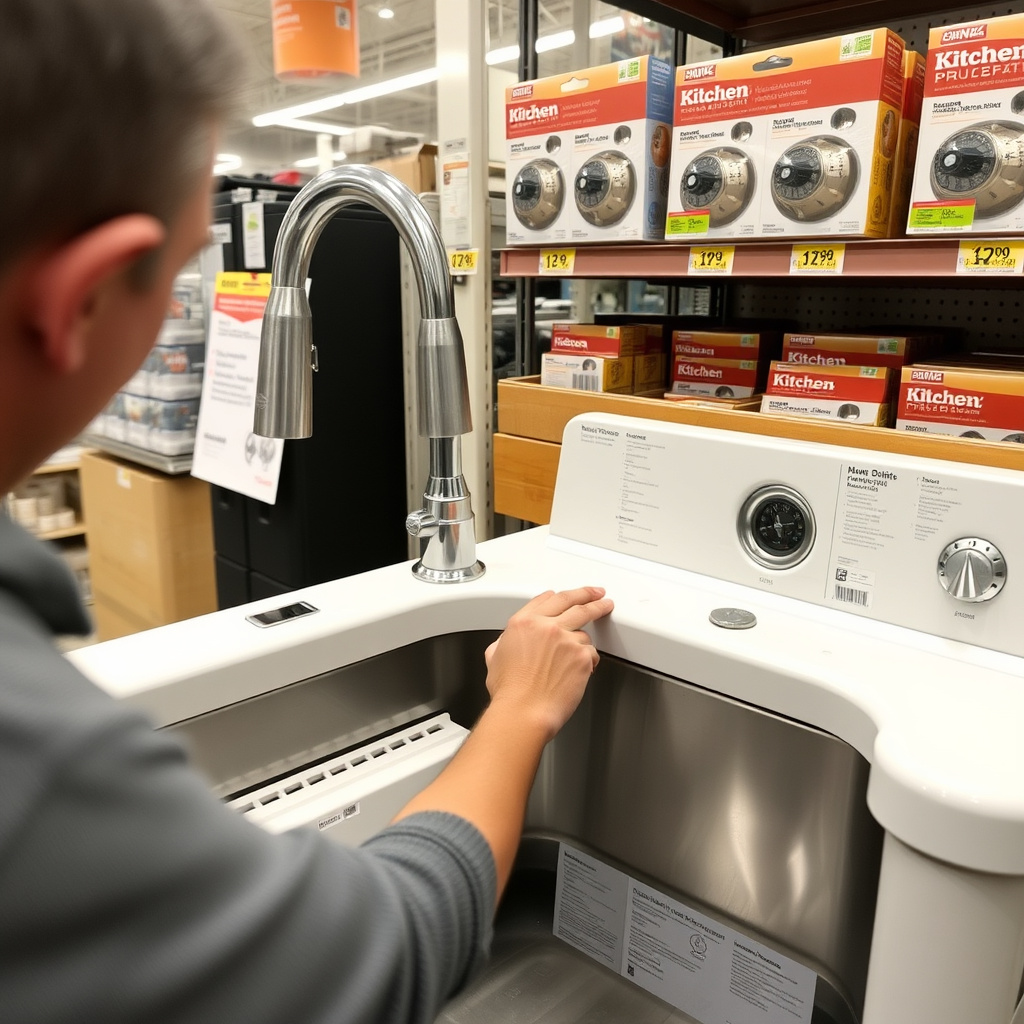
Matching Sink Dimensions to Cabinet Size
Your measurements help confirm that the sink fits inside your kitchen cabinet space. Cabinet widths typically determine the maximum sink size possible.
Use cabinet internal dimensions to reconcile with sink and cutout measurements. This avoids ordering a sink that physically can’t fit or impairs cabinet storage.
- Measure cabinet width, depth, and height
- Compare to sink bowl and overall size
- Allow clearance for plumbing and countertop support
Choosing the Correct Sink Style and Size
Different kitchen tasks require different sink sizes and configurations—single bowl, double bowl, farmhouse style, or integrated sinks.
By knowing your kitchen sink dimensions, you can choose a style that complements your kitchen layout and usage needs while fitting well with your existing plumbing.
Tools and Tips for Accurate Measurements
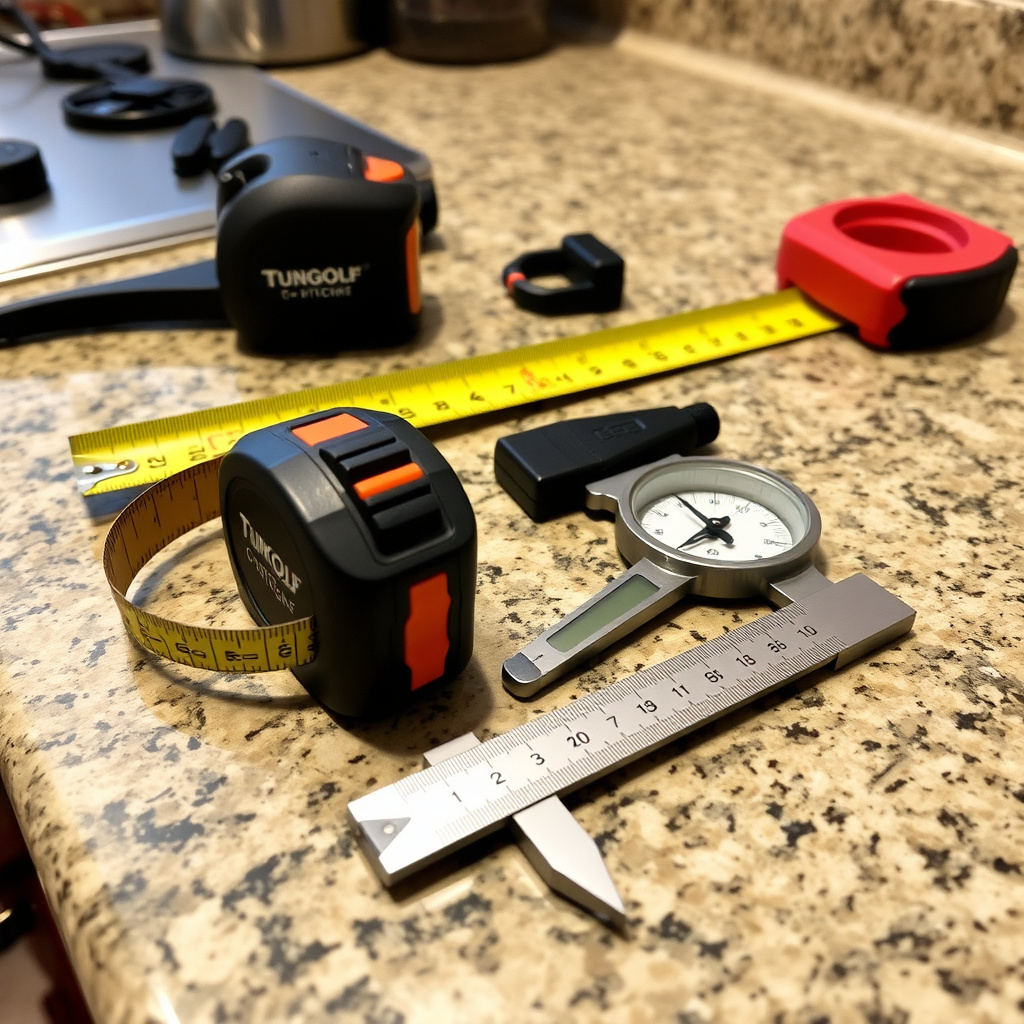
Recommended Measuring Tools
Use a reliable steel tape measure for most measurements, as it stays straight and provides the most accurate results.
For internal bowl dimensions, soft tape measures and rulers can help confirm depth and width, particularly in smaller or curved areas.
- Steel tape measure for length and width
- Ruler or flexible tape for bowl depth
- Pencil to mark measurements on paper
For more on this, see our related guide: How Tall Is a Kitchen Counter? Understanding Standard Counter Heights.
Tips to Avoid Common Mistakes
Always measure at least twice and write down each measurement immediately to avoid forgetting or misremembering any figures.
Confirm the sink’s orientation and mounting type before taking cutout measurements to avoid ordering incompatible products.
- Double-check all measurements
- Record measurements clearly
- Consider consulting sink installation guides
Accounting for Plumbing and Installation Factors
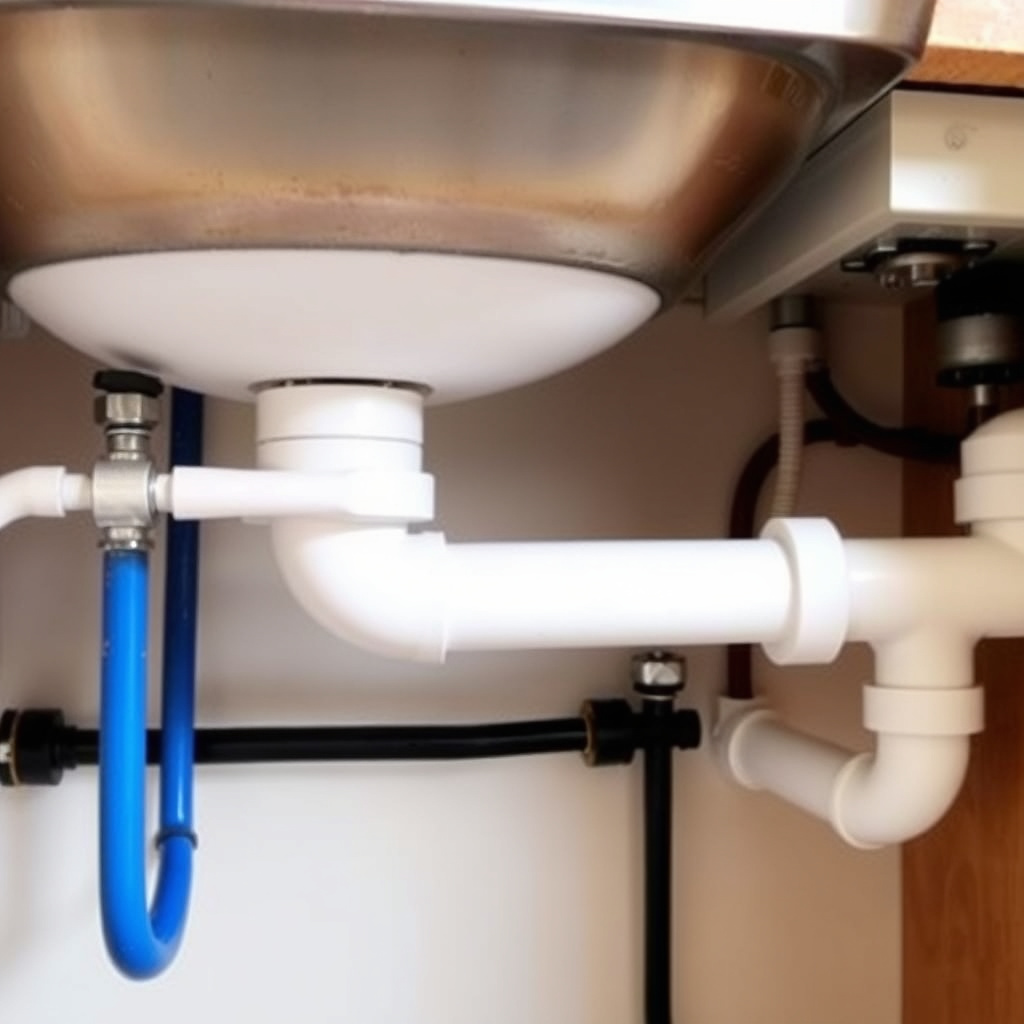
Factoring In Plumbing Connection Sizes
Measurements should include room for plumbing connections such as drain pipes and water supply lines. Sinks with multiple bowls might require more complex plumbing arrangements.
Verify your existing plumbing sizes and locations match the new sink or whether adapters or rerouting may be needed.
- Measure distance from countertop to plumbing fixtures
- Check pipe diameter compatibility
- Account for space needed for P-traps and fittings
For an in-depth technical overview and history, read more on the kitchen sink article on Wikipedia. kitchen sink article on Wikipedia.
Installation Considerations Based on Sink Size
Larger sinks require more countertop support and may need professional installation. Measuring your sink beforehand helps anticipate installation complexity.
For undermount sinks, confirm there is space and structure under the countertop to support the sink weight and installation hardware.
- Consider countertop material compatibility
- Plan for sink weight and support needs
- Review manufacturer installation instructions
Kitchen Sink Size Category Comparison
Comparing common kitchen sink size categories helps you pick one that suits your kitchen layout and daily use.
| Category | Typical Dimensions (LxW) | Bowl Depth | Recommended Cabinet Size | Installation Type |
|---|---|---|---|---|
| Compact Sink | 15" x 15" to 20" x 18" | 6" to 7" | 12" to 15" base cabinet | Top-mount or undermount |
| Standard Sink | 22" x 18" to 33" x 22" | 8" to 10" | 18" to 24" base cabinet | Top-mount or undermount |
| Large Sink | 33" x 22" to 36" x 24" | 9" to 12" | 24" and larger base cabinet | Undermount preferred |
| Double Bowl Sink | 30" x 18" to 36" x 22" | 8" to 10" | 24" base cabinet or wider | Top-mount or undermount |
| Farmhouse Sink | 30" x 20" to 36" x 22" | 9" to 11" | 30" and wider cabinet | Front-mounted, undermount possible |
Frequently Asked Questions
How do I measure the depth of a kitchen sink?
Measure from the bottom of the sink's bowl straight up to the top edge of the rim inside the sink. This gives the bowl depth, important for volume and ease of use.
What is the difference between a sink’s overall size and cutout size?
Overall size refers to the sink’s total dimensions including the rim, while cutout size is the countertop opening dimension where the sink will be installed.
Can I install a sink with different dimensions than my countertop cutout?
It’s usually not recommended since the sink may not fit properly or seal well unless you modify the countertop or use an adapter.
How many faucet holes should my sink have?
That depends on your faucet and accessories: usually one to four holes are common, accommodating faucets, sprayers, and soap dispensers.
Is it necessary to measure plumbing under the sink before replacement?
Yes, measuring existing plumbing helps confirm compatibility and anticipate changes needed with the new sink.
Key Takeaways
- Measure the interior length, width, and depth of the sink bowl accurately.
- Take precise cutout measurements on the countertop for proper fit.
- Account for faucet hole spacing and drain placement when measuring.
- Compare sink dimensions with cabinet size to avoid installation issues.
Conclusion
Measuring a kitchen sink effectively boils down to understanding which exact dimensions matter most for your installation and daily use needs. Length, width, and depth measurements of the sink bowl as well as accurate countertop cutout sizes provide the foundation for selecting the right sink. Adding faucet hole and drain placement details ensures compatibility with your fixtures and plumbing, helping prevent installation delays or extra costs. By carefully combining these measurements, you can confidently choose a kitchen sink that fits both your space and your functional demands.
If you have a smaller kitchen or limited cabinet space, compact or standard sinks offer practical solutions that maximize utility without overcrowding. For homes with larger kitchens or frequent heavy dishwashing, large or double bowl sinks are worth considering to improve workflow and capacity. Farmhouse sinks make a bold aesthetic statement and require wider cabinets plus specific mounting styles. Knowing your kitchen sink dimensions allows you to match the right size category with your unique kitchen setup and personal preferences.
The next step is to gather your measuring tools and take the detailed measurements following the steps outlined here. Write everything down carefully, then use these figures while shopping for sinks or consulting with kitchen professionals. Measuring before purchasing eliminates guesswork, making installation smoother and your kitchen more functional. For more comprehensive details and sink specifications, consider visiting reliable sources on kitchen sink standards and installation practices.