How Deep Are Standard Kitchen Cabinets? A Detailed Guide to Cabinet Dimensions
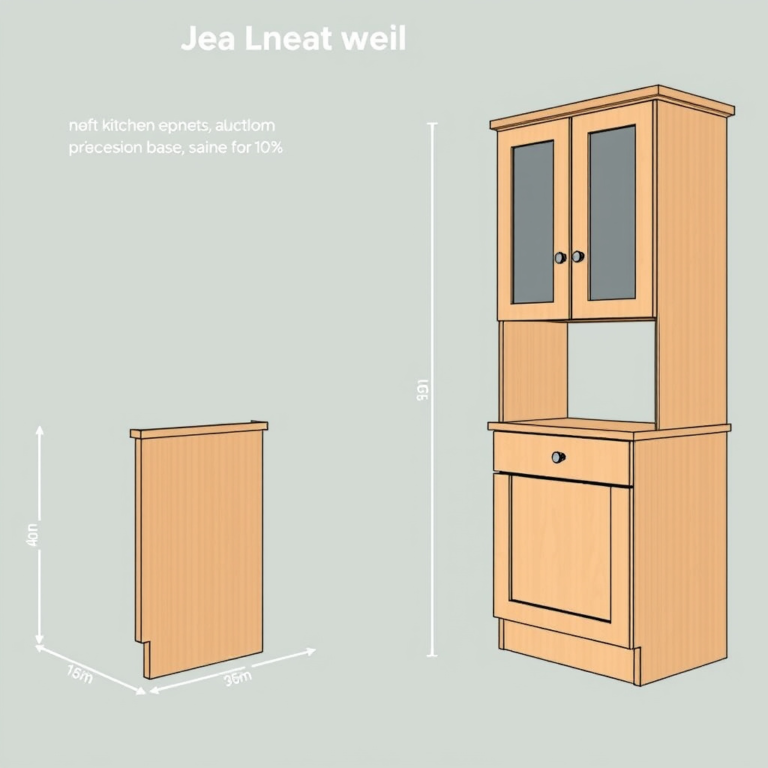
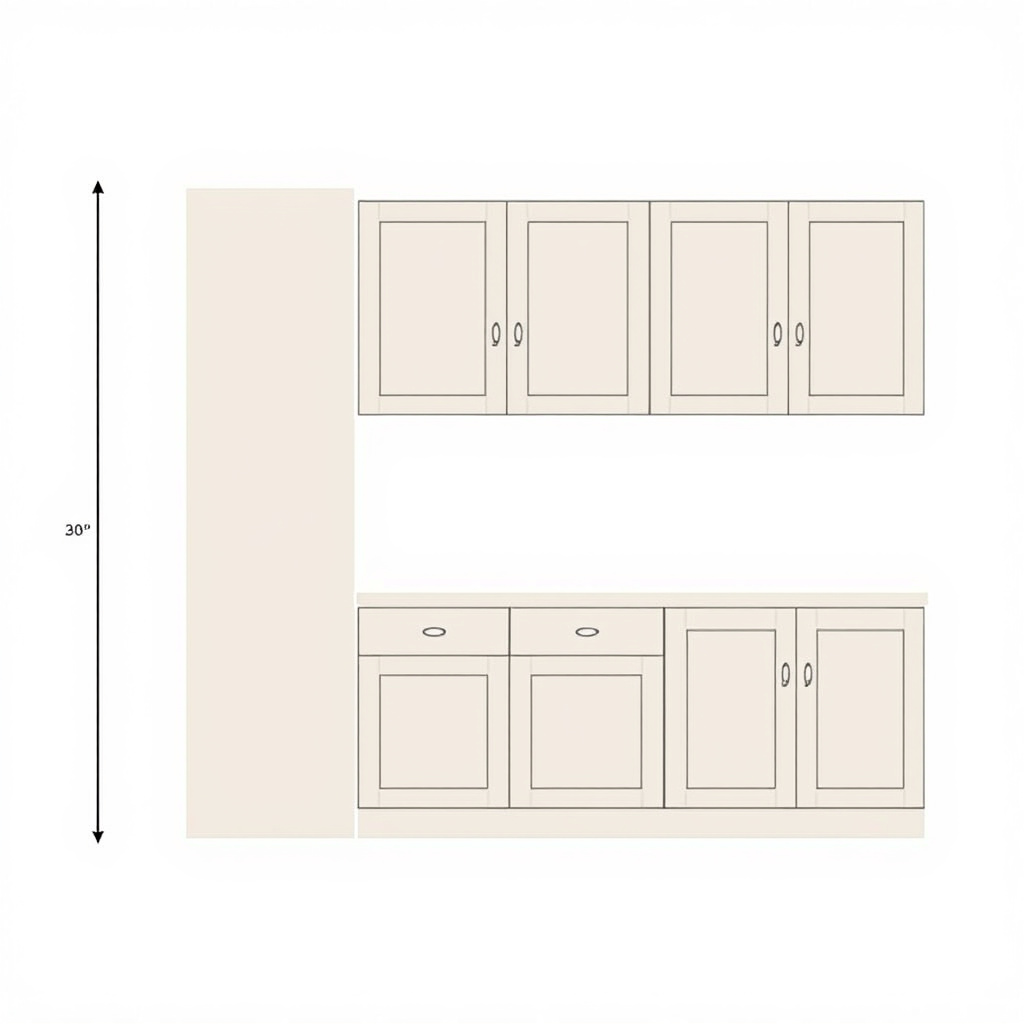
Standard kitchen cabinets typically have a depth of 24 inches for base cabinets, which balances storage capacity with workspace usability. Wall cabinets usually measure 12 inches deep, designed to provide overhead storage without encroaching on countertop space. These dimensions accommodate most kitchen appliances and user needs effectively.
Cabinet depth plays a crucial role in kitchen design, influencing countertop space, storage volume, and overall room ergonomics. Understanding these standard measurements can help homeowners and designers select cabinetry that fits well within available space while supporting efficient cooking workflows.
This article will explore the common depths for various types of kitchen cabinets, explain factors that might affect cabinet sizing, and compare dimension options to assist you in making informed decisions when planning or remodeling your kitchen.
Standard Depths of Kitchen Cabinets
Base Cabinet Depth Dimensions
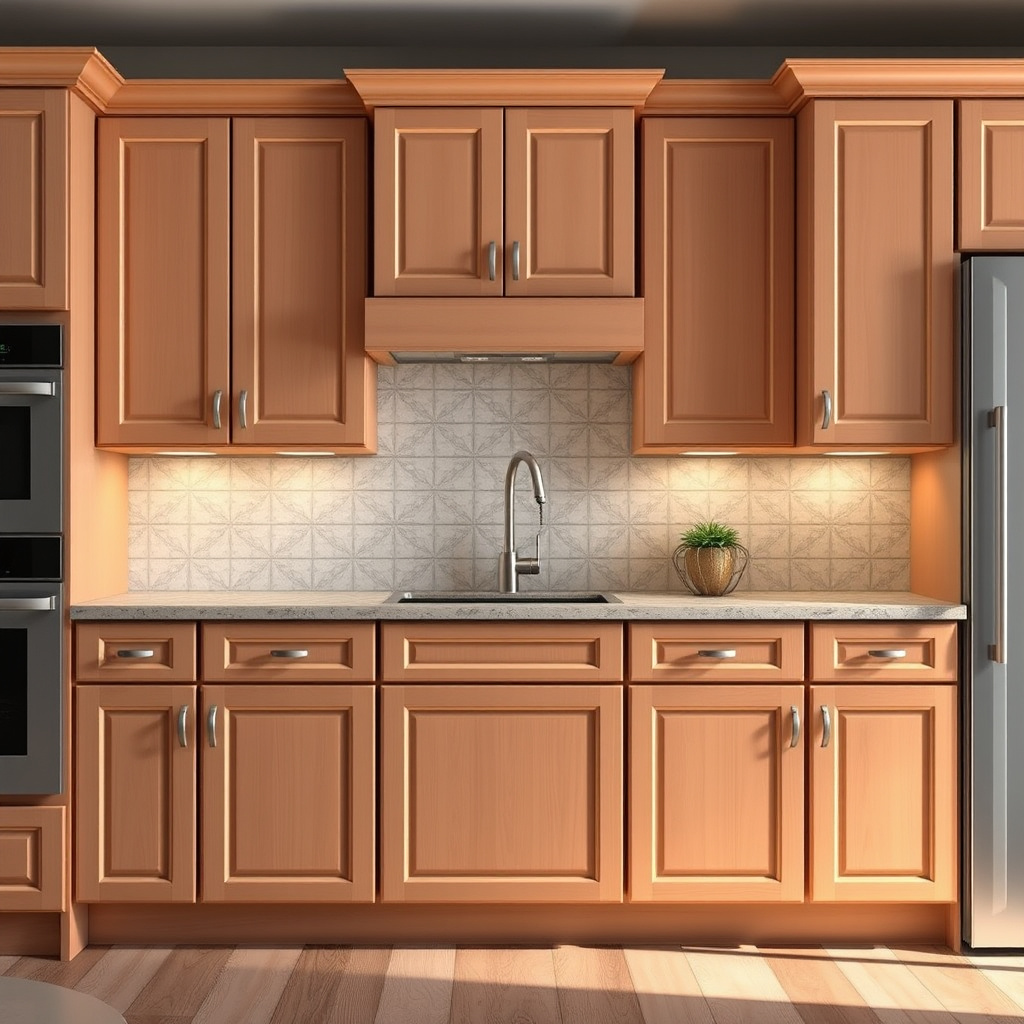
The most typical depth for base kitchen cabinets, which sit on the floor and support the countertop, is 24 inches. This depth allows enough room for typical kitchen sinks, appliances like dishwashers, and countertop usability. Depending on your kitchen design, some base cabinets might be deeper or shallower, but 24 inches is the standard.
Base cabinets include the box itself plus the exterior doors or drawers, which may add a slight variance in total depth. When combined with a standard countertop thickness of about 1.5 inches, you get a functional and comfortable workspace without crowding.
- Most base cabinets: 24 inches deep
- Countertop thickness adds ~1.5 inches
- Allows placement of standard kitchen sinks
Wall Cabinet Depth Dimensions
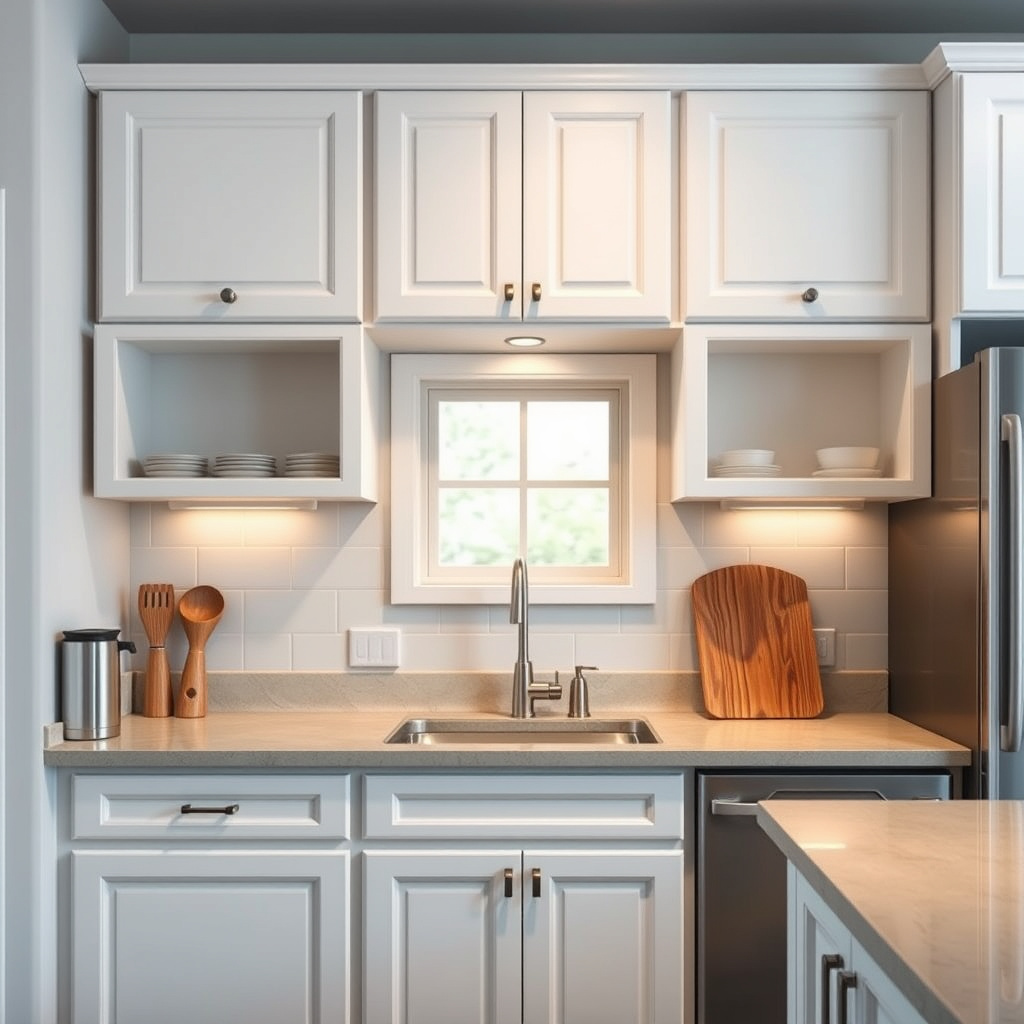
Wall cabinets generally have a shallower depth of around 12 inches. This reduced depth helps keep the kitchen open and provides accessible storage above countertops without restricting movement or the visual flow of the space.
Since wall cabinets are mounted at eye level or higher, their reduced depth limits how far they project into the kitchen area, making them safer and more ergonomic compared to deeper cabinets.
- Standard wall cabinet depth: 12 inches
- Ensures easy access without obstructing the workspace
- Supports various storage needs for dishes and pantry items
Factors Influencing Kitchen Cabinet Depth
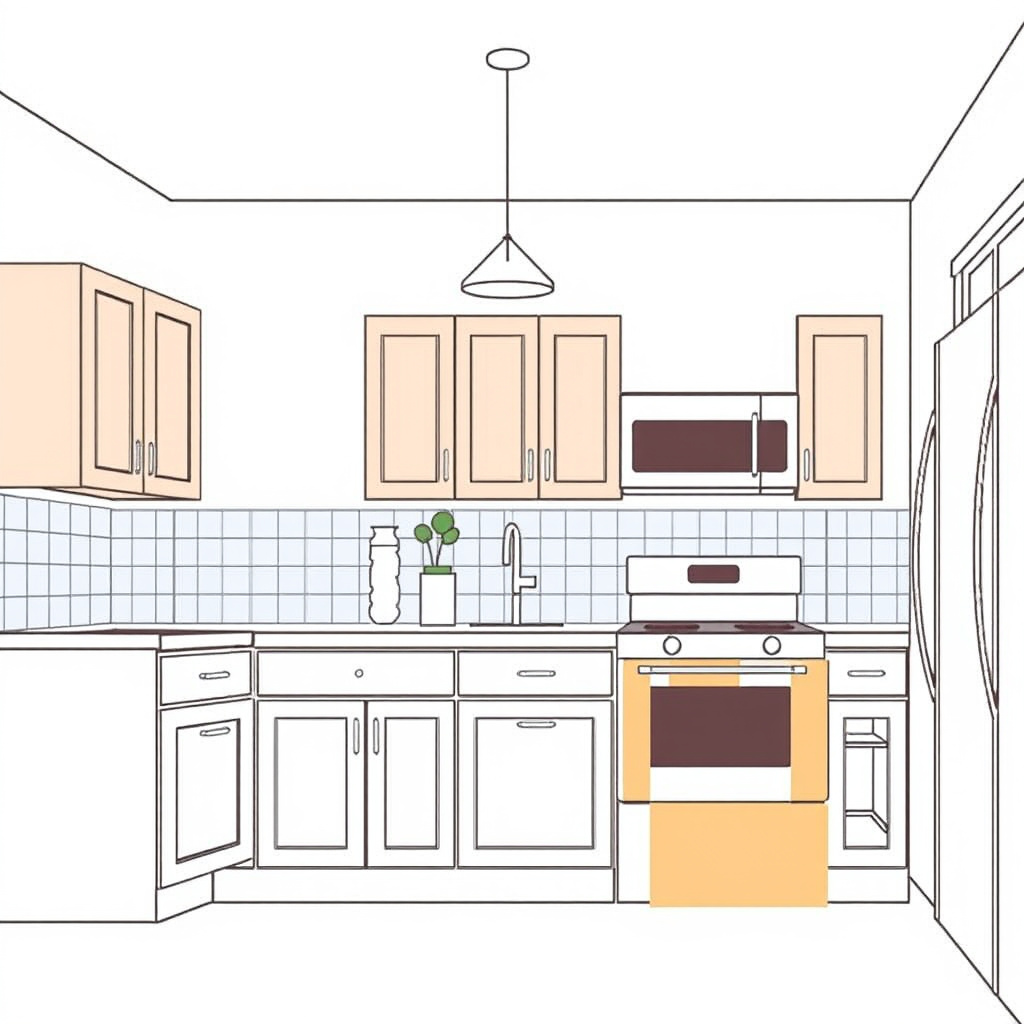
Custom vs. Standard Cabinet Depths
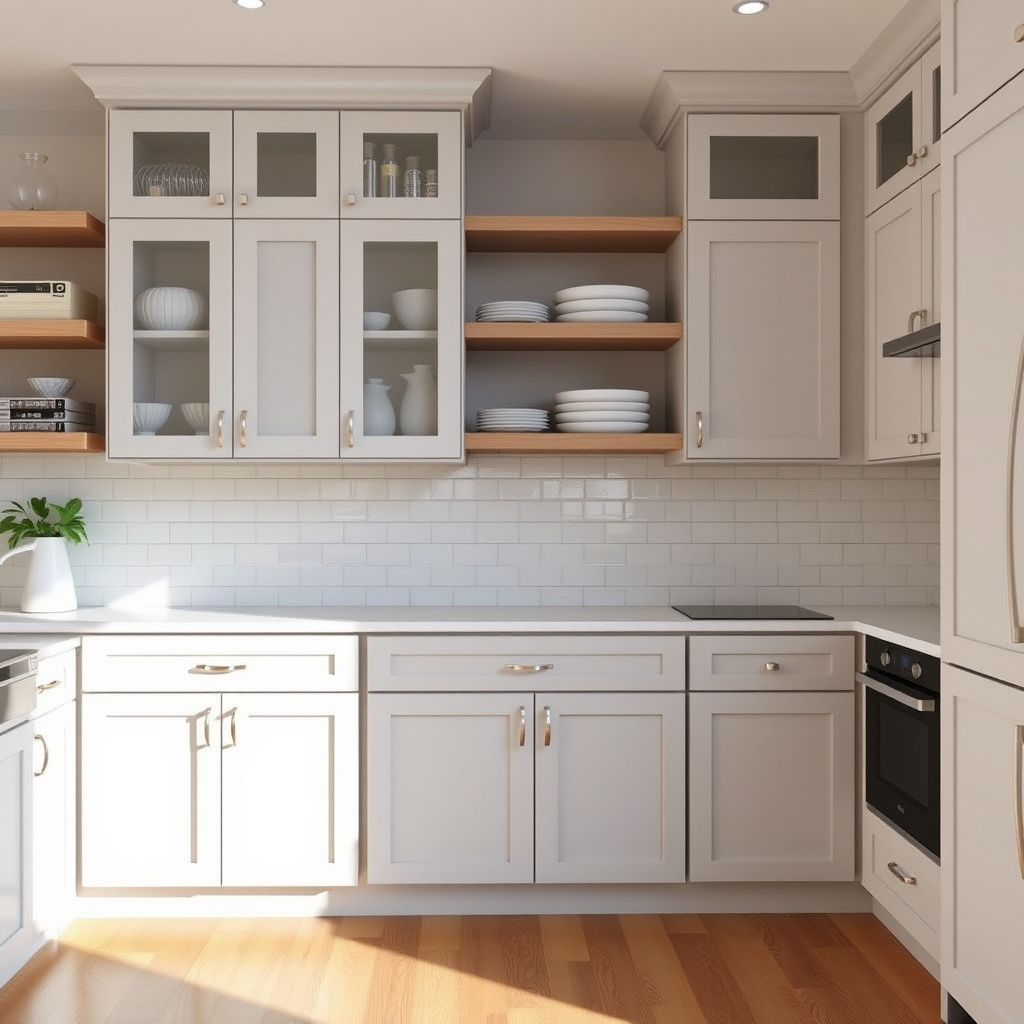
While standard depths are practical and widely used, custom kitchen cabinets can vary significantly to better fit a specific kitchen layout or user preference. Some custom base cabinets may be as shallow as 18 inches for compact spaces or as deep as 30 inches for additional storage.
Opting for custom depths might help solve unusual space challenges or create a more tailored aesthetic, but it often increases cost and requires careful planning regarding countertop and appliance compatibility.
Impact of Kitchen Layout on Cabinet Depth
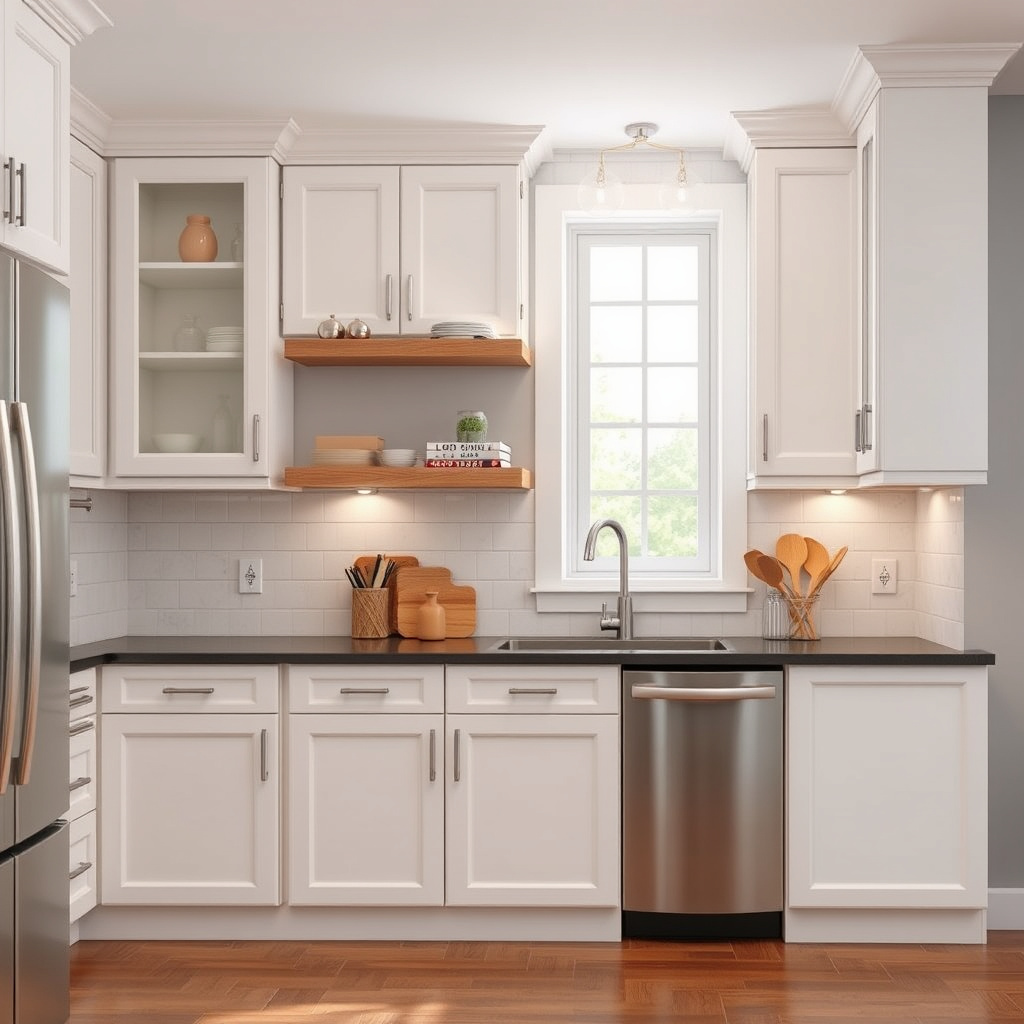
Kitchen layouts like galley, L-shaped, or U-shaped designs influence cabinet depth choices. For narrow kitchens, shallower base cabinets might improve circulation, whereas spacious layouts can accommodate deeper cabinets for extra storage.
Incorporating appliances or special features like pull-out pantries or built-in trash bins may also affect the appropriate cabinet depth selection to maintain workflow efficiency and clearances.
Specialized Cabinet Depths and Variations
Pantry Cabinets and Tall Units
Pantry cabinets often have deeper measurements, ranging from 18 to 24 inches or more, to maximize food storage capacity. These tall units may also combine adjustable shelves for versatility, catering to larger or bulkier items that wouldn't fit in standard depth cabinets.
Some pantry cabinets feature pull-out or swing-out options that necessitate specific depth dimensions, so understanding their size impact simplifies kitchen space planning.
For more on this, see our related guide: How Deep Are Kitchen Cabinets? Understanding Standard Cabinet Depths.
Corner Cabinet Depth Considerations
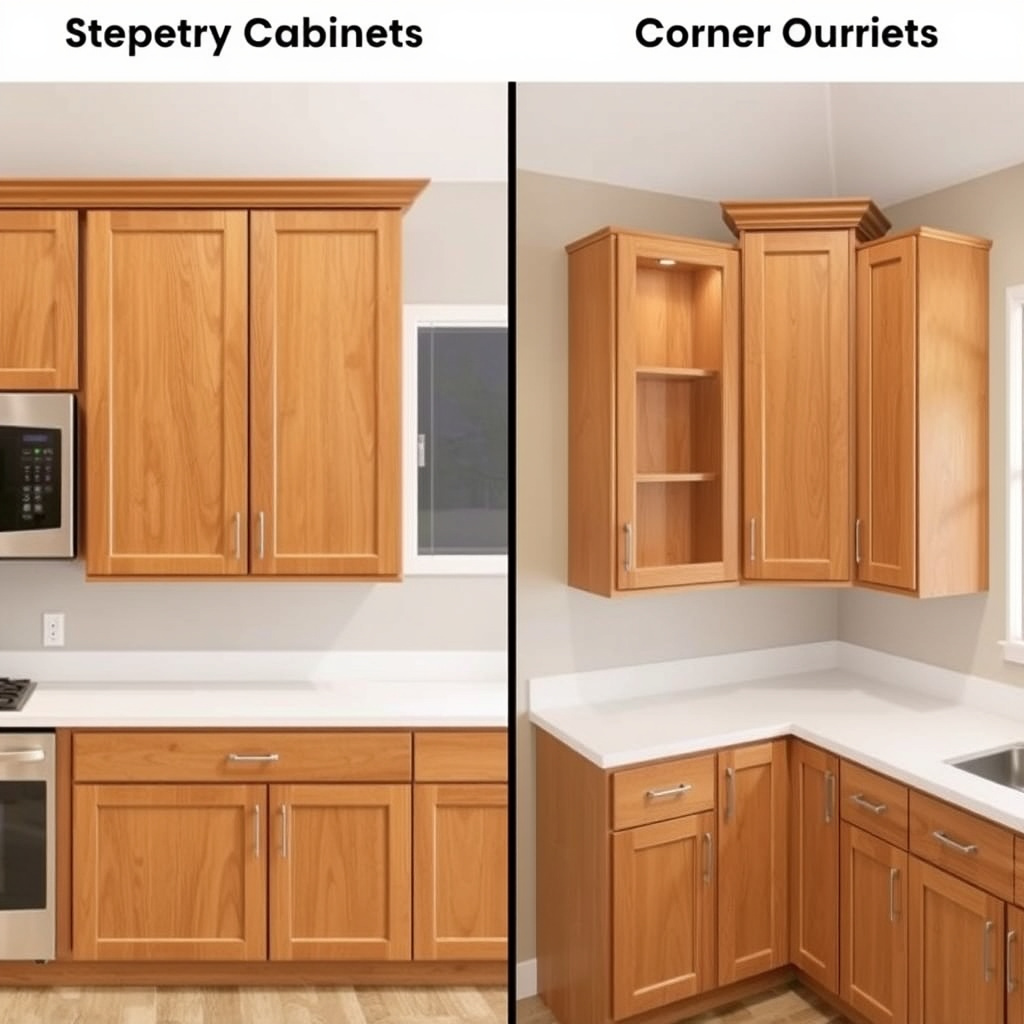
Corner cabinets, which fit into angled kitchen spaces, typically use the standard base cabinet depth of 24 inches but can include specialized storage solutions like lazy Susans or carousels to compensate for tricky access areas.
These cabinets might appear deeper due to their shape but are designed to be consistent in depth for countertop alignment and usability.
How Kitchen Cabinet Depth Affects Functionality
Maximizing Storage vs. Maintaining Accessibility
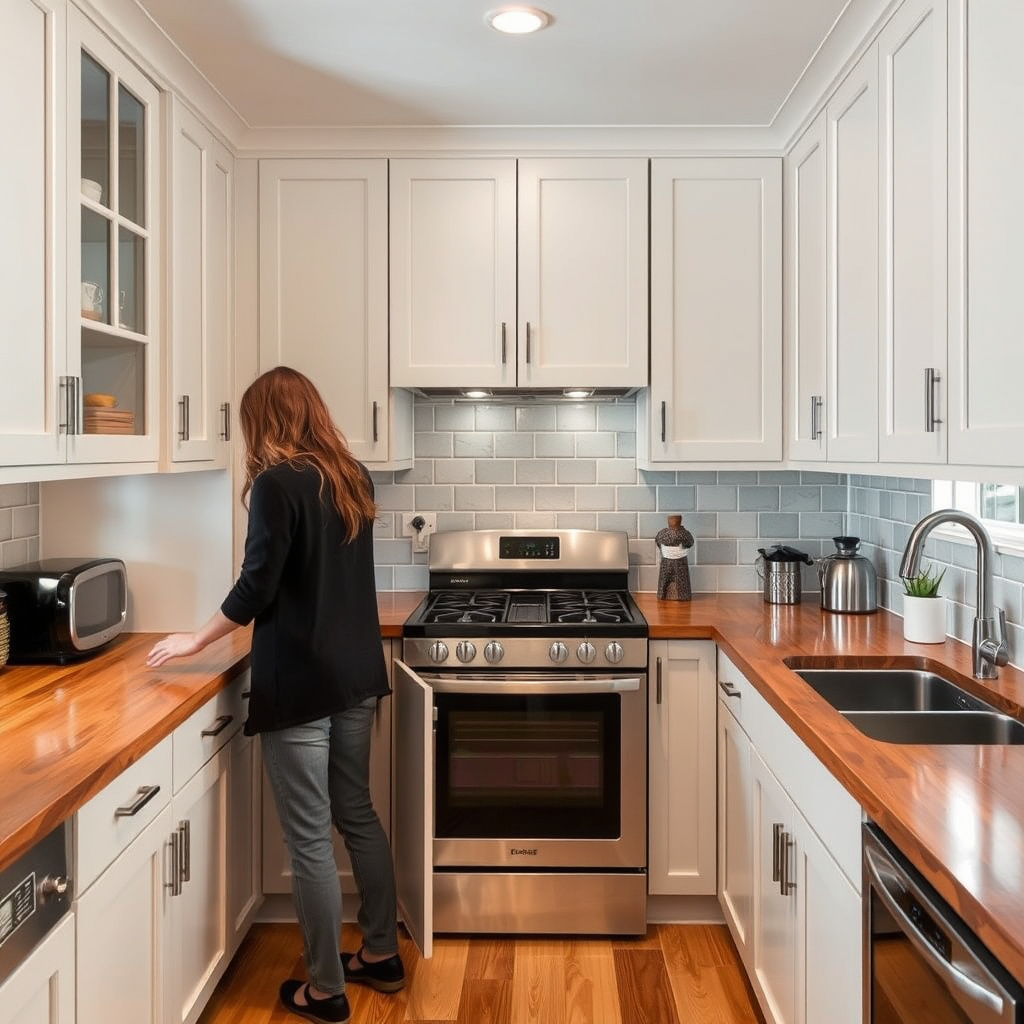
Deeper cabinets offer enhanced storage capacity but can be harder to reach into, reducing convenience for frequently used items. Shallow cabinets improve access but limit how much you can store.
Balancing cabinet depth with user needs hinges on who uses the kitchen and what items are stored most often, as well as the overall kitchen size.
- Deeper cabinets = more storage, less accessibility
- Shallower cabinets = easier access, less storage
Ergonomics and Workflow Impact
Proper cabinet depth supports efficient kitchen workflow by fitting appliances and providing a comfortable reach zone. Cabinets too deep or shallow can slow tasks like cooking and cleaning.
Standard kitchen cabinet depths are designed to fit most people’s reach zones, making them a safe, pragmatic choice for balanced functionality.
Materials and Construction Affecting Cabinet Dimensions
Influence of Cabinet Box Thickness
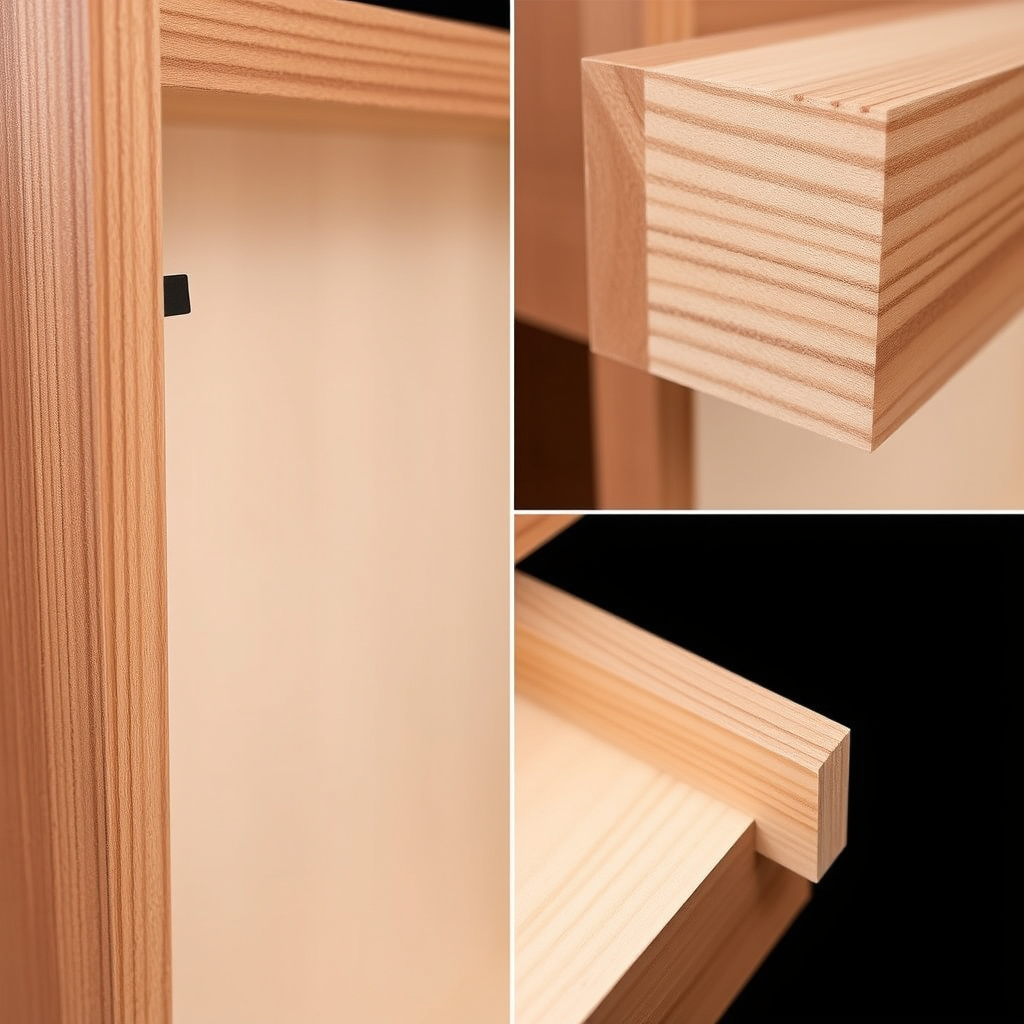
The thickness of cabinet sides, backs, and shelves slightly affects the internal storage volume without changing the overall external depth. Thicker materials mean sturdier cabinets but can reduce usable space inside by up to one inch per side.
Understanding construction materials helps anticipate storage capacity alongside depth measurements.
For more on this, see our related guide: Where to Buy Vinyl Wrap for Kitchen Cabinets: Best Places and Tips.
Countertop Overhang and Its Role
Standard countertops extend about 1 to 1.5 inches beyond the front of base cabinets for both aesthetics and functional edge comfort. This overhang means the effective working space slightly exceeds the cabinet depth dimension alone.
When planning kitchen cabinet depth, factoring in countertop overhang ensures cohesive design and usability.
- Typical countertop overhang: 1-1.5 inches
- Adds workspace beyond cabinet box depth
Choosing Kitchen Cabinet Depth: Practical Tips

Assessing Your Kitchen Space Needs
Before selecting cabinet depth, measure your available kitchen space carefully and note how much room you have for countertop and movement. Consider your cooking habits and storage needs to pick cabinets that blend space efficiency with function.
Allow for standard countertop depth and necessary appliance clearances when choosing your base cabinet depth to avoid a cramped or fragmented workspace.
For more detailed technical specifications and historical context, see this overview of kitchen cabinet dimensions. Kitchen cabinet dimensions details.
Consulting with Professionals
Working with kitchen designers or cabinet specialists can provide valuable insight into how different cabinet depths will perform in your kitchen. Their expertise can help match cabinetry sizes to your lifestyle, layout, and budget.
They can also inform you about custom kitchen cabinet depth options beyond the common standards when unique spaces demand tailored solutions.
Comparison of Kitchen Cabinet Depth Categories
Review this table highlighting key characteristics of various kitchen cabinet depth options to find the right fit for your home.
| Cabinet Type | Typical Depth | Storage Capacity | Ideal Kitchen Size | Cost Implications |
|---|---|---|---|---|
| Standard Base Cabinets | 24 inches | Moderate | Most kitchens | Standard pricing |
| Shallow Base Cabinets | 18 inches | Lower | Compact kitchens | Slightly reduced cost |
| Deep Base Cabinets | 30 inches | High | Spacious kitchens | Higher cost |
| Standard Wall Cabinets | 12 inches | Moderate | All kitchens | Standard pricing |
| Deep Wall Cabinets | 15 inches | Higher | Large kitchens | Premium pricing |
| Pantry Cabinets | 18-24 inches | High | Any kitchen with pantry need | Varies by custom options |
Frequently Asked Questions
Why are base kitchen cabinets typically 24 inches deep?
Base cabinets are usually 24 inches deep to provide enough storage and to accommodate most sinks and appliances while maintaining a comfortable countertop depth for cooking.
Can kitchen cabinets be ordered in custom depths?
Yes, many cabinet makers offer custom depths to fit unique kitchen layouts or user preferences, though this can increase cost and complexity.
How does cabinet depth affect kitchen ergonomics?
Cabinet depth influences reachability and workflow; too deep makes items hard to access, while too shallow limits storage, impacting kitchen efficiency.
What is the standard depth for wall kitchen cabinets?
Wall cabinets generally have a standard depth of 12 inches to allow comfortable access and to avoid overcrowding the workspace.
Do countertops affect the overall cabinet depth?
Yes, countertops typically extend 1-1.5 inches beyond the front of base cabinets, adding usable workspace beyond the cabinet box depth.
Key Takeaways
- Standard base cabinets are usually 24 inches deep; wall cabinets are commonly 12 inches deep.
- Custom kitchen cabinet depth options allow flexibility but may increase cost.
- Cabinet depth affects storage capacity and ease of access, influencing kitchen function.
- Countertop overhang extends beyond cabinet depth, adding to usable workspace.
Conclusion
Understanding how deep standard kitchen cabinets are is fundamental when planning a kitchen that balances storage and functionality. Knowing the typical depths—24 inches for base cabinets and 12 inches for wall units—helps create a space that is practical and comfortable for daily use. Cabinet depth plays a significant role in how much you can store and how accessible your kitchen remains, directly influencing everyday culinary tasks and space flow.
If you have a small or uniquely shaped kitchen, exploring custom cabinet depths can provide tailored solutions, though with higher costs and complexity. For most homes, sticking with standard base cabinets of 24 inches depth and shallow wall cabinets will provide an effective mix of storage and usability. Specialized cabinets like pantry units or corner cabinets offer additional options with varied depths to meet specific storage needs while complementing your kitchen's general design.
To move forward confidently, measure your kitchen space, consider your storage habits, and consult with kitchen design professionals. They can guide you through standard and custom kitchen cabinet depth choices to fit your unique environment. Armed with the right knowledge about cabinet dimensions, you’ll be able to create a kitchen that feels spacious, functional, and well-organized.