How Tall Is a Kitchen Counter? Understanding Standard Counter Heights
The standard height for kitchen counters is typically around 36 inches (91.5 cm) from the floor to the countertop surface. This height applies to most kitchen workspaces designed for general food preparation and everyday use, providing a comfortable level for most adults while standing.
Choosing the right kitchen counter height affects your cooking experience and ergonomics greatly. Too high, and it can strain your shoulders and back; too low, and it can lead to discomfort and poor posture. This standard height suits a wide range of tasks, from chopping vegetables to baking.
In this article, we’ll explore variations in kitchen counter heights based on design styles and user needs, discuss how height affects ergonomics and functionality, and guide you through choosing a countertop height that fits your kitchen lifestyle perfectly.
Standard Kitchen Counter Heights Explained
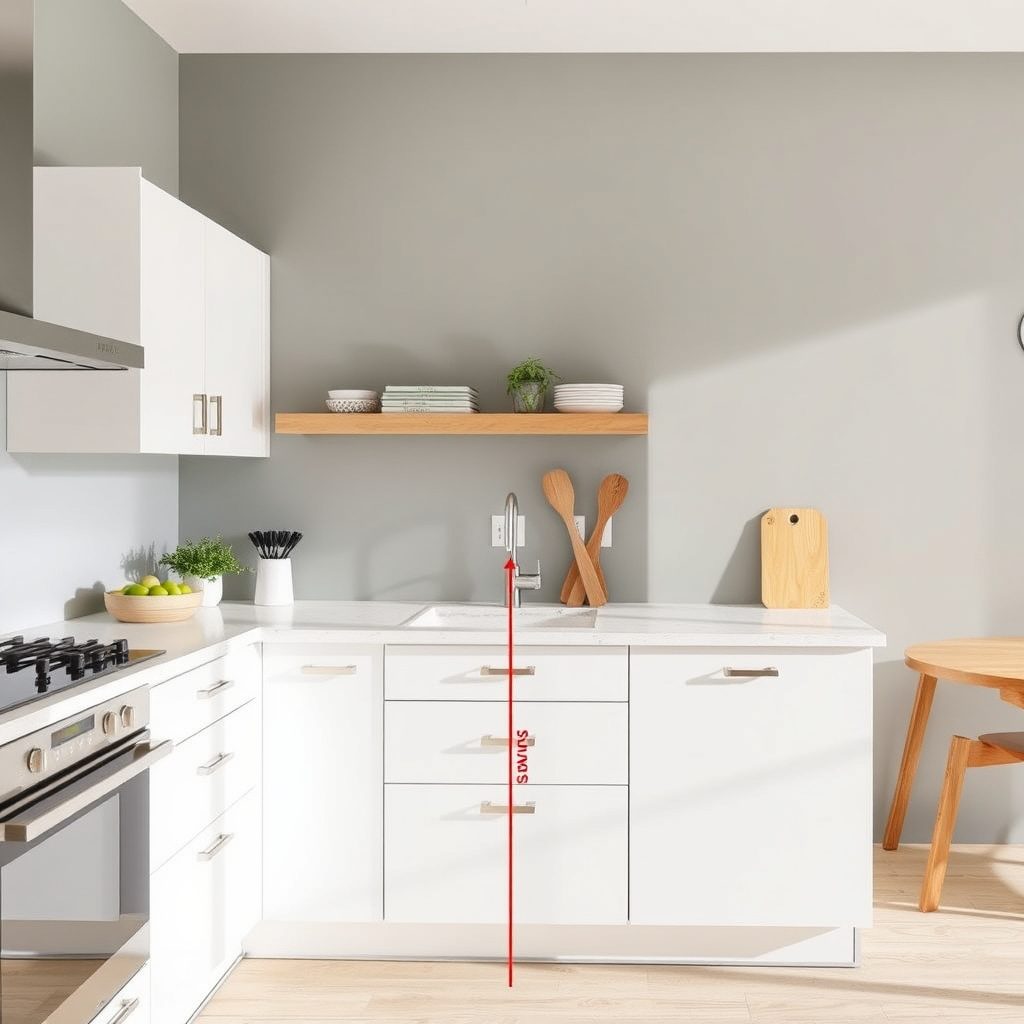
Typical Heights and Why 36 Inches Is Common

Most kitchen counters are built at 36 inches tall because this height matches the average adult arm level while standing, promoting good ergonomics for food prep. This height accommodates a wide variety of kitchen activities comfortably without excessive bending or reaching.
The 36-inch standard also aligns with standard cabinet sizes and appliance heights, making it easier for manufacturers and installers to produce and fit kitchen components uniformly. This consistency ensures a smooth workflow and an aesthetically balanced kitchen layout.
- Fits average user height between 5’4” and 5’10”
- Compatible with most kitchen appliances
- Balances comfort for chopping, stirring, and baking
Variations in Standard Countertop Height
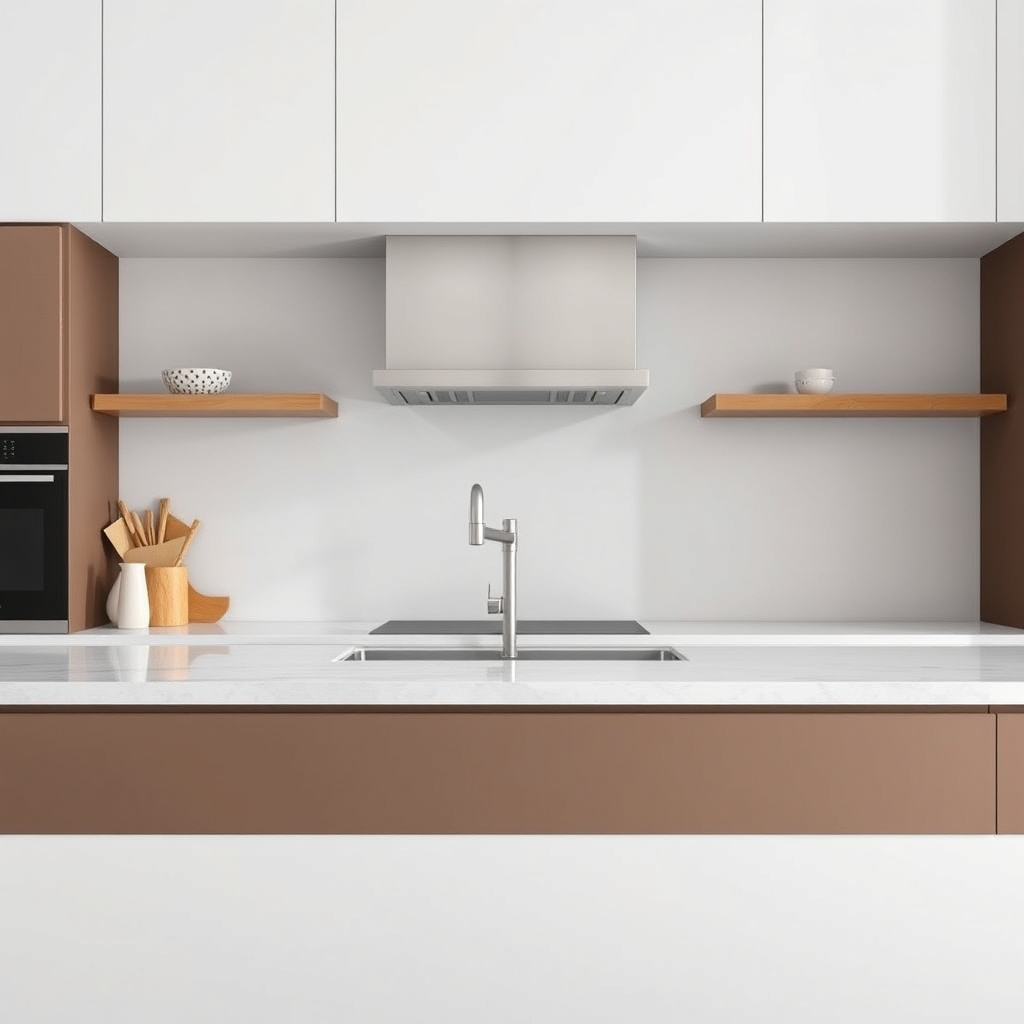
While 36 inches is standard, some kitchens use counters that are shorter or taller depending on specific needs. For example, ADA-compliant counters for wheelchair users are usually lower, about 34 inches, and some taller individuals prefer counters as high as 38-42 inches for better posture.
Specialty counters like kitchen islands or baking stations sometimes feature varied heights to accommodate different tasks or users, such as a lowered section for seated work or a raised bar height for eating or drinks.
- Shorter counters around 30-34 inches for accessibility
- Taller counters 38-42 inches for taller users or standing tasks
- Multi-level counters for task-specific uses
Factors Influencing Kitchen Counter Height
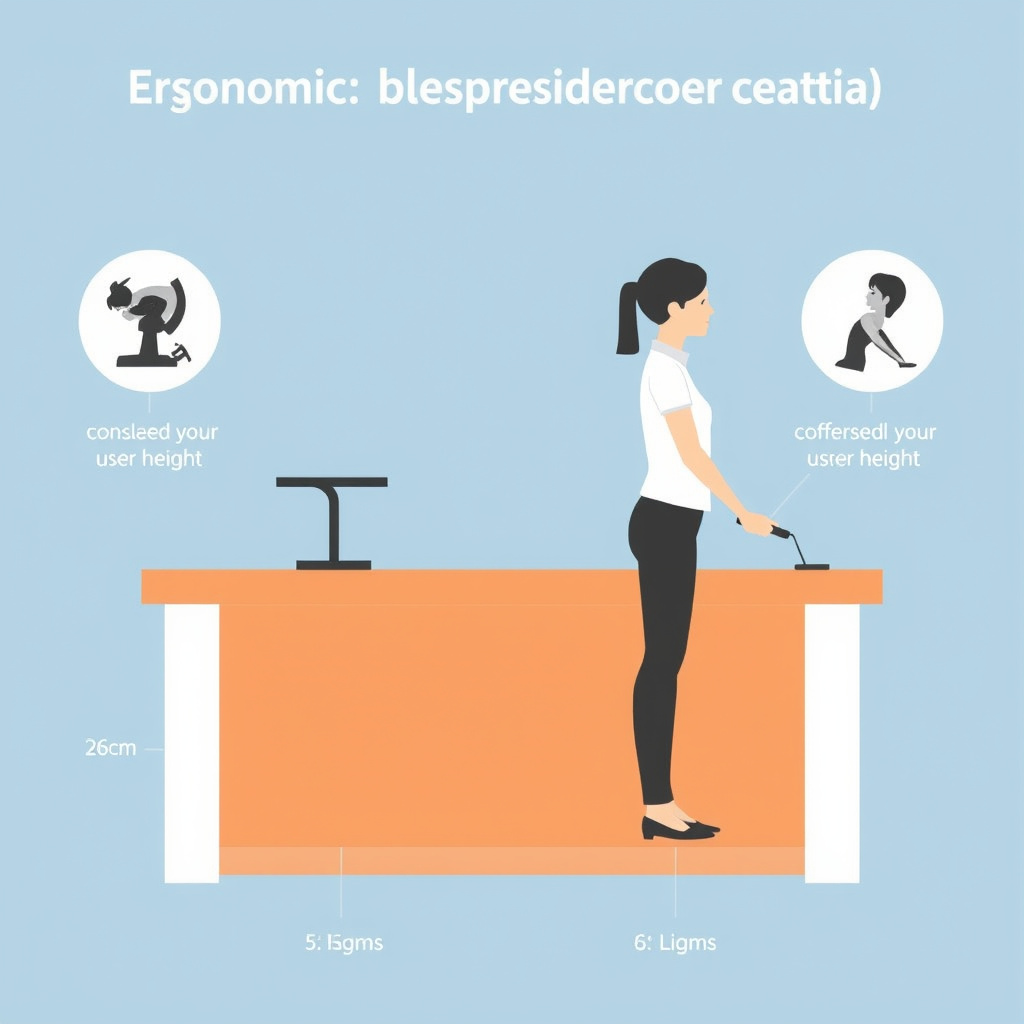
Ergonomics and Comfort in the Kitchen
Working at a kitchen counter of ideal height reduces strain on your shoulders, back, and wrists. Counters set too low force you to bend or hunch, while higher counters can cause arm elevation, leading to fatigue over time.
Ergonomic experts suggest that your counter height should approach the height where your forearms rest parallel to the floor when typing or chopping, which for most adults is near the 36-inch mark, but adjustments can improve comfort for taller or shorter individuals.
- Proper height minimizes muscle strain
- Improves efficiency during meal preparation
- Adjustments help accommodate user height
For more on this, see our related guide: How Tall Are Kitchen Counters? Standard Measurements and Custom Options Explained.
Influence of Kitchen Design and Appliances
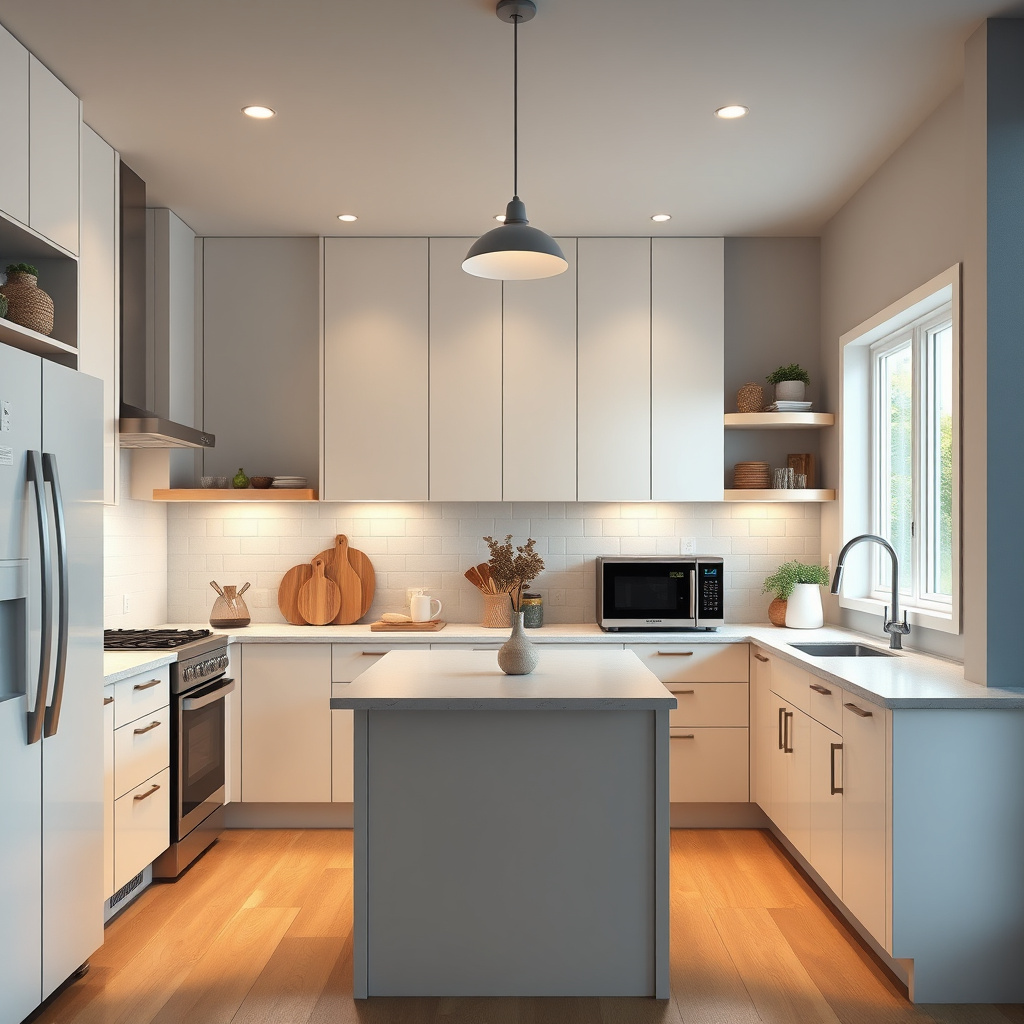
Kitchen design elements like the stove height, cabinet size, and sink depth also affect countertop height choices. Counters should integrate smoothly with appliances and provide enough space for comfortable operation.
For example, ranges and ovens usually match counter height, so aligning counters with these appliances ensures a uniform and functional space. Similarly, deep sinks may require adjustments to countertop height to prevent awkward posture.
- Coordinate height with appliances for workflow
- Use cabinet sizes that complement counter height
- Consider sink depth and placement
Custom Counter Heights for Specific Needs

Counters for Accessibility and Disabled Users
For wheelchair users or those with mobility challenges, countertops are often customized to lower settings between 28 and 34 inches. This modification improves reach and allows comfortable use of the kitchen space without strain or obstruction.
Regulations like ADA set minimum guidelines for counter height, knee clearance, and clear floor space to promote inclusive, accessible kitchen environments tailored to individual physical needs.
- Lower height for seated usability
- Knee space to accommodate wheelchairs
- Compliant with accessibility standards
Height Adjustments for Different Tasks
Specific kitchen tasks benefit from different countertop heights. Baking countertops can be lower to ease rolling dough, while prep areas for chopping might be at standard height. Additionally, breakfast bars or serving counters are often higher, around 42 inches.
Many modern kitchen designs feature multi-level counters or adjustable-height surfaces offering tailored comfort for diverse activities and users in the same kitchen.
- Lower sections for plating or baking
- Raised bars for casual eating
- Adjustable or multi-level counters for flexibility
Materials and Counter Height Considerations
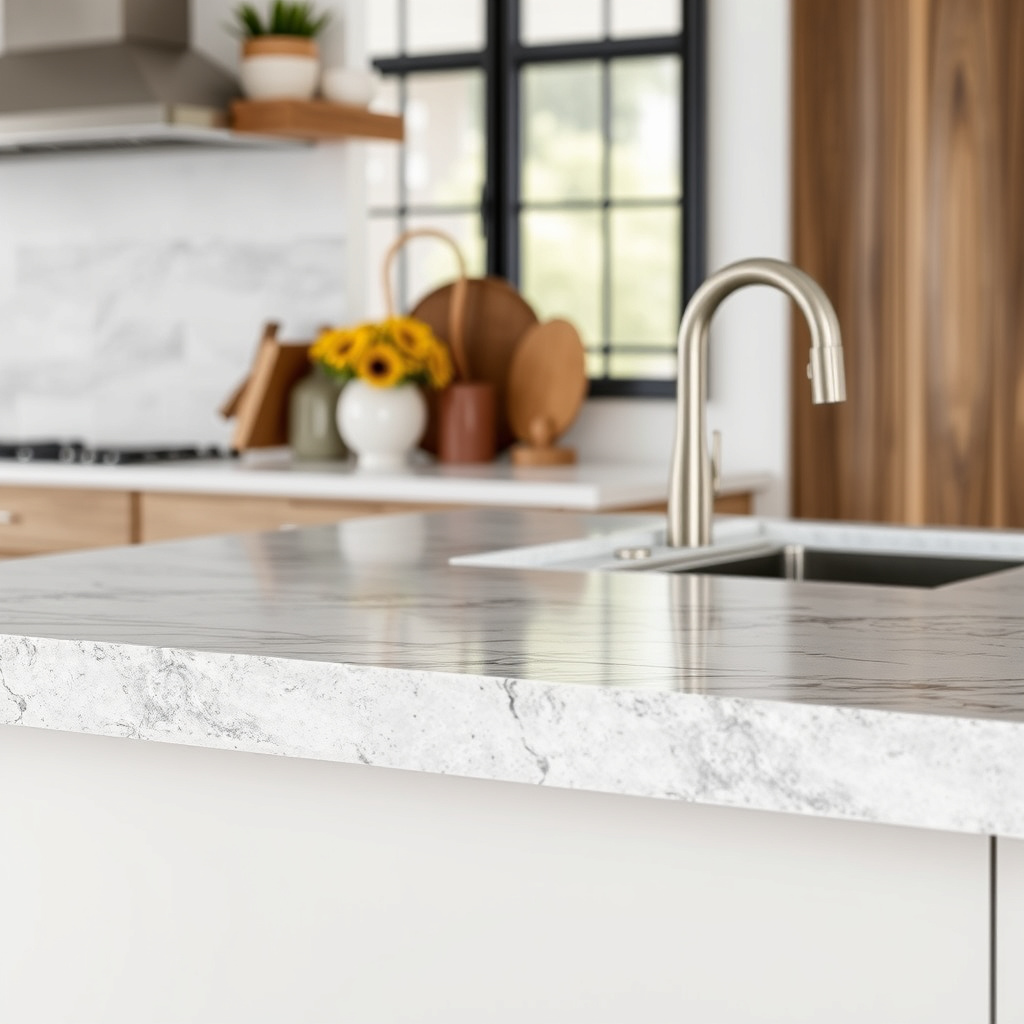
How Material Thickness Affects Counter Height
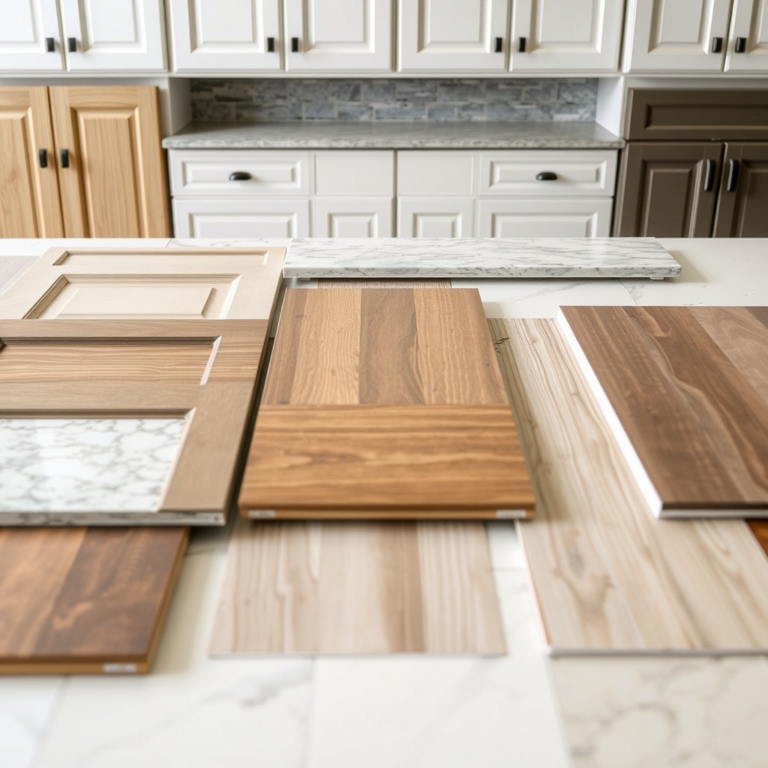
Countertops made from granite, quartz, or butcher block vary in thickness, typically from 1¼ inch to 2 inches thick. The overall height includes this material thickness, so choosing a thicker material means the cabinets beneath might need to be slightly shorter to maintain standard total height.
Designers must account for material thickness when finalizing cabinet height so the finished countertop height matches ergonomic needs precisely, ensuring the surface is neither too high nor too low after installation.
- Thicker materials add to total counter height
- Adjust cabinet height accordingly
- Material choice impacts installation measurements
For more on this, see our related guide: How to Plumb a Kitchen Sink: Step-by-Step Guide for DIY Installation.
Edge Profiles and Height Perception
Countertop edge profiles such as eased, bullnose, or beveled edges can also affect how the final height feels to users. Rounded edges can soften the working surface visually and physically, making counters feel less imposing even if height remains standard.
Some profiles might add slight thickness at edges, changing exact reach distances or height perception, which can be a subtle but important factor in kitchen ergonomics and user comfort.
- Edge thickness can add millimeters to height
- Rounded edges improve comfort
- Profile choice influences kitchen style
Trends and Future Changes in Kitchen Counter Heights
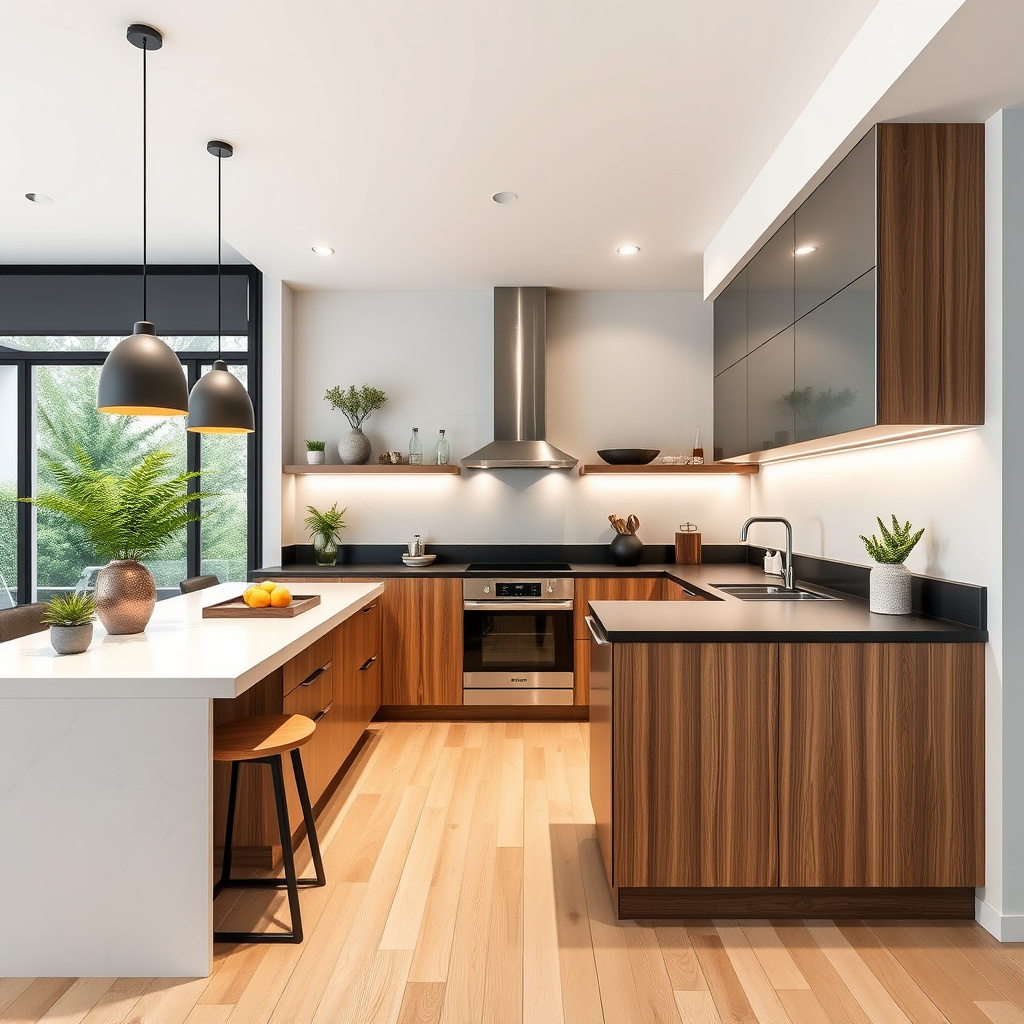
Rising Popularity of Multi-Level Counters
Modern kitchens increasingly feature multi-level countertops to serve multiple functions simultaneously. This trend allows separate heights for food prep, dining, and even workspace needs, reflecting more personalized and flexible kitchen use.
Multi-height counters can better accommodate the preferences of different household members, combining the standard counter height with raised breakfast bars or lowered workstations for specific tasks.
- Separate zones for prep and socializing
- Balances comfort for diverse users
- Adds visual interest and style
For a detailed overview of countertop dimensions and standards, see this resource on countertop height standards. Countertop height standards.
Innovations in Adjustable Height Countertops
New products on the market now offer adjustable height countertops using manual or electric mechanisms. This innovation responds to individual ergonomic preferences and diverse user needs, allowing one kitchen space to truly adapt to all.
Adjustable counters enable smooth transitions between sitting and standing tasks, improving comfort and potentially reducing fatigue during long cooking sessions or multi-tasking in the kitchen.
- Electric and manual adjustable options
- Supports sitting and standing positions
- Ideal for shared or flexible kitchen spaces
Kitchen Counter Height Category Comparison
Compare typical kitchen counter height categories, their recommended uses, and ergonomic considerations in this concise reference table.
| Counter Height | Typical User Height | Common Use Cases | Ergonomic Notes |
|---|---|---|---|
| 30-34 inches | Shorter adults, wheelchair users | Accessible counters, ADA compliant kitchens | Promotes seated use, requires knee clearance |
| 36 inches (standard) | Average adults (5’4” to 5’10”) | General food prep, cooking, baking | Balanced ergonomics for standing tasks |
| 38-42 inches | Taller adults or bar counters | Baking stations, bar seating | Requires arm elevation, better for taller users |
| Multi-level | Varied household members | Combination of tasks, social dining | Adapts to different tasks and postures |
| Adjustable height | Wide range, including seniors | Flexible task usage, sitting/standing | Customizable ergonomics reduces fatigue |
Frequently Asked Questions
What is the standard height for kitchen counters?
Standard kitchen counters are typically 36 inches tall, which suits most adults for comfortable food preparation and cooking tasks.
Can kitchen counters be customized to different heights?
Yes, kitchen counters can be customized to shorter or taller heights based on user needs or design preferences, such as ADA compliant counters or multi-level surfaces.
How does counter height affect kitchen ergonomics?
The right counter height reduces strain on the back and shoulders during kitchen work by aligning with natural arm position, improving comfort and efficiency.
Are there adjustable kitchen countertops available?
Adjustable height countertops exist with electric or manual mechanisms, allowing users to switch between sitting and standing work heights for better ergonomics.
Does countertop material impact the final counter height?
Yes, thicker countertop materials add to the total height, so cabinet height is adjusted accordingly to maintain ergonomic surface levels.
Key Takeaways
- Standard kitchen counters are typically 36 inches tall for average adult comfort.
- Counter height should suit the user’s height and kitchen tasks to reduce strain.
- Custom and multi-level counters improve functionality for diverse needs.
- Counter material thickness affects the final countertop height and installation.
Conclusion
Determining the proper kitchen counter height is a balance between general standards and personal comfort. While 36 inches fits most adults for common kitchen tasks, individual height, mobility, and specific use cases can justify variations. Ergonomics in kitchen design enhance posture and reduce fatigue, making the kitchen a more pleasant workspace.
For households with varied height users or special needs, customizing counter heights or incorporating multi-level surfaces offers improved functionality. Incorporating adjustable height countertops further accommodates diverse tasks, from baking to casual dining. Awareness of countertop materials and appliance integration ensures your chosen height works well in the overall kitchen scheme.
If you’re remodeling or designing a new kitchen, consider your household’s primary users and cooking habits. Measure your preferred working height by noting forearm position for standing tasks, and discuss options like ADA-compliant heights or adjustable counters with your designer or contractor. This approach will help you create a kitchen that feels natural and comfortable every time you use it.