How to Clean Kitchen Sink Drain: Easy and Effective Methods
Cleaning your kitchen sink drain is essential when you notice slow draining water, unpleasant odors, or minor clogs. The most effective way to clean a kitchen sink drain involves a combination of manual debris removal, using safe natural cleaners like baking soda and vinegar, and flushing with hot water. This method helps break down grease and food buildup, restoring proper flow and freshness.
Kitchens are prone to accumulating bits of food, grease, and soap residues that can clog drains over time and cause stubborn odors. Regular cleaning of the kitchen sink drain not only prevents blockages but also reduces the likelihood of pest problems and unpleasant smells that can affect your cooking and dining experience.
This article covers several practical approaches to clean your kitchen sink drain, from simple homemade solutions to when and how to use commercial products or mechanical tools. We'll explore preventative maintenance tips and compare methods so you can decide which fits your needs best.
Understanding Kitchen Sink Drain Issues
Common Causes of Drain Clogs
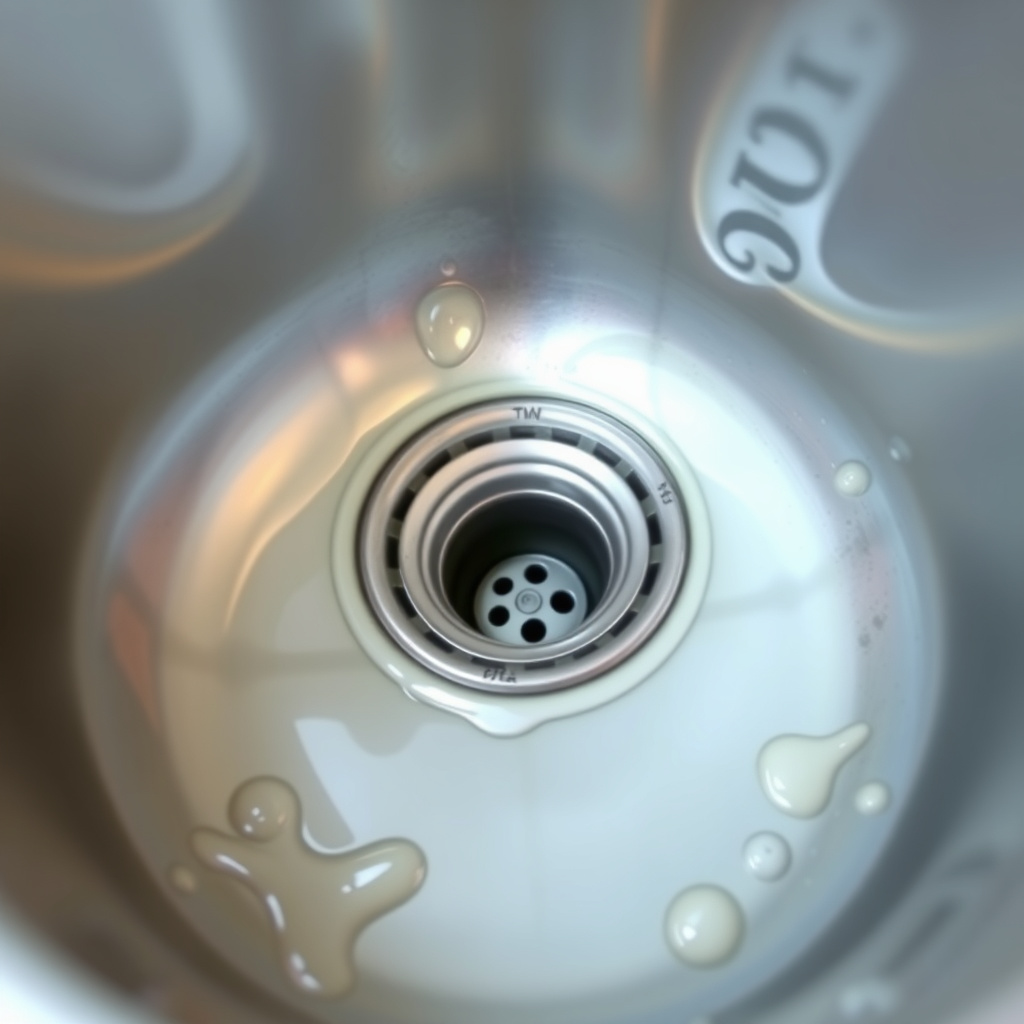
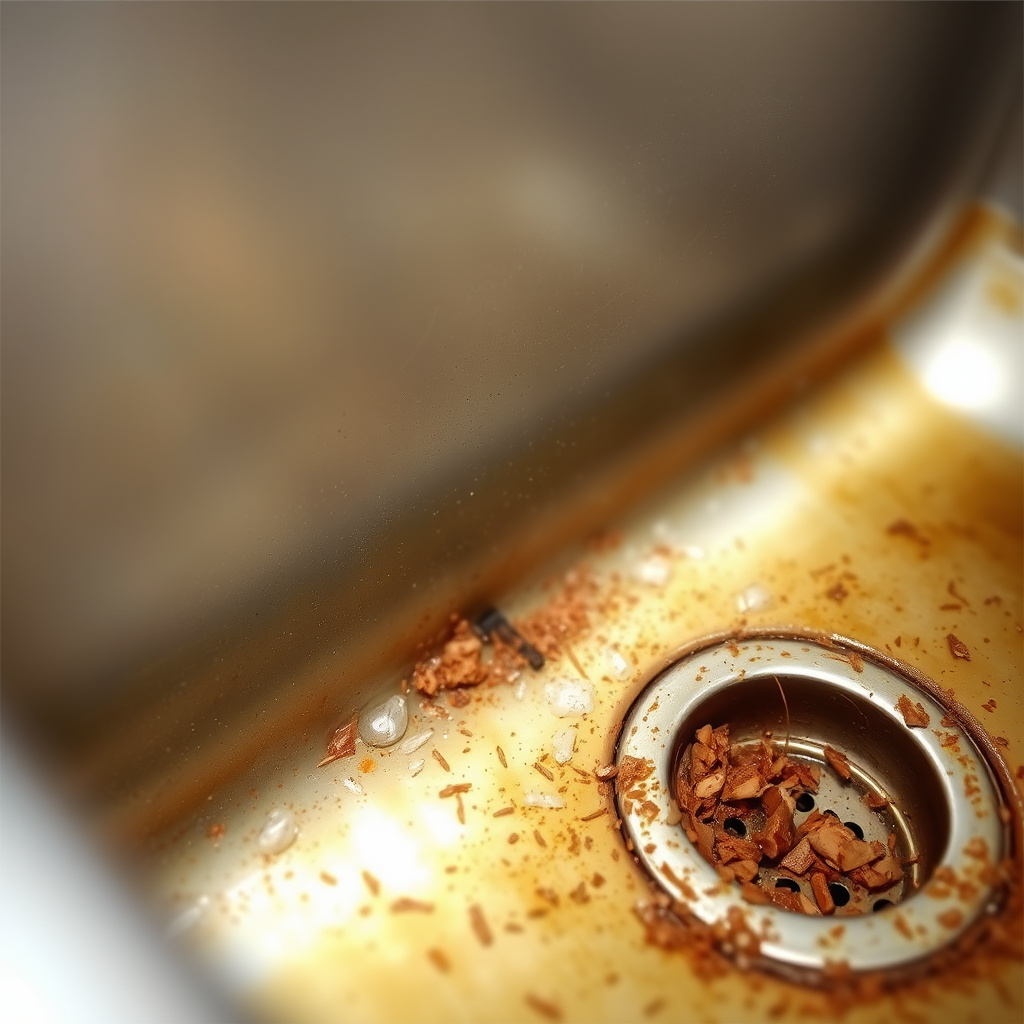
Kitchen sink drains typically clog due to the accumulation of food scraps, fats, oils, and grease that solidify inside the pipe walls. Coffee grounds, eggshells, and fibrous vegetables can also get trapped and reduce water flow. Over time, these materials form blockages that slow drainage and cause water backups.
Soap scum and mineral deposits from hard water can also build up, narrowing the pipes further. Left untreated, these issues can lead to persistent foul odors caused by bacterial growth in stagnant water and debris.
Signs It's Time to Clean Your Sink Drain
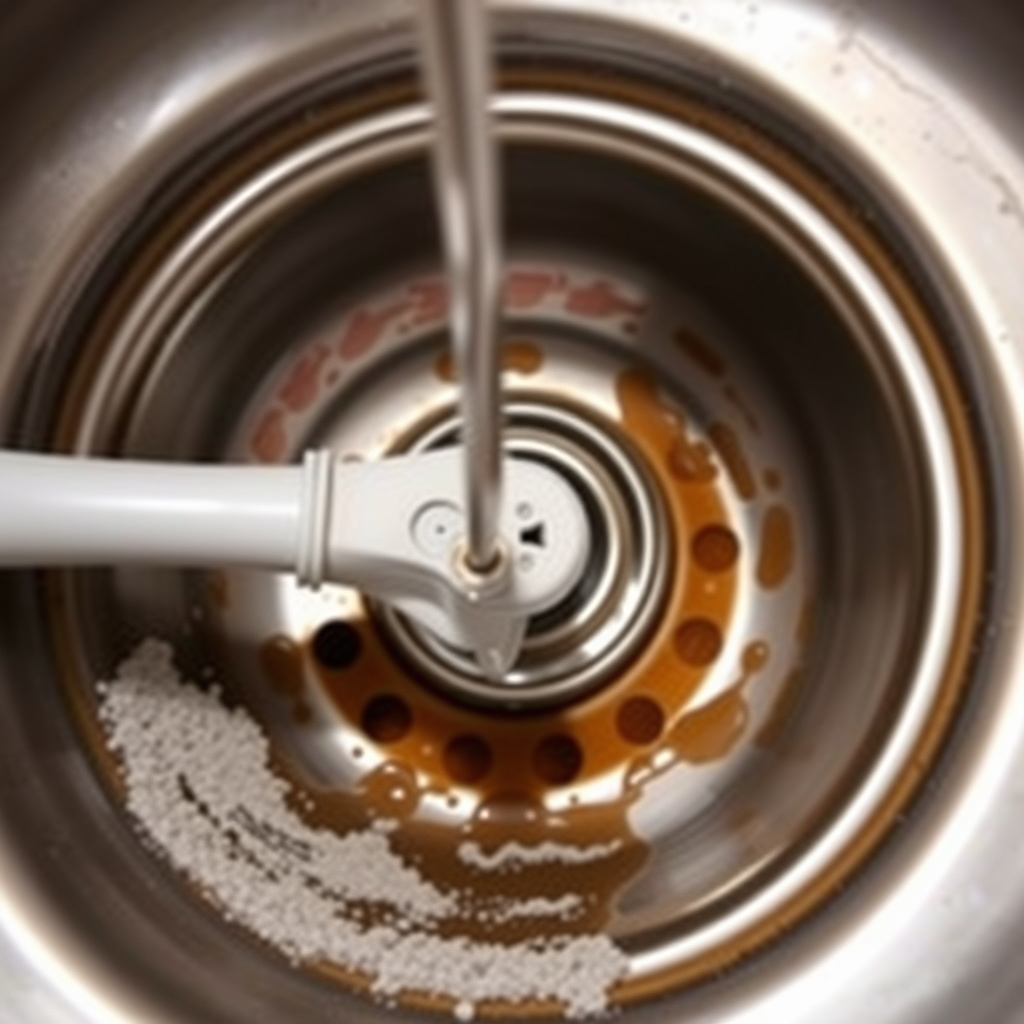
Indicators you should clean your kitchen sink drain include slow draining water pooling in the basin, gurgling noises, or unpleasant smells near the drain opening. If you start noticing frequent backups during dishwashing or food preparation, it’s likely the drain pipe needs attention.
Ignoring these signs can lead to full drain blockages requiring professional plumbing. Early cleaning helps maintain flow efficiency and prolongs the lifespan of your drainage system.
DIY Methods to Clean Kitchen Sink Drain
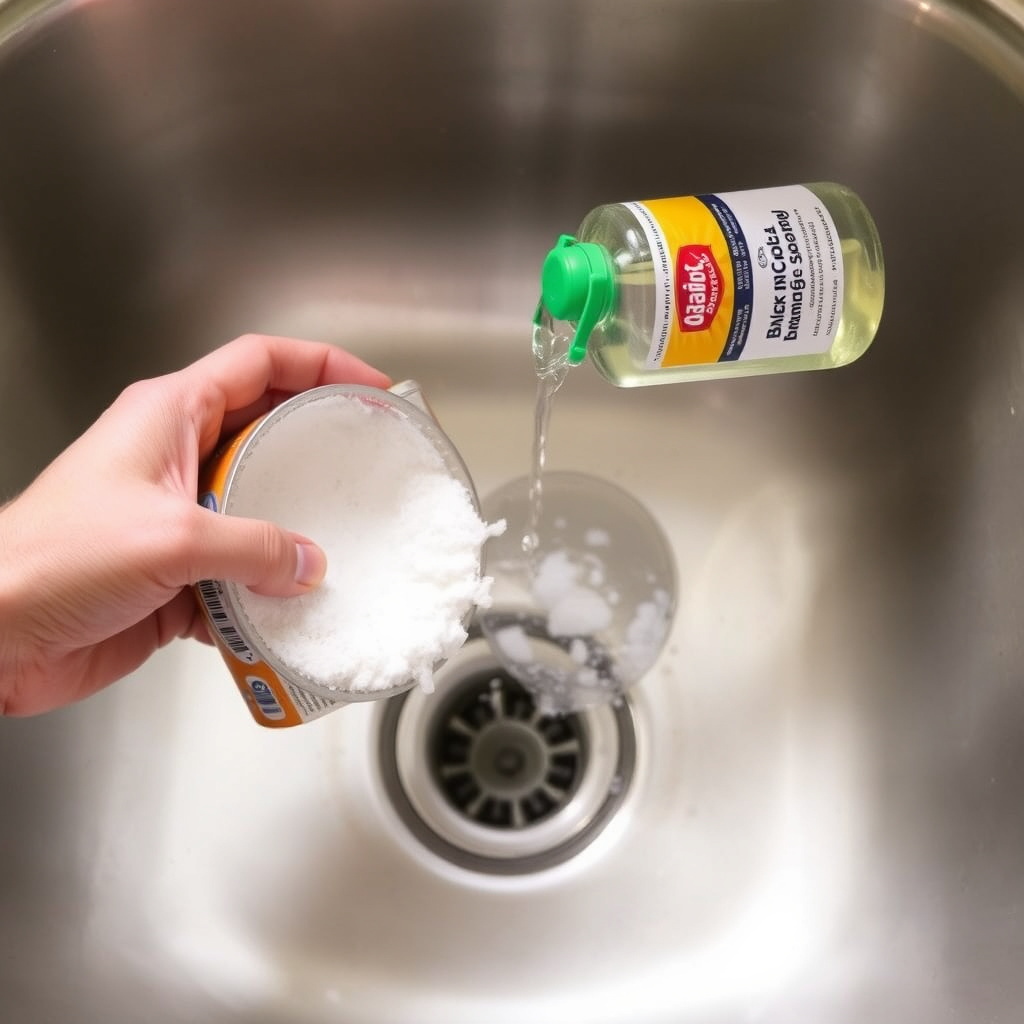
Using Baking Soda and Vinegar
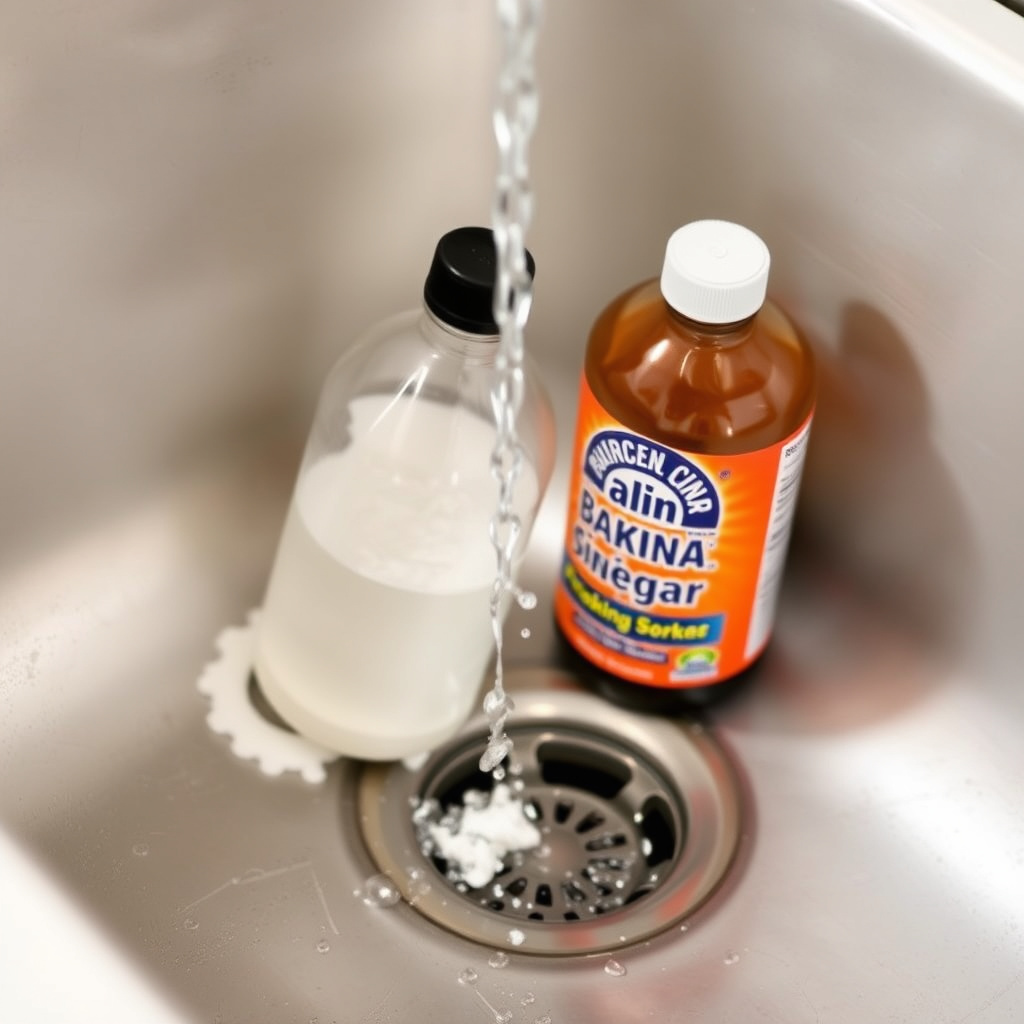
A popular natural cleaning technique involves first pouring half a cup of baking soda directly into the drain, followed by half a cup of white vinegar. This combination creates a fizzy reaction that loosens grime and breaks down minor blockages.
Let the mixture sit for 15 to 30 minutes, then flush the drain with boiling water. This process helps clear out debris and deodorizes the pipe without harsh chemicals.
- Pour baking soda into drain
- Add vinegar and wait for fizzing
- Flush with boiling water
Manual Debris Removal
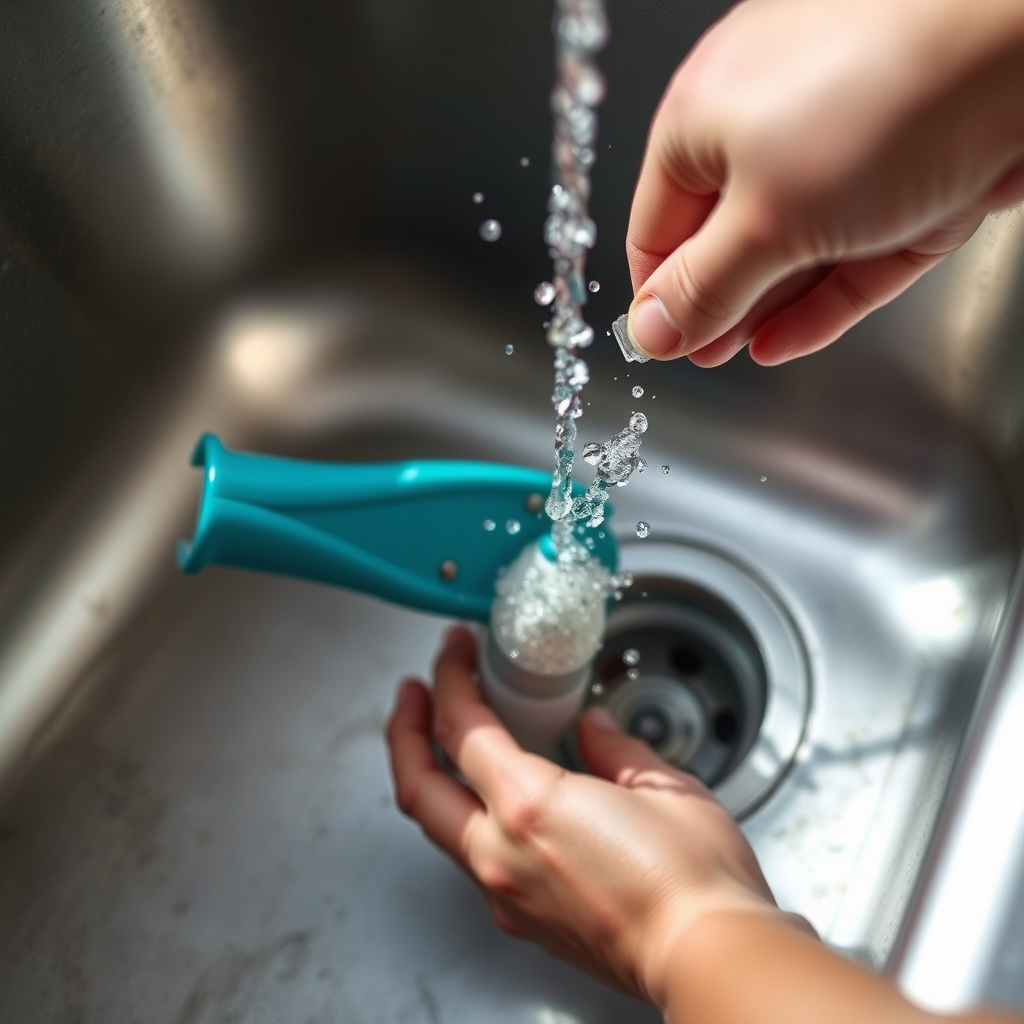
Sometimes a drain needs physical cleaning. Use a drain snake or a bent wire hanger to carefully remove trapped food particles or debris near the sink basket. Always wear gloves and avoid pushing debris further down the pipes.
Removing the sink stopper and cleaning any visible gunk around the basket and pipe opening can also help improve flow and reduce odors.
Using Commercial Products Safely
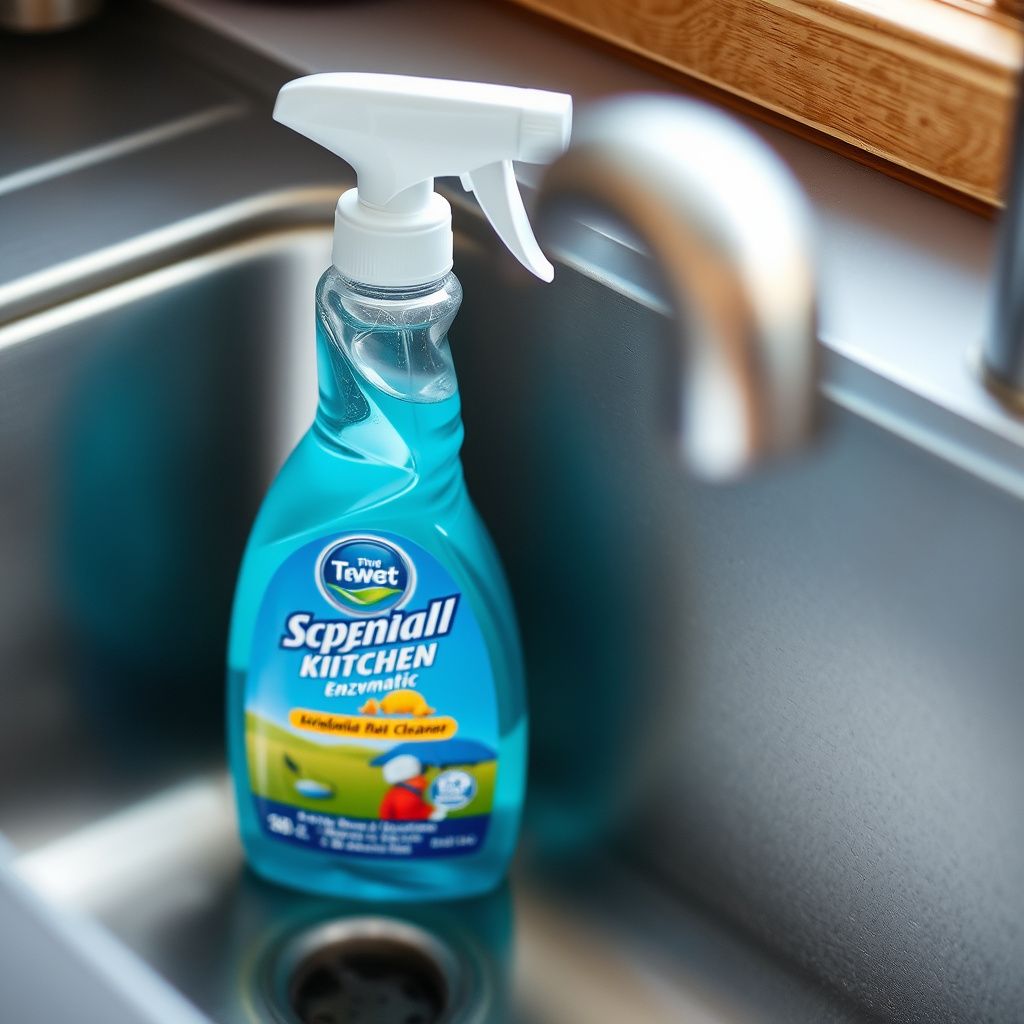
Choosing Enzymatic and Non-Corrosive Cleaners

Enzymatic drain cleaners contain bacteria or enzymes that digest organic matter in drains without damaging plumbing. These are safer alternatives to harsh chemical cleaners and work well for maintenance cleaning.
Select products labeled safe for kitchen sinks and septic systems, and always follow manufacturer's instructions for application frequency and quantity.
- Environmentally friendly options
- Non-damaging to pipes
- Regular maintenance use
For more on this, see our related guide: How to Get Rid of Gnats in Kitchen: Effective Strategies That Work.
When to Use Chemical Drain Cleaners

Chemical drain cleaners can dissolve tough clogs quickly but use them sparingly as they may corrode pipes and harm septic systems. Reserve chemical cleaners for severe blockages that do not respond to natural methods or manual cleaning.
Proper ventilation and protective wear are essential when using these products to avoid respiratory or skin irritation.
Preventative Tips to Keep Kitchen Sink Drains Clean
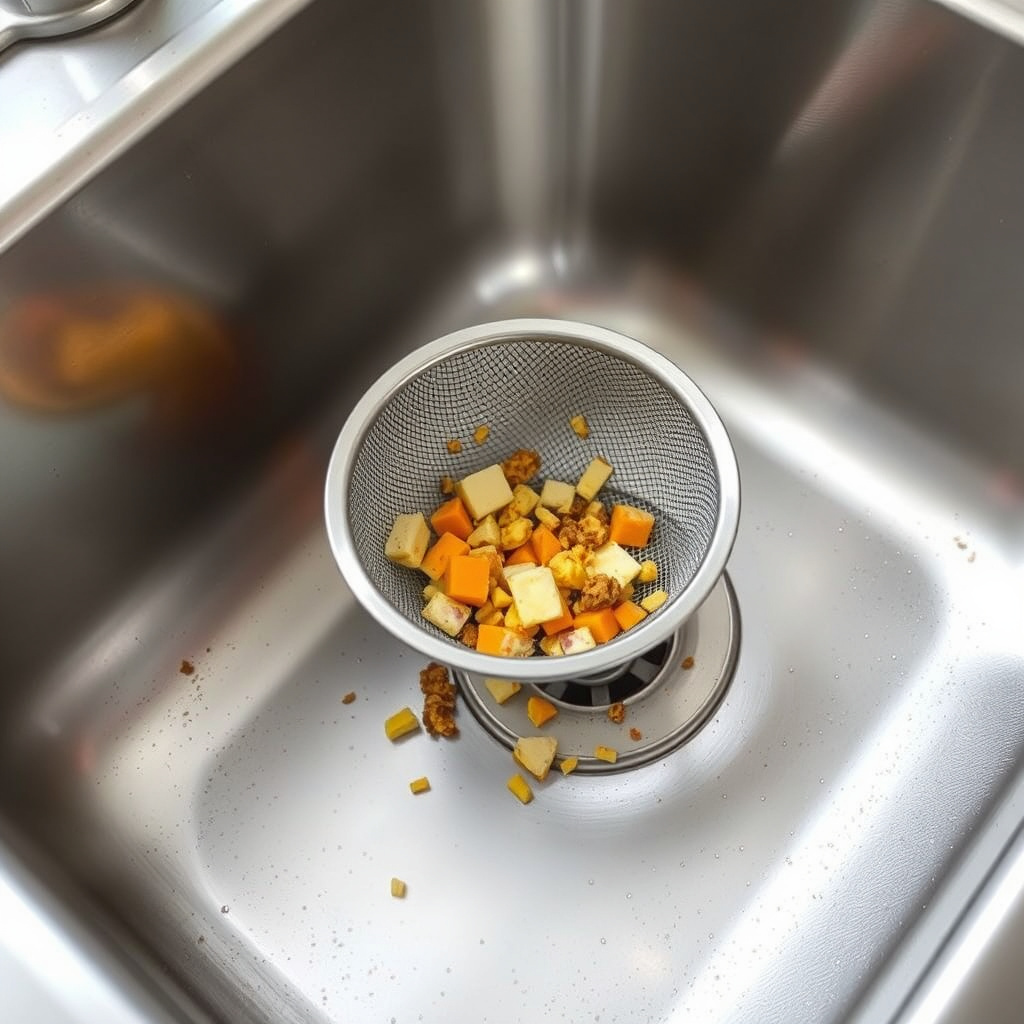
Use a Drain Strainer or Screen
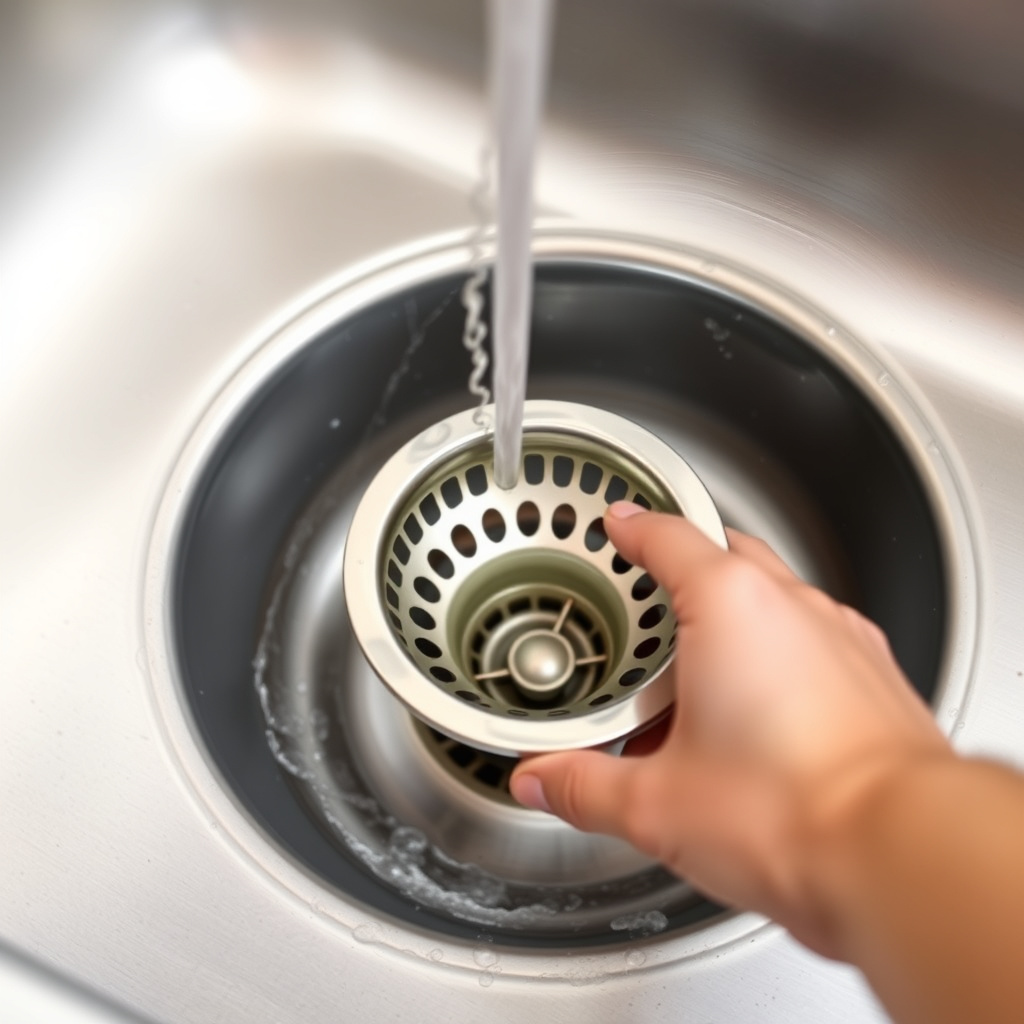
Placing a mesh strainer over your sink drain catches food scraps, preventing them from entering the pipes. This simple tool drastically reduces clog risks and is easy to empty and clean regularly.
Drain strainers come in various sizes and materials; choose one that fits snugly to avoid debris bypass.
- Prevents food particle buildup
- Easy to clean
- Inexpensive and reusable
Avoid Pouring Grease or Coffee Grounds Into the Sink
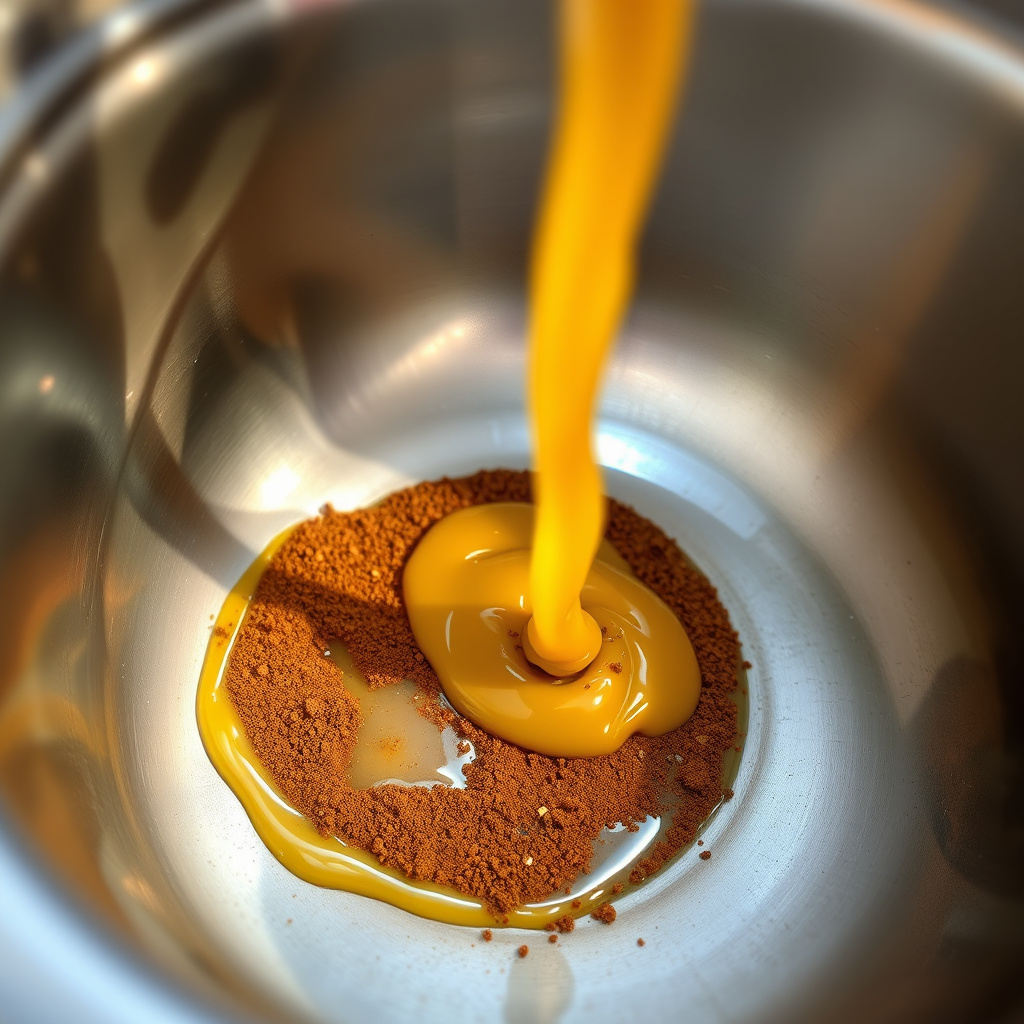
Grease and coffee grounds solidify in pipes, forming hard blockages over time. Instead, dispose of cooking grease in containers and throw coffee grounds in the compost or trash.
Minimal grease residuals can be wiped with paper towels before washing dishes to reduce oily build-up.
Mechanical Tools for Drain Cleaning
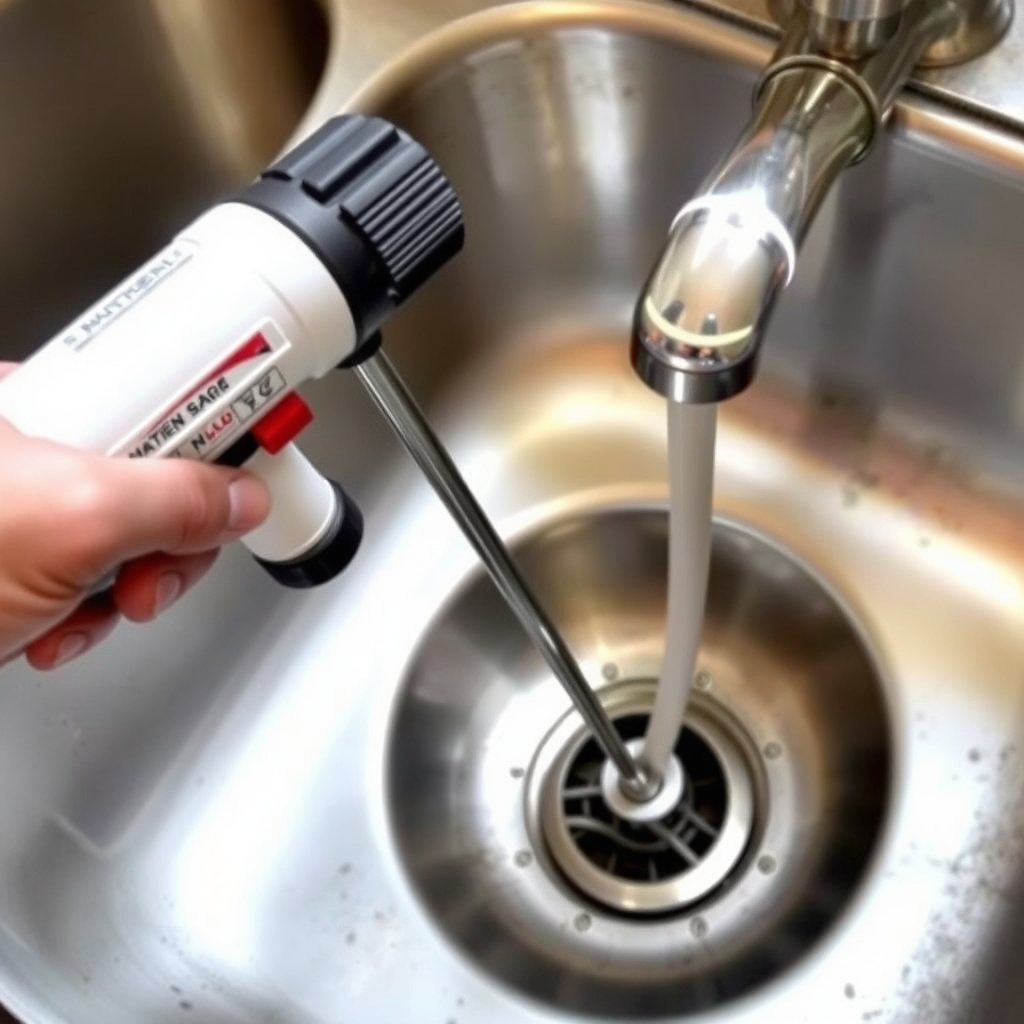
Using a Drain Snake or Auger
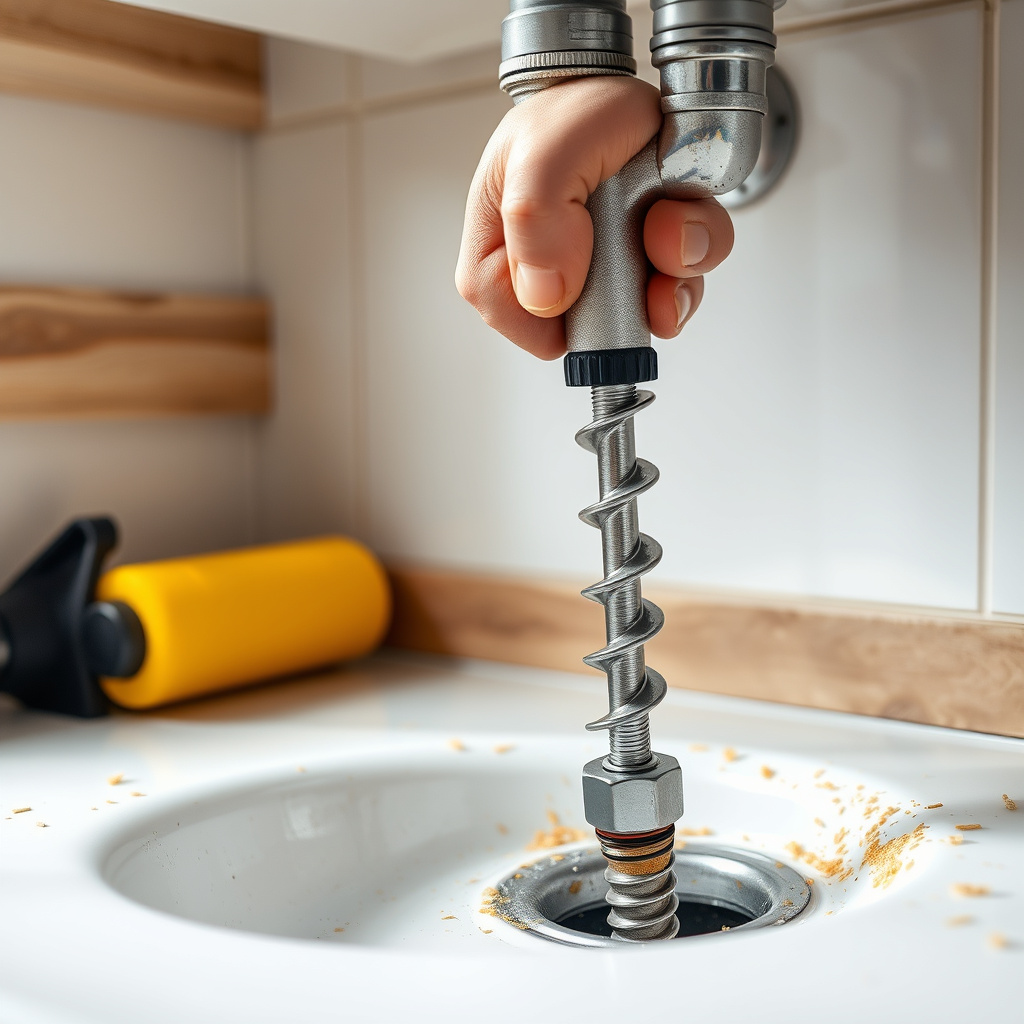
A drain snake is a flexible tool designed to reach deep clogs by breaking up or pulling out debris that manual removal cannot reach. It is especially helpful in kitchen sinks where food particles lodge deeply.
Insert the snake carefully into the drain, rotating it while pushing forward. Pull it out slowly to extract debris. This method requires patience but effectively clears stubborn blockages.
- Flexible and maneuverable
- Reaches deep blockages
- No chemicals required
For more on this, see our related guide: How to Replace a Kitchen Faucet: A Step-by-Step Guide.
Using a Plunger
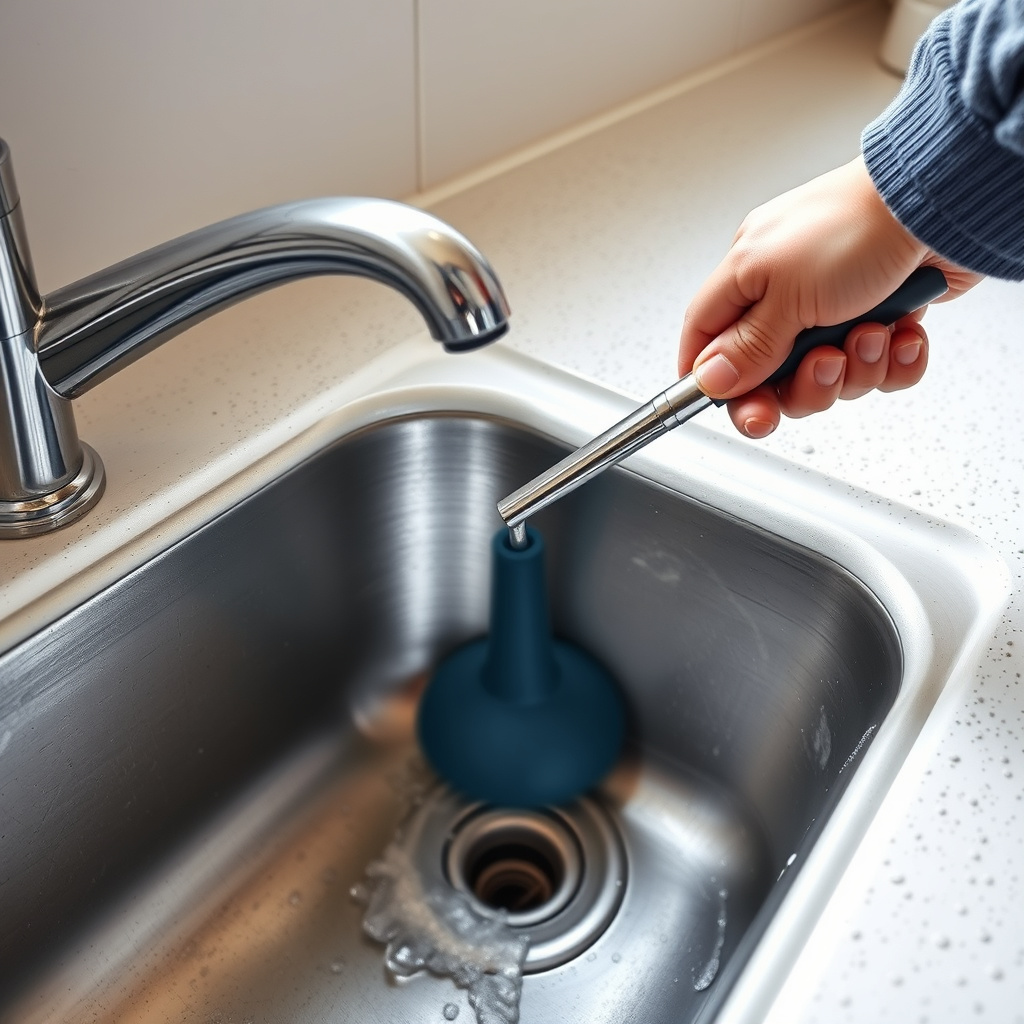
A kitchen sink plunger can dislodge minor clogs by creating suction and pressure inside the drain pipes. Use a cup plunger with a flat bottom for best results, covering the overflow hole with a wet cloth to maximize force.
Several vigorous pumps followed by a water flush usually clear partial blockages quickly.
- Simple and effective for minor clogs
- Requires no chemicals
- Can be combined with other methods
When to Call a Professional Plumber

Signs You Need Expert Help

If your kitchen sink drain remains clogged despite repeated cleaning efforts, or if you detect leaking pipes, foul odors persisting, or slow drainage affecting multiple fixtures, it’s time to seek professional advice.
Complex issues like pipe damage, deep grease buildup, or tree root intrusion require tools and expertise beyond home remedies.
For more insights on maintaining your kitchen drain and septic system, you can consult the EPA's guide on drainfield and septic system care. Kitchen drain maintenance tips.
What to Expect from a Plumbing Service

Professional plumbers use advanced drain cameras, high-pressure water jets, and industrial-grade augers to clear blockages thoroughly. They can also inspect and repair damaged pipes, replace deteriorated parts, and advise on preventive maintenance.
Timely intervention by an expert can save costly repairs and maintain your kitchen’s plumbing health long-term.
Kitchen Sink Drain Cleaning Methods Comparison
Here is a comparison of popular kitchen sink drain cleaning methods based on effectiveness, cost, safety, and ease of use.
| Method | Effectiveness | Cost | Safety | Ease of Use |
|---|---|---|---|---|
| Baking Soda and Vinegar | Moderate for minor clogs | Very low | Very safe | Easy |
| Manual Debris Removal | High for accessible clogs | Low (tool purchase) | Safe with gloves | Moderate |
| Enzymatic Cleaners | Good for maintenance | Moderate | Safe | Easy |
| Chemical Cleaners | High for severe clogs | Moderate | Hazardous | Easy but needs caution |
| Drain Snake | High for tough blockages | Low to moderate | Safe | Requires skill |
| Plunger | Moderate for partial blockages | Low | Safe | Easy |
Frequently Asked Questions
Can I use bleach to clean my kitchen sink drain?
Using bleach occasionally can disinfect your kitchen sink drain but it doesn’t clear clogs effectively and may damage pipes or septic systems if used excessively. Natural cleaners or enzymatic products are preferable for regular drain cleaning.
How often should I clean my kitchen sink drain?
Cleaning your kitchen sink drain monthly helps prevent buildup and odors. For households with heavy cooking, biweekly maintenance is beneficial to keep drains flowing smoothly.
Is boiling water safe for all kitchen sink drains?
Boiling water is safe for most metal and PVC sink drains and helps dissolve grease buildup. Avoid using it on older or damaged pipes as the heat may cause cracks or leaks.
What household items can prevent kitchen sink clogs?
Using a drain strainer to catch food debris and avoiding pouring grease or coffee grounds down the drain helps prevent clogs. Regularly flushing the drain with hot water or baking soda and vinegar maintains pipe cleanliness.
Will enzymatic drain cleaners work on grease buildup?
Yes, enzymatic cleaners effectively break down grease and organic matter over time. They’re best for routine maintenance rather than immediate clog removal.
Key Takeaways
- Natural solutions like baking soda and vinegar safely clean minor kitchen sink drain clogs.
- Physical removal of debris and drain strainers prevent buildup and odors.
- Use enzymatic cleaners for regular maintenance and chemical cleaners only for stubborn blockages.
- Mechanical tools such as drain snakes and plungers provide effective clog removal when used carefully.
Conclusion
Choosing the right approach to clean your kitchen sink drain involves understanding the nature of the clog and the condition of your plumbing. For minor food debris and grease buildup, natural remedies like baking soda and vinegar offer a gentle yet effective solution that also deodorizes the pipes. Manual cleaning paired with regular use of a drain strainer greatly reduces future blockages. Meanwhile, mechanical tools or enzymatic cleaners provide deeper cleaning without the risks of harsh chemicals. Knowing when a clog requires professional intervention ensures you avoid long-term damage and costly repairs.
For most households, maintaining a routine that includes monthly natural cleaning and debris removal is sufficient. If you face persistent slow drainage or foul odors, employing a drain snake or enzymatic cleaner can restore flow efficiently. Chemical drain cleaners should be reserved for stubborn clogs and used with care. When repair or inspection is needed, a licensed plumber can identify hidden problems before they escalate. This tailored combination of preventive and active methods keeps your kitchen sink drain flowing reliably and hygienically.
Ultimately, the best way to clean kitchen sink drain depends on your specific situation and preferences. Start with simple homemade techniques, incorporate practical preventive measures like strainers, and escalate to more intensive methods only if necessary. Keeping an eye out for early warning signs and addressing them promptly saves you time and stress. Take these steps and enjoy a clean, functional kitchen sink that supports your daily activities without plumbing headaches.