How to Clean Kitchen Cabinets: A Step-by-Step Guide for Sparkling Results
Cleaning kitchen cabinets is straightforward if you approach it methodically with the right tools. The core steps involve removing dirt and grease, using appropriate cleaning solutions based on the cabinet material, and then drying and polishing them for a refreshed look. This process helps maintain your kitchen's appearance and prolongs cabinet lifespan.
Kitchen cabinets collect grease, food splatters, and dust regularly, which can dull their finish and degrade the surface over time. Addressing these residues with suitable cleaners prevents buildup without harming delicate wood or laminate surfaces. This matters especially in busy kitchens where hygiene and aesthetics both play roles in daily comfort.
In this guide, we’ll detail the types of kitchen cabinet materials, recommend cleaners and tools, and outline practical methods for regular and deep cleaning. You’ll also find tips on tackling stubborn stains and advice on maintaining cabinets between thorough cleanings.
Identifying Your Kitchen Cabinets’ Material

Solid Wood Cabinets
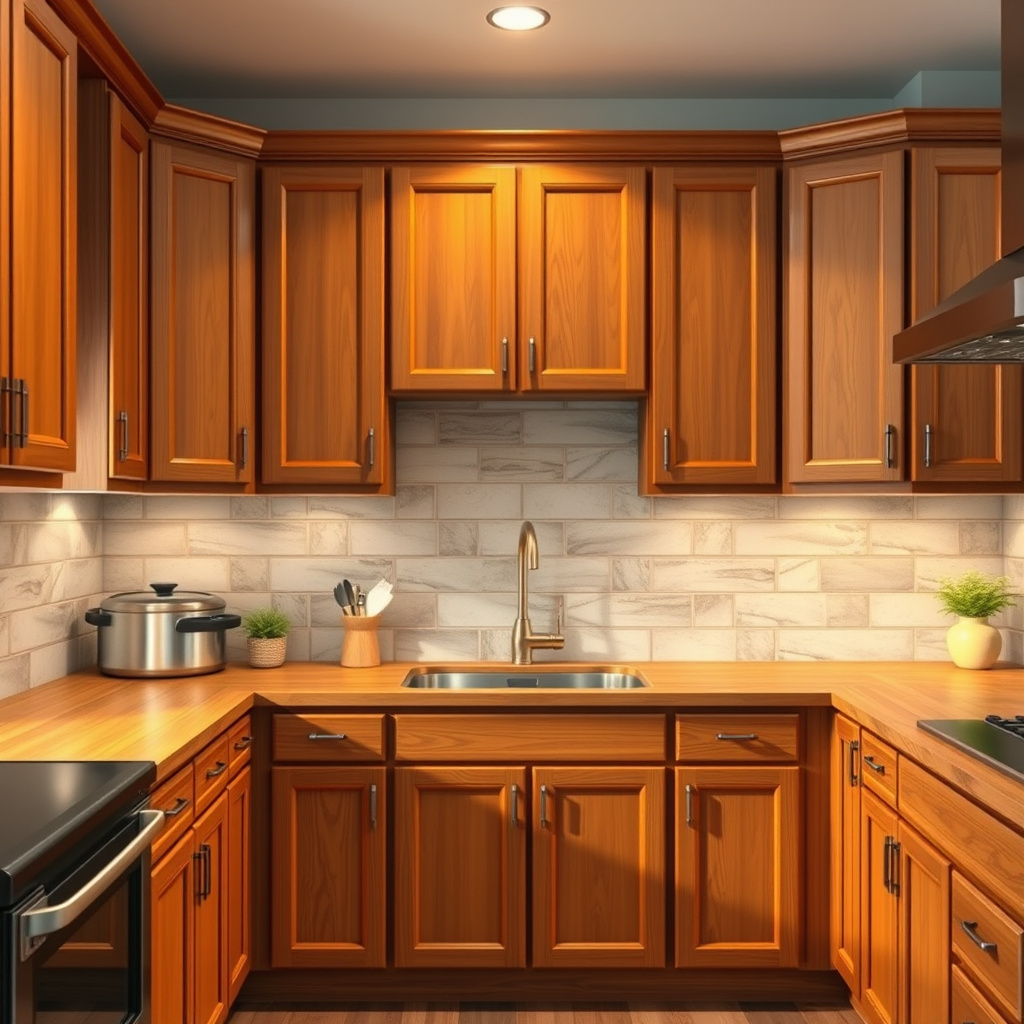
Solid wood cabinets are prized for their durability and classic look. They require gentle cleaning products that protect wood finishes to prevent damage or discoloration. Avoid harsh chemicals and excessive water exposure to maintain the wood’s integrity.
Understanding the type of wood finish—whether it's lacquer, varnish, or oil-based—guides which cleaners are safe to use. For example, oil-based finishes benefit from mild soap solutions, while lacquered surfaces might need less moisture-intensive methods.
Laminate and Veneer Cabinets

Laminate cabinets consist of a thin decorative layer over pressed wood or particleboard. These tend to be more water-resistant but can be scratched easily if abrasive tools are used. Vinegar-based solutions or all-purpose cleaners often work well.
Veneer cabinets feature a thin slice of wood glued onto the surface, combining the look of wood with easier maintenance. Cleaning should focus on avoiding excess moisture to prevent peeling and using gentle soft cloths or sponges.
Choosing the Best Cleaner for Kitchen Cabinets
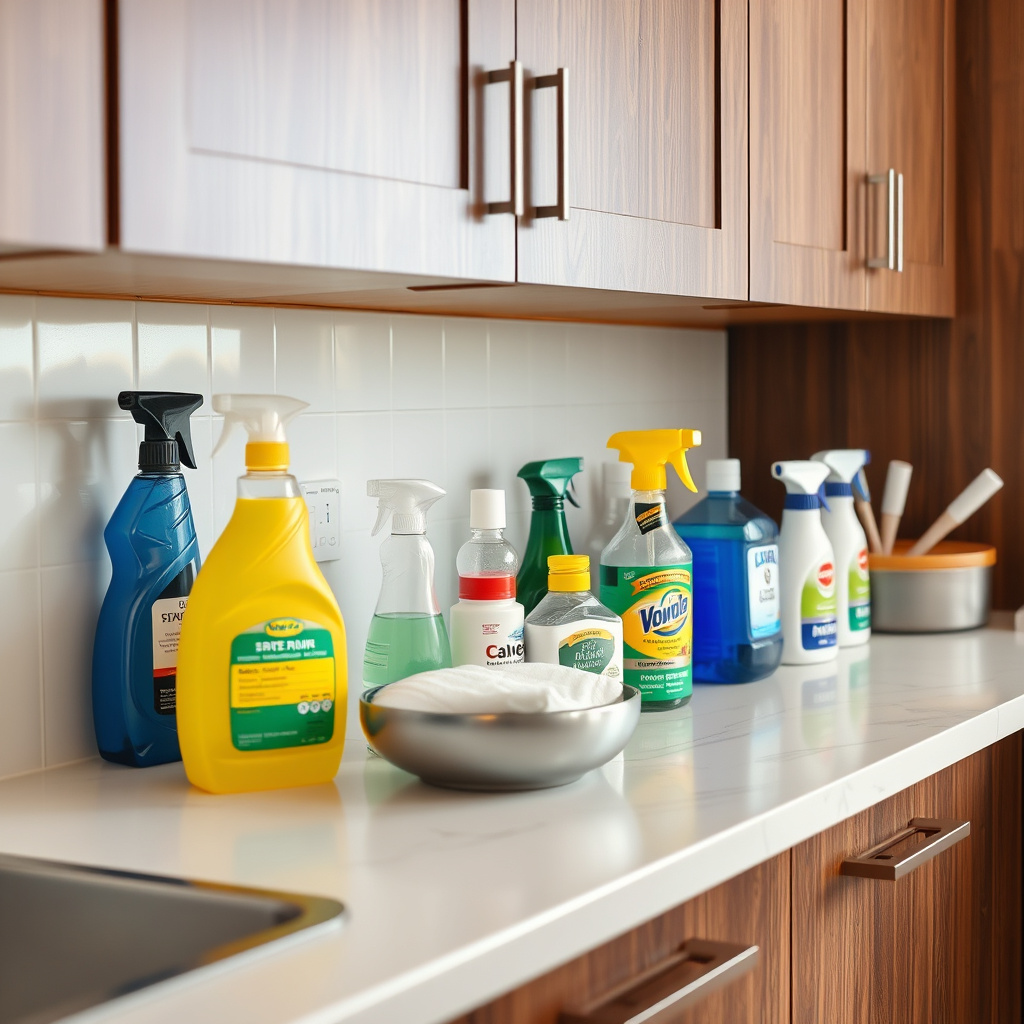
Homemade Cleaning Solutions
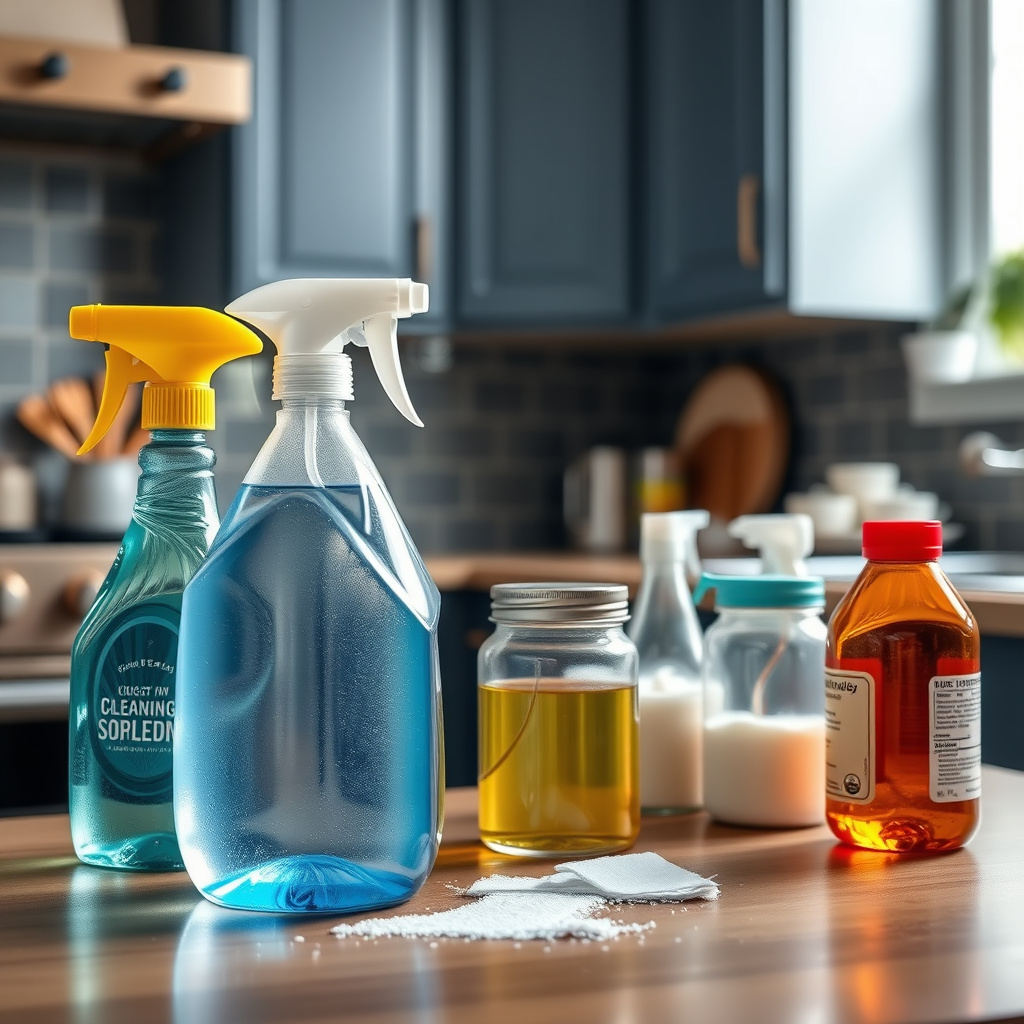
A simple mixture of warm water, mild dish soap, and a few drops of vinegar offers an effective way to remove grease without harsh chemicals. This is safe for most kitchen cabinet types.
For tougher stains, baking soda paste can be applied gently with a microfiber cloth as a mild abrasive that lifts grime without scratching surfaces.
- Warm water and mild dish soap
- White vinegar diluted with water
- Baking soda paste for stubborn spots
Commercial Cleaners

Many brands produce cleaners specifically formulated for kitchen cabinetry. Look for pH-neutral, grease-cutting formulas free of ammonia or bleach, which can damage paint or wood finishes.
Test any commercial cleaner on a hidden area first to check compatibility. Some popular options include wood-specific sprays, biodegradable sprays for laminates, and gentle all-purpose kitchen cleaners.
- pH-neutral wood cleaners
- Grease-cutting kitchen sprays
- Biodegradable multi-surface cleaners
Practical Steps to Clean Kitchen Cabinets
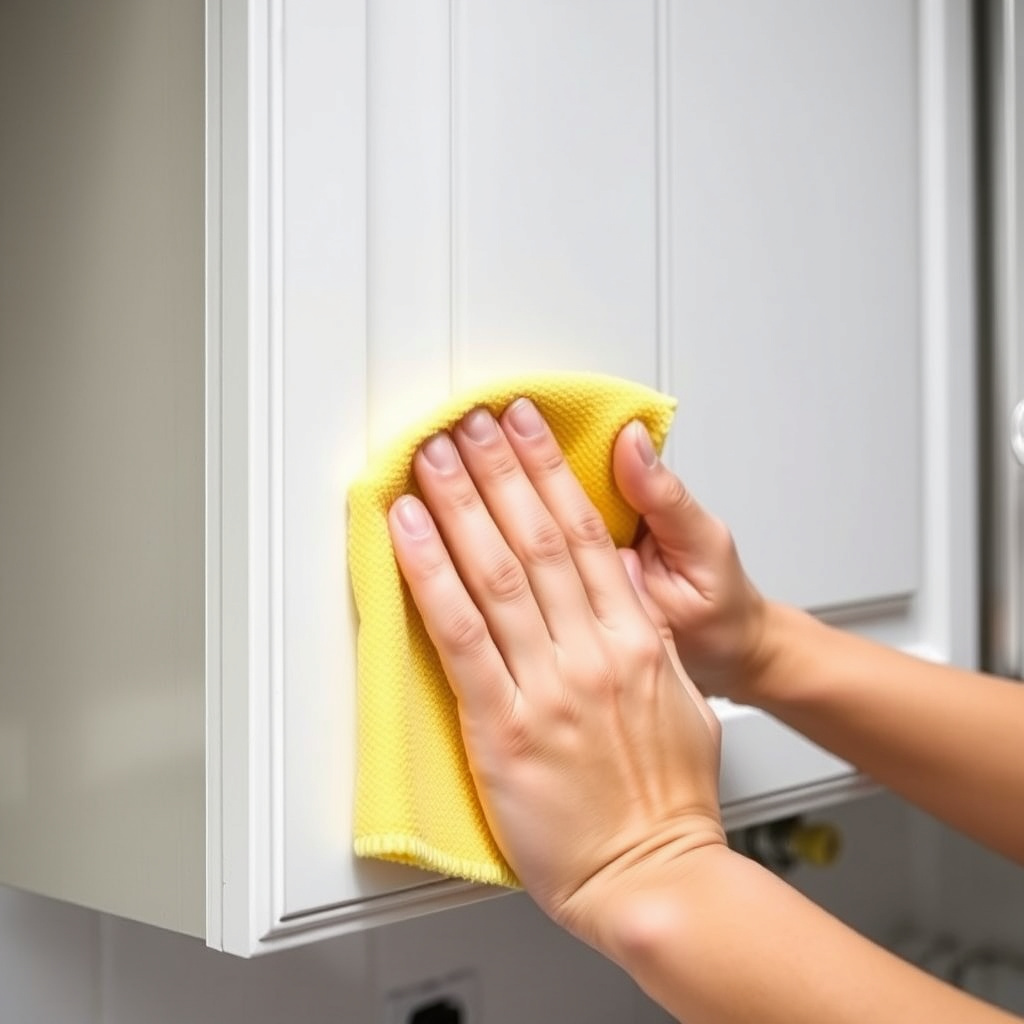
Routine Cleaning Method
Start by removing dust with a dry cloth or vacuum brush attachment to prevent scratching. Next, apply your chosen cleaning solution with a damp, soft cloth and gently wipe surfaces in the direction of the grain if wood.
Pay close attention to handles and edges where grease tends to accumulate. Finish by drying completely with a clean microfiber towel to avoid water marks or swelling.
For more on this, see our related guide: How to Clean Kitchen Efficiently: Step-by-Step Guide for a Sparkling Space.
Deep Cleaning for Stubborn Grease

For thick buildup, spray a degreaser or homemade vinegar solution and let it sit briefly before wiping. Use a soft-bristle brush to loosen grime in crevices or decorative moldings, then wipe clean.
Avoid soaking the surface; instead, work in small sections and immediately dry to prevent moisture damage under finishes, especially on wood cabinetry.
- Apply degreaser and wait 5 minutes
- Use soft brush on detailing
- Dry thoroughly after cleaning
Maintaining Cabinet Appearance Over Time
Regular Dusting and Spot Cleaning

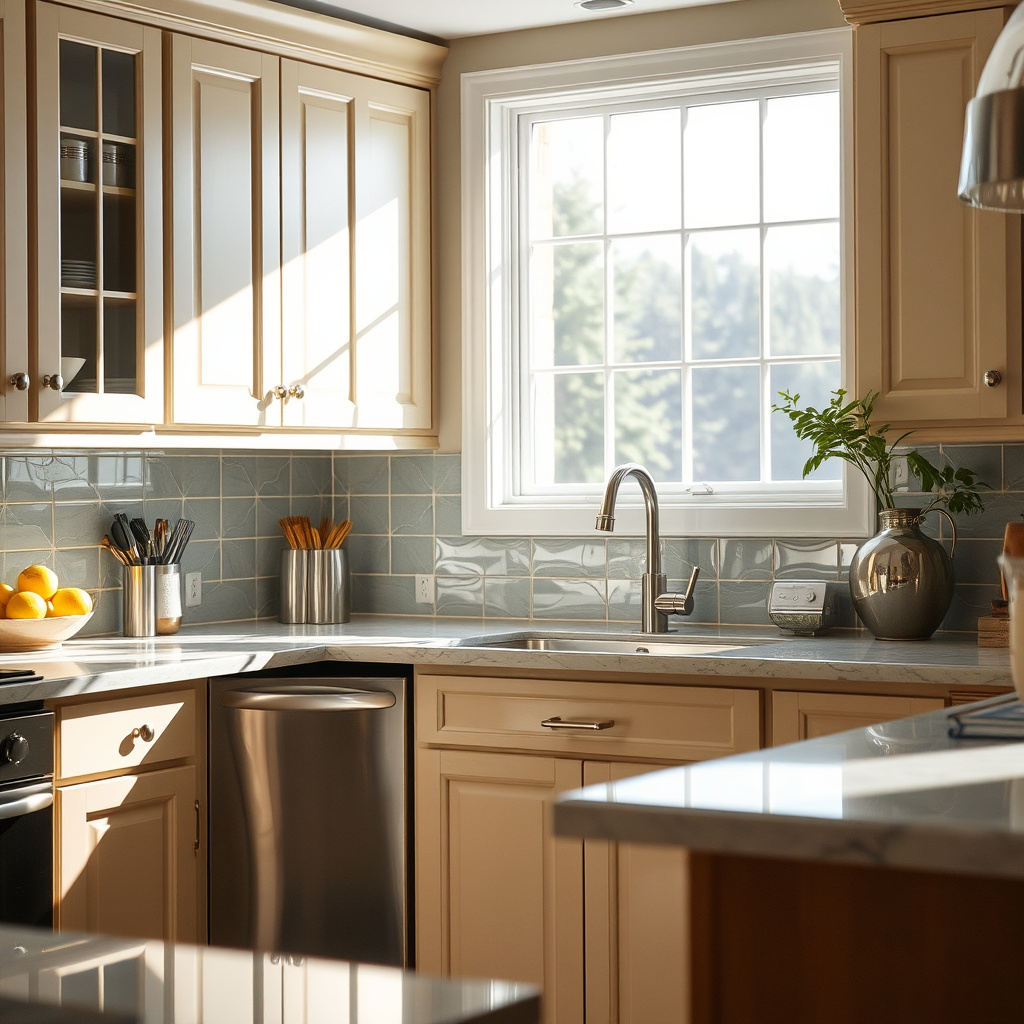
Dusting every few days with a microfiber cloth keeps surfaces free of grit that dulls finishes. Address spills and fingerprints immediately with a mild cleaner to maintain appearance and prevent buildup.
This simple habit reduces the frequency of deep cleans and protects cabinet finishes from long-term residue damage.
- Dust with microfiber cloth regularly
- Clean spills promptly
- Use mild cleaners for spot treatment
Polishing and Protective Coatings
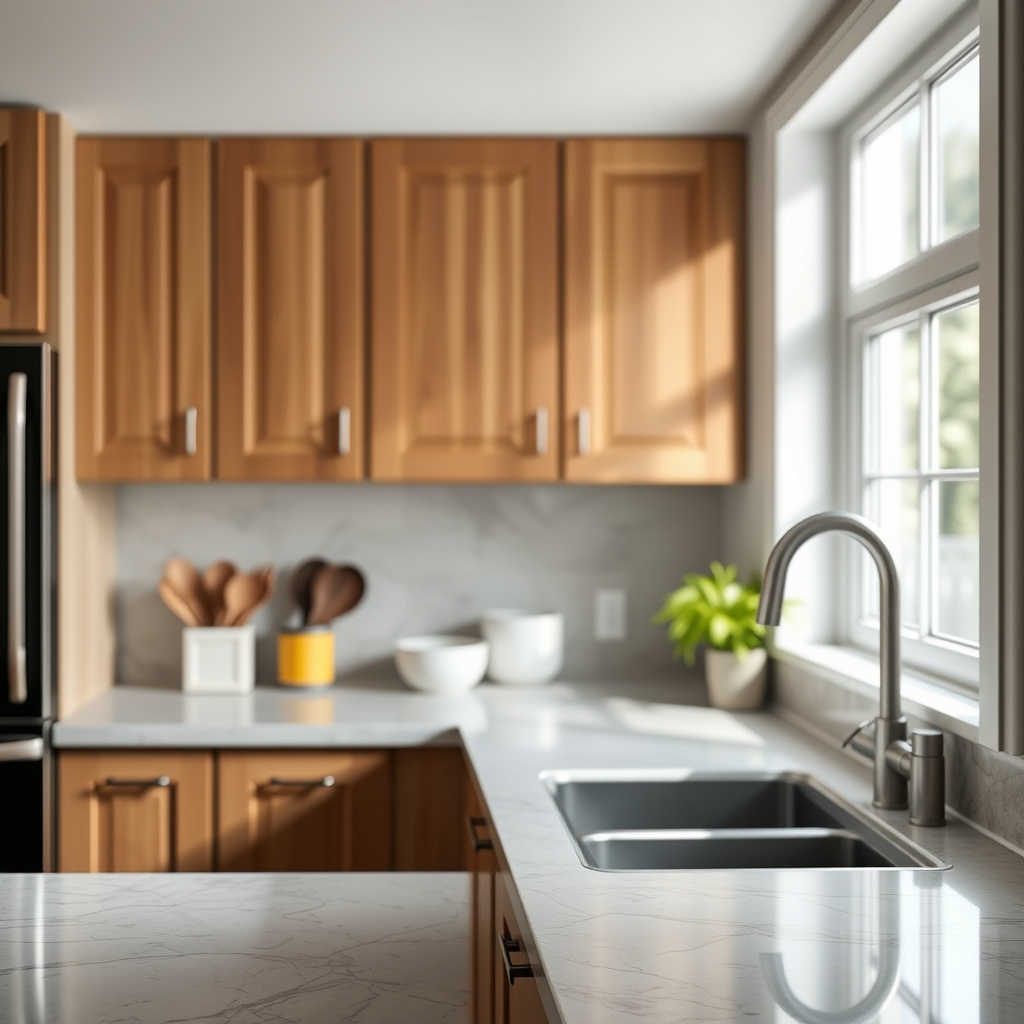
Wood cabinets benefit from occasional polishing with products designed to restore shine and nourish finishes, such as beeswax or specialized wood oils. These enhance luster and provide a slight protective layer.
Avoid using polish on laminate cabinets as it can build up a film and attract dust. Instead, focus on clean wipes and maintenance.
- Use wood polish sparingly
- Avoid polish on laminate surfaces
- Apply protective oils for wood durability
Handling Common Cabinet Cleaning Challenges
Removing Stubborn Stains and Marks

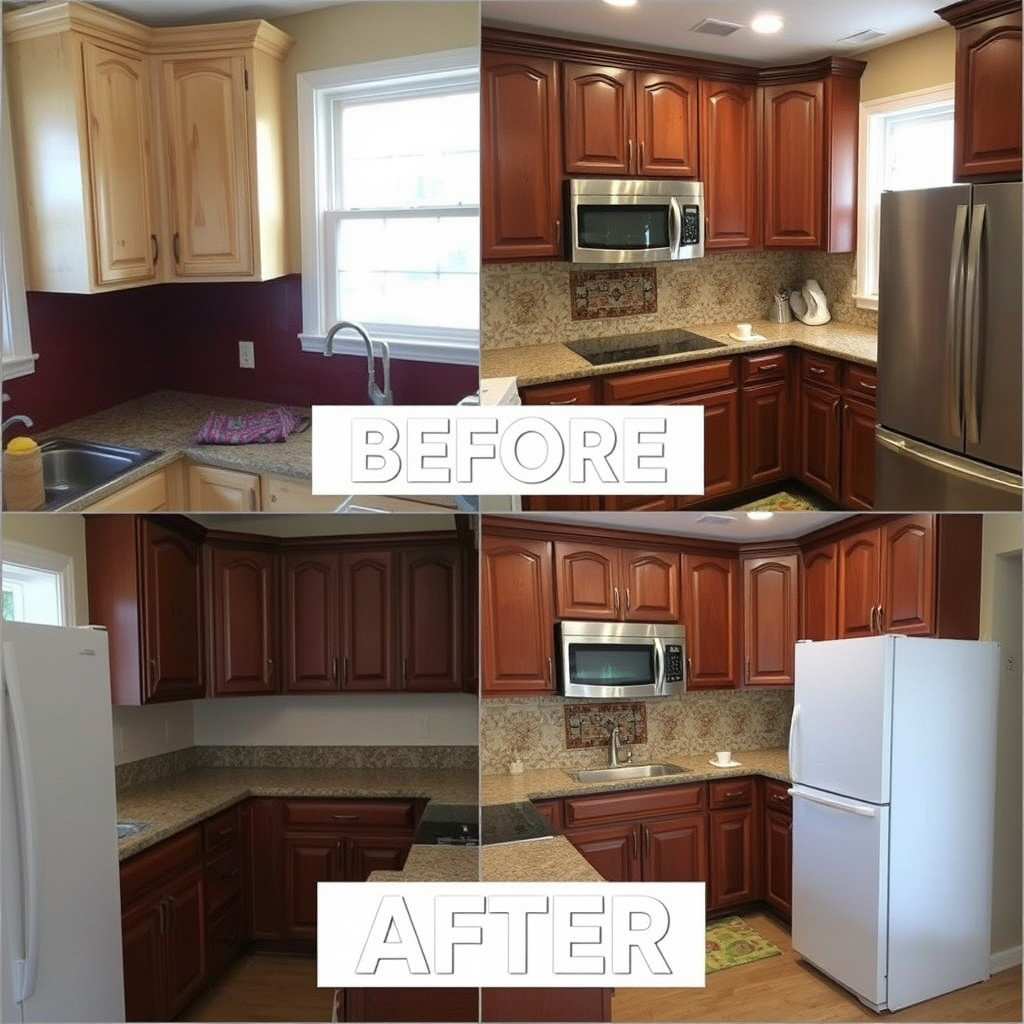
Grease spots, crayon marks, and hard water stains sometimes resist regular cleaning. Baking soda paste or a gentle magic eraser can be carefully applied to these problem areas while testing on inconspicuous spots first.
Persistent stains may require repeating treatments or switching to a product designed for the specific residue without damaging the finish.
- Test cleaning method first
- Use baking soda for grease buildup
- Gentle magic erasers for tough marks
For more on this, see our related guide: How to Paint Kitchen Cabinets: A Step-by-Step Guide for a Flawless Finish.
Avoiding Damage During Cleaning
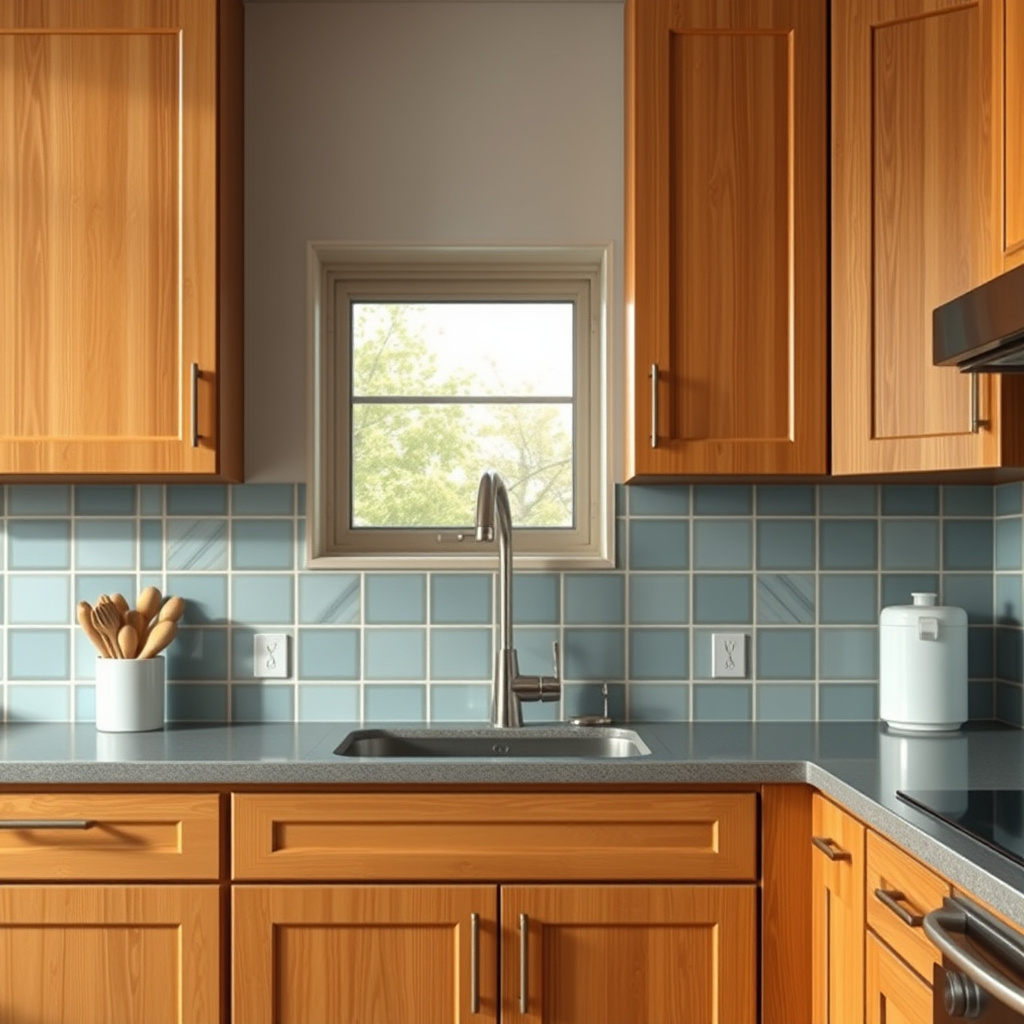
Scrubbing too hard, excess moisture, or abrasive cleaners can warping, discolor, or strip finishes. Use only soft cloths and controlled amounts of liquid to clean.
Keep cabinet hinges dry and check for loose hardware regularly, as dampness can cause rust or swelling under handles and around joints.
- Use soft microfiber cloths
- Minimize water exposure
- Handle hardware maintenance
Eco-Friendly Practices for Cabinet Cleaning
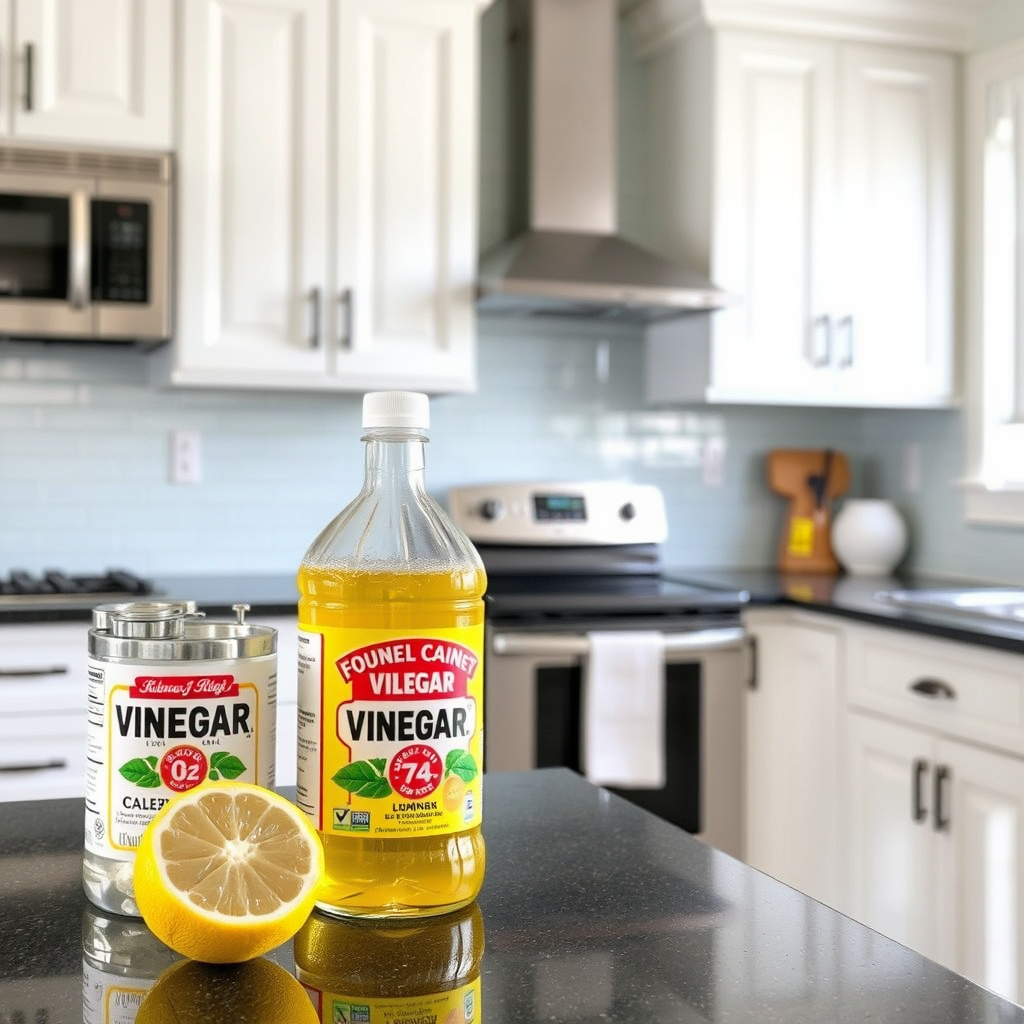
Natural Ingredients for Safe Cleaning
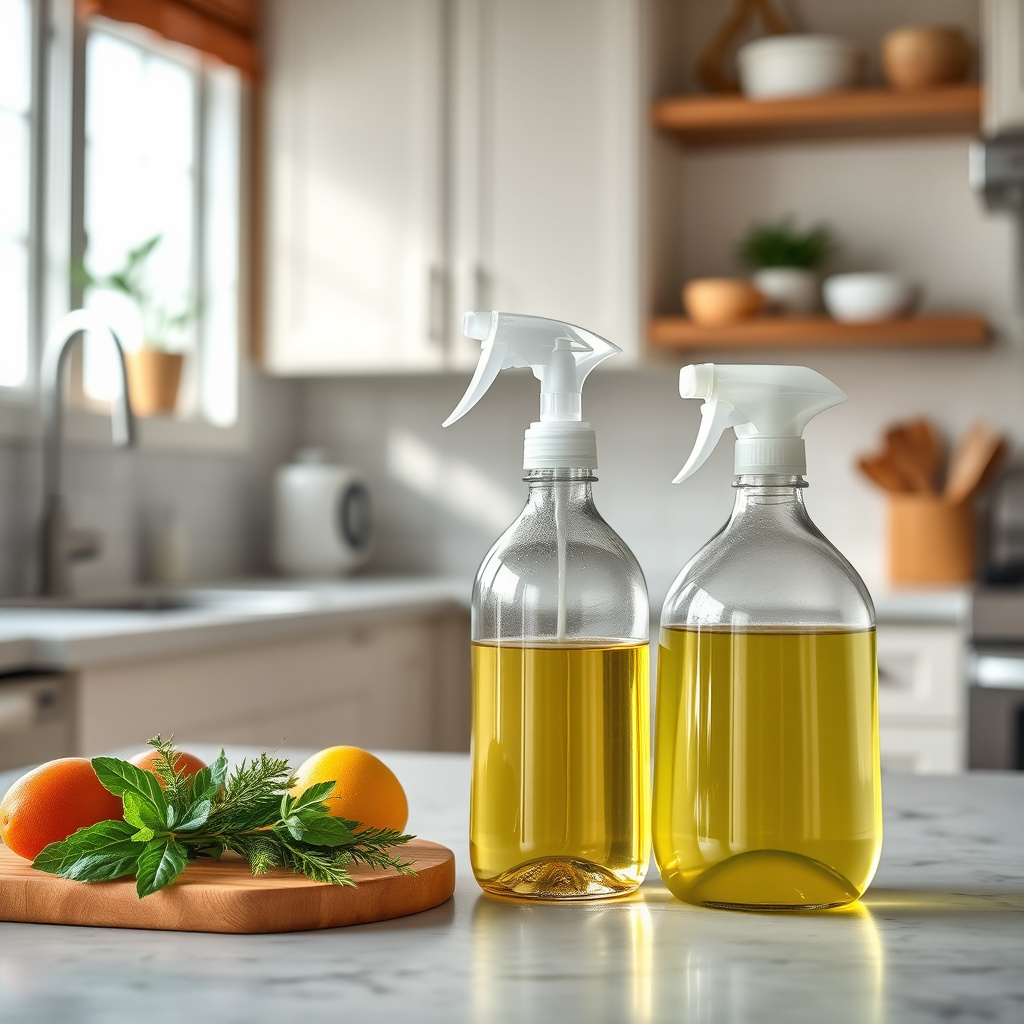
White vinegar, lemon juice, and baking soda are effective cleaning agents that reduce environmental impact. These ingredients dissolve grease and remove odors without toxins.
Using natural products is especially beneficial in kitchens to avoid chemical residues that might contaminate food prep surfaces.
- White vinegar as degreaser
- Lemon juice for light bleaching
- Baking soda as mild abrasive
For additional background on cabinet types and materials, see kitchen cabinetry care on Wikipedia. kitchen cabinetry care on Wikipedia.
Reducing Waste and Chemical Use
Choose reusable cloths over disposable wipes and refill spray bottles for cleaners to limit plastic waste. Avoid harsh synthetic chemicals that require special disposal and can harm septic systems.
This approach helps maintain a healthier kitchen and supports sustainability goals.
- Use microfiber cloths instead of paper towels
- Refill bottles to cut plastic use
- Select biodegradable cleaning agents
Kitchen Cabinet Cleaning Methods Comparison
Here’s an overview comparing popular cabinet cleaning methods by ease, effectiveness, and suitability for different cabinet types.
| Method | Effectiveness | Ease of Use | Safe for Wood Cabinets | Cost |
|---|---|---|---|---|
| Mild Soap and Water | High for regular dirt | Easy | Yes | Low |
| Vinegar and Water Solution | Good for grease | Easy | Yes, with caution | Low |
| Commercial Wood Cleaner | Very high | Moderate | Yes | Medium |
| Baking Soda Paste | Good for stains | Moderate | Yes | Low |
| Degreaser Sprays | Very high for grease | Easy | Depends on product | Medium |
| Magic Eraser | High for tough marks | Moderate | Use carefully | Low |
Frequently Asked Questions
Can I use vinegar on all types of kitchen cabinets?
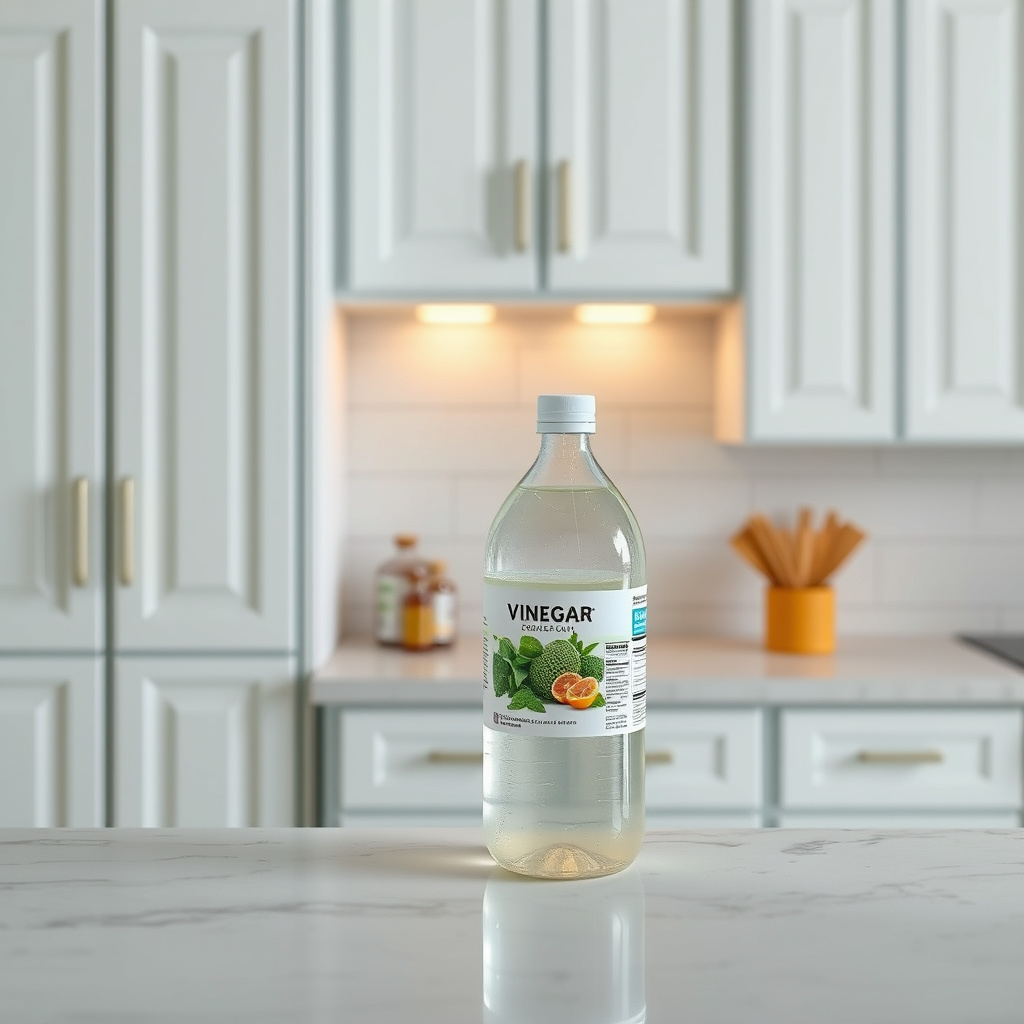
Vinegar diluted with water works well on most cabinets but should be used sparingly on wood finishes as its acidity can dull or damage some coatings over time.
How often should I clean my kitchen cabinets?
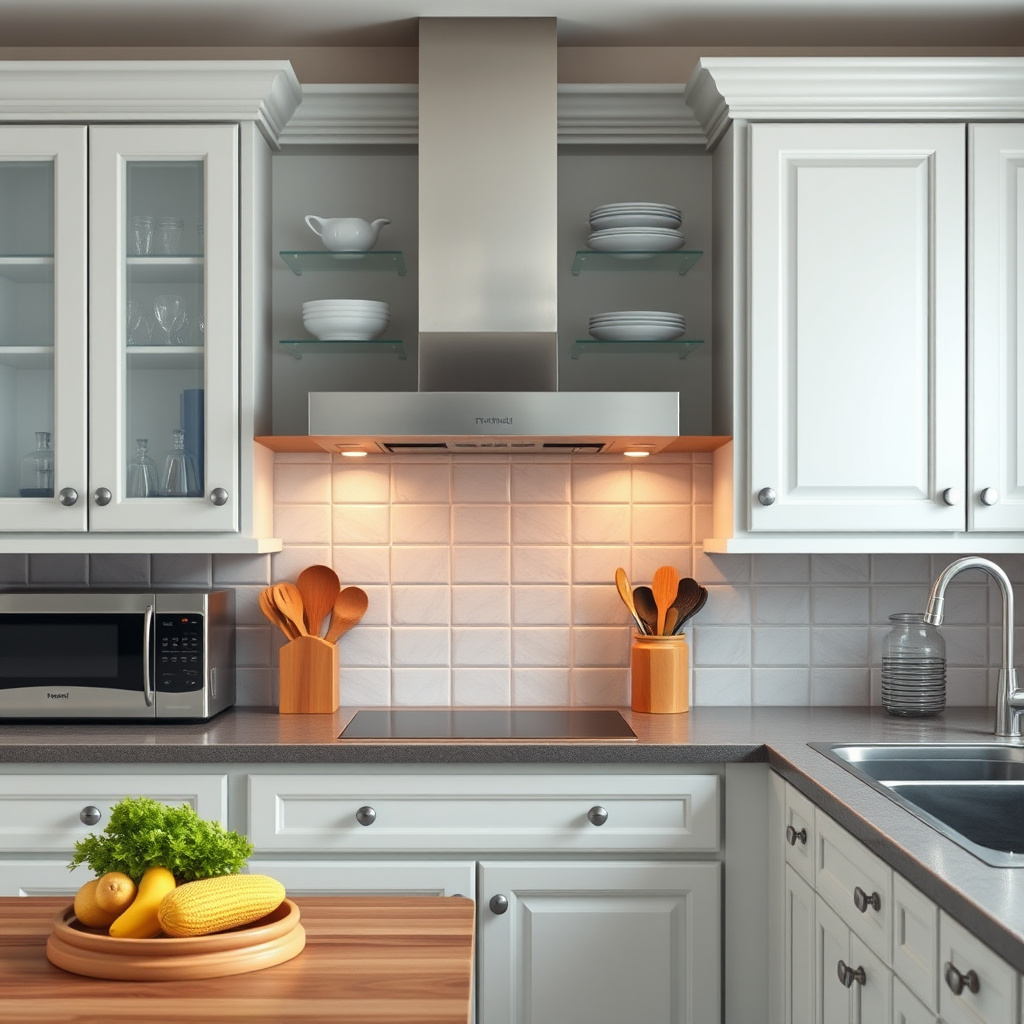
For best upkeep, wipe cabinets weekly to remove dust and splatters, with deep cleaning scheduled every 3-6 months depending on kitchen usage.
What is the safest way to remove grease from cabinets?

A mild dish soap with warm water or a diluted vinegar solution applied with a soft cloth gently breaks down grease without harming finishes.
Can I use a magic eraser on painted cabinets?
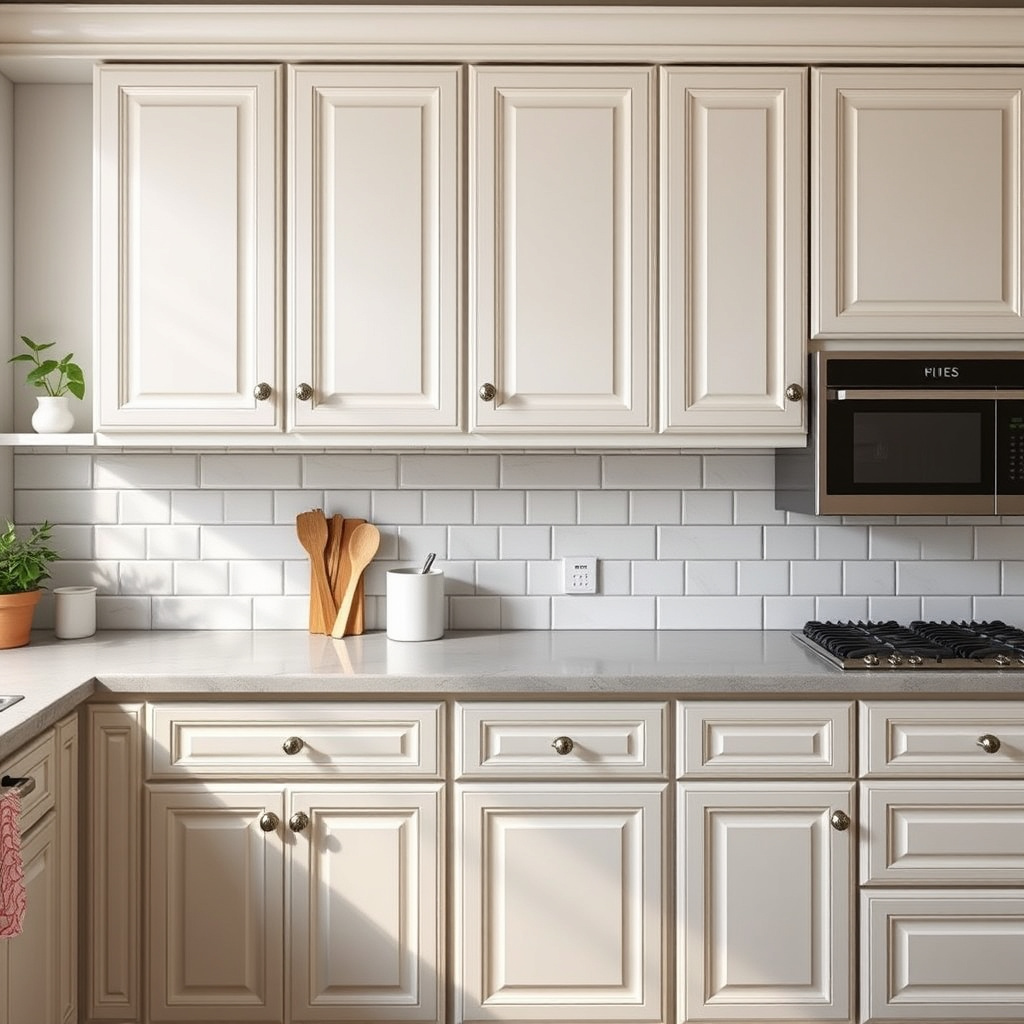
Yes, but carefully and sparingly as magic erasers can remove paint or dull finishes if used too aggressively.
What tools do I need to clean kitchen cabinets effectively?
Use microfiber cloths for dusting and wiping, soft sponges for scrubbing, and soft-bristled brushes for detailed crevices to avoid scratching surfaces.
Key Takeaways
- Identify your cabinet material before choosing cleaning methods.
- Use mild, pH-neutral cleaners to protect finishes.
- Routine wiping prevents buildup and preserves appearance.
- Natural cleaners offer effective and eco-friendly alternatives.
Conclusion
Understanding how to clean kitchen cabinets begins with identifying their material to select appropriate cleaning products and techniques. Wood cabinets need gentle handling with mild soaps or specialized cleaners, while laminate or veneer can often tolerate more robust cleaners. The approach balances removing dirt and grease with avoiding damage or discoloration to surfaces, which helps cabinets stay attractive and durable over time.
For frequent maintenance, mild soap and water solutions or diluted vinegar work well across most kitchen cabinet types. Commercial wood cleaners are excellent for solid wood cabinets needing polish and stain removal. Tough grease requires degreasers or baking soda pastes, applied selectively. Soft microfiber cloths and brushes specialize in removing residue without abrasion. Integrated eco-friendly cleaning options like vinegar and baking soda also keep any residues safe for kitchens and the environment.
Start your cleaning with regular dusting and spot treatments, then schedule deeper cleanings every few months based on kitchen activity. This methodical care routine supports long-term cabinet condition and kitchen hygiene. For anyone unsure which cleaner to pick, test in an inconspicuous area first. Maintaining this balance leads to kitchens with spotless, cared-for cabinets that retain their charm and functionality.