How to Get Rid of Kitchen Gnats: Effective and Safe Strategies
Getting rid of kitchen gnats starts with identifying their breeding spots and eliminating their food sources. These tiny flies thrive on moist organic matter like overripe fruits and damp sink areas. Quickly cleaning these and using traps will significantly reduce their numbers.
Gnats appear suddenly and can reproduce rapidly, making it frustrating to control them once they've taken hold. Addressing the root causes, such as hygiene and moisture control, is crucial to prevent persistent infestations. Understanding their habits helps you tackle them efficiently.
This article covers practical steps to remove kitchen gnats, from natural remedies and store-bought traps to environmental adjustments that stop them from returning. You’ll also find advice on prevention to keep your kitchen gnat-free long-term.
Identifying Kitchen Gnats and Their Sources
Common Types of Gnats in Kitchens
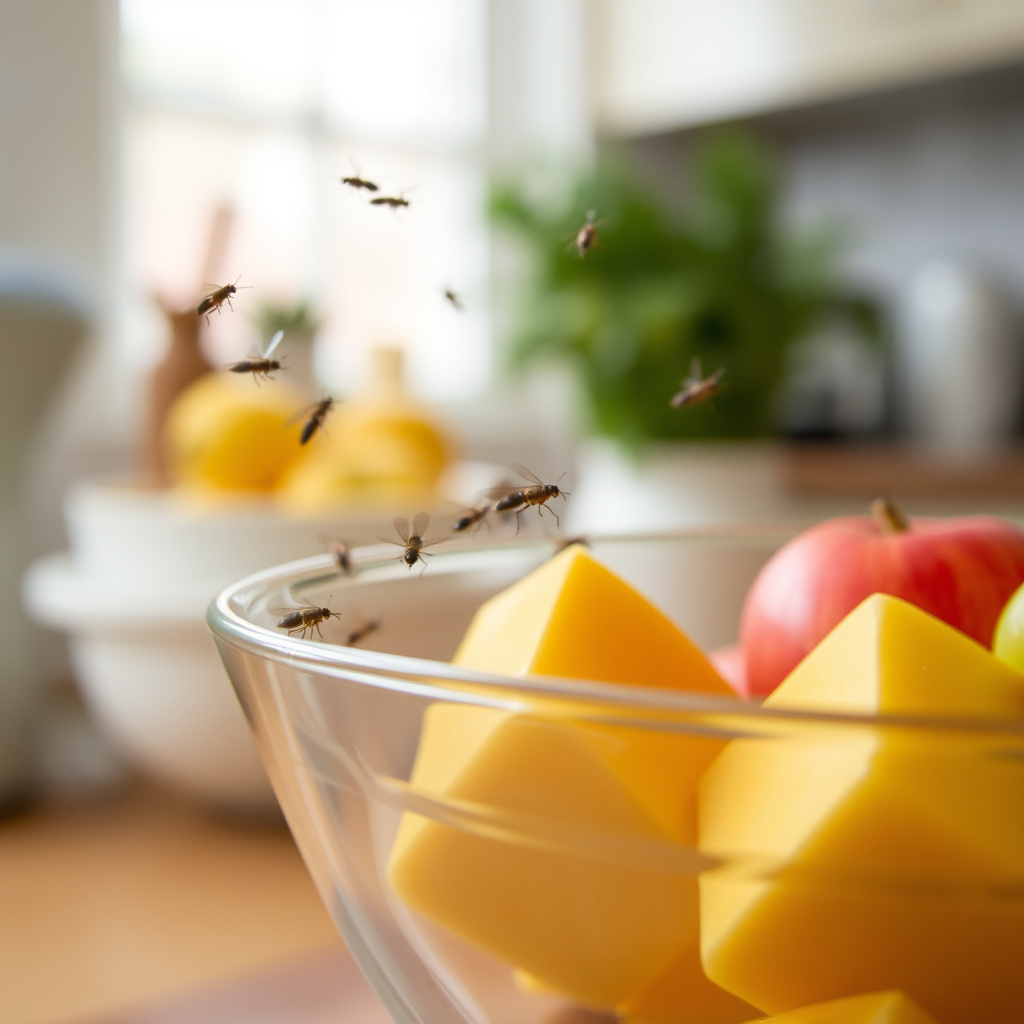
Kitchen gnats commonly include fruit flies and fungus gnats. Fruit flies are attracted to fermenting fruits and vegetables, while fungus gnats usually breed in moist soil found in potted plants. Knowing the specific type helps target them effectively.
Fruit flies are small, about ⅛ inch, with red eyes and a tan body. Fungus gnats look similar but prefer damp environments without decaying fruit. Both quickly multiply, so early identification is key to stopping them before a large infestation develops.
Typical Breeding Grounds and Attractants
Gnats are drawn to damp organic material. Overripe or rotting fruit, sink drains, garbage disposals, and compost bins provide perfect breeding areas. Moist soil in houseplants is another common source.
Identifying where gnats breed lets you focus your efforts on those spots. For example, regularly disposing of old produce and drying out potted plants will remove their favored habitats and interrupt their life cycle.
Practical Cleaning Techniques to Reduce Gnat Populations
Proper Disposal and Storage of Food
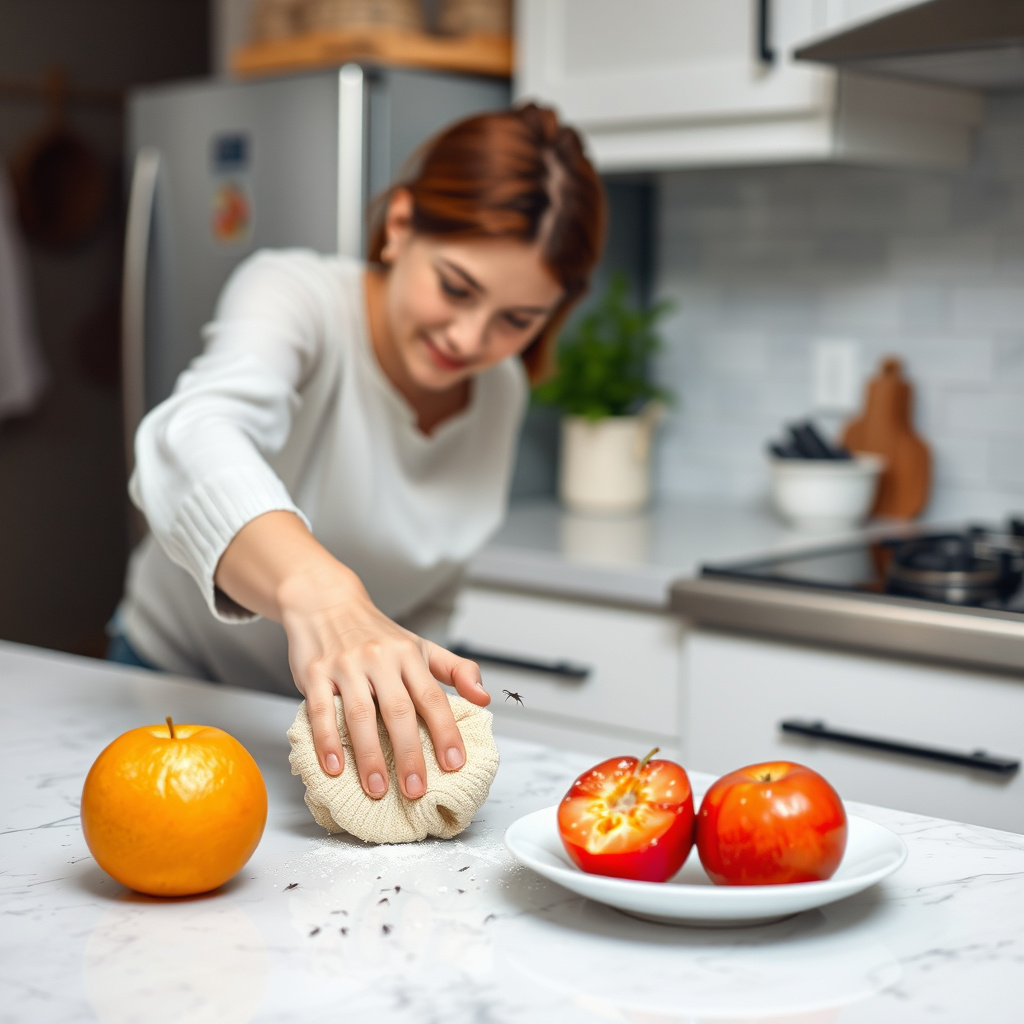
Discarding overripe fruits immediately and storing fresh produce in sealed containers minimizes food sources for gnats. Regularly cleaning fruit bowls and pantry shelves also helps.
Keeping leftovers sealed in airtight containers reduces fermentation odors that attract gnats. Additionally, rinsing produce before storing it helps prevent tiny larvae or eggs from developing unnoticed.
- Throw away rotting fruits and vegetables promptly
- Store produce in sealed containers or refrigerator
- Clean pantry shelves and storage areas regularly
For more on this, see our related guide: How to Get Rid of Gnats in Kitchen: Effective Strategies That Work.
Maintaining Dry and Clean Sink Areas
Kitchen sinks and drains are a hotspot for gnats due to lingering moisture and food residue. Clean your sink thoroughly with disinfectants and scrub drain traps weekly to remove organic buildup.
Leaving sinks dry when not in use deprives gnats of breeding spots. Wiping counters and fixing leaky faucets further minimize moisture accumulation, making your kitchen less attractive to these pests.
- Scrub sink drains with vinegar or baking soda solutions
- Fix leaks and keep sink area dry
- Empty and clean trash bins regularly
Using Natural Remedies Against Kitchen Gnats

Apple Cider Vinegar Traps
Apple cider vinegar traps are a popular, effective way to catch and reduce kitchen gnats. Fill a small bowl with vinegar, cover with plastic wrap pierced with holes, and gnats are attracted to the smell and get trapped inside.
Positioning these traps near fruit bowls or sink areas targets the main gathering spots of gnats. Refresh the vinegar every few days for continuous effectiveness and combine with cleaning to disrupt breeding.
Other Homemade Solutions
Soap and water mixtures sprayed near infested areas can kill gnats on contact. Mixing a teaspoon of dish soap into a cup of water creates a solution that disrupts their ability to float on water surfaces.
Placing basil, mint, or lavender plants in the kitchen can repel gnats naturally. Their fragrant oils make it uncomfortable for gnats, reducing their presence without chemicals.
- Mix dish soap with water as a spray
- Use fresh herbs as natural gnat repellents
Store-Bought Solutions and Gnat Traps for Kitchen
Types of Commercial Gnat Traps
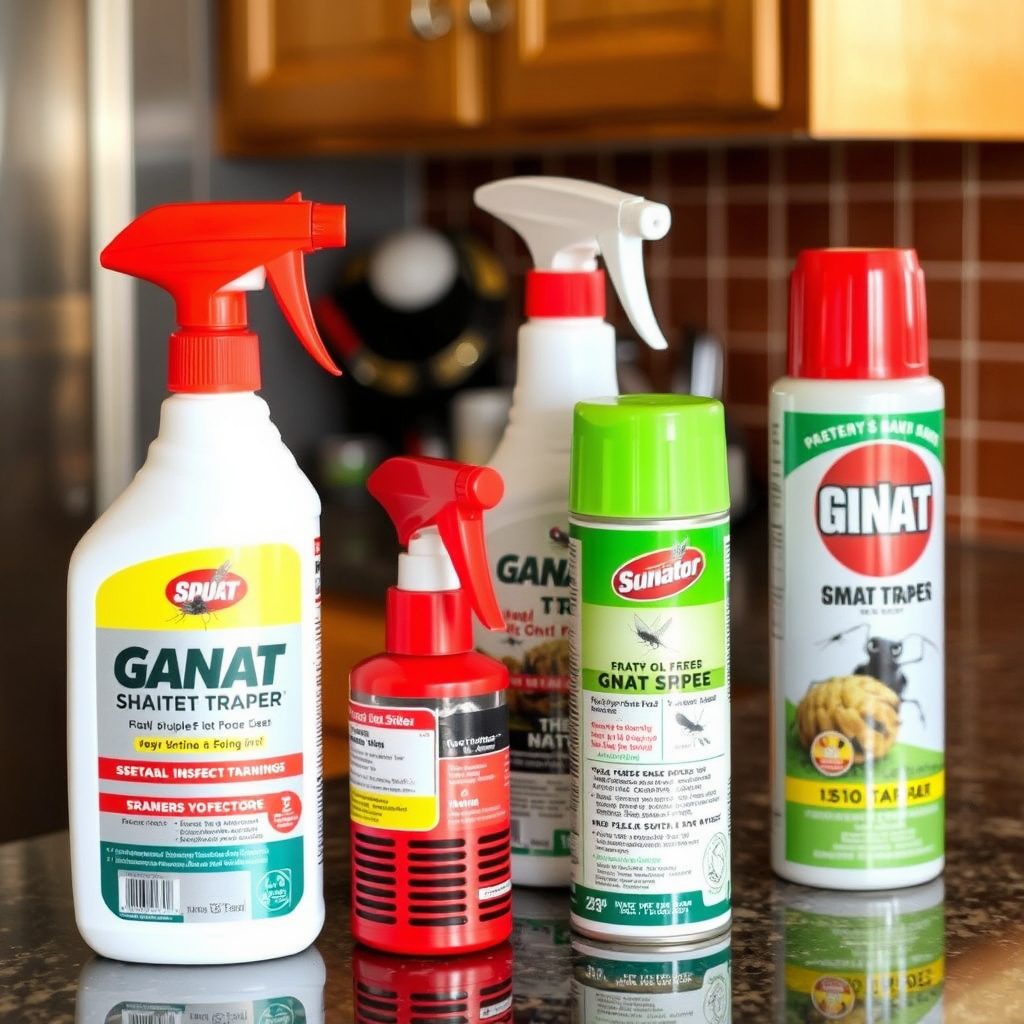
Commercial gnat traps often use sticky surfaces or attractant lures to capture gnats. UV light traps attract insects at night, while pheromone-based traps lure gnats effectively in kitchens and garbage areas.
These traps can be placed in corners or near infection sources. Selecting the right type depends on your infestation size and whether you prefer chemical-free methods or more aggressive control.
- Sticky traps
- UV light insect traps
- Pheromone attractant traps
For more on this, see our related guide: How to Clean Kitchen Sink Drain: Easy and Effective Methods.
Safe Use of Insecticides in Kitchens
While many insecticides exist for gnats, careful selection ensures household safety. Opt for food-safe sprays and apply directly to breeding sites rather than food surfaces.
Use minimal amounts and ventilate the area well after application. Combining insecticides with traps and cleaning maximizes control while keeping your kitchen safe.
- Choose kitchen-safe insecticides
- Apply away from food prep areas
- Ventilate kitchen after spraying
Preventing Future Gnat Infestations
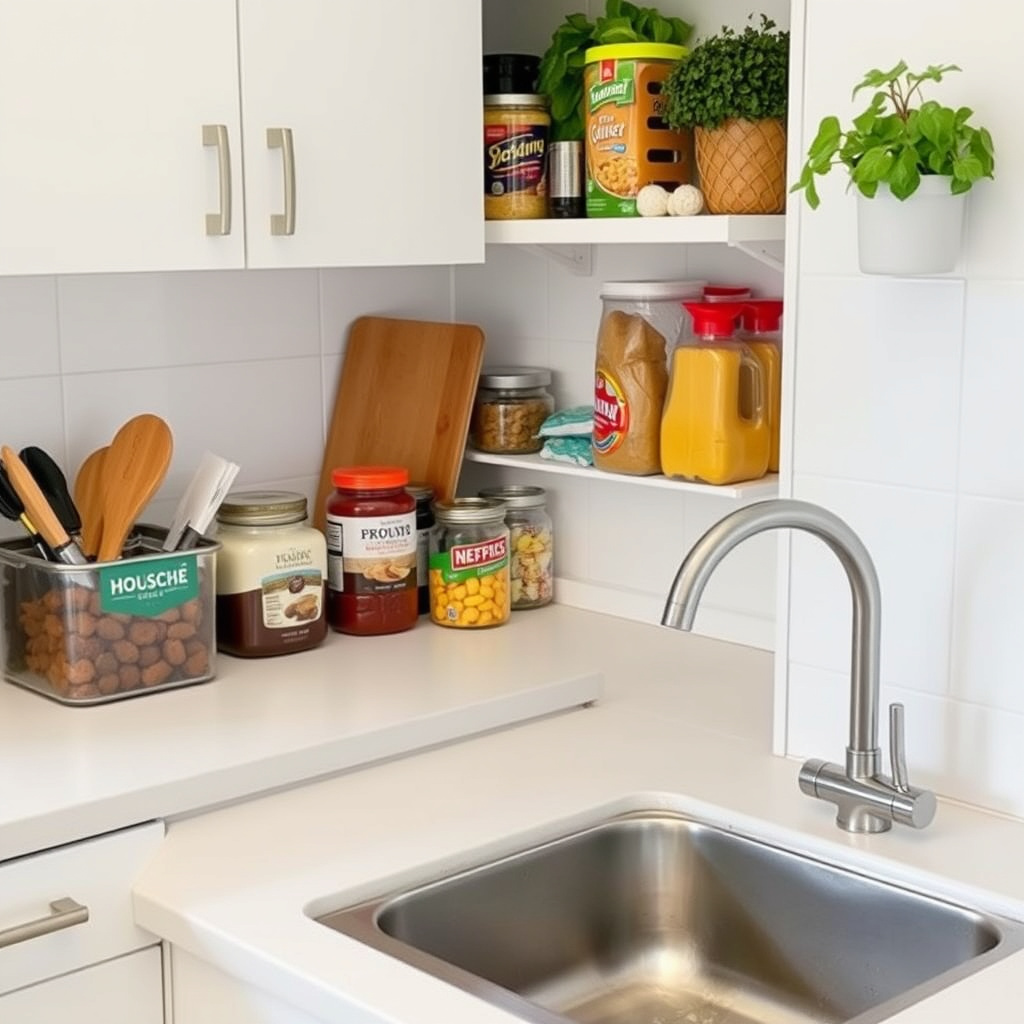
Ongoing Kitchen Maintenance
Regularly checking for moist spots, old produce, and soil moisture levels is essential to keep gnats away. Wiping down counters, drying sinks, and promptly taking out garbage create an unwelcoming environment for gnats.
Consistent hygiene habits prevent gnats from finding breeding grounds. Setting reminders to clean key areas weekly helps sustain these conditions.
- Check for damp areas routinely
- Clean countertops and sinks weekly
- Dispose of kitchen waste promptly
For detailed information on fruit flies and their impact, visit the fruit fly information from the CDC. fruit fly information from the CDC.
Care for Houseplants to Avoid Fungus Gnats
Avoid overwatering houseplants and let the soil dry between waterings to reduce fungus gnat breeding. Using well-draining soil and applying sticky traps near plants can catch emerging adults before they multiply.
Repotting plants with fresh soil and cleaning plant trays also cuts off potential larval habitats, helping keep your entire kitchen gnat-free.
- Water plants sparingly
- Use sticky traps near plants
- Repot plants with fresh soil regularly
Comparison of Kitchen Gnat Control Methods
Here’s a side-by-side look at various gnat control options, highlighting effectiveness, cost, safety, and ease of use.
| Method | Effectiveness | Cost | Safety | Ease of Use |
|---|---|---|---|---|
| Apple Cider Vinegar Traps | High for small infestations | Low | Safe for kitchen | Easy |
| Commercial Sticky Traps | Moderate to high | Medium | Safe | Very Easy |
| Insecticide Sprays | High | Medium | Requires caution | Moderate |
| Natural Herb Repellents | Low to moderate | Low | Safe | Easy |
| Sink and Drain Cleaning | High if done regularly | Low | Safe | Moderate |
Frequently Asked Questions
Why do gnats keep coming back after cleaning?
Gnats return if their breeding spots aren’t completely eliminated. Moisture in sinks, forgotten overripe fruit, or damp potted plants can let them reproduce again. Thorough, ongoing cleaning combined with traps is necessary.
Can I use insecticides safely in my kitchen?
Yes, but you must use products specifically labeled safe for kitchen areas and food preparation zones. Always apply insecticides away from open food and ventilate afterward to avoid exposure.
How quickly do gnats reproduce?
Gnats can lay hundreds of eggs within a week, and larvae mature in about 4-10 days. This rapid lifecycle means infestations can ramp up fast if not addressed promptly.
Are there any natural ways to repel gnats effectively?
Certain herbs like basil, mint, and lavender emit scents that gnats dislike. Placing these plants in the kitchen or using essential oils can help reduce their presence naturally.
Do traps alone solve gnat problems?
Traps reduce adult gnat numbers but won’t stop larvae breeding in moist areas or soil. Combining traps with cleaning and moisture control is necessary for complete removal.
Key Takeaways
- Identify and remove gnat breeding sources immediately
- Maintain dry, clean kitchen surfaces and sinks
- Use apple cider vinegar traps for effective homemade control
- Combine traps, cleaning, and prevention for lasting results
Conclusion
Approaching kitchen gnats with a thorough understanding of their habits is the best way to eliminate them successfully. Targeting breeding grounds like overripe fruits and damp areas, combined with consistent cleaning, interrupts their reproductive cycle effectively. The main keyword—how to get rid of kitchen gnats—centers on practical action rather than guesswork, making your efforts more productive.
If you face a minor infestation, homemade apple cider vinegar traps and routine removal of decaying produce often suffice. For persistent or large problems, integrating commercial sticky traps or kitchen-safe insecticides can accelerate results. Remember to also control moisture around houseplants to avoid fungus gnats in particular, aligning with the best gnat traps for kitchen use and broader prevention strategies.
Start by inspecting your kitchen for moisture hotspots and potential food sources that attract gnats. Implement regular maintenance habits while deploying natural or commercial traps to reduce their population. If problems continue, consult professional pest control tailored to kitchen environments. This stepwise approach ensures your kitchen will soon be free from these annoying pests.