How to Get Rid of Gnats in Kitchen: Effective Strategies That Work
Gnats can be a persistent nuisance in kitchens, but getting rid of them is straightforward if you address their breeding sources and apply effective treatments. Cleaning up food residues, eliminating standing water, and using traps are key steps to quickly reduce gnat populations in your kitchen.
These tiny pests thrive in damp, food-rich environments like kitchen drains, fruit bowls, and trash cans. Their rapid reproduction means a small infestation can escalate, making swift action vital. Understanding where they come from helps stop them at the root, preventing future outbreaks.
This article will guide you through practical measures, from identifying common gnat breeding spots to setting homemade and commercial traps. Additionally, it covers preventive habits and natural gnat repellents to maintain a fresh, gnat-free kitchen environment.
Identifying the Types of Gnats in Your Kitchen
Common Kitchen Gnat Species

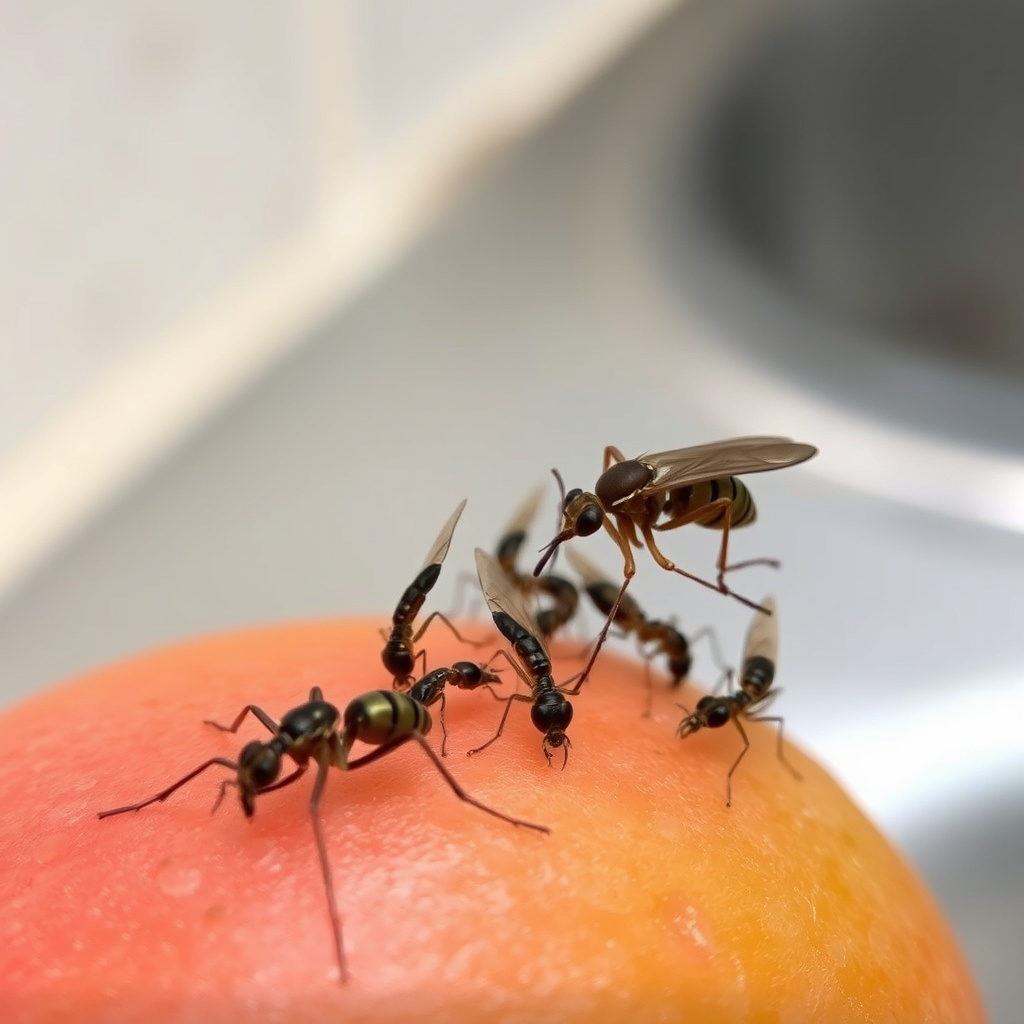
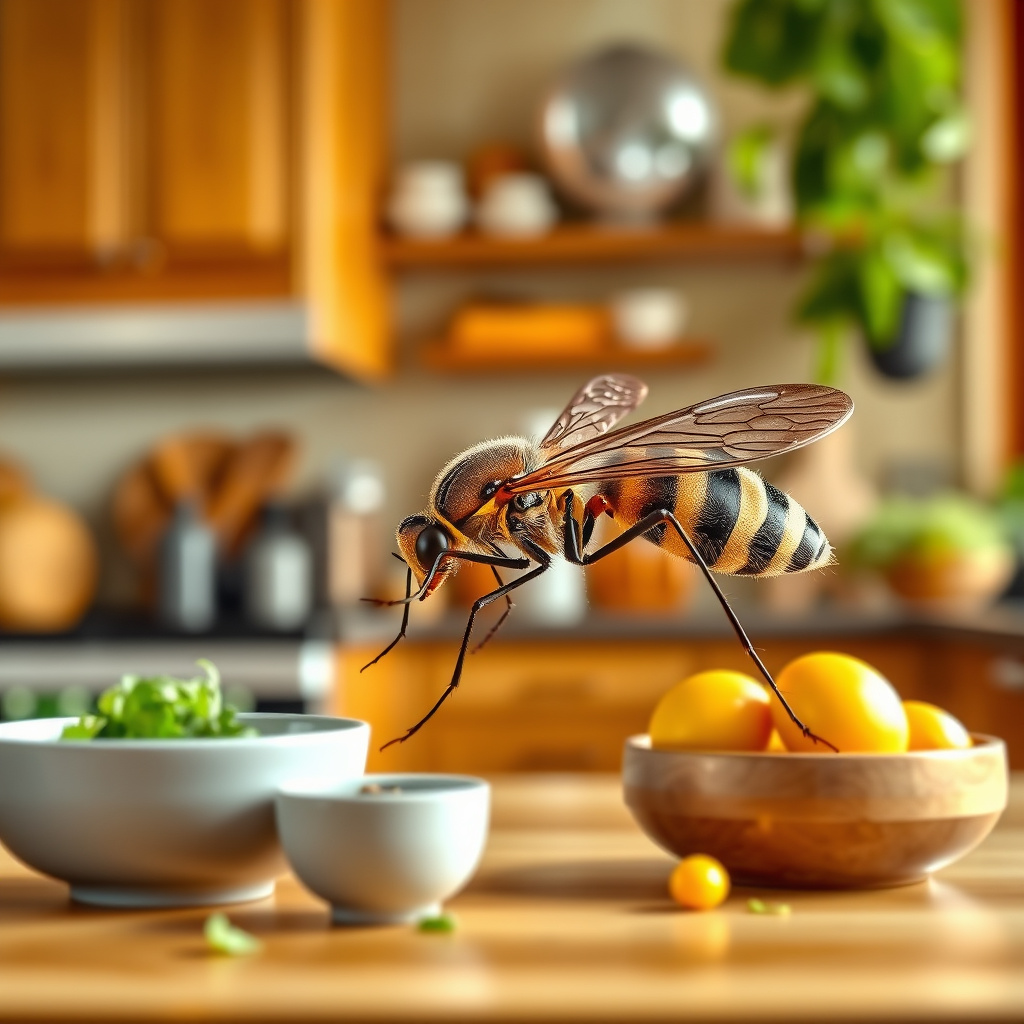
The most frequent gnats encountered in kitchens include fruit flies and fungus gnats. Fruit flies are small, with red eyes and a tan body, attracted to fermenting fruits and vegetables. Fungus gnats prefer moist soil in potted plants and organic debris inside the kitchen.
Understanding the species helps target control methods. For example, fruit flies respond effectively to fruit-based baits, while fungus gnats are controlled by drying out soil and removing organic buildup.
How to Spot Gnat Breeding Areas
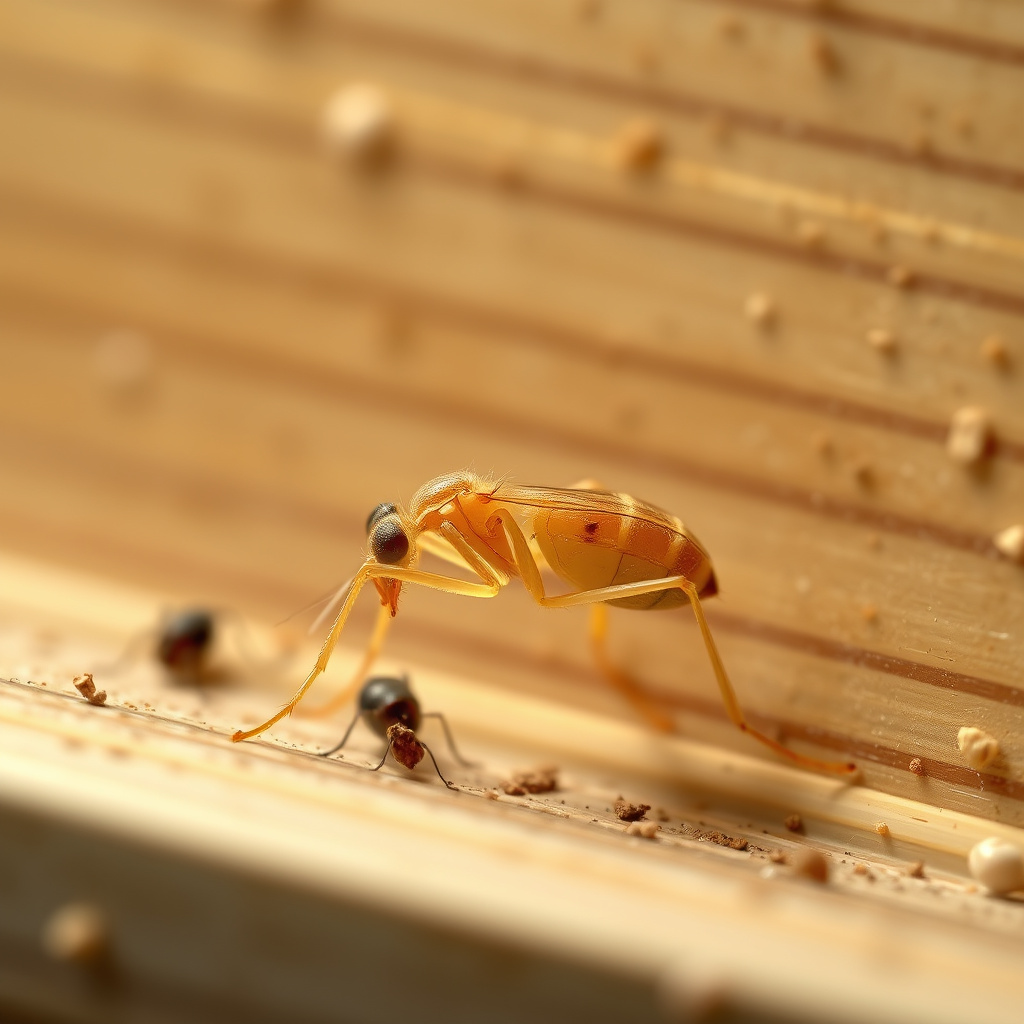
Gnats lay eggs in moist, organic matter. Frequent breeding places include overripe fruit bowls, drains clogged with food particles, wet sponges, and indoor plant soil. Inspect these areas carefully to find larval sources.
Addressing these spots promptly prevents the gnat life cycle from continuing. Kitchen drains, especially, require regular cleaning since biofilm buildup supports gnat larvae development.
Sanitation Practices to Eliminate Gnats
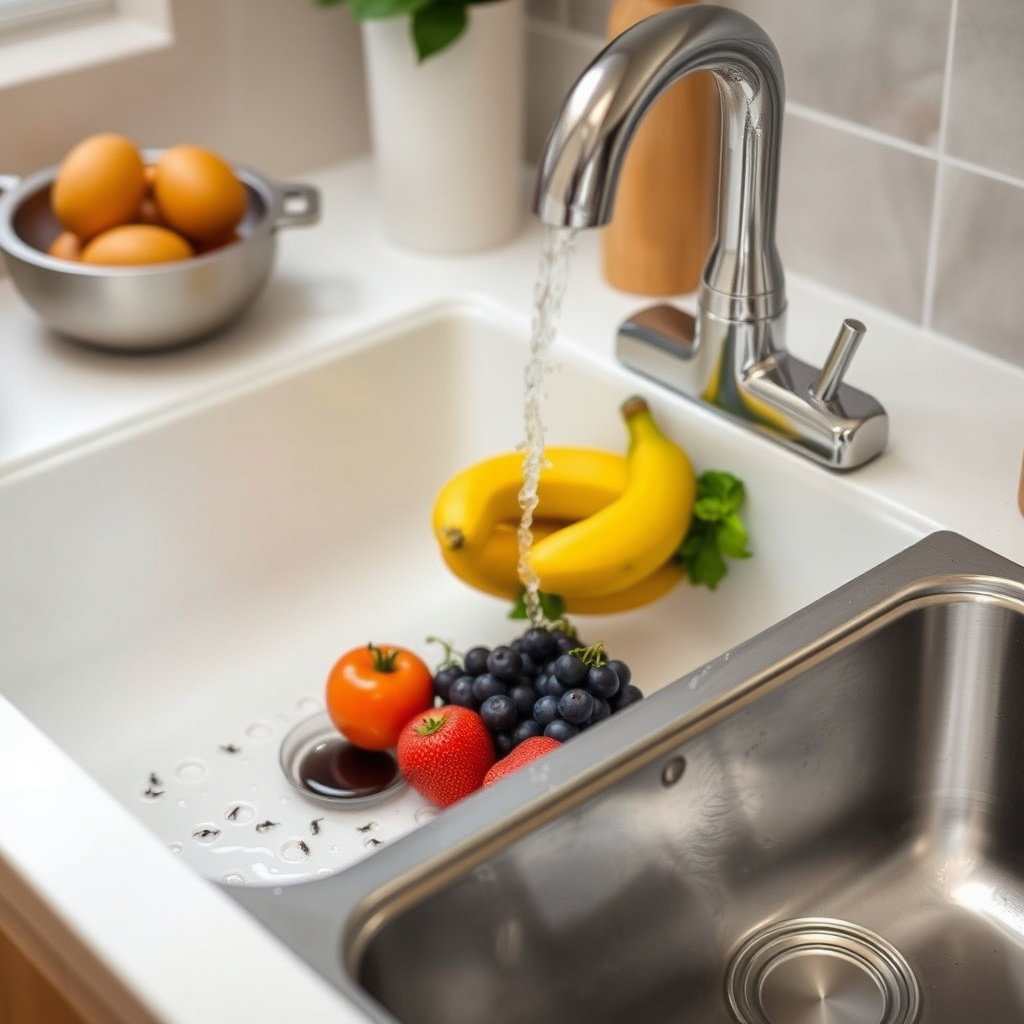
Cleaning Food Sources and Surfaces
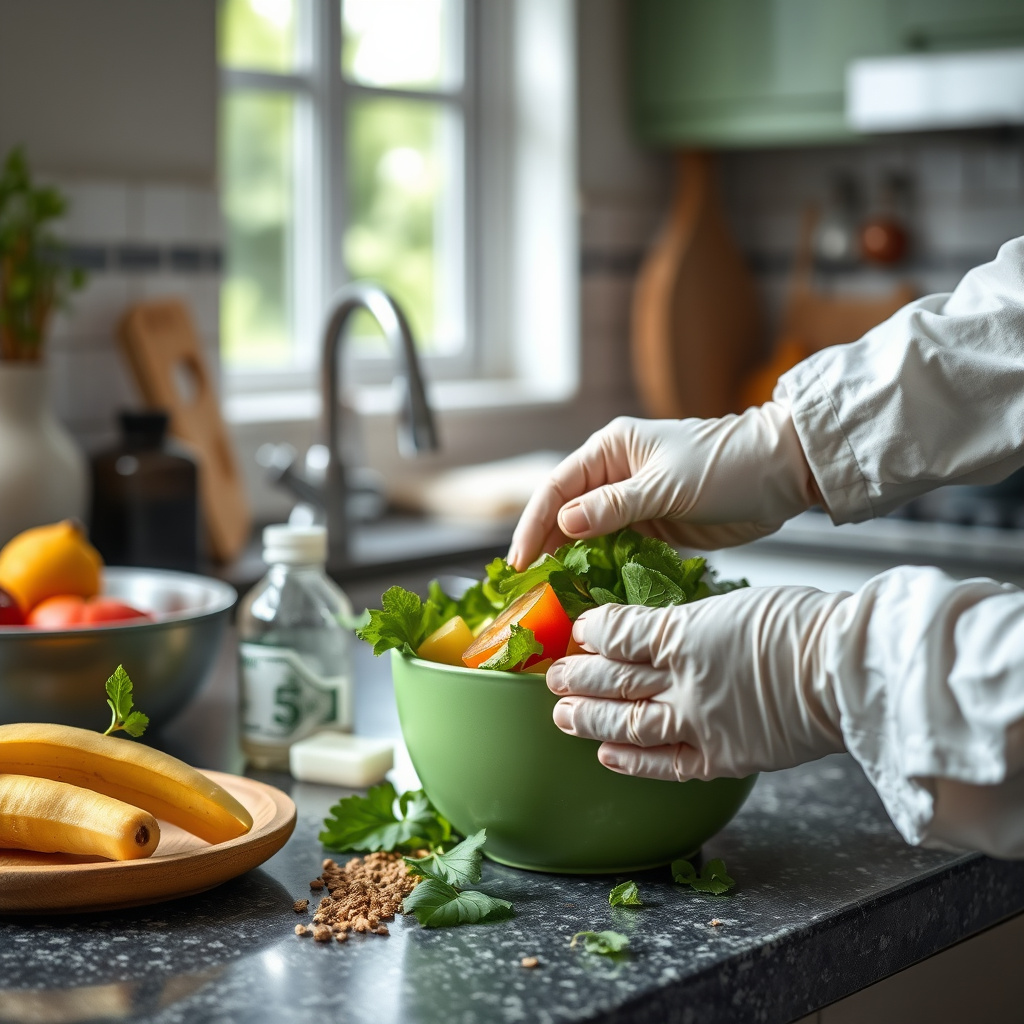
Removing food sources like forgotten fruit, spilled juice, or crumbs reduces attractiveness to gnats. Regularly empty and clean trash bins, wipe countertops, and store perishables in sealed containers to cut off their access to nutrients.
Additionally, clean kitchen drains with a stiff brush to scrub away gunk. Rinse sponges and dishcloths thoroughly or replace them often, as dampness provides breeding grounds.
- Store ripe fruit in the refrigerator
- Wipe spills immediately
- Use airtight containers for leftovers
- Empty trash daily
Managing Moisture Levels
Fix leaks under sinks or around faucets to avoid water accumulation. Dry out soggy sponges and mop floors to reduce humidity. Fungus gnats especially thrive in damp areas, so controlling moisture is crucial for comprehensive gnat elimination.
Avoid overwatering indoor plants and allow soil to dry between waterings. Good airflow around plants can also discourage fungus gnat development by keeping soil surface less hospitable.
Using Traps and Repellents to Control Kitchen Gnats
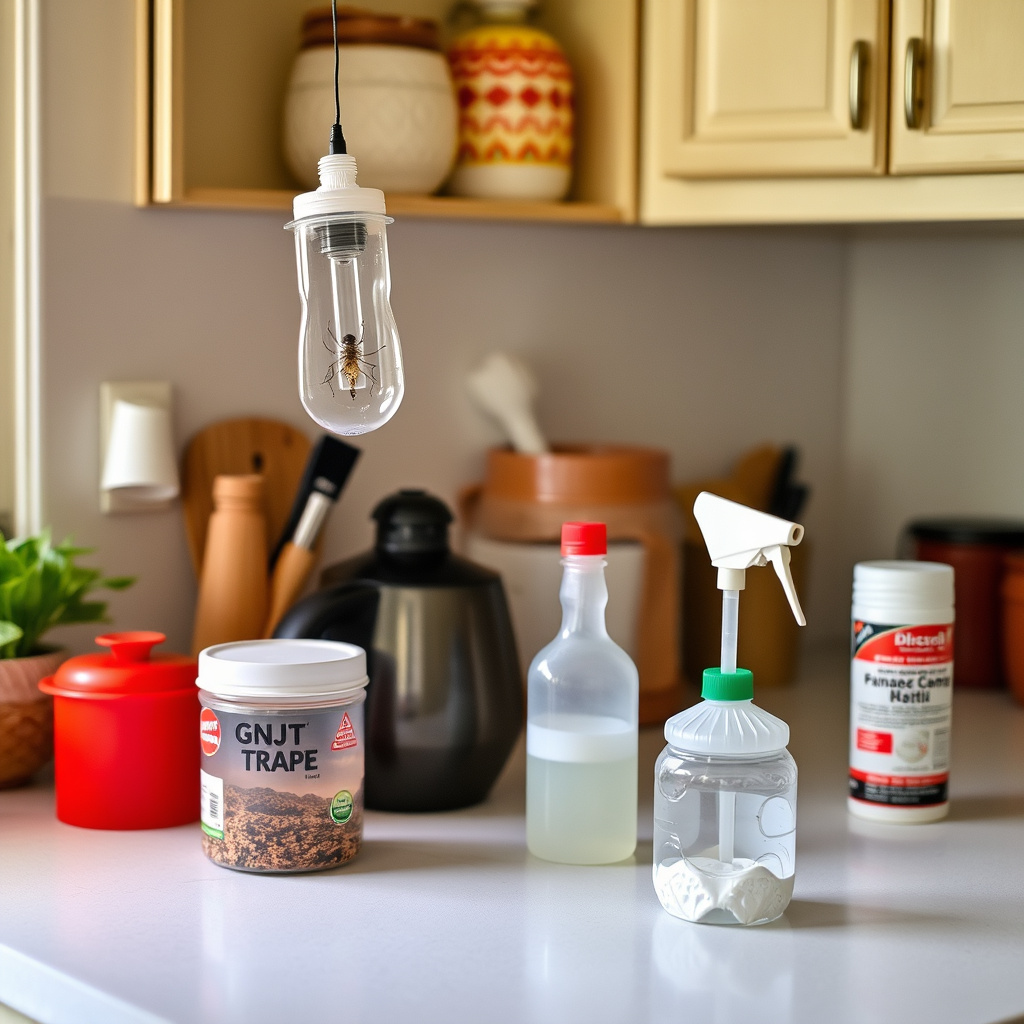
Effective Homemade Gnat Traps
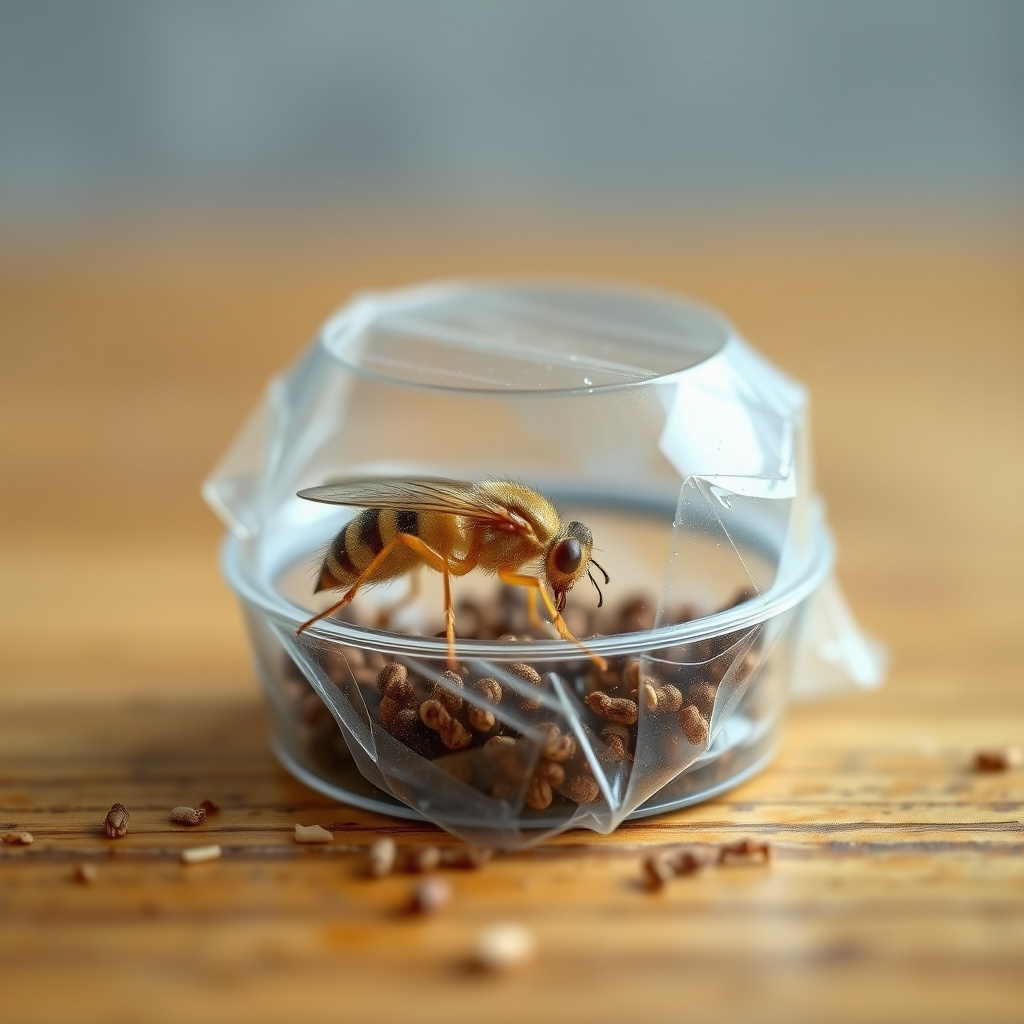
Vinegar traps are a reliable homemade option. Mix apple cider vinegar with a few drops of dish soap in a small bowl. The vinegar attracts gnats, and the soap breaks the liquid surface tension, trapping them. Place these near infested areas.
Another simple trap is a jar with a piece of ripe fruit inside, covered with plastic wrap poked with small holes. Gnats enter attracted by fruit scent but cannot escape, effectively reducing their numbers.
- Apple cider vinegar and dish soap trap
- Fruit jar with plastic wrap and holes
- Red wine trap
Natural Gnat Repellents
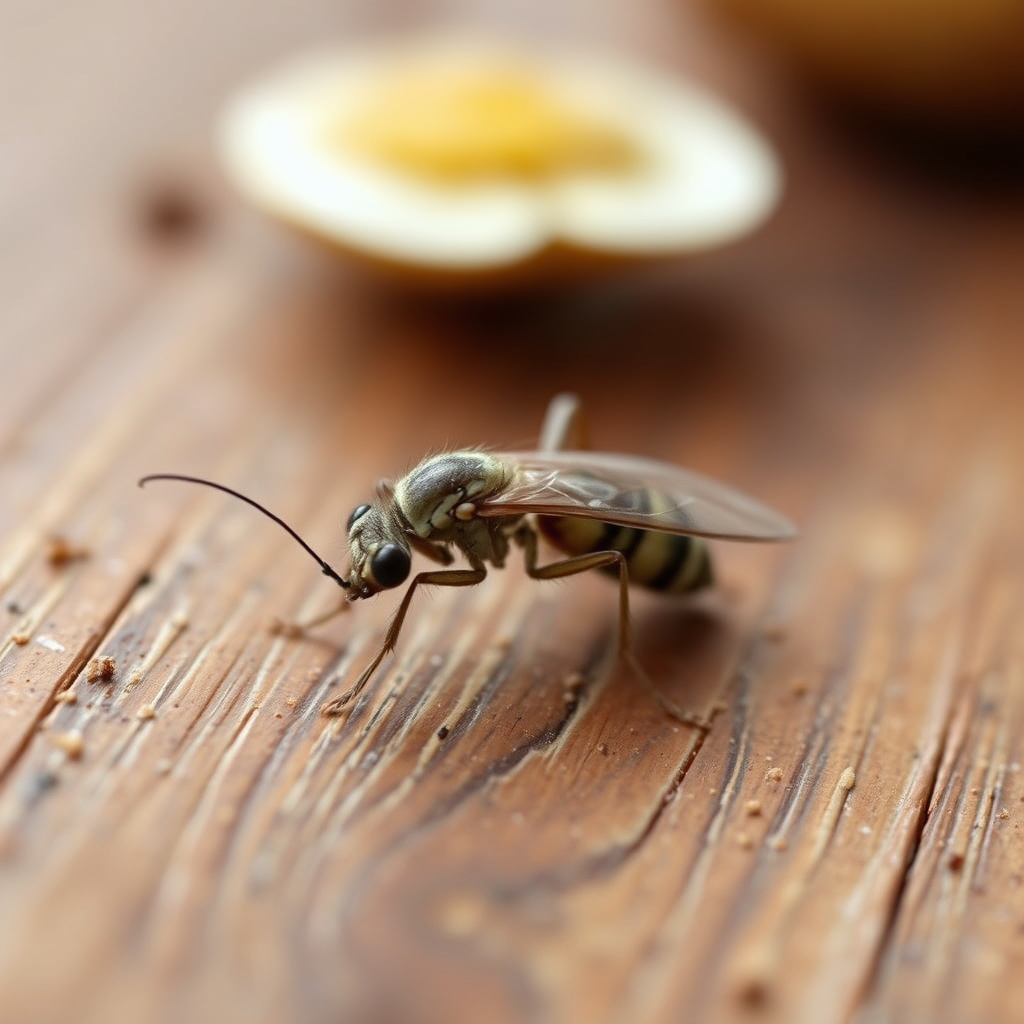
Essential oils such as peppermint, eucalyptus, and citronella repel gnats without chemicals. Dilute these oils with water and spray around kitchen entry points and plants to discourage gnats from settling.
Place fresh basil or mint leaves near windows and counters. These herbs emit scents gnats avoid, helping keep your kitchen free of these pests naturally.
Preventive Techniques for Long-Term Gnat Control

Regular Kitchen Maintenance
Routine cleaning and quick removal of food debris reduce the chance gnats establish. Inspect and maintain drains with monthly cleanings, keeping them clear of residue. Consistent waste disposal and cleaning habits limit possible breeding grounds over time.
Also, wash reusable grocery bags regularly and avoid leaving dirty dishes out for extended periods. These small habits contribute greatly to preventing gnats from gaining a foothold.
Care for Indoor Plants

Monitor houseplants closely to avoid fungus gnat infestations. Using well-draining soil, avoiding overwatering, and occasionally letting soil dry well keeps gnats from reproducing in pots.
Consider adding a layer of sand on the soil surface or using a biological control like beneficial nematodes if gnat larvae persist. These approaches help maintain healthy plants while controlling pests.
When to Use Commercial Gnat Control Products
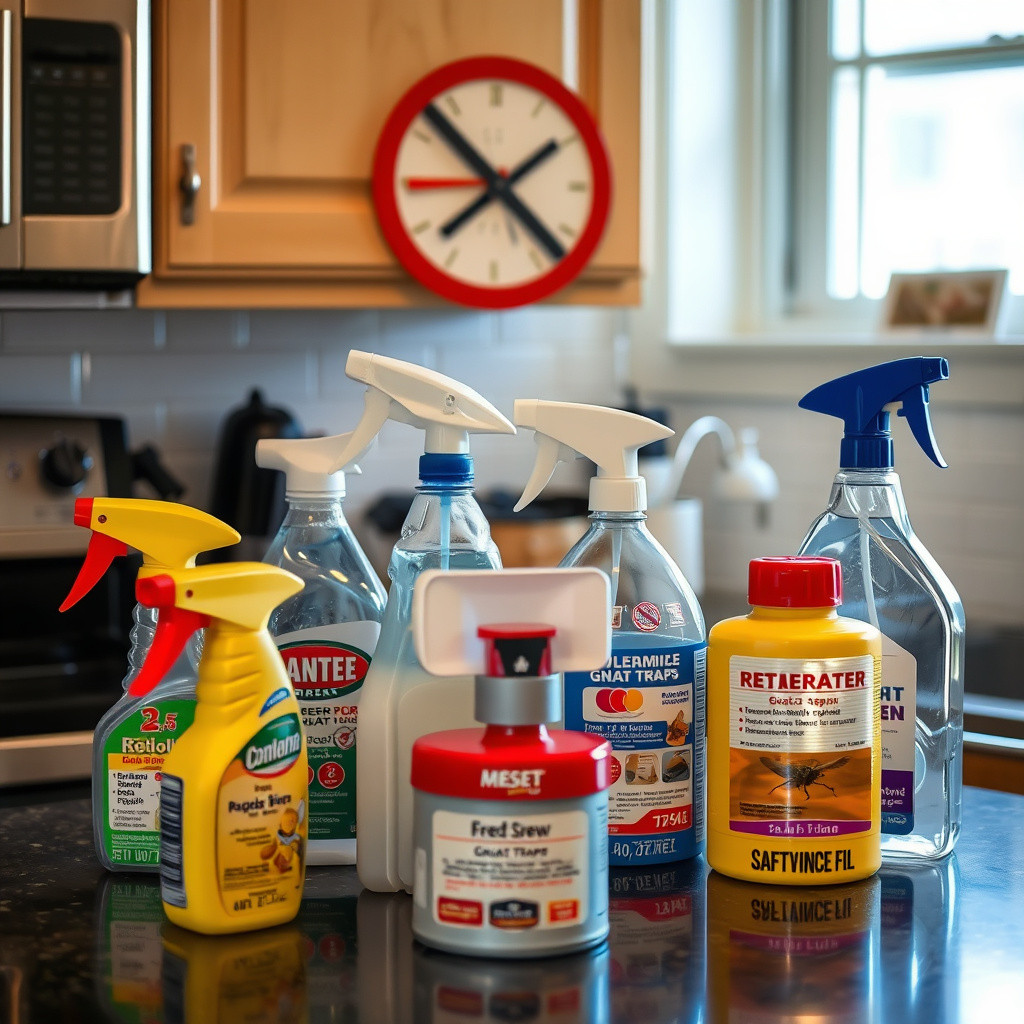
Choosing Safe Insecticides for Kitchens
If natural methods fail, select insecticides labeled safe for indoor use around food areas. Targeted sprays and foggers can quickly reduce adult gnat populations but should be used sparingly and according to label instructions.
Always ventilate the kitchen well after treatment, and remove food items during application. Look for products containing pyrethrins or other EPA-approved active ingredients designed for flying insects inside homes.
For more detailed information on fruit flies, see this authoritative article on fruit fly information from the EPA. fruit fly information.
Commercial Trap Options
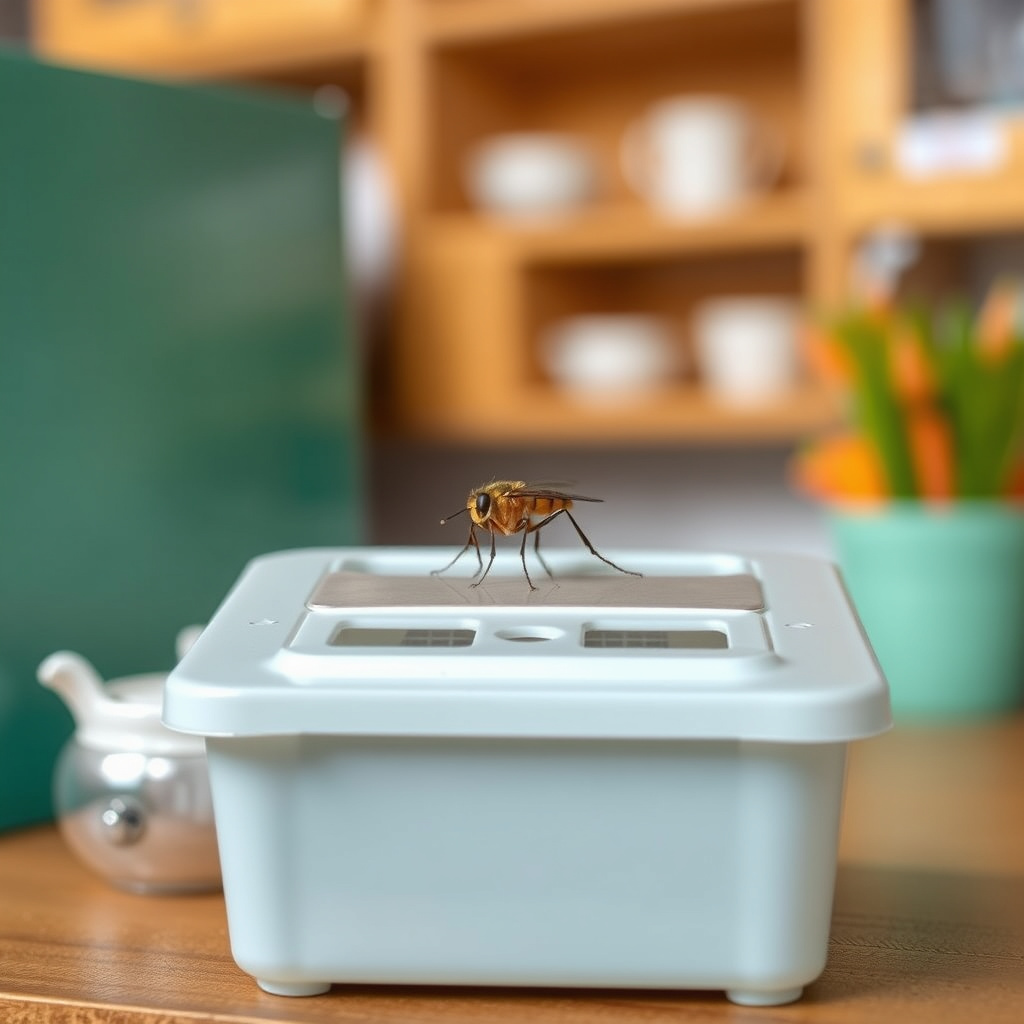
UV light traps and sticky traps are effective commercial options to capture flying gnats. These traps can be positioned near problem zones and require minimal maintenance, providing ongoing control with less chemical involvement.
Combined with good sanitation, commercial traps help keep gnat populations low over time, especially in persistent or larger infestations.
Comparison of Kitchen Gnat Control Methods
Here's a comparison of popular gnat control methods, highlighting their pros, cons, and typical effectiveness in kitchen settings.
| Method | Effectiveness | Ease of Use | Safety | Cost |
|---|---|---|---|---|
| Homemade traps | High for small infestations | Easy | Very safe | Low |
| Natural repellents | Moderate | Easy | Very safe | Low |
| Sanitation & moisture control | Very high | Moderate effort | Safe | Low |
| Commercial insecticides | High | Moderate | Moderate safety precautions | Medium |
| Commercial traps | High | Easy | Safe | Medium |
Frequently Asked Questions
How long does it take to get rid of gnats in the kitchen?
With consistent cleaning and traps, you can significantly reduce gnats within a few days, but full elimination may take one to two weeks to break their breeding cycle.
Are kitchen gnats harmful to humans?

Kitchen gnats are mostly a nuisance and do not bite or spread disease. However, they can contaminate food and should be controlled promptly.
Can I use bleach to kill gnats in the drain?
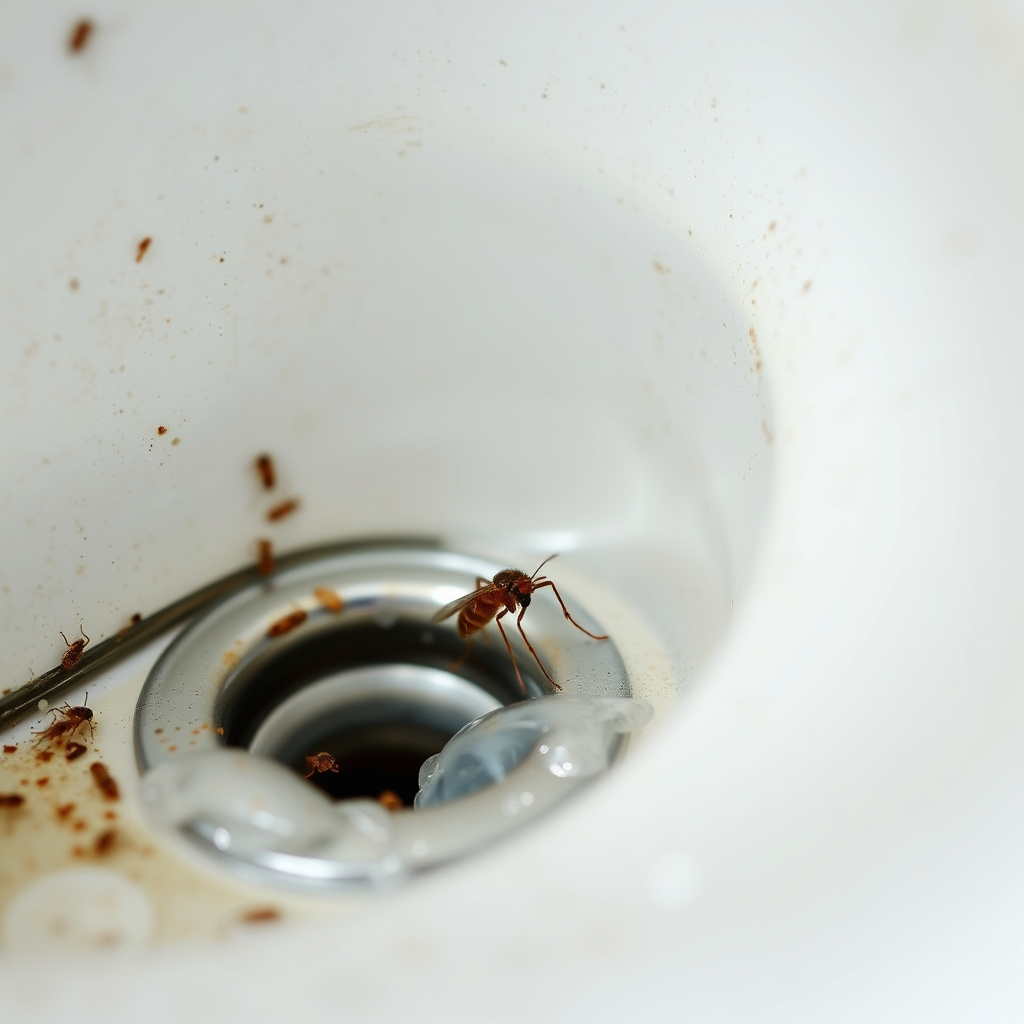
Bleach may kill some gnats but does not remove organic buildup where larvae develop. Physical cleaning of drains is more effective for long-term control.
Do houseplants cause gnat problems in kitchens?
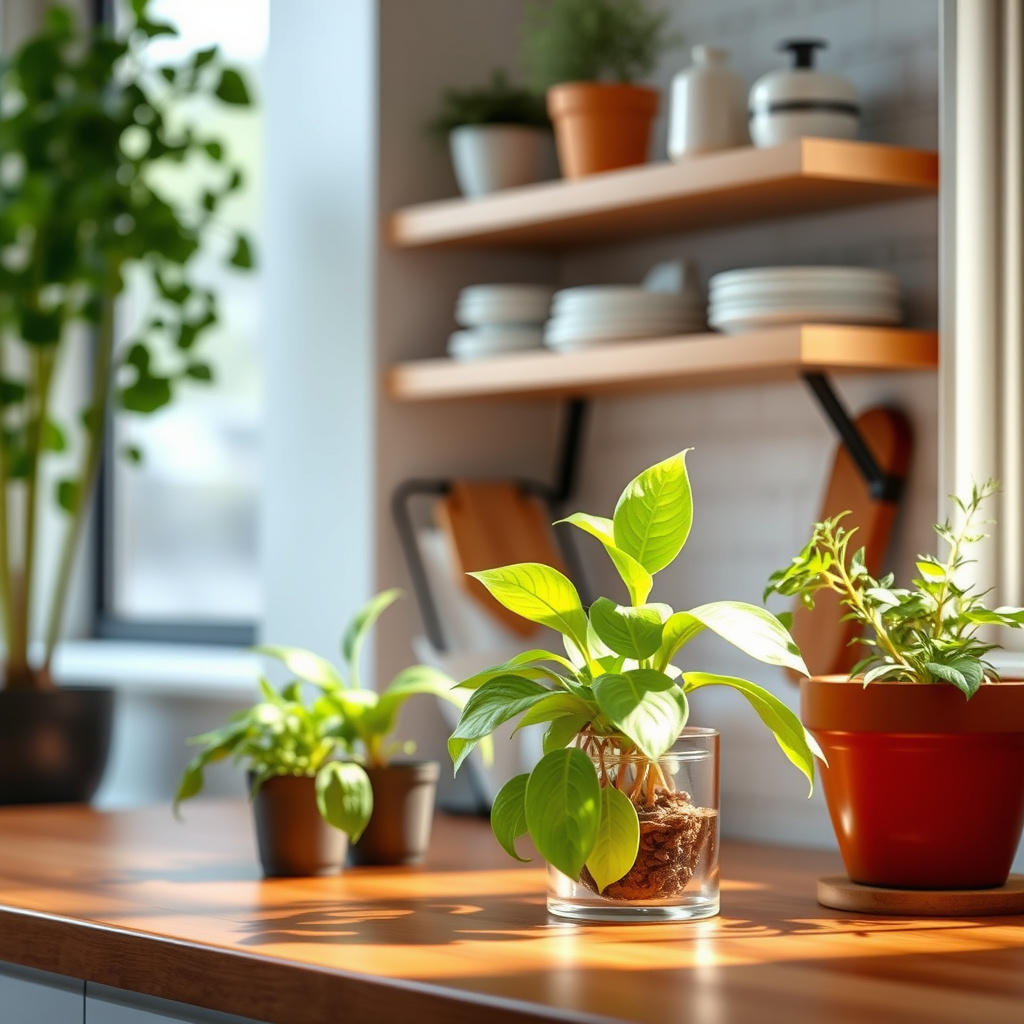
Overwatered houseplants can harbor fungus gnats, which may enter kitchens. Proper watering and soil care reduce this risk.
What is the best natural remedy to repel gnats?
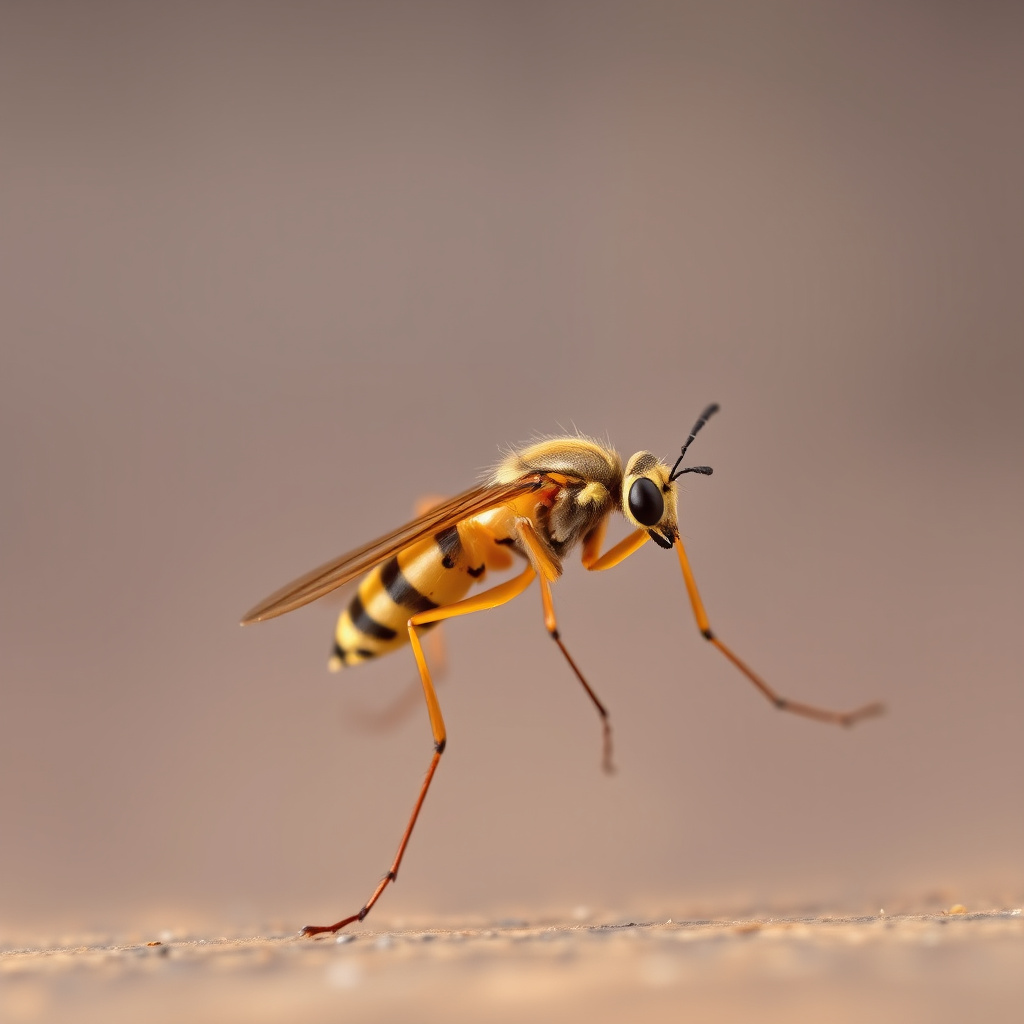
Essential oils like peppermint oil diluted in water and sprayed around can repel gnats effectively without chemicals.
Key Takeaways
- Eliminate food and moisture sources to stop gnats from breeding.
- Use vinegar traps and natural repellents for safe control.
- Maintain regular kitchen and plant care to prevent infestations.
- Commercial products can supplement but should be used carefully.
Conclusion
Understanding how to get rid of gnats in kitchen environments requires a blend of hygiene, targeted interventions, and preventive habits. Identifying their breeding spots helps tackle the problem directly, while traps and repellents reduce adult populations effectively. Routine maintenance plays an equally vital role, making it harder for gnats to reestablish even after initial removal.
For light infestations, homemade vinegar traps combined with diligent cleaning will suffice. In cases where fungus gnats originate from indoor plants, adjusting watering schedules and using natural repellents can control the issue well. Larger or persistent infestations may warrant commercial traps or insecticides, but these should be integrated with sanitation to avoid recurring problems.
Begin by inspecting your kitchen for possible gnat sources such as overripe fruits, wet sponges, and plant soil. Set up vinegar traps near hotspots, increase ventilation, and reduce moisture levels. With these steps, you'll be equipped to restore a clean, gnat-free kitchen that feels comfortable and inviting.