How to Build Outdoor Kitchen: A Step-by-Step Guide for Your Backyard
Building an outdoor kitchen creates an inviting space to cook, entertain, and enjoy your backyard. It involves planning your design, selecting durable materials, installing appliances, and arranging utilities strategically. This guide breaks down the process clearly to help you build an outdoor kitchen tailored to your needs.
An outdoor kitchen can increase your home’s value while providing a functional and attractive area for gatherings. From grills and countertops to sinks and lighting, each element plays a role in making your outdoor cooking experience comfortable and efficient.
In the following sections, we’ll cover site selection, choosing the right materials, appliance options, utility hookups, and design tips. This will help you confidently navigate every step of how to build outdoor kitchen setups that last and suit your lifestyle.
Planning Your Outdoor Kitchen Layout
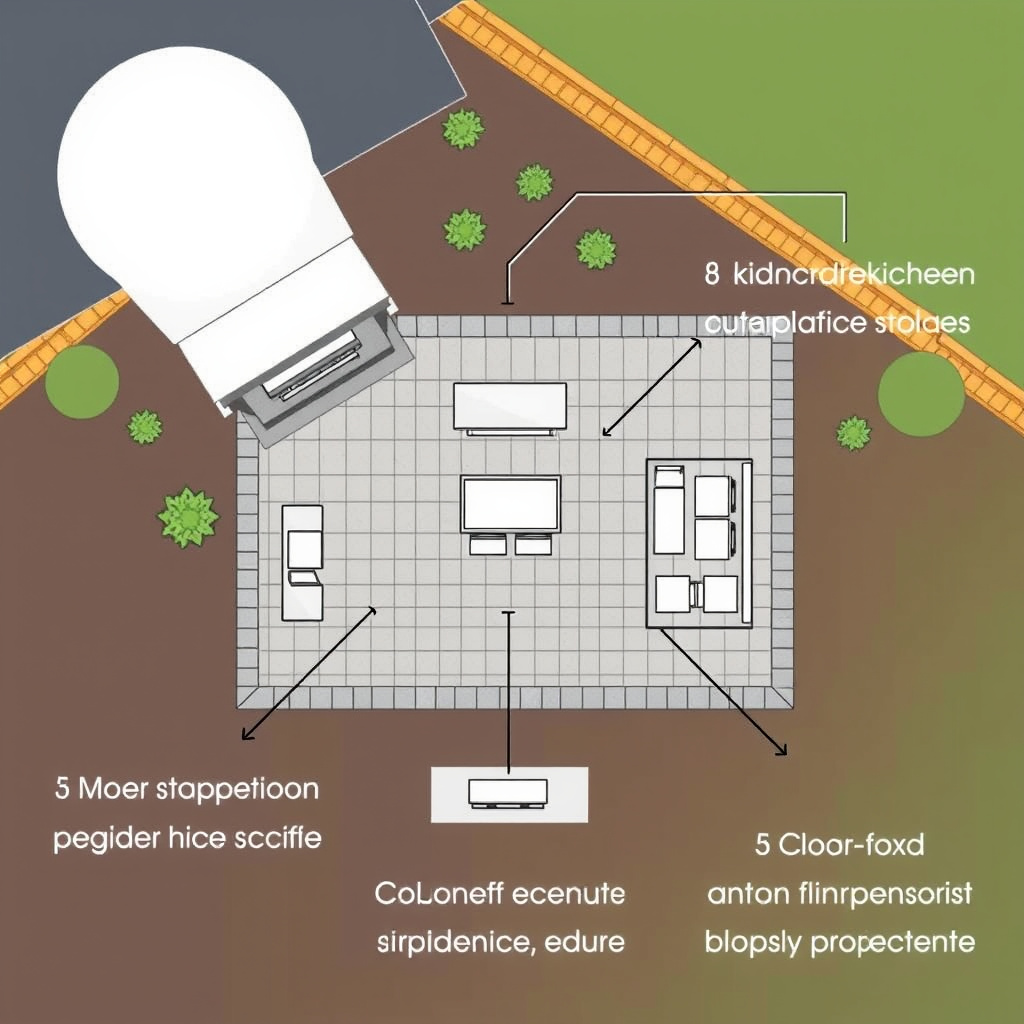
Assessing Your Space and Location
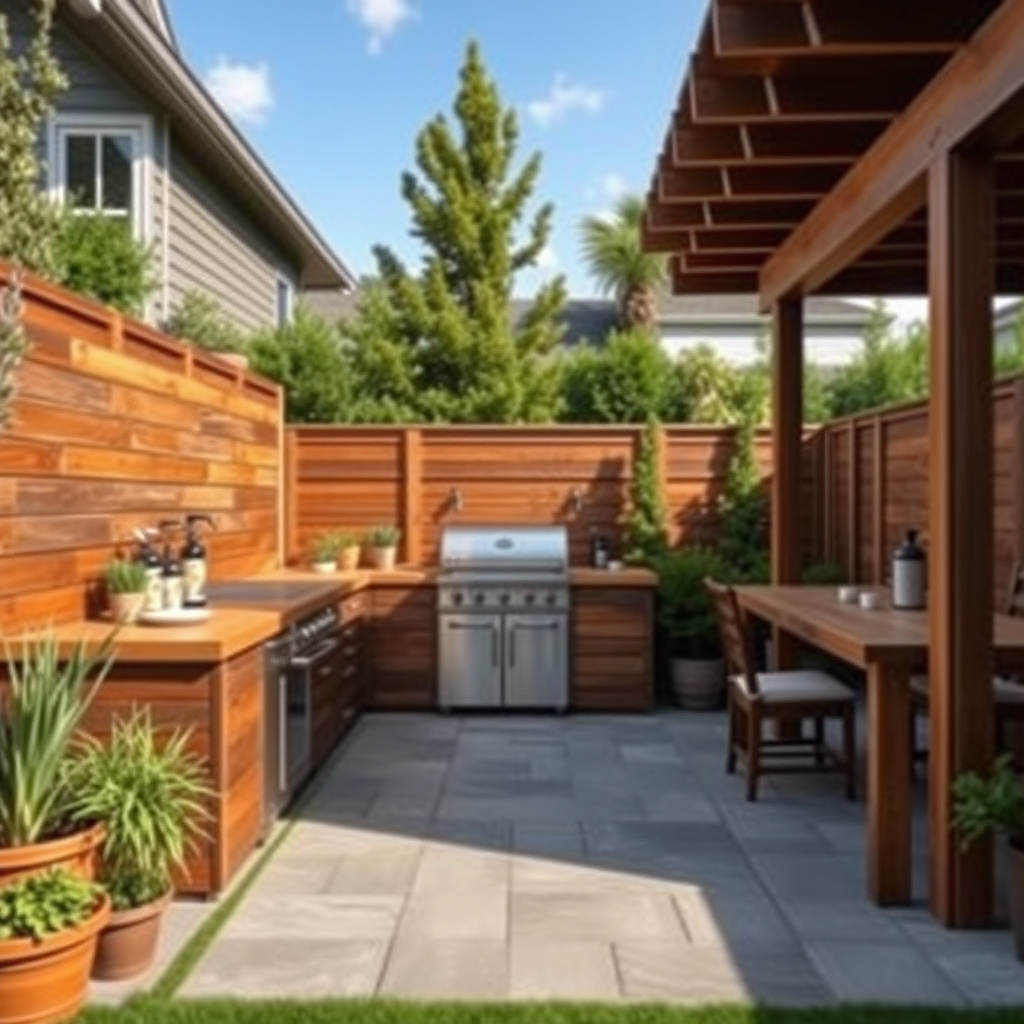
Choosing the right location for your outdoor kitchen depends on your yard's size, sunlight patterns, wind direction, and proximity to your indoor kitchen. Ideally, it should be close enough for convenience but positioned to avoid smoke or strong odors entering your home.
Measure the available area carefully and consider traffic flow to ensure functional movement around cooking, serving, and seating zones. Don't forget to account for clearance needed for grill lids and appliance doors.
Designing Functional Zones
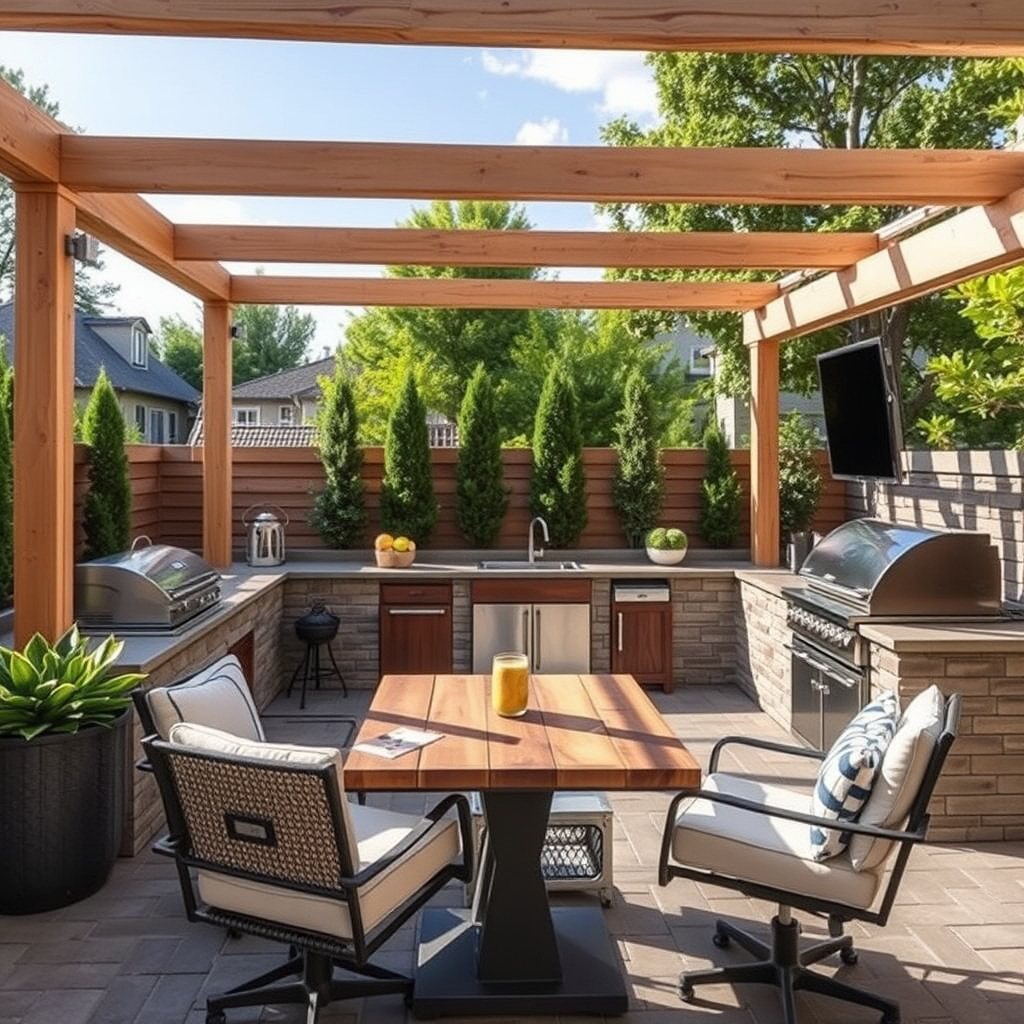
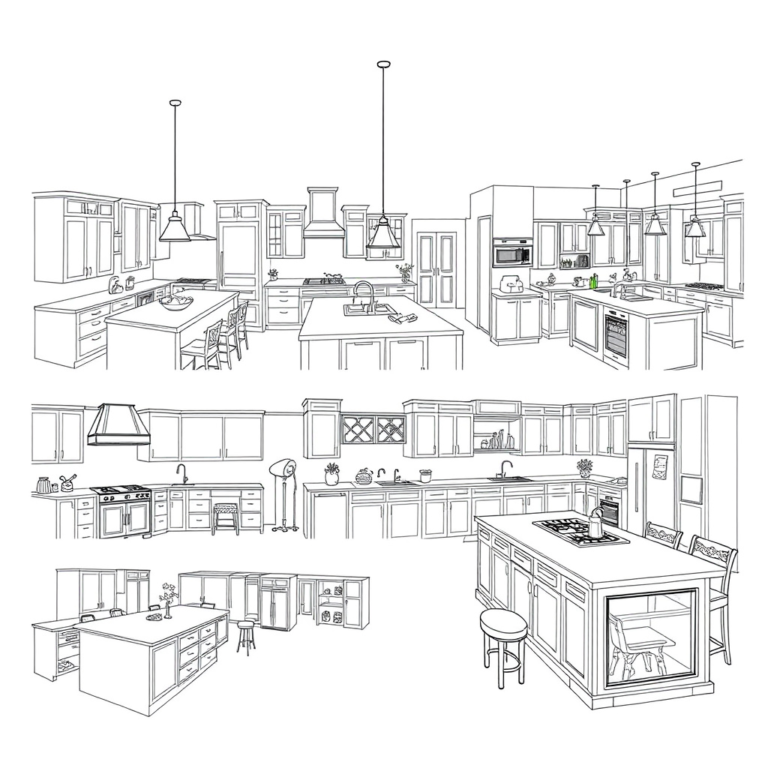
Divide your outdoor kitchen into zones such as food preparation, cooking, cleaning, and dining. Having separate areas helps keep the workflow organized, especially during larger gatherings.
Plan countertop space around appliances for convenience. Incorporate seating near the kitchen for social interaction, making it easier to entertain guests while preparing meals.
- Food prep zone
- Cooking zone
- Cleaning area
- Serving and dining zone
Selecting the Best Materials for Outdoor Kitchens
Durability and Weather Resistance
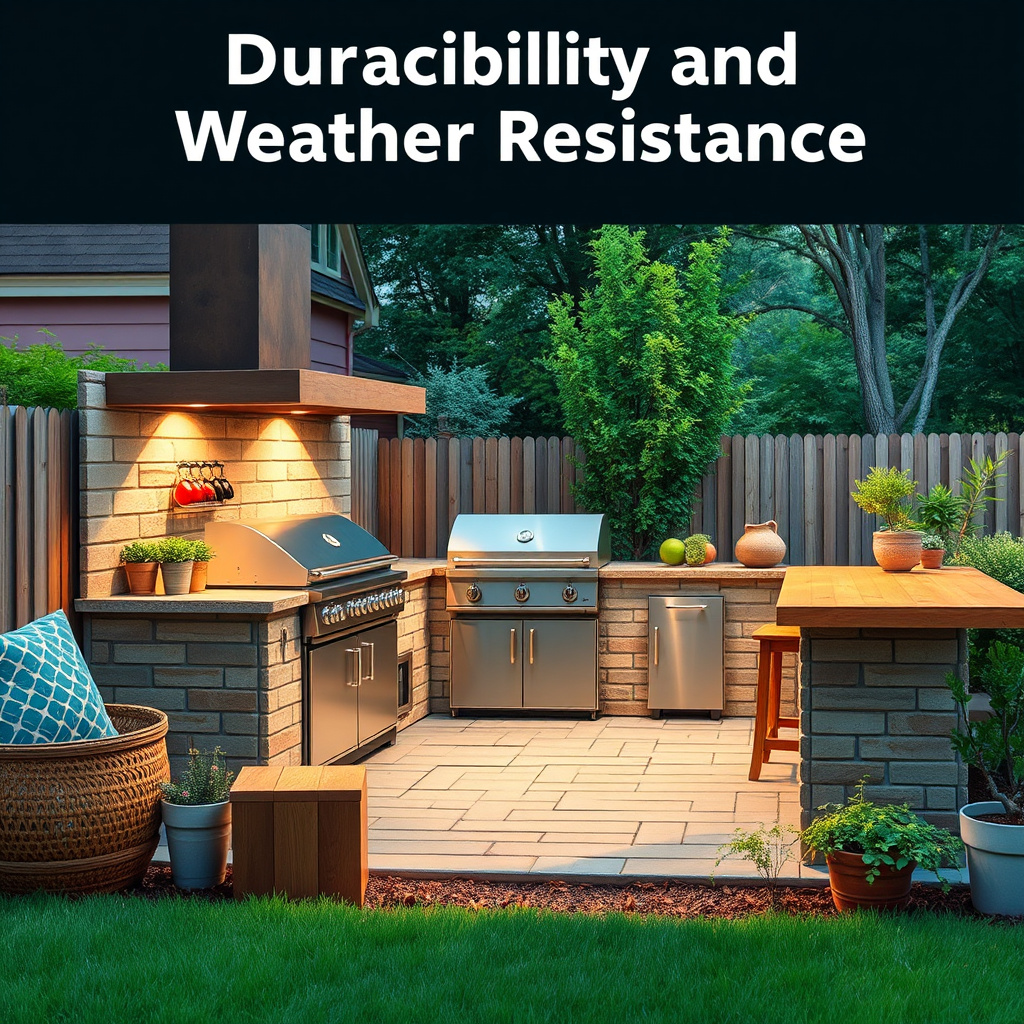
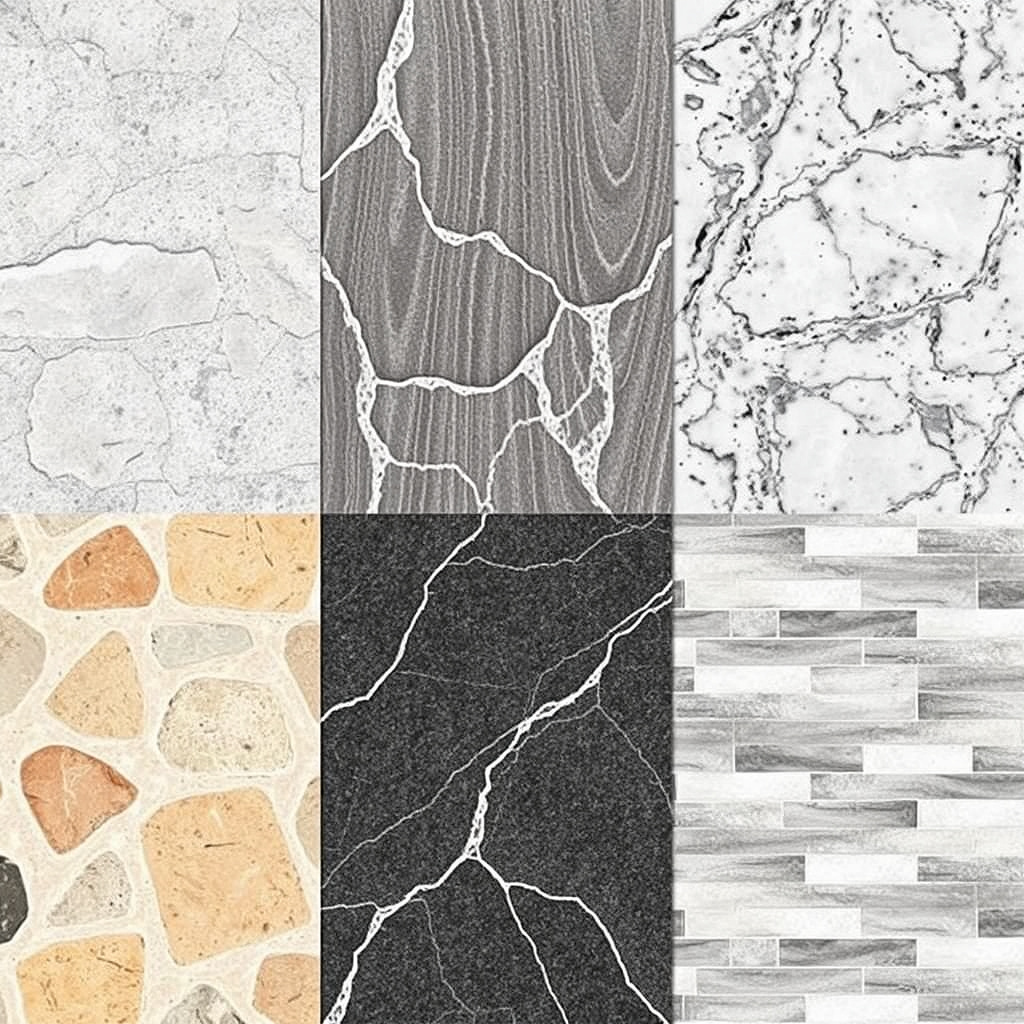
Materials used in outdoor kitchens must withstand various weather elements including sunlight, rain, and temperature fluctuations. Surfaces like granite, concrete, and stainless steel are popular for their robustness and ease of maintenance.
Avoid materials that can easily stain or warp. Using weather-resistant finishes prolongs the life of cabinets and countertops, maintaining aesthetics over time.
- Granite countertops
- Concrete surfaces
- Stainless steel appliances
Aesthetic and Functional Choices
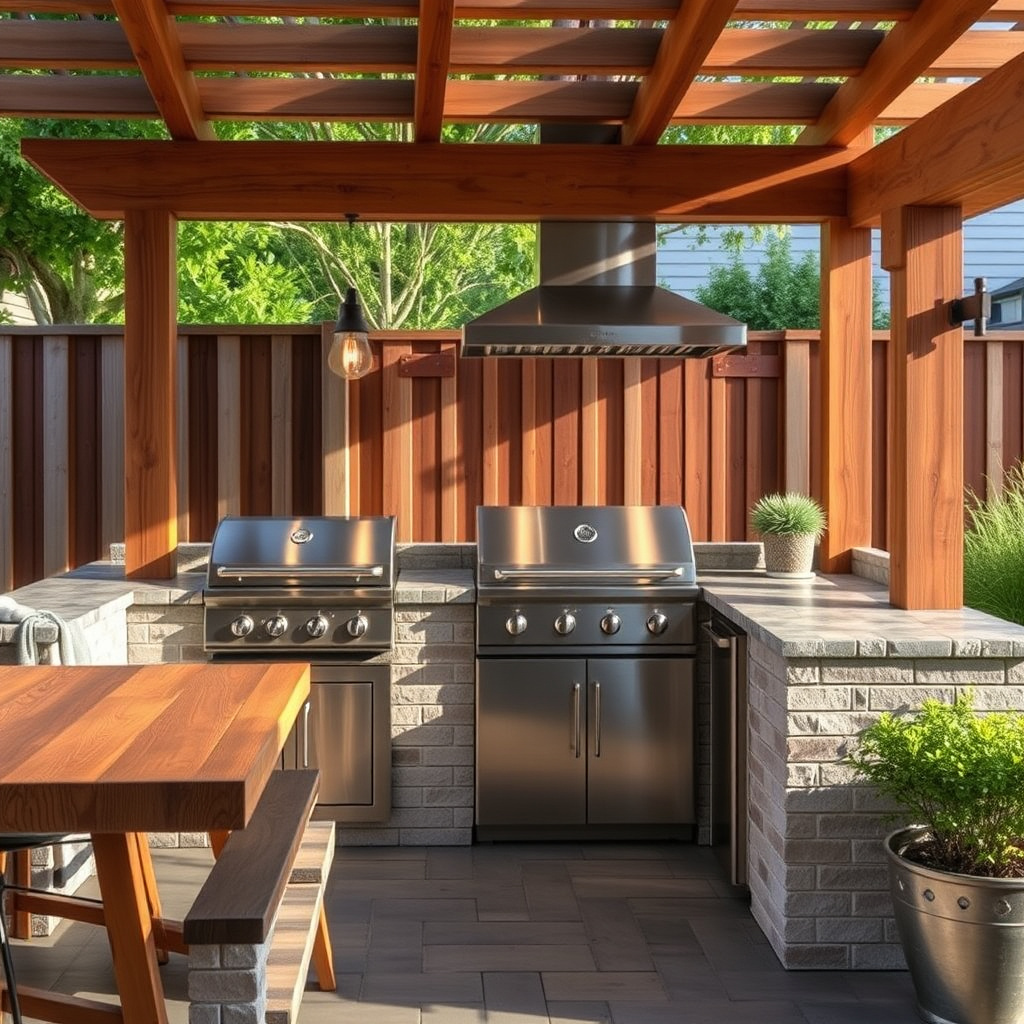
Choose materials that complement your home's style and your backyard environment. Natural stone blends well in rustic settings, while sleek stainless steel suits modern designs.
Consider functionality too—porcelain tiles provide a slip-resistant surface, and sealed wood adds warmth but may require regular upkeep.
- Natural stone for rustic style
- Porcelain tiles for flooring
- Sealed wood accents
Essential Appliances for Your Outdoor Kitchen
Choosing Grills and Cooking Equipment
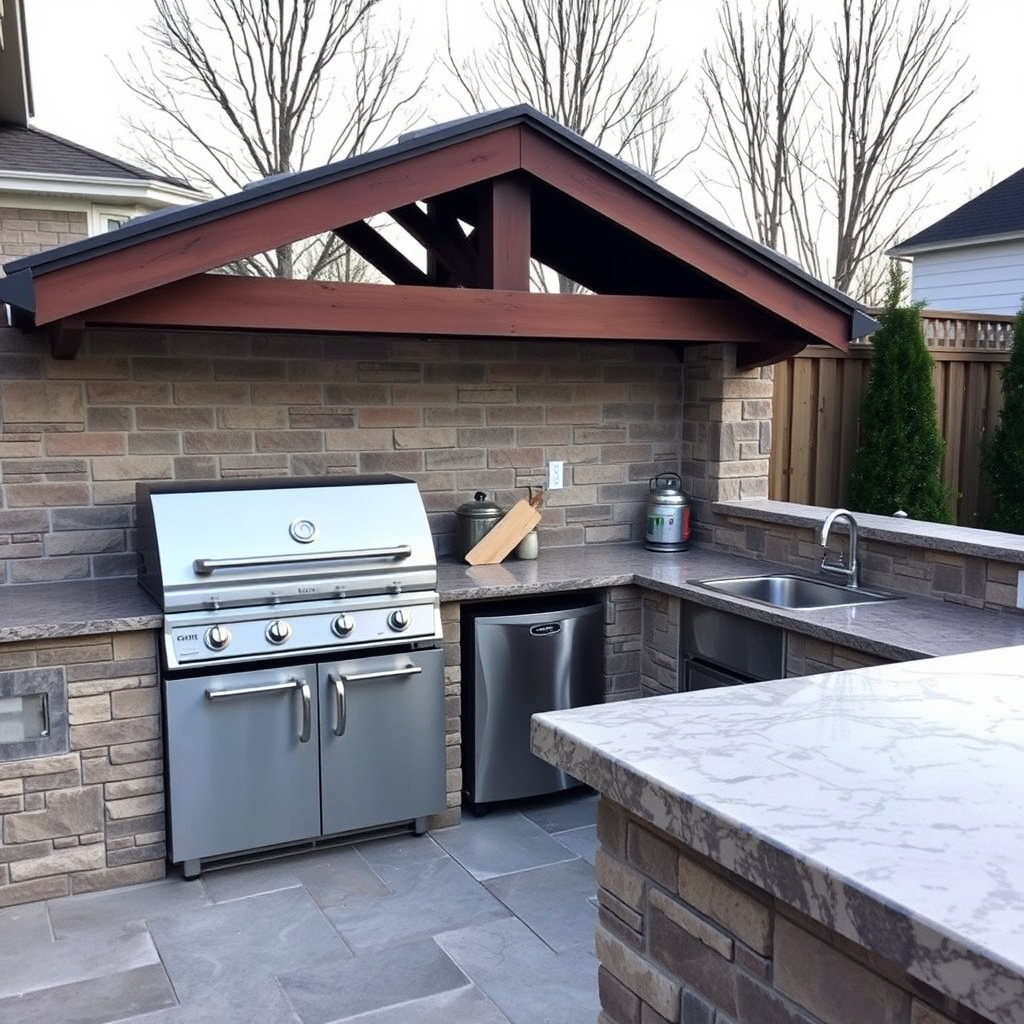
The grill is the centerpiece of most outdoor kitchens, available in gas, charcoal, or electric models. Gas grills offer quick heat control, whereas charcoal provides traditional smoky flavor. Some setups combine both for versatility.
Additional cooking appliances include side burners, pizza ovens, or smokers, which can expand your culinary options outdoors.
- Gas grills
- Charcoal grills
- Side burners
- Pizza ovens
For more on this, see our related guide: How to Build an Outdoor Kitchen: A Step-by-Step Guide for Your Backyard.
Incorporating Refrigeration and Storage
Including a refrigerator in your outdoor kitchen keeps ingredients fresh and drinks chilled without the need to go indoors. Built-in refrigerators are specially designed to handle outdoor conditions.
Adequate storage for utensils, cookware, and cleaning supplies ensures your kitchen remains organized and functional during use.
- Built-in outdoor refrigerators
- Weatherproof storage cabinets
Installing Utilities and Safety Considerations
Water and Electrical Hookups
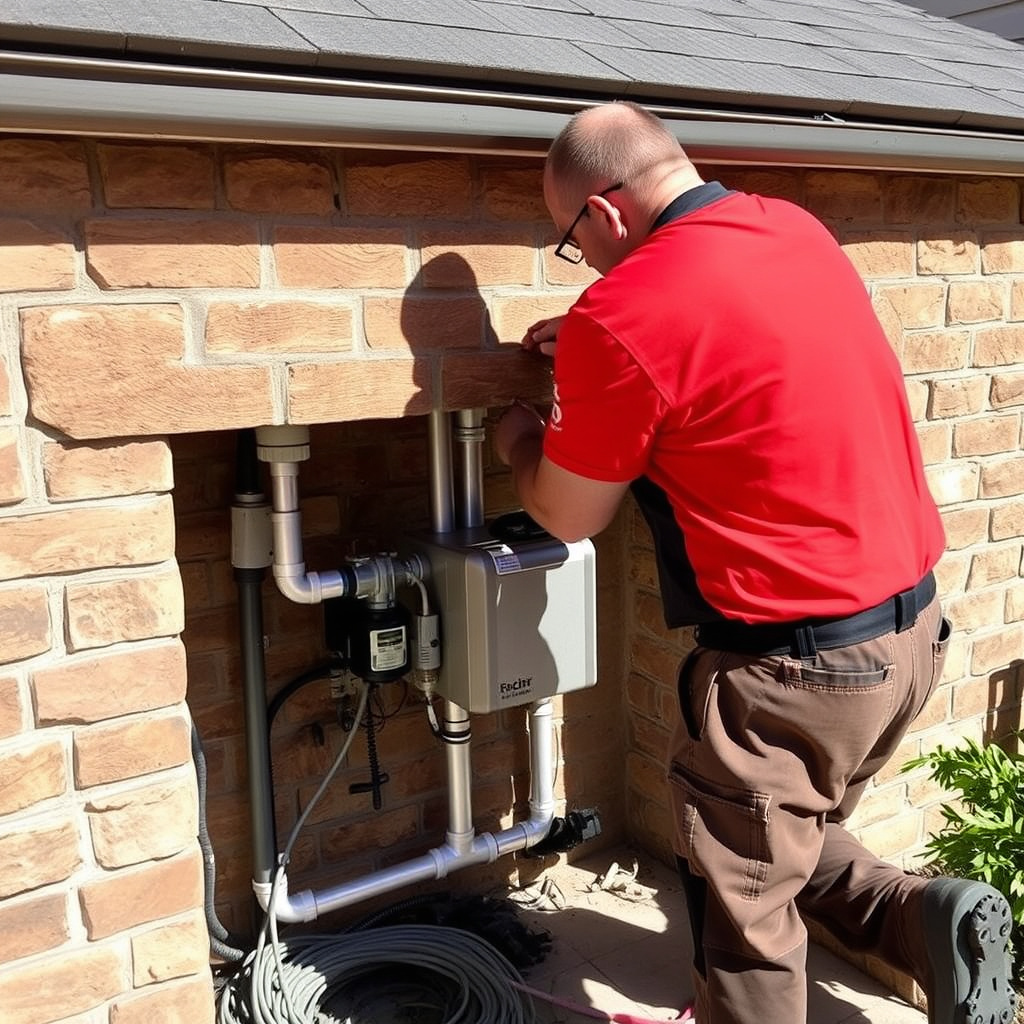
Outdoor kitchens require proper plumbing for sinks and sometimes ice makers or refrigerators. Consult professionals to install water lines and drainage systems to prevent leaks and freezing in colder climates.
Electrical outlets must be outdoor-rated with ground-fault circuit interrupters (GFCIs) to safely power appliances and lighting.
- Plumbing installation
- Outdoor-rated electrical outlets
- GFCI protection
Fire Safety and Ventilation
Grills and cooking appliances should be placed with enough clearance from combustible materials like wooden decks or siding. A fire extinguisher nearby adds quick response capability.
Incorporate ventilation hoods or fans if the cooking area is partially enclosed to direct smoke away from seating or neighboring homes.
- Clearance from combustibles
- Accessible fire extinguisher
- Proper ventilation systems
Design Tips for Comfort and Functionality
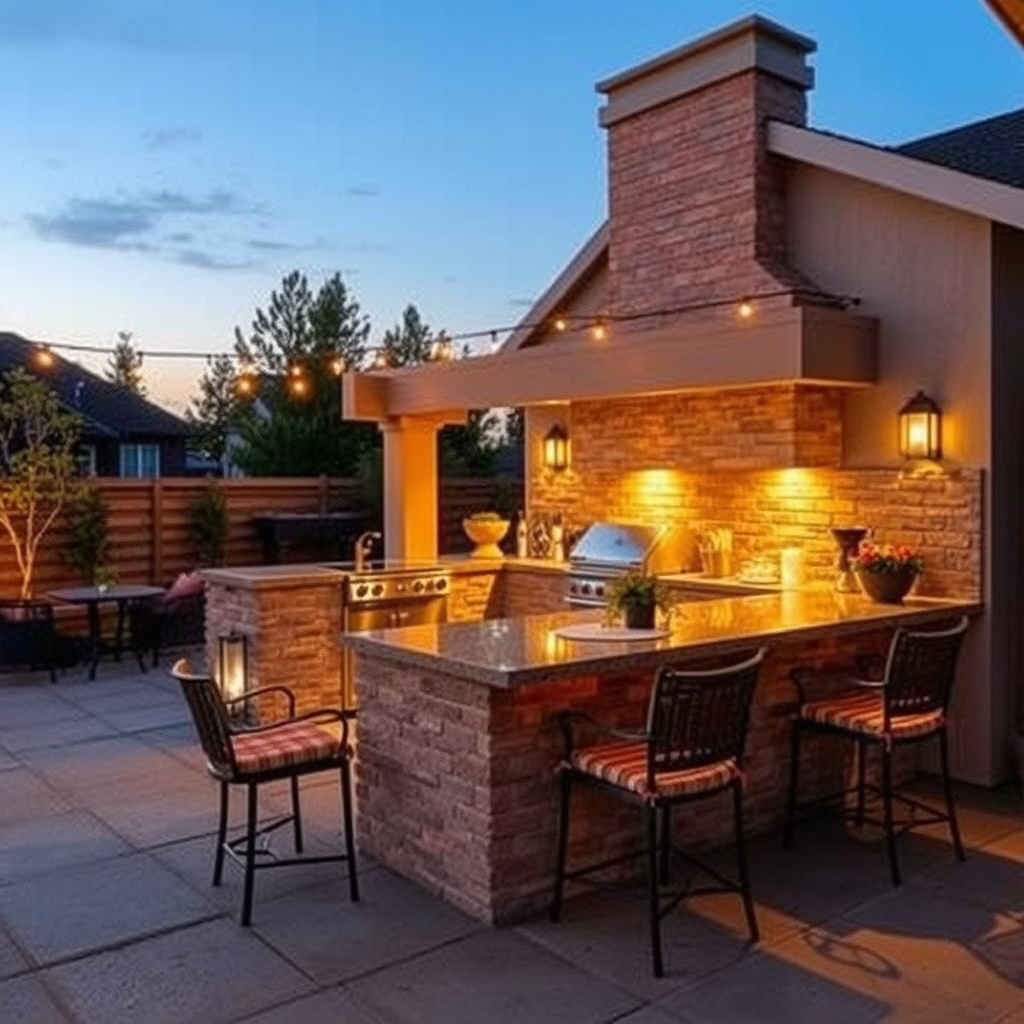
Lighting and Ambience
Good lighting enhances both safety and ambiance. Use layered lighting including task lights near cooking zones and softer lights around seating areas to create a welcoming atmosphere.
Consider solar or LED fixtures for energy efficiency and ease of installation.
- Task lighting for cooking areas
- Ambient lighting for seating
- Energy-efficient fixtures
For more on this, see our related guide: How 486 Gelyney Kitchen Exhaust Hood Work: A Detailed Explanation.
Weather Protection Features
Overhead structures like pergolas, retractable awnings, or umbrellas provide shade and shelter from rain, making your outdoor kitchen usable in various weather conditions.
Windbreaks such as walls or shrubbery protect flames and keep the area comfortable during breezy days.
- Pergolas or awnings
- Umbrellas
- Windbreak walls or plants
Maintaining Your Outdoor Kitchen for Longevity
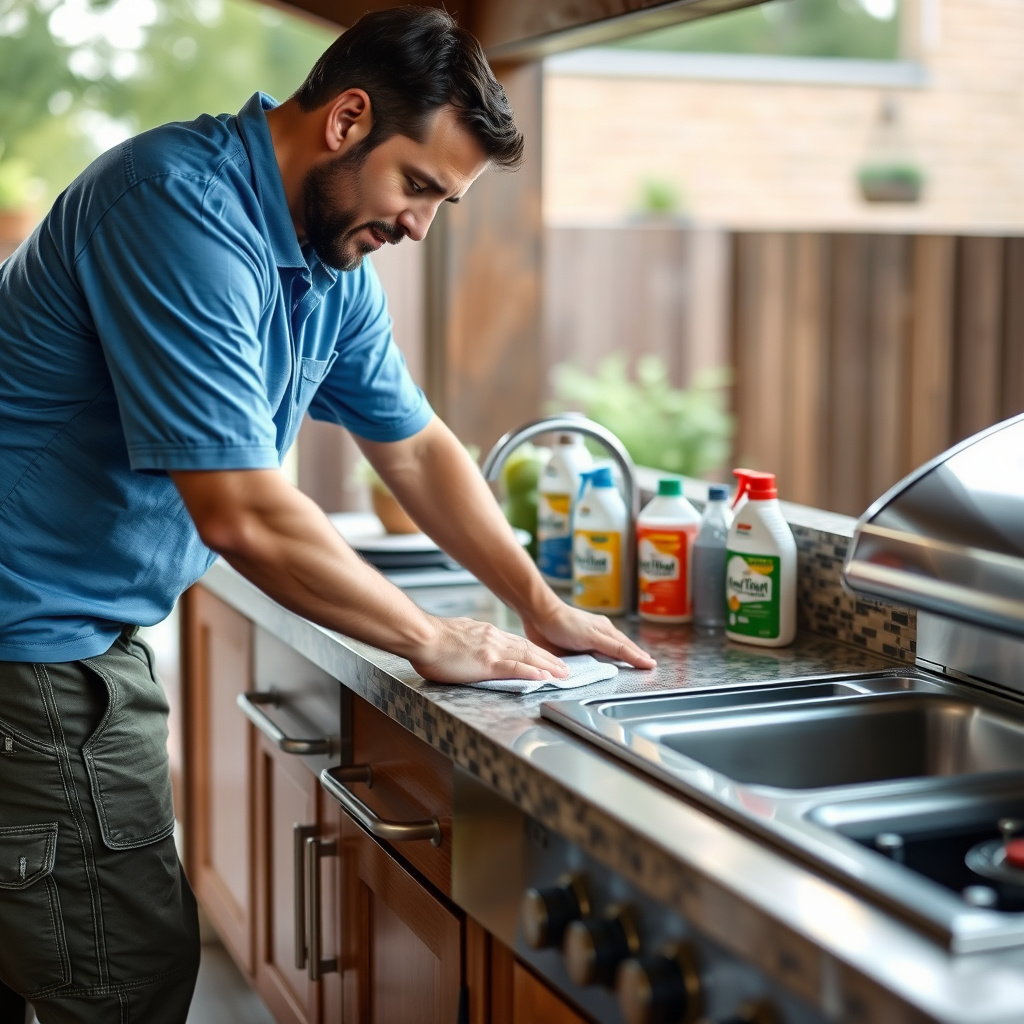
Routine Cleaning and Upkeep
Regular cleaning prevents buildup of grease, dirt, and debris. Use non-abrasive cleaners on surfaces and cover appliances when not in use to guard against weather damage.
Check seals and finishes yearly and reseal stone or wood surfaces as needed to maintain their protective layers.
- Clean grill grates after each use
- Cover appliances
- Reseal stone surfaces annually
For a broader overview and history of outdoor kitchens, you can visit the Outdoor Kitchen information on Wikipedia. Outdoor Kitchen information on Wikipedia.
Seasonal Preparations
Before winter, disconnect and drain water lines to avoid freezing, and remove or cover portable appliances. Clear debris from vents and inspect for pest nests.
Spring maintenance includes inspecting surfaces for cracks or damage, cleaning thoroughly, and restocking supplies.
- Winterize plumbing
- Cover or store appliances
- Inspect and clean vents
Outdoor Kitchen Material Category Comparison
Below is a comparison of popular materials used for outdoor kitchen surfaces, focusing on durability, maintenance, cost, and appearance.
| Material | Durability | Maintenance | Cost | Aesthetic |
|---|---|---|---|---|
| Granite | High resistance to weather and heat | Low, requires sealing | Moderate to high | Elegant, natural stone |
| Concrete | Very durable, weatherproof | Moderate, may crack | Moderate | Customizable finish |
| Stainless Steel | Resists rust and heat well | Low, easy to clean | High | Modern, sleek look |
| Porcelain Tile | Resistant to heat and stains | Low, grout may need sealing | Low to moderate | Variety of colors and patterns |
| Sealed Wood | Moderate, depends on sealing | High, needs regular sealing | Moderate | Warm, natural appearance |
Frequently Asked Questions
What is the most weather-resistant material for outdoor kitchens?
Granite and stainless steel are among the most weather-resistant materials, offering excellent durability against sun, rain, and temperature changes.
Can I build an outdoor kitchen myself or should I hire a professional?
While simple outdoor kitchens can be DIY projects, involving professionals for utility hookups and heavy construction ensures safety and code compliance.
How do I protect my outdoor kitchen appliances from the elements?
Use appliance covers made for outdoor use, clean them regularly, and consider installing under covered areas to prolong their lifespan.
Is it necessary to have plumbing for an outdoor kitchen?
Plumbing is not mandatory but highly beneficial for cleaning and convenience, especially if you plan to install a sink or refrigerator.
What are some safety tips when building an outdoor kitchen?
Ensure proper clearance from flammable materials, install fire extinguishers nearby, use GFCI-protected electrical outlets, and provide adequate ventilation.
Key Takeaways
- Plan your outdoor kitchen layout considering space, flow, and proximity to your indoor kitchen.
- Select durable, weather-resistant materials for longevity and low maintenance.
- Incorporate essential appliances like grills and refrigeration tailored to your cooking style.
- Install proper utilities and safety features for convenience and protection.
Conclusion
Taking a thoughtful approach to how to build outdoor kitchen spaces involves balancing design, materials, and functional needs. Carefully analyzing your available yard space and weather conditions helps create an efficient layout with smooth workflow zones. Consideration of aesthetics alongside technical requirements like plumbing and electricity adds to a successful build that performs well for years.
For those seeking classic durability, granite countertops paired with stainless steel appliances provide a solid foundation. If customization and cost savings matter most, concrete surfaces with porcelain tiles offer flexibility. Depending on your cooking preferences, a combination of gas and charcoal grills can enhance versatility. Incorporate covered structures or awnings to extend usability during different weather seasons.
Begin your project by sketching the layout and researching local building codes. Engage professionals for utility installations to avoid complications. Once your outdoor kitchen is complete, plan regular upkeep especially for surfaces and appliances. With careful preparation and attention to detail, your outdoor kitchen will become a favorite spot to gather, cook, and enjoy the great outdoors.