How 486 Gelyney Kitchen Exhaust Hood Work: A Detailed Explanation
The 486 Gelyney kitchen exhaust hood works by capturing airborne grease, smoke, odors, and heat generated during cooking and expelling them outside or filtering the air before recirculation. It uses a powerful fan to draw kitchen air through filters that trap contaminants and then route it through a duct system or recirculate it after purification. This process keeps your kitchen air fresh and reduces buildup on surrounding surfaces.
Having an effective kitchen exhaust hood like the 486 Gelyney is essential for maintaining a comfortable, safe cooking environment. It prevents smoke accumulation that can trigger alarms, controls odors that interfere with indoor air quality, and minimizes grease deposits that can become fire hazards. Its performance influences the ventilation quality and energy efficiency of kitchen spaces.
This article explores how the 486 Gelyney kitchen exhaust hood operates in detail, covering its design features, airflow mechanism, filtration process, installation types, maintenance tips, and how it compares to other models. You will also find answers to common questions and a comparison of related kitchen ventilation systems.
Design and Build of the 486 Gelyney Kitchen Exhaust Hood
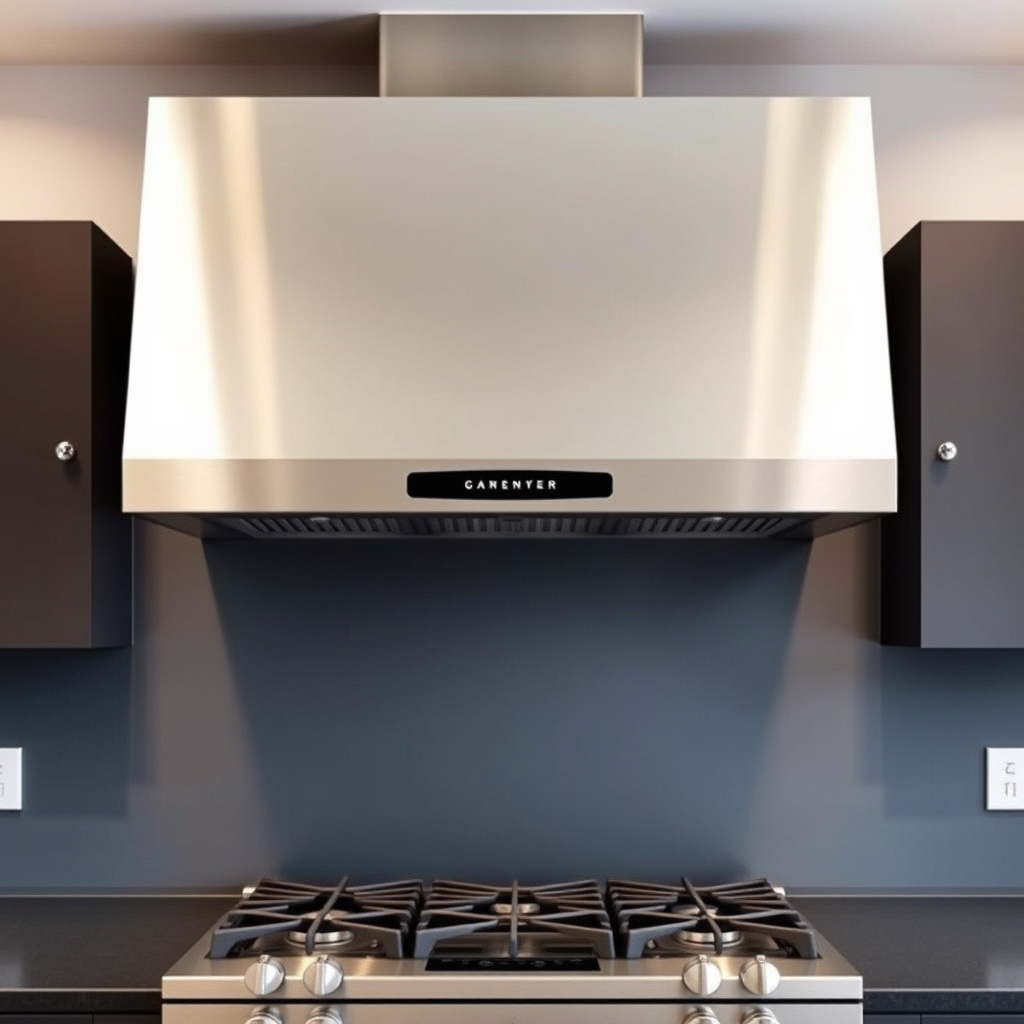
Key Components of the 486 Gelyney Exhaust Hood
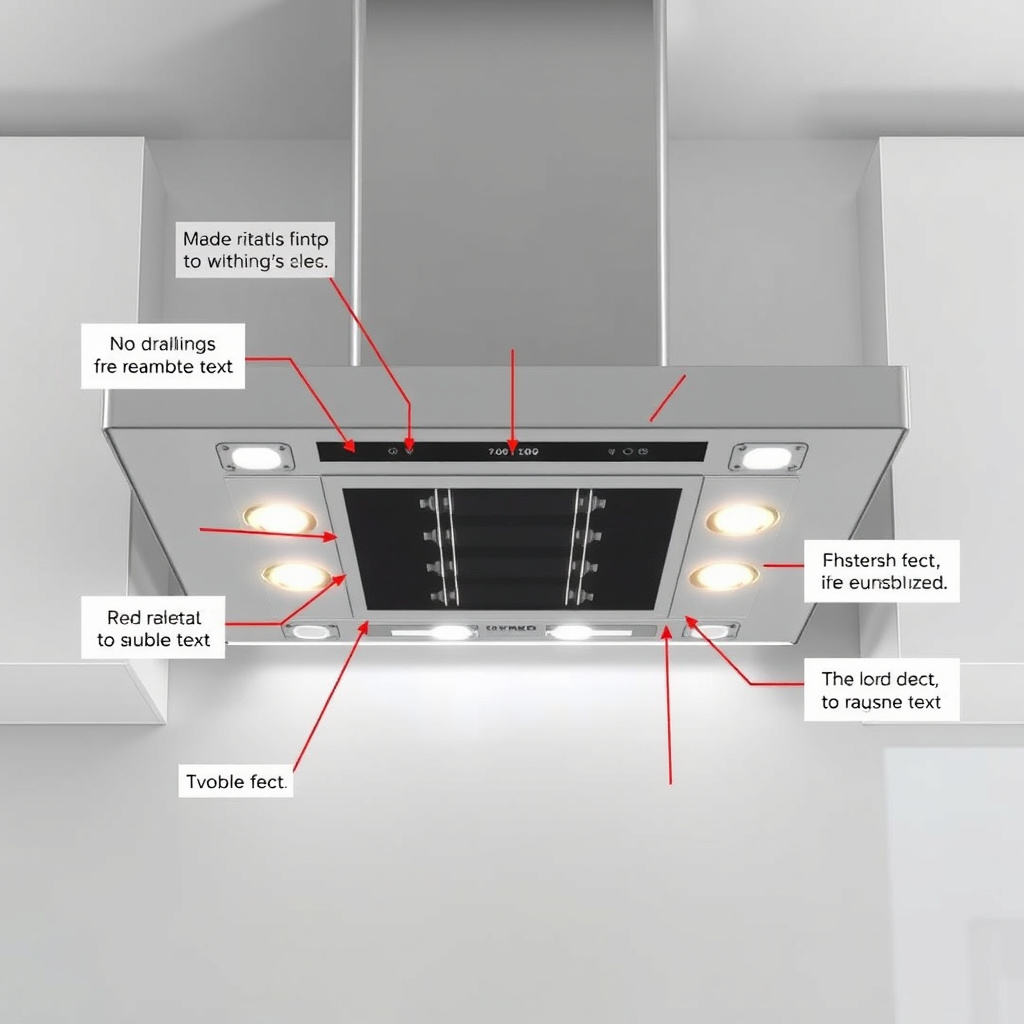
The 486 Gelyney kitchen exhaust hood includes a robust blower fan, multiple grease filters, and a control panel. The blower fan creates strong suction, effectively pulling in smoke and odors. Grease filters trap airborne oils to protect the ductwork and keep the air cleaner.
The control panel lets users adjust fan speed to match cooking intensity, which balances extraction performance with noise levels and energy consumption.
- Powerful blower fan
- Removable grease filters
- Adjustable fan speed controls
- Durable stainless steel construction
Materials and Finish for Durability
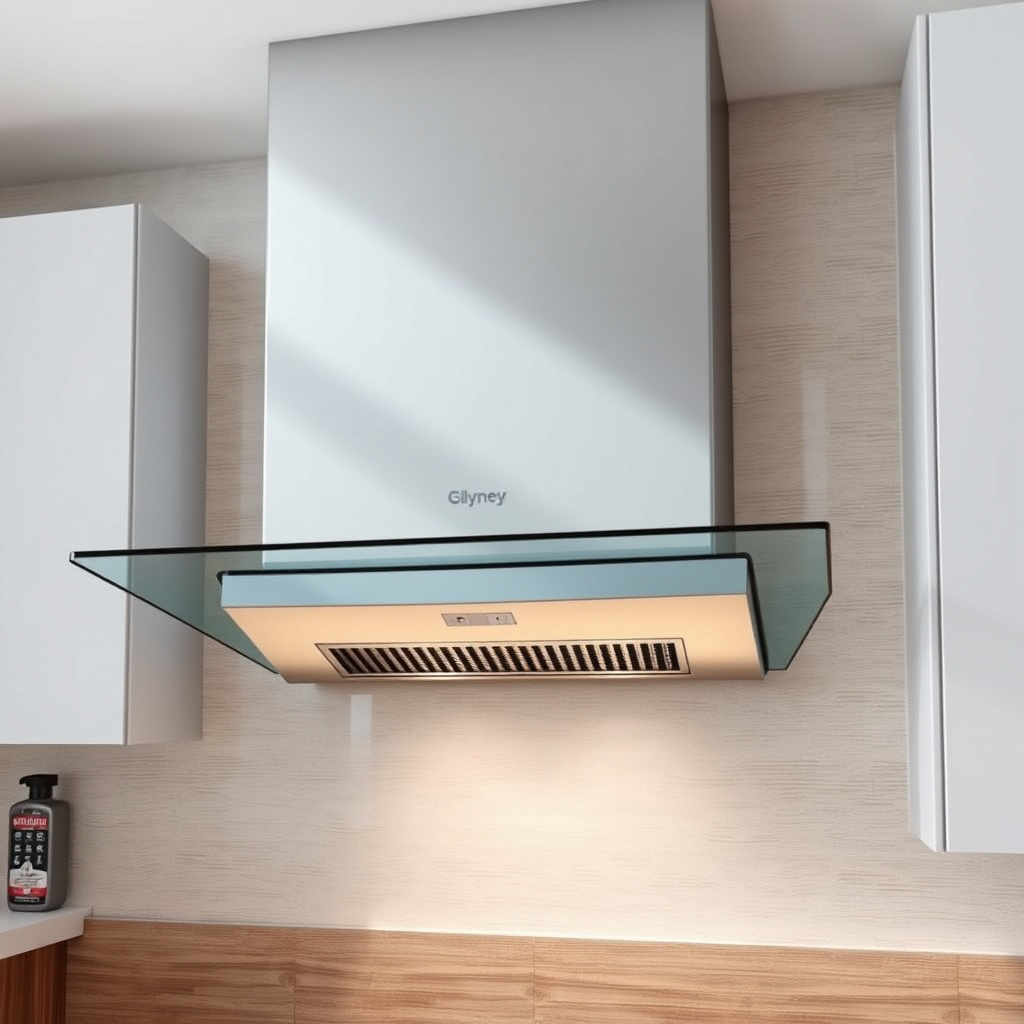
Constructed mainly from stainless steel, the 486 Gelyney hood resists heat, corrosion, and wear for years of use. The stainless steel finish is easy to clean and matches most kitchen styles.
Visible parts use brushed or polished finishes that hide fingerprints and grease splatters, reducing maintenance efforts.
Airflow Mechanism in the 486 Gelyney Kitchen Exhaust Hood
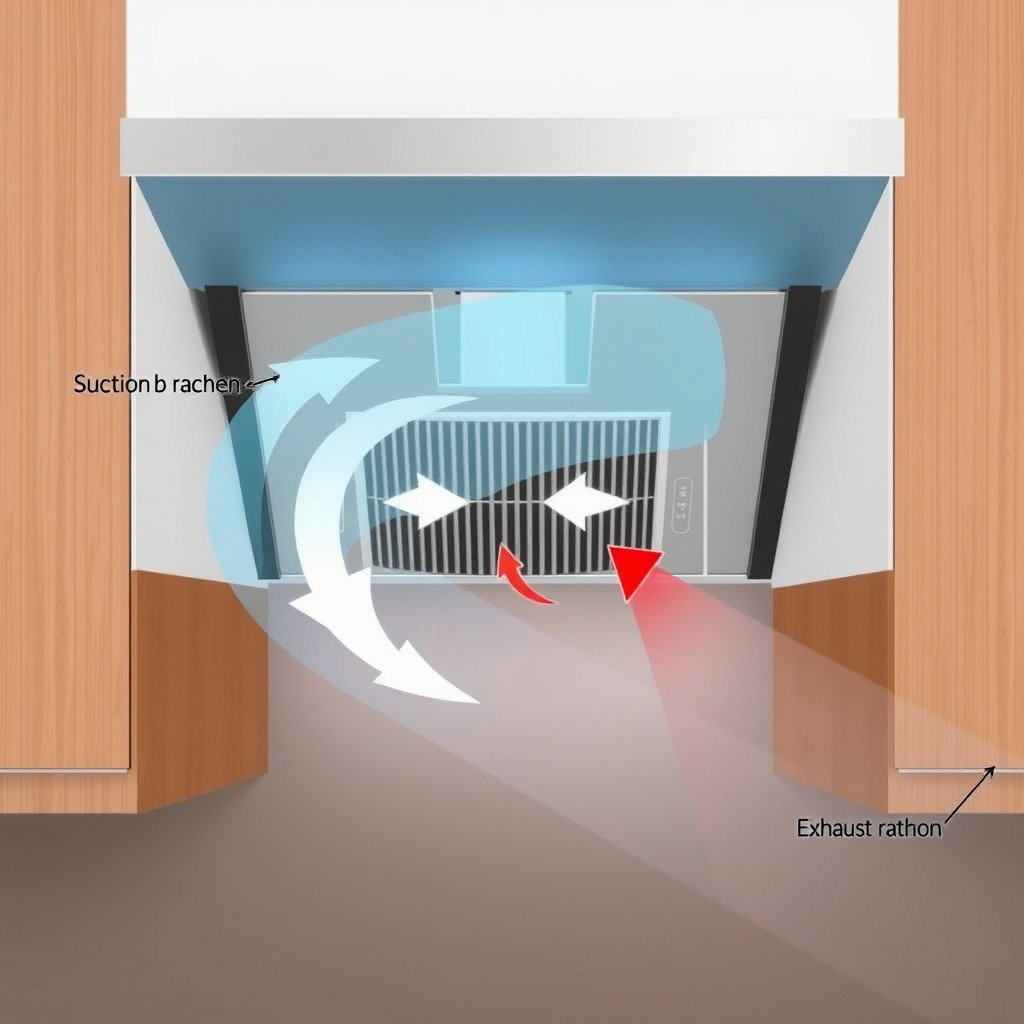
How Air Is Drawn Into the Hood
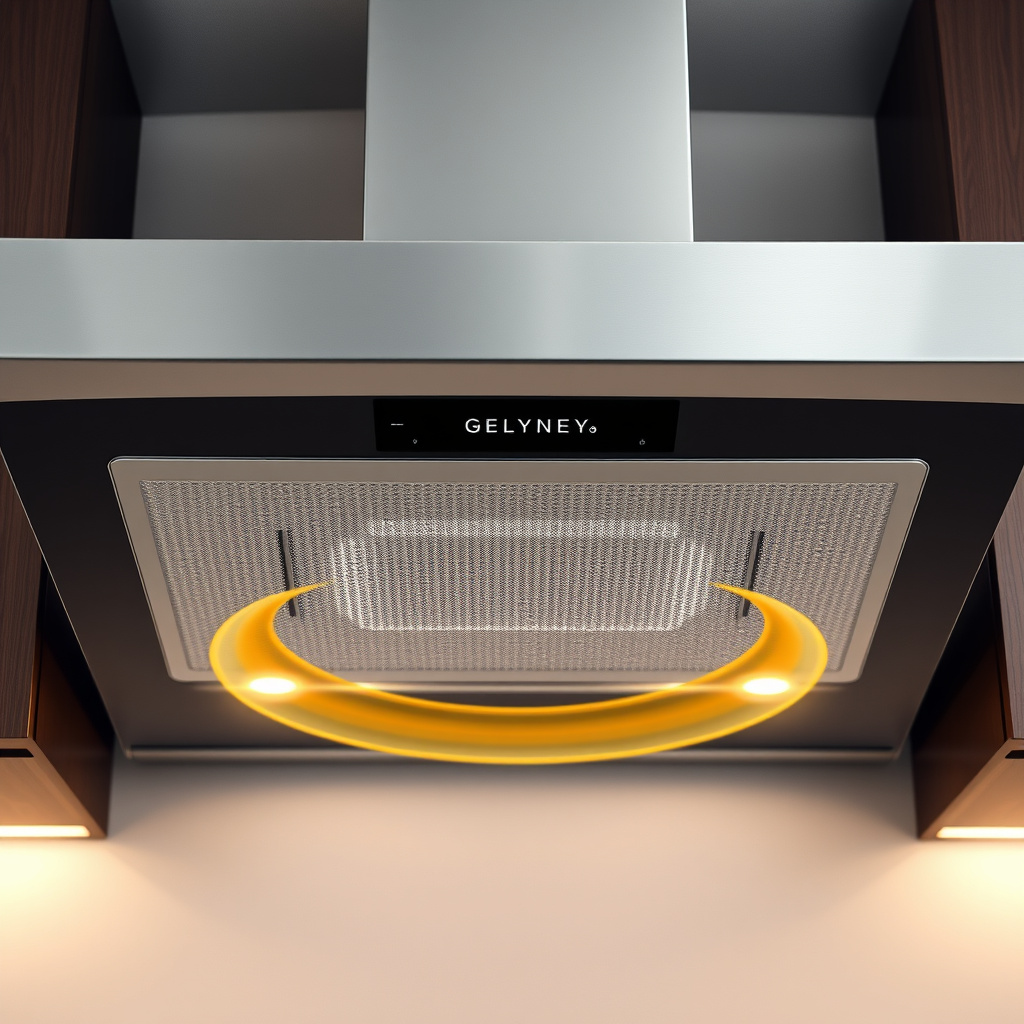
When activated, the blower fan creates negative pressure inside the hood chamber, which pulls cooktop smoke, steam, and odors upward. The hood captures rising air over the stove surface, preventing it from spreading into the kitchen.
Air enters through inlet openings beneath the hood canopy and passes through grease filters that trap particulate matter before sufficient airflow reaches the duct or recirculation system.
Exhaust or Recirculation Options
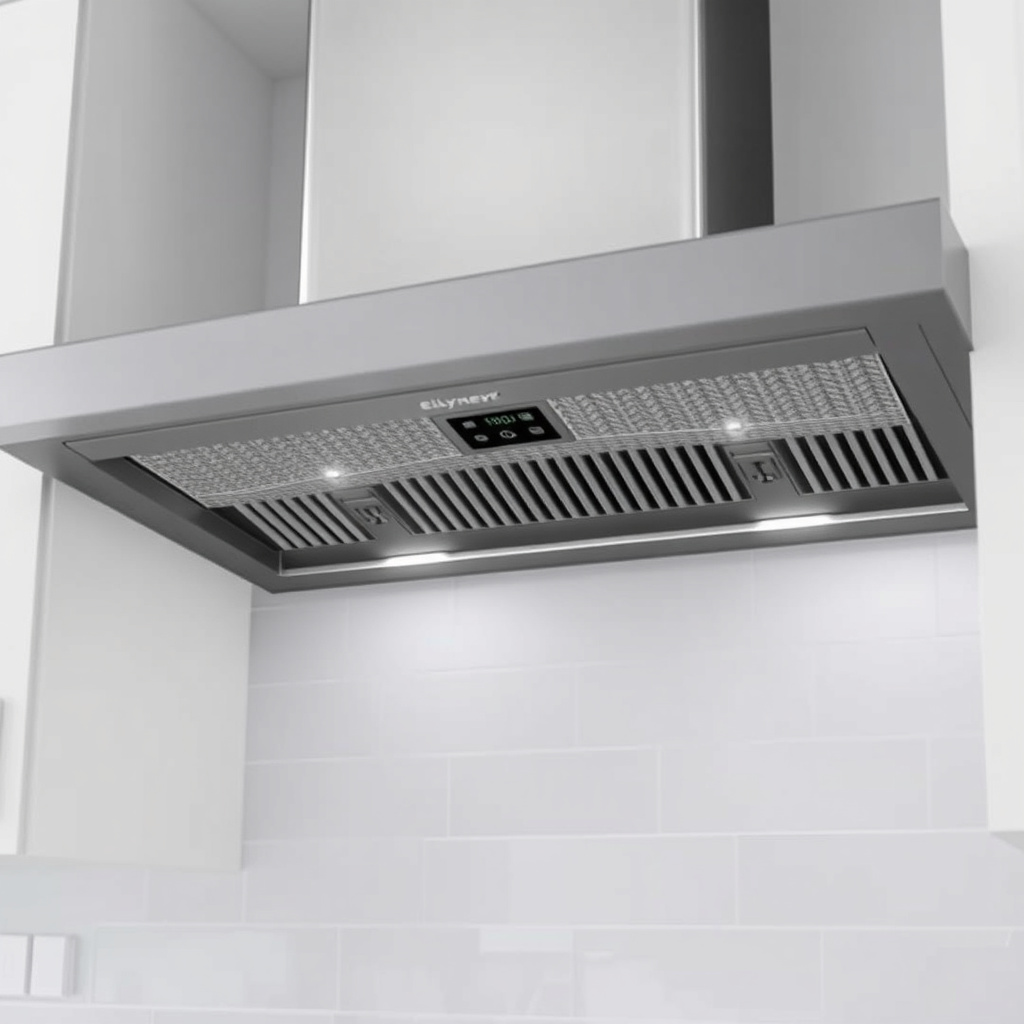
The 486 Gelyney is designed to work with either external ducting or internal recirculation. In ducted mode, contaminated air is expelled outdoors via vent pipes, removing pollutants entirely.
In recirculation mode, the air passes through charcoal filters that neutralize odors and then is returned to the kitchen, which suits setups where exterior venting is impractical.
Filtration Process in the 486 Gelyney Kitchen Exhaust Hood

Grease Filter Functionality
Grease filters catch oil droplets from cooking fumes, preventing buildup inside the duct and fan system that would degrade performance or pose fire risks.
These filters are typically metal mesh or baffle types, washable and reusable, which keeps maintenance practical and lowers operating costs.
- Metal mesh or baffle designs
- Washable and reusable
- Prevent grease buildup
Odor Control with Charcoal Filters
Charcoal filters absorb and neutralize odors during recirculation mode, using activated carbon’s porous structure to trap volatile compounds.
These filters need regular replacement since their absorption capacity diminishes over time, ensuring continuing air purification efficiency.
- Activated carbon for odor absorption
- Periodic replacement required
- Enhances indoor air quality
Installation Types and Considerations for the 486 Gelyney Exhaust Hood
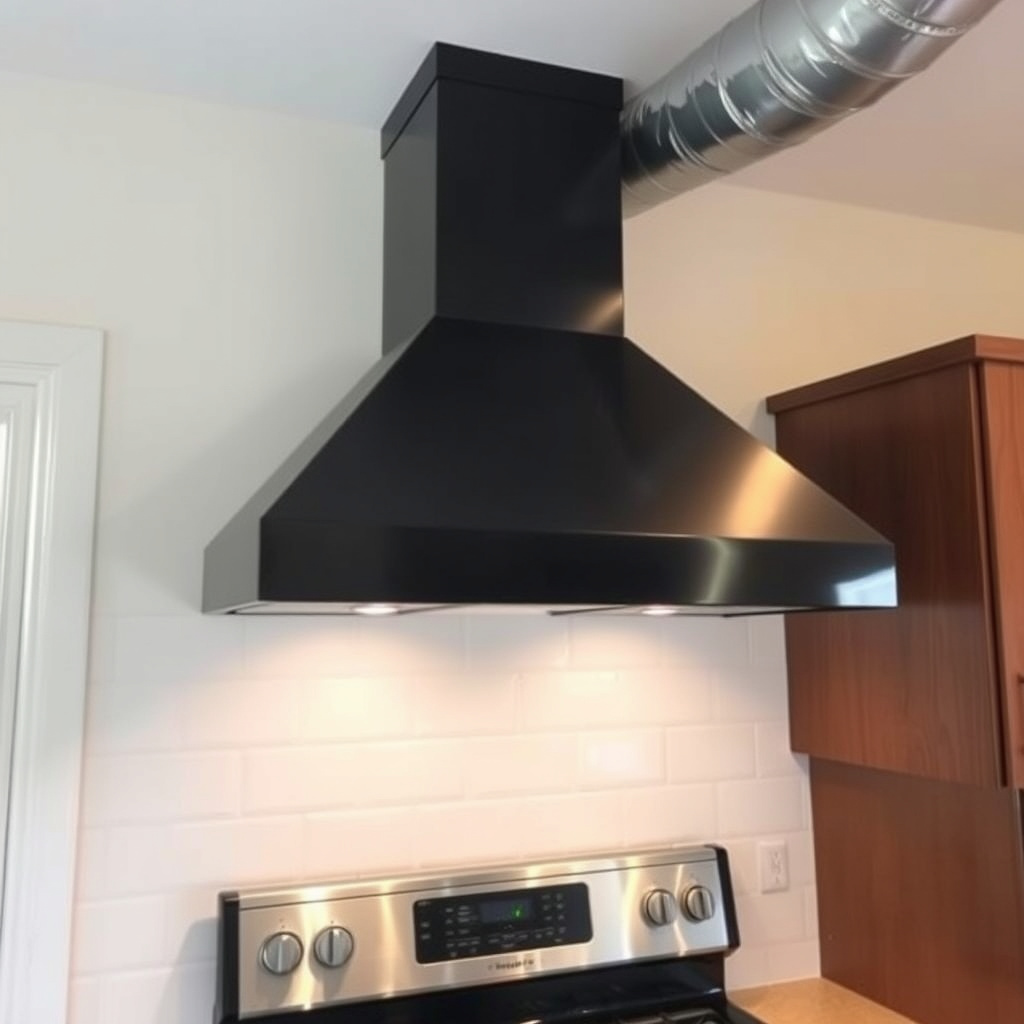
Wall-Mounted vs. Island Mount Installation
The 486 Gelyney can be installed anchored to a kitchen wall or suspended from the ceiling above an island cooktop. Wall mount types connect more easily to existing ducts and usually have larger surface areas for capture.
Island mount hoods require ceiling support and longer duct runs but offer aesthetic appeal with central ventilation over cook surfaces.
- Wall mount easier duct connection
- Island mount offers design flexibility
- Install location affects airflow efficiency
Ducting Requirements
Proper ductwork diameter and routing are essential for maximizing airflow and minimizing noise. The 486 Gelyney’s instructions specify compatible duct sizes and recommend short, straight runs.
Using insulated ducts reduces condensation and improves system lifespan, but flexible ducts can be used with some airflow loss.
- Recommended duct diameter: typically 6 inches
- Prefer short and straight duct runs
- Insulated ducts reduce condensation
Maintenance and Cleaning for Optimal Performance
Cleaning Grease Filters
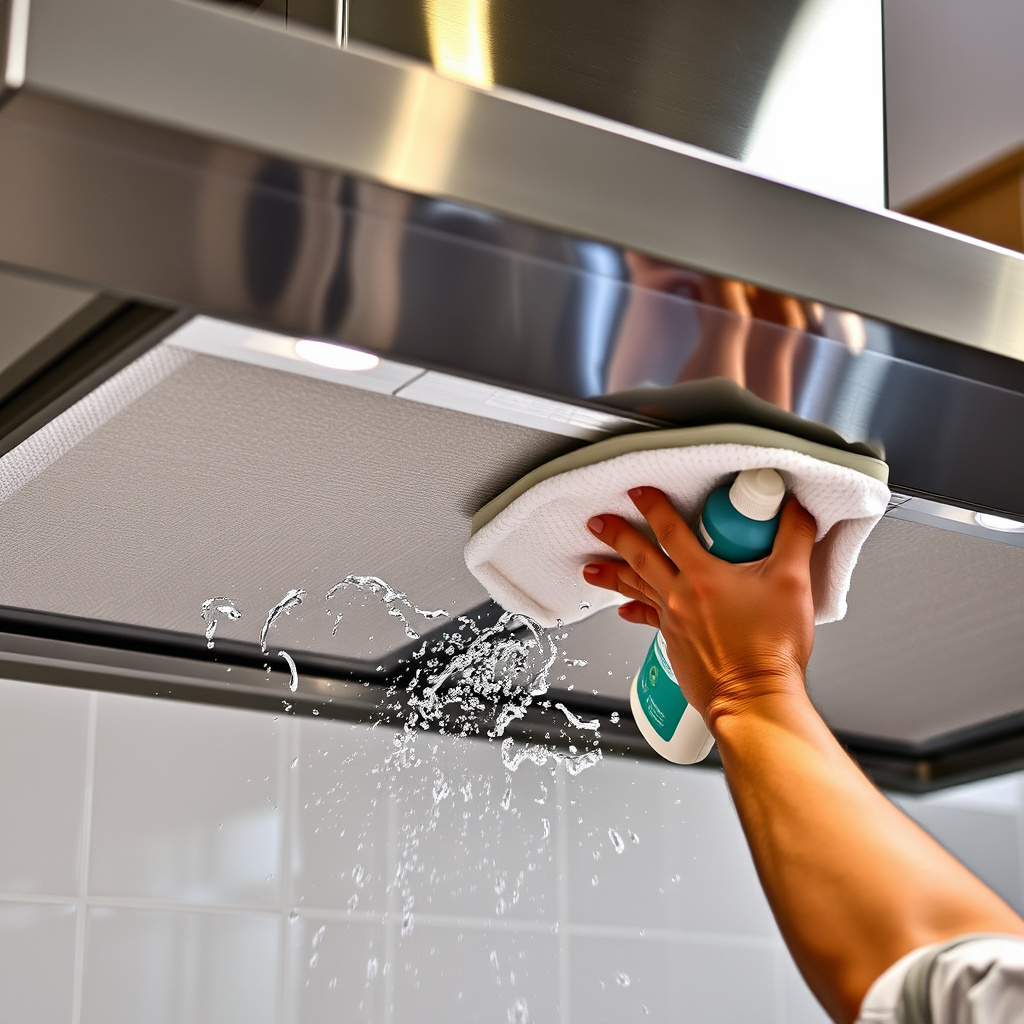
Regularly removing and soaking grease filters in warm, soapy water dissolves trapped oils. Thorough drying before reinstalling ensures no mold or odors develop.
Cleaning frequency depends on cooking volume but is typically every 1 to 3 months for home use.
- Soak in warm water with detergent
- Clean every 1-3 months
- Dry completely before reinstalling
Replacing Charcoal Filters
Charcoal filters are not washable and must be replaced about every 6 months to maintain odor removal efficiency.
Signs replacement is needed include persistent kitchen odors and reduced filtration effectiveness.
- Replace every 6 months or as needed
- Watch for lingering kitchen odors
- Follow manufacturer's recommended parts
Comparing the 486 Gelyney Kitchen Exhaust Hood to Alternatives
Energy Efficiency and Noise Level
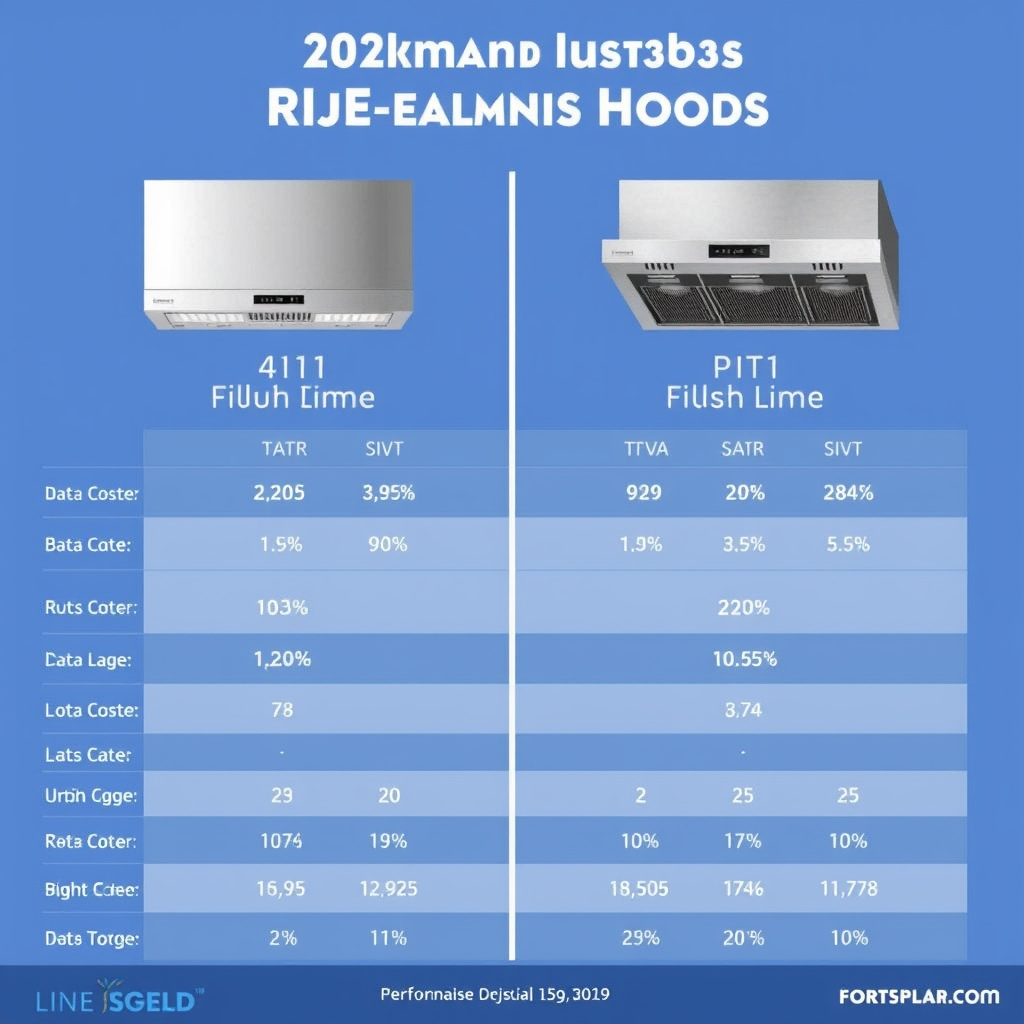
Compared to other exhaust hoods, the 486 Gelyney balances strong airflow with moderate noise levels under most fan settings.
Some high-end models may offer quieter operation but often at higher price points and increased energy use.
For more detailed background information on kitchen ventilation systems, the Wikipedia article on Kitchen ventilation is a useful resource. Kitchen ventilation on Wikipedia.
Price and Value for Money
The 486 Gelyney is positioned in the mid-range market, providing reliable durability and standard features without premium costs.
More basic models might be cheaper but lack features like adjustable speeds or quality filters, while premium units cost significantly more.
Kitchen Exhaust Hood Category Comparison
Here’s a comparison of common kitchen exhaust hood types, highlighting their features, costs, and best application scenarios.
| Category | Airflow (CFM) | Noise Level (dB) | Installation Type | Price Range |
|---|---|---|---|---|
| Ducted Wall-Mounted | 400-600 | 50-60 | Wall-mounted with external vent | $300-$700 |
| Recirculating Island Mount | 300-500 | 55-65 | Ceiling-mounted with charcoal filter | $400-$900 |
| Under-Cabinet Range Hood | 200-400 | 48-55 | Mounted under cabinets; ducted or recirculating | $150-$400 |
| Built-In Downdraft Vent | 250-450 | 50-60 | Installed behind cooktop, ducts downwards | $500-$1000 |
Frequently Asked Questions
How often should I clean the 486 Gelyney kitchen exhaust hood filters?
Grease filters should be cleaned every 1 to 3 months depending on usage, while charcoal filters for odor control need replacement roughly every 6 months.
Can the 486 Gelyney hood be installed without ducting?
Yes, it supports recirculation mode using charcoal filters if external ducting is not feasible, though this reduces removal efficiency of pollutants.
What noise level can I expect from this exhaust hood?
Under typical usage, noise levels range from 50 to 60 decibels, which is similar to a quiet conversation or background office sounds.
Is stainless steel a good material for kitchen exhaust hoods?
Stainless steel offers excellent durability, heat resistance, and ease of cleaning, making it a preferred choice for long-lasting kitchen exhaust hoods.
What duct size is recommended for the 486 Gelyney kitchen exhaust hood?
A 6-inch diameter duct is recommended for proper airflow and noise control in ducted installations of the 486 Gelyney model.
Key Takeaways
- The 486 Gelyney hood effectively extracts cooking smoke and odors using powerful fans and filtration.
- It supports both ducted exhaust and recirculation with charcoal filters for versatile installation.
- Maintenance includes regular cleaning of grease filters and periodic replacement of charcoal filters.
- Stainless steel construction ensures durability and ease of cleaning in busy kitchens.
Conclusion
Understanding how the 486 Gelyney kitchen exhaust hood works helps users appreciate the components that contribute to cleaner air and safer cooking environments. Its fan-driven airflow captures grease, smoke, and odors, directing them outside or filtering them internally with charcoal filters. This functionality results from a well-engineered combination of mechanical suction, efficient filtration, and thoughtful installation compatibility. Knowing these operational principles supports better decision-making when selecting or maintaining kitchen ventilation equipment.
For kitchens with existing duct systems, the ducted version of the 486 Gelyney exhaust hood offers effective pollutant removal and quieter running by venting outdoors. If ducting is not an option, the recirculation version equipped with charcoal filters provides good odor control. Home cooks prioritizing durability and ease of maintenance will value the stainless steel build and washable grease filters. Overall, the 486 Gelyney fits mid-range installations where consistent airflow and moderate noise levels are required without premium pricing.
Before purchasing, consider kitchen layout, cooking habits, and whether duct installation is feasible. If external venting works, choosing the ducted 486 Gelyney model enhances air quality and reduces maintenance frequency. Otherwise, the recirculation option with regular charcoal filter replacements is appropriate. Routine care, especially timely cleaning and filter changes, maximizes performance and extends the product’s life. Exploring manufacturer manuals and adherence to installation best practices will provide the best experience with your kitchen exhaust hood.