How to Clean Kitchen Tiles Effectively: A Step-by-Step Guide
Cleaning kitchen tiles starts with understanding the type of tile and the best products for their care. To get a clean, shiny finish, regularly sweep or vacuum the tiles to remove debris, then mop with warm water and a mild detergent. For tough grime or greasy spots, a mixture of vinegar and water or a specialized tile cleaner works well without damaging the surface.
Maintaining kitchen tiles affects both the appearance and hygiene of your cooking space. Because kitchens often accumulate grease and food stains, knowing how to clean kitchen tiles properly prevents buildup that can become harder to remove over time. Regular care not only keeps tiles looking good but also extends their lifespan and keeps your kitchen healthier.
This article will cover various methods for cleaning different types of kitchen tiles including ceramic, porcelain, and natural stone. It will explain how to tackle grout cleaning, recommend tools and cleaning agents, and offer tips to maintain your kitchen tiles looking fresh with minimal effort.
Understanding Your Kitchen Tiles
Types of Kitchen Tiles

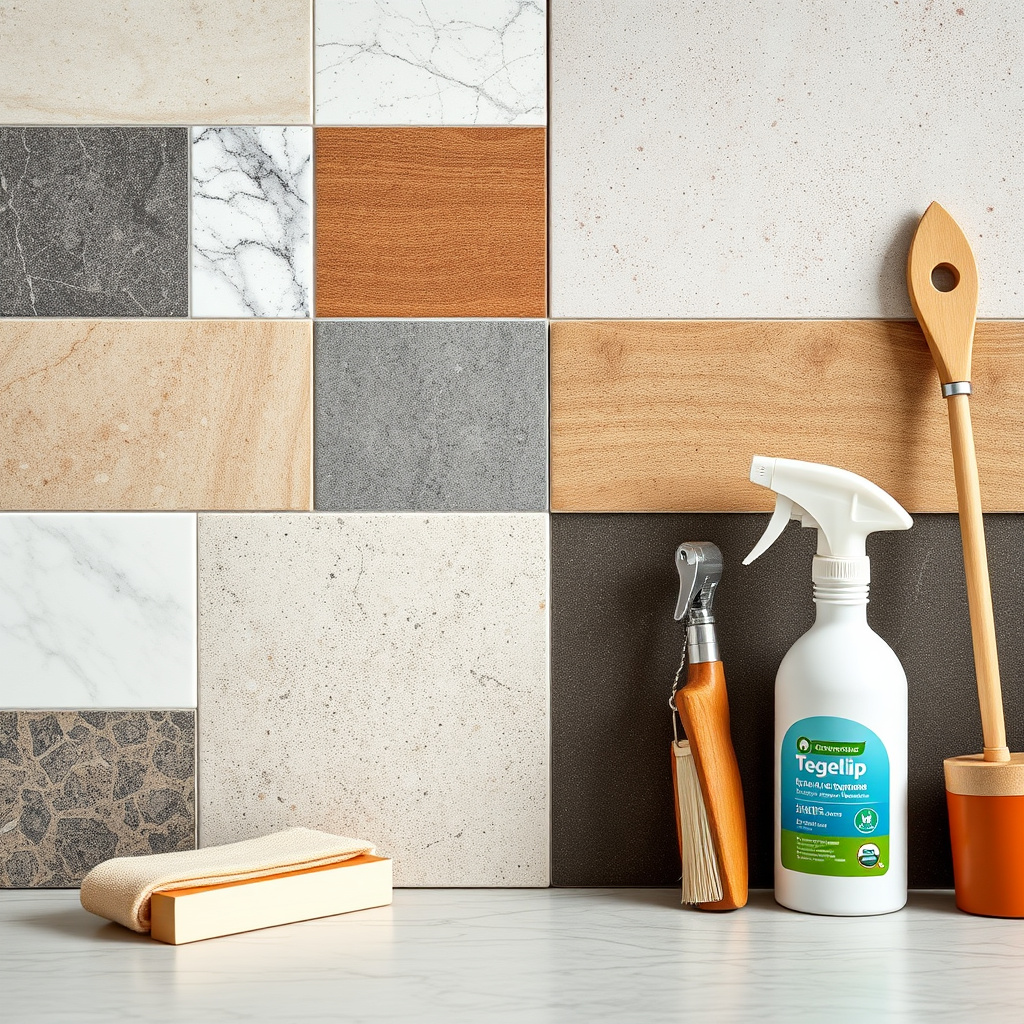
Kitchen tiles come in materials like ceramic, porcelain, and natural stone. Each type reacts differently to cleaning. Ceramic tiles are durable and easy to clean, resistant to stains and moisture, making them a popular choice. Porcelain tiles are denser and less porous, providing excellent resistance to wear and water.
Natural stone tiles, such as granite or slate, require more care due to their porous surfaces that absorb liquids if not sealed properly. Identifying your tile type helps choose the right cleaning methods to avoid damage and maintain their appearance.
- Ceramic: durable, glazed surface
- Porcelain: dense, less porous
- Natural stone: porous, needs sealing
Why Tile Type Matters for Cleaning
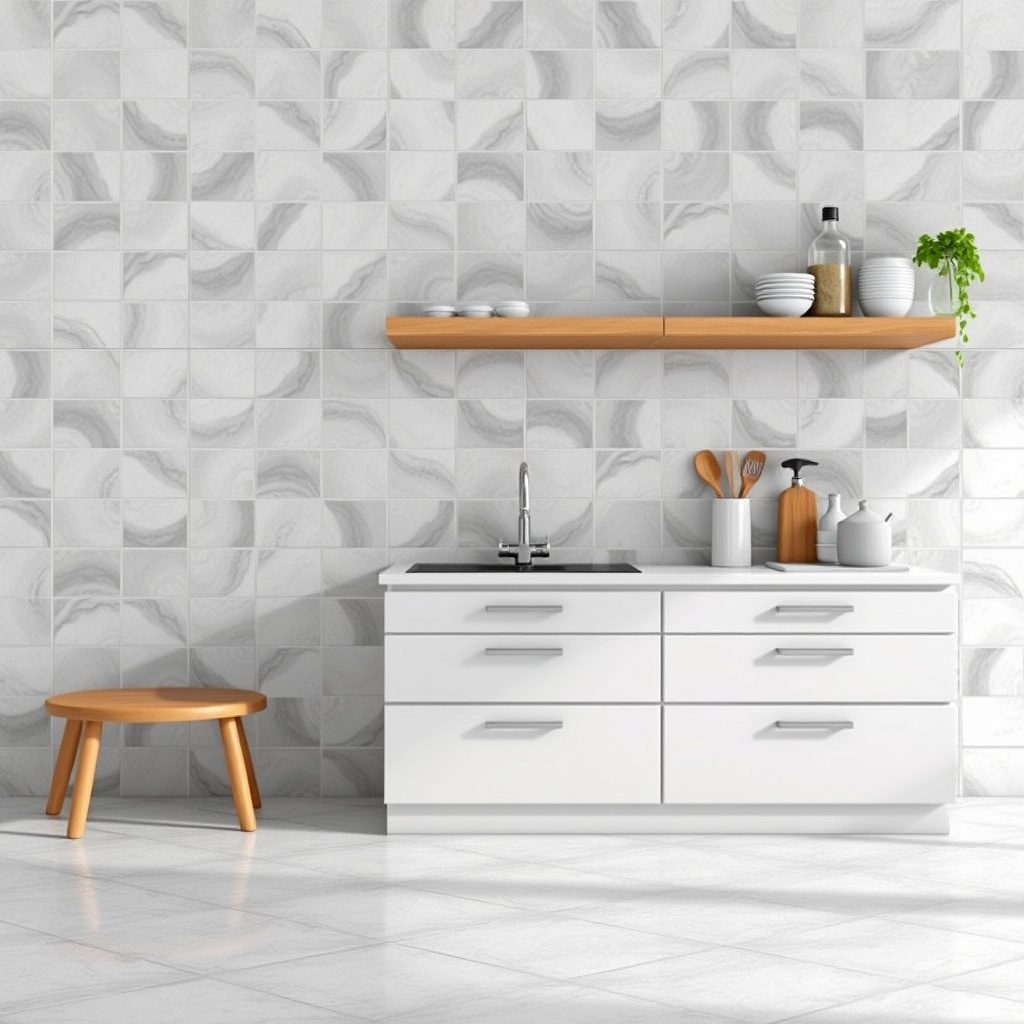
Using the wrong cleaner on certain tiles can cause dullness, discoloration, or surface damage. Acidic substances like vinegar can etch natural stone, while alkaline detergents may harm glazed ceramic surfaces.
Selecting appropriate cleaning agents suited to your tile type preserves shine and integrity. For natural stone, pH-neutral cleaners are best, while ceramic tiles tolerate mild household detergents and vinegar solutions.
- Avoid acidic cleaners on stone tiles
- Use mild detergent on ceramic and porcelain
- Test cleaners on a small area first
Daily Cleaning Practices for Kitchen Tiles

Regular Sweeping and Mopping
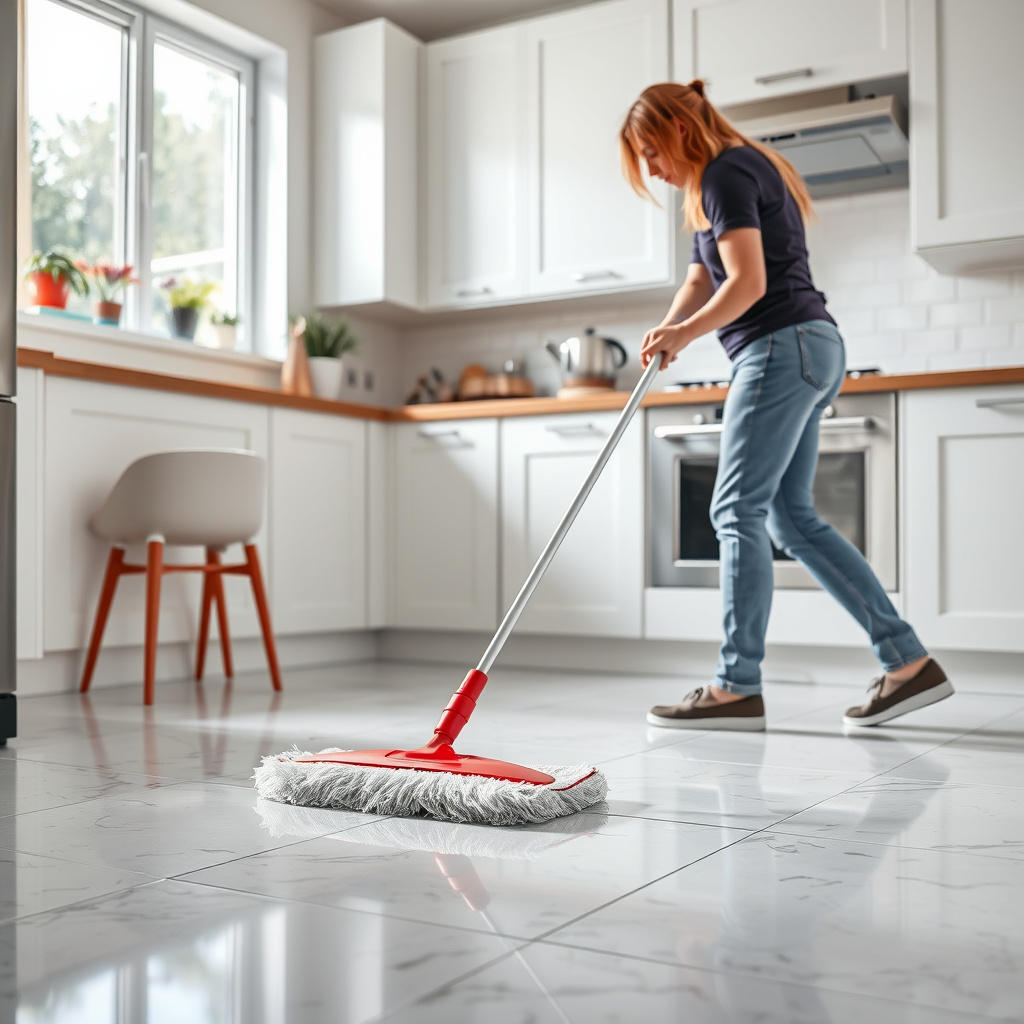
Removing loose dirt and crumbs daily prevents scratching and grime buildup. Sweeping or vacuuming your kitchen floor tiles frequently keeps debris off the surface, preparing it for deeper cleaning.
Mop tiles using warm water blended with a few drops of mild detergent every few days. Avoid overly wet mops to prevent water from seeping into grout lines, which can encourage mold growth.
- Sweep or vacuum daily
- Mop with warm water and mild soap
- Use a damp mop, not soaking wet
Quick Spot Cleaning Tips
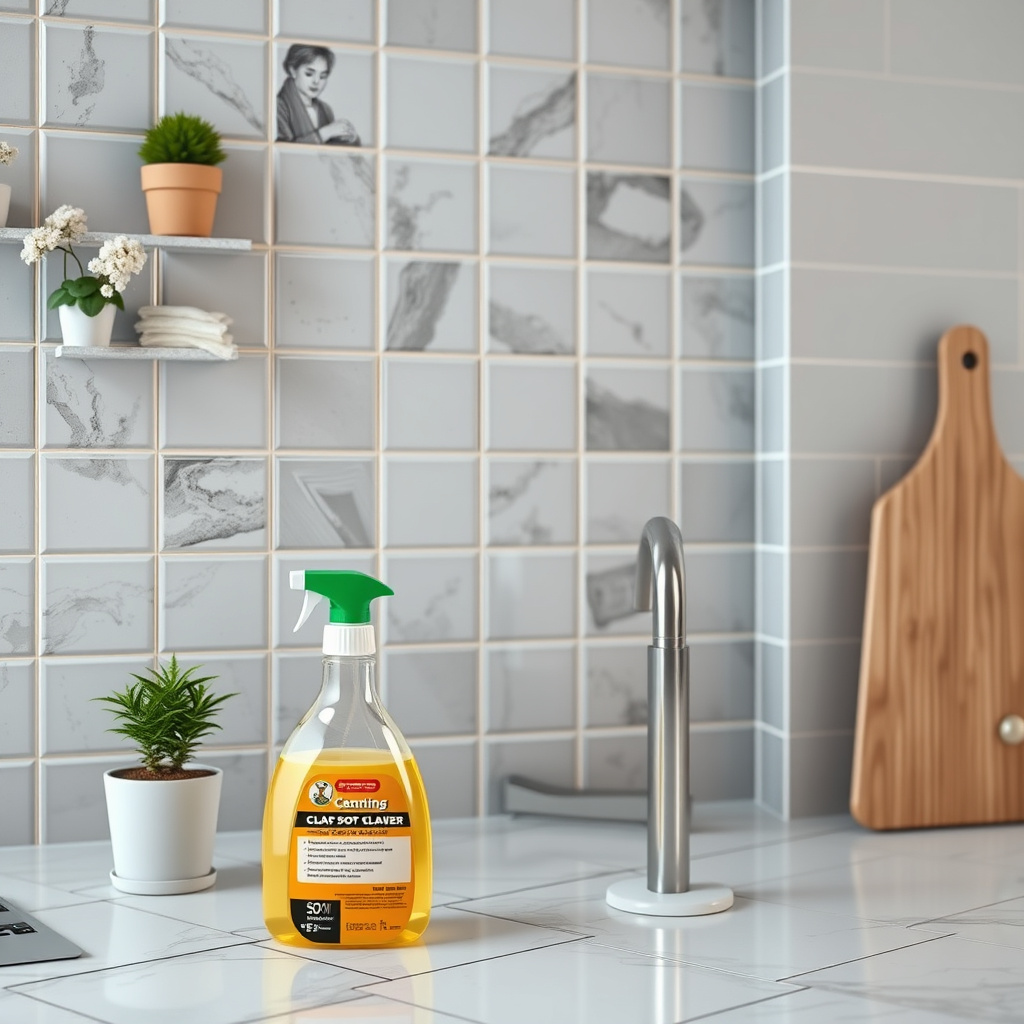
For spills or stains on kitchen tiles, wipe immediately with a microfiber cloth and warm water. Fresh stains are easier to remove before they set.
Tackle greasy spots with a mixture of equal parts vinegar and water. Spray on the affected area, let sit for a few minutes, then scrub gently with a soft brush to break down oils.
- Wipe spills promptly
- Use vinegar-water for grease spots
- Avoid abrasive scrubbers
Deep Cleaning Kitchen Tiles and Grout
Cleaning Grout Lines
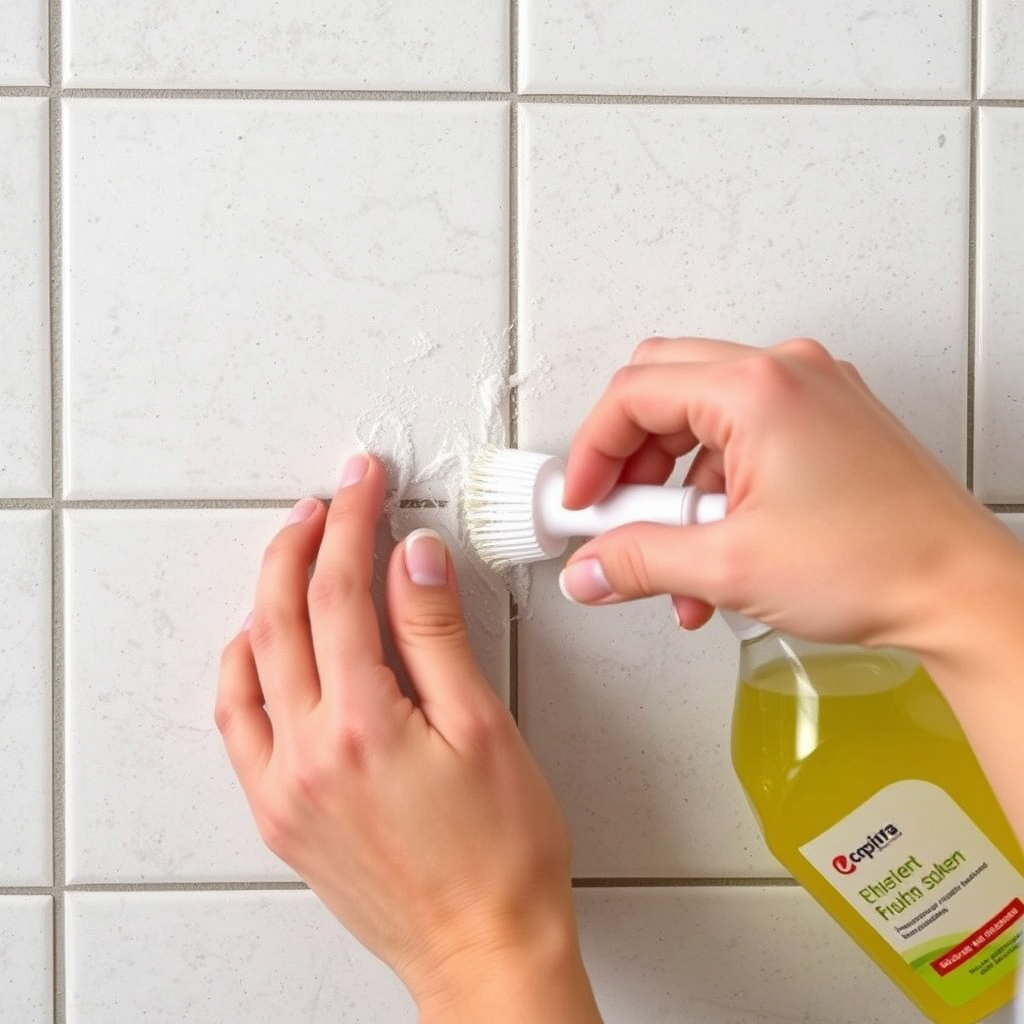
Grout easily traps dirt and can discolor, so regular cleaning is essential. A paste made from baking soda and water applied to grout lines offers a non-toxic cleaning method.
Apply the paste, let it sit for 5-10 minutes, then scrub with a stiff grout brush or old toothbrush. Rinse thoroughly with clean water. For stubborn stains, adding a small amount of hydrogen peroxide can brighten grout but should be used sparingly.
- Use baking soda paste for grout
- Scrub with stiff brush
- Rinse well after cleaning
For more on this, see our related guide: Can Lighting in Kitchen Improve Cooking and Ambiance?.
Using Commercial Cleaners Safely
Commercial tile cleaners are effective but choose products that match your tile type and are safe for kitchen use. Avoid harsh chemicals with bleach or ammonia as they can dull tile surface and stain grout.
Always follow manufacturer instructions and ventilate the area well during cleaning. Test the cleaner on a small inconspicuous tile section first to confirm it won’t alter the tile’s finish.
- Select tile-type suitable cleaners
- Avoid bleach and ammonia-based products
- Test on a small area first
Maintaining Kitchen Tiles Over Time

Sealing Natural Stone Tiles
Natural stone tiles should be sealed to prevent staining and moisture absorption. Depending on the product and foot traffic, resealing every 1-3 years keeps the protective layer effective.
Clean the tiles thoroughly before applying a sealant. Use a product designed specifically for your stone type. Proper sealing also simplifies ongoing cleaning by reducing surface porosity.
- Seal porous stone tiles regularly
- Use stone-specific sealant
- Clean before sealing
Preventing Damage and Scratches
Avoid dragging heavy appliances or sharp objects across kitchen tiles to prevent scratches. Use floor protectors under furniture legs and place mats near cooking areas to catch spills and crumbs.
Promptly wiping up acidic foods like lemon juice or tomato sauce prevents etching, especially on sensitive tiles. Maintaining these habits preserves the tile’s look and extends its lifespan.
- Use floor protectors under furniture
- Clean acidic spills immediately
- Avoid abrasive cleaners
Choosing the Best Tile Cleaning Methods for Your Kitchen
Matching Cleaners to Tile Material
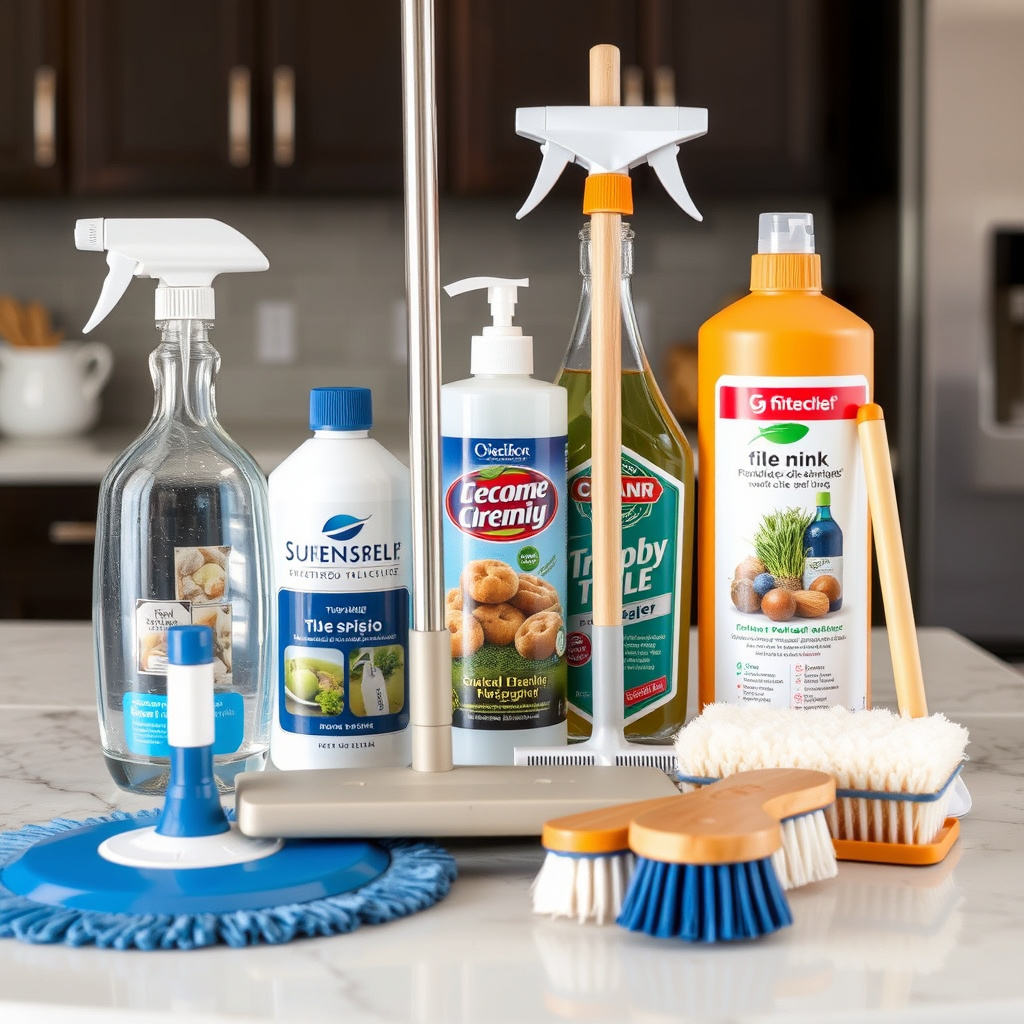
Not all tile cleaning agents suit every tile type. For ceramic and porcelain, mild detergents and vinegar solutions work well. However, natural stone tiles require gentle, pH-neutral cleaners to avoid damage.
Using the best tile cleaning methods means respecting your kitchen tile’s properties, ensuring surfaces remain gleaming and grout stays fresh without risking harm.
For more on this, see our related guide: How to Make a Small Kitchen Look Bigger: Practical Design Tips.
Eco-Friendly Cleaning Options
Natural ingredients like baking soda, vinegar, and lemon juice provide effective alternatives to chemical cleaners. They are safe for household use and reduce environmental impact.
These options work especially well on ceramic and porcelain tiles for routine cleaning and spot treatment but should be used cautiously on natural stone tiles due to acidity.
- Baking soda for grout scrubbing
- Vinegar and water spray for grease
- Lemon juice for stain removal (avoid on stone)
Tools and Accessories for Efficient Kitchen Tile Cleaning
Essential Cleaning Tools
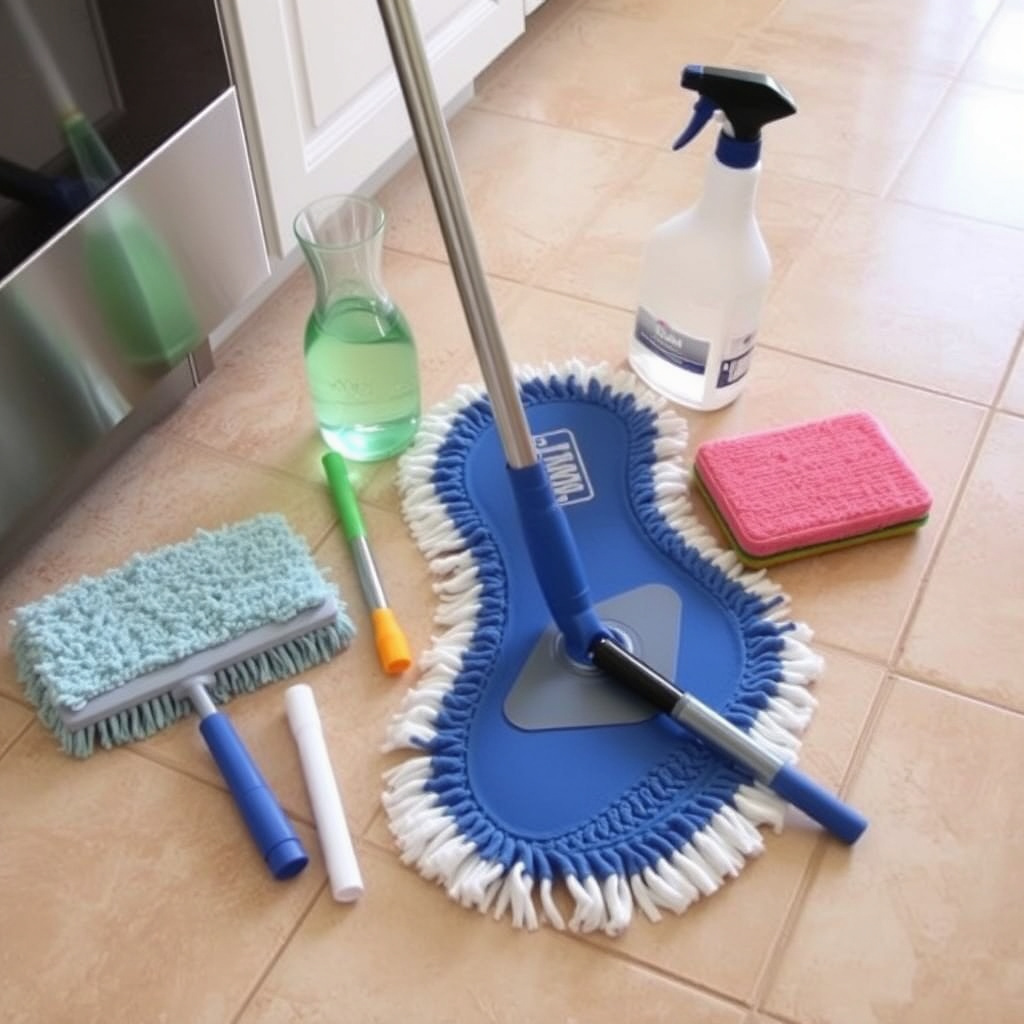
Using the right tools makes cleaning kitchen tiles more thorough and less time-consuming. Microfiber mops attract dirt and don’t scratch tile surfaces, while stiff brushes help reach grime in grout lines.
Spray bottles allow precise application of cleaning solutions, minimizing waste. Soft sponges and non-abrasive scrubbers prevent surface dulling while effectively lifting dirt from tiles.
- Microfiber mop for floors
- Stiff grout brush
- Non-abrasive scrubbing sponges
- Spray bottle for cleaners
For detailed tile care guidelines, refer to the tile cleaning advice from the Tile Council of North America. tile cleaning advice from the Tile Council of North America.
Maintenance and Replacement
Regularly replace cleaning cloths and mop heads to avoid redistributing dirt or bacteria on your tiles. After use, rinse tools thoroughly and allow them to dry fully to prevent mold growth.
Investing in quality tools designed for tile care enhances cleaning outcomes and keeps your kitchen tiles sparkling longer without harsh chemicals.
- Rinse and dry tools after use
- Replace mop heads periodically
- Choose quality cleaning accessories
Kitchen Tile Cleaning Methods Comparison
This table highlights different cleaning methods for kitchen tiles and their suitability depending on tile type, ease of use, and cost.
| Cleaning Method | Best Tile Type | Ease of Use | Cost | Effectiveness |
|---|---|---|---|---|
| Vinegar and Water Solution | Ceramic, Porcelain | Easy | Low | High for grease |
| Baking Soda Paste | All except natural stone without sealant | Moderate | Low | Excellent for grout |
| Commercial Tile Cleaners | Ceramic, Porcelain, Sealed Stone | Easy | Medium | Varies, often high |
| Hydrogen Peroxide (Grout) | Grout Lines | Moderate | Low | Good for stains |
| pH-Neutral Stone Cleaner | Natural Stone | Easy | Medium | Safe and effective |
| Steam Cleaning | Ceramic, Porcelain | Moderate | High (equipment cost) | Very effective without chemicals |
Frequently Asked Questions
Can I use vinegar to clean all kitchen tiles?
Vinegar works well on ceramic and porcelain tiles but can damage natural stone due to its acidity. For stone tiles, opt for pH-neutral cleaners to avoid etching and discoloration.
How often should I clean kitchen tile grout?
Cleaning grout every one to two weeks prevents buildup and discoloration. For heavily used kitchens, weekly cleaning with baking soda paste or grout cleaner keeps grout fresh.
Is steam cleaning safe for kitchen tiles?
Steam cleaning is effective for ceramic and porcelain tiles to remove dirt without chemicals, but it may loosen grout in older floors or damage unsealed natural stone tiles, so use caution.
What is the best tool for scrubbing grout?
A stiff nylon grout brush or an old toothbrush provides control and effectiveness for scrubbing grout lines without damaging the tile surface.
How can I prevent stains on natural stone tiles?
Sealing natural stone tiles regularly creates a protective barrier against stains and moisture. Clean spills promptly and avoid acidic cleaners to maintain the seal.
Key Takeaways
- Identify your kitchen tile type before cleaning
- Use gentle cleaners suited to ceramic, porcelain, or stone
- Clean grout regularly with baking soda paste
- Employ proper tools like microfiber mops and grout brushes
Conclusion
Knowing how to clean kitchen tiles starts with recognizing the material and its properties. Since ceramic, porcelain, and natural stone tiles require different care, picking the correct cleaning agents and tools is essential for preserving their look and durability. Additionally, regular maintenance like sweeping, mopping, and attentive grout cleaning prevents grime buildup and keeps your kitchen hygienic and attractive throughout the years.
For everyday tile cleaning, mild detergents or vinegar solutions work well on ceramic and porcelain, while pH-neutral products are safest for natural stone. Tough grout stains respond well to baking soda paste with a scrubbing brush. Commercial cleaners can be suitable if matched to tile type, but testing on a small area first avoids damage. Using the best tile cleaning methods tailored to your kitchen tile type leads to long-lasting results and less effort.
To keep your kitchen tiles in prime condition, adopt a consistent cleaning routine using suitable tools like microfiber mops and grout brushes. Seal natural stone tiles periodically to protect them from stains. Whether managing daily debris or deep cleaning grout lines, following these steps ensures your kitchen tiles remain spotless and inviting. Start with identifying your tiles, then select cleaning strategies described here to restore and maintain their natural beauty.