How to Clean Kitchen Sink Drain Smell Quickly and Effectively
If your kitchen sink drain smells bad, cleaning it is the fastest way to remove the odor and restore freshness. A smelly drain usually means buildup of grease, food debris, or bacteria inside the pipes. Cleaning it with household items or specialized cleaners helps eliminate both the source and smell immediately.
Kitchen sink drains often trap scraps from food waste and oils, creating an environment where bacteria can thrive and produce unpleasant odors. Addressing these smells promptly avoids lingering stink and the potential spread of germs in your kitchen. It’s an issue encountered by many households, making it a practical skill to learn.
This article will cover practical techniques on how to clean kitchen sink drain smell effectively. We'll explore both DIY natural solutions and commercial products, steps for proper drain maintenance, and tips to prevent future odors. By following these methods, your drain will stay cleaner and odor-free longer.
Common Causes of Kitchen Sink Drain Smell
Food Particles and Grease Accumulation
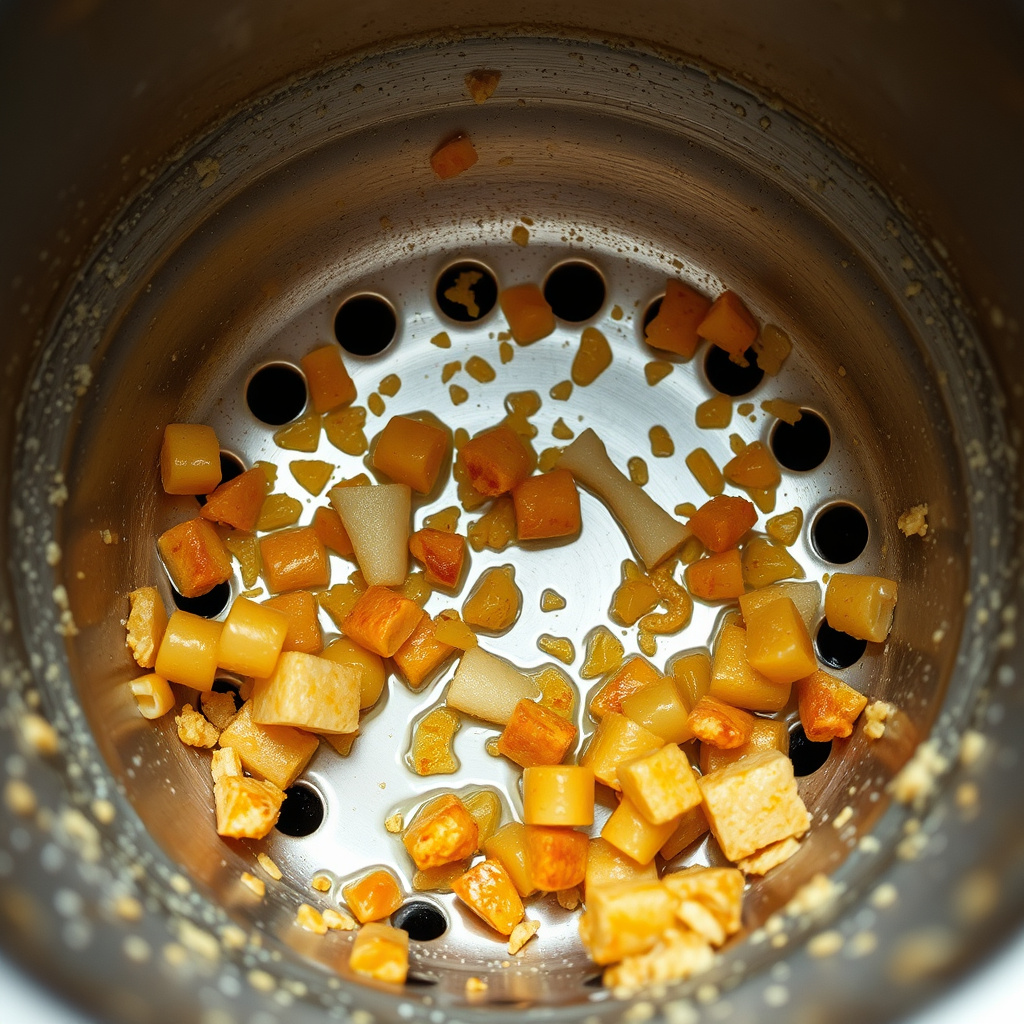
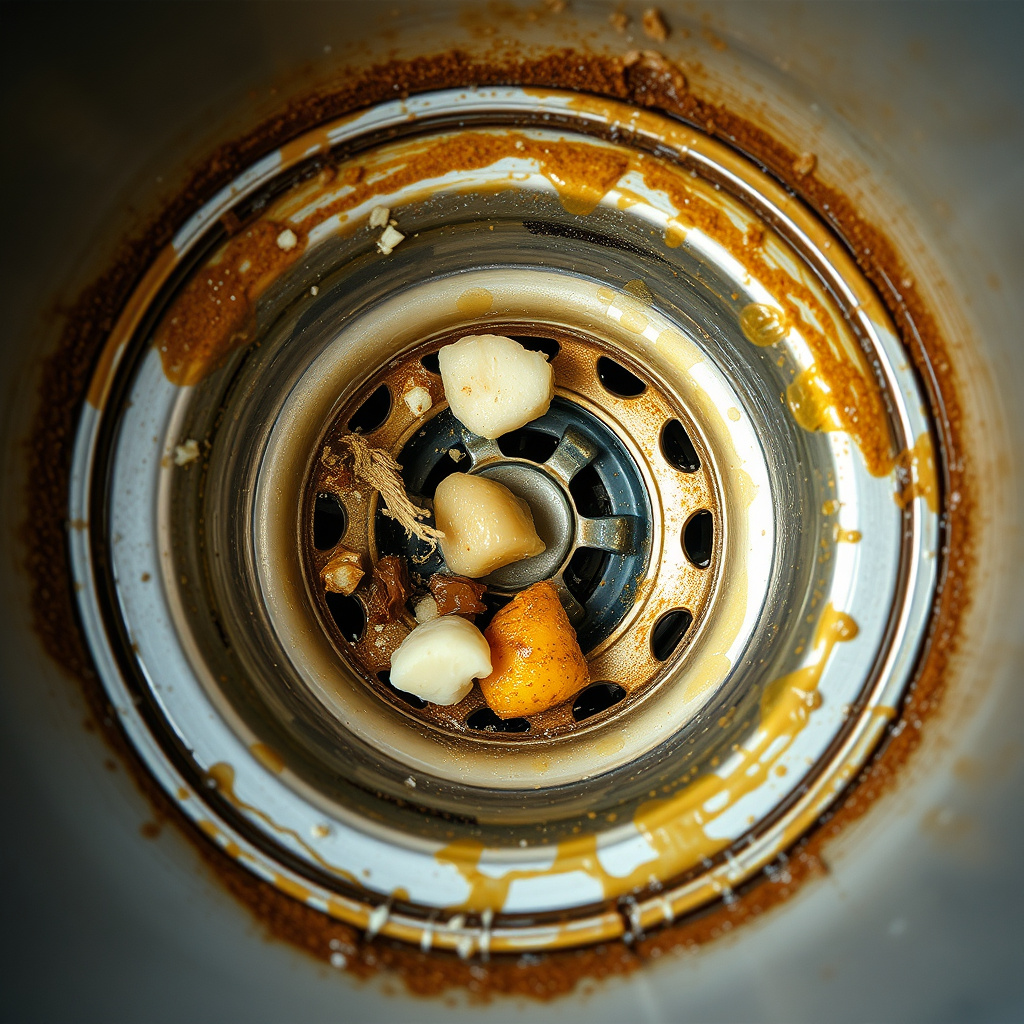
Kitchen sinks often collect tiny bits of food that escape the drain strainer. Over time, these particles combine with grease residues from cooking oils, sticking to pipe walls and the U-bend. This buildup decomposes slowly and gives off foul smells that travel back up the drain.
Grease solidifies inside the drain pipes, narrowing the passage and trapping even more debris. This creates the perfect environment for anaerobic bacteria to flourish, which produces sulfur-like odors reminiscent of rotten eggs.
Bacterial Growth and Mold Development

Moisture, warmth, and organic matter in the drain encourage the growth of bacteria and mold colonies. These organisms produce gases as metabolic byproducts, often detected as unpleasant smells at your kitchen sink.
Mold can appear as slimy or fuzzy patches inside the pipes and under the sink basin. If left untreated, bacterial films and mold worsen the odor problem and may cause allergies or health issues.
DIY Methods to Remove Kitchen Sink Drain Smell
Baking Soda and Vinegar Treatment
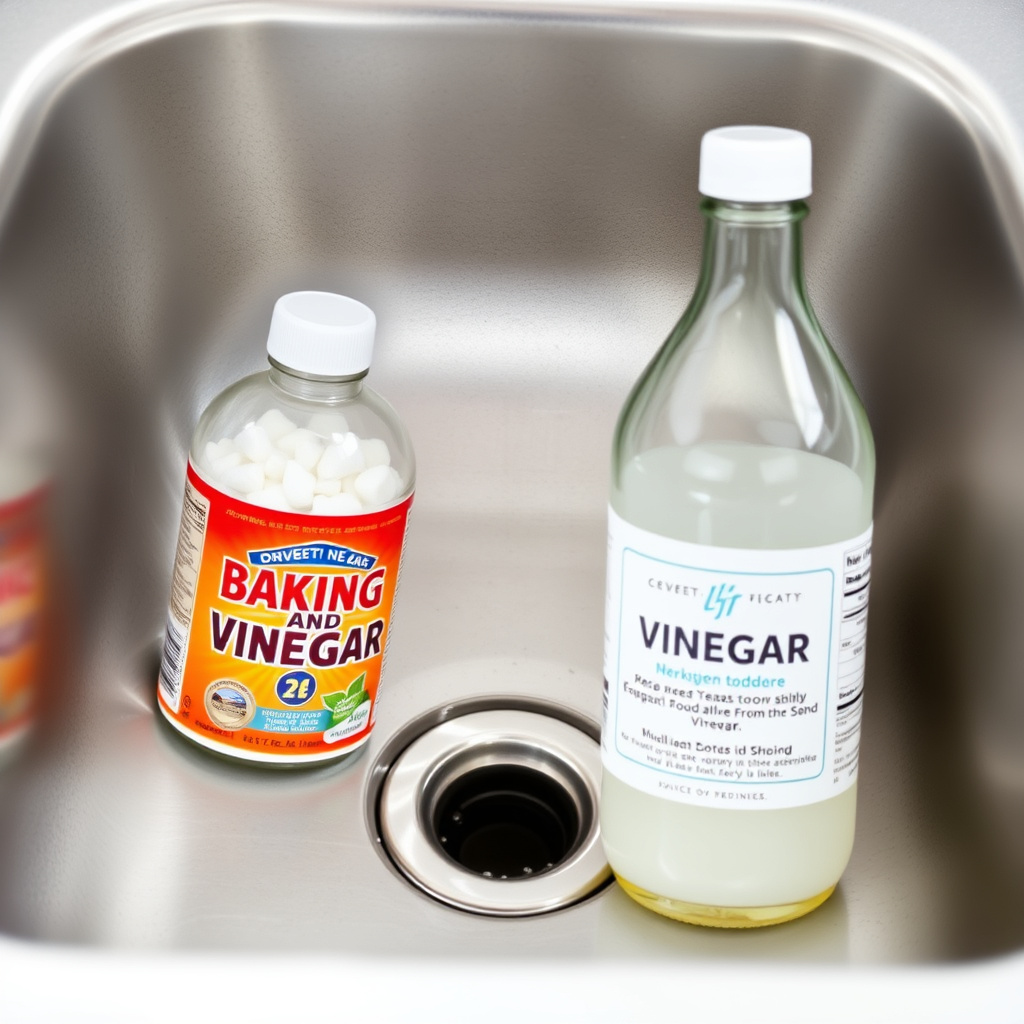
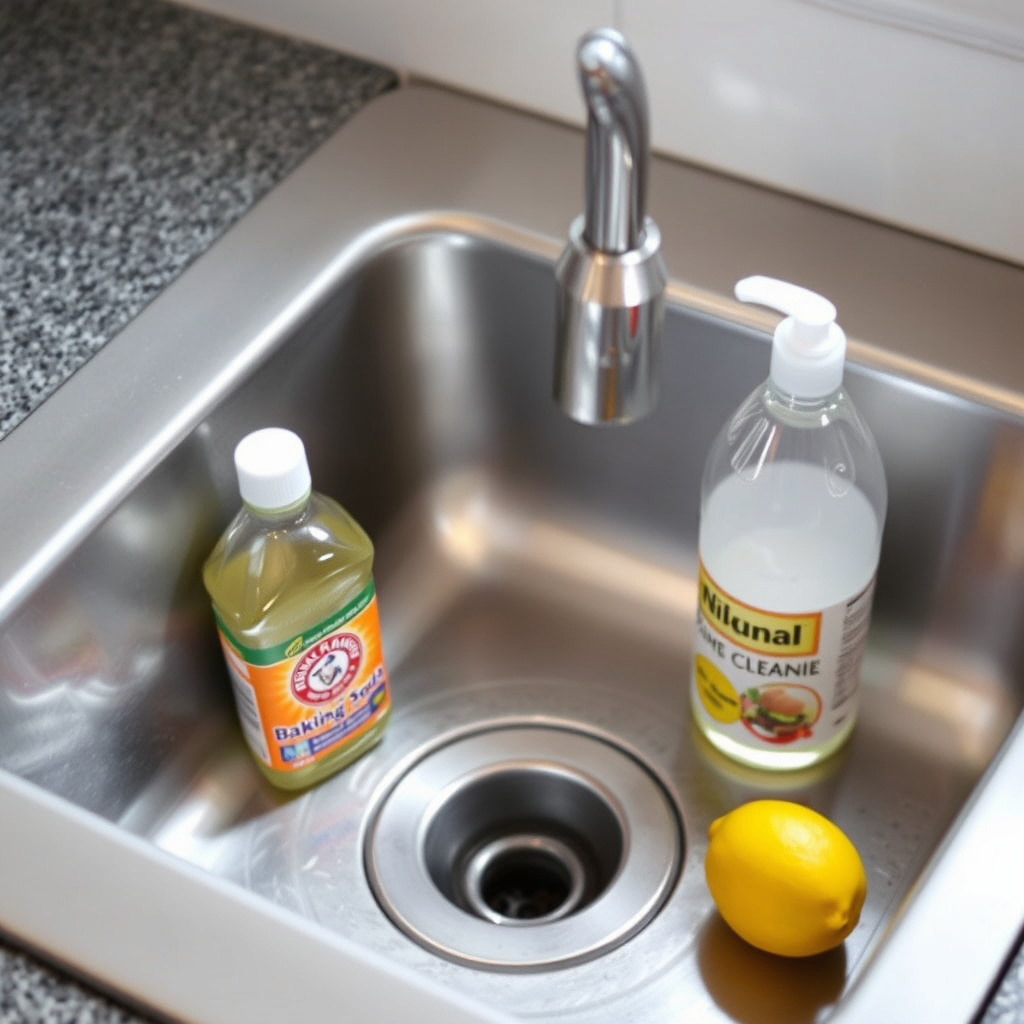
A simple, natural way to clean a smelly drain uses baking soda and vinegar. Pour half a cup of baking soda into the drain, followed by half a cup of white vinegar. Let the fizzing reaction work for 10 to 15 minutes to loosen debris and kill odor-causing bacteria.
After waiting, flush the drain with boiling water to wash away residues and clear the pipes. This treatment breaks down grease and organic materials promoting the smell and leaves the sink feeling fresh.
- Half cup baking soda
- Half cup white vinegar
- Boiling water
Lemon Juice and Salt Scrub
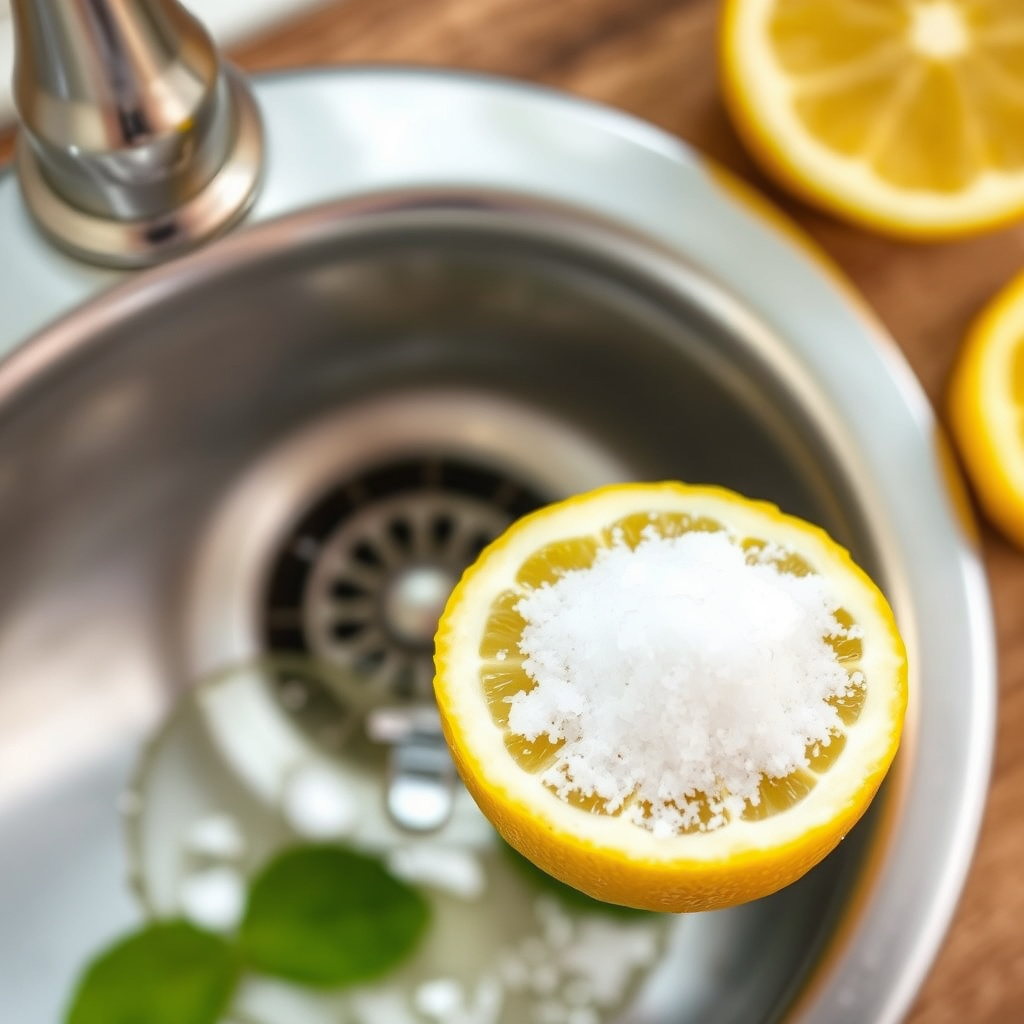
Lemon juice’s natural acidity combined with abrasive salt can clean and deodorize the drain more aggressively. Pour two tablespoons of salt and the juice of one lemon directly into the drain, then scrub if accessible with a small brush.
Let it sit for about 15 minutes before rinsing with hot water. This method also removes mineral deposits and leaves a pleasant citrus scent behind.
- Two tablespoons salt
- Juice of one lemon
Using Commercial Cleaners Safely
Choosing the Right Product
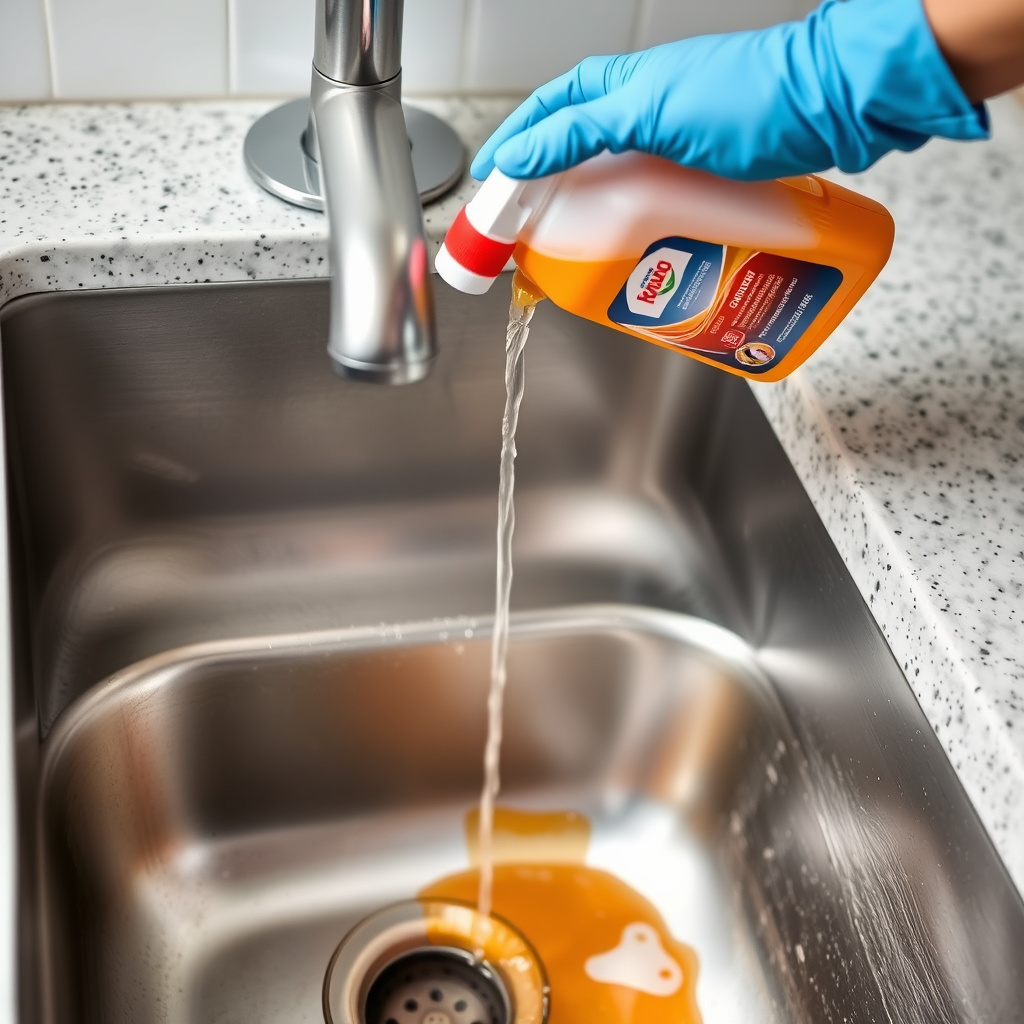
Drain cleaners formulated for odor elimination are readily available at stores. Select a enzyme-based or bacterial cleaner which digests organic material without harsh chemicals. Avoid caustic chemical drain cleaners that can harm pipes and release dangerous fumes.
Enzymatic products specifically target residue buildup and bacteria causing drain odors while being safe for plumbing and environmentally friendly.
- Enzymatic drain cleaners
- Avoid corrosive chemicals
For more on this, see our related guide: How to Get Rid of Kitchen Gnats: Effective and Safe Strategies.
Proper Usage and Safety Tips
Always follow manufacturer instructions carefully when using commercial drain cleaners. Wear gloves and ensure good ventilation during application. Avoid mixing different chemical products to prevent hazardous reactions.
Dispose of leftover cleaner responsibly and keep products out of reach of children and pets. Using these products occasionally can refresh your drain without damaging plumbing.
Preventive Maintenance for a Fresh Drain
Routine Cleaning and Flushing
Flush your kitchen sink drain weekly with hot water to remove minor grease and debris before buildup becomes a problem. Use natural cleaners like baking soda periodically for ongoing maintenance.
Avoid letting food scraps go down the drain by using a sink strainer and emptying it regularly into the trash or compost bin. This helps reduce the cause of smell-inducing blockages.
- Weekly hot water flush
- Use sink strainers
- Regular natural cleaning
What Not to Put Down the Drain
Never pour cooking grease, coffee grounds, fibrous vegetables, or large food particles down the kitchen sink drain. These substances accumulate rapidly causing clogs and odors.
Certain chemical cleaners or bleach can damage the septic system or pipes, ultimately making odors worse. Stick to gentle cleaning methods and proper disposal of waste.
- Avoid grease and coffee grounds
- Dispose of fibrous waste separately
- Limit harsh chemicals
When to Call a Professional Plumber

Signs of Serious Drain Issues
Persistent foul smells despite cleaning attempts may indicate deeper pipe blockages or damaged plumbing components that trap odor. Slow drainage, gurgling noises, or visible mold growth are warning signs needing expert attention.
Root intrusion or broken pipes could cause recurring odor and water flow problems. Professionals have the tools to diagnose and safely repair complex issues.
For more on this, see our related guide: How to Plumb a Kitchen Sink: Step-by-Step Guide for DIY Installation.
Benefits of Professional Drain Cleaning
Professional plumbers use high-pressure water jetting, camera inspections, and mechanical cleaning to thoroughly clear drains. This approach removes buildup that DIY methods can’t reach, eliminating smells for the long term.
Their expertise helps identify underlying problems early, preventing costly damage or health hazards from sewage backup or mold.
Natural Deodorizers and Odor Absorbers
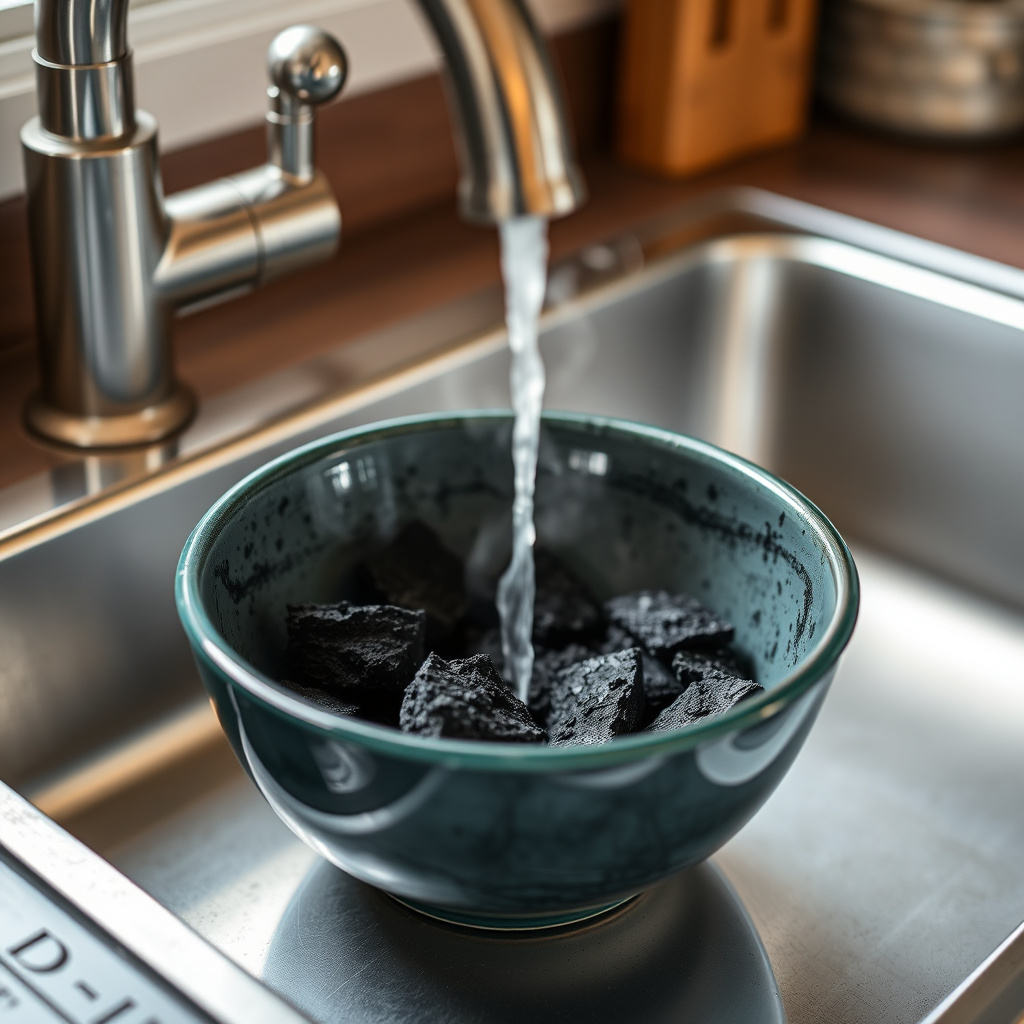
Activated Charcoal for Odor Absorption
Activated charcoal is an effective natural odor absorber. Placing an open container near the sink or inside cabinets helps capture lingering kitchen drain smells without chemicals.
It works by trapping odor molecules and moisture from the air, gradually refreshing the environment. Replace charcoal every few months for sustained results.
For a detailed understanding of how sinks and their drains function, you can refer to the Kitchen Sink Drain Wikipedia page. Kitchen Sink Drain Wikipedia.
Essential Oils and Homemade Fresheners
Essential oils like tea tree, eucalyptus, and lemon have antimicrobial properties and pleasant scents to mask drain odors. Dilute a few drops in water and pour into the drain or use a diffuser near the sink area.
Homemade sprays with vinegar and citrus extracts also act as quick fresheners after cleaning routines.
Comparison of Kitchen Sink Drain Cleaning Methods
Below is a comparison of common methods to clean kitchen sink drain smell with their benefits and drawbacks.
| Method | Effectiveness | Safety | Cost | Ease of Use |
|---|---|---|---|---|
| Baking Soda & Vinegar | High | Very Safe | Low | Easy |
| Lemon Juice & Salt | Moderate | Safe | Low | Moderate |
| Enzymatic Cleaners | High | Safe | Moderate | Easy |
| Chemical Drain Cleaners | Very High | Hazardous | Moderate | Easy |
| Professional Cleaning | Very High | Safe (Professional) | High | Not DIY |
| Activated Charcoal | Low (Preventive) | Safe | Low | Easy |
Frequently Asked Questions
How often should I clean my kitchen sink drain to avoid smells?
Cleaning the kitchen sink drain once every one to two weeks using natural methods like baking soda and vinegar helps prevent smell buildup and keeps the drain flowing well.
Can I use bleach to remove kitchen sink drain odors?
Using bleach occasionally can kill bacteria but may damage pipes and septic systems if overused. Gentler enzymatic cleaners or natural remedies are safer and effective alternatives.
Why does my kitchen sink smell like rotten eggs?
A rotten egg smell usually indicates hydrogen sulfide gas produced by anaerobic bacteria breaking down organic matter in the drain. Cleaning with baking soda and vinegar or enzymatic cleaners removes the source.
Will pouring boiling water down the drain help eliminate odors?
Yes, pouring boiling water helps dissolve grease and flush out loose debris. It is best used after treatments like baking soda and vinegar to clear loosened buildup.
When should I call a plumber for drain smell problems?
If odors persist despite regular cleaning, or if you notice slow drainage, gurgling sounds, or mold growth, it’s time to call a plumber who can inspect and professionally clear blocked pipes.
Key Takeaways
- Kitchen sink drain smells are caused by grease, food debris, and bacterial growth.
- Natural cleaning methods like baking soda and vinegar effectively remove odors.
- Regular drain maintenance and waste disposal prevent future smell problems.
- Seek professional help for persistent or severe drain odor issues.
Conclusion
Addressing kitchen sink drain smell requires understanding the cause: usually grease buildup and bacterial growth inside the pipes. Applying suitable cleaning approaches based on your situation is the best way to eliminate odors and improve kitchen hygiene. Regular maintenance complements deep cleaning efforts to keep your drains fresh over time.
For everyday odor removal, natural methods such as baking soda and vinegar or lemon and salt offer safe and affordable solutions that work well for most households. If these do not tackle the smell or if blockages develop, enzyme-based commercial cleaners can provide stronger cleaning with lower risk than harsh chemical products. When persistent foul odors or drainage problems occur, contacting a professional plumber ensures proper inspection and thorough cleaning to restore your kitchen’s cleanliness and safety.
Starting with frequent basic flushes and avoiding disposing of grease or fibrous food down the sink can prevent odor buildup. Incorporating a natural deodorizer like activated charcoal nearby also helps maintain a fresh environment. By combining these practices, you can enjoy a clean kitchen sink drain and a more pleasant cooking space without lingering bad smells.