How to Clean Kitchen Sink: A Step-by-Step Guide for a Sparkling Sink
Cleaning your kitchen sink is essential to maintain hygiene and prevent unpleasant odors. The best way to clean kitchen sink involves scrubbing with a mild cleaner, rinsing thoroughly, and disinfecting to eliminate germs that accumulate from food and dirty dishes.
A clean kitchen sink is more than just visually appealing—it plays a big role in food safety and overall kitchen cleanliness. Regular cleaning stops bacteria buildup and keeps stains, grease, and limescale at bay. Understanding proper techniques helps prolong your sink’s lifespan regardless of material type.
This guide will explain how to clean kitchen sink surfaces including stainless steel, porcelain, and composite materials. It will cover everyday cleaning, stain removal, deodorizing, and disinfecting, along with tips on maintaining your sink to keep it spotless day after day.
Daily Cleaning Practices for Kitchen Sinks
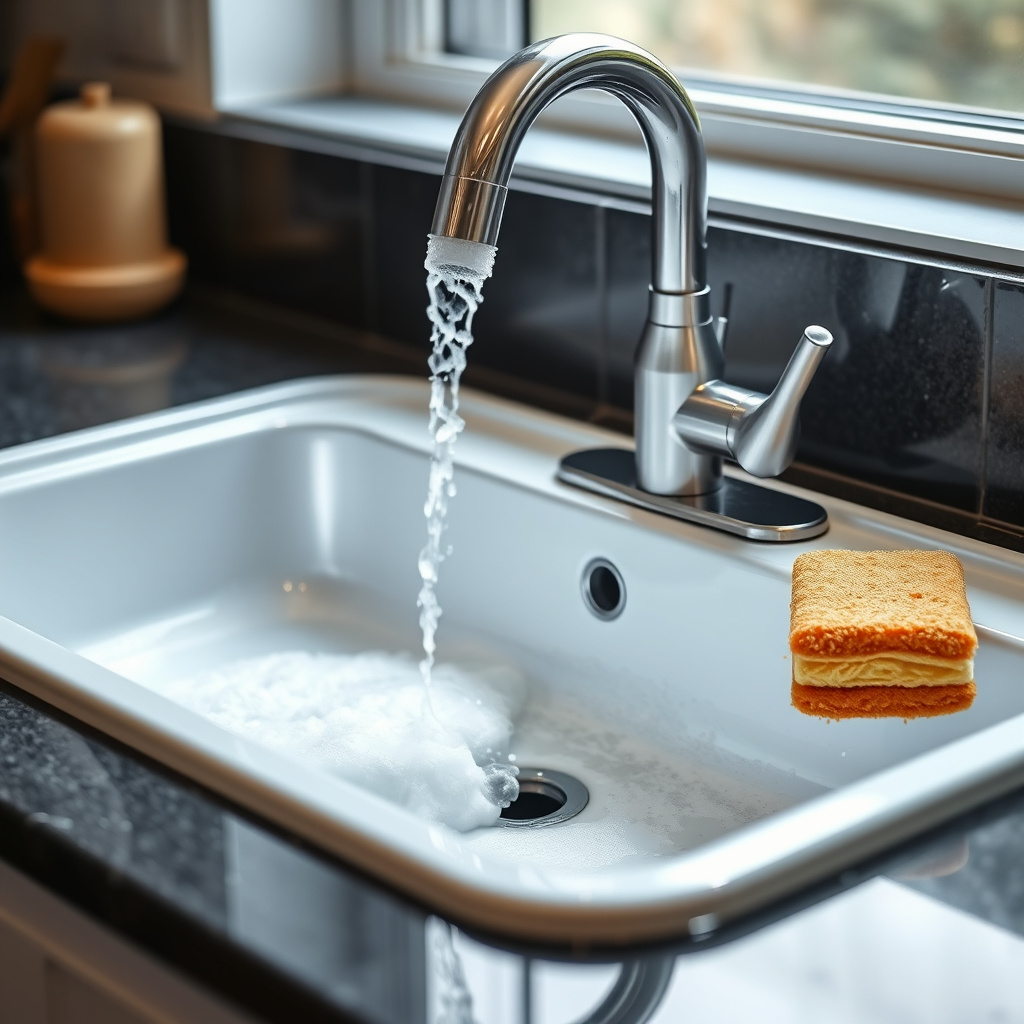
Routine Wiping and Rinsing
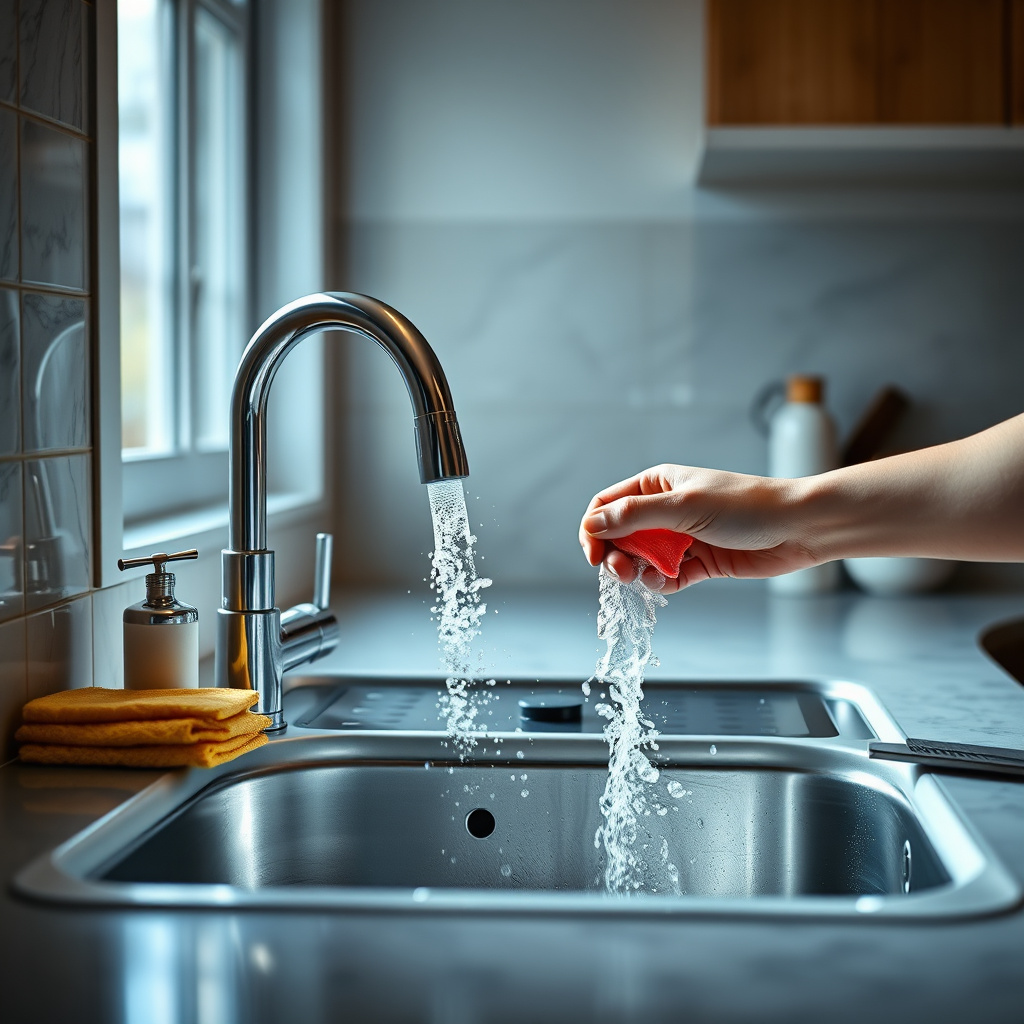
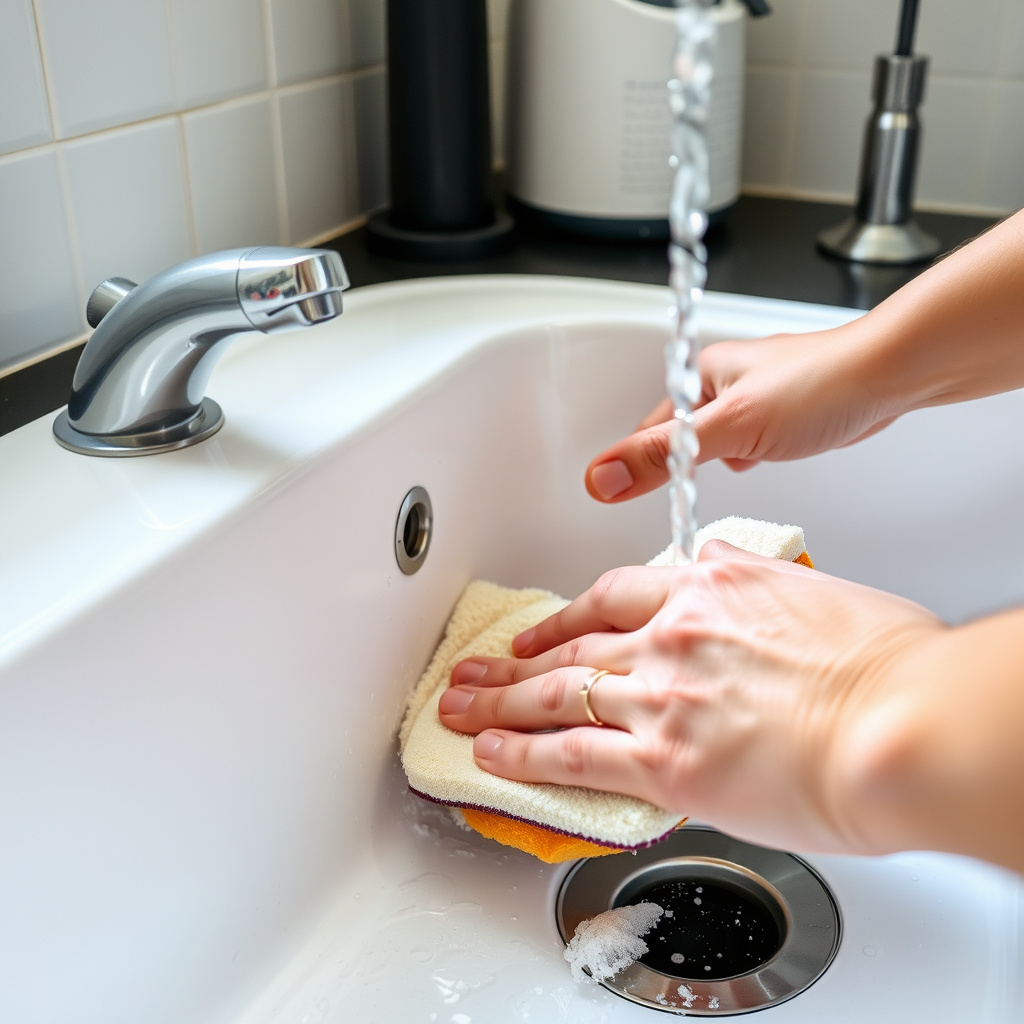
After each use, rinse your kitchen sink with warm water to wash away food particles and soap residue. Wiping down the basin with a soft sponge or cloth keeps surfaces free from stains and buildup before they have a chance to set.
Using mild dish soap diluted in warm water for daily cleaning is gentle enough to protect the sink’s finish yet effective at removing grease. Avoid abrasive scrubbers that can scratch especially delicate materials like porcelain or quartz.
- Rinse sink with warm water after use
- Wipe with soft sponge and mild soap
- Dry with clean cloth to avoid water spots
Preventing Clogs and Odors
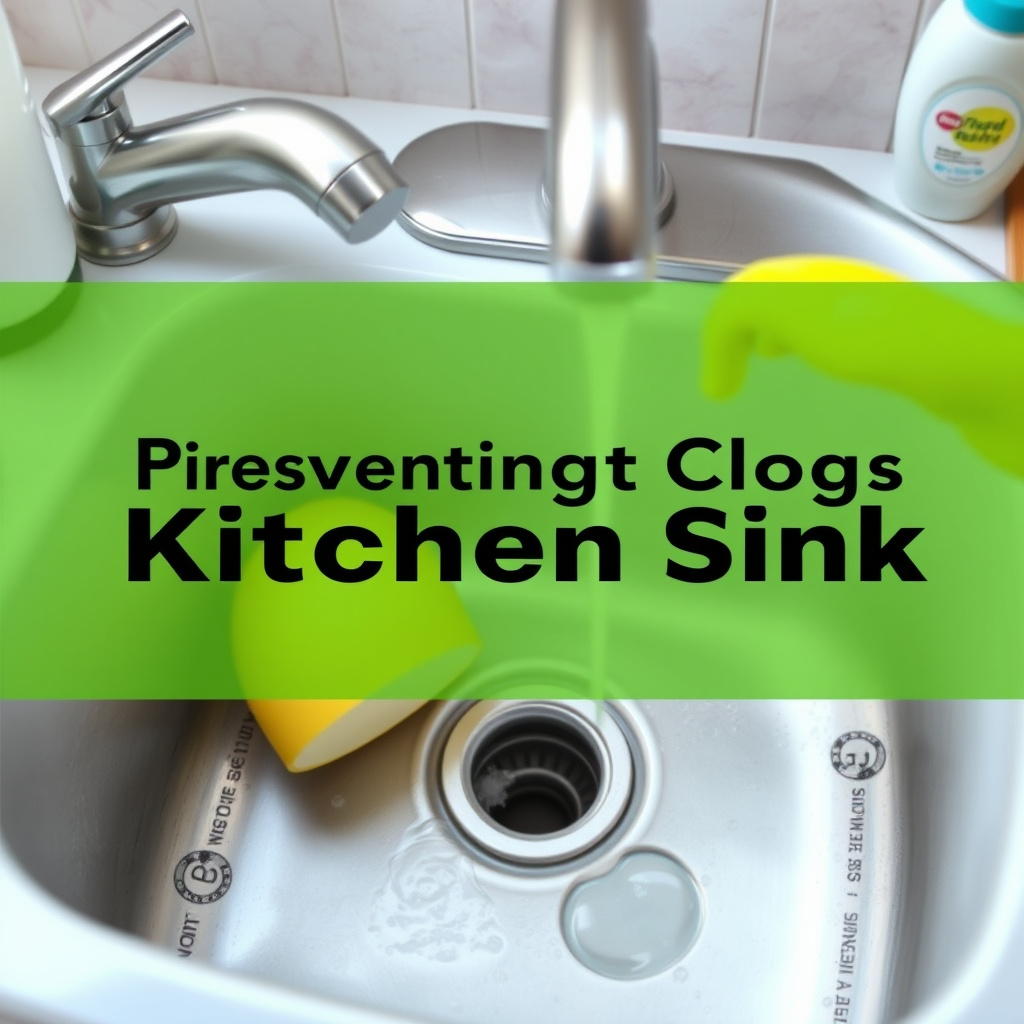
Regularly remove food debris from the drain to prevent clogs. Avoid letting grease or coffee grounds enter the drain as they can solidify and cause blockages.
To keep odors away, pour a mixture of baking soda and vinegar down the drain weekly. Let it fizz for a few minutes, then flush with hot water to clear grime and neutralize smells.
- Use drain catchers to trap food particles
- Pour baking soda and vinegar weekly
- Flush with hot water to clear debris
Removing Tough Stains and Mineral Deposits
Dealing with Limescale Buildup
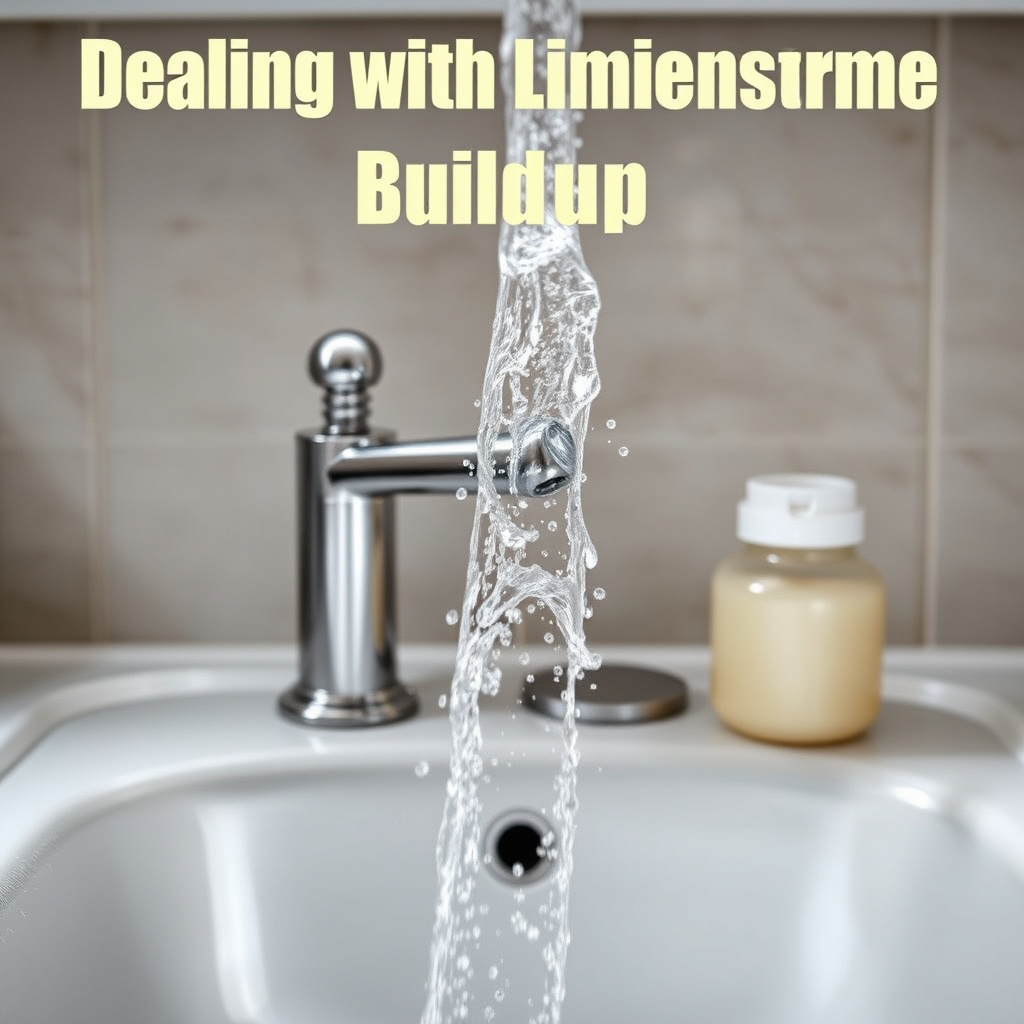
Hard water often leaves mineral deposits like limescale on your sink’s surface, especially near the faucet. To remove these, soak a cloth in white vinegar and apply it to the affected areas for 10-15 minutes before scrubbing gently with a non-abrasive sponge.
For stubborn deposits, repeat the treatment or combine vinegar with baking soda paste for enhanced cleaning power. Always rinse thoroughly after treatment to protect the sink finish.
- Apply vinegar-soaked cloth to mineral deposits
- Scrub gently with non-abrasive sponge
- Rinse well to avoid residue buildup
For more on this, see our related guide: How to Clean Kitchen Efficiently: Step-by-Step Guide for a Sparkling Space.
Eliminating Stains from Foods and Rust
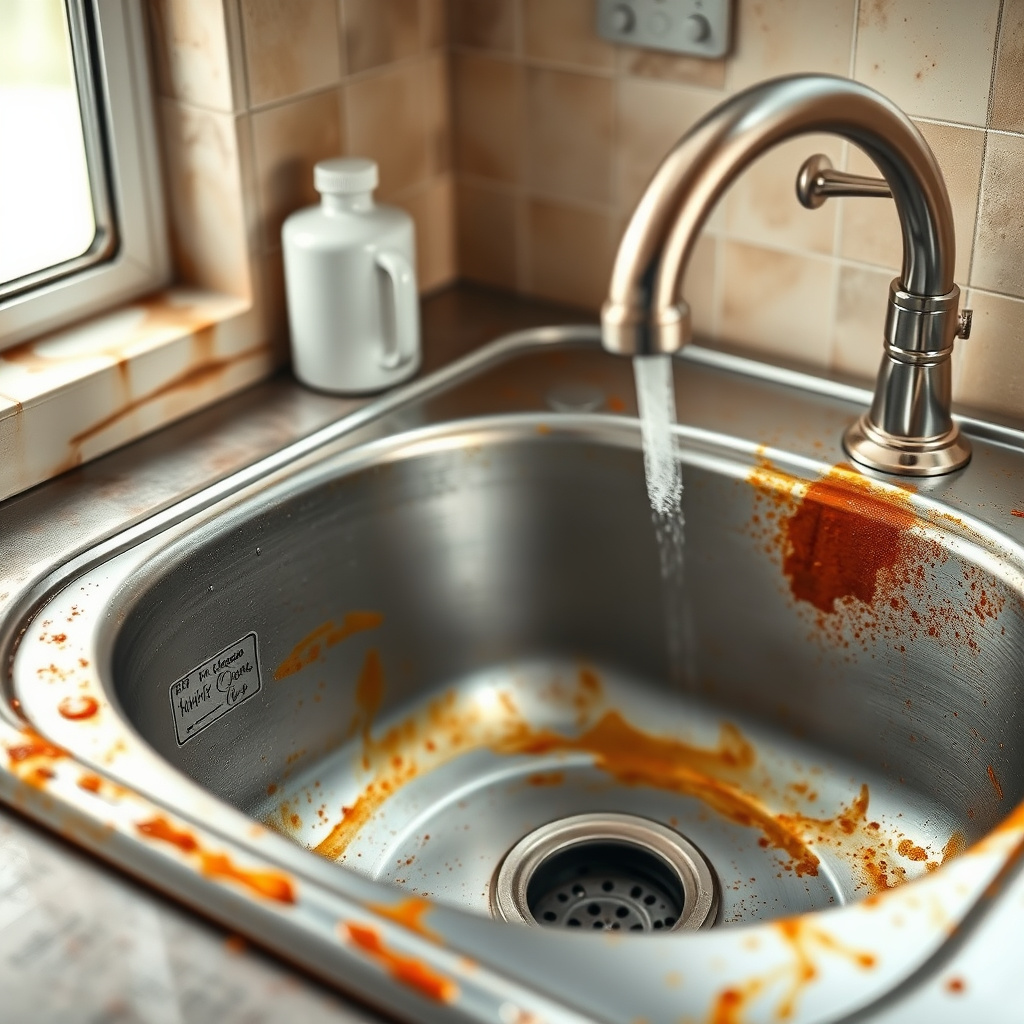
Certain foods like tomato sauce or coffee can leave stains on sinks, especially porcelain or composite types. Baking soda paste acts as a mild abrasive to lift these stains without damaging the surface.
Rust stains can be tackled using lemon juice or a rust remover specifically made for your sink material. Test on a small area first, then scrub lightly and rinse thoroughly.
- Use baking soda paste for food stains
- Apply lemon juice for rust spots
- Test cleaning agents on a hidden spot first
Disinfecting and Deodorizing Your Kitchen Sink
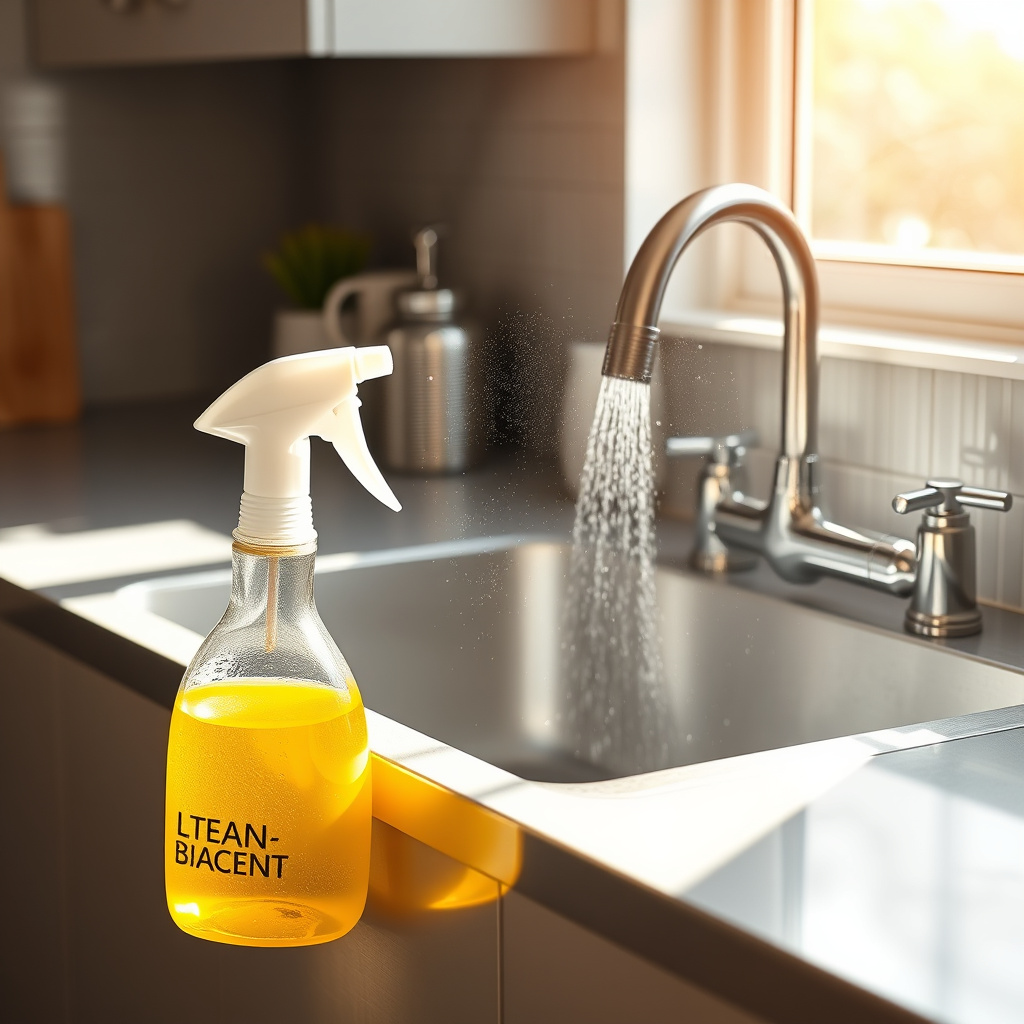
Safe Disinfection Methods
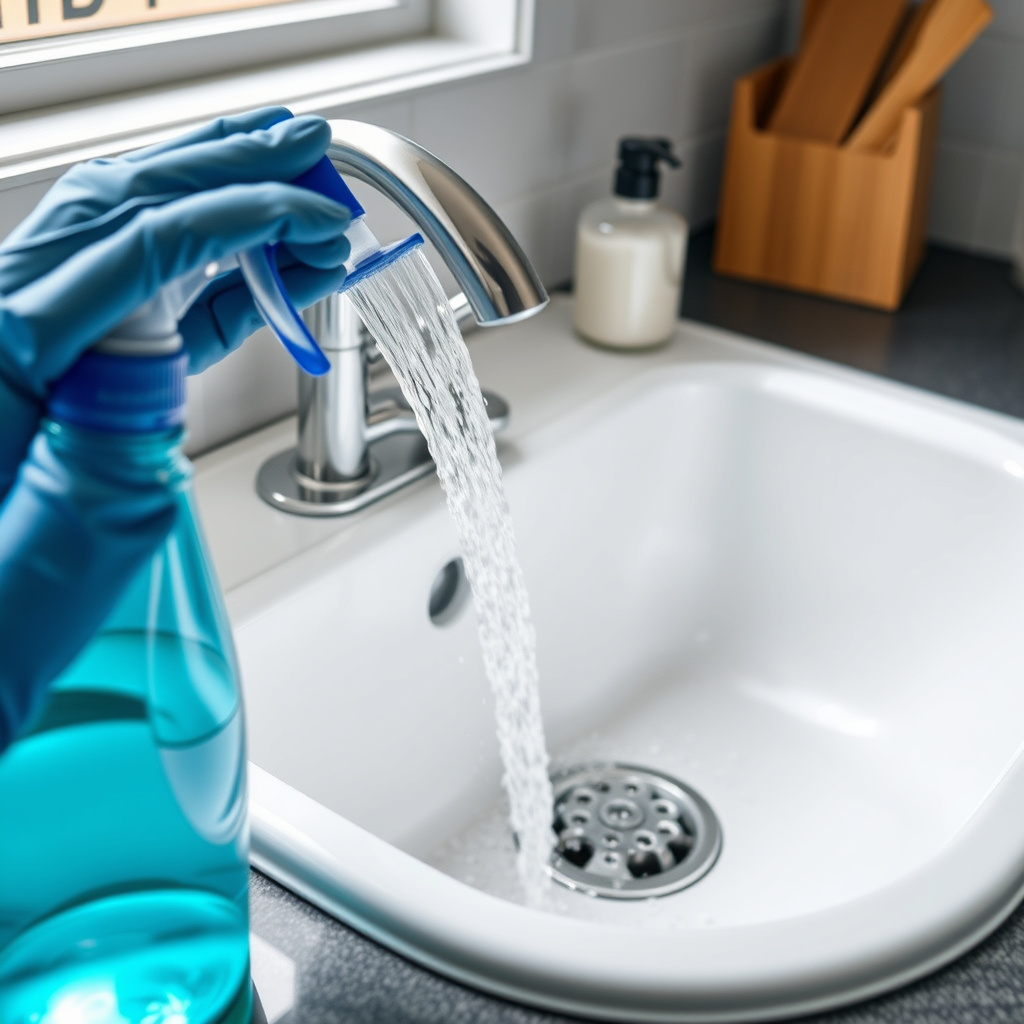
To kill bacteria and viruses, use a disinfectant spray or diluted bleach solution suited for kitchen use. Spray the sink basin and let it sit for at least five minutes before rinsing well with warm water.
Avoid mixing bleach with ammonia or other cleaners since dangerous fumes can form. Always ventilate the kitchen while disinfecting and wear gloves to protect your skin.
- Use disinfectant sprays or diluted bleach
- Let solution sit for 5 minutes before rinsing
- Wear gloves and ventilate the area
Natural Deodorizing Techniques
For a fresh scent, sprinkle baking soda over the sink and scrub with a damp sponge. Rinse and dry afterward to neutralize odors without harsh chemicals.
Placing a small bowl of baking soda or activated charcoal near the sink helps absorb lingering smells over time, keeping your kitchen smelling clean.
- Scrub sink with baking soda for freshness
- Use activated charcoal to absorb odors
- Rinse and dry sink after deodorizing
Cleaning Different Types of Kitchen Sinks

Caring for Stainless Steel Sinks
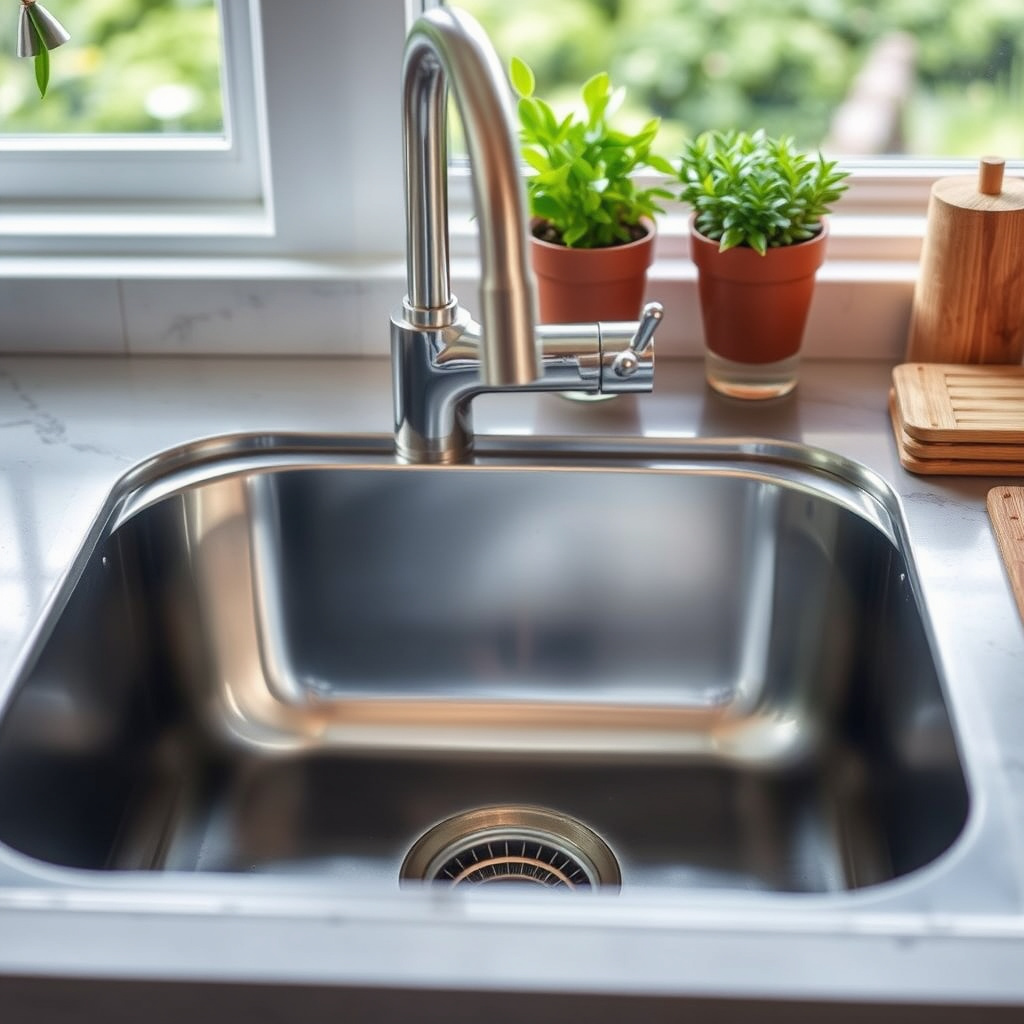
Stainless steel sinks are durable and resistant to stains but can show water spots and scratches. Clean them with mild detergents and soft cloths. Buffing with a small amount of olive oil restores shine and minimizes scratches.
Avoid steel wool or harsh chemicals that can damage the surface. Promptly rinse acidic substances like lemon juice to prevent marks.
- Use mild detergents and soft cloths
- Buff with olive oil for shine
- Avoid abrasive scrubbers and harsh chemicals
Maintaining Porcelain and Composite Sinks
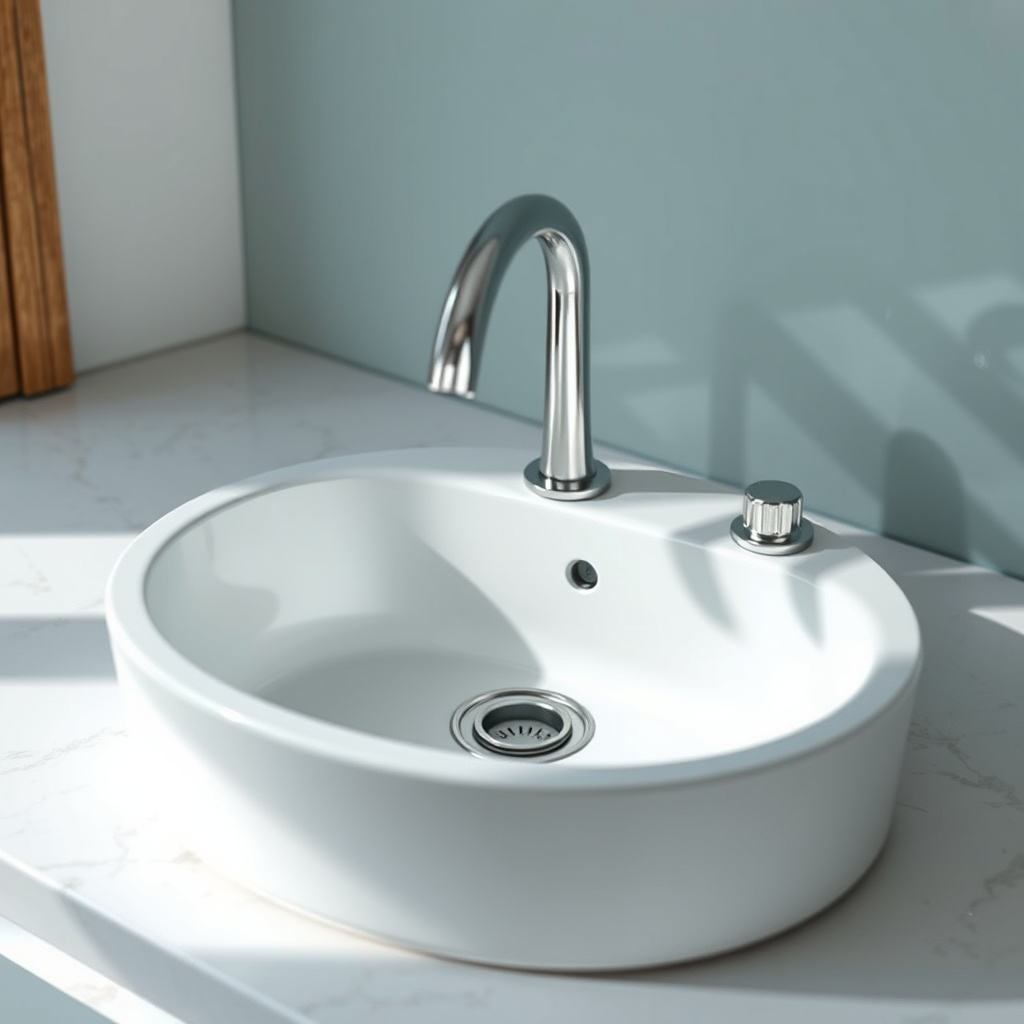
Porcelain and composite sinks require gentle cleaning to avoid chipping or dulling. Use baking soda or non-abrasive cleaners and a soft sponge. Avoid dropping heavy objects as they can crack the surface.
Regularly remove stains with natural agents and dry the sink to prevent watermarks and mold buildup around edges.
- Clean with baking soda and soft sponge
- Avoid harsh scrubbing and heavy impact
- Dry sink after cleaning to prevent stains
Tools and Products Recommended for Kitchen Sink Cleaning
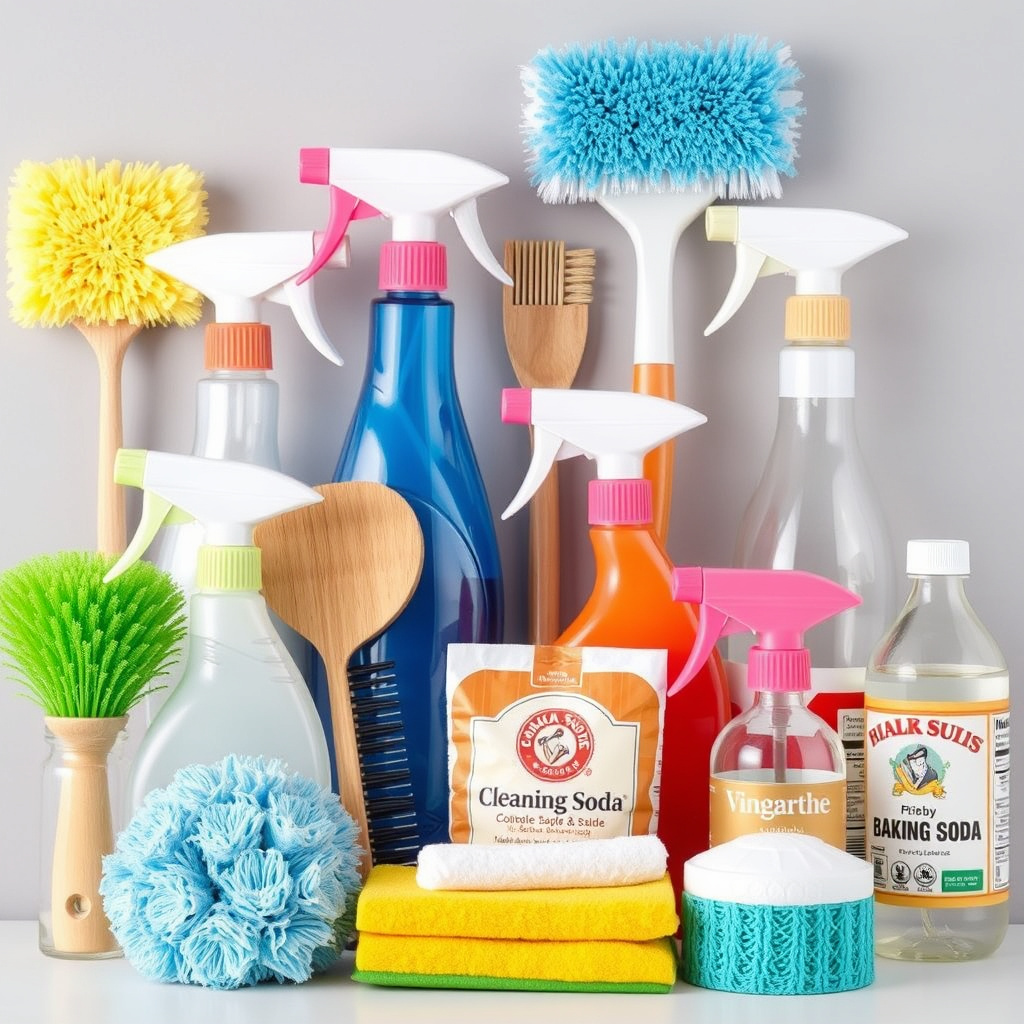
Essential Cleaning Tools
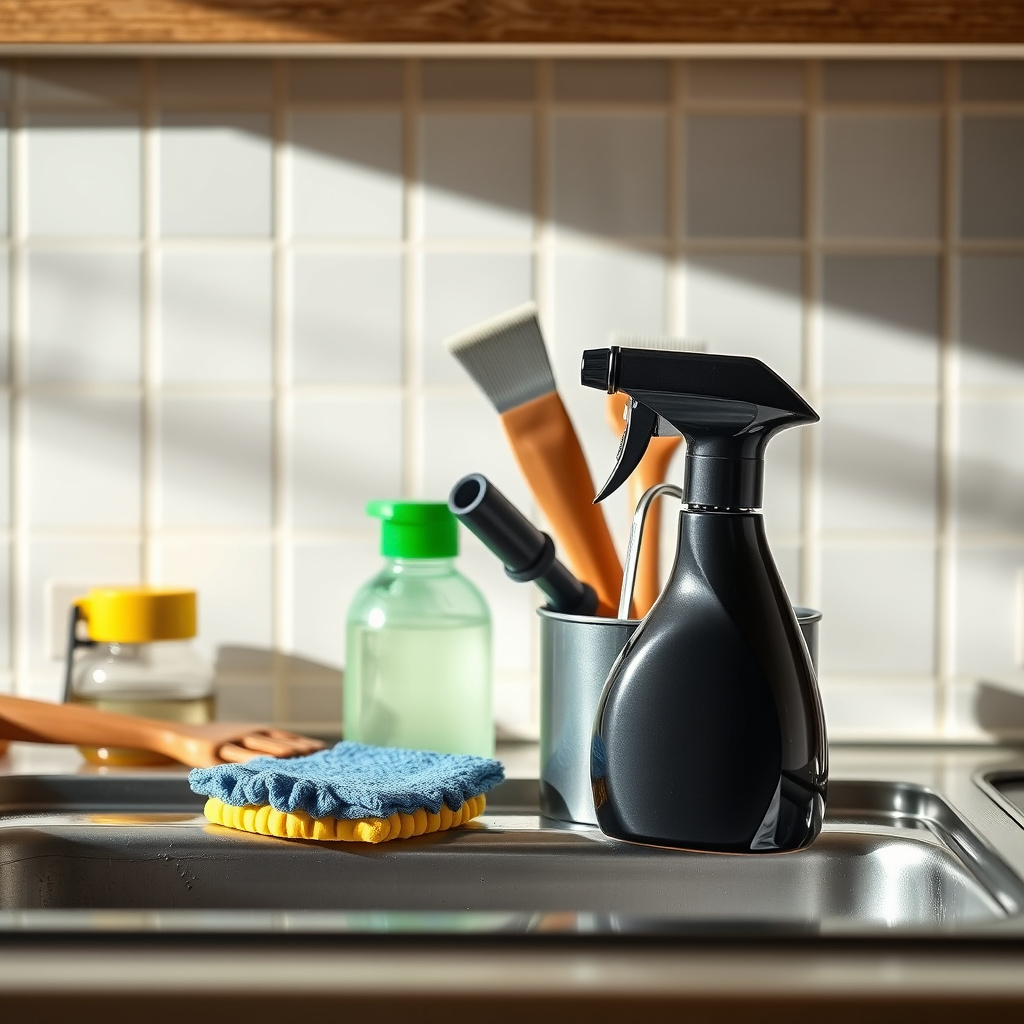
Having the right tools makes cleaning easier and more effective. Soft sponges, microfiber cloths, and non-scratch scrubbers help remove dirt without damaging surfaces. A small bottle brush is handy for tight areas like around the drain.
A spray bottle for natural cleaning solutions like vinegar and water mix improves application and minimizes waste.
- Soft sponges and microfiber cloths
- Non-abrasive scrubbers
- Small bottle or pipe brushes
- Spray bottles for homemade cleaners
For further advice on safe and eco-friendly kitchen sink cleaning practices, see Kitchen sink cleaning tips from the Environmental Protection Agency. Kitchen sink cleaning tips from the Environmental Protection Agency.
Recommended Cleaning Products
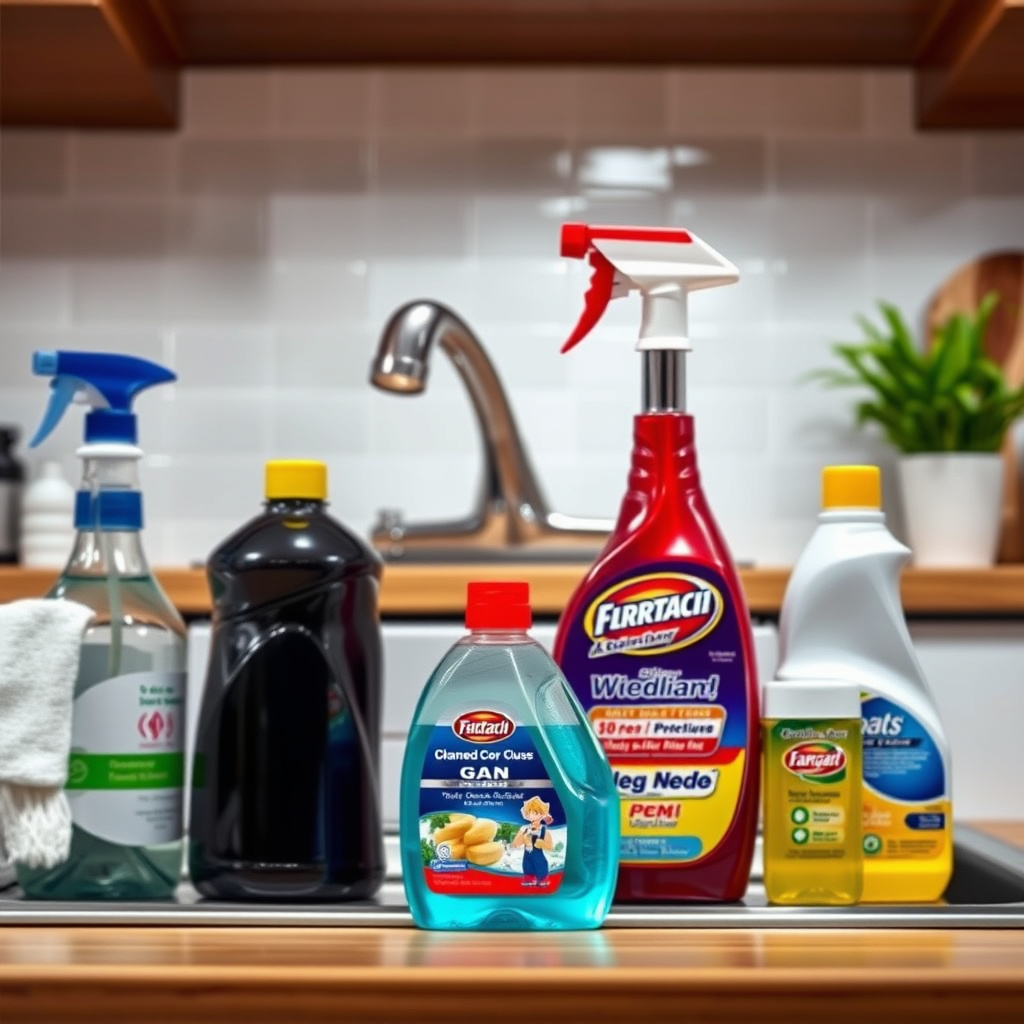
Mild dish soap, baking soda, white vinegar, and lemon juice cover most kitchen sink cleaning needs naturally and affordably. For tougher stains or sanitizing, kitchen-safe disinfectants and rust removers should be chosen based on your sink type.
Avoid harsh bleach-based cleaners on delicate surfaces and always follow manufacturer guidance when selecting commercial products.
- Mild dish soap and baking soda
- White vinegar and lemon juice
- Kitchen-safe disinfectants
- Appropriate rust removers
Kitchen Sink Cleaning Methods Comparison
This table compares common cleaning approaches for different kitchen sink materials based on effectiveness, safety, and ease of use.
| Cleaning Method | Best For | Effectiveness | Material Safety |
|---|---|---|---|
| Mild Soap and Water | All sinks | Good for daily cleaning | Safe for all materials |
| Baking Soda Paste | Porcelain and Composite | Effective on stains | Non-abrasive, gentle |
| White Vinegar Soak | Stainless Steel, Hard Water Stains | Removes mineral deposits well | Safe if rinsed well |
| Commercial Disinfectants | Heavy Germ Control | Highly effective sanitizer | Caution on delicate surfaces |
| Lemon Juice Treatment | Rust and Light Stains | Good natural stain remover | Use carefully on sensitive finishes |
Frequently Asked Questions
How often should I clean my kitchen sink?
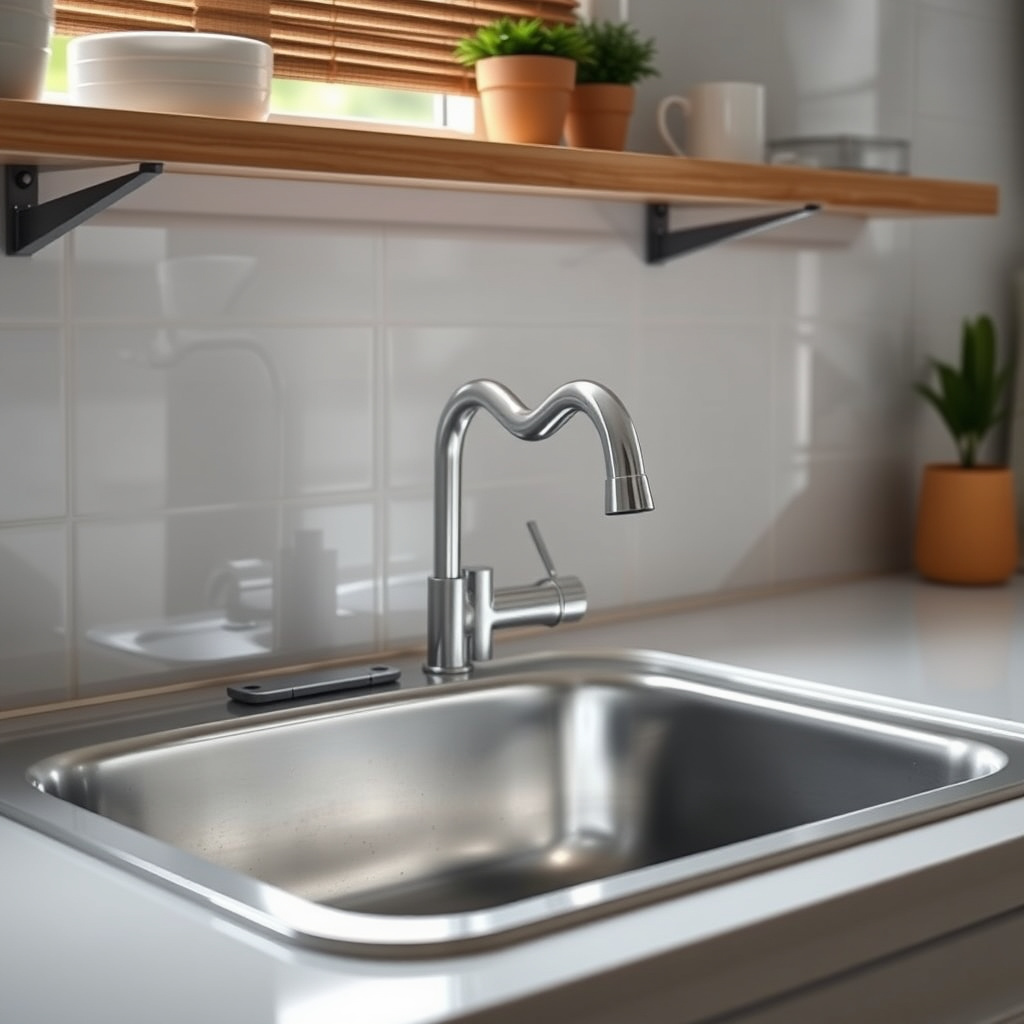
For basic hygiene and appearance, cleaning your kitchen sink daily with mild soap and water is recommended. Deeper cleaning and disinfecting can be done weekly to keep bacteria and odors under control.
Can I use bleach to clean my kitchen sink?
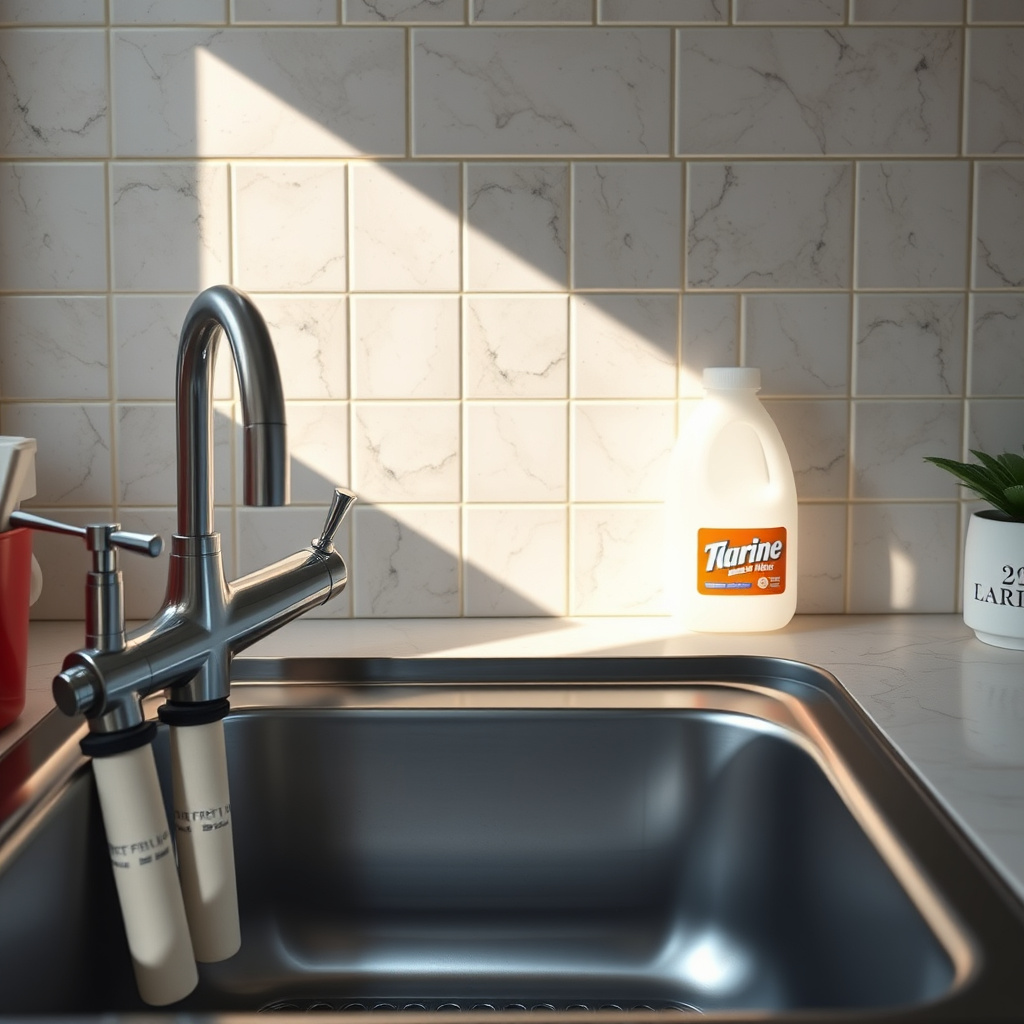
Bleach can disinfect your sink but should be diluted properly and never mixed with other cleaners. Use it sparingly on stainless steel sinks and avoid on delicate materials like porcelain or composite.
What is the best way to remove rust stains from a kitchen sink?
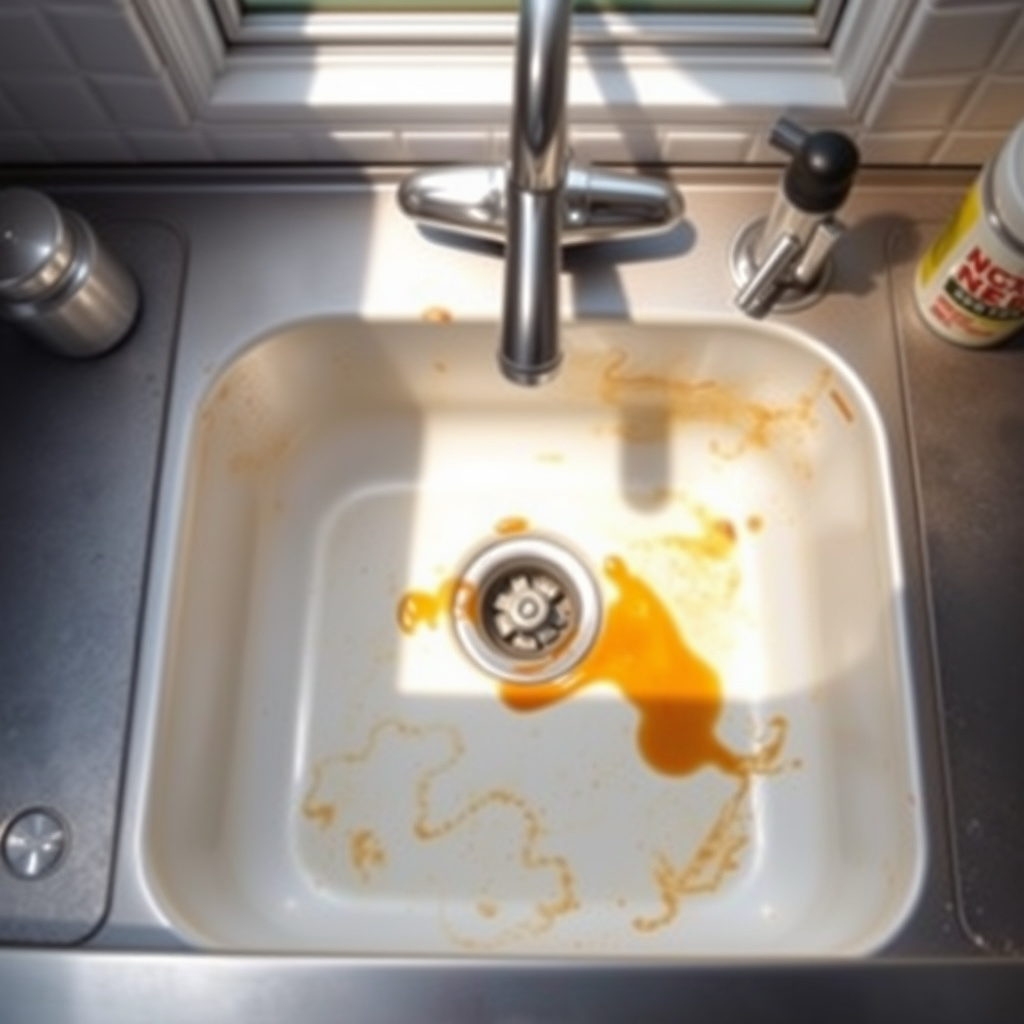
Lemon juice or a commercial rust remover safe for your sink material can effectively eliminate rust stains. Always test on a small area first and gently scrub to avoid damage.
How can I prevent water spots on stainless steel sinks?
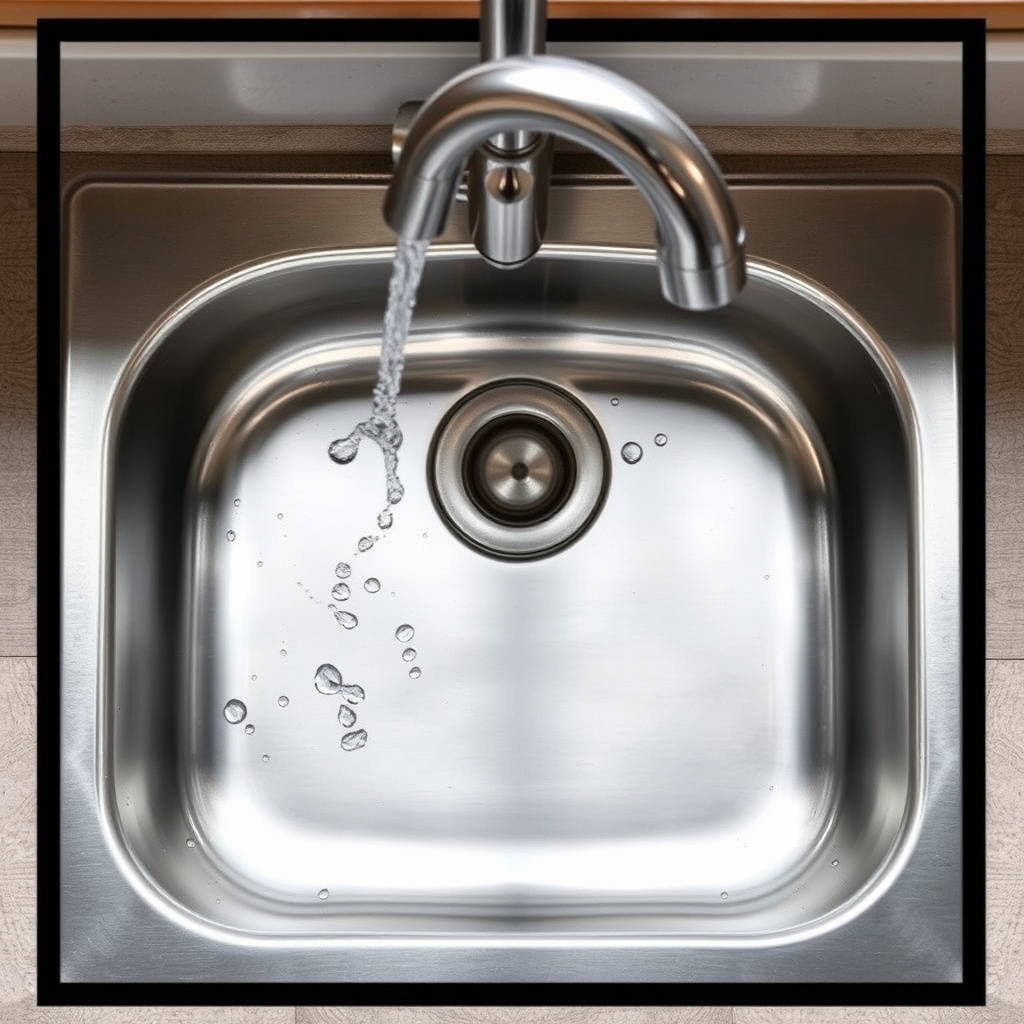
Dry your stainless steel sink after each use with a soft cloth to prevent mineral water spots. Buffing occasionally with a bit of olive oil can enhance shine and minimize spotting.
Is baking soda safe for all types of kitchen sinks?
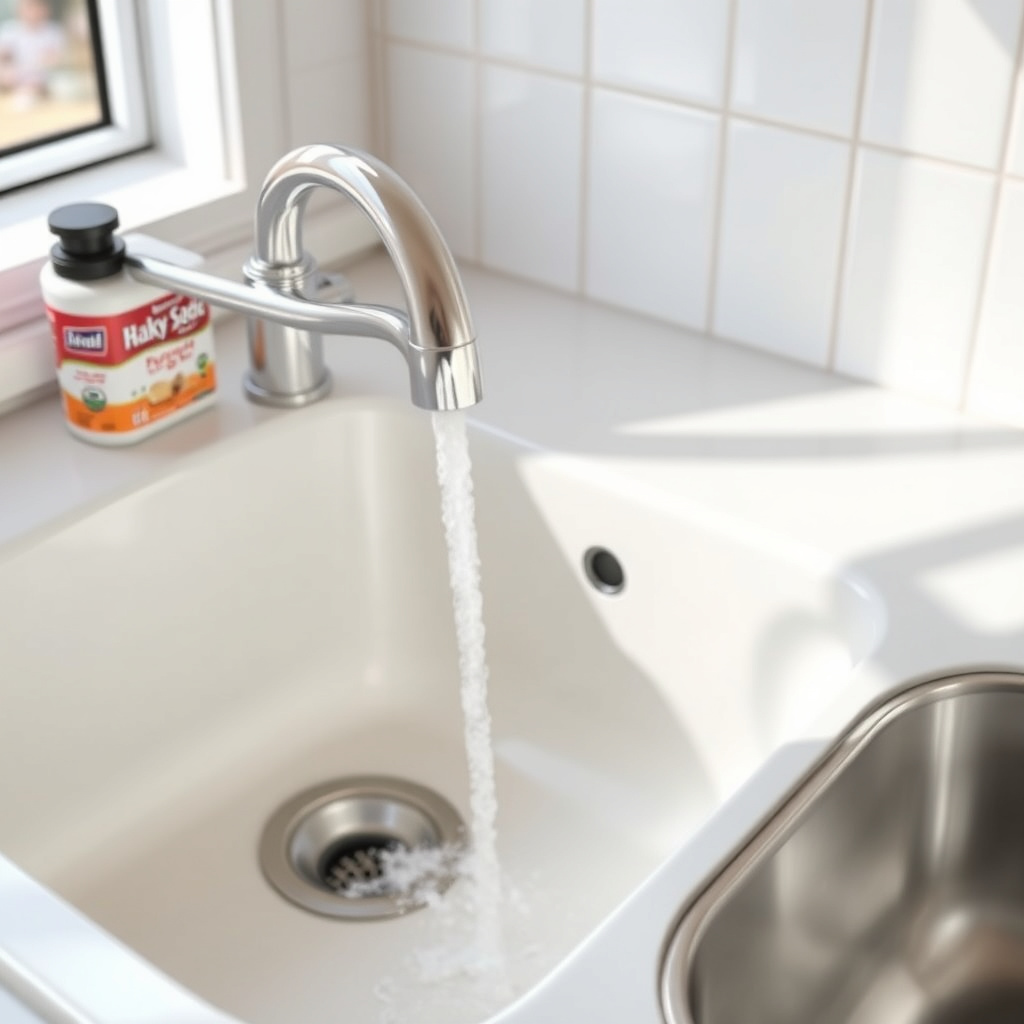
Baking soda is generally safe and mild enough for most sink materials including stainless steel, porcelain, and composite. It acts as a gentle abrasive to lift stains without scratching.
Key Takeaways
- Clean your kitchen sink daily using mild soap and water to maintain hygiene.
- Use natural agents like baking soda and vinegar for stain removal and deodorizing.
- Choose cleaning methods suited to your sink material to avoid damage.
- Disinfect regularly with appropriate products to eliminate harmful bacteria.
Conclusion
Knowing how to clean kitchen sink effectively means balancing routine maintenance with occasional deeper treatments. Starting with daily rinsing and wiping keeps debris and grime from settling. Regularly removing stains, limescale, and odors prevents long-term buildup that can discolor or damage your sink. Tailoring your cleaning approach according to whether your sink is stainless steel, porcelain, or composite helps preserve its appearance and function for years.
Among cleaning options, mild soap and warm water provide a gentle foundation for all sink types. Incorporating baking soda paste and vinegar soak treatments boosts stain and mineral deposit removal safely. For stubborn rust or heavy germs, using lemon juice or kitchen-safe disinfectants is useful—just take care to avoid harsh chemicals on delicate surfaces. Consider tools like soft sponges and bottle brushes to reach tricky spots without scratching.
Once you master the methods highlighted here, keeping your kitchen sink fresh and spotless will become straightforward rather than a chore. Start with daily wiping and step up to natural deodorizers and stain removers as needed. Prevent clogs with regular drain cleaning rituals. This practical routine protects your sink from damage and maintains a clean, inviting kitchen environment.