How to Clean Kitchen Efficiently: Step-by-Step Guide for a Sparkling Space
Cleaning your kitchen starts with a clear plan: begin by decluttering counters, washing dishes, and wiping surfaces to remove grease and crumbs. A systematic approach, focusing first on prep areas and then moving to appliances and floors, helps achieve the best results quickly.
A clean kitchen not only looks inviting but also prevents foodborne illnesses and keeps pests away. Regularly cleaning different areas maintains a safe environment for preparing meals, while deeper cleans restore freshness and tackle hidden grime that builds up over time.
This guide will break down the cleaning process into manageable tasks, covering everything from countertop maintenance and appliance care to floor scrubbing and essential cleaning tools. Whether it’s daily upkeep or a detailed weekly scrub, you’ll find practical advice to keep your kitchen sparkling clean.
Preparing Your Kitchen for Cleaning
Decluttering Surfaces and Organizing Items
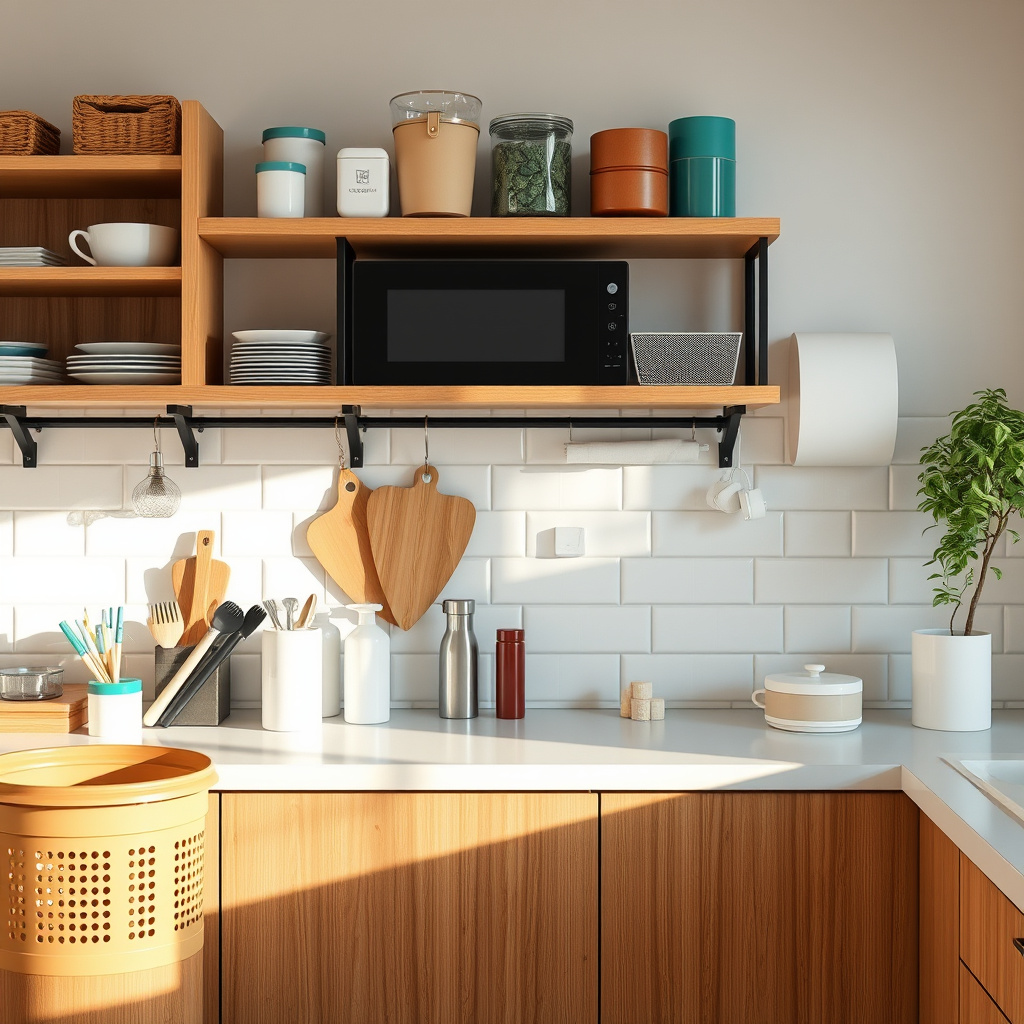
Start by removing all items from countertops and kitchen tables. Sort through appliances, utensils, and food containers to decide what can be stored or discarded. Clearing these areas facilitates more effective cleaning and prevents dirt from hiding under clutter.
Organizing the space also helps improve workflow for cooking and cleaning later. Use baskets or bins to temporarily hold small items and set aside any broken or expired products to dispose of before cleaning begins.
Gathering Essential Cleaning Supplies
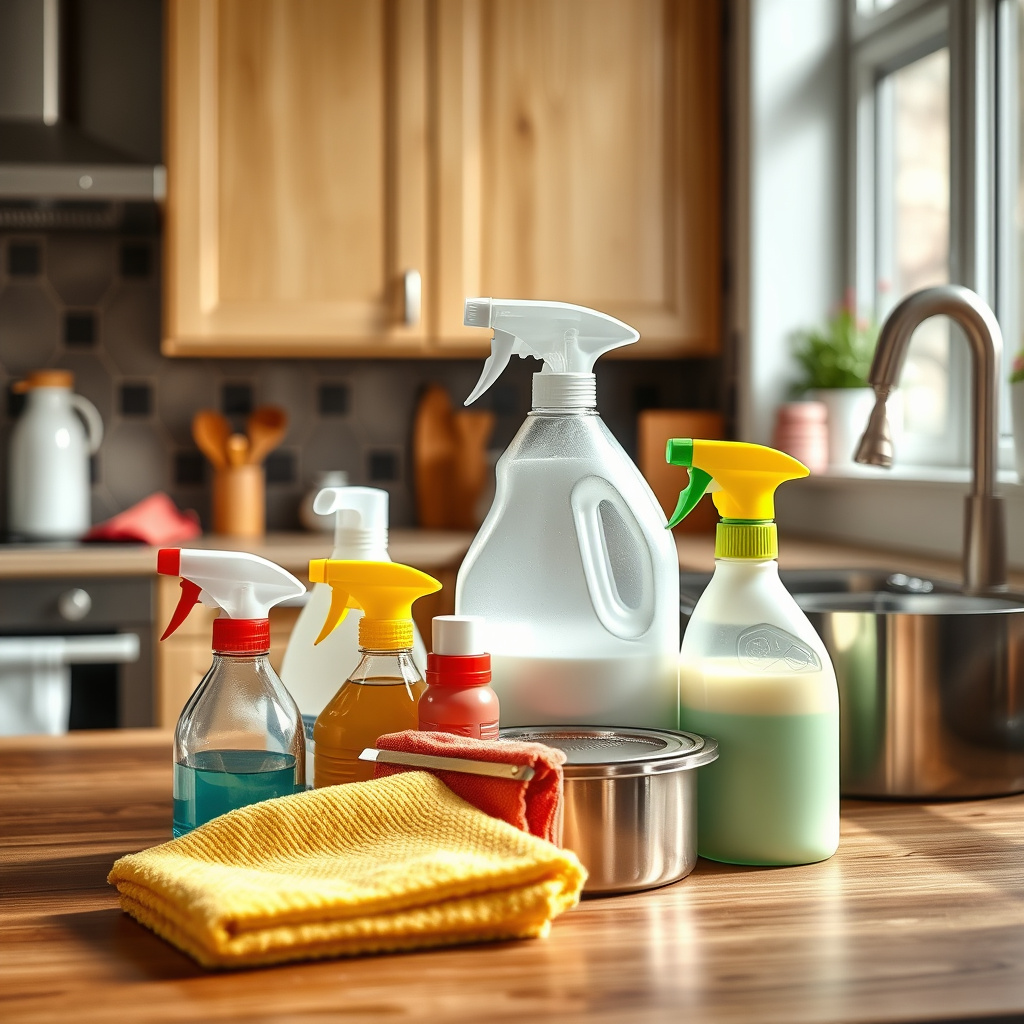
Collect all necessary cleaning products like dish soap, multipurpose cleaner, degreaser, sponges, microfiber cloths, and gloves. Having everything handy avoids interruptions during the cleaning process and speeds up the work.
Natural alternatives, such as vinegar and baking soda, can be effective and gentle on surfaces. For heavy grease buildup, specialized kitchen cleaner sprays are recommended to break down residue quickly.
- Dish soap
- Multipurpose cleaner
- Microfiber cloths
- Sponges
- Gloves
- Vinegar and baking soda
Cleaning Kitchen Surfaces and Fixtures
Wiping Down Countertops and Backsplash

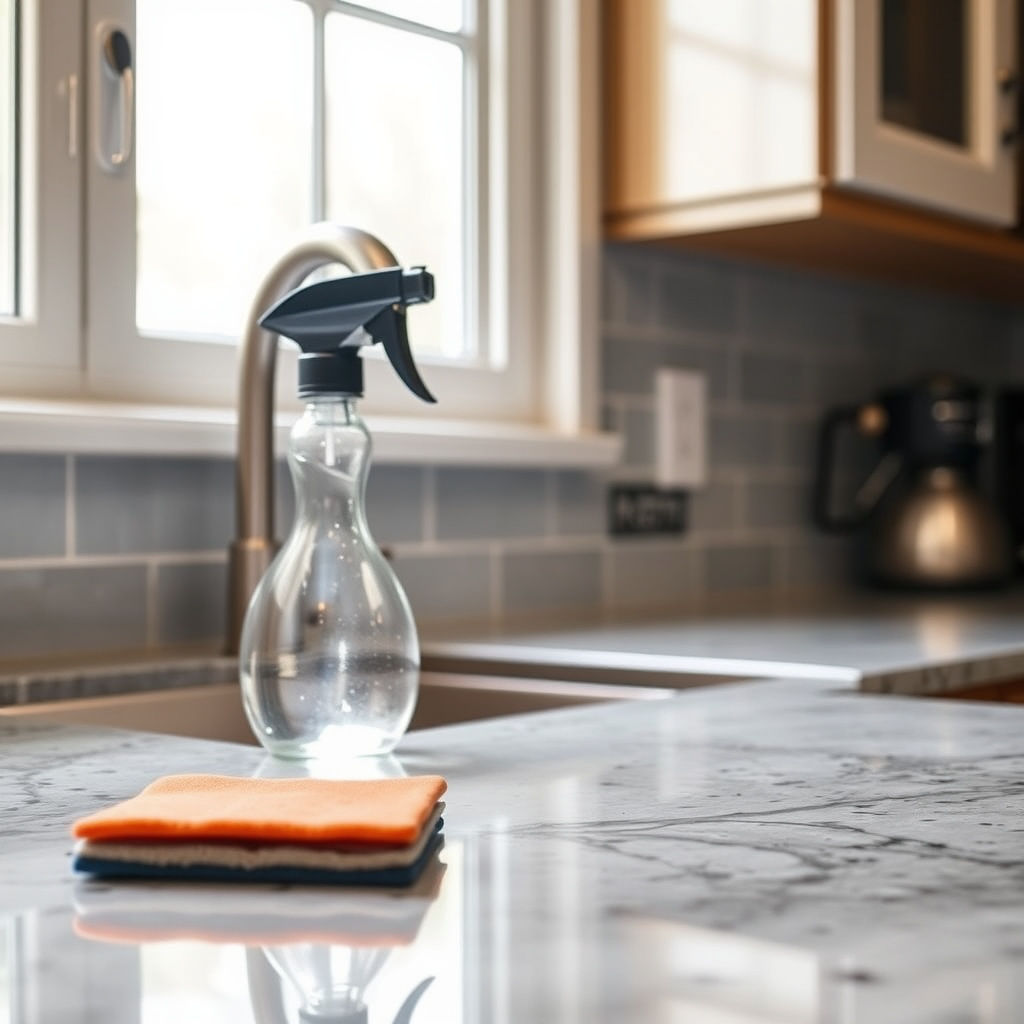
Use a damp microfiber cloth and appropriate cleaner depending on your countertop material. Stone surfaces require pH-neutral cleaners, while laminate or tile can handle more general products. Wipe thoroughly to eliminate crumbs, sticky spots, and stains.
For backsplashes, especially those near cooking areas, degreasing spray helps remove oils and splashes. Regular wiping prevents buildup and keeps your kitchen looking fresh.
For more on this, see our related guide: How to Paint Kitchen Cabinets: A Step-by-Step Guide for a Flawless Finish.
Sanitizing Sink and Faucet Areas
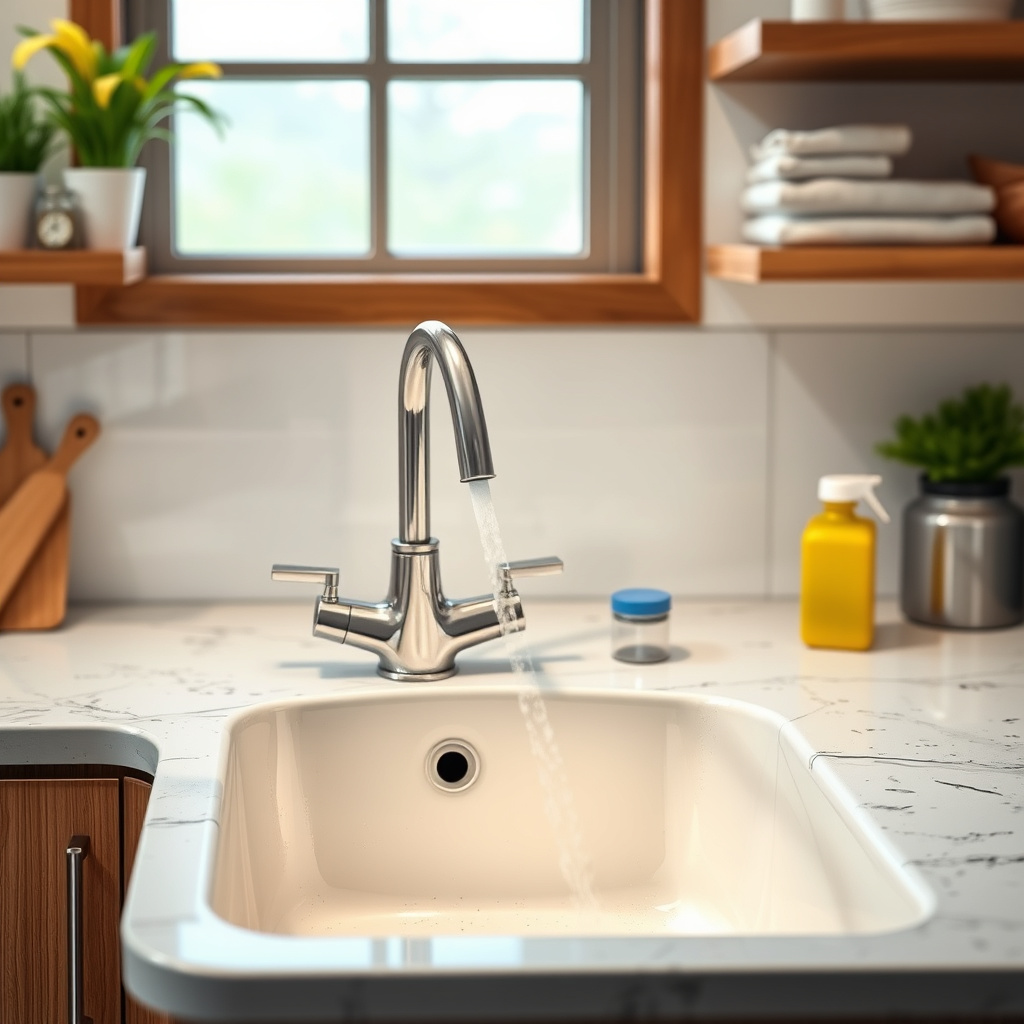
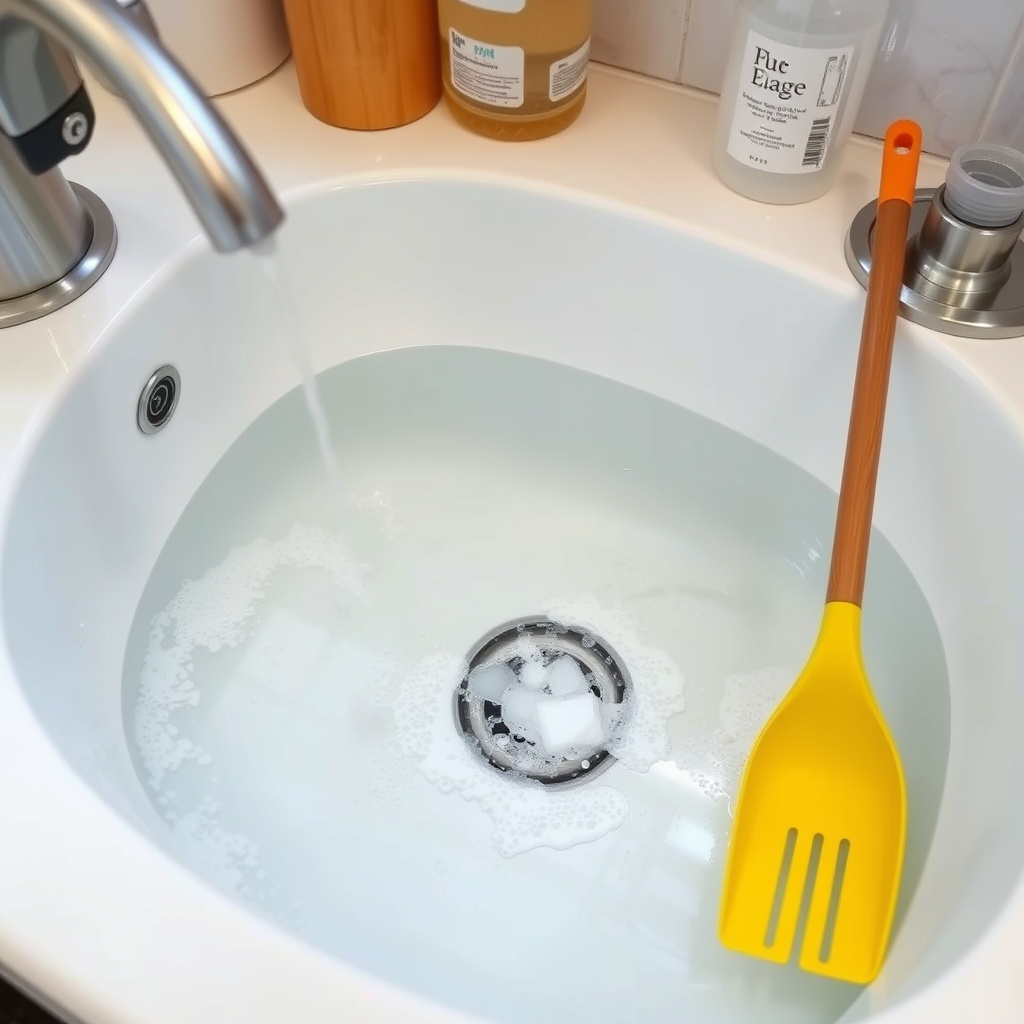
The sink tends to accumulate grime and bacteria quickly. Use a disinfectant or diluted bleach solution to scrub the basin and edges, paying special attention to faucet handles and drain openings where germs concentrate.
Dry the fixtures with a clean cloth to prevent water stains and keep metal surfaces shiny. Disposable gloves are recommended during this process to protect your hands.
Appliance Cleaning Techniques
Cleaning the Stove and Oven
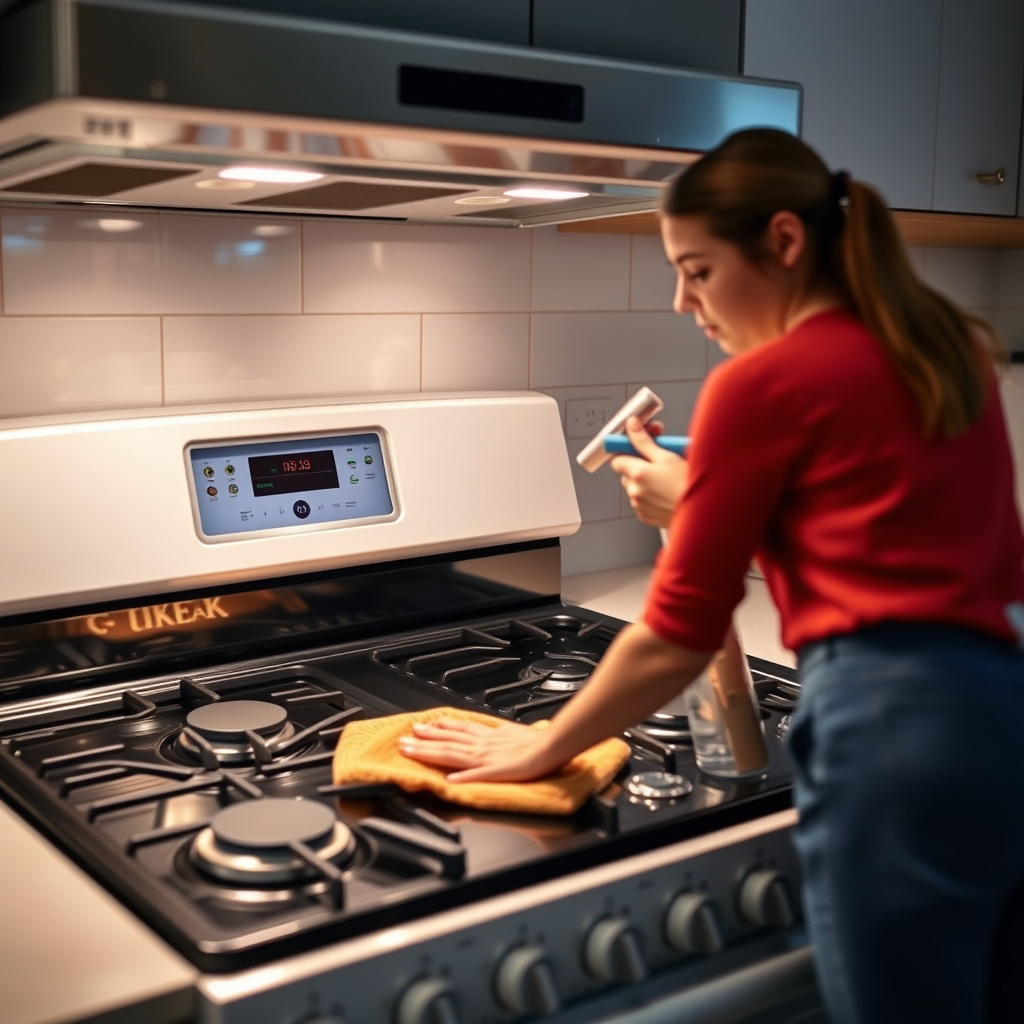
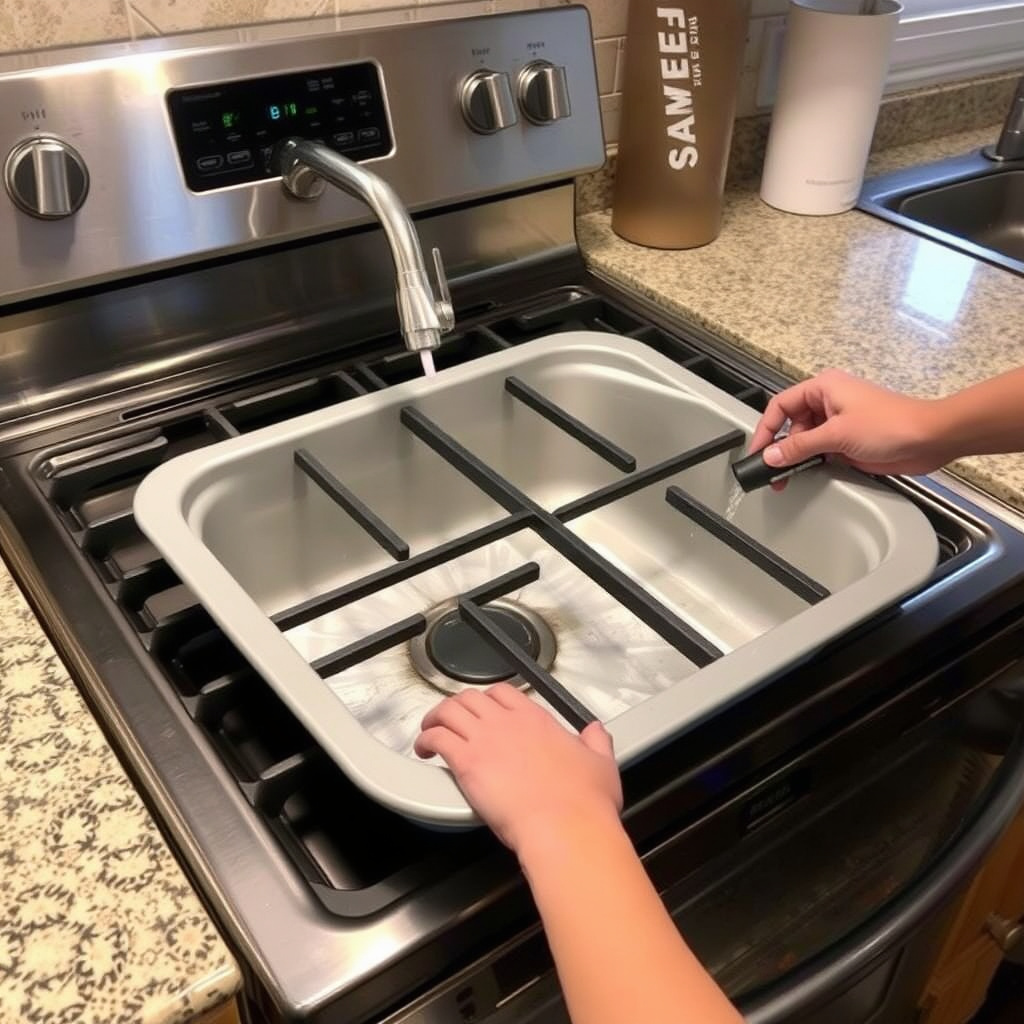
Remove burner grates and knobs from the stove to soak in warm, soapy water. Scrub grills free of grease buildup with a stiff brush. Oven interiors benefit from self-cleaning cycles where available, or a paste of baking soda and water left to sit before wiping clean.
For stubborn oven stains, commercial oven cleaners can be applied, followed by thorough ventilation. Regular maintenance prevents carbon deposits and keeps appliances operating efficiently.
Maintaining Refrigerator and Microwave Hygiene
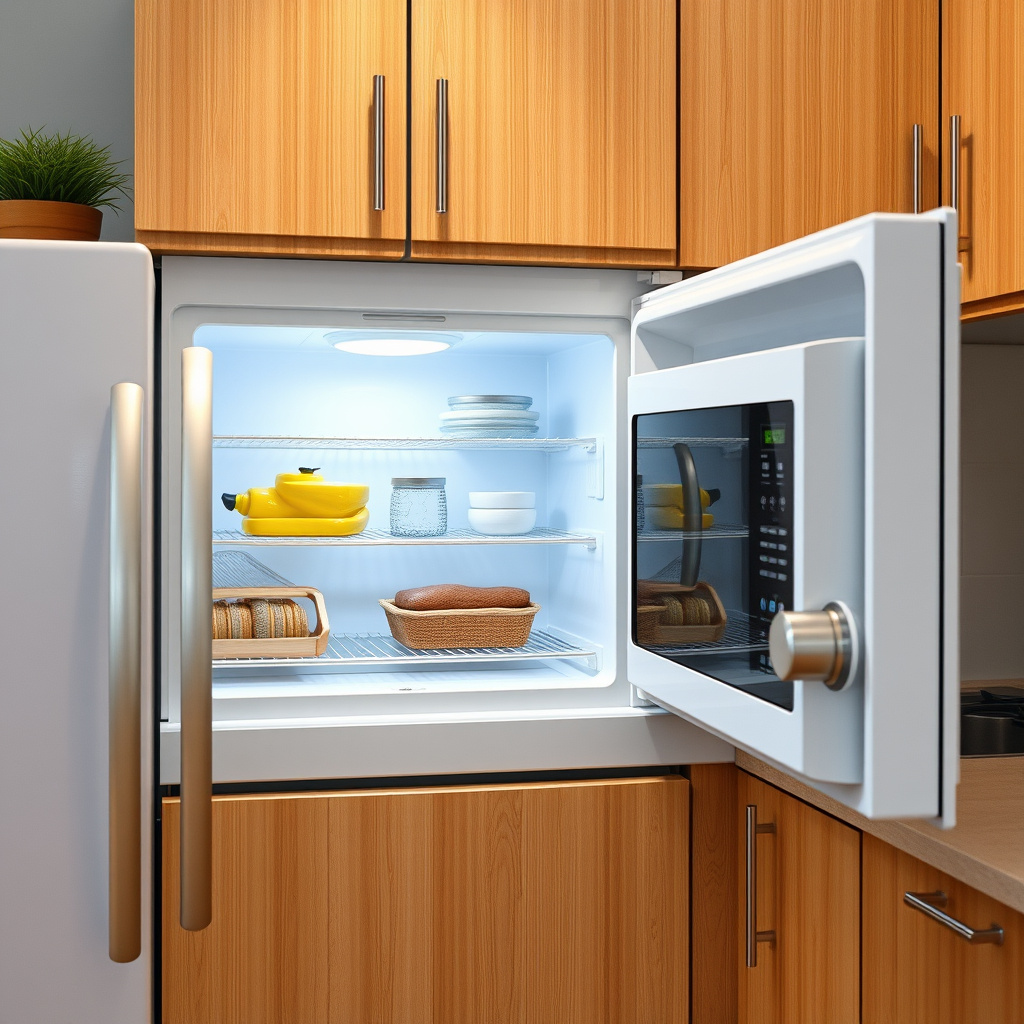
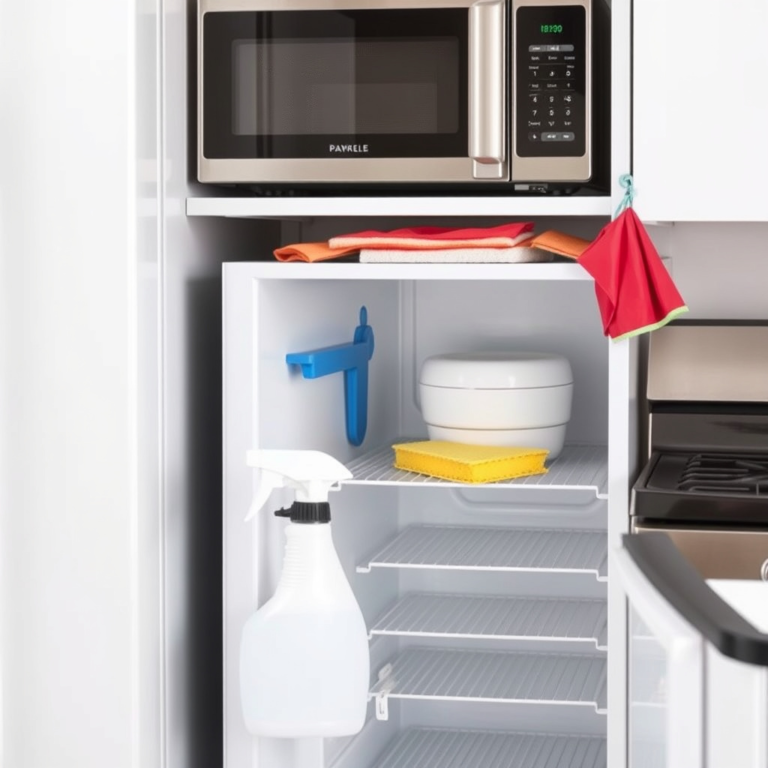
Empty the refrigerator and discard expired items before wiping shelves and drawers with a mild cleaner. Door seals should be cleaned to avoid mold and maintain proper sealing.
Microwave interiors can be cleaned by heating a bowl of water with lemon juice for several minutes to loosen grime. Then wipe interior walls, door seals, and turntables clean. This method eliminates odors naturally.
Floor and Trash Area Care
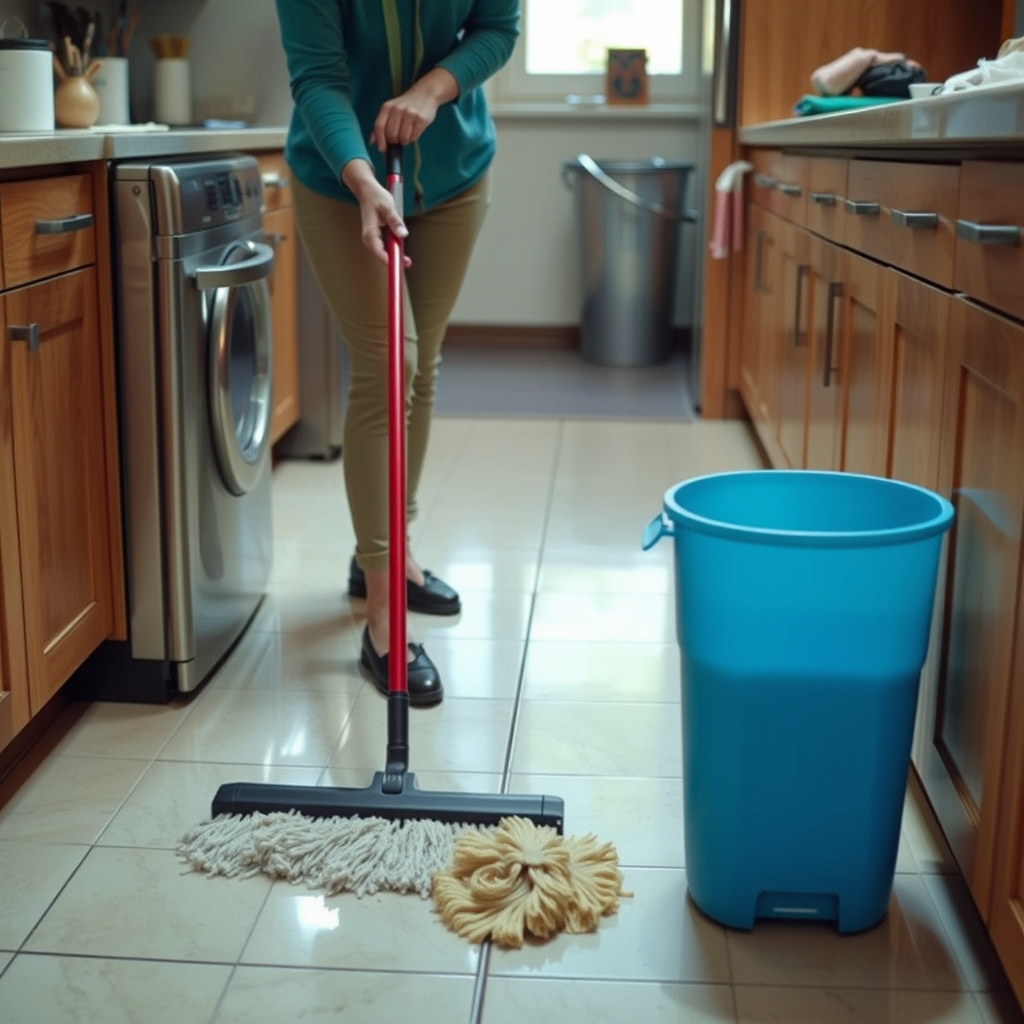
Sweeping and Mopping Kitchen Floors
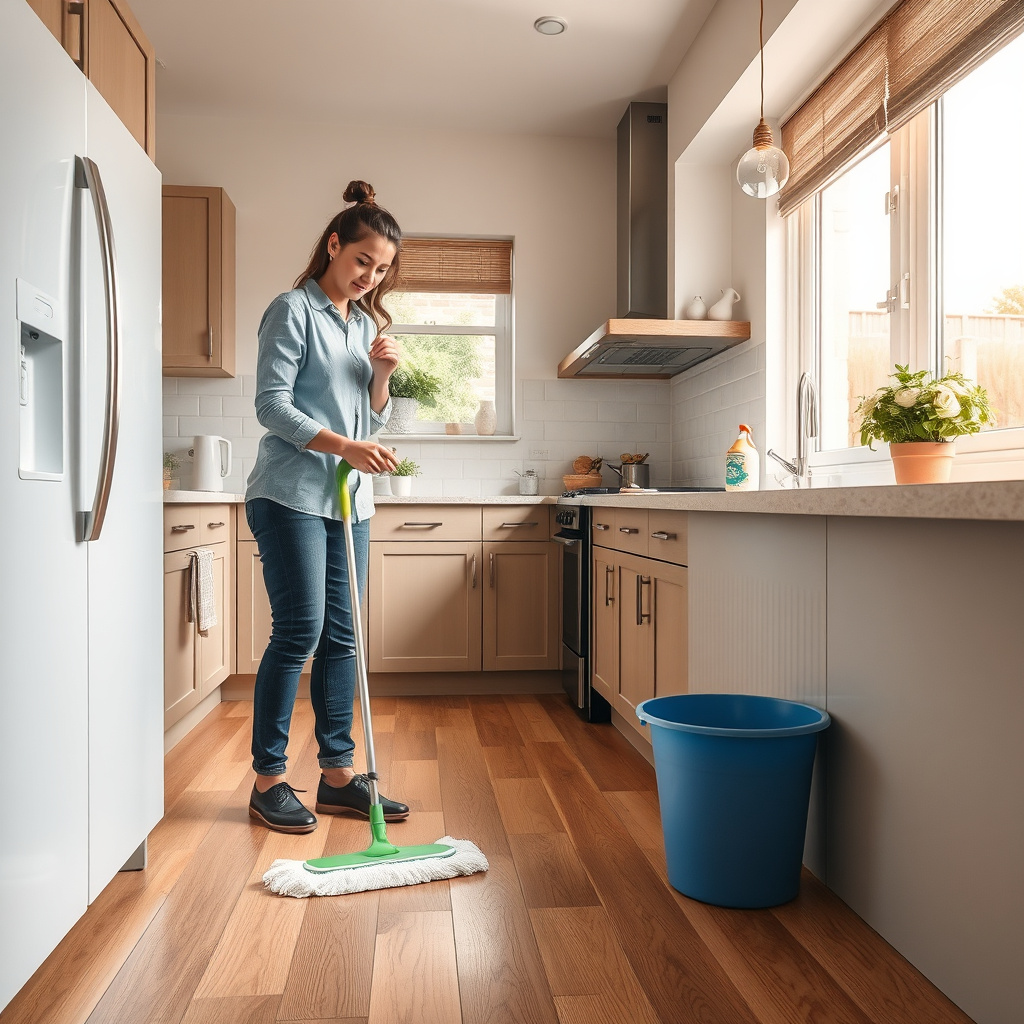
Start by sweeping or vacuuming to remove crumbs, dust, and debris from kitchen floors. Follow up with mopping using a floor cleaner suitable for your surface type, such as hardwood, tile, or vinyl.
Focus on corners and under appliances where dirt tends to accumulate. Use warm water mixed with cleaner and a mop that can reach tight spots for best results.
For more on this, see our related guide: How to Sharpen Kitchen Knives: A Practical Guide for Home Chefs.
Emptying and Cleaning Trash Containers

Remove trash bags daily to prevent odors and overflow. Clean bins inside and out regularly with disinfecting wipes or diluted bleach, rinsing and drying before replacing liners.
Using trash cans with lids helps control smells and keeps pests away. Keeping this area clean complements overall kitchen hygiene.
Advanced Cleaning and Maintenance Tips
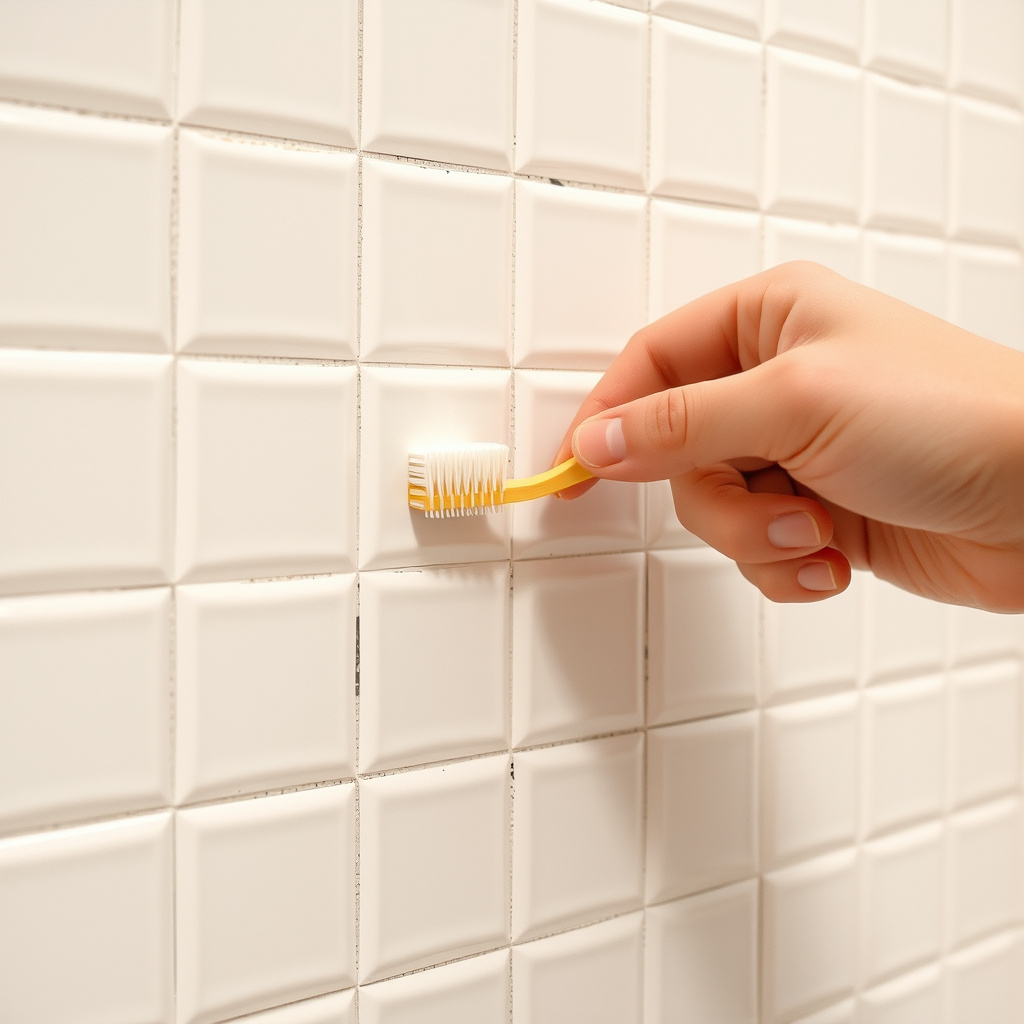
Detailing Grout and Hard-to-Reach Spaces
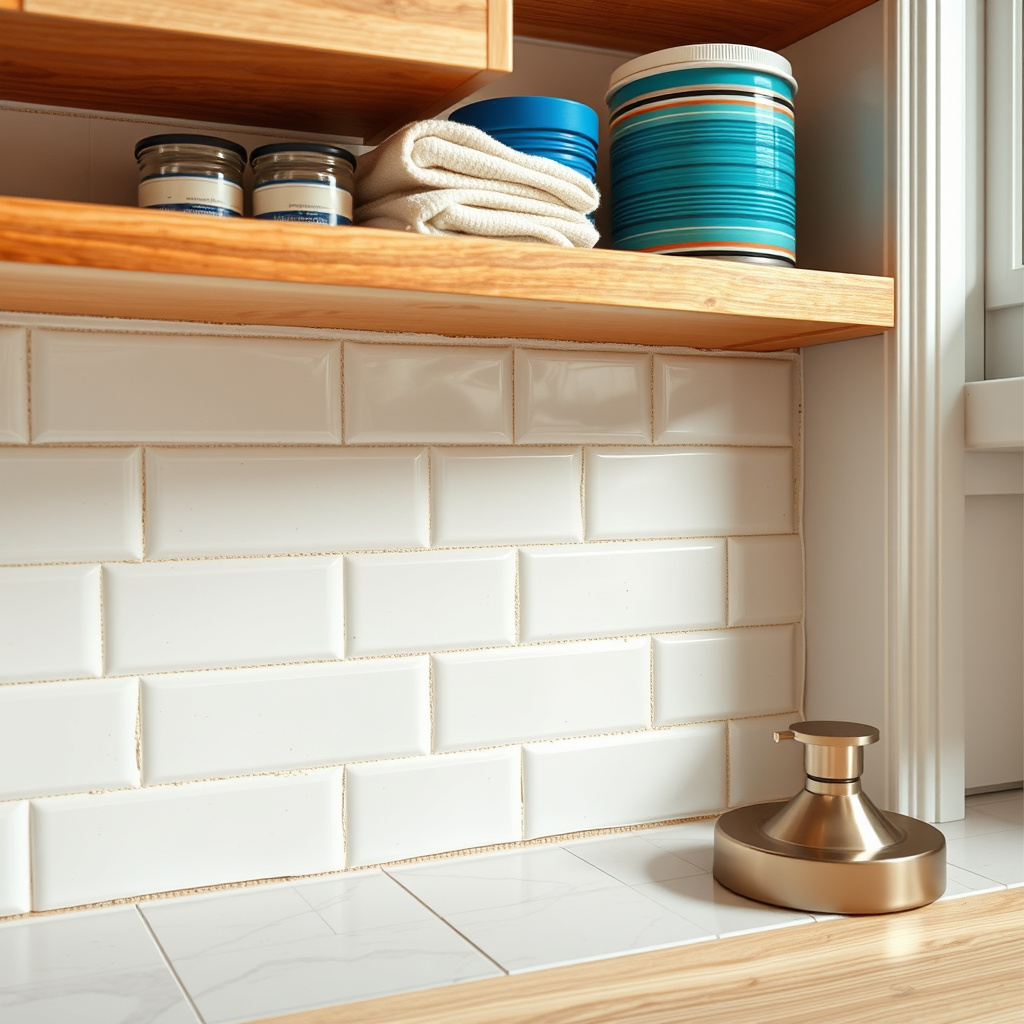
Grout and tile joints can hold dirt that regular wiping misses. Use a small brush or an old toothbrush with baking soda paste or grout cleaner to scrub these sections carefully.
Corners behind appliances, vent hoods, and cabinet edges benefit from attention during deep cleaning to remove built-up dust and cooking residues that affect air quality.
For more detailed information on maintaining kitchen hygiene, you can visit this resource. kitchen hygiene.
Maintaining Seals and Ventilation Filters
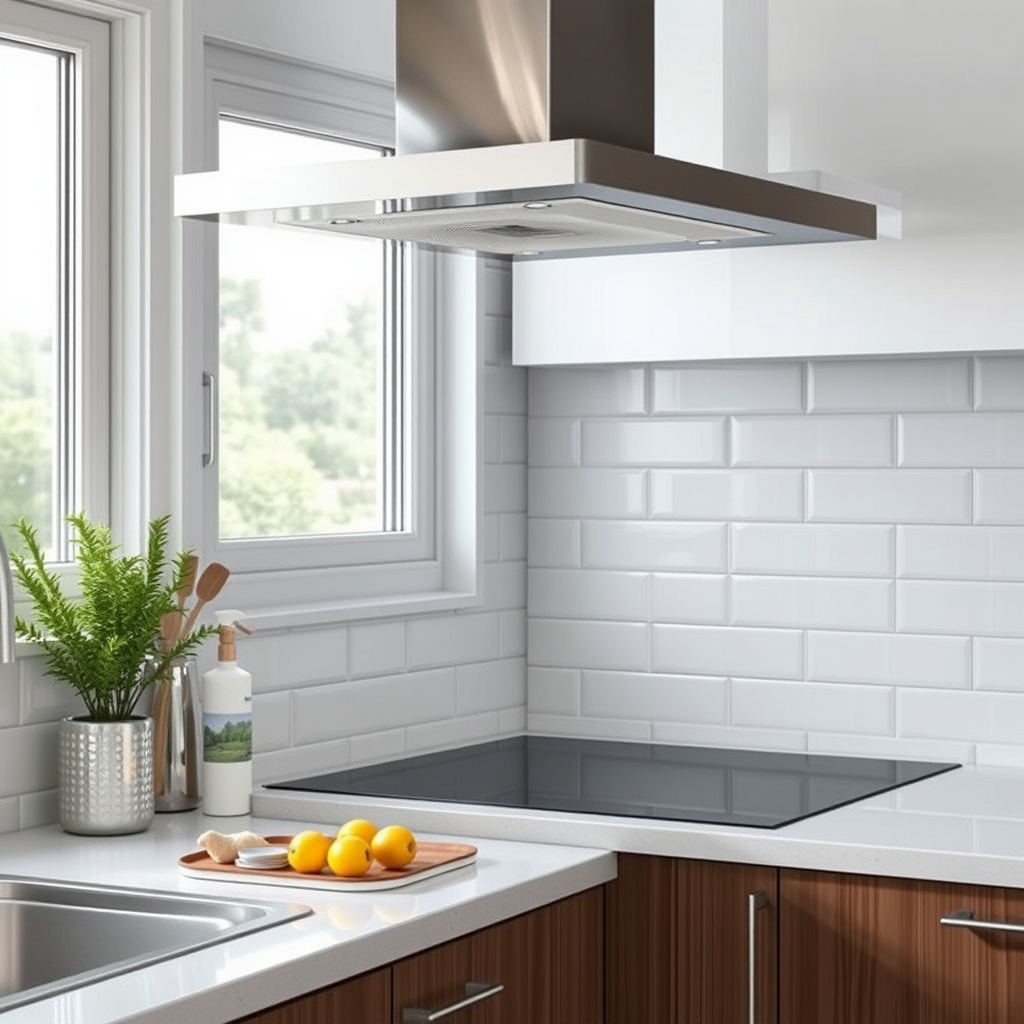
Check seals on refrigerators and dishwashers for cracks or grime that reduce efficiency. Clean or replace ventilation filters over stoves regularly to avoid buildup that diminishes air circulation.
Routine inspection helps appliances last longer and improves kitchen air quality, contributing to a healthier environment.
Comparison of Kitchen Cleaning Methods
Here’s a comparison of different kitchen cleaning methods highlighting their pros and suited cleaning tasks.
| Method | Best For | Pros | Cons |
|---|---|---|---|
| Manual Cleaning with Cloths | All-around cleaning | Affordable, flexible | Time-consuming for heavy grime |
| Steam Cleaning | SanitizingCounters and Floors | Chemical-free, effective | Requires equipment, less effective on grease |
| Commercial Cleaners | Greasy appliances | Strong cleaning power | May contain harsh chemicals |
| Natural Cleaners (Vinegar, Baking Soda) | Light cleaning, eco-friendly | Non-toxic, inexpensive | Less effective on tough stains |
| Self-Cleaning Oven Cycle | Oven interiors | Automated, saves effort | High heat uses energy, can produce smoke |
Frequently Asked Questions
How often should I clean my kitchen counters?
It’s best to wipe down kitchen counters daily after food preparation to prevent germs and food residue buildup. Deeper cleaning should be done weekly to maintain hygiene.
What is the safest way to remove grease from kitchen surfaces?
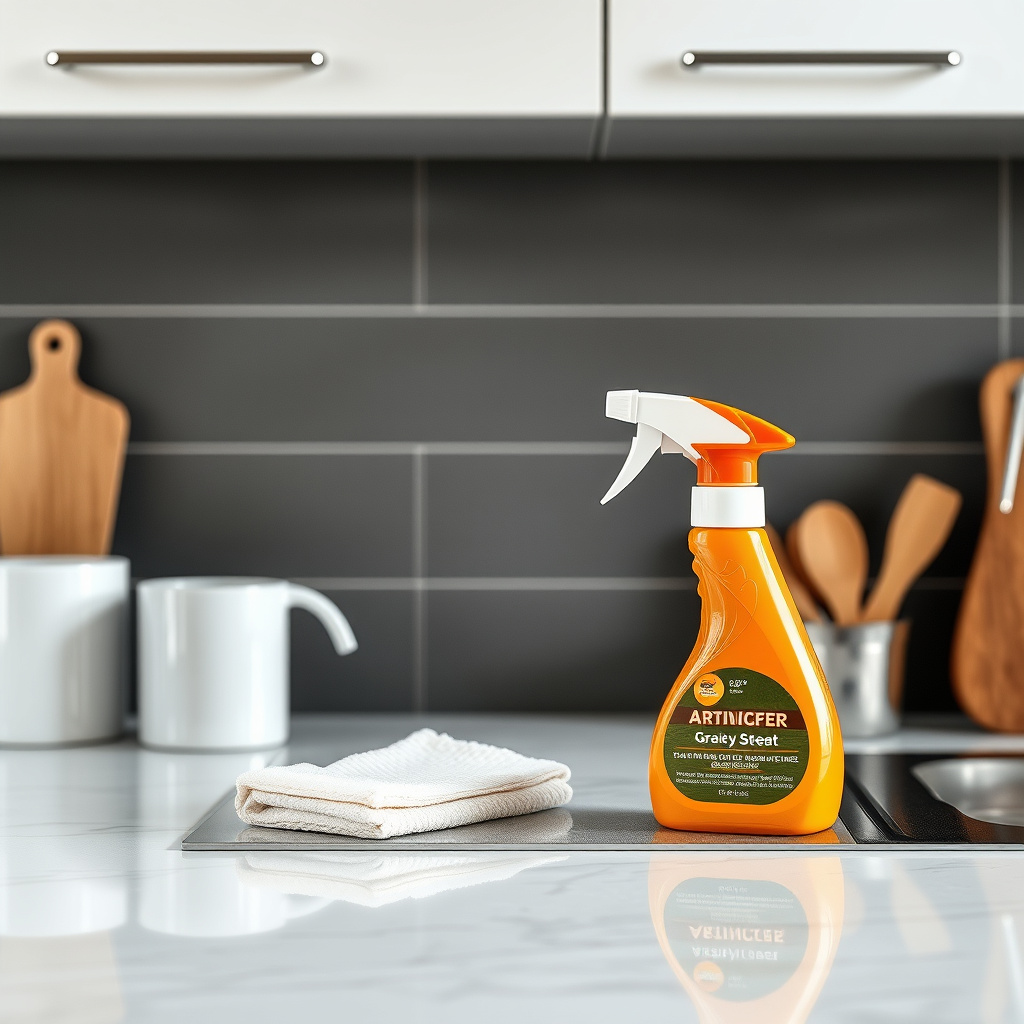
Using a degreaser or a mix of warm water and dish soap is safest and effective for removing grease without damaging surfaces. Natural options like vinegar also help but may need more scrubbing.
Can I use bleach to clean all kitchen surfaces?
Bleach is effective for disinfecting but should be used cautiously. Avoid using it on stone countertops or wood, as it can cause damage. Always dilute bleach and ventilate the area well.
What quick daily habits keep the kitchen clean?
Regularly rinsing dishes, wiping spills immediately, taking out trash daily, and straightening up counters help keep your kitchen tidy with minimal effort.
How do I remove odors from the refrigerator?
Clean spills promptly, discard expired items, and place an open box of baking soda inside to absorb odors. Regular wiping of shelves also helps keep odors at bay.
Key Takeaways
- Start by decluttering surfaces for efficient cleaning
- Use appropriate cleaners tailored to each kitchen area
- Clean appliances regularly to maintain performance and hygiene
- Daily habits prevent buildup and make deep cleaning easier
Conclusion
Approaching how to clean kitchen spaces systematically makes the task less overwhelming and more effective. By organizing and selecting the right products for each surface and appliance, you can maintain a hygienic environment that supports food safety and freshness. Regular attention to often-missed areas like grout and vents contributes to a healthier kitchen overall.
For routine upkeep, simple daily wipes and trash removal are sufficient, while weekly attention to appliances like stoves and refrigerators helps prolong their life and efficiency. Natural cleaning solutions paired with occasional use of commercial cleaners provide balance between safety and performance, especially on greasy areas. Those seeking time-saving options might appreciate devices like self-cleaning ovens or steam cleaners for sanitizing floors and backsplash.
Choosing how to clean kitchen based on your space size, cookware, and lifestyle will yield the best results. Start small with decluttering and daily routines, then build toward more thorough monthly or seasonal deep cleans. Prioritize keeping surfaces and appliances germ-free to enjoy a pleasant, safe cooking experience every day.