How to Pack Kitchen Items Safely and Efficiently for Moving
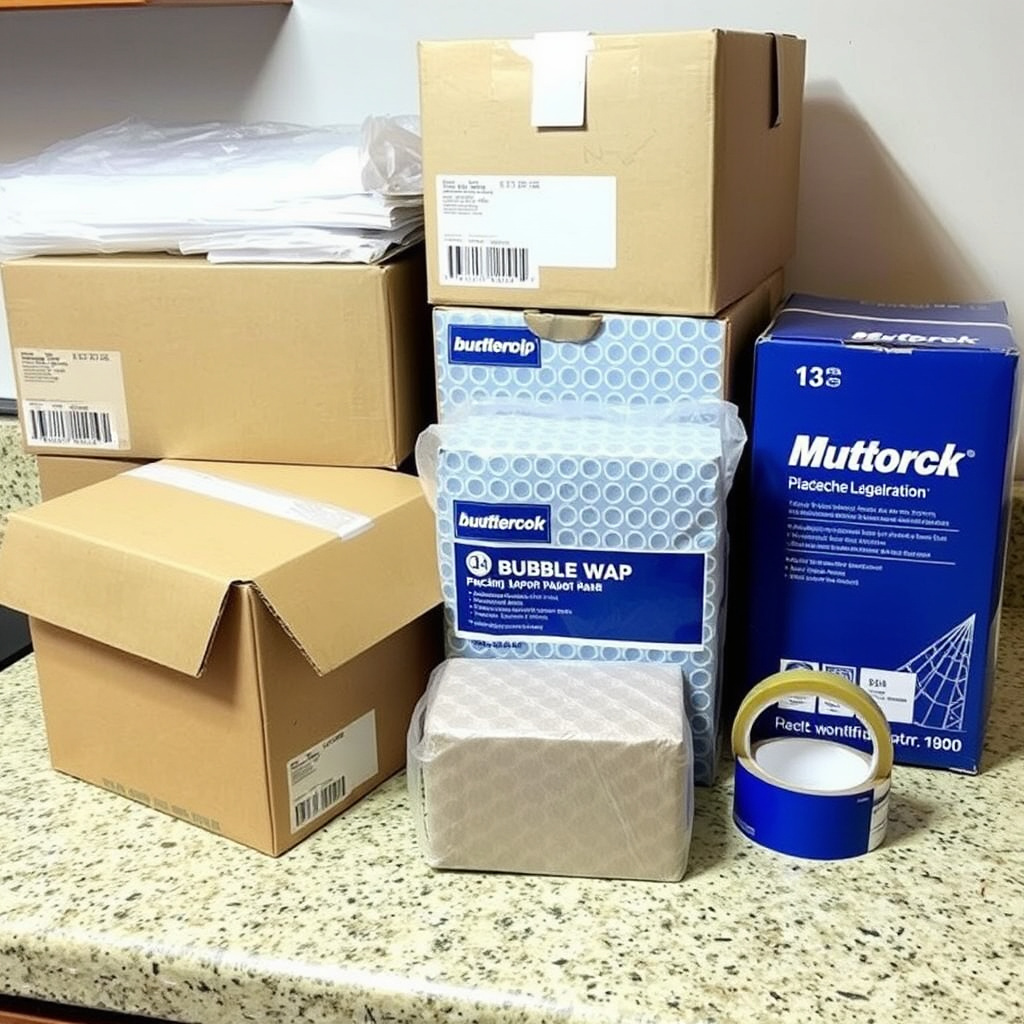
Packing kitchen items requires care and organization to prevent damage and make unpacking easier. Start by gathering packing materials like sturdy boxes, bubble wrap, packing paper, and tape. Sort your kitchen into categories such as dishes, glassware, utensils, cookware, and small appliances, packing each thoughtfully to avoid breakage.
The kitchen often contains fragile and oddly shaped items that, if improperly packed, may result in chips, cracks, or scratches. Taking the time to wrap each item individually, filling empty spaces, and labeling boxes saves time and frustration during your move. Additionally, packing kitchen essentials last allows you access until moving day.
This article covers practical steps for safely packing different kitchen items, tips for efficient organization, ways to protect fragile pieces, and advice on packing appliances and pantry goods. By following these guidelines, your kitchen contents will remain intact and organized throughout your relocation.
Preparing Packaging Materials for Kitchen Items
Choosing the Right Boxes and Containers
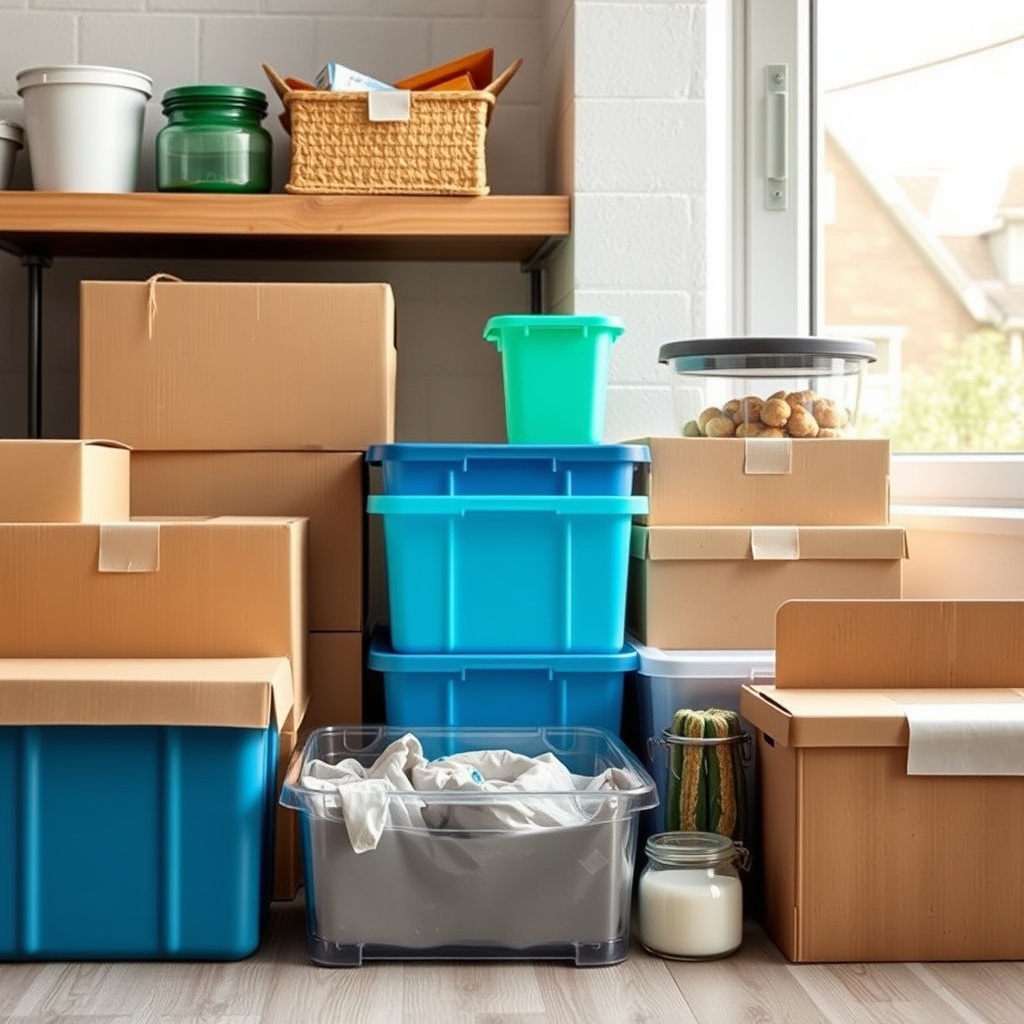
Select medium-sized boxes for most kitchen items; large boxes can become too heavy when filled with dishware or appliances, increasing the risk of damage. Dish pack boxes with dividers are perfect for fragile items like glasses and plates, preventing movement during transit.
Consider using plastic containers for heavier items or things you want to keep moisture-free. Ensure boxes are sturdy and not worn out; reinforce the bottom with extra packing tape to support heavier kitchen goods.
- Medium boxes for dishes and cookware
- Dish pack boxes with dividers for glassware
- Plastic containers for heavier or moisture-sensitive items
- Packing tape for reinforcement
Gathering Protective Wrapping Supplies
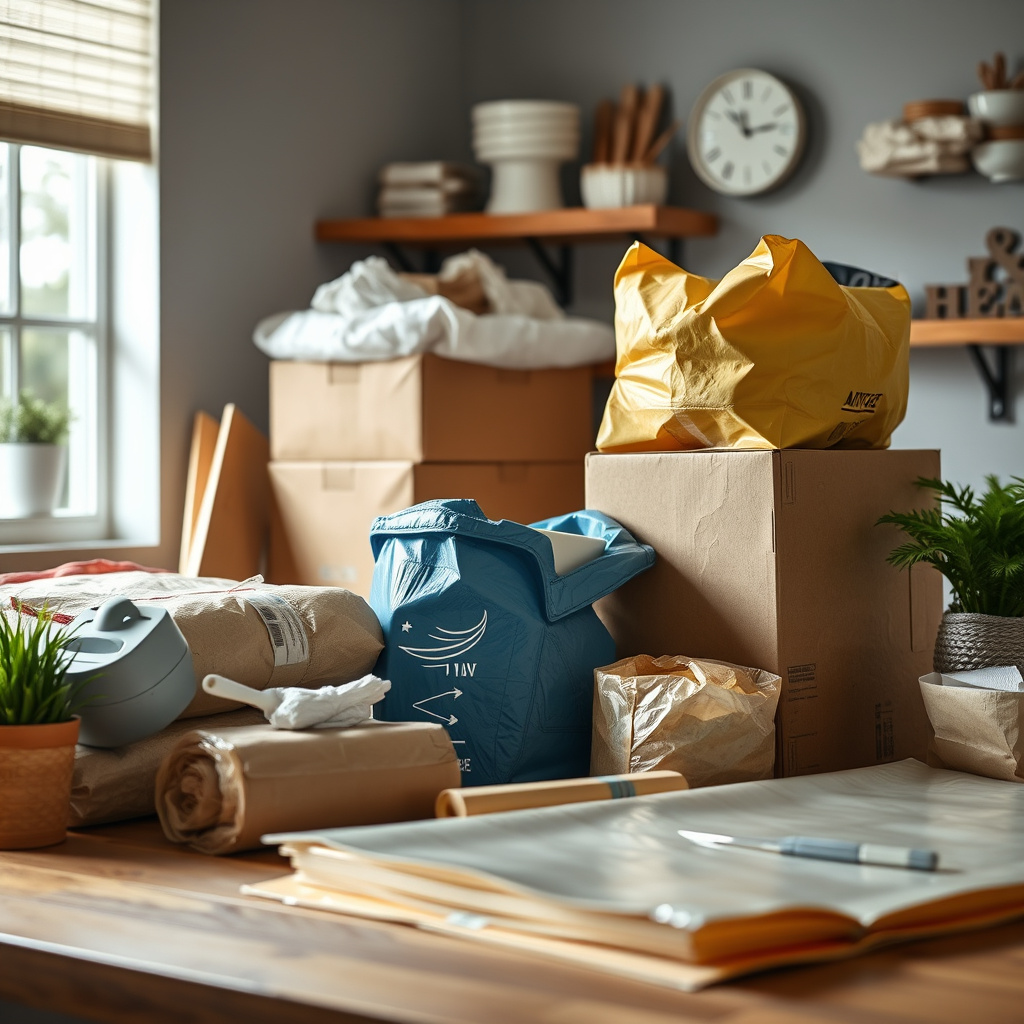
Bubble wrap and packing paper are essential for cushioning your kitchen items. Use plenty of layers around delicate items, especially glassware and ceramics. If you lack bubble wrap, crumpled packing paper or even clean kitchen towels can provide padding.
Avoid using newspaper directly on dishes as the ink may transfer. Also, consider using foam sleeves or dividers for flatware sets or sharp knives to keep them secure during the move.
- Bubble wrap for fragile items
- Packing paper for cushioning and filling gaps
- Clean towels as extra padding
- Foam sleeves for utensils and knives
Packing Fragile Kitchenware and Dishware
Wrapping Plates, Bowls, and Glasses
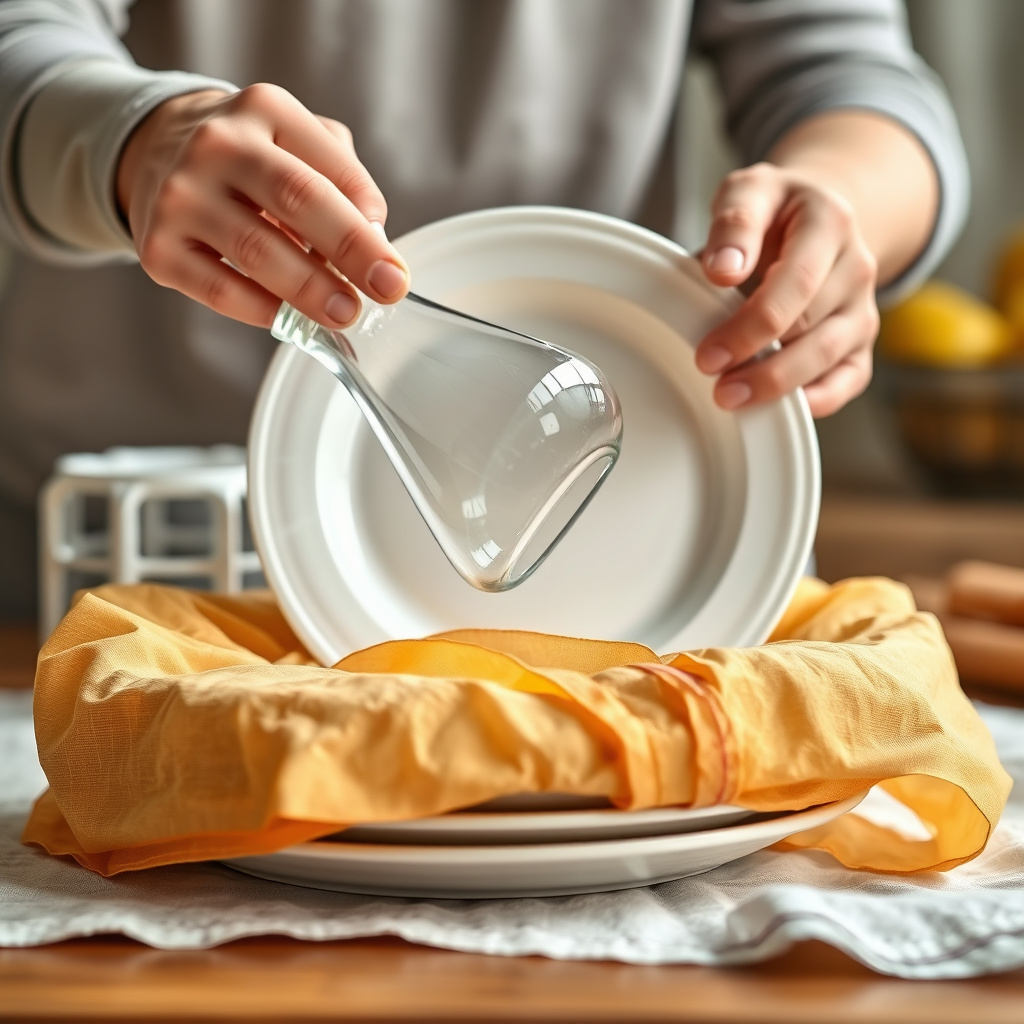
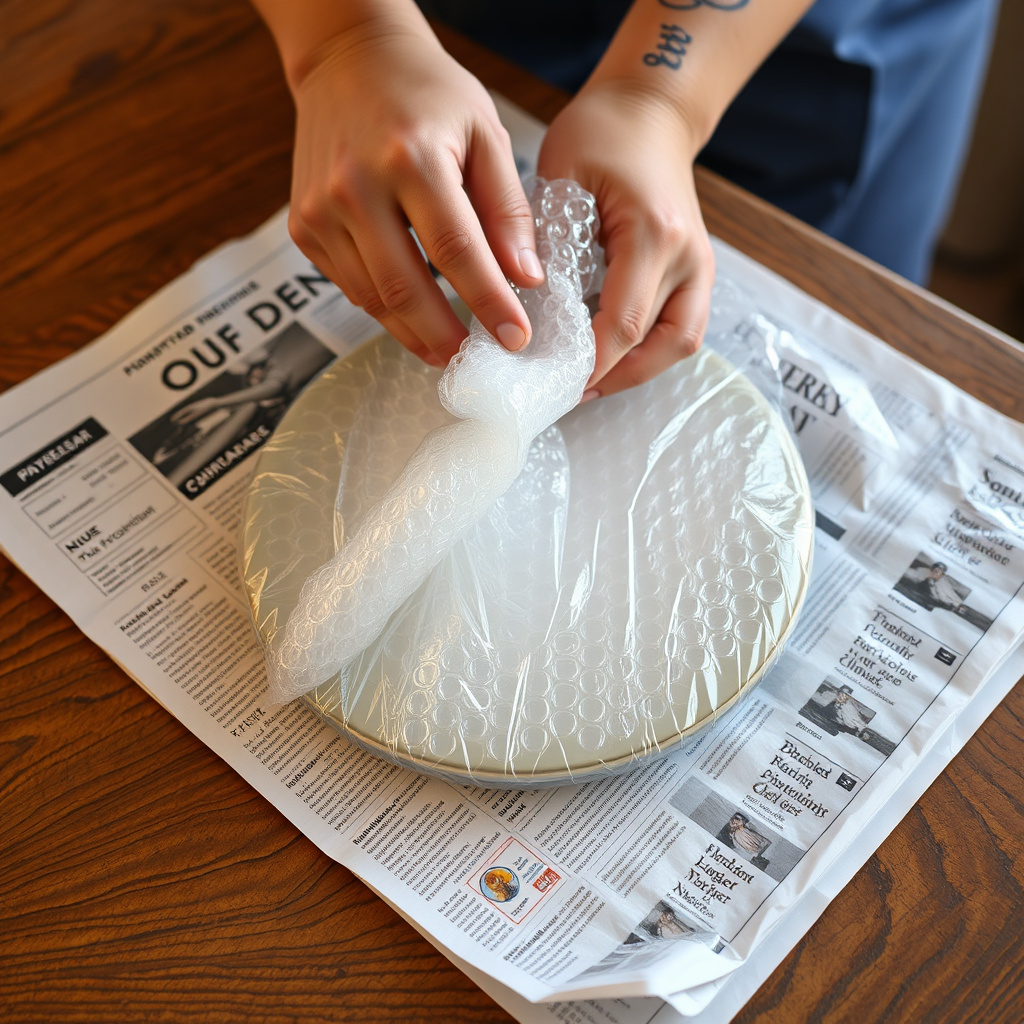
Wrap each plate and bowl individually with bubble wrap or packing paper, placing padding between stacked pieces to avoid chipping. For glassware, pack them upright in specialized boxes with dividers, wrapping each glass separately to prevent contact and breakage.
Line the bottoms of boxes with a thick layer of packing paper or towels for cushioning. Avoid overpacking boxes; leave space to add padding around items and prevent movement inside.
- Wrap plates individually
- Use dividers for glasses
- Place padding at box bottom
- Do not overfill boxes
For more on this, see our related guide: How to Pack a Kitchen for Moving: Step-by-Step Guide for a Smooth Move.
Securing Utensils and Small Kitchen Tools
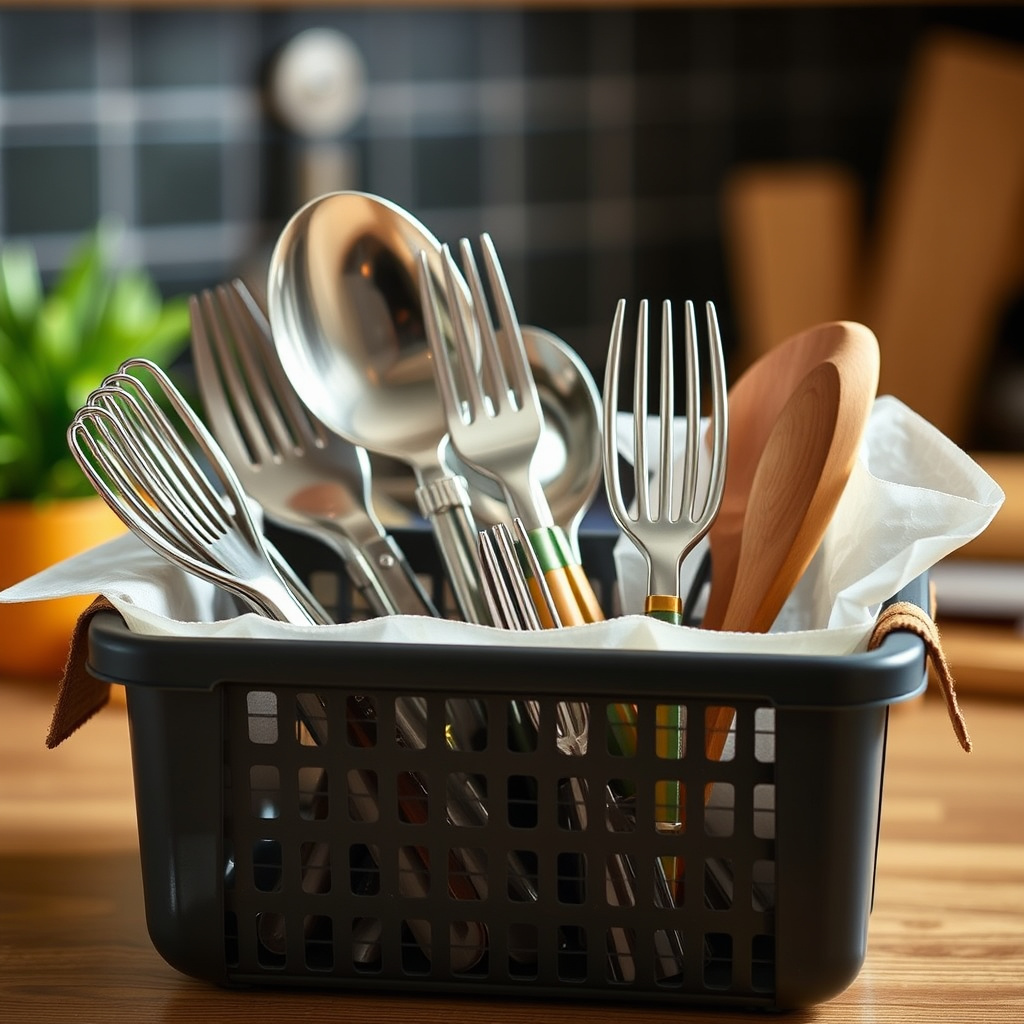
Group utensils like forks, spoons, and knives in small boxes or containers to keep them organized. Wrap sharp knives in thick paper or foam to protect against injury and damage. Smaller tools such as peelers or measuring spoons can be packed together with ample padding to avoid rattling.
For wooden utensils, consider wrapping them separately to prevent scratches or dents. Label each container clearly for easier unpacking.
- Wrap sharp knives separately
- Use small boxes or containers for utensils
- Wrap wooden utensils individually
- Label all containers
Organizing and Packing Cookware and Appliances
Packing Pots, Pans, and Bakeware
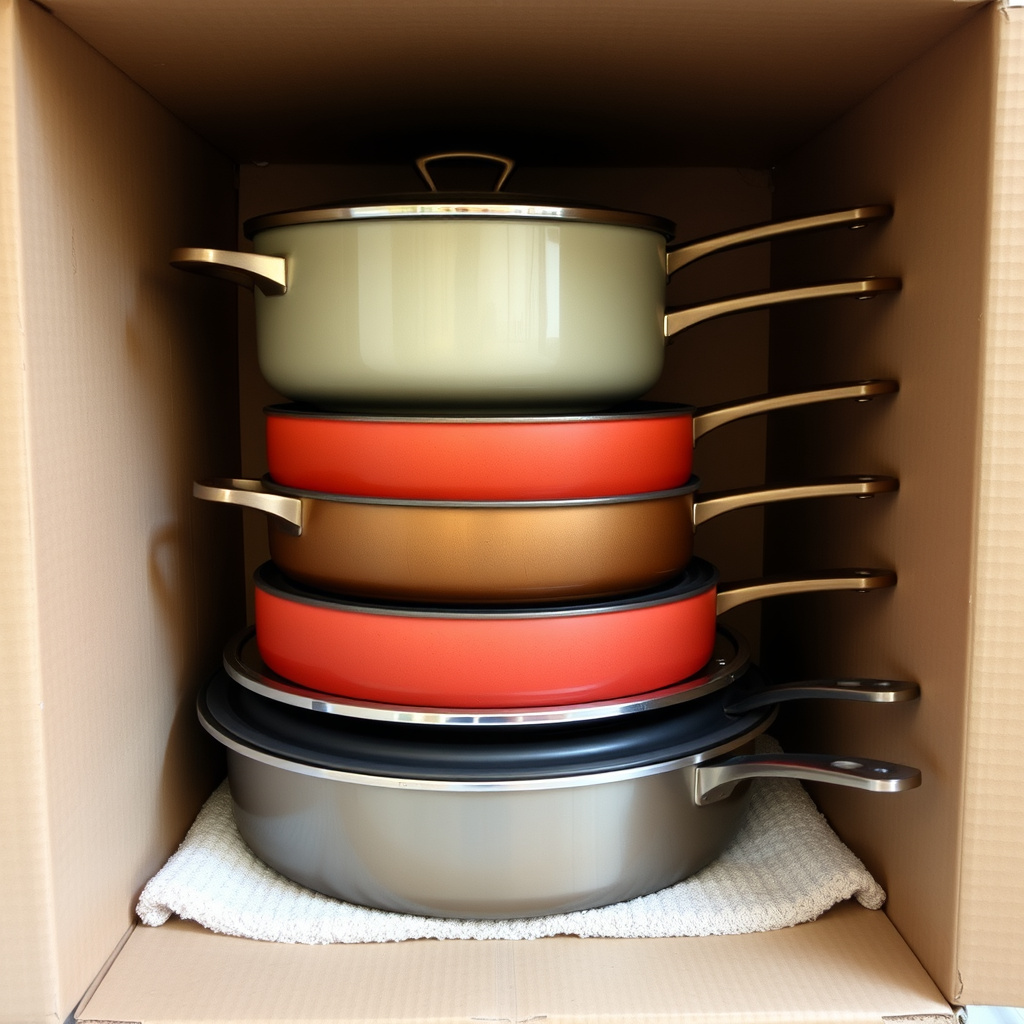
Stack pots and pans nested together, placing paper or cloth between them to prevent scratches. Heavy cookware should be packed in small boxes to make lifting manageable and avoid damage. Lids can be wrapped separately or secured with rubber bands and placed alongside their pots.
Bakeware like baking sheets, muffin tins, and casserole dishes can be wrapped in packing paper and stacked vertically inside sturdy boxes with padding between each piece to prevent sliding.
- Nest cookware with padding
- Pack heavy items in small boxes
- Wrap lids separately
- Stack bakeware vertically
Preparing Small Appliances for Moving
Unplug and clean appliances thoroughly before packing. If possible, pack them in their original boxes with original packing materials. If you lack original packaging, wrap each appliance with bubble wrap, securing cords separately to avoid tangling or damage.
Label boxes with appliance names and handle them with care. Keep manuals and small parts stored in labeled zip-lock bags taped to each appliance for quick access after moving.
- Clean appliances before packing
- Use original boxes if available
- Wrap with bubble wrap and secure cords
- Label boxes and keep manuals handy
Efficient Strategies for Packing Pantry and Miscellaneous Items
Packing Non-Perishable Food and Pantry Supplies
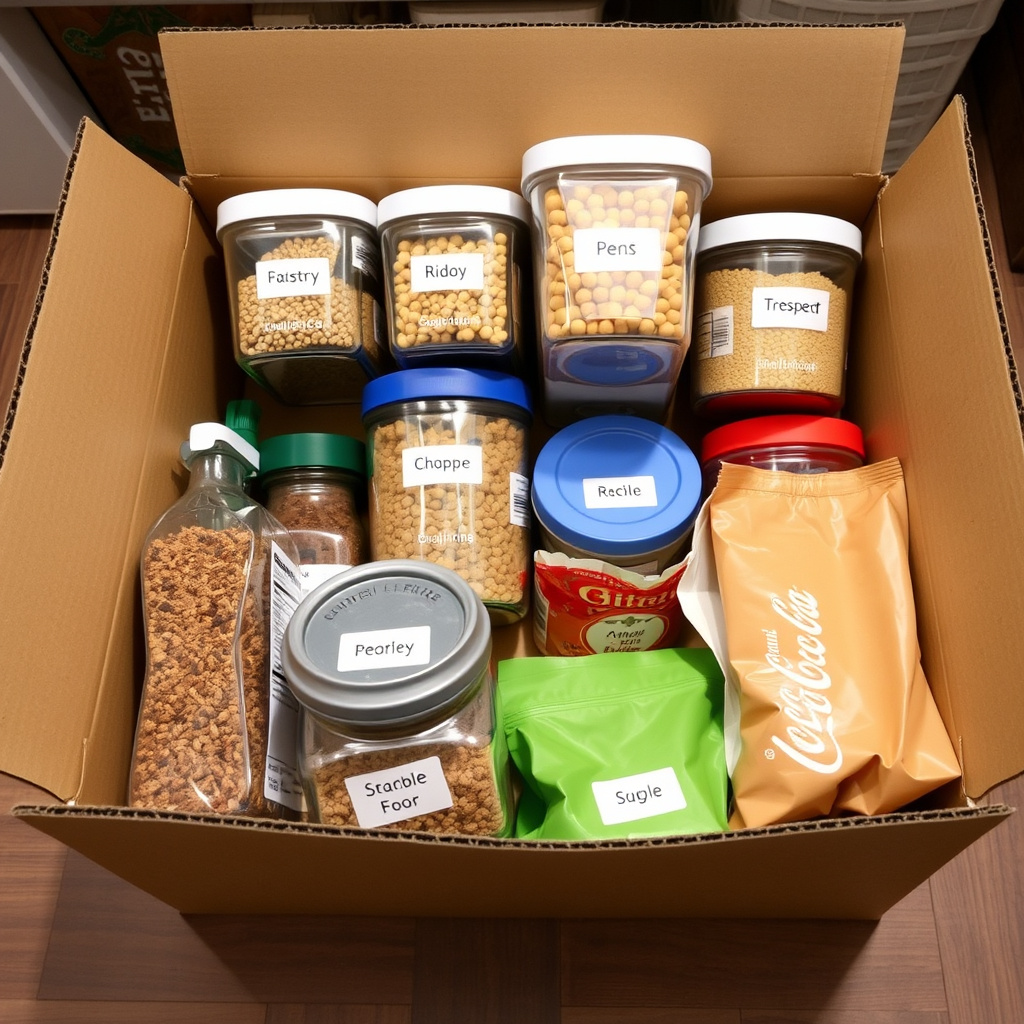
Sort through your pantry and discard expired goods before packing. Pack canned and boxed foods in small to medium boxes to keep weight manageable. Seal open food items in airtight containers or resealable bags to prevent spills and maintain freshness.
Label boxes clearly, and pack heavier items at the bottom. Use smaller boxes for dense items like canned goods to avoid making boxes too heavy.
- Discard expired pantry items
- Use airtight containers for open foods
- Label boxes precisely
- Pack heavy items in small boxes
For more on this, see our related guide: How to Dispose of Kitchen Knives Safely and Responsibly.
Packing Miscellaneous Kitchen Items
Include items like cutting boards, trivets, and kitchen linens in your packing plan. Wrap fragile or bulky items with paper or towels, and bundle small kitchen gadgets together with padding. Keep cleaning supplies separate from food and dishes to avoid contamination.
Consider packing a separate 'essentials' box with everyday items you will need immediately after moving, such as a few utensils, a cutting board, and basic cookware.
- Wrap bulky or fragile miscellaneous items
- Bundle small gadgets with padding
- Keep cleaning supplies separate
- Prepare an essentials box
Labeling and Loading Kitchen Boxes for Moving Day
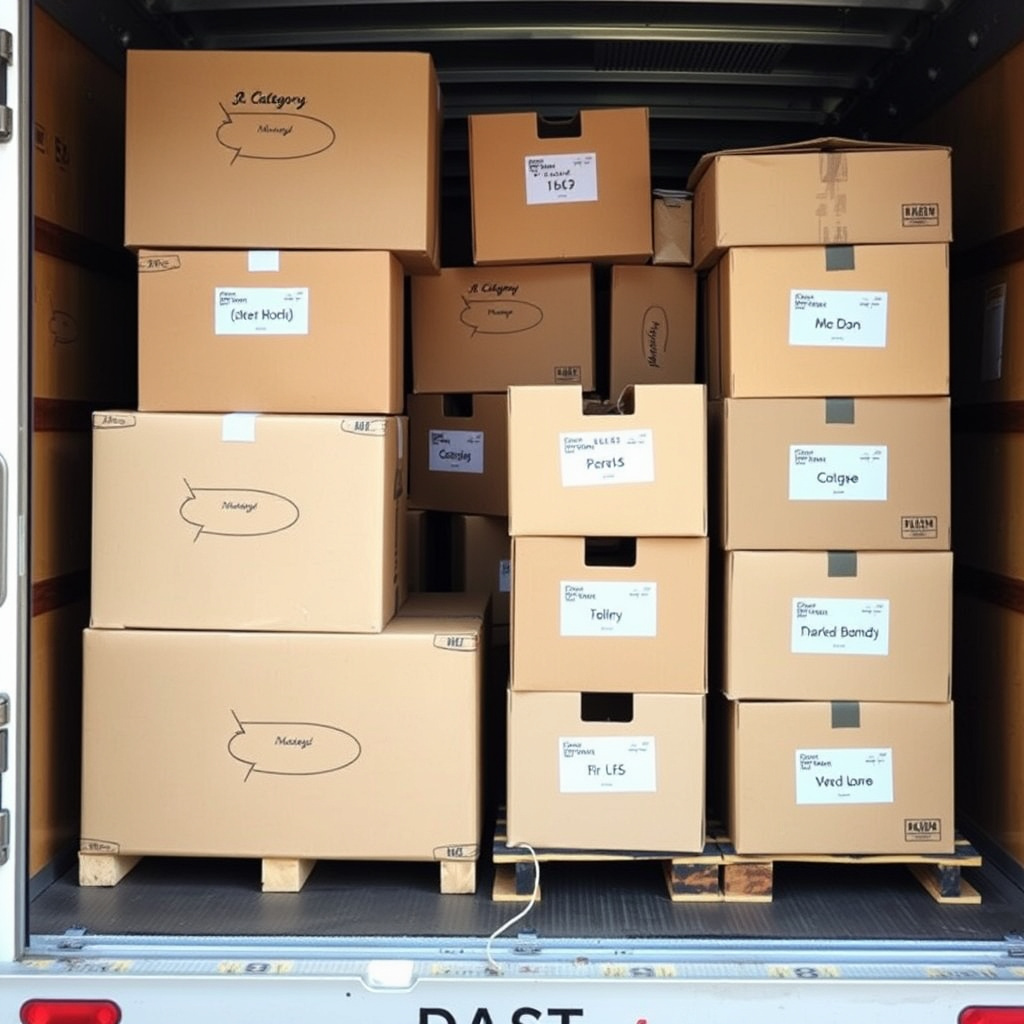
Effective Labeling Techniques
Write clear, detailed labels on each box including contents and room destination. Mark boxes containing fragile kitchen items prominently to alert movers. Use color-coded stickers or markers to make sorting more efficient during unloading.
Adding handling instructions like 'This Side Up' or 'Fragile – Handle With Care' prevents damage. Create an inventory list of your packed kitchen boxes to keep track of everything.
- Label with contents and room
- Use color-coded stickers
- Include handling instructions
- Maintain a packing inventory list
For comprehensive tips on packing kitchen items, refer to this detailed moving kitchen items guide. moving kitchen items guide.
Loading Kitchen Boxes Safely into the Moving Vehicle
Load heavier boxes on the bottom of the moving vehicle, stacking lighter or fragile ones on top to avoid crushing. Secure fragile boxes with straps or place them in spaces where they won't shift during transit. Keep boxes with kitchen essentials accessible for quick unloading.
Distribute weight evenly throughout the truck to maintain balance. If possible, transport valuable or delicate kitchen items yourself to ensure their safety.
- Load heavy boxes on bottom
- Secure fragile boxes
- Keep essentials boxes accessible
- Distribute weight evenly
Kitchen Packing Methods Comparison
Here's a comparison of common kitchen packing methods highlighting their benefits and best uses.
| Method | Best For | Protection Level | Packing Time |
|---|---|---|---|
| Bubble Wrap & Boxes | Fragile dishes and glassware | High | Moderate |
| Dish Pack Boxes with Dividers | Glassware and plates | Very High | Long |
| Packing Paper & Towels | Lightweight cookware and utensils | Medium | Fast |
| Plastic Containers | Heavy or moisture-sensitive items | High | Moderate |
| Original Appliance Boxes | Small kitchen appliances | Very High | Fast |
Frequently Asked Questions
How can I prevent my dishes from breaking while moving?
Wrap each dish individually in bubble wrap or packing paper and use dish pack boxes with dividers. Fill empty spaces with padding to minimize movement.
Should I pack knives separately from other utensils?
Yes, wrap knives securely in thick paper or foam sleeves to protect both the blades and anyone handling the boxes.
Is it better to use original appliance boxes or new ones?
Original appliance boxes and packing materials fit perfectly and offer optimal protection, but if unavailable, sturdy new boxes with adequate padding are suitable.
How do I pack open food items like spices or sugar?
Transfer open foods into airtight containers or resealable bags to prevent spills and maintain freshness during the move.
When should I pack essential kitchen items during my move?
Pack essential items last in a clearly labeled box so you can access them until moving day and quickly unpack afterward.
Key Takeaways
- Use sturdy medium boxes and dish pack boxes for fragile kitchenware.
- Wrap glassware and dishes individually with bubble wrap or packing paper.
- Pack cookware nested with padding and small appliances with cord secured.
- Label all boxes clearly and keep an essentials box for immediate use.
Conclusion
Packing kitchen items is a task that requires thoughtful planning to protect fragile dishes, organize utensils, and transport appliances safely. The key is choosing appropriate packing materials, wrapping items individually, and labeling boxes effectively. This careful approach minimizes breakage risks and streamlines unpacking at your new home. Understanding the nuances of each kitchen category helps manage weight distribution and packing order.
For those handling delicate glassware and dishes, utilizing dish pack boxes with dividers and ample bubble wrap provides superior protection. Cookware benefits from nesting with cushioning between pieces, while small appliances are best packed in their original boxes or wrapped securely. Pantry items like canned goods should be packed in small boxes to avoid excessive weight, and open foods need airtight containers. Establishing a dedicated essentials box ensures you have access to key items immediately.
Moving your kitchen can feel overwhelming, but systematically sorting items, packing with care, and labeling everything clearly drastically reduces stress. Start early by collecting necessary supplies and setting aside time to pack categories methodically. This methodical process makes sure your kitchen items arrive safely, keeping your favorite cookware, dinnerware, and appliances intact and ready to use.