How to Snake a Kitchen Drain: A Step-by-Step Guide for Clog Removal
Clearing a clogged kitchen drain is possible by using a drain snake, a flexible auger designed to remove blockages deep inside the pipes. To snake a kitchen drain, start by feeding the cable into the drain opening until you feel resistance, then rotate and push to break up or hook the clog before retracting the debris gently. This straightforward method often clears up even tough kitchen sink stoppages without professional help.
Kitchen drains frequently clog due to grease buildup, food particles, and soap scum, preventing water from flowing freely. While chemical drain cleaners exist, mechanical snaking is safer for your pipes and the environment, avoiding any corrosive substances. Understanding how to snake a kitchen drain can save both time and money by tackling blockages yourself as soon as they occur.
This article will walk you through the tools you'll need, proper safety measures, detailed instructions on snaking techniques, tips for preventing future clogs, and how to maintain your kitchen drain effectively. We’ll also cover some common troubleshooting scenarios to empower you to handle most kitchen drain issues confidently.
Essential Tools and Preparation for Snaking a Kitchen Drain
Choosing the Right Drain Snake
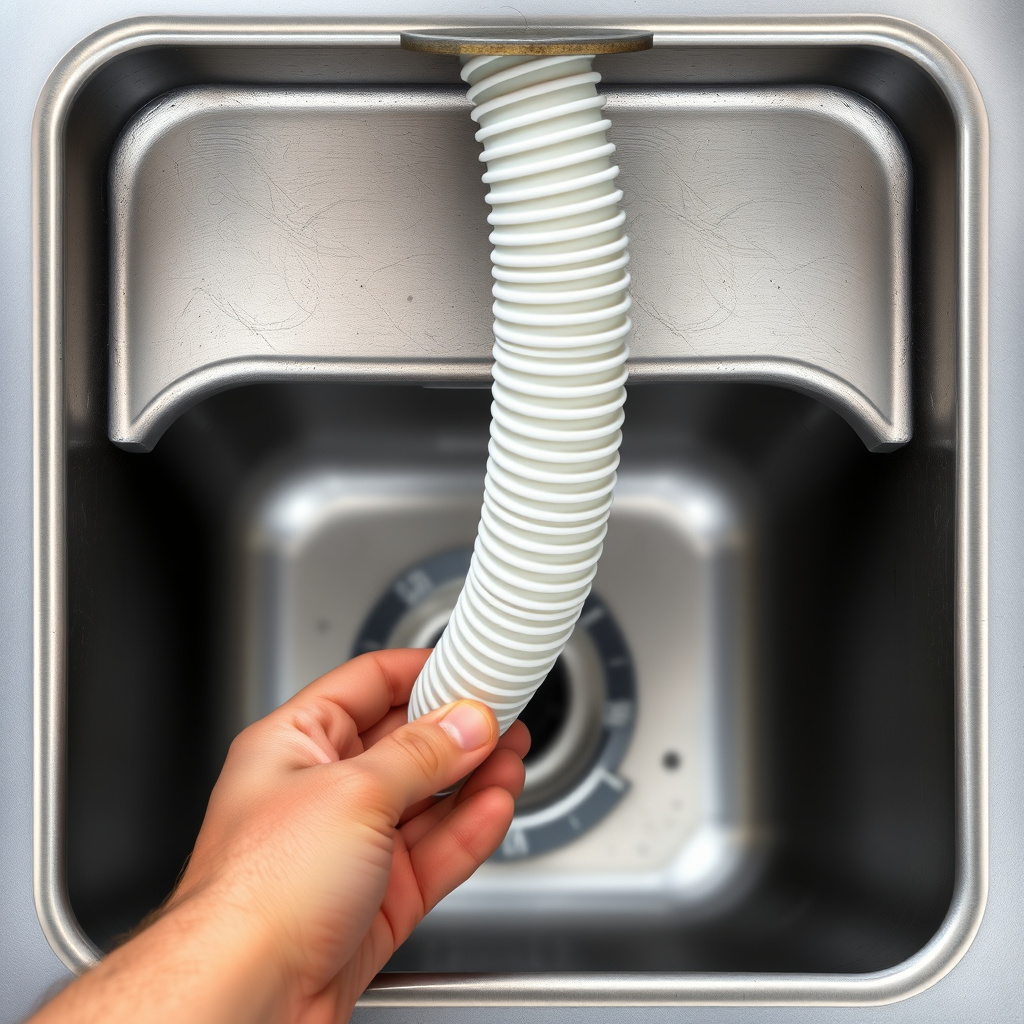
A proper drain snake for kitchen use is generally a manual handheld auger or a compact electric model with a cable length of 15-25 feet, suitable for the typical household sink drain length. Selecting the right snake depends on the severity and location of the clog; shorter cables work for nearby blockages, while longer cables reach further down the drainage system.
Manual snakes offer control and precision, are affordable and easy to operate, while electric versions provide more power and reduce physical effort but require careful handling to prevent pipe damage. Make sure the cable diameter suits your pipe size, usually 1½ to 2 inches for kitchen drains.
- Handheld manual drain snake (15-25 feet)
- Electric drain auger (optional)
- Cable diameter fitting pipe size
Safety Gear and Preparing the Work Area

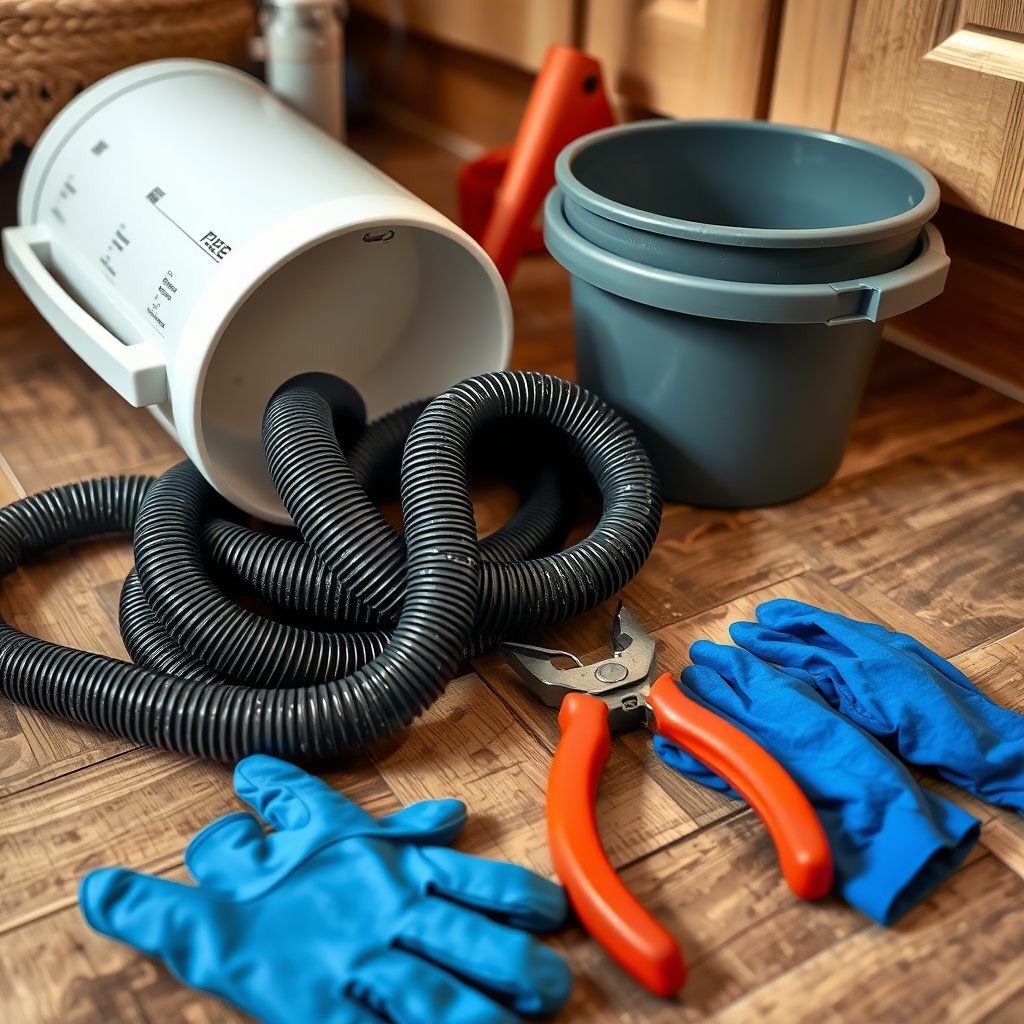
Before beginning the snaking process, put on protective gloves and eye protection to guard against dirty water and debris. Lay old towels or a plastic sheet under the sink to catch spills or dripping water. Use a bucket to collect any water or expelled clog materials removed during the process.
Turn off the water supply to avoid sudden flow. Also, remove the drain cover or stoppers and clear the cabinet under the sink for easy access. These preparations safeguard your workspace and make the process cleaner and safer.
- Protective gloves and eye goggles
- Bucket to catch debris
- Old towels or plastic sheet
- Clear sink cabinet space
Step-by-Step Process for How to Snake a Kitchen Drain
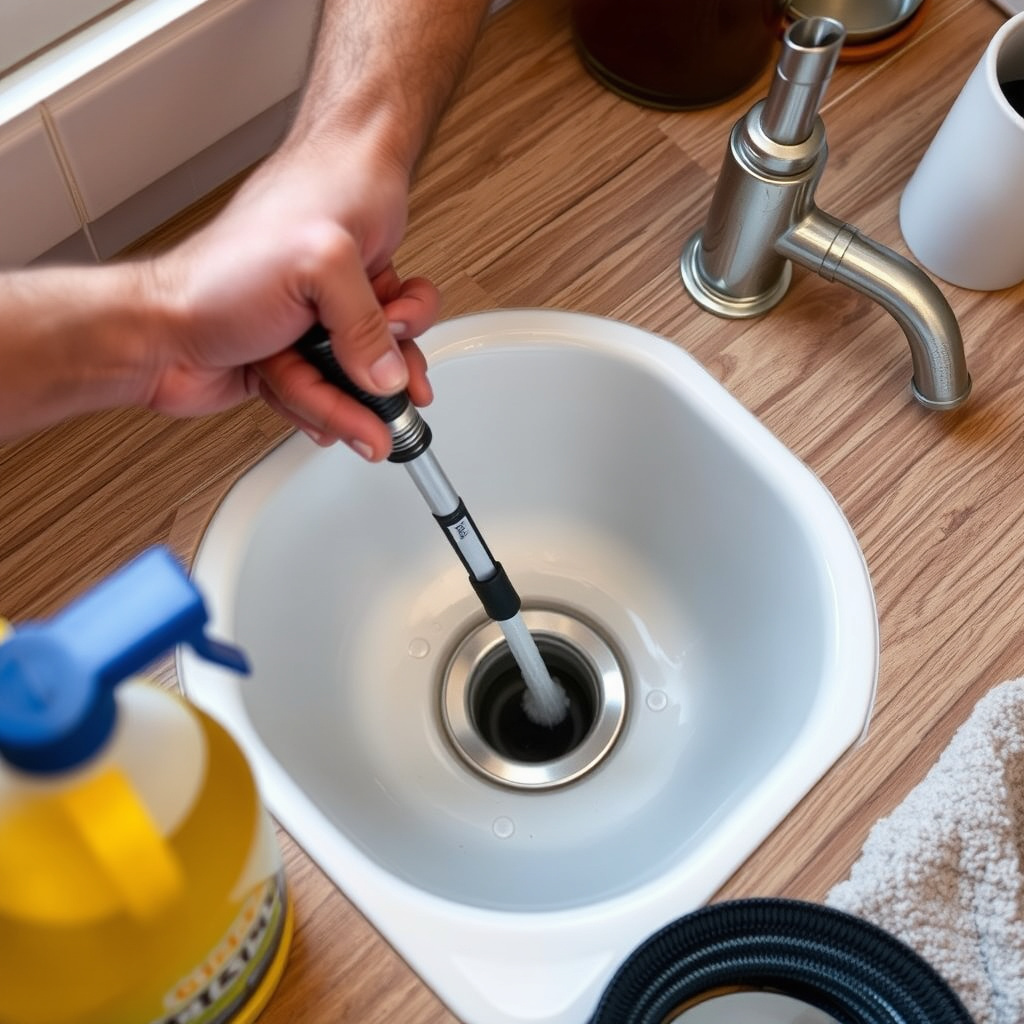
Inserting and Feeding the Snake Cable
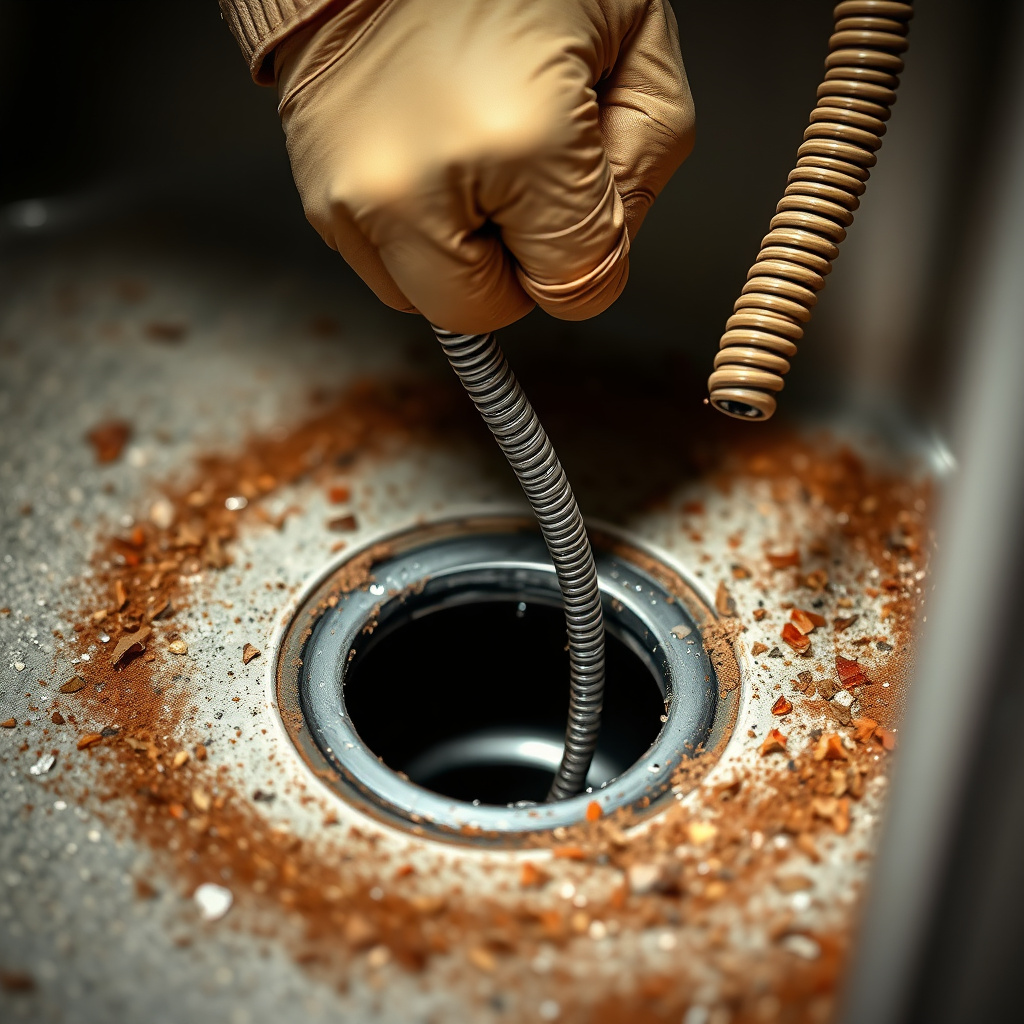
Begin by inserting the end of the snake cable into the drainpipe opening. Gradually feed the cable by pushing it gently downward inside the drain. When resistance is felt, it's likely you’ve reached the clog or a bend in the pipe.
Avoid forcing the cable as it might damage the pipe or kink the snake. Instead, work the snake carefully, rotating the handle clockwise to help it navigate bends while advancing into the pipe. This step requires patience and a steady hand.
- Insert cable slowly and carefully
- Rotate handle clockwise while feeding
- Do not force the cable to avoid damage
Breaking Up or Extracting the Clog
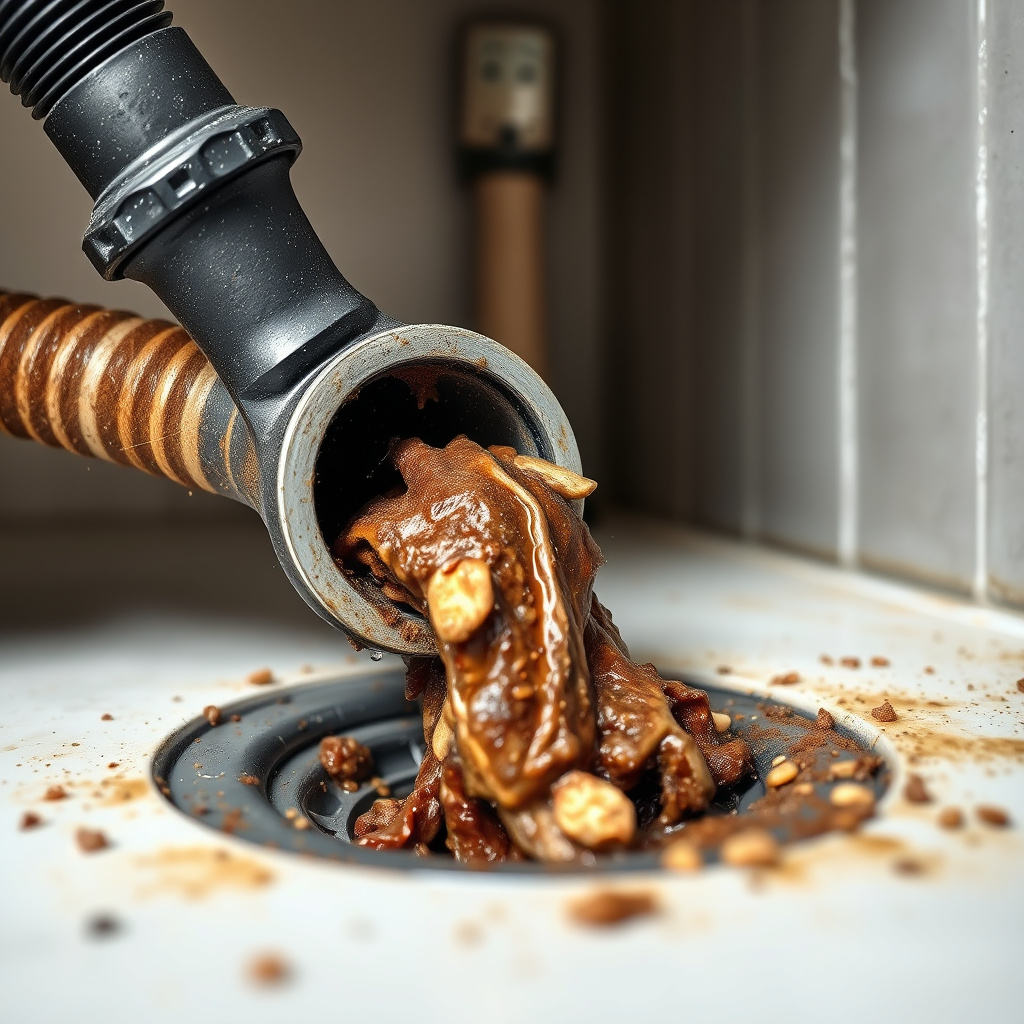
Once the cable reaches the obstruction, continue rotating and gently pushing further to either break up the clog or hook it with the snake’s tip. For solid blockages, repeated clockwise and counterclockwise rotation can help loosen compacted debris.
When the resistance lessens, start carefully retracting the snake, pulling out collected debris. Run hot water afterward to flush remaining particles and ensure proper drainage. Repeat the snaking process if water flow isn’t fully restored.
- Rotate to break or hook clog
- Retract carefully with debris
- Flush with hot water after
Common Issues and Troubleshooting While Snaking a Kitchen Drain
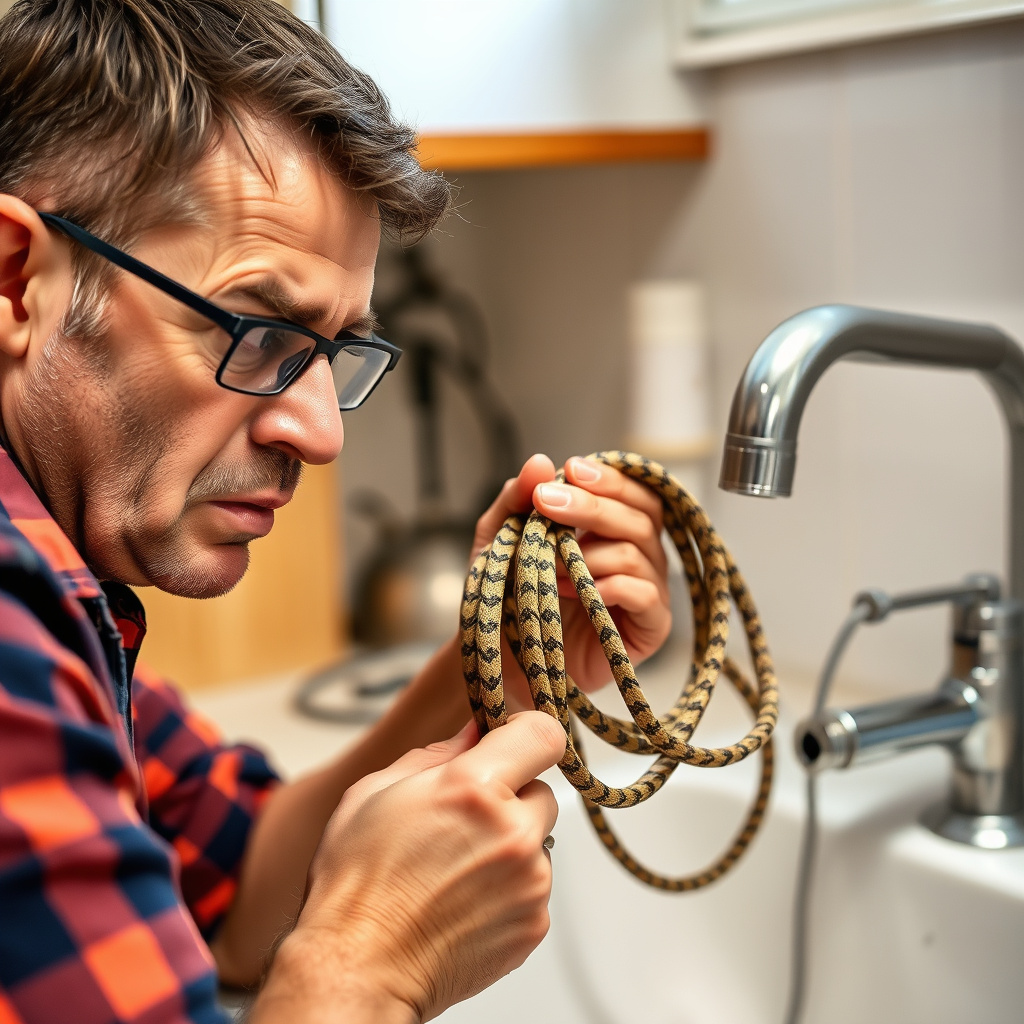
Dealing with a Snagged or Tangled Cable
Sometimes the snake cable may get stuck due to sharp bends or heavy obstruction. To free it, try reversing the rotation slowly while gently pulling back. Avoid using excessive force that could damage pipes or kink the cable.
If the snake is tangled, unwinding carefully and straightening sections will help. In persistent cases, disassembling and cleaning the snake might be necessary before continuing.
- Reverse cable rotation to free snake
- Pull gently without forcing
- Untangle and clean cable as needed
For more on this, see our related guide: How to Install Kitchen Sink Drain: A Step-by-Step Guide for Homeowners.
When the Drain Remains Clogged After Snaking
If snaking doesn’t clear the clog fully, the blockage might be too deep or caused by a solid object that requires professional tools. Also, buildup beyond the reach of your drain snake or pipe damage can contribute to persistent clogs.
At this stage, consider contacting a plumber or using specialized equipment like motorized augers, keeping in mind that repeated manual efforts without success may worsen pipe conditions.
- Consider professional help for deep clogs
- Avoid repeated forceful snaking
- Inspect for pipe damage signs
Aftercare and Prevention Tips for Kitchen Drain Cleaning
Routine Maintenance to Prevent Clogs
Regularly flushing drains with hot water and occasional use of baking soda and vinegar helps dissolve grease and minor buildup. Avoid pouring grease or oily substances down the drain as they solidify and trap particles.
Implementing a drain strainer to catch food scraps can reduce debris entry. Conducting monthly snaking or using enzyme-based cleaners carefully also helps maintain clear lines.
- Flush with hot water weekly
- Use drain strainers to catch particles
- Baking soda and vinegar monthly cleaning
Proper Use of Kitchen Drains to Avoid Issues
Be mindful of what goes into your kitchen sink—avoid fibrous vegetable peels, coffee grounds, and large food pieces as they cause blockages. Dispose of grease in containers rather than the sink.
Educate household members about these habits to prevent unnecessary clogs. Proper functioning of your kitchen drain reduces the frequency you'll need to snake it and extends the plumbing lifespan.
- Avoid fibrous and greasy waste in drains
- Use trash bins for solid waste
- Educate family on drain care
Choosing Between Manual and Electric Drain Snakes
Advantages and Limitations of Manual Snakes
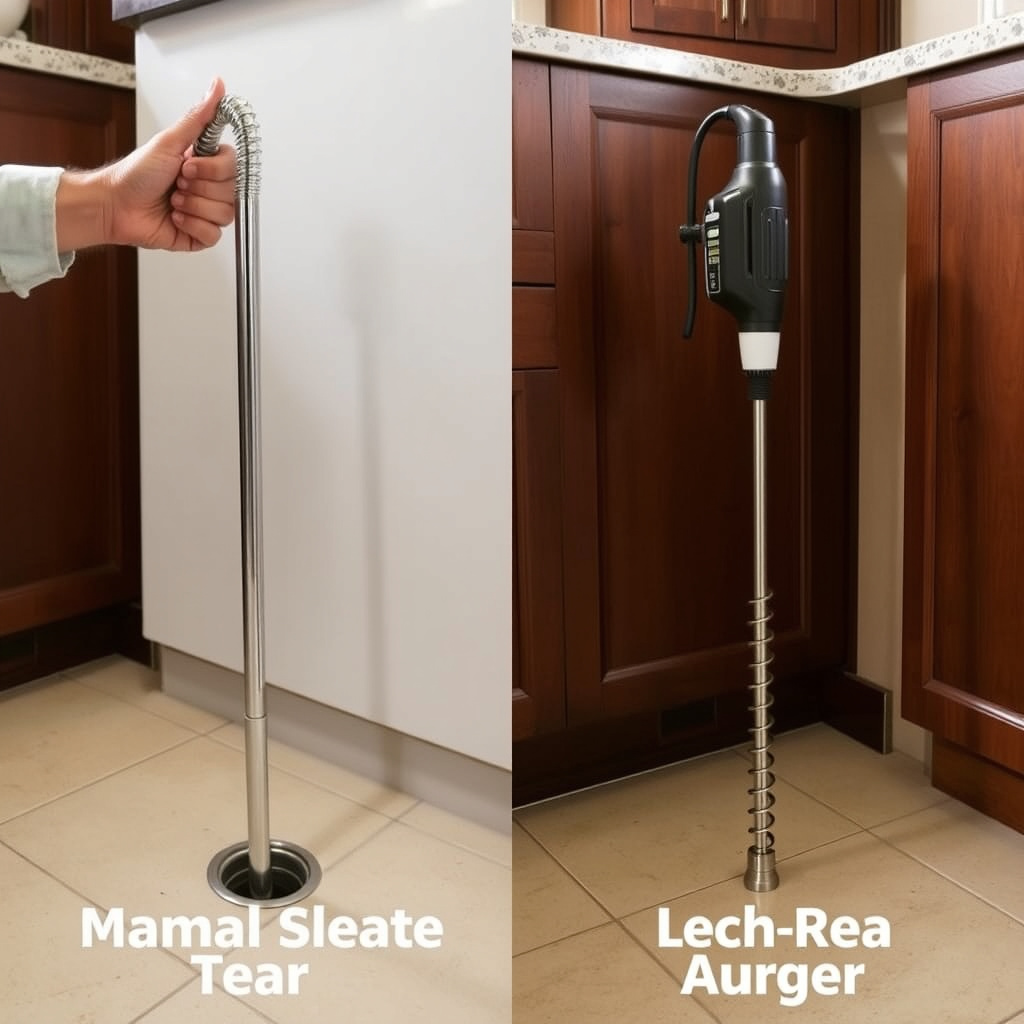
Manual snake tools are inexpensive, simple to operate, and effective for minor clogs within reachable pipe sections. Their portability allows easy use in tight spaces under the sink but requires physical effort and patience.
They might struggle with heavy or distant obstructions, and the operator must be careful to avoid pipe scratches or snake kinks during use.
- Low cost and portable
- Best for minor, close clogs
- Requires manual effort
For more on this, see our related guide: How to Plumb a Kitchen Sink: Step-by-Step Guide for DIY Installation.
When to Use Electric Drain Augers
Electric drain snakes offer more power and speed, ideal for tough or deep clogs where manual tools fall short. They can mechanically rotate the cable, reducing user strain and improving efficiency.
They require cautious handling to prevent pipe damage and are generally costlier than manual options, often suited for those who regularly maintain plumbing or professionals.
- High power for stubborn clogs
- Less physical effort needed
- Higher cost and careful use
Environmental and Health Considerations in Kitchen Drain Cleaning
Avoiding Harsh Chemical Drain Cleaners
Chemical cleaners often contain corrosive agents that can damage pipes and harm aquatic environments after disposal. Mechanical snaking offers a safer alternative that physically removes clogs without introducing toxins.
If chemicals are used, opt for biodegradable enzyme-based products in small quantities and follow usage instructions carefully to lessen environmental impact.
- Chemical cleaners risk pipe damage
- Mechanical snaking is safer
- Use eco-friendly enzymes if needed
For a detailed overview of kitchen sink drainage systems, you can refer to the Kitchen sink drainage Wikipedia article. Kitchen sink drainage Wikipedia.
Protecting Your Health While Snaking Drains
Drains contain bacteria and debris that can cause skin irritation or respiratory issues if exposed. Wearing gloves and goggles protects you from contaminants and splashing water during the snaking process.
Work in a well-ventilated area and wash hands thoroughly afterward to minimize health risks associated with drain clog removal.
- Use gloves and eye protection
- Maintain good ventilation
- Wash hands after work
Kitchen Drain Snake Options Comparison
Here’s a comparison of different kitchen drain cleaning tools to help you decide which fits your needs best.
| Type | Cable Length | Best For | Cost Range | Ease of Use |
|---|---|---|---|---|
| Manual Handheld Snake | 15-25 feet | Minor clogs near sink | $15-$40 | Easy |
| Electric Drain Auger | 25-50 feet | Stubborn or deep blockages | $100-$300 | Moderate |
| Drain Cleaning Bladder | N/A (water pressure tool) | Grease buildup | $20-$50 | Easy |
| Drain Rods | 5-50 feet (modular) | Large pipes or sewer main | $30-$100 | Moderate |
Frequently Asked Questions
How often should I snake my kitchen drain?
Snaking your kitchen drain every few months can help prevent buildup, but only snake when you notice slow draining or minor blockages to avoid unnecessary wear on pipes.
Can I use a drain snake on all types of kitchen sinks?
Most kitchen sinks with standard PVC or metal pipes can be snaked, but older or fragile plumbing requires care to avoid damage. Avoid snaking drains with unusual pipe materials without professional advice.
What should I do if the cable won’t turn or advance?
If the cable is stuck, gently reverse rotation and try to wiggle it free. For persistent snags, avoid forcing the cable and consider professional help to prevent pipe damage.
Are electric drain snakes safe for home use?
Electric drain snakes are generally safe if used as directed, but beginners should follow instructions closely to avoid pipe damage and wear protective gear to stay safe.
What common causes lead to kitchen drain clogs?
Grease, food scraps, soap scum, and fibrous materials often cause kitchen drain clogs by accumulating inside pipes and restricting water flow.
Key Takeaways
- Use a suitable manual or electric snake based on clog severity.
- Wear protective gear and prepare the area before snaking.
- Feed and rotate the cable gently to break or remove clogs.
- Maintain drains regularly to minimize future blockages.
Conclusion
Success in clearing kitchen drain blockages starts with understanding the snaking process and selecting the right tools. Approaching the task methodically—feeding the snake slowly, rotating to engage clogs, and carefully retracting debris—ensures effective cleaning without risking pipe damage. This balanced approach minimizes frustration and cost, empowering homeowners to tackle common kitchen drain issues confidently.
For light to moderate blockages common in household kitchens, a manual handheld drain snake efficiently clears obstructions when used with proper technique and safety precautions. For more stubborn or deeply located clogs, electric drain augers deliver additional power, although they require cautious use. By combining regular preventive maintenance such as strainers and periodic hot water flushes, you can greatly reduce clog frequency.
As a practical next step, gather the recommended cleaning tools and perform an initial assessment of your kitchen drain’s condition. If you presume a minor clog, begin with a manual snake while following safety protocols. Should resistance persist or if the clog recurs frequently despite your efforts, consulting a professional plumber can prevent further plumbing issues. Consistent care coupled with informed action keeps your kitchen drain flowing smoothly for years.