How to Organize Your Kitchen Efficiently for Maximum Space and Convenience
Organizing your kitchen efficiently begins with categorizing your items and allocating dedicated zones for cooking, prepping, and storage. Start by decluttering counters and cabinets, keeping only the tools and ingredients you regularly use within easy reach. This will immediately create more space and streamline your cooking process.
A well-organized kitchen saves time, reduces stress, and makes cooking more enjoyable. By optimizing your storage and layout, you can avoid the frustration of searching for frequently used utensils or ingredients. Good organization also improves kitchen safety by minimizing clutter and creating clear work areas.
This article covers practical steps for arranging your kitchen into functional zones, selecting the right storage solutions, maximizing cabinet and drawer space, managing pantry items effectively, and maintaining your organized kitchen for long-term order and ease.
Creating Functional Zones in Your Kitchen

Defining Cooking and Prep Areas
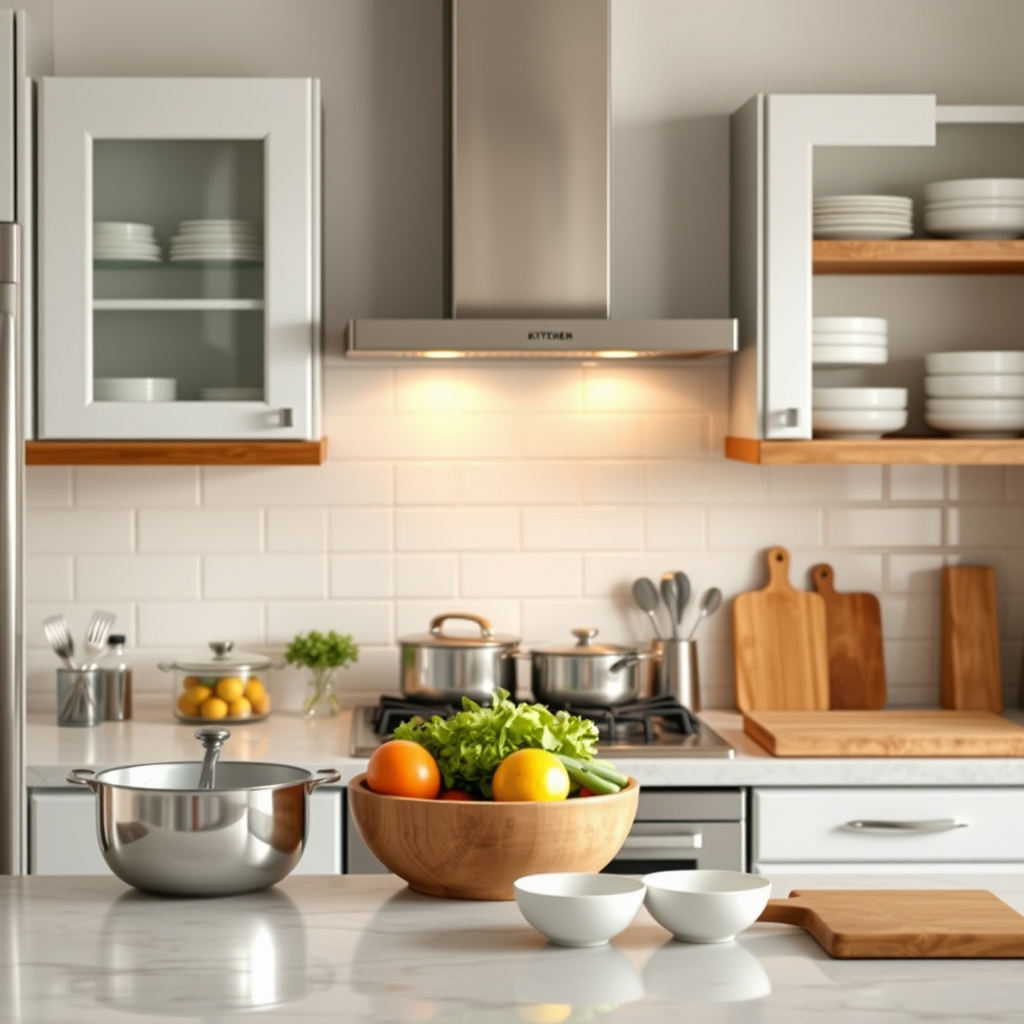
Separate your kitchen into distinct zones to streamline food prep and cooking tasks. The cooking zone should include your stove, oven, and frequently used pots and pans. Ideally, keep these items within arm's length to avoid unnecessary movement while cooking.
Create a prep zone near the cooking area with countertops clear of clutter. Store knives, cutting boards, and mixing bowls nearby for quick access, which enhances efficiency and reduces mess during meal preparation.
- Cooking zone with stove and cookware
- Prep zone with clear countertop and utensils
- Separate area for chopping and mixing
Setting Up Cleaning and Storage Zones
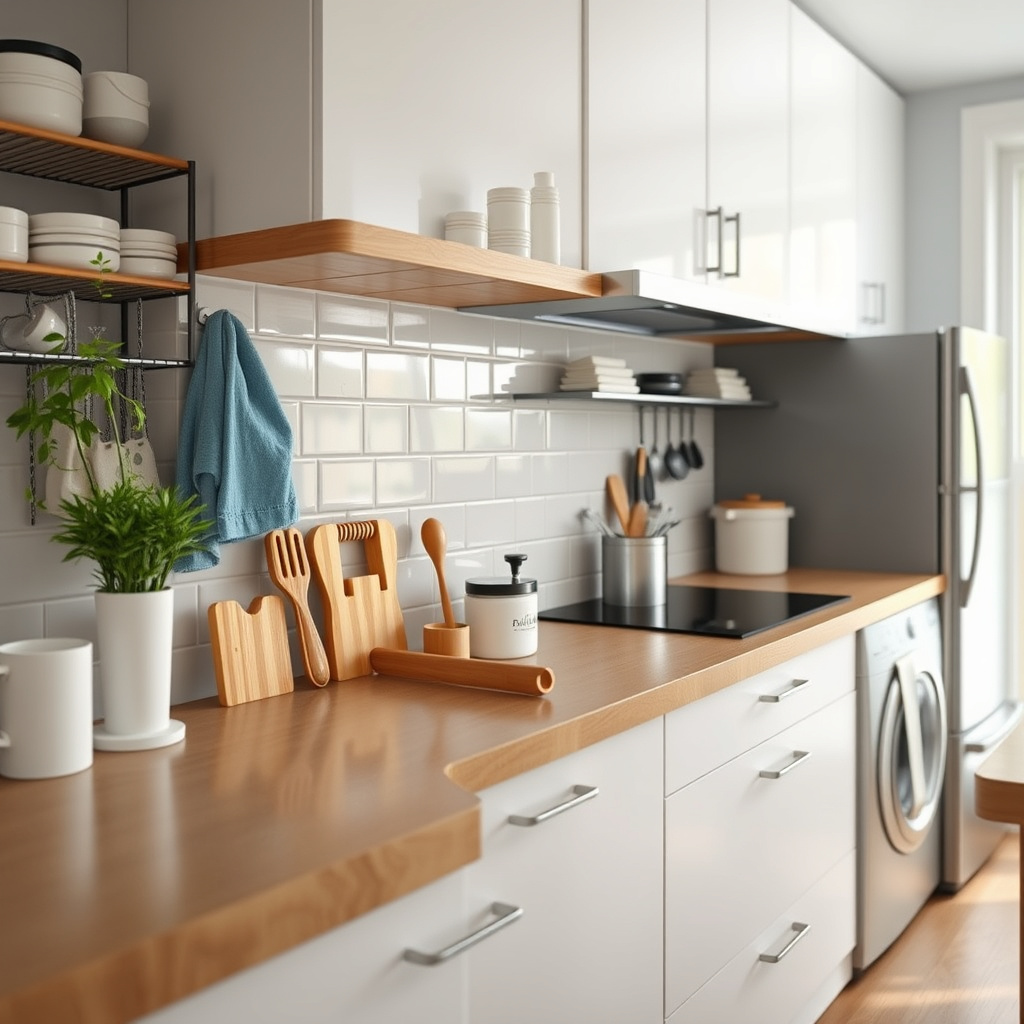
Designate a cleaning zone around your sink and dishwasher for washing dishes and utensils. Keep dish soap, scrubbers, and drying racks here to maintain flow from cleaning to storage.
The storage zone includes cabinets and pantry where food, dishes, and appliances are kept. Group similar items together, such as plates near the dishwasher and dry goods in a specific pantry section to simplify restocking and inventory management.
- Cleaning zone near the sink
- Storage zone with grouped items
- Easy access to dishwasher and drying areas
Maximizing Kitchen Storage Solutions
Using Drawer Organizers and Pull-Out Shelves
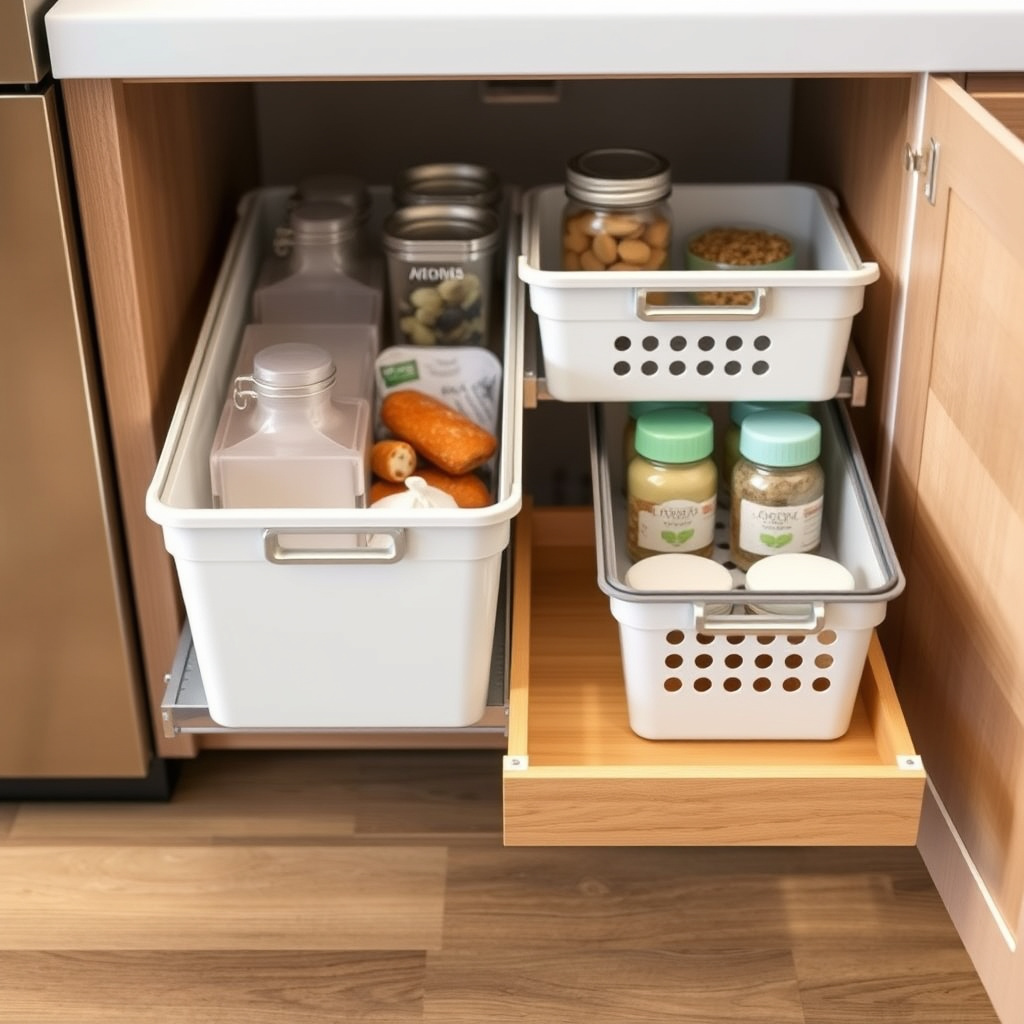
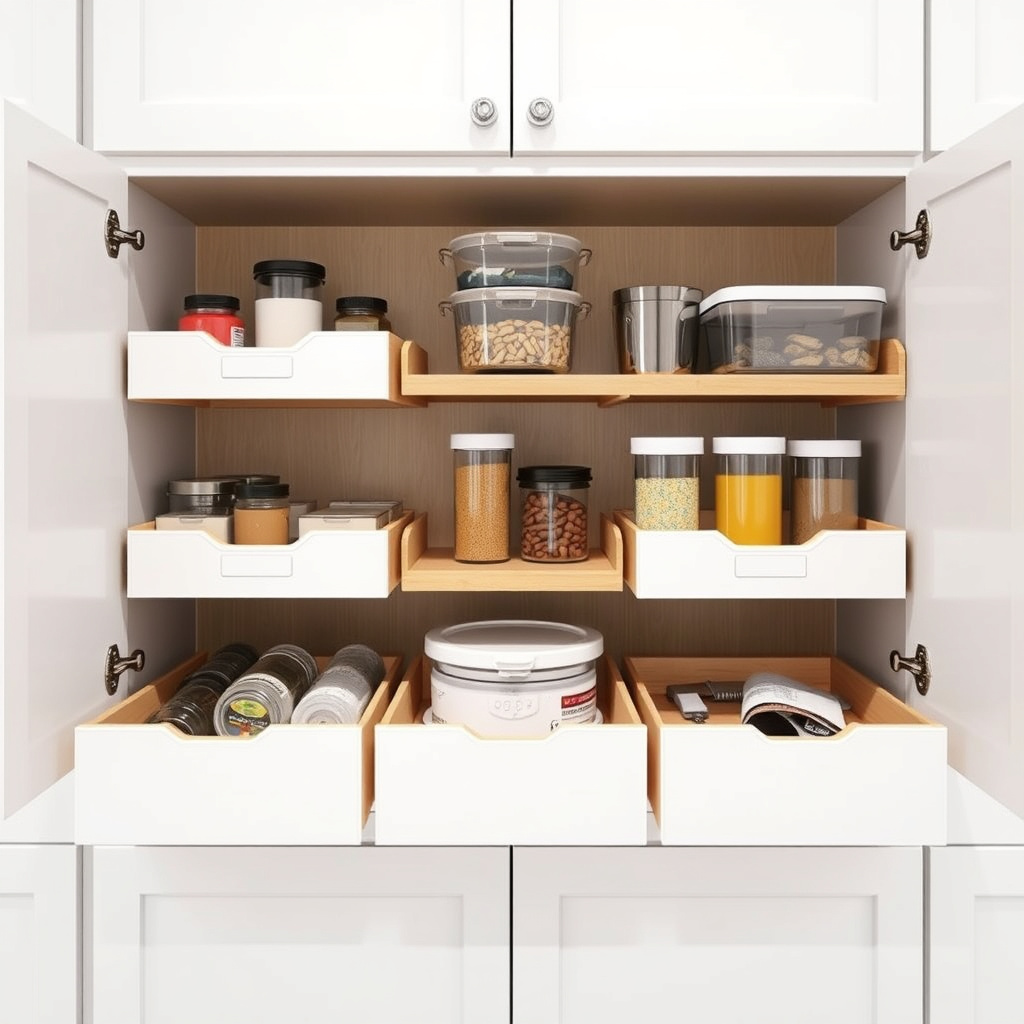
Drawer organizers keep utensils, cutlery, and small gadgets neatly separated. These prevent jumbling and make finding the right tool effortless. Pull-out shelves or baskets in cabinets dramatically increase visibility and access to stored items, reducing wasted space.
Invest in adjustable dividers and tiered racks to make your drawers and cabinets customizable. This flexibility allows you to adapt storage solutions as your kitchen tool collection changes.
- Drawer dividers for utensils
- Pull-out shelves for deep cabinets
- Tiered racks to increase vertical space
Installing Wall-Mounted and Overhead Storage
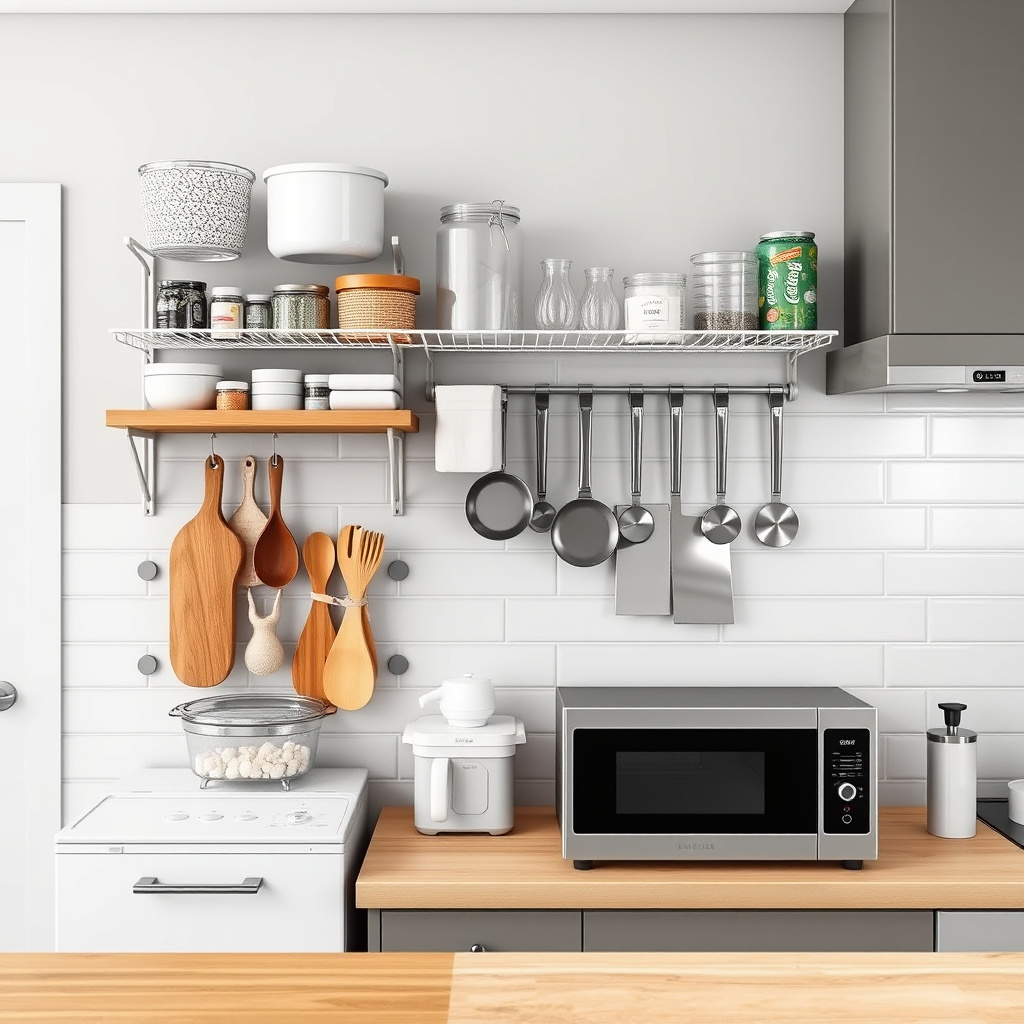
Wall-mounted racks, magnetic strips for knives, and overhead pot racks free up countertop and cabinet space by utilizing vertical surfaces. These storage options keep essential items visible and within reach, especially in smaller kitchens.
Use pegboards for flexible hanging storage that can be customized with hooks and shelves. Such storage not only maximizes space but also adds a decorative element to the kitchen.
- Wall-mounted spice racks
- Magnetic knife strips
- Overhead pot racks and pegboards
Organizing Your Pantry for Easy Access
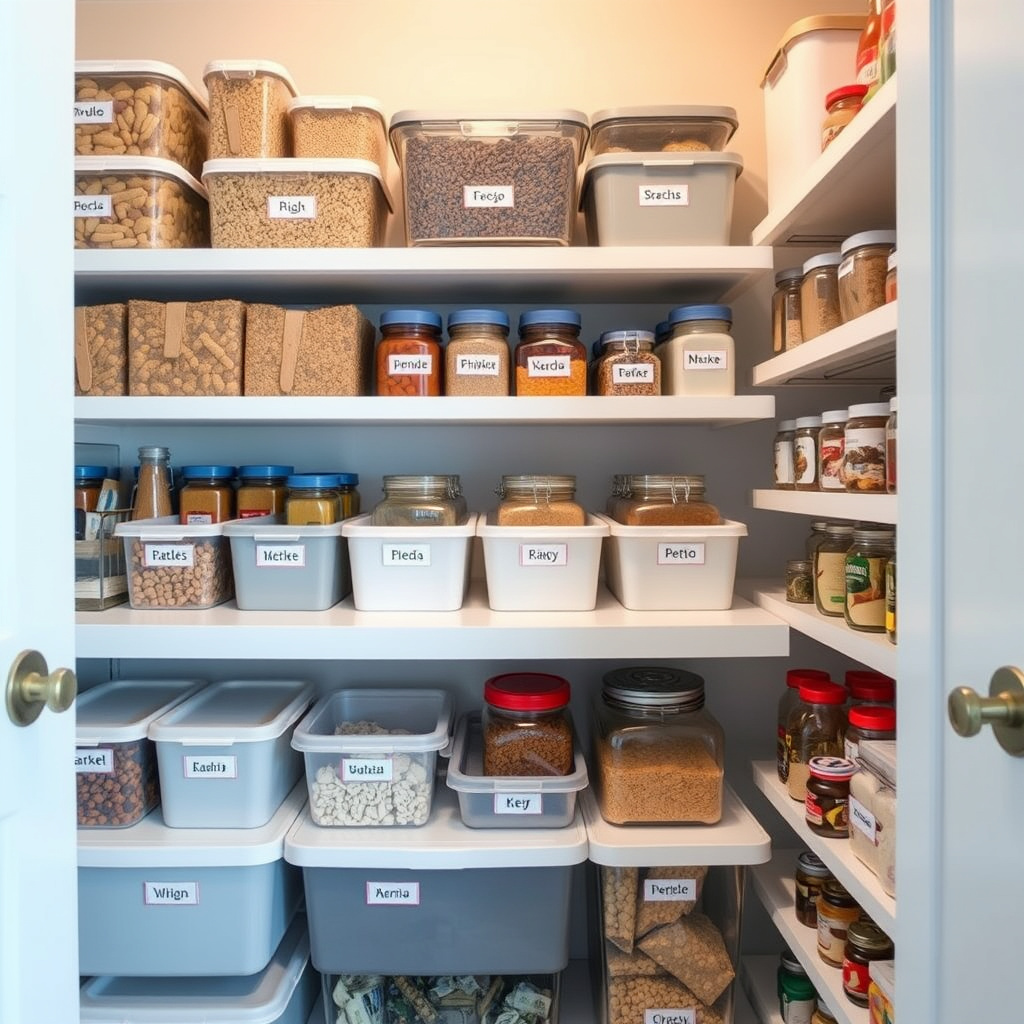
Utilizing Clear Containers and Labeling
Transfer dry goods like flour, sugar, and pasta into clear airtight containers. This keeps food fresh longer and lets you quickly assess inventory. Label containers with contents and expiration dates for additional clarity.
Keep frequently used items at eye level and group similar food types together, such as baking staples or snacks. This system speeds up meal prep and grocery shopping planning.
- Clear airtight containers
- Labels with contents and dates
- Group similar items together
For more on this, see our related guide: How Deep Are Standard Kitchen Cabinets? A Detailed Guide to Cabinet Dimensions.
Using Bins and Adjustable Shelving
Bins and baskets help corral packages and loose items that don’t store well on shelves. Adjustable shelving allows you to optimize vertical space by fitting taller items and stacking bins as needed.
Consider pull-out pantry shelves or lazy Susans for corners and deep shelves to make all items more accessible without disrupting the arrangement.
- Storage bins and baskets
- Adjustable shelving units
- Pull-out shelves and lazy Susans
Maintaining an Organized Kitchen Daily
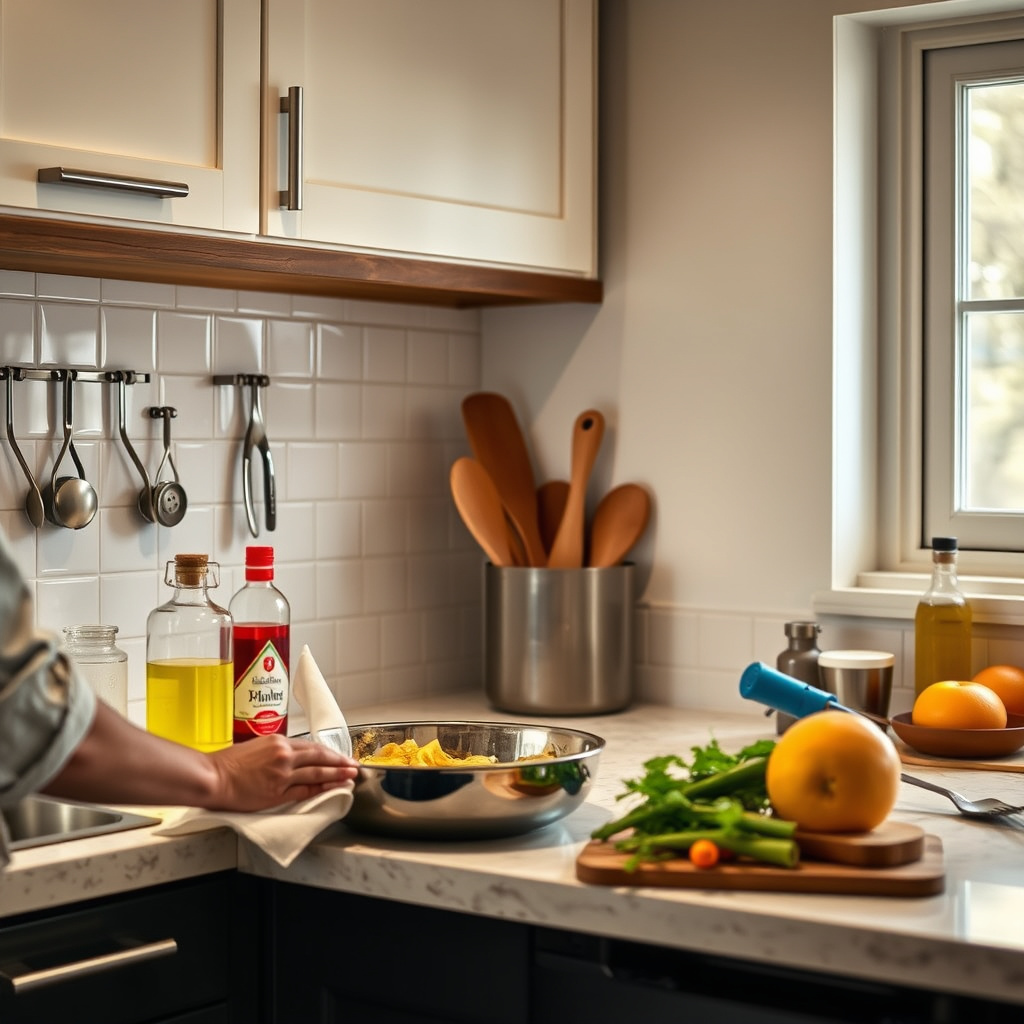
Daily Cleaning and Reset Habits
After each use, wipe down counters and return utensils to their assigned zones. This practice keeps clutter from accumulating and maintains a consistent workflow for your kitchen routines.
Empty and organize the sink and drying areas at the end of the day. This habit prevents buildup of dishes and ensures the next cooking session starts in an orderly environment.
- Wipe counters after cooking
- Return tools to assigned spots
- Clean sink and drying racks nightly
Weekly Inventory Checks and Decluttering
Set aside time weekly to check pantry supplies and discard expired food. Use this opportunity to reorganize bins and restock essentials to keep your kitchen ready for meal preparation.
Regular decluttering of drawers and cabinets helps maintain order and prevents accumulation of unused items that take up valuable space.
- Weekly pantry inventory review
- Restock and reorganize storage
- Remove unused kitchen items
Adapting Kitchen Organization for Different Layouts
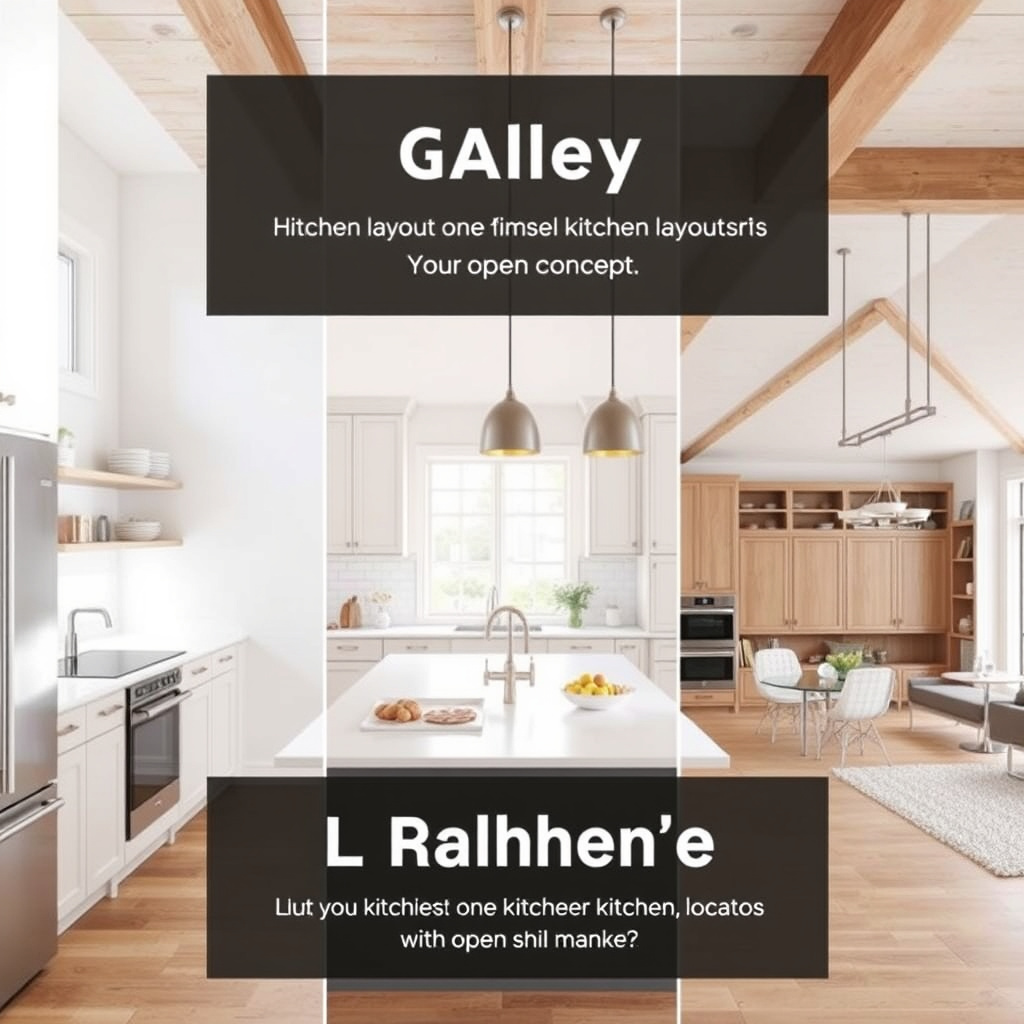
Organizing a Galley Kitchen
In narrow galley kitchens, use vertical storage extensively and keep pathways clear by mounting shelves and hooks. Opt for slim pull-out cabinets to utilize tight spaces while maintaining accessibility.
Create a linear workflow from prep to cooking to cleaning zones by positioning items logically along the corridor.
- Vertical wall-mounted storage
- Slim pull-out cabinets
- Linear zone workflow
For more on this, see our related guide: How to Make a Small Kitchen Look Bigger: Practical Design Tips.
Optimizing L-Shaped and Open Kitchens
L-shaped kitchens benefit from corner storage solutions like lazy Susans. Define separate zones clearly to avoid overlap and create accessible work surfaces near cooking appliances.
In open kitchens, incorporate multi-use islands with built-in storage for frequently used items. This enhances space efficiency and provides extra countertop area for meal prep.
- Corner lazy Susans
- Distinct zone separation
- Storage-equipped kitchen islands
Incorporating Sustainable Practices in Kitchen Organization
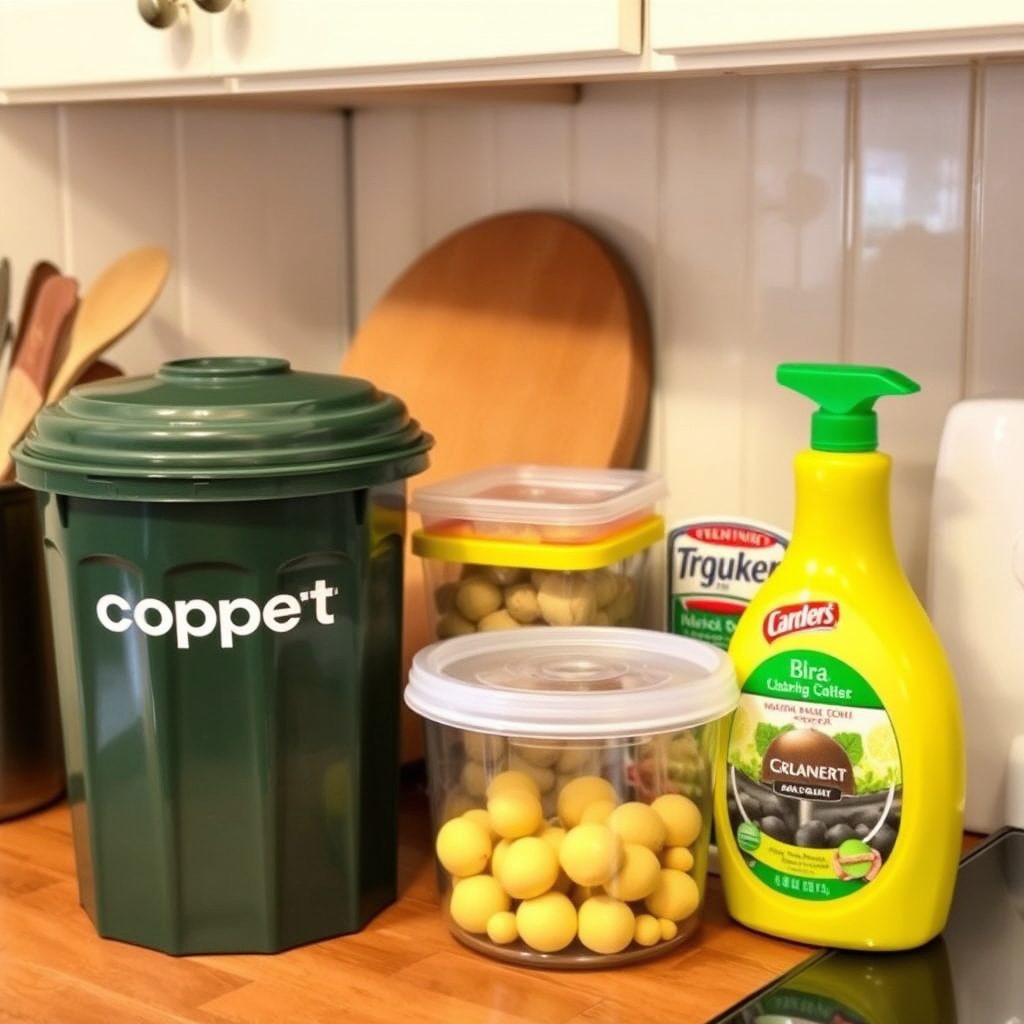
Using Reusable Storage and Minimizing Waste
Switch to reusable containers and bags for storing food to reduce plastic waste. Organize these containers with lids stacked nearby for convenience and to promote reuse in daily kitchen tasks.
Plan meals and pantry stock efficiently to minimize expired food and waste, saving money and reducing environmental impact.
- Reusable containers and bags
- Stack lids and containers orderly
- Smart meal planning
For more detailed background about kitchen design and organization, you can refer to kitchen organization tips on Wikipedia. kitchen organization tips on Wikipedia.
Eco-Friendly Cleaning and Recycling Stations
Incorporate a dedicated recycling station with bins clearly labeled for plastics, glass, and compost. Use natural cleaning products stored in easy-to-reach areas to support a healthier kitchen environment.
Regularly maintain these stations to encourage consistent recycling habits among household members.
- Labeled recycling bins
- Natural cleaning supplies
- Routine recycling upkeep
Kitchen Organization Strategies Comparison
Here is a comparison of popular kitchen organization strategies based on key factors like space usage, cost, and ease of implementation.
| Strategy | Space Efficiency | Cost | Implementation Difficulty | Best For |
|---|---|---|---|---|
| Zone-Based Organization | High | Low | Moderate | Most kitchens |
| Drawer and Cabinet Customization | Very High | Medium | High | Established kitchens with cabinetry |
| Wall-Mounted and Vertical Storage | High | Low to Medium | Moderate | Small kitchens with limited counter space |
| Pantry Container Systems | Medium | Medium | Low | Kitchens with dedicated pantry |
| Sustainable Practices Integration | Medium | Variable | Low to Moderate | Eco-conscious households |
Frequently Asked Questions
How often should I reorganize my kitchen?
Reorganize major sections like the pantry and drawers every few months and do minor daily tidying to maintain order and adapt to changing needs.
What is the best way to store knives safely in the kitchen?
Use magnetic strips mounted on walls or knife blocks to keep knives accessible and prevent damage, improving safety and preservation.
How can I maximize space in a small kitchen?
Utilize vertical storage, install pull-out shelves, and keep countertops clear to create more workspace and reduce clutter in a small kitchen.
Are clear containers really that helpful for kitchen organization?
Yes, clear containers provide quick visual access to contents, help keep food fresh, and simplify inventory management, making them very effective.
What should I do with kitchen items I rarely use?
Store infrequently used items in less accessible cabinets or consider donating them to free up space for everyday essentials.
Key Takeaways
- Organize your kitchen into distinct functional zones for efficiency.
- Use drawer organizers and wall-mounted storage to maximize space.
- Maintain daily habits and weekly checks to keep your kitchen tidy.
- Adapt your organization plan based on your kitchen layout and needs.
Conclusion
Organizing your kitchen effectively revolves around understanding your cooking habits and arranging spaces accordingly. Prioritizing zones for cooking, prepping, cleaning, and storage makes the kitchen flow naturally and saves time. Picking storage solutions such as drawer dividers, pull-out shelves, and wall-mounted racks enhances your available space and keeps clutter away from work surfaces. Regular tidying and inventory management preserve this order over time and make your kitchen a more pleasant environment.
If your kitchen is small, focus on vertical storage and multi-functional furniture like storage-equipped islands. For those with larger kitchens, customizing drawer configurations and installing pantry systems can streamline your workflow. Sustainable kitchen organization approaches, including reusable containers and designated recycling stations, support eco-conscious living while promoting efficiency. Choosing methods that fit your lifestyle ensures your kitchen is well-organized and easy to maintain.
Begin reorganizing by identifying the areas that frustrate you most, whether it’s cluttered drawers, a disorganized pantry, or inefficient prep spaces. Invest in simple storage tools such as clear containers and drawer organizers, and commit to small daily habits like wiping counters and returning items to their place. With intentional organization rooted in your kitchen’s unique layout and your daily routine, cooking becomes smoother, faster, and more enjoyable.