How to Unclog Kitchen Sink with Disposal: Simple and Effective Methods
If your kitchen sink with a disposal unit is clogged, the best way to fix it depends on clearing the blockage safely without damaging the disposal or pipes. Most clogs in disposals occur due to food debris buildup or grease accumulation, which can be handled with simple tools and household items. Unclogging involves turning off power, clearing visible debris, and clearing the drain lines.
This matters because clogged kitchen sinks not only disrupt daily cleaning and cooking routines but also risk damaging the disposal mechanism or causing leaks. Knowing how to act quickly and safely can save time and avoid plumbing costs. The disposal needs careful attention to avoid electrical hazards while eliminating the clog.
In this article, you’ll find step-by-step instructions on how to unclog your kitchen sink with disposal effectively. We’ll explore different methods including manual clearing, natural solutions like baking soda and vinegar, and mechanical tools such as the plunger and drain snake. Additionally, we cover some maintenance tips to prevent future blockages and when to call a professional.
Safety Precautions Before Unclogging Your Kitchen Sink with Disposal
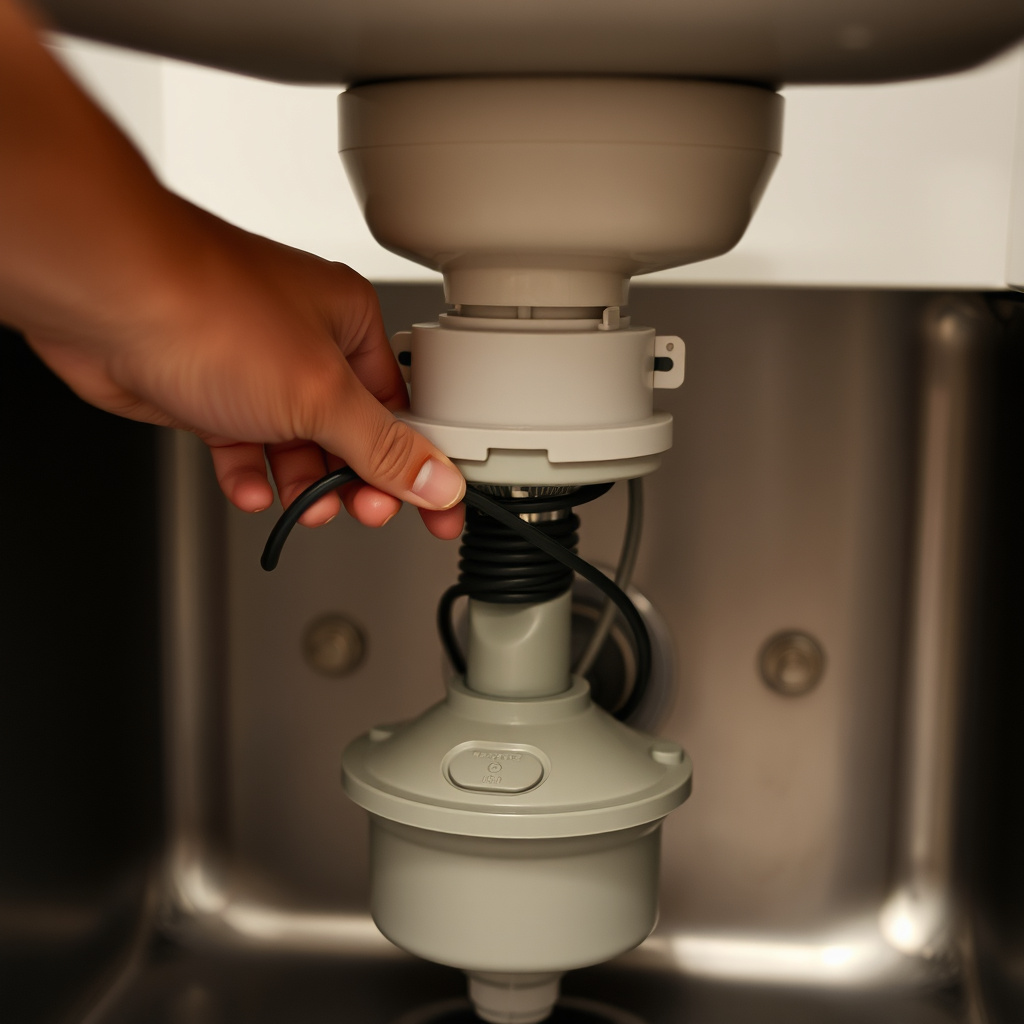
Disconnecting Power and Avoiding Hazards
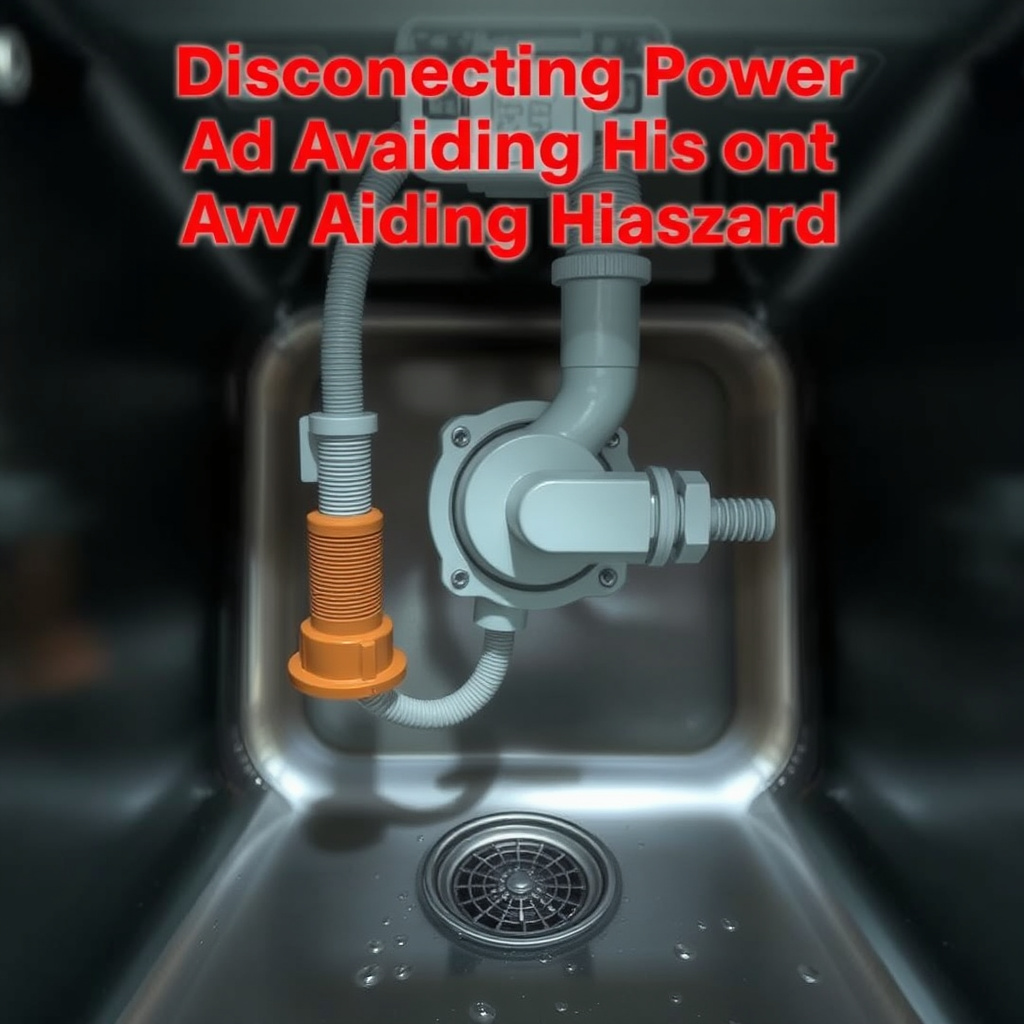
Before attempting to unclog a kitchen sink with a disposal, always disconnect the power supply. This prevents accidental activation while your hands or tools are inside the unit. The power switch is usually located near the sink or you can unplug the disposal under the cabinet.
Avoid using chemical drain cleaners on the disposal as these can damage the unit’s components and pose safety risks. Instead, rely on mechanical methods and non-corrosive natural agents for safer unclogging.
Gathering Necessary Tools and Materials
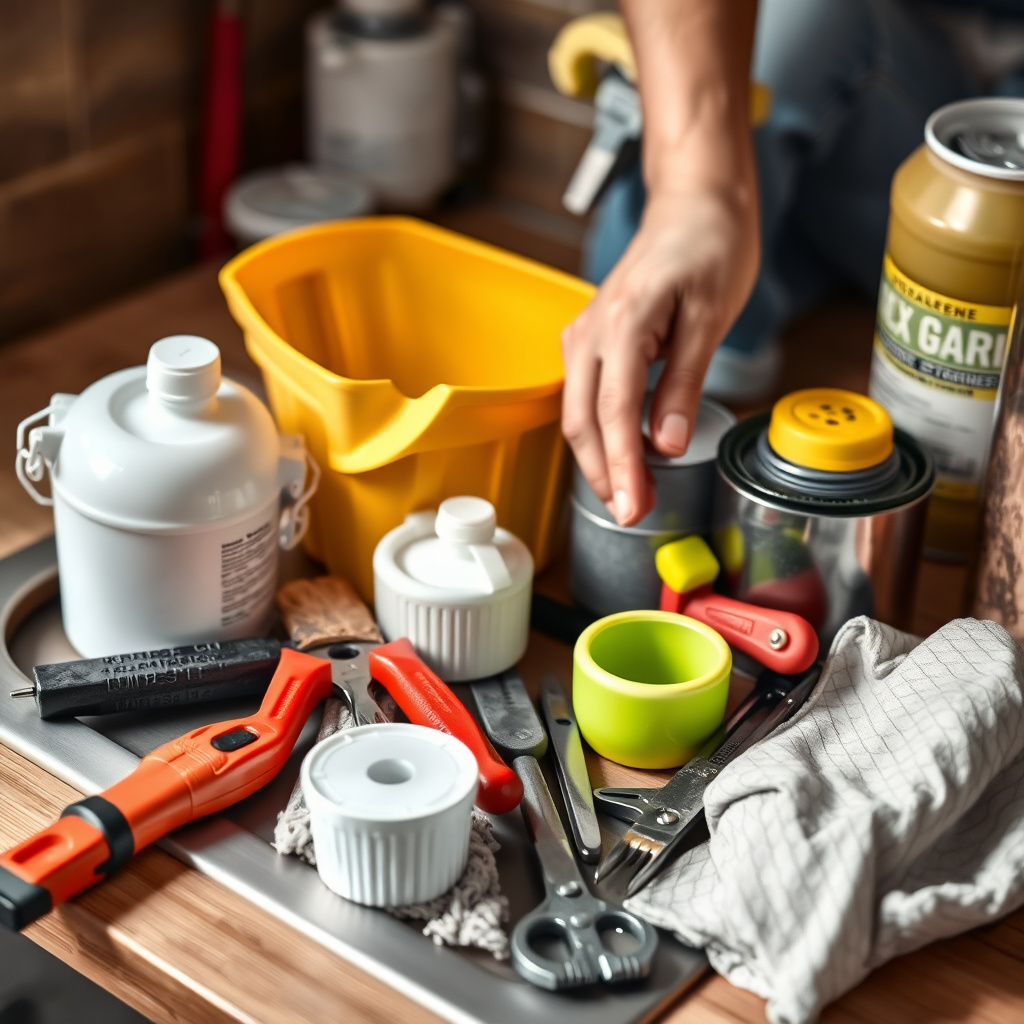
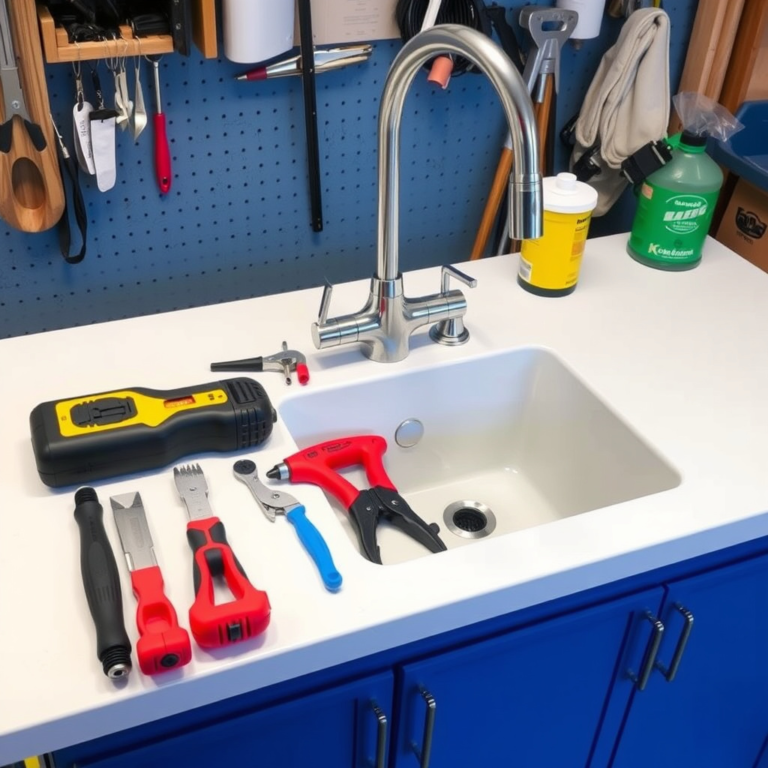
Prepare essential tools such as a plumber’s wrench, a sink plunger, a drain snake, a bucket, and a flashlight. Household items like baking soda, vinegar, and warm water will also be useful for common clogs.
Having these tools on hand makes the process smoother and avoids rushing, which could lead to mistakes or further damage to your kitchen sink and disposal.
- Plunger designed for sinks (flat, not toilet plunger)
- Drain snake or auger
- Bucket to catch water
- Flashlight to inspect pipes
- Baking soda and vinegar for natural cleaning
Manual Methods to Clear a Clogged Kitchen Sink with Disposal
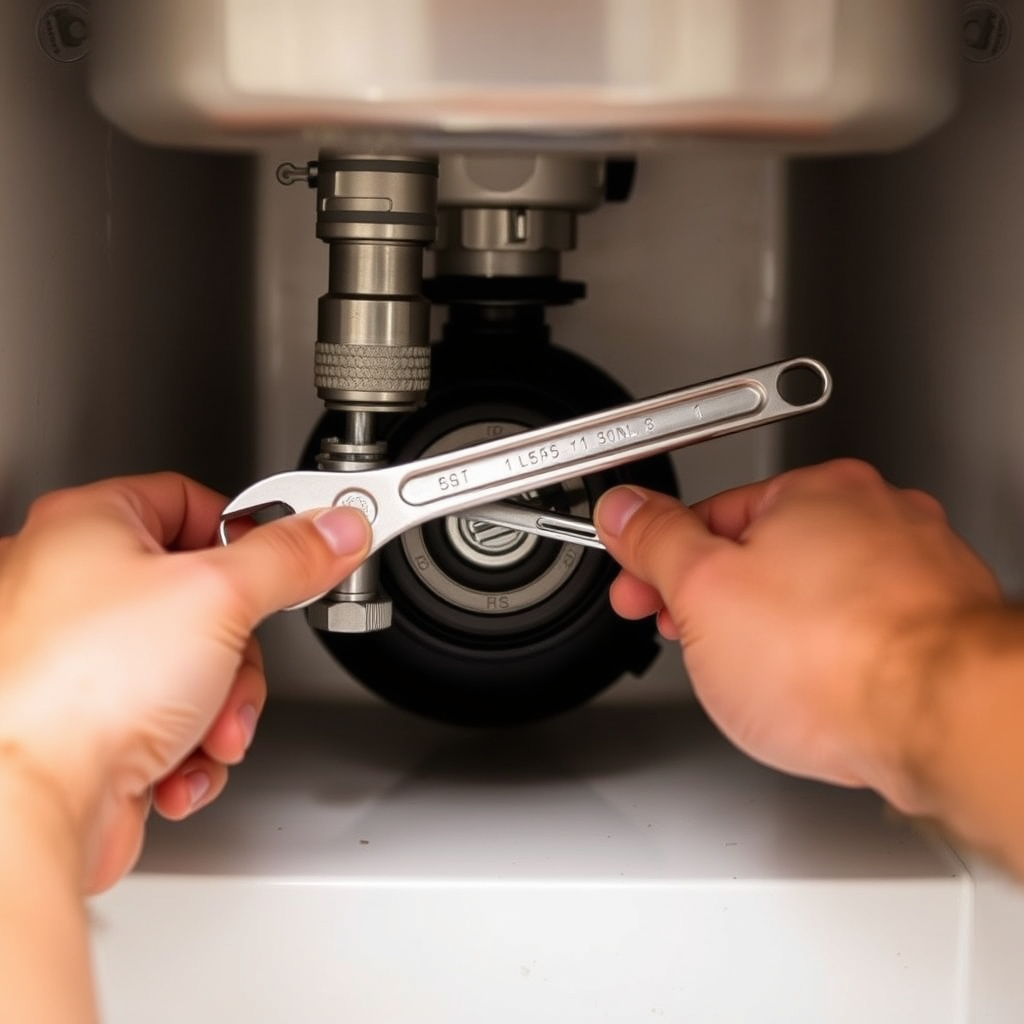
Checking and Removing Visible Debris
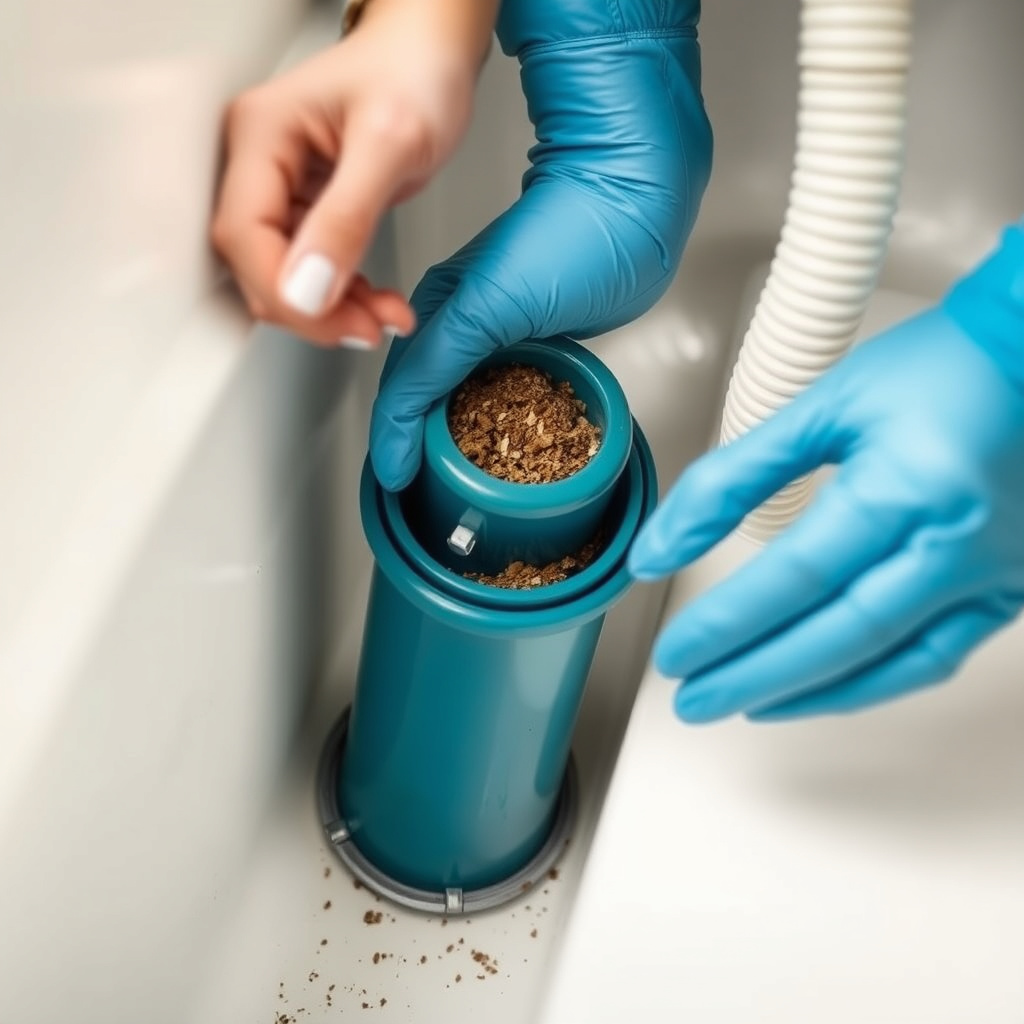
Start by removing any large pieces of food or debris that may be stuck inside the disposal. Use tongs or pliers rather than your hands to avoid injury, as blades inside the disposal can be sharp.
If you see large clumps of grease or fibrous material blocking the drain, carefully clear these to allow water and smaller debris to flow through again.
Manually Rotating the Disposal Blades
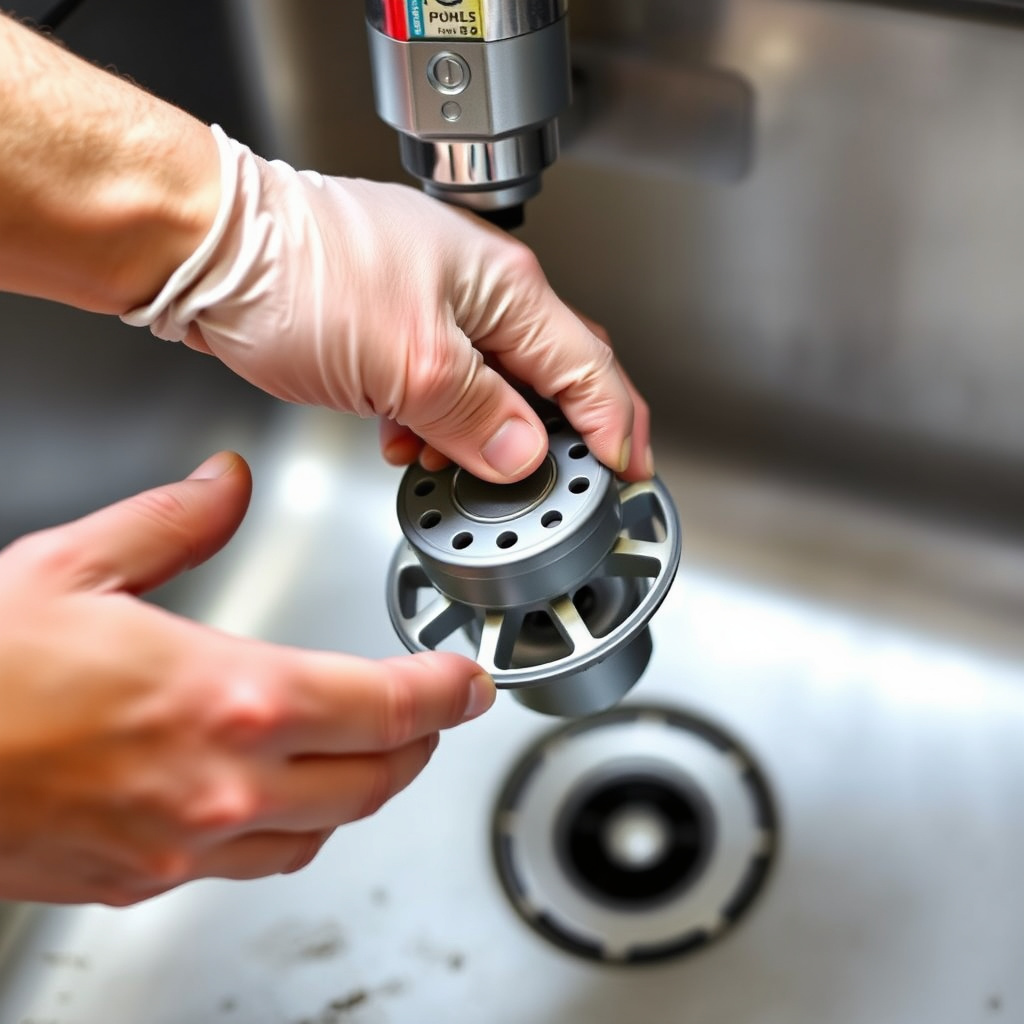
Most disposal units have a small hex-shaped hole at the bottom center where you can insert an Allen wrench to manually rotate the blades. This helps dislodge jams and frees stuck materials.
Turn the wrench back and forth several times to force any obstruction to break loose. If the disposal’s flywheel is stuck and won’t rotate manually, it confirms a serious clog needing further attention.
- Insert 1/4 inch Allen wrench into the bottom hole
- Rotate clockwise and counterclockwise
- Repeat until blades move freely
Using Natural Solutions to Promote Drain Flow
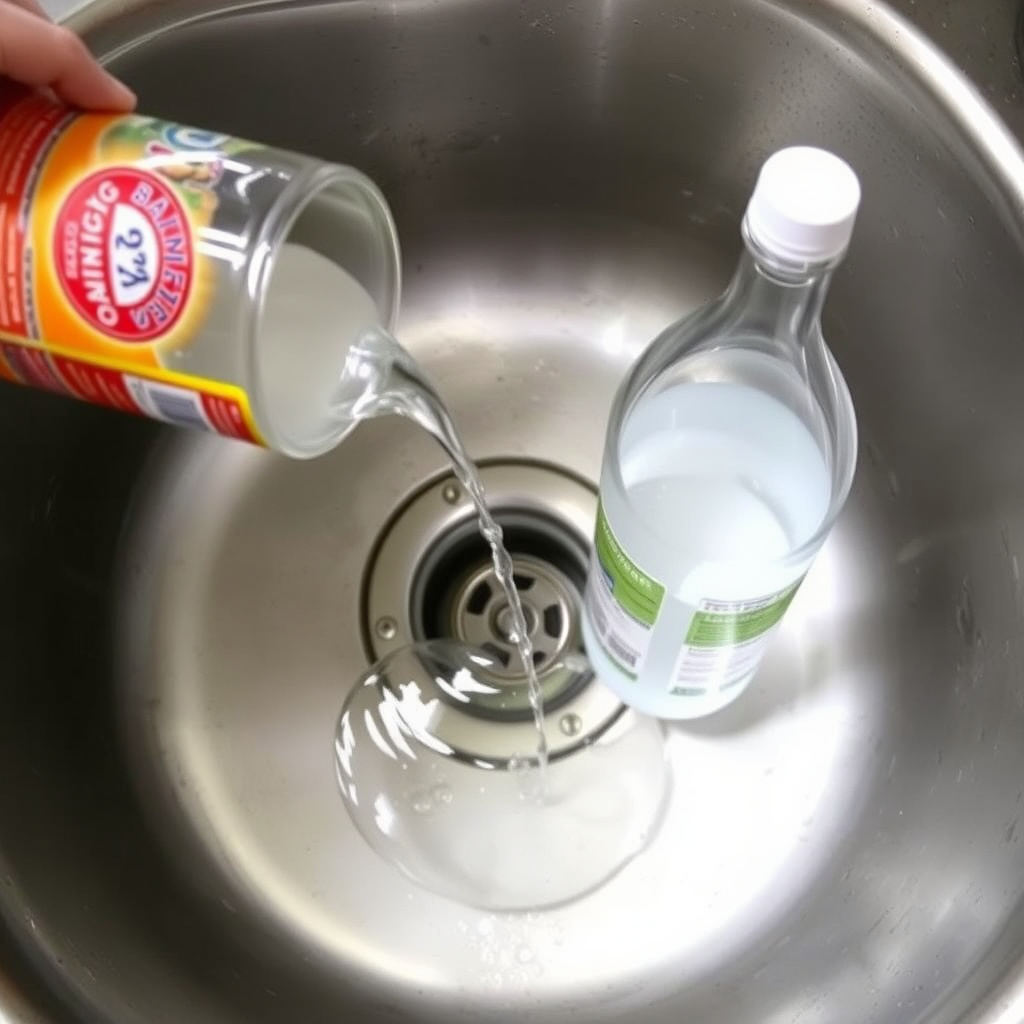
Applying Baking Soda and Vinegar
Pour half a cup of baking soda followed by one cup of white vinegar down the drain. This creates a fizzing reaction that can dissolve grease and loosen minor clogs without harsh chemicals.
After about 15 minutes, flush the drain with boiling water to clear loosened debris and grease from the pipes.
- Baking soda breaks down greasy buildup
- Vinegar reacts chemically to dissolve residues
- Boiling water flushes debris after reaction
For more on this, see our related guide: How to Unclog Kitchen Sink with Garbage Disposal: Quick and Effective Methods.
Benefits of Using Natural Cleaning Methods
Natural solutions are safe for your disposal, plumbing, and the environment. Unlike chemical drain cleaners, baking soda and vinegar won’t corrode metal parts or produce dangerous fumes.
Regular use of this natural approach can keep pipes clean and reduce buildup that leads to clogs, helping maintain smooth drainage.
Mechanical Techniques to Unclog a Kitchen Sink with Disposal
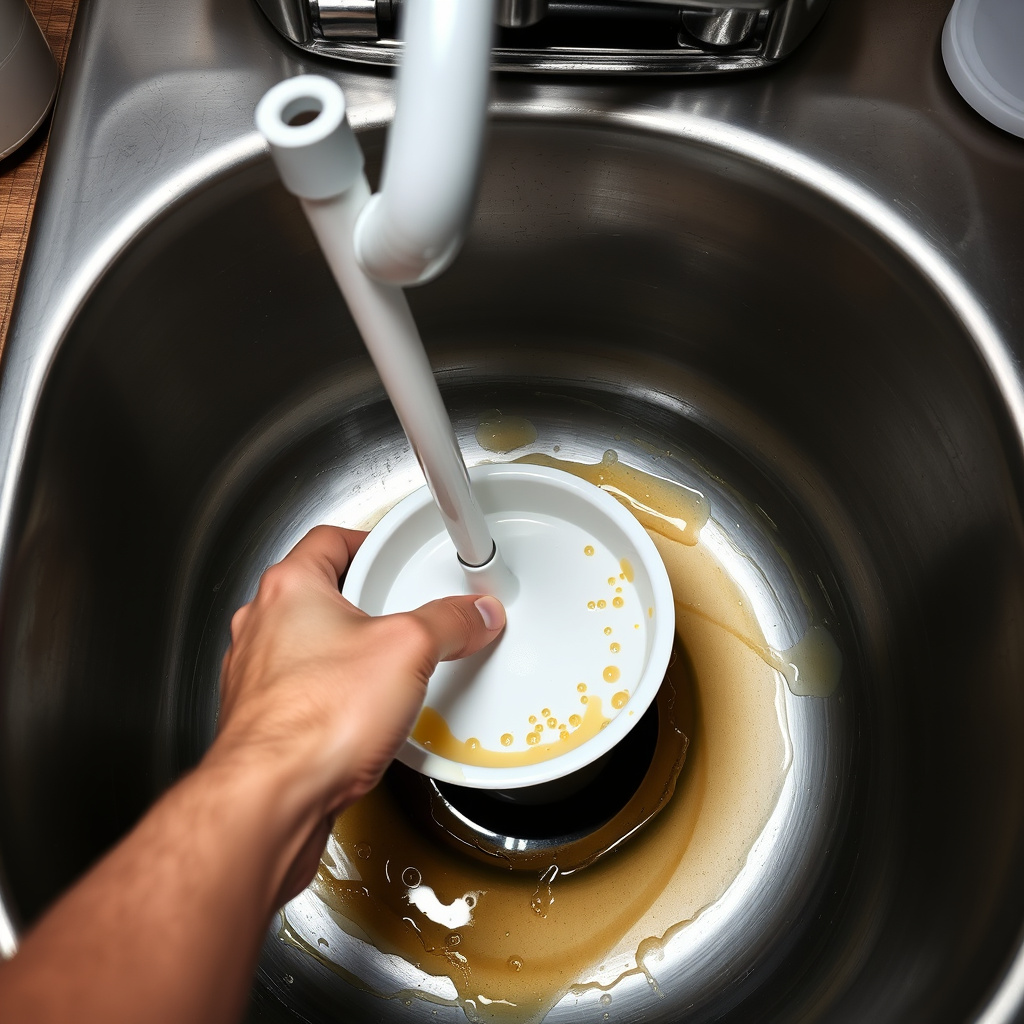
Using a Sink Plunger Effectively
Seal the overflow or adjacent drains to create better suction. Place the plunger cup firmly over the sink drain and plunge vigorously several times to dislodge the clog.
The pressure differential created forces water and debris through the pipes, which can clear many types of sink blockages when done properly.
- Seal overflow with wet cloth
- Use slow, forceful plunges
- Repeat until water drains smoothly
Employing a Drain Snake for Deeper Blockages
Insert a drain snake or auger into the sink drain and push it further into the pipes while turning the handle. This breaks up or pulls out stubborn clogs deep within the drain line.
Whenever you feel resistance, continue rotating and pushing carefully to avoid pipe damage. Slowly retract the snake to remove debris caught on the coil.
- Use medium-flex drain snake
- Rotate handle clockwise
- Pull out slowly after clog breaks
- Clean snake after use
Preventive Measures to Avoid Future Sink Disposals Clogs
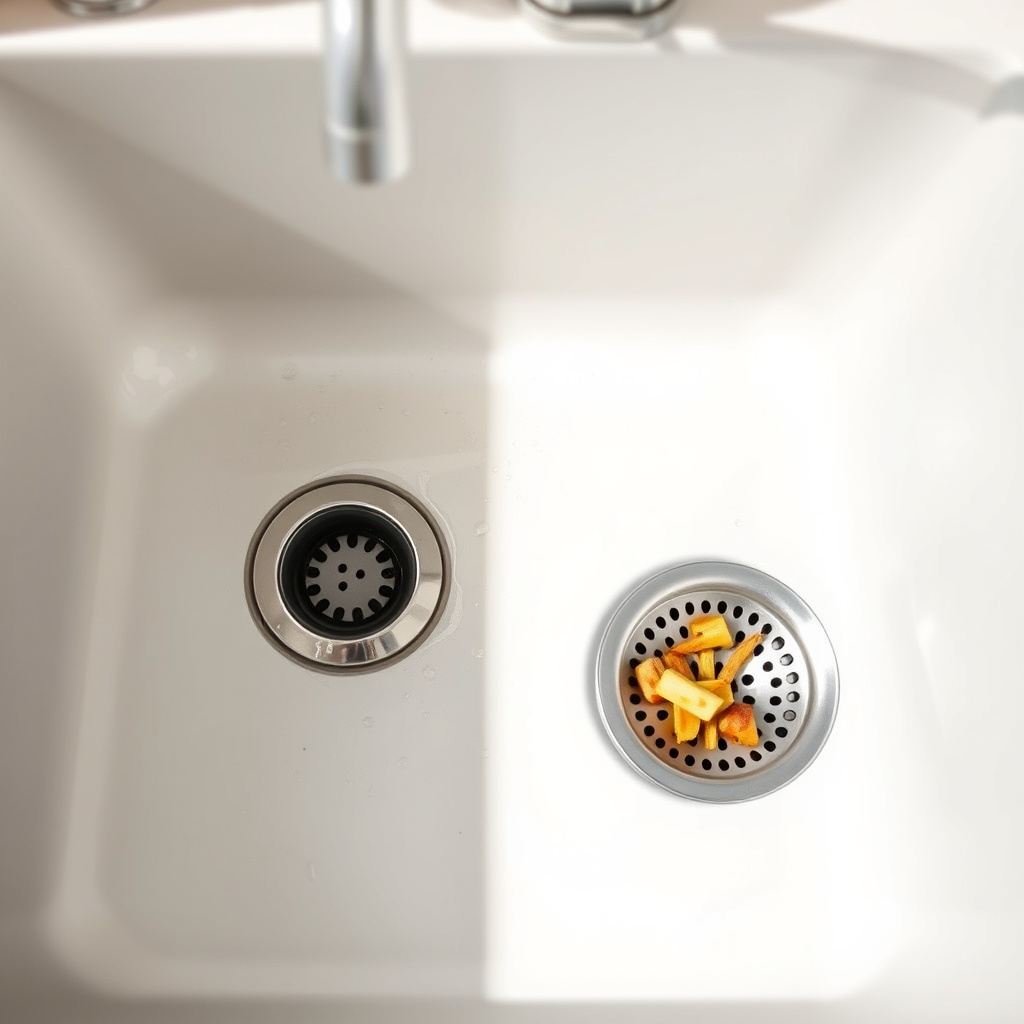
Regular Cleaning and Maintenance
Run the disposal with cold water for at least 30 seconds after each use to flush out small residues. Periodically grind small amounts of ice cubes and lemon peels to clean blades and eliminate odors.
Avoid putting fibrous, starchy, or greasy foods down the disposal as these commonly cause buildup and blockages.
- Flush disposal after use
- Grind ice cubes monthly
- Use lemon peels for fresh smell
For more on this, see our related guide: How to Plumb a Kitchen Sink: Step-by-Step Guide for DIY Installation.
Using Sink Strainers and Proper Disposal Habits
Install a sink strainer to catch large food scraps before they enter the disposal. Dispose of coffee grounds, eggshells, and grease in the trash rather than the drain as they clump and cause clogs.
These habits reduce the risk of future clogs and extend the lifespan of your disposal unit and plumbing.
- Use mesh sink strainer
- Trash grease, coffee grounds, eggshells
- Avoid pouring oil down drain
When to Call a Professional Plumber

Signs That Indicate Professional Help Is Needed
If your kitchen sink remains clogged despite using natural and mechanical methods or you notice leaks, strange noises, or foul odors from the disposal, it’s time to call a plumber.
Persistent or worsening issues may indicate more serious plumbing problems beyond simple clogs, requiring diagnostic equipment and experience.
For more details on how garbage disposals work, you can review this article on garbage disposal basics. Garbage disposal basics.
Choosing the Right Professional Service
Look for licensed plumbers with specific experience in garbage disposal repair and kitchen plumbing. Check reviews and ask for estimates upfront to avoid surprises.
A qualified professional can safely address severe clogs and prevent damage to your plumbing system.
Comparison of Popular Methods to Unclog Kitchen Sink with Disposal
This table summarizes the pros, cons, and suitability of common unclogging methods for sinks with disposal units.
| Method | Effectiveness | Safety | Cost | Ease of Use |
|---|---|---|---|---|
| Manual Clearing | High for visible debris | Very Safe with power off | Free | Moderate |
| Baking Soda and Vinegar | Moderate | Very Safe | Low | Easy |
| Plunger | High for partial clogs | Safe if done carefully | Low | Moderate |
| Drain Snake | Very High for deep clogs | Safe with care | Moderate | Requires skill |
| Chemical Drain Cleaners | Varies | Unsafe for disposal | Moderate to High | Easy |
| Professional Plumbing | Very High | Safe | High | Effortless |
Frequently Asked Questions
Can I use a chemical drain cleaner on a garbage disposal?
It’s not recommended to use chemical drain cleaners in garbage disposals because they can damage the disposal’s components and corrode pipes, posing safety risks.
How can I reset my clogged disposal?
Most disposals have a red reset button on the bottom. Press it after clearing jams manually to restart the motor. Always disconnect power before any intervention.
What foods should I avoid putting down the disposal?
Avoid fibrous vegetables, grease, coffee grounds, eggshells, and starchy foods as these commonly cause clogs and damage the disposal.
How often should I clean my garbage disposal?
Cleaning monthly by grinding ice cubes and lemon peels helps keep blades sharp, freshen odors, and prevent debris buildup, extending disposal life.
Will boiling water damage my pipes or disposal?
Pouring boiling water occasionally can help clear grease clogs in metal pipes safely, but avoid frequent use in PVC pipes to prevent softening.
Key Takeaways
- Always disconnect power before unclogging a kitchen sink with disposal.
- Manual clearing and mechanical tools like plungers and drain snakes are effective and safe.
- Natural solutions like baking soda and vinegar help dissolve grease without harm.
- Proper use and maintenance prevent most clogs and prolong disposal life.
Conclusion
Determining how to unclog kitchen sink with disposal involves understanding the source and severity of the blockage and applying appropriate methods safely. Starting with manual clearing of debris and power disconnection reduces hazards. Combining natural agents such as baking soda and vinegar with physical tools like a plunger or drain snake typically solves most clogs without damaging the disposal or plumbing. Regular maintenance and careful disposal habits further protect against future blockages.
For simple blockages caused by food pieces or minor buildup, manual clearing and plunging are effective approaches that home users can easily perform. For grease-based or deeper clogs, natural cleaning methods and drain snakes provide stronger solutions that remain safe for the disposal. Chemical cleaners should be avoided due to potential damage. If issues persist or signs of mechanical failure arise, such as continuous noise or leaks, engaging a professional plumber experienced in kitchen disposal systems is the smartest choice to avoid costly repairs or replacements.
By combining safe mechanical methods, natural unclogging solutions, and preventive habits, you can keep your kitchen sink with disposal functioning smoothly. Start with power disconnection, then proceed through clearing and gentle chemical-free cleaning. Use snake or plungers as needed, and if unsuccessful, consult a professional. Maintaining your disposal properly will save time, money, and inconvenience in the long run.