How to Disguise Kitchen Soffits: Creative and Practical Solutions
If your kitchen soffits look outdated or simply don’t blend well with the overall design, there are several effective ways to disguise them. You can transform these often-overlooked architectural features into aesthetic highlights or make them virtually disappear with clever design choices. Whether you want to add storage, create a decorative focal point, or smooth them out for a seamless look, disguising kitchen soffits can dramatically improve your kitchen’s appearance.
Kitchen soffits, those boxed-in spaces between your cabinets and the ceiling, often serve a functional purpose by hiding ductwork or wiring. However, many homeowners find them visually heavy or distracting, especially in modern kitchens where clean lines and open space are preferred. Addressing soffits not only refines your kitchen’s look but can also add value through enhanced design or added functionality.
This article explores multiple strategies on how to disguise kitchen soffits, including painting techniques, extended cabinetry options, decorative shelving, and creative finishes. We’ll guide you through both budget-friendly quick fixes and more permanent remodeling ideas to help you choose the best approach for your kitchen.
Painting and Finishing Techniques to Disguise Kitchen Soffits
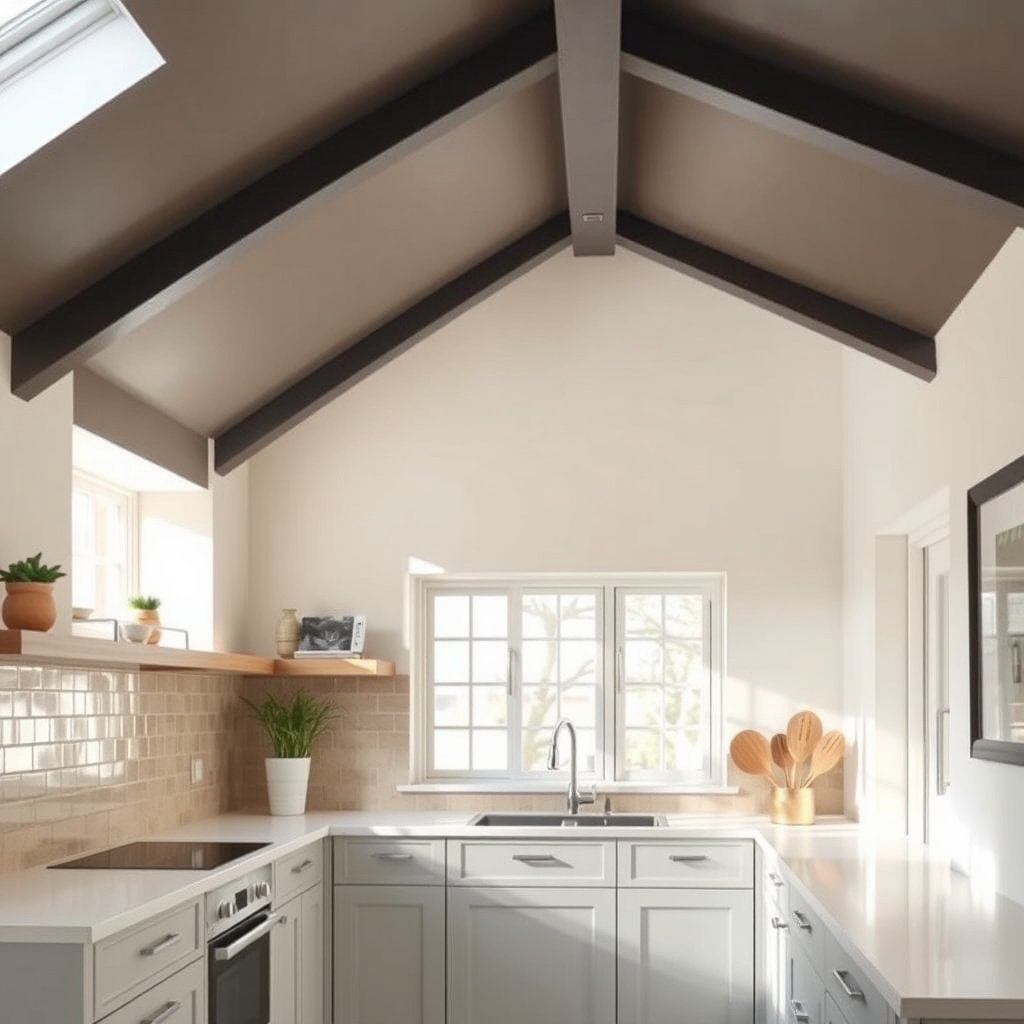
Color Matching and Concealing Soffits with Paint
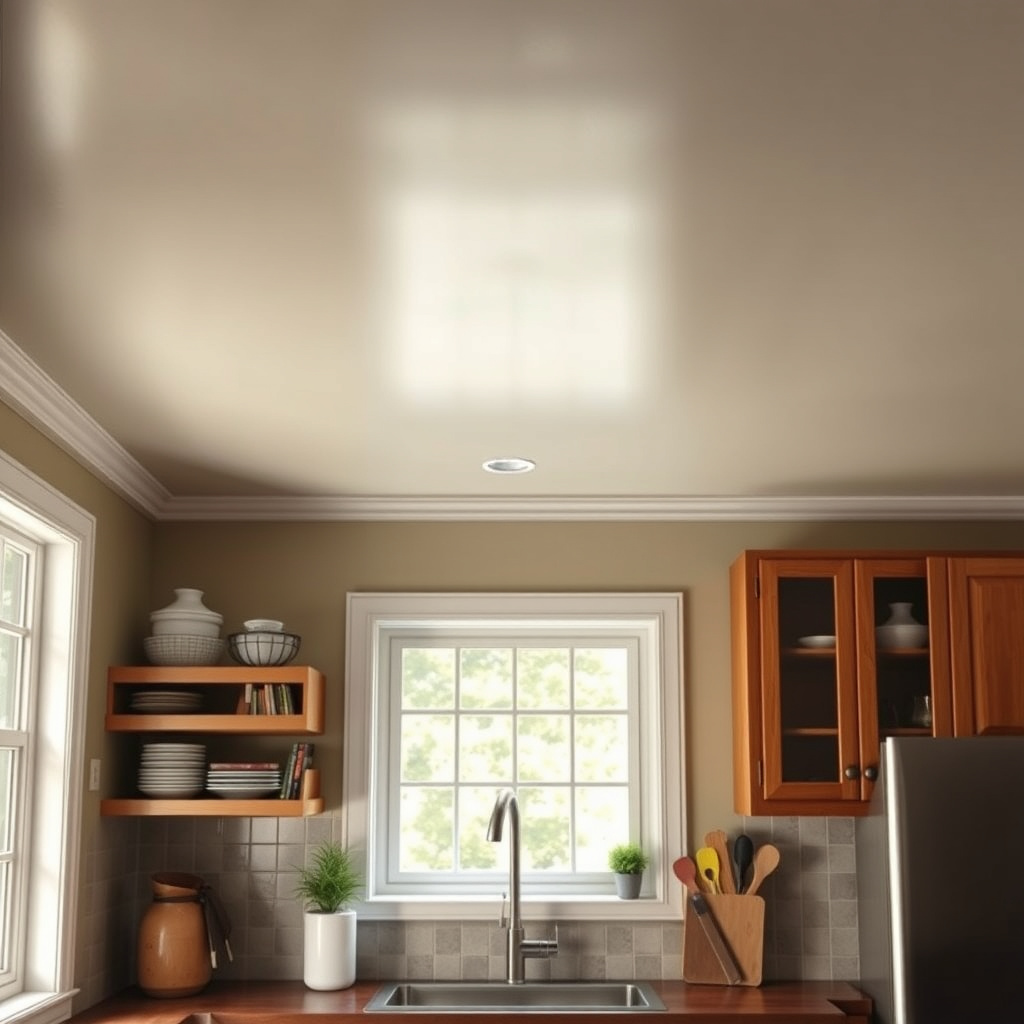
Painting soffits the same color as the ceiling is one of the simplest methods to make them visually vanish. Selecting a flat or matte ceiling paint can reduce light reflection, helping soffits blend naturally. Using a high-quality primer beforehand ensures long-lasting coverage and prevents paint peeling on older surfaces.
Alternatively, a contrasting color can turn soffits into a design feature, highlighting architectural lines while maintaining cohesion with cabinetry or walls. Matte finishes are usually preferable to avoid glare that emphasizes imperfections.
- Choose ceiling paint or a complementary shade
- Use primer for better adhesion
- Apply multiple thin coats for coverage
- Opt for matte paint to minimize reflection
Adding Textures and Decorative Finishes
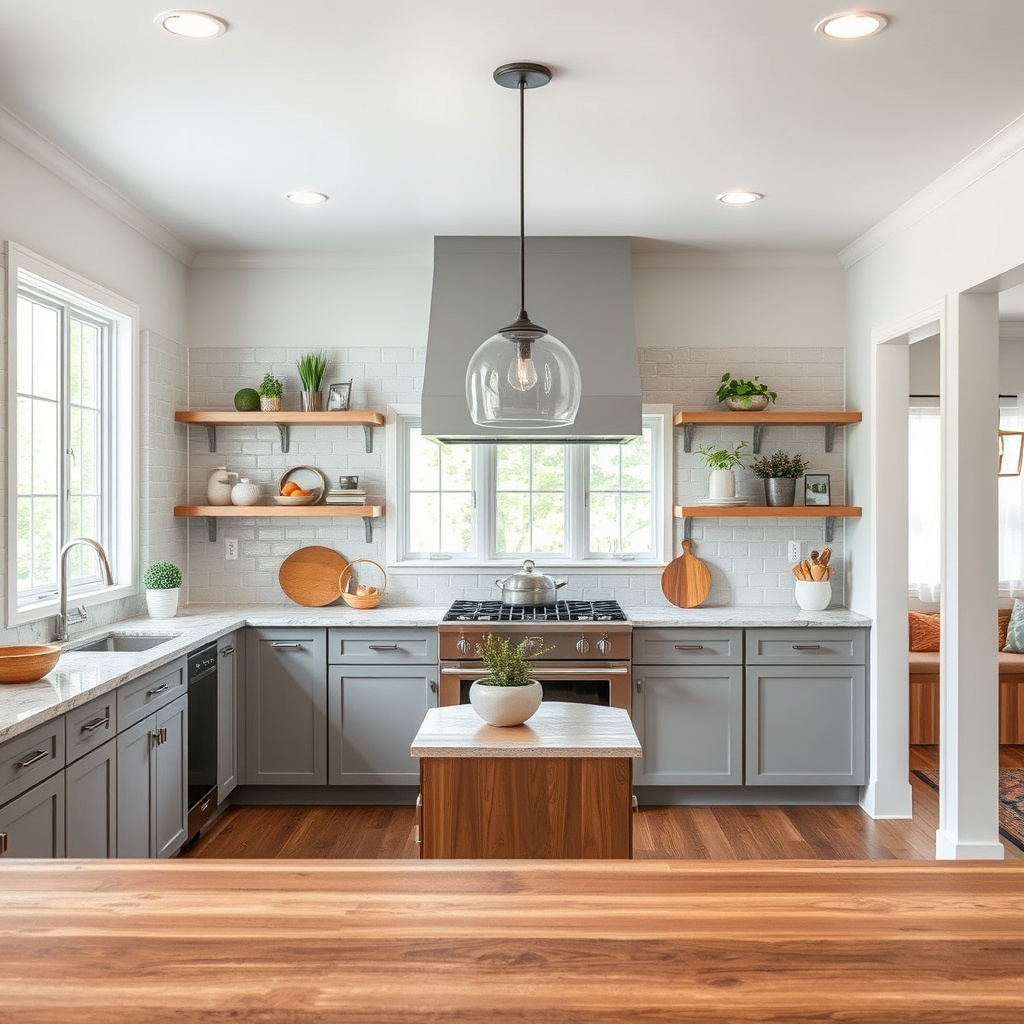
Another way to disguise soffits is by applying textured finishes such as beadboard paneling or wallpaper. Textured paint or faux finishes can add dimension, turning soffits into attractive elements rather than distractions. Beadboard, for instance, introduces a farmhouse or cottage-style charm.
Wallpapers designed for high-humidity areas allow for bold patterns or subtle designs that complement your kitchen theme. These finishes add character without major structural changes.
- Consider beadboard paneling for rustic look
- Choose moisture-resistant wallpaper
- Texture paint adds depth without bulk
- Coordinate colors with kitchen style
Extending Cabinetry and Functional Soffit Concealment
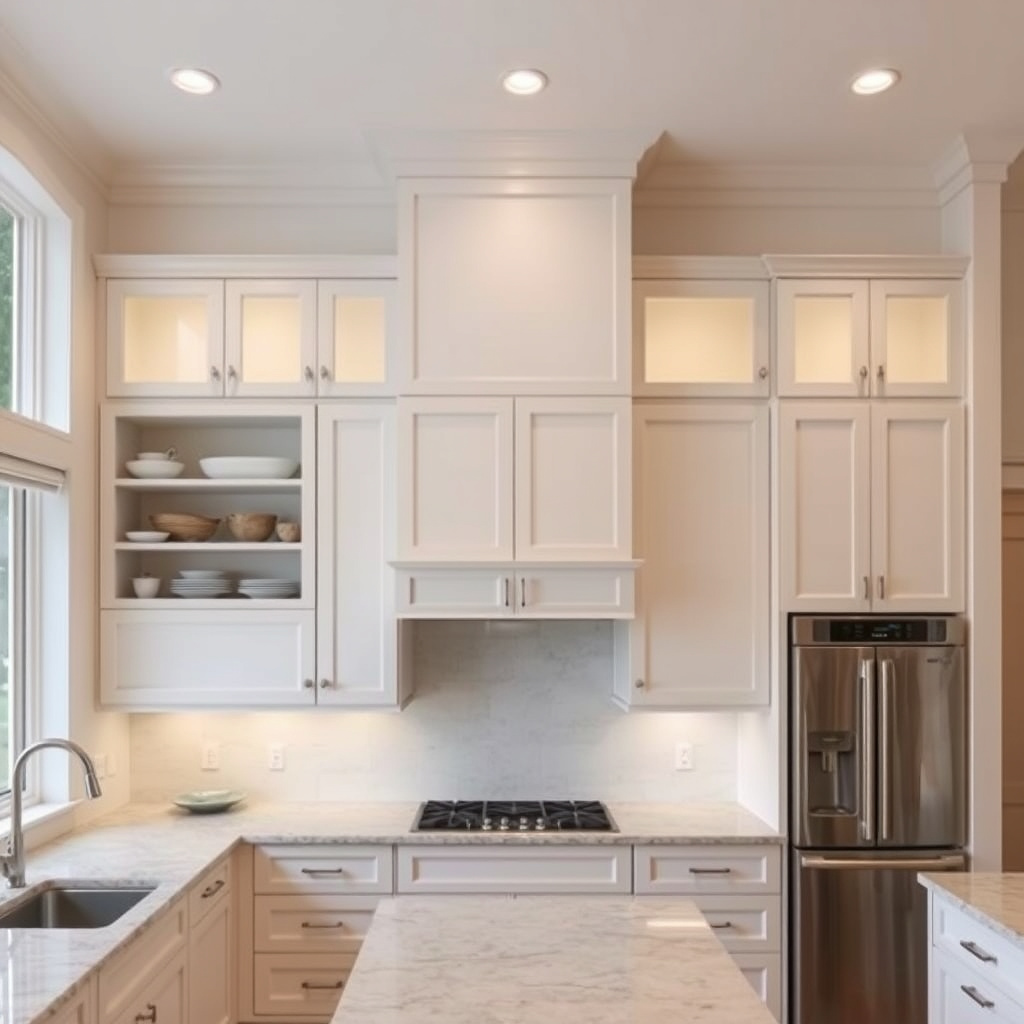
Building Custom Cabinets to Fill Soffit Gaps
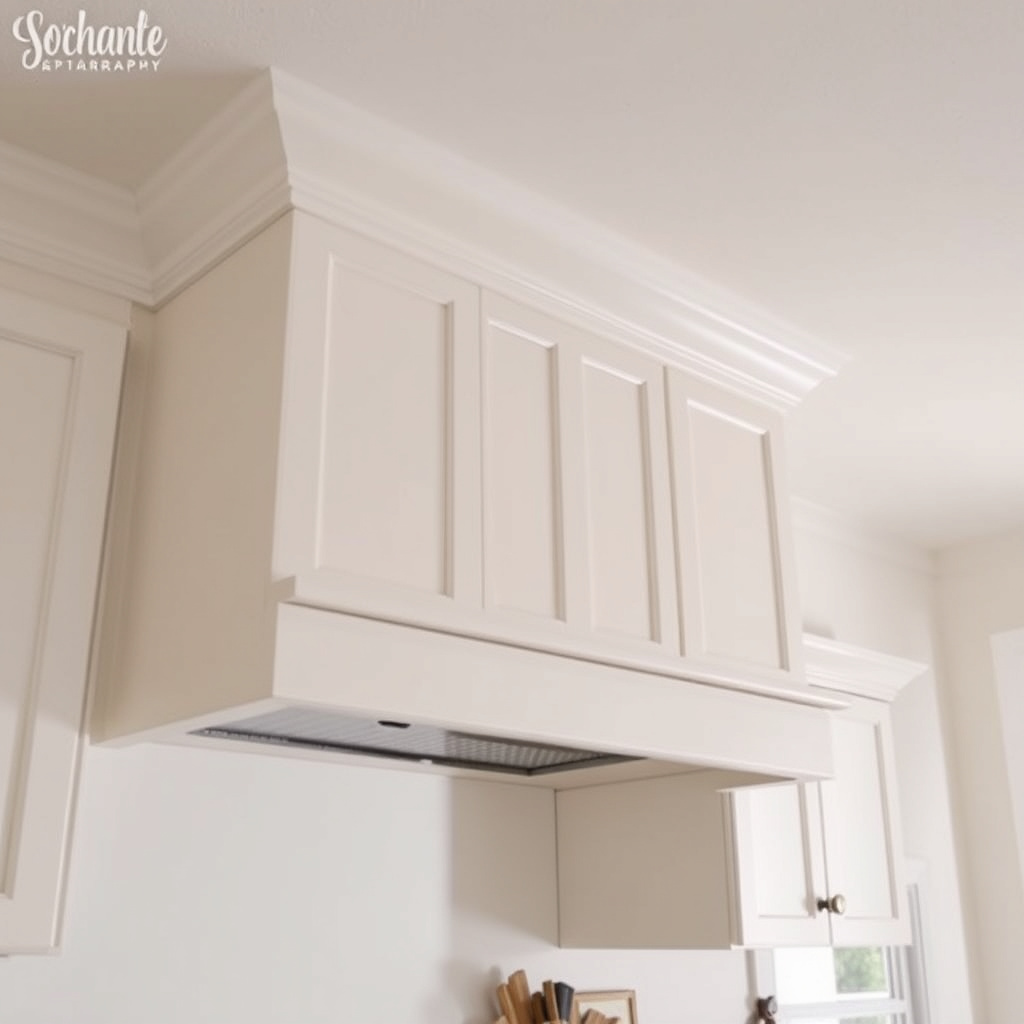
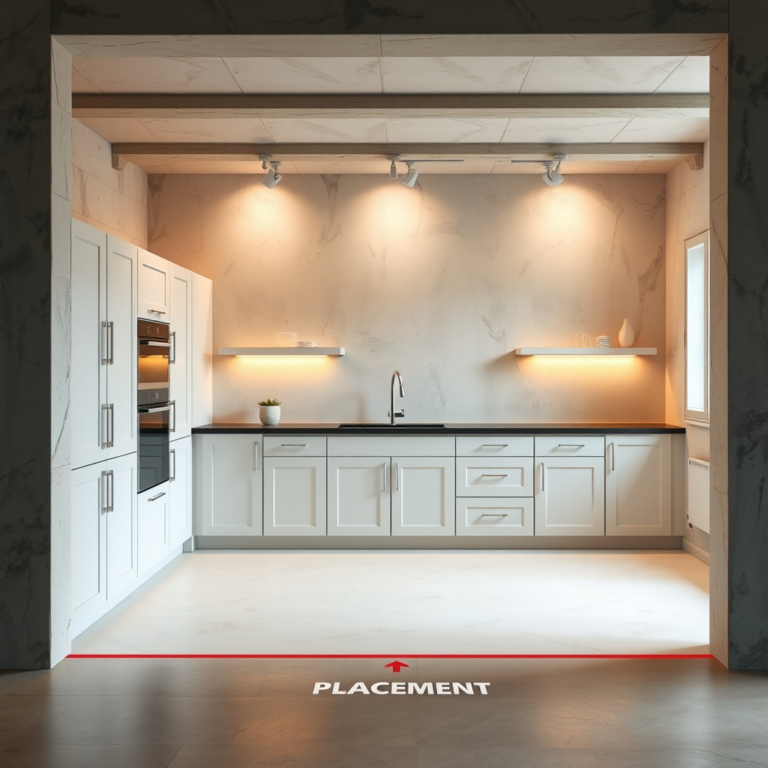
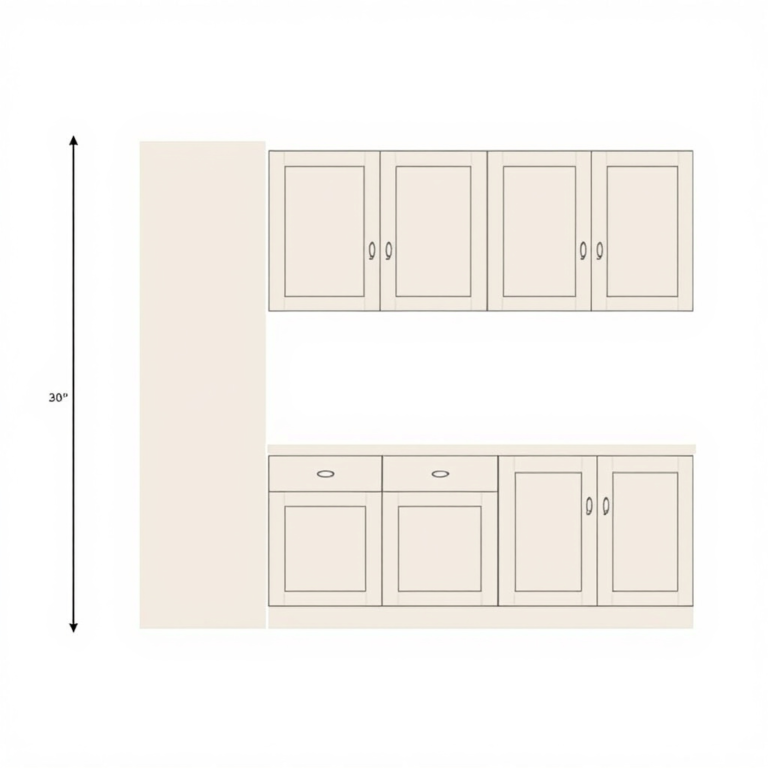
Custom cabinetry that extends to the ceiling can hide soffits completely, providing a seamless, sleek appearance. This approach also adds valuable storage space, eliminating unused gaps. Cabinets can be designed to match existing units for consistency or feature contrasting finishes for visual interest.
Choosing solid plywood or MDF with veneer finishes is common for durability and uniformity. Cabinets should be well-measured to fit precisely into soffit areas where bulkheads exist.
- Measure soffit dimensions precisely
- Coordinate cabinet finish with existing units
- Utilize materials like plywood or MDF
- Incorporate adjustable shelving for versatility
Installing Open Shelving Over Soffits
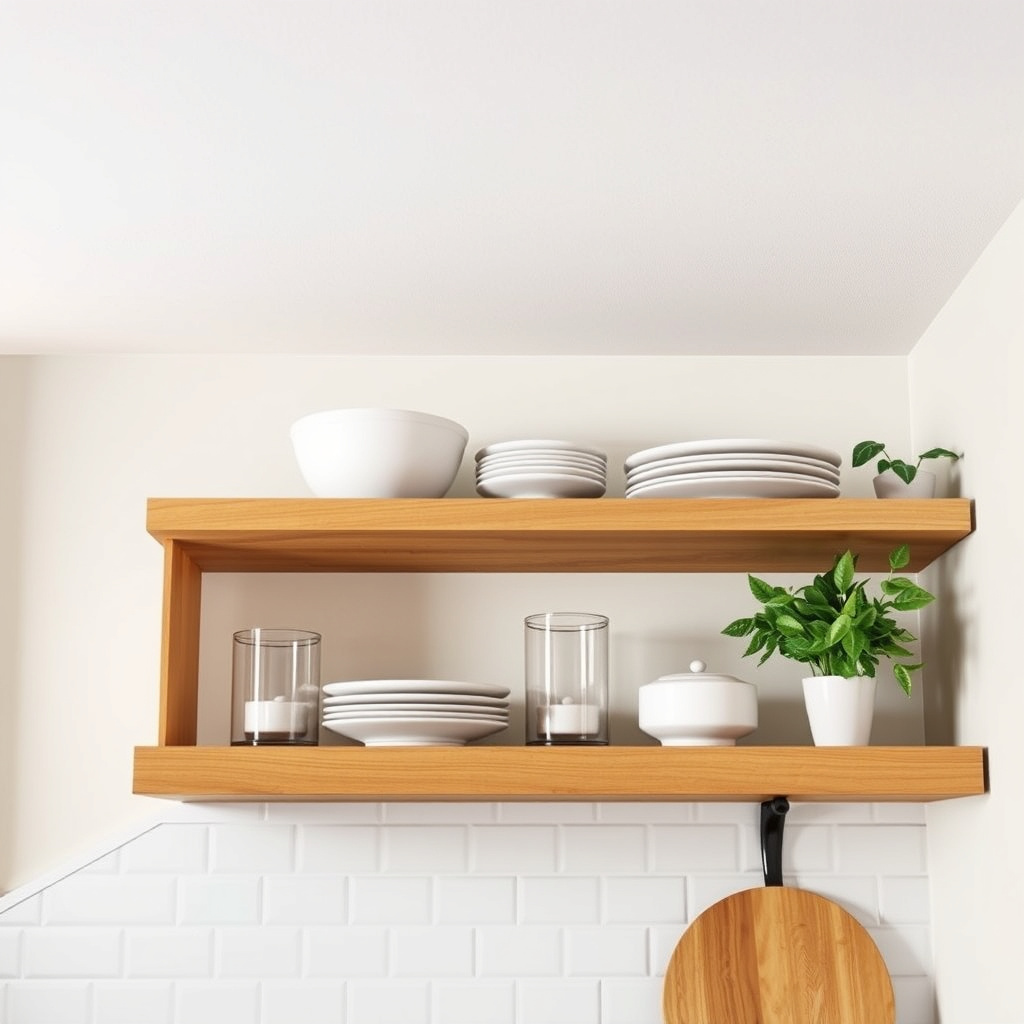
Open shelving installed just beneath soffits creates an opportunity to repurpose the space for decorative storage. Floating shelves provide visual lightness and an opportunity to display kitchenware, plants, or artwork. This alternative disguises soffits by drawing attention upwards to curated displays.
Materials such as wood or metal can be chosen depending on your kitchen’s style. Adequate anchoring is important to safely support items and avoid sagging over time.
- Use floating shelves for minimalistic look
- Select sturdy materials like hardwood or metal
- Arrange décor to enhance kitchen style
- Install solid anchors into wall studs
Creative Architectural Features for Softer Soffit Presence
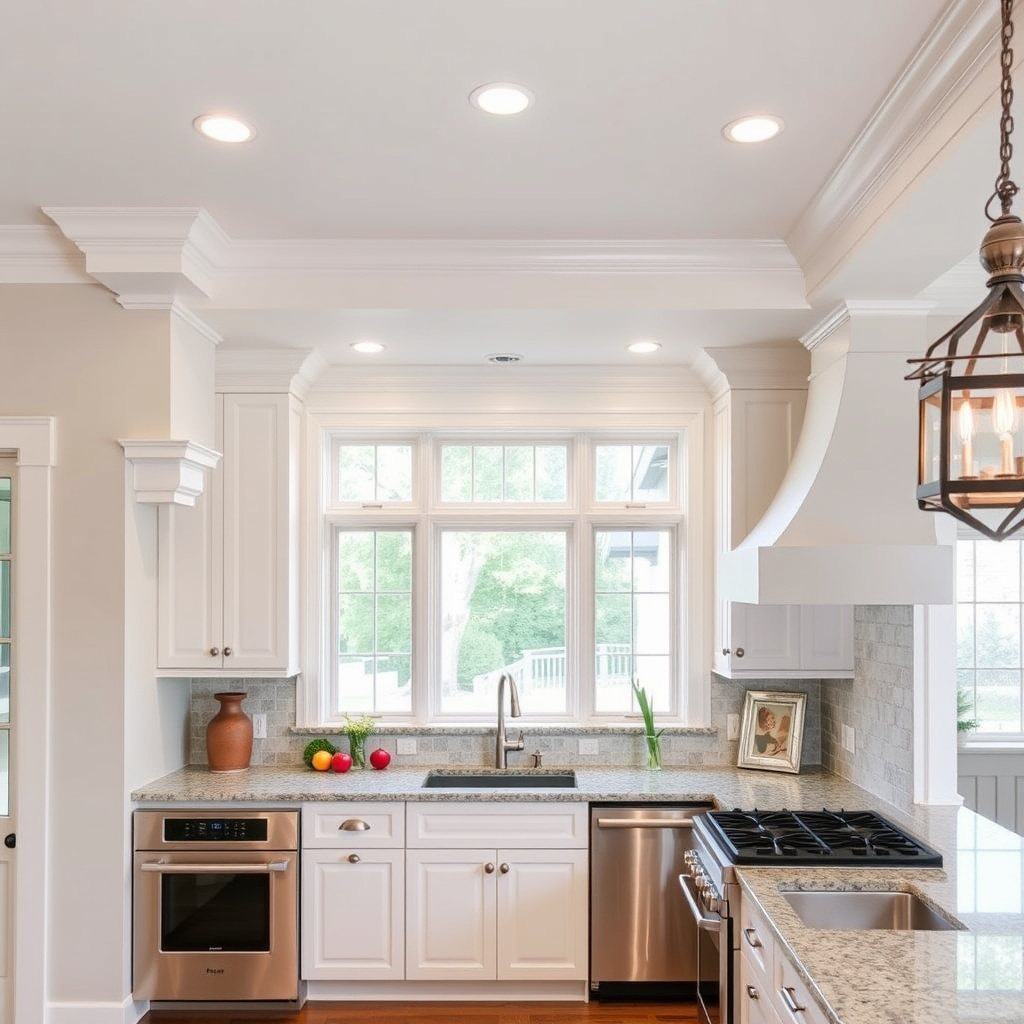
Crown Molding to Integrate Soffits Elegantly
Applying crown molding where soffits meet the ceiling adds a crafted detail that smooths the transition visually. This trim work can turn blocky soffits into architectural highlights, especially in traditional or classic kitchen designs. Moldings come in various profiles, from simple to intricate, allowing you to customize the look.
Painting crown molding the same color as soffits or cabinets helps unify the design, while contrasting colors emphasize molding details as a decorative feature.
- Select molding profile fitting kitchen style
- Paint molding to blend or contrast
- Use caulk for smooth joints
- Measure carefully for precise installation
Incorporating Corbels and Decorative Brackets
Decorative corbels underneath soffits add visual interest and can create an illusion of support for overhangs or cabinetry extensions. Corbels come in a variety of materials, including wood and resin, and can be painted or stained to match kitchen elements.
They provide both a decorative and architectural function, easing the starkness of soffits and adding character without major renovations.
- Choose corbels that complement design style
- Position symmetrically for balance
- Paint or stain to match cabinetry
- Ensure secure attachment to wall or soffit
Utilizing Lighting to Downplay or Enhance Kitchen Soffits
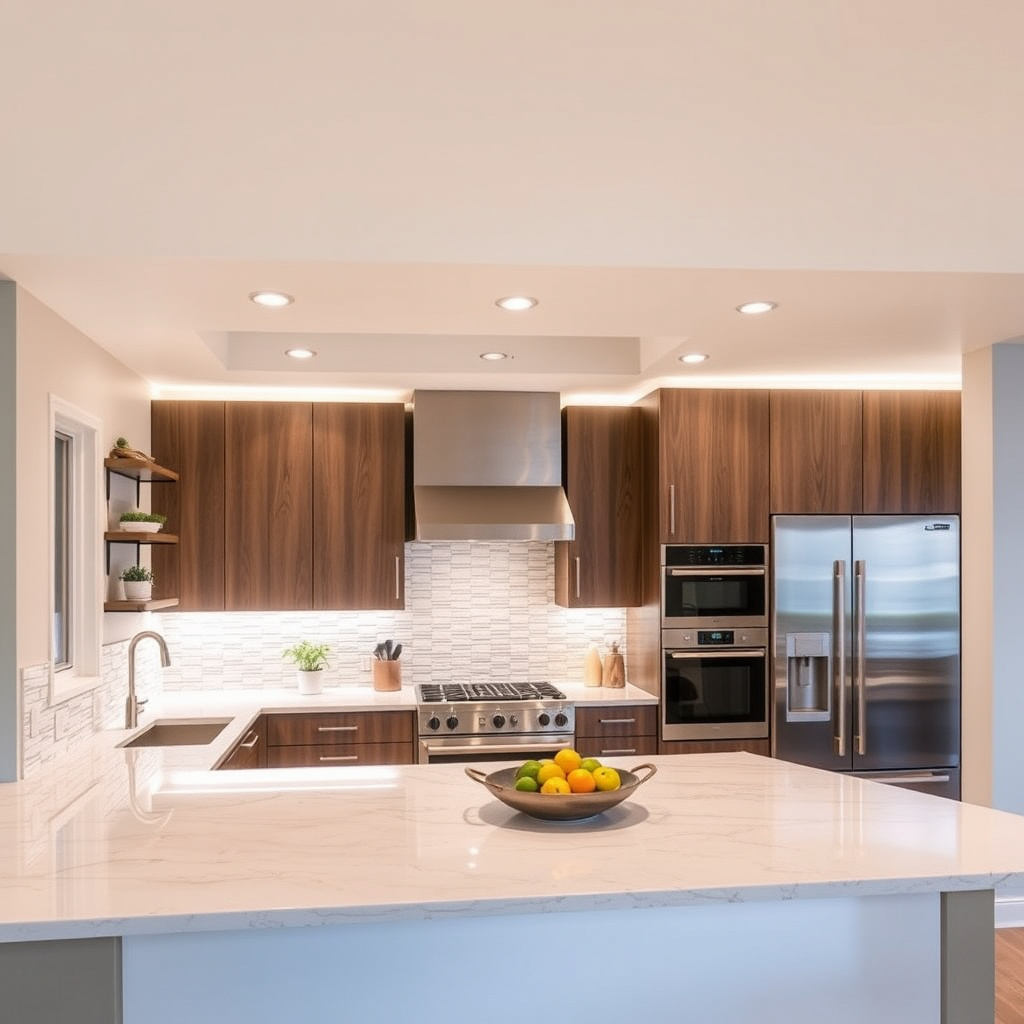
Installing Recessed or Strip Lighting Around Soffits
Incorporating recessed LED lights or strip lighting along soffits creates a glow that visually softens their edges. Lighting can draw attention away from soffits’ bulk by adding ambiance and elevating cabinetry.
Warm white lighting generally complements wood cabinets, while bright white or daylight bulbs suit modern kitchens. Dimmable lights offer versatility in atmosphere.
- Use LED strip lights for continuous glow
- Place recessed fixtures for subtle illumination
- Select color temperature matching kitchen tones
- Install dimmers for adjustable lighting
Adding Pendant or Accent Lighting to Distract From Soffits
Pendant lights above kitchen islands or counters can distract from soffits by creating focal points below the ceiling height. Stylish fixtures help redirect visual attention and enhance overall kitchen lighting layers.
Choosing pendants with interesting shapes, colors, or materials supports your kitchen’s character while softening soffits' visual impact.
- Position pendants to illuminate work areas
- Choose fixtures complementing décor style
- Use multiple pendants for balanced lighting
- Consider fixture height to avoid obstruction
Budget-Friendly Kitchen Soffit Makeover Ideas
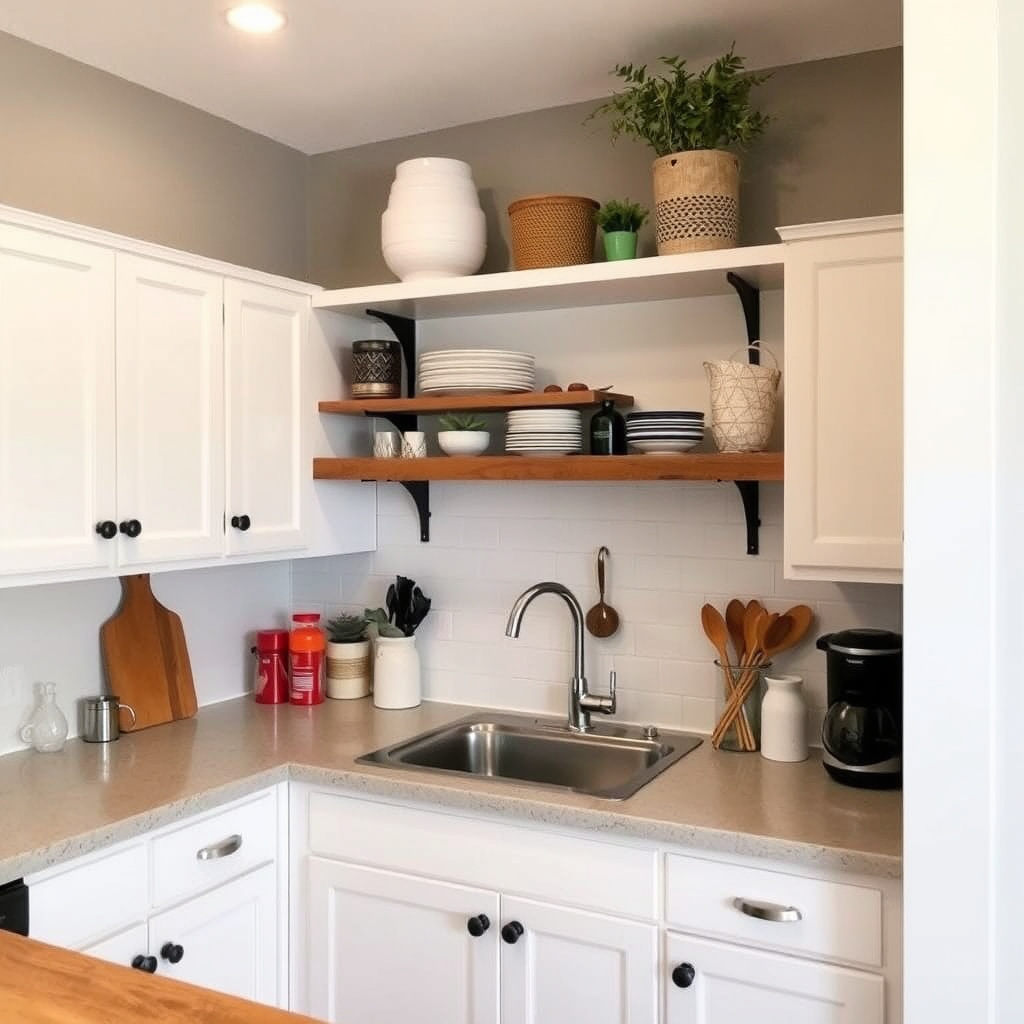
DIY Painting and Decals for Quick Sofit Concealment
For fast and inexpensive improvements, DIY painting in ceiling color or applying adhesive decals can update soffits without professional help. Peel-and-stick tiles or wallpaper patterns designed for kitchens also refresh soffits with minimal effort.
These options are perfect for renters or those testing new design styles without major investment.
- Use peel-and-stick wallpaper for patterns
- Apply decals to create visual texture
- Choose washable paints for kitchen durability
- Do prep work thoroughly for lasting results
Adding Simple Trim or Molding Kits
Affordable molding kits or simple trim added to soffits can transform their look cheaply. Home improvement stores often sell premade kits that snap or nail into place, providing a polished finish.
These trims add depth and allow a DIY-style soffit makeover that improves kitchen appearance without costly remodeling.
- Purchase premade trim kits for ease
- Cut trims precisely to fit soffit edges
- Use paint or stain to match cabinetry
- Attach with strong adhesive or nails
Professional Remodels for Permanent Kitchen Soffits Solutions
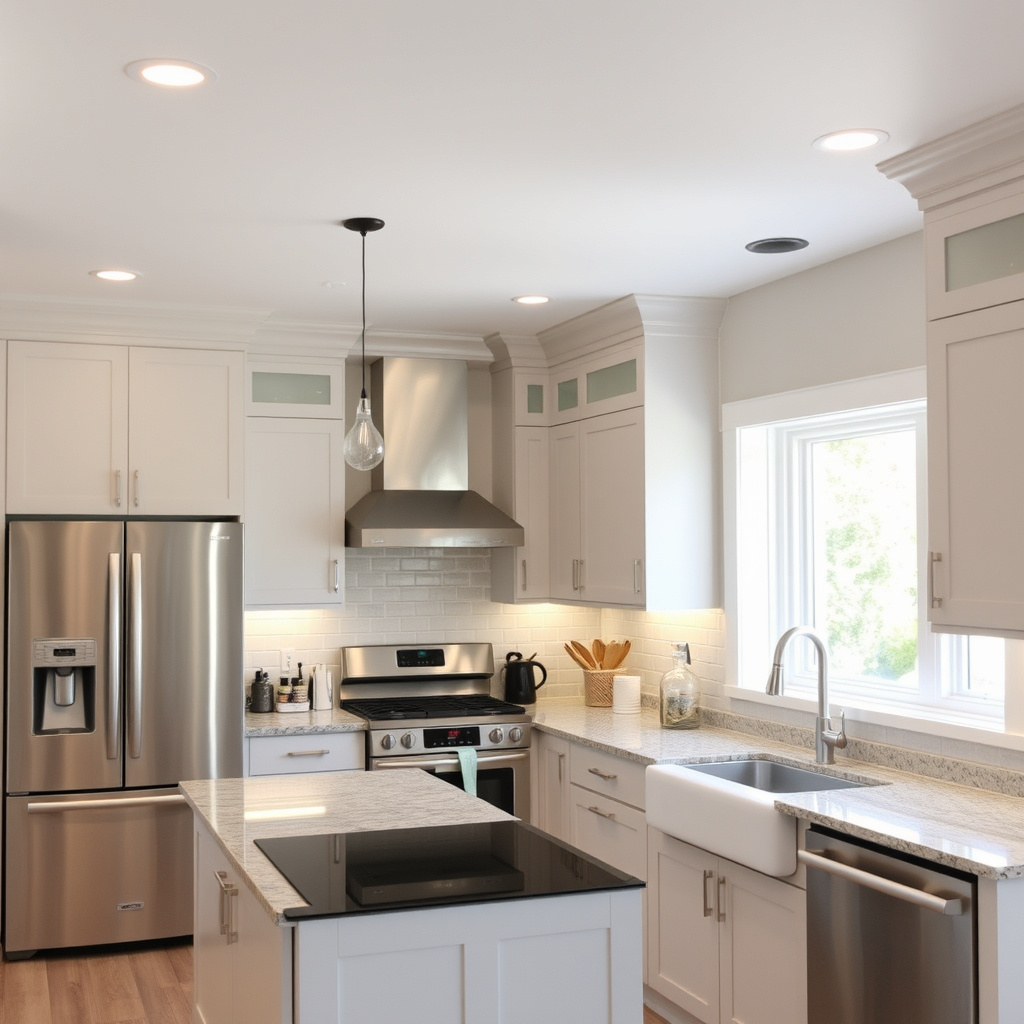
Removing Soffits Completely During Renovation
During comprehensive kitchen renovations, removing soffits entirely can open up the space and create height continuity between cabinets and ceiling. This process involves rerouting electrical wiring or ducts hidden within soffits, which requires professional expertise.
Complete removal offers a modern, clean look but adds to renovation costs and timelines due to needed adjustments in infrastructure.
- Consult professionals about wiring and ductwork
- Expect increased renovation time and costs
- Plan for ceiling patching and repainting
- Assess impact on kitchen layout and lighting
For more detailed information about soffits and their architectural role, consult kitchen soffit information from Wikipedia. kitchen soffit information from Wikipedia.
Custom Bulkhead Designs to Blend with Kitchen Style
When full removal isn't possible, designing custom bulkheads that complement cabinetry and ceiling lines creates an integrated and polished look. Using drywall, wood panels, or painted features transforms soffits into intentional architectural elements.
Skilled carpenters can create bulkheads with defined shapes and recesses, supporting modern or traditional styling.
- Work with designers for cohesive bulkhead designs
- Choose materials matching cabinetry and ceiling
- Incorporate lighting into bulkheads when possible
- Ensure proper finishing for smooth surface
Kitchen Soffit Disguise Options Comparison
Here is a comparison of the main methods used to disguise kitchen soffits, highlighting their cost, complexity, and benefits.
| Method | Cost | Installation Complexity | Aesthetic Impact | Additional Benefits |
|---|---|---|---|---|
| Painting & Textures | Low | Easy | Subtle to moderate | Quick update, budget-friendly |
| Extending Cabinets | High | Moderate to high | Seamless, clean lines | Adds storage space |
| Architectural Features | Medium | Medium | Elegant and detailed | Adds character |
| Lighting Enhancements | Medium | Medium | Highlights or distracts | Improves ambiance |
| Professional Remodel | Very High | Complex | Modern and open look | Maximizes space, structural change |
Frequently Asked Questions
Can I paint my kitchen soffits the same color as my walls?
Yes, painting kitchen soffits the same color as your walls can help them blend in and become less noticeable, creating a smoother visual flow within the space.
Is it safe to remove kitchen soffits myself?
Removing soffits often involves electrical wiring or ductwork, so it’s best to hire a professional to safely handle removal and avoid damaging important systems.
How much does it typically cost to extend cabinets to hide soffits?
Costs vary widely based on materials and labor but expect custom cabinetry to range from $500 to $1500 or more per linear foot to extend cabinets over soffits.
Will adding lighting around soffits increase my energy bill significantly?
Using energy-efficient LED lighting around soffits consumes minimal power, so it has a negligible impact on your energy bill compared to older incandescent options.
Can textured wallpaper hold up in a kitchen environment?
Yes, moisture-resistant textured wallpaper designed specifically for kitchens can withstand humidity and occasional splashes when properly applied and maintained.
Key Takeaways
- Painting soffits ceiling color can make them visually recede.
- Extending cabinets over soffits adds storage and hides bulkheads.
- Decorative molding and corbels transform soffits into design features.
- Lighting can divert attention or soften soffit outlines effectively.
Conclusion
Deciding how to disguise kitchen soffits depends largely on your design preferences, budget, and what functionality the soffits currently serve. If you want a quick and affordable solution, painting or adding decorative finishes can significantly improve how soffits look. For those seeking lasting changes, extending cabinetry or hiring professionals for customized bulkhead work yields sleek, integrated results. Evaluating each method’s impact on your kitchen’s style and usability will guide you to the best choice.
For homeowners who desire added storage, extending cabinets up to the ceiling is a practical kitchen soffit makeover idea that combines aesthetics and function. If preserving architectural details appeals to you, installing crown molding or decorative corbels works wonderfully. Those focused on ambiance can incorporate lighting fixtures to highlight or distract from soffits cleverly. When significant transformation is on the table, professional-remodel options like soffit removal or custom bulkheads provide minimal visual interruption and modern appeal.
Ultimately, the best next step is to assess your kitchen’s current layout and soffit condition, then choose one of these approaches that align with your renovation goals and lifestyle. Starting with subtle painting or lighting upgrades is simple, but working with a contractor for cabinetry or structural changes may be required if bigger improvements are desired. With thoughtful planning, your kitchen soffits can become assets rather than eyesores.