How Much Is a Kitchen Remodel? Understanding Costs and Budgeting Tips
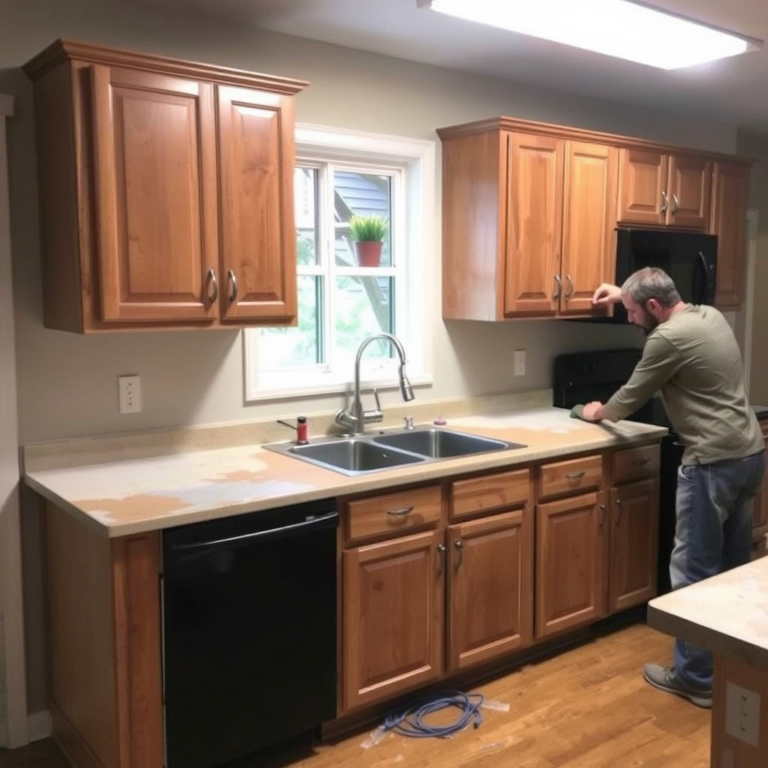
A kitchen remodel typically costs between $12,000 and $35,000, depending on the size, materials, and complexity of the project. Basic remodels focusing on minor upgrades might cost under $15,000, while full-scale renovations with premium finishes can easily exceed $30,000 or more. These figures provide a general framework for budgeting your kitchen renovation expenses.
Understanding how much a kitchen remodel costs matters because it affects your financial planning and helps avoid unexpected expenses. Kitchen renovations often include multiple components such as cabinetry, countertops, flooring, appliances, and labor, which all add up quickly. Careful consideration of each element can lead to a remodel that fits your lifestyle and budget.
This article will break down the main cost factors, outline different budget ranges, and provide tips on how to prioritize elements of your kitchen remodel. We'll also compare various design styles and materials to help you make informed decisions throughout the renovation process.
Breaking Down Kitchen Remodel Costs
Cost of Cabinets and Storage Solutions
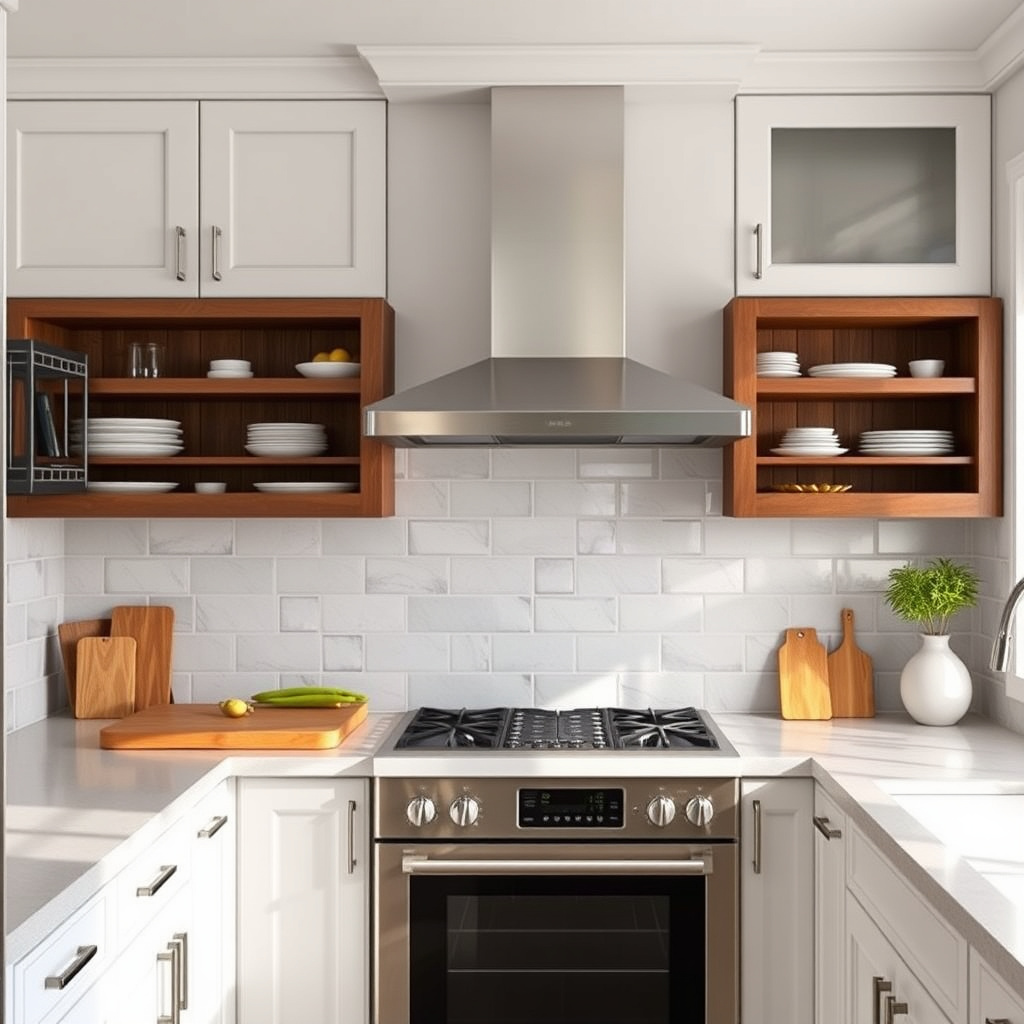
Cabinets often represent the largest portion of a kitchen remodel budget, sometimes absorbing 30-40% of total costs. Stock cabinets are more affordable and readily available, costing around $100-$300 per linear foot, while custom cabinetry can range from $500 to $1,200 or more per linear foot.
Storage solutions also impact costs significantly. Adding pull-out shelves, lazy Susans, or pantry organizers can improve functionality but may increase expenses by a few hundred to a few thousand dollars depending on complexity.
- Stock cabinets: $100–$300 per linear foot
- Semi-custom cabinets: $300–$650 per linear foot
- Custom cabinets: $500–$1,200+ per linear foot
Countertops and Material Prices
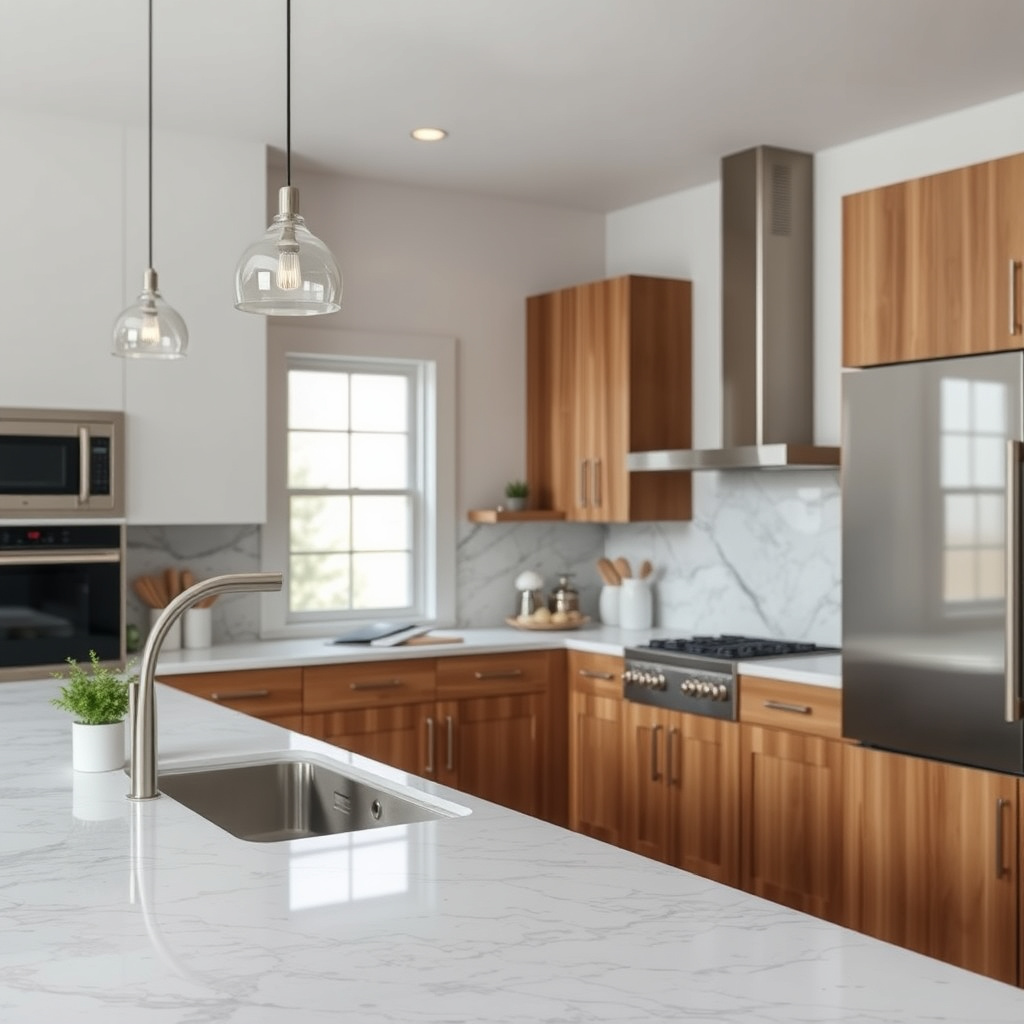
Countertops vary widely in price depending on material choices. Laminate is budget-friendly at $10–$40 per square foot, while granite and quartz cost around $50–$100 per square foot. Marble tends to be on the higher end due to its luxurious appeal and maintenance requirements.
Installation fees also contribute to the overall cost and depend on surface complexity and labor availability. Choosing durable materials can lower long-term replacement costs.
- Laminate: $10–$40 per sq. ft.
- Granite/Quartz: $50–$100 per sq. ft.
- Marble: $75–$150+ per sq. ft.
Appliances and Fixtures Expenses
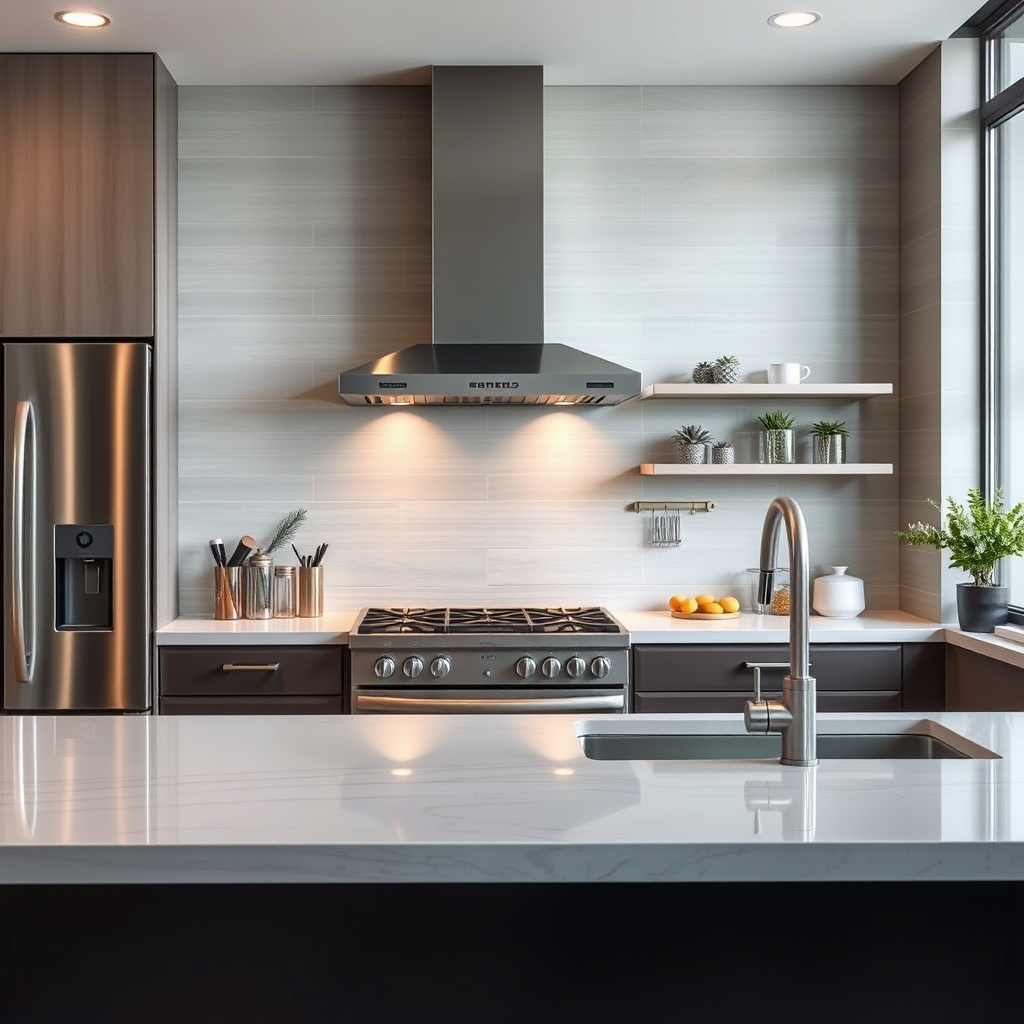
Choosing Appliances for Your Remodel
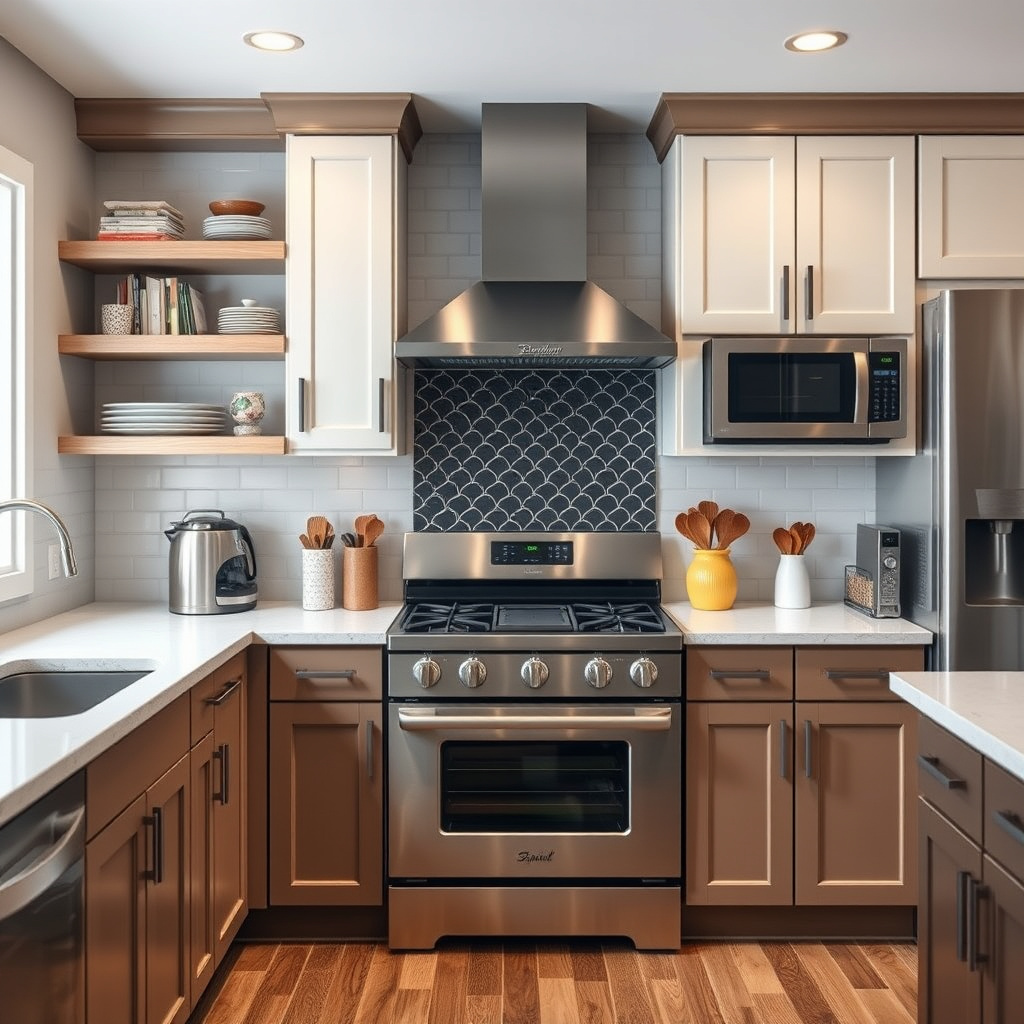
Upgrading kitchen appliances such as ovens, refrigerators, and dishwashers accounts for a significant portion of renovation costs. Basic models may cost $500–$1,000 each, while high-end or smart appliances easily reach $2,000–$5,000 or more per item.
Energy-efficient appliances may have higher upfront costs but offer savings over time through reduced utility bills. Including appliance installation in your budget is necessary to avoid surprise expenses.
- Basic appliance budget: $500–$1,000 each
- High-end appliance budget: $2,000–$5,000+ each
- Consider energy-efficient models
For more on this, see our related guide: How Much Is a New Kitchen? A Complete Cost Guide for Your Remodel.
Selecting Fixtures and Hardware
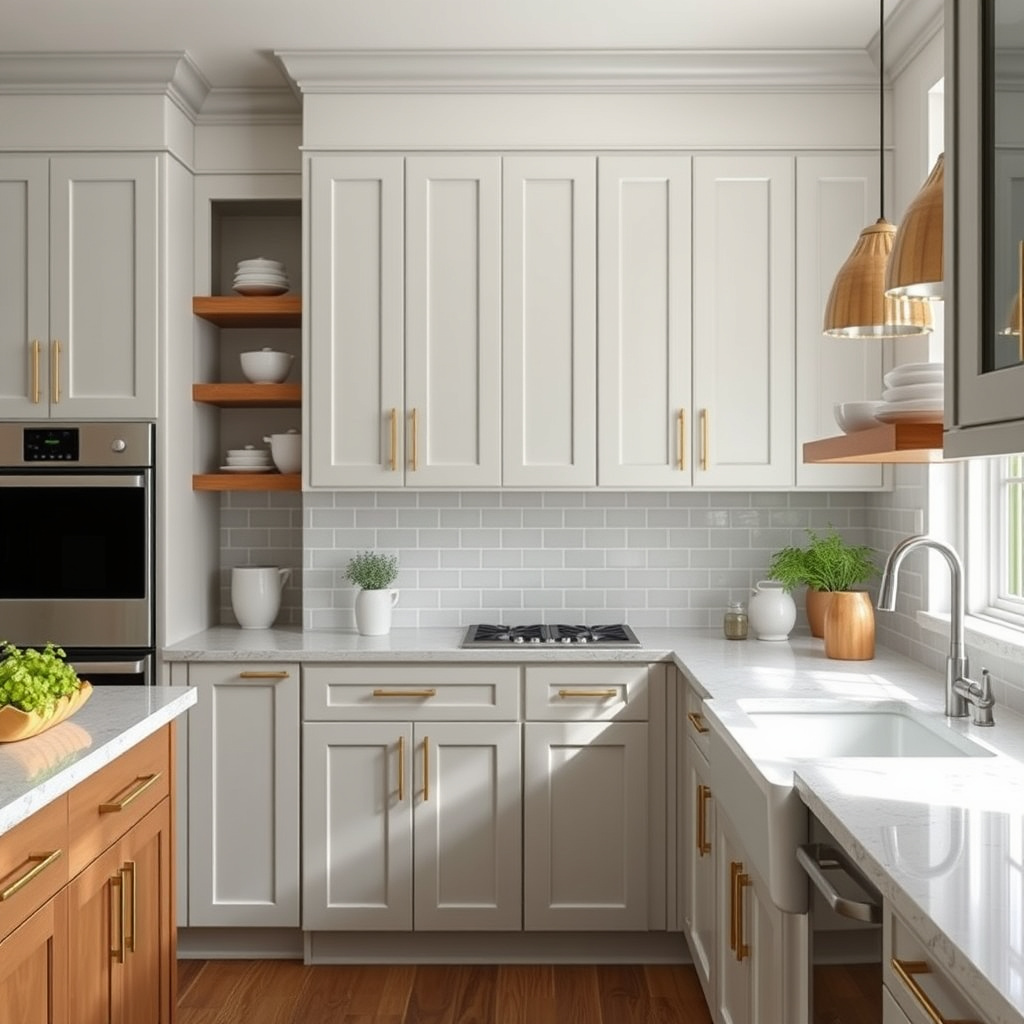
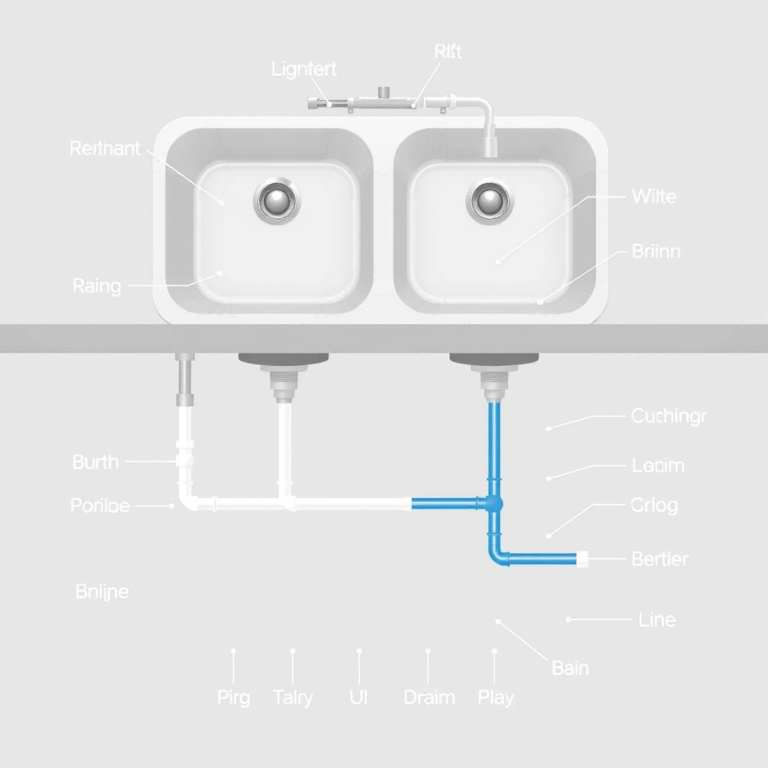
Fixtures like faucets, sinks, and cabinet hardware impact both functionality and style. Faucet costs range from $100 for basic models to $1,000 for designer or touchless versions. Sink options, including stainless steel and composite models, vary between $150 and $1,200 depending on size and design.
Hardware such as knobs, pulls, and hinges generally cost less but add up when replacing all kitchen components. Choosing cohesive styles enhances the remodel’s overall look.
- Faucets: $100–$1,000+
- Sinks: $150–$1,200+
- Cabinet hardware, per piece: $2–$20
Labor and Installation Costs
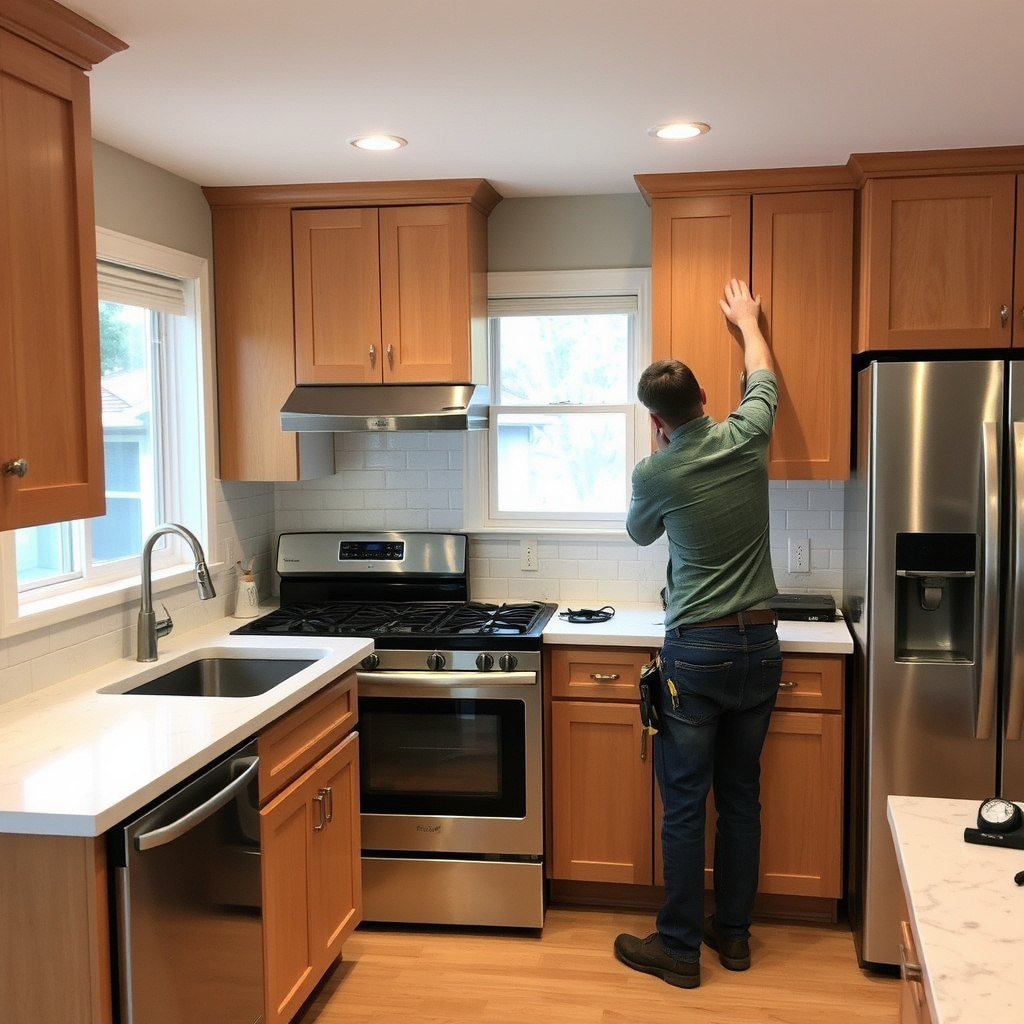
Hiring Professionals and Labor Rates
Labor charges often constitute 20-35% of the kitchen renovation cost. This includes electricians, plumbers, carpenters, and general contractors who ensure the remodel meets code requirements and quality standards.
Rates vary regionally but typically cost $50–$150 per hour per trade. Complicated designs or remodeling older homes with hidden issues may drive labor costs upward.
- Labor: 20–35% of project total
- Typical hourly rates: $50–$150
- Budget extra for unforeseen issues
Project Timeline and Scheduling
Remodel timelines affect labor costs as prolonged projects require extended worker hours and possibly multiple trades simultaneously. A minor kitchen remodel might take 2–3 weeks, while major versions often last 6–8 weeks or longer.
Proper planning and clear communication with your contractor help prevent delays and scope creep, controlling labor expenses during the kitchen renovation.
- Minor remodels: 2–3 weeks
- Major remodels: 6–8 weeks+
- Plan schedule to minimize downtime
Design Style and Its Impact on Budget
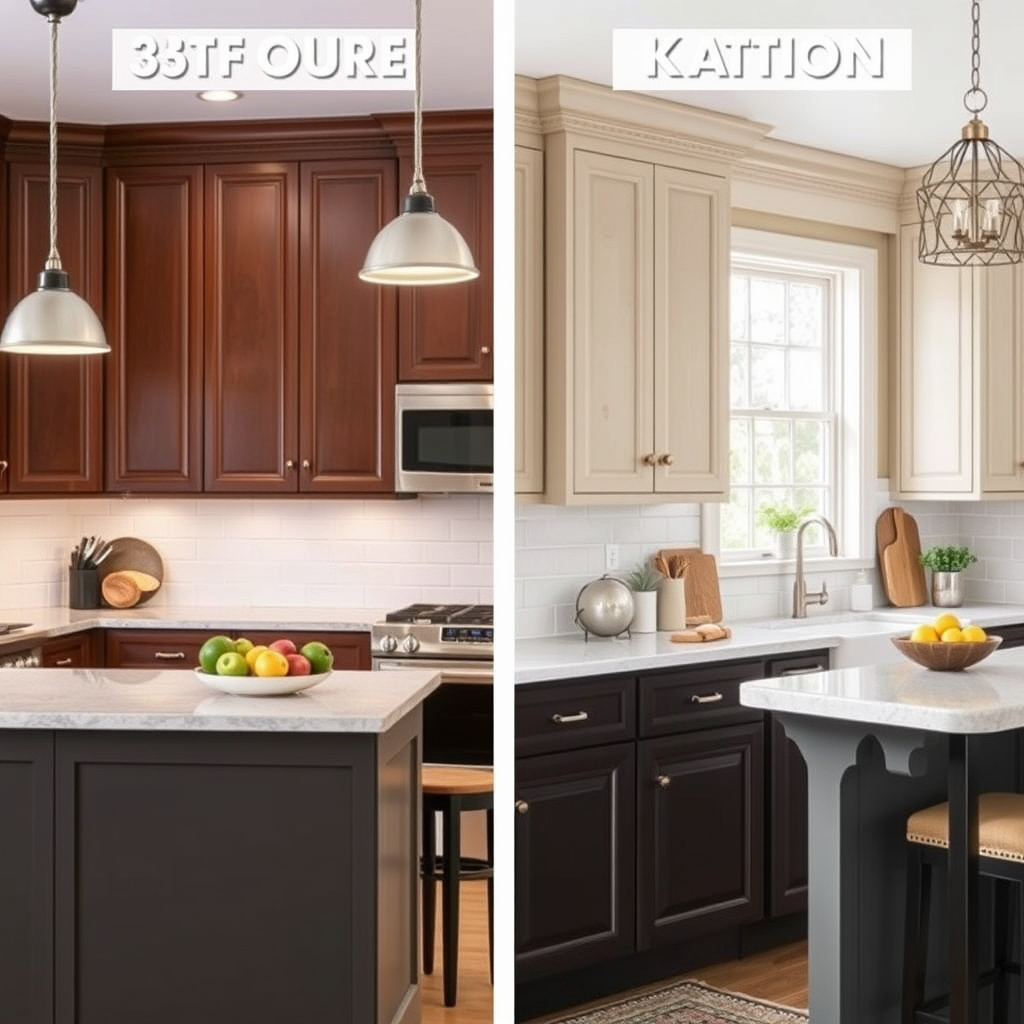
Traditional vs. Modern Kitchen Designs
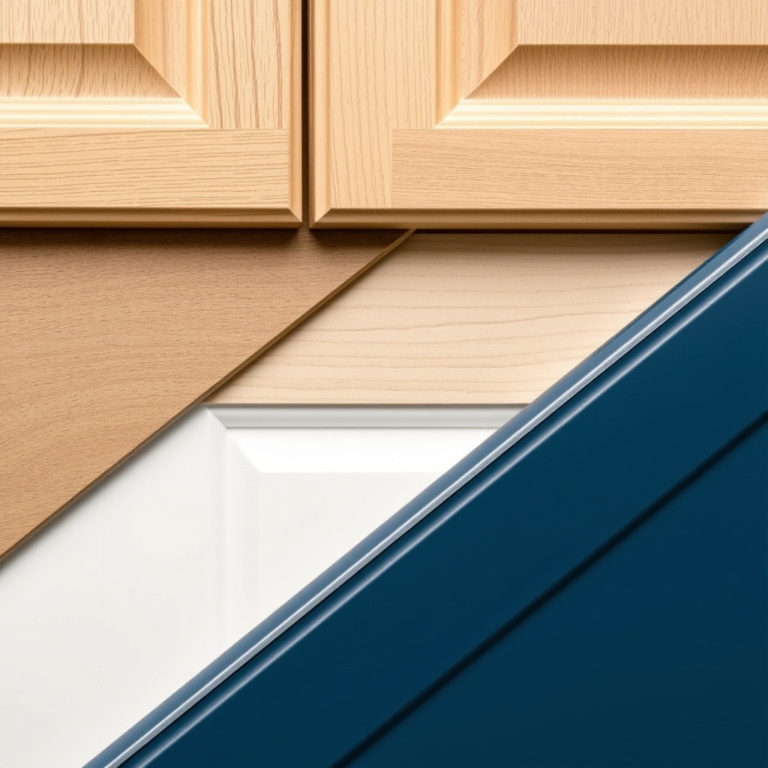
Traditional kitchens often feature detailed cabinetry, warm wood tones, and classic fixtures, which may increase cost due to labor-intensive woodworking and high-end materials used. In contrast, modern kitchens emphasize minimalism, flat cabinet faces, and stainless steel or glass materials, sometimes reducing costs with simpler construction.
Choosing between these styles affects budget, as traditional designs usually require more custom work, while modern layouts can be streamlined for efficiency without sacrificing aesthetics.
- Traditional: detailed cabinets, premium wood
- Modern: simple lines, durable materials
- Traditional style may increase labor costs
For more on this, see our related guide: How Much Should a 10×10 Kitchen Remodel Cost? A Detailed Pricing Guide.
Incorporating Trends Without Overspending
Latest kitchen trends like open shelving, colorful backsplashes, or smart lighting systems can add personality but might raise costs depending on materials and installation complexity. Balancing trendy elements with timeless basics is a smart budgeting approach.
Selecting a few impactful updates rather than overhauling every aspect allows the kitchen to feel fresh without pushing remodel expenses too high.
- Use trendy features sparingly
- Prioritize durable, classic materials
- Smart lighting adds cost but improves functionality
Budgeting Tips and Financial Planning

Setting a Realistic Remodel Budget
Start by assessing your goals and available funds honestly. Factor in research on average regional costs for labor and materials rather than relying solely on national averages to form a realistic expectation. Allocating 10-20% extra for unexpected expenses is wise.
Breaking the project into phases or prioritizing must-haves versus nice-to-haves can help manage expenses while still achieving a functional upgrade.
- Research local costs
- Set contingency fund: 10–20%
- Phase projects if needed
For further details on housing and remodeling, see this authoritative Kitchen remodeling overview. Kitchen remodeling overview.
Choosing Financing and Payment Methods
Many homeowners finance kitchen remodels through home equity loans, personal loans, or credit cards with promotional rates. Comparing interest rates and repayment terms can save money over time. Additionally, paying contractors in increments tied to project milestones protects your investment.
Some suppliers offer financing on cabinetry or appliances, which can ease immediate cash flow pressure but may increase overall cost due to interest.
- Home equity loans: lower interest
- Credit cards: short-term promotions
- Payment tied to completed work
Kitchen Remodel Cost Category Comparison
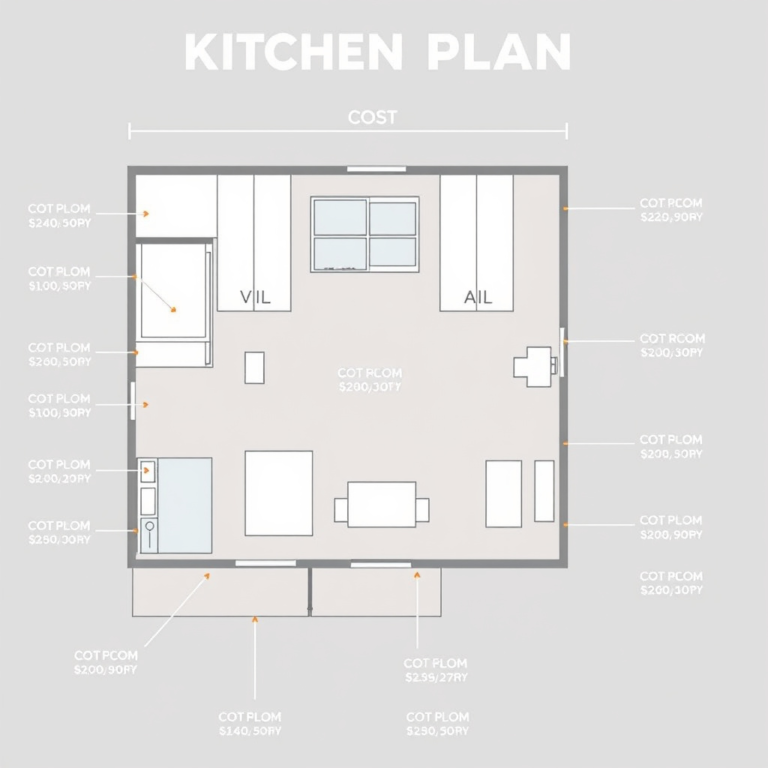
This table compares common kitchen remodel categories by typical cost ranges, helping you identify where your budget might go.
| Category | Low-End Cost | Mid-Range Cost | High-End Cost |
|---|---|---|---|
| Cabinetry | $3,000 | $10,000 | $25,000 |
| Countertops | $1,000 | $4,000 | $8,000 |
| Appliances | $1,500 | $6,000 | $15,000 |
| Labor | $2,500 | $8,000 | $15,000 |
| Fixtures and Hardware | $200 | $1,000 | $3,000 |
| Flooring | $1,000 | $4,000 | $10,000 |
Frequently Asked Questions
What is the average cost of a basic kitchen remodel?
A basic kitchen remodel typically costs between $12,000 and $15,000, focusing on cosmetic upgrades like new paint, cabinet refacing, and updated fixtures.
How much should I budget for labor during a kitchen renovation?
Labor usually represents 20-35% of your total kitchen remodel budget, varying by project complexity and local labor rates.
Are high-end appliances worth the investment in a remodel?
High-end appliances offer advanced features and durability that can improve your kitchen’s usability and resale value, but they come with higher upfront costs.
How can I keep my kitchen remodel within budget?
Prioritize key elements, choose mid-range materials, and plan your remodel phases to avoid overspending while still achieving your desired look.
Does the kitchen size significantly affect remodel costs?
Yes, larger kitchens usually require more materials and labor, which increases overall remodeling costs compared to smaller kitchens.
What financing options are available for kitchen remodels?
Popular financing includes home equity loans, personal loans, and credit cards with promotional rates, each varying in cost and repayment terms.
Key Takeaways
- Kitchen remodel costs vary widely from $12,000 to over $35,000 depending on scope and materials.
- Cabinetry and labor are the largest budget portions, often exceeding 50% combined.
- Balancing style preferences with functional priorities helps control expenses.
- Finance options and careful planning can make remodeling more affordable.
Conclusion
Determining how much a kitchen remodel costs requires analyzing multiple factors including the size of the space, quality of materials, appliances chosen, and labor expenses. A methodical approach that breaks down costs by category—cabinets, countertops, appliances, fixtures, and labor—lets you allocate your budget in ways that align with your needs and priorities. It’s helpful to research local pricing trends and consult professionals to clarify accurate numbers for your area, as regional variations affect labor and material prices substantially. Building a contingency buffer into your budget protects against unforeseen expenses and design changes, keeping the project financially manageable.
For homeowners seeking value, basic remodels with stock cabinetry and laminate countertops are affordable and can refresh the space effectively. Those desiring luxury finishes, custom cabinets, and state-of-the-art appliances should anticipate higher investment starting around $30,000. Mixing classic and modern design elements can update kitchen aesthetics while controlling costs. Labor-intensive designs and structural changes typically increase expenses, so considering simpler layouts or phased renovations could be beneficial if finances are tight. Applying the insights from this guide will help you set a realistic goal for your upcoming kitchen renovation.
Once you have a budget framework and clear priorities, the next step is to consult with kitchen designers or contractors who can advise on options that fit your cost range while meeting your design goals. Obtaining multiple quotes and reviewing portfolios will help you identify skilled professionals who align with your vision. With thoughtful planning and attention to detail, your kitchen remodel can deliver both style and function within your financial expectations.