How to Use a Kitchen Scale: A Simple Guide for Precise Cooking
Using a kitchen scale is the most effective way to measure ingredients accurately, whether you're baking or cooking. To use it, place your empty container on the scale, press the tare function to reset the weight to zero, then add your ingredient until you reach the desired measurement.
Precise measurements are key to achieving consistent cooking results, especially in baking where ingredient ratios affect texture and flavor. Kitchen scales eliminate guesswork that comes with measuring cups or spoons, reducing wasted ingredients and improving recipe success.
This article covers all you need to know about using a kitchen scale properly, from basic operation steps to tips for weighing different ingredients. You'll also find advice on choosing the best kitchen scale for home cooking, comparison of common scale types, and answers to common questions.
Basic Operation of a Kitchen Scale
Powering On and Zeroing the Scale
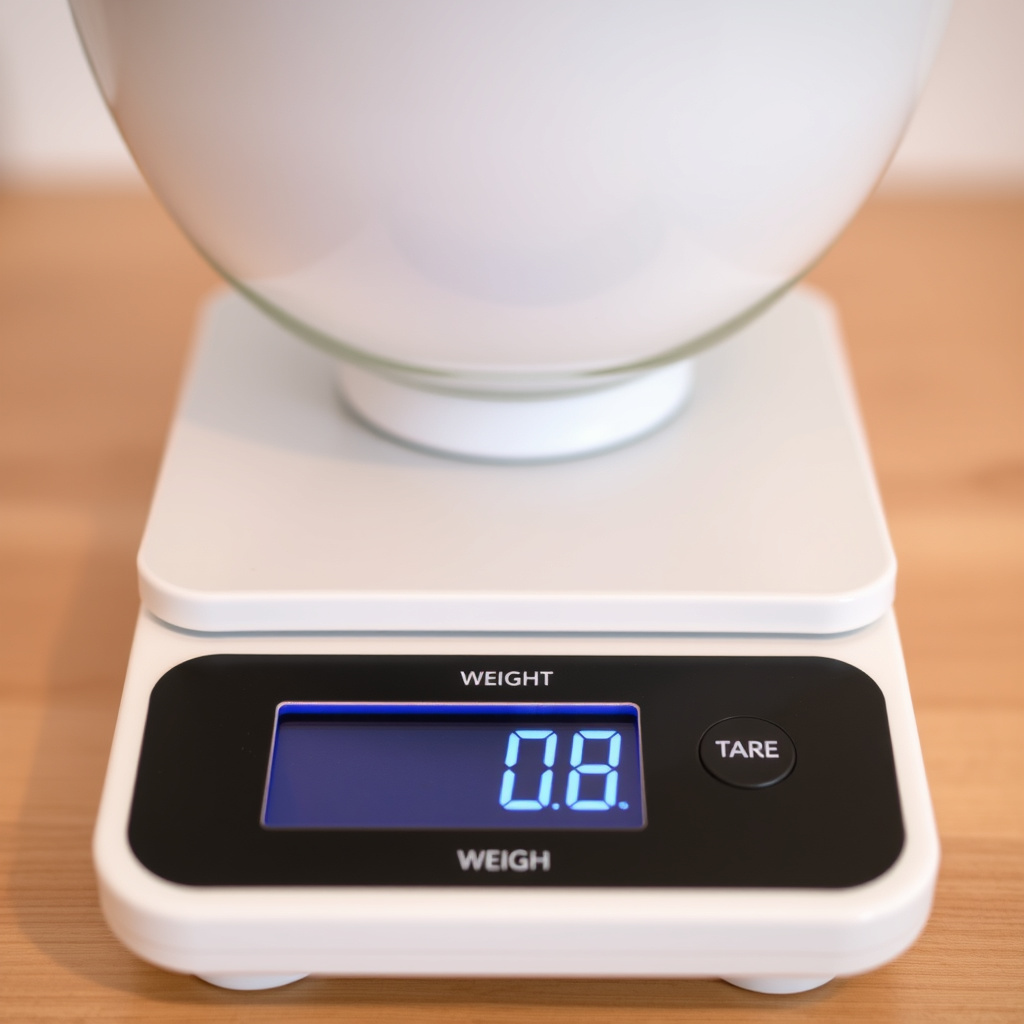
Turn on your kitchen scale by pressing the power button, typically located on the front or side. Before adding any ingredients, place your empty container or bowl on the platform.
Press the tare or zero button to reset the scale reading to zero. This step ensures you measure only the ingredient's weight, excluding the container’s weight.
- Locate the power button and press to start
- Place container on scale platform
- Press tare/zero button to reset weight
Measuring Ingredients Accurately
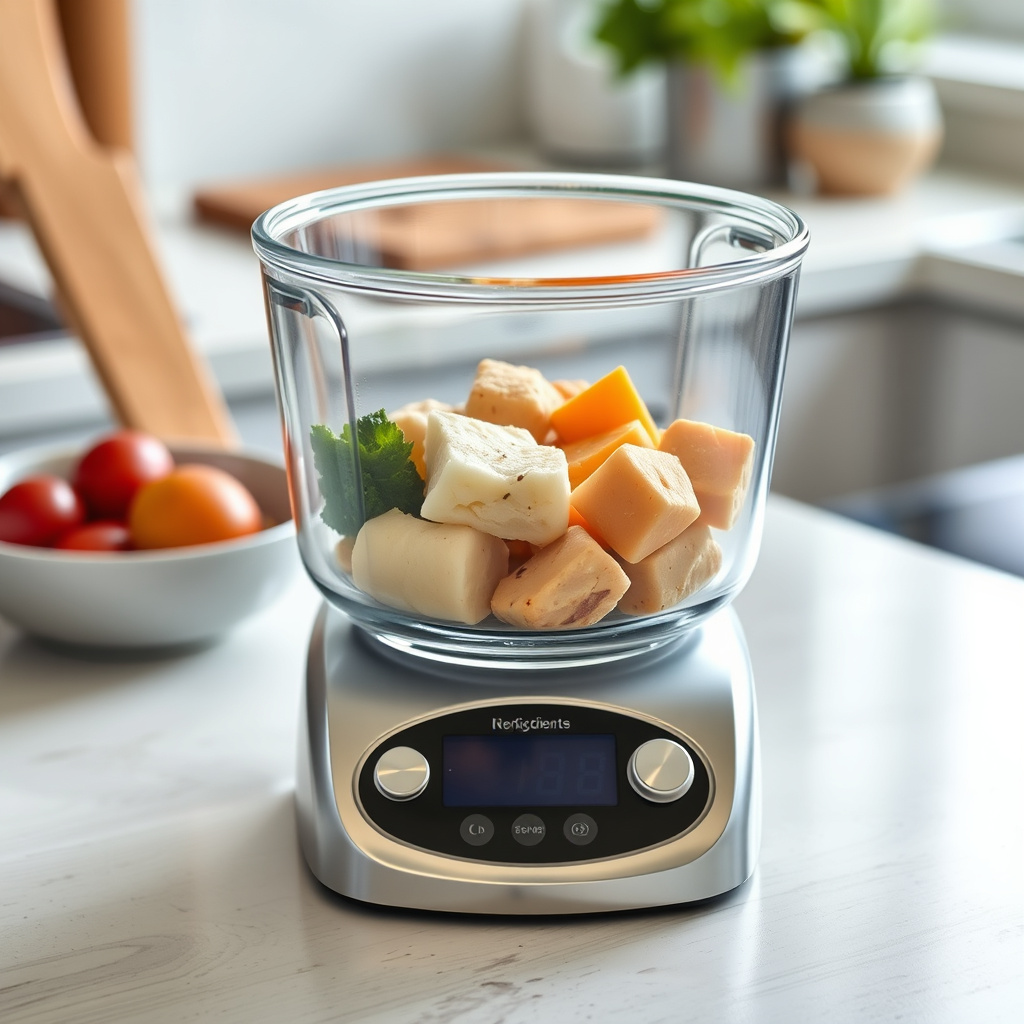
Add the ingredient into your container gradually and watch the scale's display as it updates the measured weight. Stop adding once the desired measurement appears.
Some kitchen scales allow switching between measurement units, such as grams, ounces, and pounds. Choose whichever unit your recipe uses for best accuracy.
- Add ingredient slowly
- Watch numeric display
- Switch units if needed
Using a Kitchen Scale for Various Ingredients
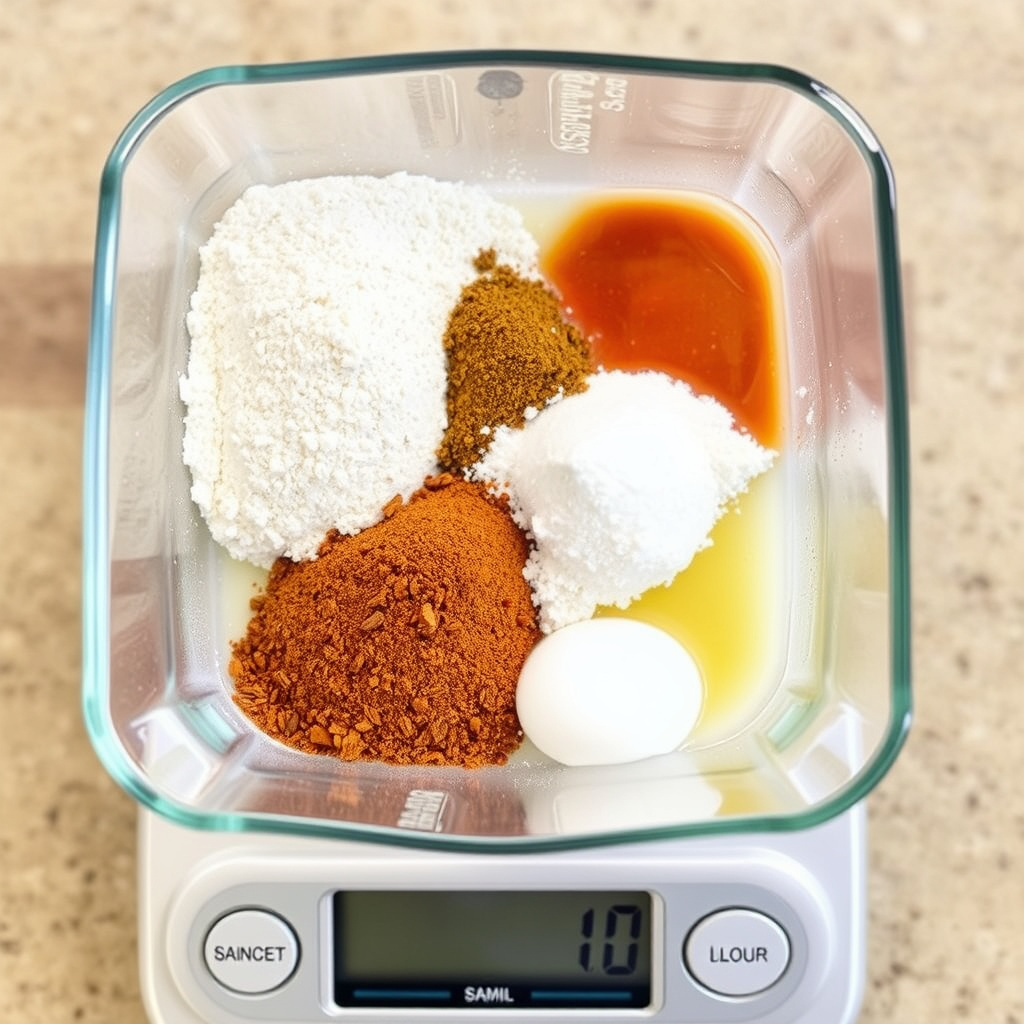
Weighing Dry Ingredients
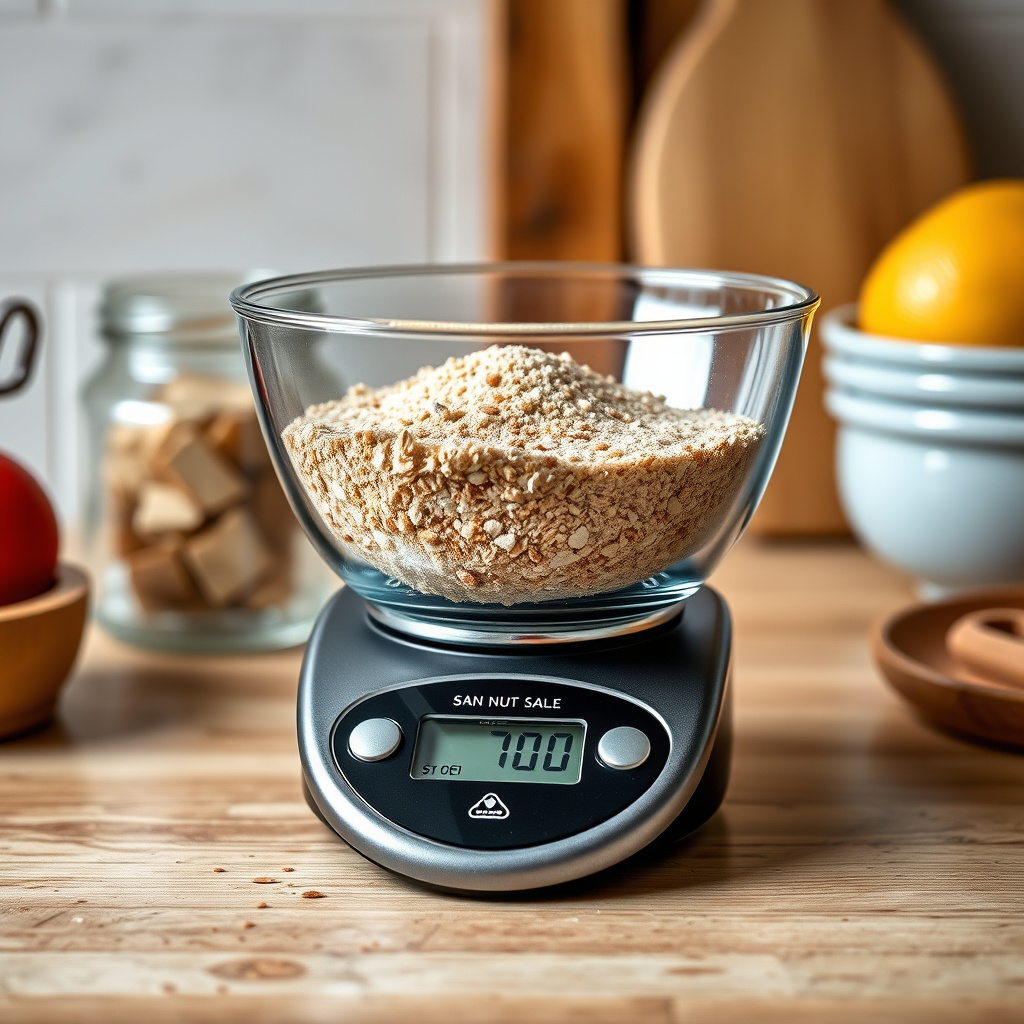
Dry ingredients like flour, sugar, and spices can be measured directly in the container placed on the scale. Use a spoon or scoop to prevent packing the ingredient, which can lead to inaccurate weight.
For powders that tend to stick, tapping the container lightly helps settle the ingredient evenly without compressing it.
- Use loose scooping
- Tap container gently if necessary
Measuring Liquids with a Kitchen Scale
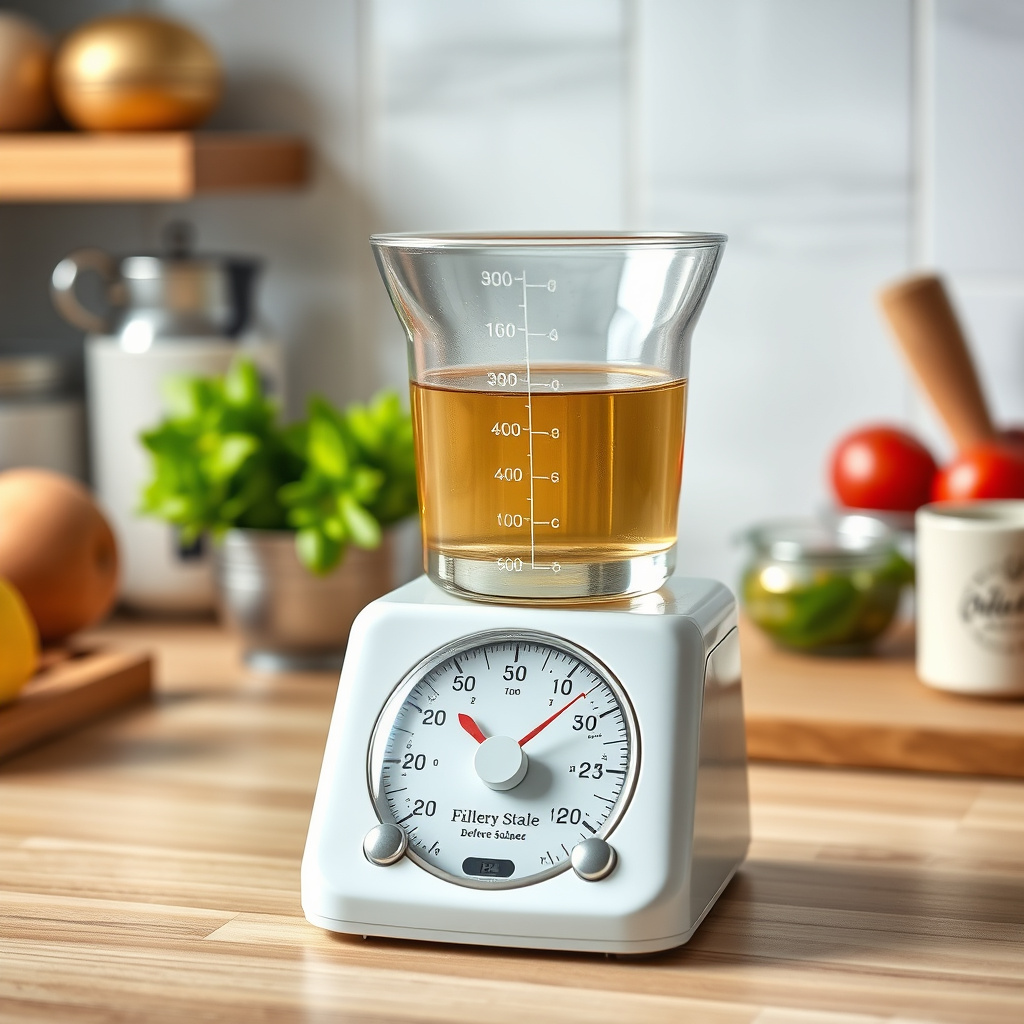
Liquids should be measured in a container suitable for holding fluids, placed on the scale and tared first. Pour the liquid slowly to avoid spills and watch the weight rise on the display.
Some kitchen scales have a density function allowing conversion between weight and volume, useful for liquids when recipes specify volume units.
- Choose spill-proof container
- Pour liquids slowly
- Use density conversion if available
Advanced Features and Tips for Using a Kitchen Scale
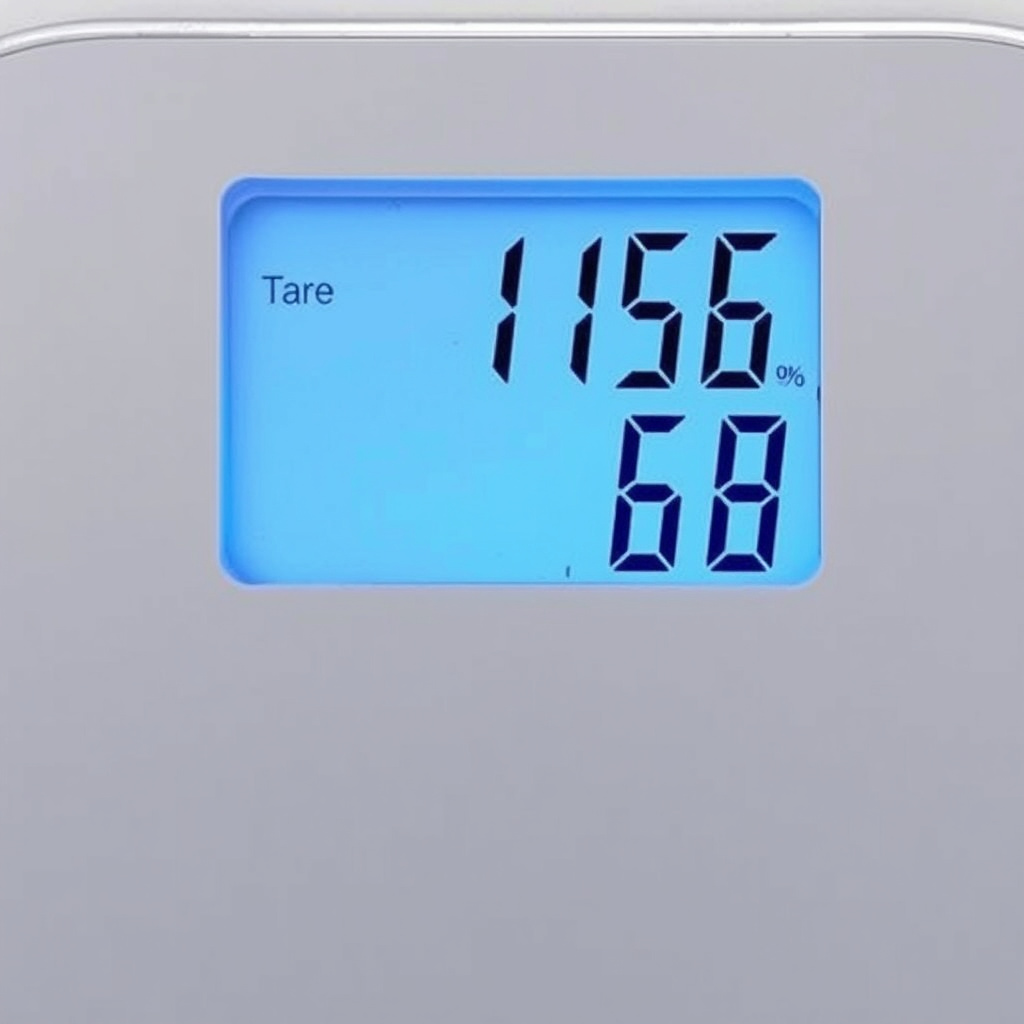
Tare Function and Its Uses
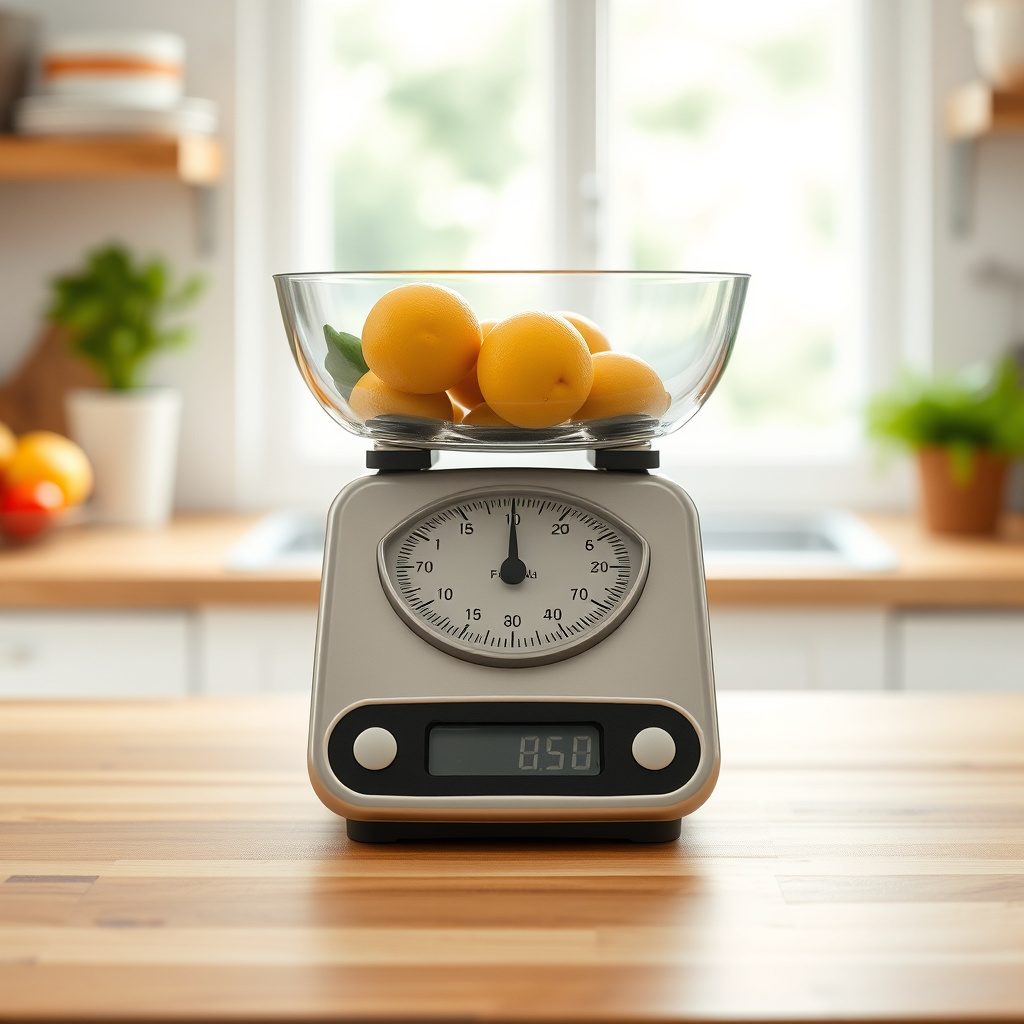
The tare function is essential for subtracting the weight of containers or previously added ingredients, enabling you to measure multiple components sequentially in one vessel.
For example, to add two ingredients separately into a bowl, weigh the first, then press tare to zero the scale and add the second ingredient.
- Subtract container weight
- Weigh multiple ingredients in one container
For more on this, see our related guide: How Much Is a Kitchen Remodel? A Detailed Cost Guide for Homeowners.
Maintaining Accuracy and Calibration
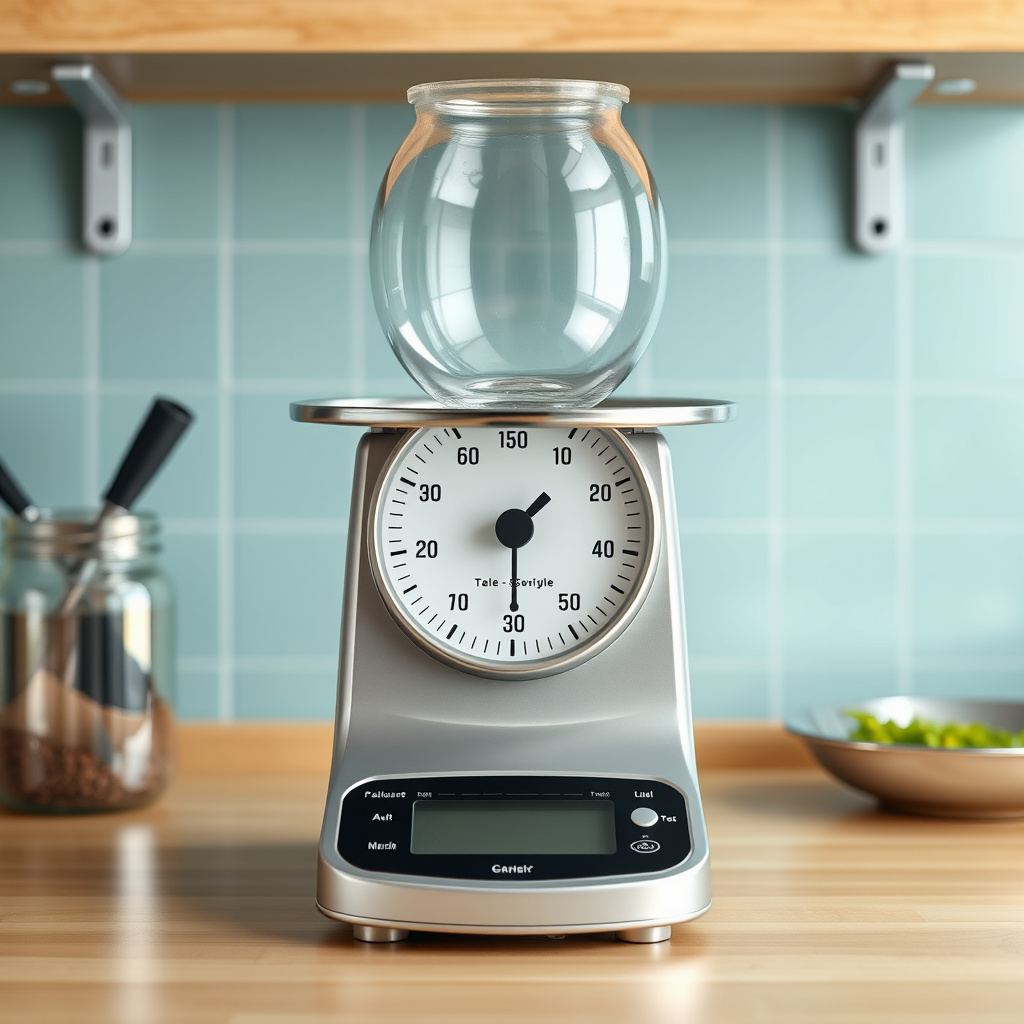
Keep your kitchen scale on a flat, stable surface and avoid measuring on uneven countertops to maintain precision. Regularly check and recalibrate the scale using a known weight if your model supports it.
Battery health influences accuracy; replace batteries when the display dims or readings become inconsistent.
- Place scale on flat surface
- Recalibrate if possible
- Replace batteries timely
Choosing the Best Kitchen Scale for Your Needs
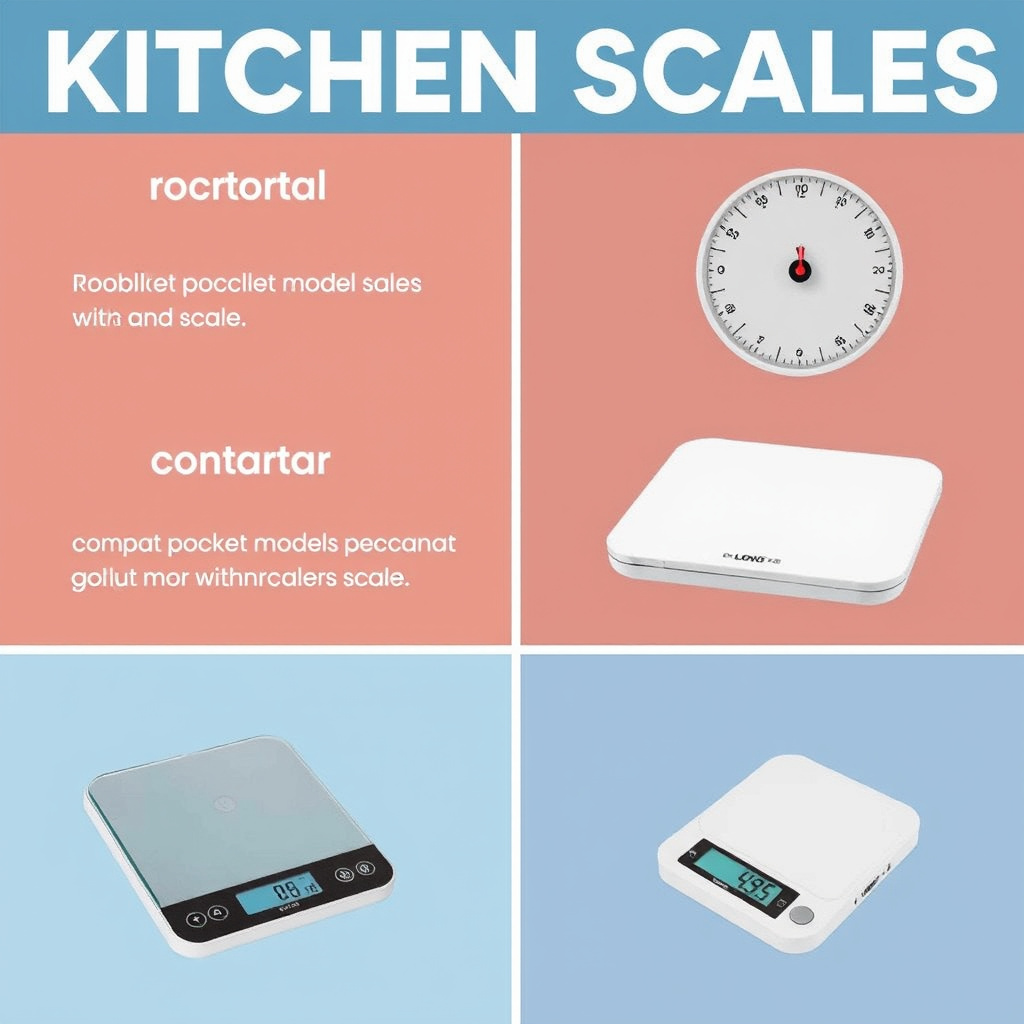
Digital vs Mechanical Kitchen Scales
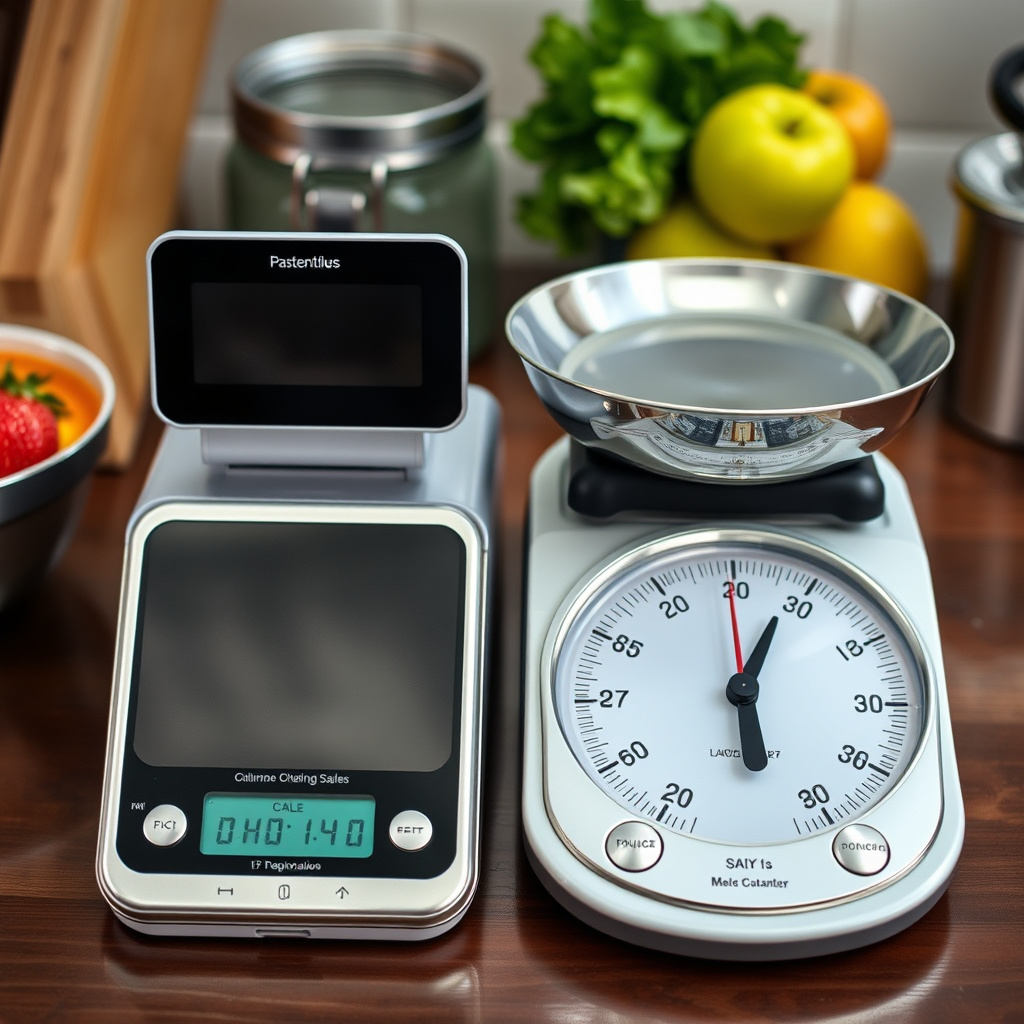
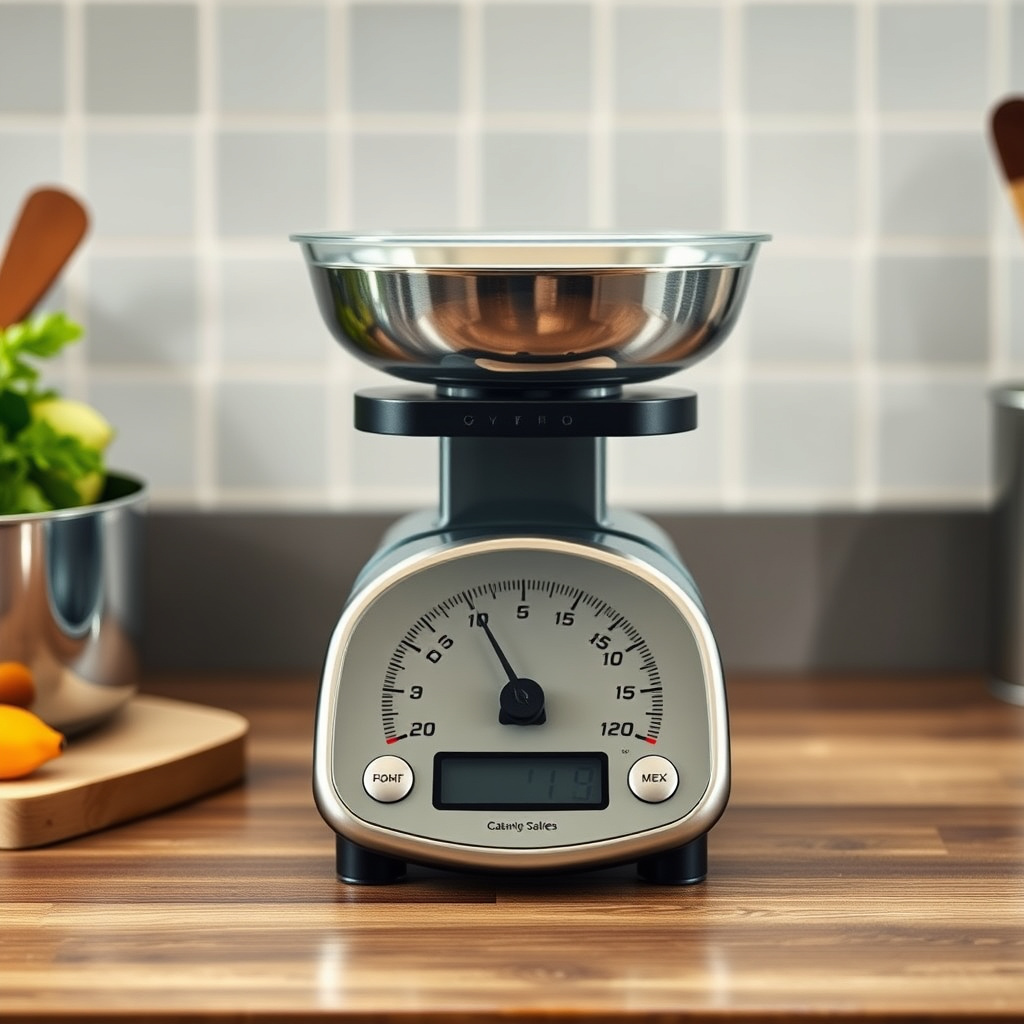
Digital kitchen scales offer precise measurement, easy-to-read displays, and features like unit switching and tare function. Mechanical scales use a spring and dial and don’t require batteries but are generally less precise.
While digital scales are ideal for detailed cooking and baking, mechanical scales can suit users who prefer simplicity and durability.
- Digital: high precision, features
- Mechanical: no batteries, durable
Features to Look For
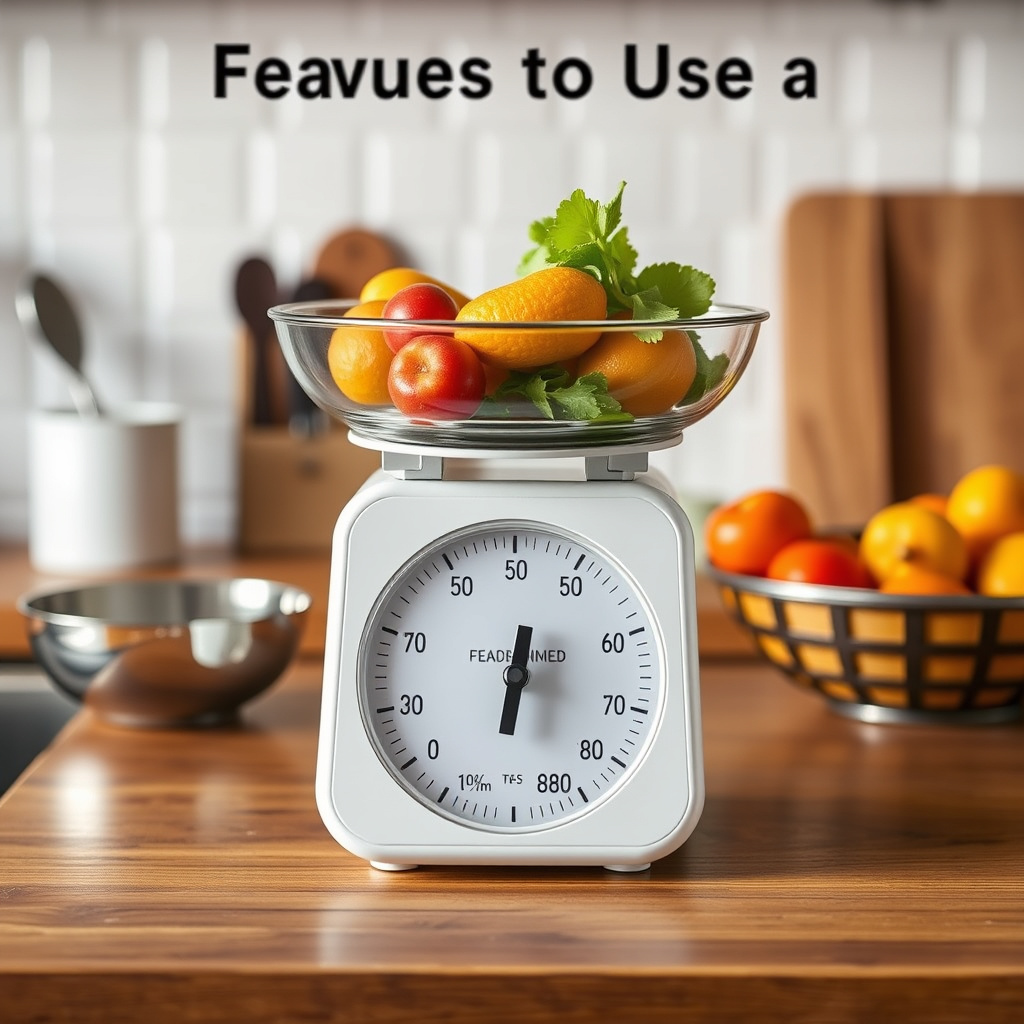
Key features include the maximum weight capacity, readability in different units, presence of tare function, compact size, and easy-to-clean surfaces.
Models with splash-proof design or recipe memory can enhance user experience, while larger platforms accommodate bulky containers.
- Capacity at least 5kg for most needs
- Tare and unit switch functions
- Compact and easy to clean
Common Kitchen Scale Mistakes and How to Avoid Them
Avoiding Inconsistent Measurements
Not placing the scale on a level surface or moving it during weighing causes fluctuations. Always ensure the scale is still and stable when measuring.
Overloading the scale beyond its maximum capacity damages sensors and yields incorrect weights.
- Place scale on flat surface
- Do not move while weighing
- Avoid exceeding max load
For more on this, see our related guide: How to Clean Kitchen Sink: A Step-by-Step Guide for a Sparkling Sink.
Dealing with Spillovers and Ingredient Loss
Spilling ingredients on the scale may cause sticky residue, affecting performance. Use containers that fully hold the ingredient and clean scale regularly to maintain accuracy.
Weigh dry ingredients carefully to avoid loss during transfer between spoon and container.
- Use appropriate containers
- Clean scale after use
- Handle ingredients carefully
Cleaning and Maintaining Your Kitchen Scale
Safe Cleaning Practices
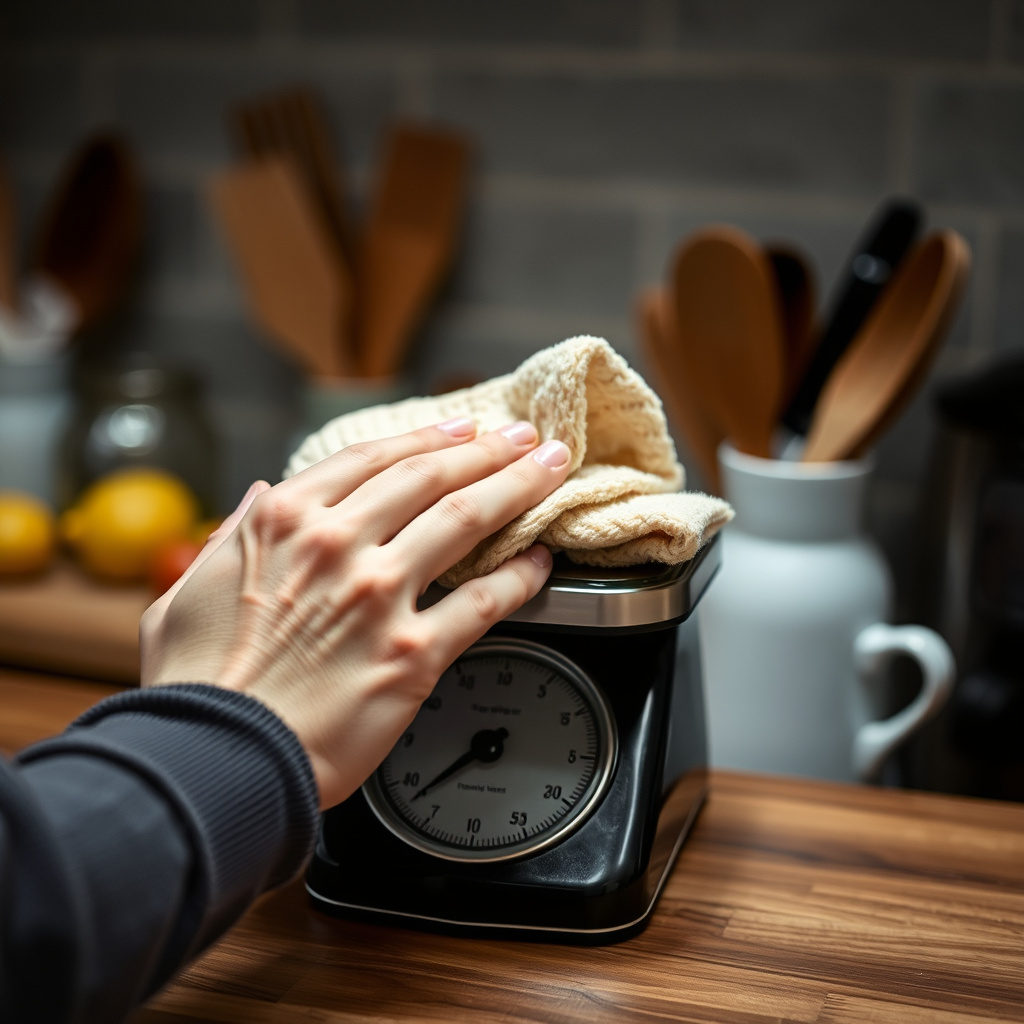
Disconnect or turn off the scale before cleaning. Use a soft damp cloth with mild detergent to wipe the platform and display area, avoiding abrasive materials that might damage surfaces.
Do not submerge digital scales in water or apply excessive moisture to prevent internal damage.
- Turn off scale before cleaning
- Use soft cloth and mild soap
- Avoid water immersion
For more detailed technical and historical information, see the kitchen scale Wikipedia page. kitchen scale Wikipedia page.
Storing Your Kitchen Scale
Store the scale in a dry, dust-free location to prolong battery life and sensor accuracy. Remove batteries if you won’t use the scale for long periods to prevent leakage.
Keep the scale away from heat sources and heavy objects that might cause damage.
- Store in dry place
- Remove batteries for long storage
- Keep away from heat and heavy items
Kitchen Scale Types Comparison
Review key differences among common kitchen scale types to decide which suits your cooking style best.
| Type | Precision | Power Requirement | Features | Price Range |
|---|---|---|---|---|
| Digital | High (1g or less) | Battery or rechargeable | Tare, unit conversion, compact | $15–$50 |
| Mechanical | Moderate (~5g) | None | Simple dial readout, durable | $10–$30 |
| Analog Dial | Lower (~10g) | None | Basic, no tare, traditional look | $8–$25 |
| Smart Scale | High | Rechargeable | App connectivity, recipe tracking | $40–$100 |
| Compact Pocket Scale | High | Battery | Portable, small capacity | $10–$30 |
Frequently Asked Questions
Can I use a kitchen scale for liquids?
Yes, you can measure liquids on a kitchen scale by placing a container on the scale and taring it to zero, then pouring the liquid to get an accurate weight.
How do I switch units on my kitchen scale?
Most digital kitchen scales have a unit button that cycles through grams, ounces, pounds, and milliliters. Press it until your preferred unit appears.
Is a mechanical scale less accurate than a digital one?
Mechanical scales typically have lower precision compared to digital scales and lack features like tare. For precise measurements, especially in baking, digital scales are better.
What if my scale doesn’t zero properly?
If your scale fails to zero or tare correctly, try recalibrating it according to the user manual or replace the batteries, as low power can affect functionality.
Can I weigh multiple ingredients in one bowl using a kitchen scale?
Yes, by using the tare function after adding each ingredient, you can zero the scale to measure multiple ingredients accurately in the same container.
Key Takeaways
- Use the tare function to measure ingredients without including container weight
- Select a flat, stable surface for accurate readings
- Digital scales offer higher precision and useful features over mechanical ones
- Clean and store your scale properly to maintain accuracy and durability
Conclusion
Understanding how to use a kitchen scale effectively relies on mastering its basic functions like powering on, taring, and selecting measurement units. Accuracy stems from careful attention to setting the scale on a level surface and tidily handling ingredients. This approach helps avoid errors that can alter recipe outcomes, ensuring more consistent and satisfying results in cooking and baking.
Choosing the right kitchen scale depends on your cooking habits; if you need detailed measurement for baking or precision cooking, a digital scale with tare and unit conversion functions is ideal. For simplicity and durability, mechanical or analog dial scales might suit casual cooks who prefer straightforward operation. Meanwhile, smart scales provide integration for tech-savvy users who want recipe tracking built-in. Regardless, look for sufficient weight capacity and ease of cleaning when selecting your device.
Once you have your kitchen scale, practicing careful measurement and routine maintenance will extend its life and improve your cooking accuracy. Start with common ingredients, experiment with weighing liquids and dry goods, and consider upgrading to a scale offering features that match your cooking style. This step-by-step use will make your kitchen scale an indispensable tool for more precise, efficient home cooking.