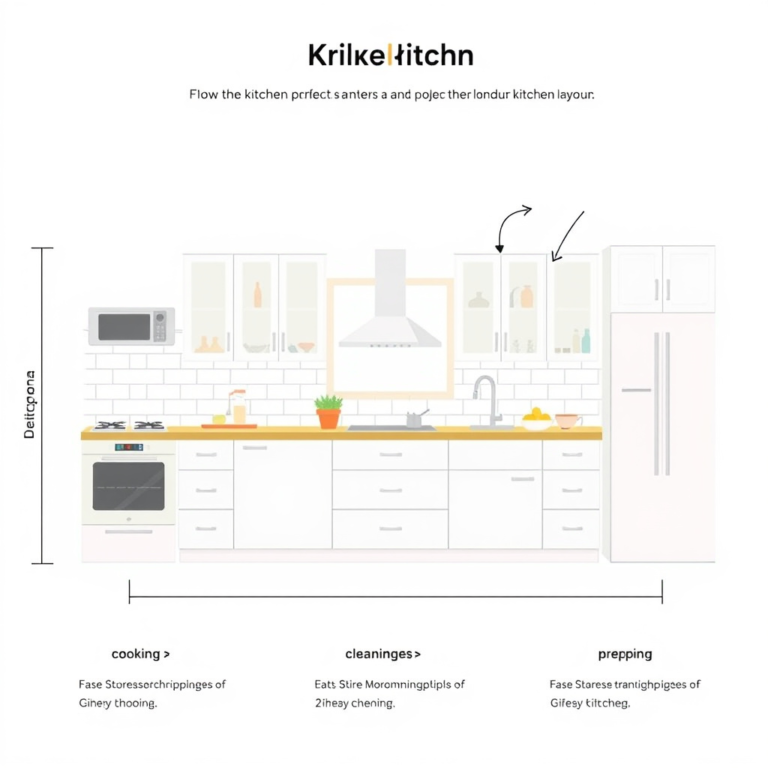
How Much to Remodel a Kitchen: A Clear Cost Breakdown and Guide
The cost to remodel a kitchen typically ranges from $15,000 to $50,000, depending on the size, materials, and level of customization you choose. Basic remodels focus on updating cabinets and appliances, while high-end renovations include custom cabinetry, luxury finishes, and layout changes.
Understanding how much to remodel a kitchen matters because it directly affects your budget, timeline, and overall satisfaction with the project. Kitchen renovations often yield high returns on investment, so it’s wise to match your spending with the home’s value and your lifestyle needs.
This article covers all main factors influencing kitchen remodeling costs, including labor, materials, appliances, and design choices. You’ll also find comparisons of budget tiers, tips for cost-saving without compromising quality, and answers to common remodeling questions.
Kitchen Remodeling Cost Factors
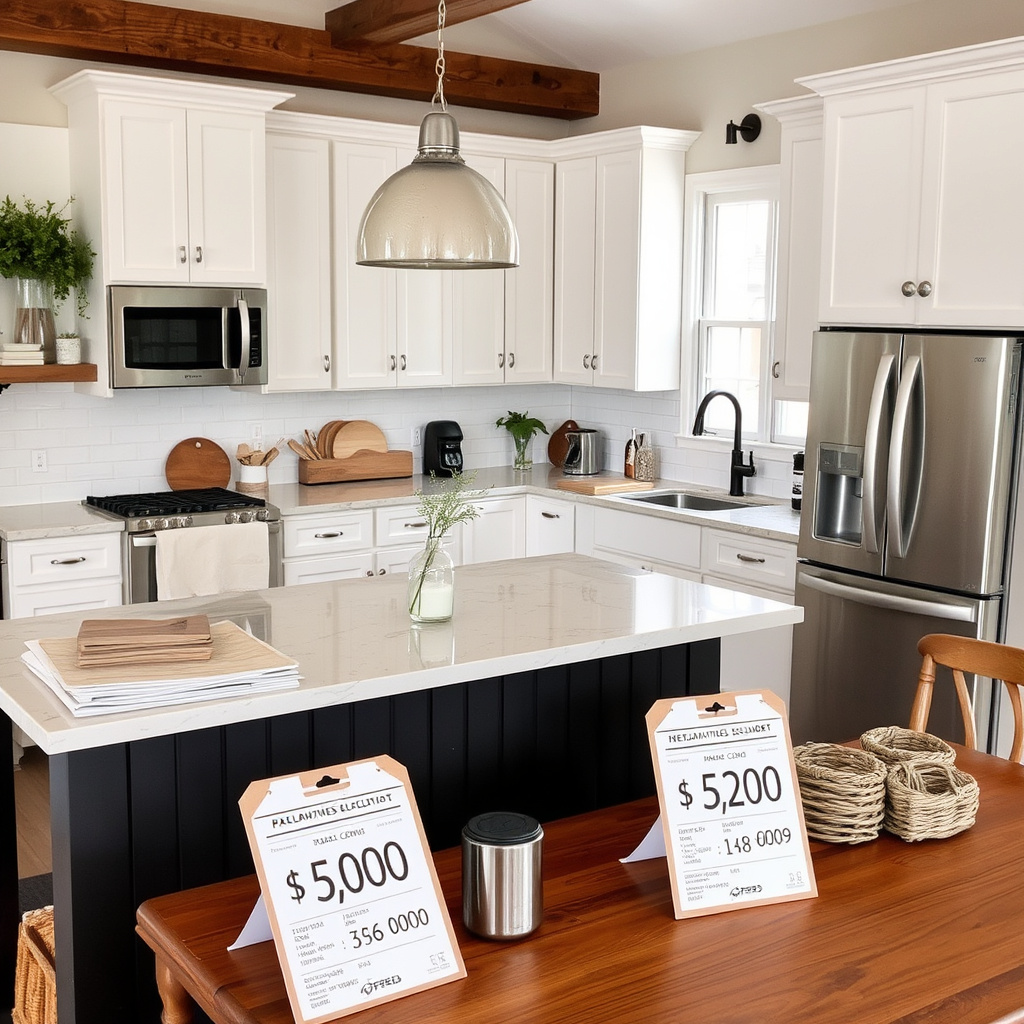
Labor Expenses and Contractor Fees
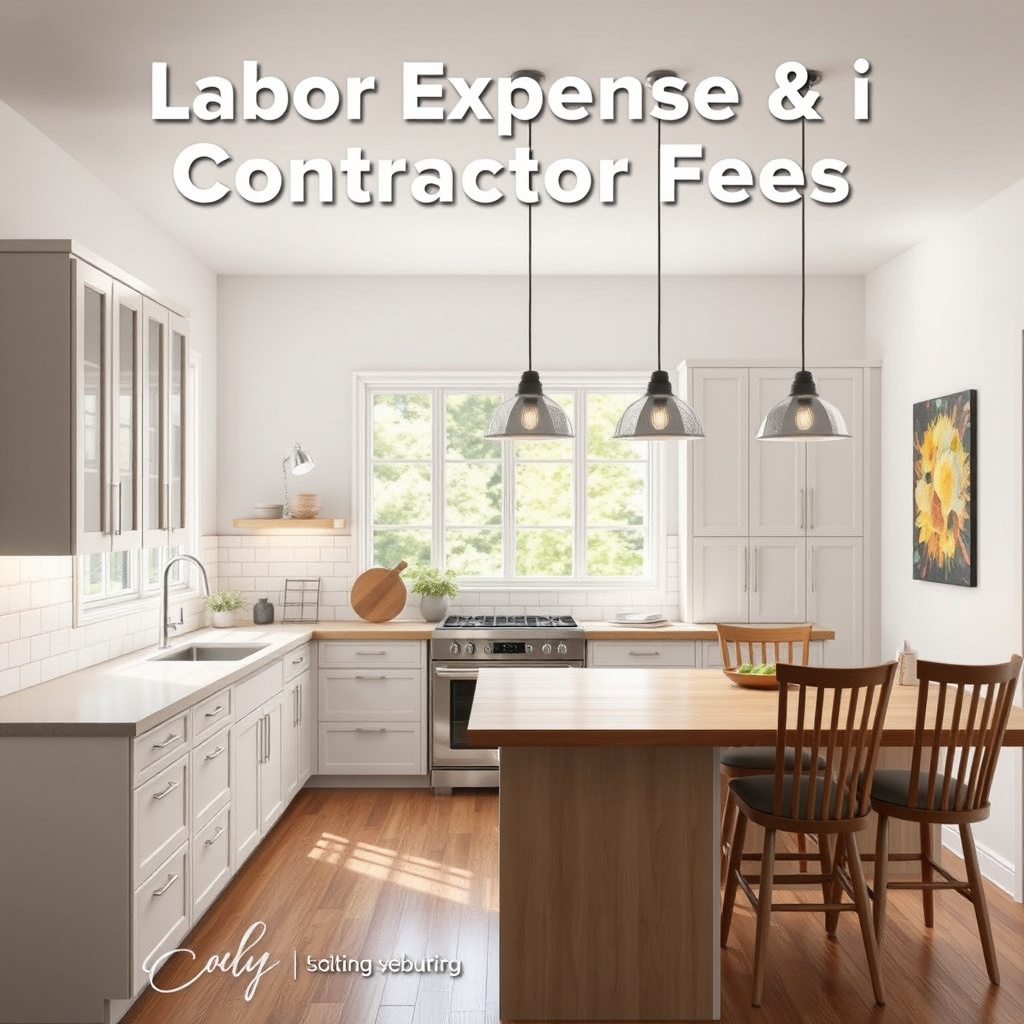
Labor costs typically make up 20% to 35% of your kitchen renovation budget. Skilled labor like electricians, plumbers, and carpenters charge hourly or flat fees depending on the complexity of the work. Obtaining multiple quotes ensures competitive pricing.
Contractor fees vary widely; general contractors may charge 10% to 20% of the total project cost as overhead and profit. Some homeowners save money by managing subcontractors directly but this requires experience and time.
Material Choices Impacting Costs

Material selection significantly influences total costs. For example, laminate countertops cost roughly $20 to $50 per square foot, while quartz or granite can range from $50 to $150 per square foot. Cabinet materials from particle board to solid wood span a wide price spectrum.
Flooring options, backsplashes, and fixtures also vary greatly. Porcelain tile flooring can cost around $5 to $15 per square foot, whereas hardwood floors exceed $10 to $20, impacting both material and installation expenses.
Types of Kitchen Remodels and Their Costs
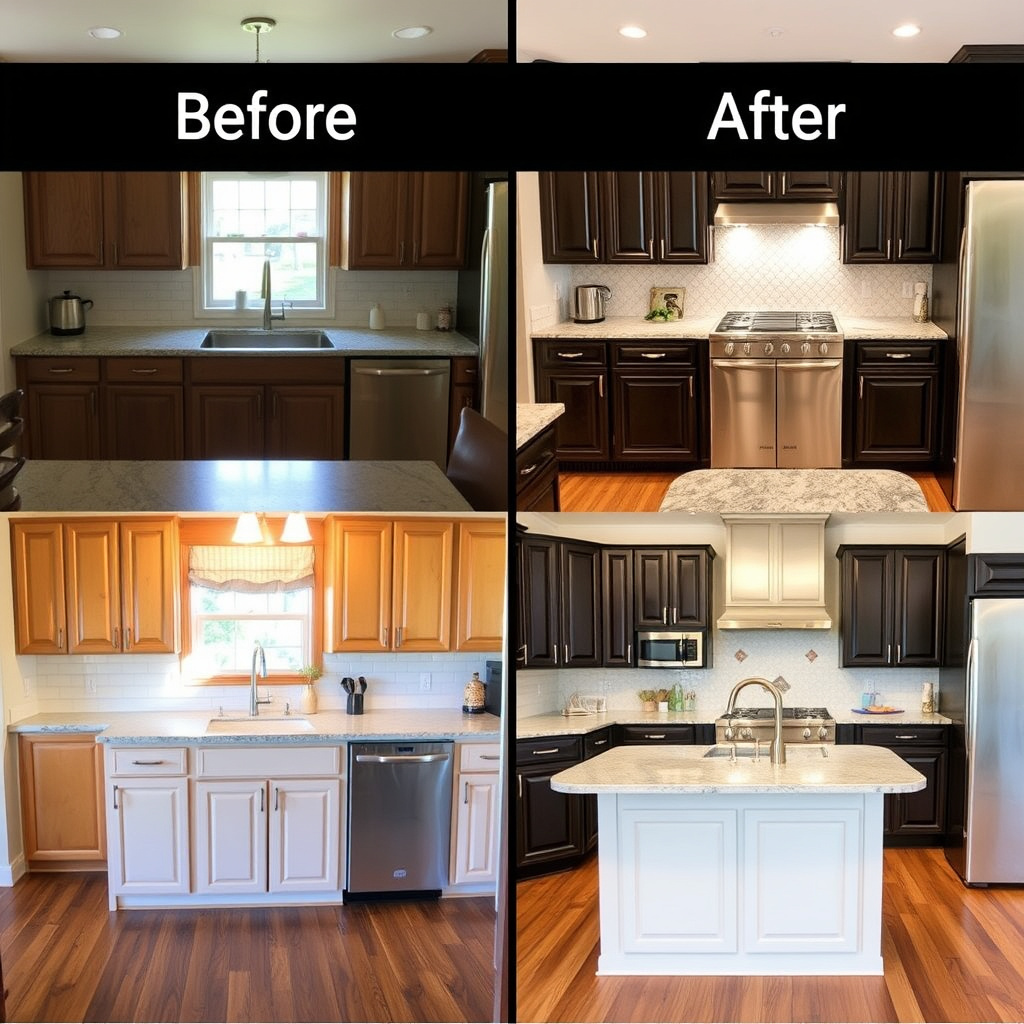
Minor Remodels: Cosmetic Updates
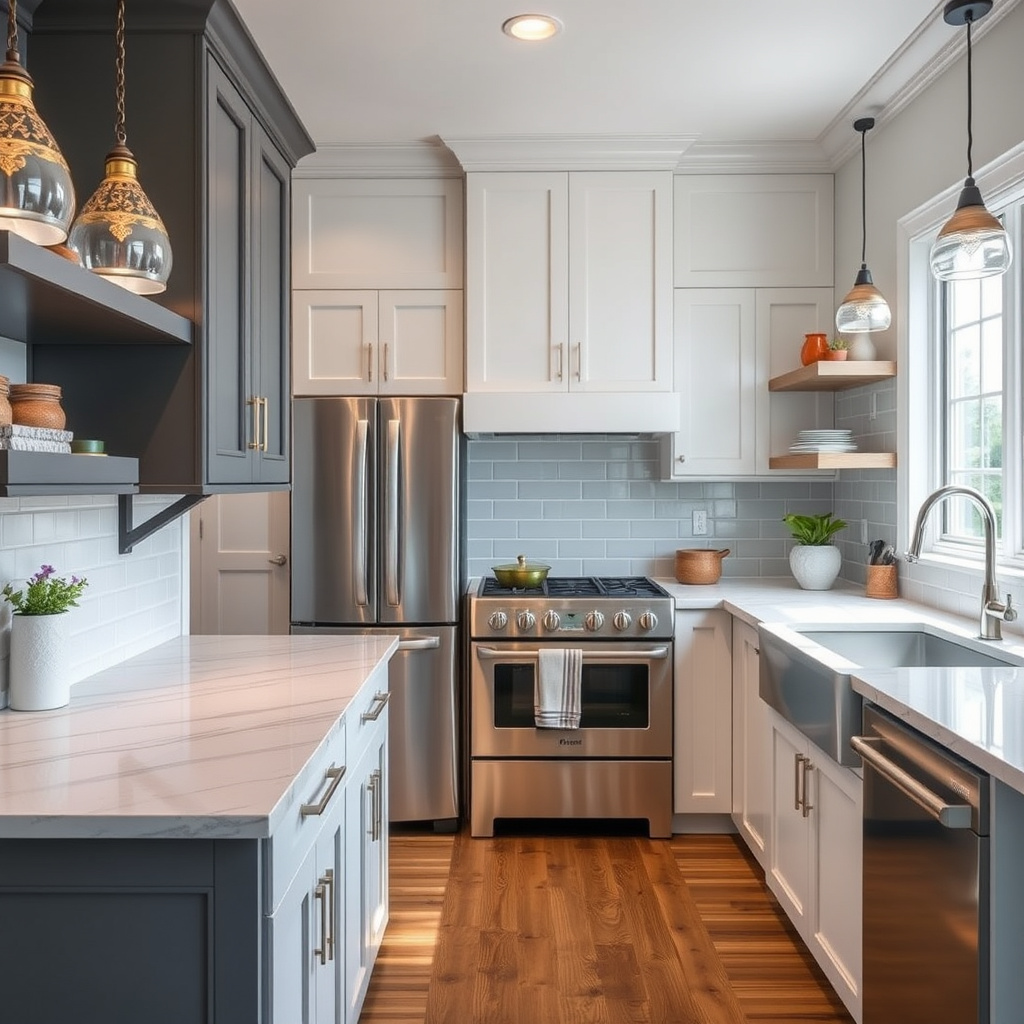
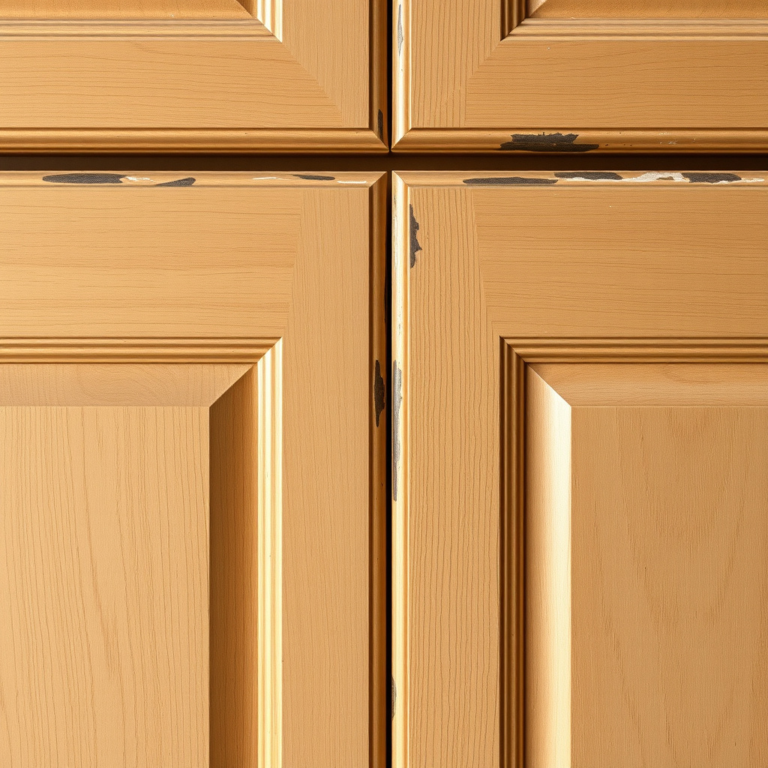
Minor remodels involve cosmetic changes like painting walls, refinishing cabinets, replacing hardware, and installing new lighting. These projects usually cost between $5,000 and $15,000 and can refresh the kitchen’s appearance without altering its layout.
Homeowners often opt for minor remodels to boost home appeal quickly or as a stopgap before a full renovation. This approach is budget-friendly but limited in functionality improvements.
Major Remodels: Full Renovations

Major kitchen remodels can easily surpass $30,000, involving layout changes, new cabinetry, upgraded appliances, flooring, and plumbing or electrical enhancements. These remodels improve both aesthetics and functionality but require more time and planning.
Because of the complexity, major remodels necessitate detailed budgeting, professional design input, and often involve permit costs. However, they offer the best returns in resale value and homeowner satisfaction.
Appliances and Fixtures Budgeting
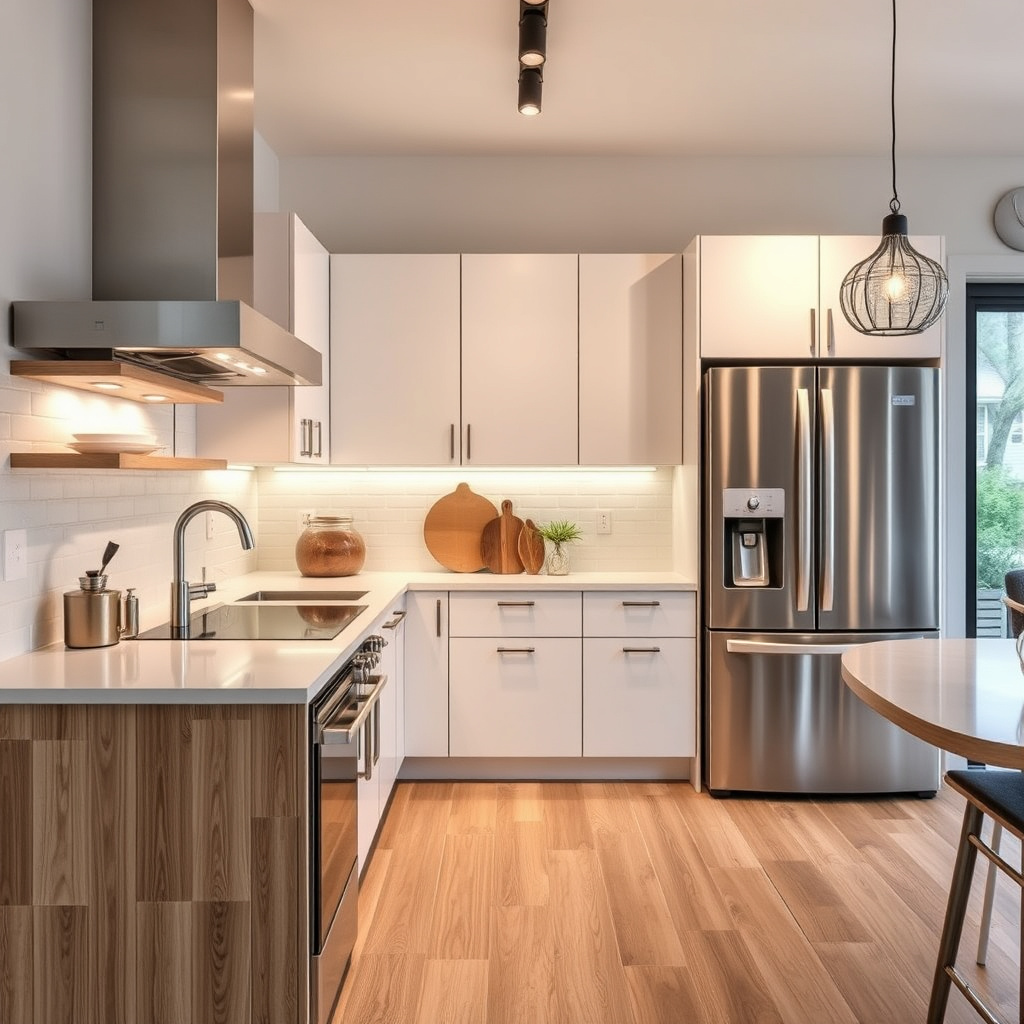
Choosing Appliances Wisely

Appliance prices vary widely; mid-range refrigerators start around $1,000, while high-end models can exceed $5,000. Stoves, dishwashers, and microwaves should be selected with energy efficiency and size requirements in mind.
Considering kitchen renovation cost, allocating about 10% to 15% of your budget to appliances strikes a balance between quality and cost savings.
- Energy Star certifications reduce long-term costs
- Built-in appliances enhance streamlined aesthetics
- Standard sizes save on cabinet modification costs
For more on this, see our related guide: How Much Is a Kitchen Remodel? A Detailed Cost Guide for Homeowners.
Fixtures That Make a Difference
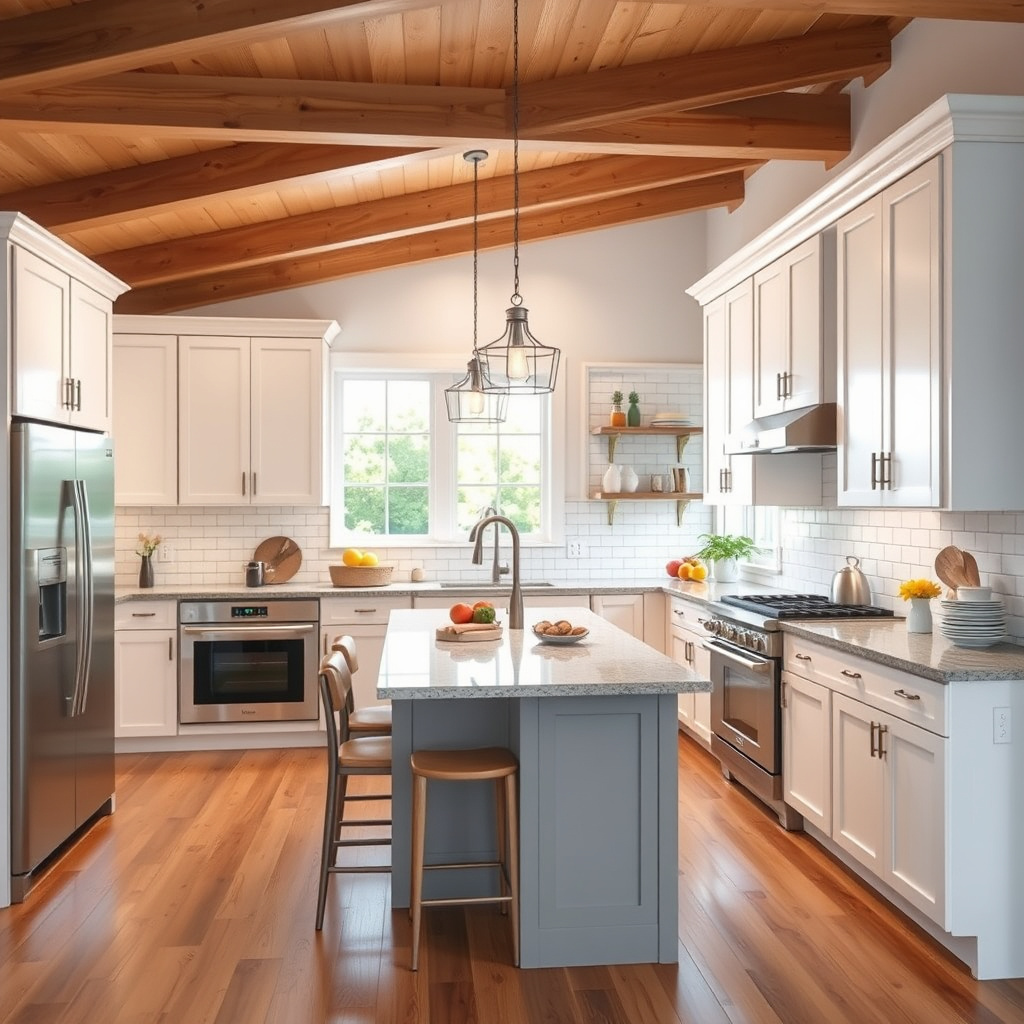
Selecting faucets, sinks, and lighting fixtures also affect expenses. Popular fixtures range from basic models costing under $100 to designer fixtures exceeding $1,000. The right fixtures combine durability and style, contributing to kitchen usability and look.
Investing in under-cabinet lighting and task lighting supports kitchen functionality and ambiance without a huge budget impact.
- Pull-down faucets increase cleaning ease
- LED lighting reduces energy use
- Durable sink materials like stainless steel or fireclay
Design and Layout Considerations
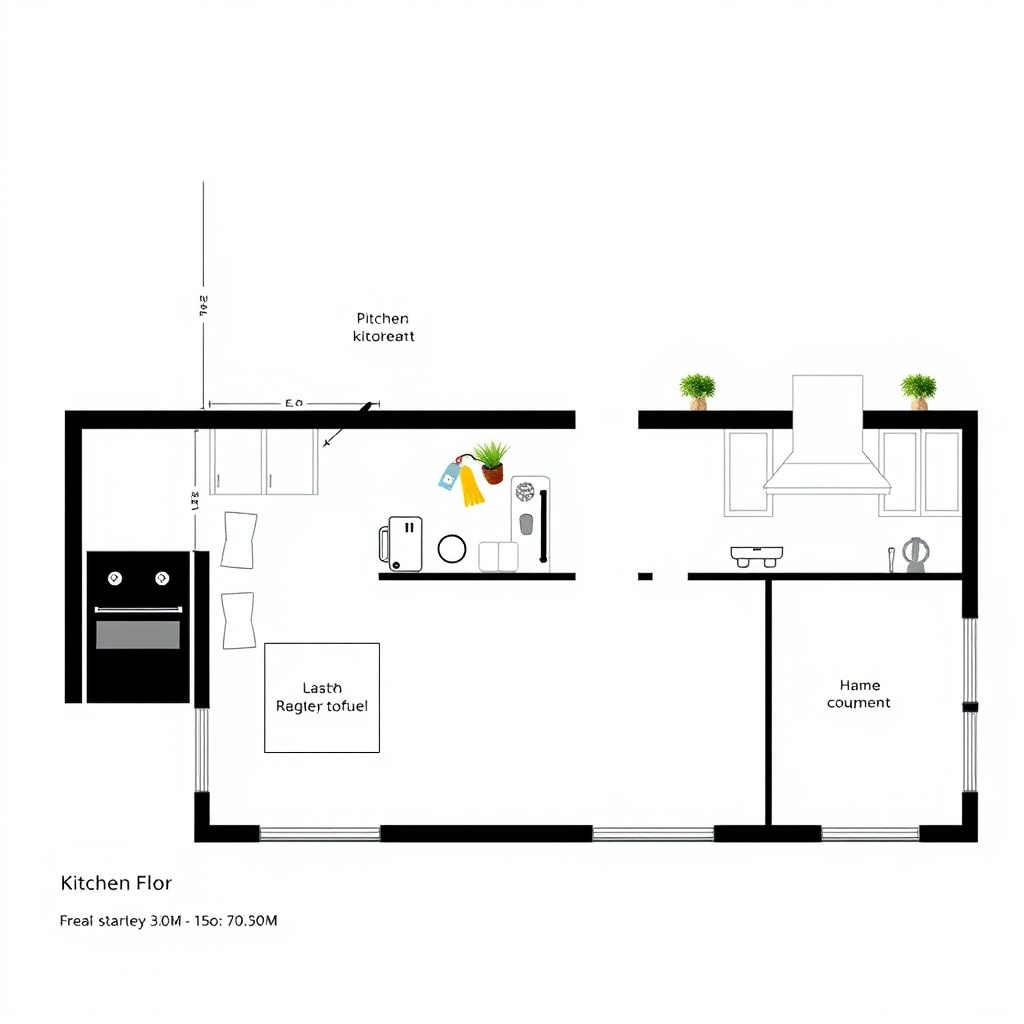
Open vs. Closed Kitchen Layouts
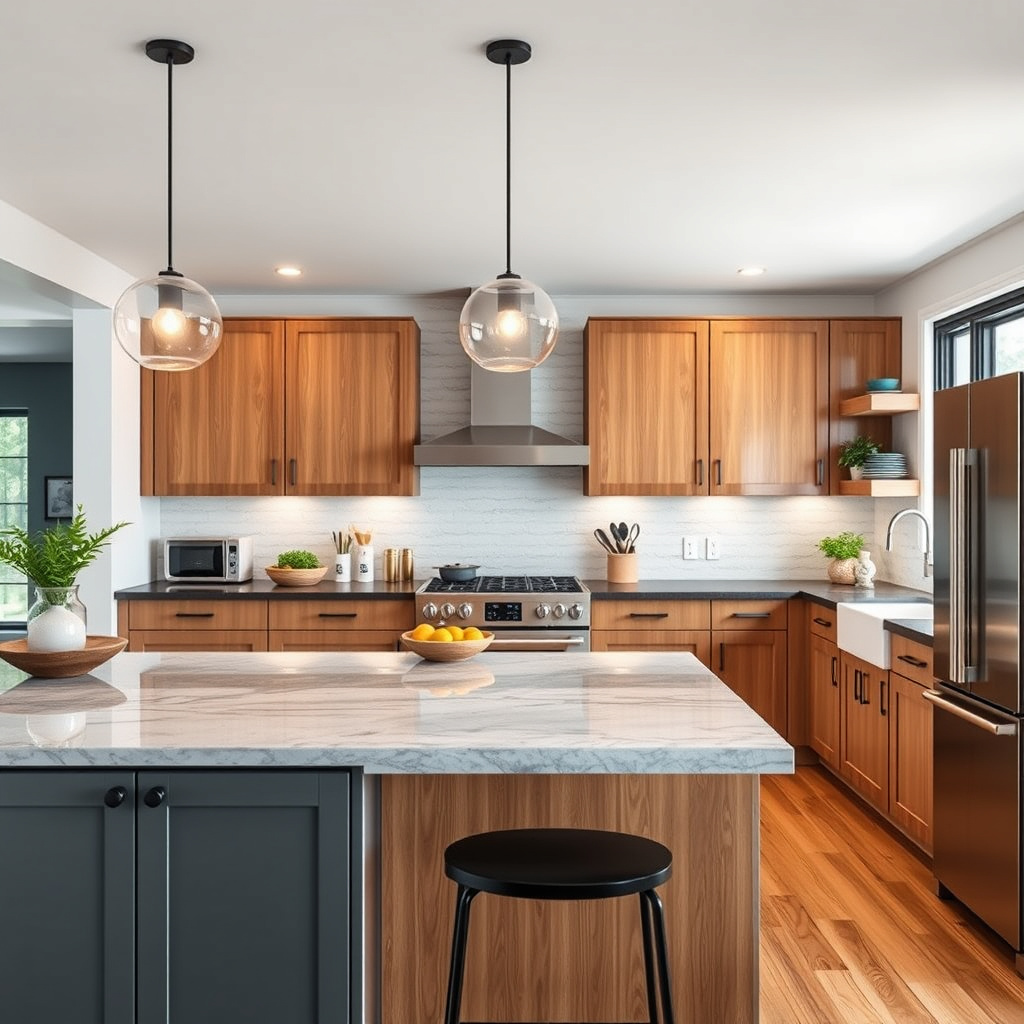
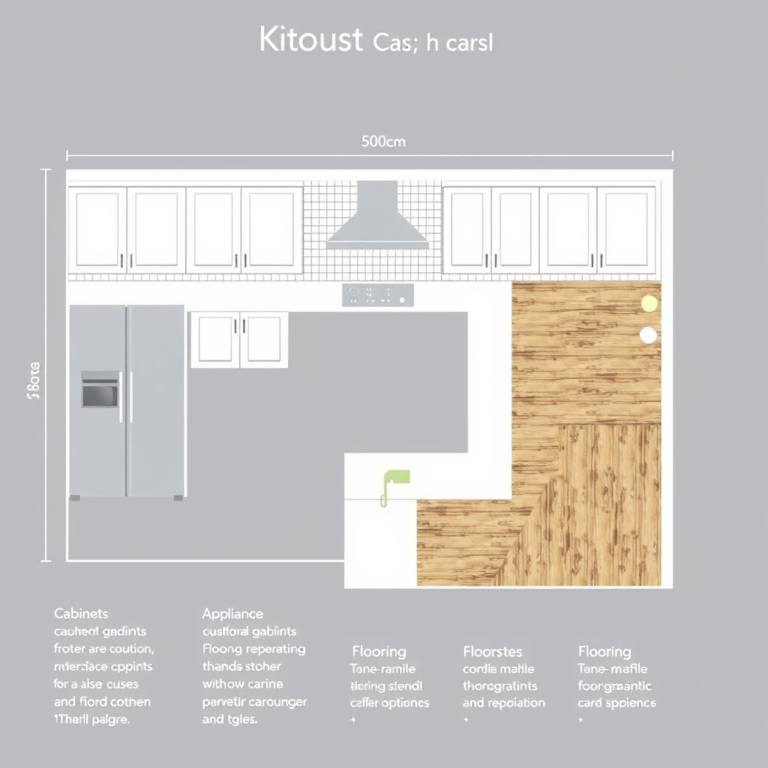
Open kitchen designs create a spacious feel by eliminating walls, but they often require structural changes increasing labor costs. Closed layouts are easier and cheaper to remodel but may feel cramped.
Design style impacts kitchen renovation cost too. Modern and minimalist kitchens might require fewer decorative elements, while traditional designs often involve intricate cabinetry and trim work.
Functional Design Elements
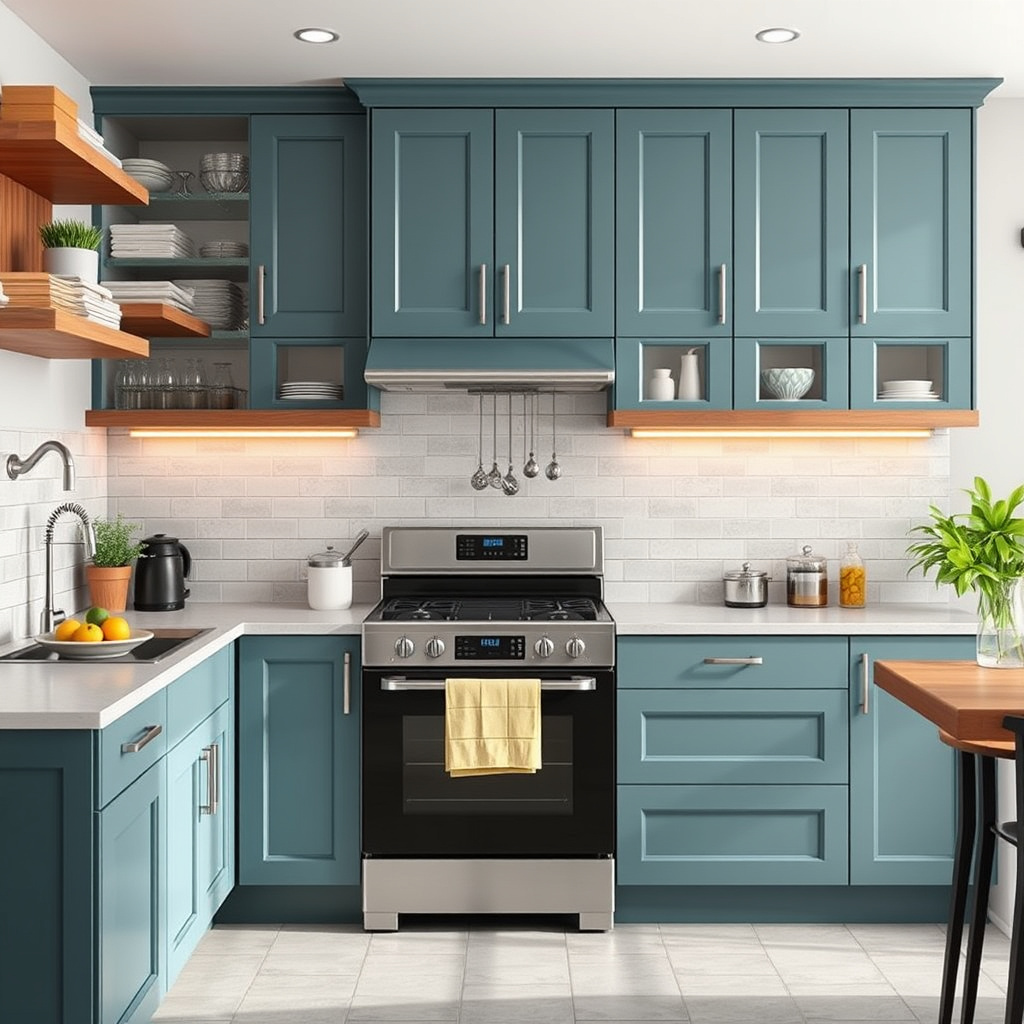
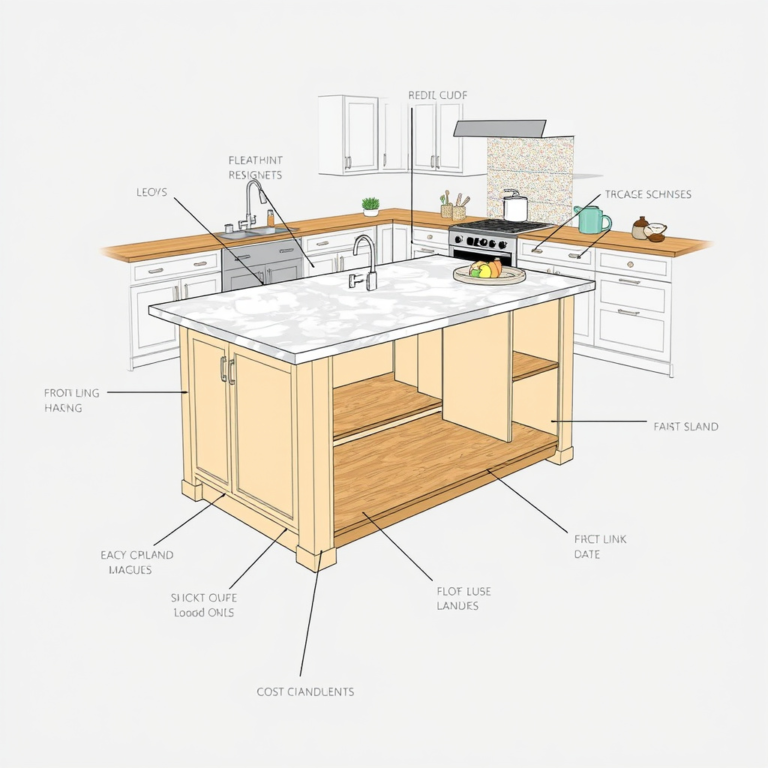
Incorporating islands, pantry storage, and custom cabinetry enhances kitchen efficiency but raises costs. Multi-functional islands with seating add space but require careful electrical and plumbing planning.
Selecting cabinetry with soft-close hinges and pull-out shelves improves user experience, sometimes costing slightly more but adding long-term value.
- Pull-out spice racks save space
- Lazy Susan cabinets improve corner access
- Under-counter wine coolers integrate luxury
Cost-Saving Tips for Kitchen Remodel
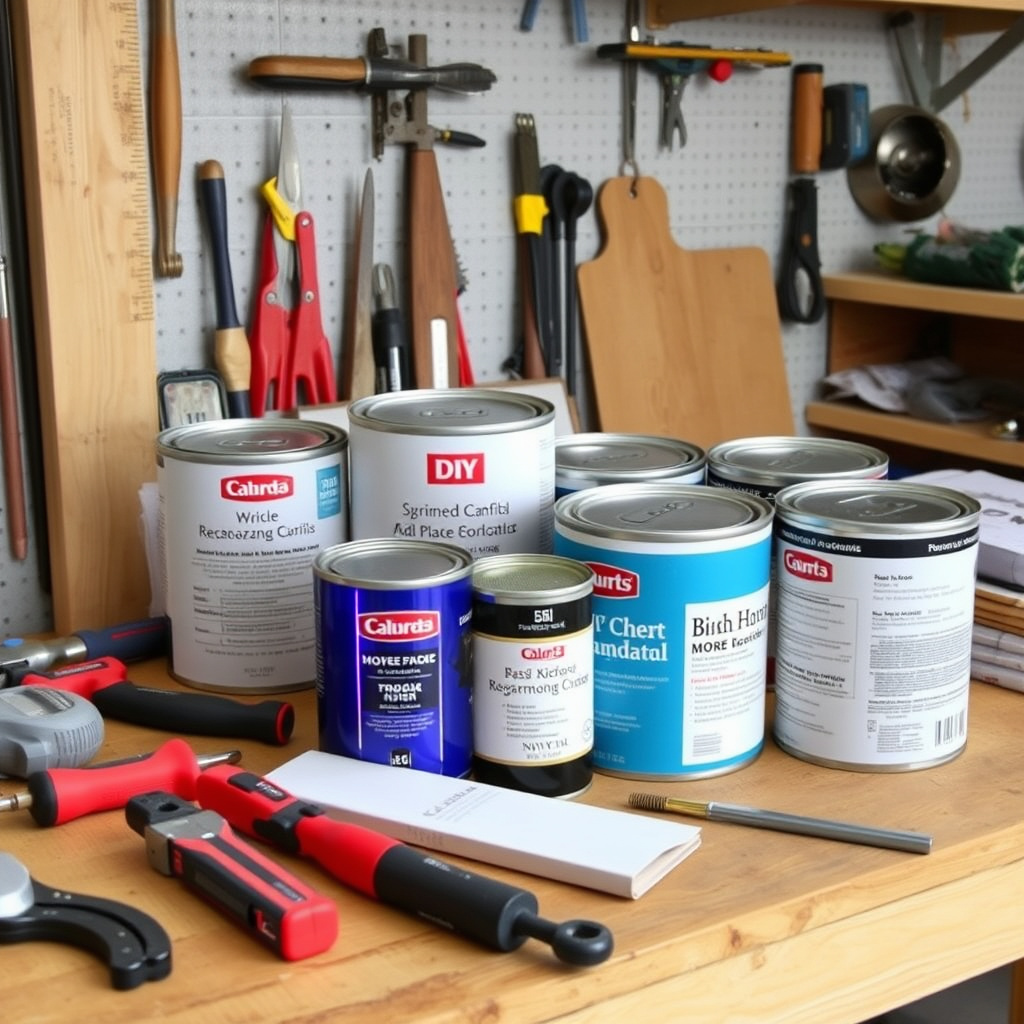
DIY vs. Professional Help

Taking on simple tasks like painting or installing hardware yourself can save up to several thousand dollars. However, plumbing, electrical, and structural work require licensed professionals to comply with code and avoid risks.
Balancing DIY and professional labor can control costs without sacrificing safety or quality.
- DIY cabinet painting
- Installing backsplashes yourself
- Hiring pros for wiring and plumbing
For more on this, see our related guide: How Much Does a Kitchen Remodel Cost in 2024? A Detailed Guide.
Material Substitutions and Phased Remodels
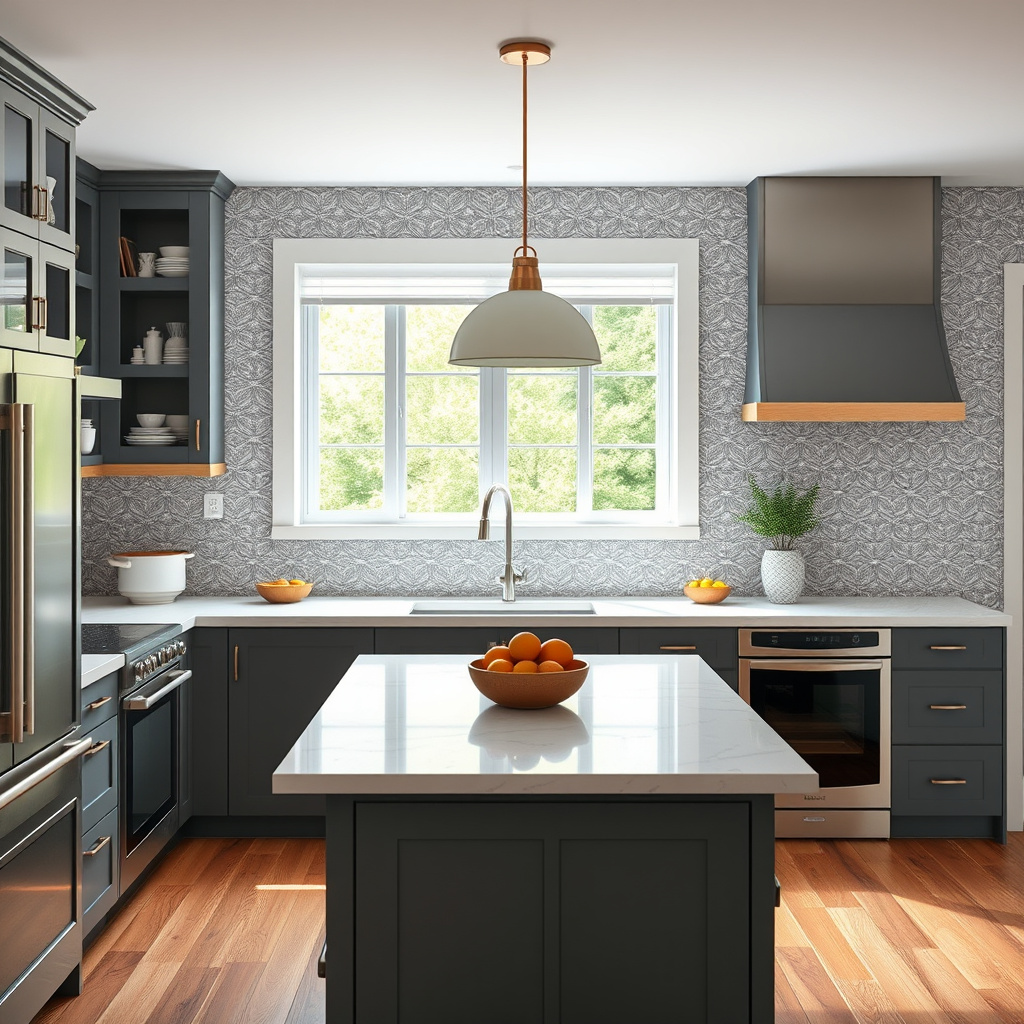
Choosing materials like engineered quartz instead of natural stone offers a refined look at a lower price. Refacing cabinets instead of replacing them can refresh your kitchen affordably.
Phased remodeling lets you spread costs over time, starting with cosmetic upgrades and moving toward major changes later.
- Laminate flooring instead of hardwood
- Repurposed or reclaimed wood cabinets
- Deferring appliance upgrades when possible
Permits, Inspections, and Unexpected Costs

Understanding Permits and Fees
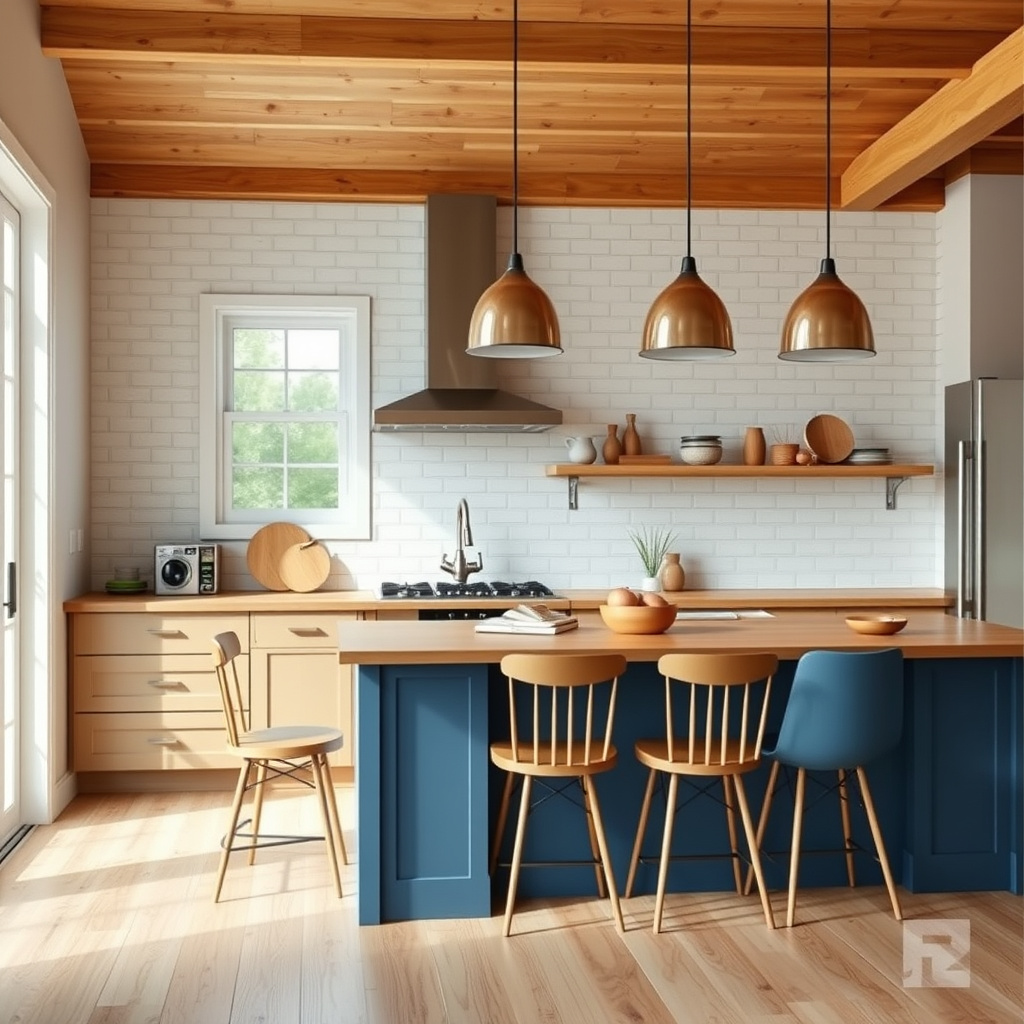
Most kitchen remodels require permits for electrical, plumbing, or structural modifications. Permit fees vary by municipality but commonly range from $100 to several hundred dollars. Obtaining permits avoids legal troubles and insurance issues.
Contractors sometimes include permit handling in their fees; clarify this upfront to avoid surprise costs.
For further insights into kitchen remodeling history and processes, visit the Kitchen Remodeling Wikipedia page. Kitchen Remodeling Wikipedia.
Planning for Contingencies
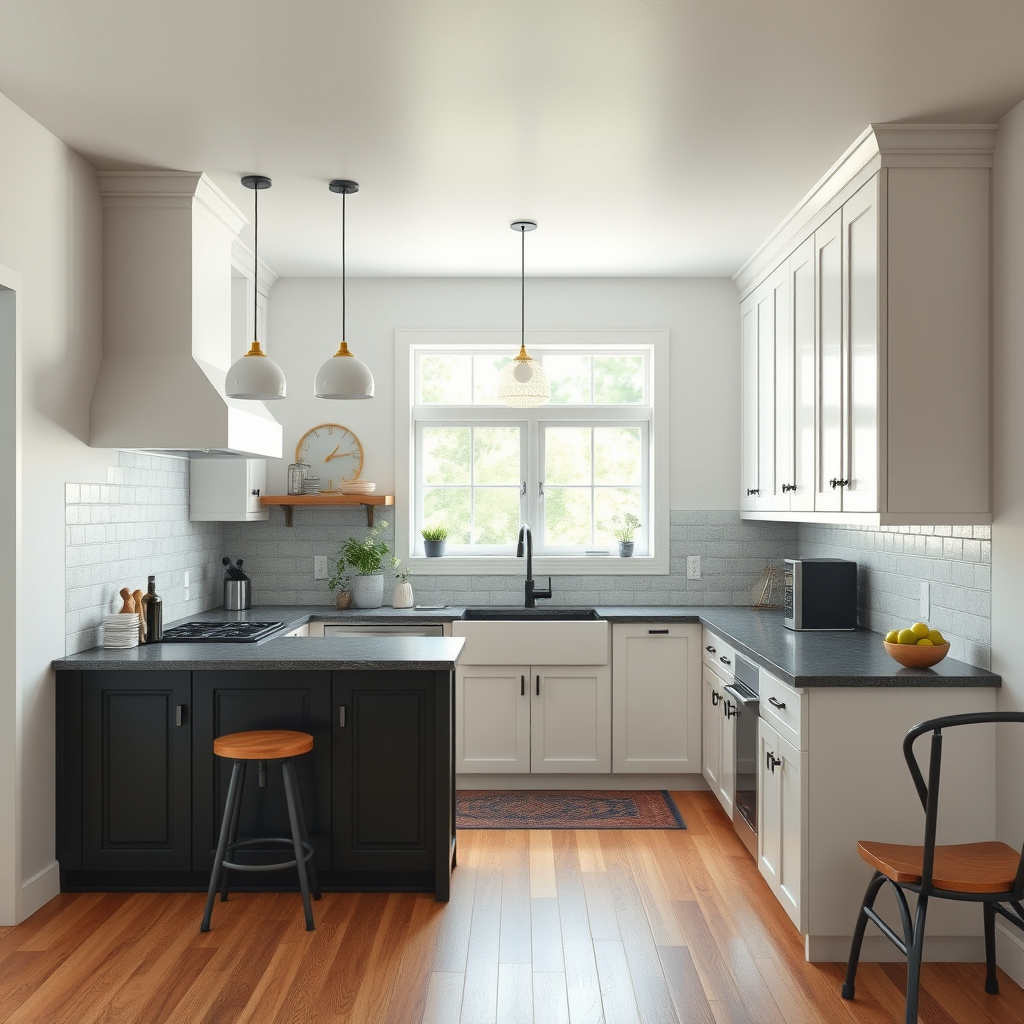
Unexpected costs can arise from hidden water damage, outdated wiring, or structural reinforcements discovered during demolition. Setting aside 10% to 20% of your budget as a contingency fund helps manage these surprises.
Being mentally and financially prepared for contingencies reduces stress and keeps your kitchen renovation cost manageable.
Kitchen Remodel Cost Category Comparison
This table compares typical kitchen remodel categories based on budget, features, and average costs for clearer decision-making.
| Category | Typical Features | Average Cost Range | Ideal For |
|---|---|---|---|
| Minor Remodel | Paint, cabinet hardware, lighting updates | $5,000 – $15,000 | Updating outdated kitchen on a tight budget |
| Mid-Range Remodel | New cabinets, moderate appliances, flooring | $15,000 – $30,000 | Improving function and style without major layout changes |
| Major Remodel | Layout changes, custom cabinets, premium appliances | $30,000 – $50,000+ | Complete transformation and high-end finishes |
| Luxury Remodel | High-end materials, custom design, smart tech | $50,000 and above | Luxury homes and top-tier aesthetics |
Frequently Asked Questions
How long does a typical kitchen remodel take?
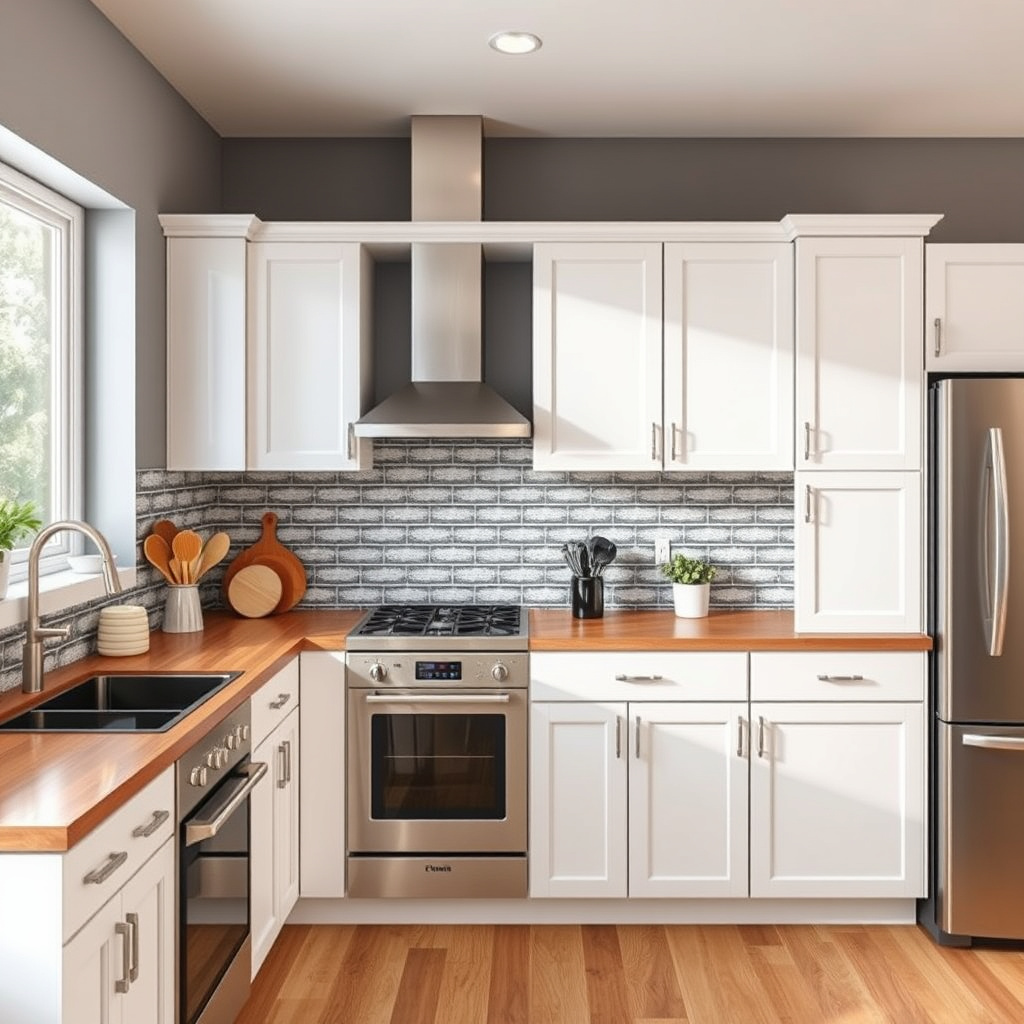
Most kitchen remodels last from 6 to 12 weeks depending on the scope, with major remodels taking up to 3 months including design and permitting.
Can I remodel my kitchen without changing the layout?

Yes, cosmetic updates like painting, new hardware, lighting, and appliance upgrades can refresh a kitchen while keeping the existing layout intact and costs lower.
What is the best way to save money during a kitchen remodel?
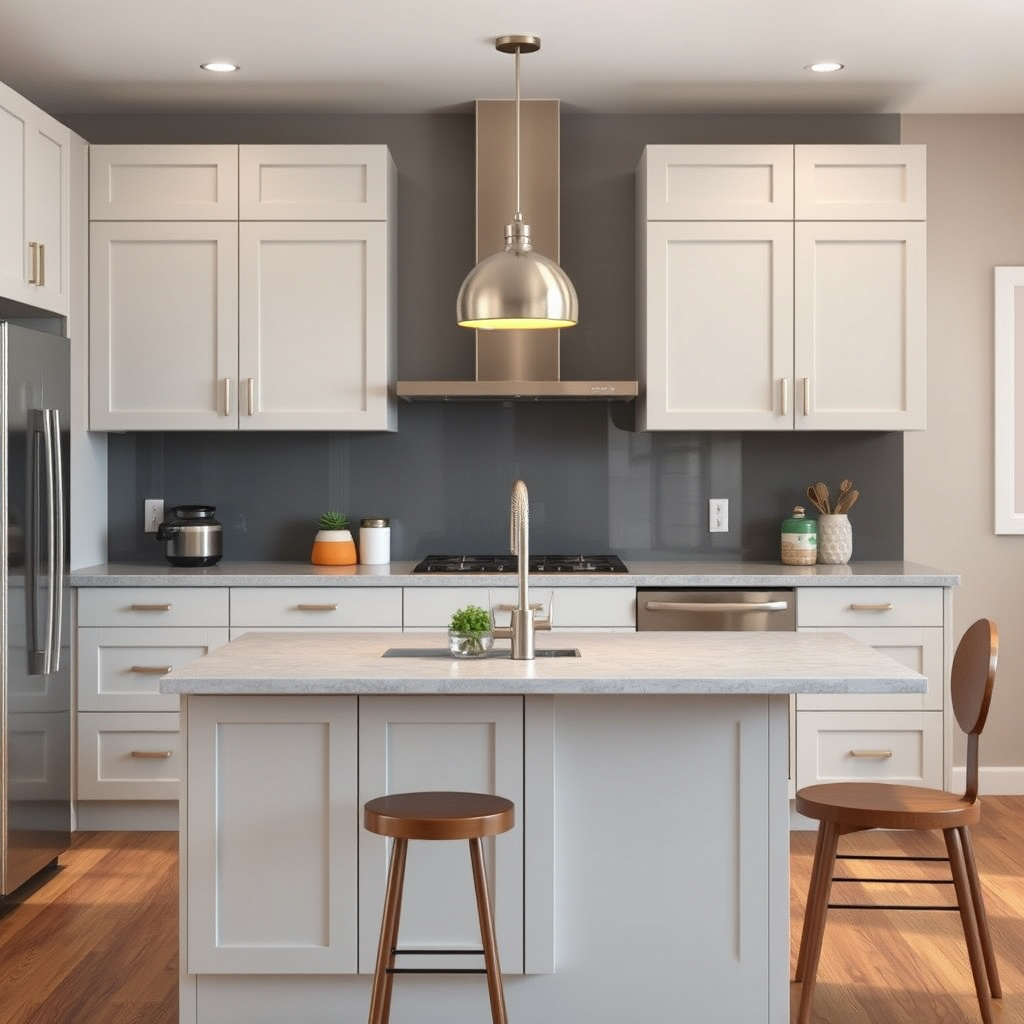
DIY tasks such as painting, installing backsplashes, or updating cabinet hardware reduce labor costs. Also, consider material substitutions and phased remodeling to spread out expenses.
Do I need permits for a kitchen remodel?
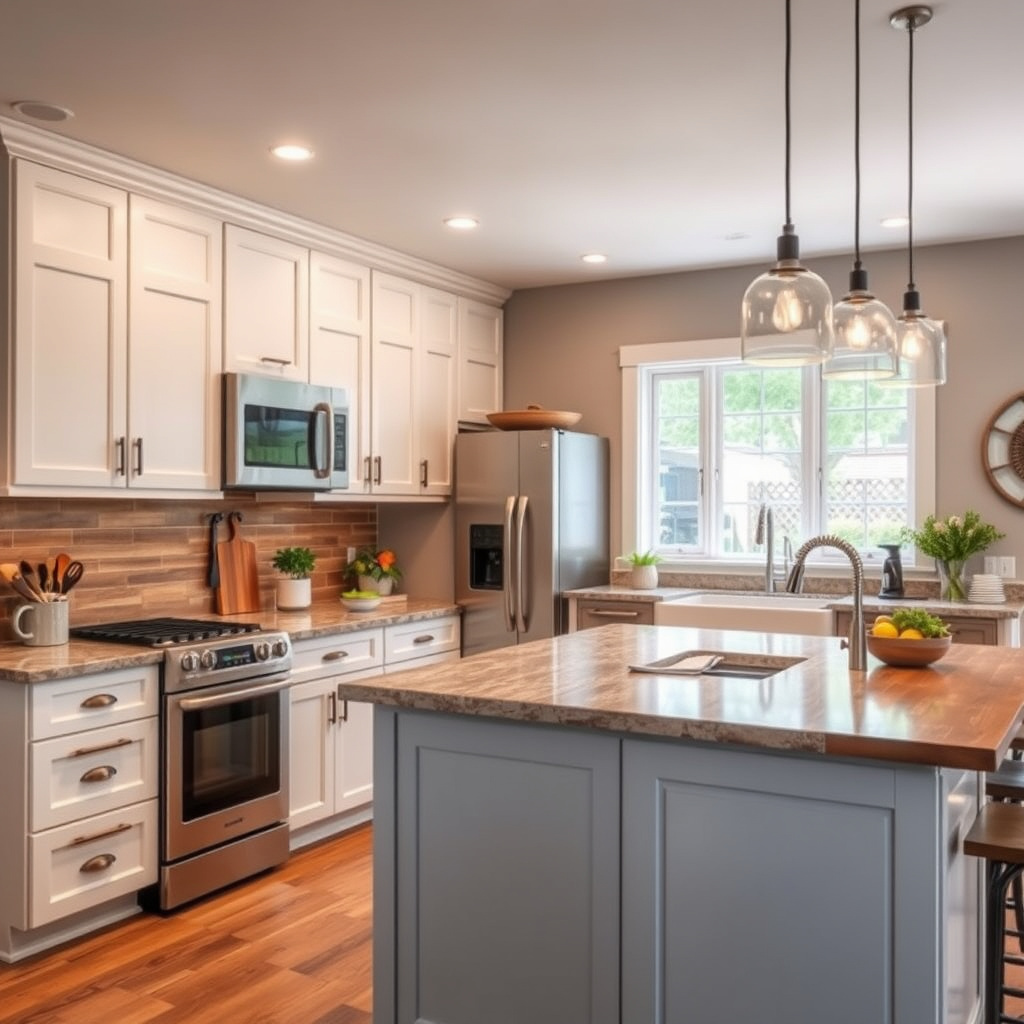
Permits are usually required for electrical, plumbing, or structural changes. Check your local building codes and always work with licensed professionals if these changes are planned.
How much should I budget for appliances in a kitchen renovation?
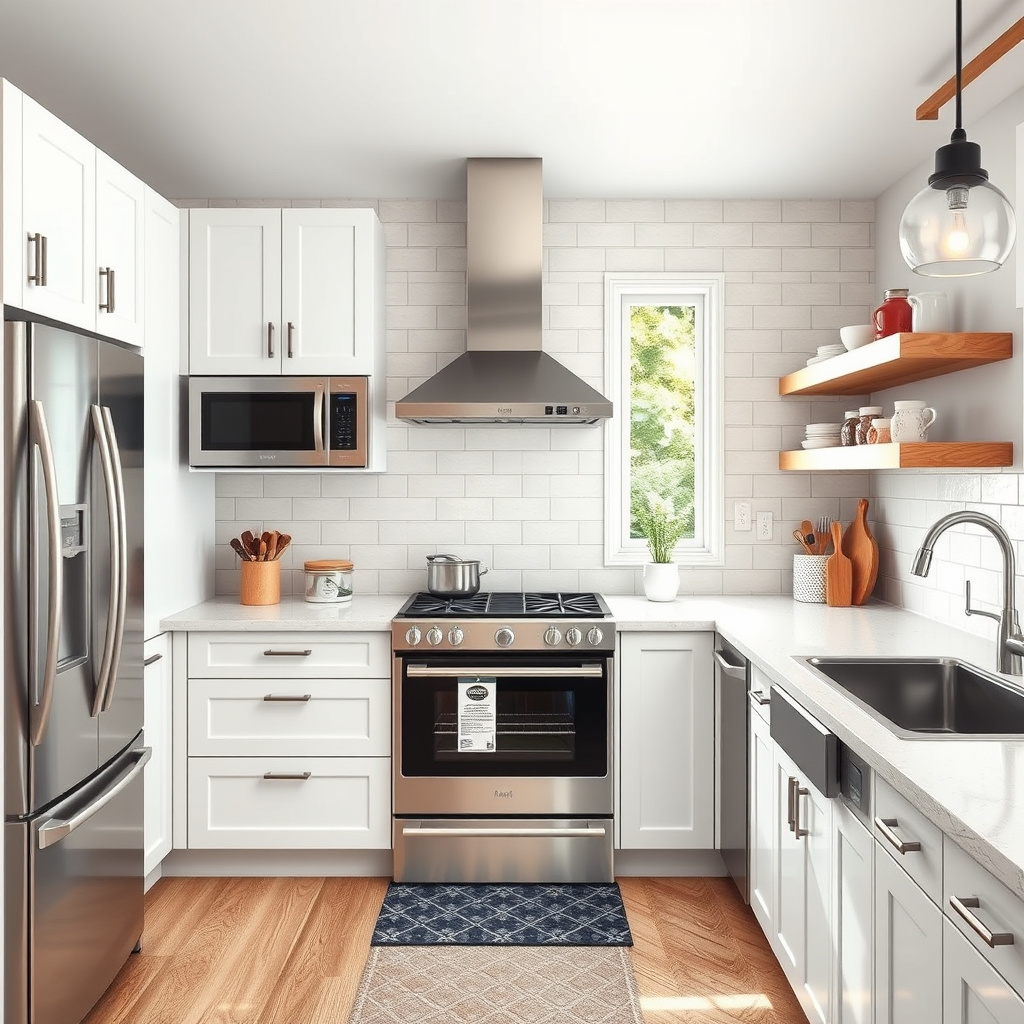
Around 10% to 15% of your kitchen renovation cost should be set aside for appliances, balancing quality and price according to your needs.
Key Takeaways
- Kitchen remodel costs vary widely from $5,000 to over $50,000 based on project scope
- Labor and materials are the biggest cost drivers in kitchen renovations
- Balancing DIY work with professional help reduces remodeling expenses
- Setting contingency funds is essential to handle unexpected costs
Conclusion
Determining how much to remodel a kitchen depends on the balance between your desired updates and budget. By breaking down labor, materials, appliances, and design choices, you gain better control over your renovation expenses. Being informed about permit requirements and potential hidden costs prepares you to manage surprises responsibly. Establishing a clear budget early helps keep your project focused and achievable.
For homeowners seeking modest improvements, minor remodels updating surfaces and fixtures offer noticeable change without a heavy investment. Those targeting functional upgrades and layout enhancements benefit from mid-range or major remodels with higher quality materials and appliances. Luxury remodels, while costly, provide custom design and top-tier finishes that add significant value to your home and lifestyle.
Before starting your kitchen renovation, gather multiple contractor quotes, decide on material priorities, and consider incremental upgrades where appropriate. This approach lets you customize a kitchen remodel that fits your financial limits while enhancing your living space. With careful planning, your kitchen remodel can be both rewarding and financially manageable.