How to Organize Kitchen Pantry for Maximum Efficiency and Space
Learning how to organize kitchen pantry effectively means creating a system where every item has its place, is easy to find, and stored in a way that saves space. This approach reduces wasted food, cuts down on kitchen chaos, and makes cooking a breeze.
A well-organized pantry not only improves daily routines but also supports mindful grocery shopping and meal preparation by giving clear visibility to what you already have. With the right setup, stocking and accessing ingredients feels natural rather than stressful.
This article explores smart layout techniques, container options, labeling tips, and maintenance habits that will help you transform a cluttered kitchen pantry into a tidy, functional area. You'll also find practical advice on adapting these principles to different pantry sizes and types.
Assessing and Planning Your Kitchen Pantry Layout
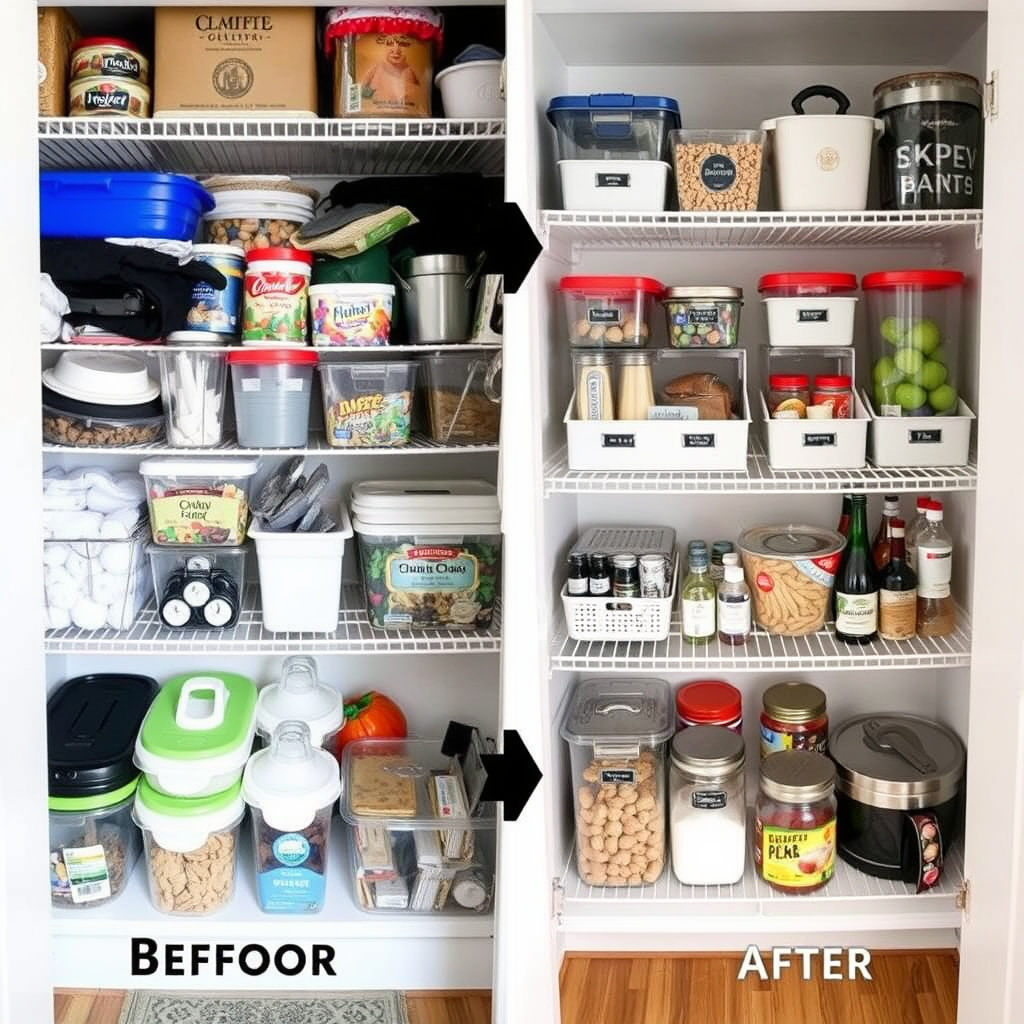
Evaluating Your Pantry Space and Storage Needs
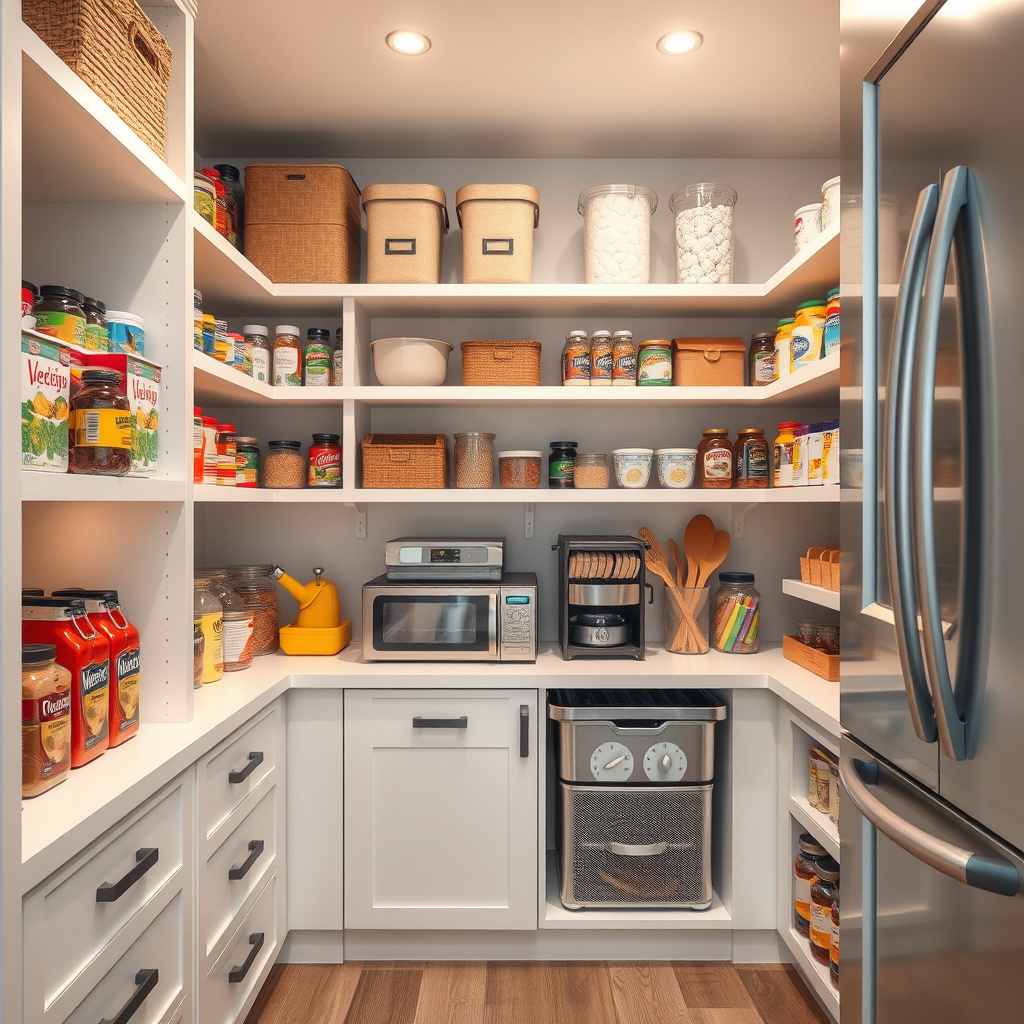
Start by emptying your pantry entirely to see what items you have and assess shelf space dimensions. Measuring shelf height, depth, and width helps identify what storage containers or organizers will fit best.
Consider how you use your pantry: do you prefer frequent fresh cooking or bulk storage? This determines if your pantry needs more open shelving, adjustable racks, or airtight containers for long-term storage.
Designing Zones for Different Food Categories
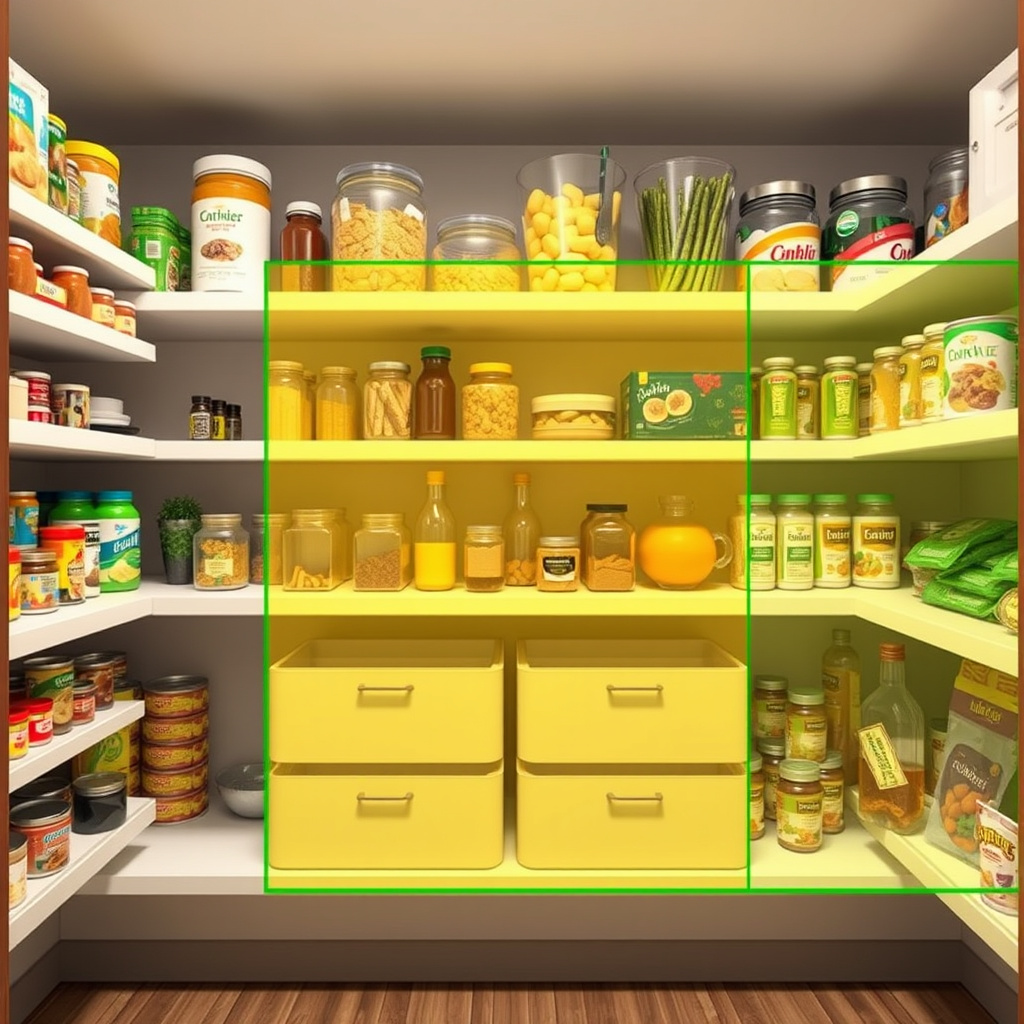
Organizing by food type—such as baking goods, snacks, canned items, and spices—keeps your pantry orderly and items easy to locate. Grouping related ingredients streamlines meal prep.
Position frequently used items at eye level, heavier items low on shelves, and rarely used goods up high or down low. This zoning minimizes search time and maximizes the functional space.
- Create snack zone for kids
- Designate a baking station
- Group canned goods together
- Separate dry goods and cereals
Choosing the Right Storage Containers and Organizers
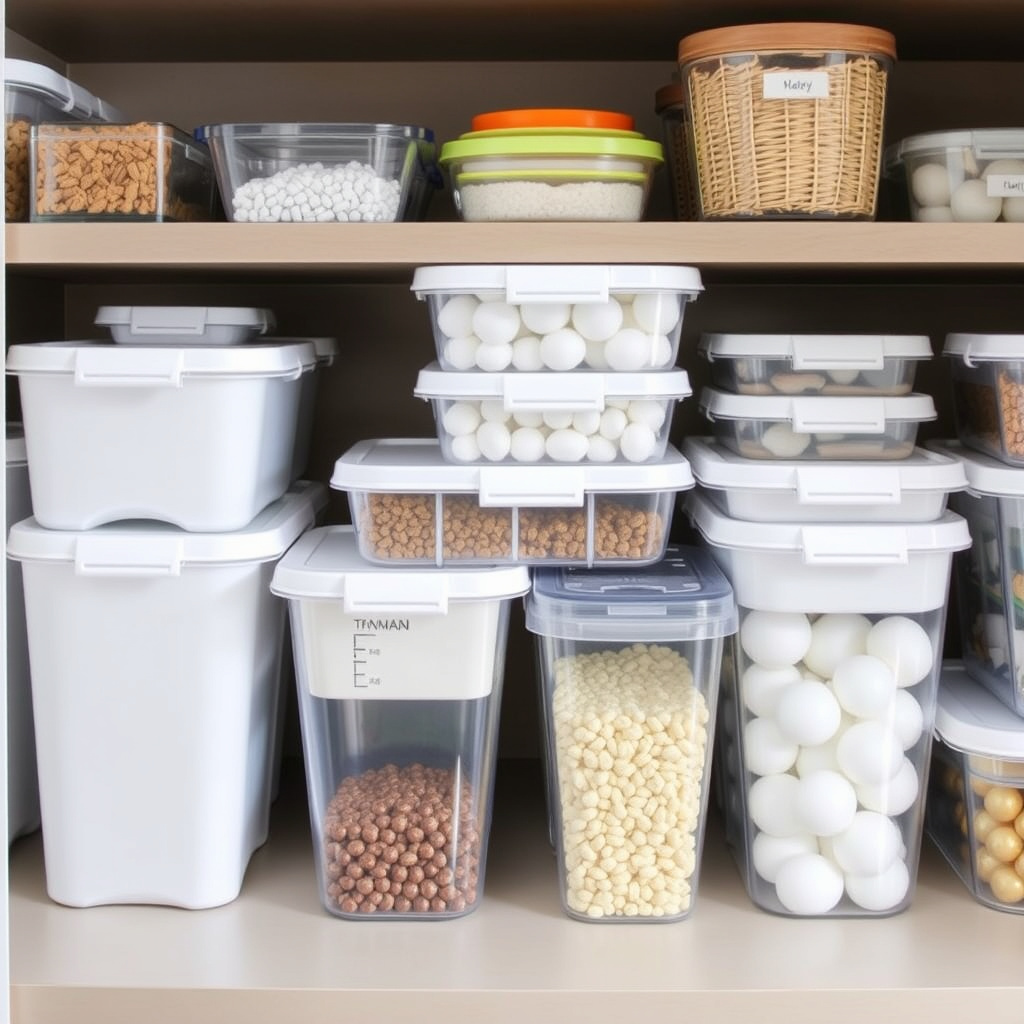
Benefits of Clear Airtight Containers
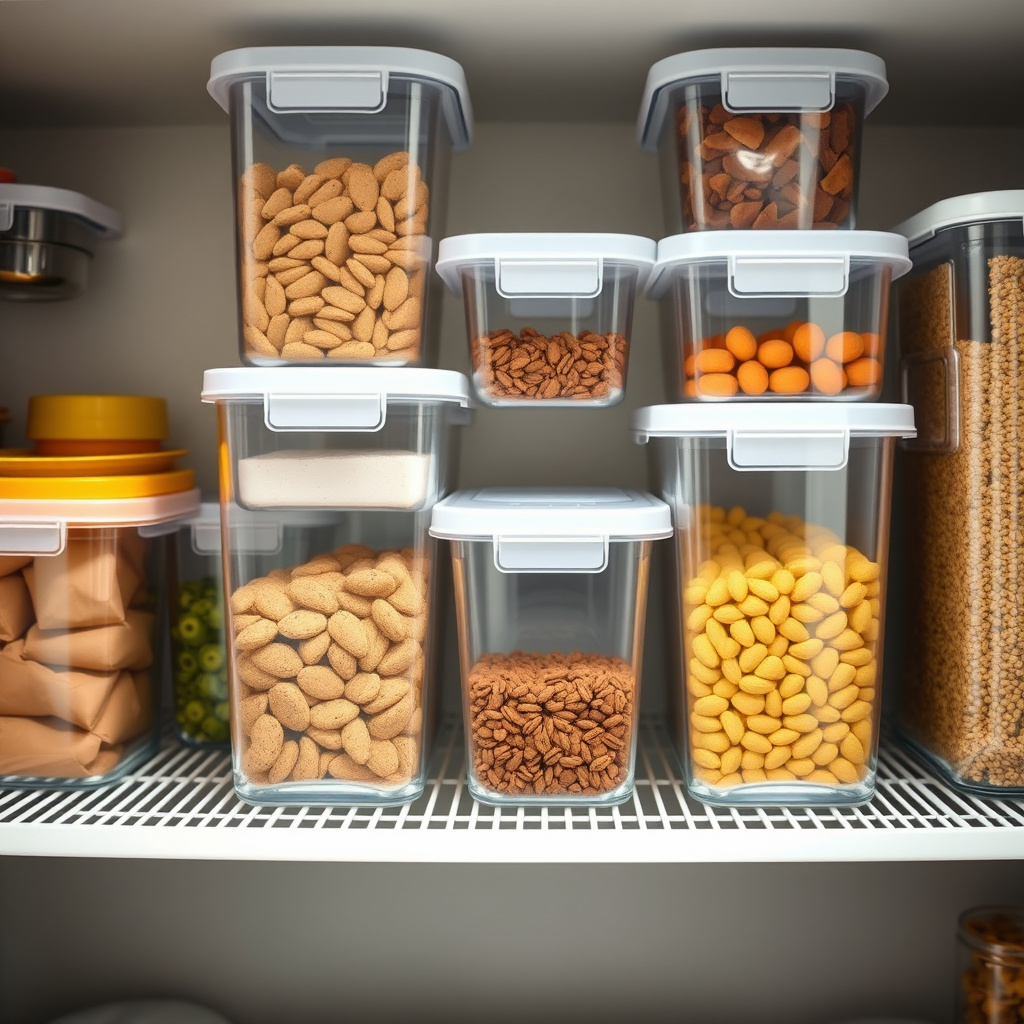
Clear airtight containers protect dry foods like flour, pasta, and grains from moisture and pests while offering instant visibility. Uniform shapes stack neatly and prevent spills or messes inside the pantry.
Using containers with labels reduces guesswork and keeps food freshness for longer durations, cutting down on waste.
- Prevent moisture and contamination
- Easy content identification
- Maximize stackable space
Using Baskets, Bins, and Lazy Susans
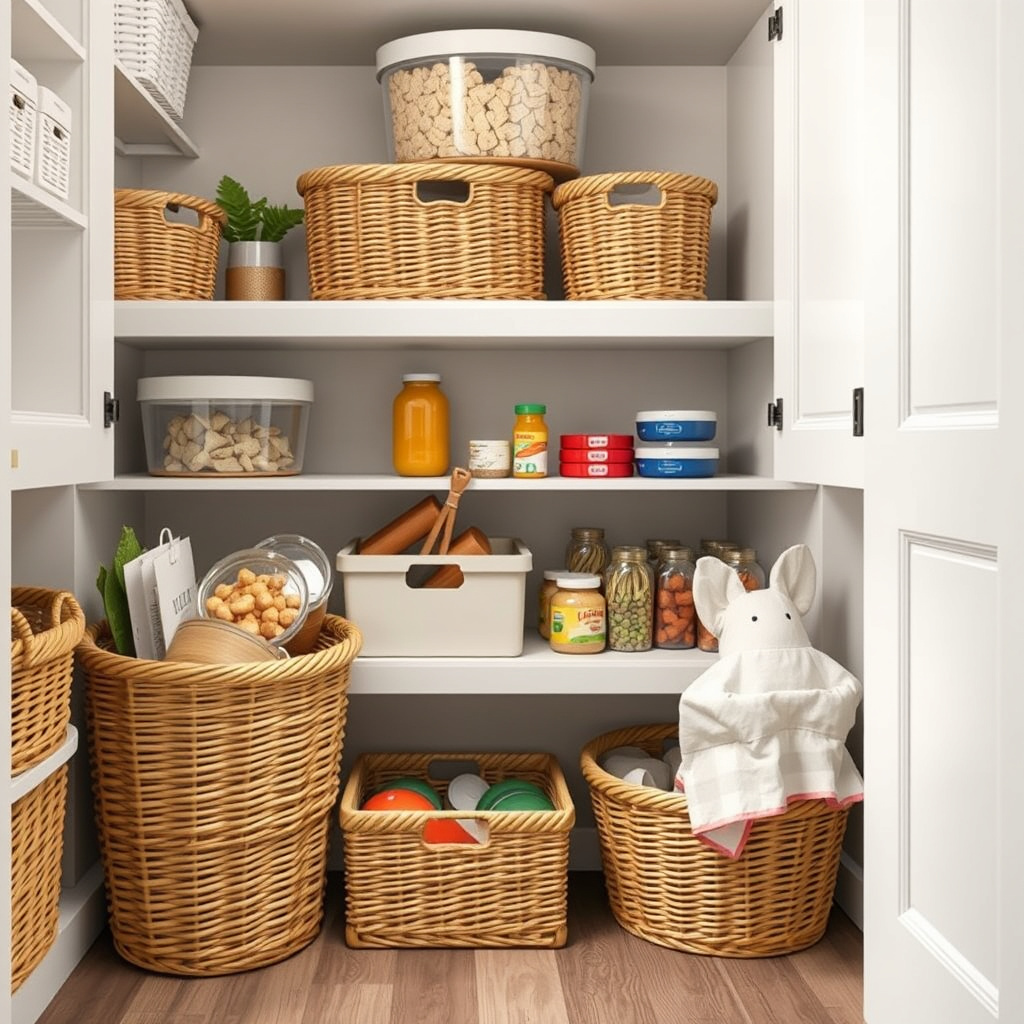
Wire or wicker baskets help corral smaller items like seasoning packets or snack bags that can get lost on shelves. Removable bins also aid in quick pantry inventory checks.
Lazy Susans or rotating trays are ideal for corner shelves or spice collections, providing easy access without knocking over other products.
- Group similar small items
- Improve access in deep corners
- Easier cleaning and restocking
Labeling Systems and Inventory Tracking
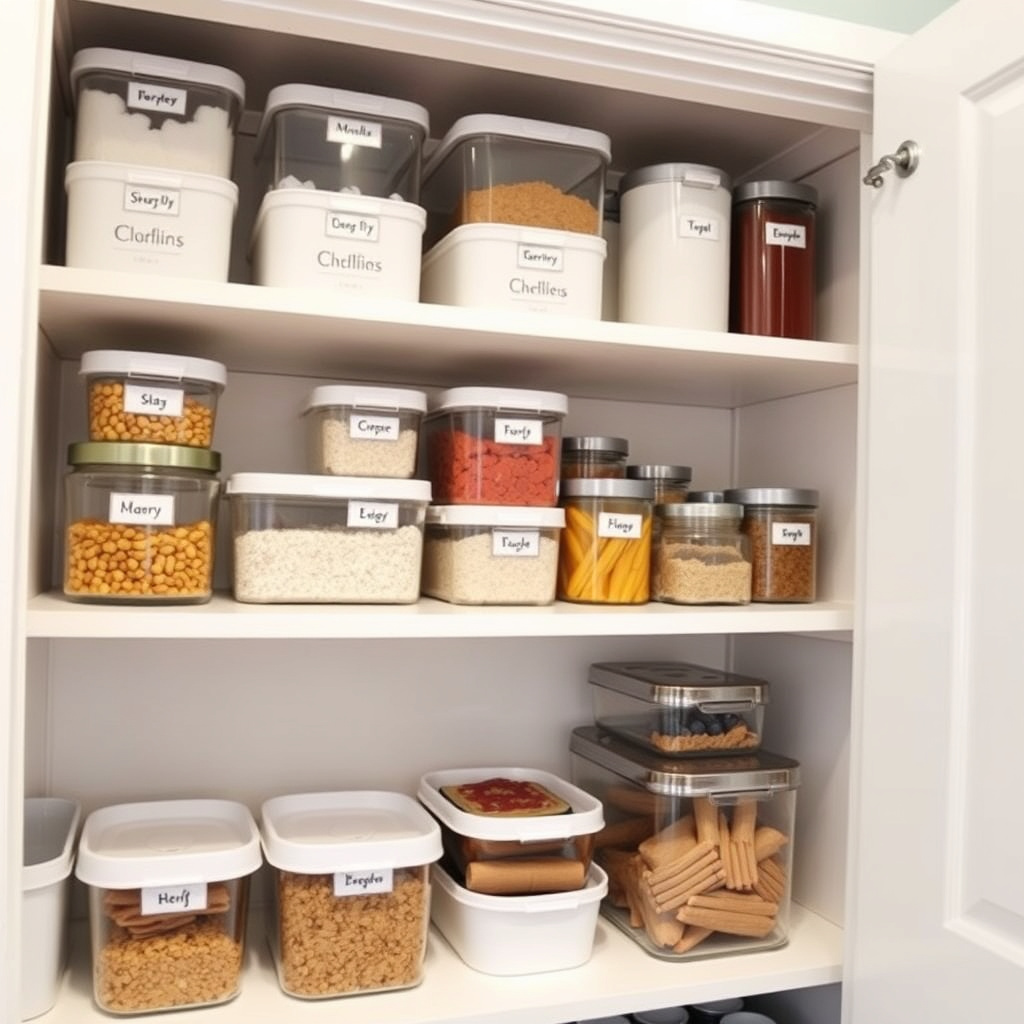
Creating Clear and Consistent Labels
Labels should be easy to read and placed uniformly on storage containers or shelves. Use chalkboard labels or printed stickers to clearly mark contents and expiration dates.
Consistent labeling reduces confusion and encourages everyone in the household to maintain the organization system.
Maintaining an Inventory List
Keeping a simple pantry inventory list on paper or digitally helps track what you have and what needs replenishing, preventing duplicate purchases and waste.
Update the list when adding or using items, which supports efficient grocery planning and meal prep.
Maximizing Space with Vertical and Door Storage
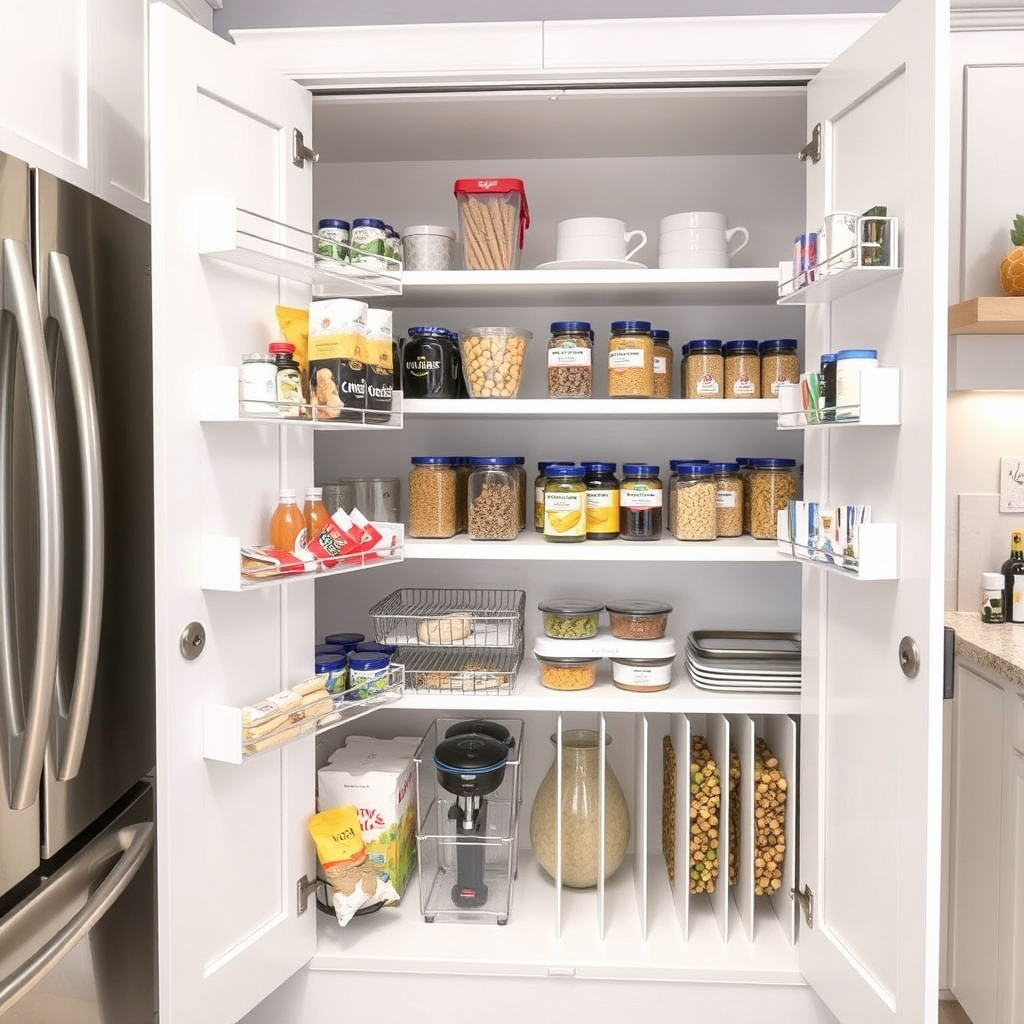
Installing Door Racks and Hooks
The back of pantry doors is a valuable but often overlooked space. Slim racks or hooks can hold spices, cleaning supplies, or small packets without taking shelf space.
Adjustable door organizers fit various items, turning unused door space into accessible storage.
- Hold spices, packets, and utensils
- Maximize vertical storage
- Easy to install and adjust
Using Vertical Dividers and Shelf Risers
Vertical dividers help organize baking sheets, cutting boards, or trays standing upright, freeing shelf space. Shelf risers create additional horizontal layers for stacking shorter items safely.
These organizers allow better use of height and depth for kitchen pantry storage solutions.
- Separate flat items upright
- Create layered shelving
- Increase accessible shelf capacity
Maintaining Your Organized Kitchen Pantry
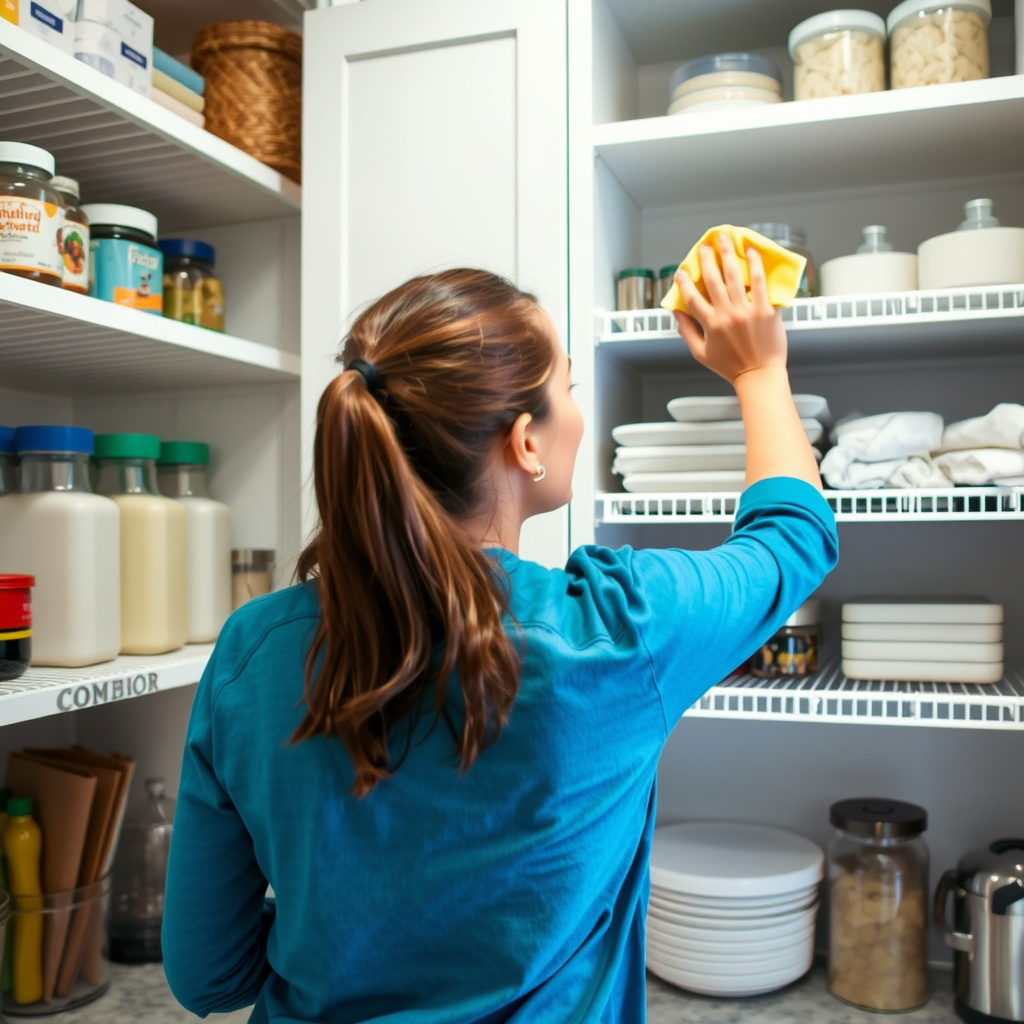
Regular Cleaning and Purging
Routine cleaning every few months keeps the pantry hygienic and fresh-smelling. Removing expired items and wiping shelves helps avoid attracting pests or unwanted odors.
This practice supports the effectiveness of your kitchen pantry storage solutions for the long term.
- Schedule quarterly checks
- Discard expired or stale food
- Clean crumbs and dust
Adjusting Organization as Needs Change
Your kitchen habits and food preferences evolve, so revisit your pantry setup periodically. Adjust container sizes, zones, or labels to better suit current cooking styles or seasonality.
Adaptability prevents clutter and keeps pantry function aligned with your lifestyle.
Organizing Different Types of Kitchen Pantries
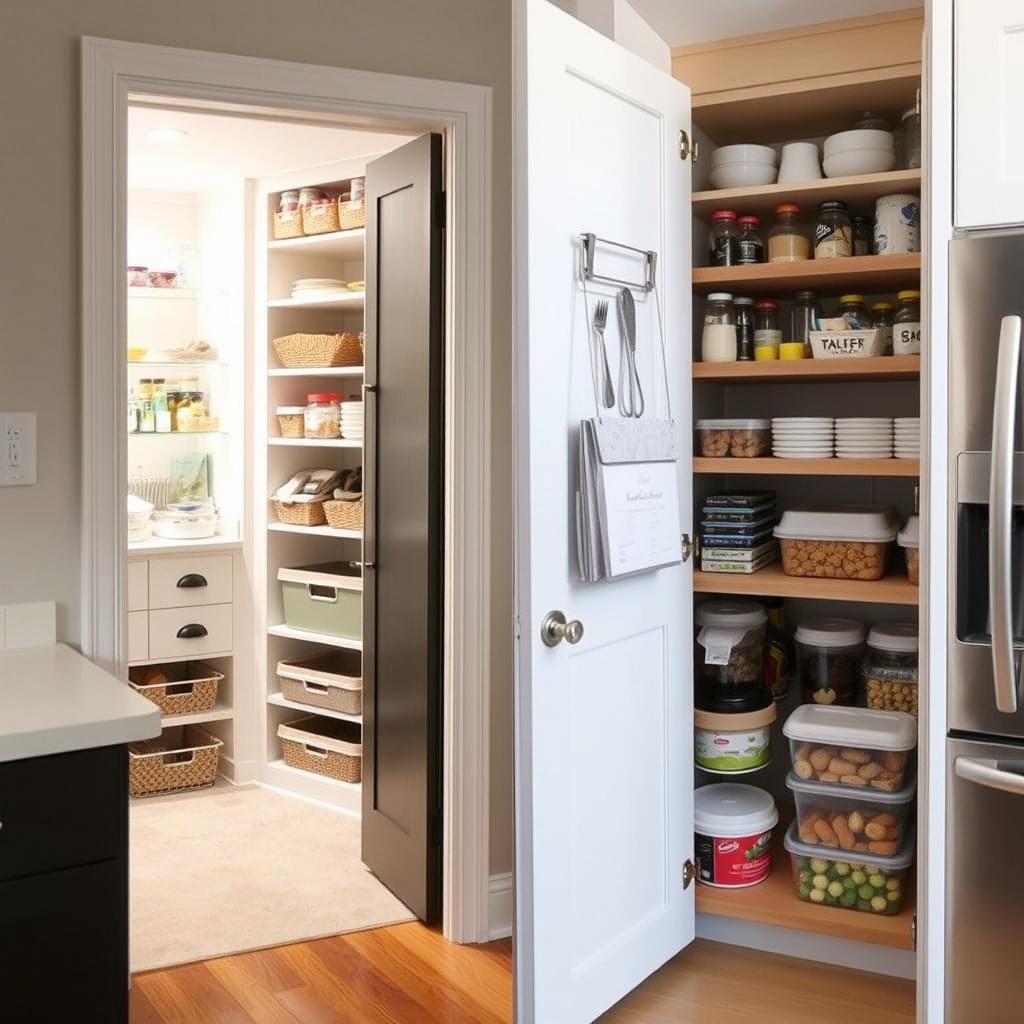
Small Cabinet-Style Pantry Solutions
In smaller pantries or cabinets, use slim, stackable containers and tiered shelf organizers to maximize space. Door-mounted racks and pull-out baskets enhance accessibility in tight spots.
Prioritize vertical space and compact storage to keep everything visible and reachable.
- Use stackable containers
- Add pull-out baskets
- Install tiered shelves
For more detailed pantry organization tips and ideas, check out this resource from Better Homes & Gardens. pantry organization tips.
Walk-In Pantry Design and Organization
Larger walk-in pantries allow versatile organization including freestanding shelving units, labeled bins, and adjustable racks. Consider adding a designated prep area inside for convenience.
Zoning food categories clearly in walk-in pantries simplifies navigation and helps maintain order.
- Incorporate freestanding shelves
- Create distinct zones
- Add countertop surfaces if space allows
Kitchen Pantry Organization Category Comparison
Here’s a comparison of different kitchen pantry setups and storage approaches to help identify what fits your space and needs best.
| Pantry Type | Space Utilization | Ease of Access | Cost | Best For |
|---|---|---|---|---|
| Small Cabinet Pantry | High with vertical stacking | Moderate | Low | Small kitchens or apartments |
| Walk-In Pantry | Maximum with zoning | High | Medium to High | Larger homes with dedicated space |
| Shelf Baskets & Bins | Moderate | High with labeling | Low to Medium | Flexibility for varied items |
| Airtight Containers | High with stackability | High with clear view | Medium | Long-term dry storage |
| Door-Mounted Racks | Moderate | Moderate to High | Low | Additional space in small pantries |
Frequently Asked Questions
How often should I reorganize my kitchen pantry?
Reorganizing every three to six months helps maintain order, ensures freshness of items, and allows adjustments as your food storage needs change.
What are the best containers for pantry organization?
Clear airtight containers made of durable plastic or glass are best because they protect food from pests and moisture while offering clear visibility.
Can I use my pantry for non-food items?
Yes, many pantries can house cleaning supplies or kitchen tools if space allows. Keep non-food items separate and organized to avoid contamination.
How can I prevent pests in my pantry?
Use airtight containers, keep the pantry clean, regularly discard expired food, and avoid storing food in open packaging to minimize pest attraction.
What’s the best way to label pantry containers?
Use easy-to-read, consistent labels on the front of containers showing the contents and expiration dates. Chalkboard labels or printed stickers work well.
Key Takeaways
- Group pantry items by category and frequency of use to save time.
- Use clear airtight containers to protect and organize dry foods.
- Maximize space with vertical storage, door racks, and shelf risers.
- Maintain your pantry regularly with cleaning and inventory tracking.
Conclusion
Organizing a kitchen pantry involves thoughtful assessment of your available space, daily cooking habits, and the types of food you store most often. By categorizing items, selecting the right storage containers, and creating zones within your pantry, you establish a system that streamlines meal preparation and minimizes waste. Effective labeling and regular maintenance sustain this order over time, making your kitchen more enjoyable and efficient.
Different pantry types require tailored solutions: small cabinet pantries benefit from stackable containers and door racks to conserve space, while walk-in pantries allow expansive zoning and freestanding shelving options. Investing in airtight containers not only extends food longevity but also simplifies identification. Incorporating baskets and organizers further aids handling small or irregularly shaped items, rounding out your kitchen pantry storage solutions.
If you're ready to start improving your pantry, begin with a complete emptying and cleaning session to reevaluate your storage needs. Then, gradually introduce containers, labels, and zone arrangements suited for your space. Maintaining this system with periodic purging and inventory updates will keep your pantry organized and functional, transforming your kitchen workflow and reducing daily stress.