How to Clean a Kitchen: A Practical Step-by-Step Guide
Cleaning a kitchen effectively starts with organizing your tasks: clear countertops, wipe surfaces, clean appliances, and mop floors. With a methodical approach, you can restore your kitchen’s cleanliness quickly and maintain a sanitary environment for cooking.
A clean kitchen reduces the risk of foodborne illnesses and creates a more pleasant cooking experience. Many overlook steps that lead to lingering bacteria or greasy buildup, but establishing a routine helps keep grime and mess from piling up over time.
This article outlines clear steps on how to clean a kitchen thoroughly by targeting key areas such as counters, sinks, appliances, cabinets, and floors. It also shares kitchen cleaning tips to optimize your process and maintain hygiene efficiently.
Preparing and Decluttering Your Kitchen
Clearing Countertops and Removing Waste

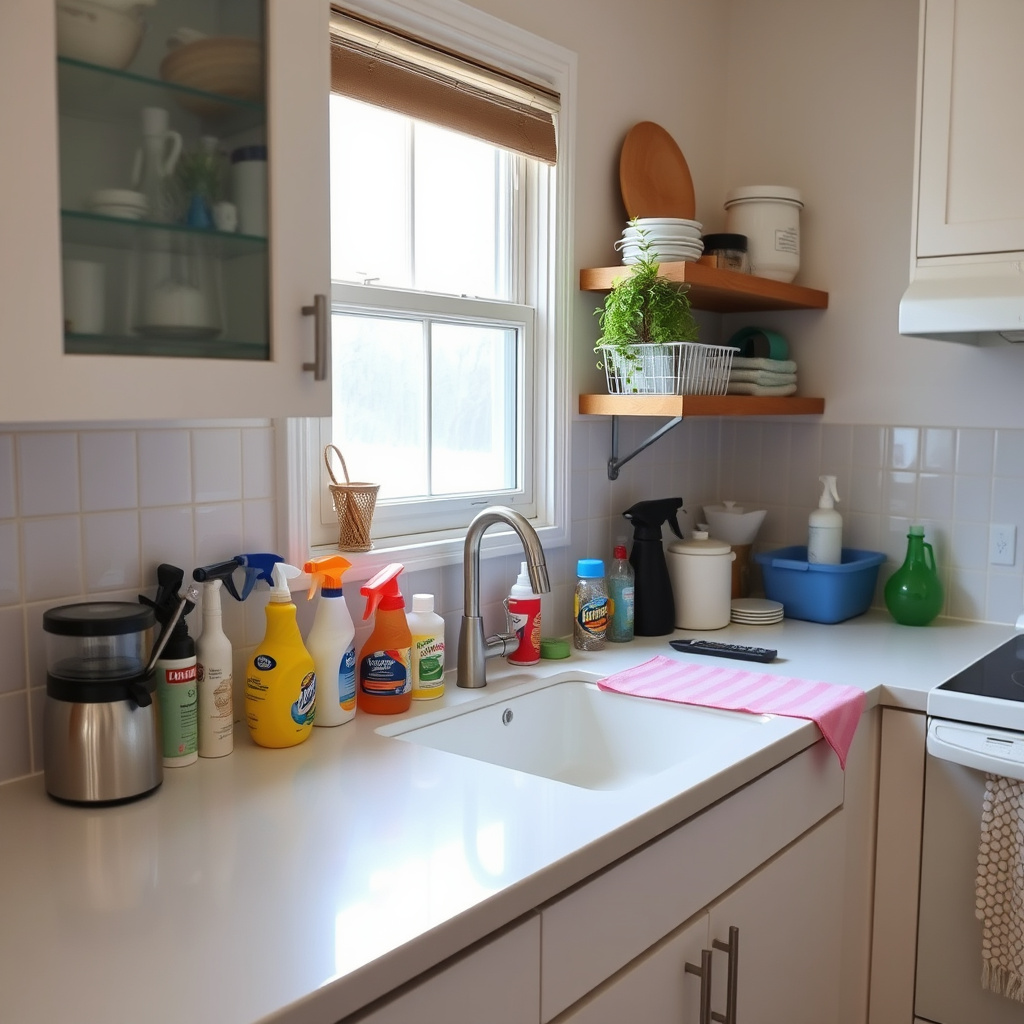
Begin by removing all items from your countertops, including small appliances, dishes, and food containers. Discard any trash, expired food, or items that don’t belong in the kitchen to create a clean surface.
Organizing first makes cleaning easier and more effective. A clutter-free area lets you wipe surfaces quickly and reduces the chance of missing dirty spots hidden under objects.
- Remove small appliances to clean underneath
- Empty the trash and recycling bins
- Put dirty dishes in the dishwasher or sink
Gathering Cleaning Supplies
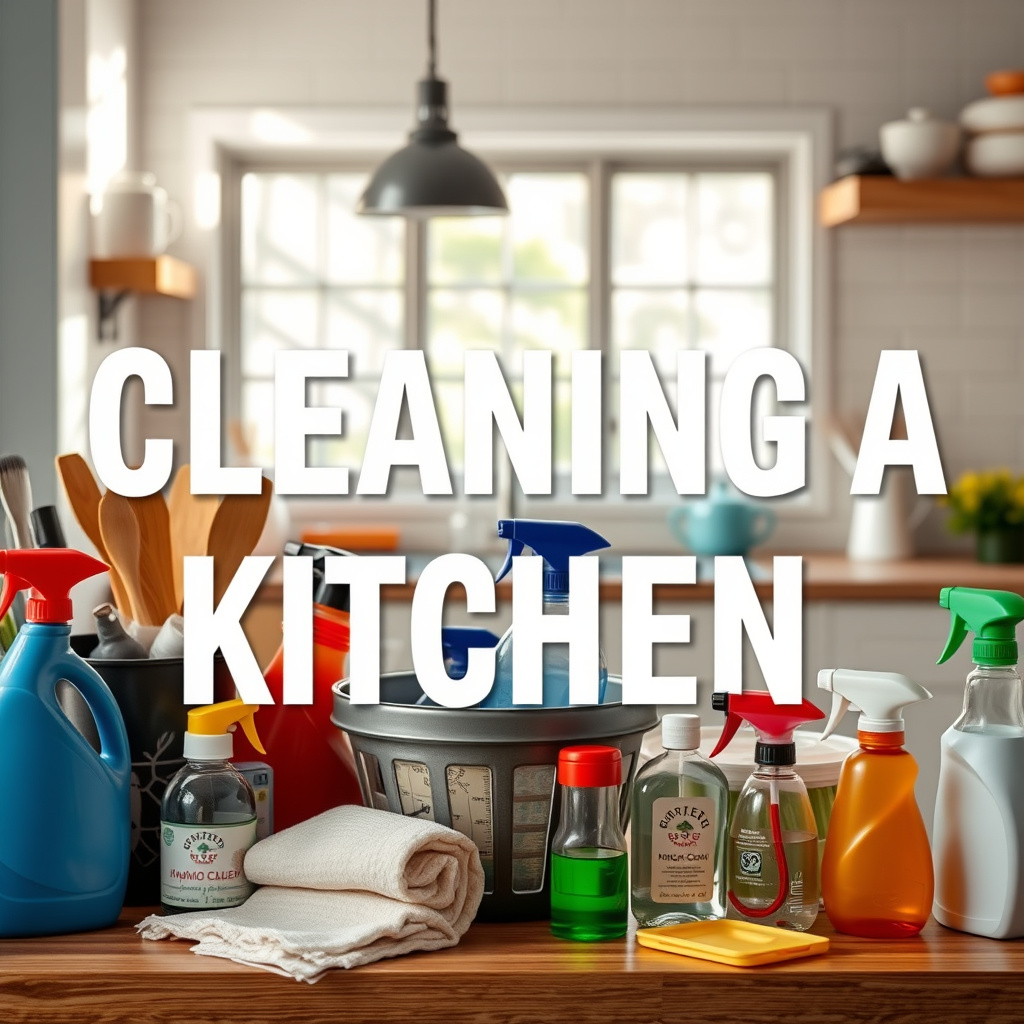
Collect essential cleaning supplies such as all-purpose cleaner, degreaser, microfiber cloths, sponges, brushes, mop, and gloves before starting. Having everything handy prevents interruptions and speeds up the process.
Choose products suitable for kitchen surfaces, like non-abrasive cleaners for countertops and safe disinfectants for food prep areas, balancing cleaning power with surface preservation.
- All-purpose cleaner or kitchen surface cleaner
- Degreaser for stubborn grease
- Scrub brushes and sponges
- Microfiber cloths for wiping
- Mop and bucket for floors
Cleaning Surfaces and Appliances

Wiping Down Counters and Backsplashes
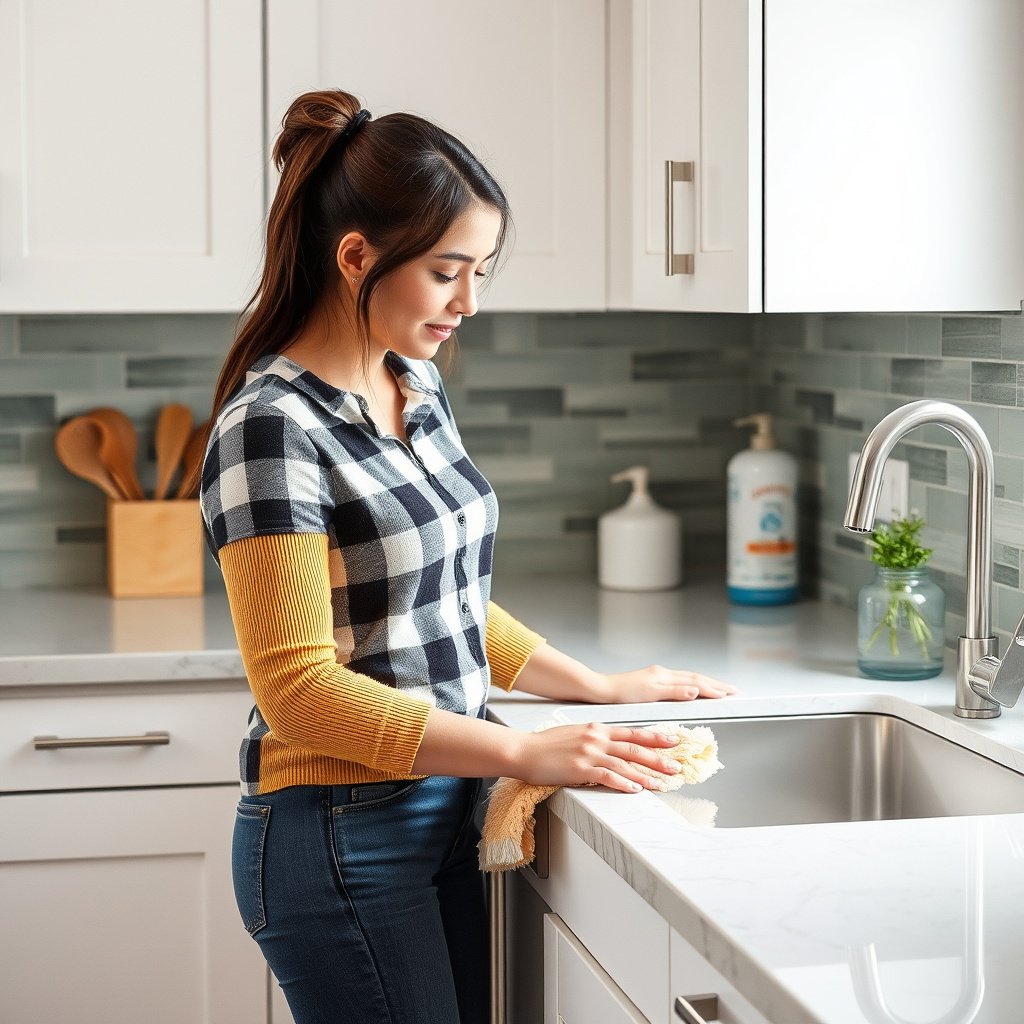
Spray counters and backsplashes with a safe kitchen cleaner and let it sit for a few minutes to break down grease and grime. Then, wipe with a microfiber cloth in circular motions to remove residue thoroughly.
Attention to detail around sinks, stove edges, and corners helps eliminate buildup that can attract pests or bacteria over time. Rinse solution off if necessary to avoid sticky residues.
- Use a microfiber cloth for streak-free cleaning
- Avoid harsh chemicals on delicate surfaces
- Focus on areas near cooking and washing
Cleaning Appliances Effectively
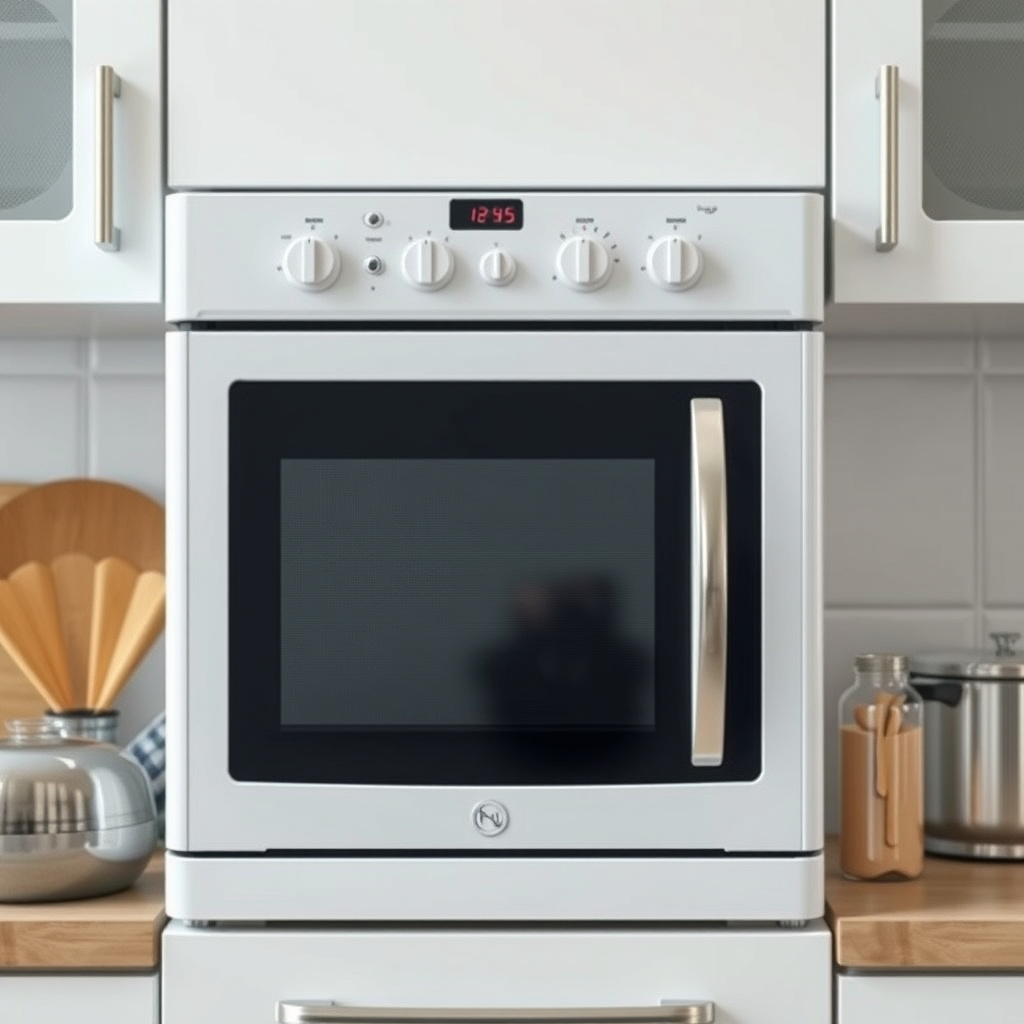
Clean exterior surfaces of appliances such as refrigerators, microwaves, and ovens with a degreaser or all-purpose cleaner. For stovetops, remove grates and knobs if possible and soak them to loosen grease before scrubbing.
Don’t forget to clean handles, control panels, and door seals, which harbor fingerprints and food particles. Regular appliance cleaning maintains their functionality and prolongs lifespan.
- Use baking soda paste for tough oven stains
- Unplug appliances before deep cleaning
- Clean inside microwaves with water and lemon steam
Sink and Drain Maintenance
Scrubbing and Sanitizing the Sink Basin
Use a non-abrasive scrubber and baking soda to clean the sink basin, removing stains without damaging the surface. Follow by rinsing with hot water and spraying a disinfectant to sanitize thoroughly.
A clean sink prevents bad odors and bacterial growth since this area often holds food debris and moisture where germs thrive.
- Use vinegar and baking soda to deodorize drains
- Avoid bleach on stainless steel sinks
- Dry sink after cleaning to prevent water spots
For more on this, see our related guide: How to Clean Kitchen Cabinets Grease: Effective Methods That Work.
Clearing and Refreshing the Drain
Pour boiling water down the drain regularly to flush out grease and residues. For slow drains, a mixture of baking soda and vinegar creates a natural fizz that helps clear blockages safely.
Use a drain strainer to catch food scraps and clean it often to prevent clogs and unpleasant smells that can affect kitchen hygiene.
- Avoid pouring grease down drains
- Use a plunger or drain snake for stubborn clogs
- Schedule professional cleaning if issues persist
Cabinet and Drawer Cleaning
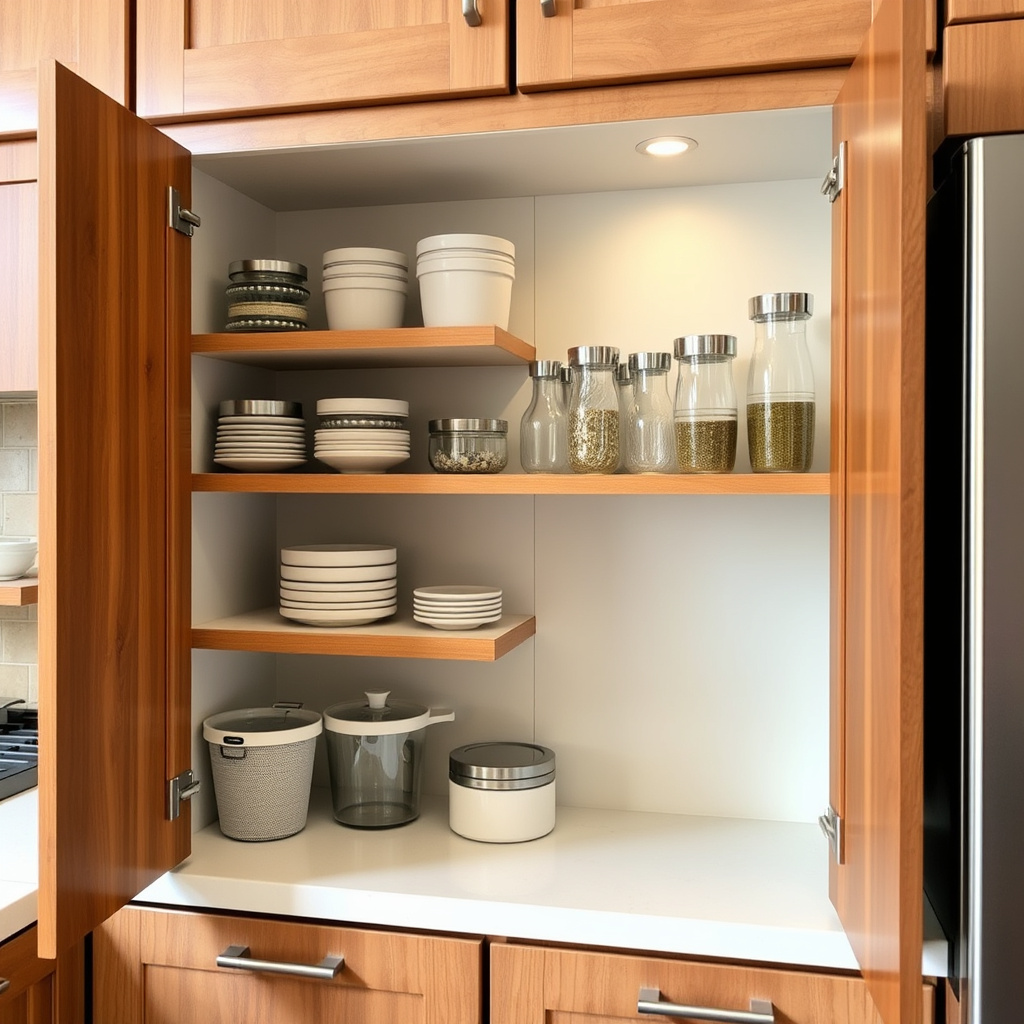
Wiping Exterior Cabinet Surfaces
Use a damp cloth and mild detergent to wipe cabinet doors and drawer fronts, removing fingerprints, grease, and dust. Dry immediately to prevent water damage especially on wooden surfaces.
Regular surface cleaning keeps cabinets looking fresh and prevents buildup that can be tougher to remove later.
- Test cleaner on a small hidden area first
- Avoid soaking wooden cabinets
- Use a soft cloth to prevent scratches
Organizing and Cleaning Inside Cabinets
Empty cabinet contents before cleaning shelves and drawers. Wipe surfaces with a gentle cleaner, dry thoroughly, and then organize items logically to improve kitchen workflow.
Decluttering during this step helps spot expired foods or unused items, contributing to a tidier and more functional kitchen space.
- Use shelf liners for easy future cleaning
- Group similar items together
- Label containers for quick identification
Floor Cleaning and Maintenance
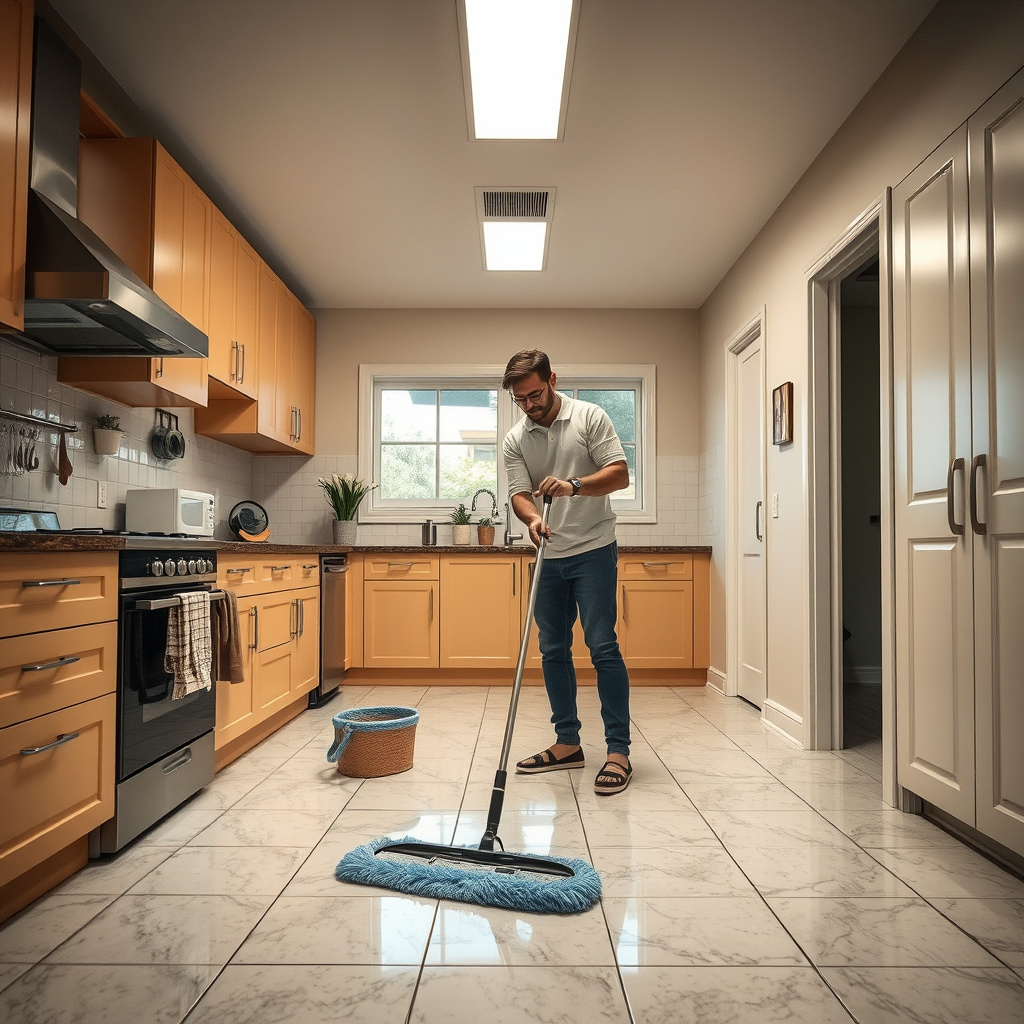
Sweeping and Vacuuming the Floor
Start by sweeping or vacuuming to remove loose debris, crumbs, and dirt. This step prevents scratching the floor surface during mopping and prepares it for deeper cleaning.
Pay extra attention to corners and under cabinets where dirt collects unnoticed.
- Use a soft broom or vacuum attachment for delicate floors
- Remove rugs or mats before cleaning
- Dispose of collected debris properly
For more on this, see our related guide: How to Clean Wood Kitchen Cabinets: Effective Methods and Tips.
Mopping with Suitable Cleaners
Mop floors using warm water mixed with a floor-appropriate cleaner; for example, hardwood floors require gentle products without ammonia, while tile can handle stronger solutions. Rinse mop frequently to avoid spreading dirt.
Dry floors after mopping if possible to avoid slips and water damage, maintaining a sparkling clean kitchen foundation.
- Use microfiber mop heads for better cleaning
- Avoid flooding floors with too much water
- Clean mop regularly to prevent bacterial growth
Final Touches and Regular Maintenance
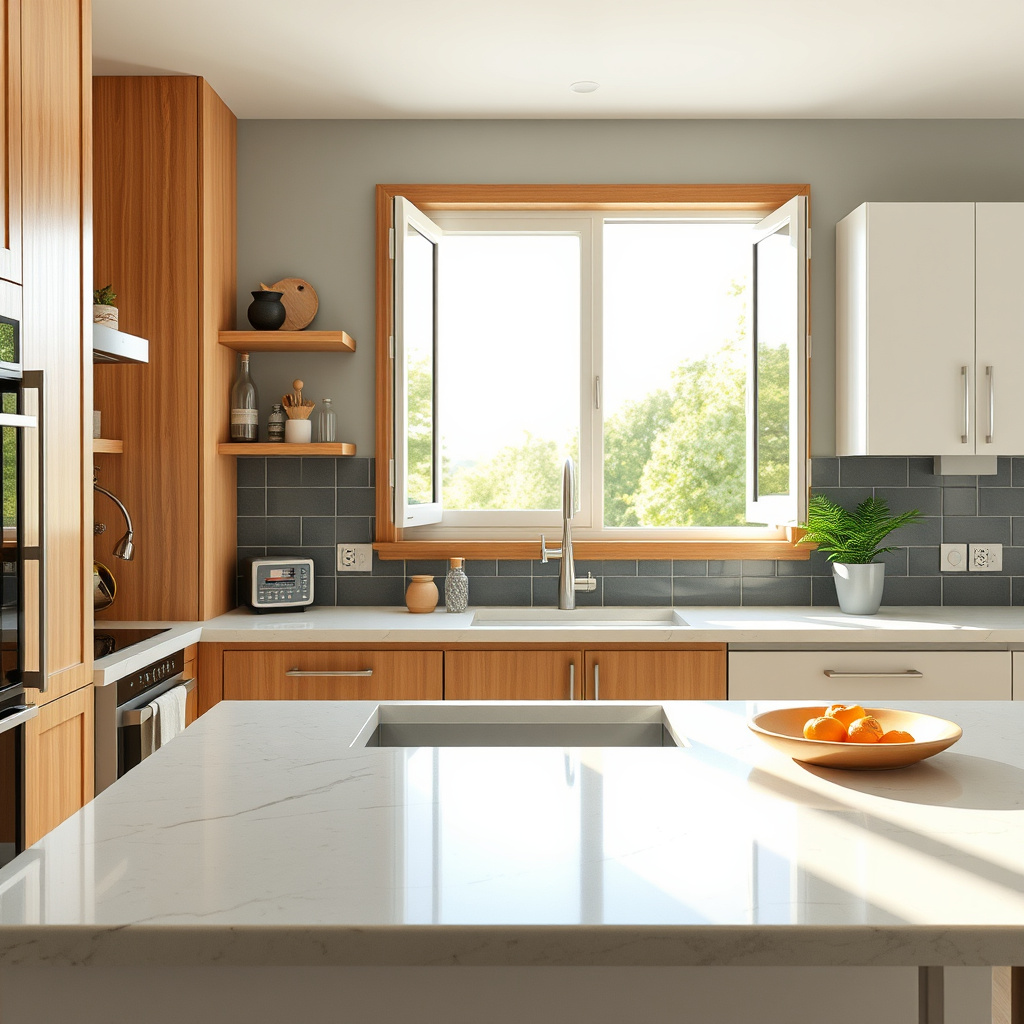
Polishing Fixtures and Handles
Use a suitable polish or cleaner on faucets, handles, and stainless steel surfaces to restore shine and remove watermarks. A small detail that makes the entire kitchen appear cleaner and more inviting.
Regular polishing minimizes buildup and prolongs the life of fixtures by preventing corrosion and stains.
- Apply polish with soft cloths to avoid scratching
- Avoid abrasive powders on metal finishes
- Consider a weekly polishing routine
For official kitchen cleaning guidelines and indoor hygiene tips, refer to this comprehensive resource. kitchen cleaning guidelines.
Establishing a Cleaning Routine
Frequent light cleanups, such as wiping counters daily and mopping weekly, help maintain kitchen hygiene and drastically reduce deep cleaning time. Setting a schedule keeps tasks manageable and consistent.
Incorporate kitchen cleaning tips like spot-checking after cooking and decluttering regularly to prevent mess accumulation.
- Wipe spills promptly to avoid stains
- Check appliance filters and replace as needed
- Deep clean monthly for thorough sanitation
Kitchen Cleaning Methods Comparison
Here's a comparison of popular kitchen cleaning methods highlighting their effectiveness, time needed, and surface compatibility.
| Method | Effectiveness | Time Required | Suitable Surfaces |
|---|---|---|---|
| Manual Cleaning with Cloths | High for surface wipe-downs | Moderate (30-60 mins) | All surfaces including counters, appliances |
| Steam Cleaning | Very High for sanitization | Short to Moderate (20-40 mins) | Tile, sealed countertops, appliances |
| Dishwasher Use for Utensils | High for cutlery and small items | Variable (cycles from 30-90 mins) | Dishes, silverware, small tools |
| Chemical Degreasers | High for tough grease | Short (10-20 mins) | Stovetops, exhaust hoods, metal appliances |
| Natural Cleaners (Vinegar, Baking Soda) | Moderate to High | Moderate (30-45 mins) | Most surfaces except natural stone |
Frequently Asked Questions
How often should I deep clean my kitchen?
A deep clean is recommended monthly to address areas like cabinet interiors, appliance exteriors, and floors beyond regular daily cleaning.
Can I use vinegar to clean all kitchen surfaces?
Vinegar works well on many surfaces but should be avoided on natural stone like granite or marble, as it can degrade the finish.
What is the best way to remove grease from stovetops?
Applying a degreaser or a paste of baking soda and water, letting it sit, then scrubbing with a non-abrasive sponge effectively removes grease.
How can I keep my kitchen sink smelling fresh?
Regularly cleaning the sink with baking soda and vinegar, avoiding food scraps down the drain, and using a drain strainer helps prevent odors.
Is it necessary to wear gloves during kitchen cleaning?
Wearing gloves protects your skin from harsh chemicals and prolonged water exposure, especially when using strong cleaners or soaking dishes.
Key Takeaways
- Organize and declutter kitchen surfaces before cleaning starts
- Use appropriate cleaners for each surface to avoid damage
- Maintain sinks and drains with natural solutions to prevent odors
- Establish a regular cleaning routine to keep the kitchen hygienic
Conclusion
When deciding how to clean a kitchen, balancing thoroughness with efficiency is essential. Focus on sequencing tasks like decluttering, surface cleaning, and floor maintenance to manage time and effort well. Prioritize areas prone to bacteria and grease buildup to maintain safety and appearance.
For heavy grease spots, chemical degreasers combined with steam cleaning offer effective solutions, while manual cleaning with appropriate cloths is suitable for regular upkeep. Kitchens with natural stone surfaces benefit from natural cleaners, while stainless steel appliances require gentle polishing to retain shine. Implementing kitchen cleaning tips such as daily counter wipes and frequent sink sanitation prevents buildup and reduces the need for intense deep cleans.
To keep your kitchen consistently clean, start with a decluttered counter, follow thorough surface and appliance cleaning steps, then maintain a floor cleaning routine. Planning weekly spot cleans and monthly deep cleans tailored to your kitchen's materials and usage will make the process less overwhelming and more sustainable.