How Tall Is a Kitchen Table? Finding the Perfect Height for Your Space
A typical kitchen table height is usually around 28 to 30 inches (71 to 76 cm) from the floor to the tabletop. This height range is designed to accommodate most chairs and provides a comfortable seating position for eating and working in the kitchen. Choosing the right height helps in maintaining good posture and allows for easy movement around the table.
The height of a kitchen table matters because it affects comfort during meals and activities. Tables that are too low or too high can cause strain on the back, shoulders, and arms. Since kitchen tables serve multiple purposes—from dining to homework or meal prep—the right height supports a versatile and ergonomic setup. Variations exist depending on the style of the table and the chairs used with it.
In this article, we'll cover the average kitchen table height, how it compares to standard dining table height, factors affecting your choice, styles of kitchen tables with height variations, and tips on measuring for the ideal fit. We will also review different categories of tables and answer common questions to help you find the perfect kitchen table height for your home.
Understanding Standard Kitchen Table Heights
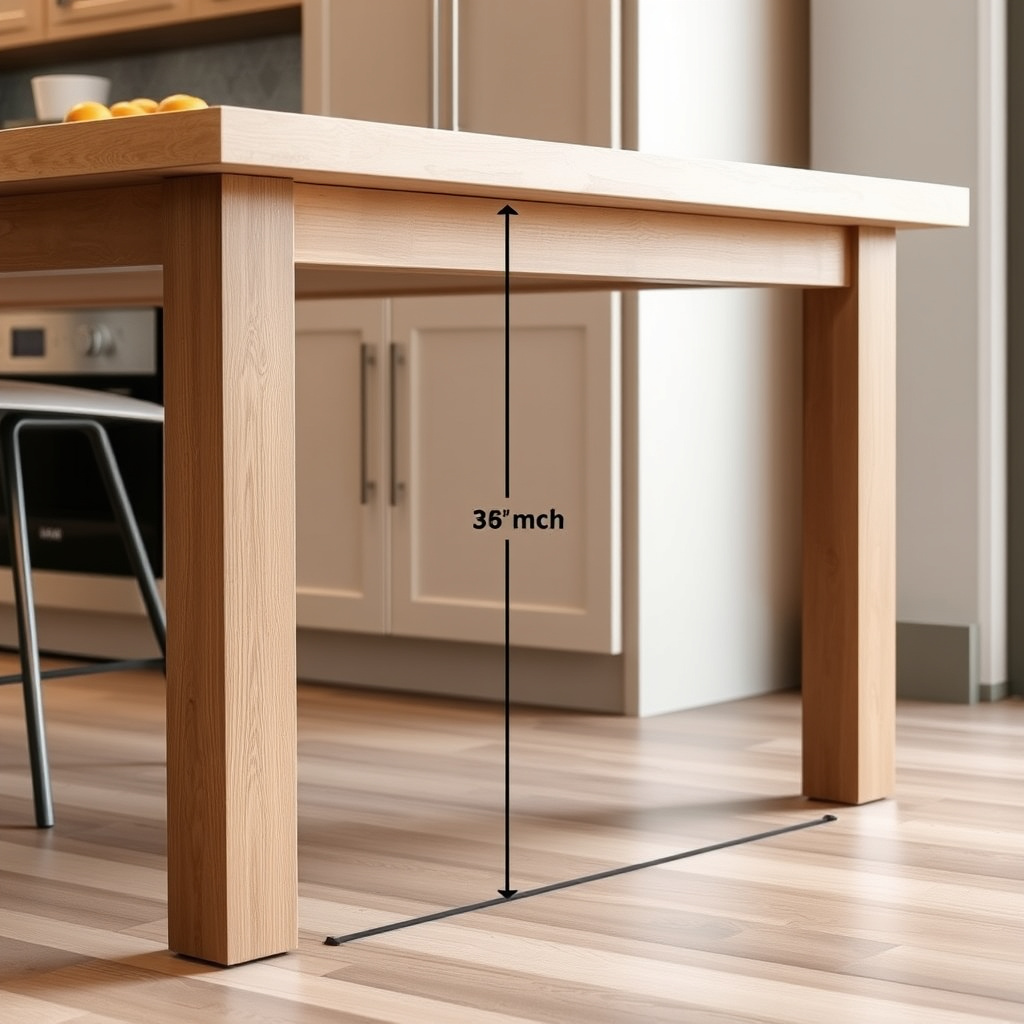
Typical Height Range for Kitchen Tables
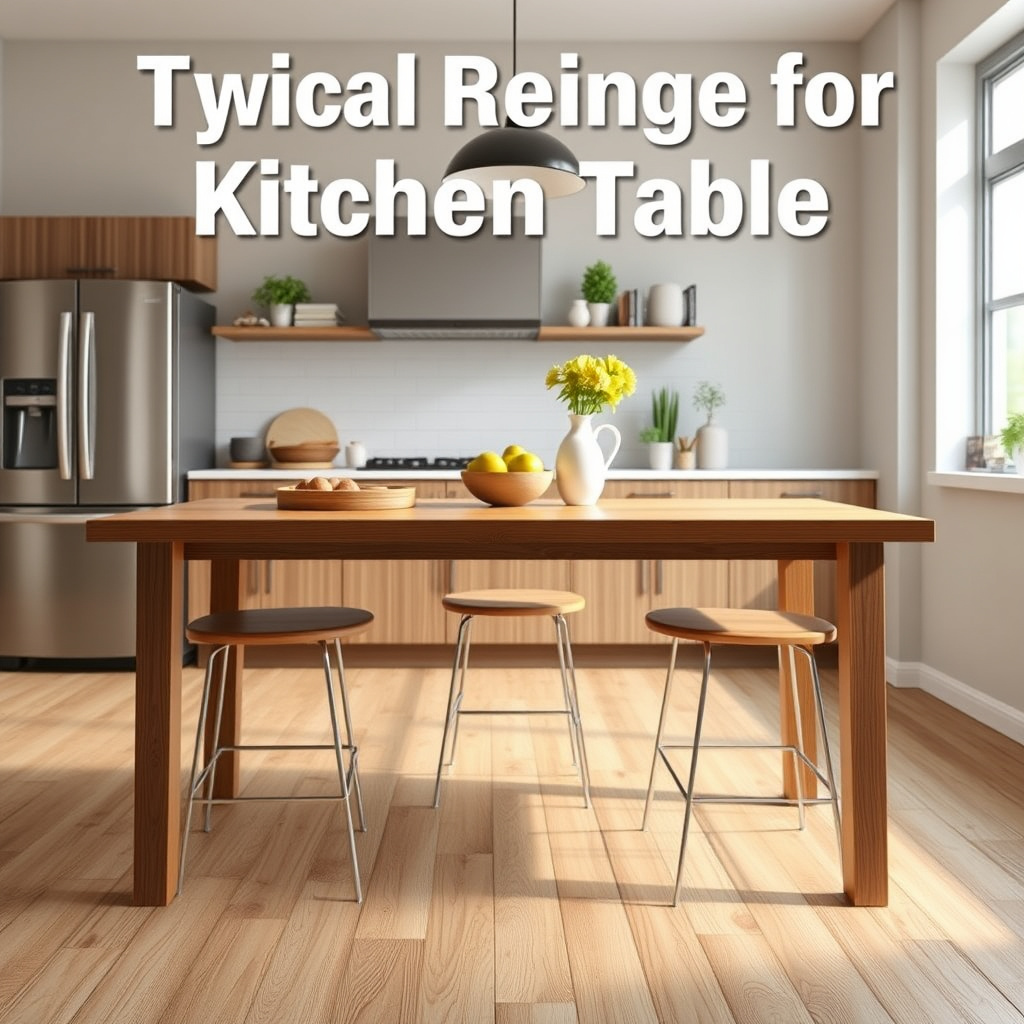
Most kitchen tables fall within the range of 28 to 30 inches tall. This range aligns with standard chair seat heights, allowing elbows and knees enough clearance to sit comfortably without hunching or stretching. It's a universal height adopted for general use in kitchens and casual dining areas.
Manufacturers follow these height norms so consumers can easily find compatible chairs and stools. A 29-inch table height is widely considered the sweet spot for average adults, balancing functionality with comfort in everyday kitchen tasks.
Comparing Kitchen Tables to Standard Dining Tables
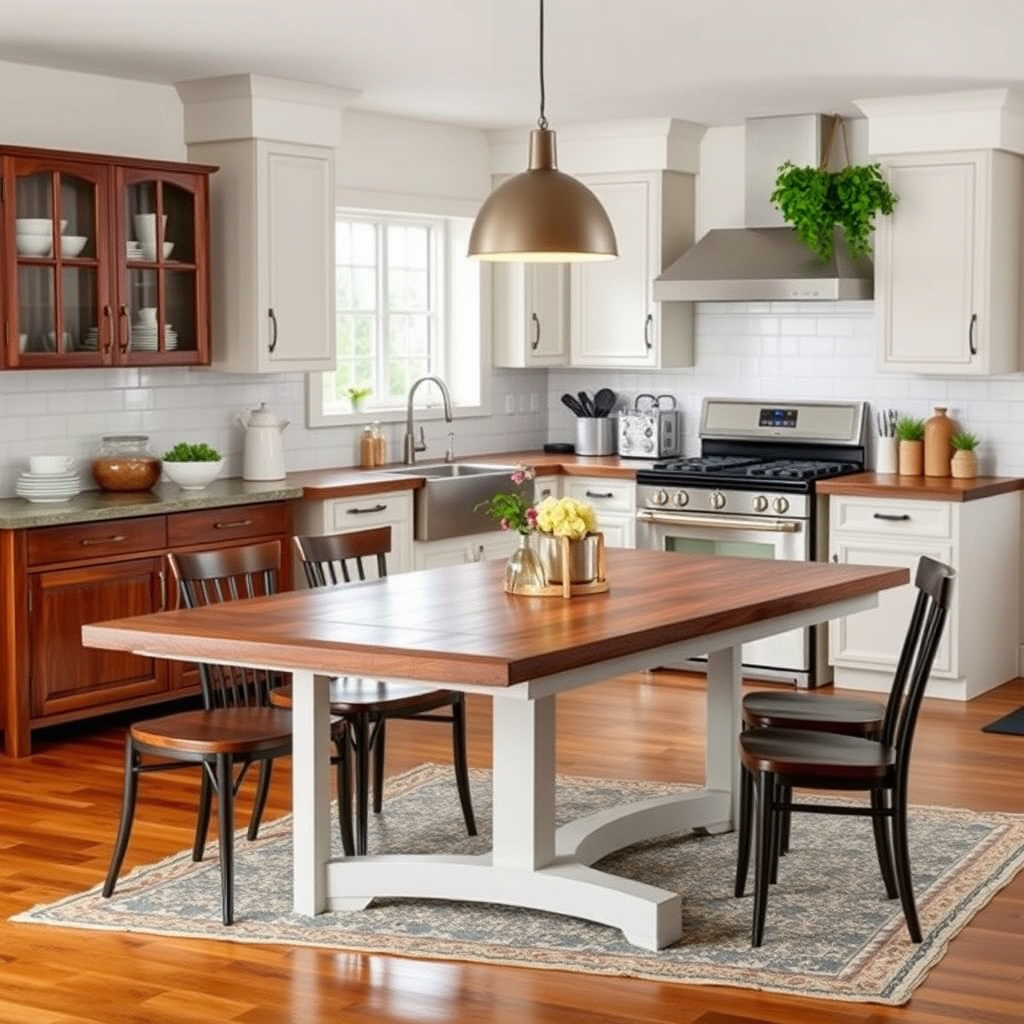
Standard dining tables typically measure about 28 to 30 inches in height as well, mirroring kitchen table standards. However, some dining tables might trend slightly taller depending on design, occasionally reaching up to 31 inches to create a more formal feel.
While kitchen tables accommodate casual meals and multitasking, dining tables are often the centerpiece for more formal settings. Despite this, their height similarity allows many tables to be used interchangeably when paired with the right seating.
Factors Influencing Your Kitchen Table Height Choice
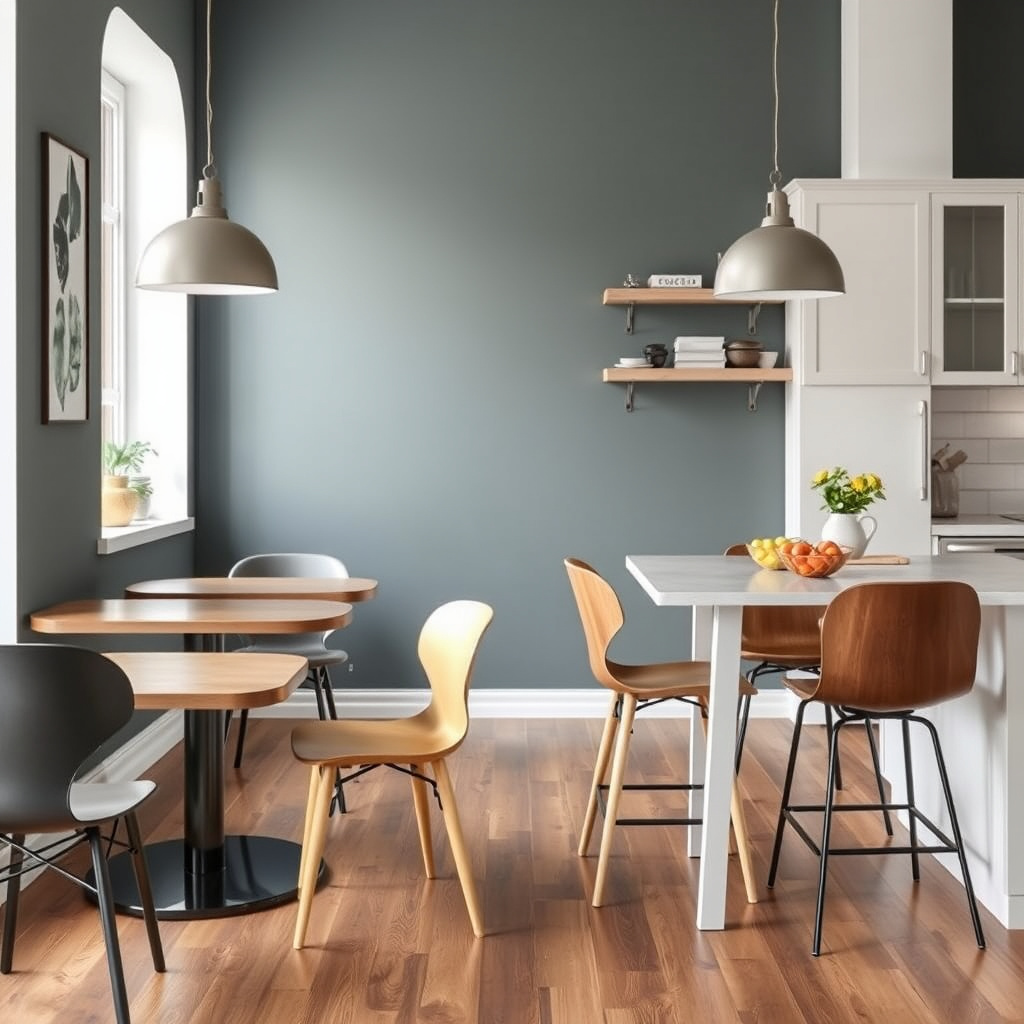
User Height and Comfort
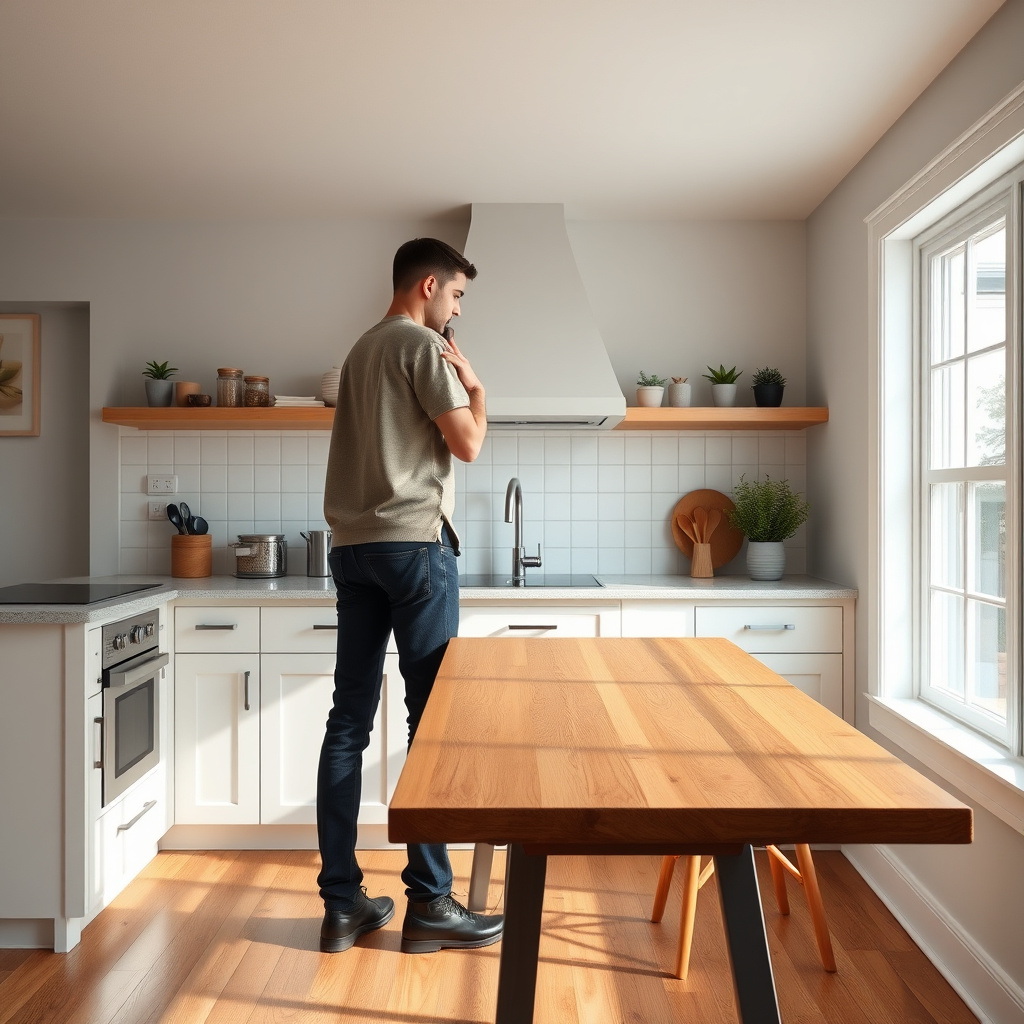
The height of users plays a significant role when selecting a kitchen table height. Taller individuals may find standard heights restrictive and could benefit from slightly taller tables or adjustable options. Shorter users, including children, might require lower tables for comfort during activities.
Measuring elbow height while seated helps determine the ideal table height. A comfortable kitchen table height is one where your elbows rest at a natural angle without raising your shoulders or slouching.
Intended Use and Space Considerations
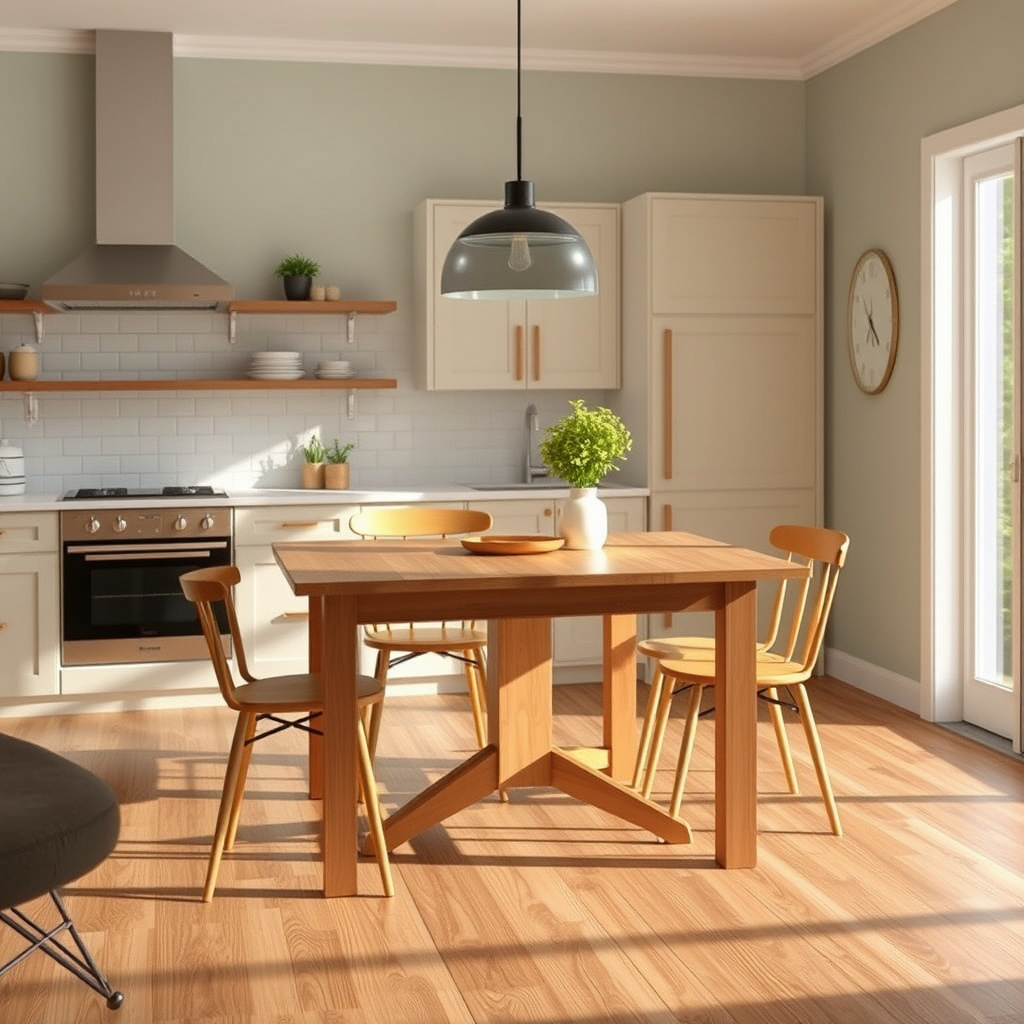
If the table is used for more than dining—such as cooking prep or homework—selecting an appropriate height is crucial to avoid discomfort during prolonged use. Certain styles, like counters or bar-height tables, can serve dual purposes but require corresponding stools.
Kitchen dimensions also dictate the feasible height; smaller kitchens might benefit from compact tables with standard heights to keep interactions comfortable and spaces uncluttered.
Popular Kitchen Table Styles and Their Heights
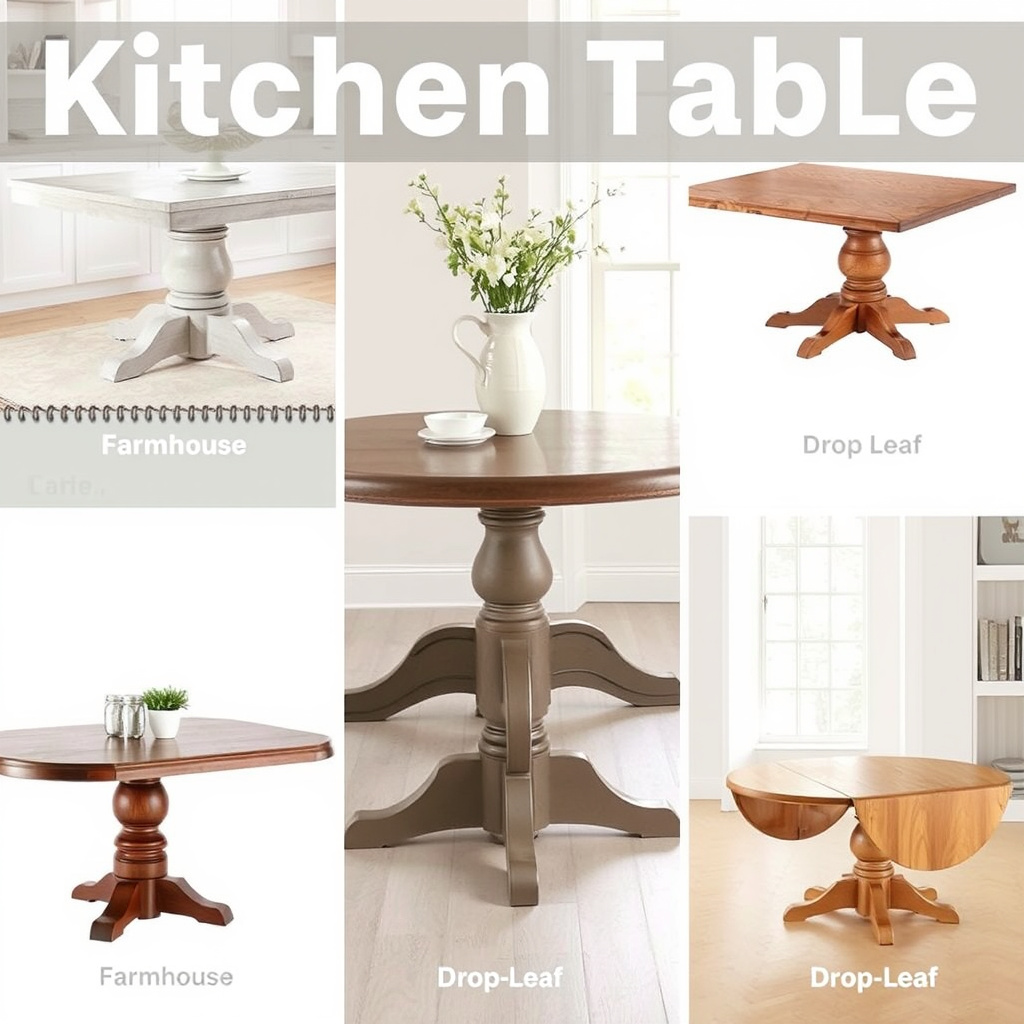
Farmhouse and Pedestal Tables
Farmhouse tables commonly maintain the standard 28 to 30 inches height but often feature thick solid wood tops and sturdy legs, which may affect knee clearance slightly. Pedestal tables, supported by a central column, share similar heights but offer more legroom underneath.
These styles blend rustic charm with functional heights, making them a popular choice for kitchens needing that classic yet practical table height.
For more on this, see our related guide: Can Lighting in Kitchen Improve Cooking and Ambiance?.
Counter-Height and Bar-Height Tables
Counter-height tables rise to around 34 to 36 inches tall, higher than typical kitchen tables, mimicking kitchen countertops. Bar-height tables are even taller, about 40 to 42 inches, often used in breakfast nooks or casual dining spaces with higher stools.
Choosing these higher options requires compatible seating; they offer a different dynamic to kitchen layouts but might feel less traditional.
How to Measure for the Perfect Kitchen Table Height
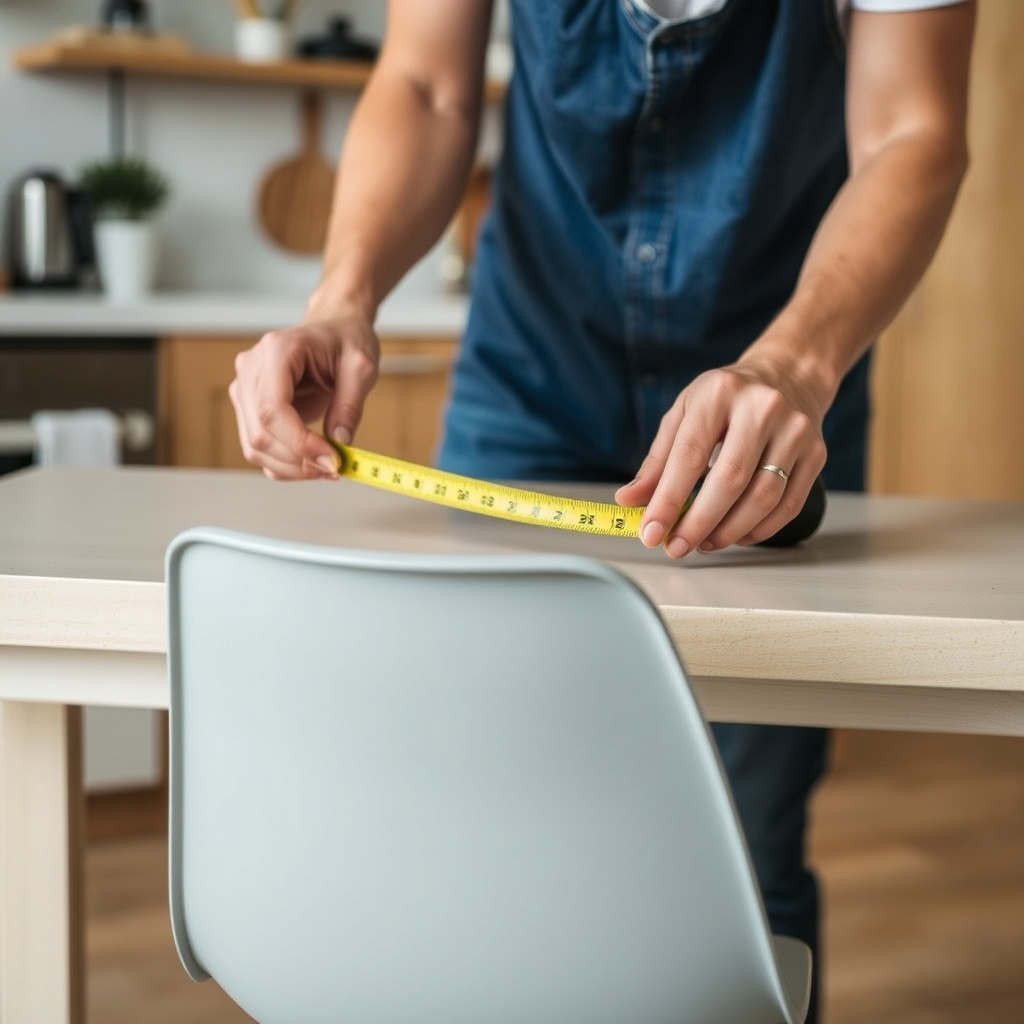
Measuring Chair Seat Height
Start by measuring the height from the floor to the top of the chair seat you plan to use with your kitchen table. The ideal table height is generally 8 to 12 inches higher than this measurement, allowing comfortable clearance for legs and elbows.
If buying both table and chairs together, check the manufacturer's specifications to confirm compatibility. Adjustments to chair height can sometimes compensate for table height differences.
Considering Leg Clearance and Comfort
Legroom under the table is essential; typically, 12 to 14 inches from the chair seat to the underside of the table offers enough space for comfort. A table too low can cramp knees, while one too high may force awkward arm positioning.
Testing with existing furniture or mockups can help visualize suitable height before purchase.
Adjusting Kitchen Table Height for Special Needs
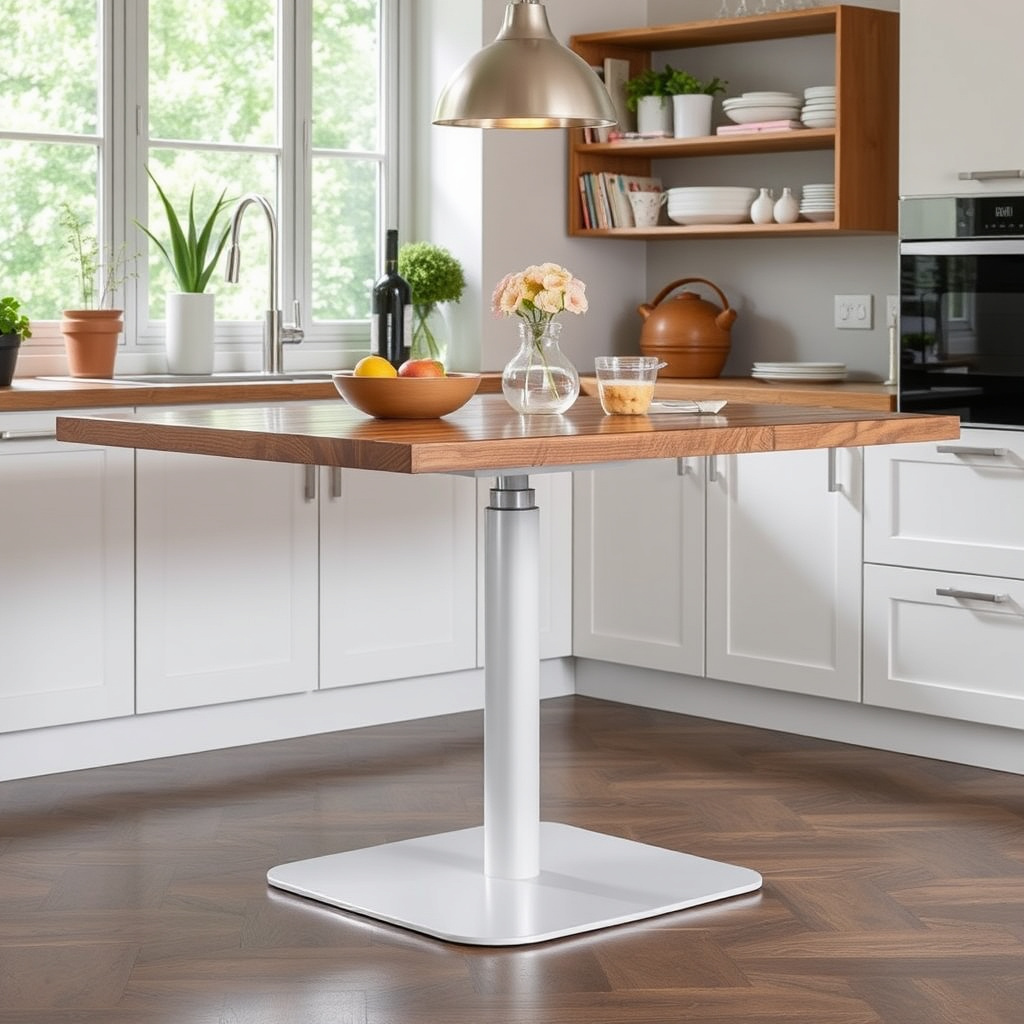
Adjustable Tables and DIY Modifications
Some kitchen tables come with adjustable legs or inserts that allow slight height changes, accommodating various users. DIY solutions like adding risers or trimming legs are options but must be done cautiously to maintain stability and aesthetics.
These modifications help families with mixed user heights or those who want flexibility between dining and prep functions.
For more on this, see our related guide: How to Plan a Kitchen Remodel: A Step-by-Step Guide for Your Dream Space.
Height Considerations for Mobility Needs
For users with mobility challenges or wheelchair access, height requirements differ significantly. Tables should have sufficient clearance underneath for wheelchairs—typically a height of at least 28 to 34 inches from floor to underside is recommended.
Customized tables or height-adjustable options improve usability and integration within kitchen spaces for all users.
Matching Kitchen Table Height with Seating Options
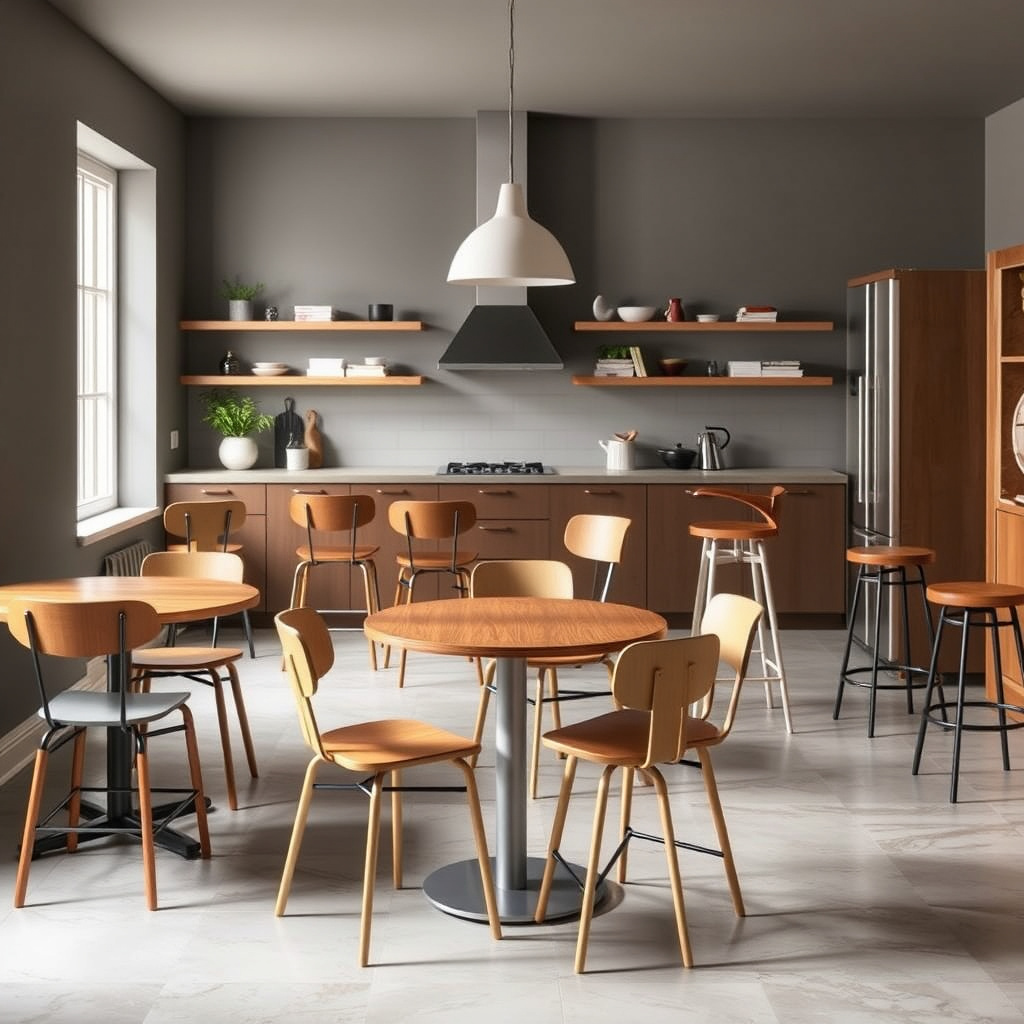
Standard Chairs with Kitchen Tables
Standard kitchen chairs usually have seat heights of 17 to 19 inches, making them appropriate companions for kitchen tables in the 28 to 30-inch height range. Using mismatched heights leads to discomfort and an awkward dining experience.
Choosing complementary seating enhances both the function and aesthetics of the kitchen area.
For more technical details about table furniture including standard measurements, see Kitchen table heights on Wikipedia. Kitchen table heights on Wikipedia.
Bar Stools and Counter Stools for Taller Tables
For counter-height tables (34–36 inches) and bar-height tables (40–42 inches), stools with seat heights between 24–26 inches and 28–30 inches respectively are suitable. These stools often feature footrests, which help maintain good posture during seating.
Proper stool height relative to table height is essential to balance comfort and visual harmony.
Kitchen Table Height Category Comparison
Here's a comparison of common kitchen table heights and their typical uses to help clarify which option fits your needs best.
| Table Category | Height Range (inches) | Common Seating Height (inches) | Ideal For |
|---|---|---|---|
| Standard Kitchen Table | 28–30 | 17–19 | Everyday dining, multitasking |
| Counter-Height Table | 34–36 | 24–26 stools | Casual dining, prep space |
| Bar-Height Table | 40–42 | 28–30 stools | Breakfast nooks, casual seating |
| Adjustable Height Table | Variable | Adjustable | Mixed user heights, versatile use |
| Custom Height Table (Accessible) | 28–34 (clearance) | Variable | Wheelchair accessibility, ergonomic needs |
Frequently Asked Questions
What is the most common height for a kitchen table?
The most common kitchen table height ranges between 28 to 30 inches, as this offers comfortable seating with standard chairs and suits most daily uses.
Can I use a dining table as a kitchen table?
Yes, since standard dining tables usually share the same height range as kitchen tables. Just ensure that the table size and style fit your kitchen space and seating.
How can I measure if my kitchen table height is comfortable?
Measure the height from the floor to your chair seat and add 8 to 12 inches to find a comfortable table height. Test by sitting to confirm enough legroom and natural arm position.
Are counter-height tables better than standard kitchen tables?
Counter-height tables offer a higher surface that matches kitchen counters and can be better for prep or casual dining but may require taller stools and suit specific kitchen styles.
What table height works best for wheelchair users?
Wheelchair users generally need at least 28 to 34 inches of clearance from floor to underside of the table to accommodate accessibility and legroom comfortably.
Key Takeaways
- Standard kitchen tables typically stand 28 to 30 inches tall for comfort and compatibility.
- User height and intended use greatly influence the ideal kitchen table height choice.
- Counter-height and bar-height tables require matching taller stools and serve different functions.
- Measuring your chair seat height plus 8 to 12 inches helps find a comfortable table height.
Conclusion
Determining how tall a kitchen table should be hinges on balancing comfort, function, and space constraints. While the typical height falls between 28 and 30 inches, personal factors like your height, chair type, and how you use the table impact the best choice. Taking measurements and understanding your kitchen’s design will guide you toward an option that supports good posture and daily activities without discomfort.
For most everyday kitchen uses, a standard kitchen table paired with regular-height chairs offers a reliable and comfortable setup. If your kitchen functions as a multi-purpose area including prep or casual dining, counter-height tables with stools provide added versatility and may better complement modern kitchen layouts. Accessibility needs may call for custom or adjustable height tables to fit wheelchair users. Choosing a style—farmhouse, pedestal, drop-leaf—and matching it with appropriate seating ensures your table fits both your needs and your space.
If you’re making a purchase, begin by measuring your existing chairs or trying seating to gauge comfort, then select the kitchen table height that aligns with those numbers. Consider adjustable or custom tables for shared spaces with varied users. Ultimately, a kitchen table’s right height enhances your everyday experience—whether for meals, homework, or socializing—in a way that feels natural and inviting.