How to Get Rid of Kitchen Ants: Effective Strategies to Eliminate Ants Fast
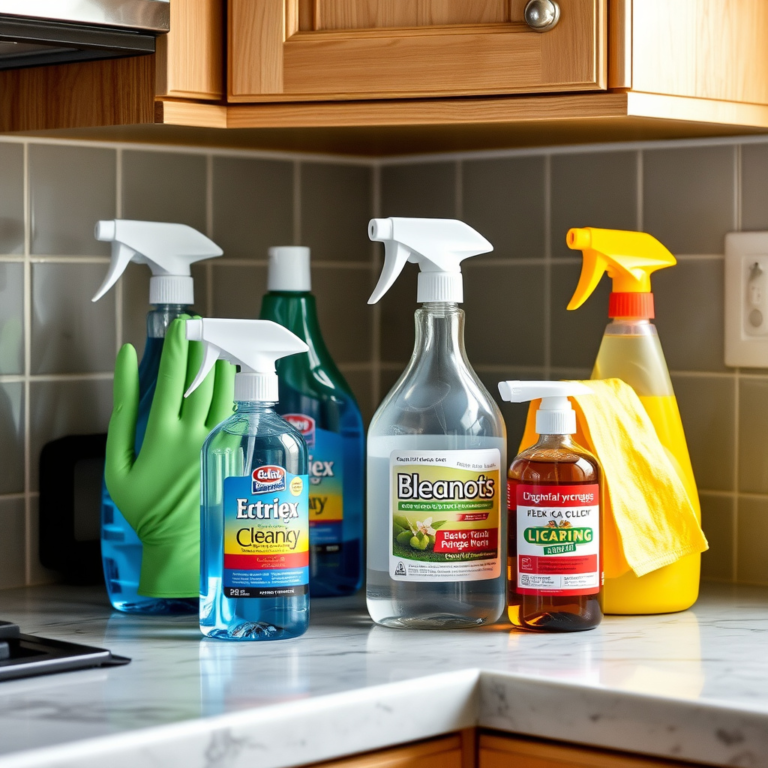
Getting rid of kitchen ants quickly requires targeted cleaning, removing food sources, and applying efficient ant control methods like bait traps or natural repellents. The key is to disrupt their scent trails and starve them out by sealing cracks and maintaining cleanliness.
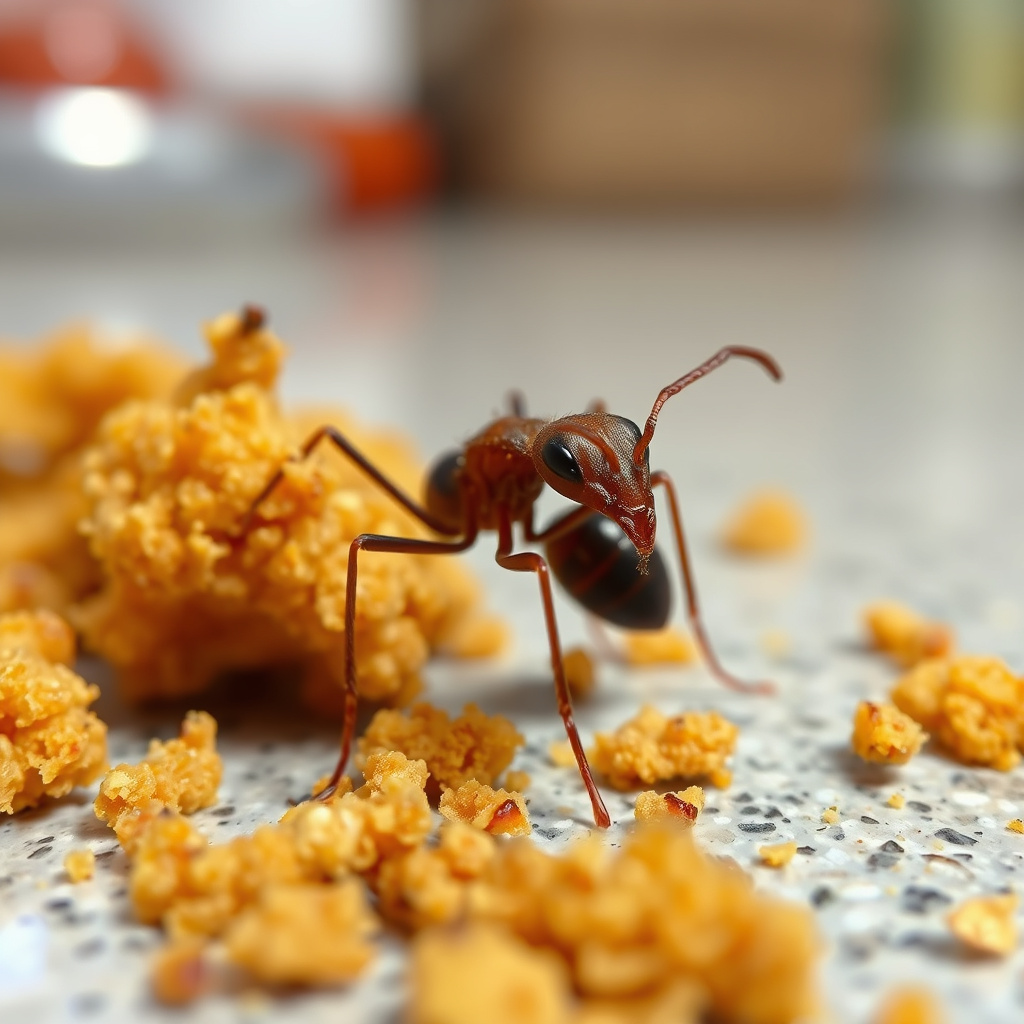
Kitchen ants are attracted by food crumbs, spills, and accessible water, making your cooking area a hotspot if not properly maintained. Removing these attractants reduces their incentive to invade, while strategic preventive measures stop reinfestation. Knowing what attracts ants is fundamental to an effective response.
This article explores practical ways to get rid of kitchen ants by examining their behavior, detailing chemical and natural control methods, prevention tips, and comparing different treatment options. You'll gain a complete understanding of how to keep your kitchen ant-free for the long term.
Understanding Kitchen Ant Behavior
Why Ants Invade Kitchens
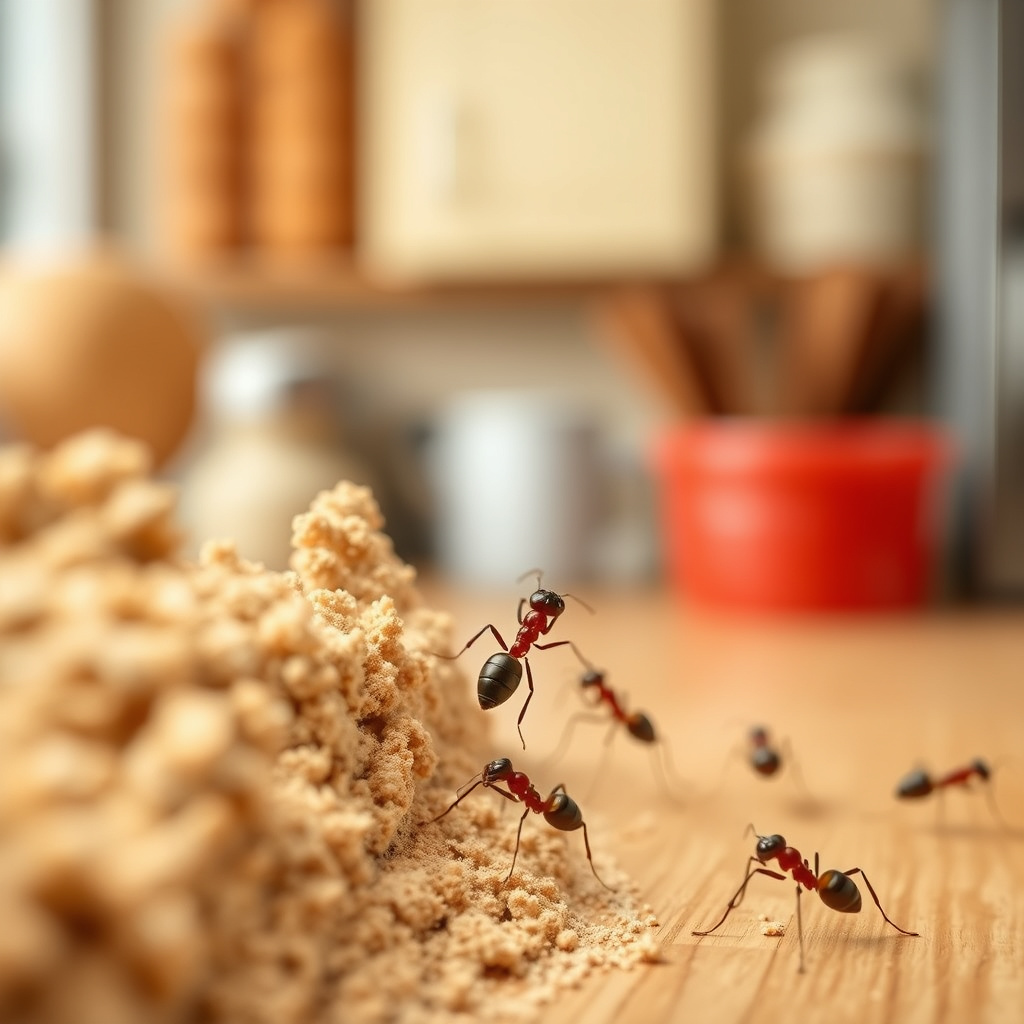
Ants primarily enter kitchens in search of food and water. They are attracted to sugary spills, grease, and any accessible crumbs. Moisture sources such as leaky pipes or wet sinks further encourage infestation. Recognizing these attractants helps direct control efforts effectively.
Once scouts find a food source, they leave scent trails to recruit other ants, resulting in large groups appearing rapidly. Interrupting these trails is crucial to prevent the colony from establishing itself inside your home.
Common Kitchen Ant Species
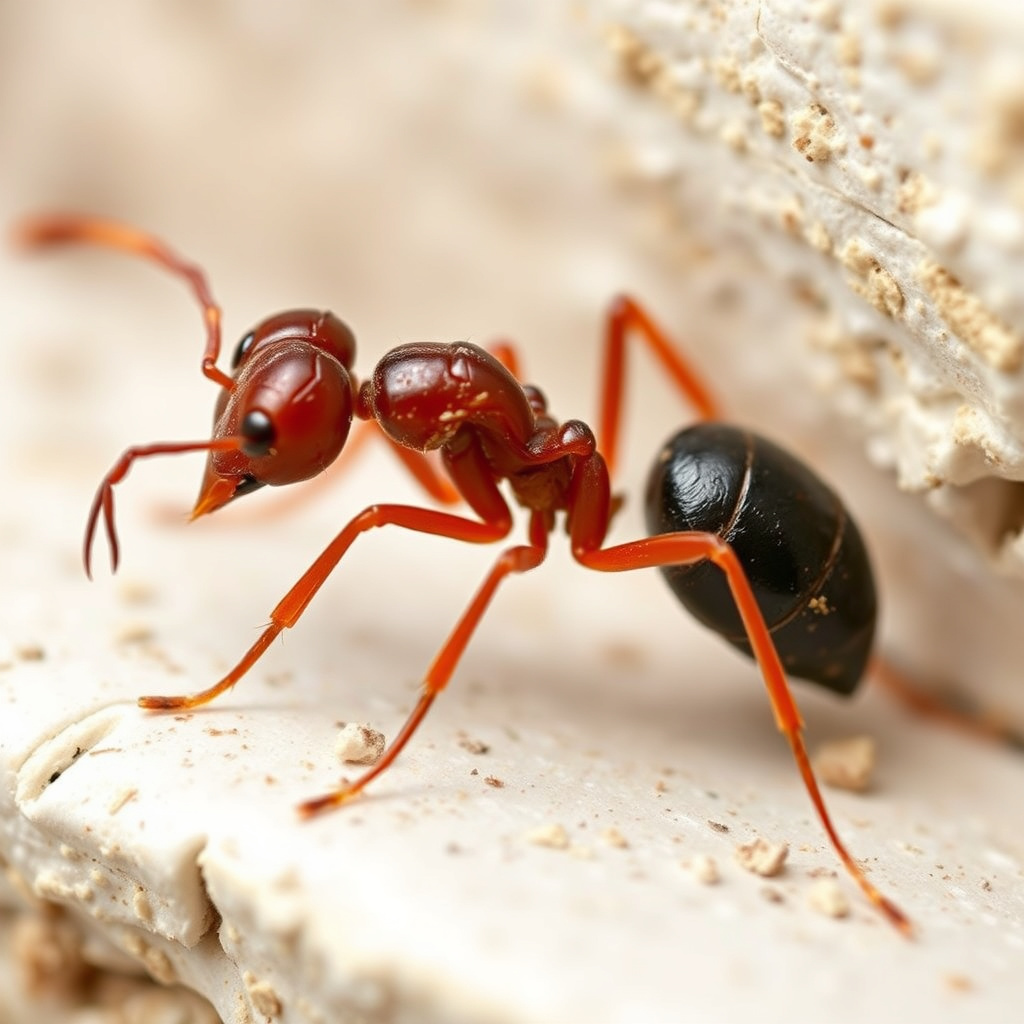
The most frequent kitchen ant species include odorous house ants and pavement ants. Odorous house ants emit a coconut-like smell when crushed and prefer sweet foods, while pavement ants are smaller and often forage for protein or grease.
Identifying the species can influence the choice of treatment since different ants have varied preferences and behaviors. Knowing the species helps you apply the best ant control methods.
Effective Chemical Ant Control Methods
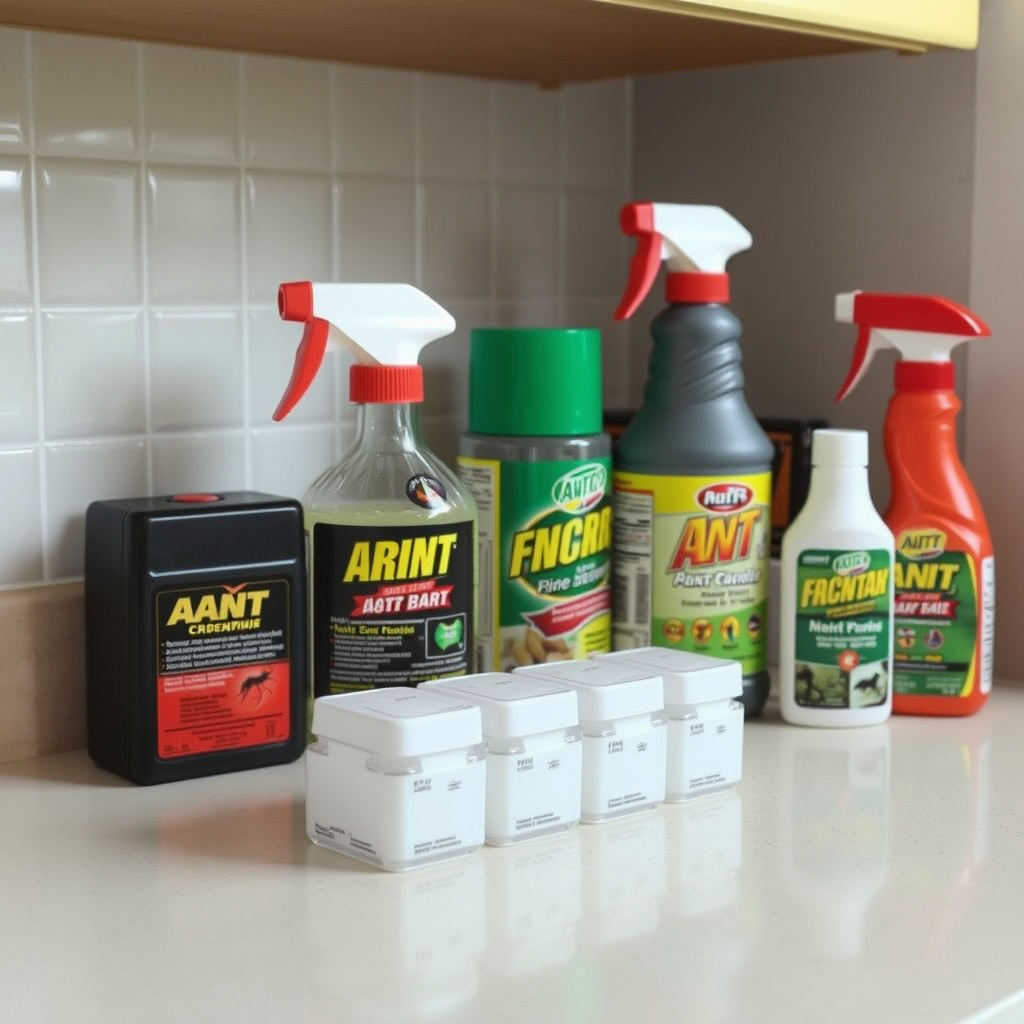
Using Ant Bait Traps
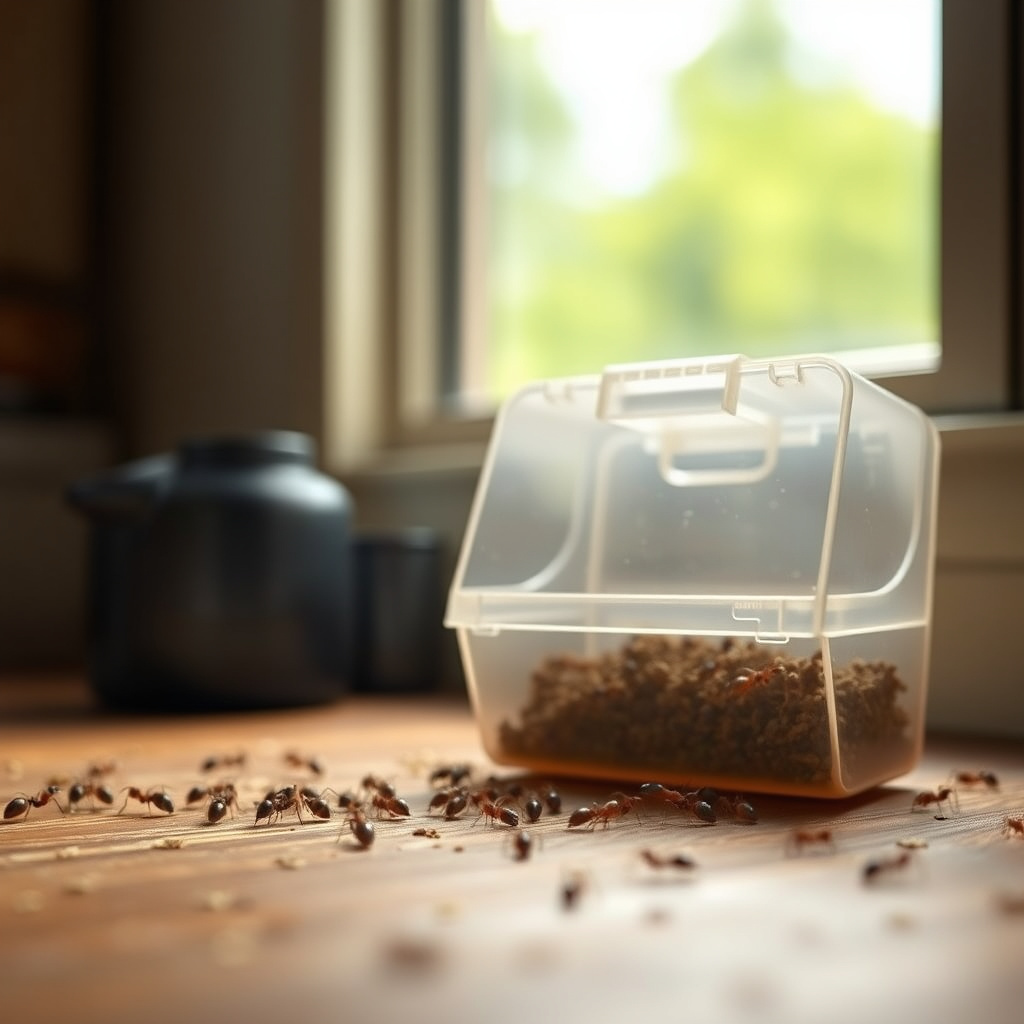
Ant bait traps work by attracting worker ants to carry poisoned food back to the colony, eliminating the nest over time. They are particularly effective for kitchen ants because they target the source rather than just surface pests.
Placement of bait traps is key; place them near ant trails, entry points, or food sources. Avoid spraying insecticides near bait traps as it can repel ants from taking the bait.
- Bait stations should be checked and replaced regularly.
- Keep baits out of reach of children and pets.
Applying Residual Insecticides
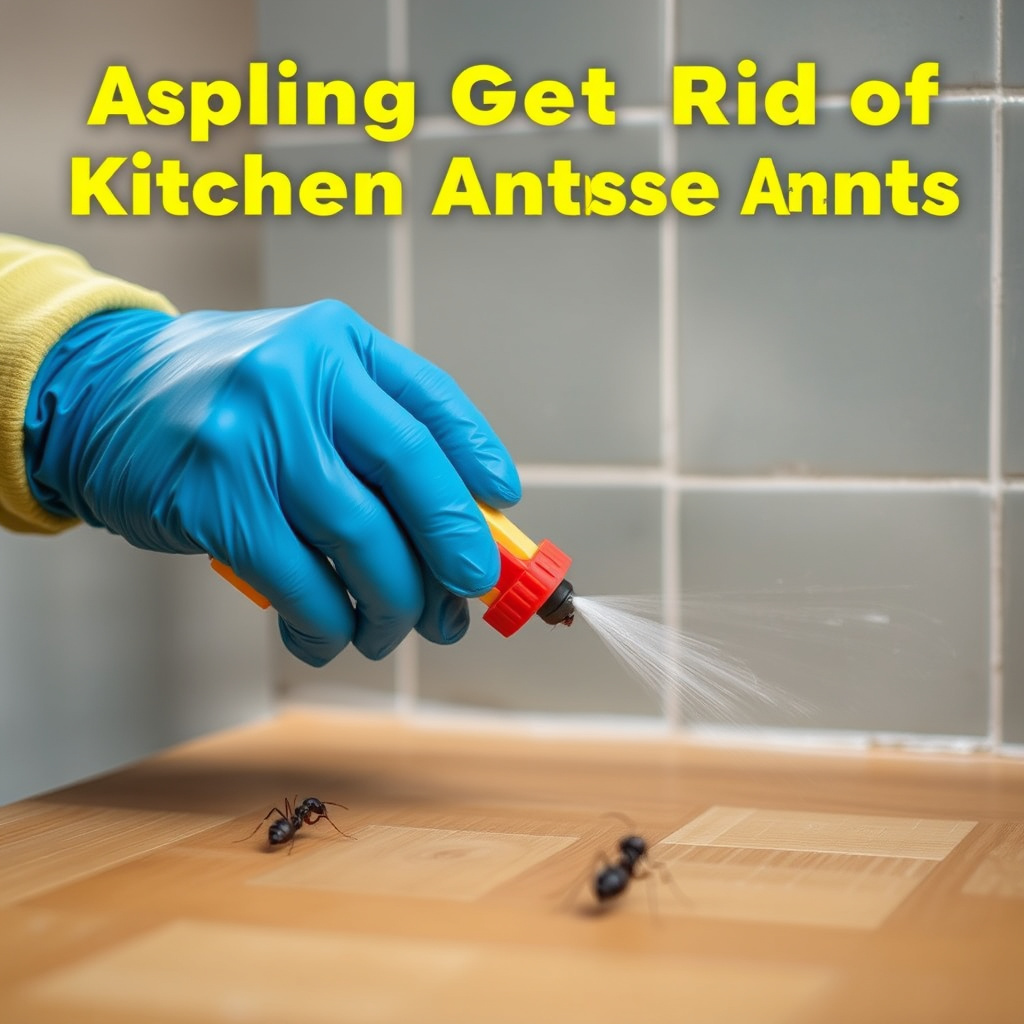
Residual sprays form a chemical barrier around kitchen entry points and nest areas, killing ants on contact and deterring new ones from entering. These treatments usually contain active ingredients like bifenthrin or deltamethrin.
Proper application requires cleaning surfaces first and spraying along baseboards, door frames, and cracks. Reapplication every few weeks prolongs protection.
- Spray only approved indoor insecticides.
- Ventilate area after application.
Natural Remedies to Eliminate Kitchen Ants
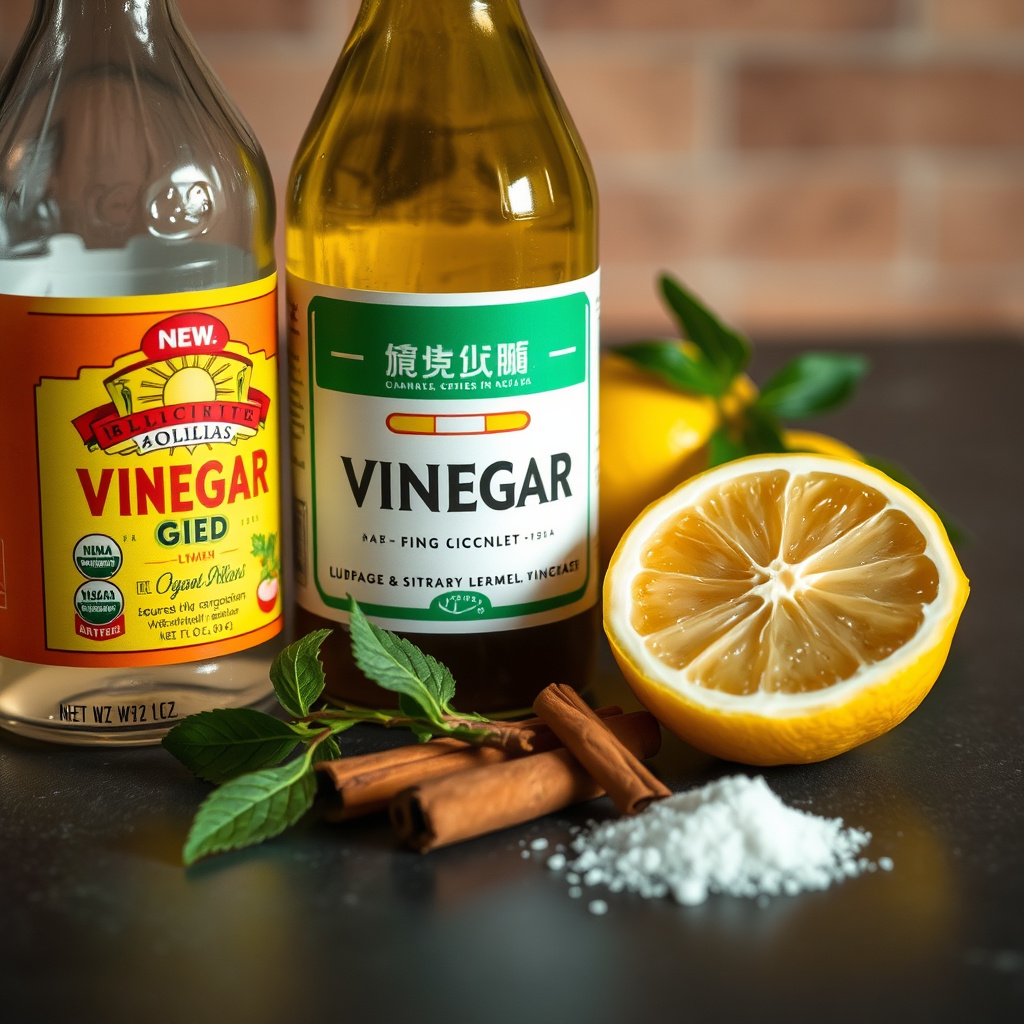
Using Vinegar and Essential Oils
Vinegar disrupts ant scent trails, making it harder for ants to navigate back to food sources. A 50-50 solution of vinegar and water sprayed on trails, countertops, and entry points can reduce ant activity.
Essential oils such as peppermint, tea tree, and eucalyptus also repel ants due to their strong scents. Applying these oils diluted in water around problem areas deters ants without chemicals.
- Mix 10-20 drops of essential oil per cup of water.
- Reapply natural sprays daily or after cleaning.
For more on this, see our related guide: How to Get Rid of Ants in Kitchen: Effective Strategies That Work Fast.
Preventive Natural Barriers
Sprinkling cinnamon, chili powder, or coffee grounds at entry points creates a natural barrier ants tend to avoid. These substances interfere with scent trails and discourage foraging ants from entering.
Regular reapplication is necessary to maintain effectiveness, especially after cleaning the kitchen floor or heavy foot traffic in problem areas.
- Use fresh powders for better results.
- Combine multiple barriers for stronger deterrence.
Cleaning and Food Storage Practices
Maintaining Kitchen Cleanliness
Regularly wiping down counters, sweeping floors, and immediately cleaning spills starve ants out by removing their food sources. Use soap and hot water to remove sticky residues ants are attracted to.
Avoid leaving pet food, uncovered trash, or dirty dishes overnight. Emptied trash bins and covering food scraps reduce ant incentives to invade your kitchen space.
- Clean under appliances and furniture.
- Check and clear drains where food and water gather.
Proper Food Storage Techniques
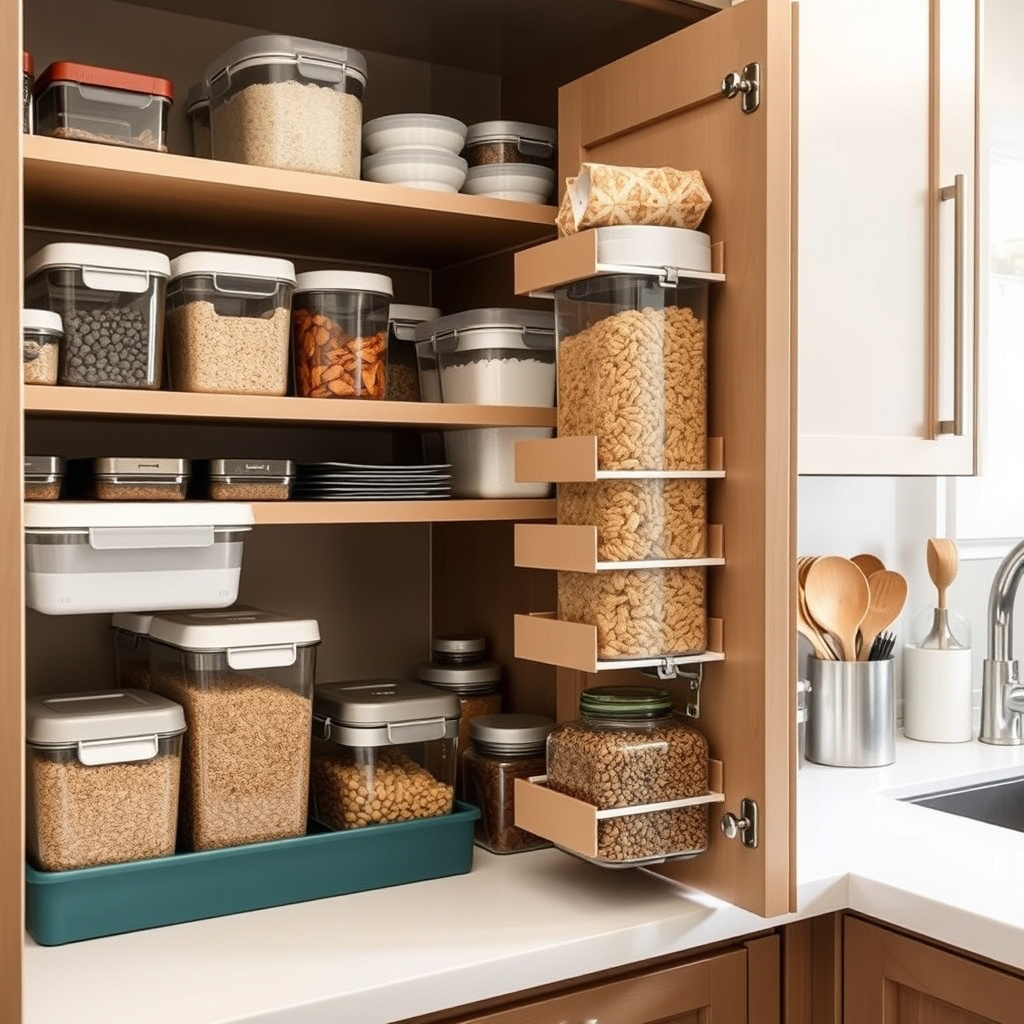
Storing food in airtight containers prevents ants from detecting and accessing sugars, crumbs, and other attractants. This method addresses the root cause of indoor ant infestations effectively.
Pay attention to sugary and greasy foods, which are more alluring to ants. Seal packaging tightly and transfer bulk foods into plastic or glass containers with good seals.
- Use clear containers to monitor food levels.
- Keep pantry organized and inspect regularly.
Preventing Future Ant Infestations
Sealing Entry Points
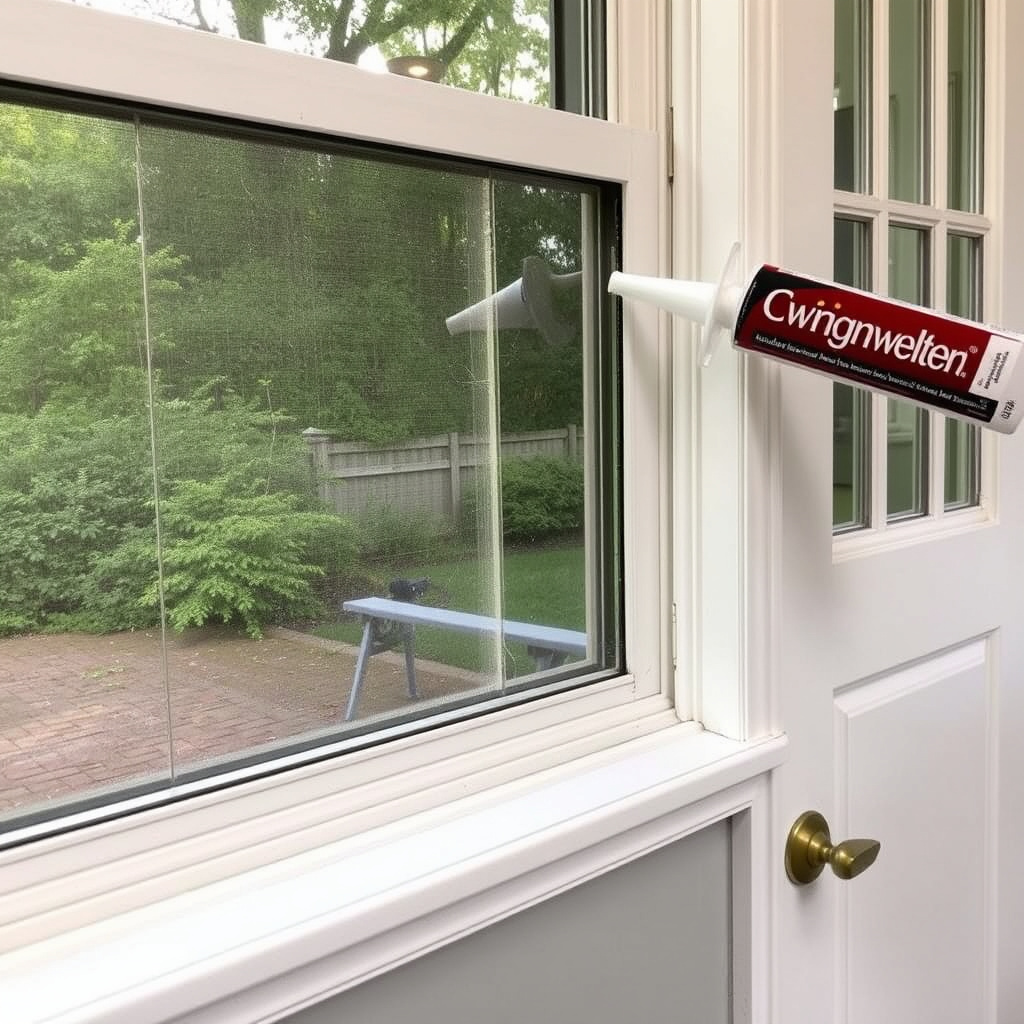
Ants often enter through gaps around windows, doors, and utility lines. Sealing cracks with silicone caulk or weatherstripping deprives ants of access routes into your kitchen.
Regularly inspect wall joints, baseboards, and areas near plumbing. Tightening access points lowers the chance of recurring infestations significantly.
- Check for damaged screens and repair.
- Use door sweeps under exterior doors.
For more on this, see our related guide: Can Lighting in Kitchen Improve Cooking and Ambiance?.
Outdoor Yard Management
Reducing ant colonies outdoors, especially near the house foundation, decreases the number of worker ants invading inside. Trim vegetation and remove debris where ants nest.
Applying outdoor ant treatments around the perimeter acts as a barrier that keeps ants away from your kitchen. This combined approach enhances overall control efforts.
- Keep mulch away from foundation lines.
- Clear standing water near the house.
When to Call Professional Pest Control
Indicators of Severe Infestations
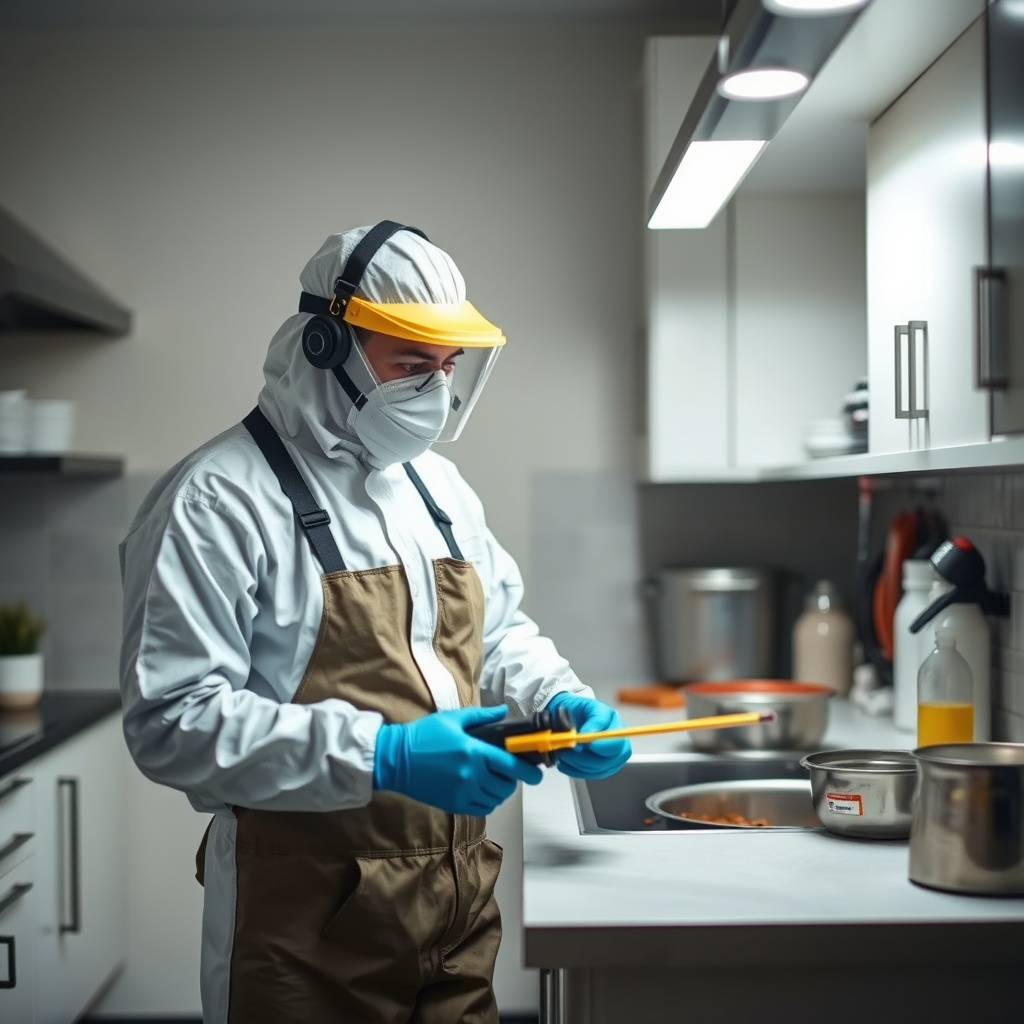
If ants persist despite home treatments and appear in large numbers or multiple species, a severe infestation may exist. Damage to electrical components from ant activity can also indicate urgent need for expert intervention.
Professional evaluation identifies the species, nest locations, and effective control methods beyond consumer products.
The Environmental Protection Agency provides helpful guidelines and safety information on managing household pests, including ants. ant control information from the EPA.
Benefits of Professional Services
Pest control experts provide specialized treatments using more powerful insecticides and equipment not available to homeowners. They also offer ongoing monitoring plans tailored to your kitchen’s needs.
Their knowledge reduces guesswork, shortens infestation duration, and minimizes chemical exposure risks by targeting treatment precisely.
- Custom strategies for your kitchen layout.
- Safety and efficacy assurances.
Comparison of Kitchen Ant Control Methods
Here’s a clear comparison of popular kitchen ant control options, highlighting effectiveness, speed, safety, and cost to help you decide the best fit.
| Method | Effectiveness | Time to Work | Safety for Kids/Pets | Cost |
|---|---|---|---|---|
| Ant Bait Traps | High | Days to Weeks | Generally Safe | Low |
| Residual Insecticides | Very High | Hours to Days | Moderate Risk | Moderate |
| Vinegar & Essential Oils | Moderate | Immediate to Days | Very Safe | Low |
| Natural Barriers (Cinnamon, etc.) | Low to Moderate | Immediate | Very Safe | Very Low |
| Professional Pest Control | Very High | Hours to Days | Varies by Product | High |
Frequently Asked Questions
Can kitchen ants be eliminated without chemicals?
Yes, non-chemical methods like vinegar sprays, essential oils, and natural barriers can reduce and sometimes eliminate kitchen ants if combined with thorough cleaning and sealing entry points.
How long does it take for ant bait traps to work?
Ant bait traps usually take several days to a few weeks as worker ants carry poison back to the nest, gradually eliminating the colony over time.
Are residual insecticide sprays safe to use around food areas?
When applied properly according to label instructions and allowed to dry fully, many residual insecticides are safe for use in kitchen areas, but avoid direct contact with food and utensils.
Do natural remedies repel all ant species equally?
Natural remedies may work better on some ant species than others, but their effectiveness varies; combining several approaches often yields better results.
When should I contact professional pest control for kitchen ants?
If infestations persist after multiple home treatments or if ants appear in large numbers or damage wiring, professional pest control assessment and treatment is advised.
Key Takeaways
- Disrupt ant scent trails and remove food sources to control kitchen ants.
- Ant bait traps and residual insecticides effectively target the colony.
- Natural remedies and cleanliness help prevent and reduce infestations.
- Sealing entry points and yard maintenance provide long-term ant prevention.
Conclusion
Choosing how to get rid of kitchen ants involves understanding their behavior, identifying attractants, and selecting control methods that suit your situation. An effective strategy combines eliminating accessible food and water, disrupting scent trails, and applying baits or barriers that target the entire colony rather than just surface ants. Regular monitoring and maintenance are critical to keep ants at bay and prevent recurrence over time.
For mild infestations, starting with best ant control methods like bait traps alongside vinegar sprays and improved kitchen hygiene often yields positive results. When ants persist or appear in large numbers, residual insecticides or professional pest control services become advisable to tackle nests and protect your kitchen from ongoing invasions. Preventive efforts such as sealing entry points and controlling outdoor colonies complement these treatments effectively.
Ultimately, your next step should be gathering details on the ant species you are dealing with and committing to a consistent cleaning routine while selecting appropriate treatment options. Combining chemical, natural, and preventive methods tailored to your kitchen’s environment offers the best chance of eliminating ants quickly and keeping your space clean and comfortable.