How to Unclog a Kitchen Sink Drain: Simple and Effective Methods
If your kitchen sink drain is clogged, the fastest way to fix it is by using a combination of manual and chemical techniques to clear the blockage. Starting with a plunger can often dislodge grease or food debris causing the slowdown without damaging your pipes. If that doesn’t work, natural solutions like baking soda and vinegar can break down minor clogs effectively.
A clogged sink not only interrupts kitchen activities but can also cause unpleasant odors and water damage if left untreated. Understanding how to unclog a kitchen sink drain yourself can save time and money by avoiding costly plumber visits. Many common blockages happen due to food particles, soap scum, or grease buildup, all of which respond well to home remedies and simple tools.
This article will cover various methods for unclogging your kitchen sink drain including mechanical techniques, chemical treatments, and preventative care. It will also explain when to consider professional help and how to maintain your plumbing to avoid future clogs.
Mechanical Methods to Unclog a Kitchen Sink Drain
Using a Plunger Effectively
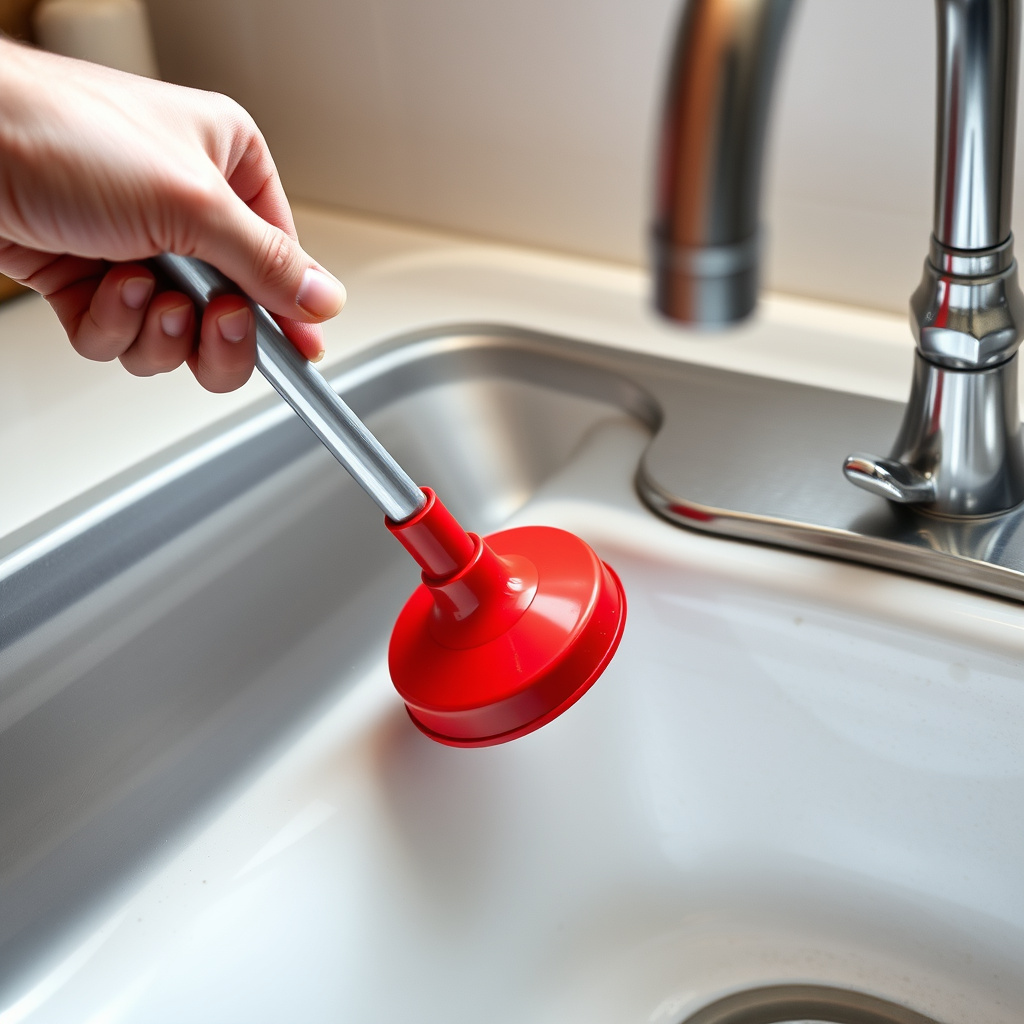
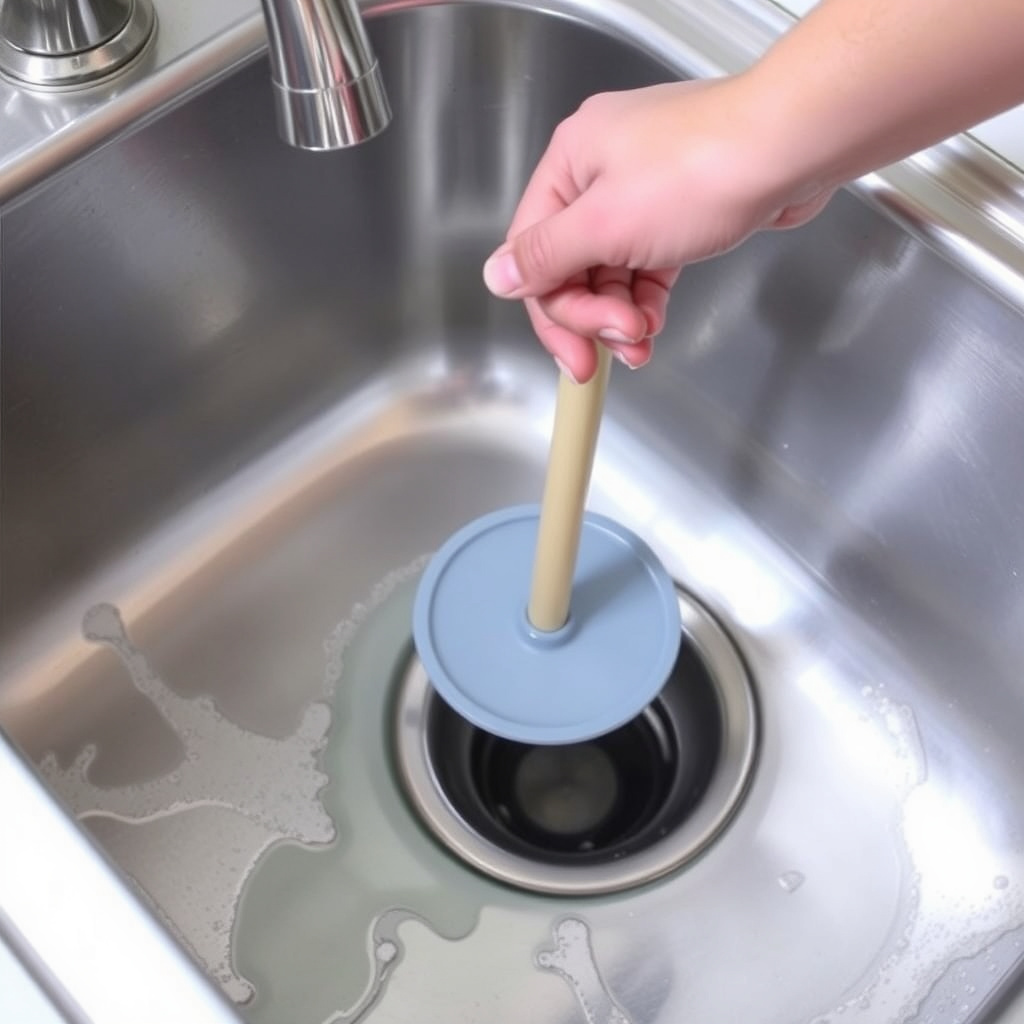
A plunger can often clear minor clogs caused by trapped food debris or grease. To begin, fill the sink with enough water to cover the plunger’s cup, then place the plunger firmly over the drain and pump vigorously several times. The suction and pressure can loosen the obstruction and allow water to flow freely again.
Make sure to block any overflow holes or second basins to maintain pressure. Repeating the plunging process a few times usually yields good results, but avoid using excessive force that could damage pipes or seals.
- Fill sink with water
- Cover overflow with cloth
- Pump plunger firmly 10-15 times
- Test drain flow after plunging
Removing and Cleaning the P-Trap
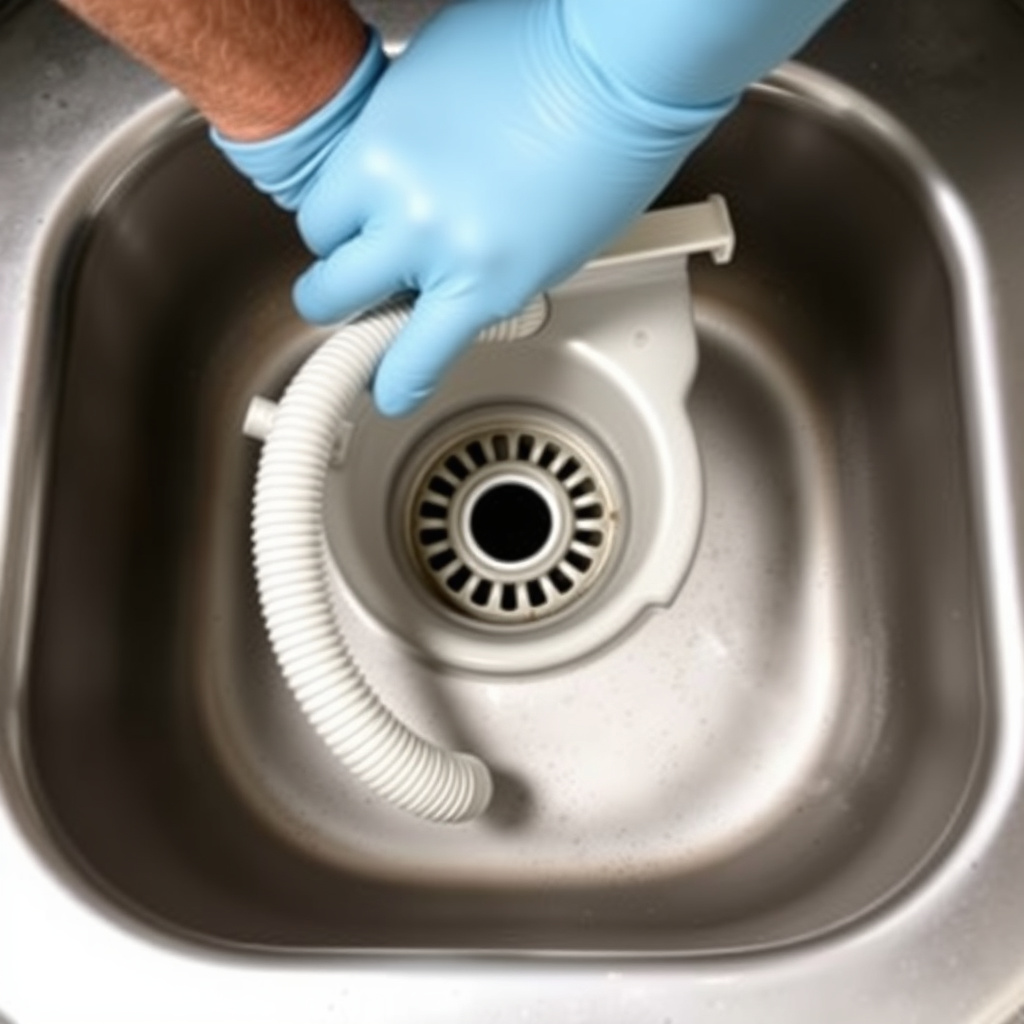
If plunging fails, the clog may be trapped in the P-trap, the curved pipe under your sink. Place a bucket underneath to catch water, then unscrew the slip nuts to remove the trap. Clean out any debris or grease buildup inside using a brush or old cloth. Reassemble tightly to prevent leaks.
Regularly cleaning the P-trap helps prevent recurring blockages and allows you to identify early signs of pipe corrosion or damage. This mechanical method is especially useful for localized clogs near the sink drain.
- Place bucket under P-trap
- Unscrew slip nuts carefully
- Remove and clean trap contents
- Check washers and reassemble
Natural and Chemical Solutions for Drain Cleaning
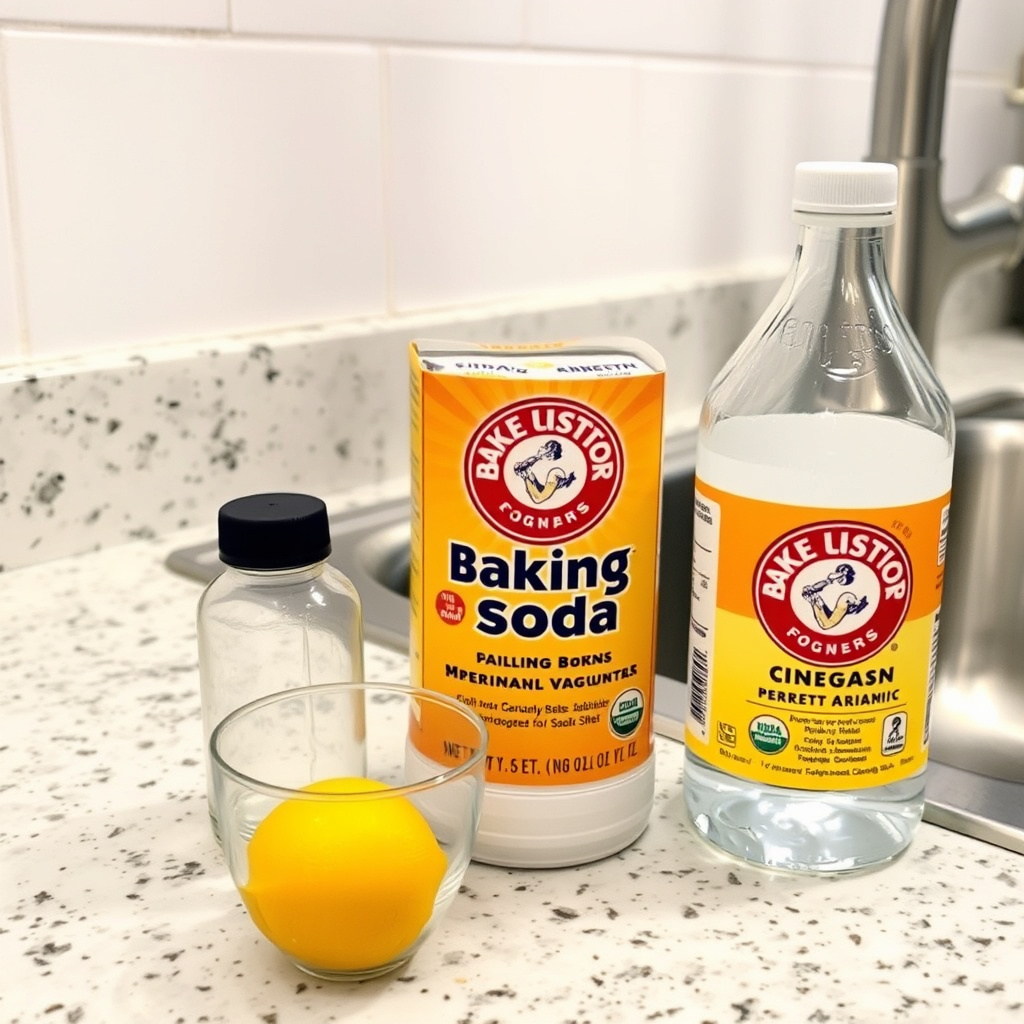
Using Baking Soda and Vinegar
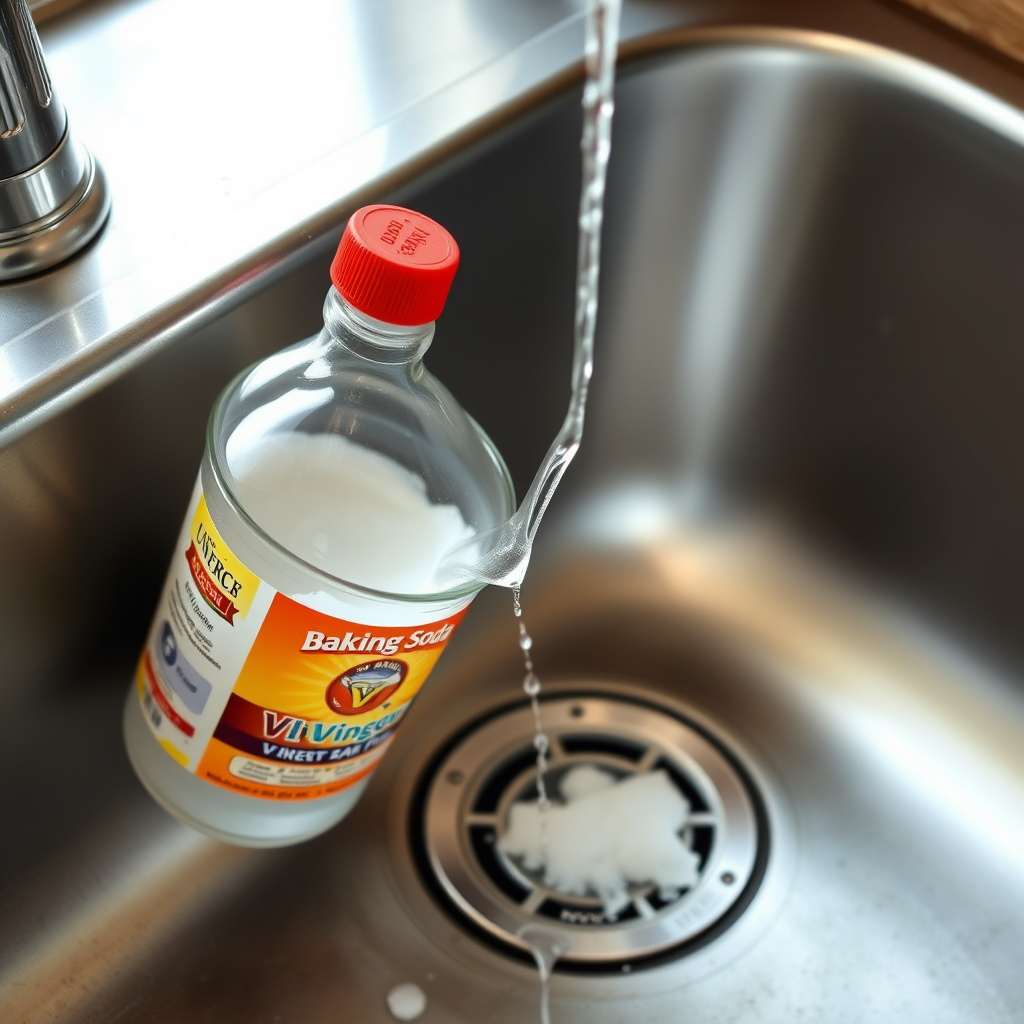
A popular, chemical-free method involves pouring half a cup of baking soda down the drain followed by half a cup of vinegar. These react to form bubbles that can help loosen minor clogs and eliminate odors. After about 15 minutes, flush the drain with boiling water to clear any loosened debris.
This method is safe for most types of plumbing and helps maintain the drain's cleanliness if repeated monthly. It is best suited for slow drains but may not work for severe blockages.
- Pour baking soda into drain
- Add vinegar and wait 15 minutes
- Flush with boiling water
- Repeat monthly for maintenance
For more on this, see our related guide: How to Unclog a Kitchen Sink: Effective DIY Solutions to Clear Your Drain.
When to Use Chemical Drain Cleaners
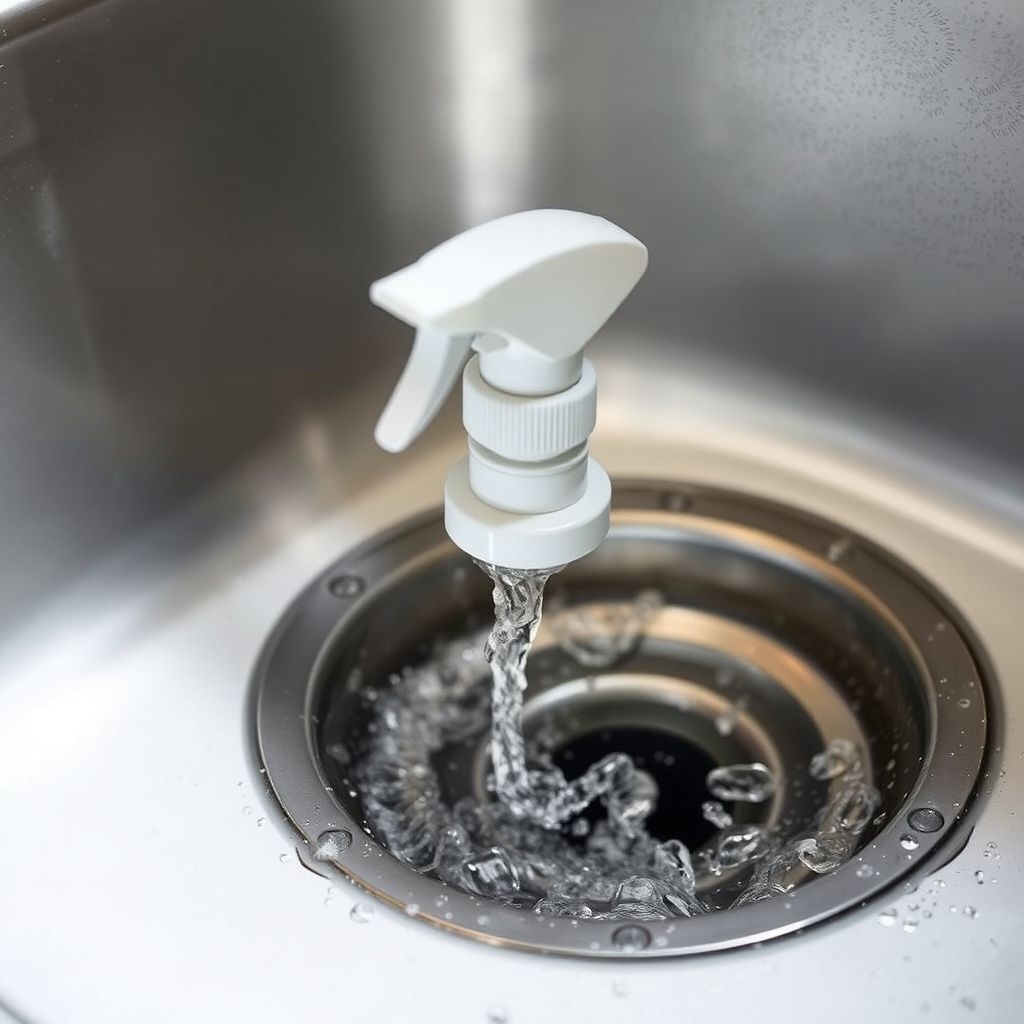
Chemical drain cleaners contain substances like sodium hydroxide or sulfuric acid designed to dissolve tough grease and buildups. Use them cautiously as they can damage pipes if misused. Always follow manufacturer instructions carefully and avoid mixing with other cleaners or using metal tools immediately after.
Chemical cleaners are usually a last resort for stubborn clogs but can be effective if mechanical methods fail. For homes with PVC pipes, opt for enzyme-based or less corrosive options to avoid pipe degradation.
- Choose cleaner for your pipe type
- Follow package instructions closely
- Avoid mixing chemicals
- Use protective gloves and ventilation
Preventing Future Kitchen Sink Clogs
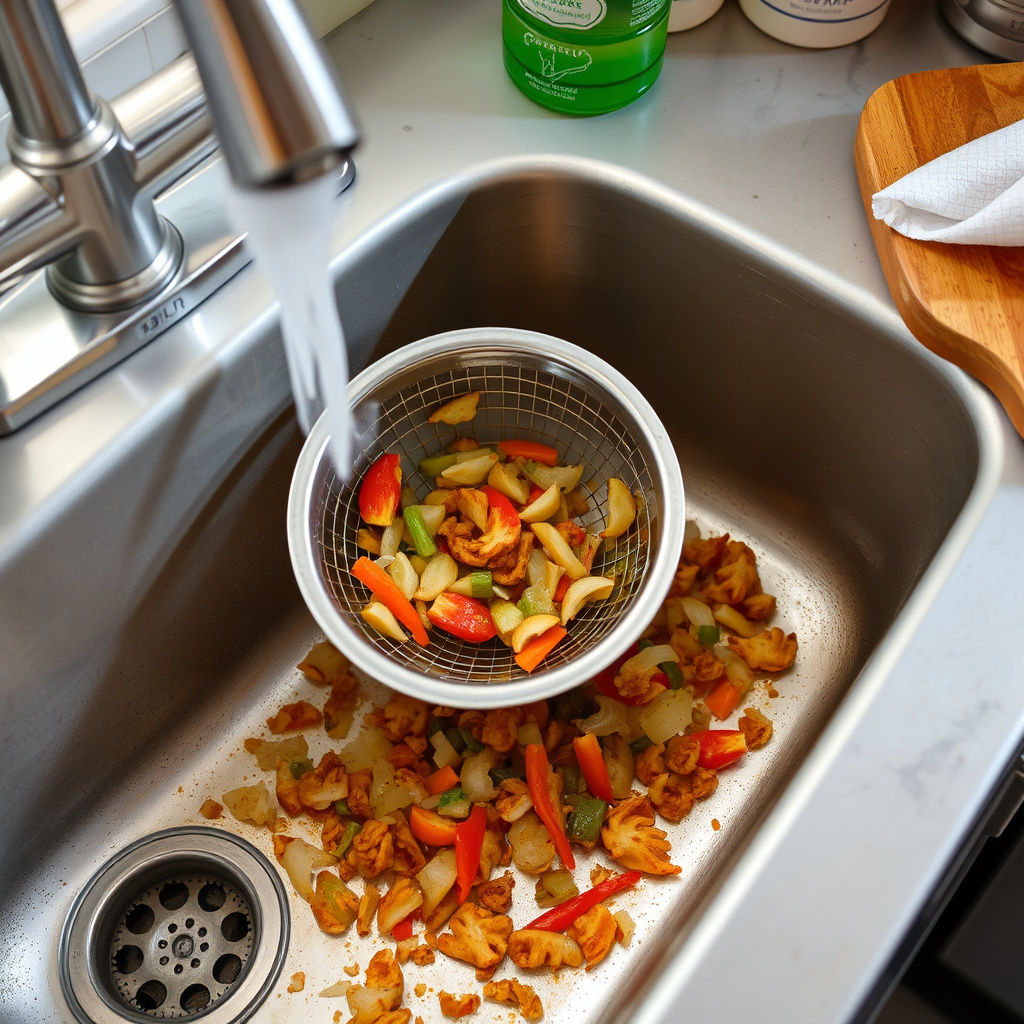
Using Sink Strainers and Disposal Practices
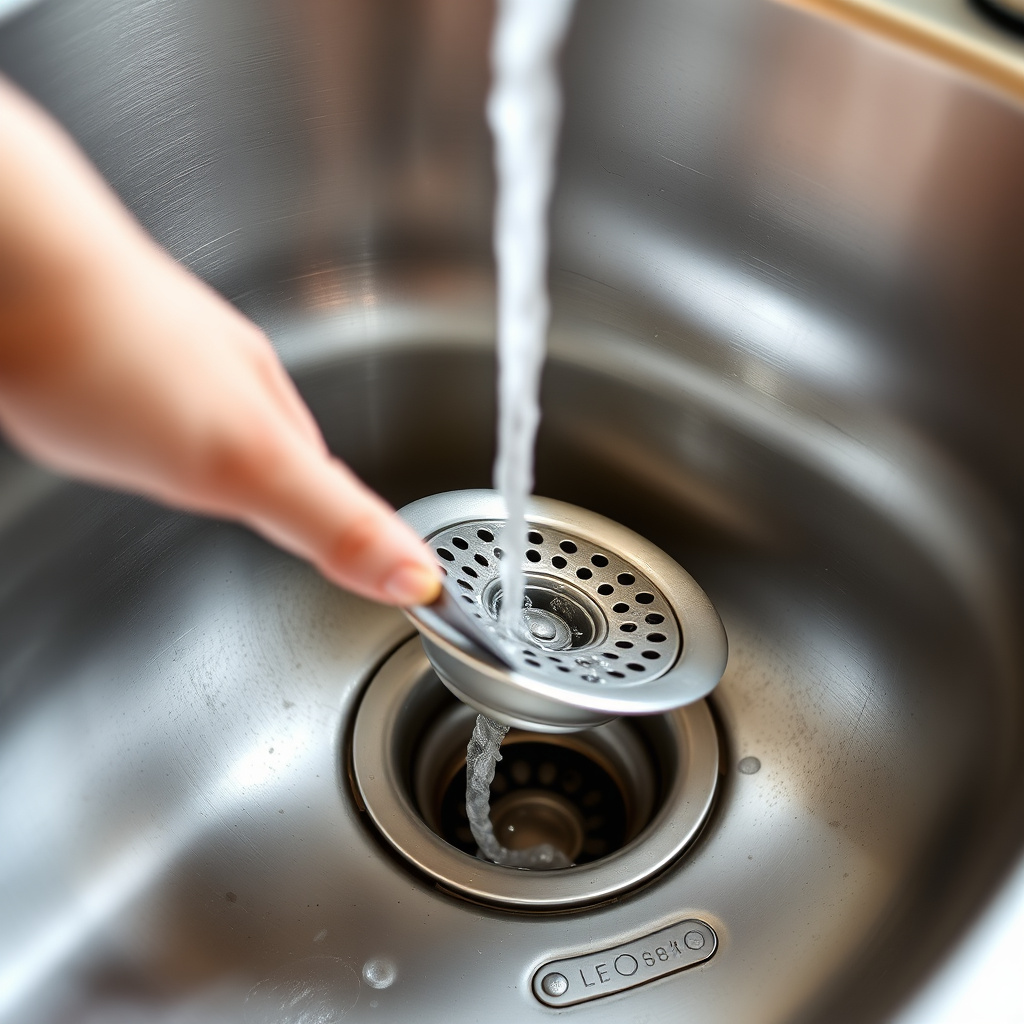
One of the best ways to prevent clogs is using a strainer to capture food particles before they enter the drain. Avoid pouring grease or oily substances down the sink; instead, collect them in containers and dispose of them in the trash. These practices reduce buildup in pipes, keeping your sink flowing smoothly.
Regularly rinsing your drain with hot water after washing greasy dishes also helps dissolve minor residues. Being vigilant about what enters the drain minimizes clog risks over time.
- Install mesh or silicone strainers
- Dispose of cooking grease separately
- Flush drain with hot water weekly
- Avoid fibrous or starchy food scraps in sink
Routine Maintenance for Drain Health
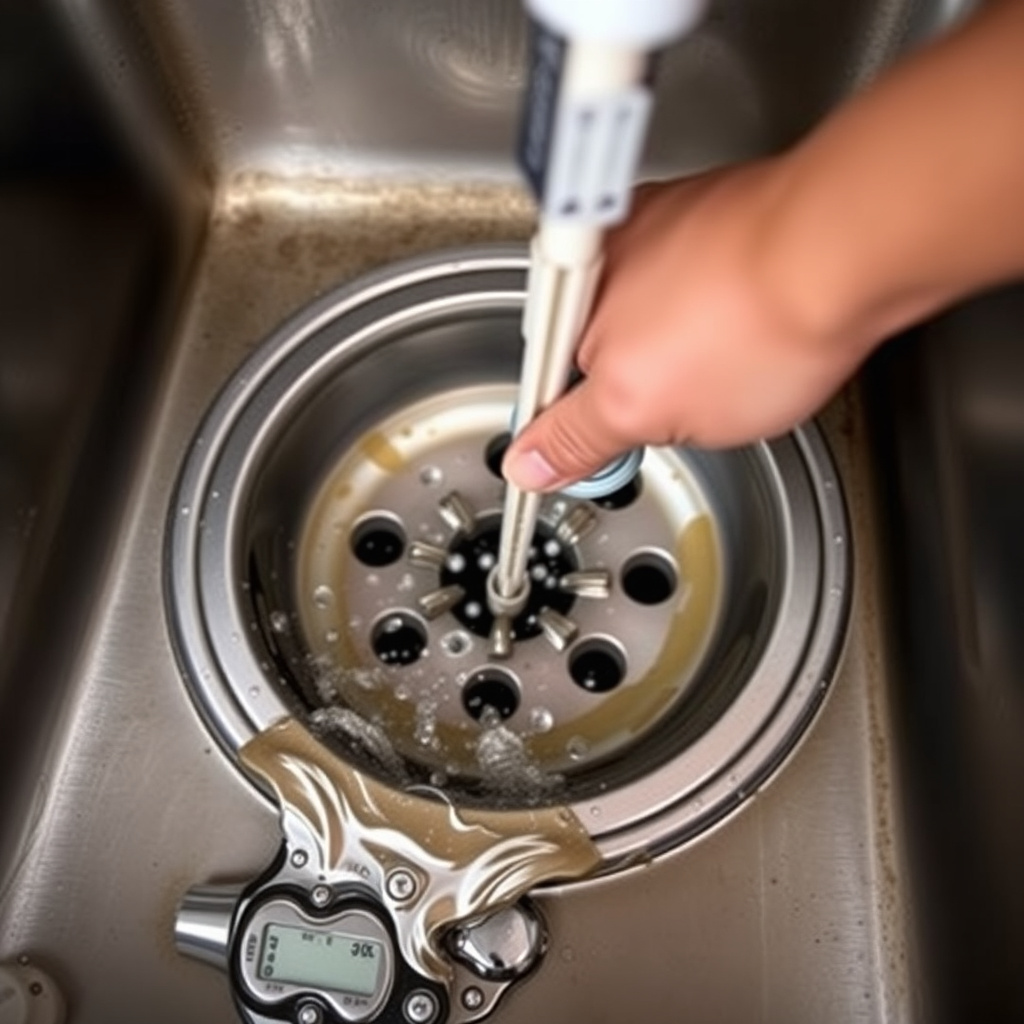
Beyond immediate prevention, routine maintenance like monthly baking soda and vinegar treatments supports drain health. Occasionally removing and cleaning the P-trap prevents accumulation of grease and debris. This maintenance reduces the chance of major clogs forming and extends pipe lifespan.
Scheduling periodic inspections or minor interventions can save money and headaches from emergency plumbing repairs. Tracking slow drainage signs early allows prompt corrective action.
- Monthly natural drain cleaning
- Quarterly P-trap inspection
- Watch for slow drainage or odors
- Schedule professional checkups if needed
When to Call a Professional Plumber
Signs That a Clog Requires Expert Help

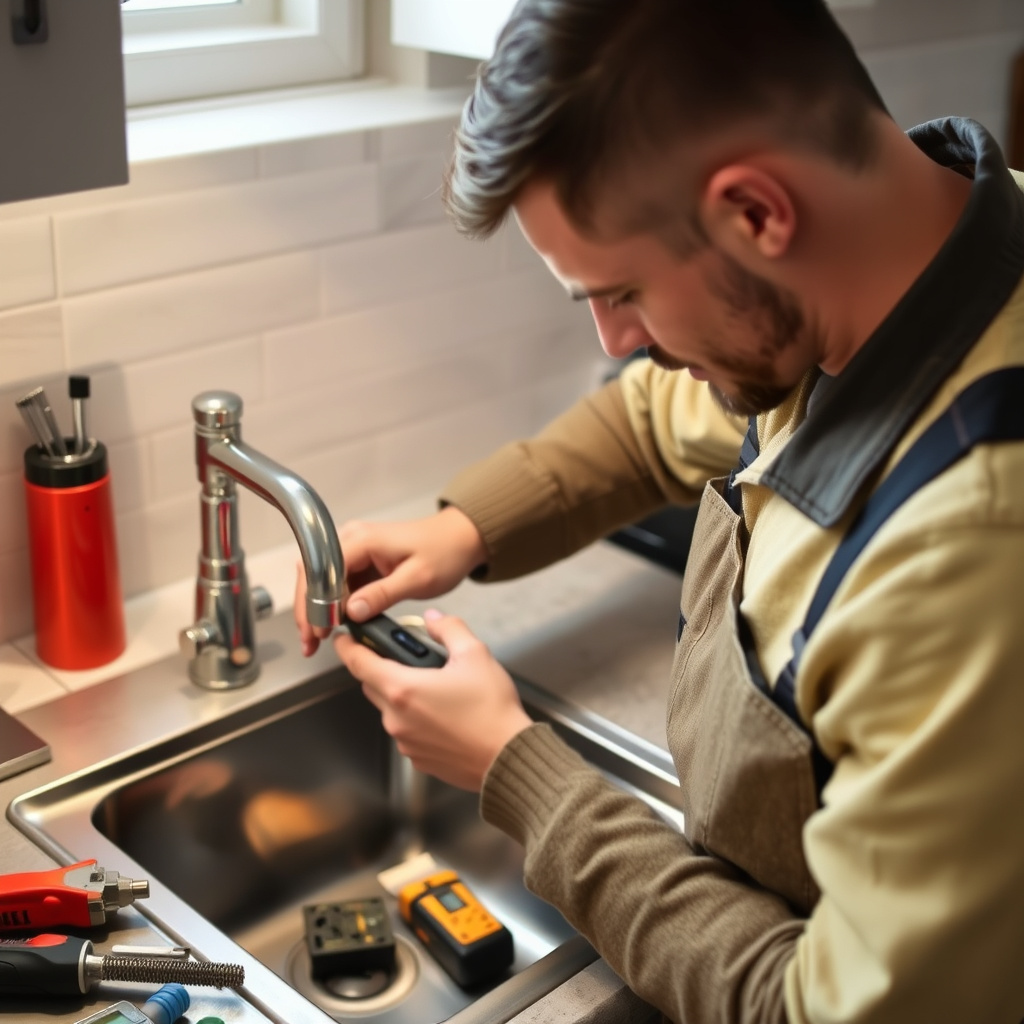
If water backs up repeatedly despite attempts to clear the drain or if multiple drains in your home clog simultaneously, it suggests a deeper issue in your plumbing system. Persistent foul odors, slow drains worsening over time, or water leaks under the sink also signal the need for professional diagnosis.
Additionally, if you notice gurgling sounds or foul odors coming from drains, it could indicate blockages in the main sewer line or vent pipes, situations unsuitable for DIY treatment.
- Recurrent blockage after clearing
- Multiple clogged drains at once
- Leaks or water damage under sink
- Unusual odors or gurgling noises
For more on this, see our related guide: How to Deep Clean Kitchen: A Step-by-Step Guide for Sparkling Results.
Professional Techniques for Difficult Clogs
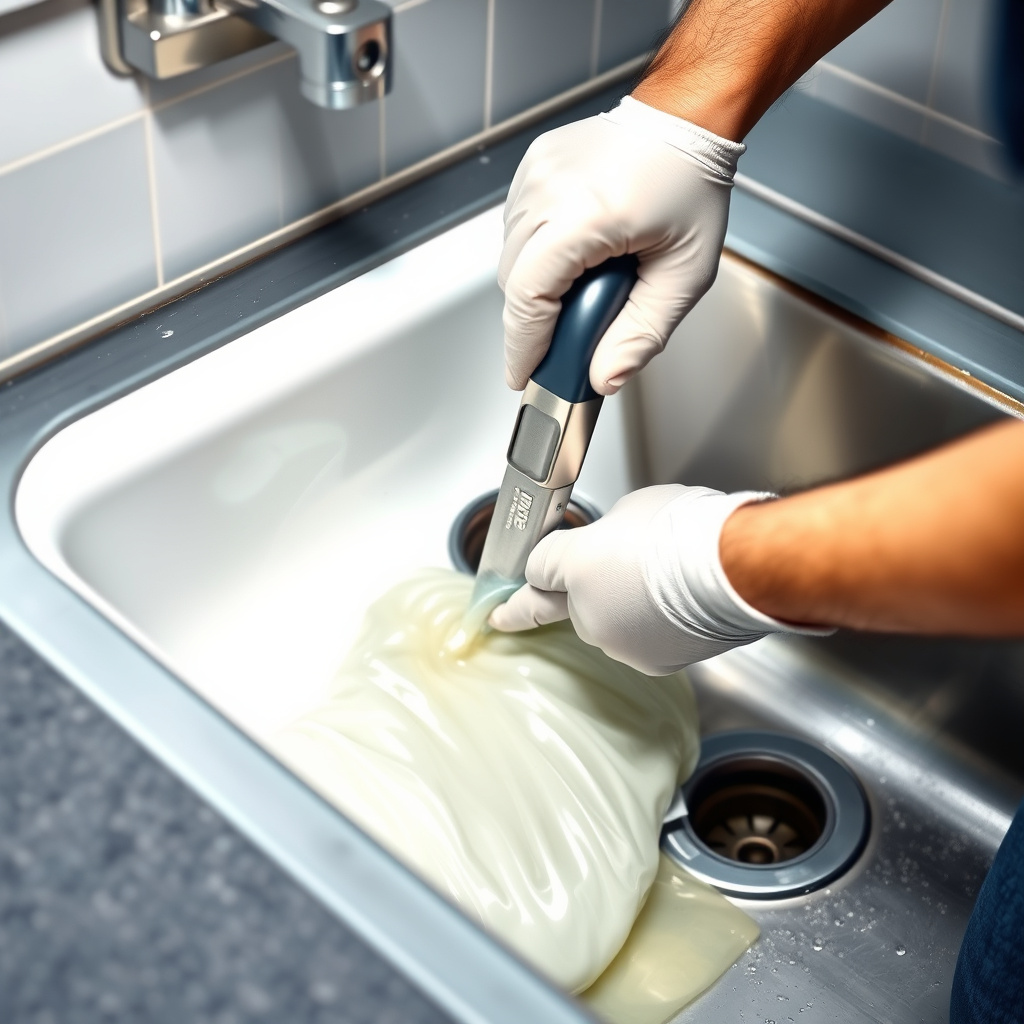
Plumbers use specialized tools such as drain snakes, augers, and hydro-jetting equipment to remove stubborn or deeply embedded clogs. These methods reach further than household tools and can restore proper flow without damaging pipes. Professionals can also inspect pipes using cameras to identify precise clog locations or structural issues.
Seeking expert intervention early prevents more severe damages like pipe bursts or sewage backups and ensures your plumbing system functions efficiently.
- Use of mechanical snakes and augers
- Hydro-jetting for grease and scale
- Camera inspection of pipe interiors
- Long-term solutions and advice
DIY Tools and Equipment for Drain Cleaning
Common Tools for Home Drain Clearing
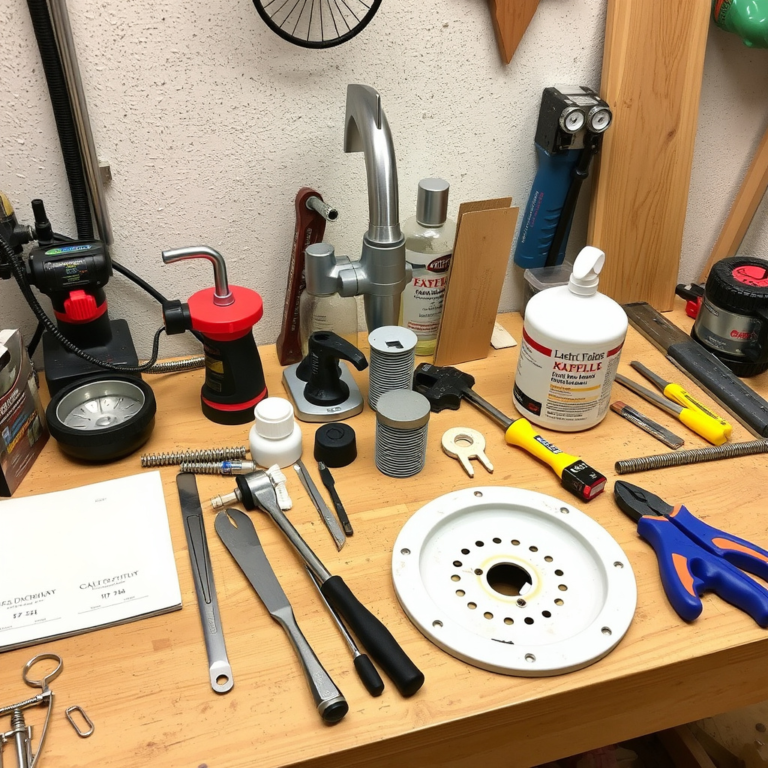
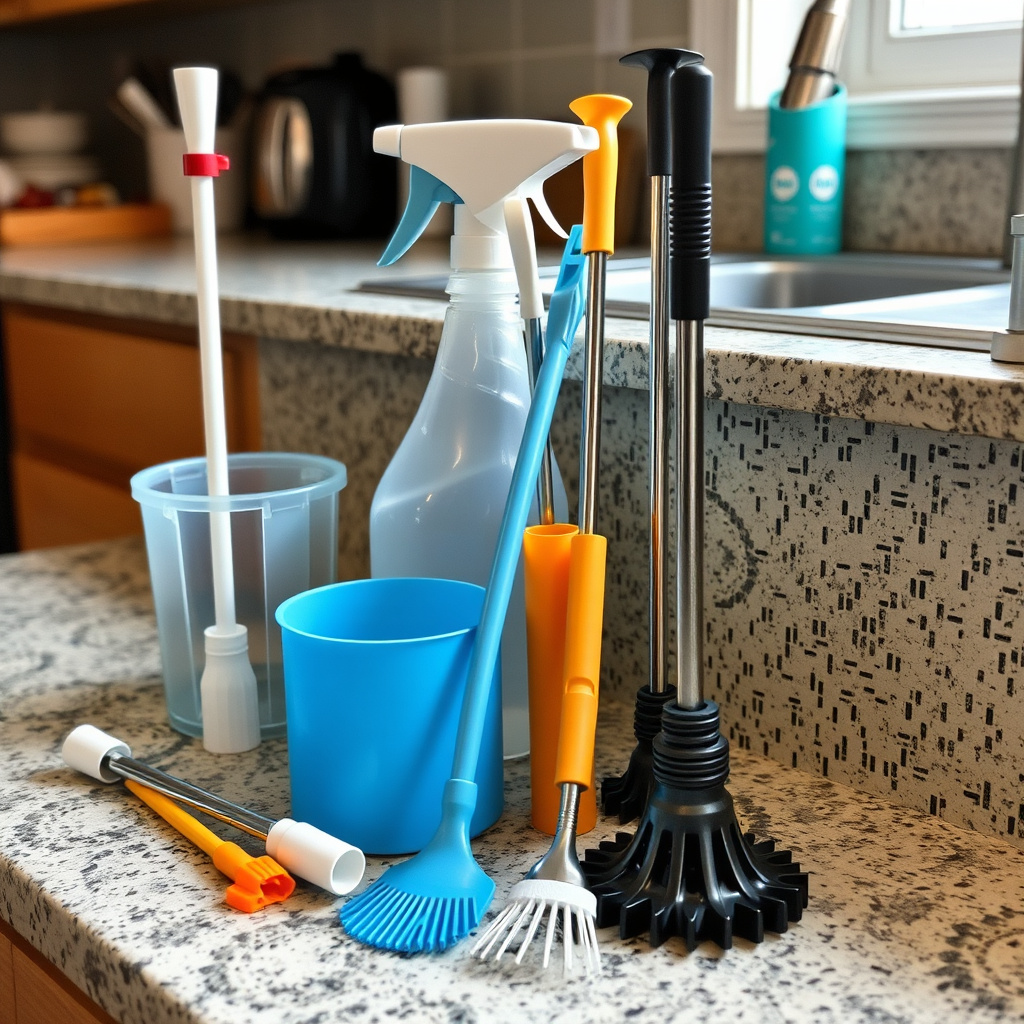
Besides a plunger, common tools include manual drain snakes or augers available in hardware stores. These flexible cables can be inserted into the drain to manually break up or retrieve clogging material. Tools like hand-crank augers offer controlled operation to avoid pipe damage.
Other helpful equipment can include drain cleaning brushes, pipe wrench sets for P-traps, and wet/dry vacuums used carefully to pull clogs out.
- Rubber plunger
- Manual drain snake or auger
- Drain cleaning brush
- Pipe wrench set
For a deeper understanding of plumbing and drain structures, see the detailed overview of kitchen sink drain issues on Wikipedia. Kitchen sink drain issues on Wikipedia.
Safety Measures When Using Drain Cleaning Tools
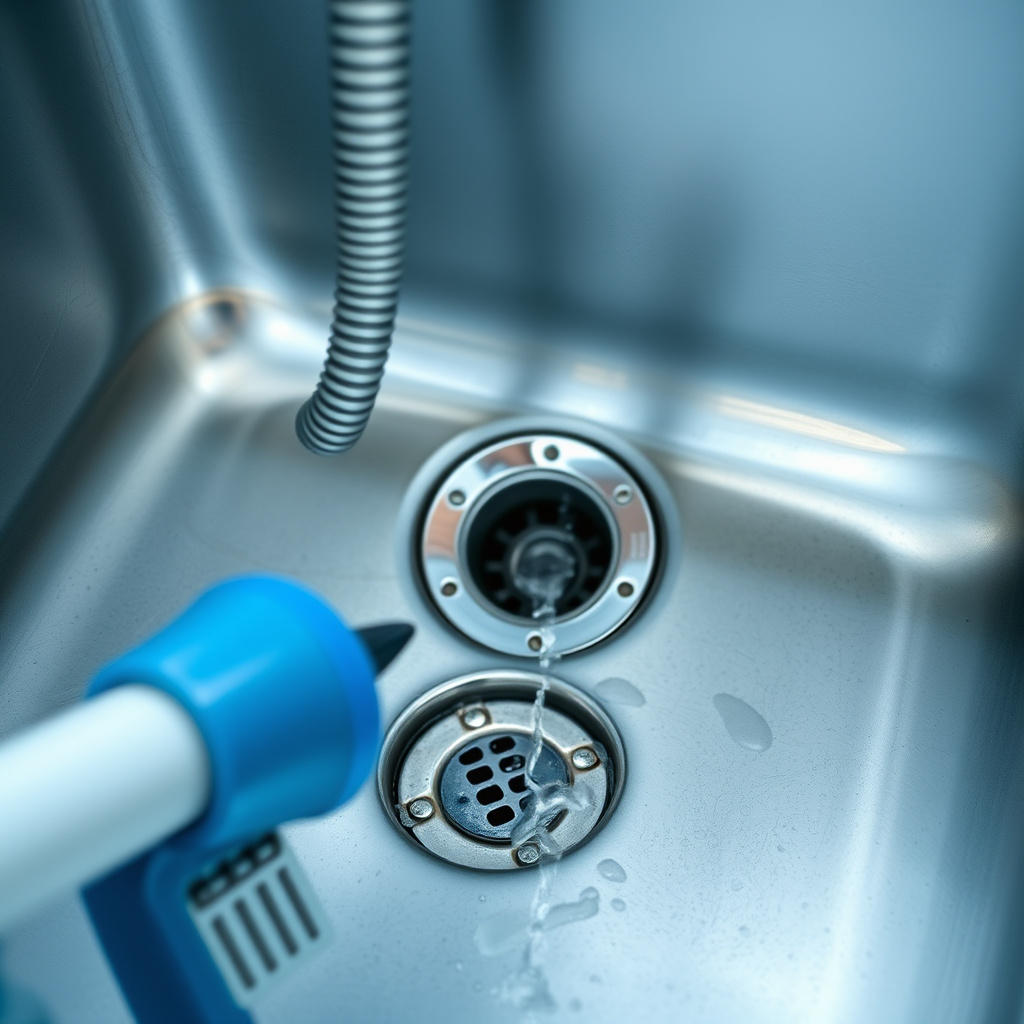
Always wear gloves and eye protection when working on drains to avoid contact with wastewater or chemicals. Ensure proper ventilation when using chemical solvents to limit inhalation risks. Follow manufacturer instructions for tools and avoid forcing any implement to reduce risk of pipe damage or personal injury.
Keep tools clean and disinfect afterward to prevent bacterial contamination and maintain hygiene.
- Wear gloves and eye protection
- Work in well-ventilated areas
- Avoid excessive force on pipes
- Clean and disinfect tools after use
Kitchen Sink Drain Unclogging Methods Comparison
Here is a comparison of common kitchen sink drain unclogging methods highlighting their pros, cons, and best use cases.
| Method | Effectiveness | Cost | Pipe Safety | Best For |
|---|---|---|---|---|
| Plunging | Moderate | Low | High | Minor clogs near drain |
| P-Trap Cleaning | High | Low | High | Localized blockages under sink |
| Baking Soda & Vinegar | Low to Moderate | Very Low | Very High | Slow drains and odors |
| Chemical Drain Cleaners | High | Moderate | Medium | Stubborn grease clogs |
| Professional Snaking/Hydro-Jetting | Very High | High | High | Severe or deep clogs |
Frequently Asked Questions
How can I prevent my kitchen sink from clogging again?
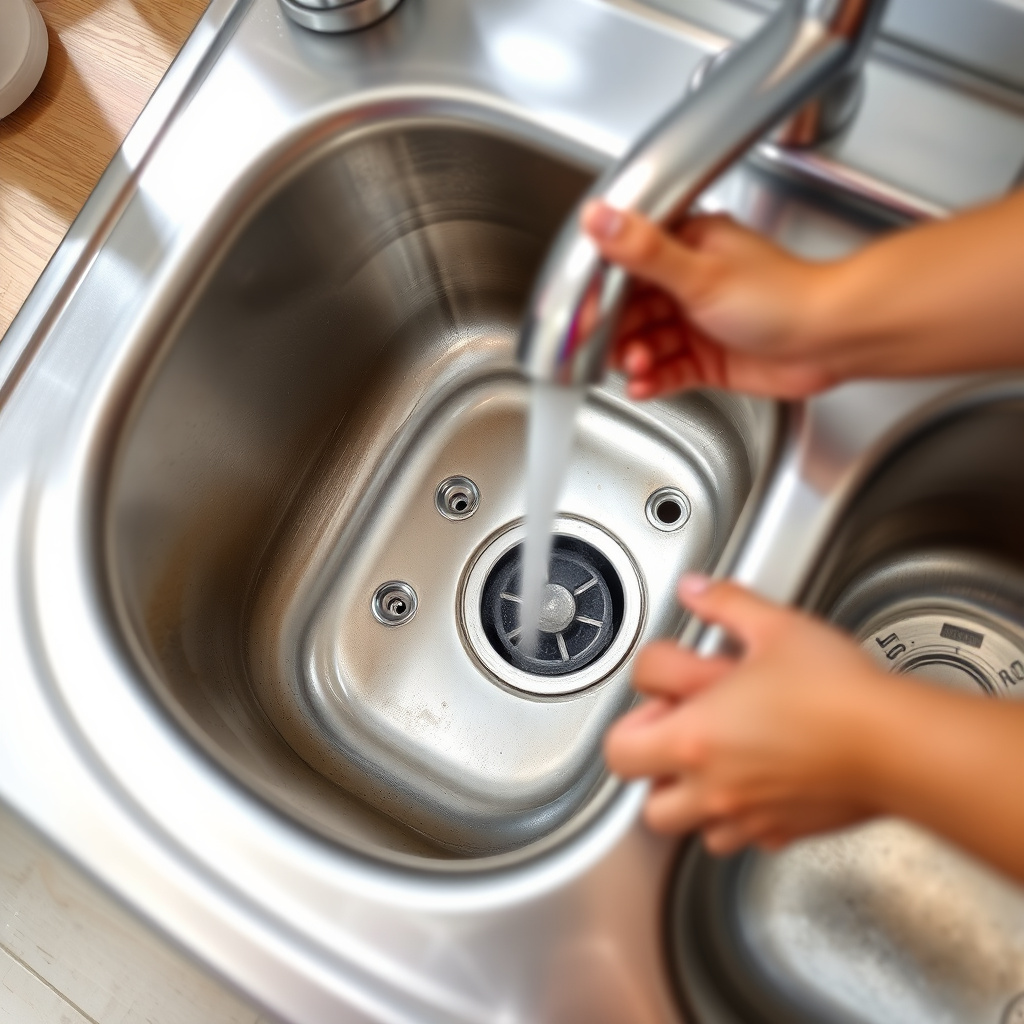
Use a sink strainer to catch debris, avoid pouring grease or coffee grounds down the drain, and flush with hot water regularly to keep buildup from accumulating.
Is it safe to use chemical drain cleaners frequently?
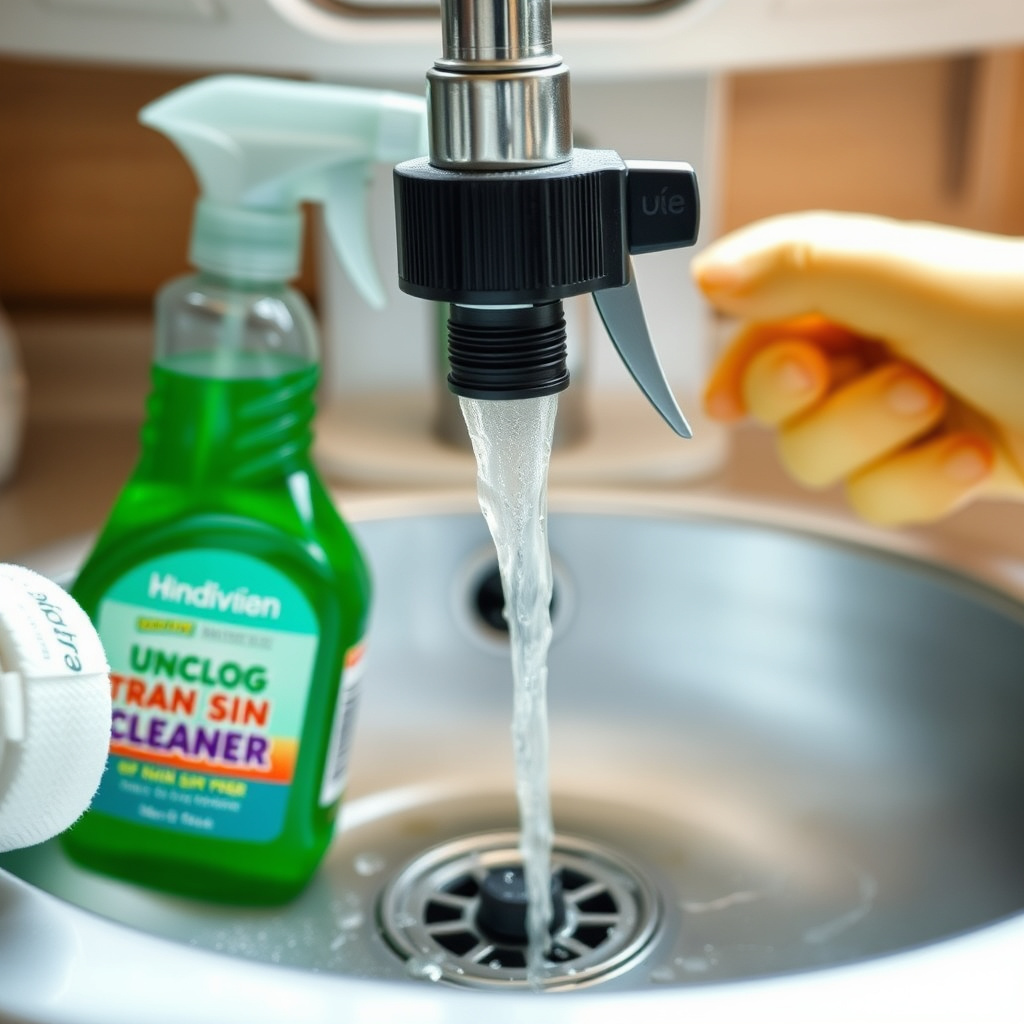
No, frequent chemical cleaner use can damage pipes and fixtures. Use them sparingly and only when mechanical methods fail.
Can baking soda and vinegar clear tough clogs?
They work best on minor slow downs and odors. Tough clogs usually require mechanical removal or professional service.
When should I call a plumber for a clogged kitchen sink?
If clogs persist after plunging and cleaning the P-trap, or if multiple drains back up, it’s wise to seek professional help.
What tools do plumbers use to clear tough kitchen drain clogs?
Plumbers often use mechanical drain snakes, augers, and hydro-jetting equipment to remove difficult blockages safely.
Key Takeaways
- Start with mechanical methods like plunging for quick clog relief.
- Use baking soda and vinegar as a safe, natural cleaning option.
- Avoid frequent chemical drain cleaner use to protect your pipes.
- Call a professional plumber for persistent or widespread blockages.
Conclusion
Addressing a clogged kitchen sink drain yourself involves choosing the right approach based on the blockage severity and your comfort with tools. Mechanical methods like plunging or cleaning the P-trap are usually effective first steps and reduce chemical exposure. Natural remedies like baking soda and vinegar are gentle enough for routine maintenance but less effective on serious blockages. Knowing when these methods aren’t enough helps avoid damage to pipes and wasted time.
For everyday scenarios like slow draining or minor blockages caused by food debris, plunging combined with natural cleaning offers a practical solution. If you suspect grease buildup or persistent issues despite home efforts, chemical cleaners used cautiously or professional plumbing services become necessary. Tools such as drain snakes expand your home capability but require care to prevent pipe damage. Regular preventative steps including strainers and avoiding grease disposal are key to long-term drain health.
Ultimately, learning how to unclog a kitchen sink drain empowers you to maintain your plumbing efficiently. Have basic tools ready and monitor drainage conditions to catch problems early. For stubborn or repeated clogs, consulting a licensed plumber ensures thorough resolutions and safeguards your home’s system. Taking these practical steps can keep your kitchen sink flowing freely for years to come.