How to Remove Smell from Kitchen Sink: Simple and Effective Solutions
Removing odor from your kitchen sink starts with breaking down trapped food particles and bacteria that cause bad smells. Effective methods include using natural deodorizers like baking soda and vinegar, cleaning the drain trap regularly, and flushing the pipes with hot water to clear buildup.
A smelly kitchen sink not only disrupts your cooking space ambiance but also hints at bacterial growth or clogged drains that can escalate into bigger plumbing problems. Understanding the cause helps you choose the most efficient cleaning routine, saving time and avoiding harsh chemicals.
This article covers practical approaches to remove smell from kitchen sink, including homemade remedies, professional-grade cleaners, and maintenance tips to keep your drain fresh, plus advice on avoiding common mistakes that worsen odors.
Common Causes of Kitchen Sink Odors
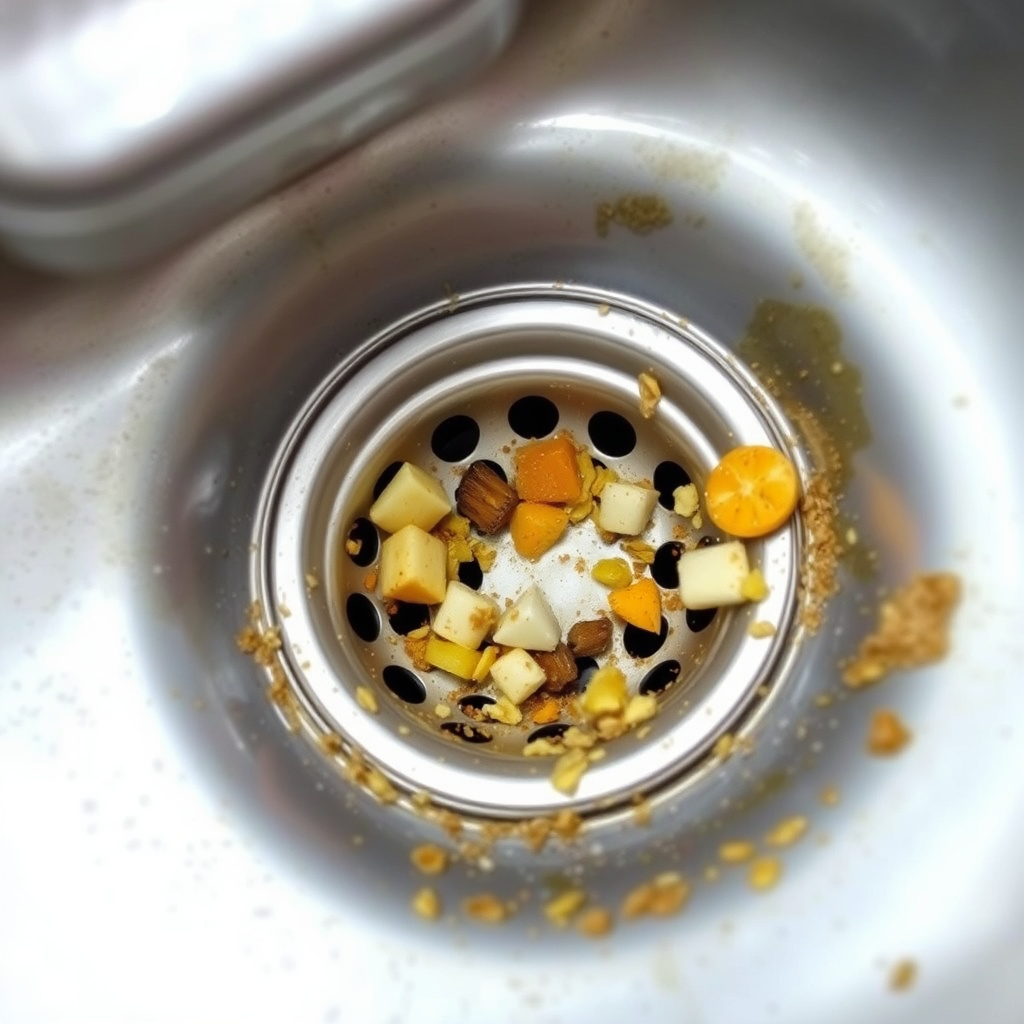
Food Residue and Grease Build-up

Leftover food scraps and grease accumulate in the drain trap and pipes, promoting bacterial growth that produces foul odors. Over time, fats harden inside the pipes, trapping more debris and becoming a persistent source of smell.
Regular disposal of food waste and avoiding pouring grease down the sink help minimize smell buildup. If grease has already hardened, a deep cleaning of the pipes is necessary to break down the deposits.
Drain Trap and Plumbing Issues
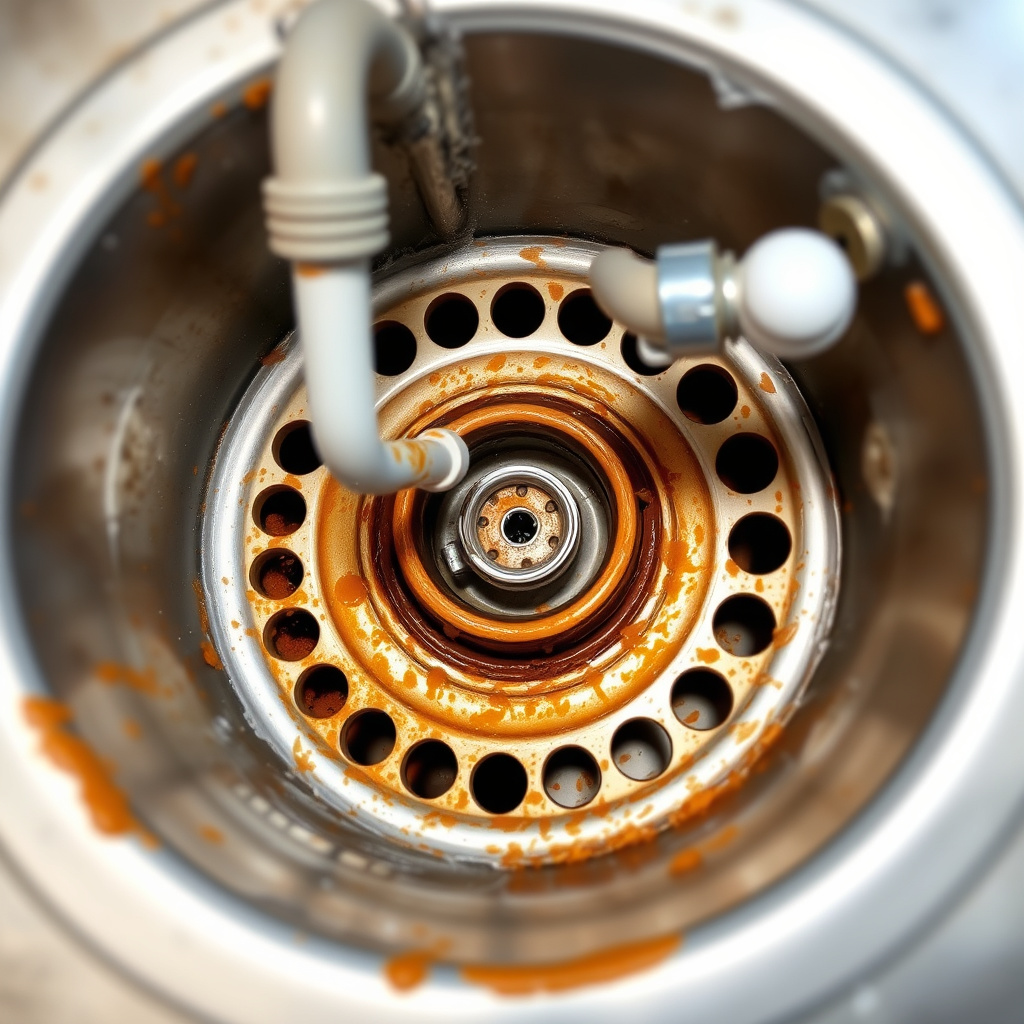
A common cause of kitchen sink smell is a dry or malfunctioning drain trap, which normally holds water to block sewer gases from escaping. If the trap dries out or leaks, these odors can travel up through the sink.
Plumbing problems such as clogged vent pipes or cracked seals also allow unpleasant smells to permeate into the kitchen, requiring inspection and repair to address the root cause.
DIY Methods to Remove Smell from Kitchen Sink
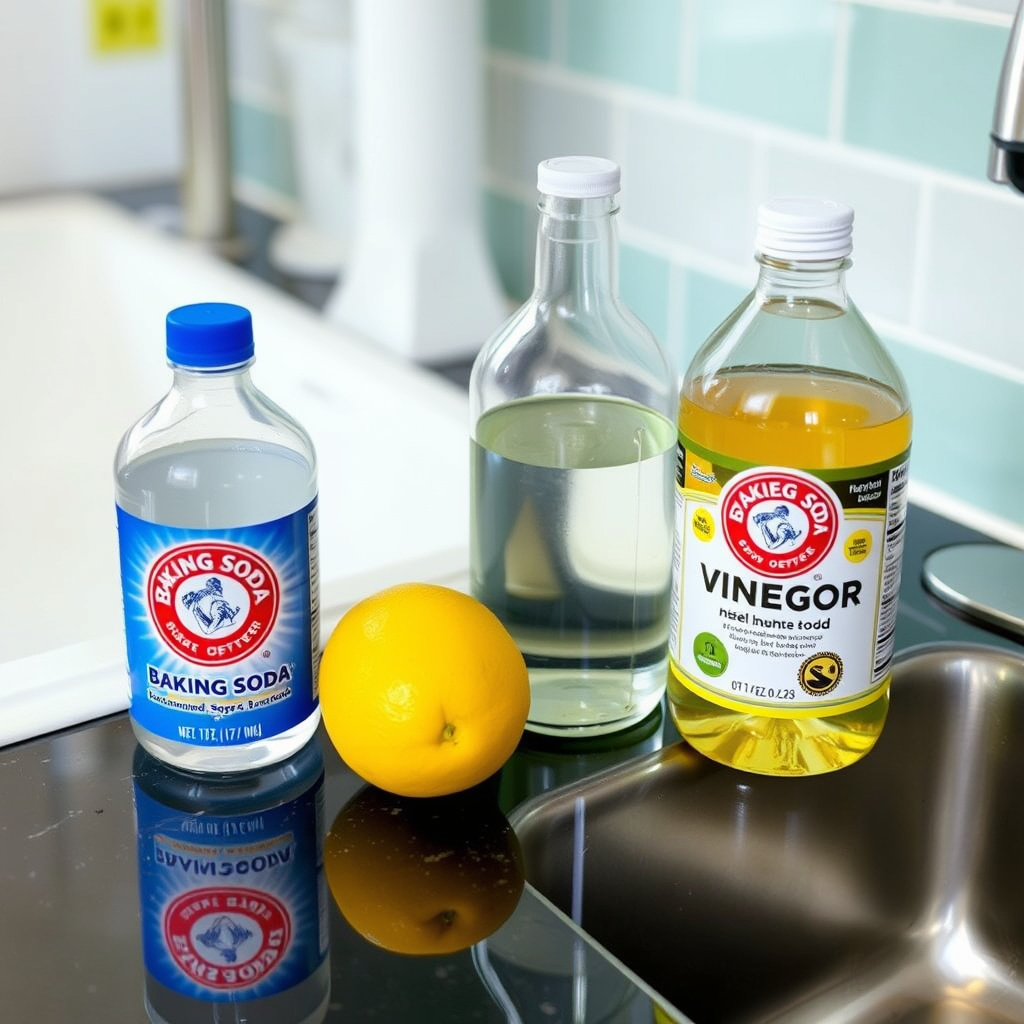
Baking Soda and Vinegar Treatment
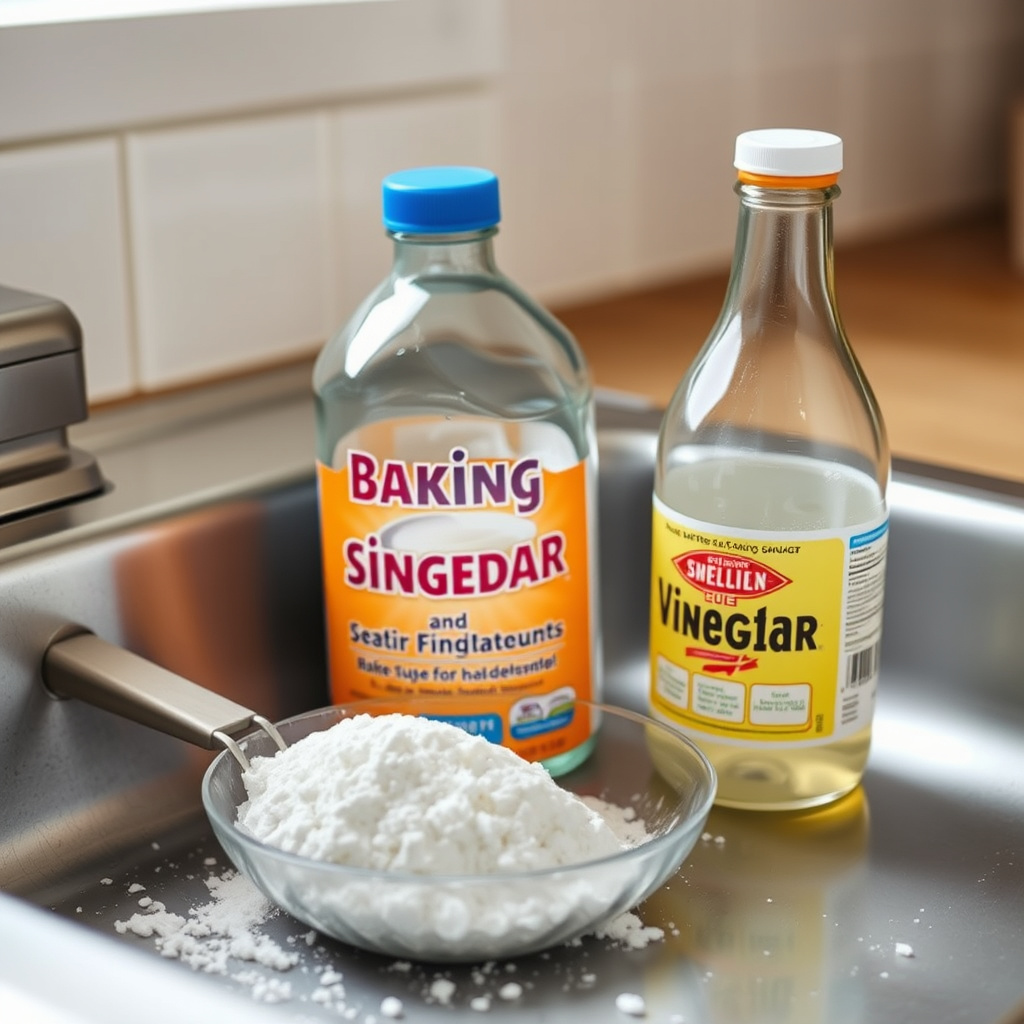
Sprinkle half a cup of baking soda directly into the drain, then pour a cup of white vinegar over it. The combination foams, breaking down grime and neutralizing odors naturally. Let it sit for 15 minutes before flushing with boiling water.
This treatment is safe for most pipes and effective against common kitchen sink smells, making it a preferred choice for regular maintenance.
- Use one part baking soda to two parts vinegar
- Flush with boiling water after 15 minutes
- Repeat weekly for odor prevention
Lemon and Salt Scrub
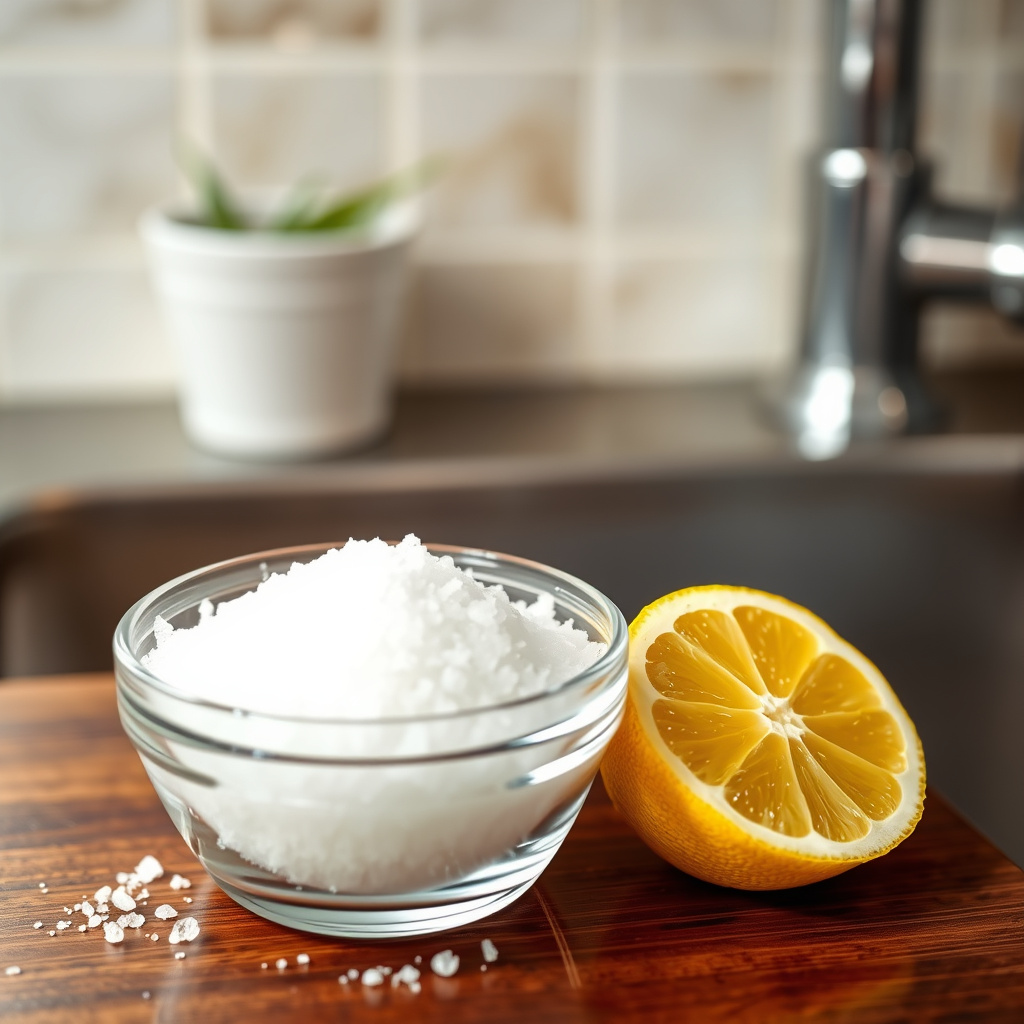
Cut a lemon in half, dip it in salt, and rub the sink basin and drain edges thoroughly. The lemon’s acidity cuts through grease while salt acts as a mild abrasive to remove residue. Rinse with hot water to refresh both the sink and its smell.
This method leaves a natural fresh scent and helps reduce odors over time, especially when used in combination with other cleaning routines.
- Rub lemon with coarse salt on sink surfaces
- Focus on drain and around faucet base
- Rinse and wipe after scrubbing
Professional Cleaning Solutions
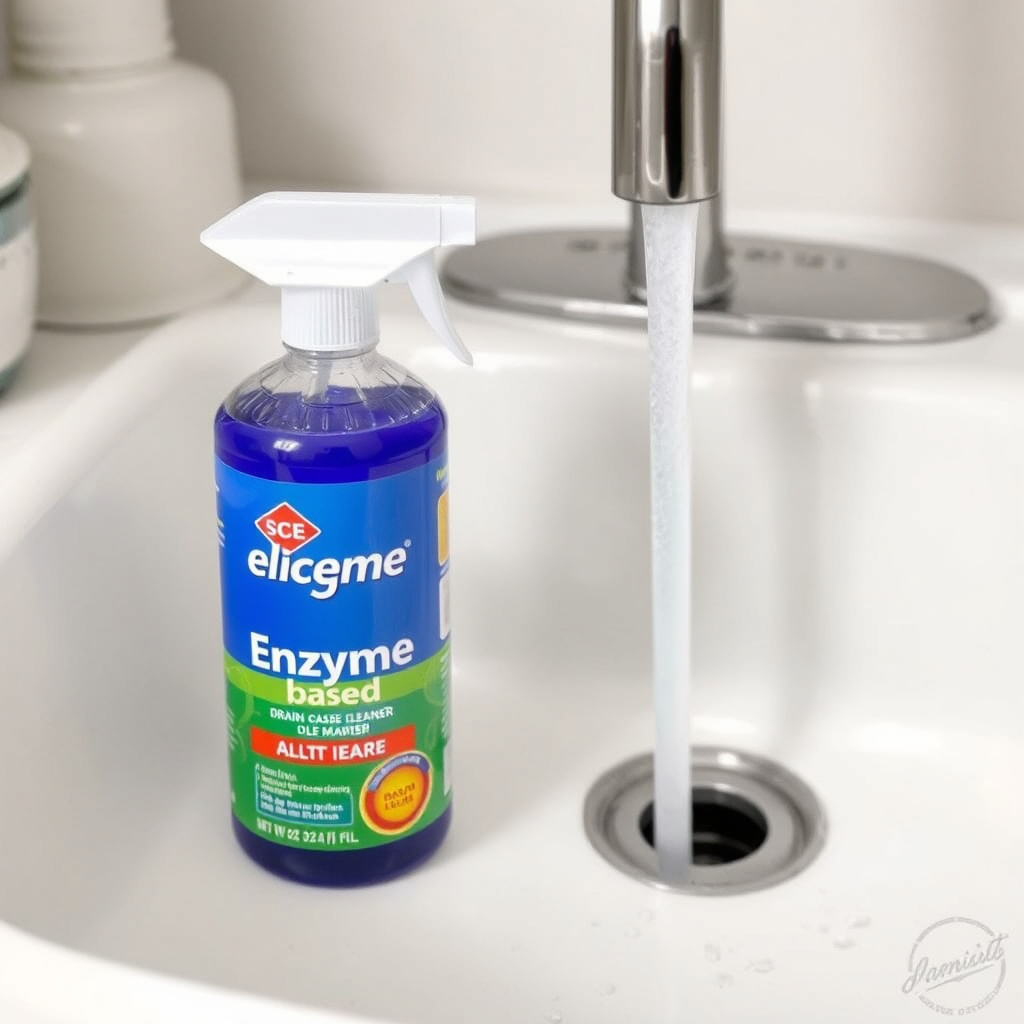
Enzyme-Based Drain Cleaners
Enzyme cleaners contain natural bacteria that digest organic matter in drains, breaking down food particles and reducing odor over time. They are eco-friendly and safe for most plumbing systems when used according to instructions.
Regular use supports preventing odor and clogs but may take several treatments to fully eliminate persistent smells, especially in heavily soiled drains.
- Follow product guidelines carefully
- Use weekly for best results
- Safe for septic systems
For more on this, see our related guide: How to Get Rid of Kitchen Gnats: Effective and Safe Strategies.
Chemical Drain Cleaners: Pros and Cons
Chemical drain cleaners offer fast odor removal by dissolving clogs and organic buildup, but they contain harsh ingredients that can damage pipes if misused, and pose health risks if not handled properly.
They are best reserved for severe blockages or professional use. Frequent reliance on chemicals may weaken plumbing and is less environmentally friendly compared to enzyme-based options.
- Use sparingly and with caution
- Wear gloves and ventilate area
- Not recommended for regular smell control
Maintenance Tips to Prevent Kitchen Sink Odors
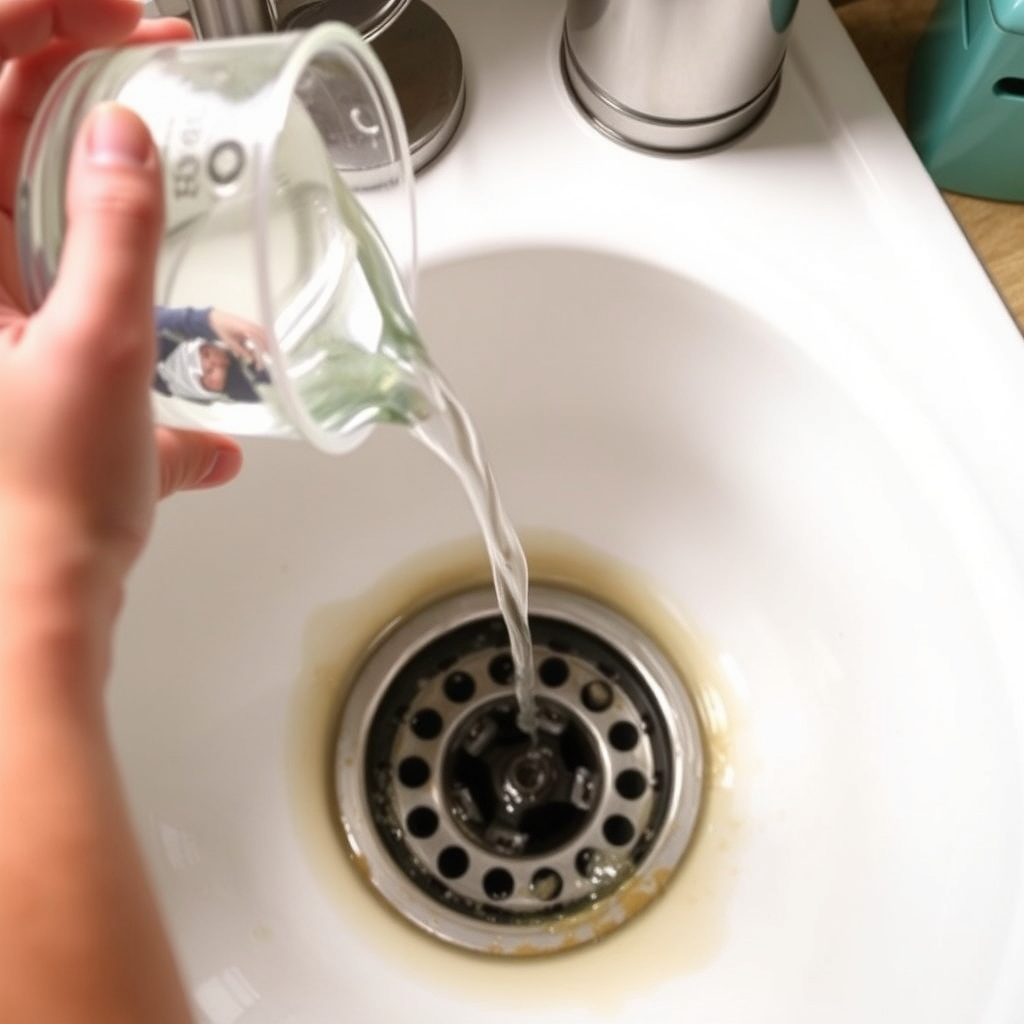
Regular Cleaning Habits
Run hot water down the drain after each use to flush away residue. Weekly treatments with baking soda and vinegar or enzyme cleaners help maintain a clean drain environment, reducing odor development.
Avoid putting fibrous scraps, coffee grounds, and grease into the sink, as these contribute heavily to blockages and smell.
- Flush with hot water regularly
- Use natural deodorizer weekly
- Dispose of food waste properly
Checking and Maintaining Drain Traps
Ensure the drain trap always contains water to block sewer gas. If the kitchen is unused for days, run water periodically. Inspect for leaks or damage and replace faulty traps to prevent smell seepage.
Routine trap cleaning by removing and rinsing it can clear out stuck debris, improving odor control.
- Keep trap filled with water
- Replace damaged traps promptly
- Clean trap every few months
Preventing Common Mistakes that Worsen Sink Odors
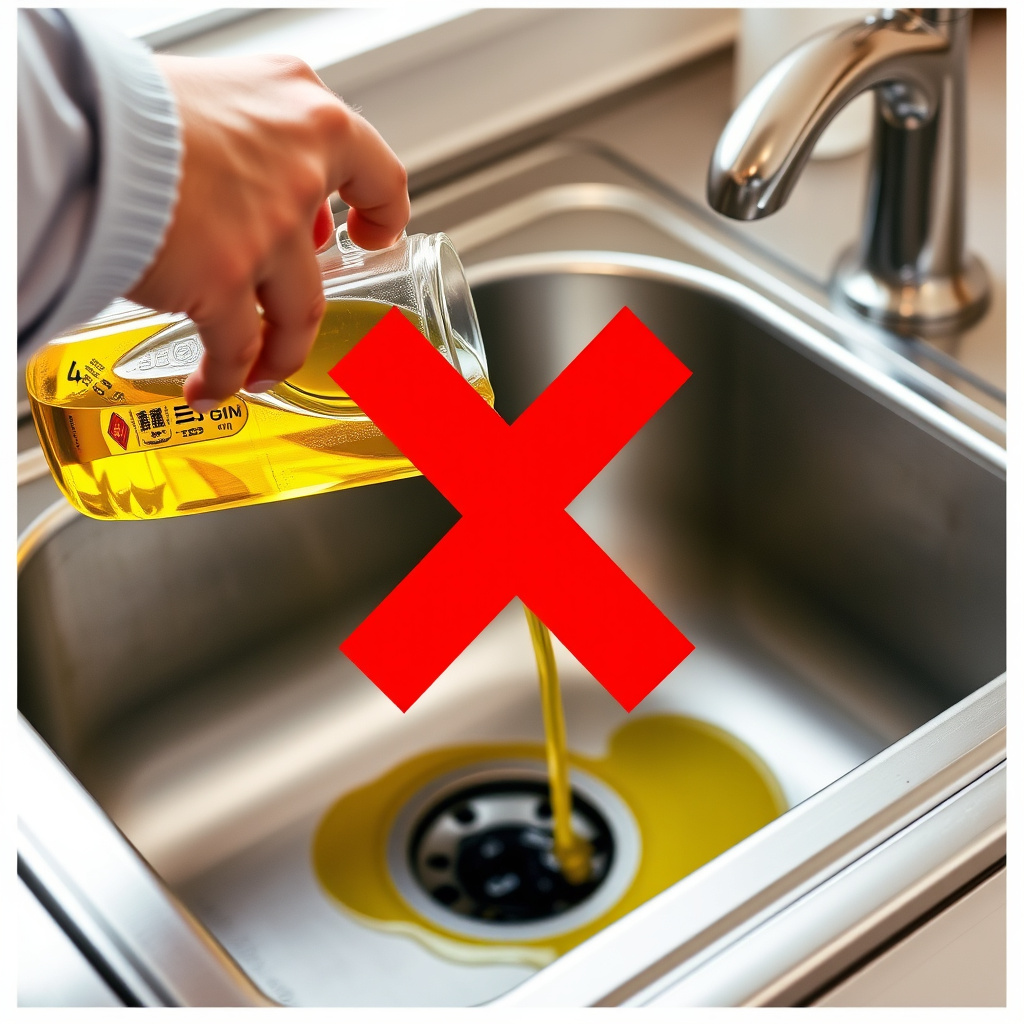
Avoid Pouring Grease and Oils Down the Sink
Grease and oils solidify inside pipes and trap debris, creating odorous blockages. Instead, collect grease in containers and discard with waste to keep drains clear.
This simple habit significantly decreases the risk of stubborn odors and plumbing issues related to buildup.
For more on this, see our related guide: How to Plumb a Kitchen Sink: Step-by-Step Guide for DIY Installation.
Don’t Ignore Slow Drains or Gurgling Sounds
Slow drainage and strange noises often signal partial clogs harboring decomposing material causing odors. Promptly address these signs by cleaning or calling a plumber to stop smells from worsening.
Waiting too long allows bacteria to multiply, making smell removal more difficult.
How to Remove Smell from Kitchen Sink Using Modern Tools
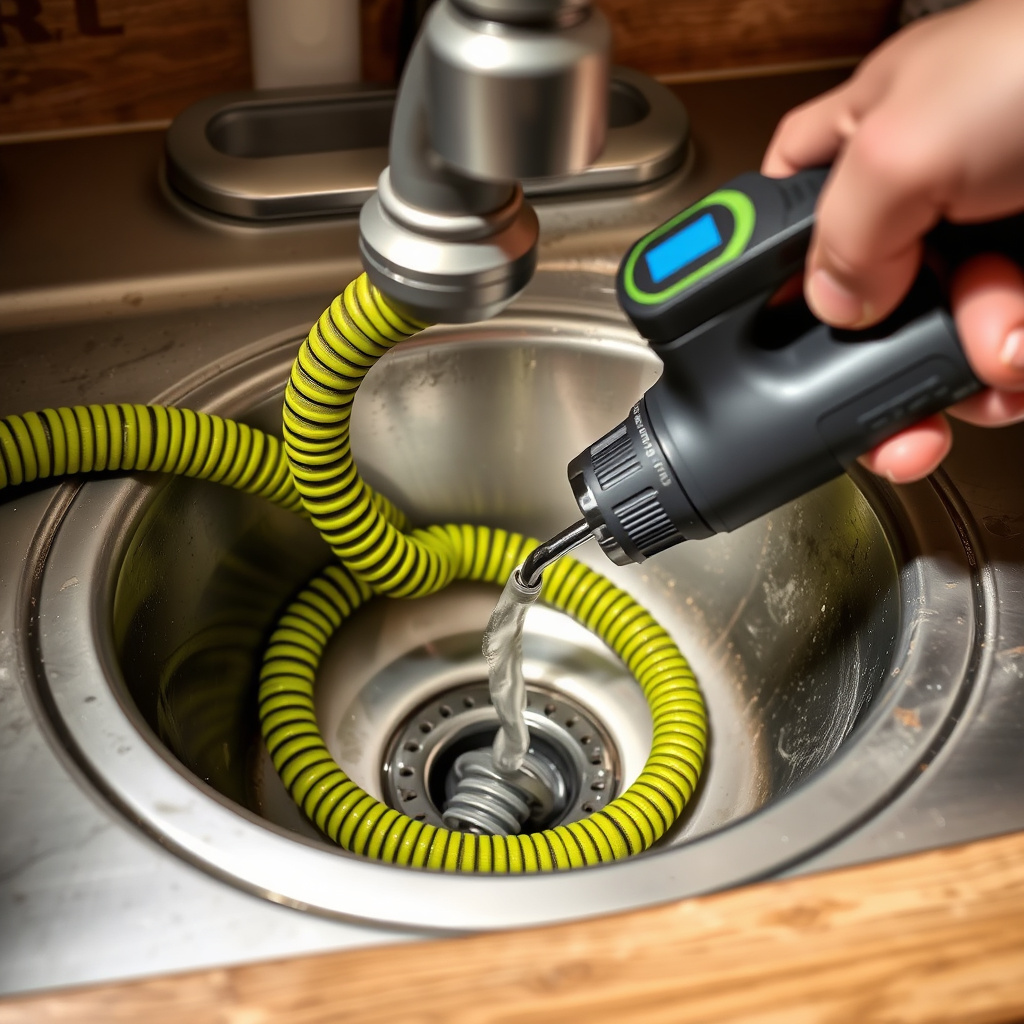
Using a Plumbing Snake for Deep Cleaning
A plumbing snake can reach deep clogs and debris inside drain pipes that cause persistent odors. It physically dislodges trapped particles, improving water flow and odor elimination when chemical or DIY methods fail.
Learning correct snake usage protects pipes from damage and achieves thorough cleaning.
- Insert snake carefully into drain
- Rotate to break clogs
- Retract and flush with hot water
For more detailed information on the components and maintenance of kitchen sinks, you can refer to the kitchen sink Wikipedia page. kitchen sink Wikipedia page.
Installing a Garbage Disposal and Its Impact on Odors
Garbage disposals can help grind food waste, reducing the risk of accumulation that causes odor if used properly. However, they require regular cleaning to prevent trapped residue from becoming an odor source themselves.
Routine maintenance like running cold water during disposal use and periodic enzyme cleaner application keeps disposals fresh.
- Run cold water while operating
- Clean with ice and lemon periodically
- Use enzyme cleaner monthly
Comparison of Kitchen Sink Smell Removal Techniques
Here’s a comparison of popular methods to remove kitchen sink odor, highlighting their advantages, drawbacks, and best use cases.
| Method | Effectiveness | Safety | Ease of Use | Cost |
|---|---|---|---|---|
| Baking Soda and Vinegar | High for mild odors | Very safe | Easy | Low |
| Enzyme-Based Cleaners | Moderate to high | Safe and eco-friendly | Moderate | Moderate |
| Chemical Drain Cleaners | High for severe clogs | Hazardous if misused | Easy | Moderate |
| Plumbing Snake | Very high for clogs | Safe if used properly | Requires skill | Moderate |
| Lemon and Salt Scrub | Moderate for surface odors | Very safe | Easy | Low |
Frequently Asked Questions
How often should I clean my kitchen sink to prevent odors?
Cleaning the sink and drain with natural treatments like baking soda and vinegar once a week helps prevent odor buildup and keeps the drain clear of food debris.
Is it safe to use chemical drain cleaners regularly?
Regular use of chemical drain cleaners is not recommended due to their corrosive nature and potential harm to pipes and the environment; safer alternatives include enzyme cleaners.
Can lemon alone remove sink odors?
Lemon provides a fresh scent and mild cleaning power but is most effective when combined with abrasives like salt or other cleaning methods to remove odors thoroughly.
What causes a dry drain trap and how does it affect smell?
A dry drain trap happens when water evaporates from the trap, allowing sewer gases to escape into your kitchen, causing unpleasant smells; periodic water flushing keeps the trap effective.
Will pouring boiling water down the sink help with smells?
Yes, boiling water helps dissolve and flush away grease and residue, reducing odor sources, especially when used after deodorizing treatments.
Key Takeaways
- Neutralize odors naturally with baking soda and vinegar treatments weekly.
- Prevent odors by avoiding grease disposal and maintaining drain traps.
- Use enzyme-based cleaners as safe, effective alternatives to harsh chemicals.
- Regular maintenance and immediate attention to clogs keep sinks smelling fresh.
Conclusion
The best strategy to remove smell from kitchen sink involves understanding what causes the odors and addressing those sources directly. Whether it's trapped food residue, grease, or plumbing issues, targeted cleaning methods can restore freshness without harmful chemicals. Adopting regular cleaning routines paired with periodic deep treatments is key to sustaining a pleasant kitchen environment.
For light odors, natural methods like baking soda and vinegar or lemon and salt scrubs provide effective and safe options. Enzyme-based cleaners serve well for gradual buildup, while plumbing tools such as snakes are valuable for stubborn clogs causing persistent smells. Chemical cleaners should be used sparingly and only when necessary due to their harsh impact on plumbing and health risks.
Ultimately, practical management of kitchen sink odors calls for consistent habits: avoid pouring grease down the drain, maintain the drain trap water level, and clean regularly with trusted remedies. By taking these steps, you can keep your kitchen sink odor-free and ensure your plumbing stays efficient and long-lasting.