How to Unclog a Double Kitchen Sink: Quick and Effective Solutions
If your double kitchen sink is clogged, start by identifying the blockage location. Use a plunger on each basin separately to create suction that can dislodge minor clogs. If that doesn’t work, removing and cleaning the P-trap underneath is the next effective step. These methods often clear common kitchen debris causing the clog quickly without needing harsh chemicals.
Clogs in double kitchen sinks can manifest differently because the two basins share plumbing, which means a blockage in one drain can affect both sides. Addressing these blockages early helps avoid water backup and unpleasant odors. Understanding where and how to tackle the clog can save you a plumber’s visit and extend the life of your sink's plumbing.
This article covers practical steps from basic plunging techniques to detailed cleaning of the drain pipes and P-trap. It also explores using natural and commercial drain cleaners safely, and how to prevent future clogs by maintaining your kitchen sink plumbing. Whether you prefer DIY solutions or need guidance on tools, this guide will help get your double kitchen sink flowing smoothly.
Understanding the Double Kitchen Sink Plumbing Layout
How Drainage Works in a Double Sink
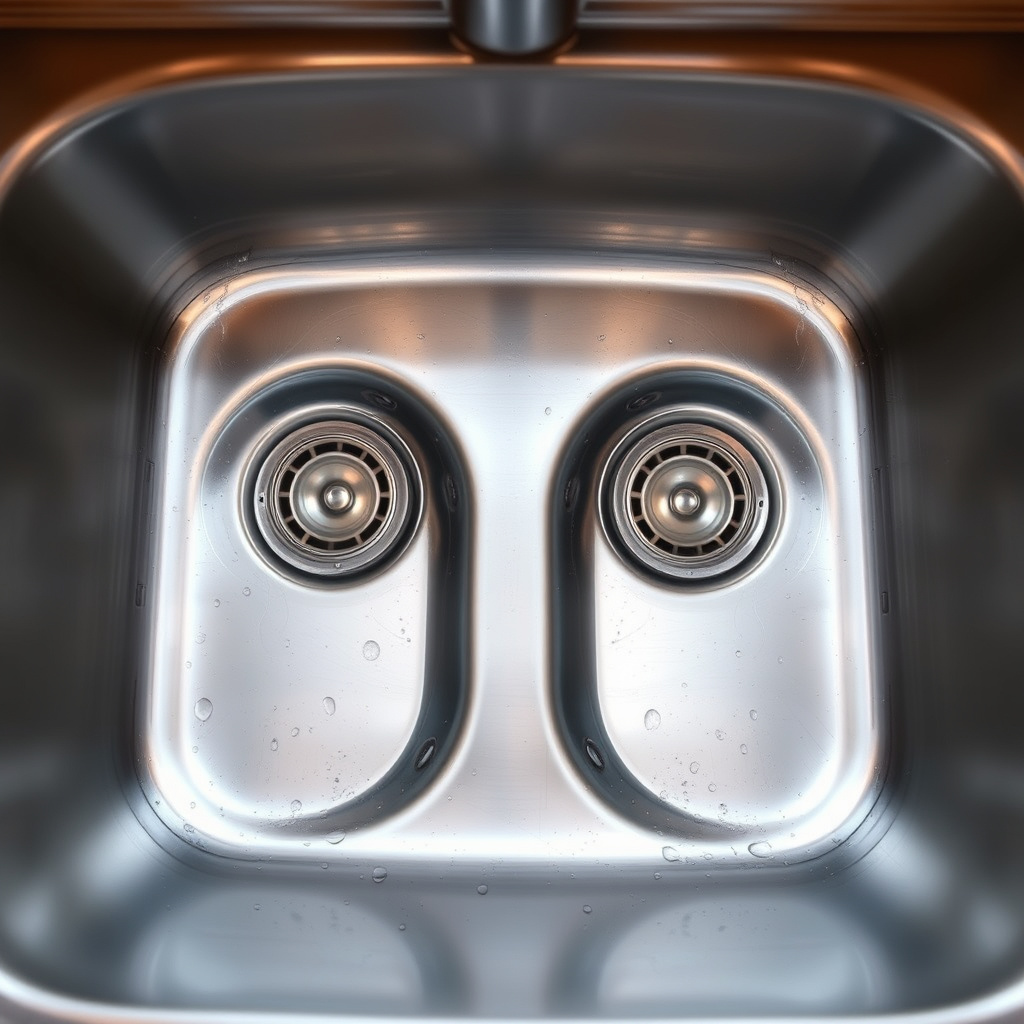
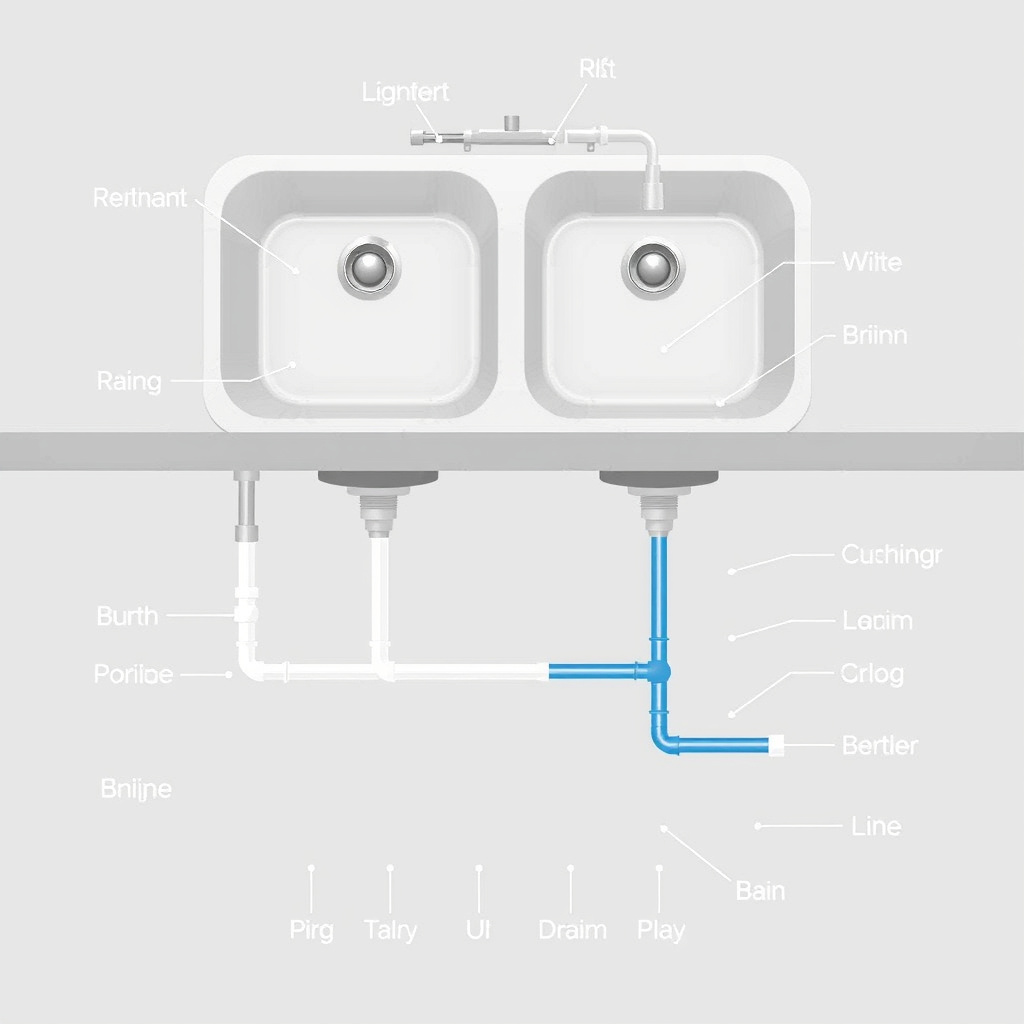
A double kitchen sink typically features two basins each with its own drain, but both connect to a single drainpipe downstream. This shared drain line means that a clog on either side can impact water flow from both basins. Water flows from each basin’s strainer into tailpieces, then merges via a T-junction before continuing through the P-trap to the house drain.
Because the drains converge, sediment or food waste trapped anywhere in the combined piping can slow or block drainage. Understanding this interconnected setup is key to targeting the right pipe section during unclogging efforts, especially when one basin seems more affected than the other.
Key Components to Check for Clogs
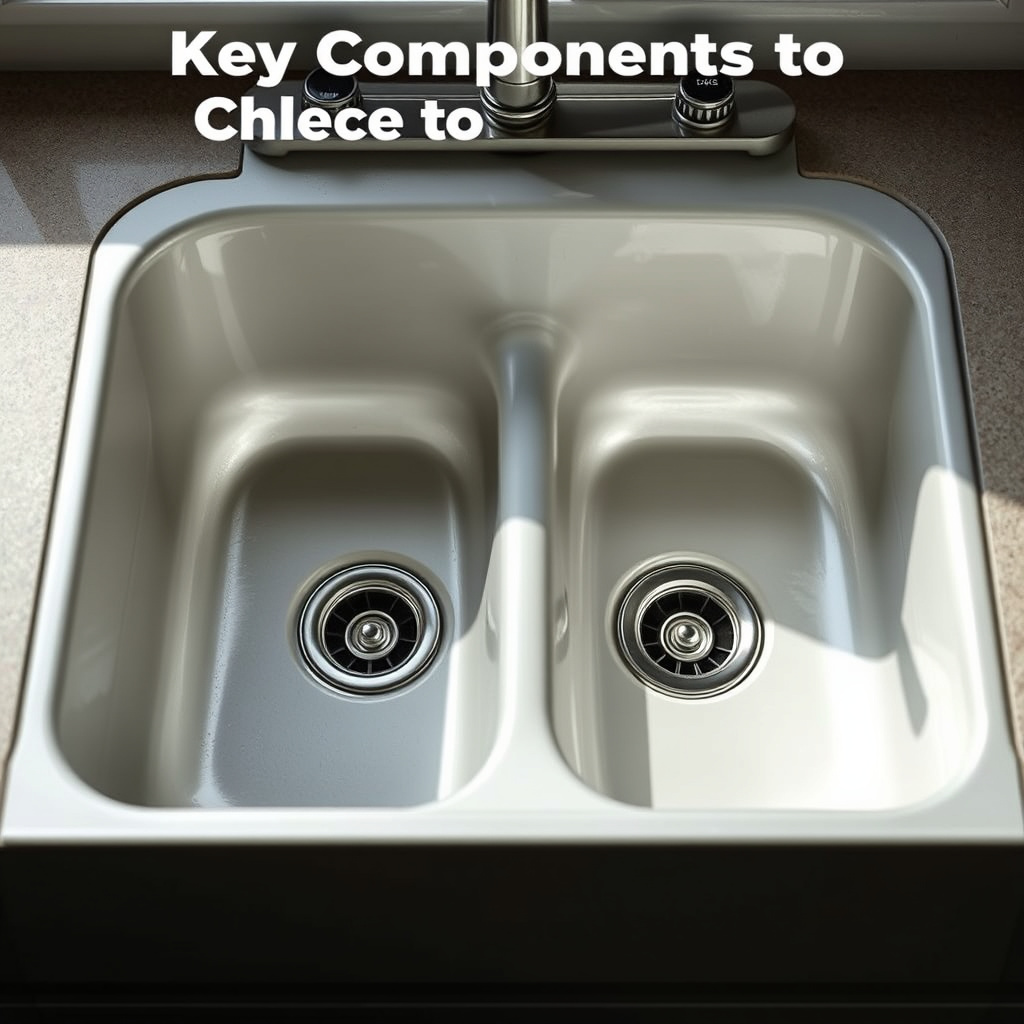
The most common clog points include the sink strainers, the tailpieces directly beneath each basin, the T-connector linking the two drains, and the P-trap under the sink. Food particles, grease, soap scum, and hair often accumulate in these areas, restricting water flow.
By dismantling and inspecting these parts sequentially, you can isolate and remove stubborn debris. This systematic approach limits trial and error while minimizing plumbing damage risks during DIY unclogging.
Manual Methods to Unclog a Double Kitchen Sink
Using a Plunger Effectively
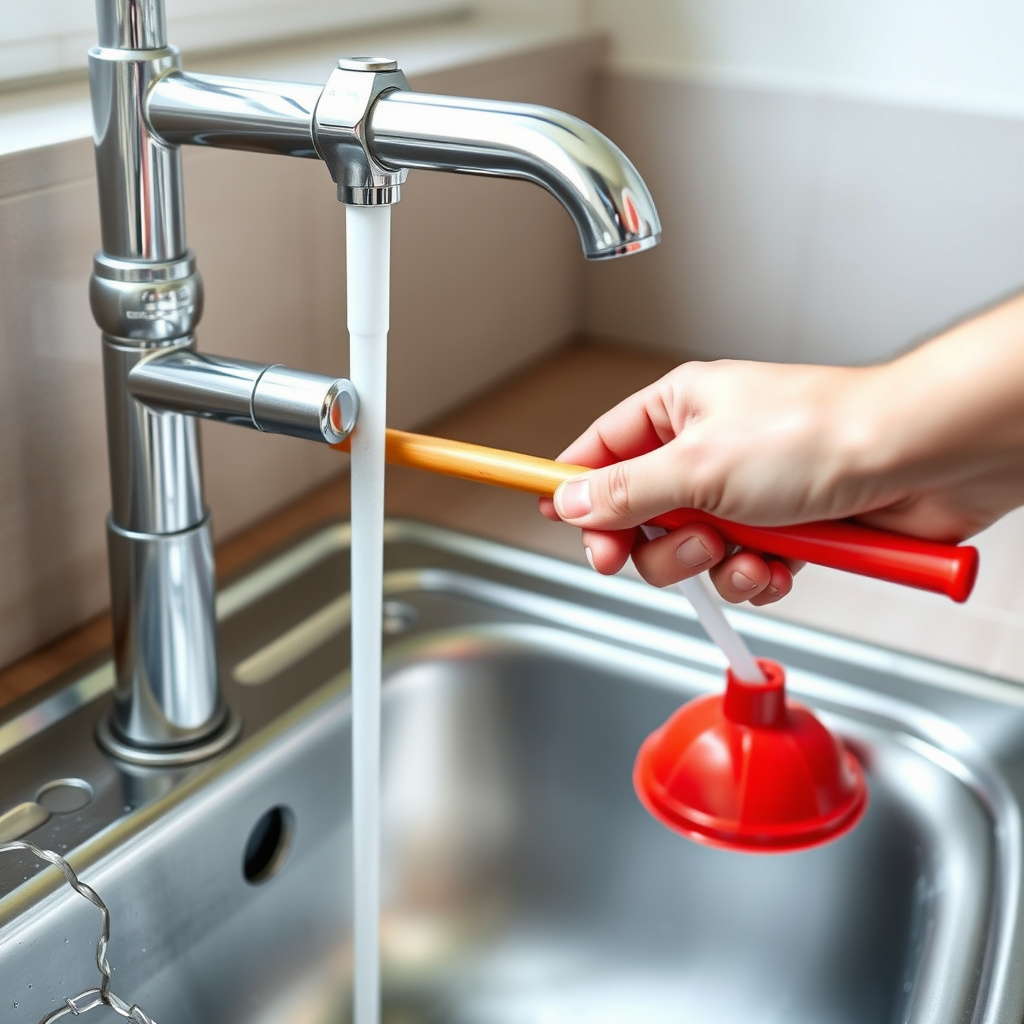
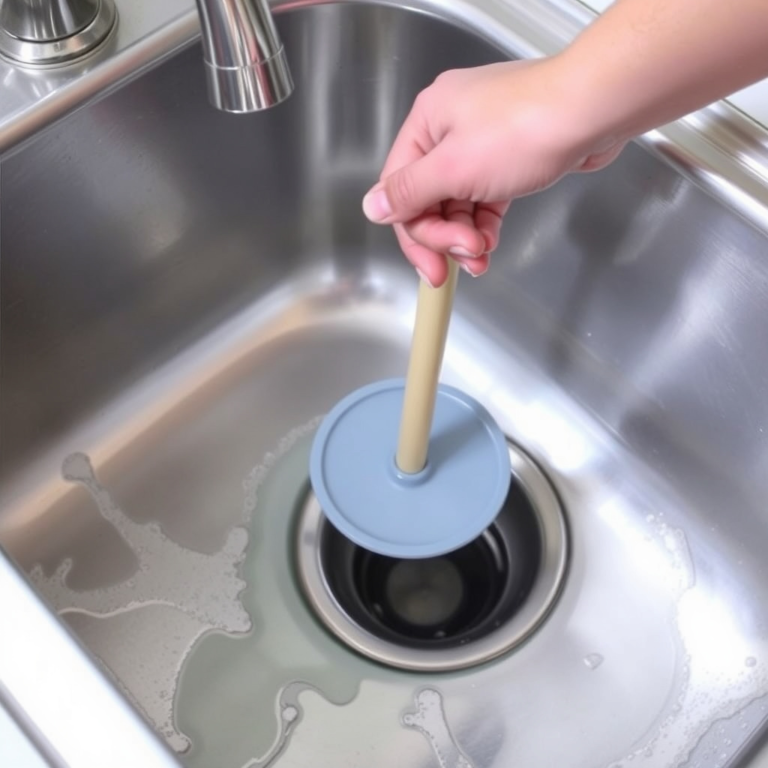
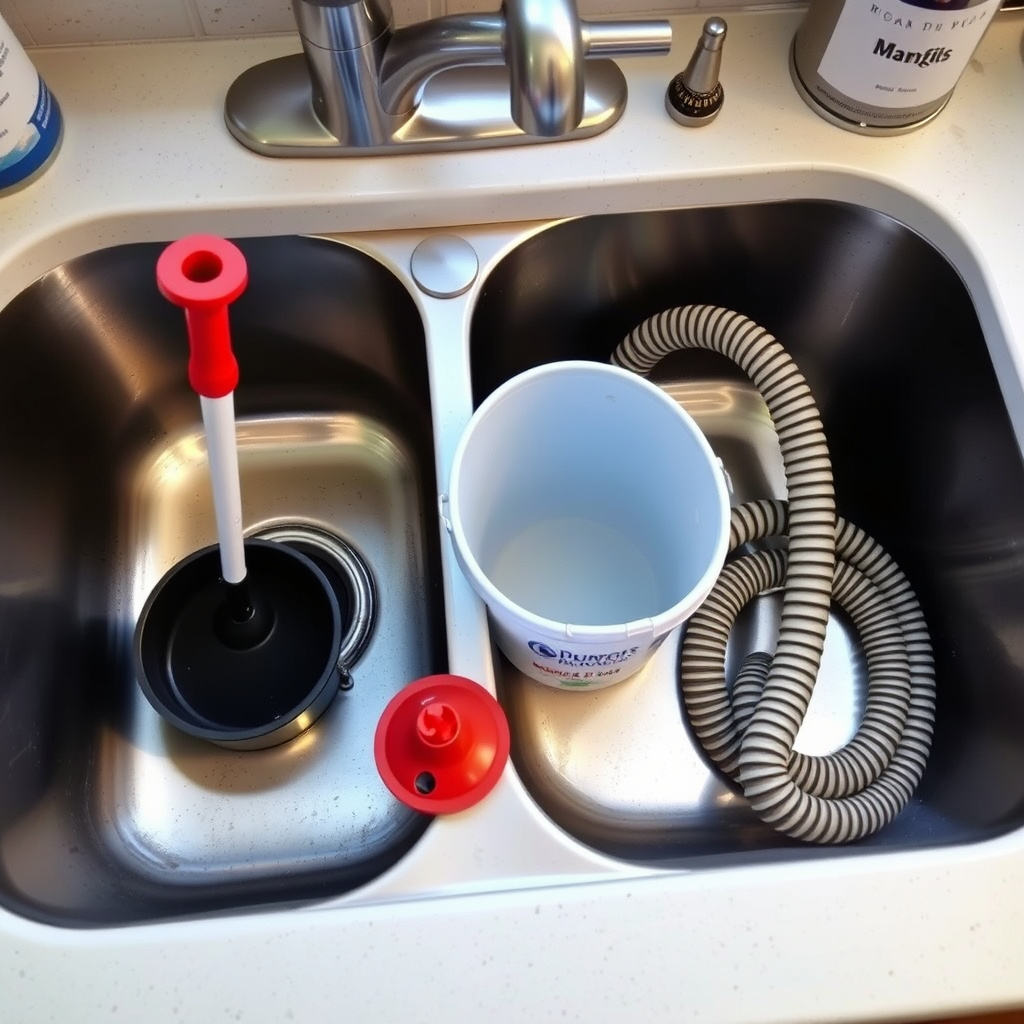
Start by sealing off the drain of the opposite basin with a wet cloth or sink plug to focus suction on the clogged side. Fill the basin partially with water to enhance plunger suction. Place a cup plunger directly over the drain and pump vigorously several times, breaking the blockage loose.
If the plunger’s initial pushes don’t work, repeat the process for the other basin since shared plumbing might cause cross-issues. Avoid excessive force to prevent pipe damage but persistent effort usually dislodges typical kitchen sink clogs.
- Seal the unused drain
- Add water for suction
- Pump plunger 10-15 times
For more on this, see our related guide: How to Unclog Kitchen Sink with Garbage Disposal: Quick and Effective Methods.
Cleaning the P-Trap and Associated Pipes
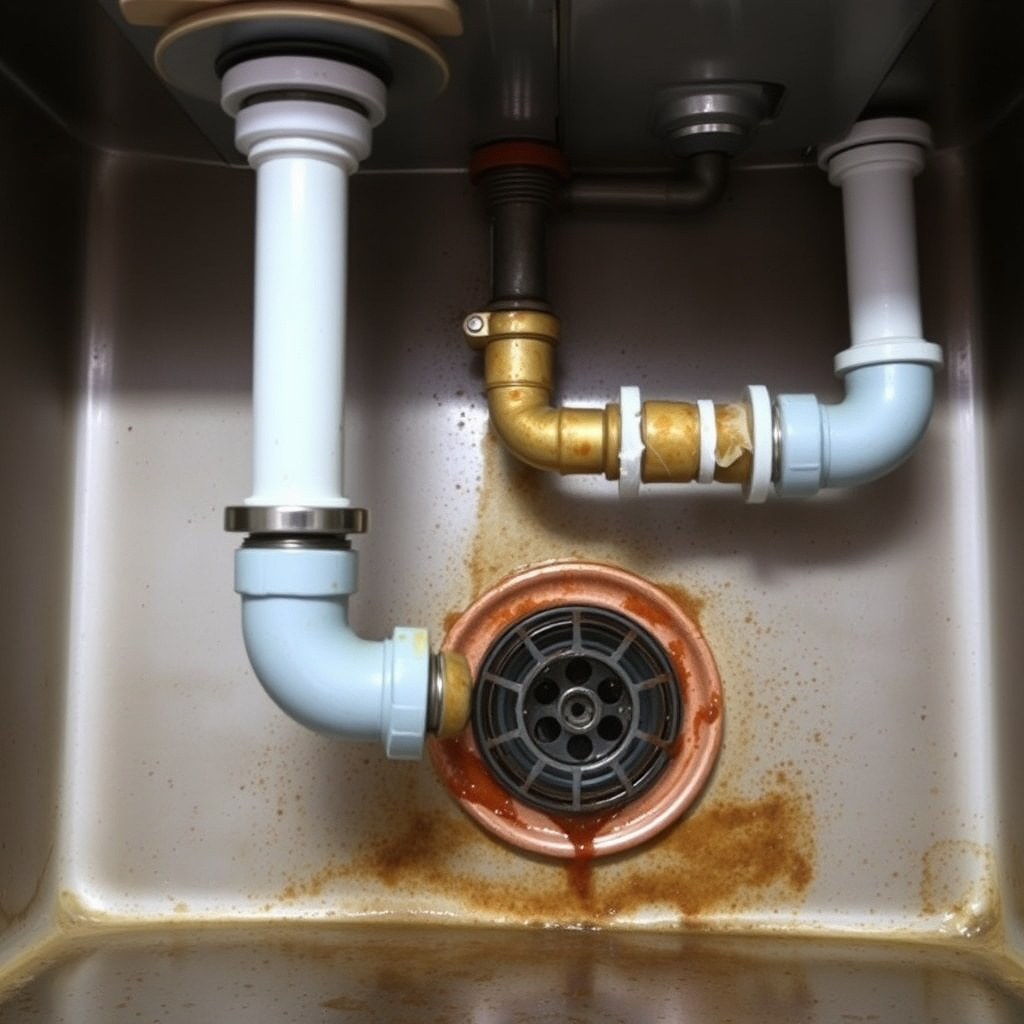
Place a bucket beneath the P-trap to catch water. Use a wrench or pliers to unscrew the slip nuts holding the trap in place. Carefully remove the curved pipe and clear trapped debris like grease and food residue from inside.
Rinse the P-trap thoroughly before reassembling it to prevent leaks. Checking and cleaning the tailpieces and T-connector while under the sink can also remove blockages that the plunger cannot dislodge.
- Place bucket to catch spills
- Unscrew slip nuts carefully
- Clear debris inside trap
- Check connecting pipes
Choosing the Right Drain Cleaning Products
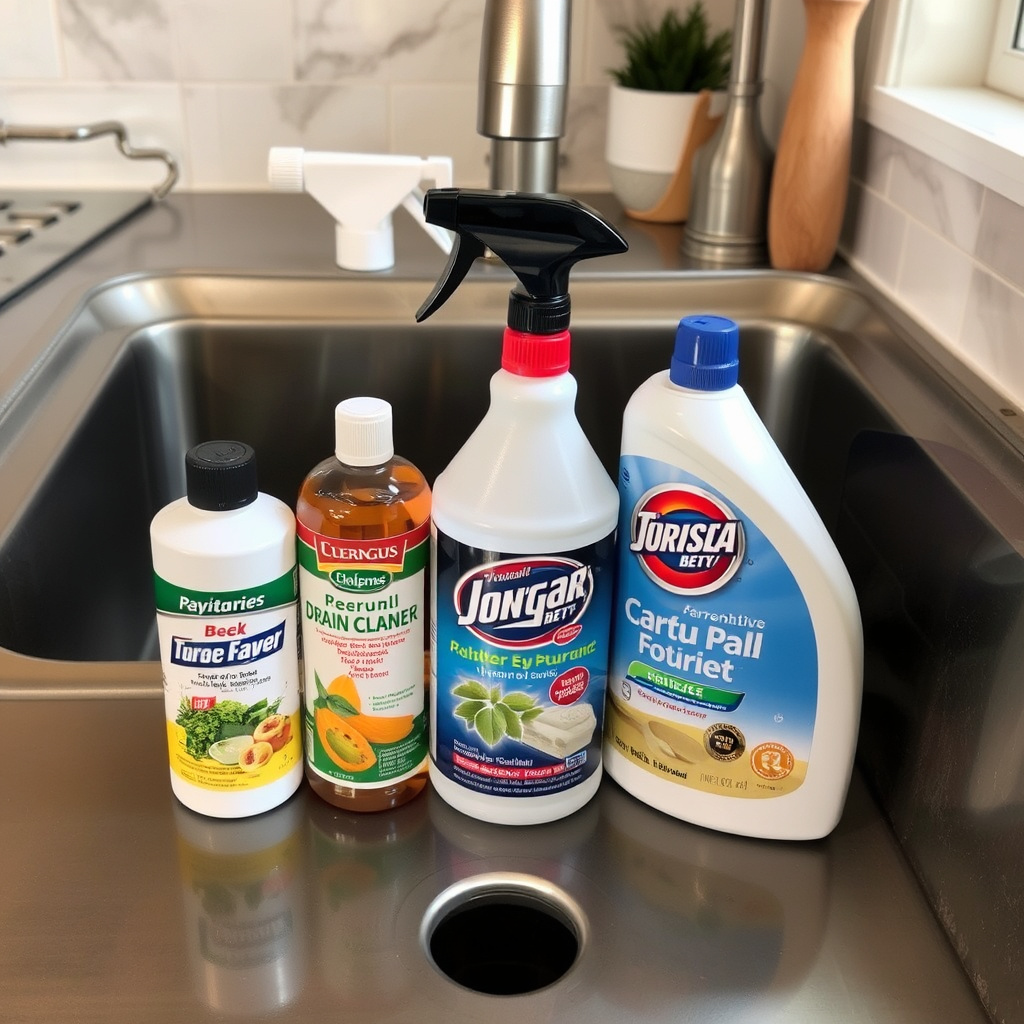
Using Natural Drain Cleaners Safely
A mixture of baking soda followed by vinegar can help break down minor clogs without harming plumbing. Pour half a cup of baking soda into the drain, then slowly add one cup of vinegar. Cover the drain and let it fizz for 15-30 minutes before flushing with hot water.
Natural cleaners are gentle on pipes and environmentally friendly. They work best as routine maintenance rather than for clearing severe blockages.
- Baking soda and vinegar combo
- Allow fizz time
- Flush with boiling water
When to Use Commercial Drain Cleaners
Chemical drain cleaners contain powerful agents capable of dissolving grease and organic materials rapidly. However, they must be used cautiously with double kitchen sinks because they can damage pipe joints or plastics if overused.
Follow product directions strictly, avoid mixing different chemicals, and use them only when manual methods fail. Protective gloves and adequate ventilation are essential during application.
- Read labels carefully
- Avoid chemical mixtures
- Use personal protective equipment
Using Mechanical Tools for Tough Clogs
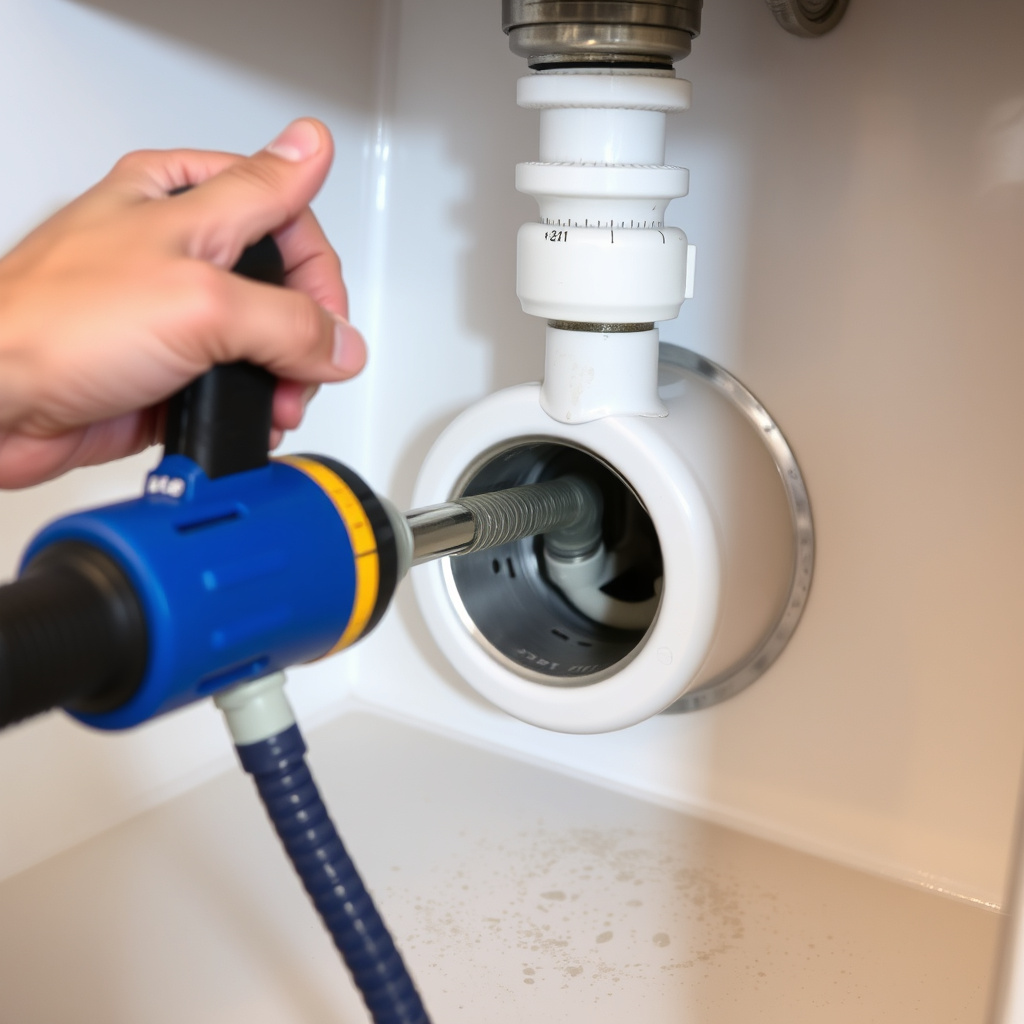
Employing a Plumber’s Snake
A plumber’s snake, or auger, is a flexible metal coil that you feed into drain pipes to break apart and retrieve clog materials. Insert it through the drain or removed P-trap, rotating the handle to maneuver through bends and dense blockages.
Snakes are highly effective for clogs beyond the reach of plungers or manual cleaning. Proper technique avoids pipe scratches or misalignment.
- Insert snake gently
- Rotate while advancing
- Retrieve debris on withdrawal
For more on this, see our related guide: How to Unclog a Kitchen Sink: Effective DIY Solutions to Clear Your Drain.
When to Call a Professional
If clogs persist despite plunging, manual removal, natural and chemical cleaners, or if plumbing leaks occur, calling a licensed plumber is wise. Professionals have advanced tools like motorized augers and video inspection equipment to diagnose and resolve blockages safely.
Repeated or severe clogs signal possible pipe damage or buildup inaccessible to household methods and require expert intervention.
Preventative Maintenance for Double Kitchen Sinks
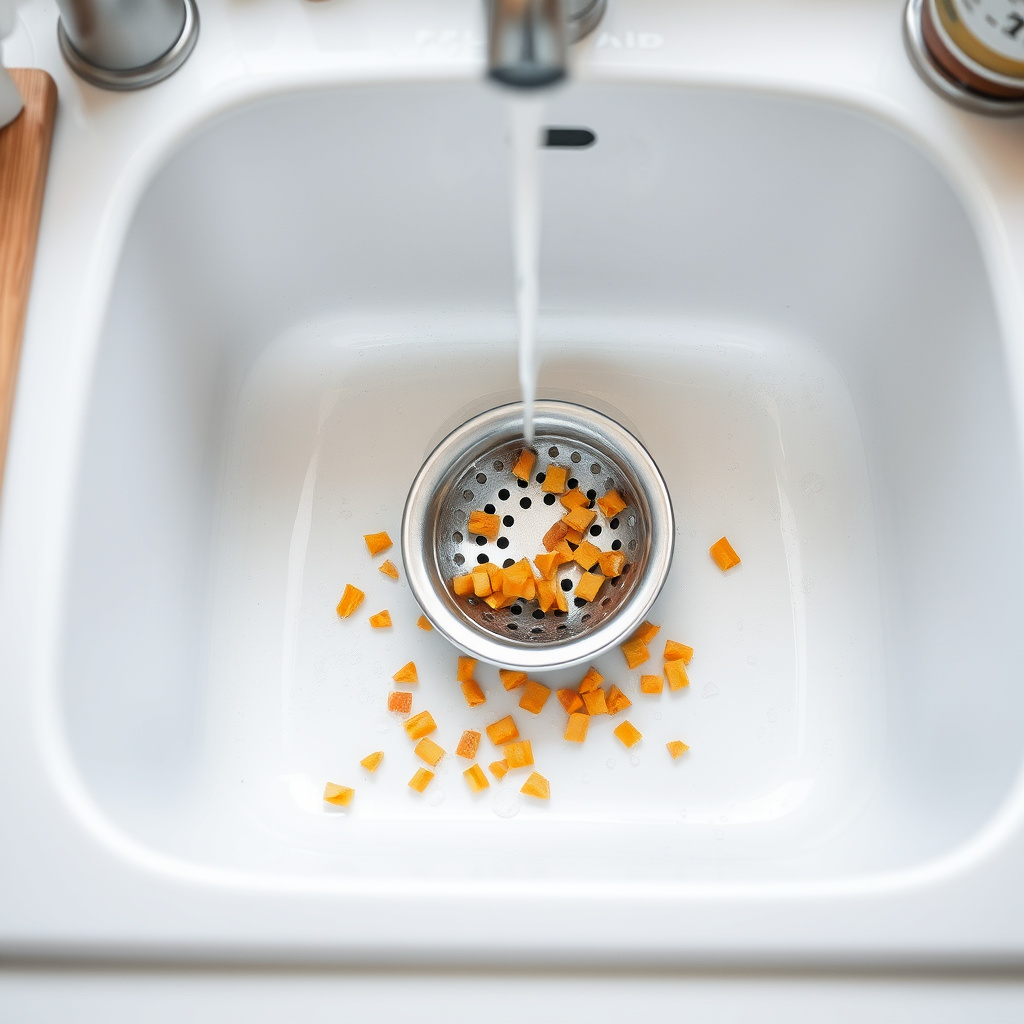
Routine Cleaning Tips
Regularly cleaning sink strainers and avoiding disposal of grease, coffee grounds, and fibrous food scraps into the drain reduces clog risk. Hot water flushes after dishwashing help dissolve minor grease accumulation.
Wiping down the sink and avoiding chemical build-up on faucet components also contributes to cleaner drainage over time.
- Clean sink strainers weekly
- Dispose grease in trash, not drain
- Flush drains with hot water
For a detailed explanation of double kitchen sink plumbing, see this overview of plumbing of kitchen sinks. Plumbing of kitchen sinks.
Installing Preventative Devices
Install mesh strainers over drains to catch food particles before they enter pipes. Additionally, hydro-jetting services offered by plumbers can clear pipe residue yearly to maintain clear drainage lines.
Some opt for enzyme-based cleaners periodically to digest organic build-up safely, prolonging pipe health and preventing blockages.
- Use mesh strainers
- Consider annual hydro-jetting
- Apply enzyme cleaners periodically
Comparison of Double Kitchen Sink Unclogging Methods
This table summarizes common methods to unclog a double kitchen sink, highlighting their effectiveness, safety, and convenience.
| Method | Effectiveness | Safety | Ease of Use | Cost |
|---|---|---|---|---|
| Plunging | Moderate | High | Easy | Low |
| P-Trap Cleaning | High | High | Moderate | Low |
| Natural Cleaners | Low to Moderate | Very High | Easy | Low |
| Chemical Cleaners | High | Moderate | Easy | Moderate |
| Plumber’s Snake | High | High | Moderate | Moderate |
| Professional Plumbing Service | Very High | Very High | Very Easy | High |
Frequently Asked Questions
Can I use vinegar and baking soda for a double kitchen sink clog?
Yes, the combination creates a fizzing reaction that can help loosen minor clogs and clean pipes safely. It's best for routine maintenance or mild blockages, but severe clogs may require alternative methods.
How often should I clean the P-trap to prevent clogs?
It's advisable to inspect and clean the P-trap every few months or when you notice slower drainage. Regular cleaning helps remove grease and debris before they build up into a blockage.
Is it safe to use chemical drain cleaners on plastic pipes of a kitchen sink?
Many chemical cleaners are formulated for plastic pipes, but overuse or improper application can cause damage. Always follow instructions carefully and avoid frequent usage to protect your plumbing.
What signs indicate I should call a professional plumber?
Persistent clogs after DIY attempts, water leaks, foul odors that refuse to clear, or slow draining in both basins are signals to seek professional help to avoid more serious plumbing issues.
Can a double sink clog affect both basins even if only one side is blocked?
Yes, since the drains share plumbing downstream, a blockage in one side can slow or stop drainage in both basins, causing backup and water pooling.
Key Takeaways
- Plunging and P-trap cleaning are effective first steps for unclogging a double kitchen sink.
- Natural cleaners offer safe, eco-friendly maintenance but have limited power against severe clogs.
- Mechanical tools like plumber’s snakes extend reach for stubborn blockages beyond pipes.
- Preventive habits greatly reduce future clogs and prolong sink plumbing health.
Conclusion
Approaching a double kitchen sink clog starts best with an understanding of how both basins share a common drainage system. This knowledge guides your choice of unclogging method, from using a plunger to cleaning the P-trap or employing a plumber’s snake. Small, natural remedies like baking soda and vinegar help maintain clear pipes but often need backup by manual effort for deep blockages. Remember, when simple steps don’t resolve the issue, professional plumbers provide reliable solutions ensuring plumbing integrity and long-term function.
For average household clogs involving food debris or grease buildup, plunging and P-trap cleaning tend to be the most accessible and effective methods. Natural drain cleaners serve well for ongoing care but have their limits if the sink backs up severely. For tougher blockages, using a plumber’s snake or calling a plumber is sensible. Each option balances cost, effort, and risk differently, allowing you to tailor your approach to your situation and comfort with plumbing tasks.
To keep your double kitchen sink draining smoothly, act promptly at the first sign of slowdown, use strainers to catch debris, avoid disposing of grease down the drain, and perform regular maintenance. Starting with the simplest solutions saves time and money while avoiding costly repairs. For persistent blockages, or if plumbing problems recur often, engaging a professional offers peace of mind and lasting resolution. Taking these steps will help avoid the frustration of a clogged sink and keep your kitchen running efficiently.