How Did Hell’s Kitchen Get Its Name? Exploring the Origins of the Famous NYC Neighborhood
Hell's Kitchen, a well-known neighborhood in New York City, earned its name through a mix of urban legend, tough history, and colorful local character. The name dates back to the late 19th and early 20th centuries when the area was notorious for crime, poverty, and gritty immigrant communities.
The origin of Hell's Kitchen's name is often linked to the rough living conditions and frequent violent clashes among residents and gangs, which gave the neighborhood an infamous reputation distinct from other parts of Manhattan. Despite its harsh past, today it is a vibrant cultural hub with a rich history.
This article explores the most plausible explanations and key stories behind how Hell's Kitchen got its name, examines the neighborhood’s historical context, and highlights the transformation it has undergone over time.
Historical Context Behind Hell's Kitchen
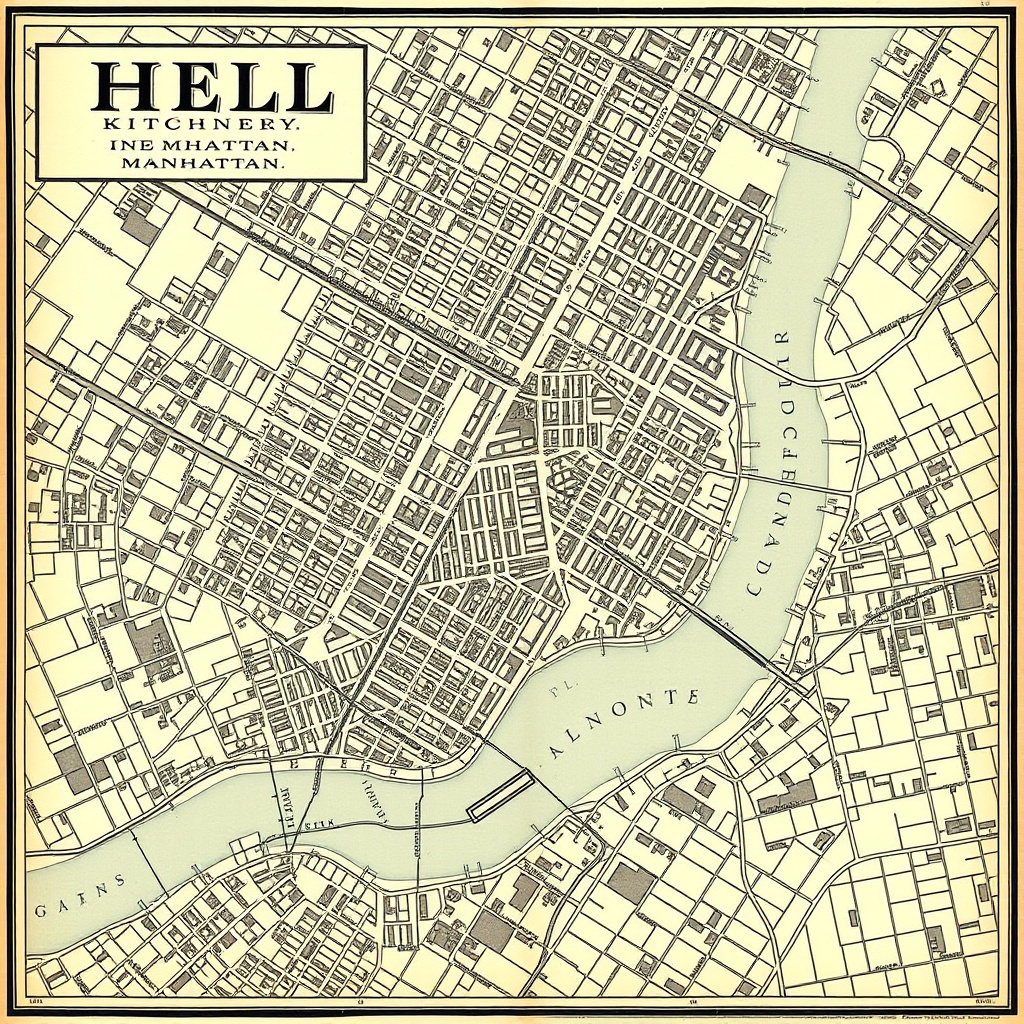
Early Settlement and Immigrant Communities
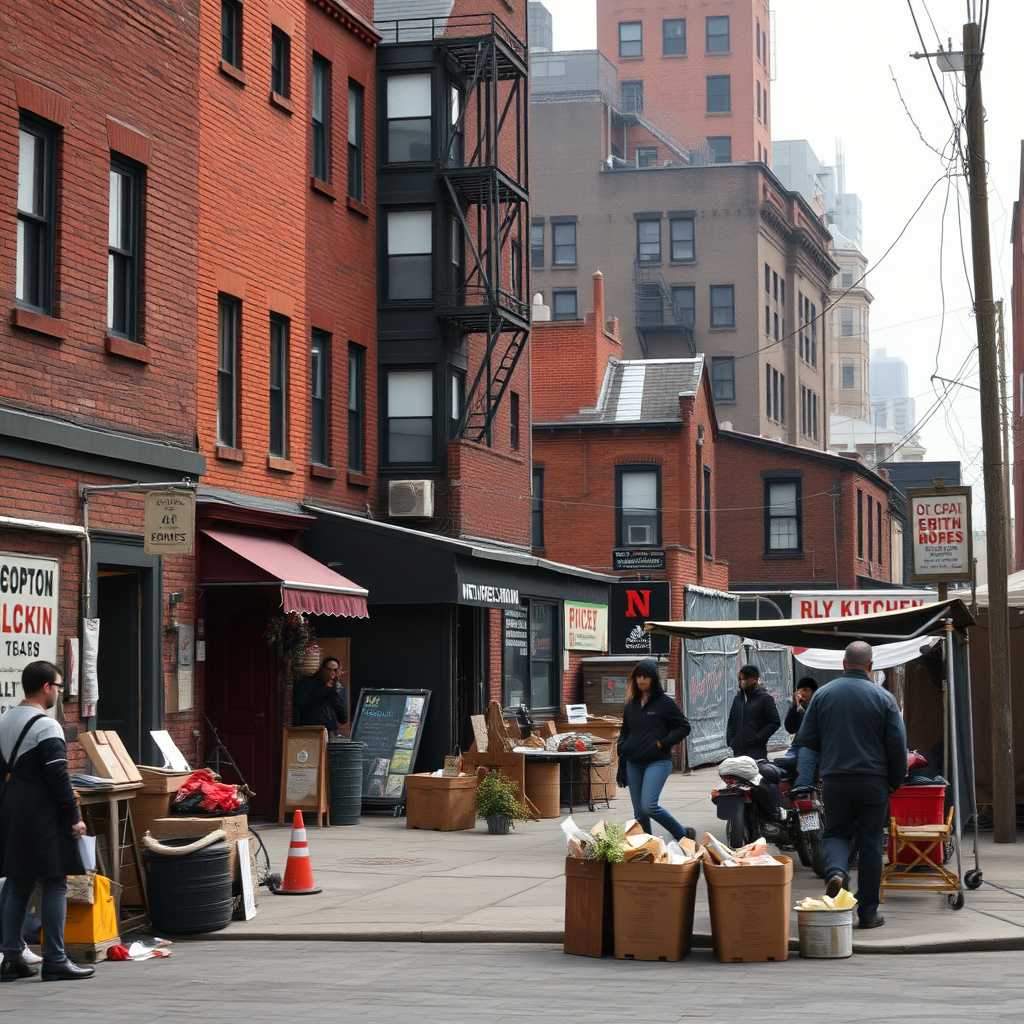
Originally part of the undesirable West Side of Manhattan, Hell's Kitchen was home to a dense population of Irish immigrants in the 19th century. The neighborhood's cheap housing attracted workers who labored in nearby docks and factories, creating a rough environment heavily influenced by poverty and overcrowding.
The immigrant communities contributed to a distinct cultural fabric, but also to social tensions and competition for employment, fostering a challenging day-to-day living environment that shaped local identity.
Criminal Activity and Gang Influence

In the late 1800s and early 1900s, Hell's Kitchen became synonymous with violent street gangs competing for control over territory, illegal trades, and political influence. The area's reputation for lawlessness and frequent street fights was widely reported in newspapers of the time.
This criminal activity fueled perceptions of Hell's Kitchen as a dangerous place, contributing heavily to its infamous nickname.
Theories Behind the Name 'Hell's Kitchen'
Legend of the Tenements and Factory Kitchens

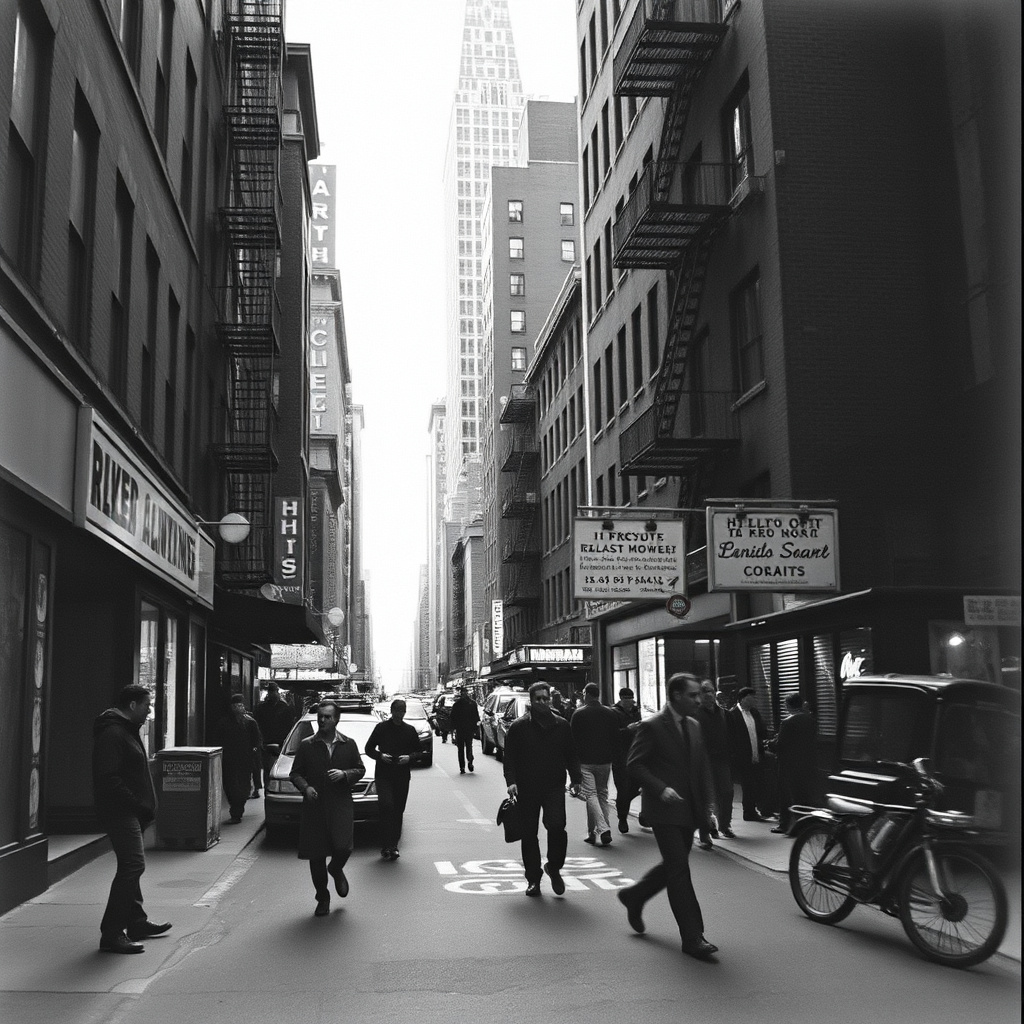
One popular theory suggests the name came from the cramped, sweltering tenement buildings where residents lived and worked, often with communal kitchens that resembled 'hellish' conditions due to overcrowding and poor sanitation.
In some accounts, local dockworkers referred to the area as a 'kitchen' to metaphorically represent the heat and pressure of life there, combining with 'hell' to emphasize daily hardships.
Stories from Local Firefighters and Police
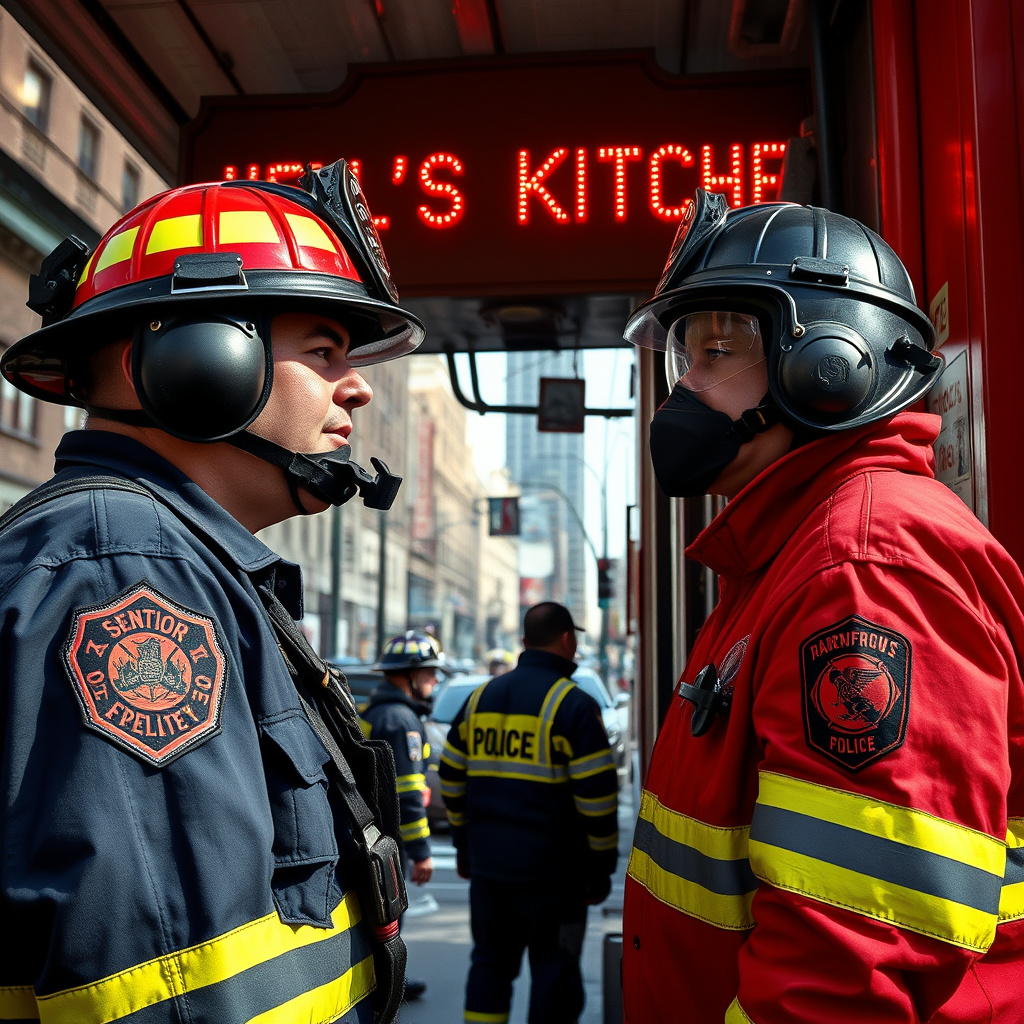
Another explanation credits New York City firefighters who reportedly dubbed the neighborhood 'Hell's Kitchen' because of the frequent fires that broke out and the violent situations they faced responding to emergencies in the area.
Similarly, police officers dealing with tough street fights and rampant crime might have used the term to describe the rough and relentless environment they encountered regularly.
Cultural Impact of the Name
Reputation in Popular Media
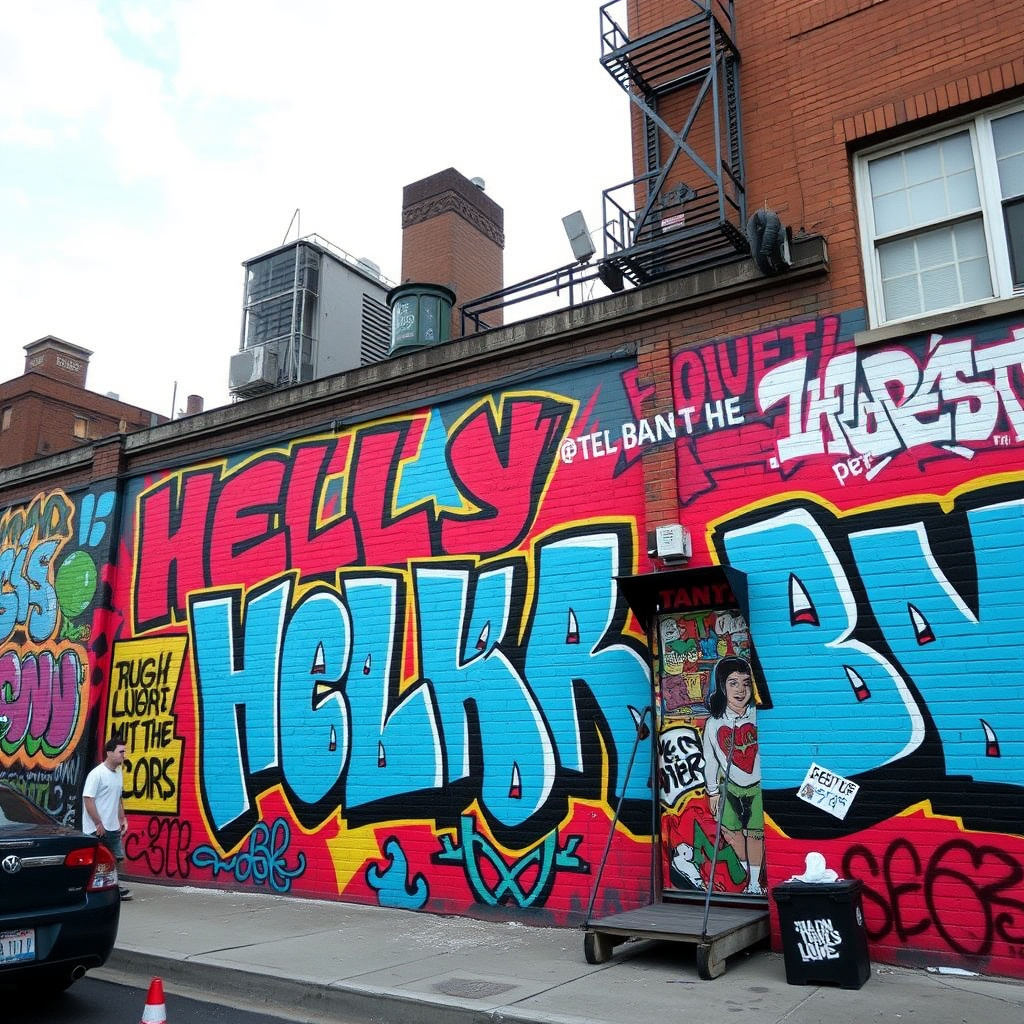
Hell's Kitchen’s name and reputation have been cemented in popular culture through books, films, and television shows depicting its tough, working-class character. Stories often highlight themes of survival, gang activity, and the vibrant street life that contributed to the area's identity.
This cultural portrayal has kept the name alive as a symbol of gritty urban resilience, transcending its grim origins over time.
Transformation into a Vibrant Neighborhood
Over the last several decades, Hell's Kitchen has undergone significant gentrification and development, becoming a trendy area with restaurants, theaters, and residential renovations. However, its evocative name remains a reminder of its tumultuous past and foundational history.
This blend of old and new continues to draw visitors and residents who appreciate both the heritage and the neighborhood's modern appeal.
Comparing Hell's Kitchen to Other NYC Neighborhood Nicknames
Why Some Neighborhoods Have Colorful Nicknames
Many New York City neighborhoods have colorful or grim nicknames that reflect their history, culture, or social conditions, such as the Bowery, the Tenderloin, or Alphabet City. These nicknames often arise from settlers, local residents, or law enforcement trying to capture the essence or challenges of these places.
Hell's Kitchen stands out because its moniker conveys a particularly intense and visceral image tied to hardship and resilience, which has helped define its reputation.
Differentiating Hell's Kitchen's Name Origins
Unlike some nicknames that originated from geographical features or simple descriptors, Hell's Kitchen’s name appears steeped in oral tradition and anecdotal explanations related to daily realities and occupational dangers.
This makes it a unique case where multiple plausible origin stories coexist, contributing to the lore and mystique surrounding the name.
Modern Usage and Popularity of the Name
From Infamy to Icon: The Neighborhood's Appeal
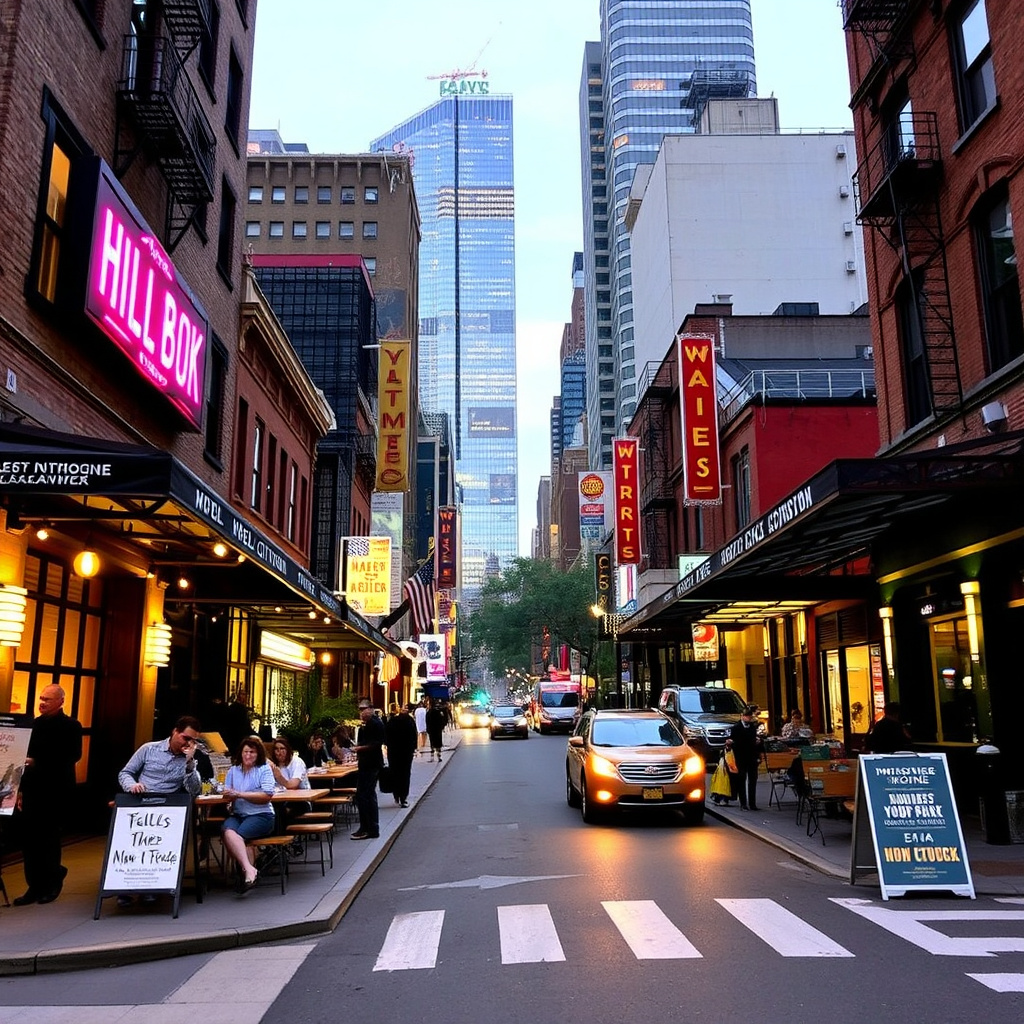
Modern Hell's Kitchen has transformed into a sought-after neighborhood that balances its storied past with new culinary, artistic, and residential developments. The name now often evokes a sense of cultural cachet rather than danger.
Today, many businesses and arts organizations proudly brand themselves with the Hell's Kitchen name, reclaiming it as a mark of urban toughness and creativity.
For more detailed historical context, resources such as the Wikipedia page on Hell's Kitchen provide reliable background information. Hell's Kitchen Wikipedia page.
Tourism and Local Identity
Tourists often visit Hell's Kitchen drawn by its reputation and proximity to Broadway theaters and the Hudson River waterfront. The area retains community roots that honor its history while projecting a vibrant modern identity.
Locals use the name as a point of pride rooted in a shared experience born from decades of challenge and cultural richness.
New York City Neighborhood Nickname Comparison
Here’s a comparison of select NYC neighborhoods highlighting the origins and meanings behind their famous nicknames.
| Neighborhood | Nickname Origin | Cultural Connotation | Historical Era |
|---|---|---|---|
| Hell's Kitchen | Tough living conditions, crime; possibly firefighter slang | Gritty resilience, difficult past | Late 19th – early 20th century |
| The Bowery | Bowery Road; known for flophouses and nightlife | Rough nightlife, artistic revival | 19th century onwards |
| Tenderloin | Red-light district euphemism | Prostitution, vice area | Early 20th century |
| Alphabet City | Street names starting with A, B, C, D | Hipster culture, artistic trend | Late 20th century |
| SoHo | South of Houston Street | Fashionable shopping and art scene | Late 20th century |
Frequently Asked Questions
Did Hell's Kitchen get its name from a specific event?
No single event is definitively linked to the name Hell's Kitchen. It emerged over time from the neighborhood’s tough reputation, possibly influenced by firefighters' slang or the harsh living conditions.
Was Hell's Kitchen always a dangerous place?
The area was known for crime and gang activity in the late 1800s and early 1900s, but today it has transformed into a lively, safer neighborhood with a rich cultural scene.
Are there other explanations for the name Hell's Kitchen?
Yes, theories include references to overcrowded tenement kitchens, violent street experiences, and slang used by police or firefighters describing the area's harsh conditions.
How has Hell's Kitchen's name affected its identity?
The name has helped create a storied identity that blends toughness, history, and cultural pride, influencing how residents and visitors perceive the neighborhood.
Is Hell's Kitchen the official name of the neighborhood?
While used popularly and historically, Hell's Kitchen is an informal name. The official name is Clinton, though Hell's Kitchen remains the widely recognized term.
Key Takeaways
- Hell's Kitchen’s name reflects its challenging past marked by crime and poverty.
- Multiple theories exist explaining the origin, involving firefighters, gangs, and living conditions.
- The neighborhood’s gritty history has influenced its cultural identity and popular media portrayals.
- Today, Hell's Kitchen blends historic roots with vibrant modern growth.
Conclusion
Understanding how Hell's Kitchen got its name requires an appreciation for the neighborhood’s complex past. The moniker symbolizes the difficult living conditions, gang presence, and urban hardships that shaped this part of Manhattan. Through stories from residents, police, and firefighters, the origin of the name reflects the daily realities of a community facing intense social pressures and danger. This historical backdrop is essential in grasping the identity Hell's Kitchen carries today—a mark of toughness and survival.
For those interested in neighborhood histories, the name Hell's Kitchen offers insight into how place names can emerge from collective experience rather than formal decisions. If you explore the legend of communal tenements or the accounts of emergency responders, you see how a nickname can grow naturally from lived experience. Exploring these stories alongside wider neighborhood changes highlights the evolution from a challenging environment to a culturally rich, developing area with thriving nightlife and arts scenes.
If you're visiting or studying New York City neighborhoods, the next step is to experience Hell's Kitchen firsthand. Walk its streets, visit local eateries, or tour historical sites to grasp how the old nickname contrasts with its new incarnation. The transition from a feared district to a celebrated community is a testament to the resilience embedded in the name Hell's Kitchen. For more detailed historical context, resources such as the Wikipedia page on Hell's Kitchen provide reliable background information.