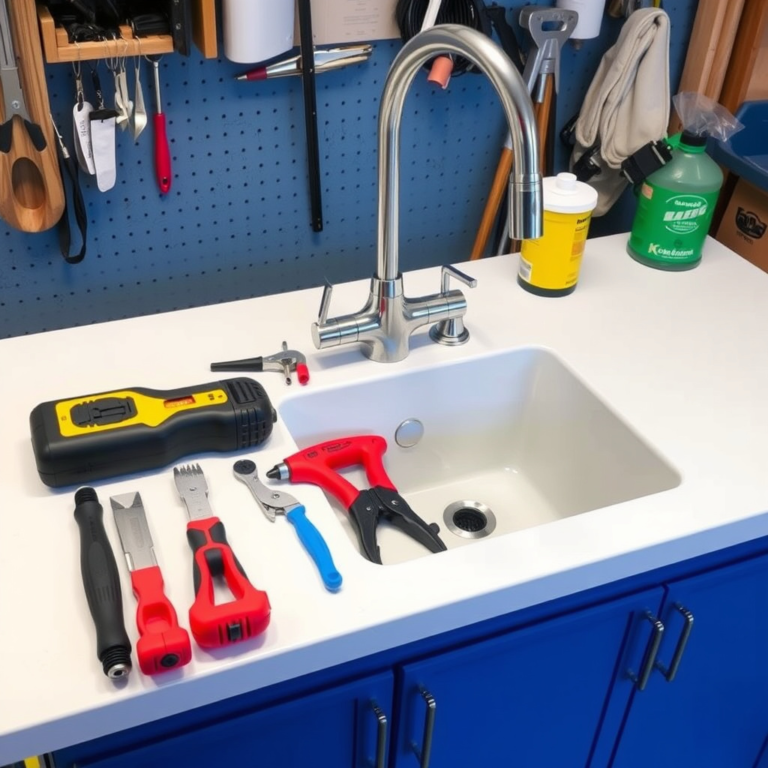
How to Unclog a Kitchen Sink: Effective DIY Solutions to Clear Your Drain
If your kitchen sink drains slowly or is completely blocked, unclogging it is possible without professional help. How to unclog a kitchen sink depends on the severity and cause of the blockage, but common methods include using a plunger, a drain snake, or natural solutions like baking soda and vinegar. These approaches can often restore normal drainage efficiently and safely.
Understanding why your kitchen sink clogs—usually grease buildup, food scraps, or foreign objects—helps you choose the right method. Promptly addressing slow drainage can prevent more serious plumbing issues or bad odors, which affect your kitchen's hygiene and convenience. Simple household tools and ingredients allow you to solve most clogs independently, saving time and money.
This guide covers a range of effective strategies from basic plunging techniques to manual removal using drain snakes. It also discusses chemical and natural cleaners, preventive tips, and how to recognize when a clog needs professional intervention. By the end, you'll be prepared to tackle common kitchen sink blockages confidently.
Identifying the Cause of a Kitchen Sink Clog
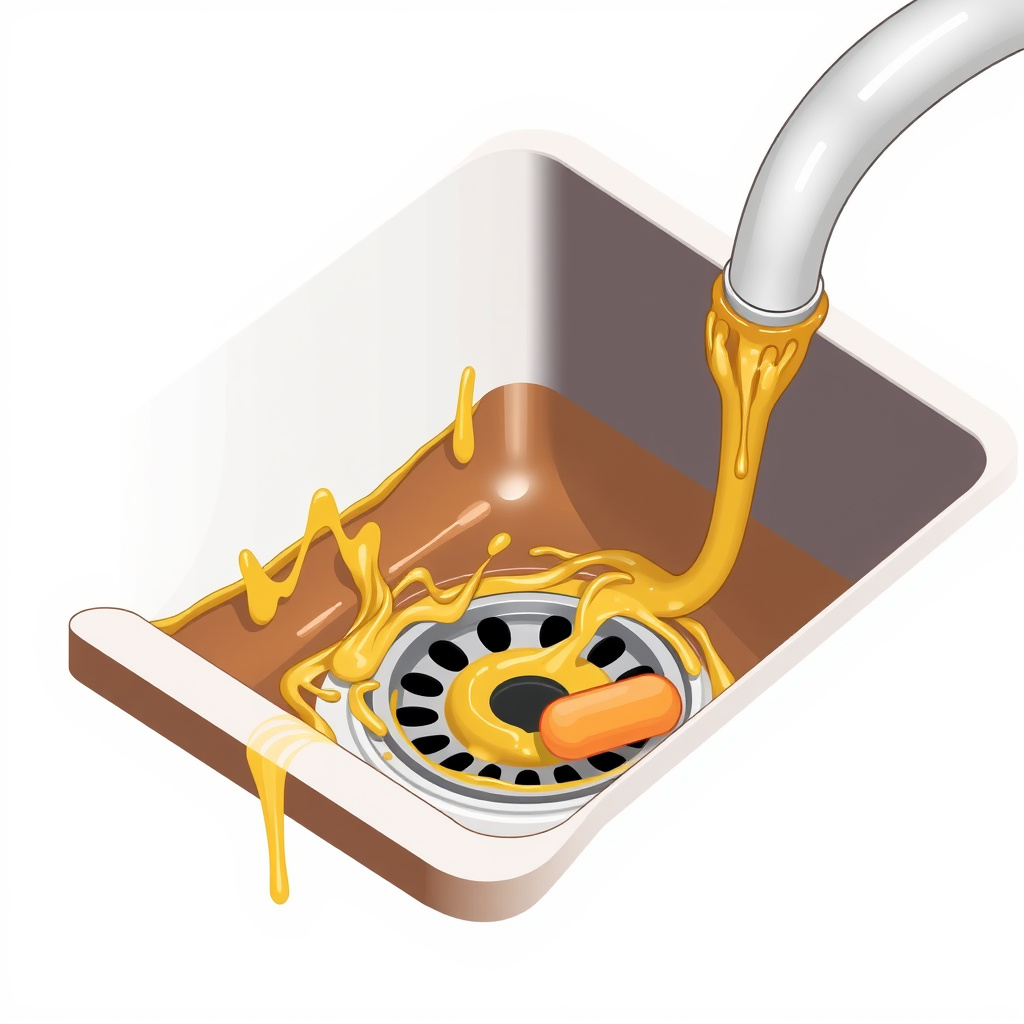
Common Causes of Kitchen Sink Blockages
Kitchen sink clogs often result from grease solidifying inside pipes, food particles accumulating, or non-food items accidentally dropped down the drain. Over time, these can combine, creating tough blockages that restrict water flow. Hair, soap scum, and coffee grounds also contribute to gradual buildup.
Understanding the type of clog helps determine the best removal method. Grease-related clogs usually require hot water and detergent, while solid blockages might need mechanical clearing. Identifying symptoms—like slow drainage or gurgling sounds—can guide you toward the most effective solution.
Signs Your Kitchen Sink Is Clogged
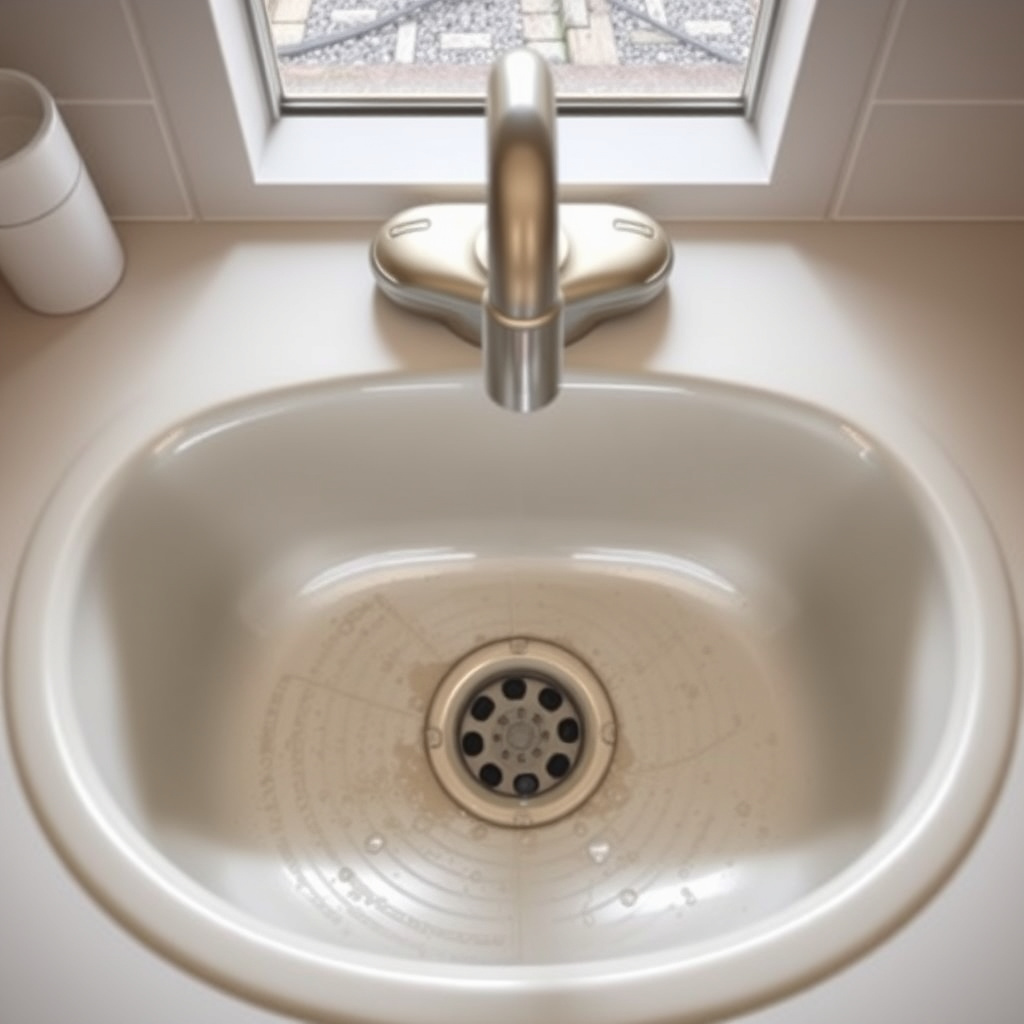
Indicators include slow draining water, water pooling in the basin, unpleasant odors coming from the drain, and occasional backups. Sometimes, the sink may drain but with a noticeable delay or bubbling noises. Addressing these signs early prevents more stubborn clogs.
Regularly checking your sink for these symptoms is wise, especially if you use it heavily for washing dishes or disposing of food residue. Immediate action can reduce the need for harsh chemicals or professional repairs.
Manual Methods to Unclog a Kitchen Sink
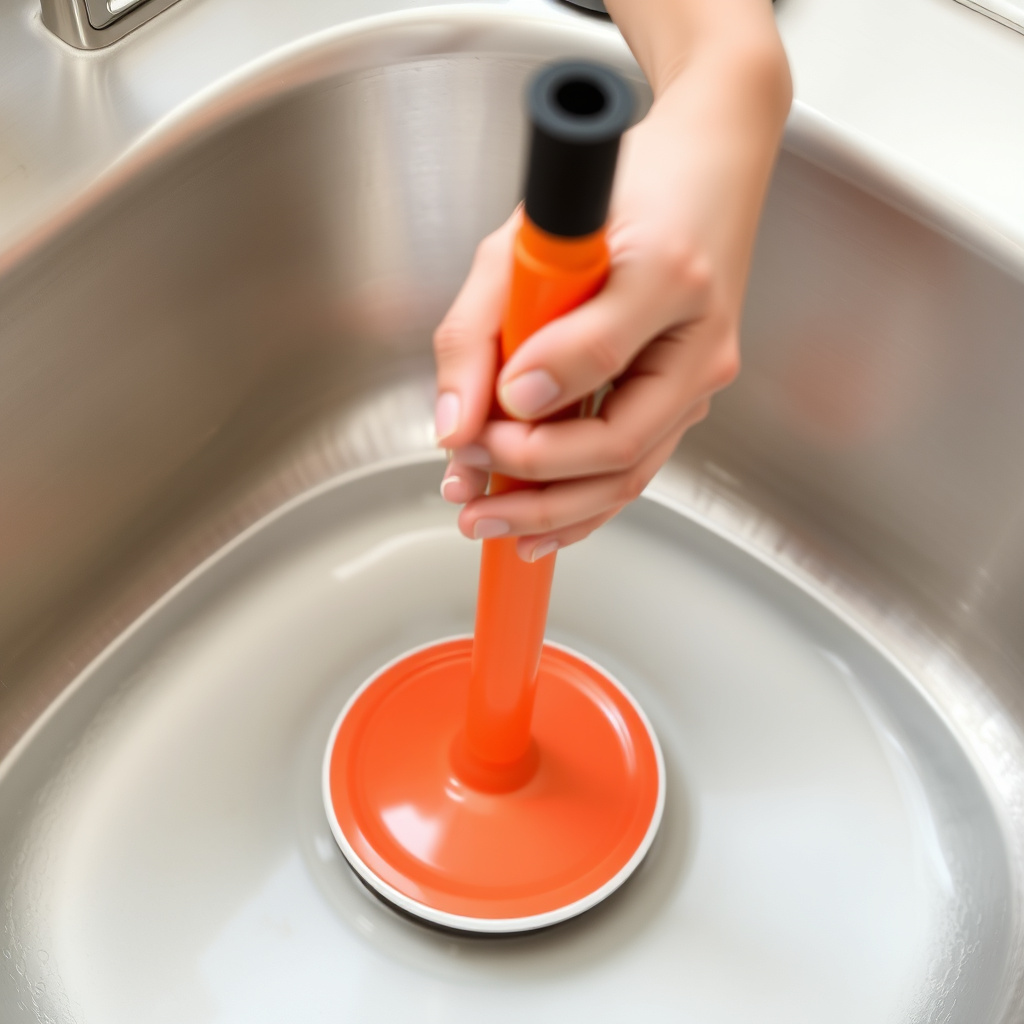
Using a Plunger Effectively
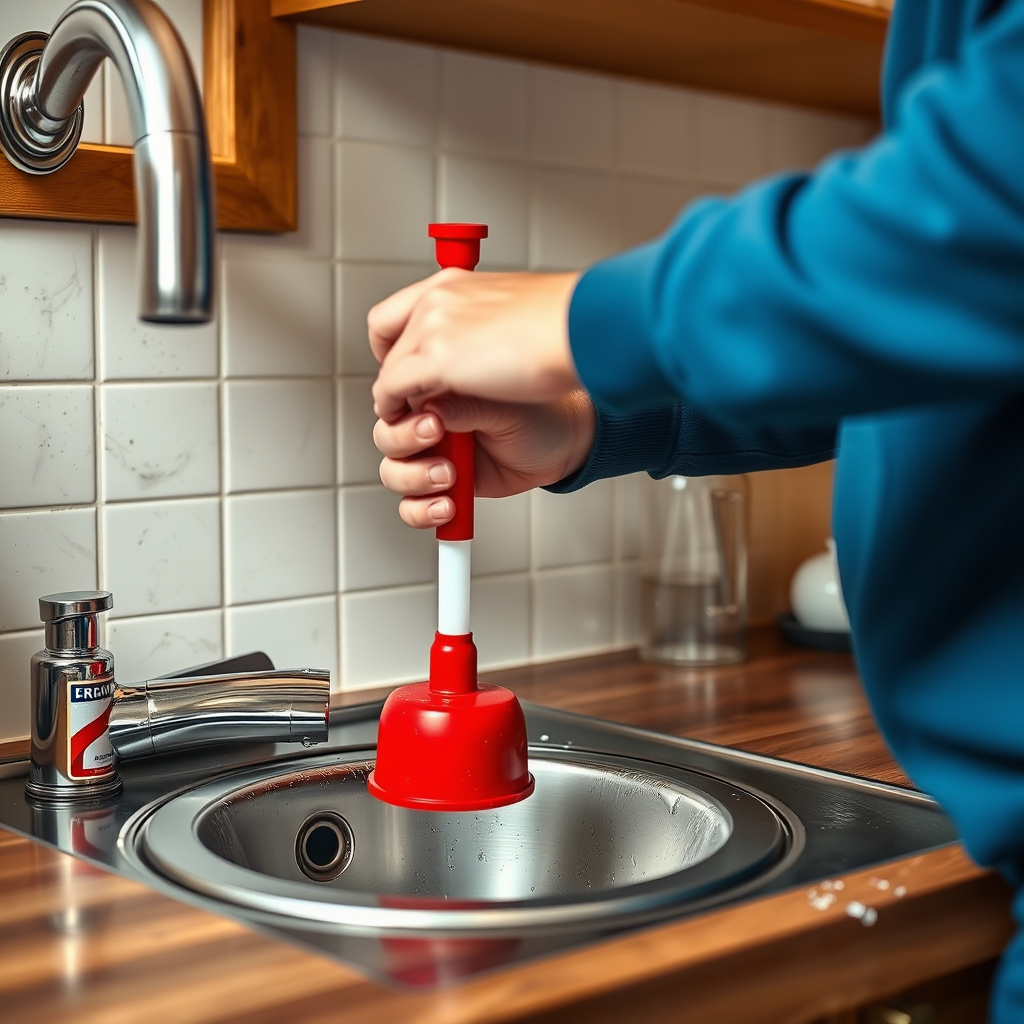
A plunger can shift blockages close to the drain entrance by creating suction pressure. For best results, remove any sink stoppers, fill the basin with enough water to cover the plunger cup, and seal overflow openings with a wet cloth. Vigorous plunging for 15-20 seconds can often clear partial clogs.
If your kitchen sink has double basins, block the alternate drain to ensure strong suction at the clogged side. Repeat plunging a few times, then test drainage. This inexpensive, chemical-free method works well on minor obstructions near the surface.
- Ensure plunger cup covers drain completely
- Fill sink with water to maximize suction
- Block overflow holes during plunging
- Repeat plunging if necessary
For more on this, see our related guide: How to Unclog a Kitchen Sink: Simple Techniques That Work Fast.
Drain Snake Usage for Persistent Clogs
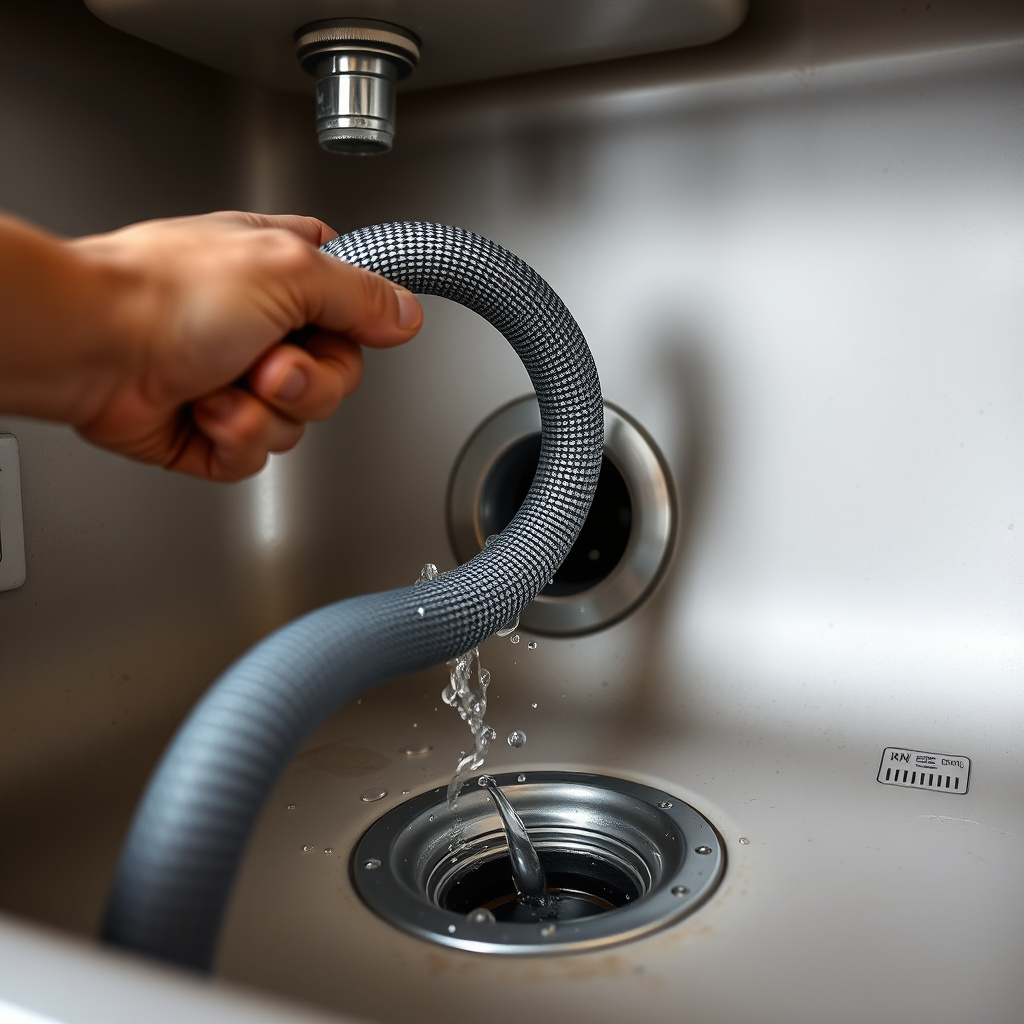
A drain snake or auger is a flexible, coiled wire inserted into the drain to physically break up or retrieve clog material. Insert the snake while turning the handle clockwise until resistance is felt, then rotate back and forth to dislodge the blockage. Slowly pull out any debris attached to the snake.
Drain snakes come in manual and powered varieties; manual ones are suitable for most household blockages. This method is often necessary for clogs deeper in the pipes beyond the reach of plungers, including hair tangles and stuck food residues.
- Insert snake gently to avoid scratching pipes
- Turn handle clockwise when advancing
- Pull out debris carefully after reaching clog
- Sanitize snake after use
Chemical and Natural Cleaning Solutions
Using Chemical Drain Cleaners Safely
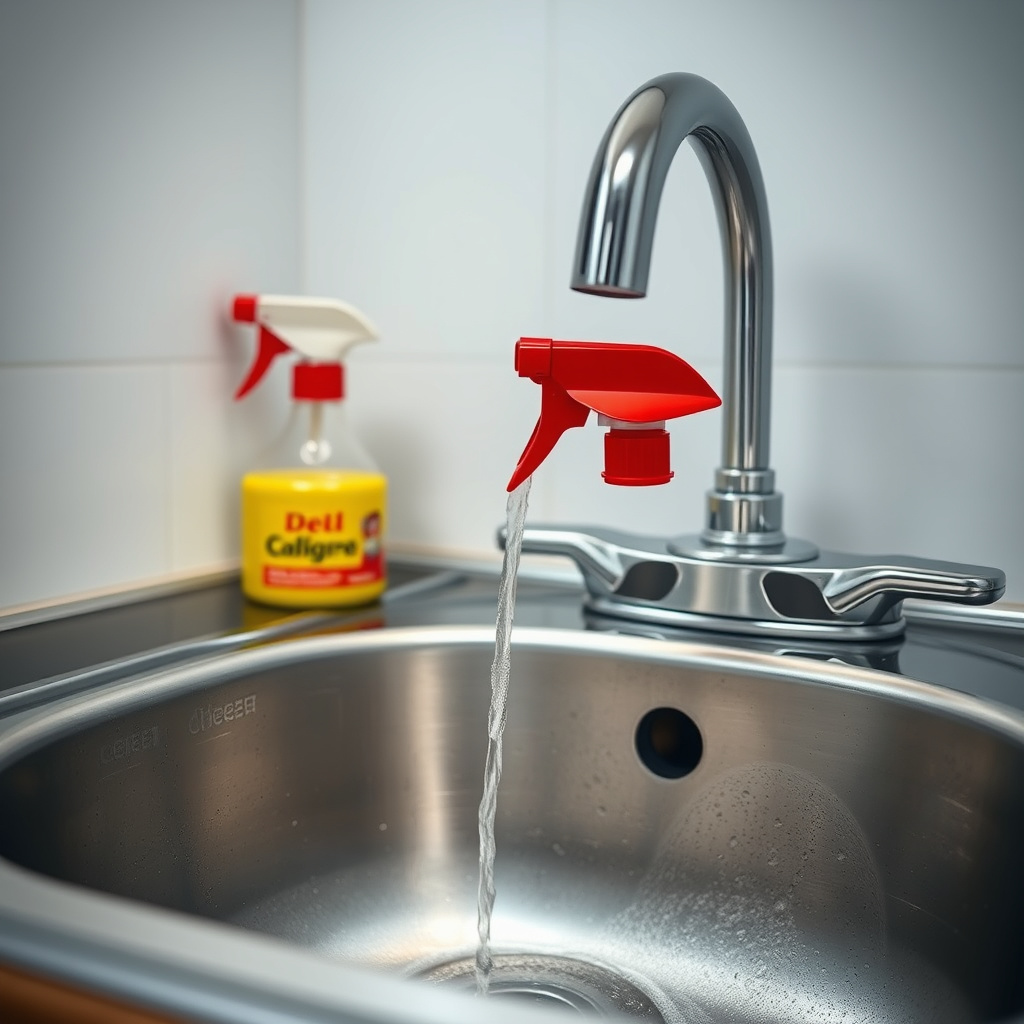
Chemical drain cleaners dissolve clogs by breaking down grease, hair, and organic matter. Follow package instructions precisely, avoid mixing chemicals, and wear gloves to protect your skin. These cleaners are effective for tough buildups, but frequent use can damage pipes and harm the environment.
Use them as a last resort after mechanical options. Ensure proper ventilation when applying, and flush the drain thoroughly with hot water afterward. Never combine different chemical agents because dangerous reactions may occur.
- Wear protective gloves and eyewear
- Use in well-ventilated areas
- Do not mix different chemicals
- Flush drain with hot water post-treatment
Natural Methods: Baking Soda and Vinegar
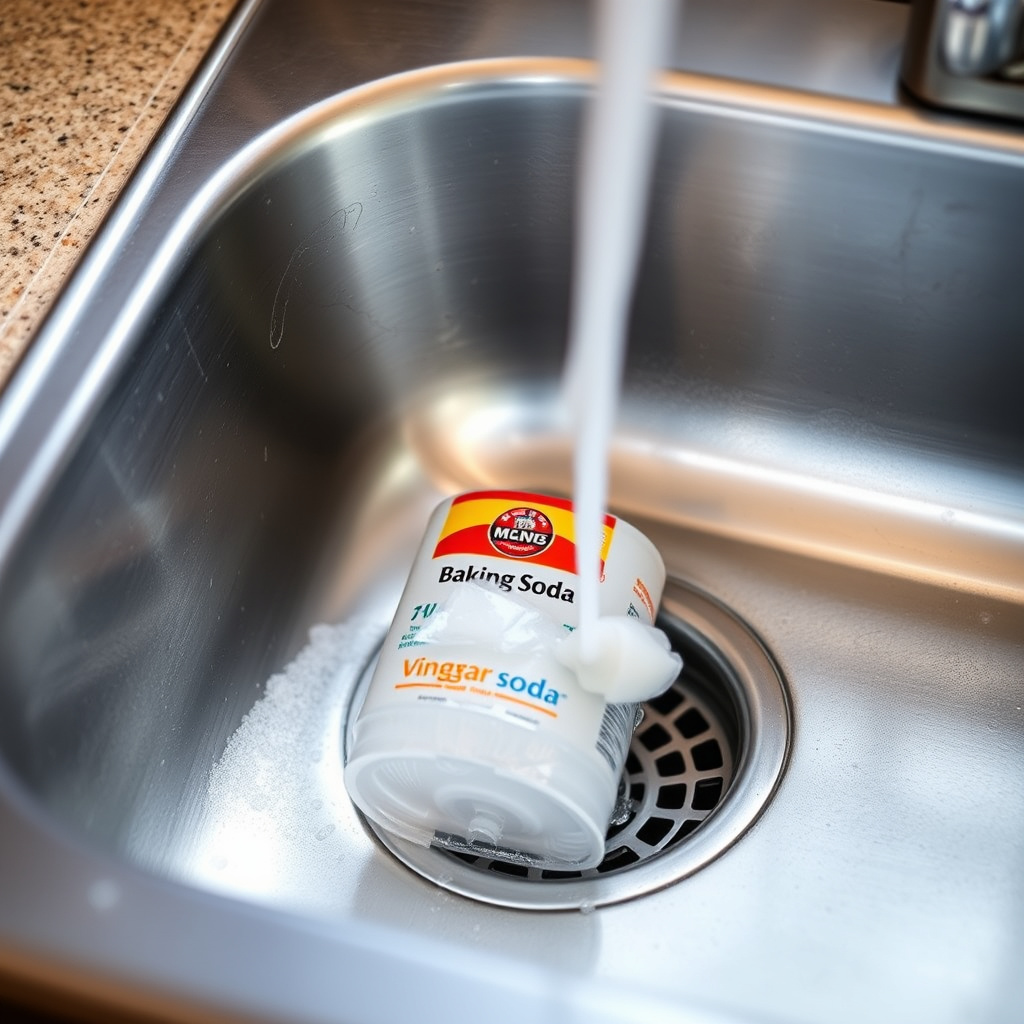
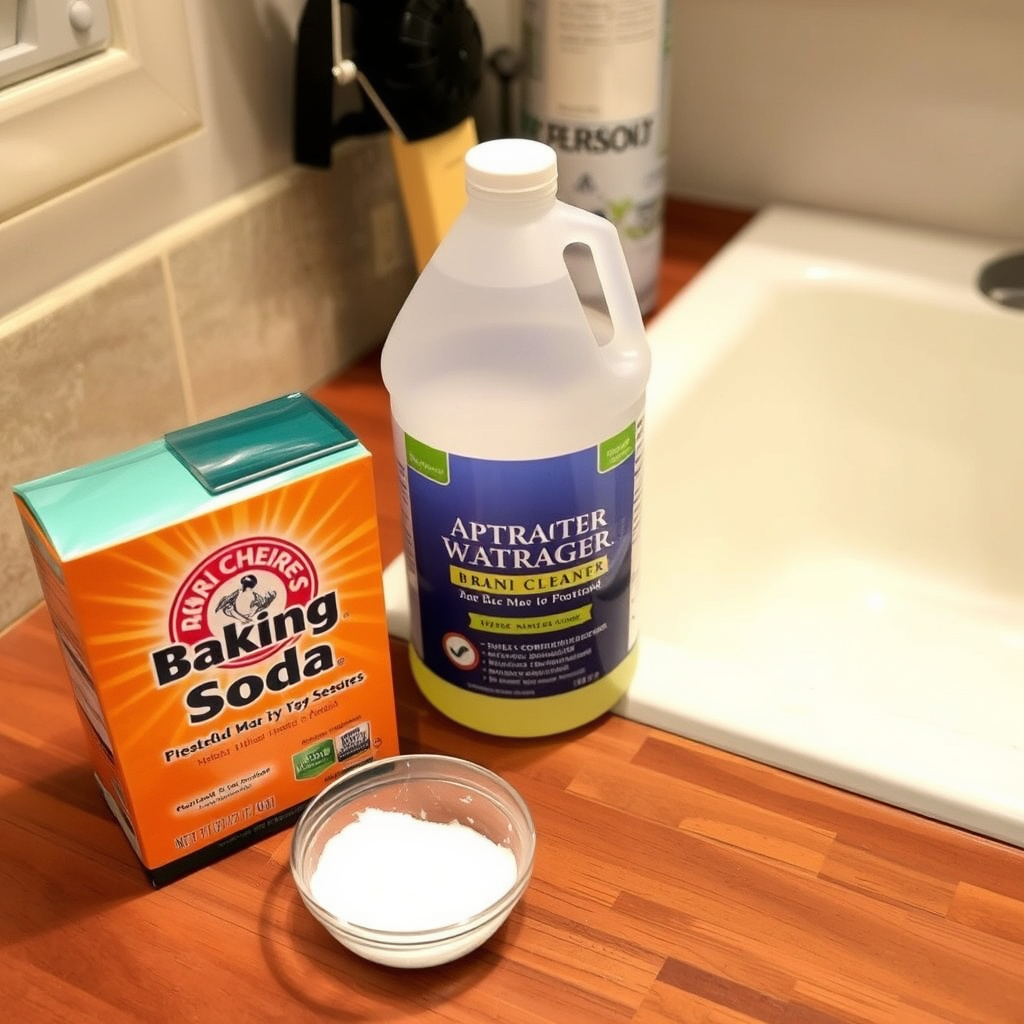
A popular natural unclogging method employs a cup of baking soda followed by a cup of white vinegar poured down the drain. This mix bubbles and breaks down minor clogs and deodorizes the sink. Let it sit for 15-30 minutes before flushing with boiling water.
This environmentally friendly technique is safe for most plumbing materials and ideal for ongoing maintenance. Although less aggressive than chemicals, it can prevent grease and soap buildup with repeated use.
- Pour baking soda into drain first
- Follow with vinegar to activate fizz
- Wait 15-30 minutes before rinsing
- Use boiling water to clear debris
Preventive Measures to Avoid Kitchen Sink Clogs
Proper Waste Disposal Practices
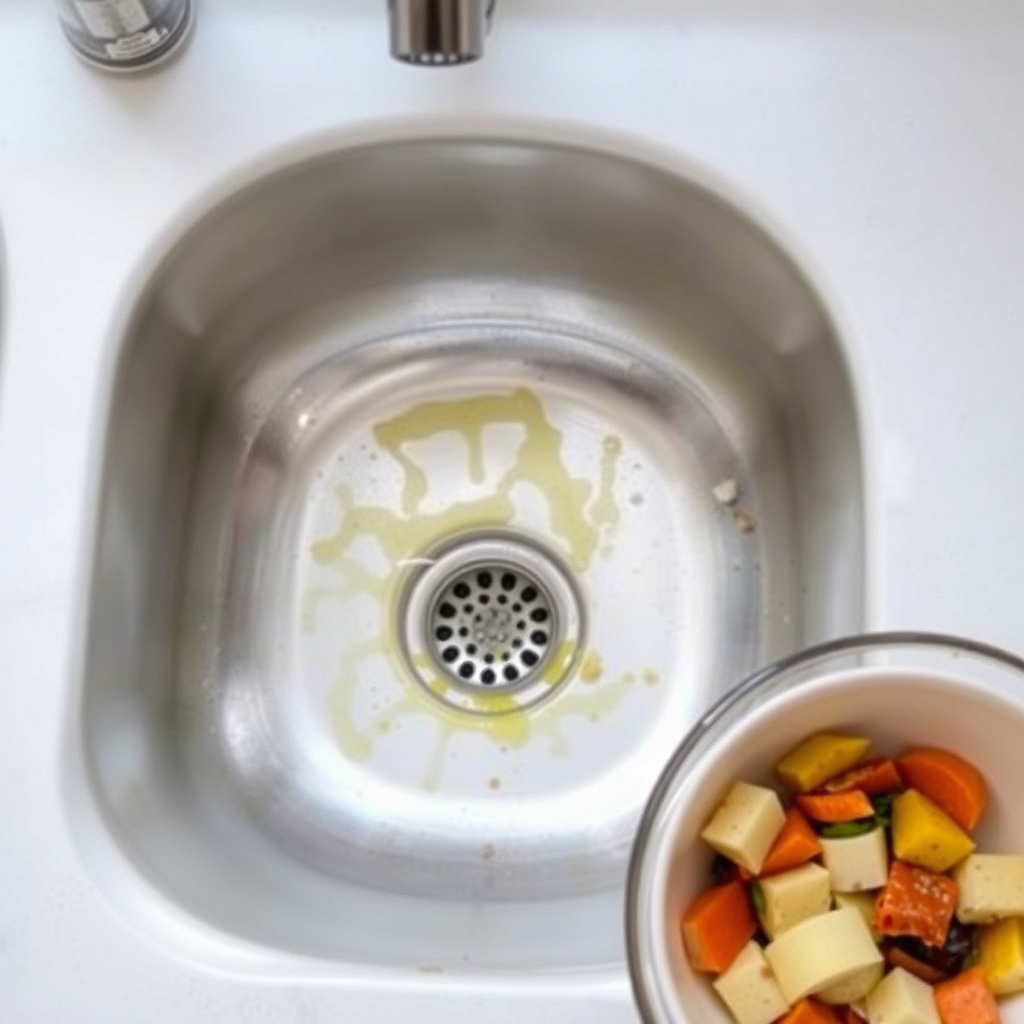
Avoid pouring grease, coffee grounds, and large food particles down the sink. Use a sink strainer to catch solids, and scrape plates before washing. Regularly disposing of food scraps in compost or trash reduces the chance of buildup.
Educate household members on these habits to maintain good drainage. Consistent preventive care reduces clogged sinks and extends the lifespan of plumbing.
- Use a drain strainer to catch solids
- Dispose of grease in containers, not sink
- Scrape dishes before rinsing
- Avoid flushing non-degradable items
Routine Cleaning and Maintenance Tips
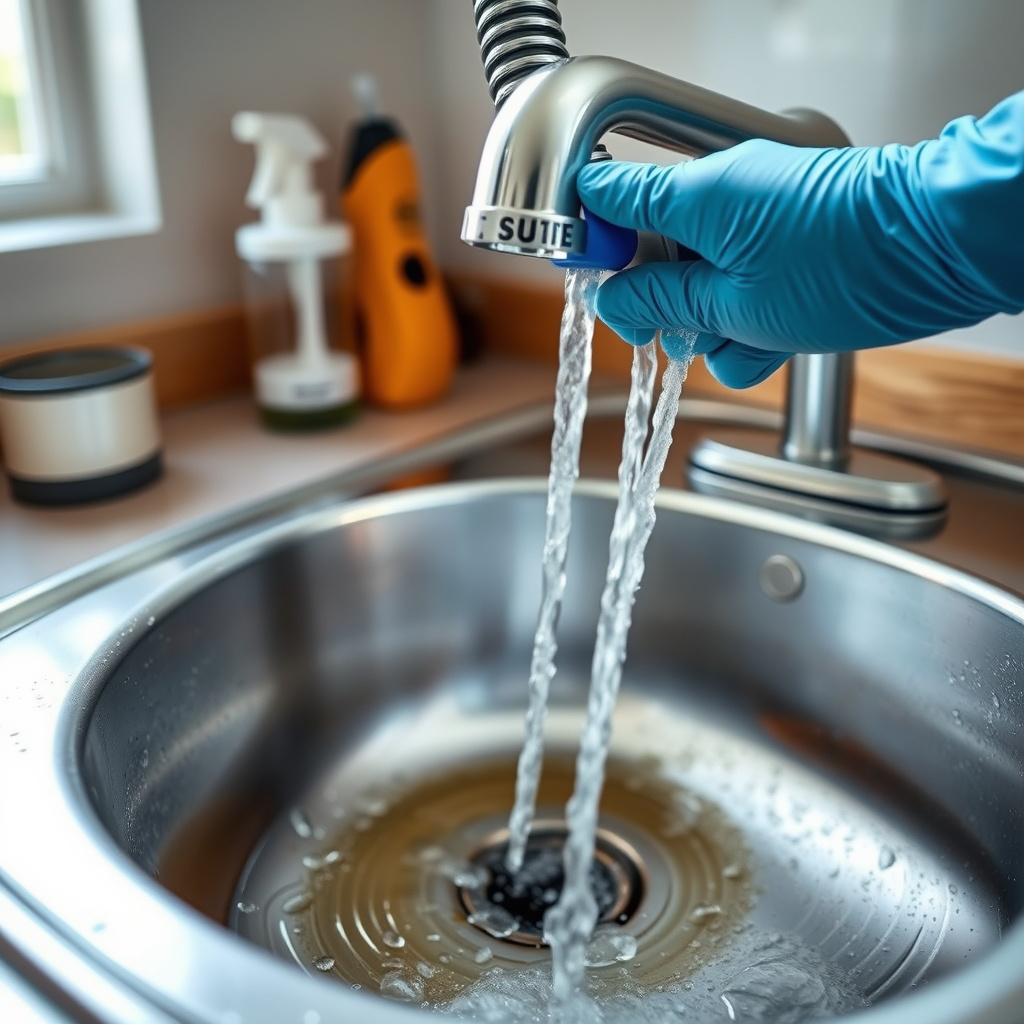
Flush your sink regularly with boiling water to dissolve light grease deposits. Monthly use of the baking soda and vinegar method can keep drains fresh. Inspect and clean P-traps periodically to remove trapped debris manually.
Proper upkeep minimizes the need for forceful unclogging methods and keeps kitchen plumbing working efficiently over time.
- Pour boiling water down drain weekly
- Use natural cleaning methods monthly
- Inspect P-trap and clear debris
- Avoid harsh chemical use frequently
When to Call a Professional Plumber
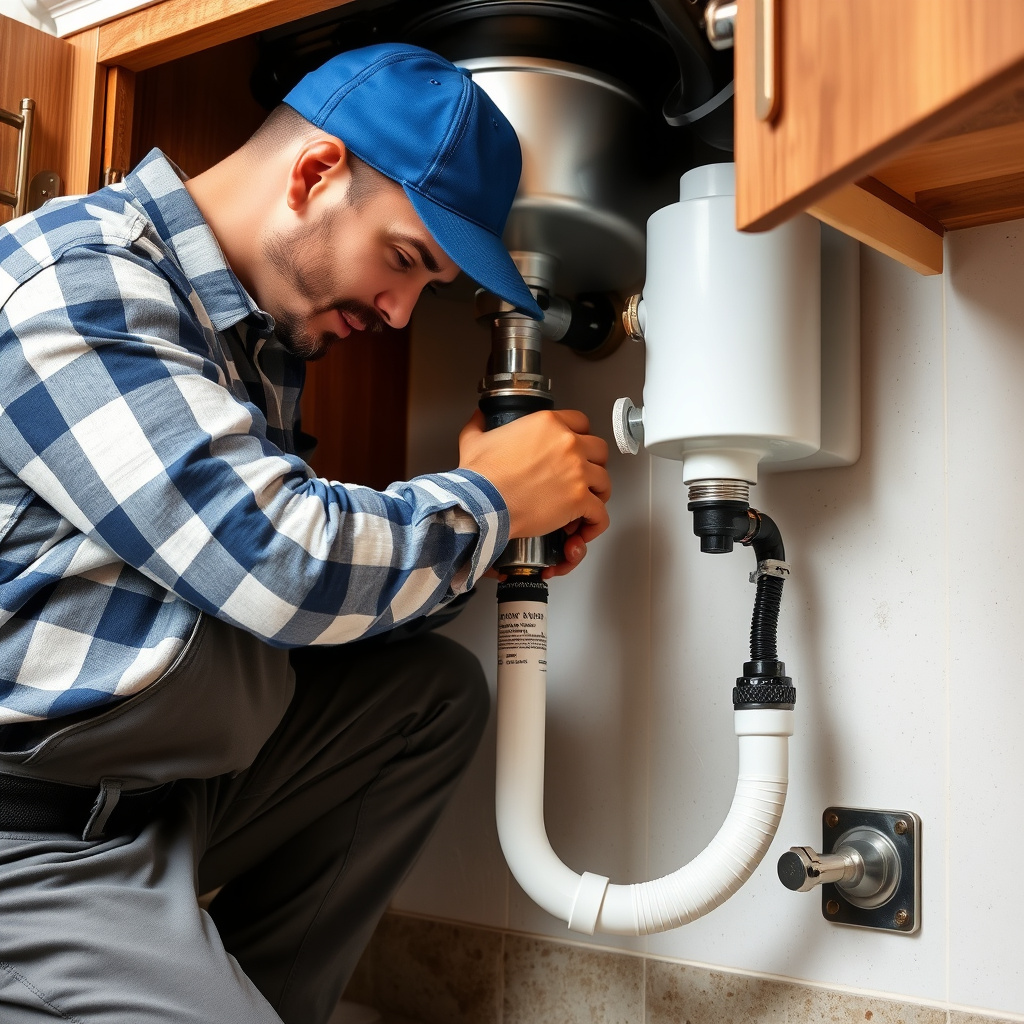
Signs You Need Professional Help

If repeated unclogging attempts fail or if water backups threaten to flood your kitchen, professional assistance is necessary. Persistent bad smells, pipe leaks, or slow drainage despite cleaning suggest deeper issues requiring specialized tools.
Plumbers can inspect hidden pipe damage or severe clogs using cameras and high-power water jets, diagnosing problems beyond DIY fix scope.
For a technical overview of how sink drains and plumbing work, you can review kitchen sink plumbing basics on Wikipedia. kitchen sink plumbing basics.
Choosing the Right Plumbing Service
Select licensed plumbers with experience in kitchen plumbing. Verify reviews, request estimates, and confirm emergency availability if needed. Professional services often provide warranties on repairs or unclogging work.
A well-chosen plumber saves costs long-term by addressing plumbing problems efficiently and preventing recurrent clogs.
Comparison of Kitchen Sink Unclogging Methods
This table compares common unclogging methods based on cost, ease of use, effectiveness, and safety to help you choose the best option for your kitchen sink.
| Method | Cost | Ease of Use | Effectiveness | Safety |
|---|---|---|---|---|
| Plunger | Low ($) | Easy | Moderate for minor clogs | Safe |
| Drain Snake | Moderate ($$) | Moderate skill required | High for deeper clogs | Safe with care |
| Chemical Cleaners | Low-Moderate ($) | Easy | High on organic clogs | Potentially hazardous |
| Baking Soda & Vinegar | Very low ($) | Easy | Low to moderate | Very safe |
| Professional Plumbing | High ($$$) | Not applicable | Very high | Expert handled |
Frequently Asked Questions
Can I use boiling water to unclog my kitchen sink?
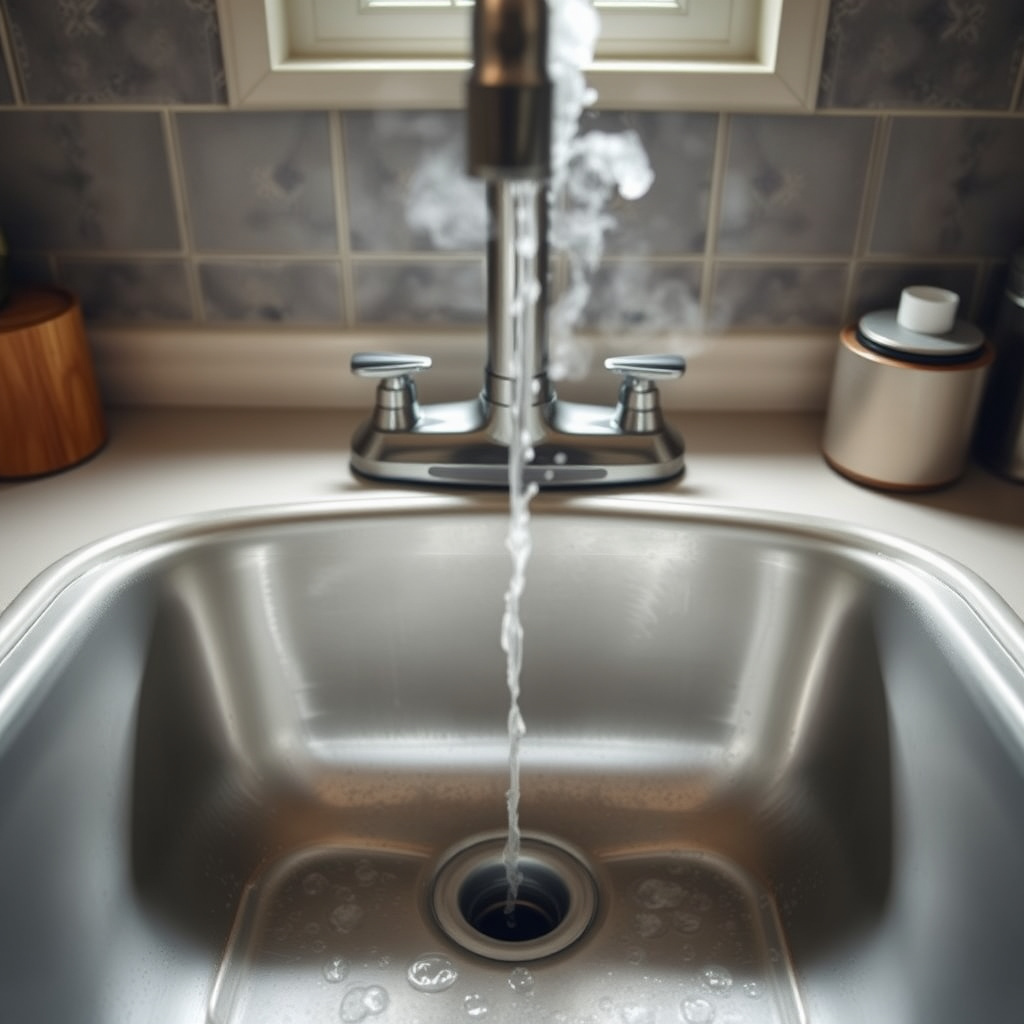
Boiling water can help dissolve grease clogs if poured slowly in stages. It’s an easy first step but may not clear more compacted or solid blockages.
Is it safe to use chemical drain cleaners regularly?
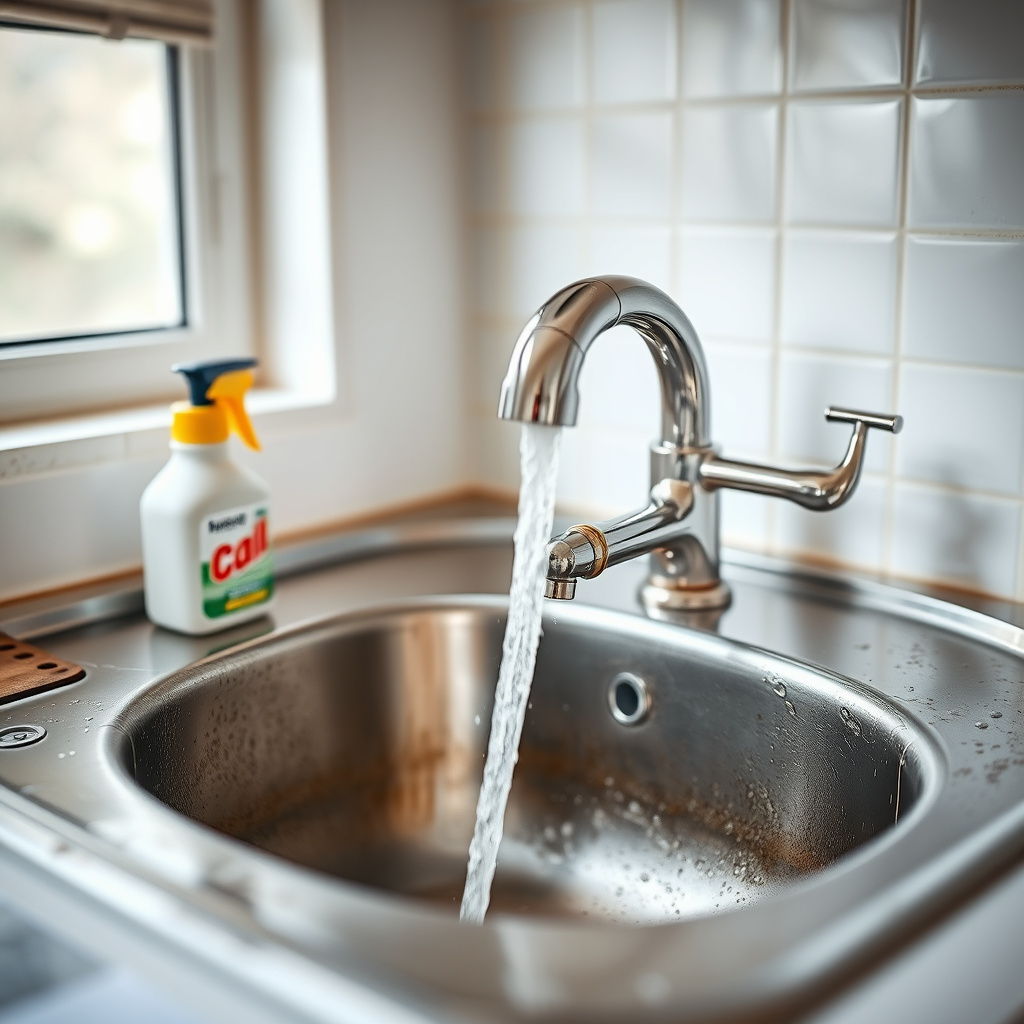
Regular use of chemical cleaners can damage pipes and harm the environment. They should be reserved for occasional use and not a maintenance routine.
What causes recurring kitchen sink clogs?
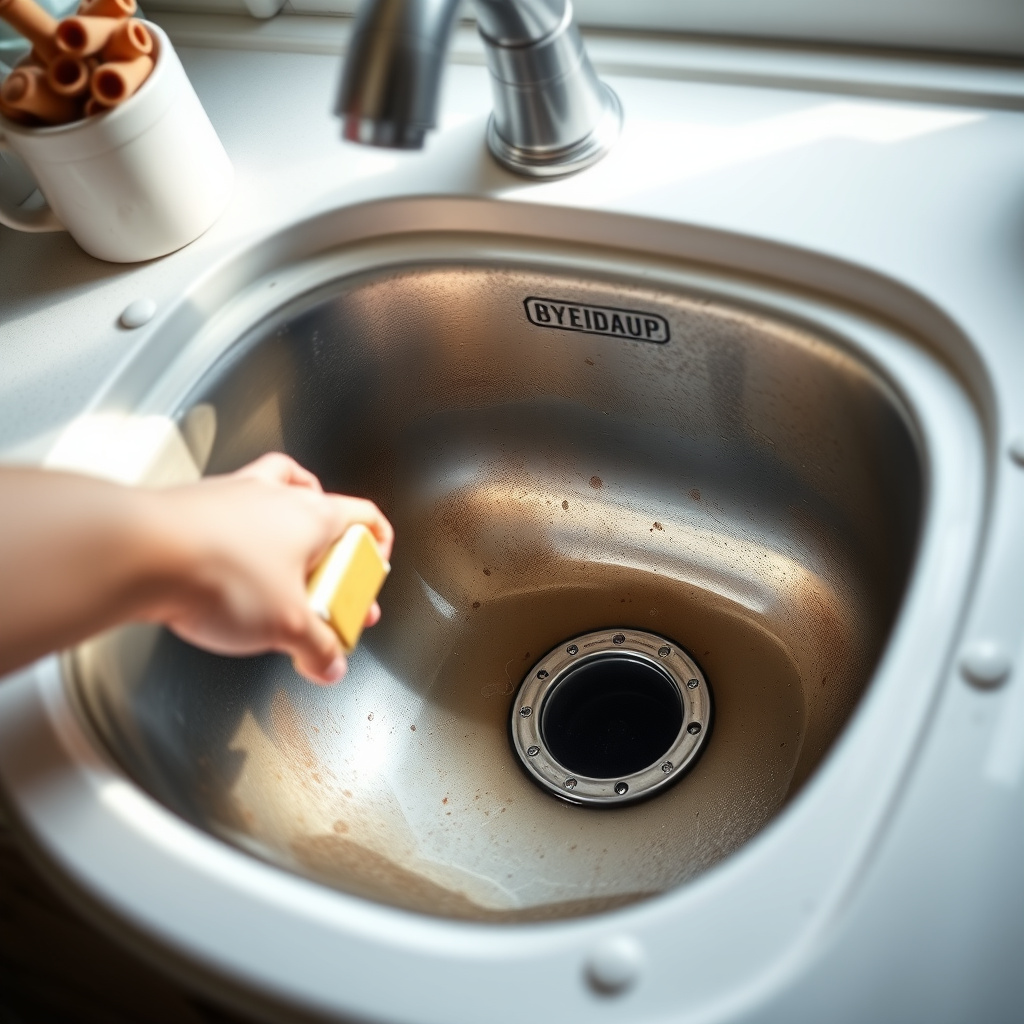
Recurring clogs often result from persistent grease buildup, improper waste disposal, or pipe damage that traps debris repeatedly.
Can I use a drain snake on all types of kitchen sink pipes?
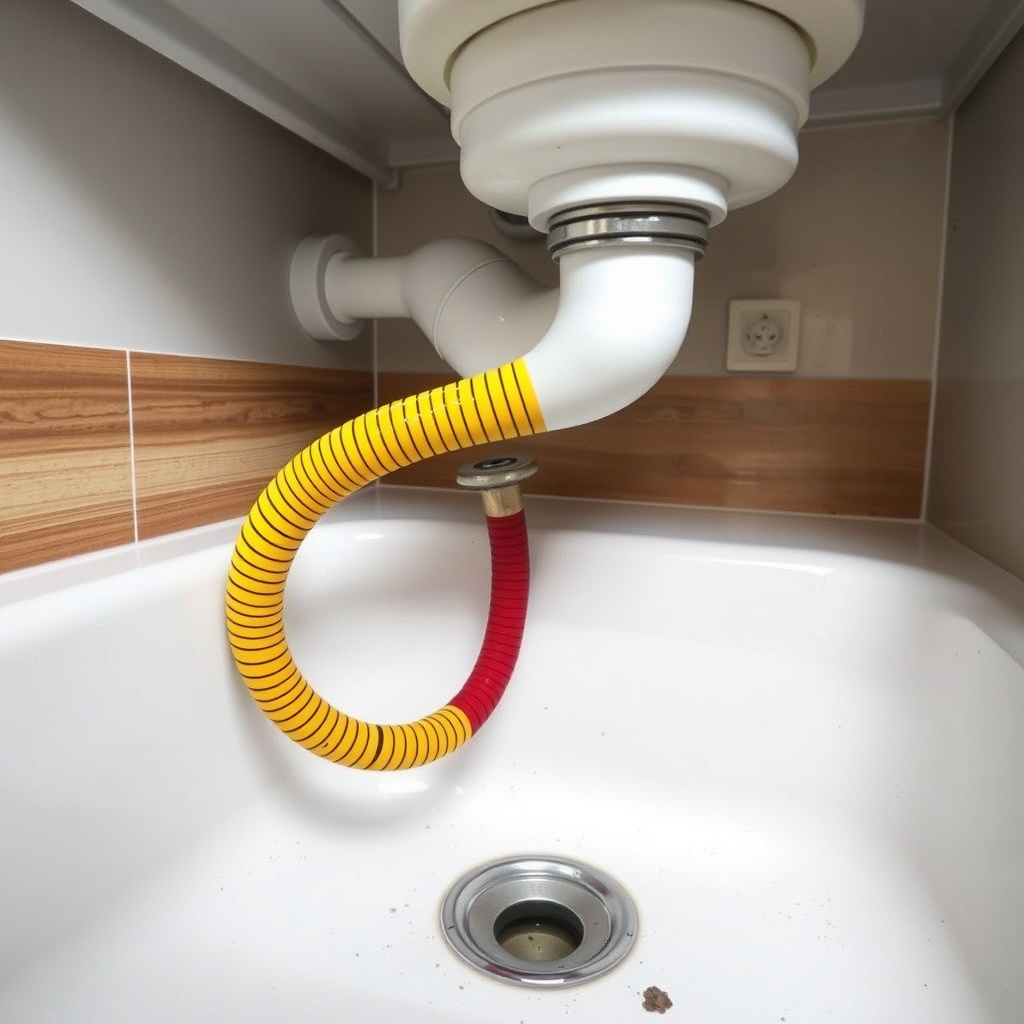
Most drain snakes are safe on metal and plastic pipes, but use care to avoid damaging older or fragile plumbing. Manual snakes work well for typical kitchen pipes.
How often should I perform preventive maintenance on my kitchen sink?
Monthly preventive cleaning with natural methods and weekly boiling water flushes can significantly reduce the chances of clogs forming.
Key Takeaways
- Identify the cause of the clog for effective treatment
- Plungers and drain snakes effectively clear most blockages
- Natural cleaning methods support ongoing maintenance
- Call a plumber if clogs persist or cause leaks
Conclusion
Deciding how to unclog a kitchen sink involves evaluating the clog's nature and severity. Simple clogs caused by grease or food debris can often be resolved with household tools like plungers or drain snakes, supported by natural cleaning solutions such as baking soda and vinegar. Assessing symptoms such as slow drainage or odors helps determine if you need mechanical assistance or chemical treatment. Taking practical steps early on reduces damage risk and keeps your kitchen plumbing functioning well.
For minor to moderate blockages, starting with a plunger or the best drain unclogger for kitchen sink—such as a manual auger—offers an accessible, cost-effective solution. Natural remedies are excellent for maintenance and mild buildup but may fall short for dense clogs. Chemical cleaners work but should be used cautiously. If your attempts fail or you experience leaks and backups, scheduling a professional plumber ensures deeper problems are handled efficiently, protecting your pipes and home.
Start by identifying any visible causes and attempt manual clearing first, combining natural cleaners for regular upkeep. Maintain habits that prevent grease and food waste accumulation to avoid future clogs. By understanding your options and when to seek help, you can keep your kitchen sink draining smoothly with minimal disruption.