How to Sharpen Kitchen Knives: A Practical Guide for Home Chefs
Knowing how to sharpen kitchen knives properly can instantly improve your cooking experience by making slicing and chopping safer and more efficient. Using the right sharpening technique and tools, you can restore the blade’s edge to near-new condition within minutes at home.
A dull knife not only slows down meal prep but also increases the risk of accidents due to slipping blades. Maintaining sharp knives reduces effort, ensures cleaner cuts, and helps preserve the integrity of your ingredients. Many sharpness issues arise from misuse or neglect, which regular sharpening can counteract effectively.
This article will cover various sharpening methods, the types of tools available for knife maintenance, and tips for selecting the best approach for your specific kitchen knives. Whether you prefer whetstones, manual sharpeners, or honing rods, you’ll find details to help you choose and use these tools correctly.
Understanding Kitchen Knife Sharpness
What Makes a Knife Sharp?

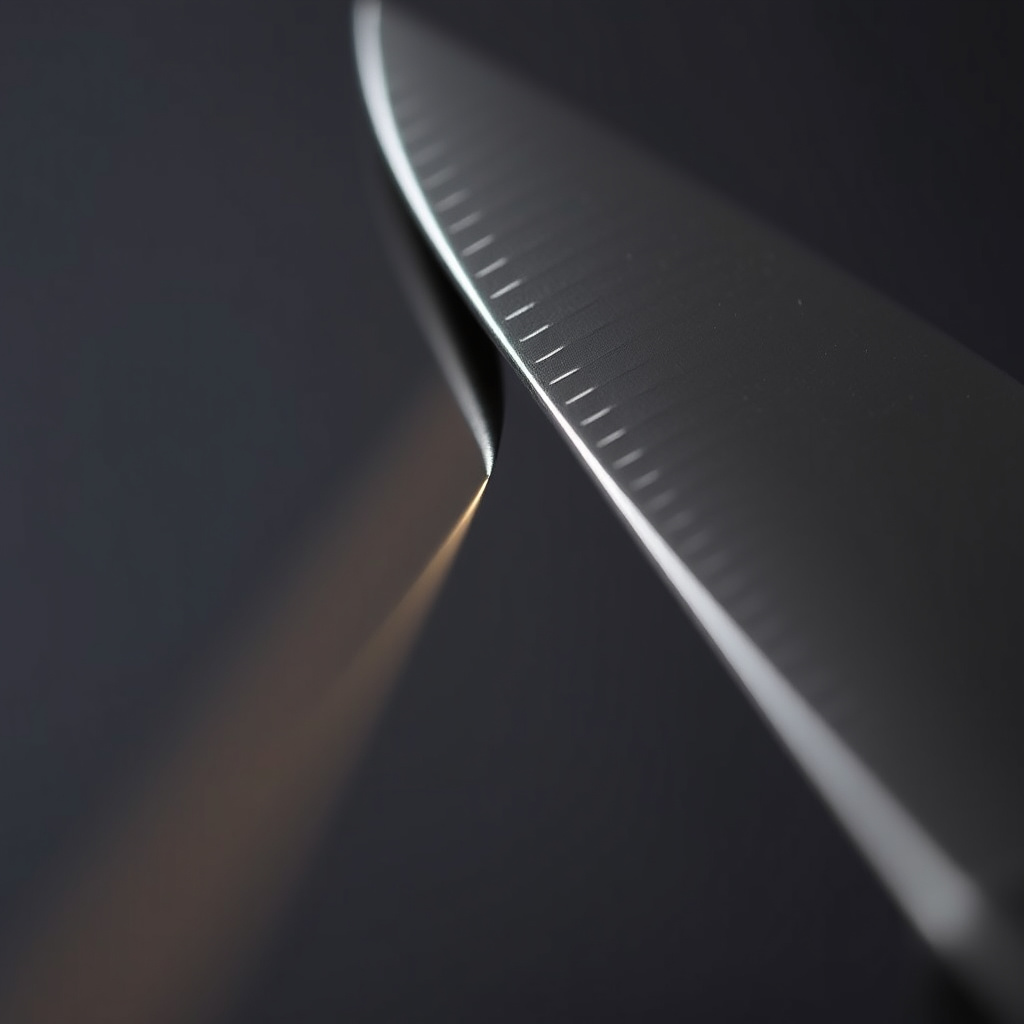
A sharp kitchen knife has a finely honed edge that cuts through food cleanly with minimal pressure. The angle and smoothness of the blade’s bevel dramatically influence its sharpness and cutting performance.
Edges are usually ground between 15 and 20 degrees per side for kitchen knives, balancing sharpness with durability. A blade that is too blunt requires excessive force, while one sharpened at a very acute angle may chip or dull faster.
Signs Your Kitchen Knives Need Sharpening

Common indicators include difficulty slicing through foods like tomatoes or meat, frequent slipping while cutting, and visibly worn or nicked edges. If your knife is tearing or squashing rather than cleanly slicing, it’s time to sharpen.
Regularly checking for these signs helps you avoid damage and maintain cutting safety. Using the right sharpening tools as soon as dullness appears keeps your knives performing at their best.
Sharpening Tools and Their Applications
Whetstones: Traditional and Effective
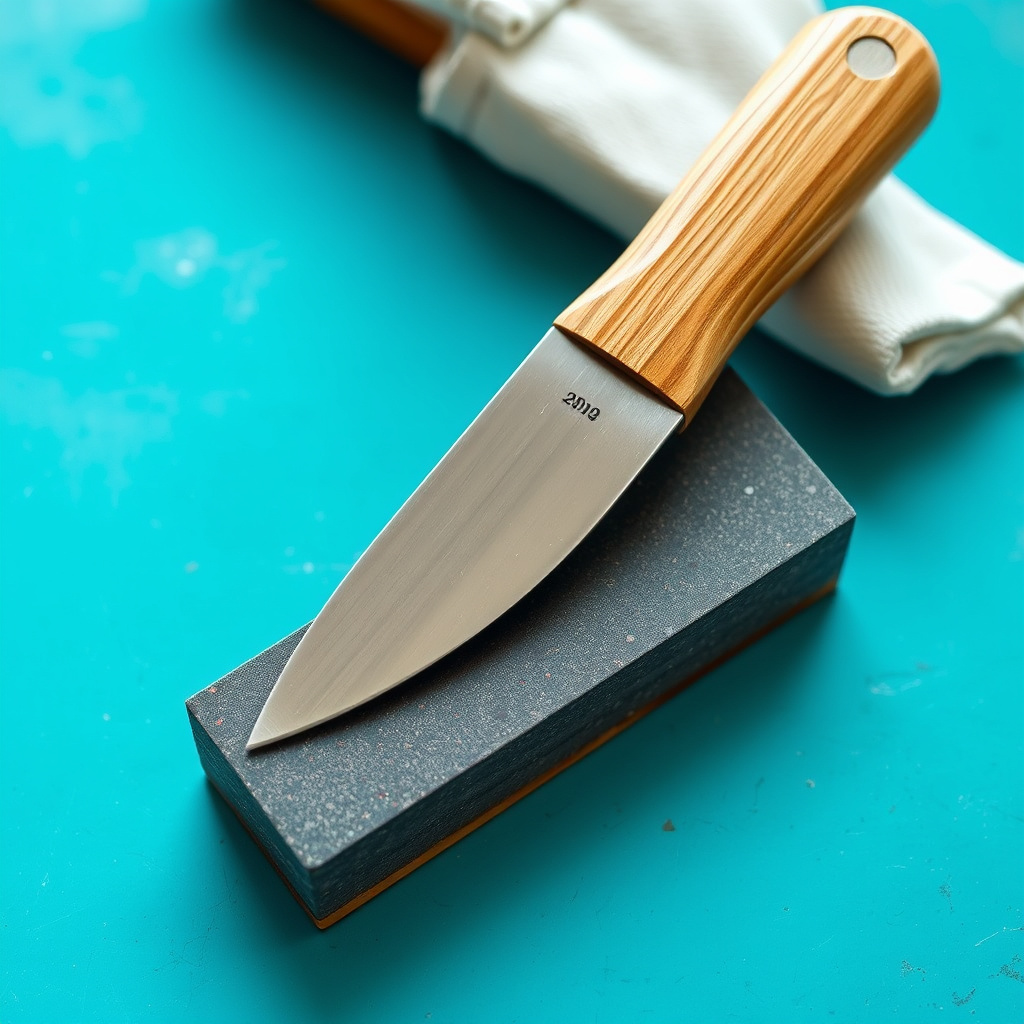
Whetstones are flat stones with varying grit sizes, ideal for sharpening and refining your knife’s edge by hand. They typically come in coarse, medium, and fine grits to reshape and polish blades sequentially.
Using a whetstone requires maintaining consistent angles and careful, controlled strokes to avoid uneven edges. Many enthusiasts prefer this method because it provides precision and preserves blade longevity when done correctly.
- Coarse grit (200-600) for repairing chips or very dull knives
- Medium grit (800-2000) for normal sharpening
- Fine grit (3000-8000) for polishing and finishing the edge
Electric and Manual Sharpeners for Convenience
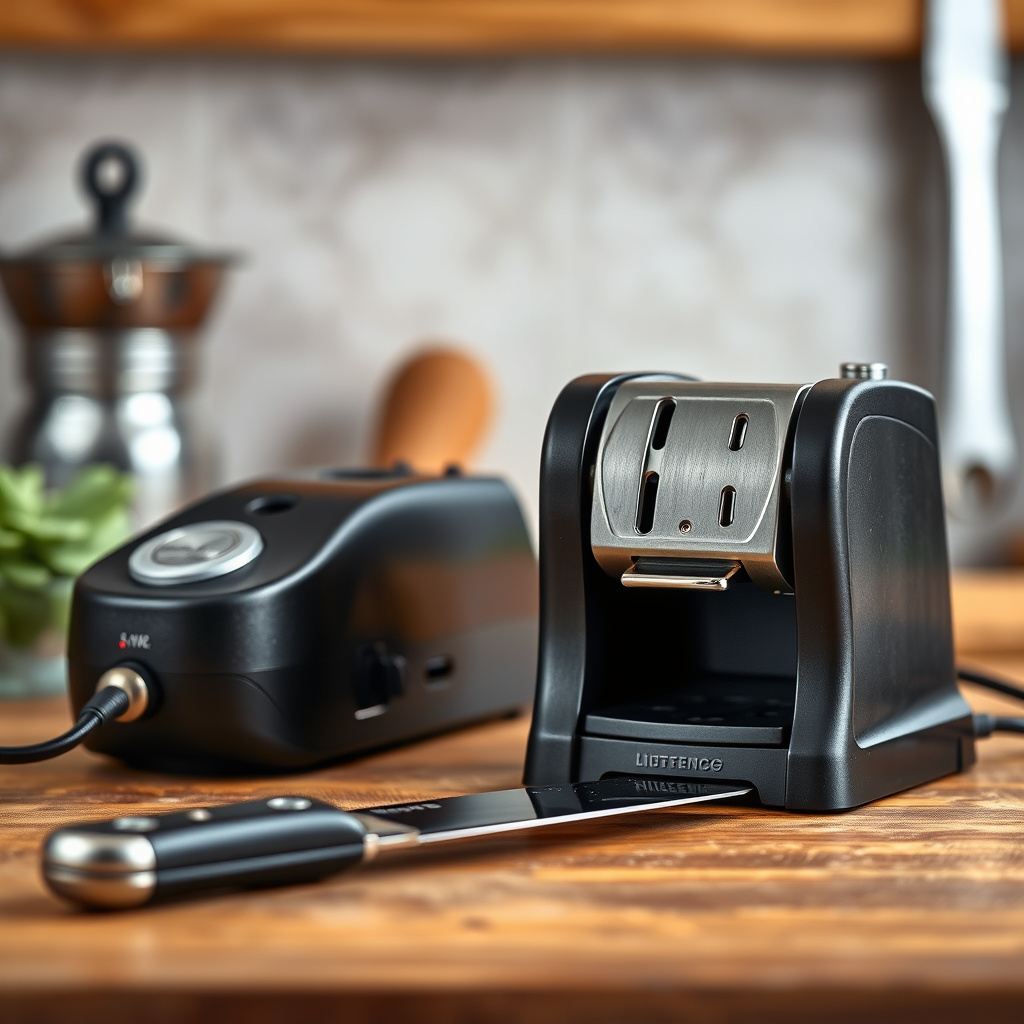
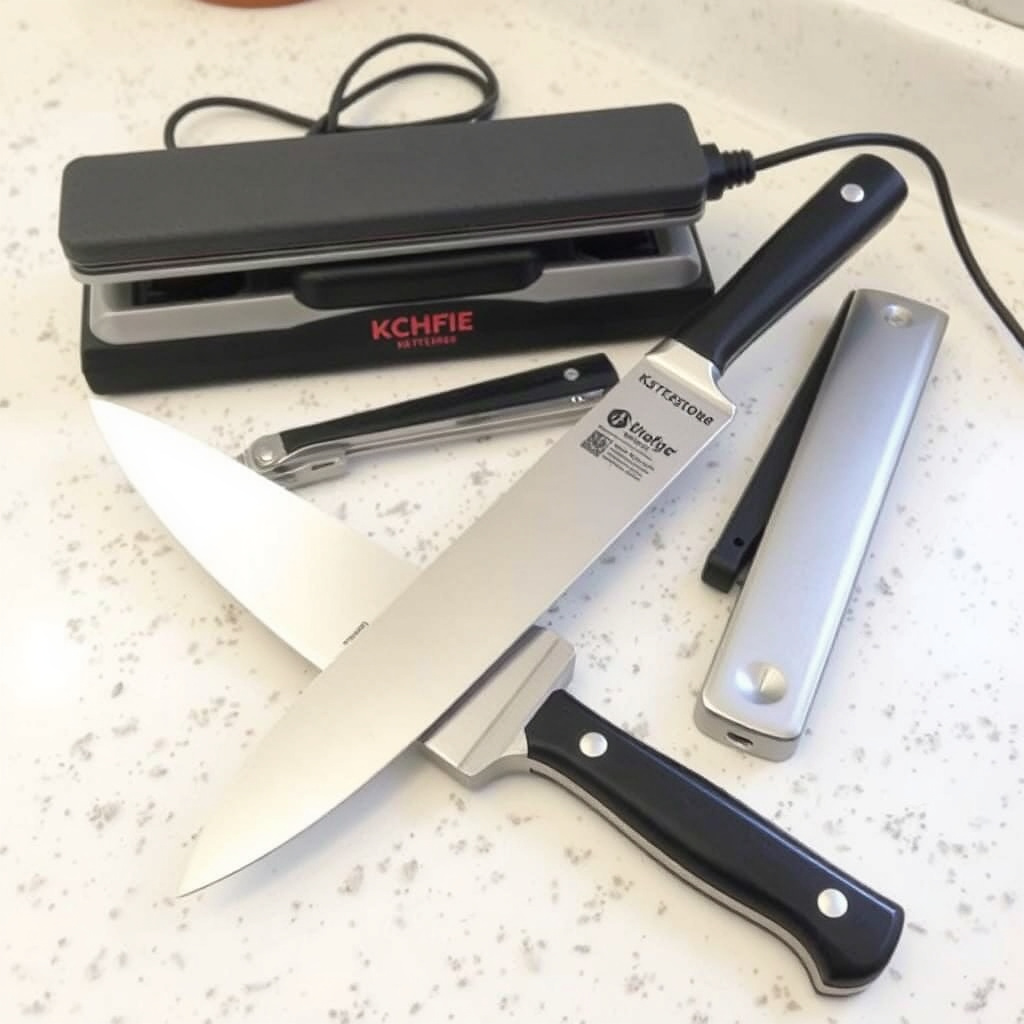
Electric sharpeners offer quick, user-friendly sharpening with preset angles and multiple grinding stages. They’re popular for busy kitchens but can remove more metal than necessary if overused.
Manual pull-through sharpeners are compact and affordable, featuring abrasive slots set at common angles. They are easy to use but generally less precise than whetstones. Choosing high-quality sharpeners reduces the risk of damaging blades.
Using Honing Rods to Maintain Sharpness
Difference Between Honing and Sharpening
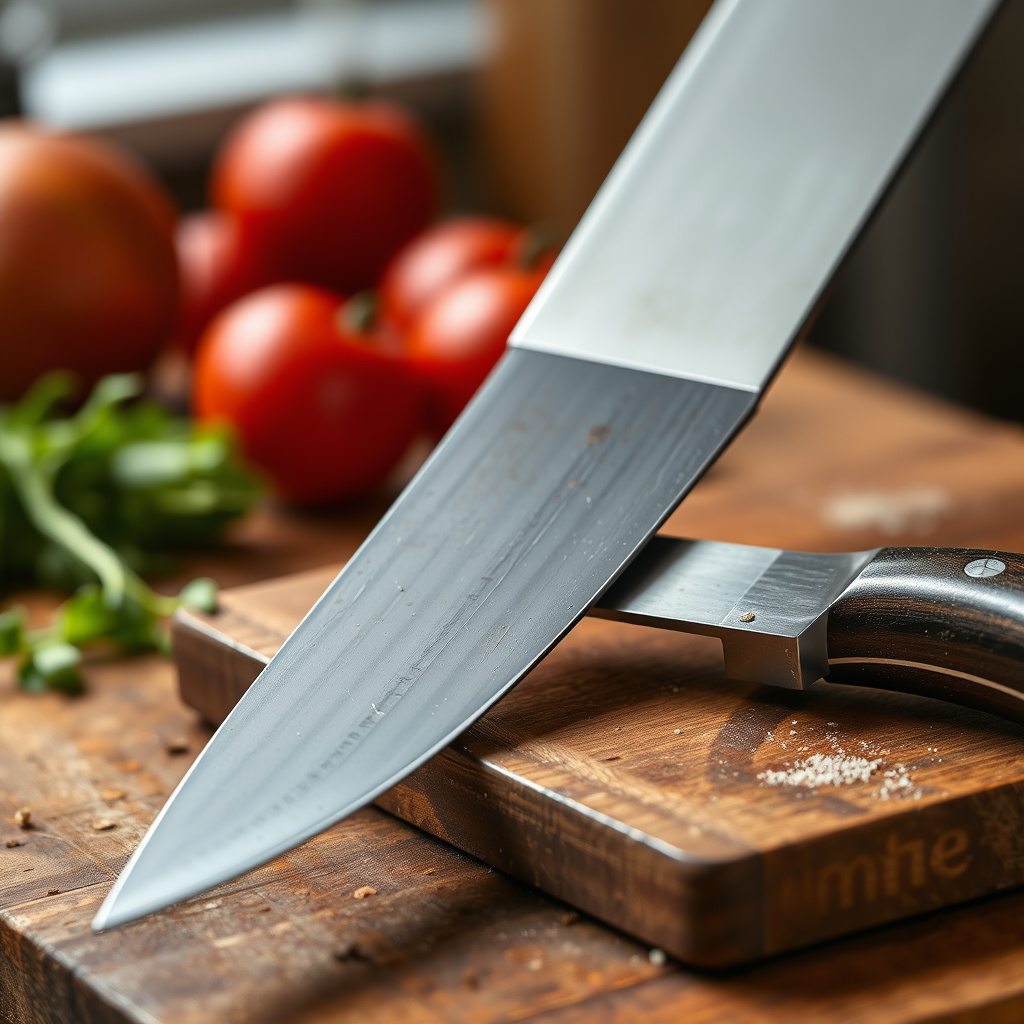
Honing rods realign the microscopic edge of a knife that bends and folds during use but don’t remove significant metal like sharpening does. Regular honing prolongs the sharpness of kitchen knives between sharpenings.
Honing is easiest when done frequently, such as before or after each use. It keeps blades straight and effective, helping maintain cutting precision and reducing the frequency of full sharpening sessions.
How to Hone Your Kitchen Knives Safely

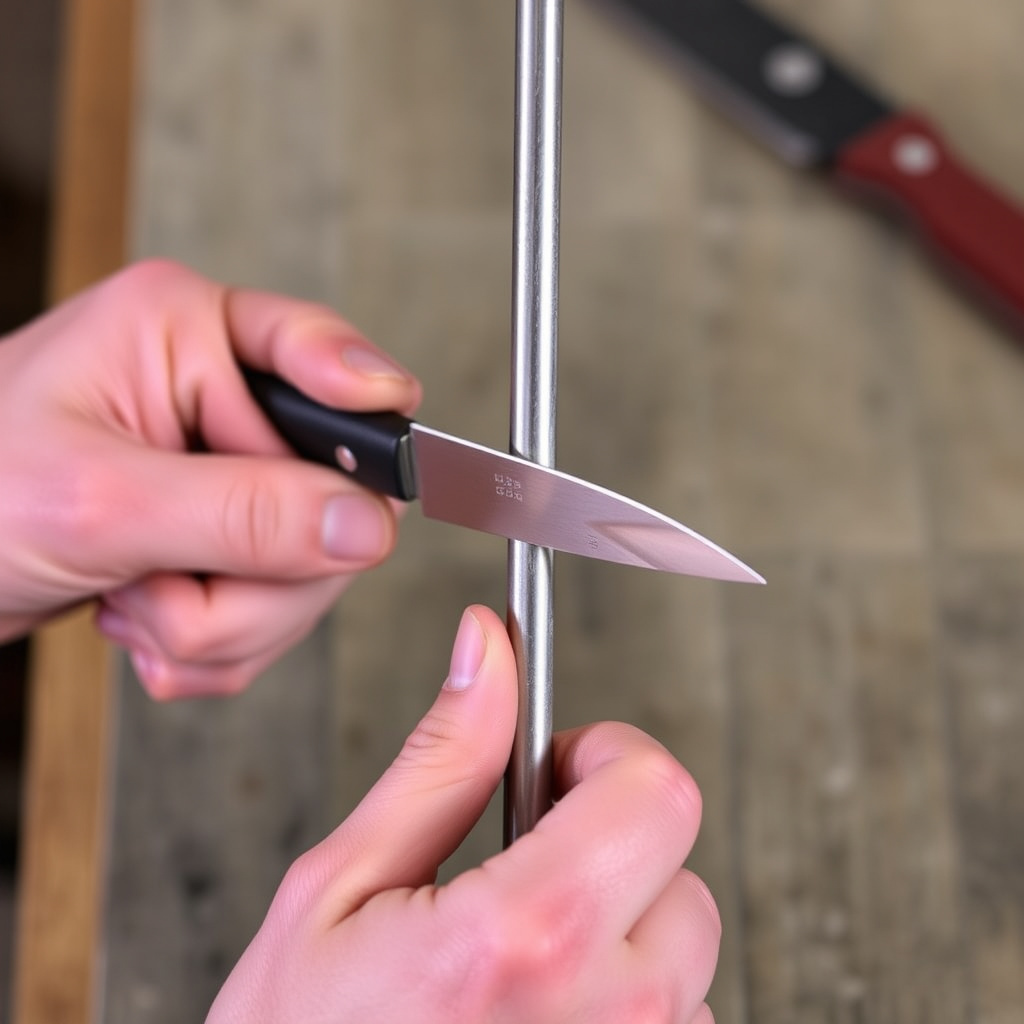
Hold the honing rod vertically with its tip resting on a non-slip surface. At a 15-20 degree angle, draw the blade down the rod from base to tip, alternating sides evenly with controlled strokes.
Avoid excessive pressure; the goal is to realign the edge rather than grind it. Typically, 5-10 strokes per side restore the blade’s shape and improve performance between sharpening.
- Hold rod vertically on a stable surface
- Maintain consistent 15-20 degree angle
- Use gentle, smooth strokes
- Alternate sides evenly
Step-by-Step Process for Sharpening Kitchen Knives
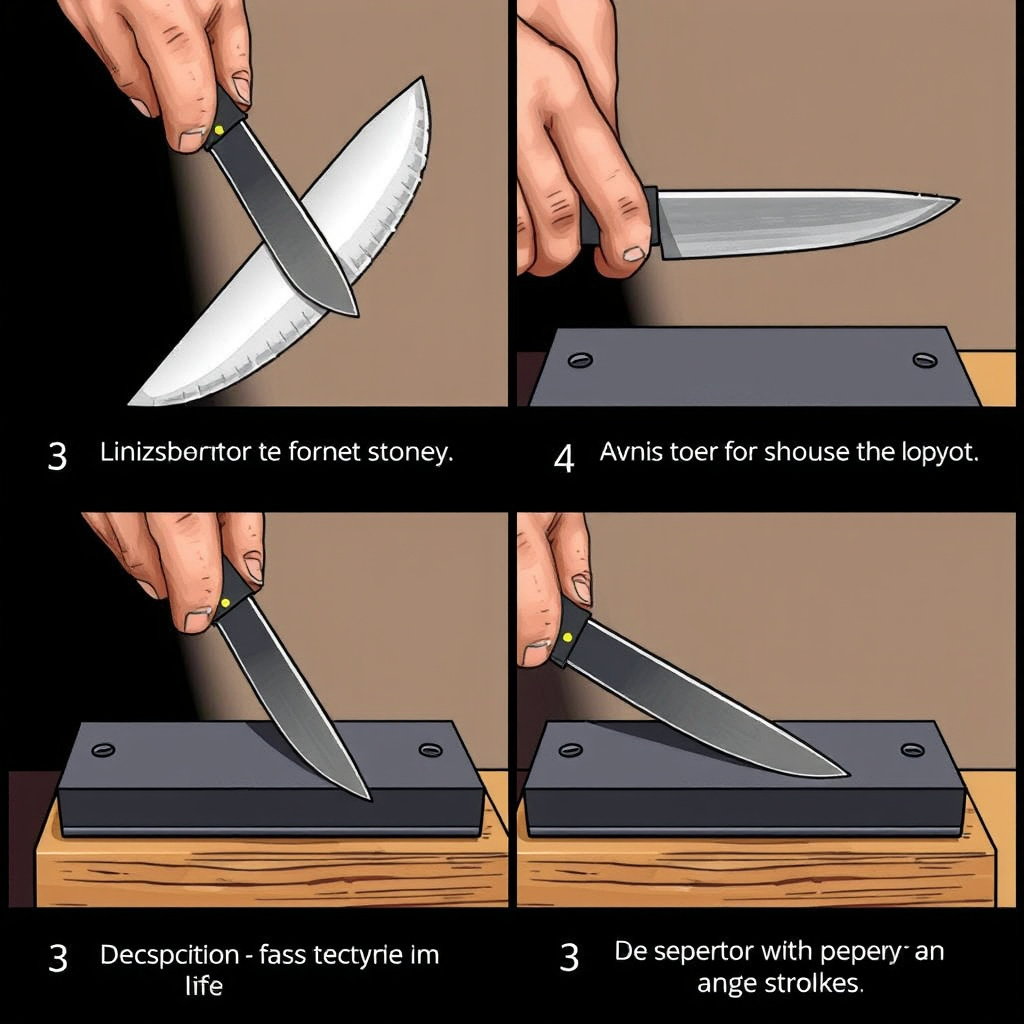
Preparing and Using a Whetstone Correctly
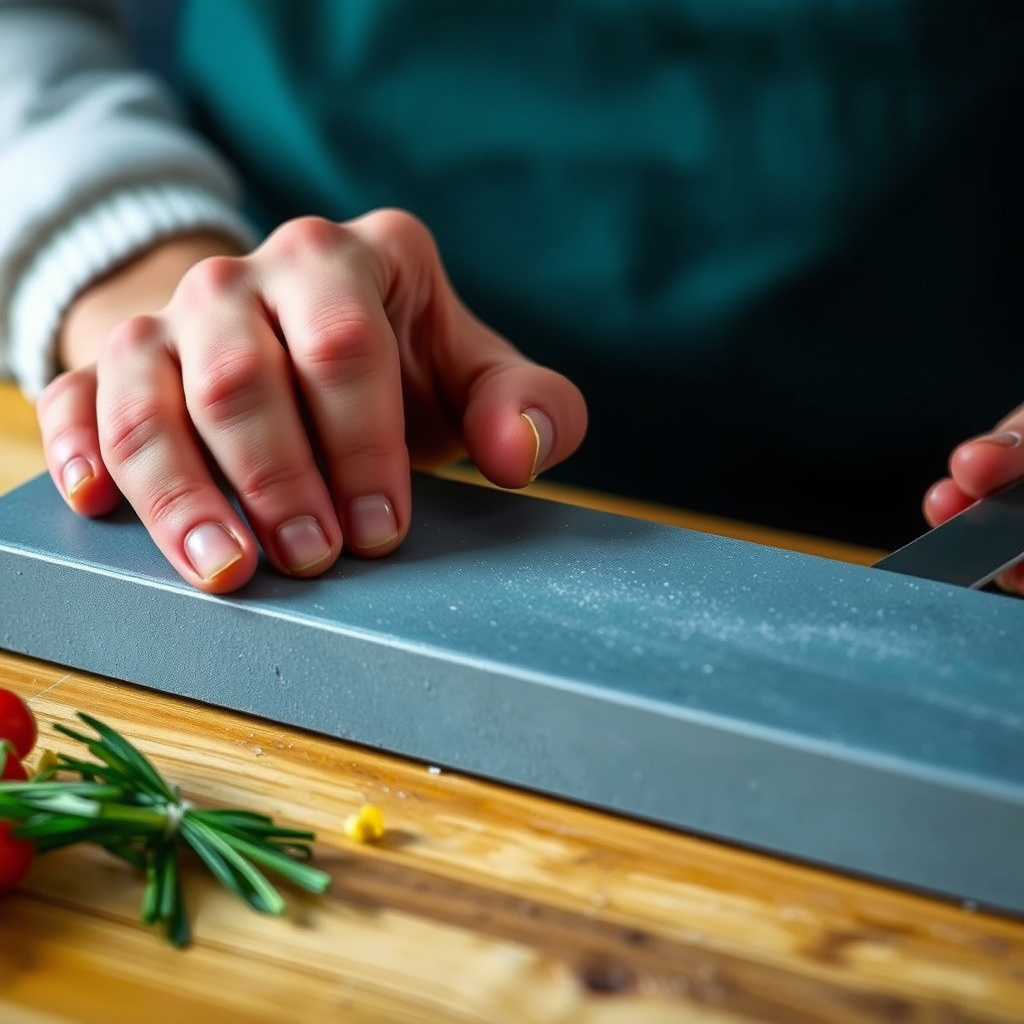
Soak the whetstone in water for 10-15 minutes before use to ensure smooth sharpening. Position the stone on a stable surface with the coarse grit side up first.
Maintain a consistent angle as you draw the knife’s edge across the stone in sweeping motions, applying even pressure. Work on both sides equally and progress to finer grits to polish the edge.
- Soak stone before use
- Start with coarse grit for dull edges
- Keep knife angle steady
- Sharpen both sides evenly
- Finish on fine grit for polishing
Sharpening with a Manual Sharpener
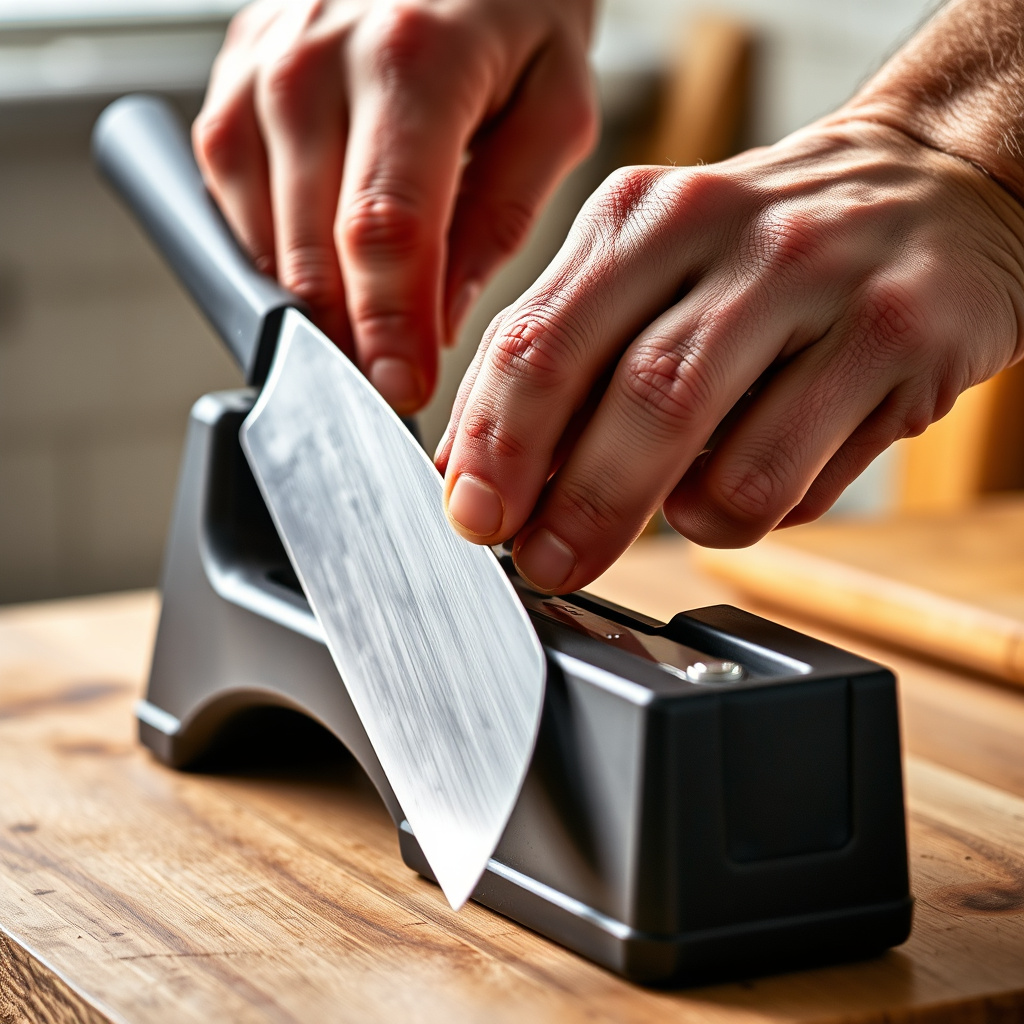
Place the manual sharpener on a flat surface and hold it firmly. Insert the knife blade into the designated slot at the handle and pull it steadily towards you, maintaining light pressure.
Repeat this motion several times per slot depending on blade dullness, usually starting with a coarse slot and finishing with a fine one. The process is faster but less customizable than whetstones.
- Use on stable flat surface
- Pull knife steadily through slot
- Begin with coarse then fine slot
- Repeat strokes as needed
Caring for Your Knives After Sharpening
Cleaning and Storing Sharpened Knives
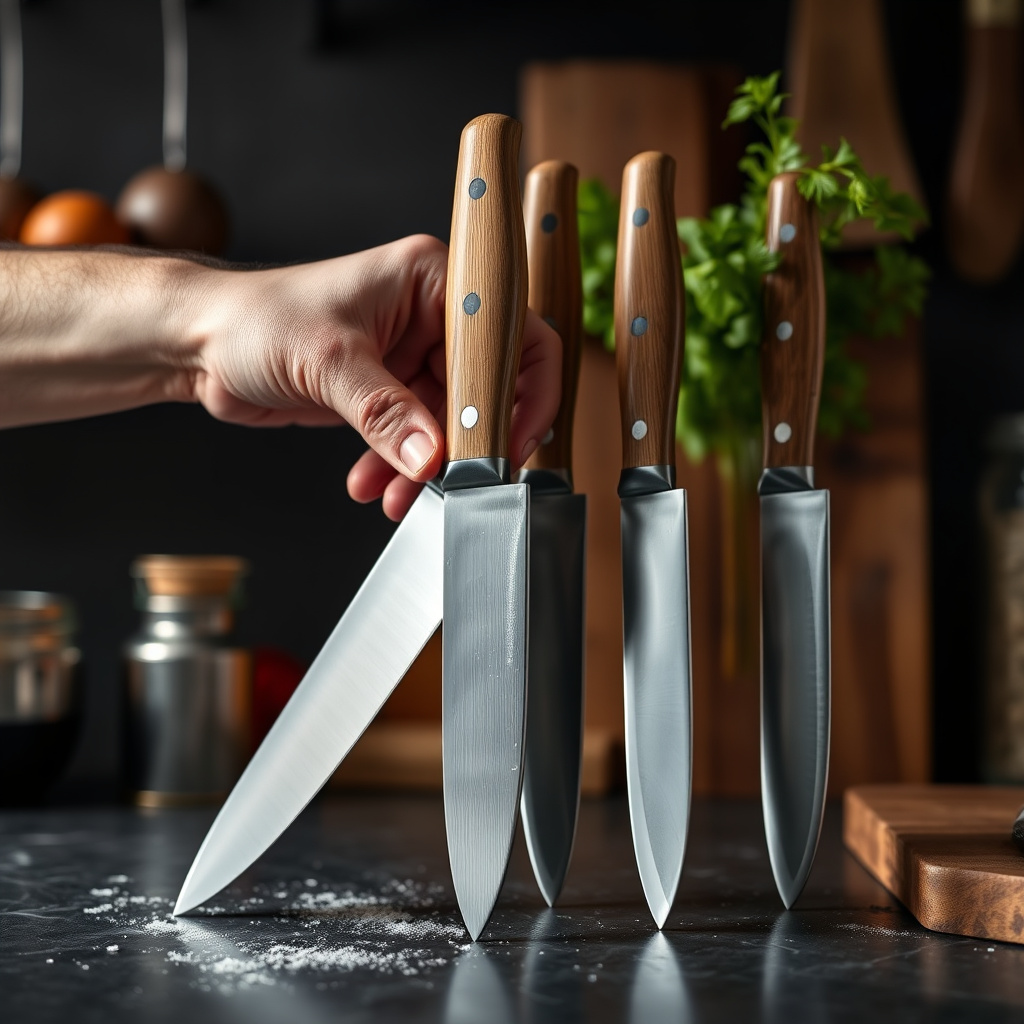
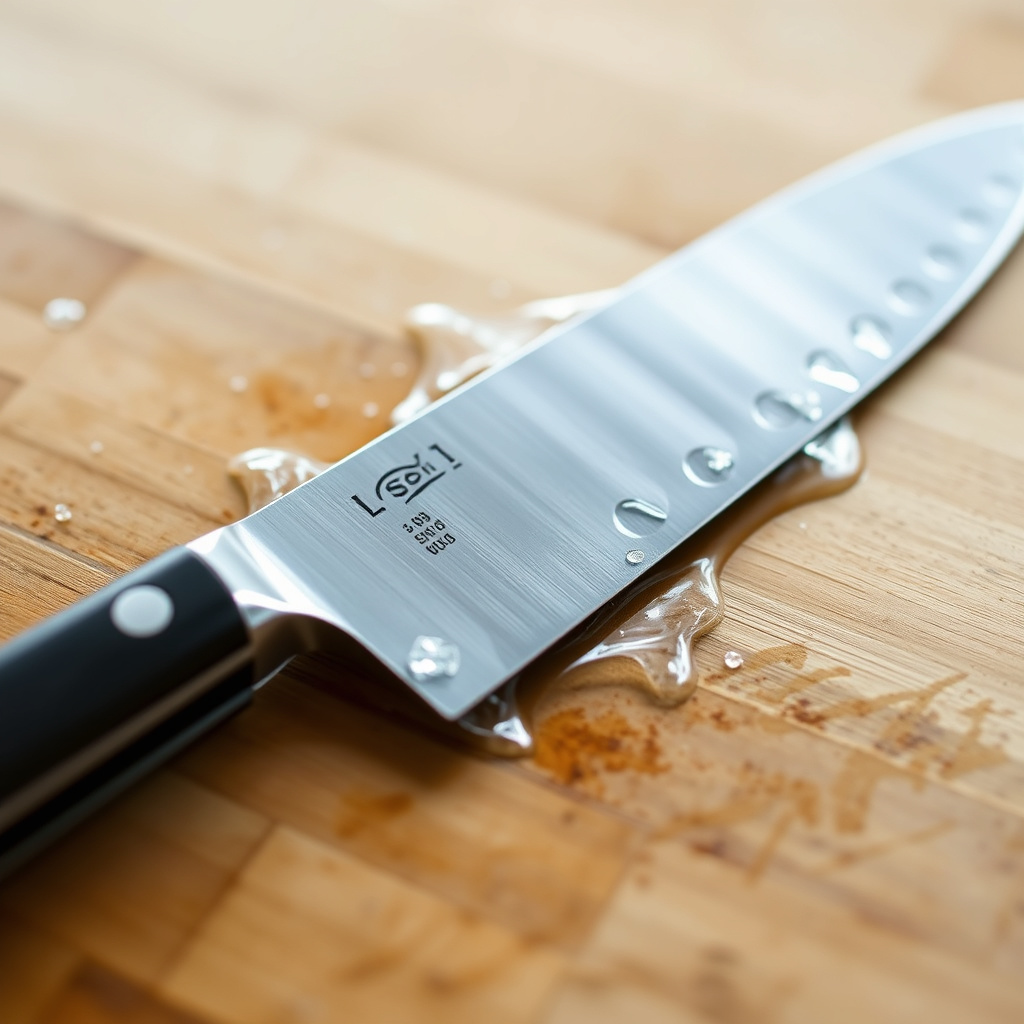
After sharpening, rinse knives with warm water to remove metal filings and abrasive residue. Dry thoroughly with a soft cloth to prevent rust and corrosion.
Store knives in knife blocks, magnetic strips, or protective sheaths to keep edges protected and prevent accidents. Avoid tossing knives in drawers where the blades can be damaged or dulled quickly.
Regular Maintenance Tips
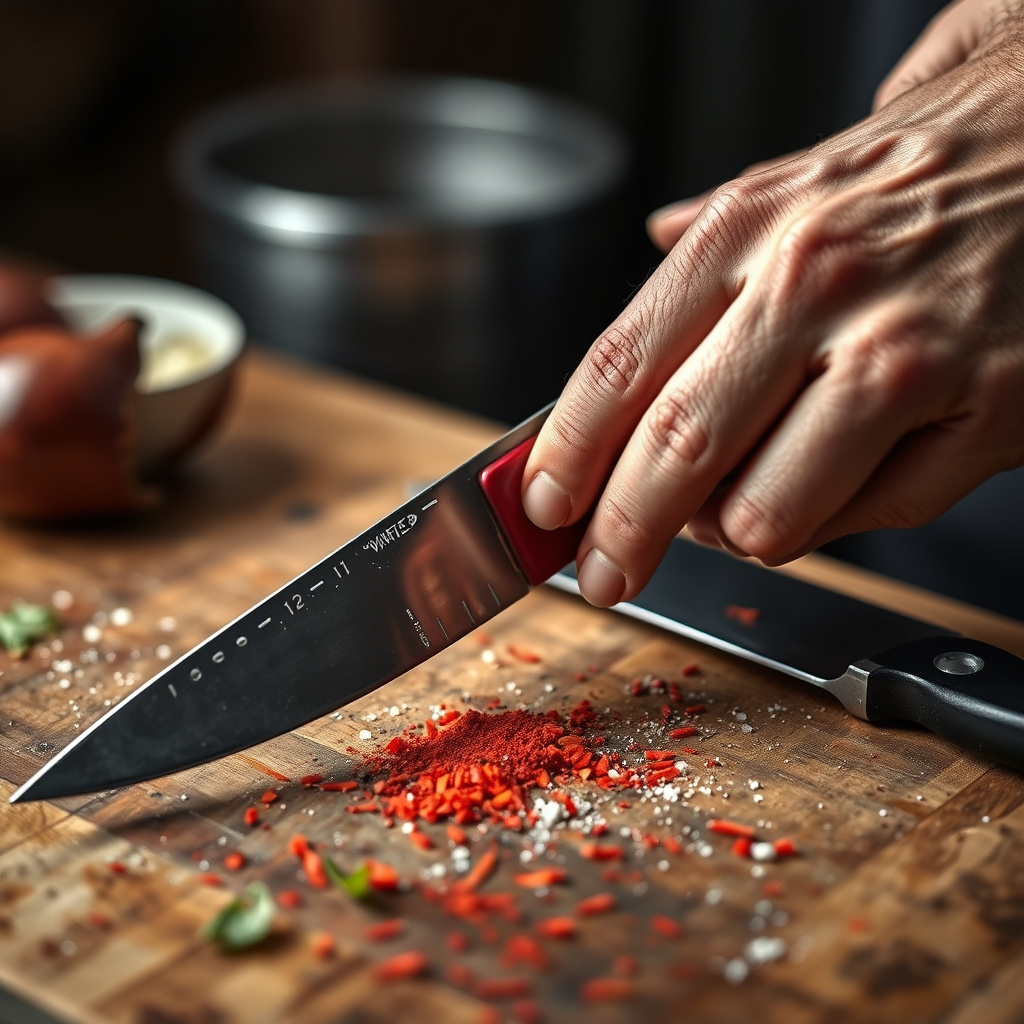
Use cutting boards made of wood or plastic to reduce edge wear. Avoid slicing on hard surfaces like glass or granite which can dull blades faster.
Hone your knives frequently to maintain sharpness between thorough sharpening sessions. Inspect blades often for chips or damage to address promptly.
- Use soft cutting surfaces
- Hone knives regularly
- Check blades for damage
- Avoid hard-impact cutting tasks
Choosing the Right Sharpening Method for Your Needs
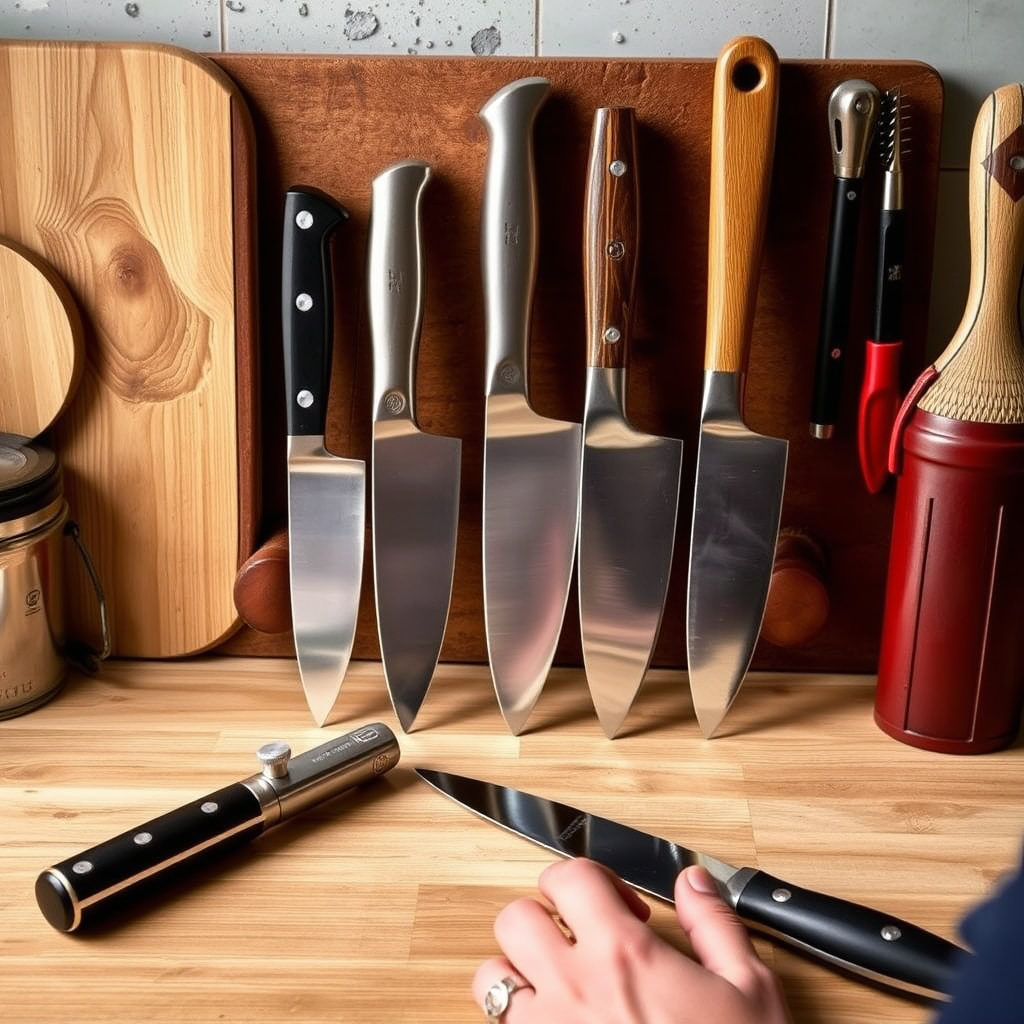
Matching Methods to Knife Types

High-end chef knives with precise bevels are best maintained using whetstones to preserve their delicate edge angles. Basic stainless steel knives handle electric sharpeners without issue but benefit less from whetstones due to blade hardness.
Serrated knives require specialized tools or professional sharpening, as standard methods can damage the teeth. Identify your knife type to apply the best sharpening approach.
For additional perspectives on knife maintenance, explore this detailed overview of knife sharpening techniques. knife sharpening techniques.
Factors Influencing Your Choice
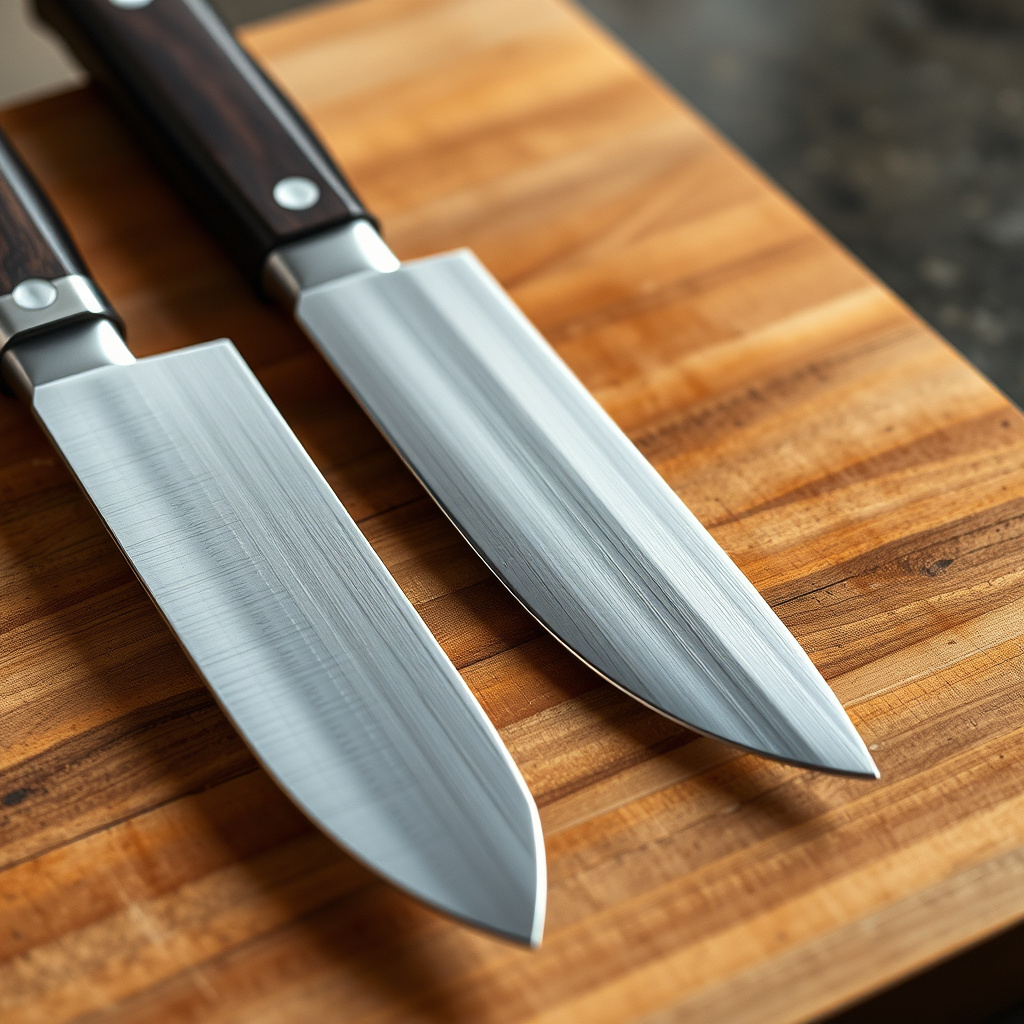
Consider your skill level, time availability, and comfort with manual tools when deciding on a sharpening option. Whetstones demand practice but deliver superior control; electric sharpeners prioritize speed and simplicity.
Budget is another factor: investing in a quality whetstone set offers long-term value, while inexpensive manual sharpeners provide quick fixes for occasional use.
Kitchen Knife Sharpening Tools Comparison
This table compares popular knife sharpening tools based on ease of use, cost, precision, and maintenance requirements.
| Tool Type | Ease of Use | Precision | Cost Range | Maintenance |
|---|---|---|---|---|
| Whetstone | Moderate (learning curve) | High (custom angles) | $20 – $100+ | Requires soaking and cleaning |
| Electric Sharpener | Easy | Moderate | $30 – $150 | Regular cleaning of slots |
| Manual Pull-Through Sharpener | Very Easy | Low-Moderate | $10 – $40 | Minimal maintenance |
| Honing Rod | Easy | N/A (maintenance tool) | $10 – $50 | Wipe clean after use |
| Professional Sharpening Service | None (outsourced) | High | $15 – $50 per knife | N/A |
Frequently Asked Questions
How often should I sharpen my kitchen knives?
Sharpen kitchen knives every few months depending on use, or when you notice difficulty cutting. Regular honing can extend the time between sharpenings by maintaining the edge.
Can I sharpen serrated knives at home?
Serrated knives require special sharpening tools or professional service because their teeth need individual attention. Attempting standard sharpening can damage their edges.
Is honing the same as sharpening knives?
No, honing realigns the edge without removing metal, while sharpening actually grinds the blade to create a new edge. Honing should be done frequently; sharpening is done less often.
What angle should I sharpen my kitchen knives at?
Most kitchen knives are sharpened at an angle between 15 and 20 degrees per side, balancing sharpness and edge durability for everyday use.
Are electric sharpeners bad for knives?
Electric sharpeners remove metal quickly, which can shorten knife lifespan if overused. Using them sparingly and carefully helps maintain your blades without damage.
Key Takeaways
- Proper knife sharpness improves cutting efficiency and safety in the kitchen.
- Whetstones provide precise, customizable sharpening but require practice.
- Regular honing maintains sharpness between sharpening sessions.
- Choosing the right sharpening tool depends on your knives and comfort level.
Conclusion
Mastering how to sharpen kitchen knives enhances both your culinary results and safety while preparing food. Making a clear decision on sharpening methods involves weighing your knife types, skill with tools, and how often you use them. A sharp edge reduces slipping and the effort needed to cut, making cooking a more enjoyable experience overall.
For home cooks seeking precision and longevity, whetstones combined with frequent honing offer the best maintenance routine. Busy kitchens benefit from manual pull-through or electric sharpeners for quick edge restoration. If serrated knives are part of your set, consider professional sharpening or specialized tools to preserve their unique cutting surfaces.
Starting with honing rods regularly and progressing to a chosen sharpening tool builds confidence and keeps kitchen knives dependable. Take your time to practice and maintain blade angles carefully. With consistent care, your knives will perform like new for years, turning ordinary meal prep into something satisfying every time.