How to Clean Grease Off Kitchen Cabinets: Effective Methods That Work
Cleaning grease off kitchen cabinets is straightforward if you use the right approach. Start by selecting a cleaning solution capable of breaking down grease without damaging cabinet finishes—common options include dish soap mixed with warm water, vinegar solutions, or specialized degreasers. Apply the solution with a soft cloth, gently scrub, then wipe dry to remove the residue.
Grease buildup can dull the appearance of your cabinets and harbor bacteria, making regular cleaning essential for both aesthetics and hygiene. Kitchens, especially around cooktops, accumulate grease quickly, so knowing how to tackle this common problem helps maintain a fresh cooking environment.
This article covers proven methods to clean grease off kitchen cabinets safely, including homemade and commercial cleaners. You'll find step-by-step instructions for different cabinet materials, tips to prevent future buildup, and guidance on choosing the best degreaser for kitchen cabinets.
Understanding Grease on Kitchen Cabinets
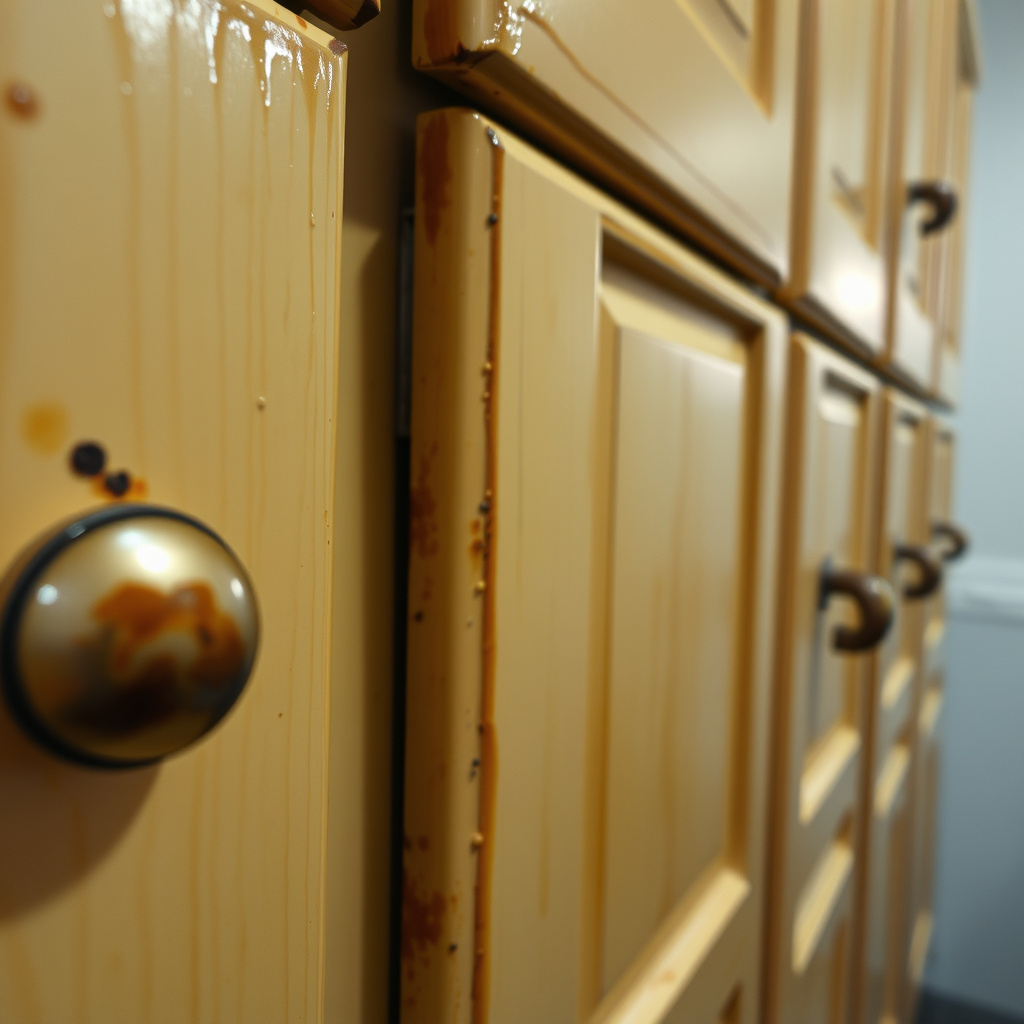
What Causes Grease Buildup on Cabinets?
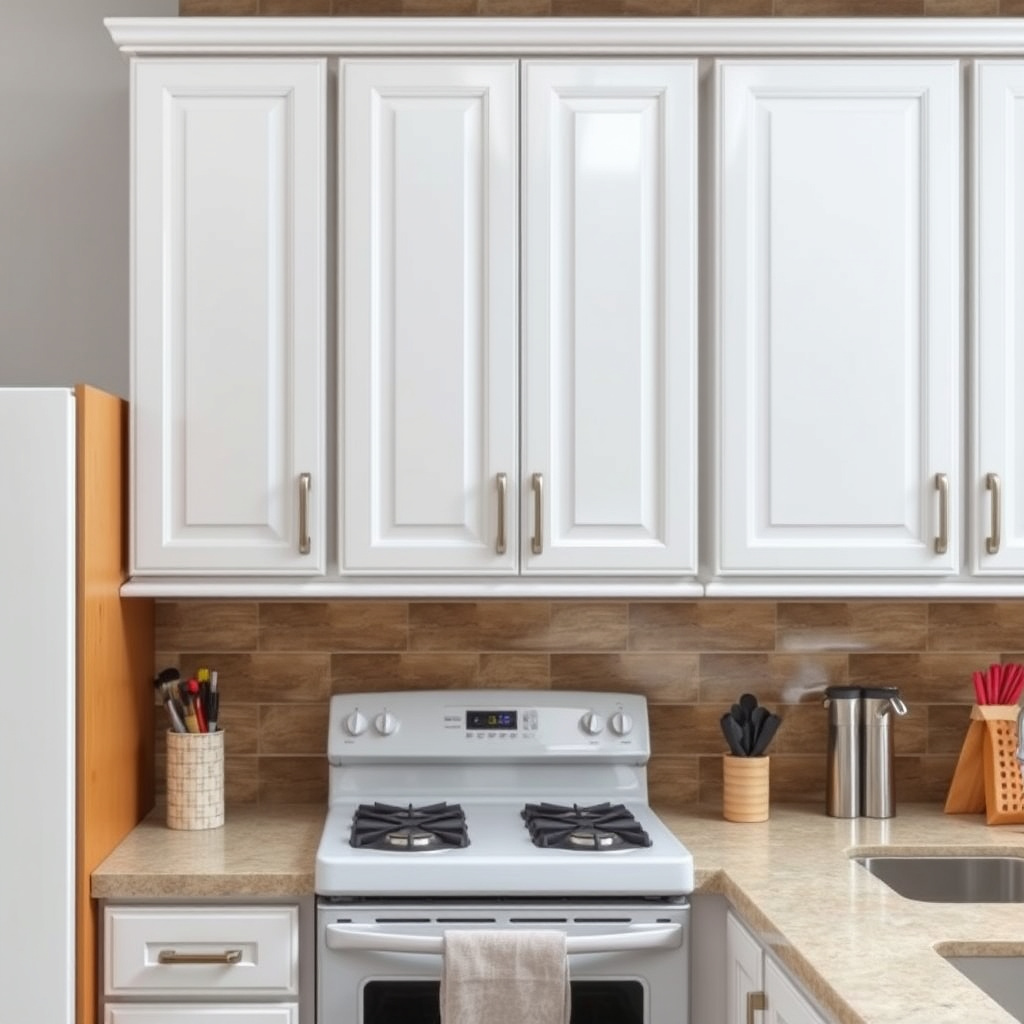
Grease on kitchen cabinets mainly originates from cooking oils vaporizing during frying or sautéing and settling on nearby surfaces. Over time, these oily residues attract dust and grime, forming sticky, visible layers.
Poor ventilation and proximity to stovetops accelerate grease collection on cabinet faces and handles. Identifying these sources helps in selecting proper cleaning tools and routines.
How Grease Affects Cabinet Finishes

Different cabinet materials—such as wood, laminate, or painted surfaces—react differently to grease. Left untreated, grease can discolor finishes, cause stickiness, and degrade protective coatings.
Excess grease can also trap bacteria and odors, making cabinets unhygienic. Using appropriate cleaners prevents damage while restoring the cabinet's original look.
Choosing the Right Cleaning Agents for Grease Removal
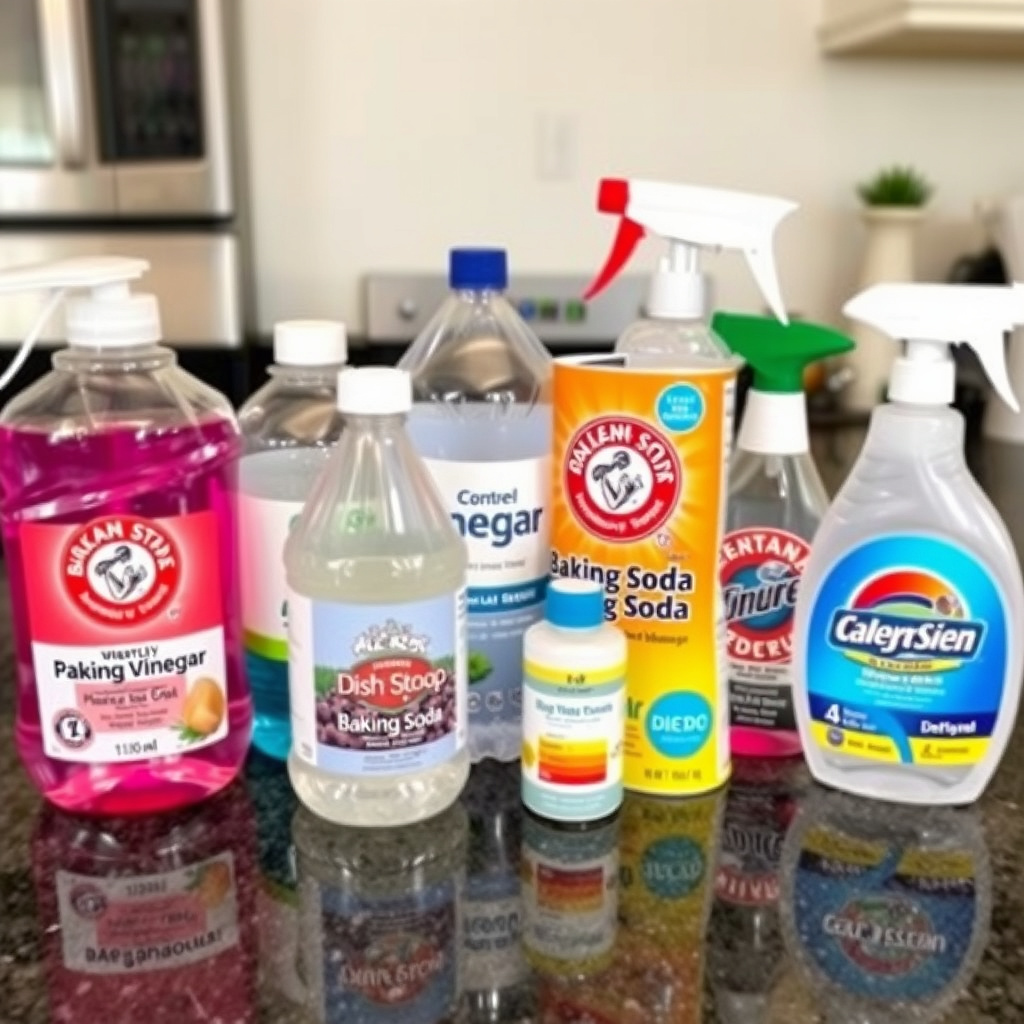
Homemade Cleaners That Cut Through Grease
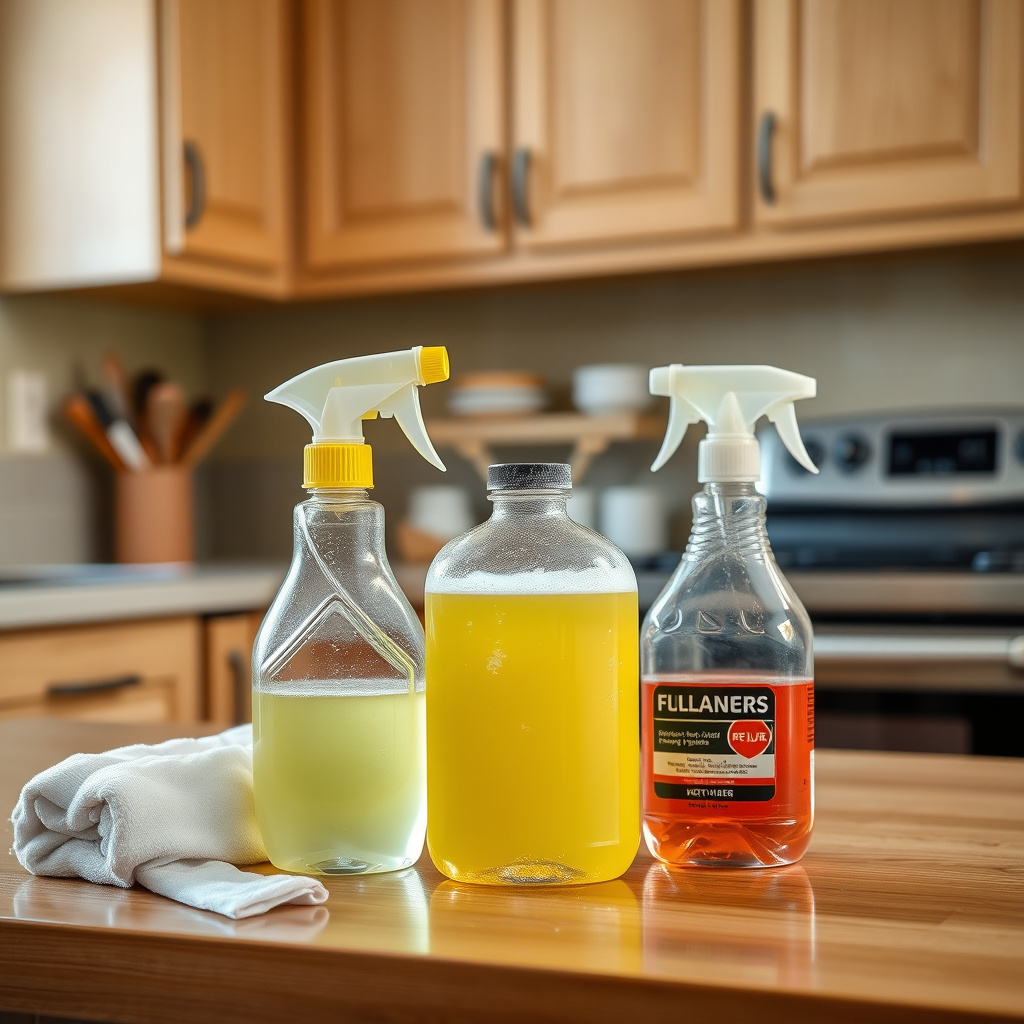
Common household ingredients such as dish soap mixed with warm water create a simple but effective grease-cutting solution. White vinegar and baking soda are natural alternatives that break down oils without harsh chemicals.
These options are gentle on most cabinet surfaces and cost-effective. However, test any cleaner on a small hidden area beforehand to avoid discoloration.
Commercial Degreasers and Their Benefits
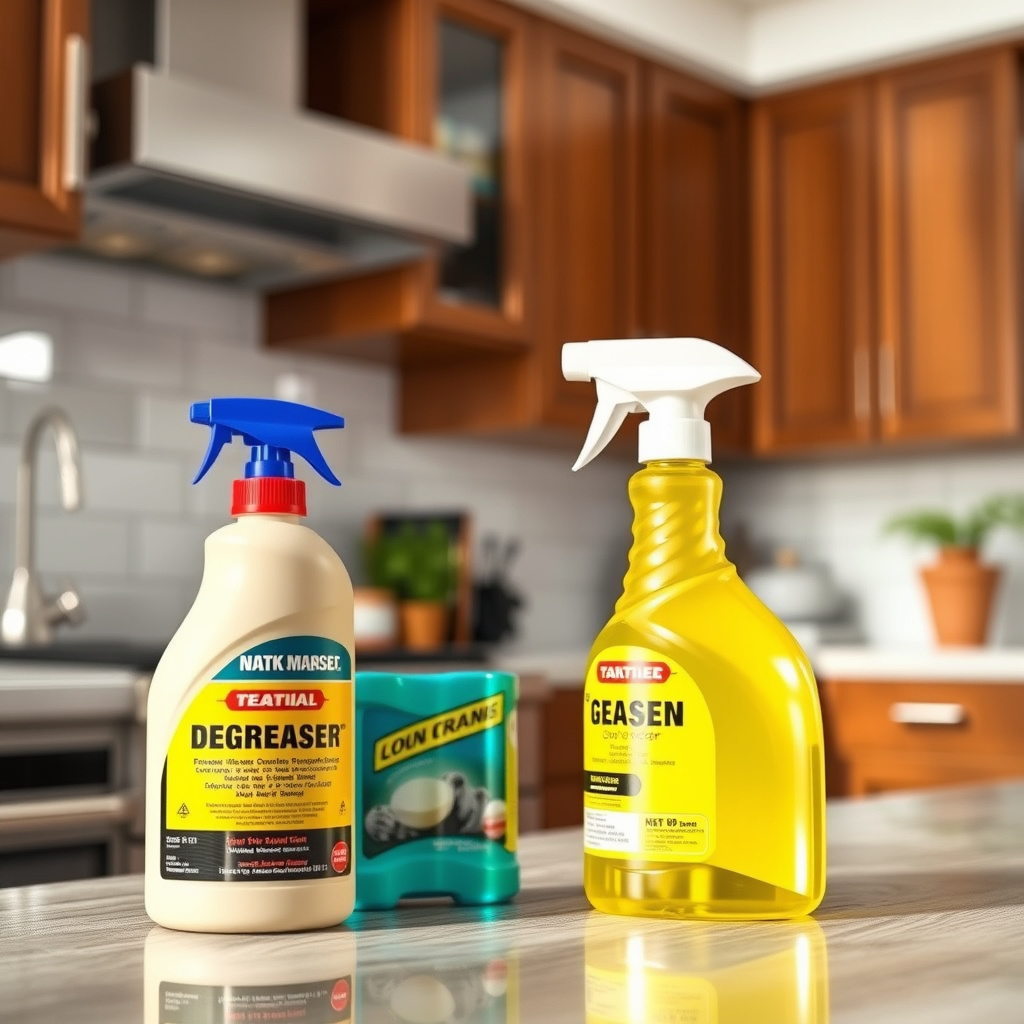
Specialized degreasers formulated for kitchens often have stronger grease-fighting chemicals and ingredients designed to safely clean cabinets without stripping finishes.
Choose a product labeled safe for your cabinet material. These degreasers can save time on heavy buildup but might involve stronger fumes or require protective gloves.
- Check ingredient labels
- Ensure compatibility with cabinet surfaces
- Follow manufacturer's instructions for safety
Step-by-Step Techniques to Clean Grease Off Kitchen Cabinets
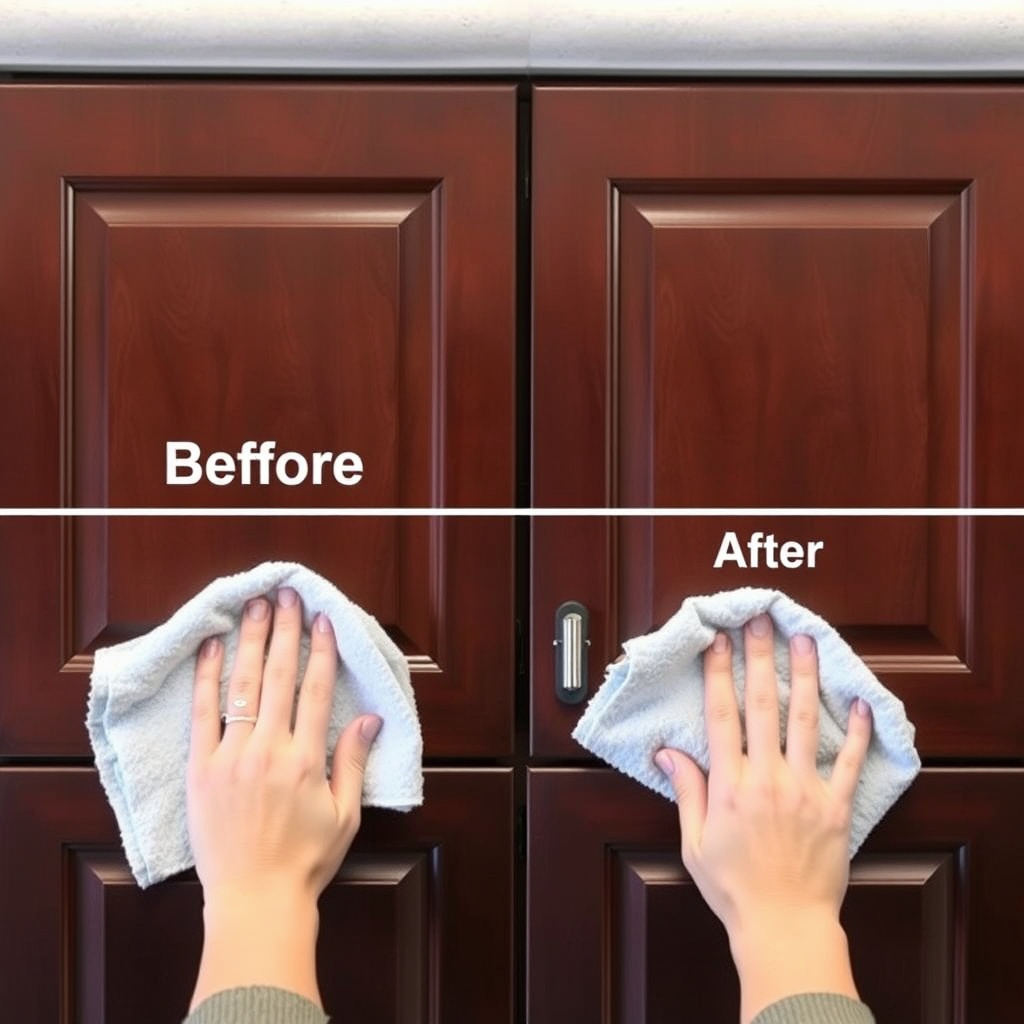
Manual Cleaning Method for Light to Moderate Grease
Mix a few drops of dish soap with warm water in a spray bottle. Spray the solution on cabinet surfaces and let it sit briefly. Use a microfiber cloth or soft sponge to wipe gently in circular motions, focusing on greasy spots.
Rinse the cloth in clean water frequently and avoid soaking wood cabinets. Dry surfaces thoroughly afterward to prevent water damage or streaking.
- Use soft cloths or sponges
- Avoid abrasive scrubbers
- Work in small sections
For more on this, see our related guide: How to Install Kitchen Sink Drain: A Step-by-Step Guide for Homeowners.
Using Commercial Degreasers for Heavy Grease Build-up
Apply the degreaser as directed, usually by spraying or applying with a cloth. Allow it to break down the grease for the recommended time before wiping away with a damp cloth.
Be sure to ventilate the kitchen during this process. After degreasing, use a mild soap solution to remove any residue and dry well.
- Wear gloves if necessary
- Ensure proper ventilation
- Do not mix with other chemicals
Cleaning Tips for Different Cabinet Materials
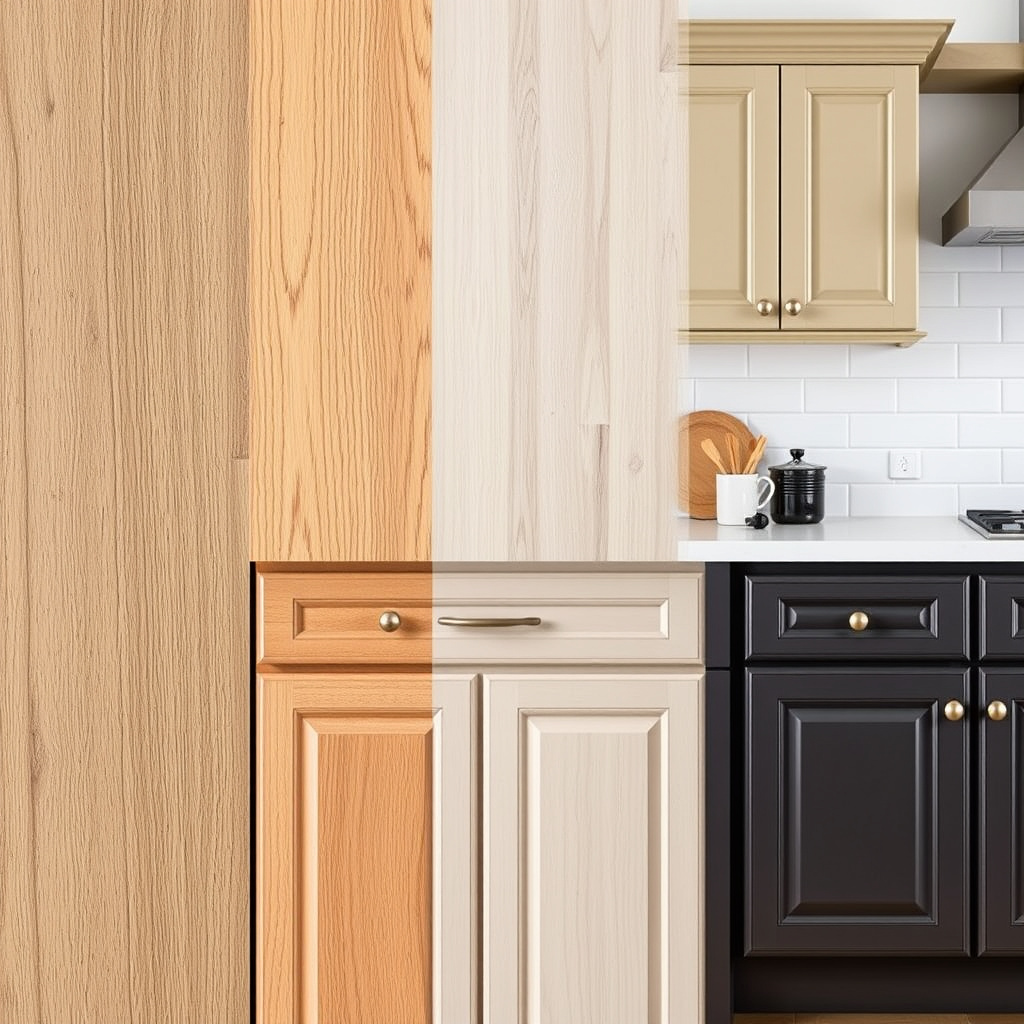
Wood Cabinets Care and Cleaning
Wood cabinets require gentle cleaning solutions to avoid damaging stains or finishes. Use diluted mild soap or a vinegar-water mix sparingly and always dry quickly after cleaning.
Avoid excess water which can warp or discolor wood. For stubborn grease, a small amount of mineral spirits applied carefully can help, but test in an inconspicuous spot first.
Laminate and Painted Cabinets Cleaning
Laminate surfaces tolerate stronger cleaners better than wood. Dish soap solutions or commercial degreasers work well, but avoid abrasive tools that can scratch.
Painted cabinets can be sensitive to harsh chemicals, so opt for mild degreasers and test cleaners on hidden areas to maintain paint integrity.
Maintaining Cabinets to Prevent Future Grease Build-up
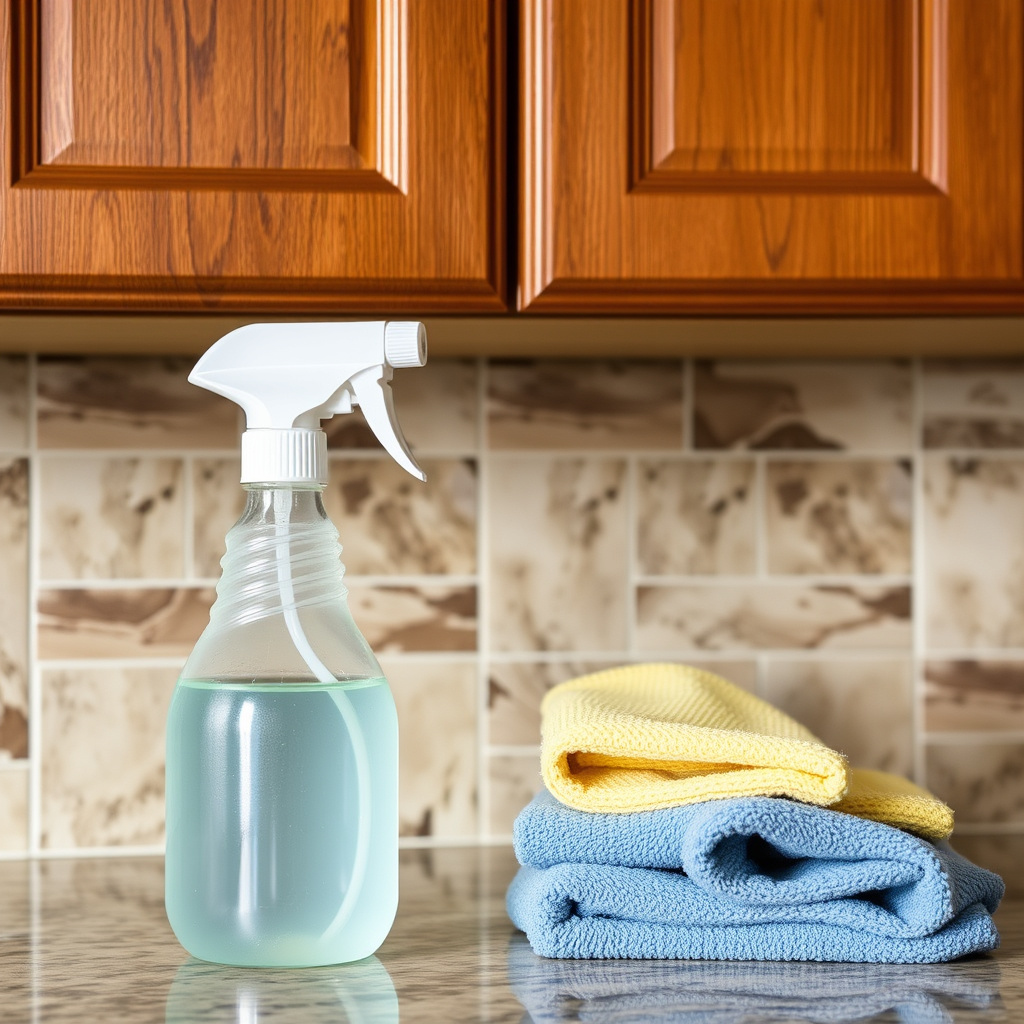
Routine Cleaning Schedule
Wiping cabinets weekly with a mild detergent solution minimizes grease accumulation and keeps surfaces looking fresh. Quick clean-ups after cooking reduce stubborn residues.
Regular maintenance is easier and more effective than scrubbing infrequent heavy buildups.
- Use microfiber cloths
- Clean handles and edges carefully
- Dry surfaces after cleaning
For more on this, see our related guide: How to Remove Kitchen Cabinets Safely and Efficiently.
Preventative Measures While Cooking
Use exhaust fans or open windows to reduce airborne grease settling on cabinets. Position splash guards or lids to minimize oil sprays.
Wiping nearby surfaces immediately after cooking prevents grease from hardening and becoming difficult to remove.
- Turn on ventilation fans
- Use splatter screens
- Clean spills promptly
Choosing the Best Degreaser for Kitchen Cabinets
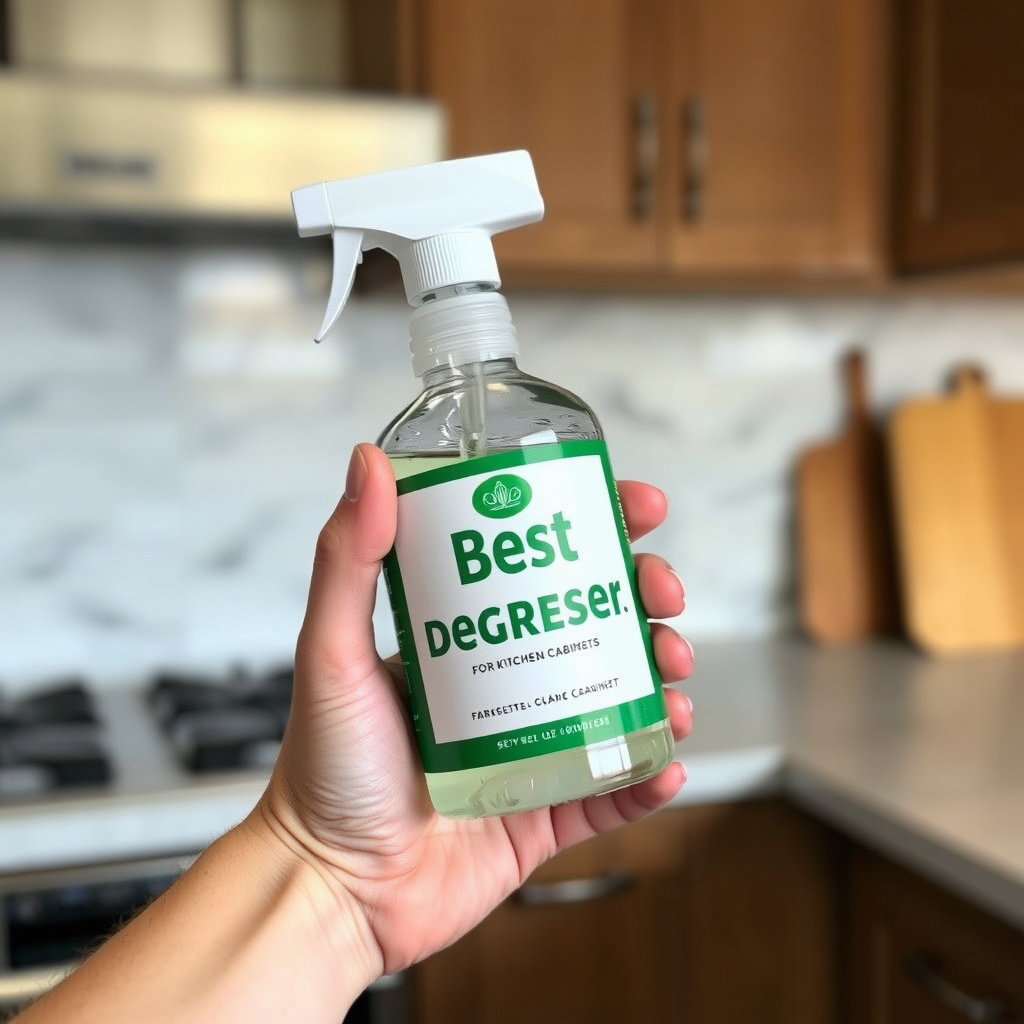
Key Ingredients to Look For
Effective degreasers contain surfactants and solvents that break down and lift oils easily. Ingredients like citrus extracts, ammonia, or mild alcohols are common for grease removal.
Avoid harsh acids or bleach on wood or painted finishes to prevent damage.
- Non-abrasive formulation
- Safe for cabinet finishes
- Biodegradable or non-toxic options
For more detailed information on kitchen cabinet maintenance, consider reviewing expert kitchen cabinet cleaning advice. Kitchen cabinet cleaning advice.
Popular Commercial Brands and Their Pros
Brands like Krud Kutter, Simple Green, and Method offer reliable degreasers praised for effectiveness and safety on kitchen surfaces.
Many provide sprays and wipes, with some geared for organic or eco-friendly households. Select based on surface compatibility and personal preferences.
Comparison of Grease Removal Methods for Kitchen Cabinets
This comparison outlines key features, ease of use, and suitability for different cabinet materials among popular grease cleaning methods.
| Method | Effectiveness | Surface Compatibility | Cost | Ease of Use |
|---|---|---|---|---|
| Dish Soap & Water | Moderate | All surfaces, gentle | Low | Easy |
| Vinegar & Baking Soda | Moderate | Laminate, Painted | Low | Moderate |
| Commercial Degreasers | High | Laminate, Painted, Wood (check label) | Medium to High | Easy |
| Mineral Spirits (Wood Only) | High | Wood only | Medium | Requires caution |
| Commercial Wipes | Moderate | All surfaces | Medium | Very easy |
Frequently Asked Questions
Can I use vinegar to clean greasy kitchen cabinets?
Yes, vinegar diluted with water can effectively cut grease on many cabinets, especially laminate and painted surfaces, but avoid using it undiluted on wood to prevent finish damage.
How often should I clean grease off my kitchen cabinets?
Wiping down cabinets weekly with a mild cleaner helps prevent grease buildup. Immediate spot cleaning after cooking with oils is recommended for best maintenance.
Are commercial degreasers safe for wooden cabinets?
Some commercial degreasers are formulated to be safe for wood, but always check product labels and test on a small area to avoid finish damage.
What household items can I use as a natural degreaser?
Dish soap, white vinegar, and baking soda are common household items that act as natural degreasers and work well on light to moderate grease.
Can abrasive scrubbing damage kitchen cabinets?
Yes, abrasive tools like steel wool or rough scrubbers can scratch or strip finishes on all cabinet types. Use soft cloths or sponges instead.
Key Takeaways
- Use mild soap or vinegar solutions for gentle, regular cleaning of grease.
- Choose commercial degreasers compatible with your cabinet material for heavy buildup.
- Avoid abrasive tools to protect cabinet finishes.
- Maintain cabinets by cleaning weekly and minimizing grease exposure during cooking.
Conclusion
Approaching the task of cleaning grease off kitchen cabinets involves understanding the nature of the grease and the materials of your cabinets. Selecting the right cleaner—whether a homemade solution like dish soap and vinegar or a commercial degreaser—ensures effective removal without damaging your cabinetry. Regular cleaning habits paired with suitable products make a noticeable difference, keeping your kitchen fresh and visually appealing.
For everyday maintenance, mild solutions such as a dish soap and warm water mix serve well across wood, laminate, and painted cabinets. If you face stubborn grease deposits, commercial degreasers like Krud Kutter or Simple Green offer stronger action but should be used carefully according to material compatibility. Wood cabinet owners must be especially cautious, avoiding harsh chemicals and excess moisture to protect finishes.
Ultimately, start by testing cleaning methods in an inconspicuous spot and maintain a routine that prevents heavy buildup. Employ ventilation and prevent grease splatters while cooking. This balanced approach minimizes cleaning effort and prolongs cabinet beauty. Taking these steps lets your cabinets shine and supports a healthy kitchen environment.