How to Start a Ghost Kitchen: A Practical Guide for Aspiring Food Entrepreneurs
Starting a ghost kitchen requires a clear plan that focuses on food preparation solely for delivery without a traditional dine-in space. This model minimizes overhead costs and taps into growing demand for convenience and online food ordering.
Ghost kitchens have gained popularity as they allow restaurateurs and new food entrepreneurs to test menus, reach wider markets, and accelerate growth without the expense of a physical storefront. Understanding how to start a ghost kitchen involves selecting the right location, optimizing your kitchen setup, and building a strong online presence.
This article will walk you through the essential steps to launch your ghost kitchen, including choosing kitchen equipment, creating a menu suited for delivery, managing logistics, marketing your concept, and navigating regulations. By the end, you will have a comprehensive overview to start your ghost kitchen business model and position your venture for growth.
Choosing the Right Location and Kitchen Setup
Finding a Suitable Commercial Kitchen Space
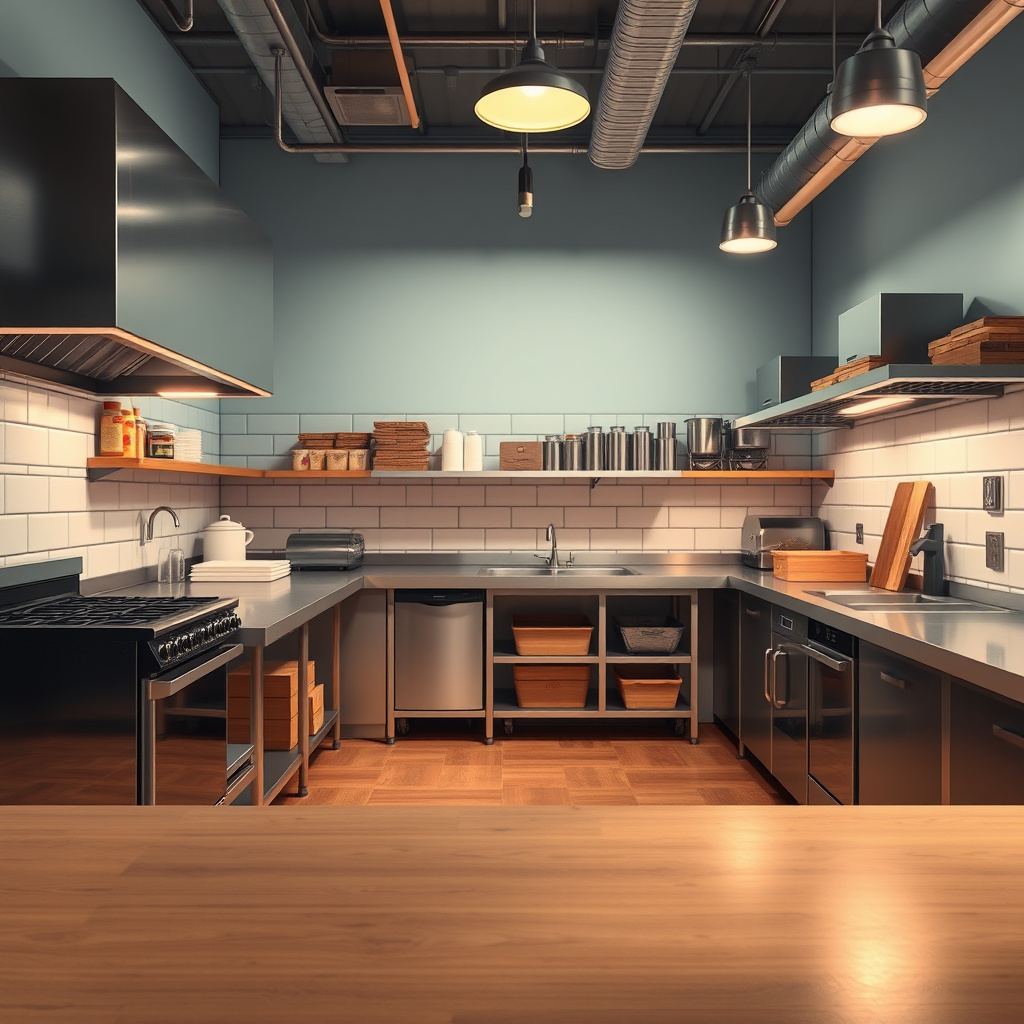
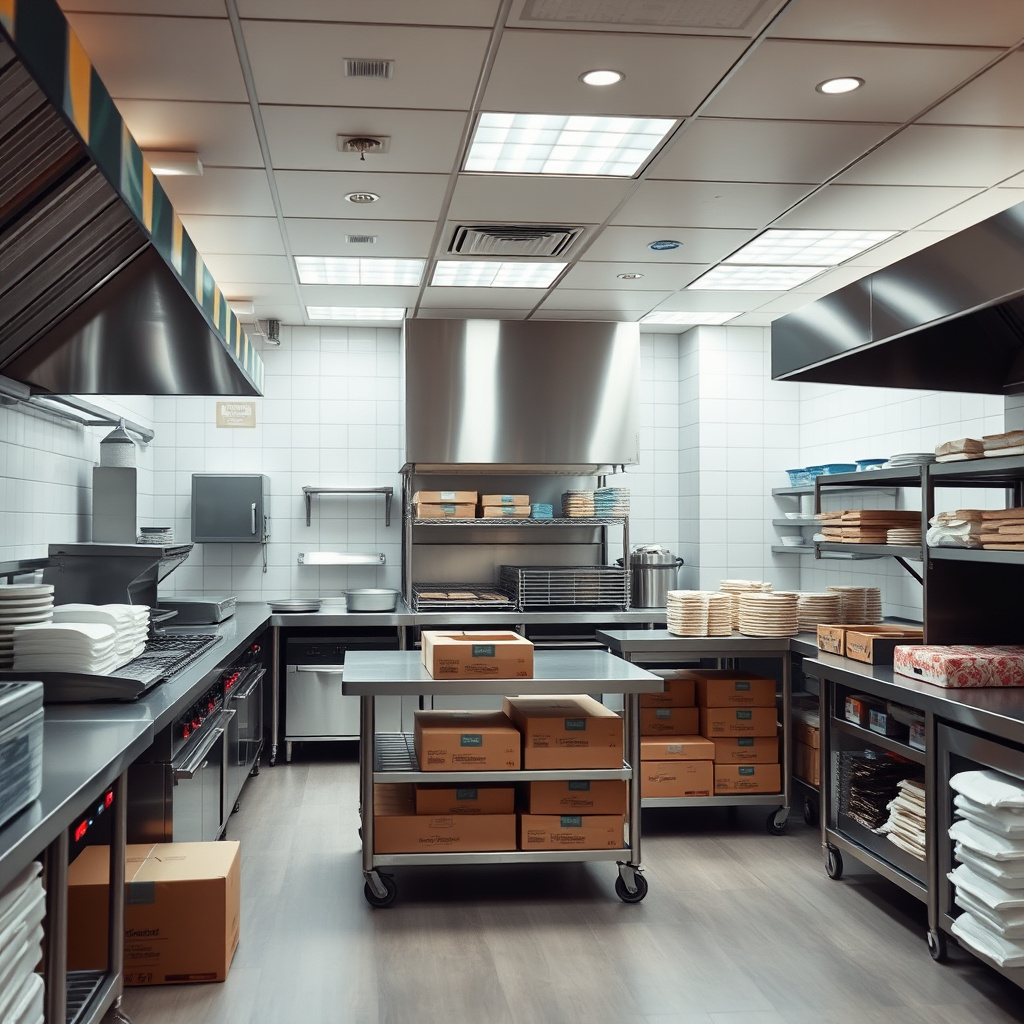
Securing a commercial kitchen space is fundamental for a ghost kitchen. Many operators opt for shared kitchen facilities or rent existing restaurants during off-hours, helping reduce costs. The kitchen should be compliant with local health codes and offer enough space for efficient workflows and storage.
When evaluating locations, prioritize proximity to your target delivery areas to reduce transit times and keep food quality high. Additionally, verify that the facility has reliable utilities such as gas, water, and ventilation systems, which are essential for smooth operations.
- Check local health and safety regulations
- Assess space for food prep and packaging
- Consider delivery radius for quick shipping
- Verify infrastructure and utility reliability
Equipping Your Ghost Kitchen
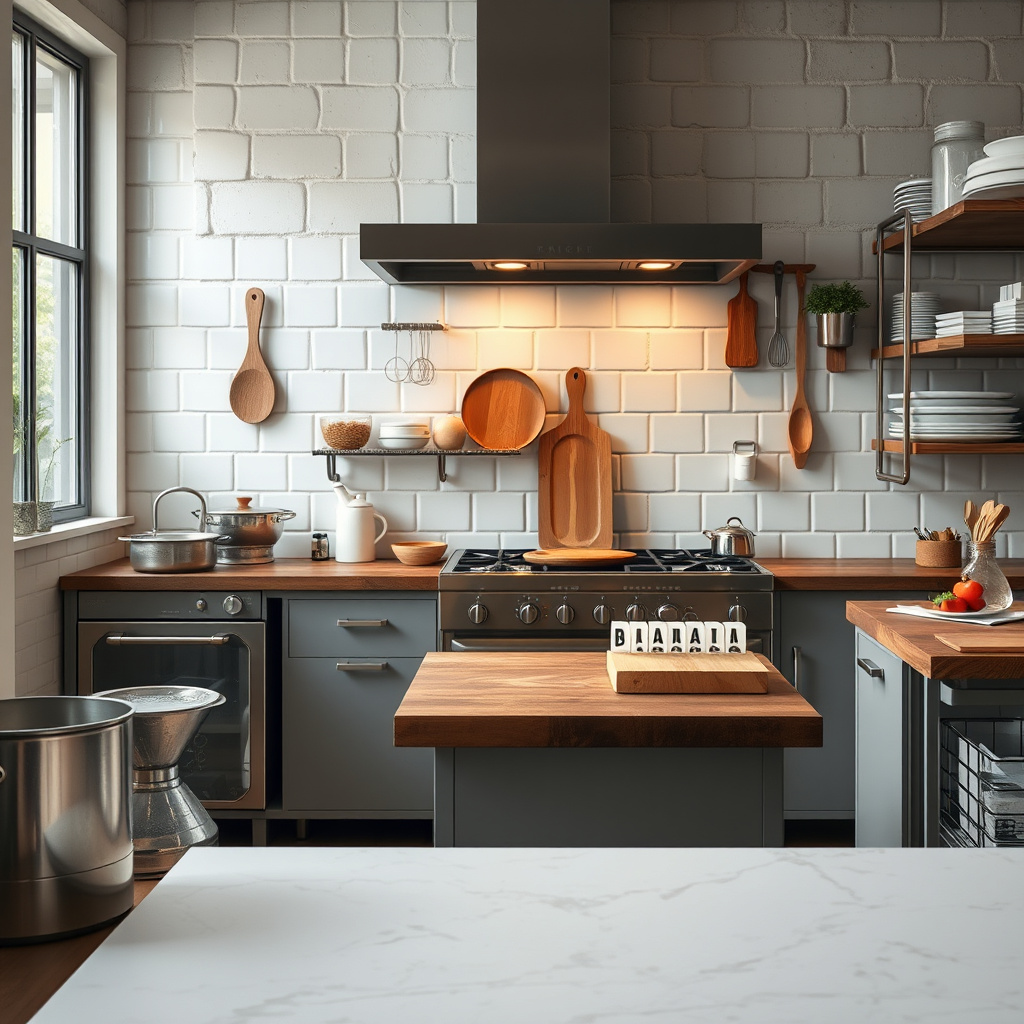
Outfit your kitchen with equipment tailored to your menu and volume expectations to improve efficiency. Common essentials include commercial ovens, fryers, refrigeration units, prep tables, and packaging stations. Investing in durable, easy-to-clean equipment minimizes downtime and maintains hygiene.
Streamlining your kitchen layout for a linear workflow improves order completion speed. Also, consider specialized tools such as smart kitchen appliances that integrate with order management systems to reduce errors and handle peak demand smoothly.
- Commercial-grade cooking appliances
- Adequate refrigeration and storage
- Designated packaging area
- Smart kitchen technology integration
Creating a Delivery-Friendly Menu
Designing Dishes for Optimal Delivery
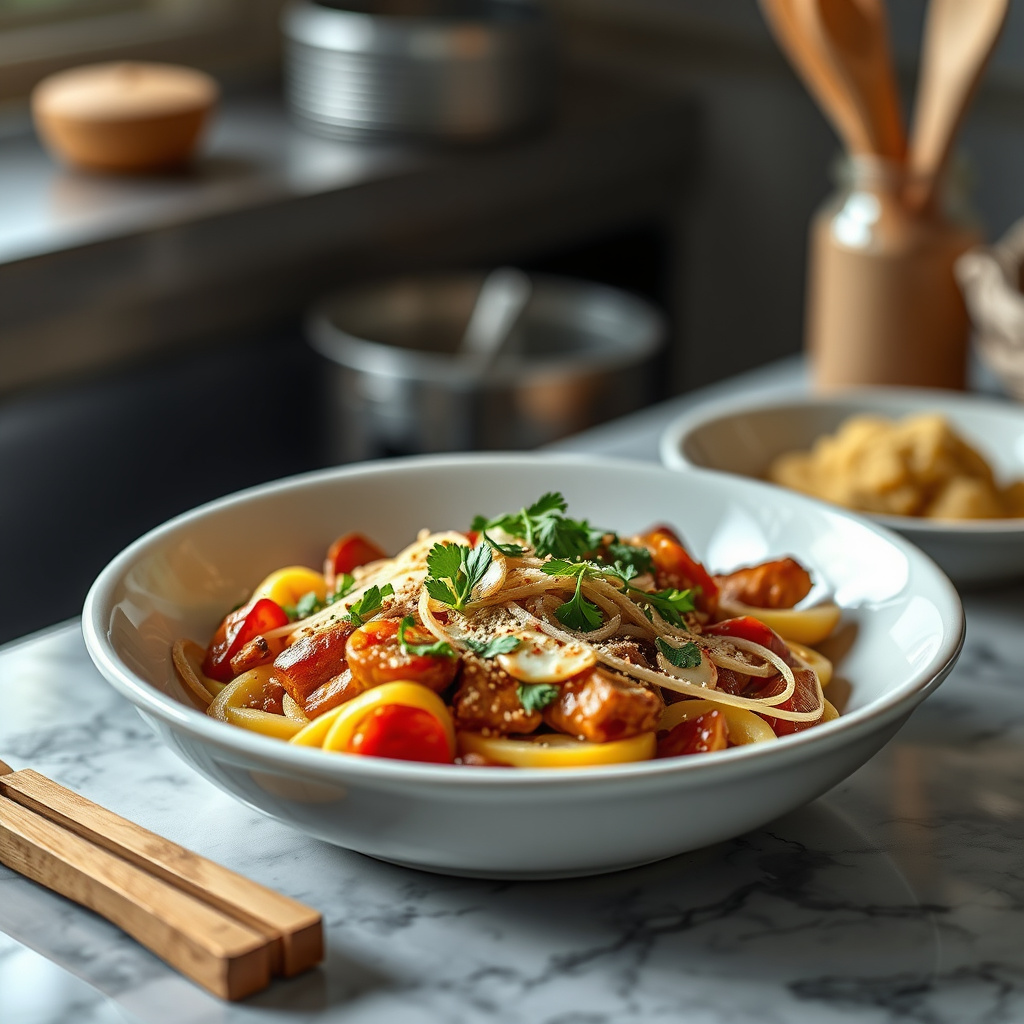
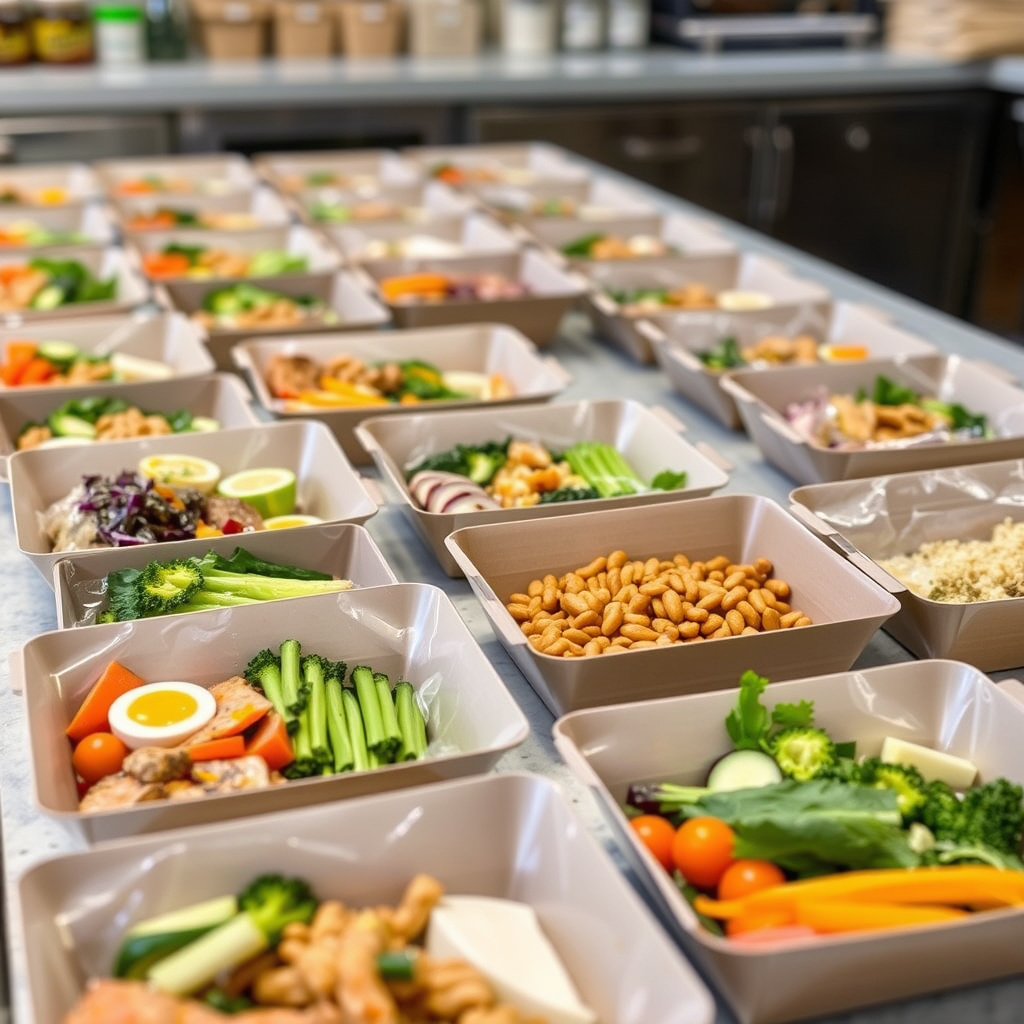
Menus should be crafted with delivery conditions in mind—foods that travel well without losing texture or flavor are key. Items that can be easily reheated or plated in transport-friendly packaging reduce complaints and enhance customer satisfaction.
Consider limiting menu complexity to streamline preparation and reduce errors. Focus on signature dishes that stand out and align with your brand identity while minimizing ingredient overlaps for efficient inventory management.
- Durable ingredients resistant to sogginess
- Moderate portion sizes to maintain quality
- Single packaging for multi-component meals
- Limited menu variety to speed service
Pricing and Portion Control
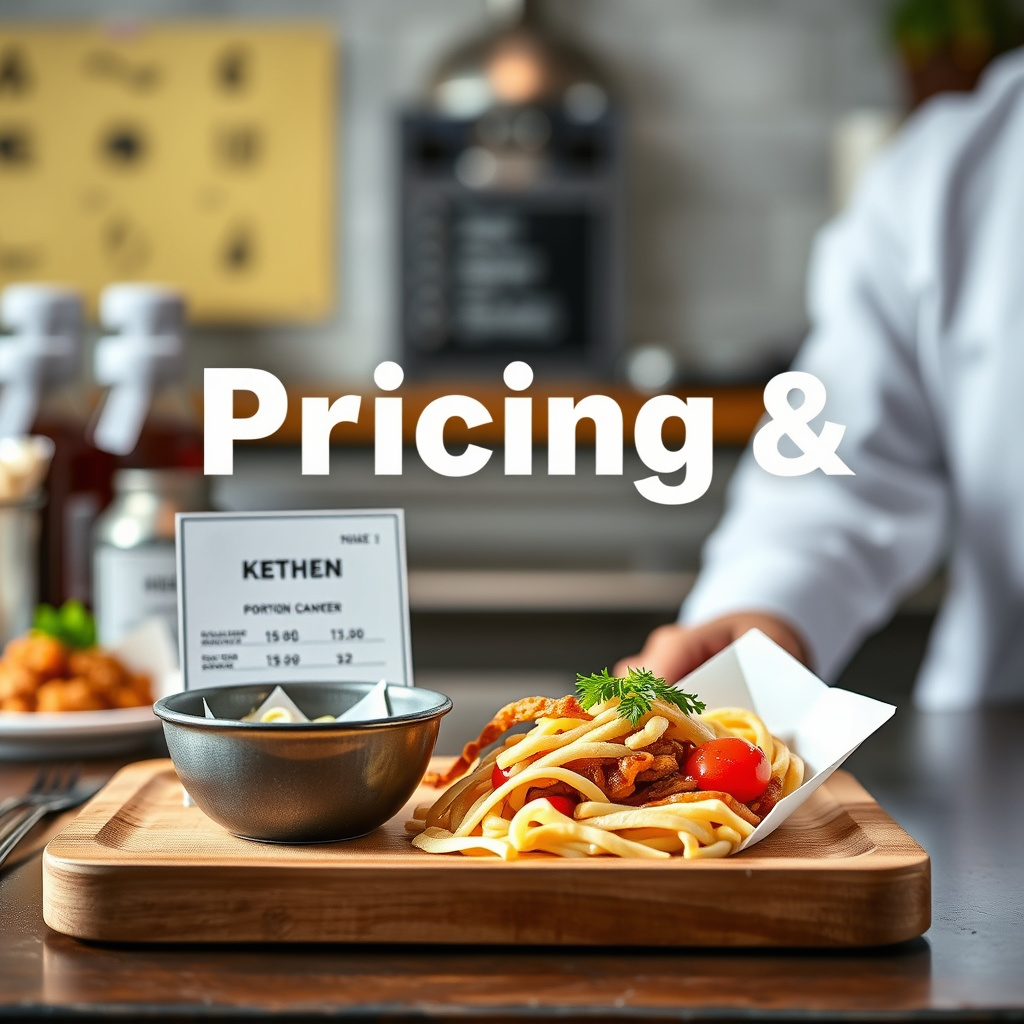
Establish pricing that balances food costs, labor, packaging, and delivery commissions while appealing to your target market. Transparent portioning reduces waste and keeps expenses predictable.
Incorporate value options or combo deals to attract repeat customers and increase average order sizes. Tracking cost per serving and regularly adjusting based on feedback and sales trends helps maintain profitability.
- Calculate precise ingredient costs per serving
- Include packaging and delivery fees in pricing
- Offer bundled meal options for value
- Adjust portions based on customer feedback
Managing Orders and Delivery Logistics
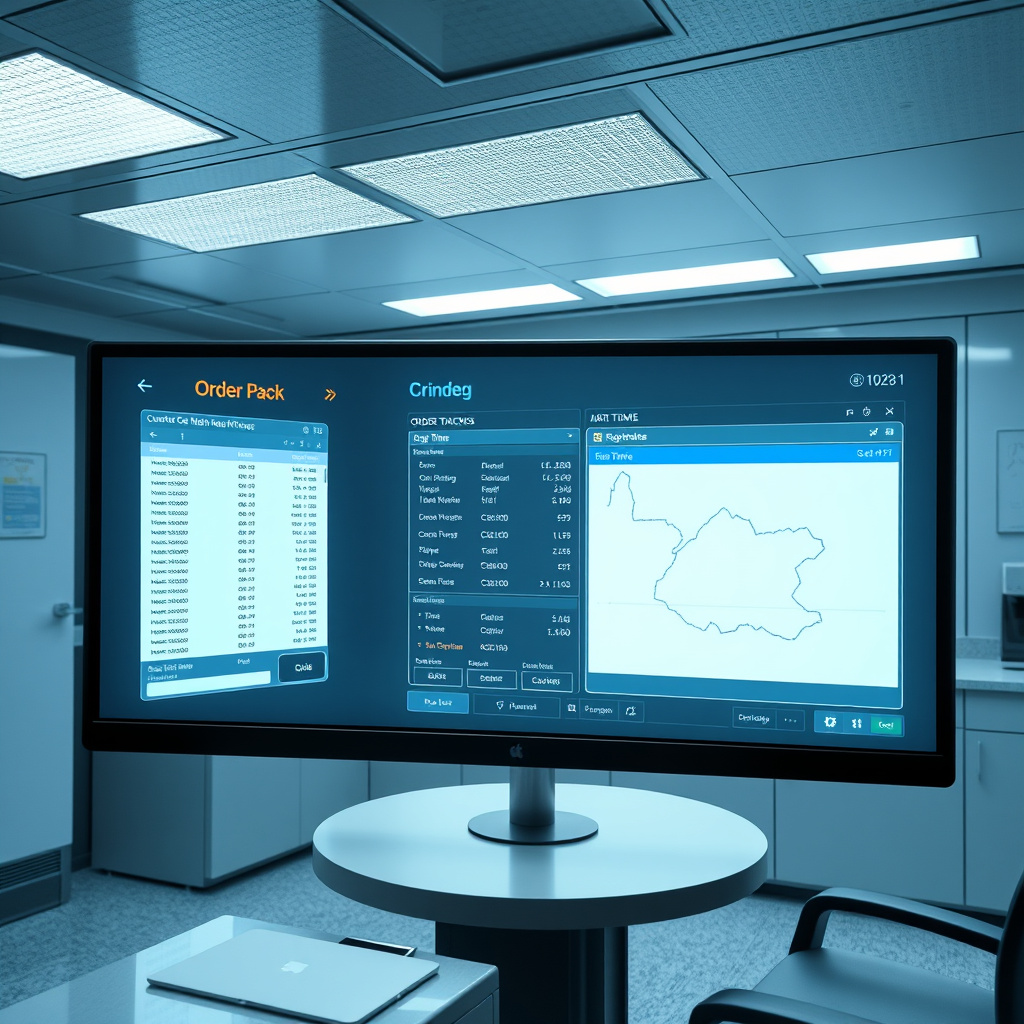
Integrating Online Ordering Systems
Using robust online ordering platforms is critical for ghost kitchens, as all business runs through digital channels. Choose software that supports multiple delivery services and provides real-time order updates to kitchen staff.
An integrated POS system helps track sales, manage inventory, and analyze customer behavior. Streamlining orders from apps reduces errors and expedites food preparation, ensuring timely deliveries.
- Support for major food delivery apps
- Real-time order management dashboard
- Inventory tracking integration
- Customer feedback collection tools
Coordinating Delivery and Maintaining Food Quality
Establish partnerships with reliable delivery providers or build an in-house team to maintain control over customer experience. Packaging must keep food temperature consistent and prevent spillage during transit.
Consider delivery time windows and optimize kitchen workflows to avoid delay. Monitoring delivery routes and peak times helps minimize wait times and preserves food quality, which drives repeat business.
- Insulated, secure packaging solutions
- Collaboration with trusted delivery platforms
- Scheduled dispatch to reduce wait times
- Tracking delivery performance metrics
Marketing Strategies for Ghost Kitchens
Building an Online Presence
Since ghost kitchens operate purely online, crafting a strong digital brand is essential. Develop a professional website with menu details, social media profiles, and visual branding that resonates with your target customers.
Engage audiences with promotions, influencer collaborations, and targeted ads. Consistent, appealing content focused on the convenience and quality of your ghost kitchen can increase visibility and drive orders.
- User-friendly website with menu and ordering info
- Active social media engagement
- Email newsletters and promotions
- Partnering with food bloggers or influencers
Leveraging Customer Reviews and Loyalty
Encourage satisfied customers to leave reviews on delivery platforms and social media to build trust and attract new business. Positive feedback highlights your strengths and helps refine your offerings based on critiques.
Implement loyalty programs or referral discounts to foster repeat orders. Tracking customer preferences allows personalized marketing and improves retention.
- Request reviews post-delivery
- Integrate loyalty rewards into ordering systems
- Respond promptly to customer feedback
- Use data analytics for tailored offers
Navigating Legal and Regulatory Requirements
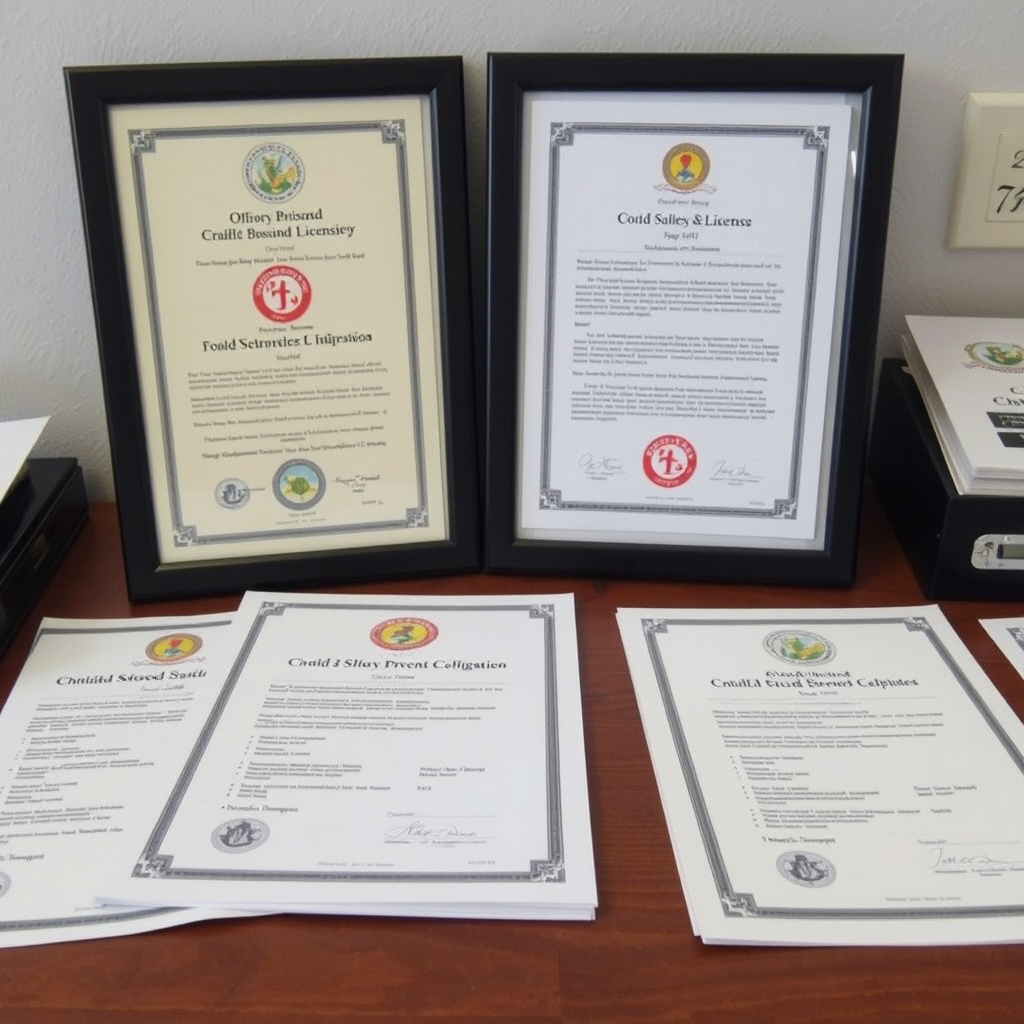
Health and Safety Compliance
Meeting local health codes is mandatory for any food operation. This involves sanitation protocols, food handling certifications for staff, and inspections of your kitchen facilities. Ghost kitchens must maintain the same standards as traditional restaurants despite the lack of dine-in service.
Stay current with evolving regulations, particularly those relating to delivery packaging and contactless delivery methods. Regular staff training and documented procedures help reduce risks of violations.
- Regular kitchen hygiene audits
- Certified food handler training for employees
- Adherence to packaging and labeling laws
- Documentation for health inspections
Business Licensing and Taxes
Obtain the necessary permits such as business licenses, food service permits, and zoning approvals before starting. Understand tax obligations including sales tax on food orders and employment taxes.
Consulting with a legal expert familiar with food service businesses when setting up your ghost kitchen business model can prevent costly errors and delays.
- Food service and health department licenses
- Business registration and zoning compliance
- Understanding delivery-related tax liabilities
- Legal advice from specialized professionals
Scaling and Expanding Your Ghost Kitchen
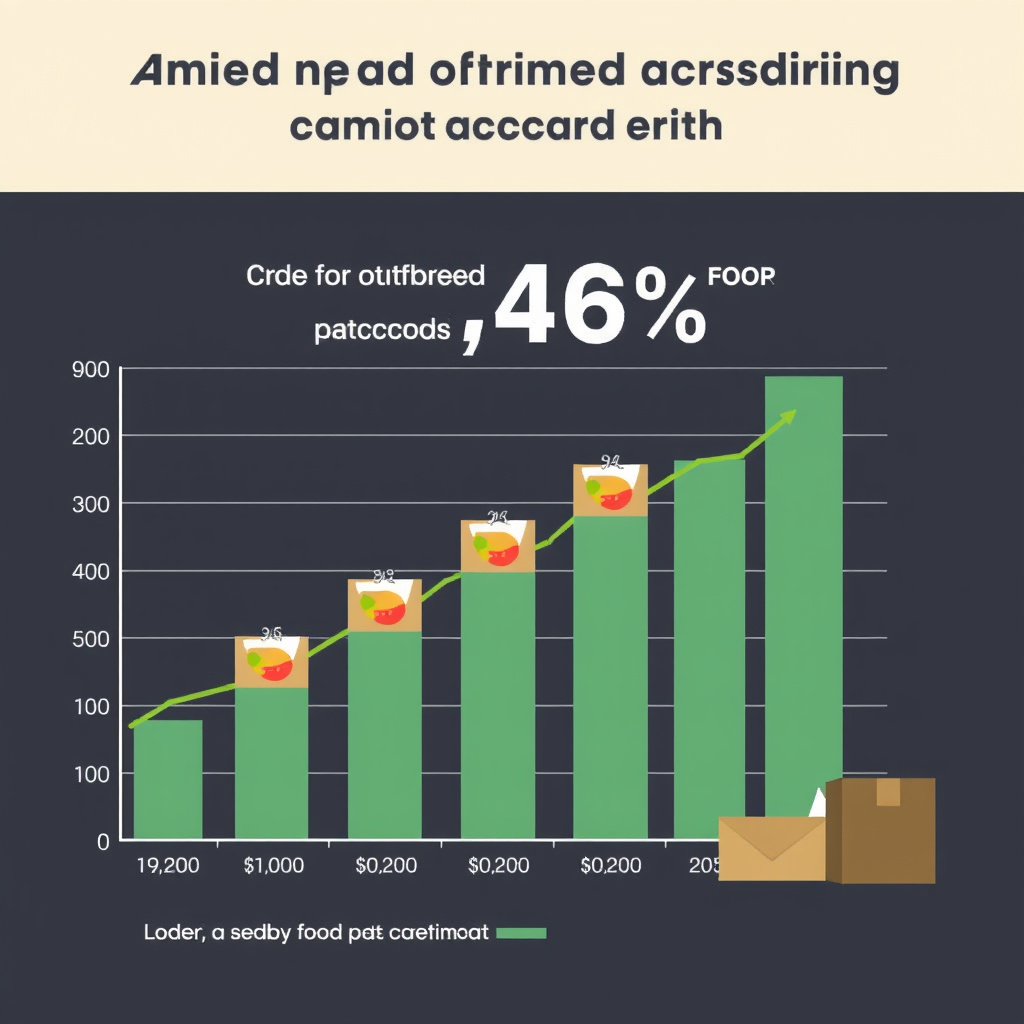
Analyzing Performance Metrics
Track key indicators such as order volume, average delivery time, food cost percentage, and customer satisfaction scores. These metrics reveal operational strengths and weaknesses that inform improvements.
Data-driven decisions help optimize menu offerings, staffing, and marketing efforts as you grow your ghost kitchen business model. Regular reviews enable you to react quickly to changing consumer preferences.
- Monitor order frequency trends
- Evaluate cost vs. revenue ratios
- Analyze delivery efficiency
- Collect and interpret customer feedback
For a detailed overview of the concept and history behind ghost kitchens, see the ghost kitchen Wikipedia page. ghost kitchen Wikipedia page.
Expanding to Multiple Locations or Brands
Once established, scaling might involve opening additional ghost kitchens in new delivery zones or launching complementary brands targeting different cuisines or customer segments.
Replication requires standardized processes, staff training, and technology integration to maintain quality and operational consistency across locations.
- Standardize kitchen workflows
- Train teams on brand and quality standards
- Invest in scalable order management software
- Develop distinct brands under one business entity
Ghost Kitchen Types Category Comparison
Here is a comparison of different ghost kitchen types highlighting their features, setup complexity, and cost considerations.
| Type | Setup Complexity | Initial Investment | Best For | Delivery Radius |
|---|---|---|---|---|
| Shared Commercial Kitchen | Low | $5,000 – $15,000 | Startups and small menus | Local neighborhood |
| Dedicated Ghost Kitchen Facility | Medium | $20,000 – $50,000 | Medium volume, customized setup | City-wide |
| Virtual Brand within Existing Restaurant | Low | $2,000 – $10,000 | Expanding existing menu reach | Restaurant vicinity |
| Cloud Kitchen with Multiple Brands | High | $50,000+ | Large-scale operations, multiple concepts | Multiple city zones |
Frequently Asked Questions
What permits do I need to start a ghost kitchen?
You will need a food service license, a business license, health permits, and possibly fire safety approvals depending on local laws. Checking with your local health and business departments is essential.
How much does it cost to start a ghost kitchen?
Starting costs vary widely but generally range from $5,000 to over $50,000 depending on kitchen type, equipment, and location. Shared kitchens are more affordable, while dedicated facilities require higher investment.
Can I operate a ghost kitchen from my home?
Most jurisdictions prohibit commercial food production from a residential kitchen without proper licensing and inspections. It's best to use approved commercial kitchen spaces to comply with health regulations.
How do I get orders for my ghost kitchen?
Orders come primarily from online food delivery platforms like Uber Eats, DoorDash, or Grubhub. Integrating with these services and marketing your brand online helps attract customers.
What are common challenges in running a ghost kitchen?
Challenges include maintaining food quality during delivery, managing order volume fluctuations, navigating regulatory compliance, and standing out among competitors in a crowded market.
Key Takeaways
- Ghost kitchens focus exclusively on delivery without dine-in options.
- Location choice and kitchen setup impact operational efficiency.
- Menu design must prioritize delivery-friendly dishes and packaging.
- Effective order management and marketing drive business growth.
Conclusion
Starting a ghost kitchen demands a pragmatic approach centered on optimizing kitchen operations, understanding your target delivery market, and embracing online technology. By carefully selecting your kitchen facility, investing in appropriate equipment, and designing a menu suited for delivery, you lay a foundation for success. Compliance with health and business regulations avoids costly setbacks, and a clear marketing plan attracts and retains customers. The ghost kitchen business model offers flexibility but requires ongoing attention to quality and operational metrics to sustain growth.
For entrepreneurs early in their journey, shared commercial kitchens or virtual brands housed within existing restaurants offer lower barriers to entry, minimizing initial investment while validating concepts. As your ghost kitchen gains traction, upgrading to dedicated facilities or cloud kitchens with multiple brands can scale your reach and revenue. Prioritize technologies that integrate orders seamlessly and support customer engagement tools to maintain a competitive edge.
Your next step should be researching local commercial kitchen availability and reaching out to delivery platforms to understand their partnerships. Simultaneously, begin crafting a delivery-optimized menu that resonates with your target audience. With project planning, strategic partnerships, and a commitment to consistent quality, your ghost kitchen can thrive in the evolving food delivery marketplace.