How to Fix a Clogged Kitchen Sink: Step-by-Step Solutions
A clogged kitchen sink can disrupt daily routines, but fixing it is often straightforward. To fix a clogged kitchen sink, start by removing any visible debris and use a plunger to try dislodging the blockage. If that doesn’t work, baking soda and vinegar can help break down grime, followed by flushing the drain with hot water. For tougher clogs, a plumber’s snake or manually clearing the trap underneath the sink may be necessary.
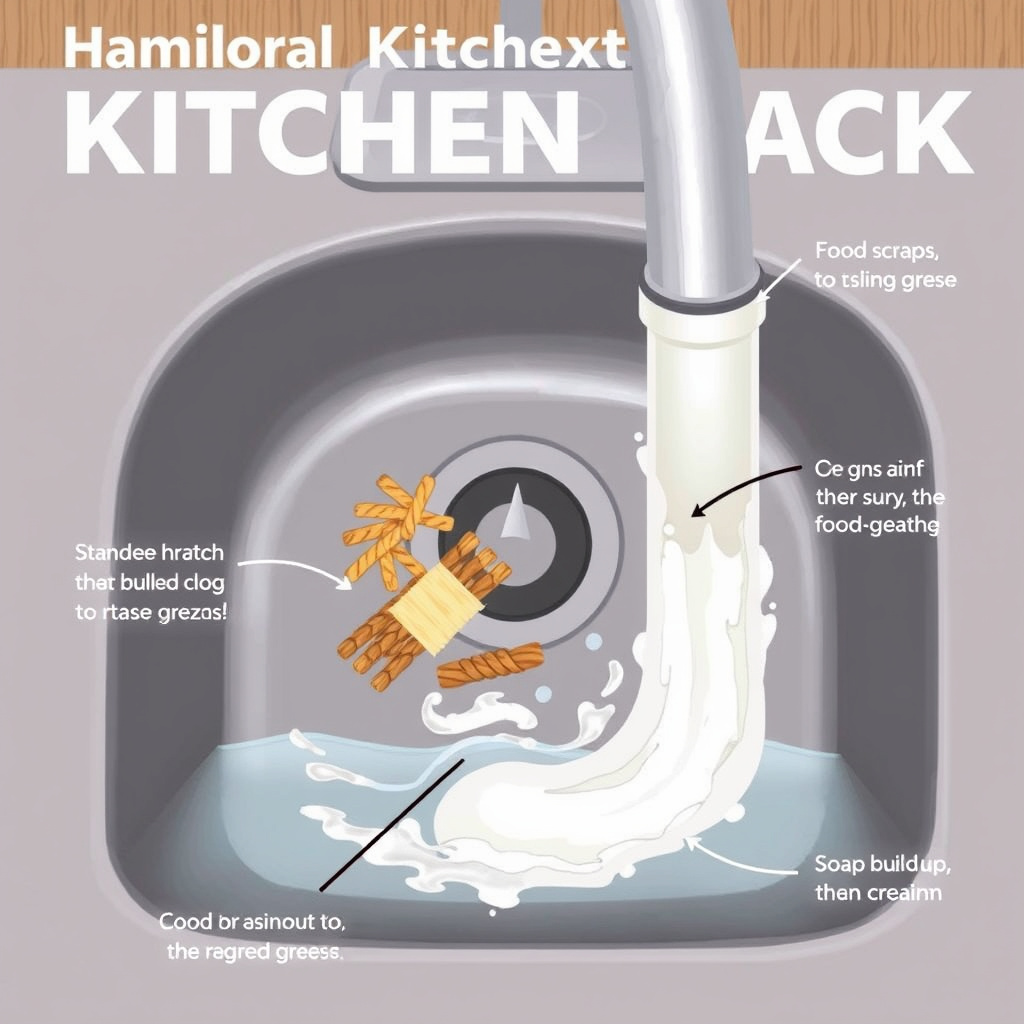
Kitchen sink clogs happen due to food scraps, grease buildup, and soap residue accumulating in the drain over time. This blockage prevents water from flowing freely and can cause unpleasant odors or leaks if left unattended. Addressing the clog promptly avoids more serious plumbing issues and keeps your kitchen functional.
This article covers several proven methods to clear clogged kitchen sinks, from simple household techniques to tools you can use for stubborn blockages. It also explains how to maintain your sink to prevent future clogs, when to call a professional, and safety tips for handling plumbing repairs.
Common Causes of a Clogged Kitchen Sink
Food Particles and Debris
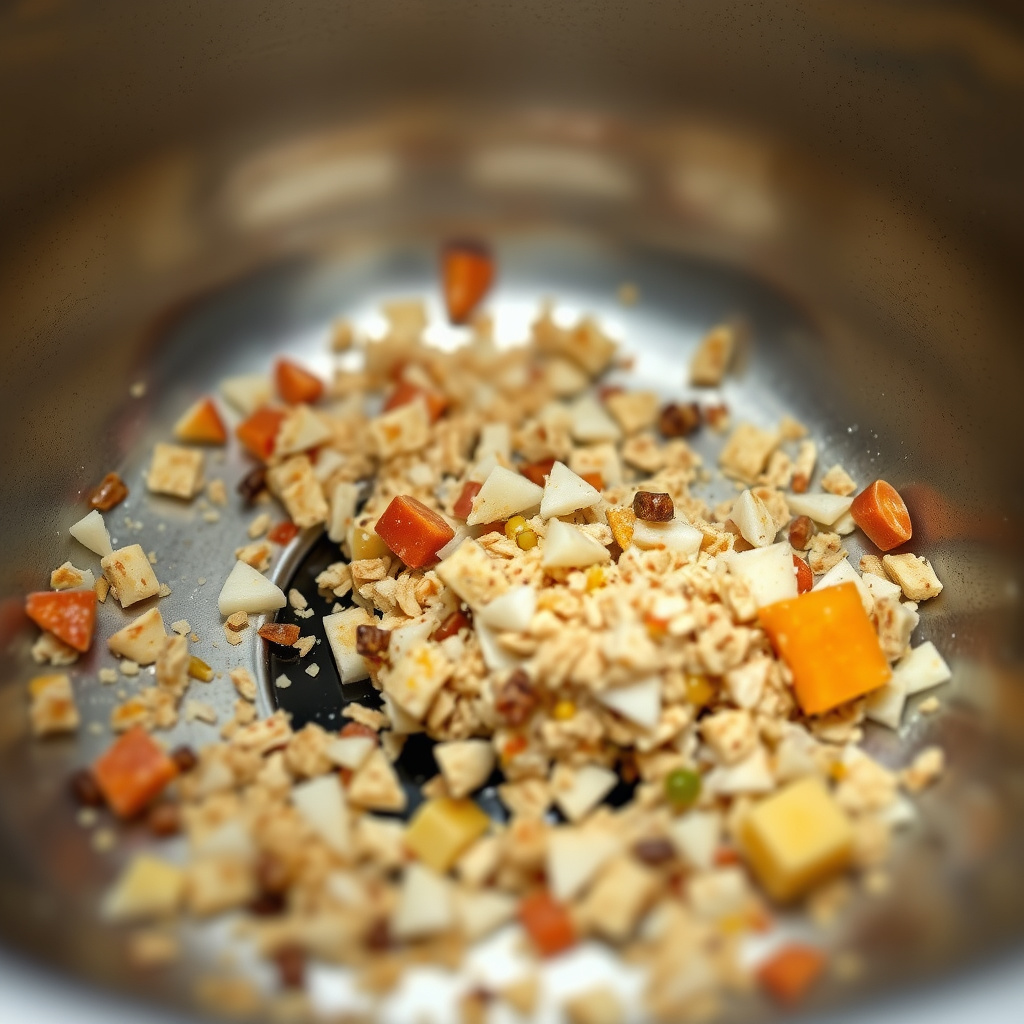
Small bits of food often escape the strainer and accumulate in the drain or trap, forming a blockage over time. Starchy foods like rice or pasta tend to swell with water, worsening the clog.
Greasy or fatty foods solidify as they cool, sticking to pipe walls and attracting other debris. Avoid pouring grease down the drain to reduce this buildup.
- Vegetable peels
- Coffee grounds
- Eggshell fragments
Soap Scum and Mineral Deposits
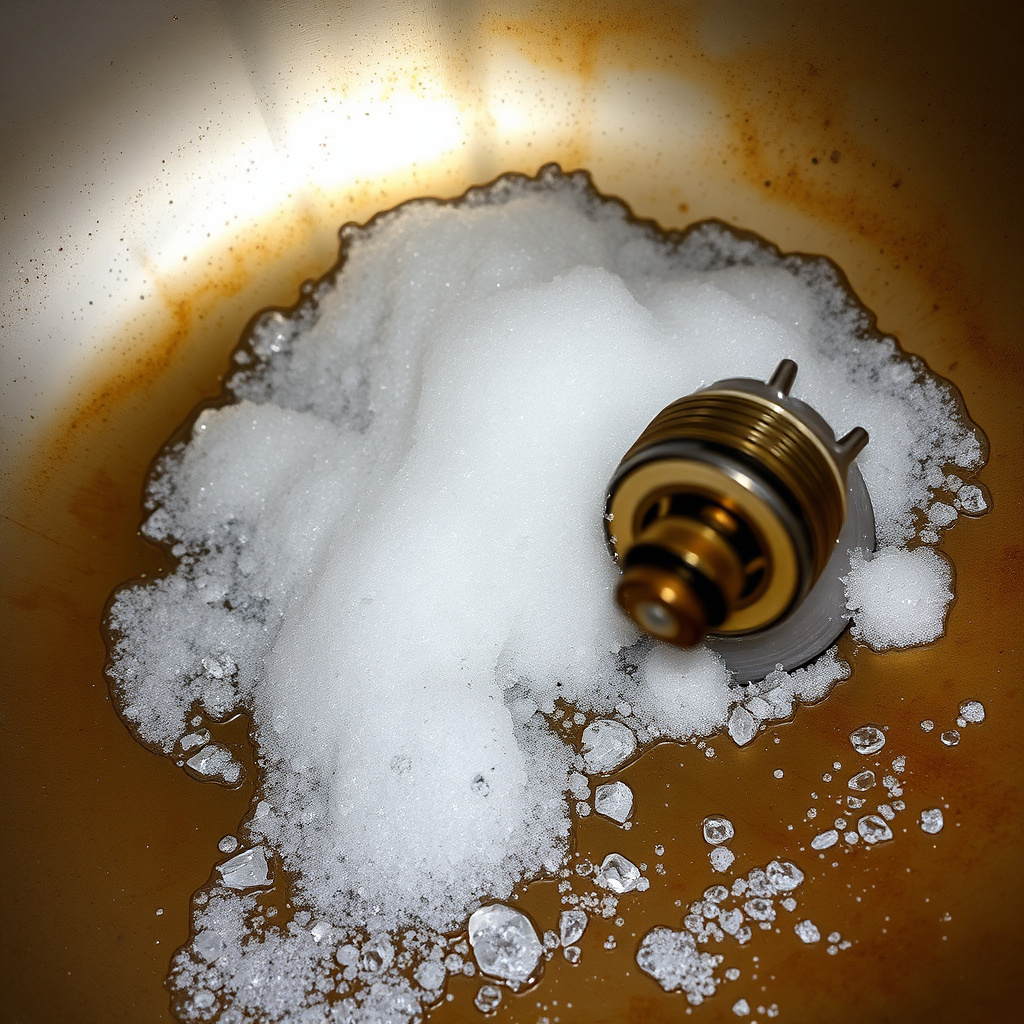
Soap can combine with minerals in water to create a hard residue called soap scum, which clings to pipes and narrows water flow. Hard water also leaves mineral deposits that accumulate inside drains.
Over time, these residues decrease the pipe's diameter, promoting clogs and slow drainage.
- Calcium build-up
- Magnesium deposits
- Soap residue
Manual Techniques to Fix a Clogged Kitchen Sink
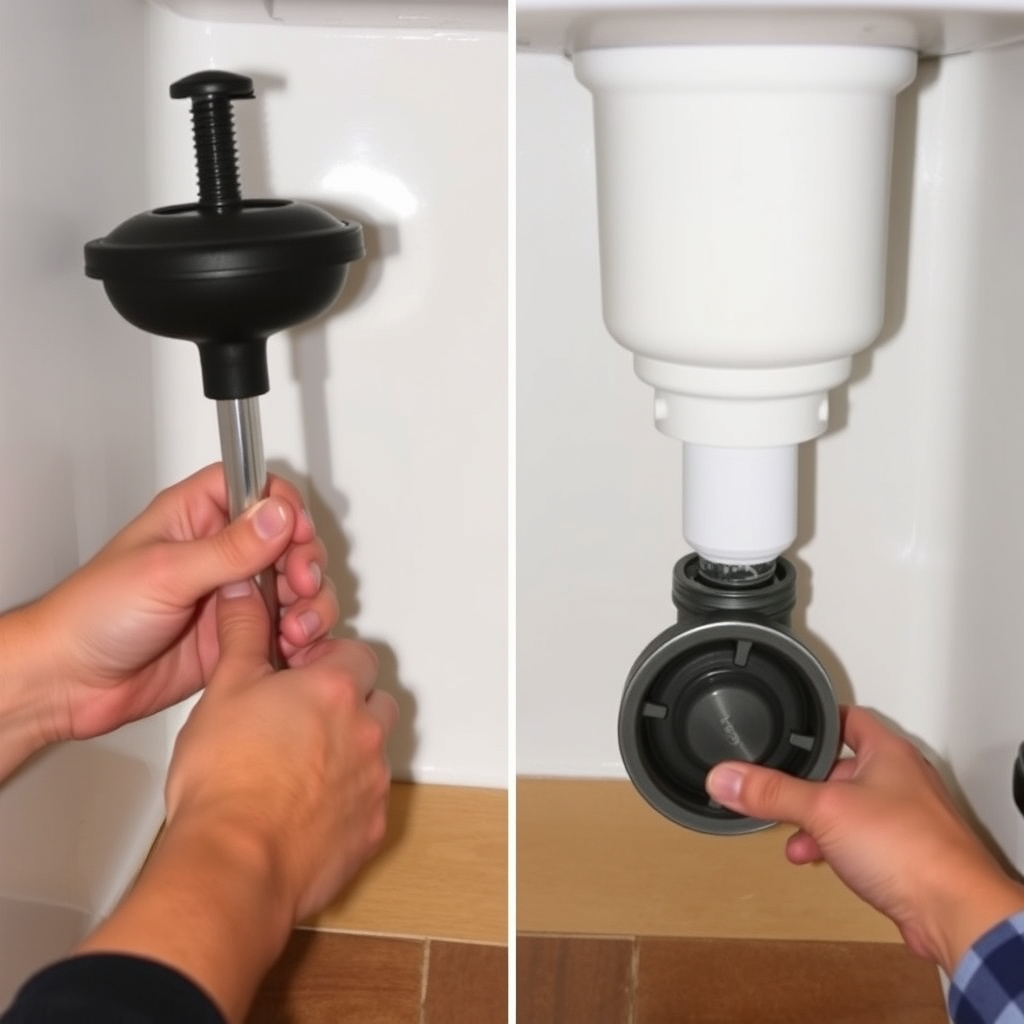
Using a Plunger Effectively
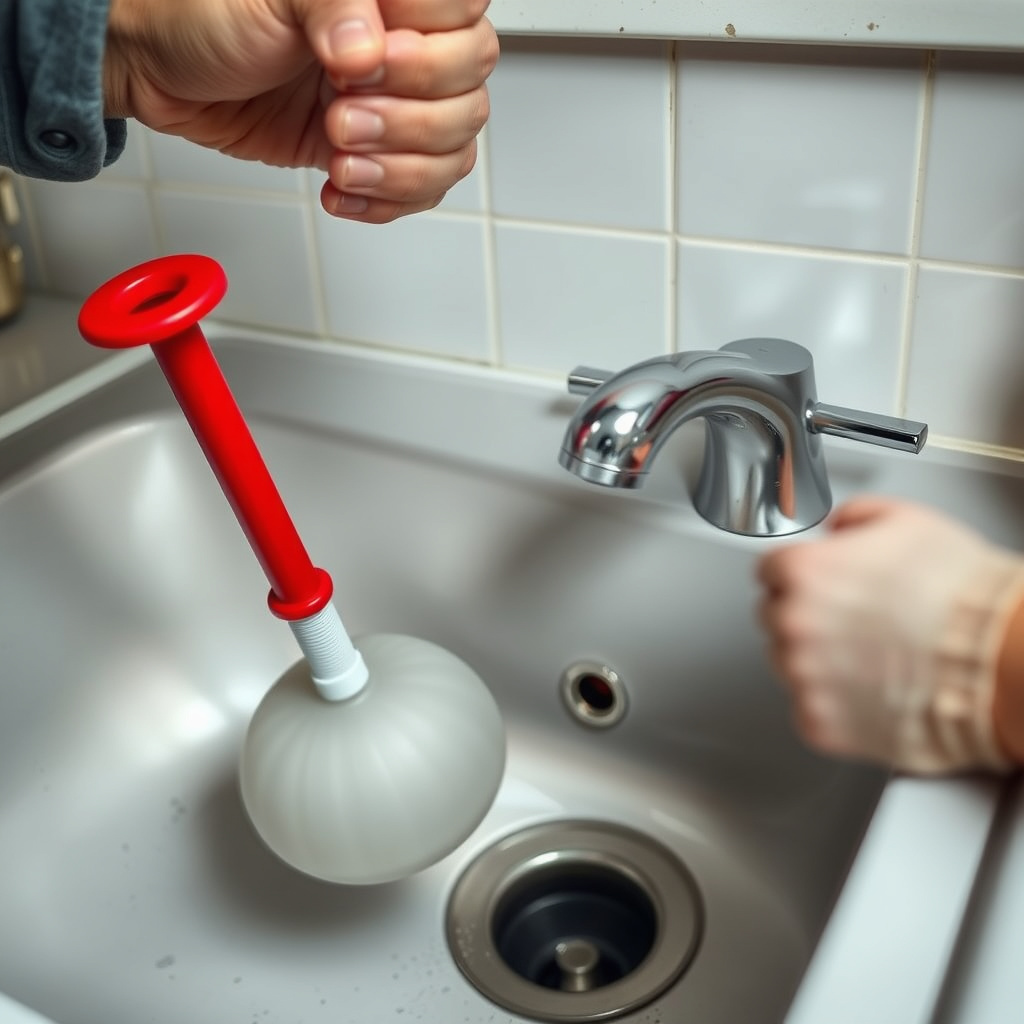
A plunger is the quickest tool for dislodging many common clogs. Create a tight seal around the drain, then pump vigorously several times to force trapped debris loose.
Ensure the sink has enough water to cover the plunger cup for effective suction. Repeat if necessary but avoid excessive force to prevent pipe damage.
- Seal plunger around drain opening
- Maintain water covering plunger cup
- Pump forcefully 15-20 times
Cleaning the P-Trap
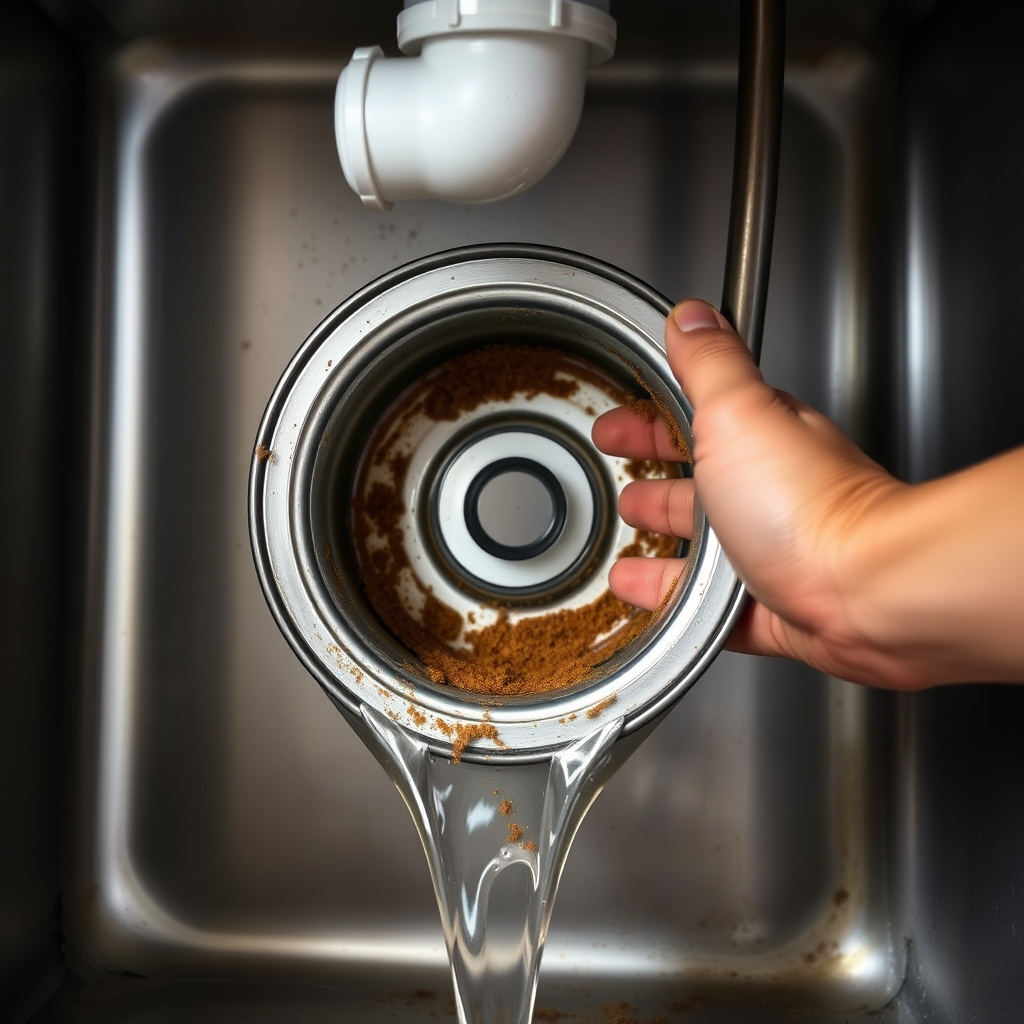
The P-trap is the curved pipe below your sink that often collects gunk causing blockages. Place a bucket underneath to catch water, then unscrew the trap and clear out debris manually.
Rinse the trap thoroughly before reinstalling to ensure the pipe is clear and odors are reduced.
- Use pliers or wrench to loosen slip nuts
- Have a bucket handy to catch water
- Clean trap using a brush or cloth
Chemical and Natural Drain Cleaning Methods
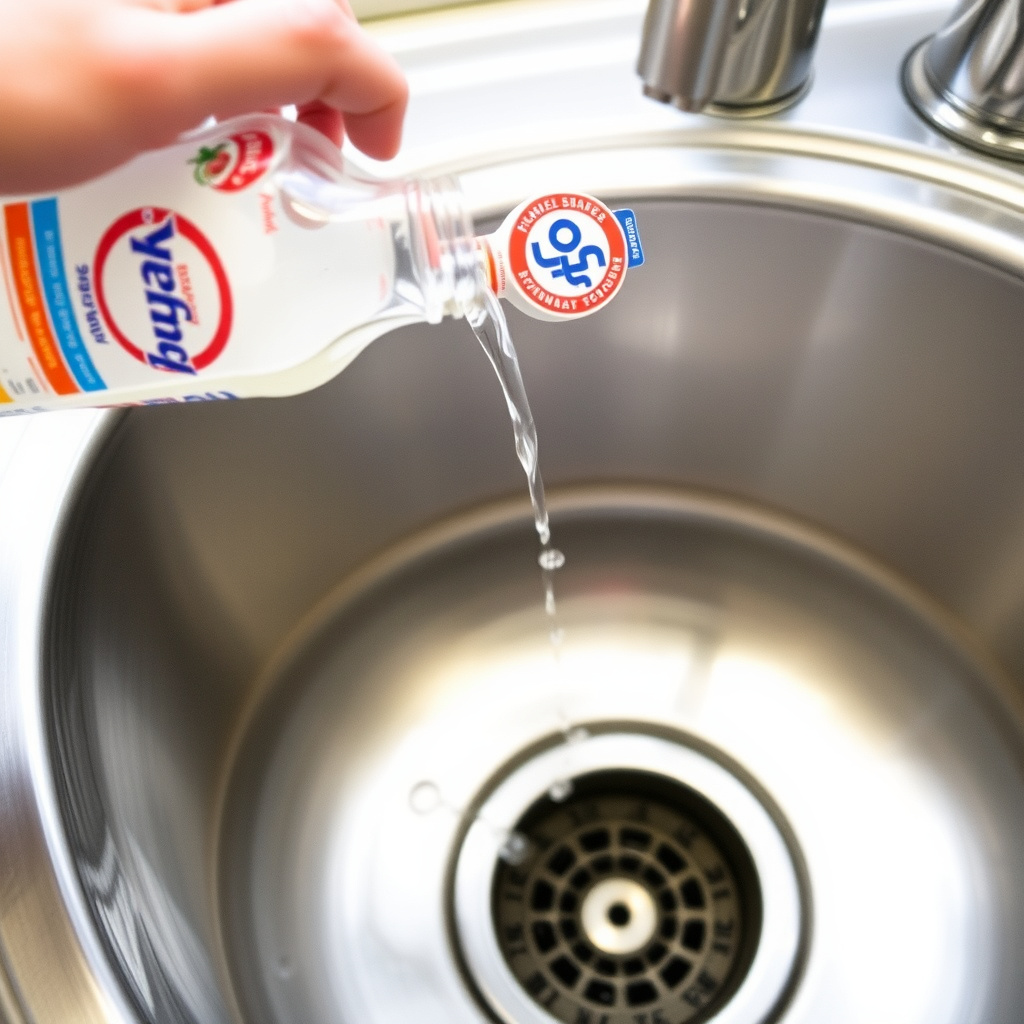
Baking Soda and Vinegar Solution
Mix half a cup of baking soda followed by half a cup of vinegar into the drain. The fizzing reaction helps break down grease and organic matter.
Allow the solution to sit for 15-20 minutes, then flush with boiling water to clear loosened debris.
- Use baking soda and white vinegar
- Wait before flushing with hot water
- Repeat weekly for maintenance
For more on this, see our related guide: How to Unclog Kitchen Sink with Garbage Disposal: Quick and Effective Methods.
Commercial Drain Cleaners
Chemical cleaners can dissolve clogs but may damage pipes if used excessively or incorrectly. Always follow manufacturer instructions and wear protective gear.
Avoid combining different products or using them on older pipes prone to corrosion.
- Use gloves and eye protection
- Choose enzyme-based cleaners for safety
- Avoid frequent use on PVC or older metal pipes
Using Tools for Stubborn Clogs
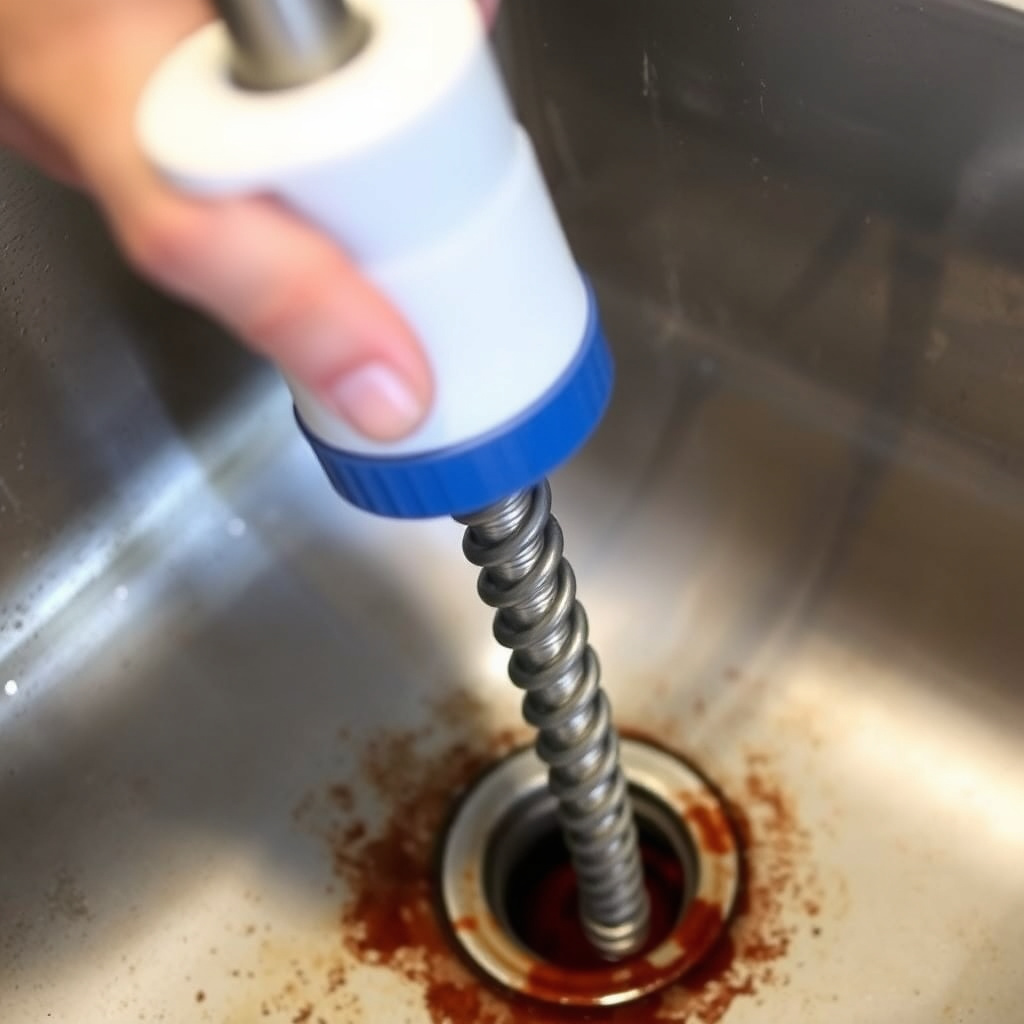
Plumber’s Snake or Drain Auger
A plumber’s snake is a flexible metal cable designed to reach deep blockages. Insert it into the drain and rotate while pushing to break or pull out the clog.
This tool works well for tougher obstructions unreachable by plungers or household chemicals.
- Feed cable gently into drain
- Rotate handle clockwise to engage clog
- Retrieve debris after loosening
Wet/Dry Vacuum for Drain Clearing
A wet/dry vacuum can create powerful suction to pull out clogs near the drain opening. Set it to liquid mode and create a tight seal around the sink drain.
Use caution to prevent water damage and avoid damaging pipe fittings.
- Seal vacuum hose to drain opening
- Use wet mode for suction
- Test vacuum power before use
Preventing Future Kitchen Sink Clogs
Proper Disposal Habits
Scrape food scraps into the trash rather than rinsing them down the sink. Use a drain strainer to catch particles and clean it regularly.
Never pour grease, oil, or coffee grounds down the drain as these substances easily cause blockages.
- Use sink strainers daily
- Dispose of fats in containers
- Avoid harsh chemicals regularly
For more on this, see our related guide: How to Install Kitchen Sink: A Step-by-Step Guide for Beginners.
Regular Drain Maintenance
Periodically flush the drain with hot water and baking soda-vinegar mixtures to minimize buildup. Routine checks of the P-trap help spot early blockages before they worsen.
Scheduling occasional professional drain cleaning can also help maintain clear pipes.
- Monthly baking soda and vinegar flush
- Inspect P-trap every few months
- Call a plumber annually if needed
When to Call a Professional Plumber
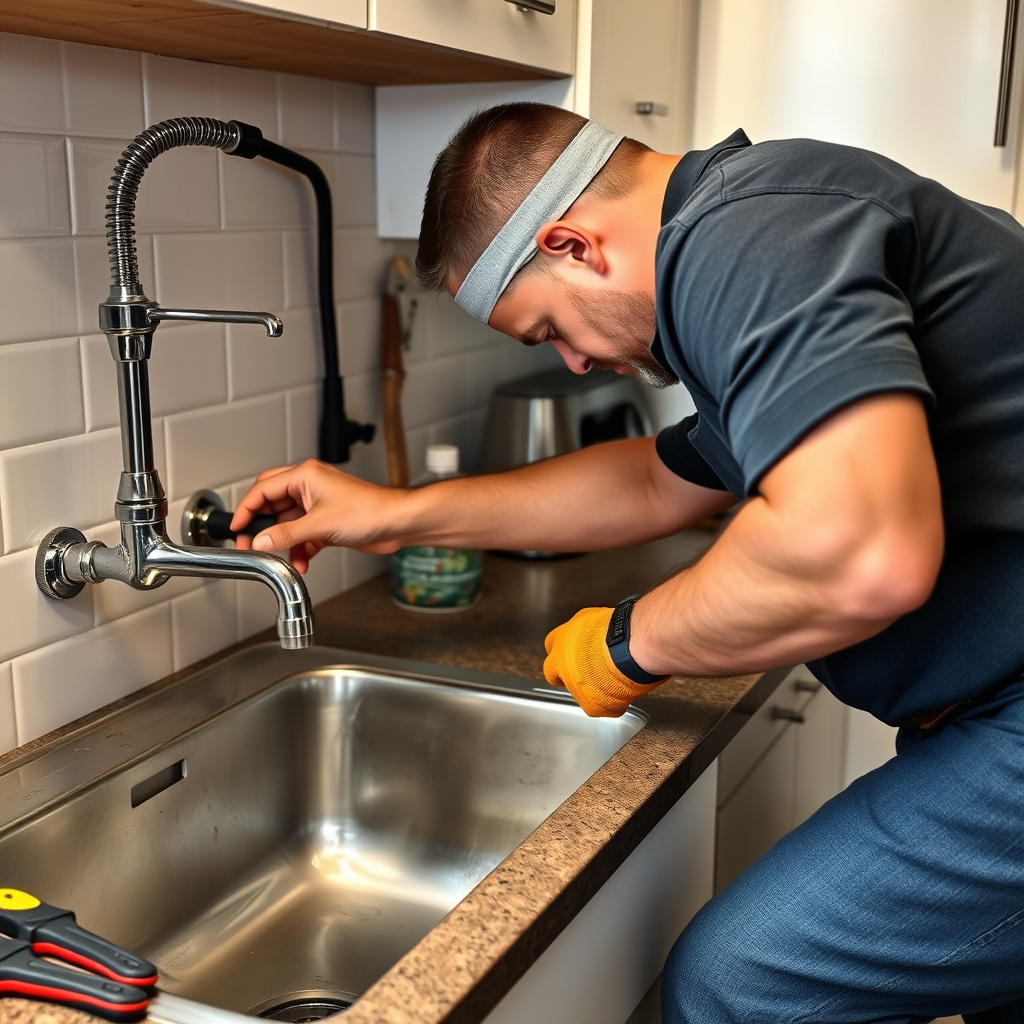
Identifying Serious Blockages or Damage
Persistent backups, foul odors, or water leaks after attempting DIY fixes indicate serious issues. Blockages deep in walls or damaged pipes require expert plumbing equipment.
Ignoring signs can lead to water damage and costly repairs, so timely professional intervention is wise.
- Continuous slow drainage
- Foul odors escaping from drains
- Visible water leaks under sink
For more detailed information about drainage systems and common causes of clogs, see this overview on clogged kitchen sink causes and solutions. clogged kitchen sink causes and solutions.
Benefits of Professional Drain Cleaning
Plumbers use specialized cameras and high-pressure water jets to fully clear pipes and diagnose problems accurately. Their expertise reduces recurrence risk and extends pipe lifespan.
Professional services also ensure safe removal of draining contaminants.
- High-pressure hydro-jetting
- Video pipe inspection
- Certified plumbing expertise
Kitchen Sink Drain Cleaning Methods Comparison
Here’s a comparison of common kitchen sink drain cleaning methods based on ease, cost, time, and effectiveness.
| Method | Ease of Use | Approximate Cost | Time Required | Effectiveness |
|---|---|---|---|---|
| Plunger | High | $0-$15 | 5-10 minutes | Moderate |
| Baking Soda & Vinegar | High | Under $5 | 20-30 minutes | Moderate |
| Chemical Drain Cleaners | High | $10-$20 | 15-30 minutes | High (with risks) |
| Plumber’s Snake | Moderate | $15-$50 | 15-45 minutes | High |
| Wet/Dry Vacuum | Moderate | Variable | 10-20 minutes | Variable |
| Professional Plumbing Service | Low | $100-$300+ | 1-3 hours | Very High |
Frequently Asked Questions
Can I use bleach to unclog a kitchen sink?
Using bleach occasionally in small amounts can disinfect drains, but it is not effective for clearing physical clogs. Frequent bleach use can also damage pipes and harm the environment.
How often should I clean my kitchen sink drain?
Cleaning your kitchen sink drain every 1-2 months with natural methods like baking soda and vinegar helps prevent buildup and keeps drains flowing smoothly.
Is it safe to use a plumber’s snake myself?
Yes, with proper care. Insert the snake gently to avoid scratching pipes and avoid forcing it. If unsure, consider professional assistance to prevent damage.
Why does my kitchen sink clog frequently?
Frequent clogs usually result from consistent buildup of grease, food scraps, or soap residue. Changing disposal habits and regular maintenance can reduce recurrence.
What is the best way to prevent kitchen sink clogs?
Avoid pouring grease and large food particles down the drain, use a drain strainer, and perform regular drain cleaning with hot water and mild natural cleaners.
Key Takeaways
- Start fixing a clogged kitchen sink by removing visible debris and plunging.
- Baking soda and vinegar offer a safe, natural cleaning method.
- Tools like plumber’s snakes tackle stubborn blockages effectively.
- Regular maintenance and proper disposal habits reduce future clogs.
Conclusion
Addressing a clogged kitchen sink involves a mix of practical tools, safe cleaning methods, and understanding common causes. Assess the severity of the blockage before choosing an approach, beginning with manual techniques such as plunging or cleaning the P-trap. For persistent clogs, natural solutions like baking soda and vinegar can break down some buildup. If these attempts don’t restore proper drainage, equipment like a plumber’s snake or professional help may be necessary to prevent damage and inconvenience. Understanding the root cause guides the best fix and helps avoid repeated problems.
For minor blockages, plungers and natural drain cleaning provide effective, low-cost solutions that homeowners can easily handle. If frequent clogs stem from grease or food buildup, adopting better disposal habits and routine cleaning can maintain smooth flow. More stubborn or deep clogs benefit from plumber’s snakes or professional services, especially if signs like leaks or foul odors appear. Enzyme-based commercial cleaners offer a safer alternative to harsh chemicals when needed. Choosing the right method depends on blockage severity, pipe condition, and your comfort with tools.
Ultimately, timely action and consistent maintenance keep your kitchen sink running well. Begin with accessible remedies such as plunging and kitchen sink drain cleaning using natural ingredients. Equip yourself with basic tools like a plumber’s snake for tougher issues if comfortable. When problems persist or involve pipe damage, calling a professional plumber ensures thorough, lasting repairs. With attention and care, you can effectively manage clogged kitchen sinks and enjoy uninterrupted kitchen use.