How to Get Rid of Roaches in Kitchen: Effective Methods for a Pest-Free Home
The fastest way to get rid of roaches in your kitchen is combining cleanliness, targeted traps, and safe insecticides. Roaches thrive in kitchens because food scraps, moisture, and clutter provide their perfect environment, so cutting off these resources quickly reduces their presence.
Addressing a roach infestation matters not only because these pests spread bacteria and allergens, but also because they can trigger asthma and allergies. Kitchens, with their access to food and water, are especially vulnerable, making roach management critical for health and hygiene.
This article reviews practical steps for eliminating roaches in kitchen settings. You’ll learn about sanitation, detection, various control options including baits and sprays, and prevention tips to keep roaches from returning.
Understanding Roach Behavior and Infestation Signs
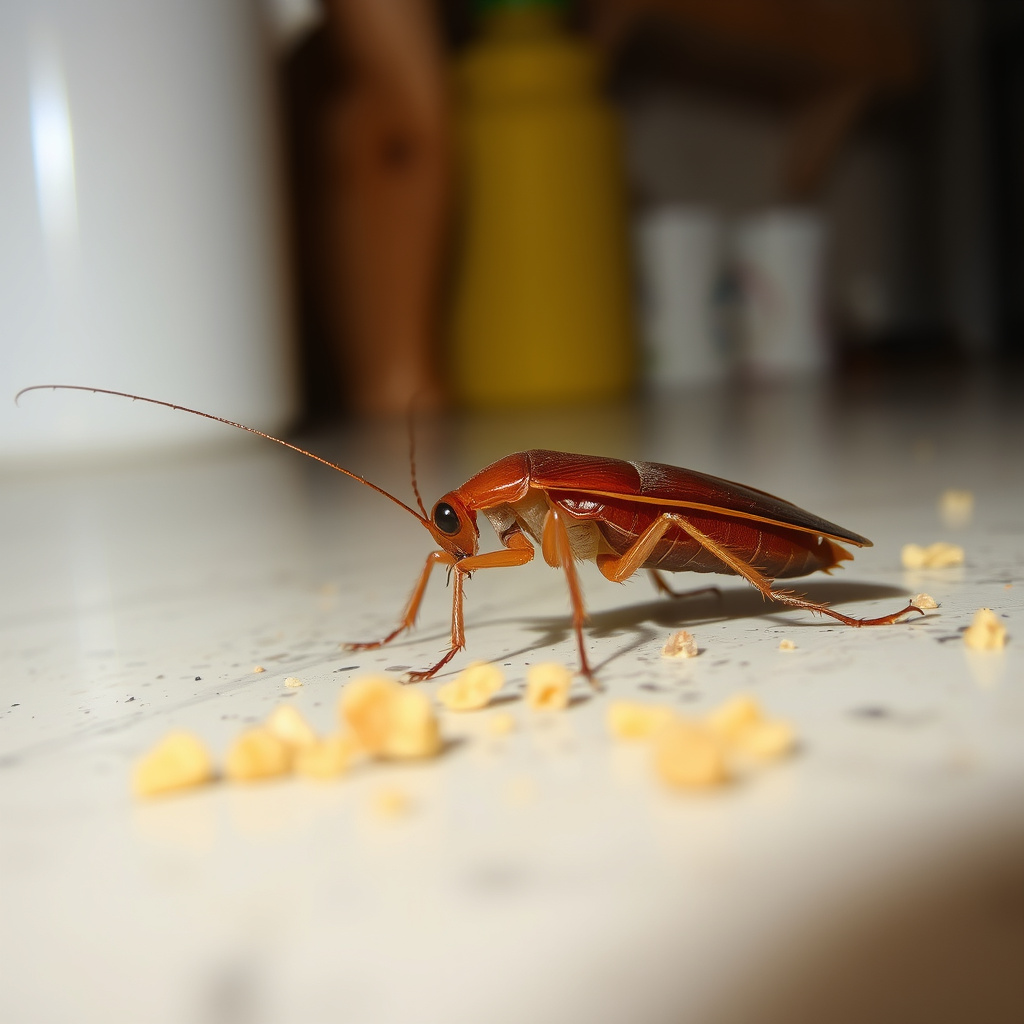
Common Roach Species Found in Kitchens
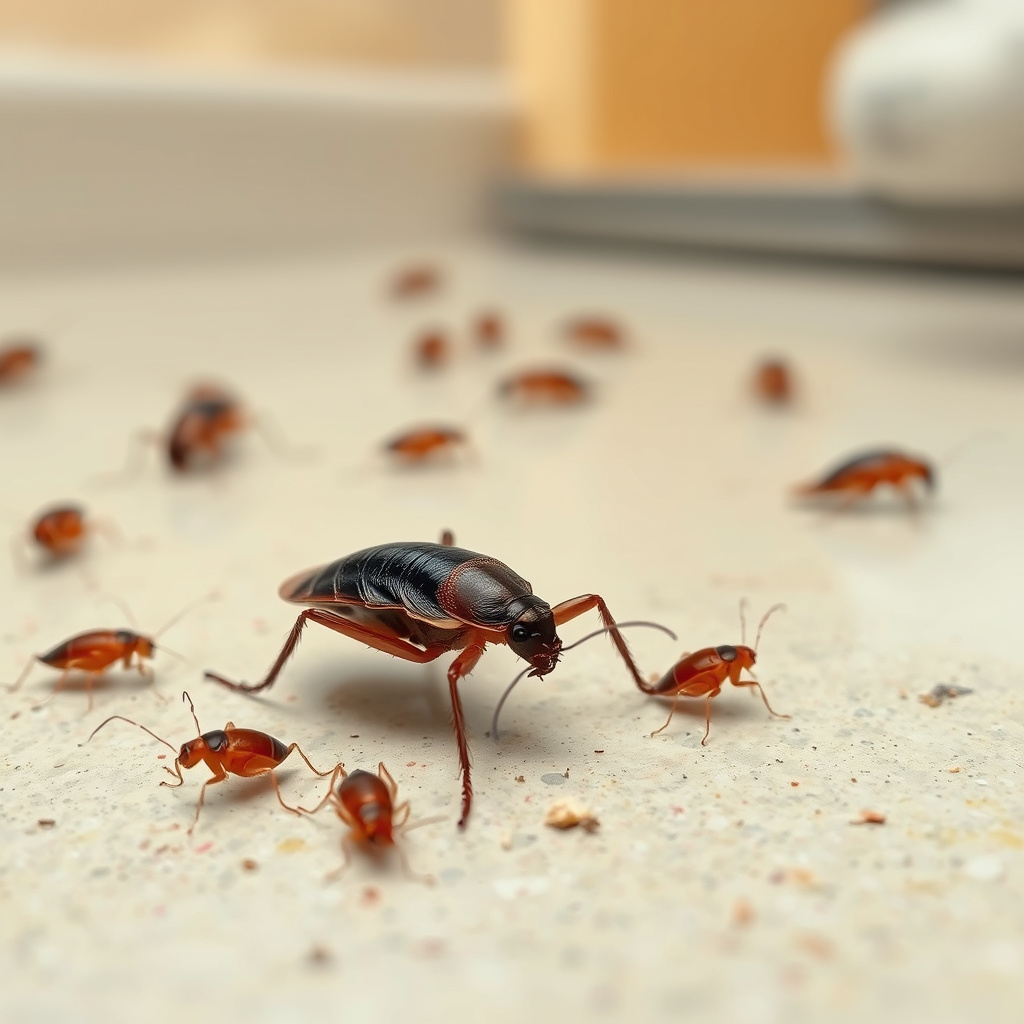
The most common roaches in kitchens are German cockroaches and American cockroaches. German cockroaches are smaller, light brown with two dark stripes, and reproduce rapidly. American cockroaches are larger, reddish-brown, and prefer moist areas.
Identifying the species helps tailor control strategies because German cockroaches hide in cracks and multiply quickly, while American cockroaches are often found near drains or sewers. Both can carry pathogens that contaminate food.
Signs and Symptoms of Roach Infestations
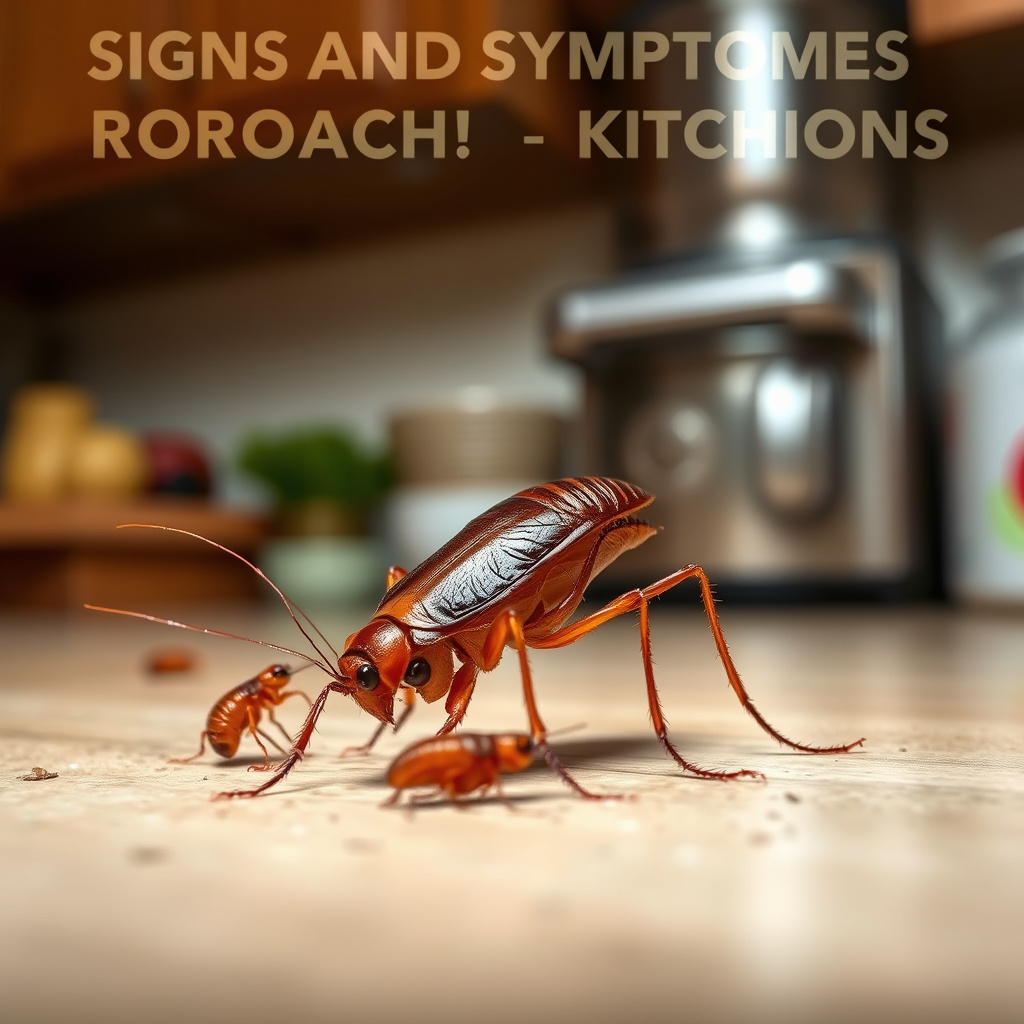
Look for droppings that resemble black pepper flakes, egg cases called ootheca, shed skins, and an oily, musty odor. Roaches are nocturnal and often scatter when lights turn on.
Spotting live roaches during the day usually indicates a heavy infestation. Frequent sightings near food prep surfaces or inside cabinets are strong infestation indicators.
Sanitation: The First Step to Get Rid of Roaches in Kitchen
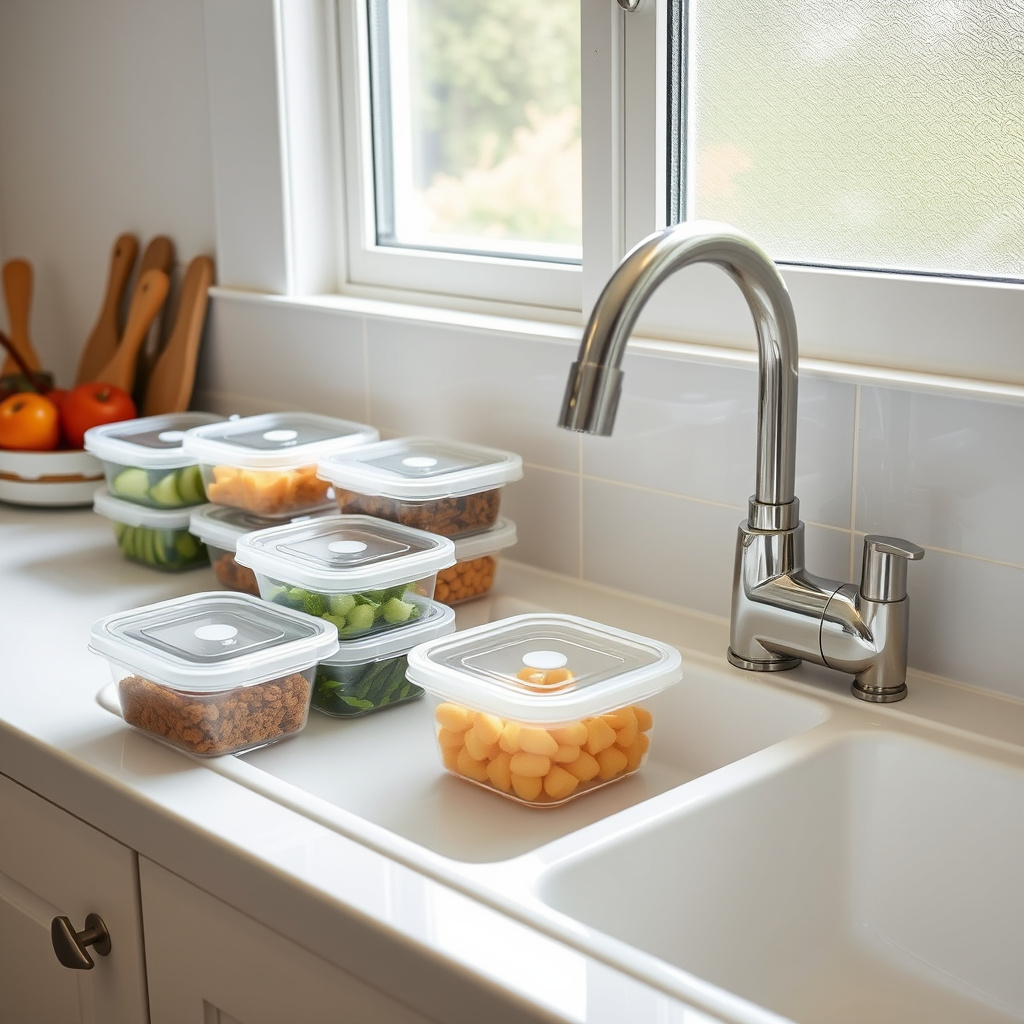
Cleaning Techniques to Deny Roaches Food and Water
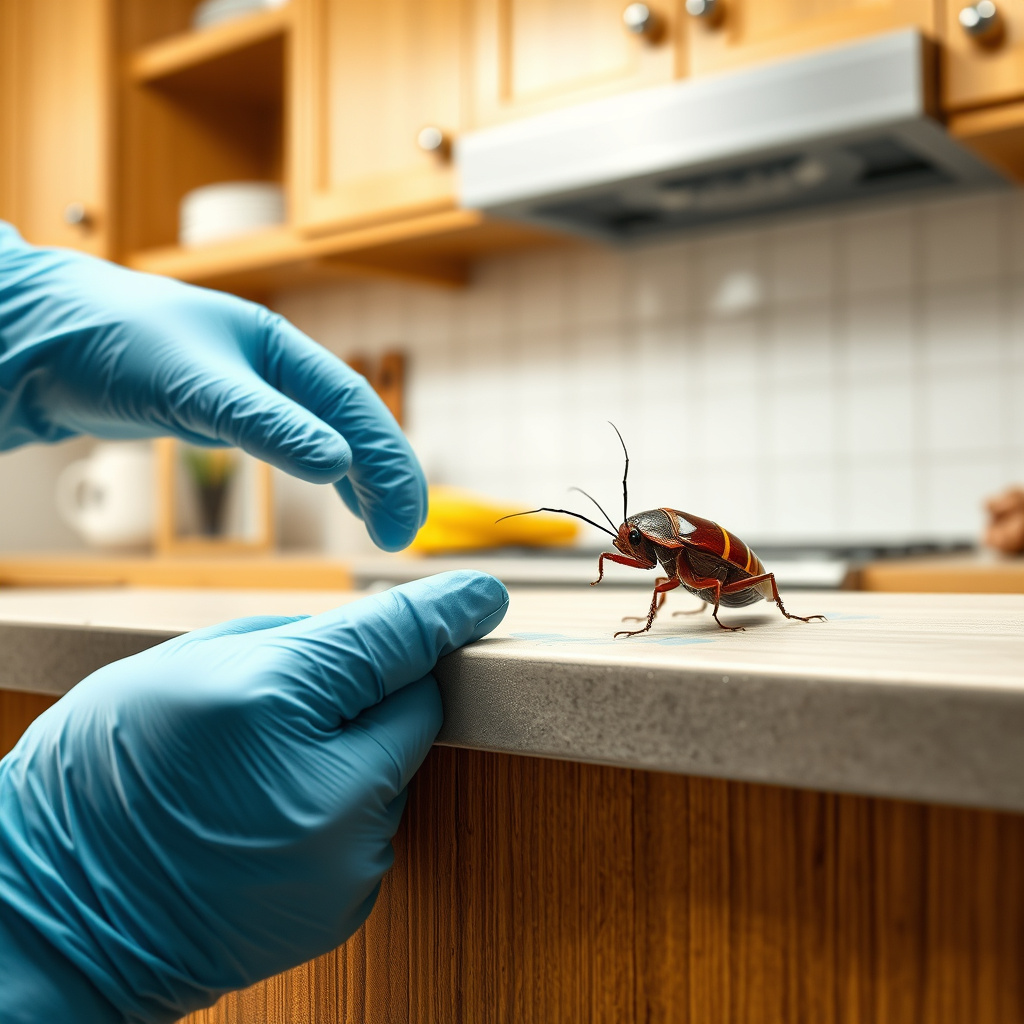
Regularly wipe down counters, sweep floors, and clean under appliances to remove crumbs and spills. Avoid leaving dirty dishes or pet food overnight and store all food in airtight containers.
Fix leaking faucets and eliminate standing water, as roaches need moisture to survive. Empty trash daily and use bins with tight-fitting lids to prevent access to scraps.
- Wipe surfaces after cooking
- Store food in sealed containers
- Empty and clean trash regularly
- Fix water leaks promptly
Organizing and Decluttering to Remove Roach Hiding Places
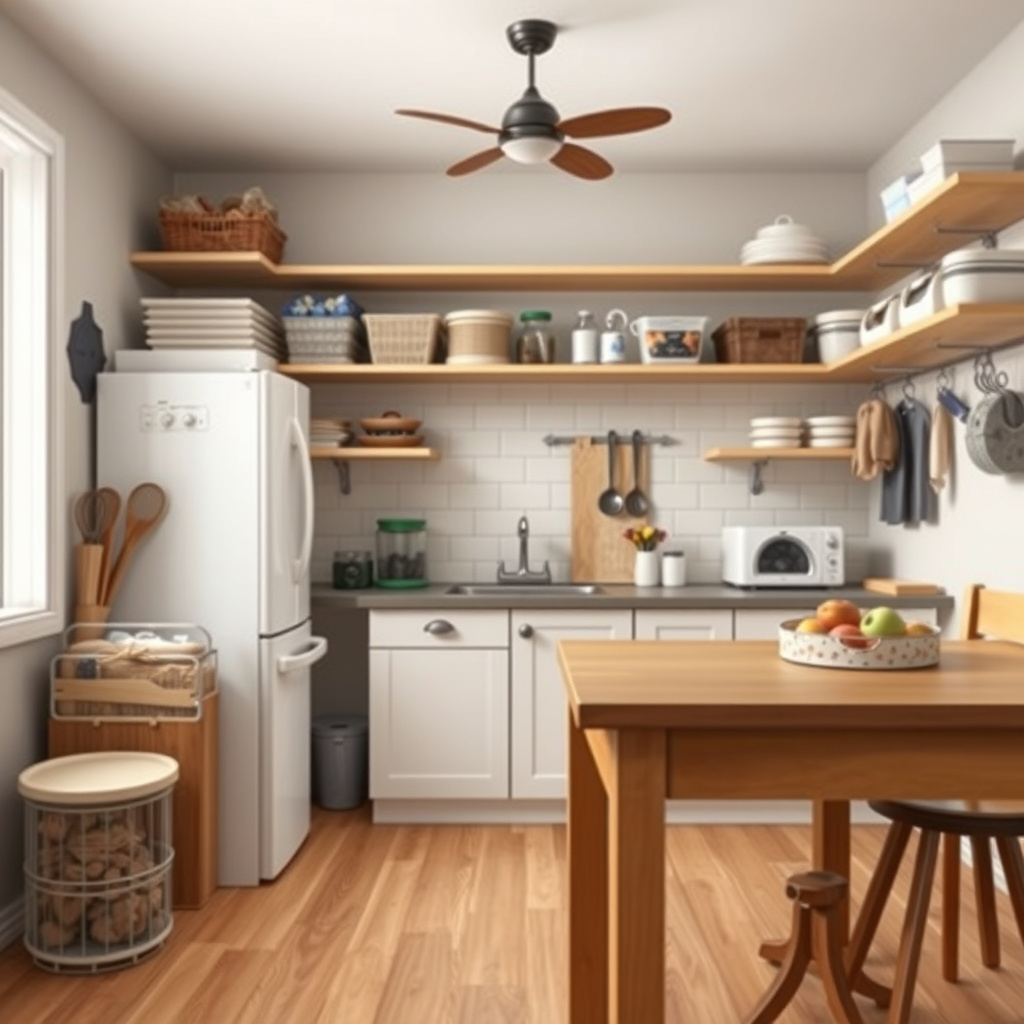
Remove cardboard boxes and piles of paper where roaches can hide. Keep cabinets organized and reduce clutter inside drawers and pantry shelves to minimize shelter options.
Use plastic storage bins instead of cardboard and seal cracks where roaches often nest, such as behind appliances and inside cabinetry joints.
- Use plastic containers instead of cardboard
- Seal cracks and crevices
- Declutter cabinets and pantry
- Keep under-sink areas tidy
Effective Roach Control Products and Strategies
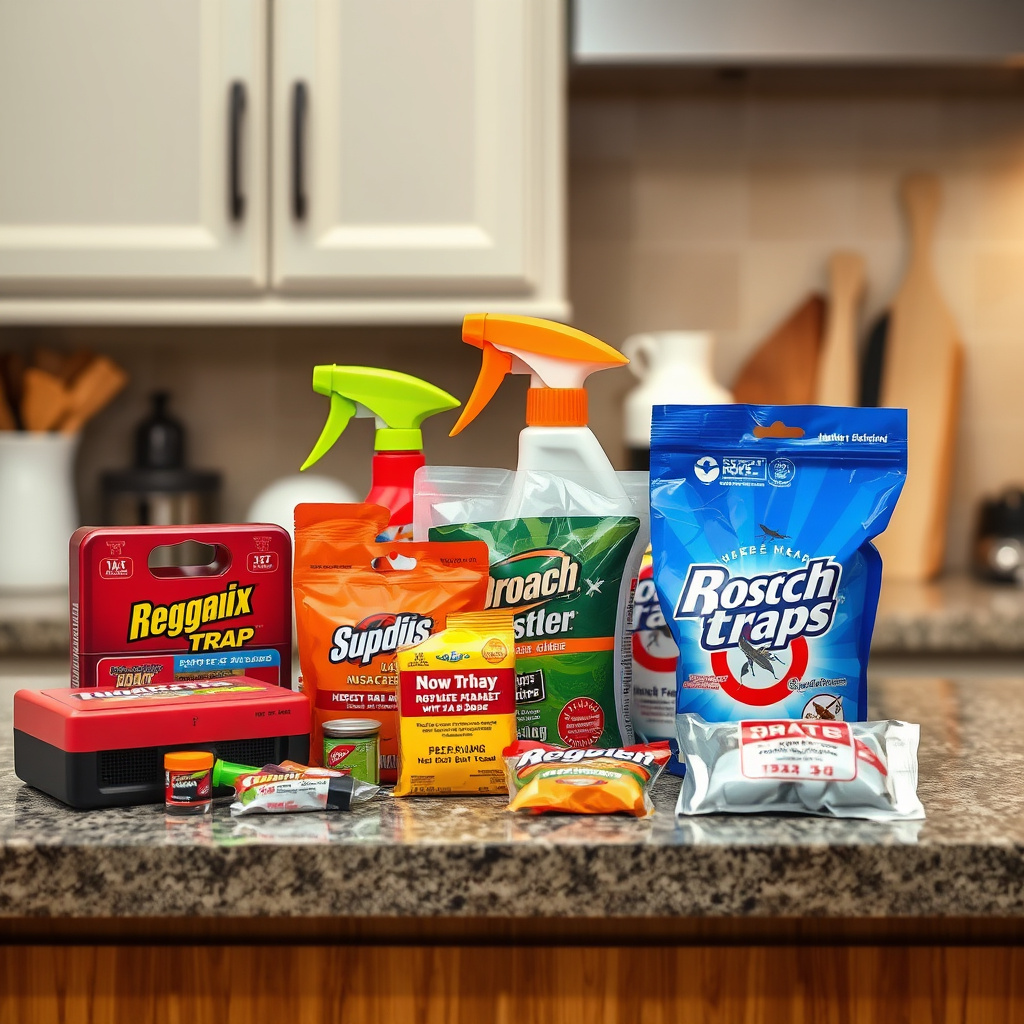
Using Baits and Traps for Targeted Roach Control
Gel baits contain slow-acting poison that roaches carry back to nests, killing others. Place these in areas where roaches travel, such as behind appliances and under sinks.
Sticky traps help monitor roach activity and capture individuals but are less effective as a sole control method. They are useful for assessing infestation levels and placement of baits.
- Apply gel bait in cracks and crevices
- Use sticky traps near entry points
- Replace traps regularly for monitoring
For more on this, see our related guide: Can Lighting in Kitchen Improve Cooking and Ambiance?.
Insecticide Sprays and Dusts: When and How to Use
Residual sprays can provide longer-term roach control when applied to baseboards, behind appliances, and under cabinets. Always follow label instructions to ensure safety in a kitchen environment.
Insecticidal dusts work well inside wall voids and hard-to-reach cracks. They cling to roaches’ bodies and kill over time, but only apply dusts to dry, undisturbed places to maintain effectiveness.
- Use sprays on non-food surfaces
- Apply dusts in voids and cracks
- Avoid spraying food prep areas directly
- Follow safety precautions on labels
Preventing Roach Return with Kitchen Maintenance
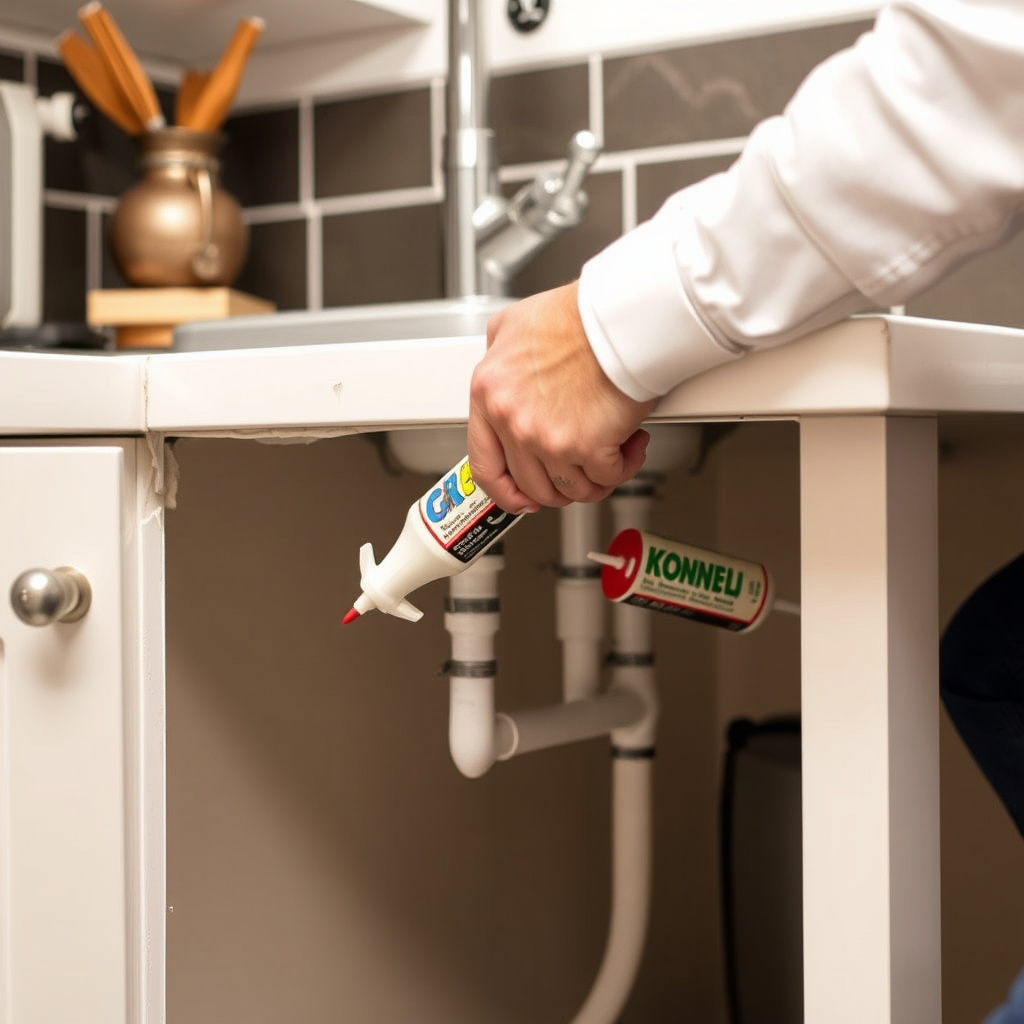
Sealing Entry Points and Cracks
Roaches squeeze through tiny gaps, so seal cracks around pipes, baseboards, and doors with silicone caulk. Inspect and maintain seals around windows and vents to block access.
Routine inspection after treatment helps spot new entry points early, reducing chances of reinfestation.
- Seal cracks with silicone caulk
- Inspect plumbing entry points
- Check baseboards and door gaps
- Maintain window and vent seals
Long-Term Habits to Avoid Roach Infestations
Keep kitchen tidy daily, store food properly, and remove trash regularly. Limit moisture build-up by using exhaust fans and repairing drips. These habits maintain an environment that discourages roaches from returning.
Regularly monitor with sticky traps and follow up immediately on any sightings to control small incursions before they grow.
- Daily cleaning routine
- Proper food storage
- Use exhaust fans to reduce moisture
- Monitor with traps regularly
Professional Roach Extermination: When to Call an Expert
Signs You Need Professional Help
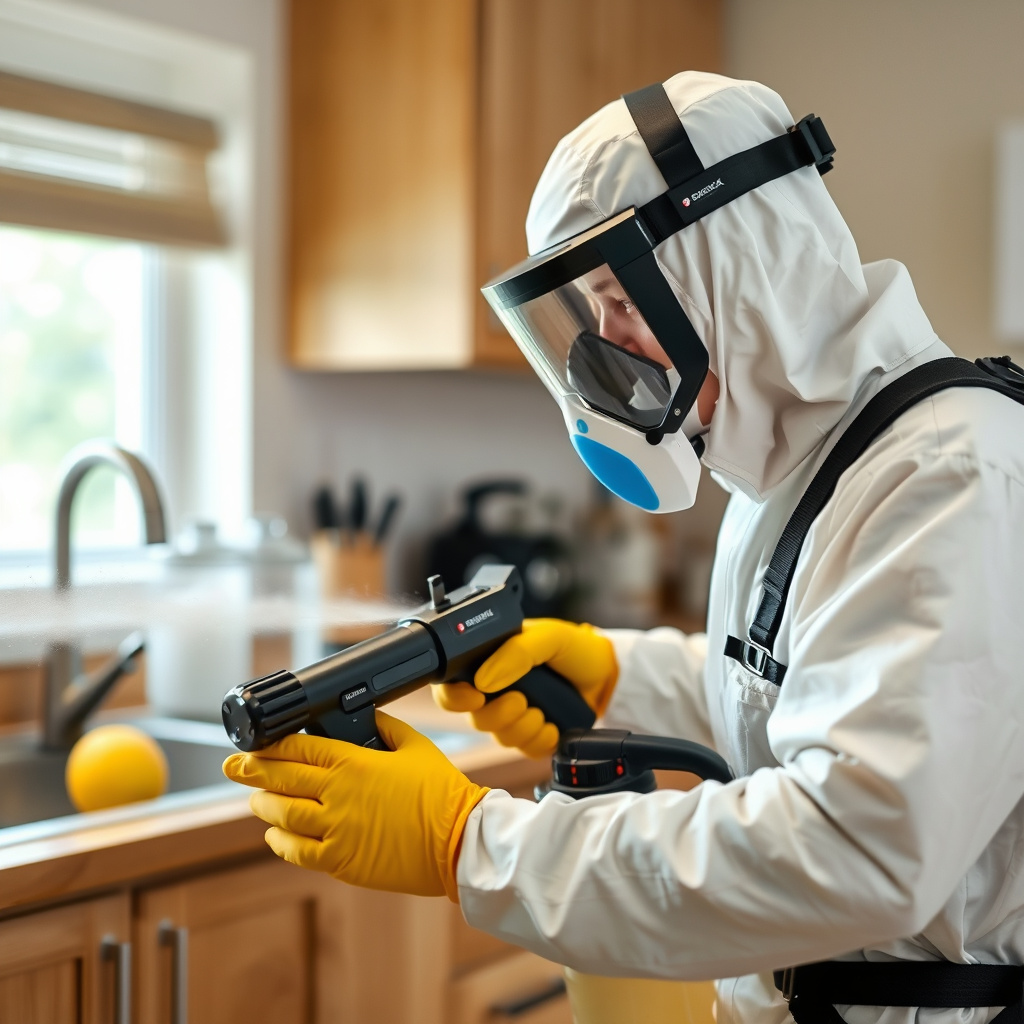
If infestations persist despite thorough cleaning and over-the-counter treatments, or if roaches appear during the day frequently, professional pest control may be necessary. Professionals have access to stronger products and targeted techniques.
Heavy infestations can pose health risks and be difficult to treat alone, especially in multi-unit buildings where neighbors may also contribute to the problem.
- Persistent, heavy roach activity
- Daily sightings of live roaches
- Ineffective DIY treatments
- Multi-unit or complex infestations
For more on this, see our related guide: How to Reface Kitchen Cabinets: A Step-by-Step Guide for a Fresh Look.
What to Expect from Professional Services
Technicians perform inspections, apply advanced insecticides, set professional-grade baits, and offer advice on prevention. They typically follow up with multiple treatments to break the infestation cycle.
Many professionals provide integrated pest management plans combining chemical, mechanical, and sanitation approaches for lasting control.
- Initial inspection and assessment
- Application of stronger insecticides
- Follow-up visits and monitoring
- Customized prevention guidance
Natural and Home Remedies for Roach Control
Using Boric Acid and Diatomaceous Earth Safely
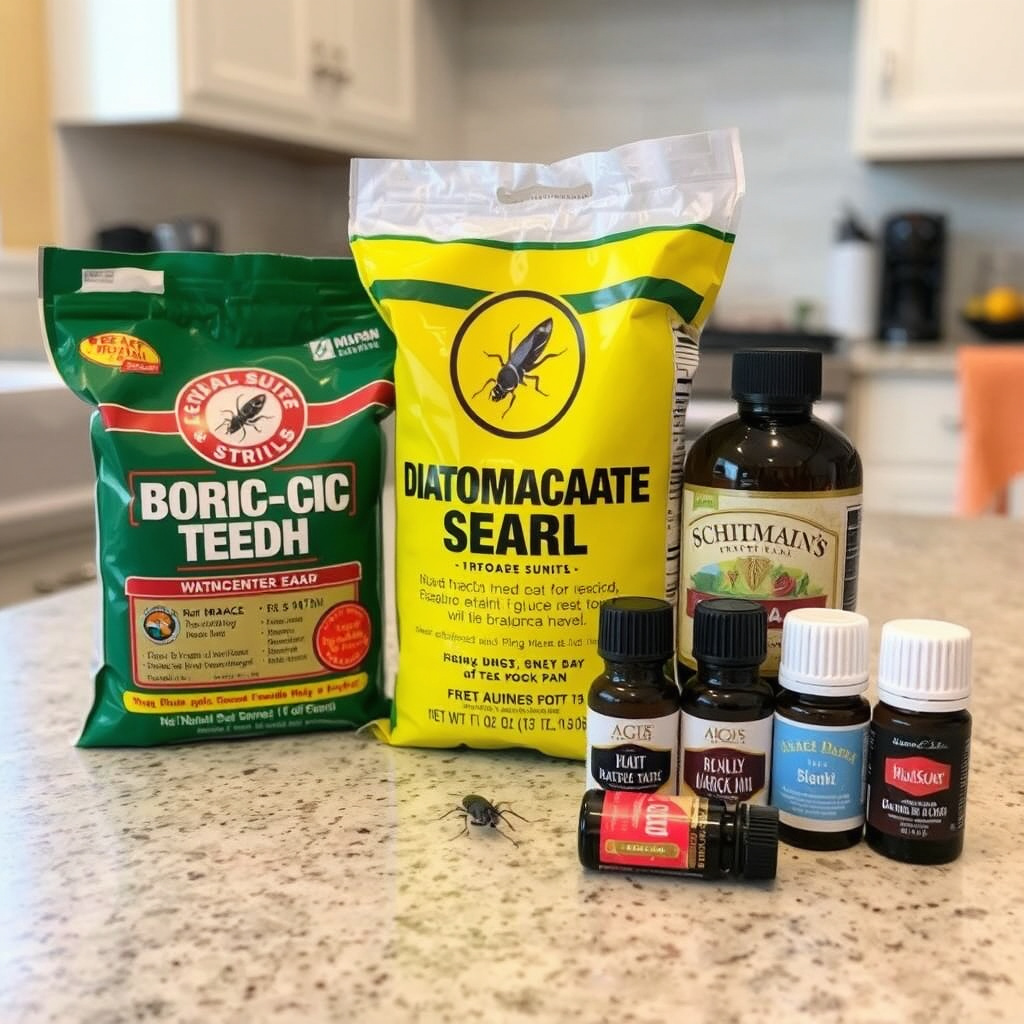
Boric acid acts as a stomach poison when ingested by roaches and is often effective when lightly dusted in cracks. Diatomaceous earth works by abrading the roach’s exoskeleton causing dehydration.
Apply these powders sparingly in dry, inaccessible areas to children and pets, as ingestion can be harmful. They provide chemical-free alternatives with some efficacy in reducing roach populations.
- Apply thin layers in cracks and crevices
- Keep powders away from food and pets
- Reapply after cleaning or moisture exposure
For detailed information on safe and effective cockroach management, consult the Cockroach Control Guidelines provided by the EPA. Cockroach Control Guidelines by the EPA.
Essential Oils and Other Home Remedies
Certain essential oils like peppermint, tea tree, and eucalyptus may repel roaches due to their strong odor. Using sprays made from these oils can discourage entry but rarely eliminate infestations alone.
Other remedies include homemade traps and maintaining dry environments. While home remedies support prevention, combining them with sanitation and conventional controls yields better results.
- Use essential oil sprays near entry points
- Combine with traps for monitoring
- Don't rely solely on natural repellents
Roach Control Methods Category Comparison
This table compares several common roach control options by effectiveness, safety, and ease of use to help decide which fits your kitchen situation best.
| Method | Effectiveness | Safety for Kitchen Use | Ease of Application |
|---|---|---|---|
| Gel Baits | High | Medium | Easy |
| Sticky Traps | Low – Medium | High | Very Easy |
| Insecticide Sprays | High | Low – Medium | Moderate |
| Boric Acid / Diatomaceous Earth | Medium | Medium | Moderate |
| Essential Oils | Low | High | Easy |
| Professional Extermination | Very High | Professional Use Only | Handled by Experts |
Frequently Asked Questions
How long does it take to get rid of roaches in the kitchen?
Complete elimination often takes several weeks of consistent cleaning, baiting, and treatment because roach eggs hatch over time and survivors can reproduce quickly.
Are roach sprays safe to use around food?
Most sprays should not be applied directly on food contact surfaces. Apply sprays on baseboards or behind appliances and always follow label safety instructions for kitchen use.
Can roaches come back after treatment?
Yes, if sanitation habits and preventive measures are not maintained, roaches can re-enter from nearby sources or leftover eggs can hatch, causing reinfestation.
Is boric acid safe to use if I have pets?
Boric acid can be toxic to pets if ingested in large amounts. Use it cautiously in areas inaccessible to pets and keep food and water bowls well away from treated sites.
Do natural remedies really work to repel roaches?
Natural repellents like essential oils may help deter roaches temporarily but usually are not strong enough to eliminate infestations without additional control methods.
Key Takeaways
- Maintain strict kitchen sanitation to cut off roach food and water sources.
- Use a combination of gel baits and traps for effective roach control.
- Seal entry points and reduce clutter to prevent roach hiding places.
- Call professional exterminators for persistent or heavy infestations.
Conclusion
Choosing how to get rid of roaches in the kitchen requires a multi-faceted strategy combining cleanliness, targeted treatments, and ongoing prevention. Understanding roach behavior and signs helps detect infestations early, allowing faster responses. Eliminating food and moisture sources deprives roaches of survival essentials, which is fundamental for any control effort alongside products like baits or sprays.
For light infestations, maintaining impeccable sanitation and using gel baits or natural remedies can reduce roach numbers significantly. Sticky traps help monitor activity levels and treatment effectiveness. In severe cases or when DIY methods fail, professional pest control experts apply advanced insecticides and conduct thorough inspections to break infestations. Sealing cracks and organizing the kitchen minimizes future risk.
Start by cleaning thoroughly, then apply gel bait in areas roaches frequent while monitoring with traps. Keep the kitchen dry and uncluttered, and regularly inspect for signs of roaches. If roaches keep appearing despite efforts, contact a pest control professional promptly. Following these steps offers the best chance for a roach-free kitchen that safeguards your health and food safety.