How to Get Rid of Cockroaches in Kitchen: Effective Strategies That Work
The most effective way to get rid of cockroaches in your kitchen involves a combination of thorough cleaning, sealing entry points, and using targeted treatments like baits or insecticides. Eliminating food sources and moisture is critical to drive cockroaches away and prevent reinfestation.
Cockroaches are not only unpleasant to see but carry bacteria and allergens that can compromise health. Kitchens provide ideal environments with food crumbs, water leaks, and warmth, making them especially vulnerable to infestations. Quickly addressing the problem is essential to maintaining a sanitary home.
This article walks through practical steps to eliminate cockroaches in the kitchen, discussing prevention, cleaning protocols, natural remedies, chemical options, and how to choose the best cockroach control methods based on infestation severity and your household needs.
Understanding Cockroach Behavior in Kitchens
Why Kitchens Attract Cockroaches
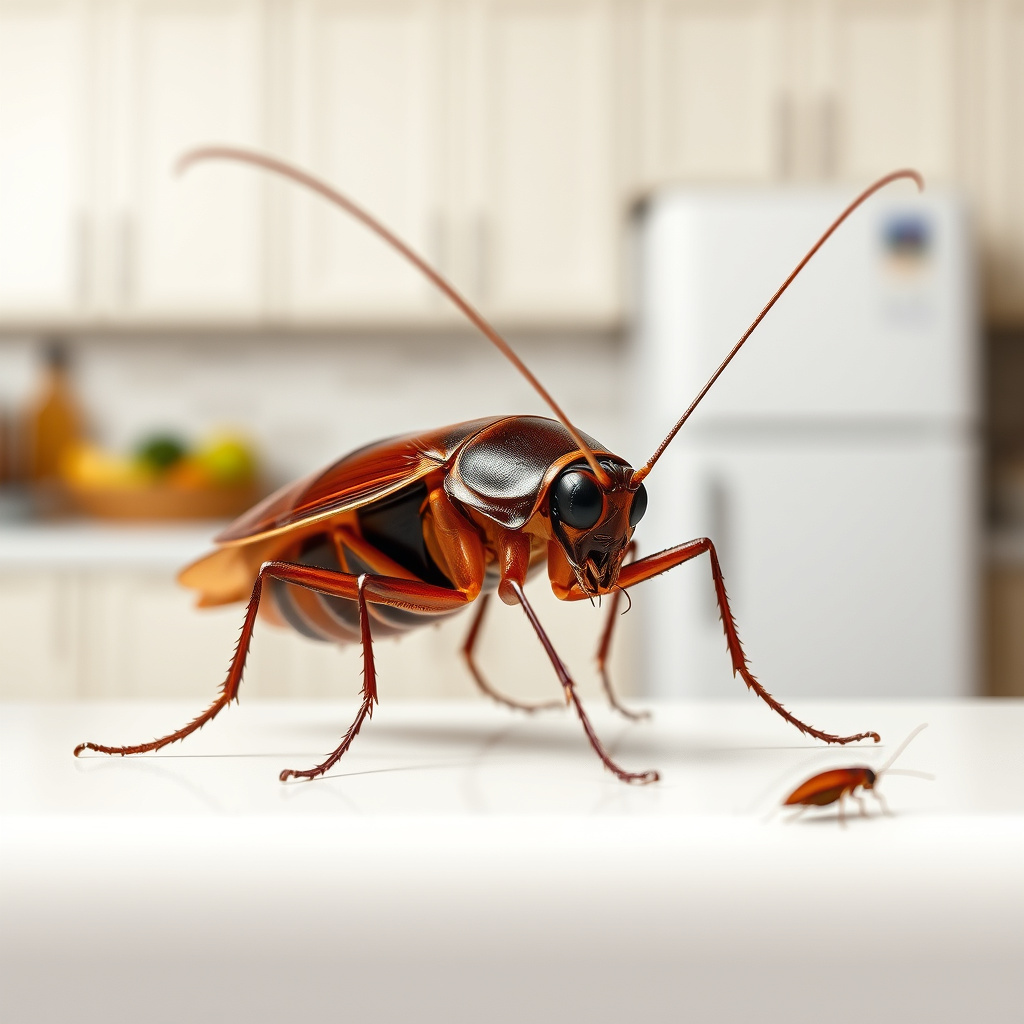
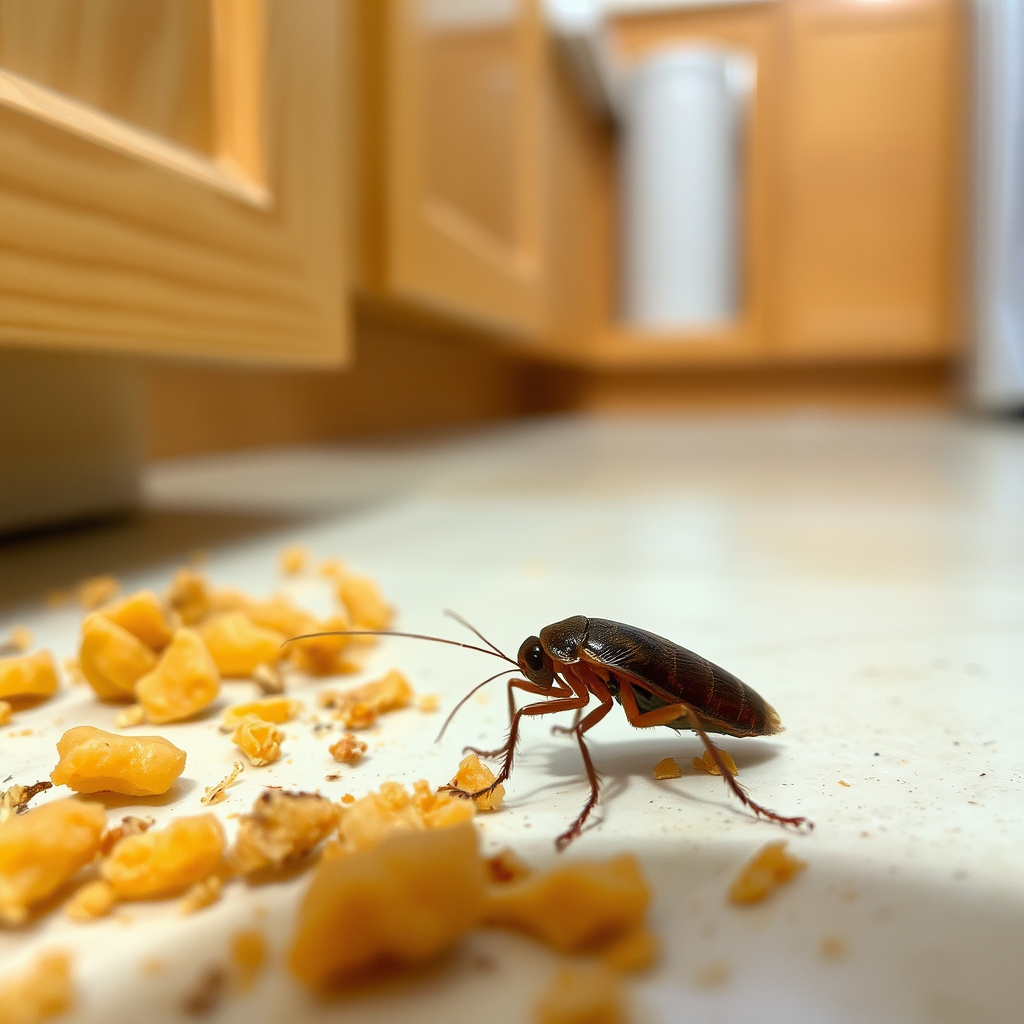
Cockroaches seek out warm, moist environments with easy access to food. Kitchens provide an abundant supply of both through unwashed dishes, sticky spills, and leaking pipes. Even small crumbs or grease residues can attract them.
They are primarily nocturnal and hide in cracks, under appliances, and behind cabinets during the day. Understanding their behavior can help in targeting your control methods effectively.
Common Cockroach Species in Homes
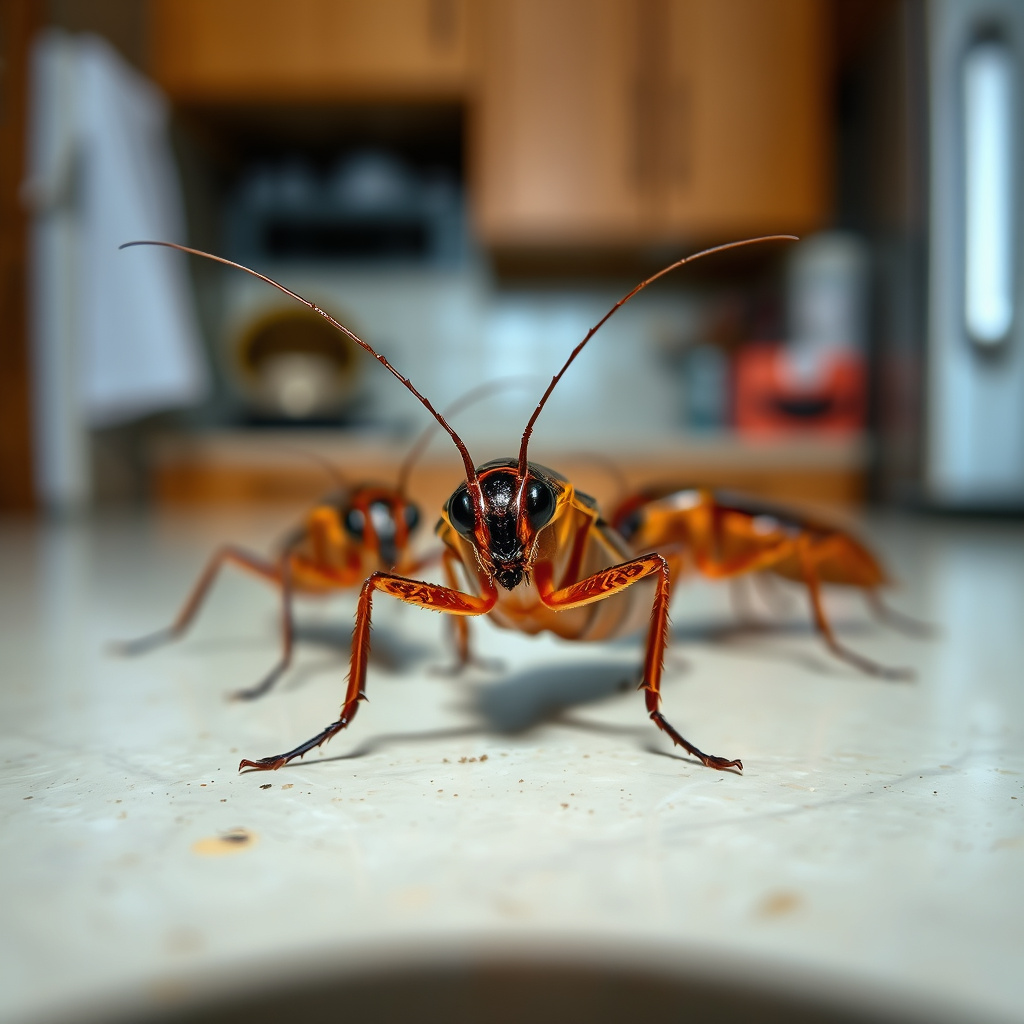
The most common species found in kitchens include the German cockroach, American cockroach, and Oriental cockroach. Each varies slightly in size and habitat preference but shares similar habits that make kitchens vulnerable.
German cockroaches are the most frequent invaders, favoring tight spaces near food. Identifying the species can guide the choice of bait or insecticide for effective control.
Sanitation and Prevention Techniques

Cleaning Routines That Reduce Cockroach Attractants
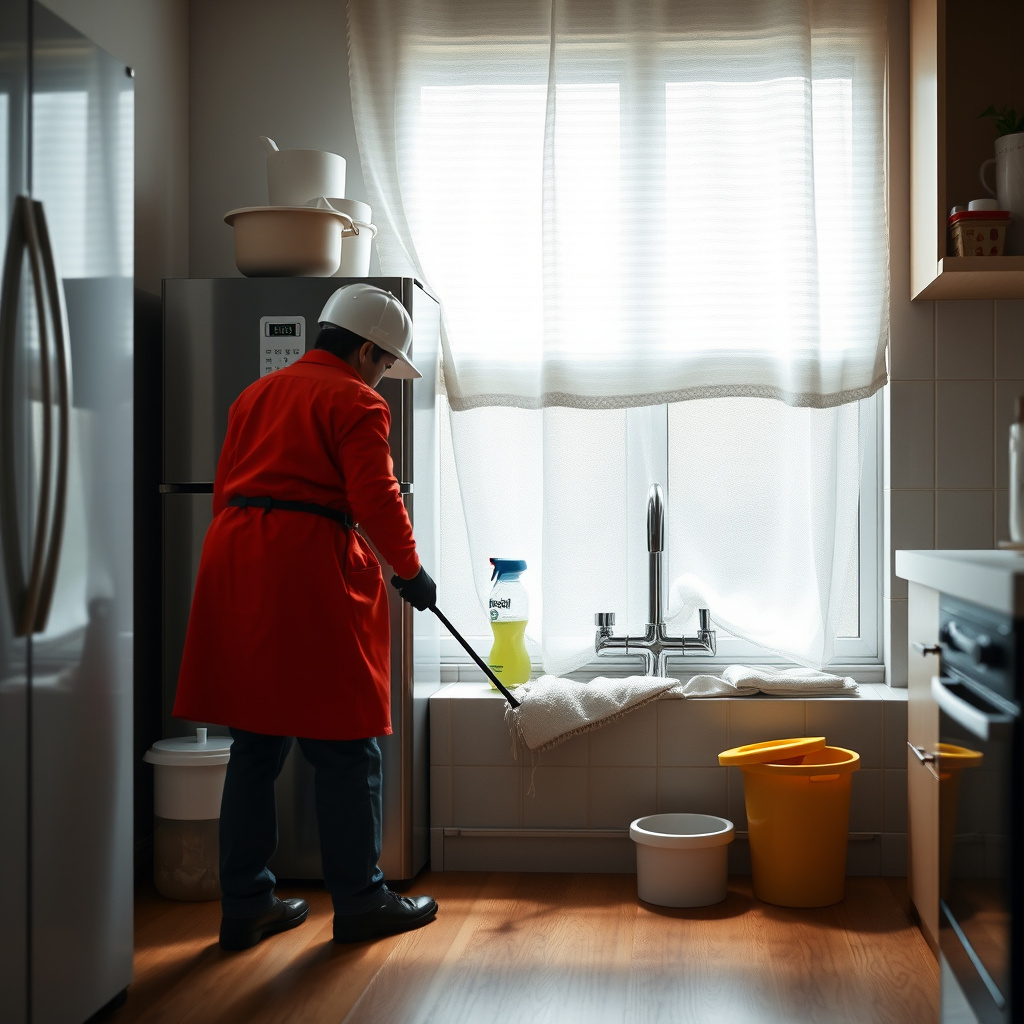
Regularly wiping down counters, sweeping floors, and cleaning under appliances stops cockroaches from finding food. Removing crumbs, grease, and spills promptly is essential. Taking out the trash often and keeping bins sealed also helps.
Store food in airtight containers and avoid leaving pet food out overnight. Eliminating these attractants creates an environment cockroaches find inhospitable.
- Wipe up spills immediately
- Sweep and mop floors nightly
- Store food in sealed containers
- Empty garbage frequently
Sealing Entry Points to Block Access

Cockroaches enter through cracks, gaps around pipes, and spaces under doors. Carefully inspecting these areas and sealing with caulk or weather-stripping reduces their invasion routes effectively.
Pay special attention to areas behind sinks and near appliances where moisture and warmth combine to attract roaches.
- Caulk cracks and crevices
- Install door sweeps
- Seal gaps around pipes
Using Chemical and Natural Treatments
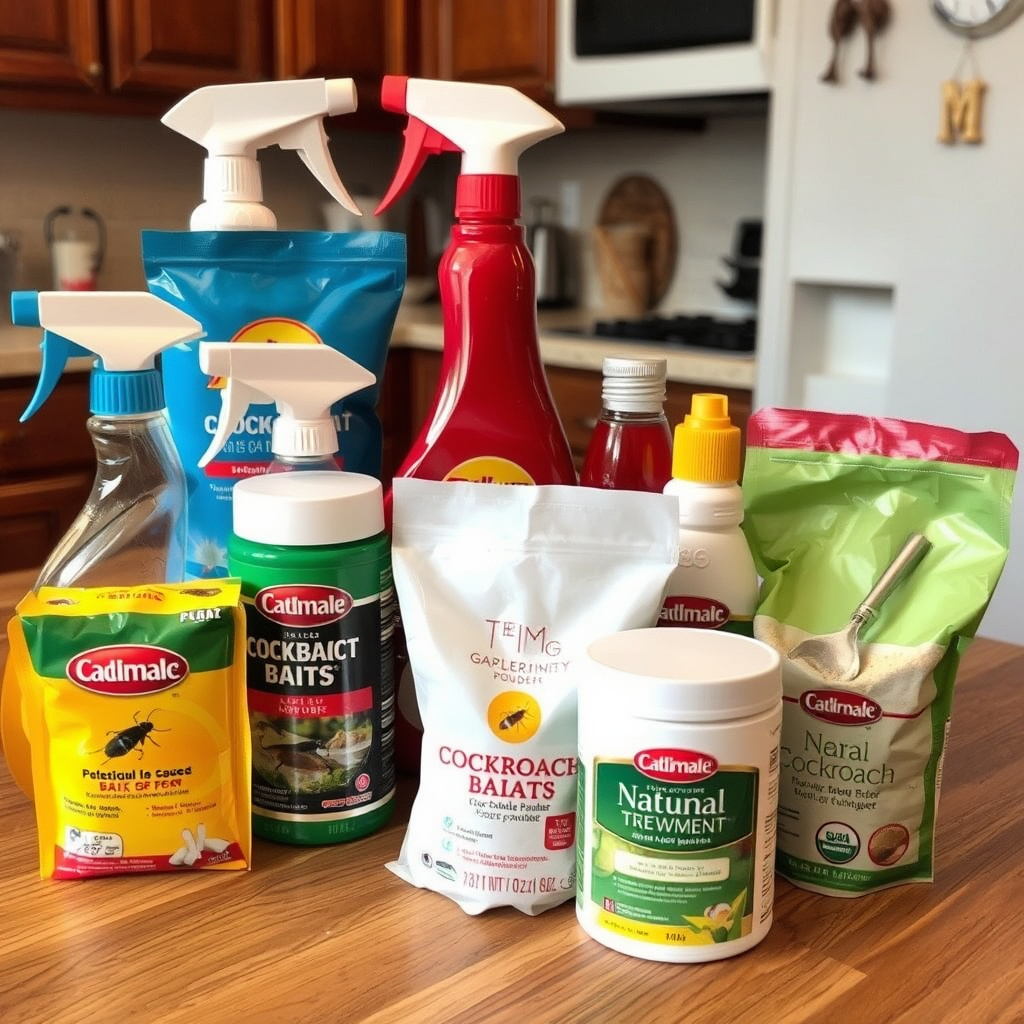
Applying Cockroach Baits and Insecticides Safely
Cockroach baits lure insects to poison that they carry back to their nests, effectively reducing populations. Gel baits placed in cracks and corners are especially effective indoors. Insecticidal sprays can also target visible roaches but require careful use due to toxicity risks.
Always follow label instructions, keep products out of children’s reach, and allow treated areas to dry before using.
- Use gel baits in suspected harborages
- Spray cracks sparingly and cautiously
- Keep treatments away from food prep areas
Natural Remedies for Minor Infestations
For light cockroach presence, natural substances like diatomaceous earth, boric acid powder, or essential oils such as peppermint or tea tree can deter and kill roaches with less chemical exposure.
Applying diatomaceous earth in thin lines under appliances and cabinets causes dehydration in insects. Regular reapplication is necessary, and these remedies work best combined with sanitation improvements.
- Diatomaceous earth dusting
- Boric acid in hidden areas
- Peppermint oil sprays
Professional Pest Control Options
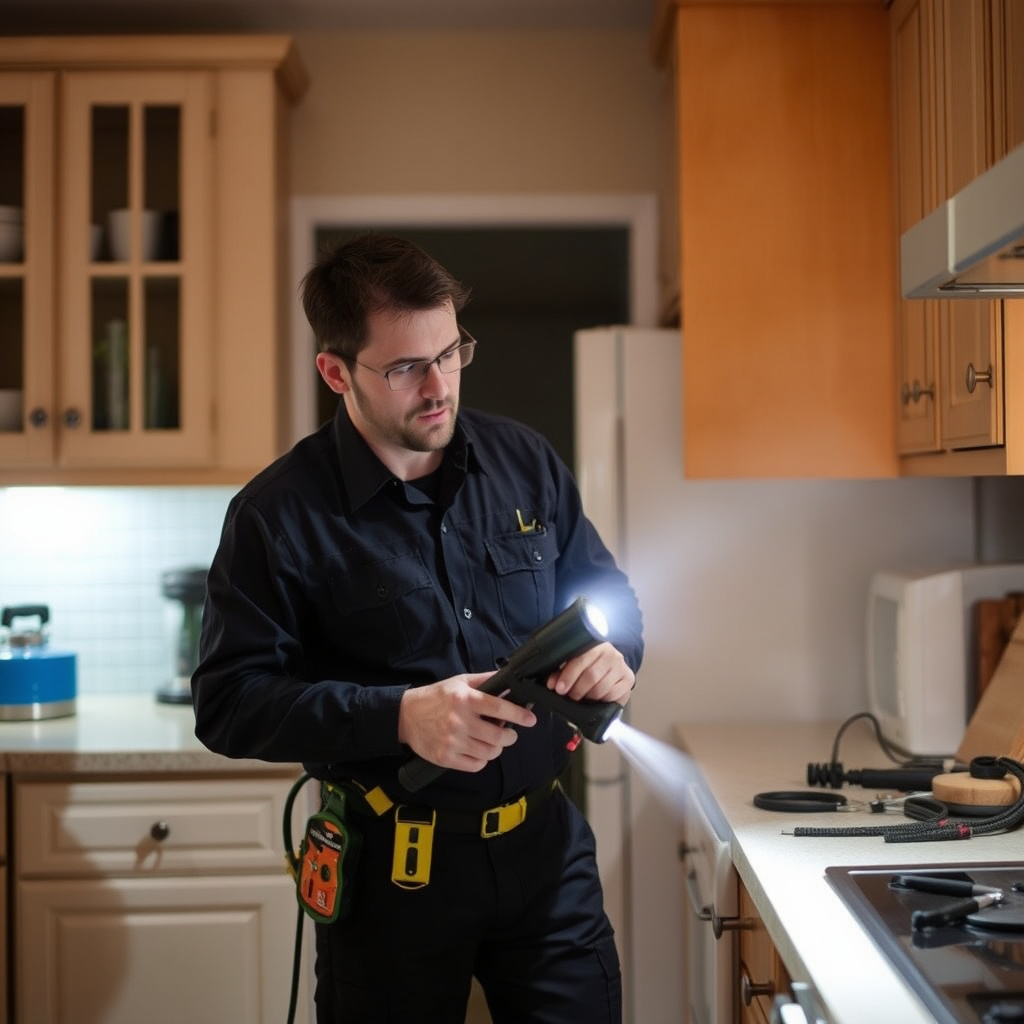
When to Call an Exterminator
Severe infestations or recurring issues often require professional intervention. Experts can perform thorough inspections, apply stronger treatments, and advise on long-term prevention strategies that may be unavailable to homeowners.
Hiring a licensed pest control service is recommended if DIY methods fail after several weeks or if cockroach activity spreads rapidly.
What to Expect From Professional Treatments
Professionals utilize a combination of baits, sprays, and sometimes fumigation depending on infestation extent. They target breeding areas inaccessible to typical DIY treatments, increasing success rates.
They also provide customized follow-up visits and recommendations for maintaining cockroach-free kitchens after treatment.
Long-term Cockroach Prevention in Kitchen

Maintaining a Cockroach-Resistant Kitchen Environment
Continuous diligence with cleaning, reducing moisture, and proper food storage makes your kitchen a less inviting place for cockroaches. Fixing leaks promptly and ventilating damp areas further discourages infestations.
Routine inspections and timely removal of any new signs of roaches prevent small problems from growing.
- Regular cleaning schedules
- Immediate leak repairs
- Proper ventilation
For detailed information on cockroach management, refer to the Cockroach Control Guide by the EPA. Cockroach Control Guide by the EPA.
Using Preventative Cockroach Control Methods
Applying low-toxicity bait stations or diatomaceous earth monthly near common entry points helps keep cockroach numbers down preemptively. Monitoring sticky traps reveals early signs of roach return, prompting timely action.
Combining these practices with overall kitchen maintenance offers the strongest long-term defense.
- Monthly bait station replacement
- Use of monitoring traps
- Routine application of natural powders
Cockroach Control Methods Comparison
Here is a breakdown of common cockroach control options, highlighting their effectiveness, safety, and usage considerations.
| Control Method | Effectiveness | Safety Level | Ease of Use | Cost |
|---|---|---|---|---|
| Gel Baits | High | Moderate (keep away from children) | Easy | Moderate |
| Insecticidal Sprays | High | Low to Moderate (chemical exposure) | Moderate | Low to Moderate |
| Diatomaceous Earth | Moderate | High (natural) | Easy | Low |
| Boric Acid Powder | Moderate to High | Moderate | Moderate | Low |
| Professional Pest Control | Very High | Variable (expert handled) | Very Easy | High |
Frequently Asked Questions
Can cockroaches survive without food for a long time?
Cockroaches can survive for weeks without food but need water to live. Cutting off their access to food and moisture helps starve them and eventually eliminates infestations.
Are natural remedies as effective as chemical treatments?
Natural remedies help with minor infestations and prevention but may not be sufficient for heavy cockroach populations, where chemical treatments or professional help are more effective.
How long does it take to get rid of cockroaches completely?
Depending on infestation size and control method, it typically takes a few weeks of consistent treatment and sanitation to eliminate cockroaches fully.
Is it safe to use cockroach sprays in kitchens?
Cockroach sprays can be used safely if applied according to label instructions and kept away from food, children, and pets. Ventilating the area after spraying is also recommended.
Do cockroaches develop resistance to common pesticides?
Yes, some cockroach populations have developed resistance to certain pesticides, making it necessary to rotate control methods or use professional treatments.
Key Takeaways
- Eliminate food and water sources to discourage cockroach presence in kitchens.
- Seal cracks and gaps to block cockroach entry points effectively.
- Use a combination of sanitation, natural remedies, and baits for best results.
- Call professional pest control for severe or persistent infestations.
Conclusion
Deciding how to get rid of cockroaches in your kitchen starts with understanding their habits and what attracts them. A thorough approach combines cleaning, sealing entry points, and targeted treatments to starve and poison them effectively. Consistency over weeks is key to breaking the breeding cycle and eliminating existing roaches.
For light infestations, implementing strict cleaning routines alongside natural remedies like diatomaceous earth and boric acid powder can significantly reduce cockroach numbers. In contrast, moderate to heavy infestations often demand gel baits or insecticidal sprays, sometimes supported by professional pest control services. Selecting control methods depends on your comfort with chemicals, infestation severity, and safety needs for your household.
After eliminating cockroaches, prioritize ongoing prevention by maintaining a tidy kitchen, fixing leaks promptly, and sealing entry points annually. Monitoring with traps or bait stations provides early warnings to keep your kitchen roach-free long term. Taking these systematic steps will help you achieve a healthy, hygienic kitchen environment free from unwelcome pests.